Southern Spain has timeless beauty, a rich history, and a vibrant culture. From the sun-drenched shores of the Costa del Sol to the Moorish palaces of Andalusia, this region offers an unforgettable blend of art, architecture, and tradition.
On this journey, Clare and I visited the cities of Estepona, Málaga, Córdoba, Gibraltar, and Ronda with Road Scholar, and Málaga and Sevilla on our own. We walked through ancient streets, marveled at historic landmarks, and savored the traditions that define Southern Spain. Whether you’re exploring the majestic Mezquita of Córdoba, standing atop the Rock of Gibraltar, or feeling the passion of flamenco, this trip was an invitation to step back in time and embrace the soul of Spain.
Estepona: The Hidden Gem of the Costa del Sol
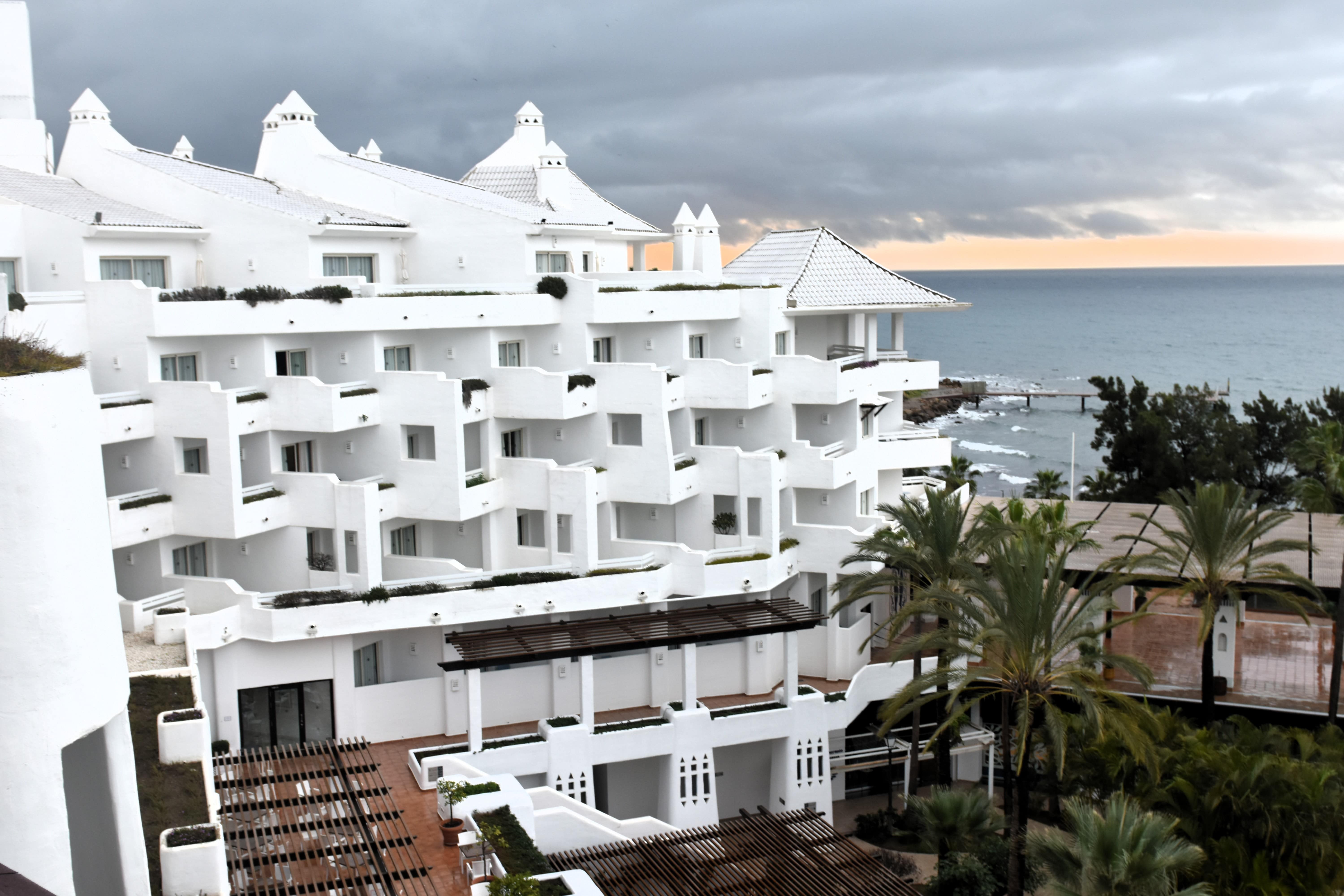
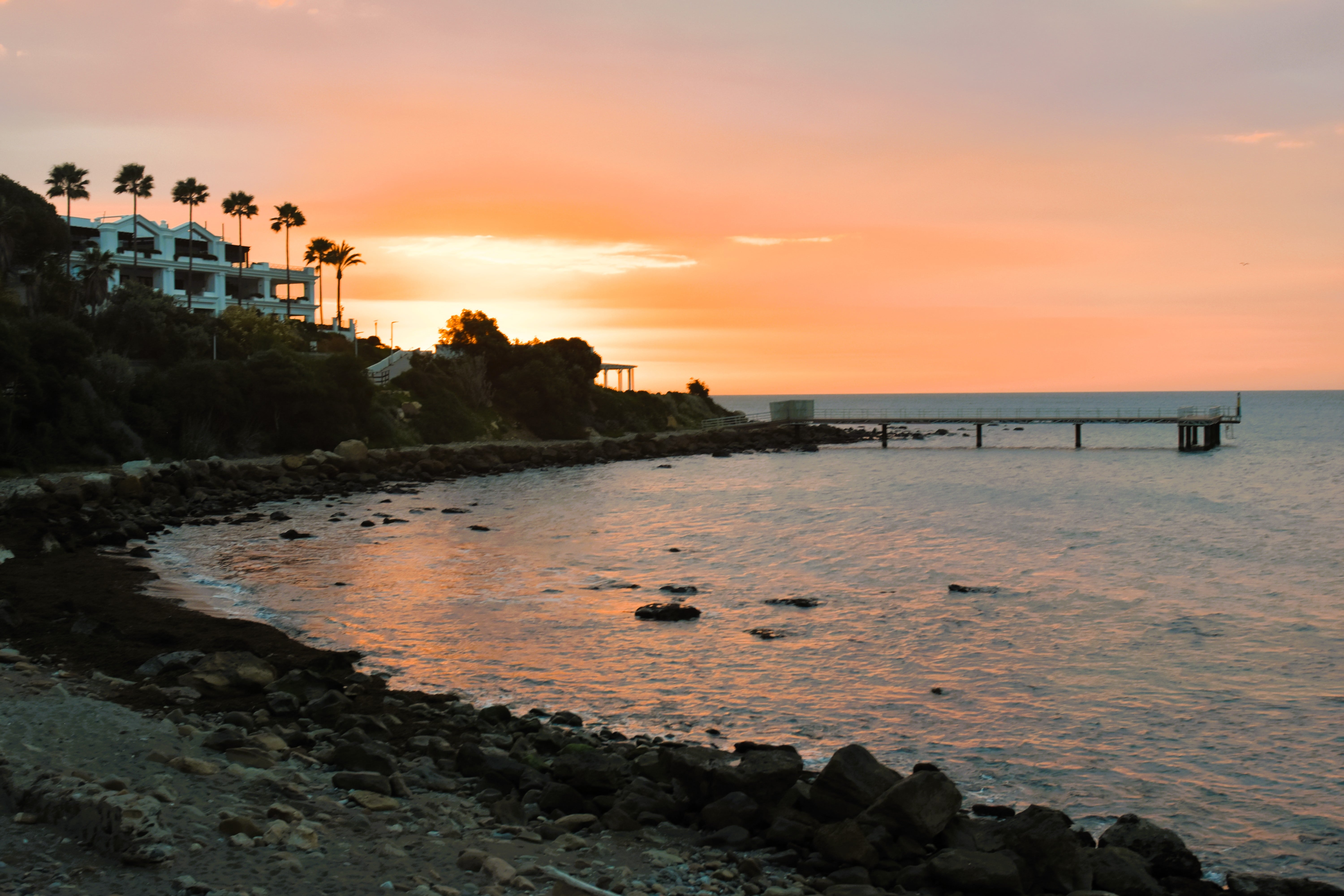
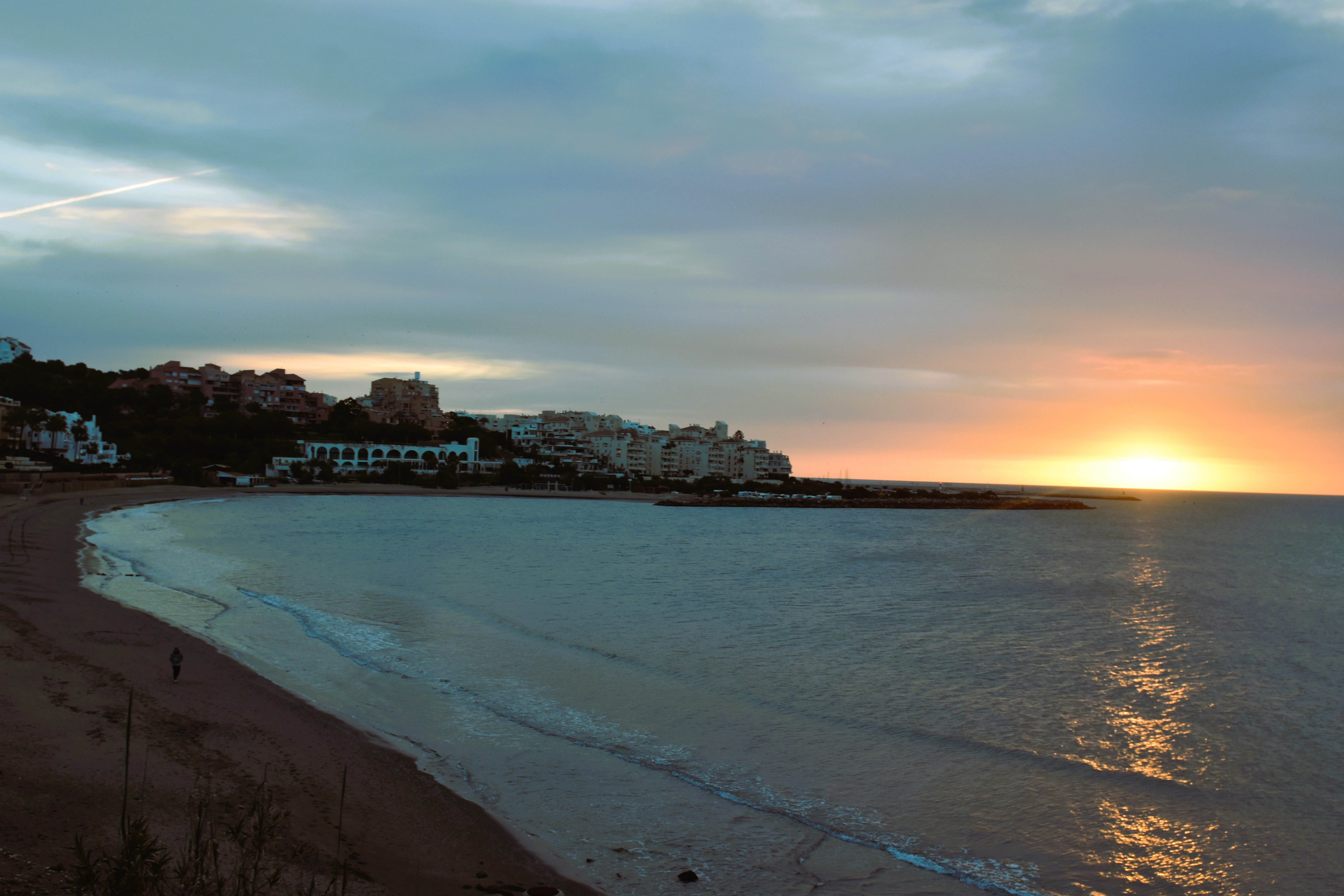
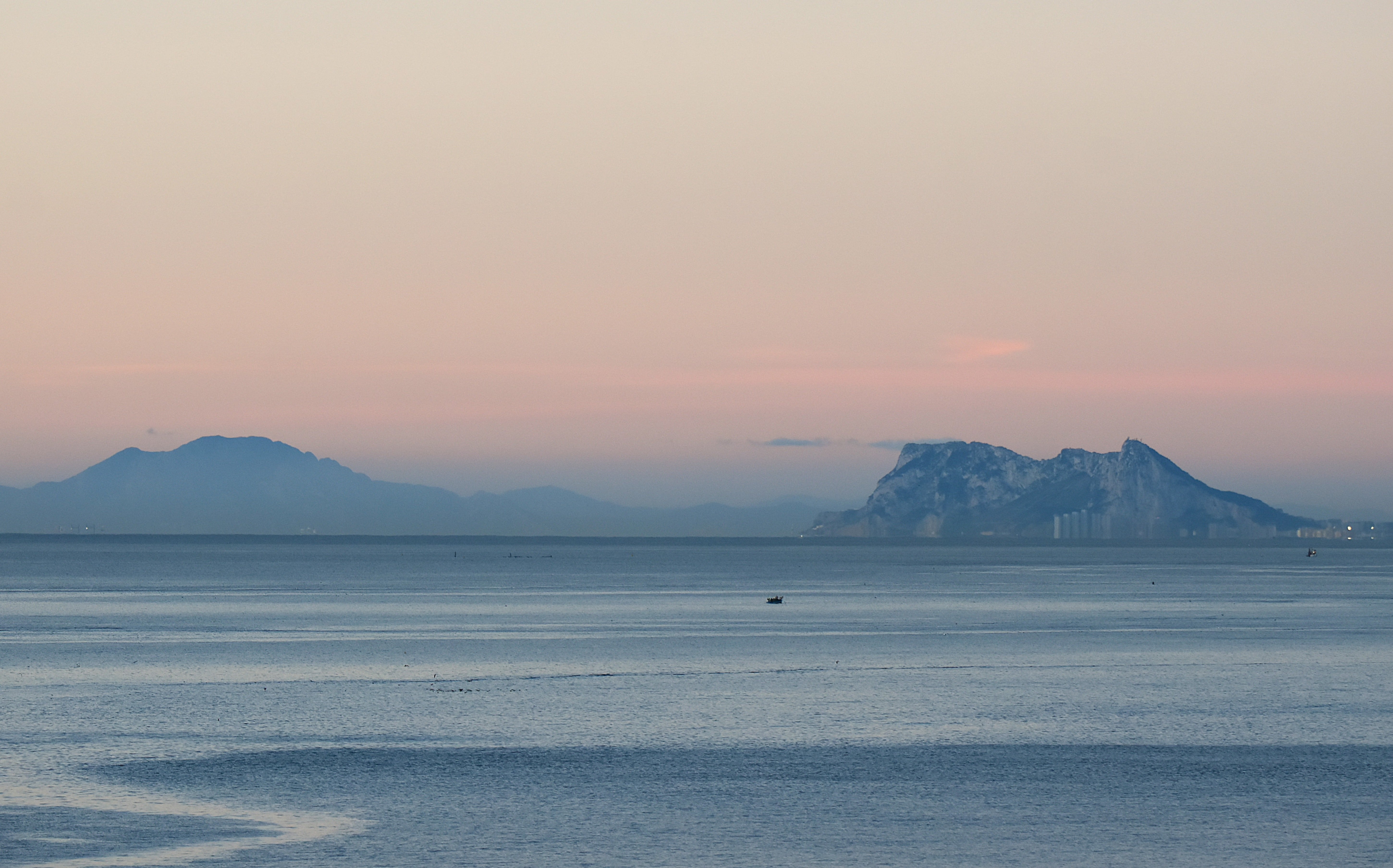
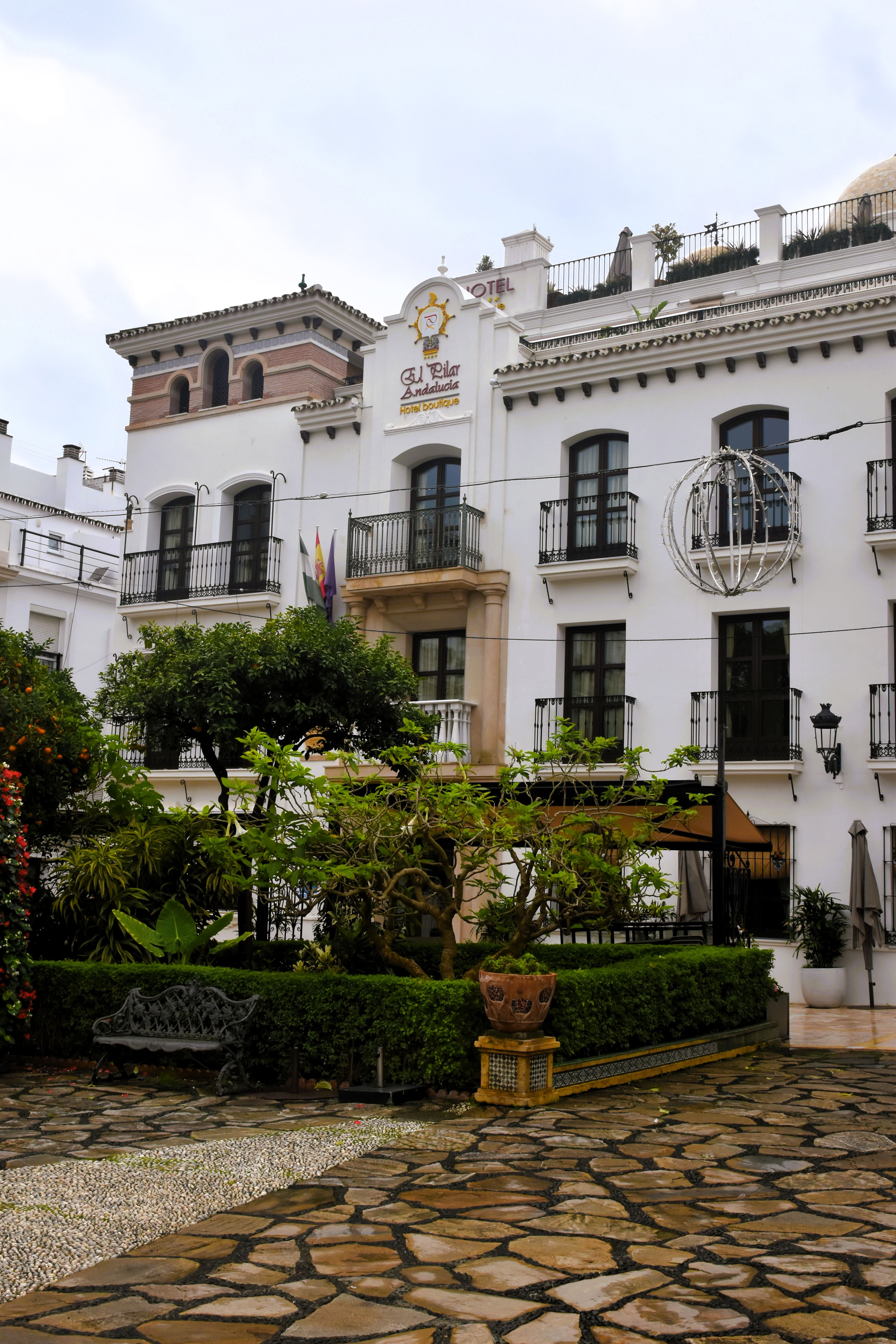
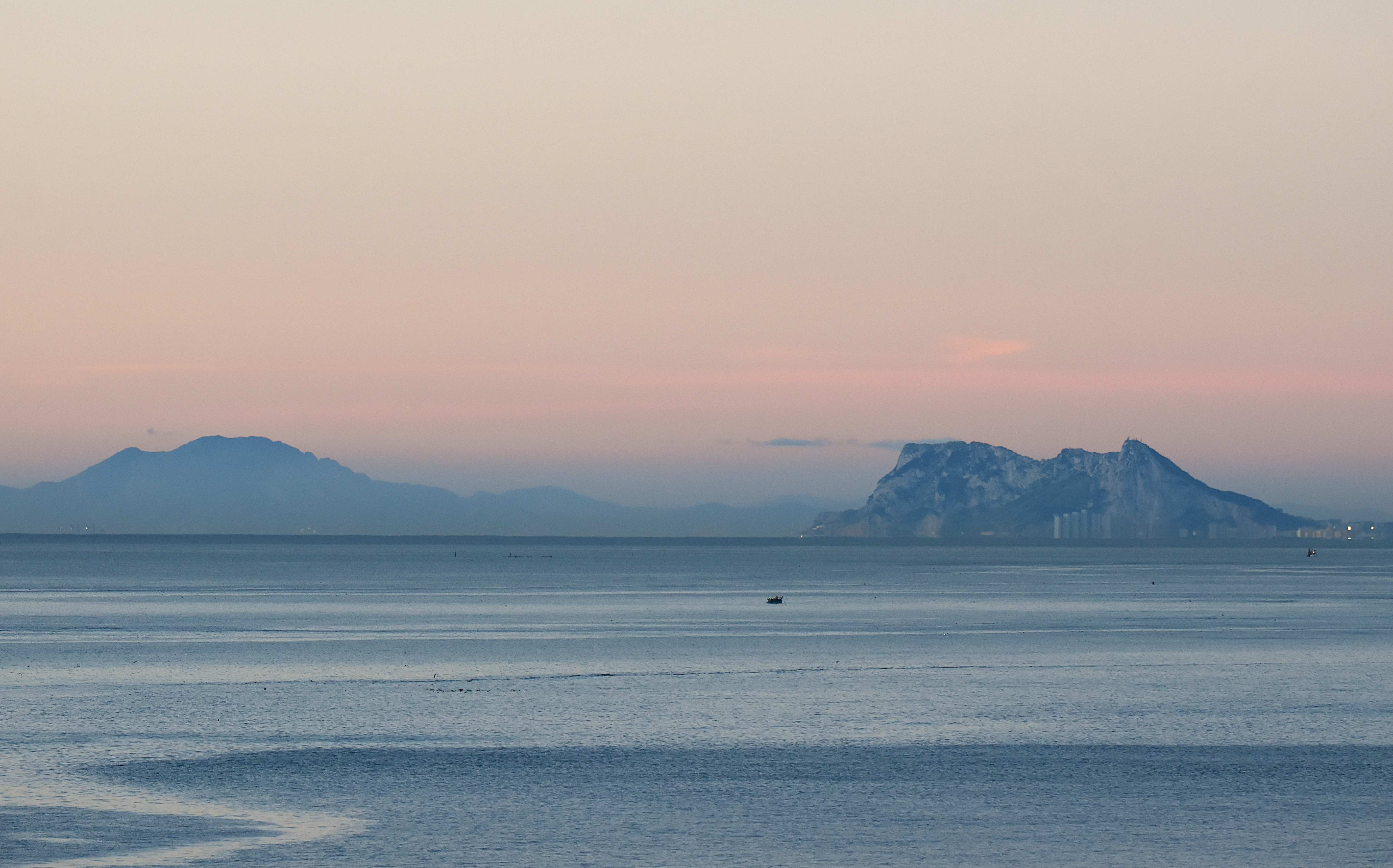
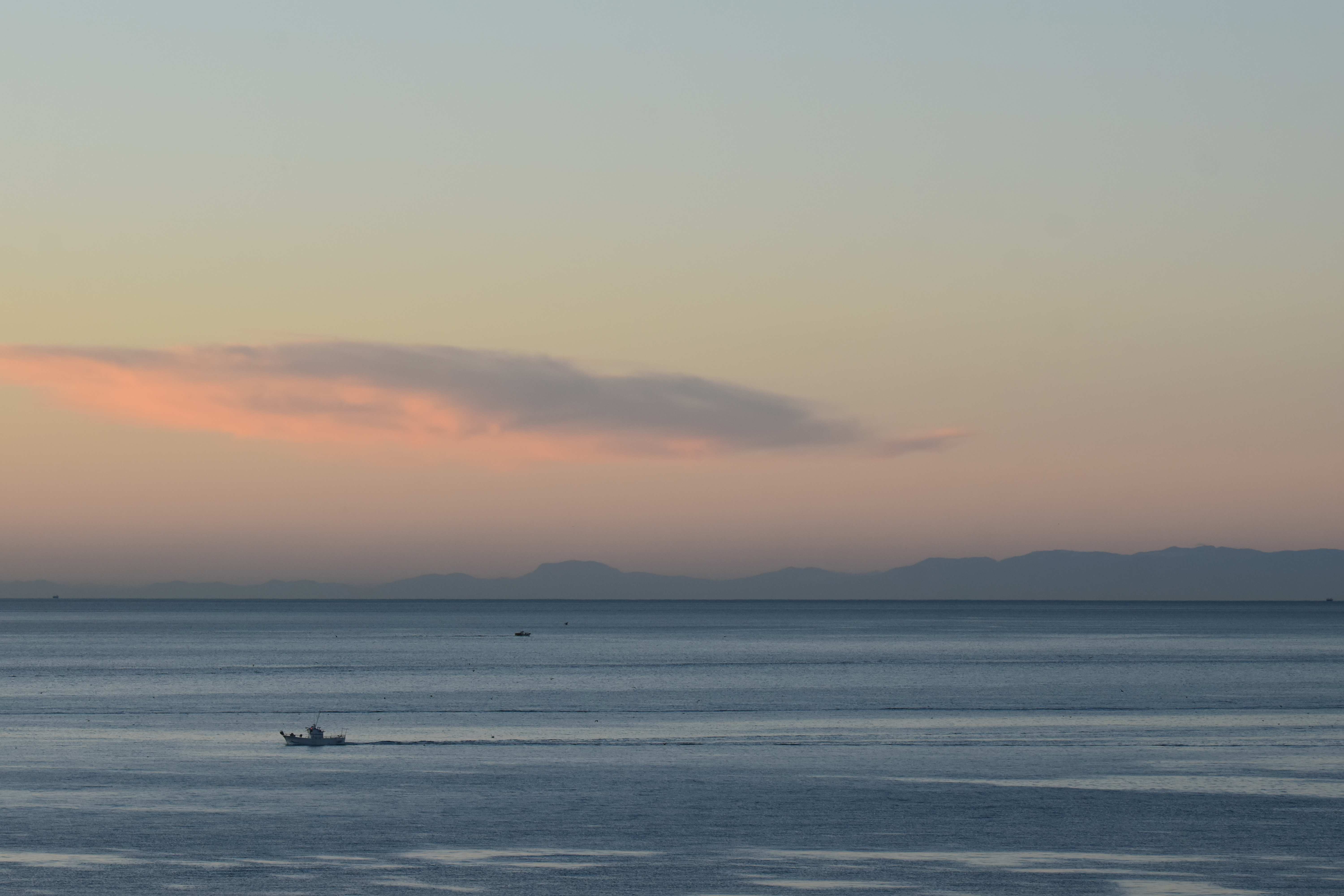
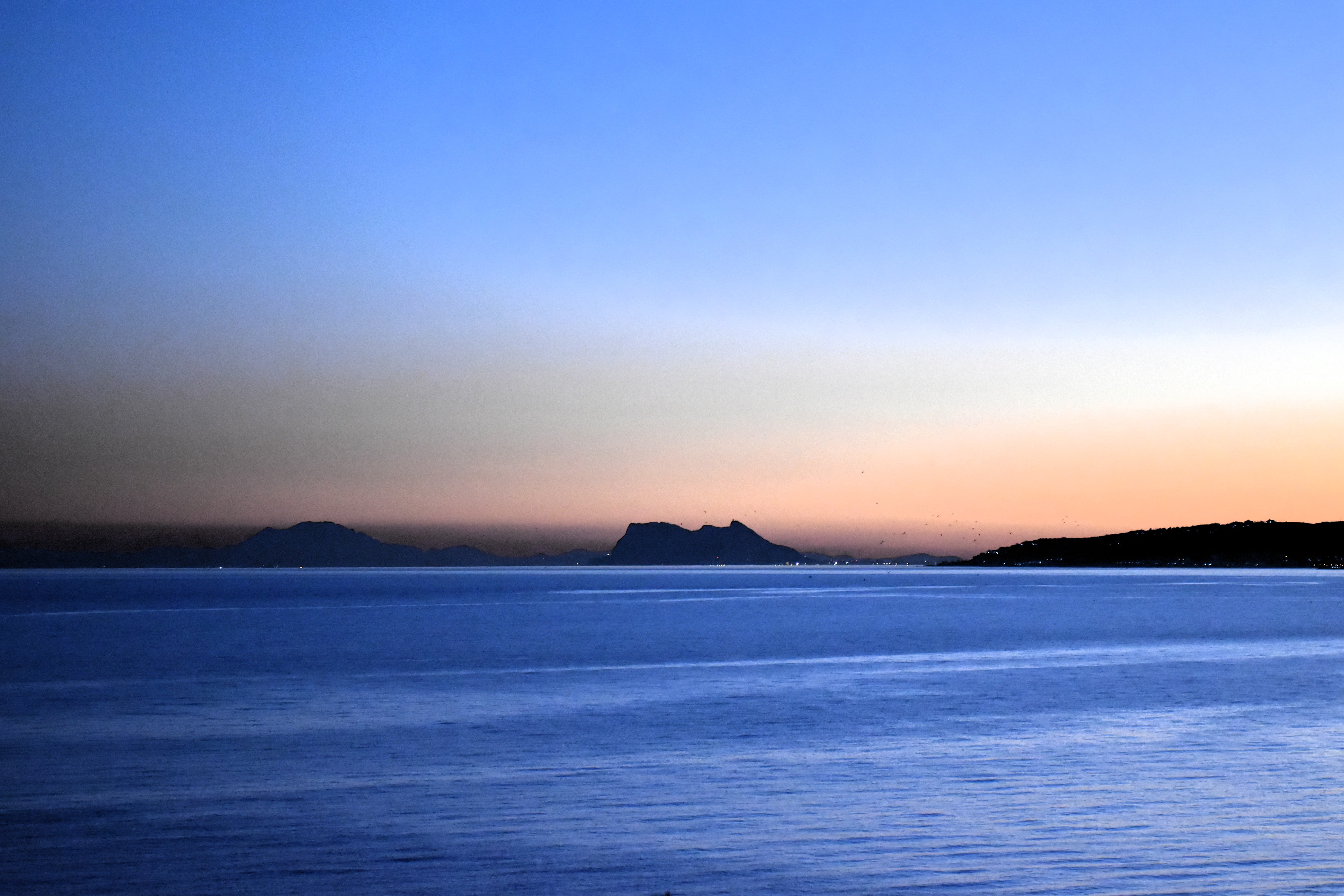
Tucked along Spain’s stunning Costa del Sol, Estepona offers a charming and authentic Andalusian experience. Unlike its more tourist-heavy neighbors, this coastal town has preserved its traditional Spanish character, making it a perfect introduction to the warmth and beauty of the region. We stayed in a wonderful hotel, H10 Estepona Palace. We luckily were upgraded to a top floor room with a balcony that provided a spectacular view of the Mediterranean Sea, Gibraltar and Morocco. An early morning walk to Estepona to see the sun rising over the Mediterranean is a delightful morning activity as well as the evening view of Gibraltar.

A Stroll Through History
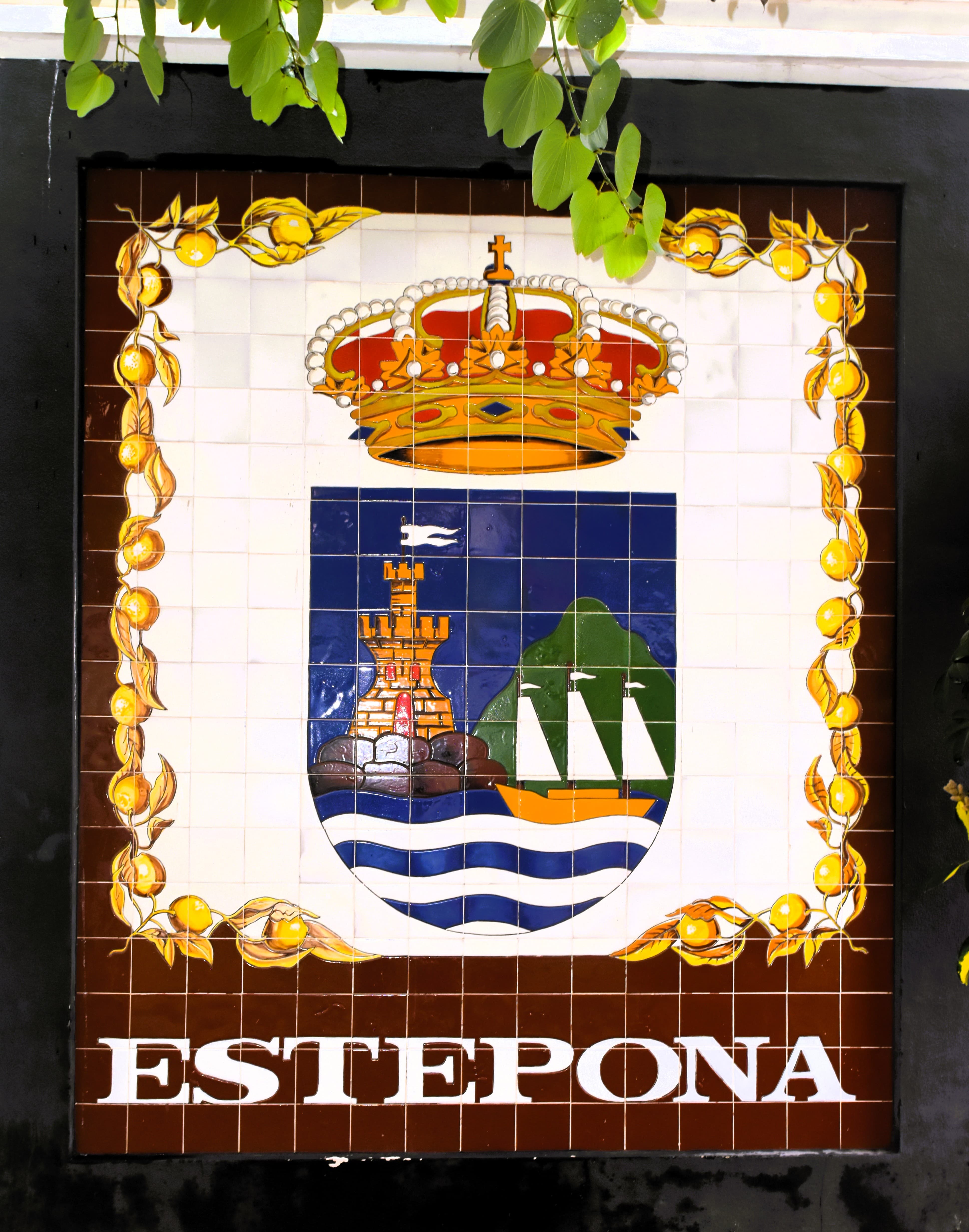
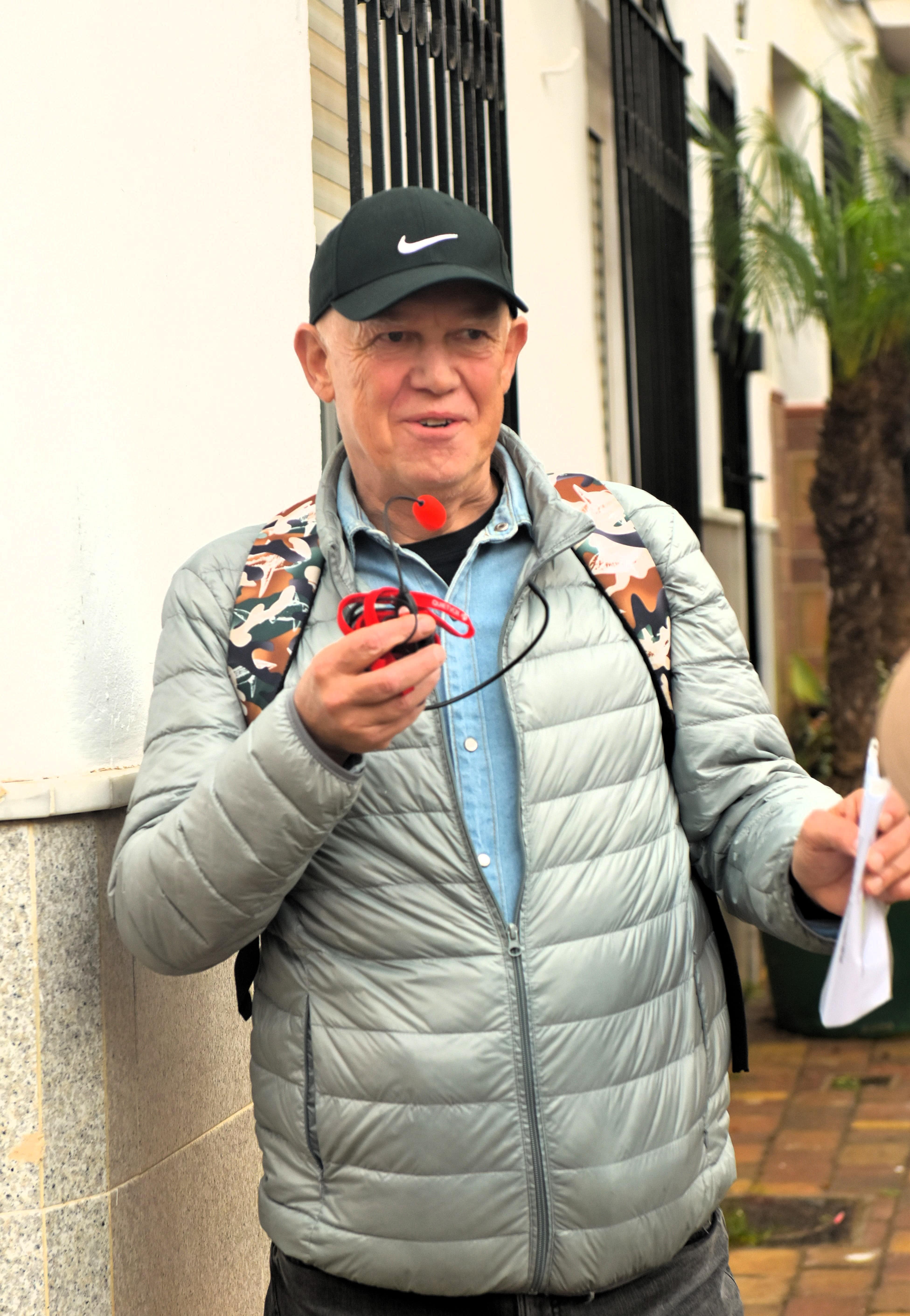
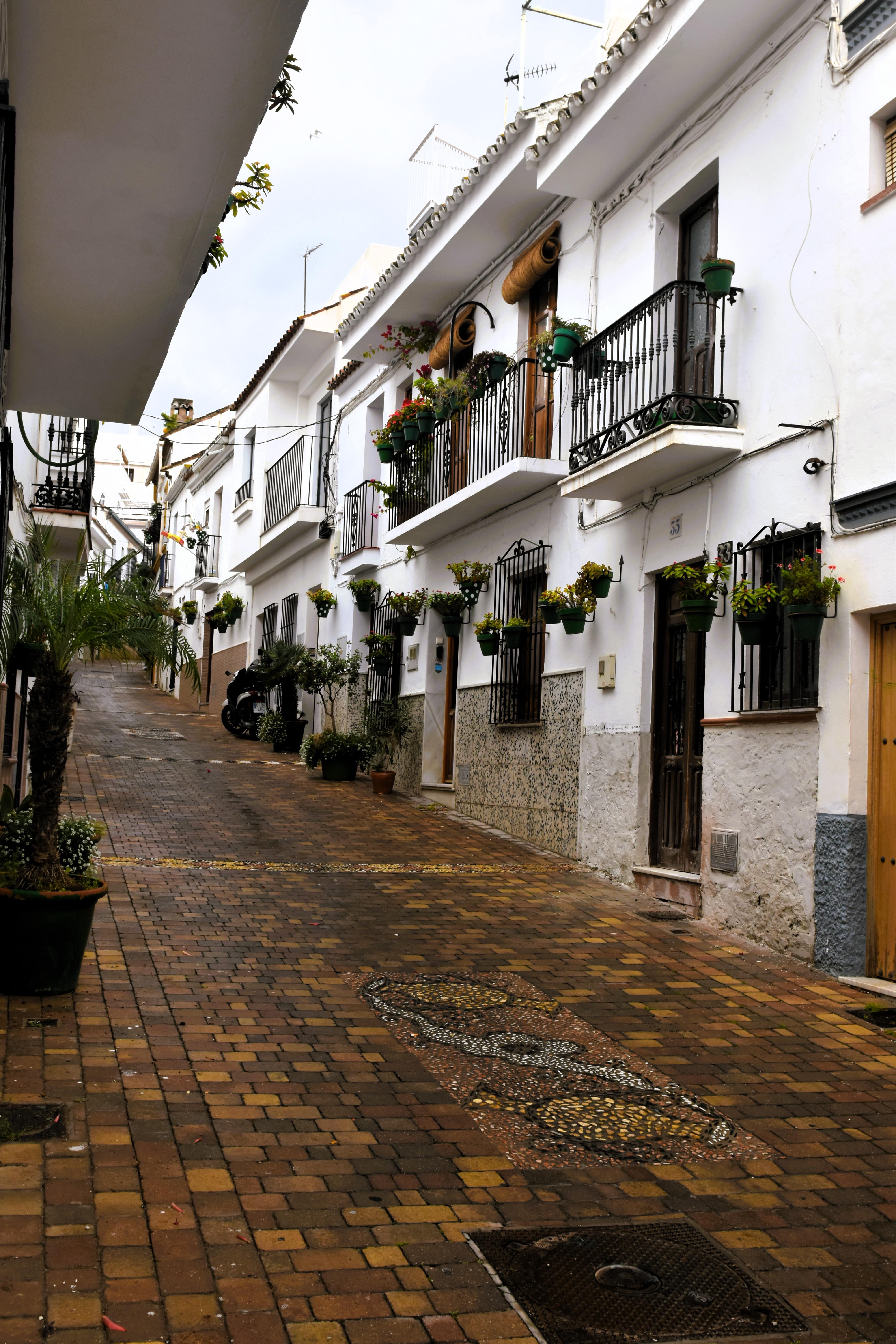
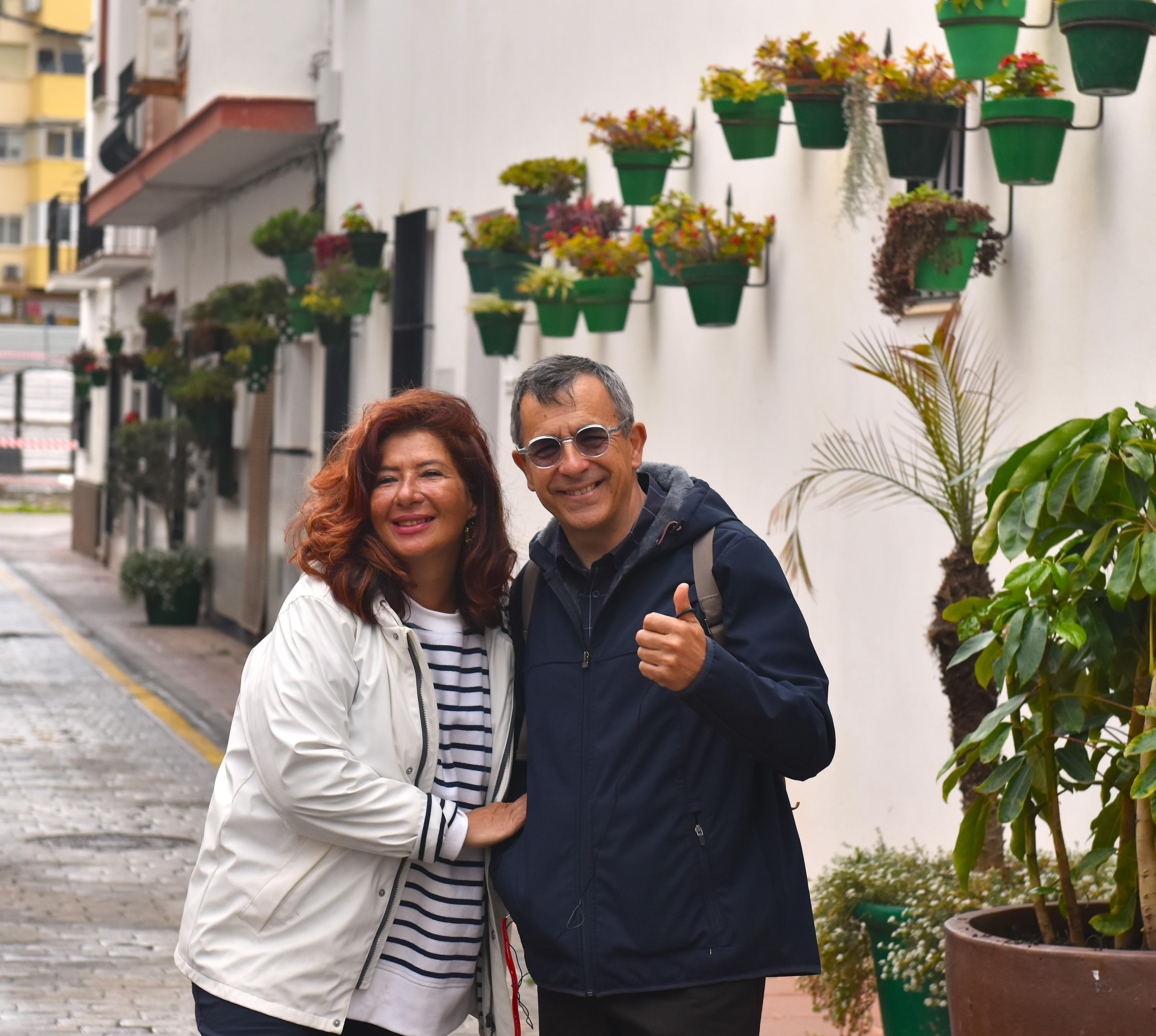
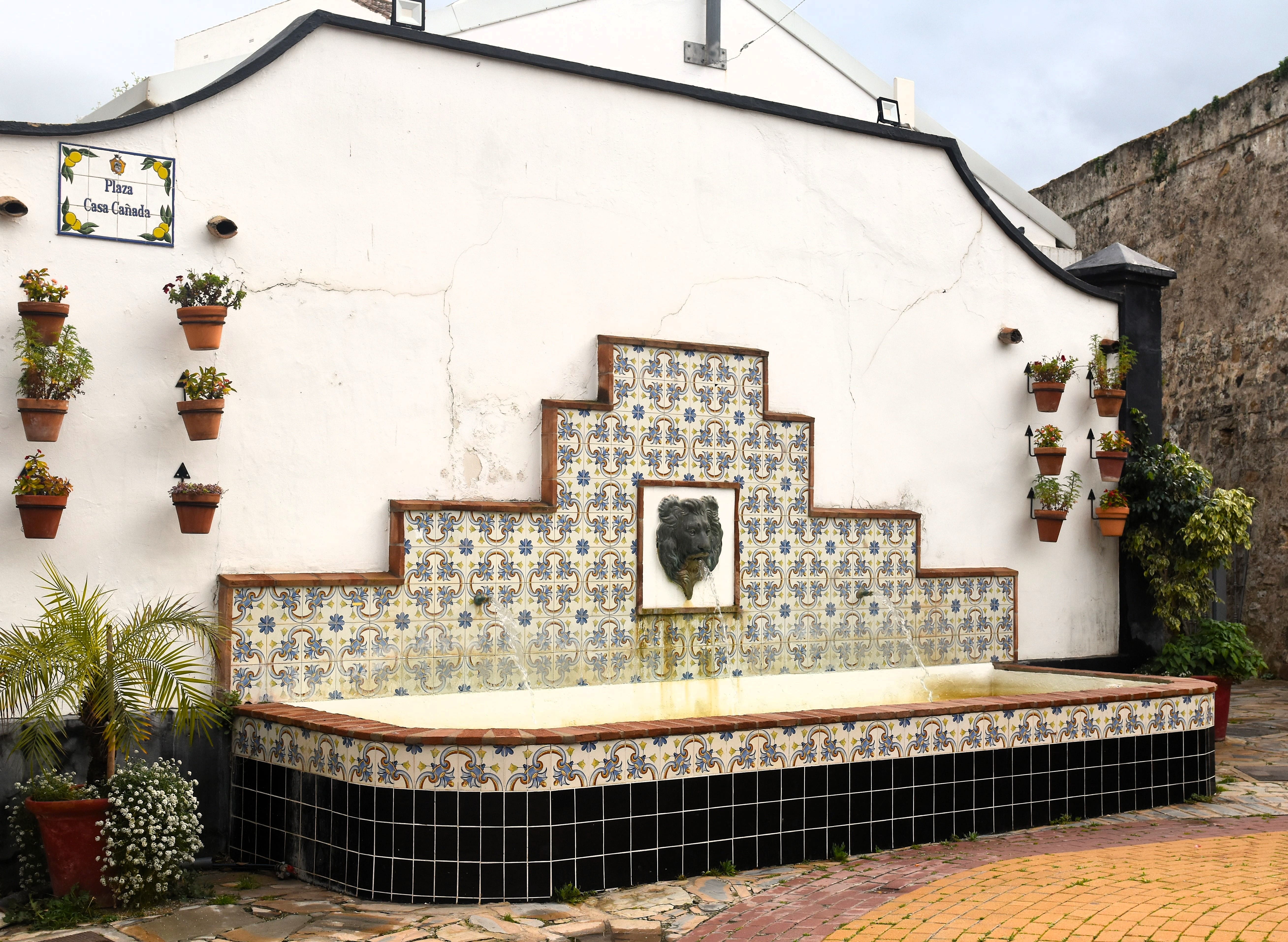
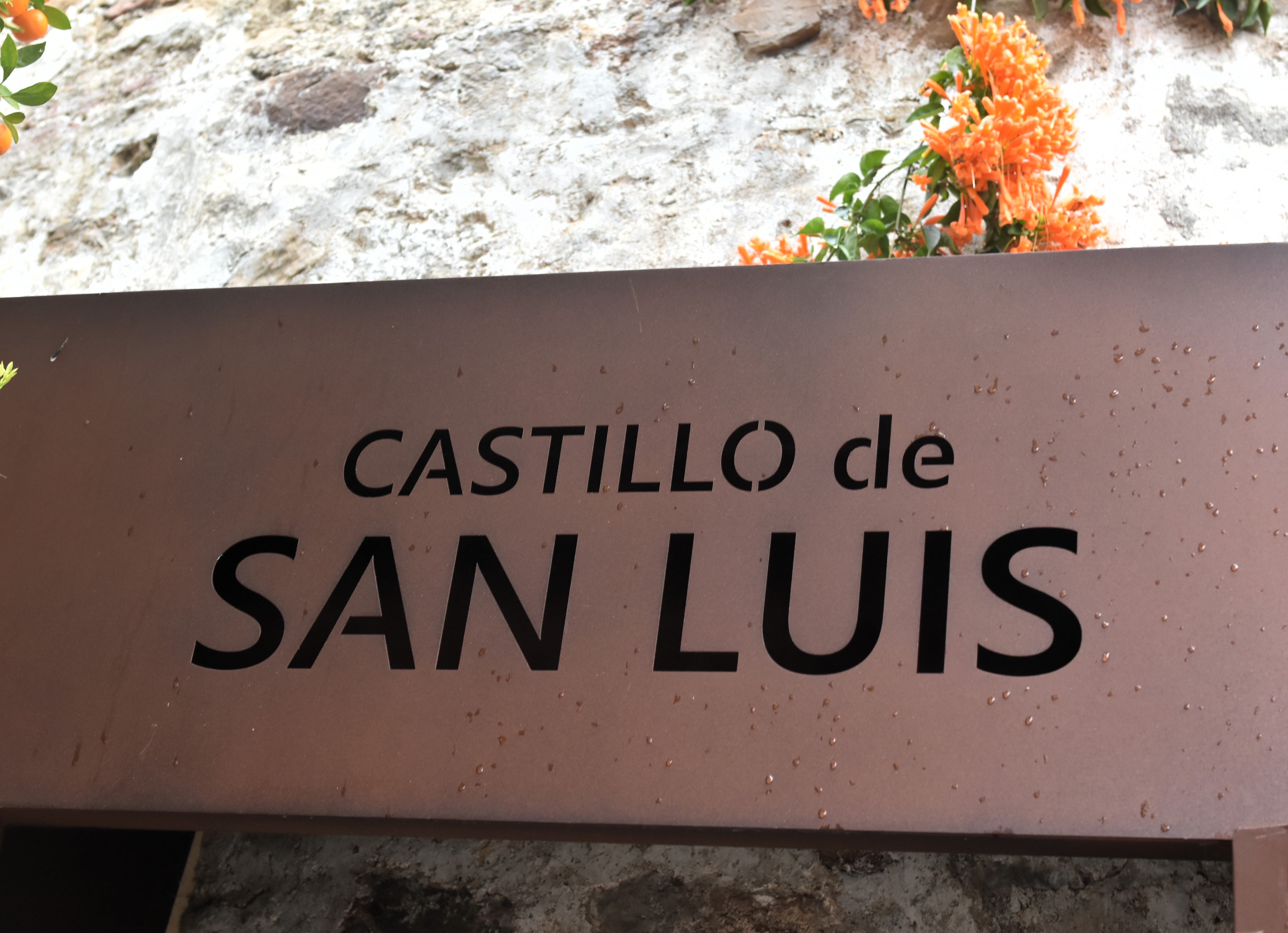
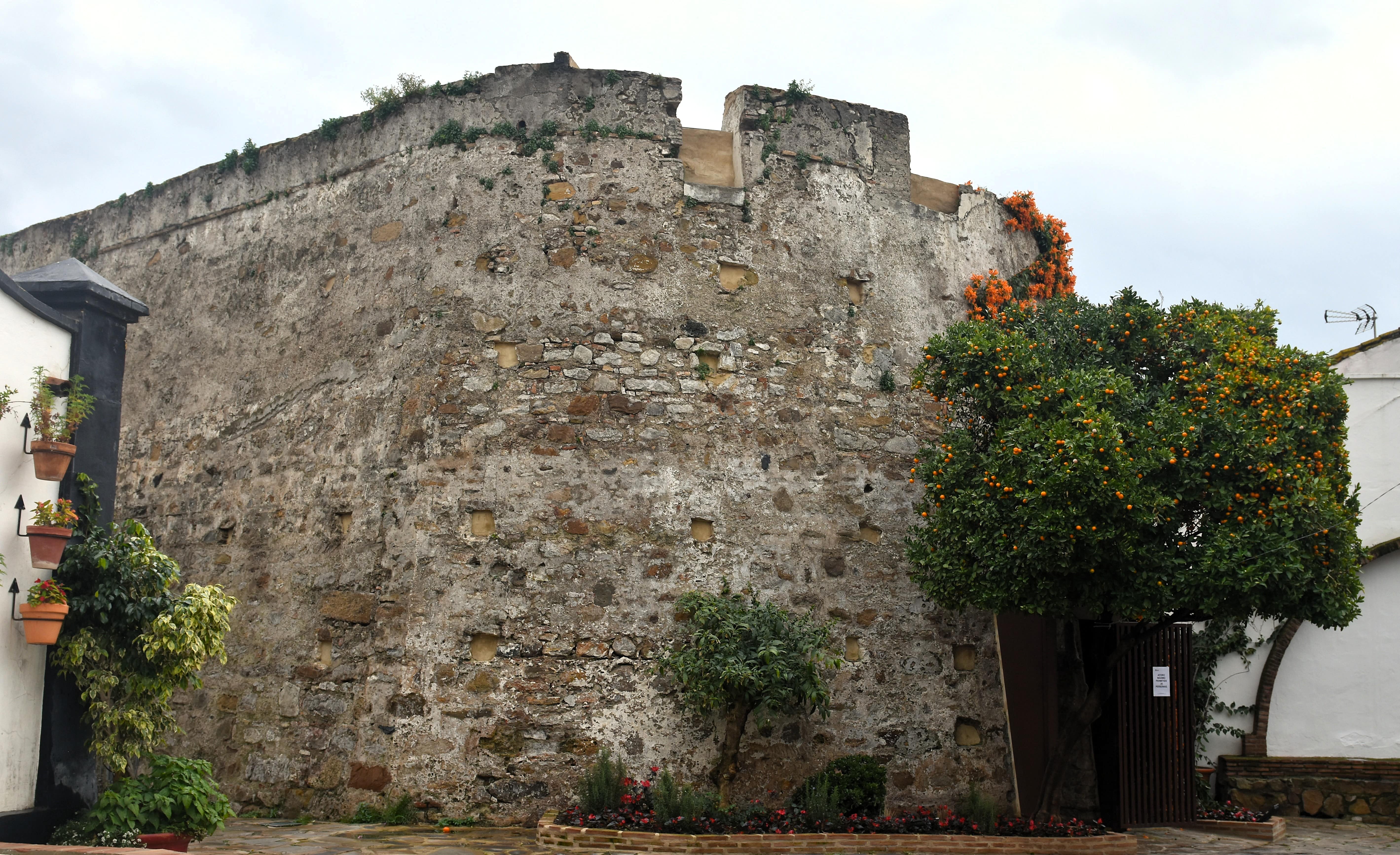
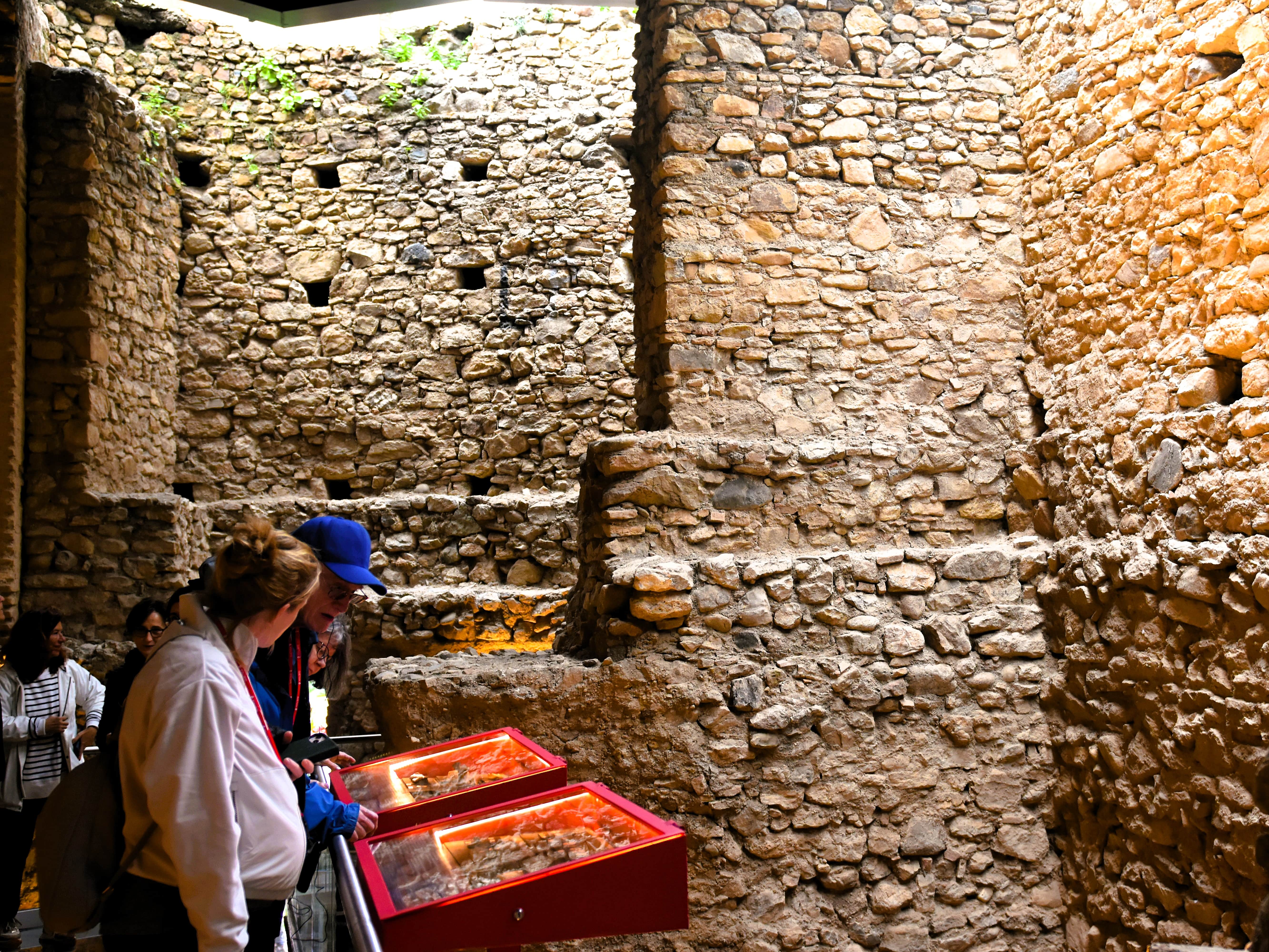
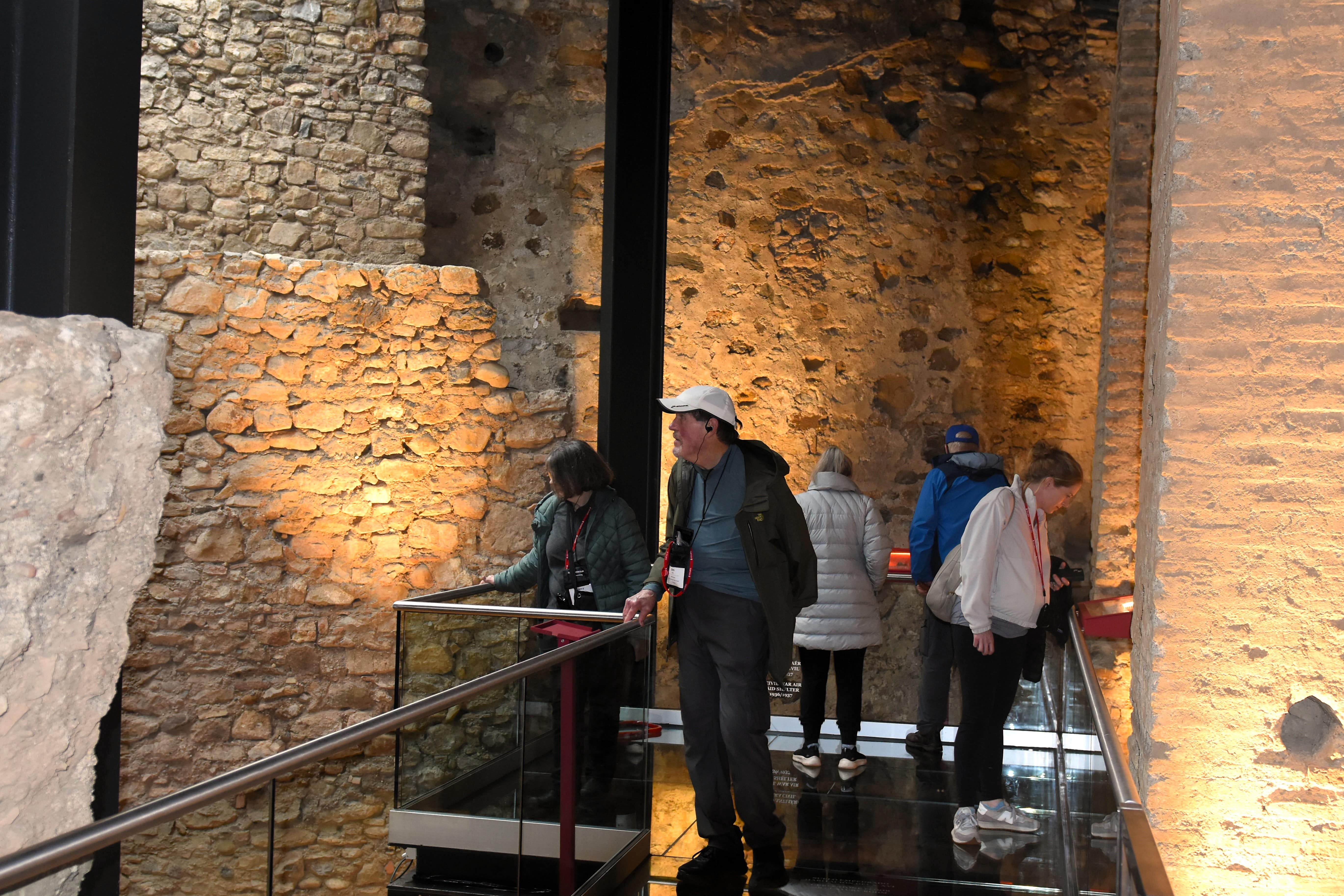
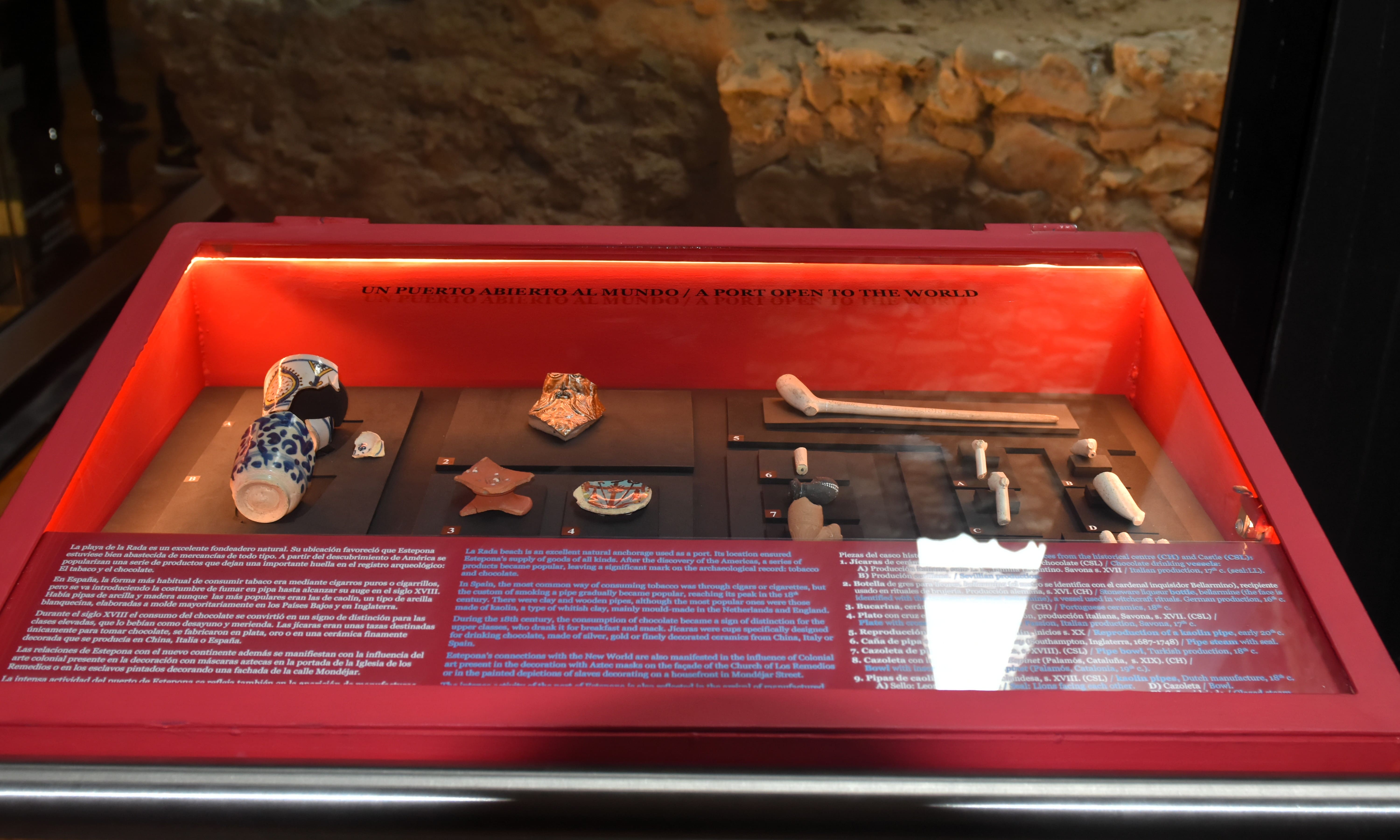
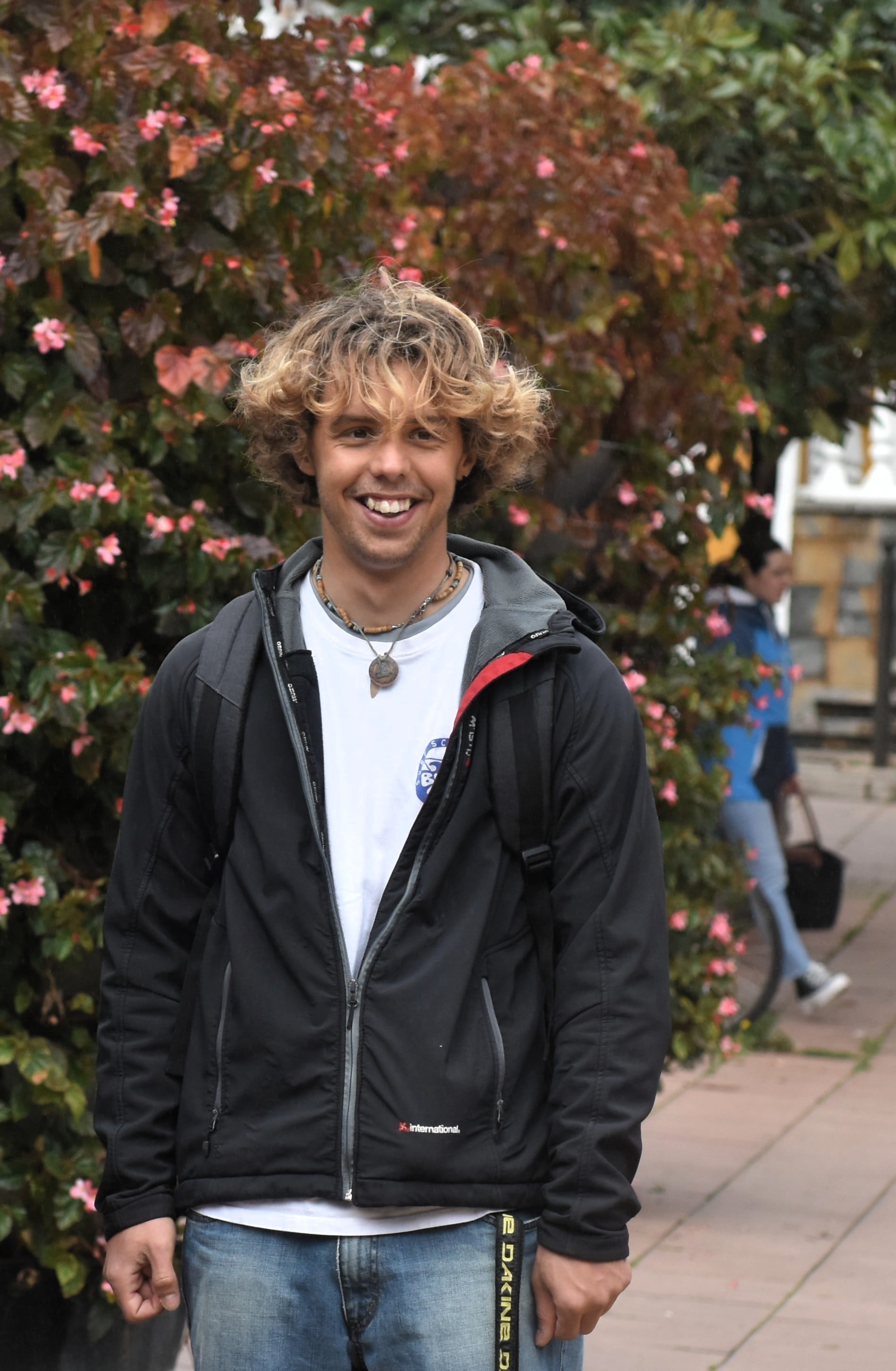
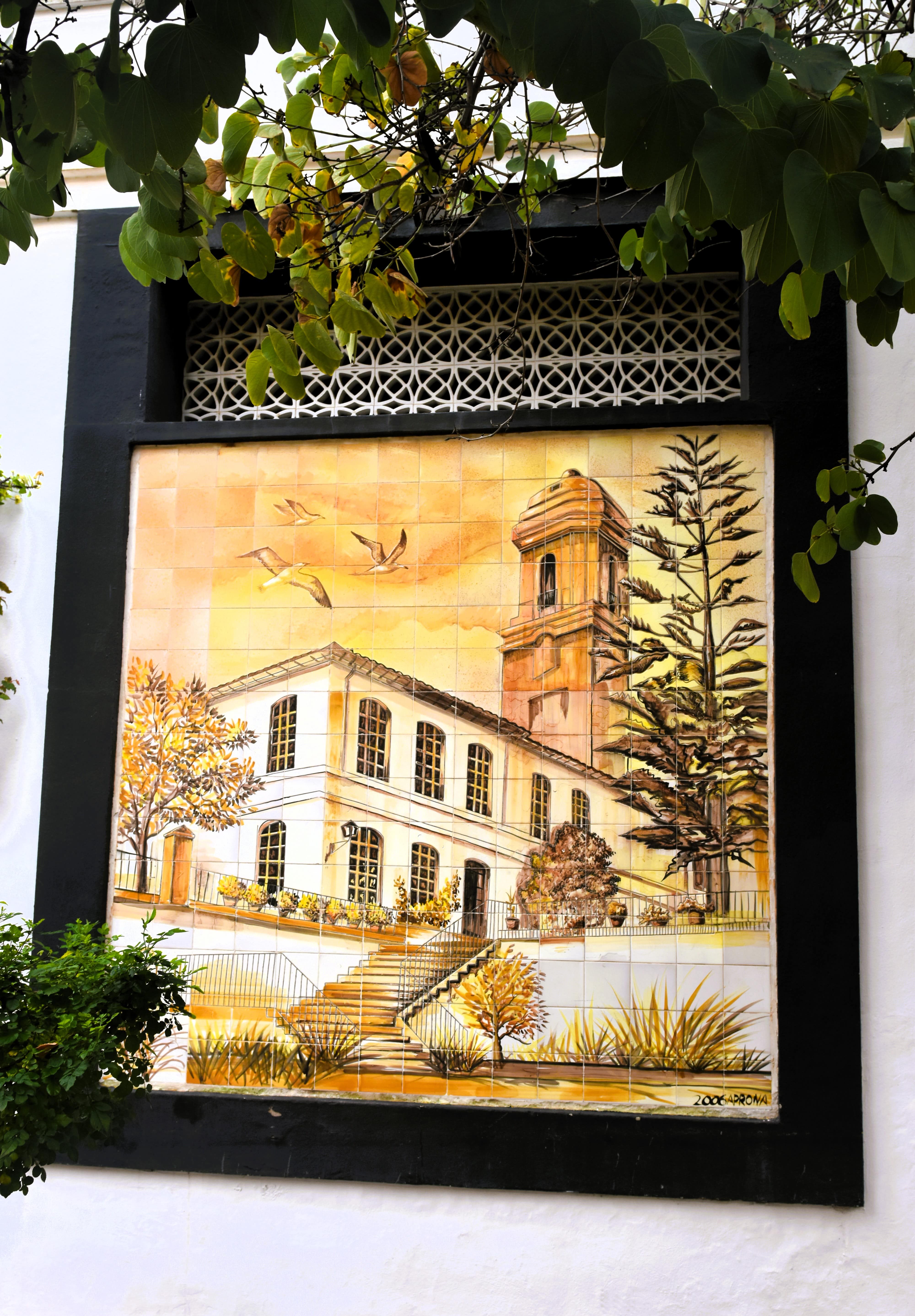
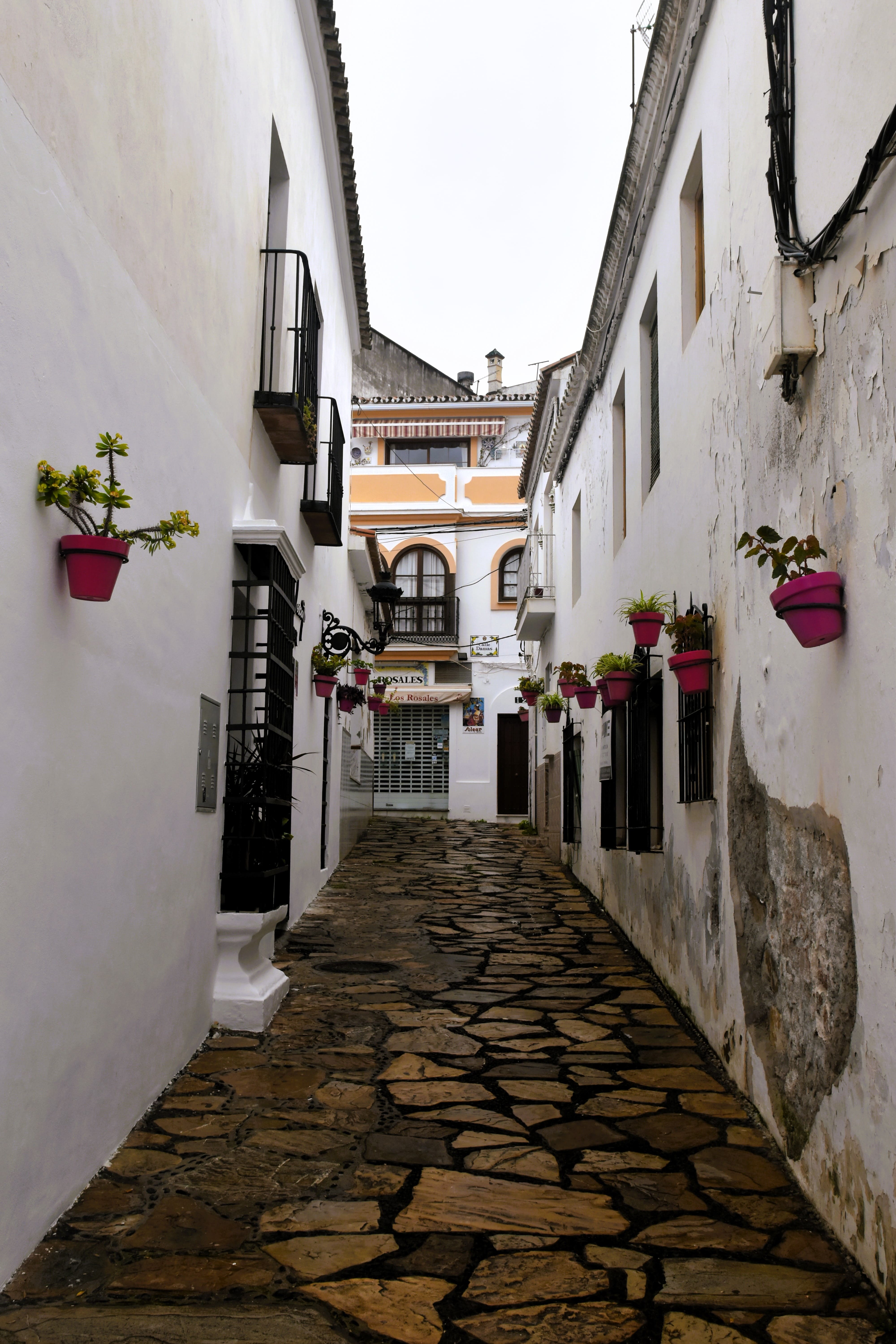
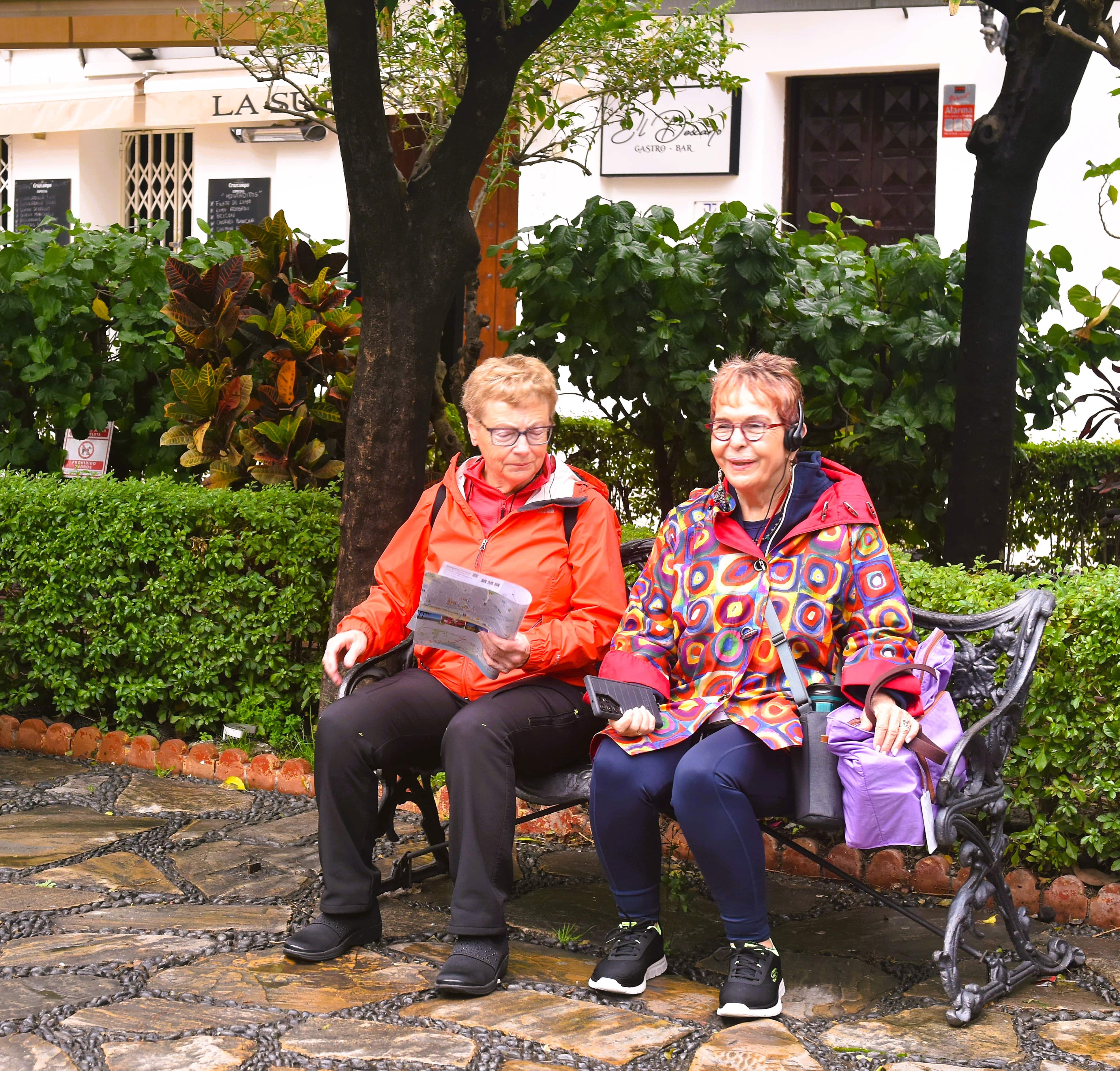
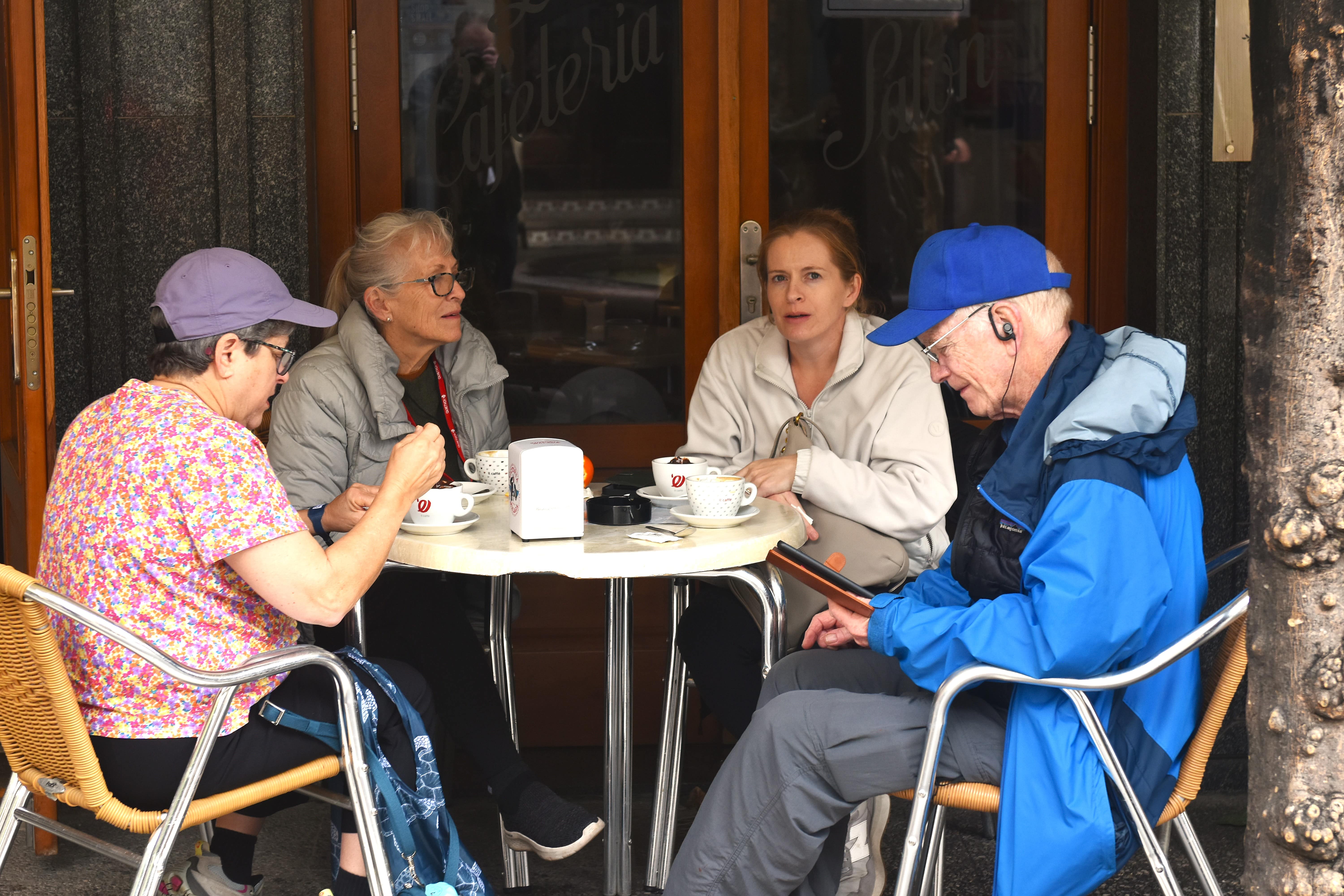
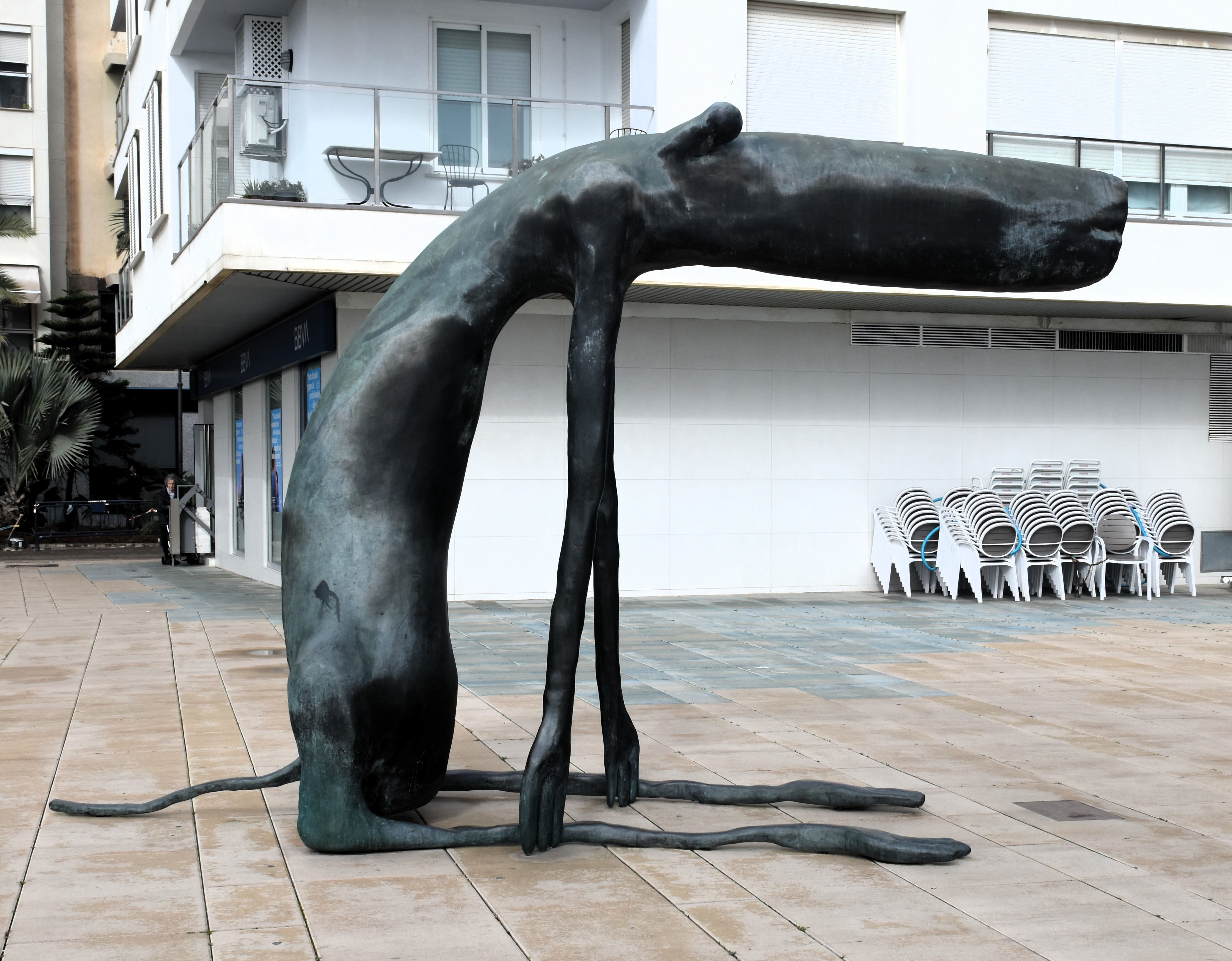
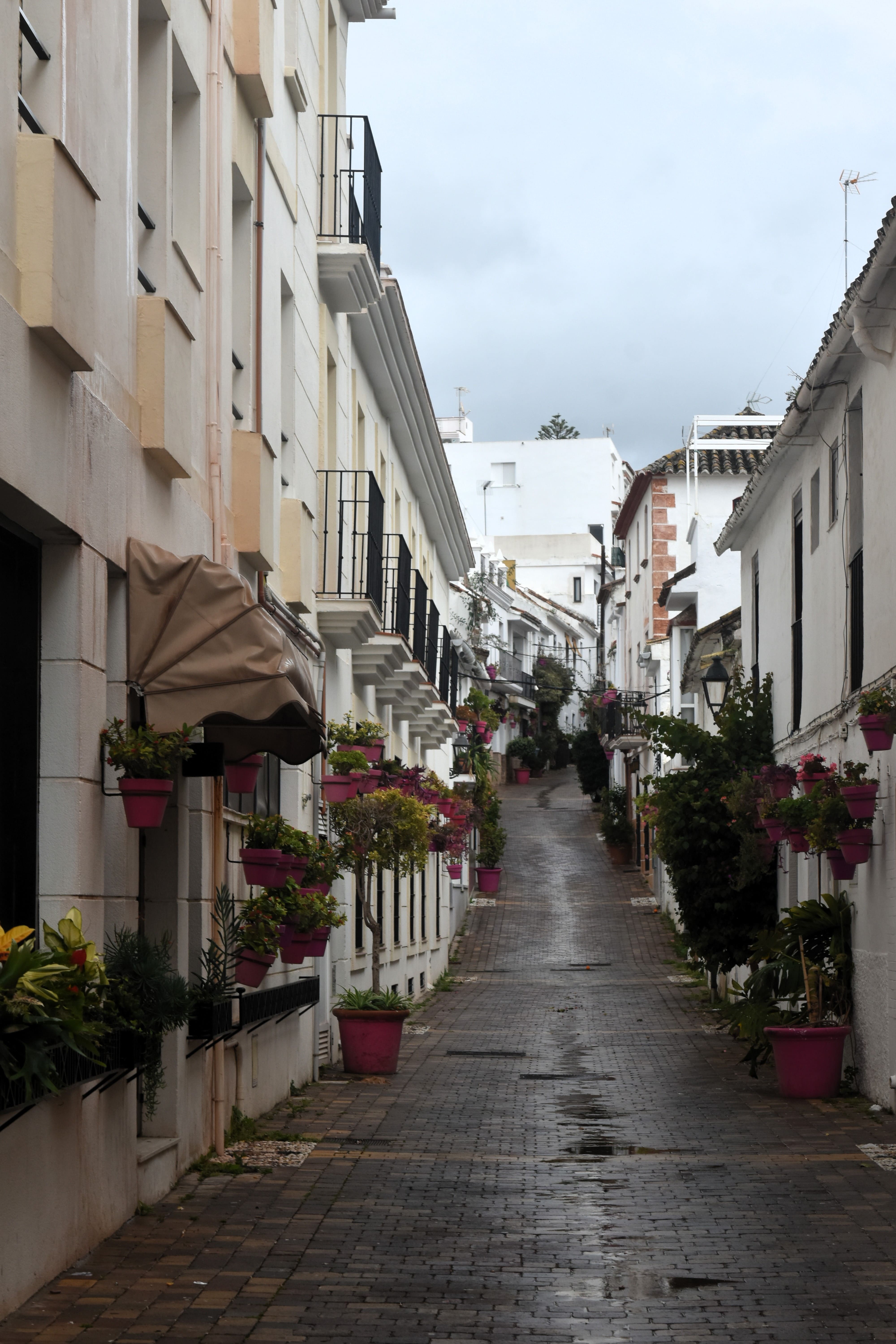
Estepona’s Old Town is a maze of whitewashed buildings adorned with vibrant flower pots, winding streets, and picturesque plazas. Every corner of this town tells a story, from the remains of the Castillo de San Luis, a 16th-century fortress built to defend against pirate attacks, the municipal market and clock tower, to see the influence of the ancient Phoenician and Moorish invaders. We couldn’t go anywhere without an excellent coach driver to see the sites in Spain and our excellent lead from Road Scholar, Fernando who was ably assisted by Shonia of Turismo Marinero and her helpers. Road Scholar always seems to have excellent local guides, Anders with his Nike cap, to provide wonderful commentary on what we are seeing. There are ample breaks provided at local coffee shops.






Coastal Beauty and Moorish Influence
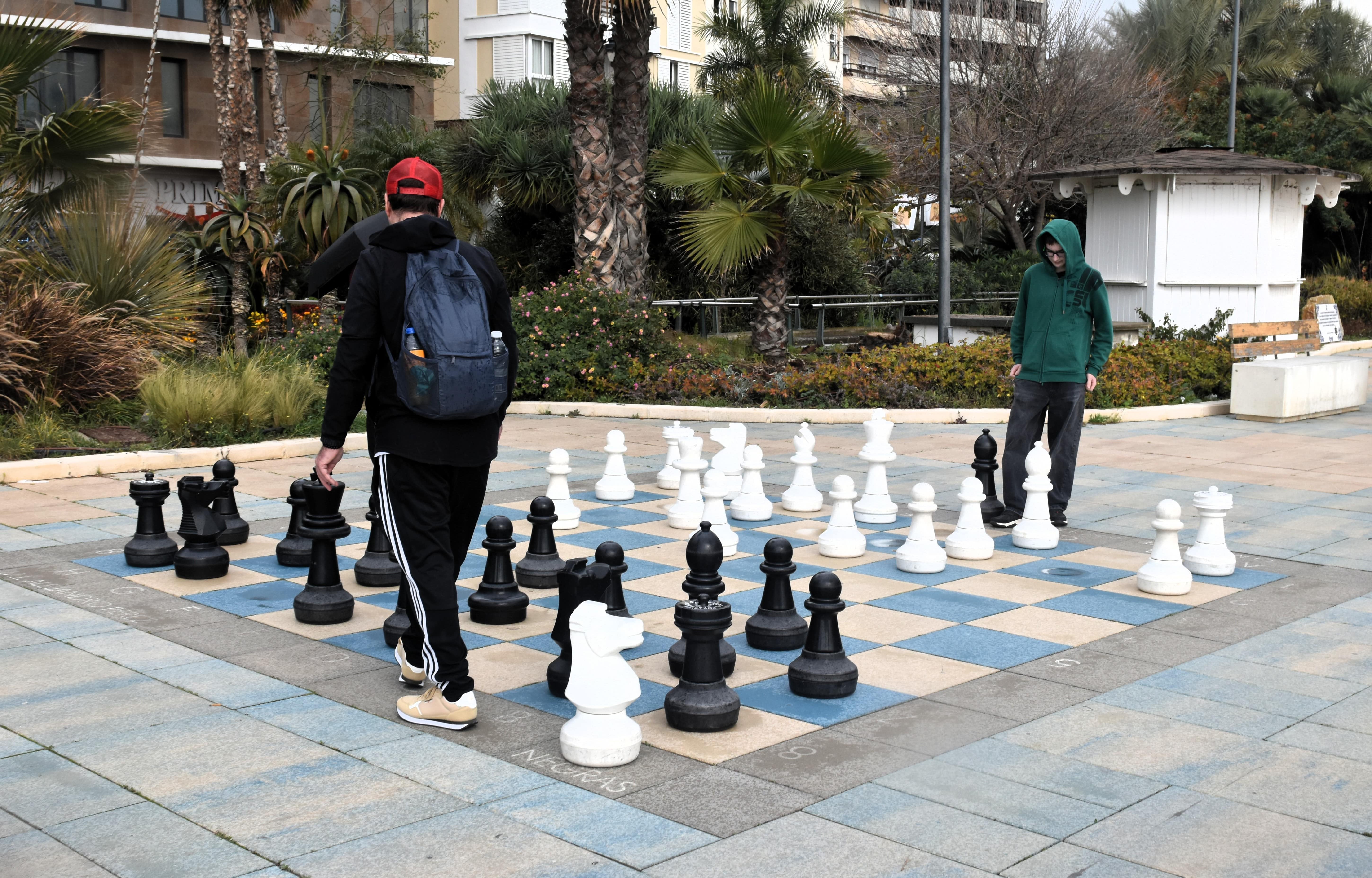
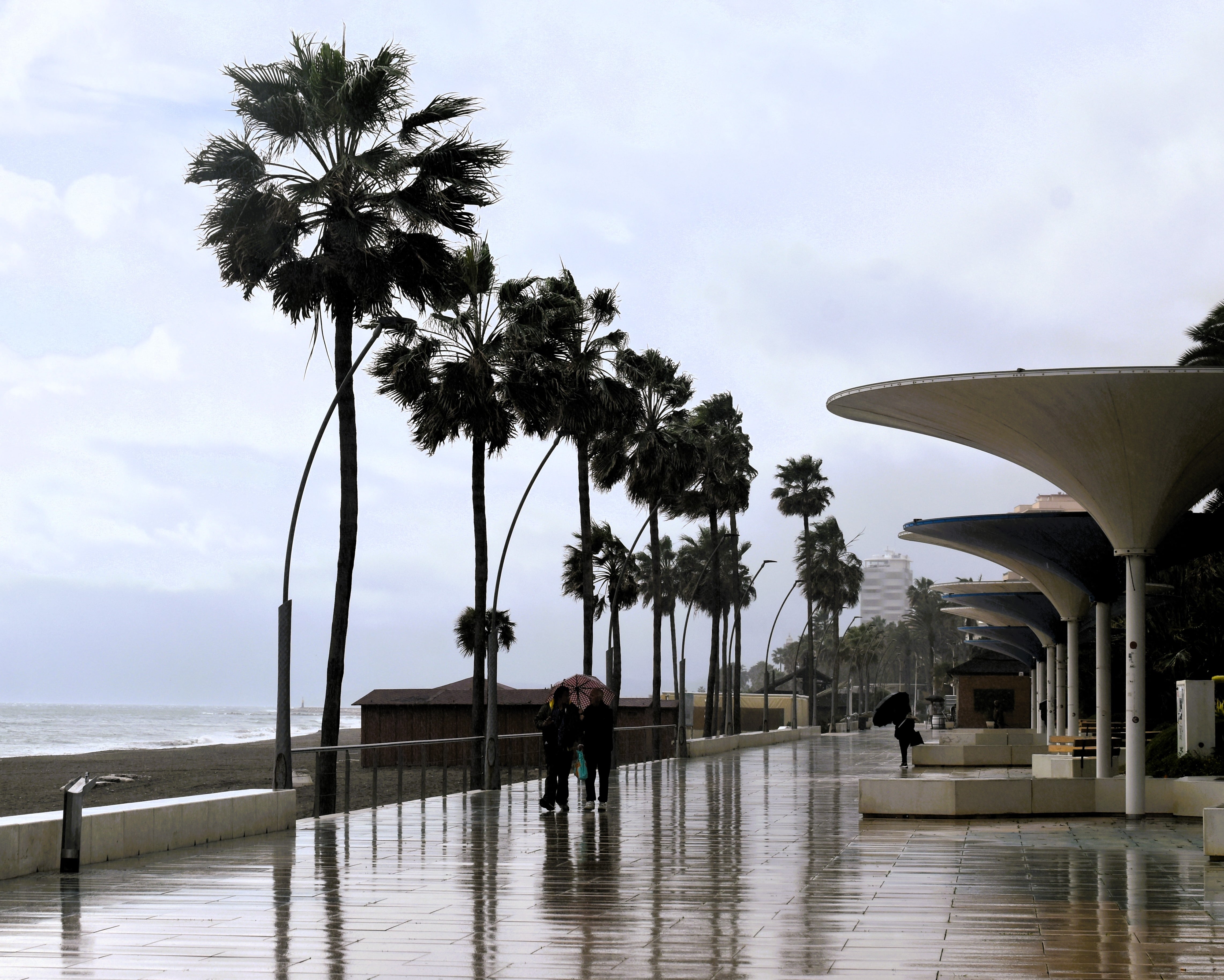
The town’s pristine beaches have long been a draw, but beyond the sand and sea, Estepona’s history is deeply intertwined with Moorish and Andalusian influences. Strolling through the Plaza de las Flores, visitors can admire the colorful facades and feel the echoes of a time when Estepona was a strategic coastal settlement. Of course who doesn’t enjoy a game of Chess on the boardwalk or a brief shower while at the beach.
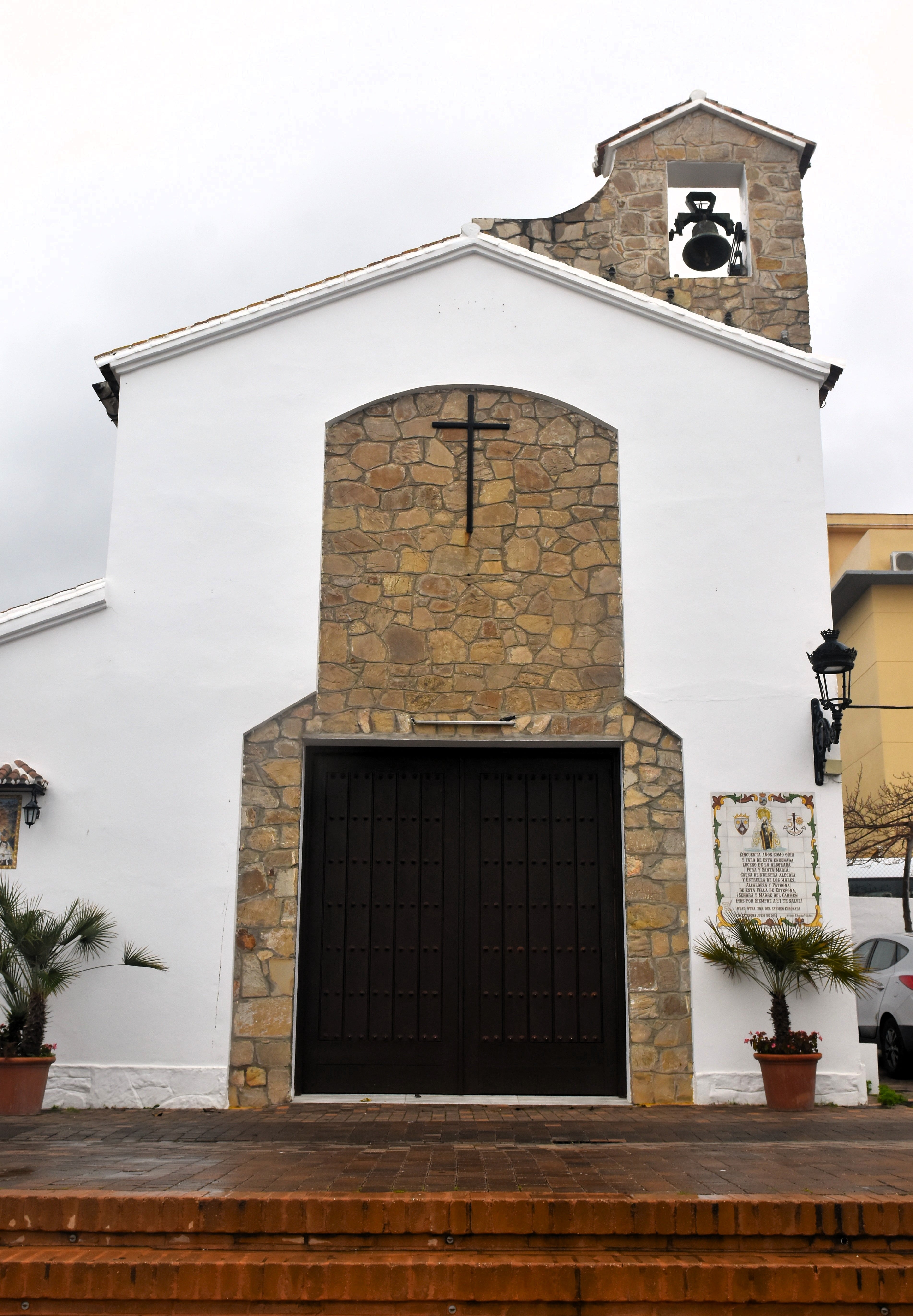
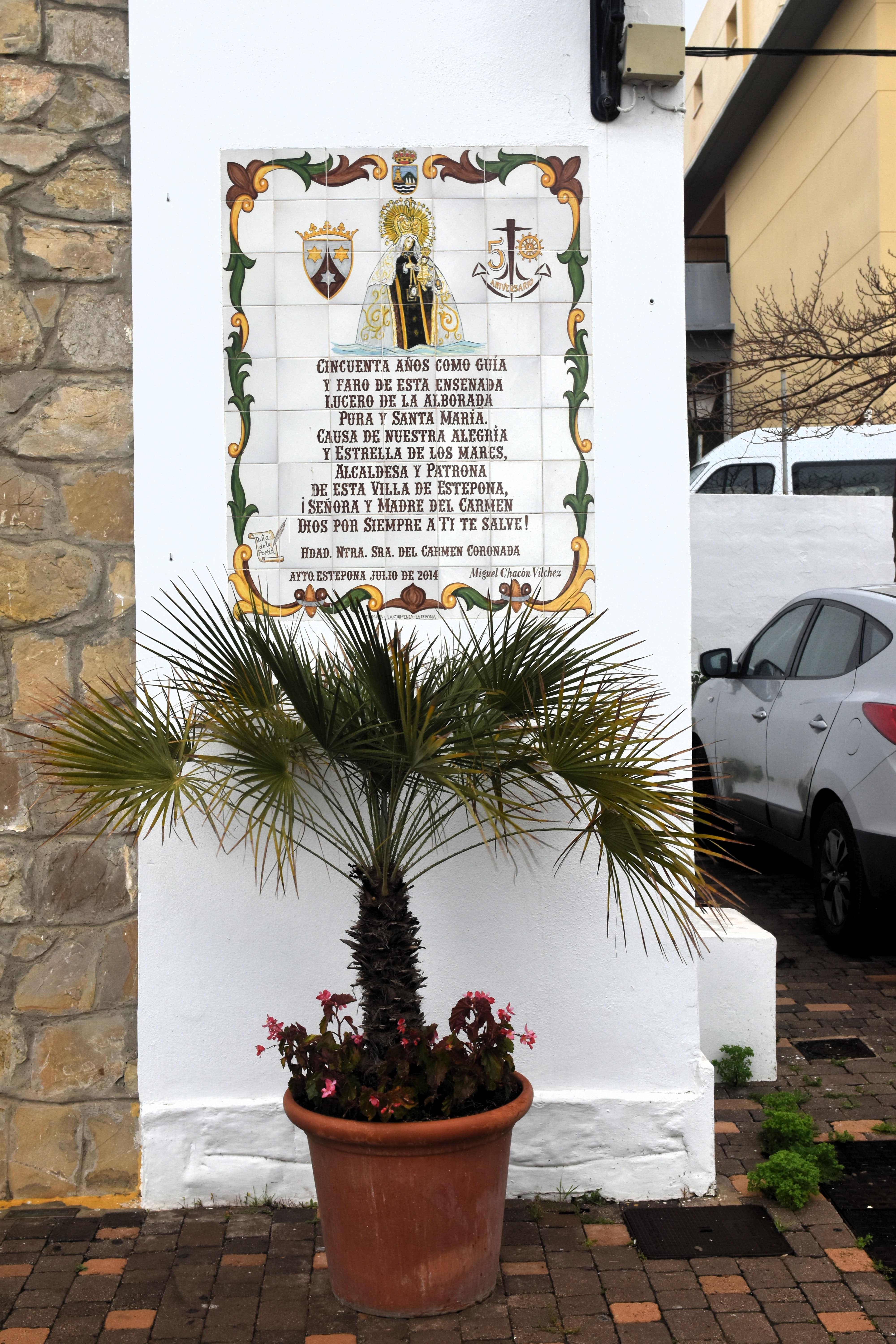
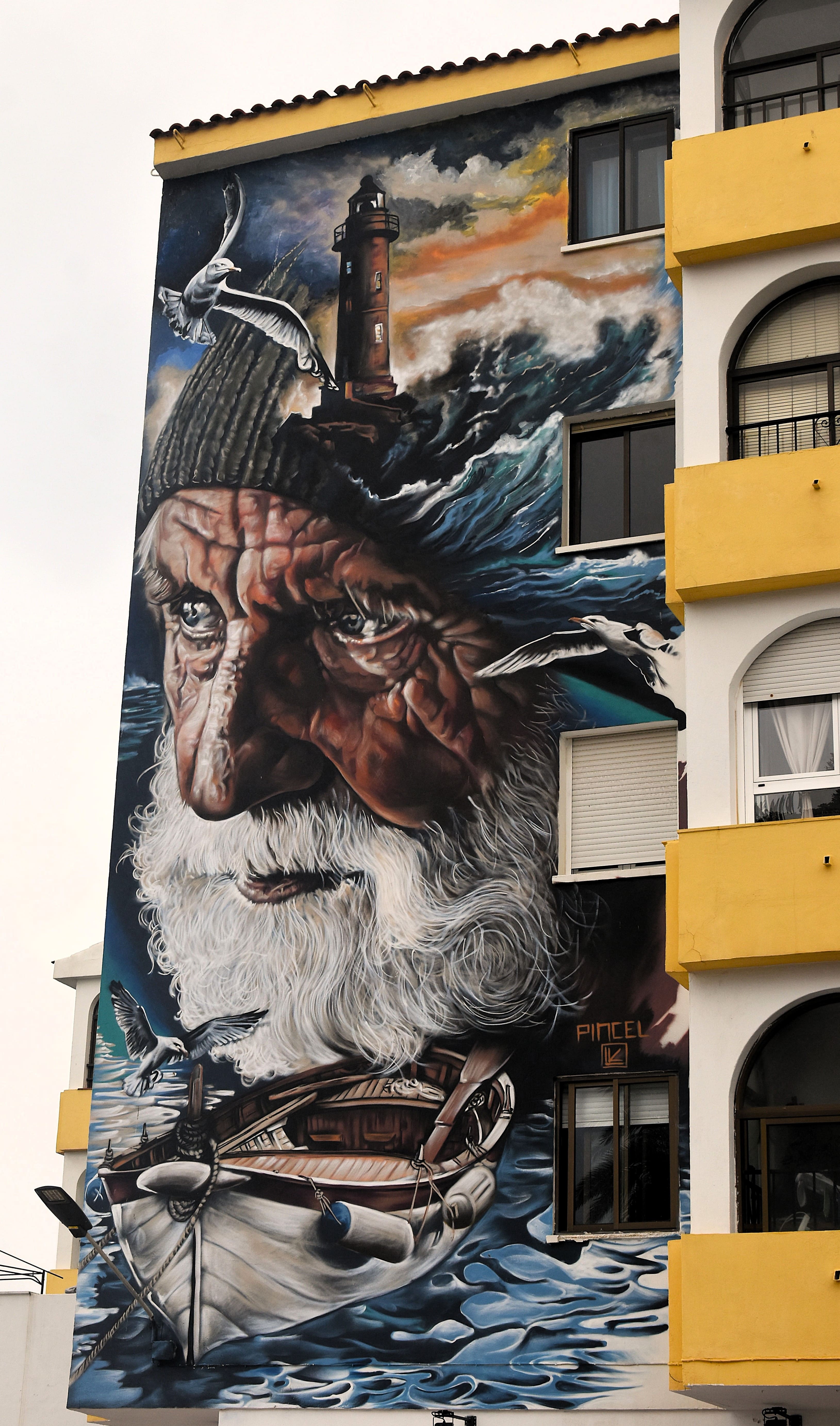
A Taste of Andalusia
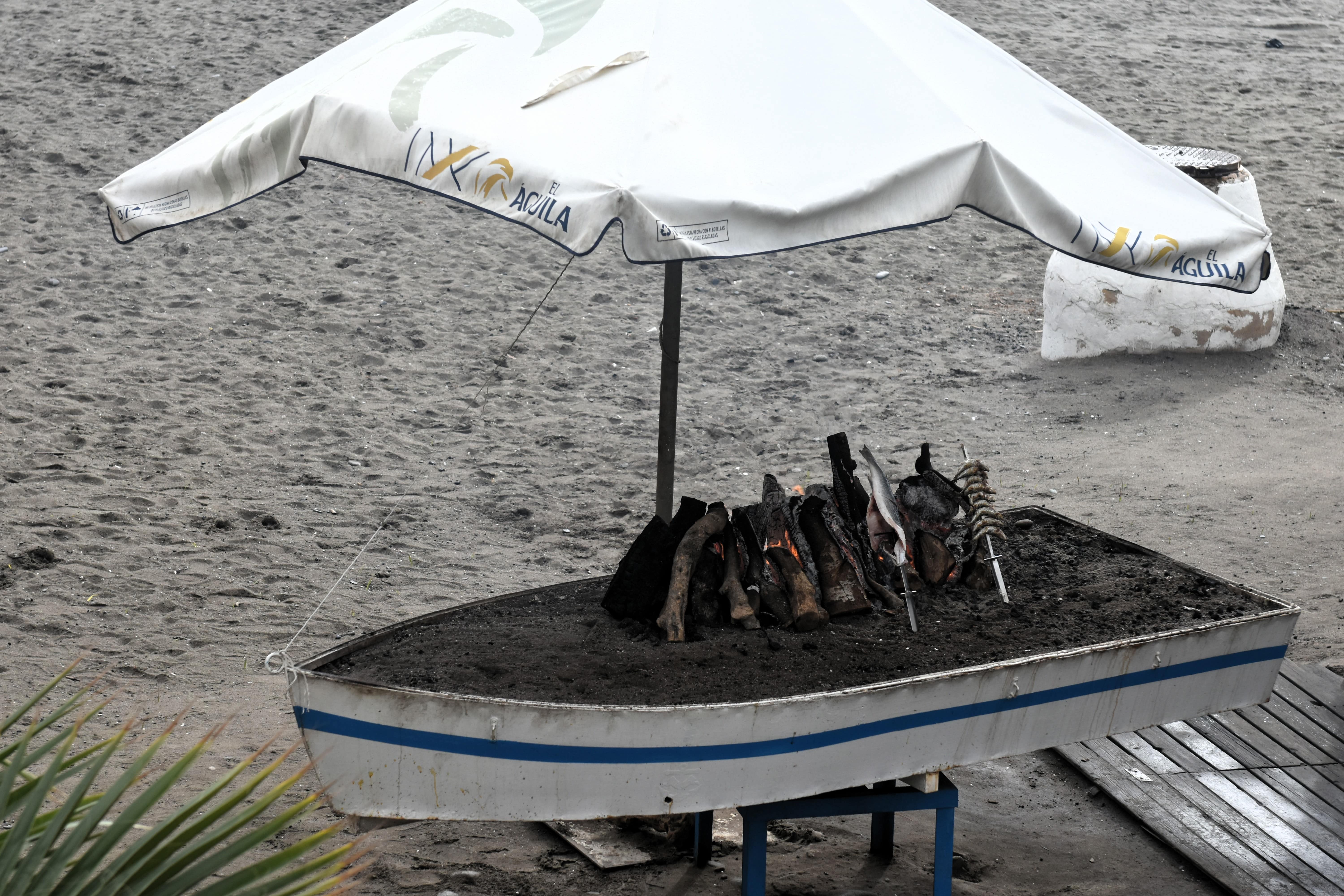
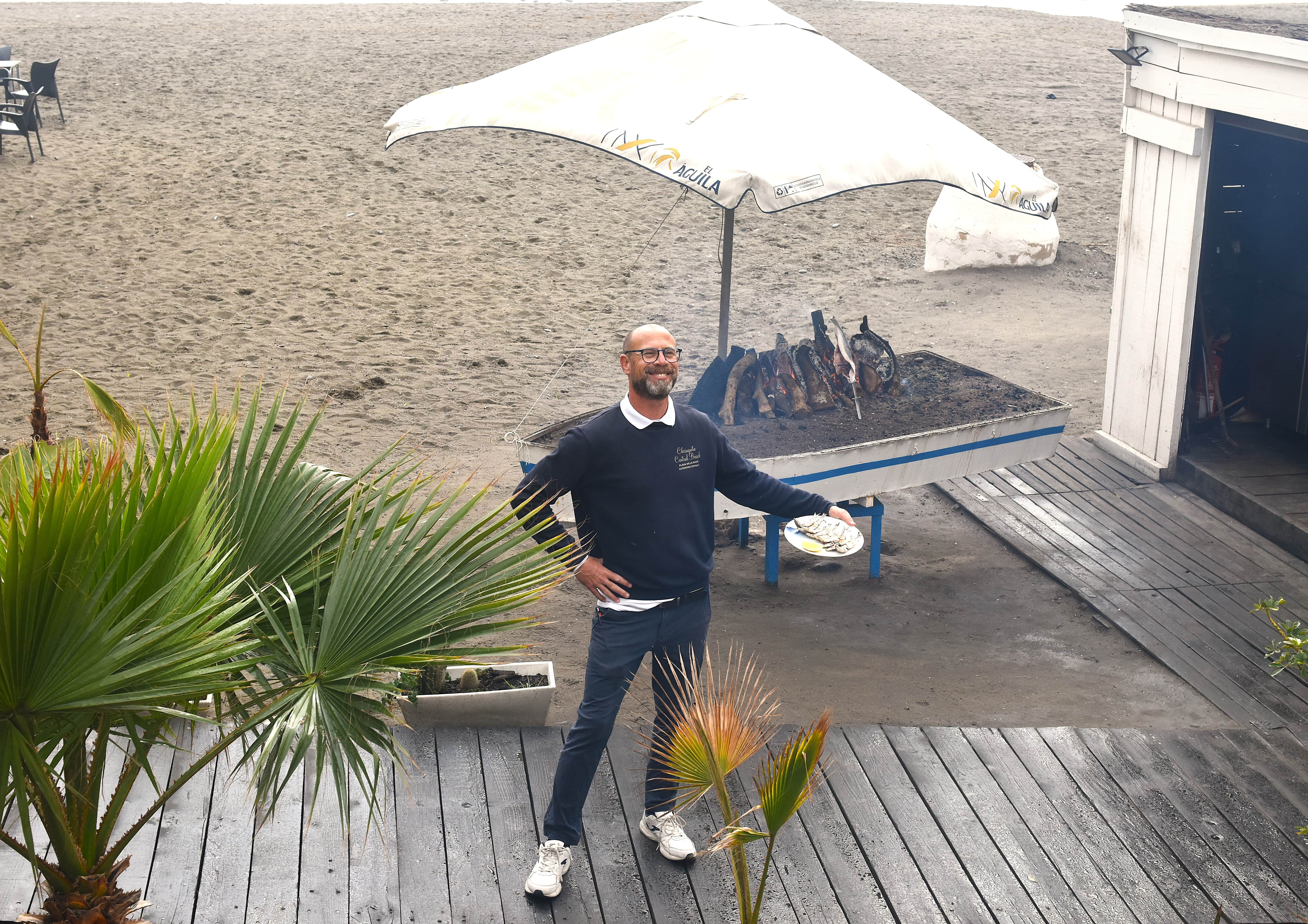
No visit to Estepona is complete without tasting the local cuisine. Fresh seafood, espeto de sardinas (grilled sardines on a skewer), and gazpacho are just a few of the delicious specialties that capture the flavors of Southern Spain.
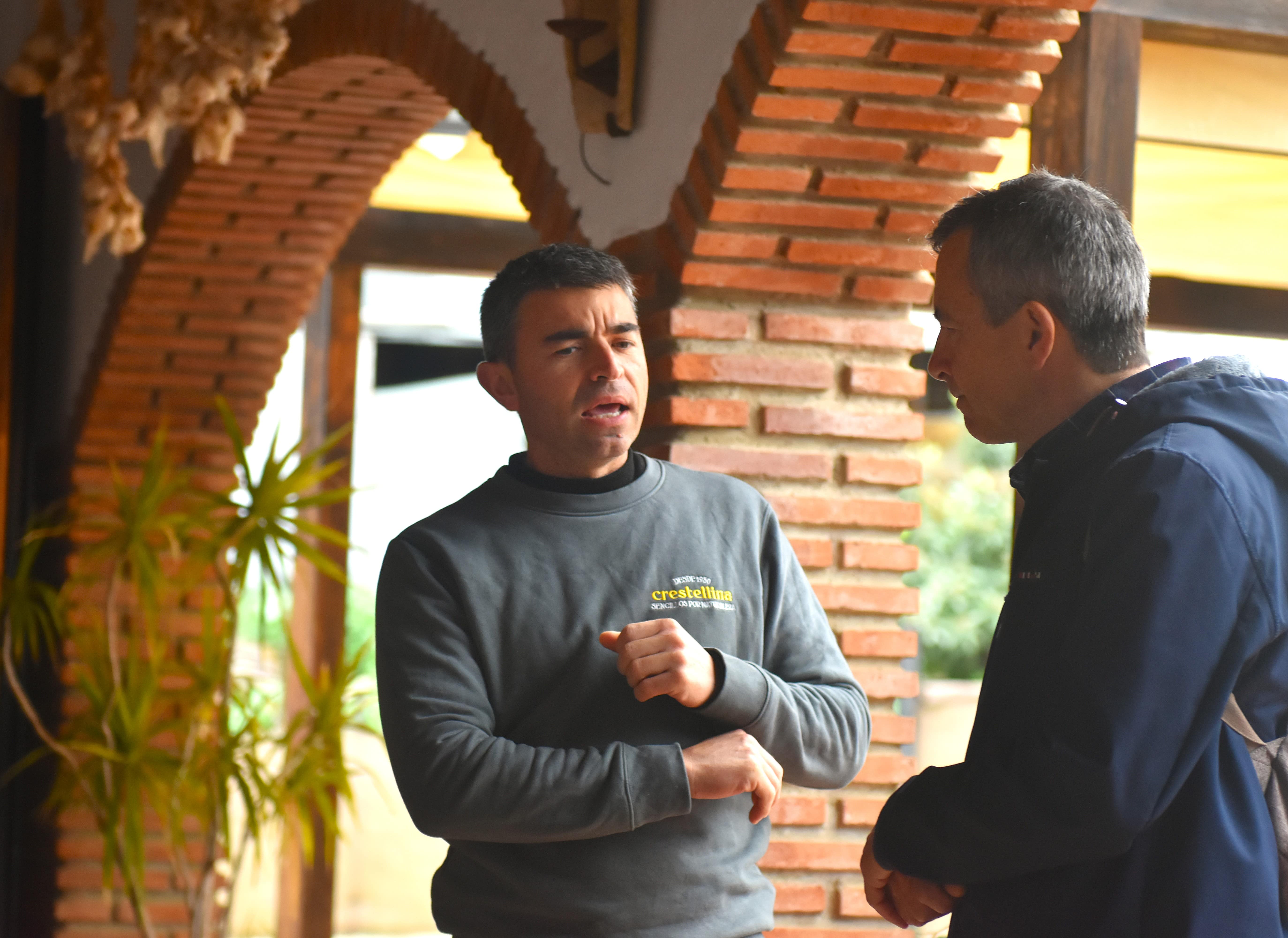
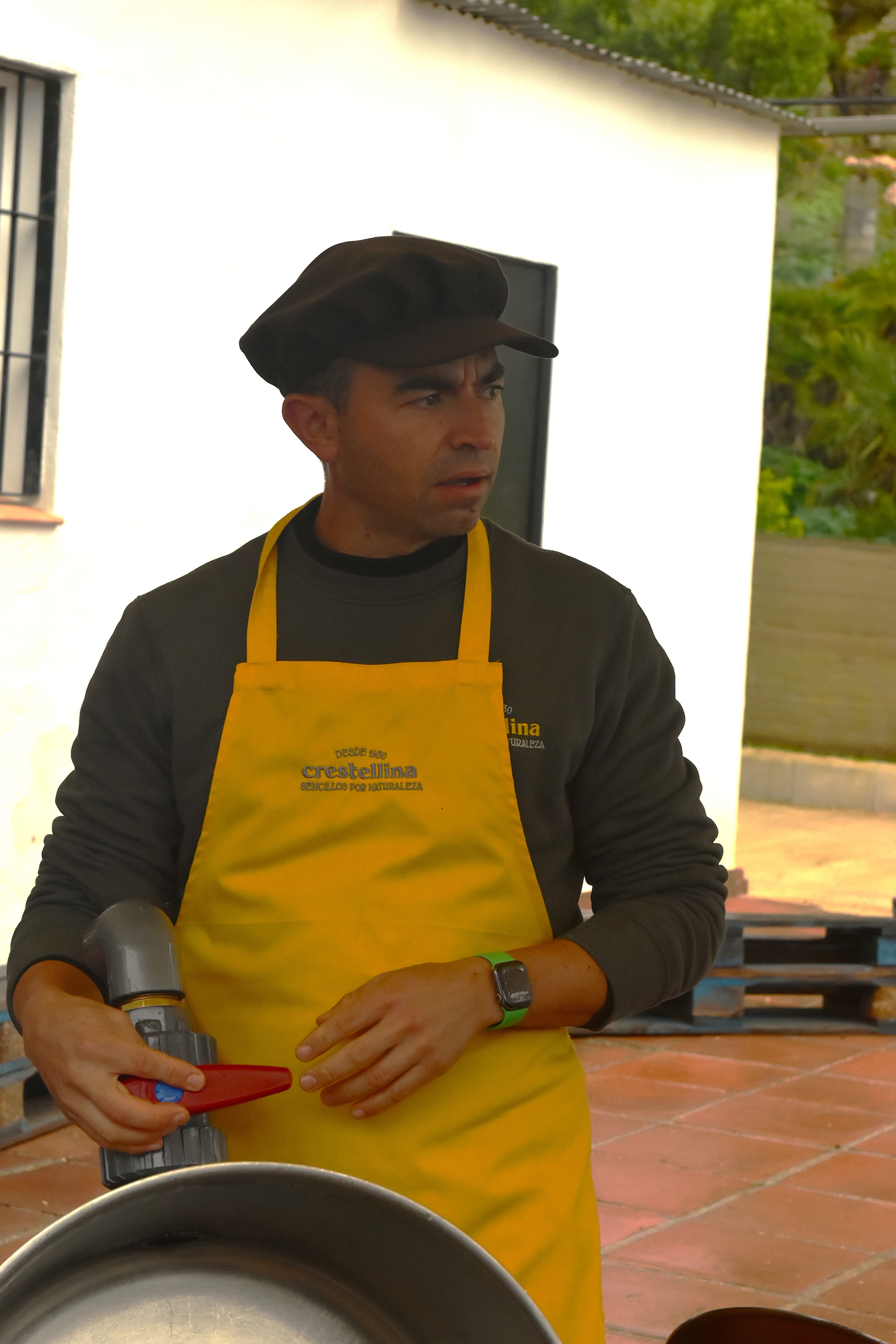
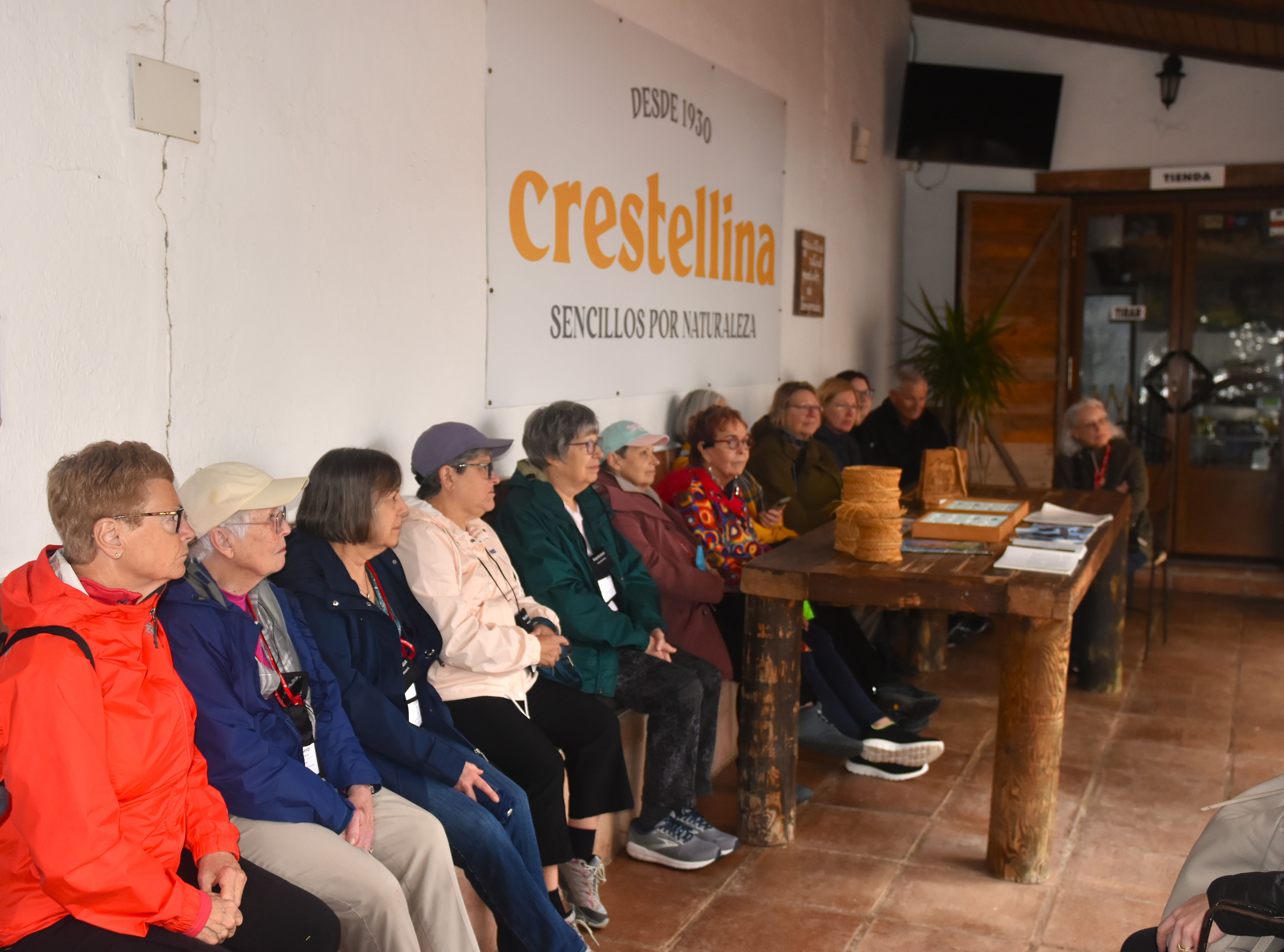
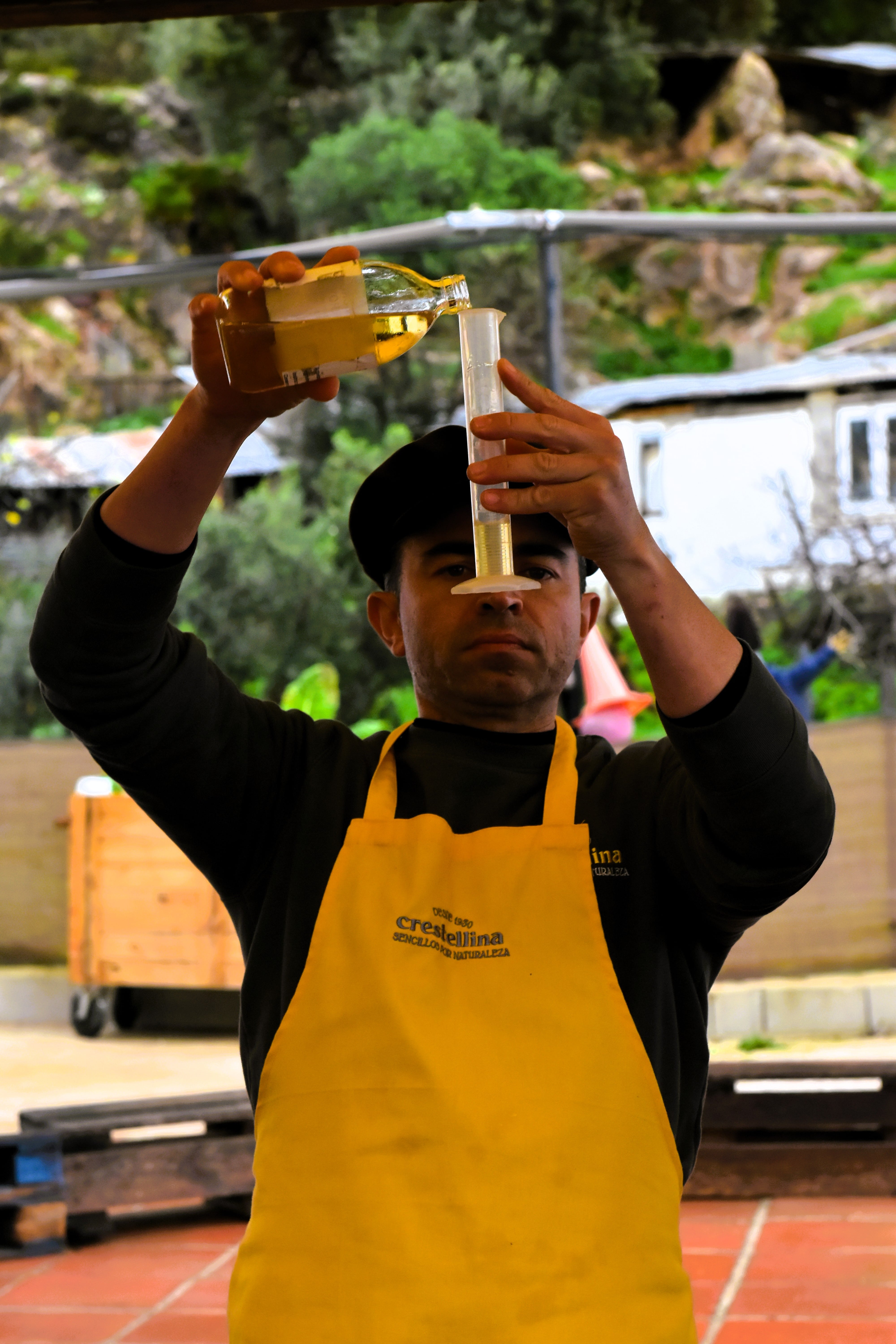
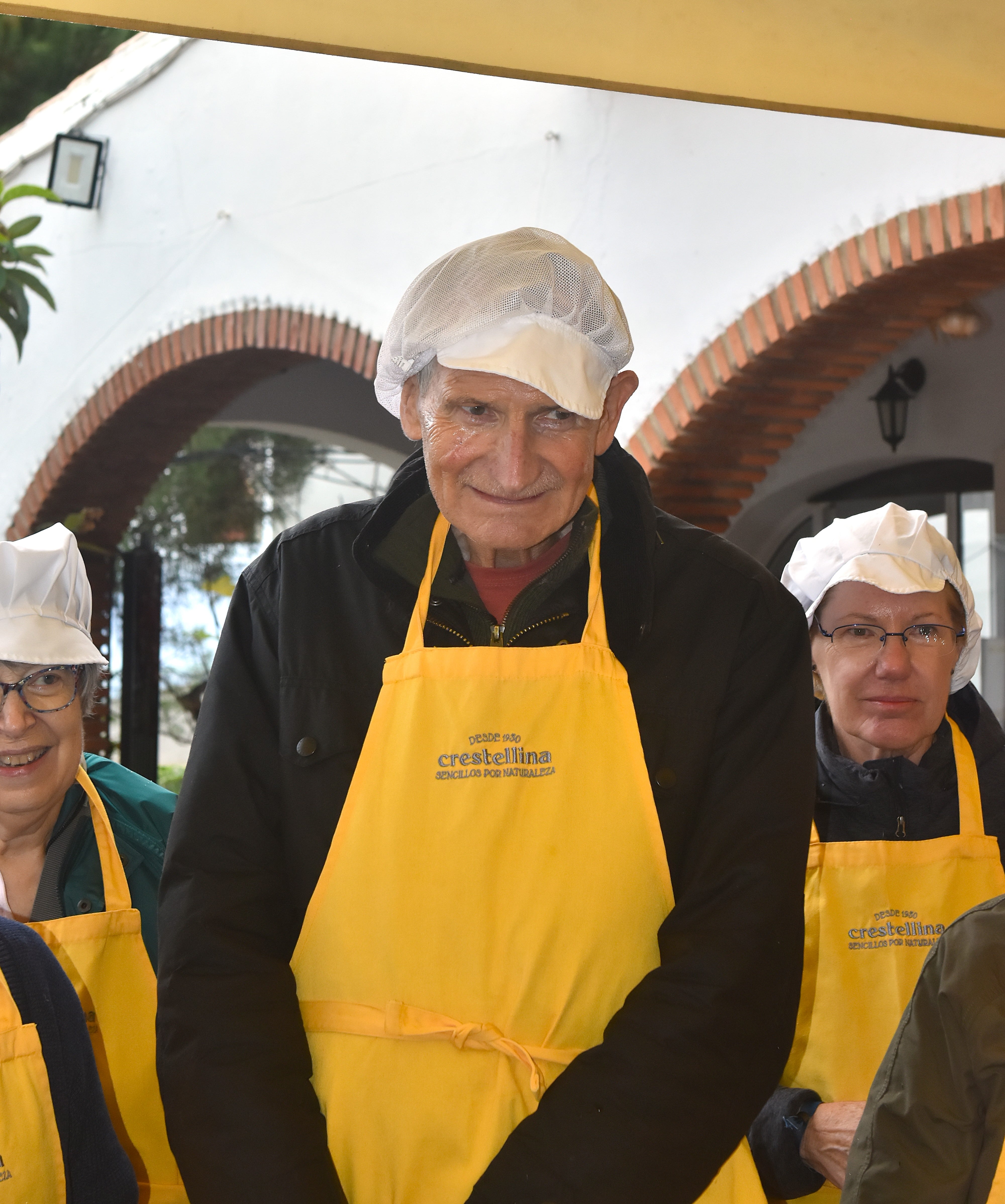
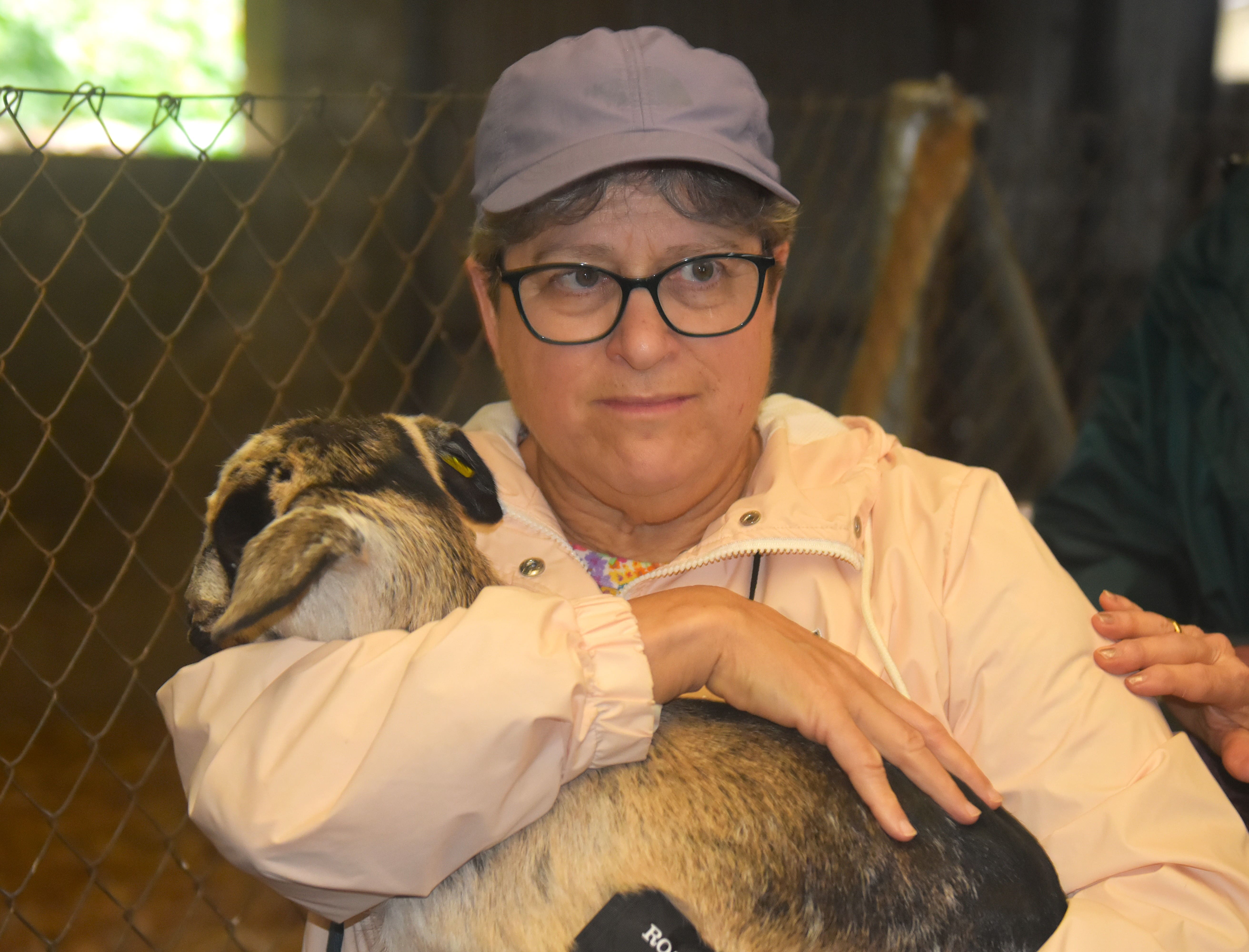
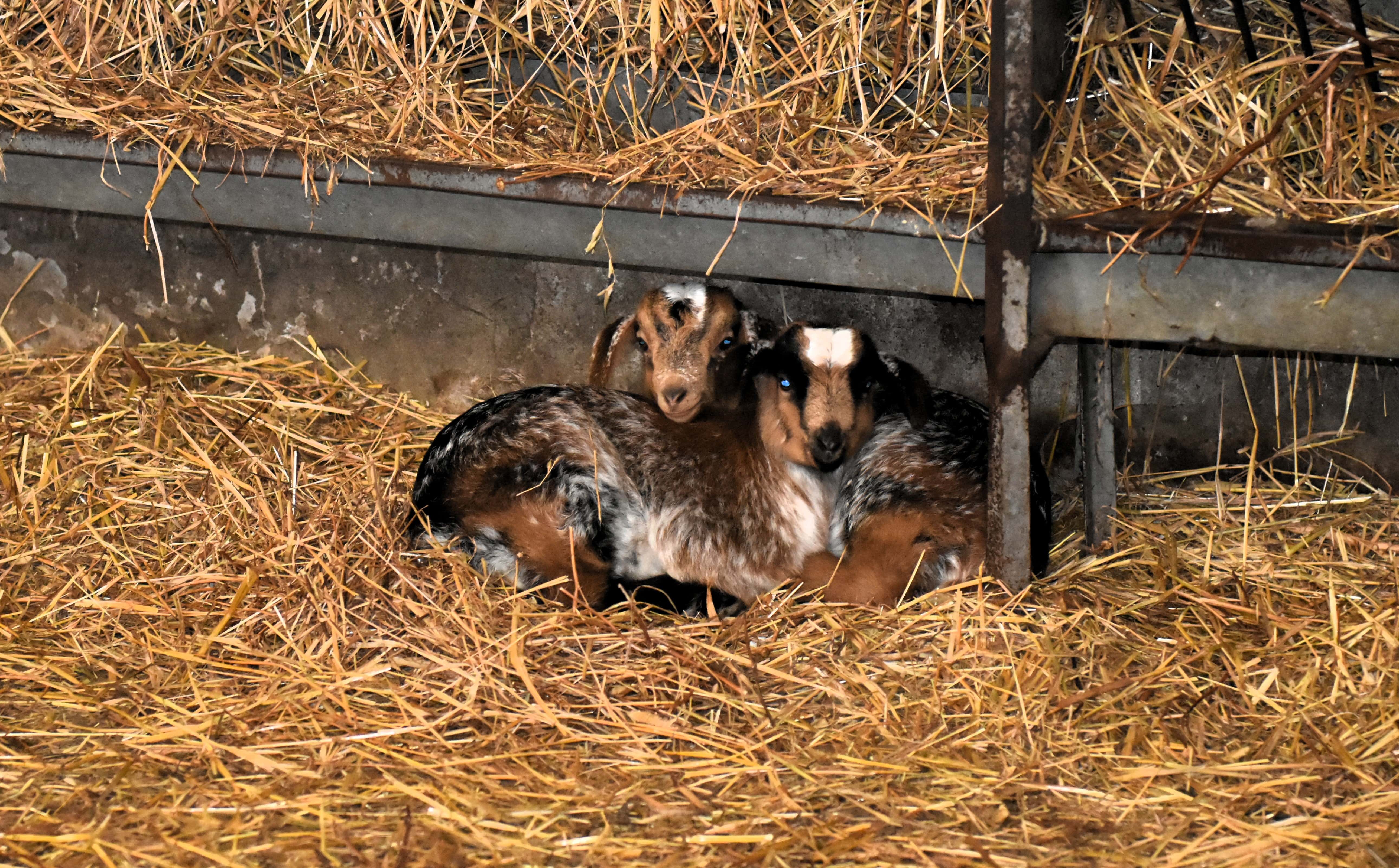
In the afternoon we went to a local cheese producer, Juan, (Quesos Sierra Crestellina), where we learned about the specialty Payoyo cheese, produced from goat’s milk from the Cadiz region of Spain. Of course, we took part in making cheese as well as meeting the goats up close and personal and trying some of the cheese that we made.


Córdoba: A City of Converging Cultures
Córdoba is a city where history, art, and architecture intertwine, reflecting centuries of diverse influences. Once the capital of Islamic Spain, Córdoba was a beacon of knowledge and culture, home to scholars, poets, and architects who left behind a breathtaking legacy.
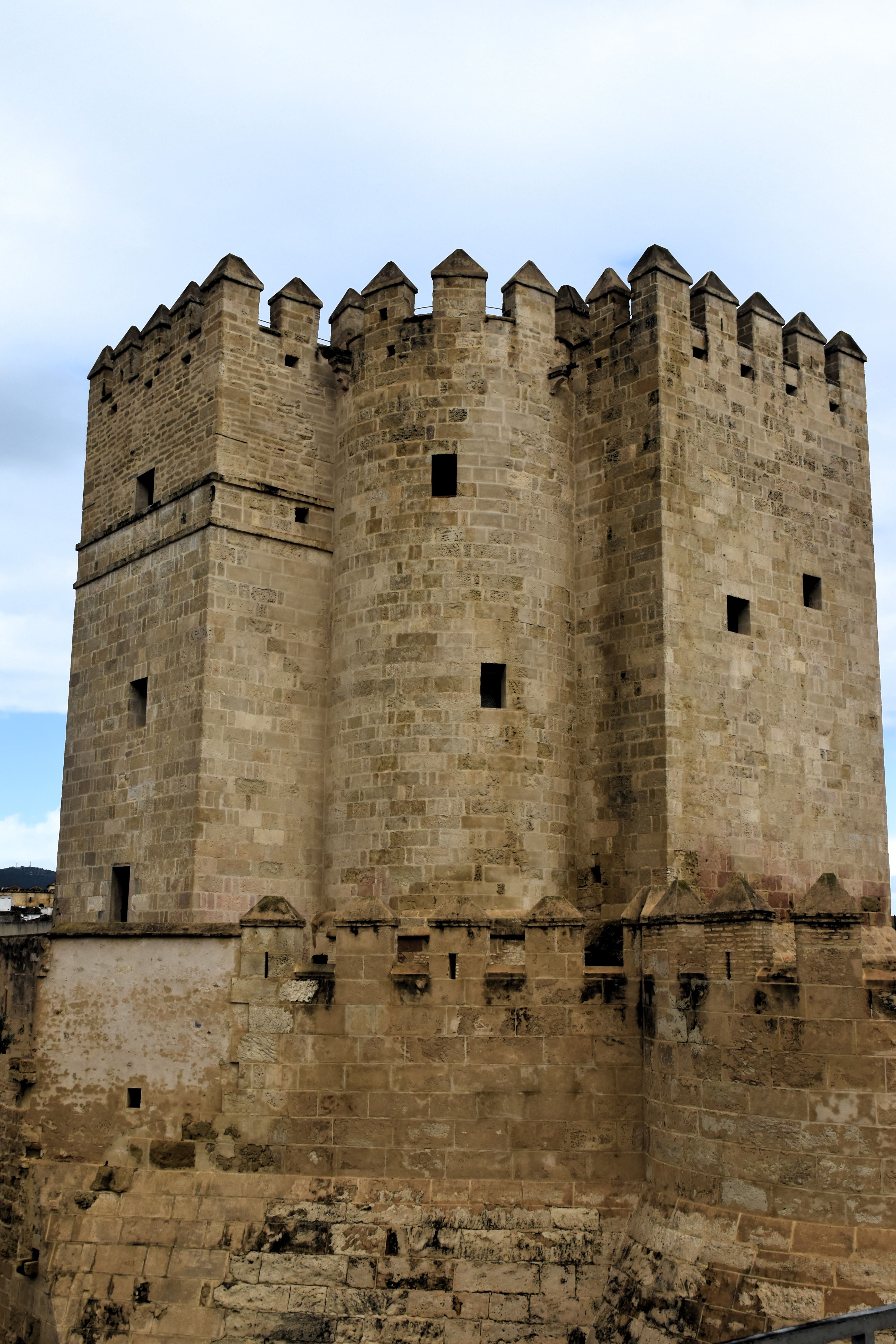
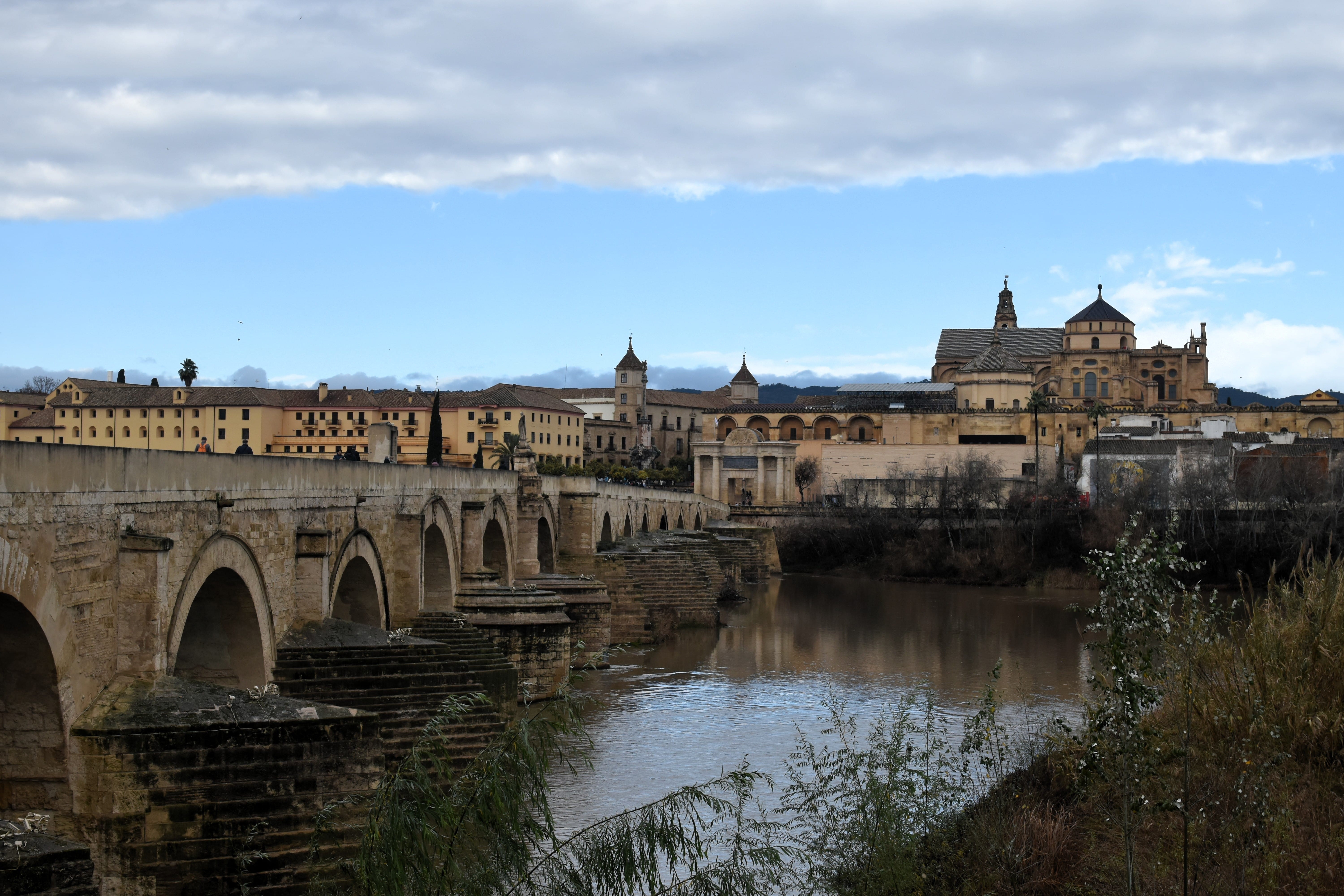
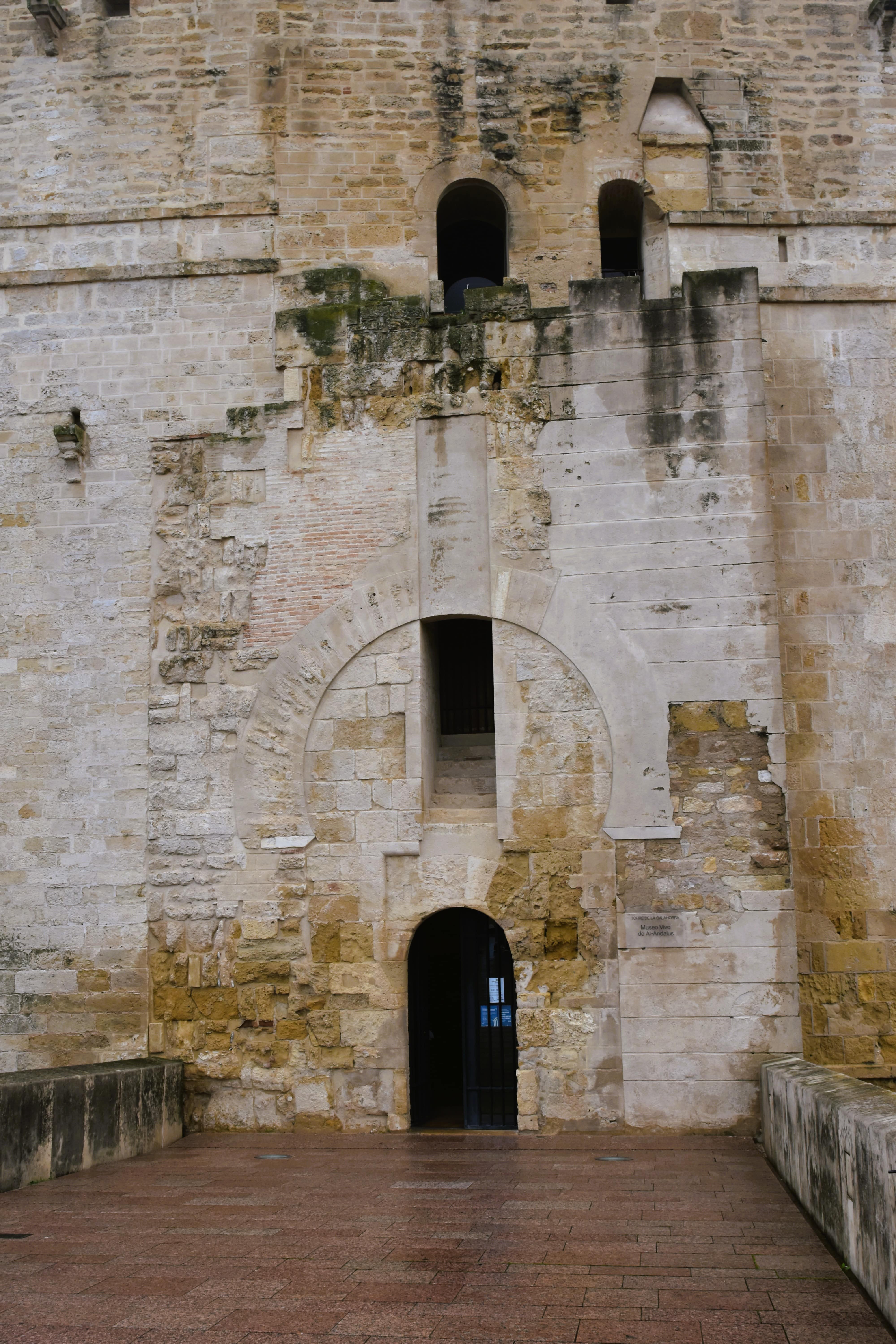
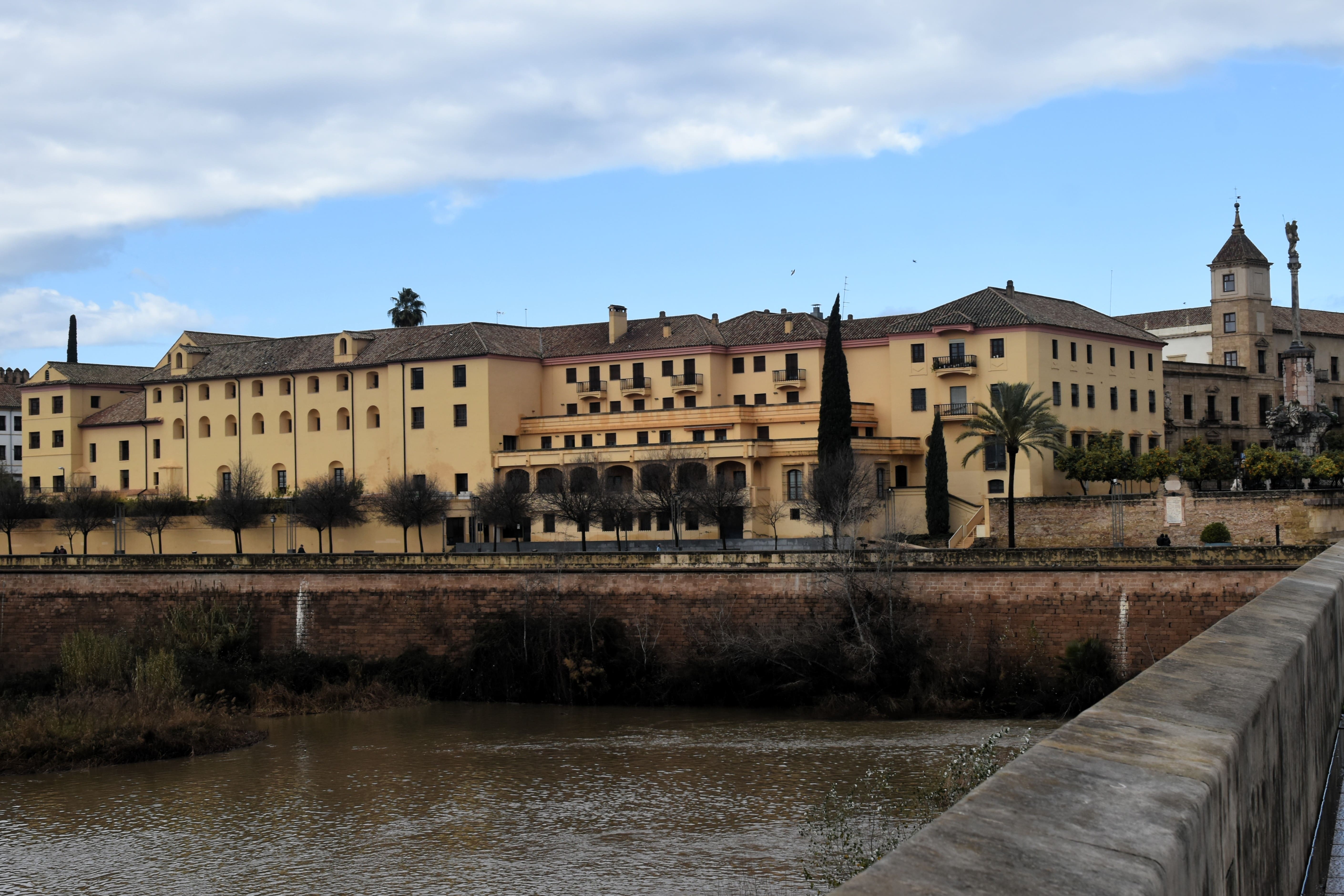
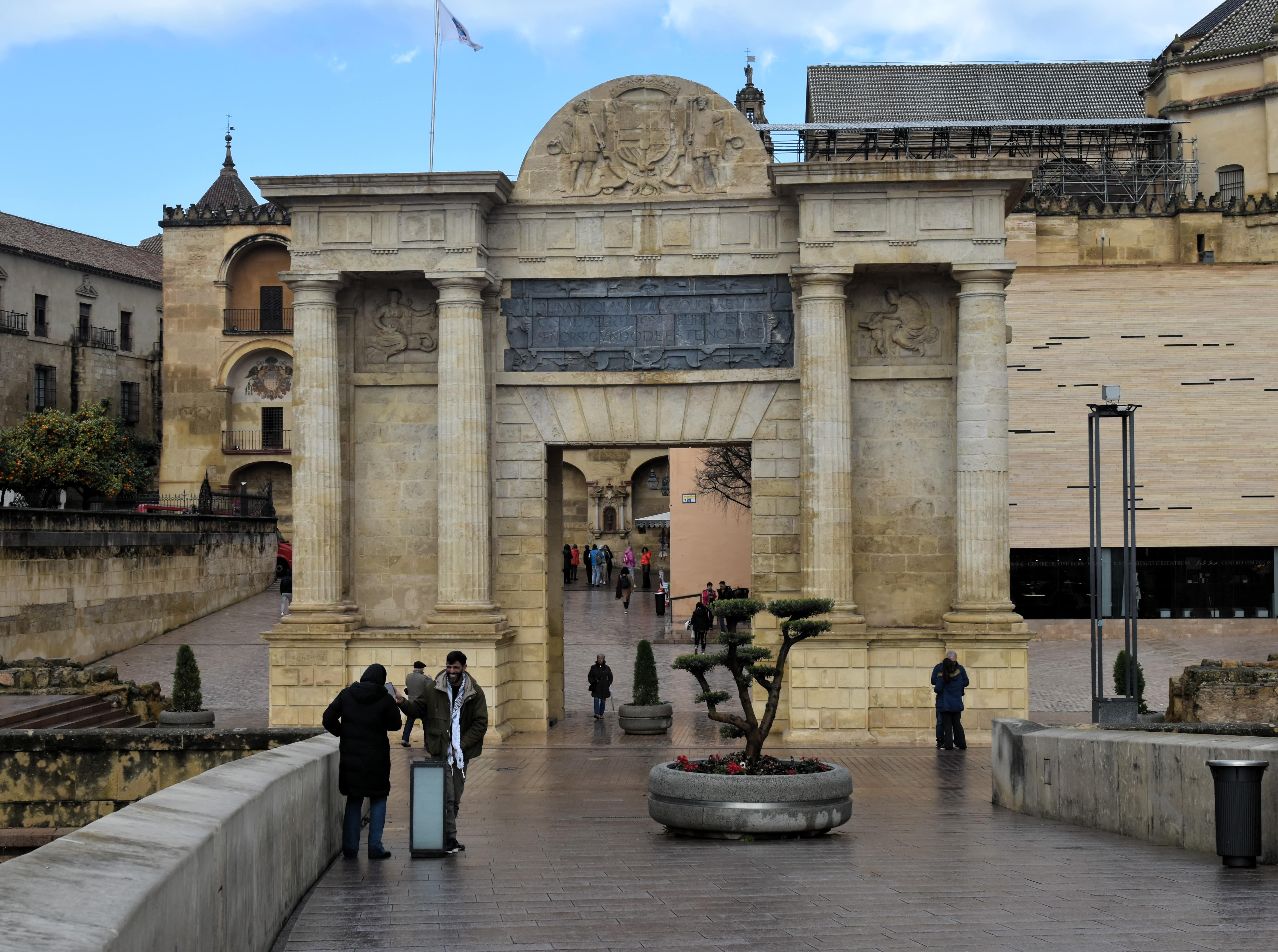
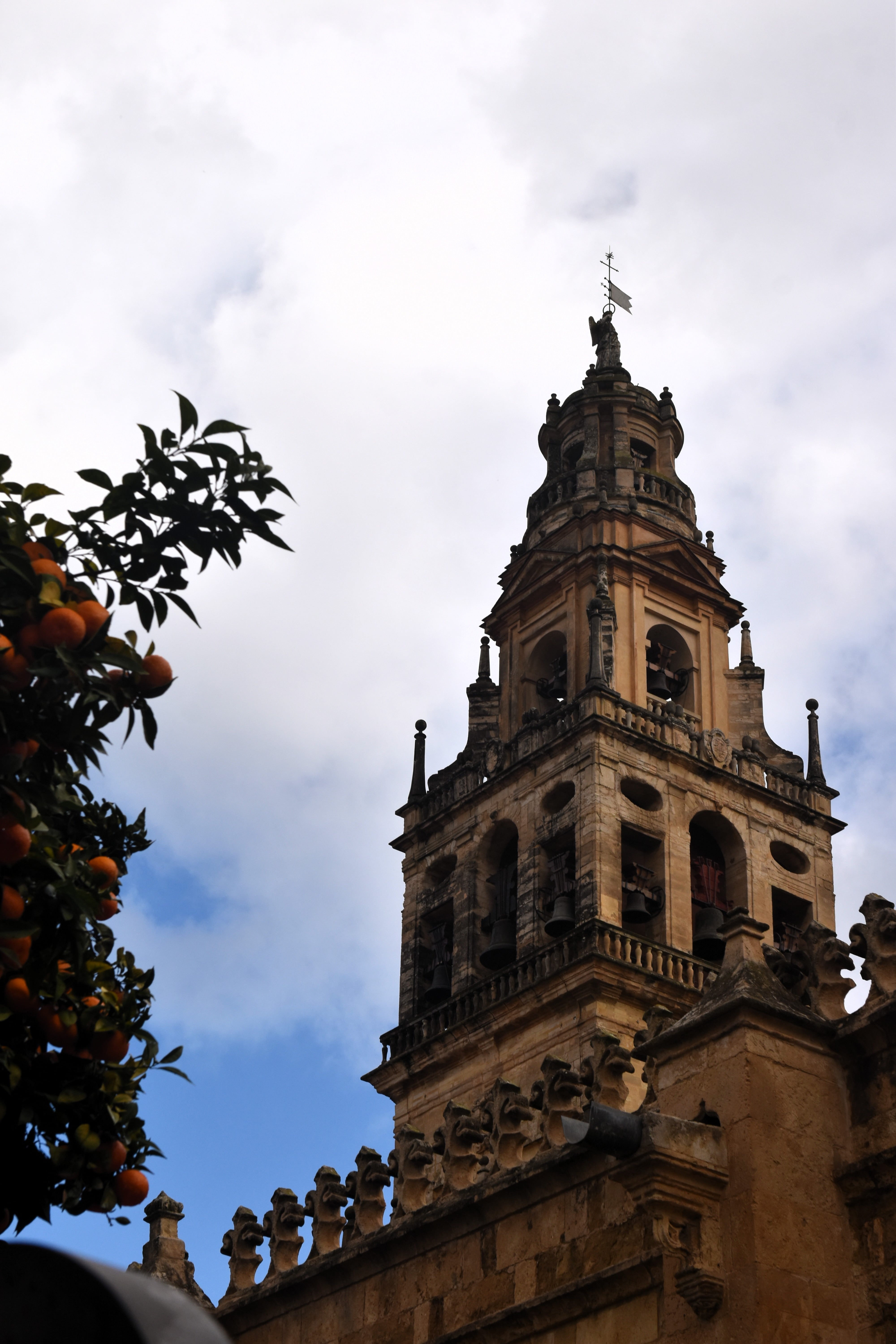
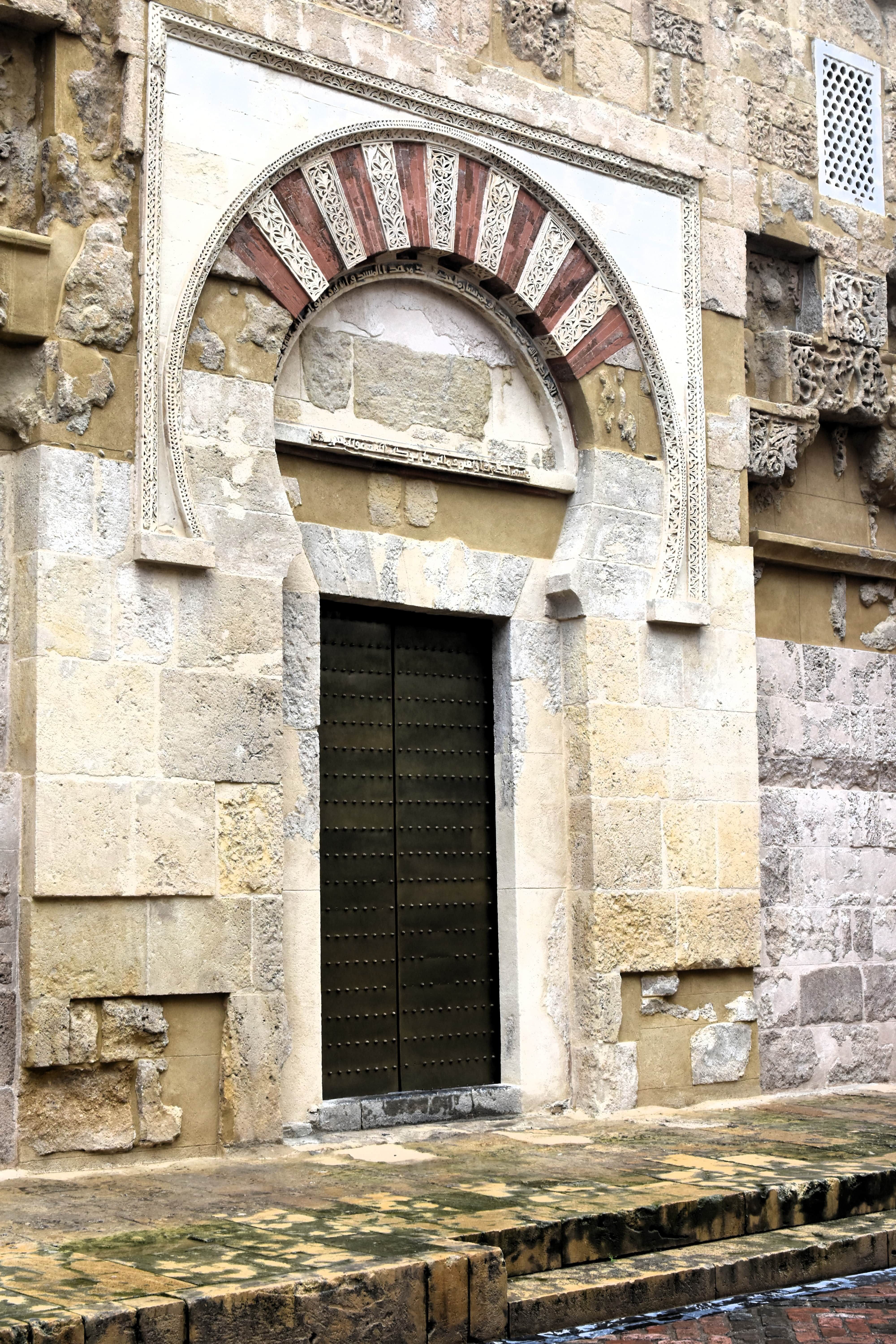
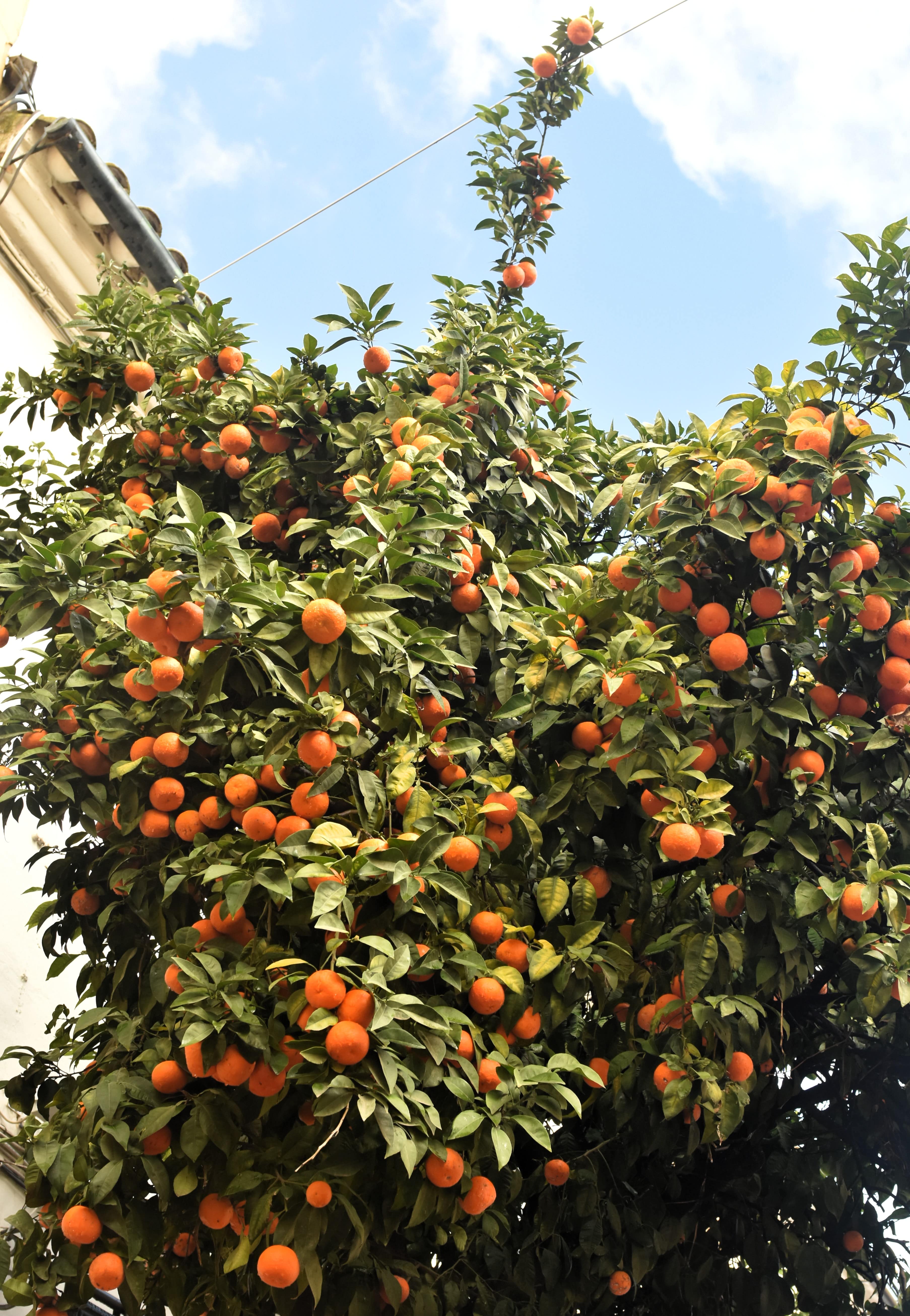
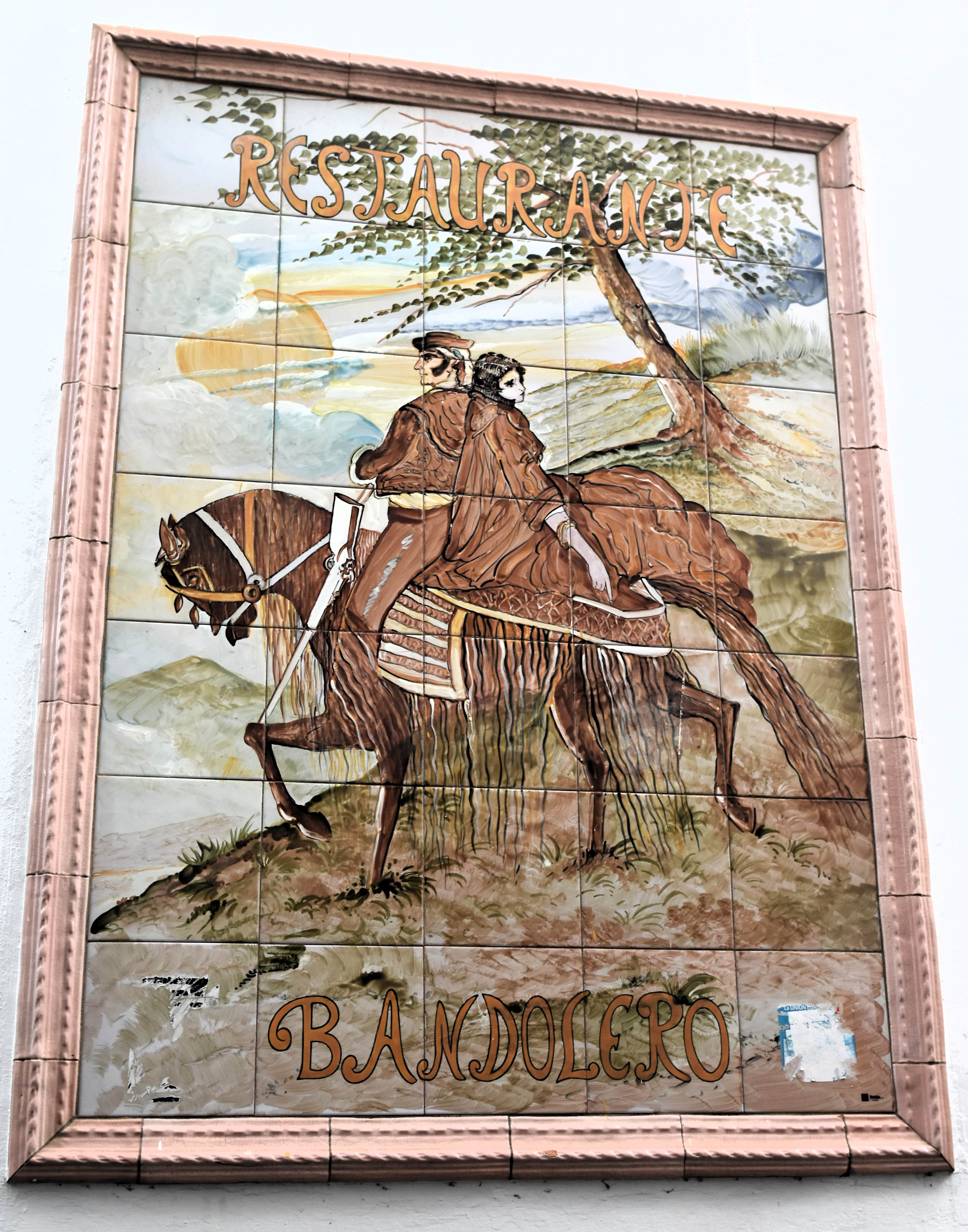
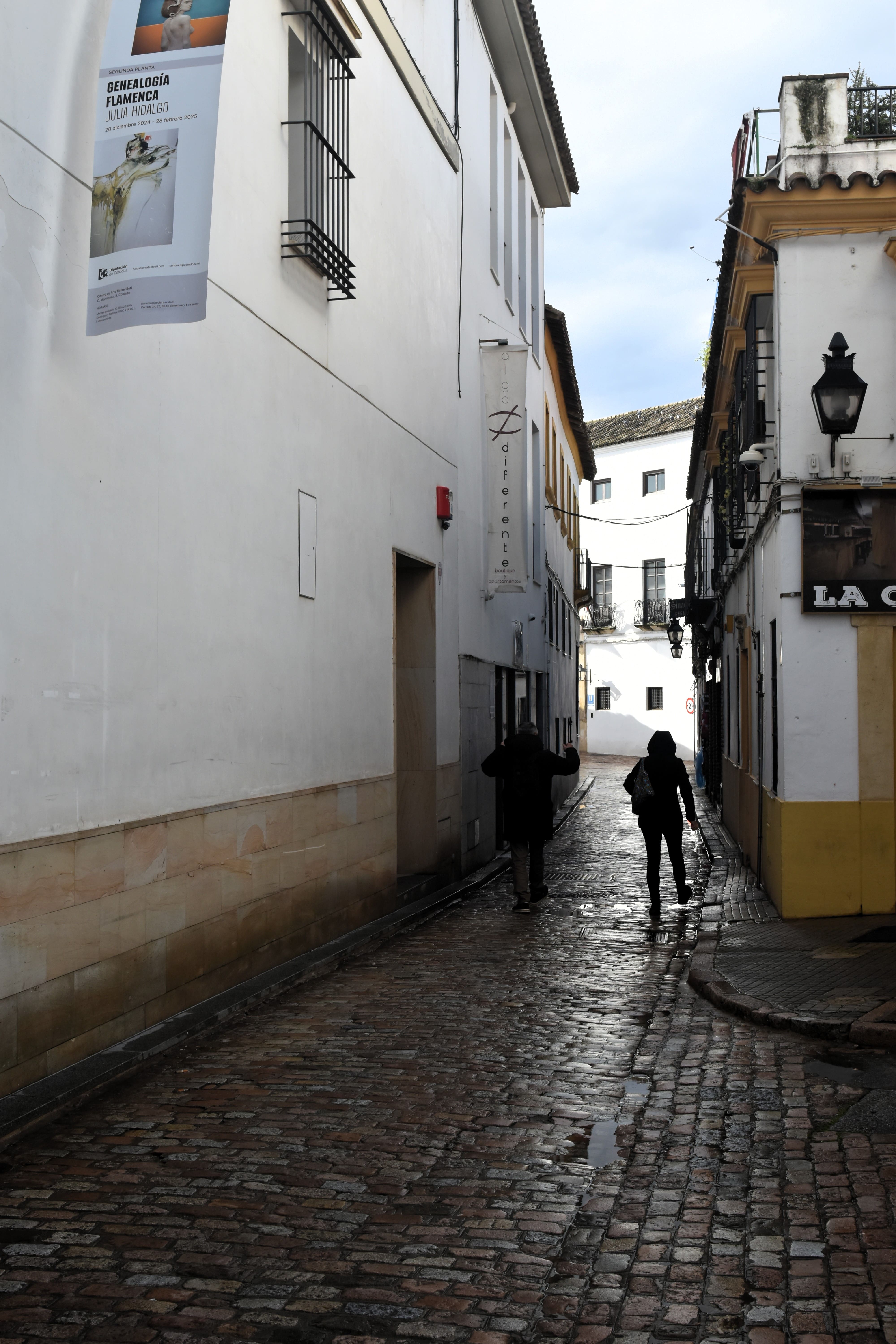
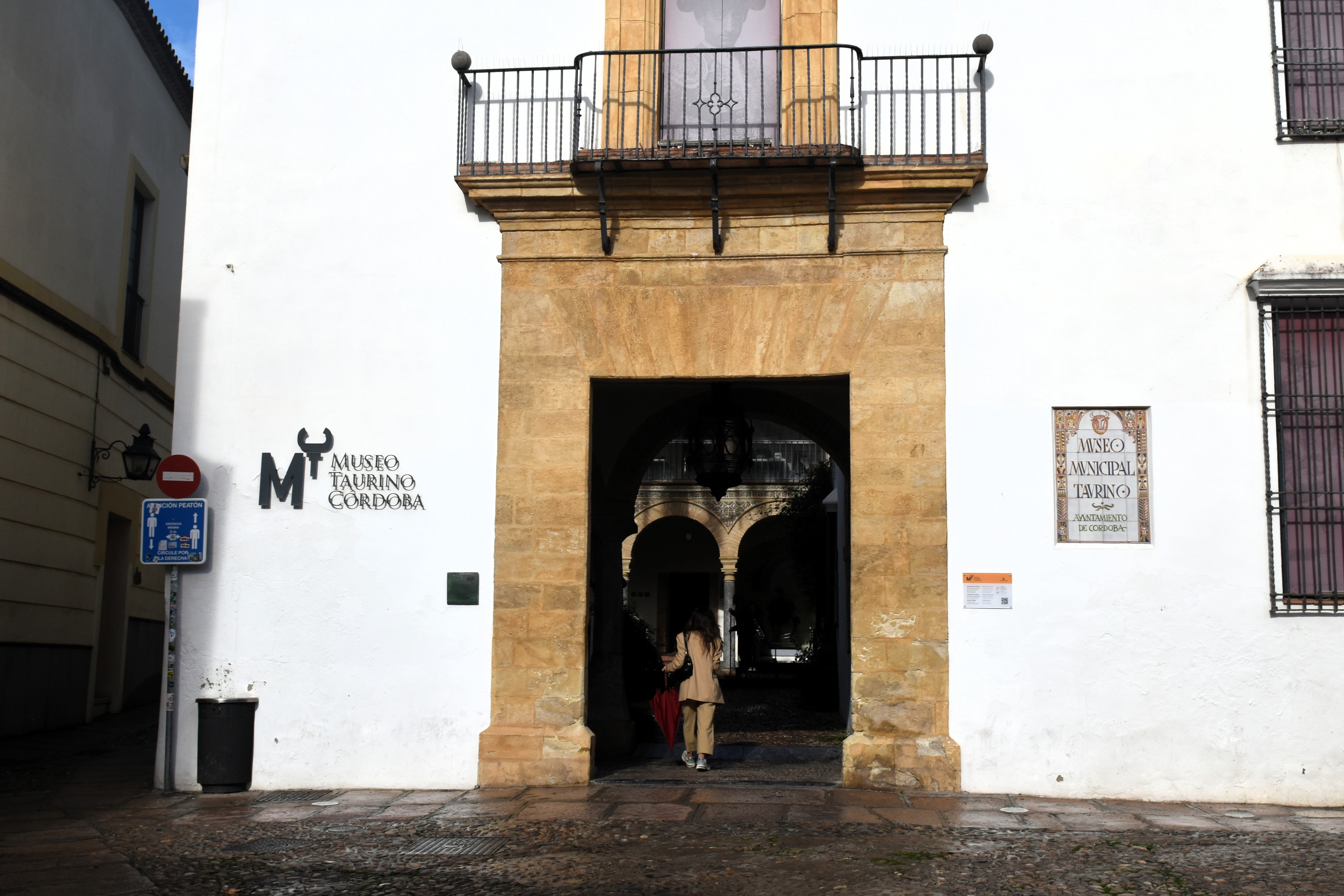
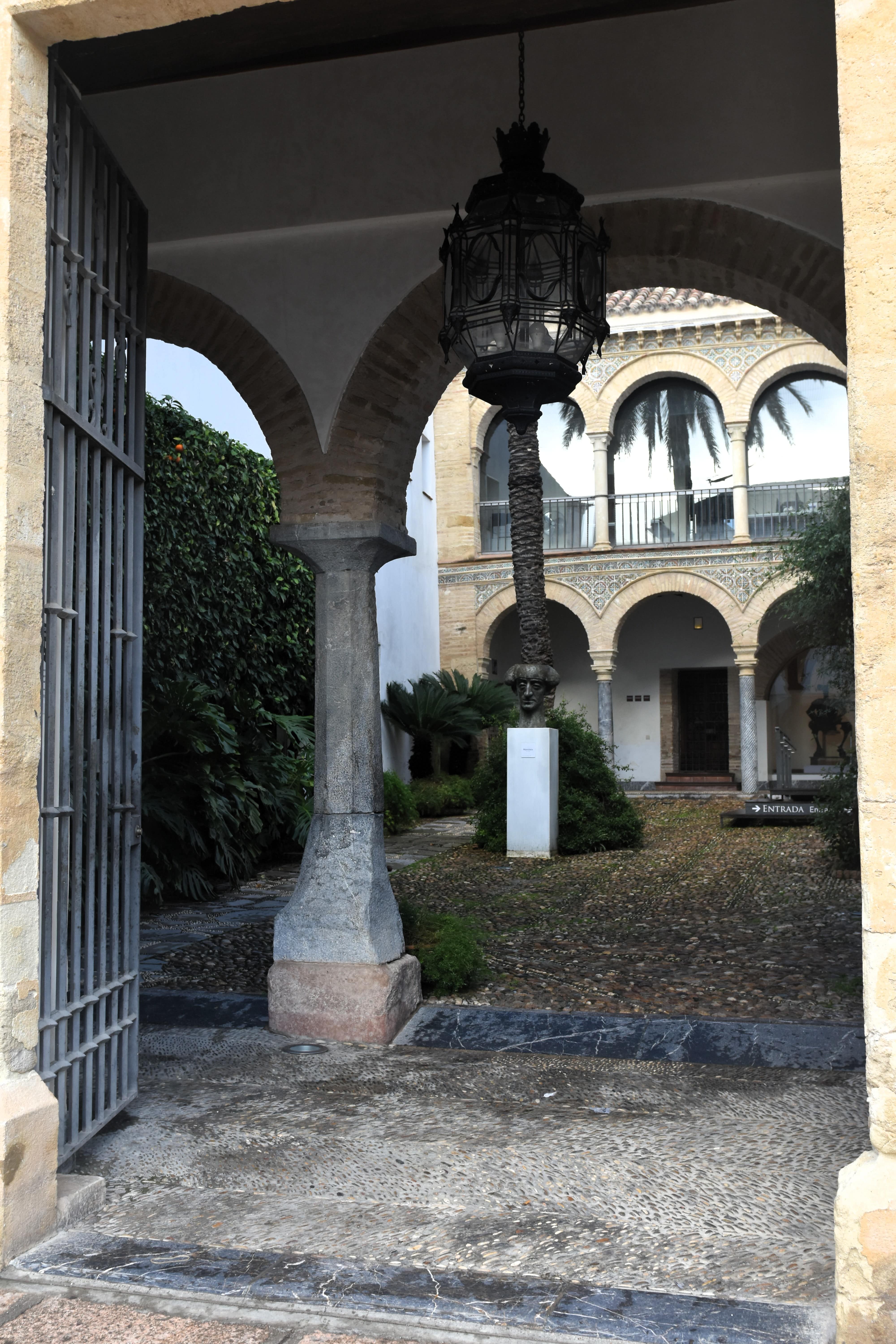
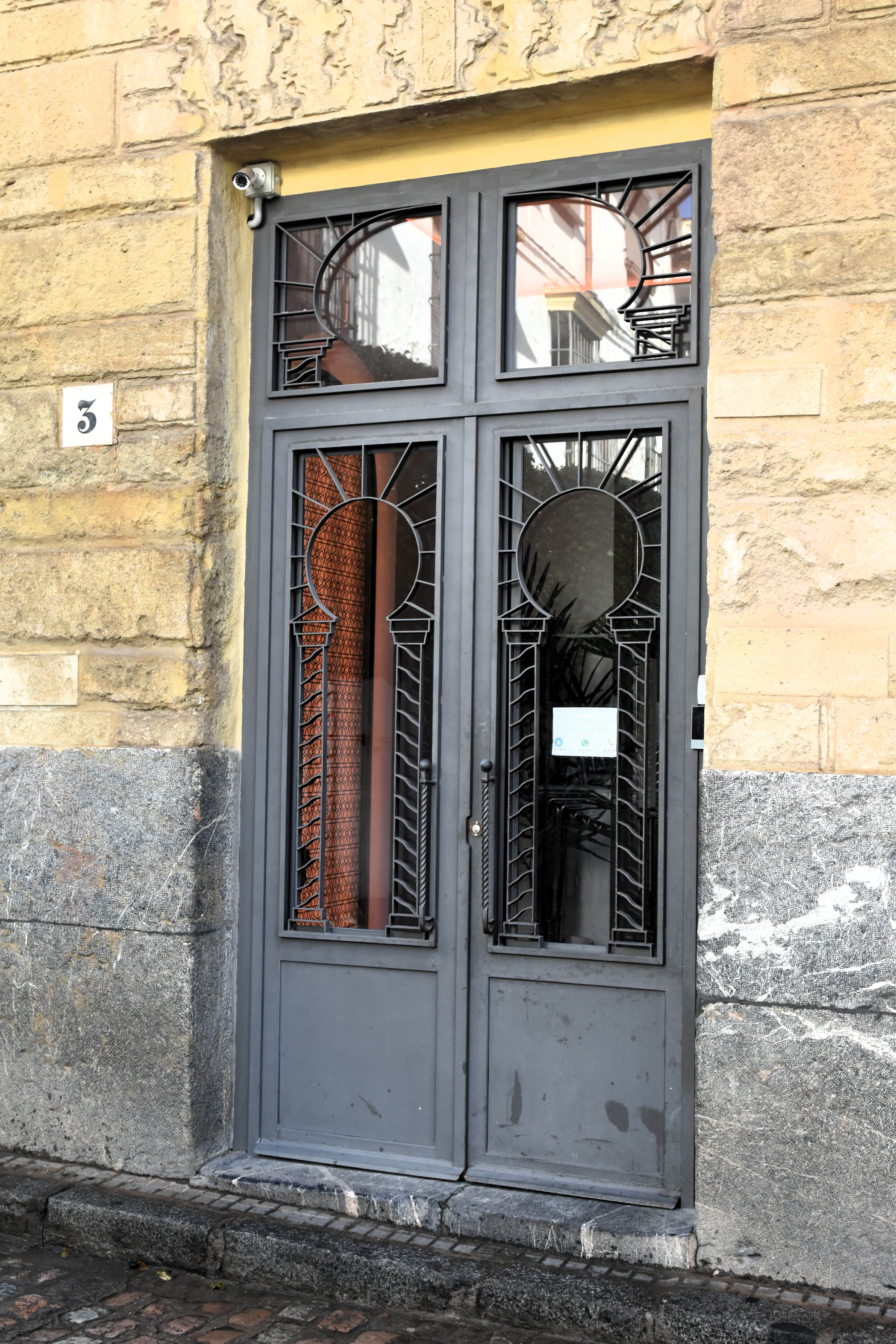
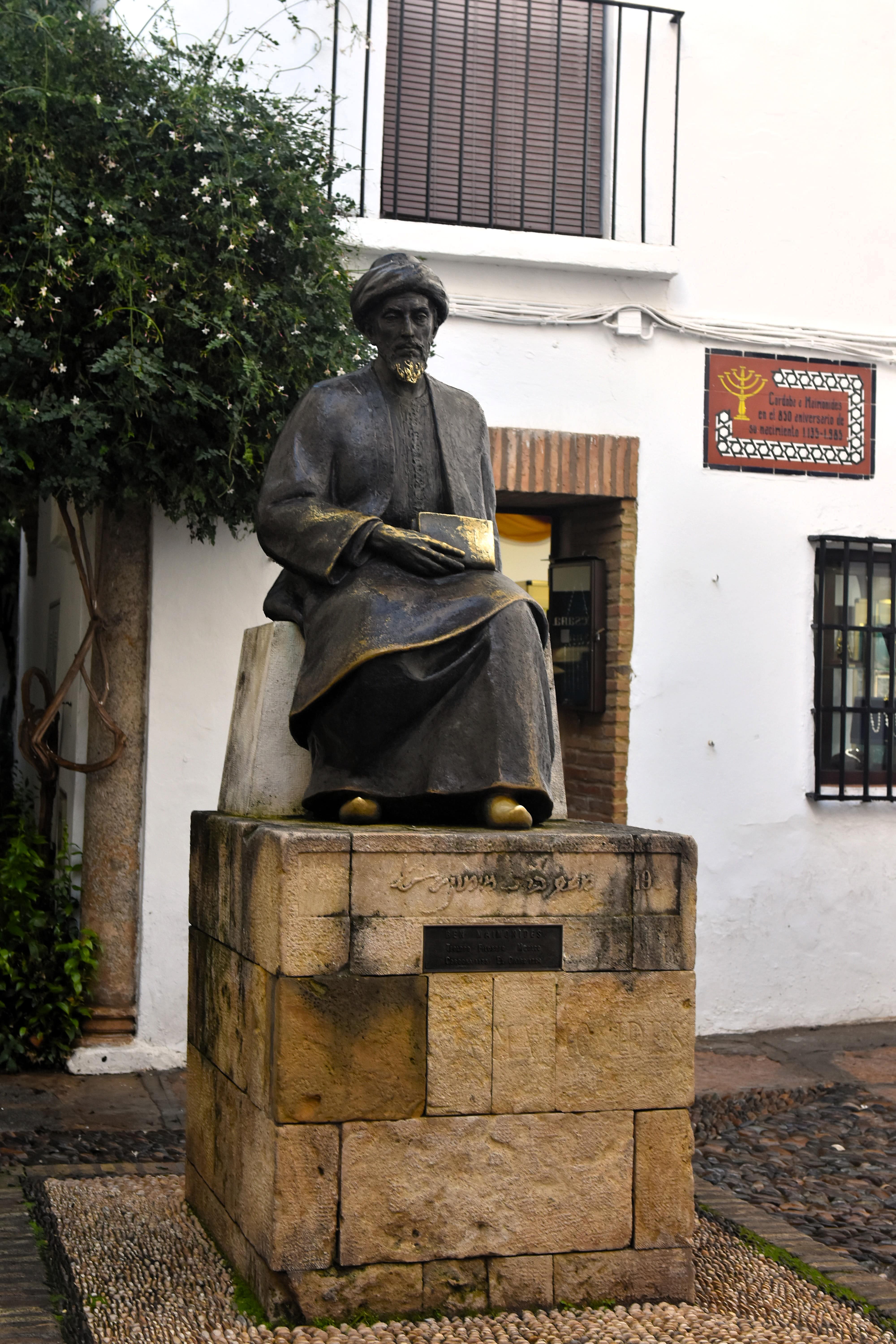
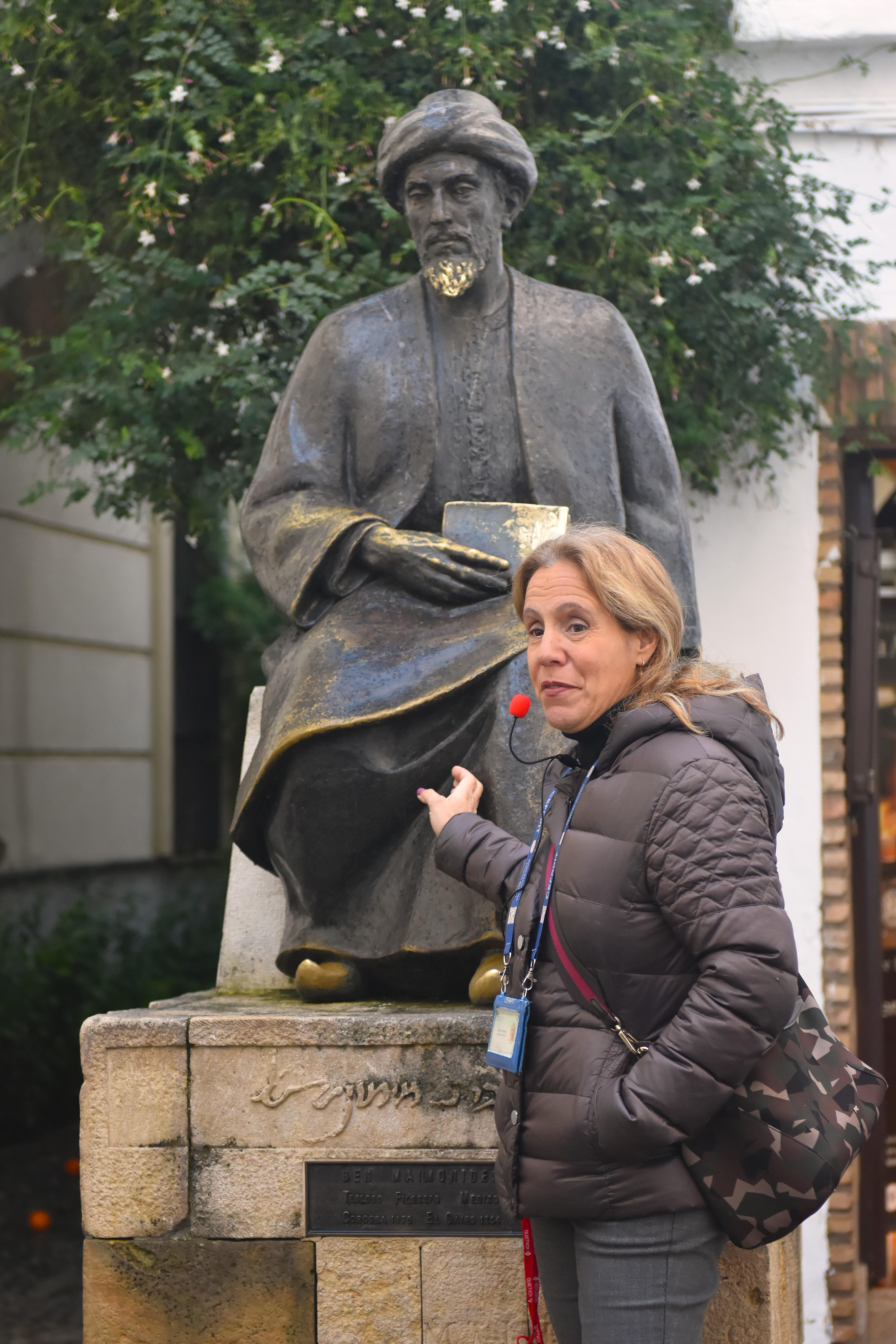
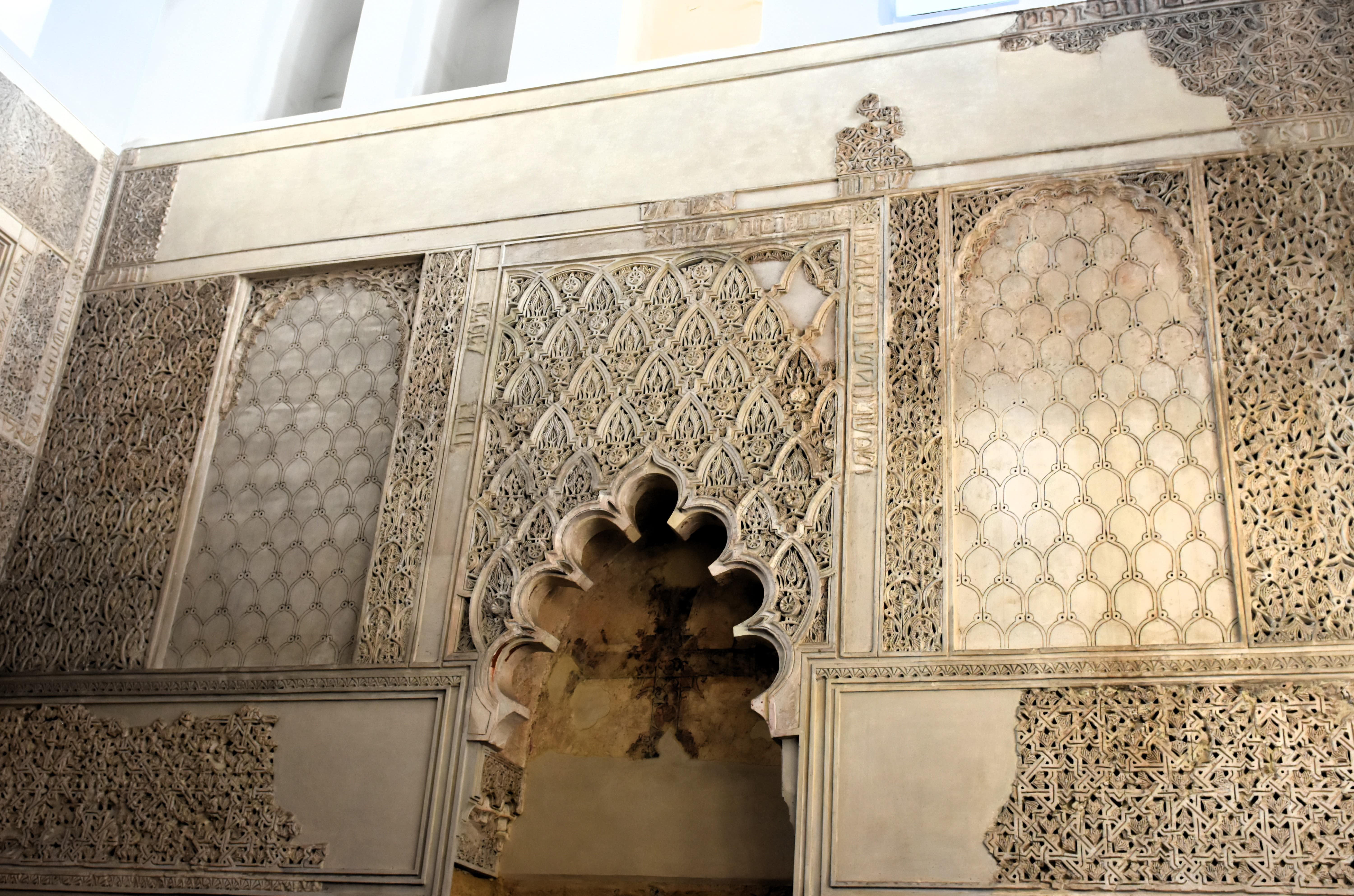
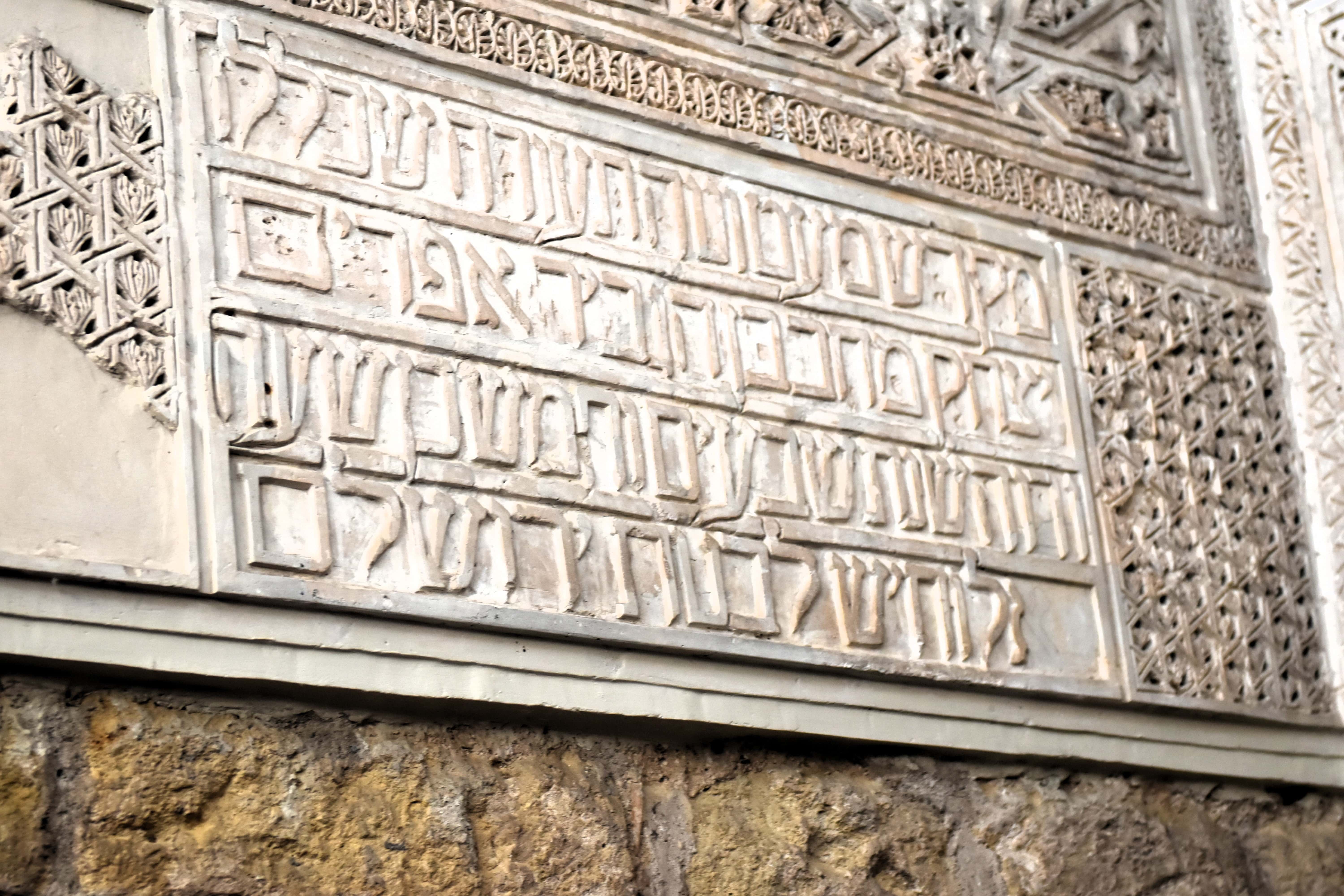
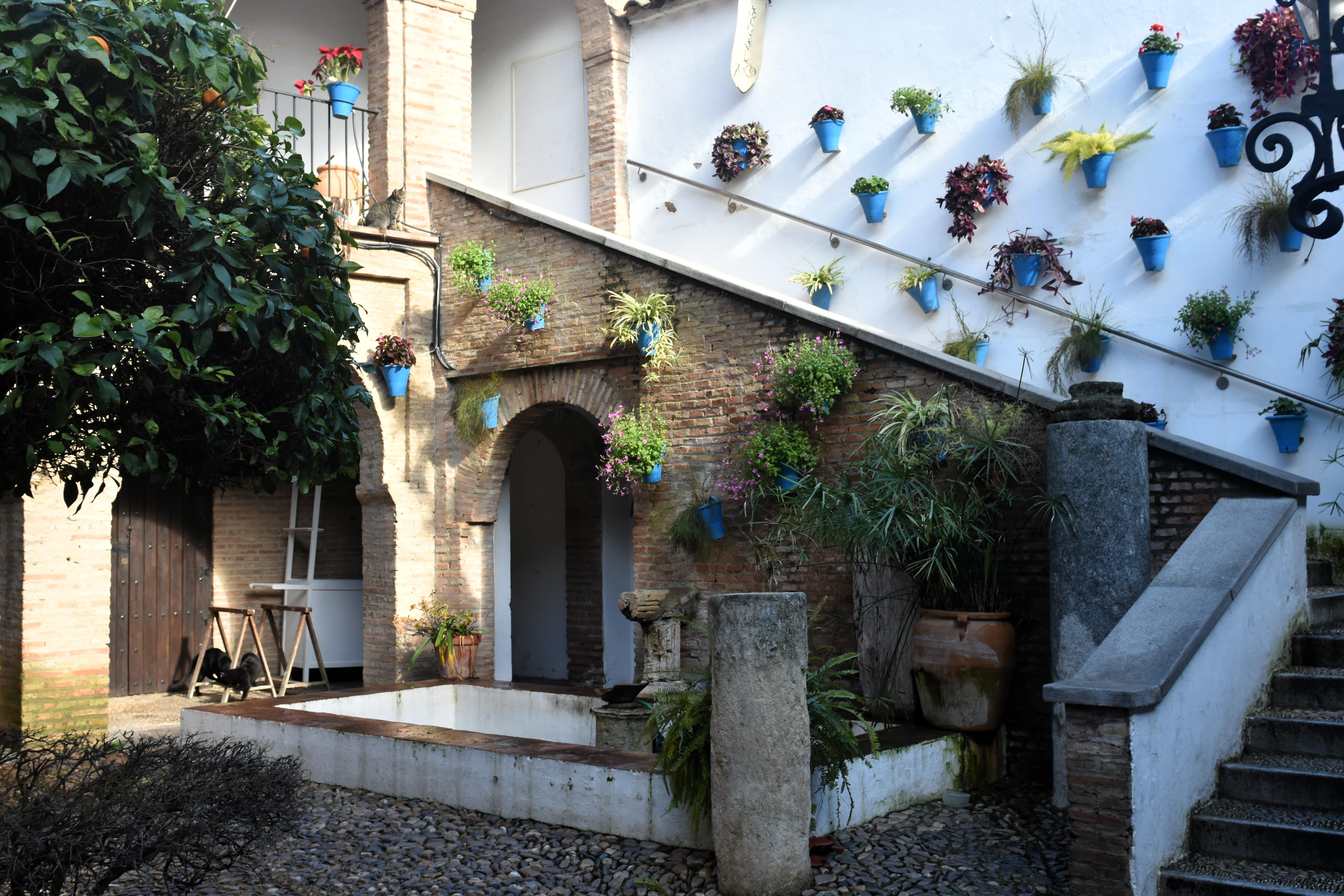
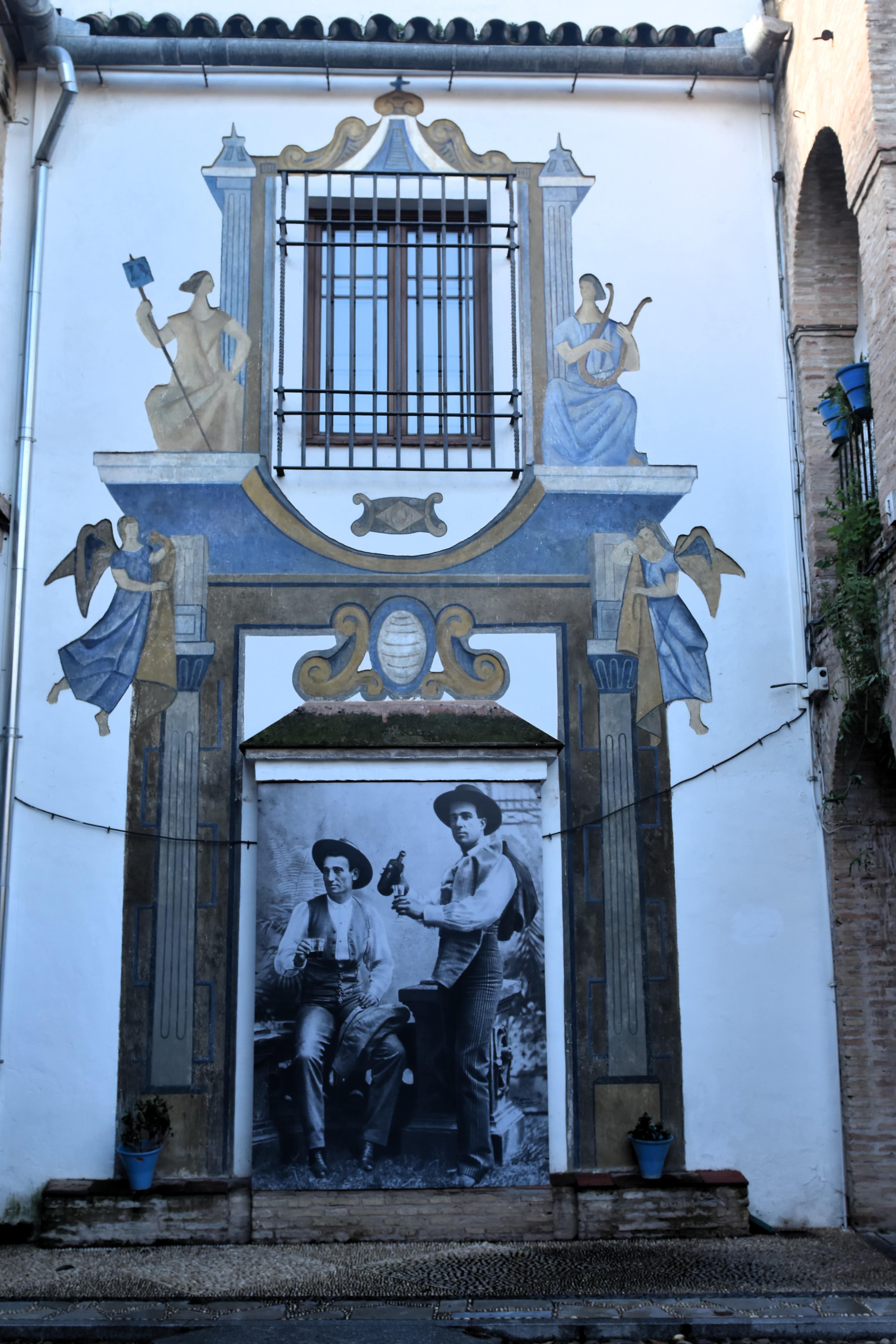
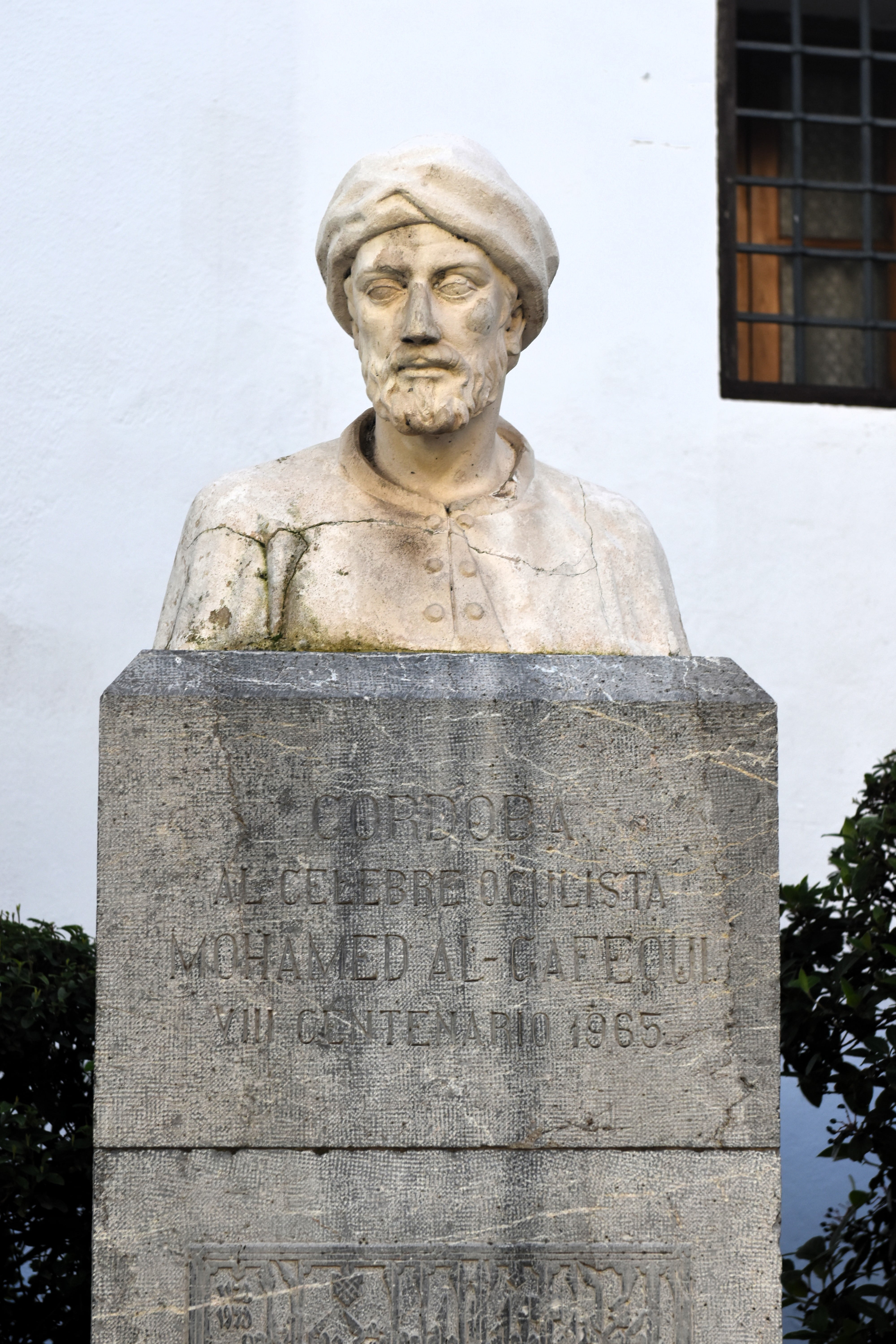
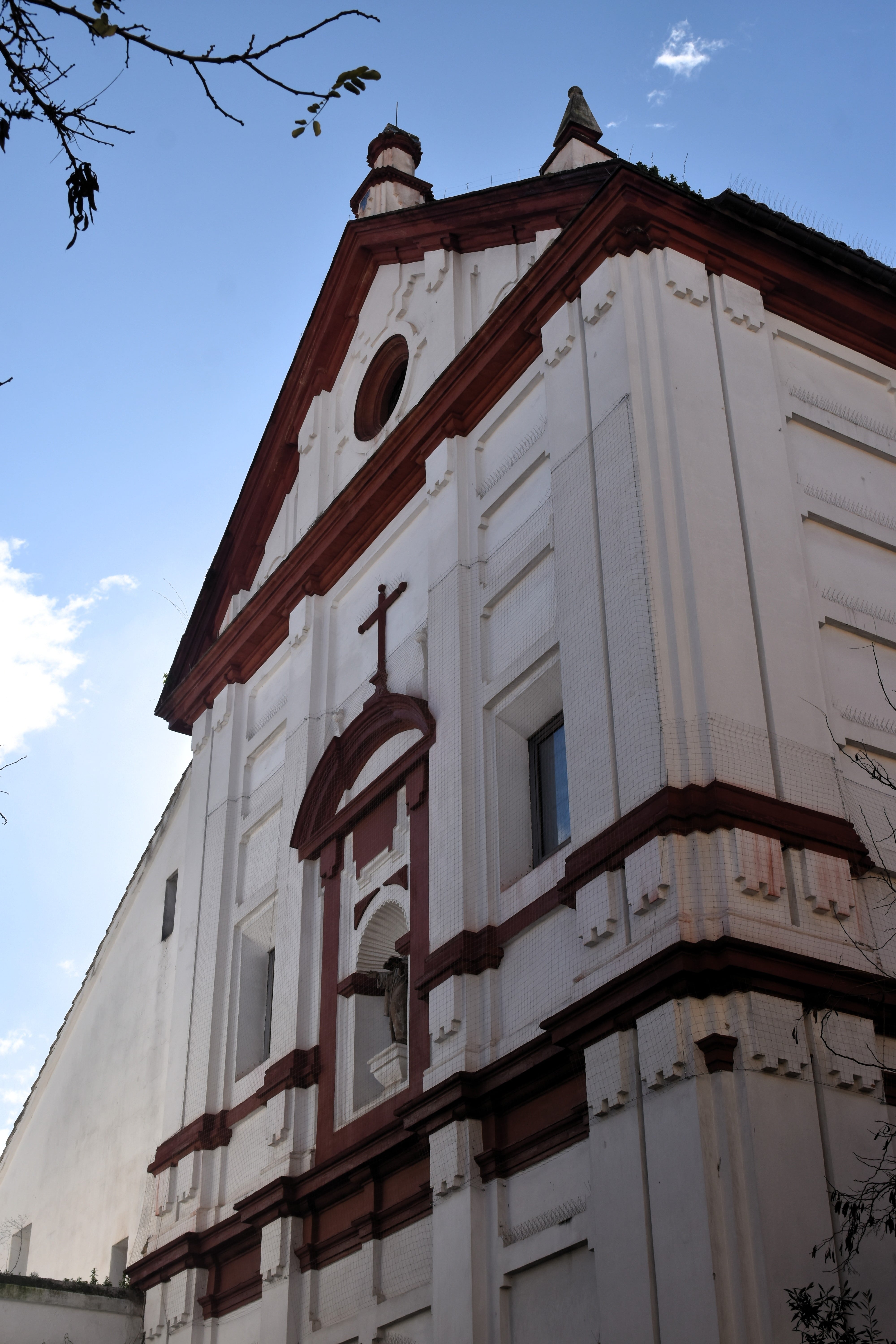
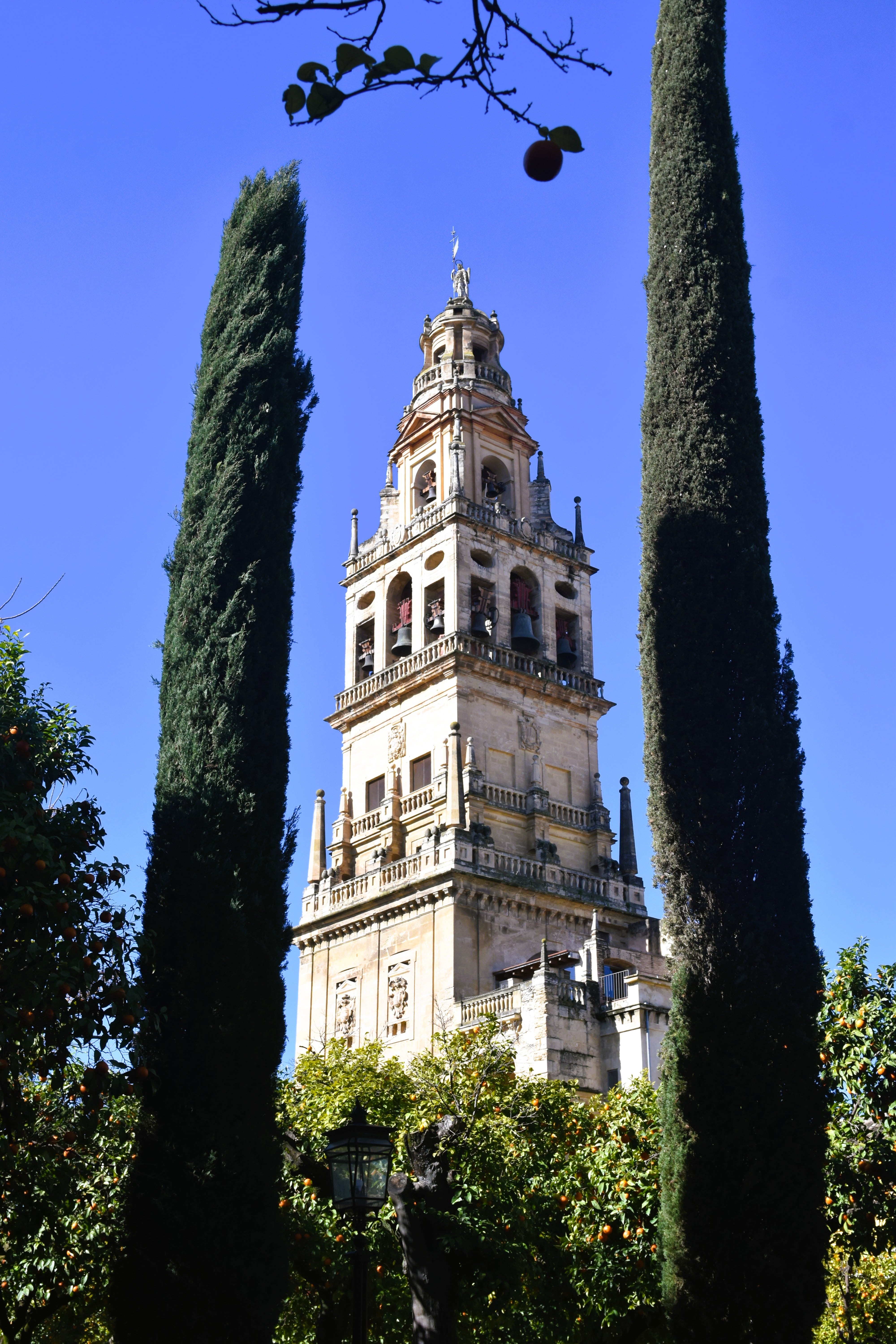
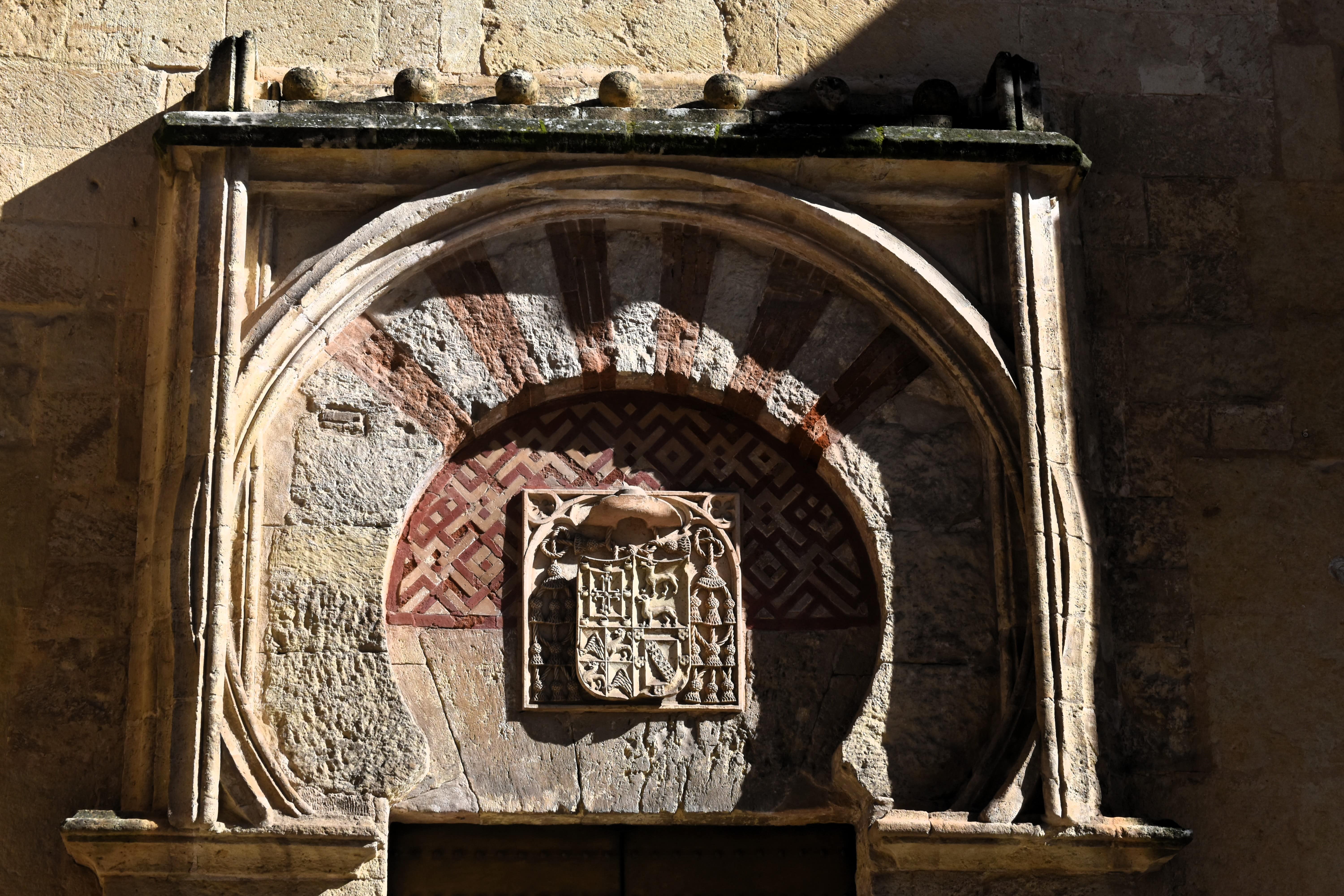
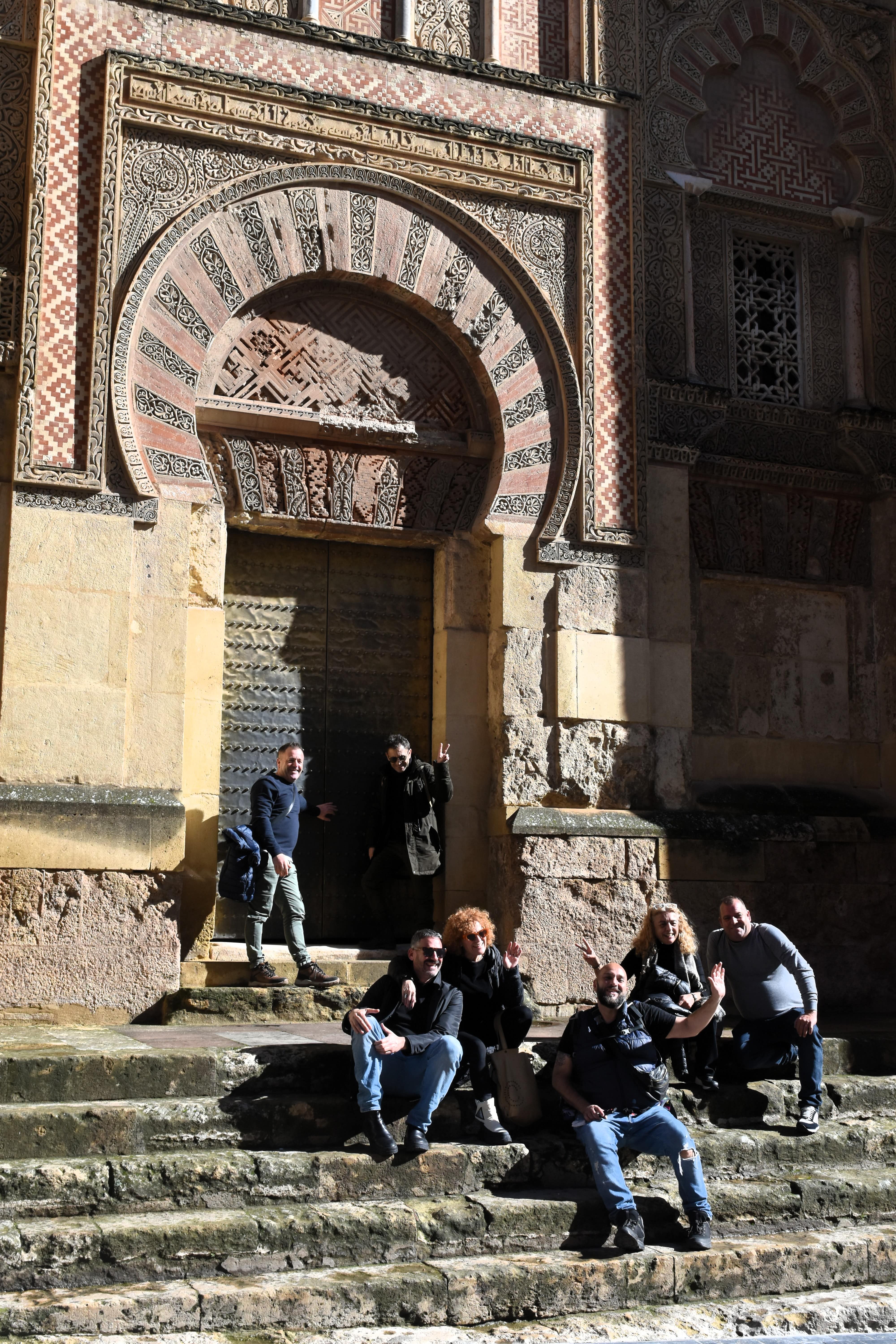
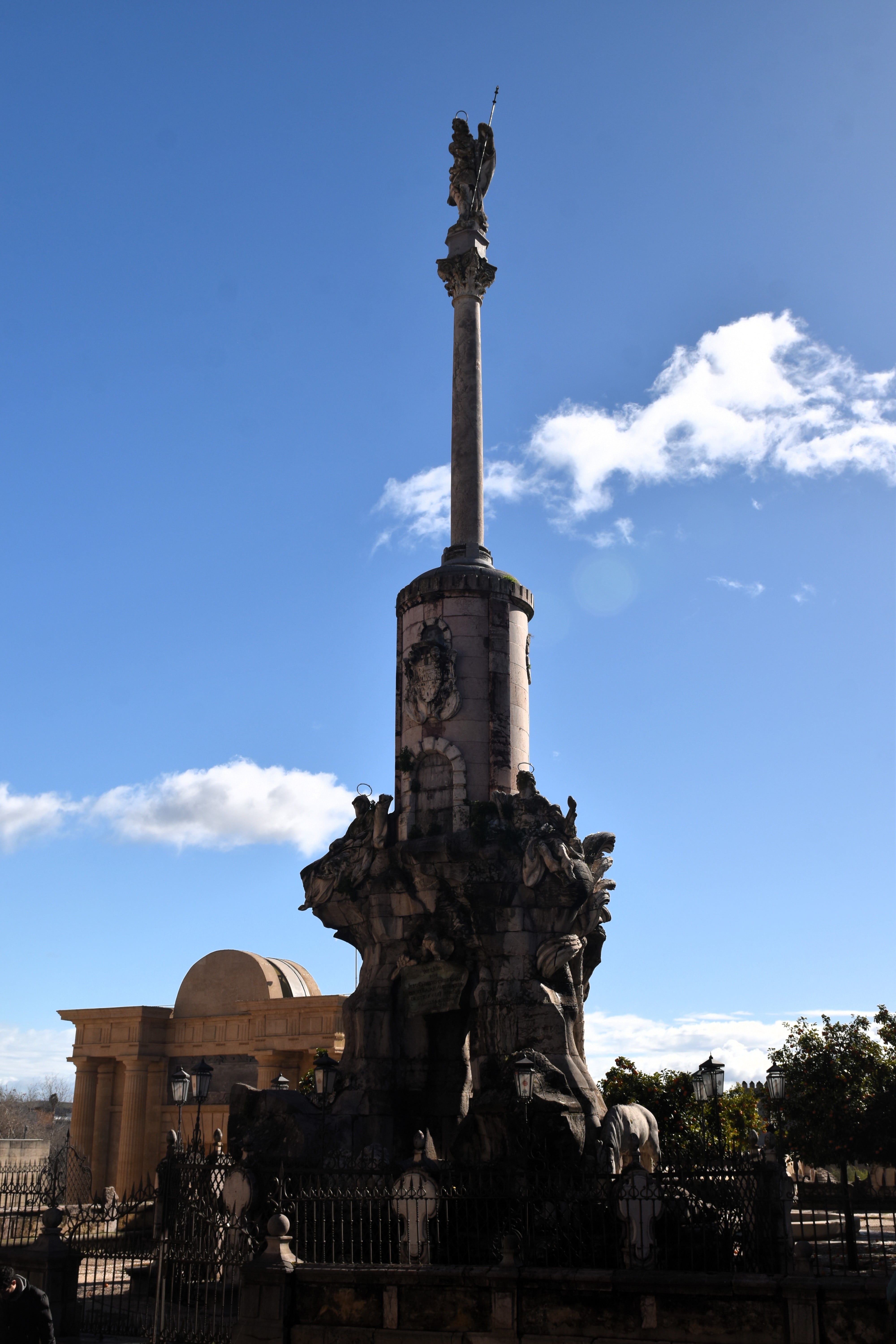
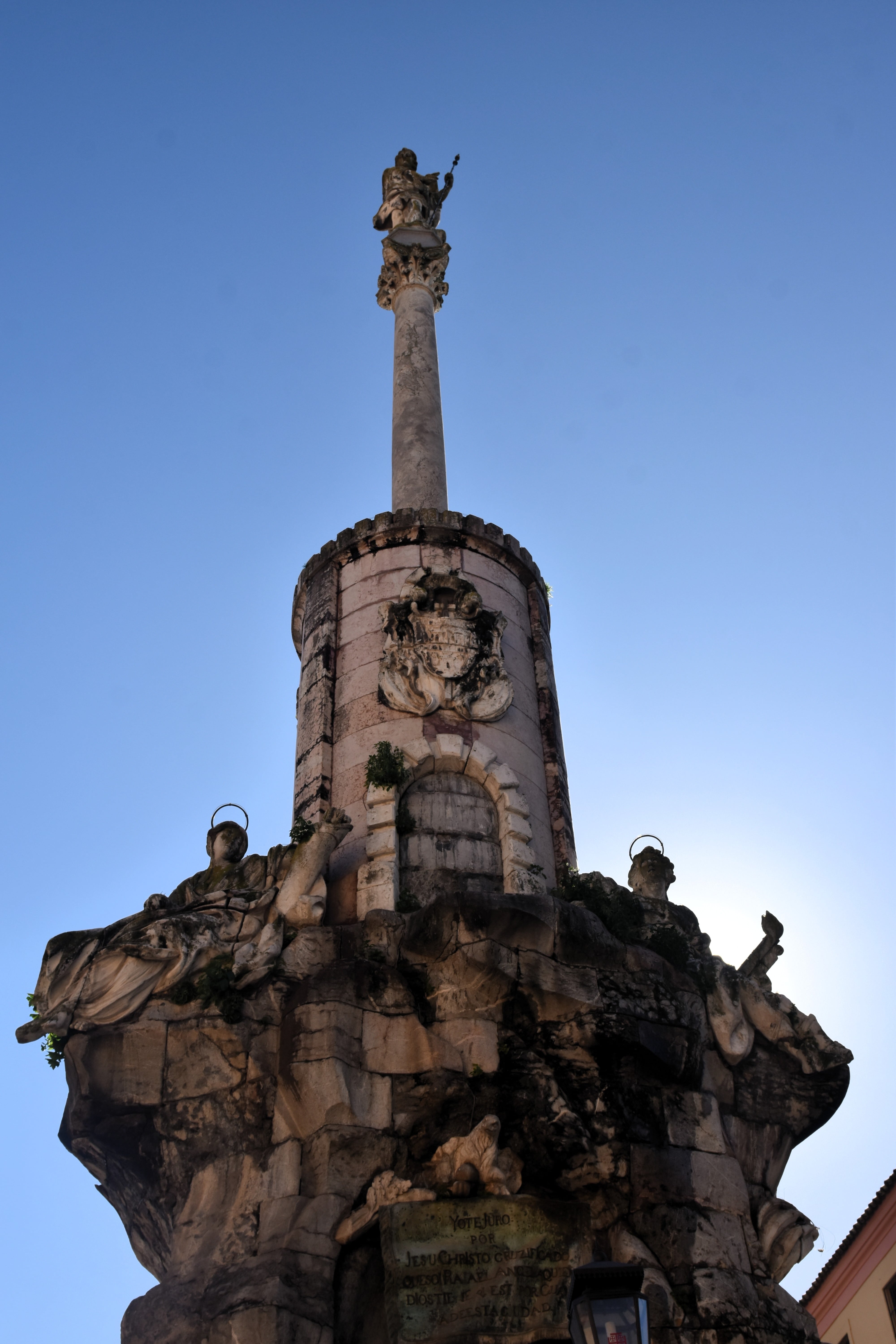
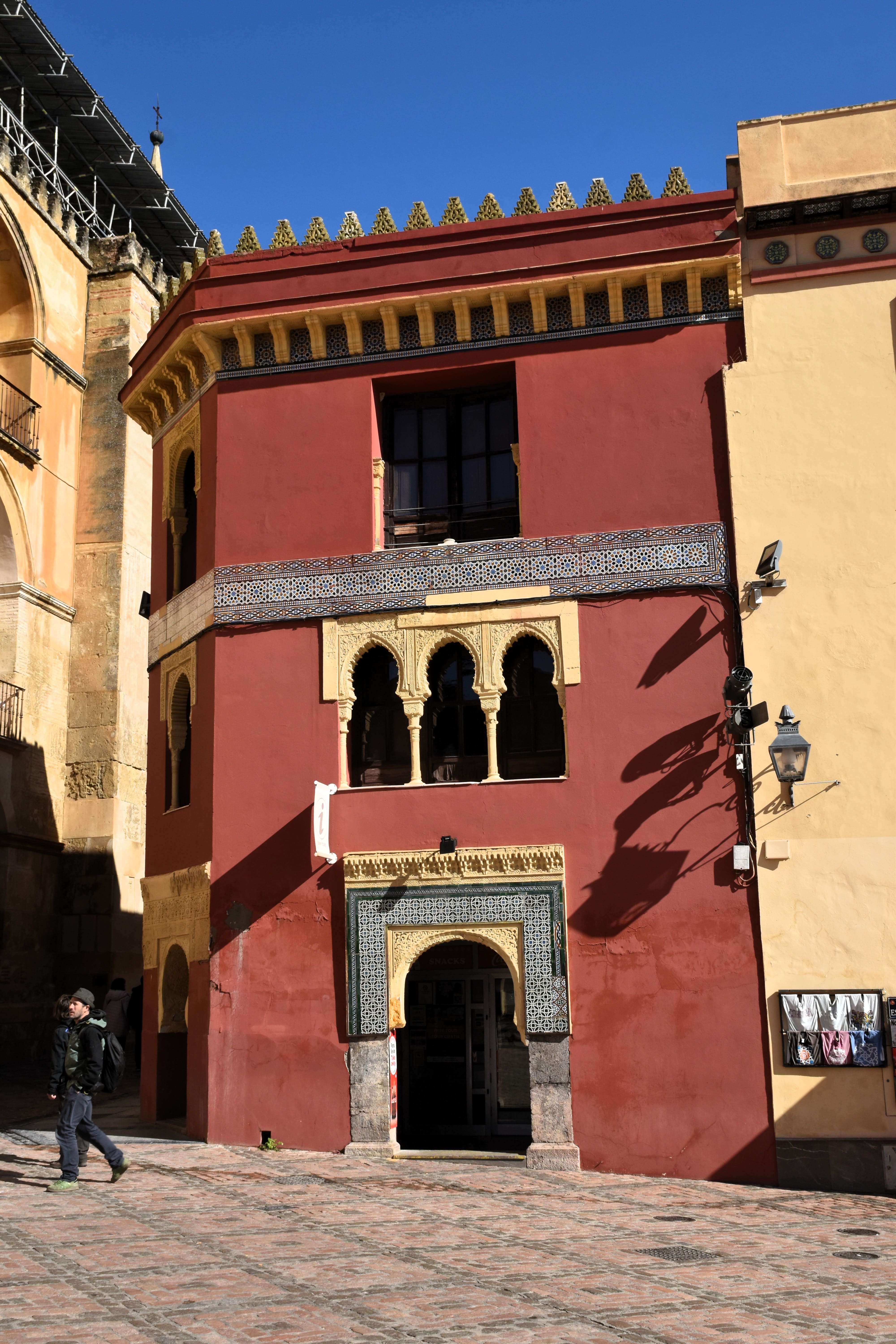
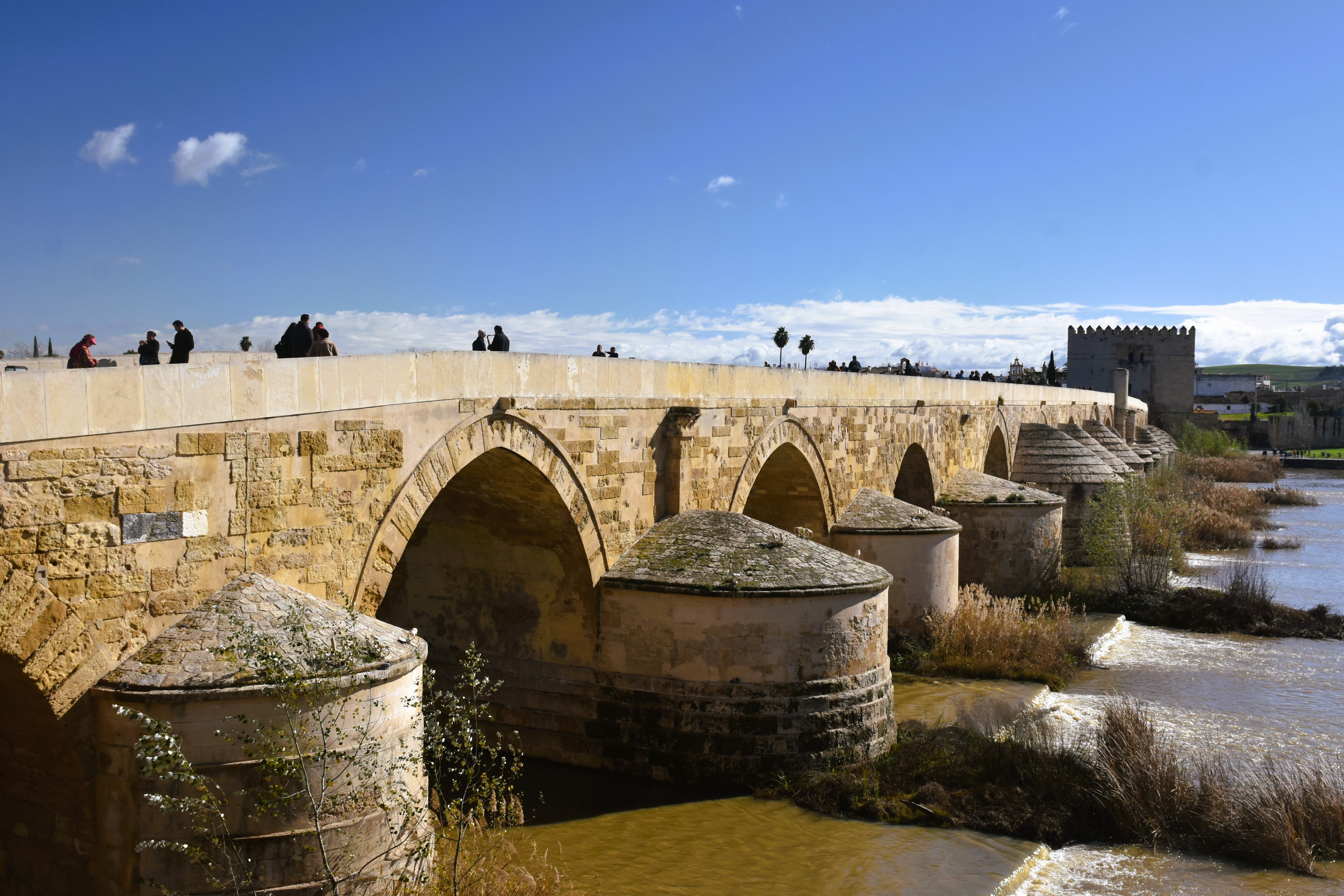
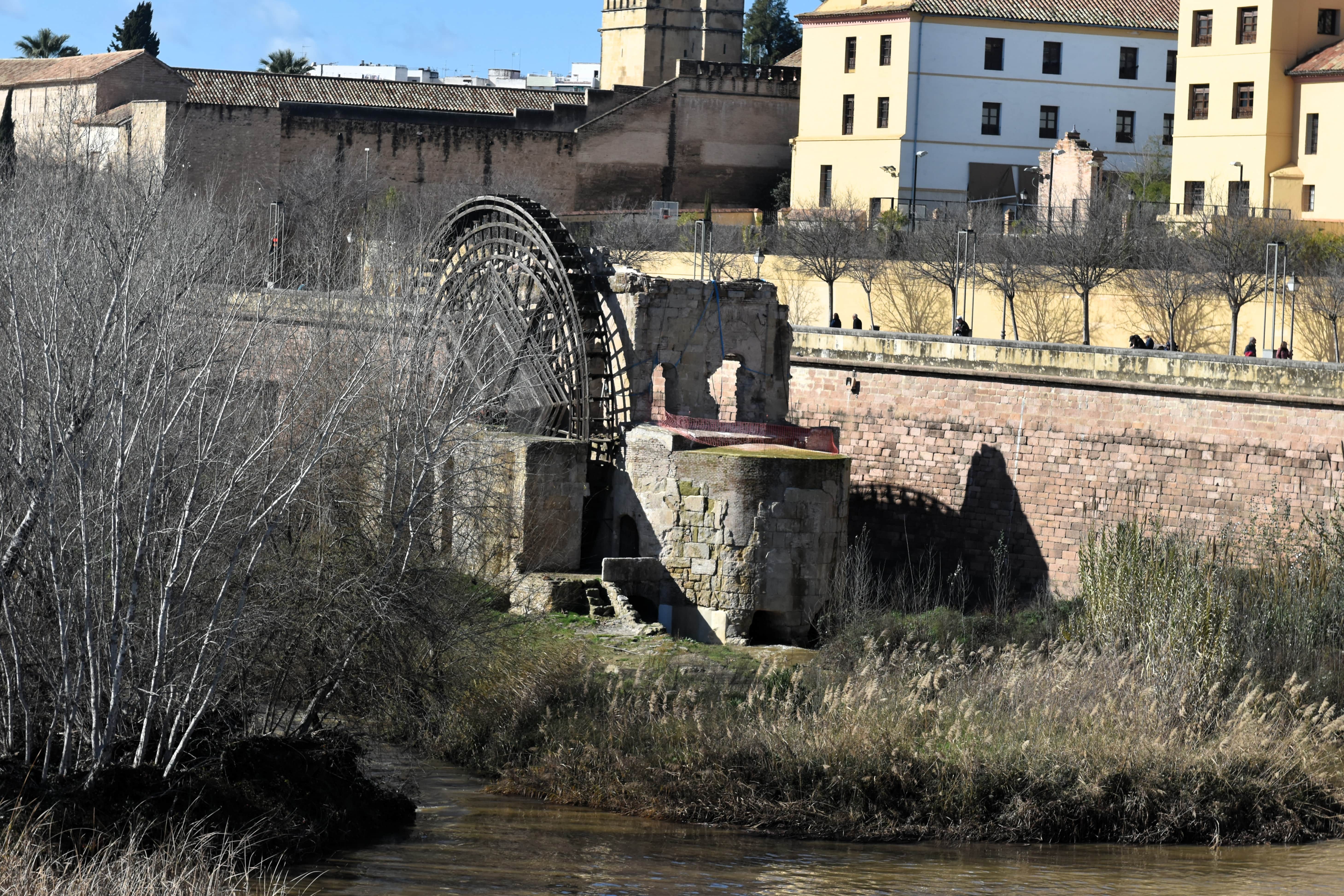
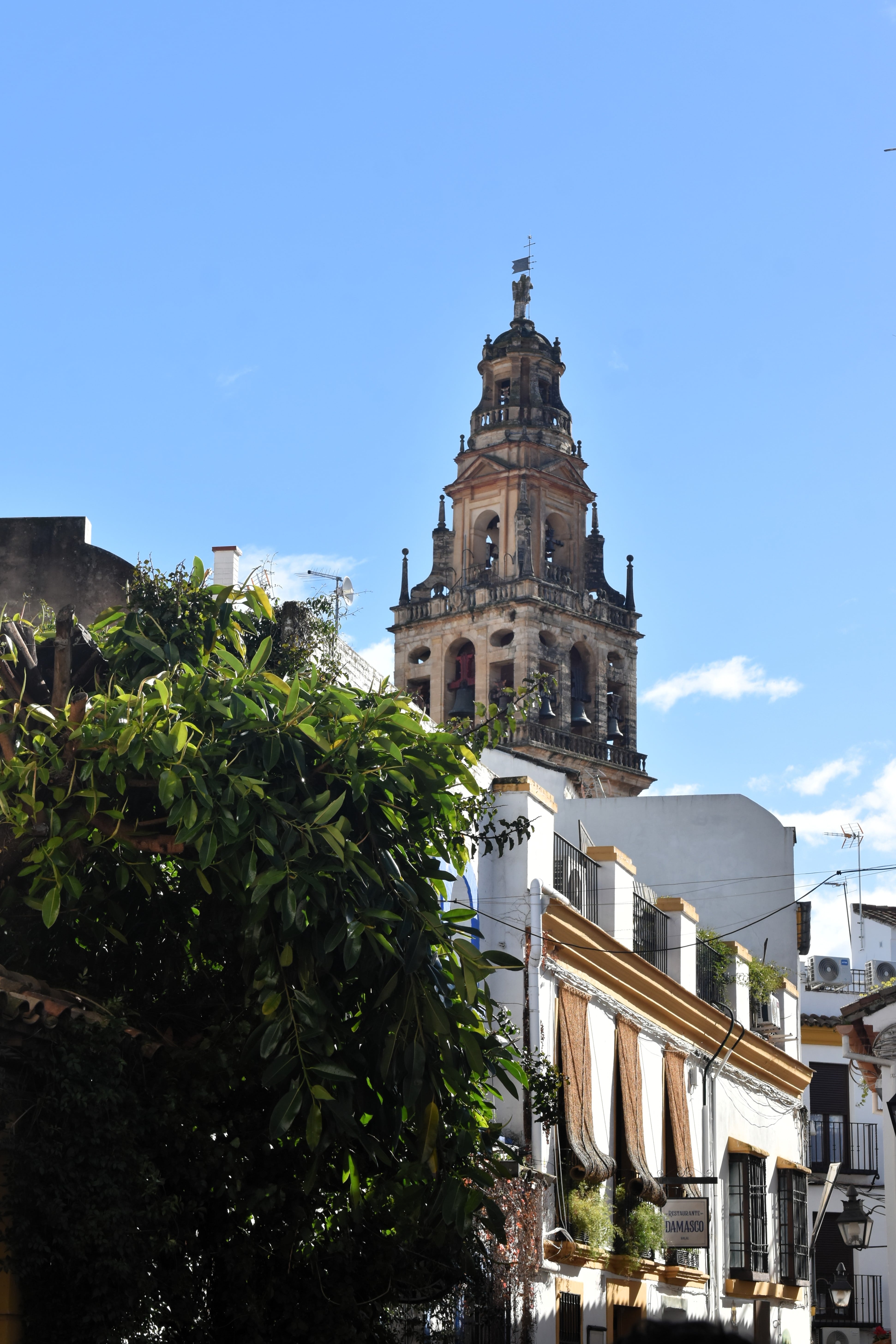
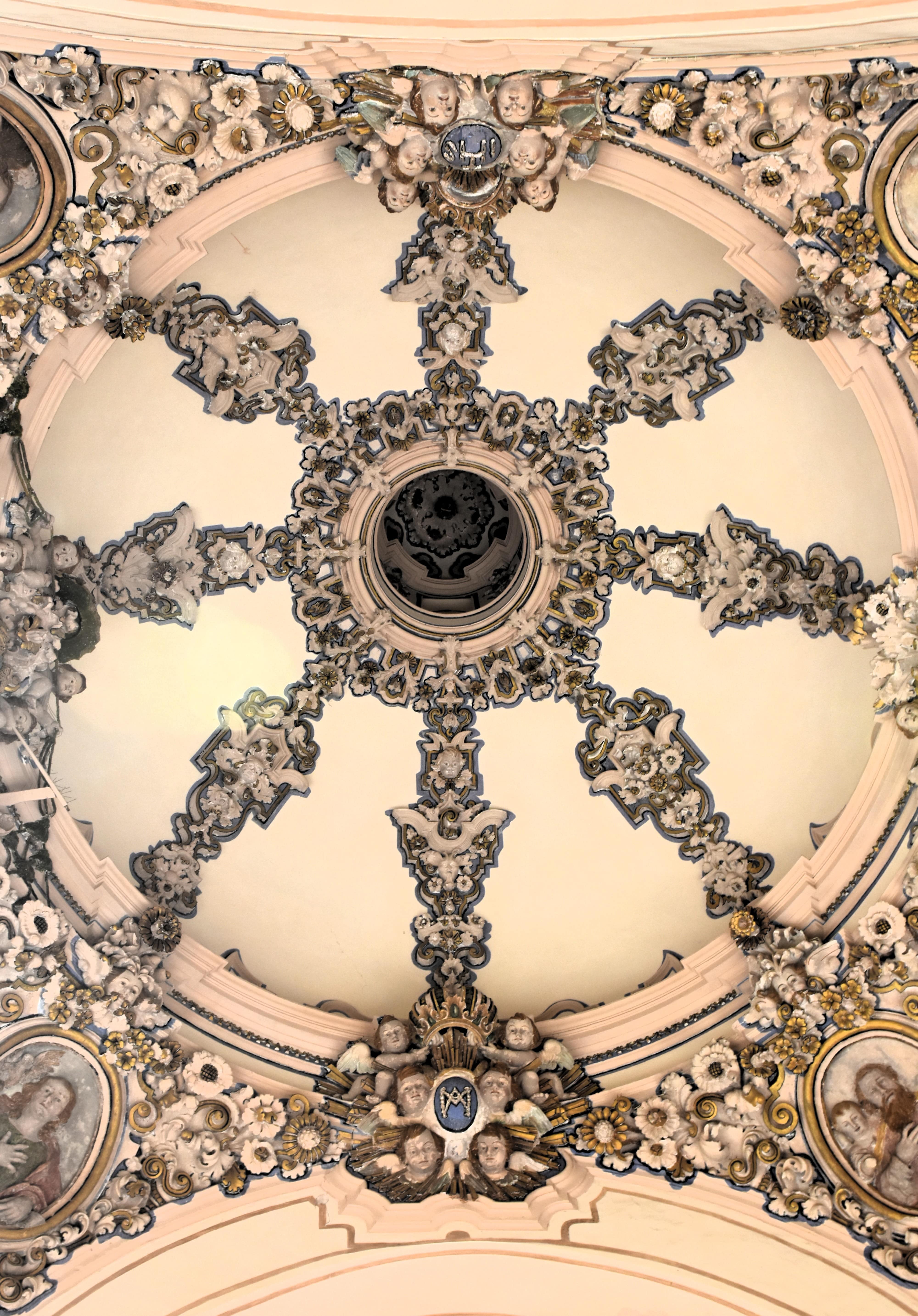
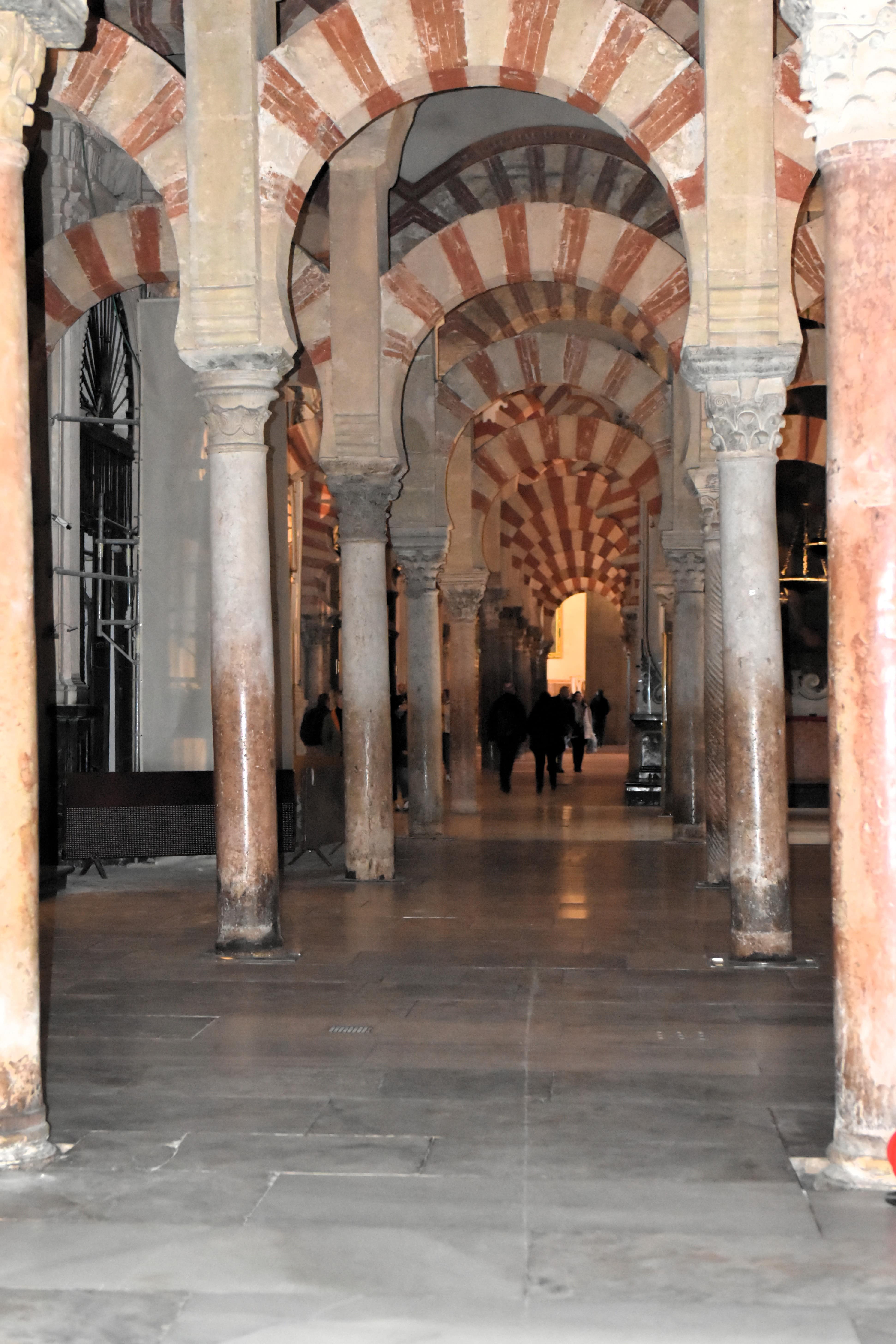
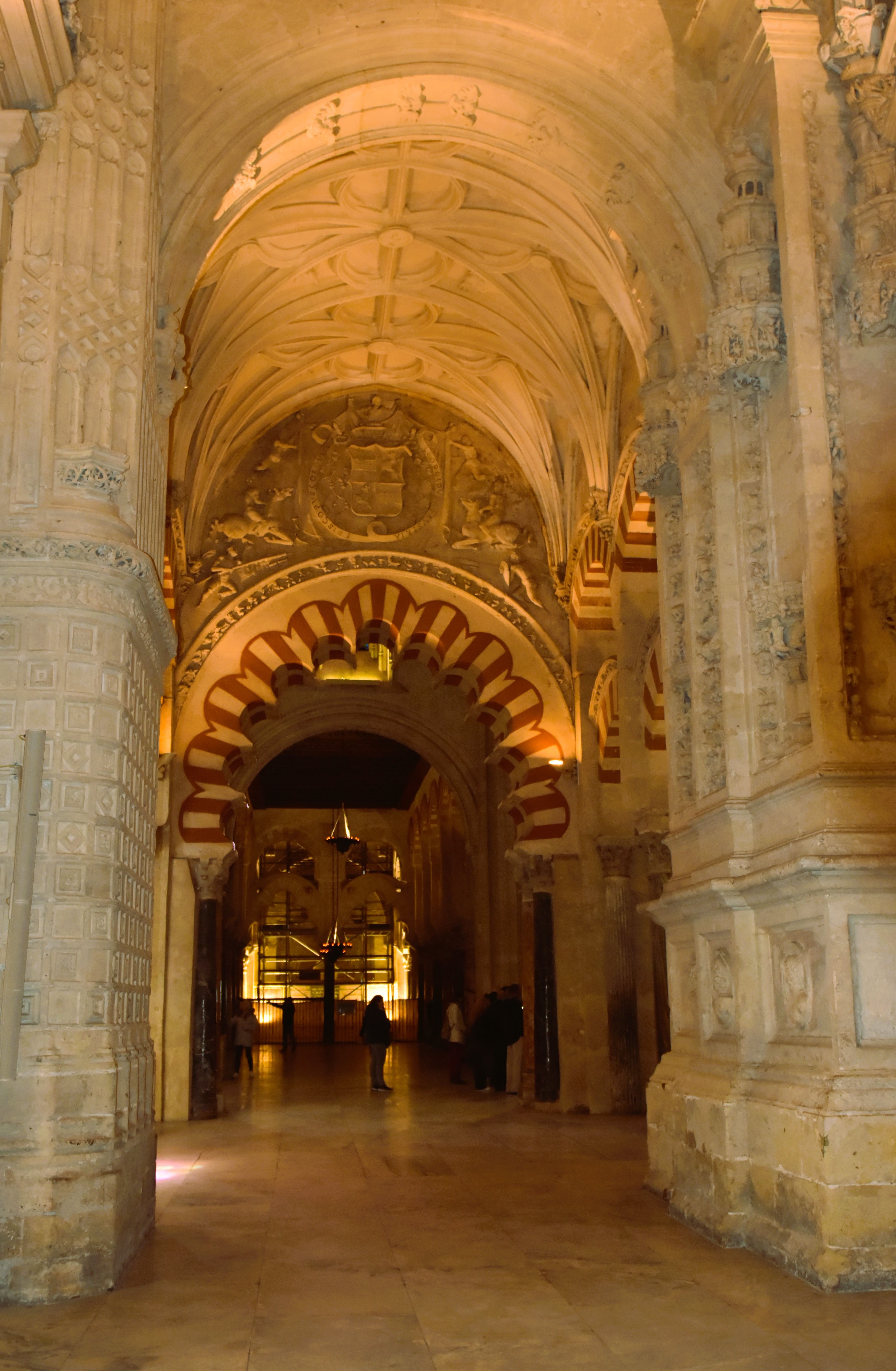
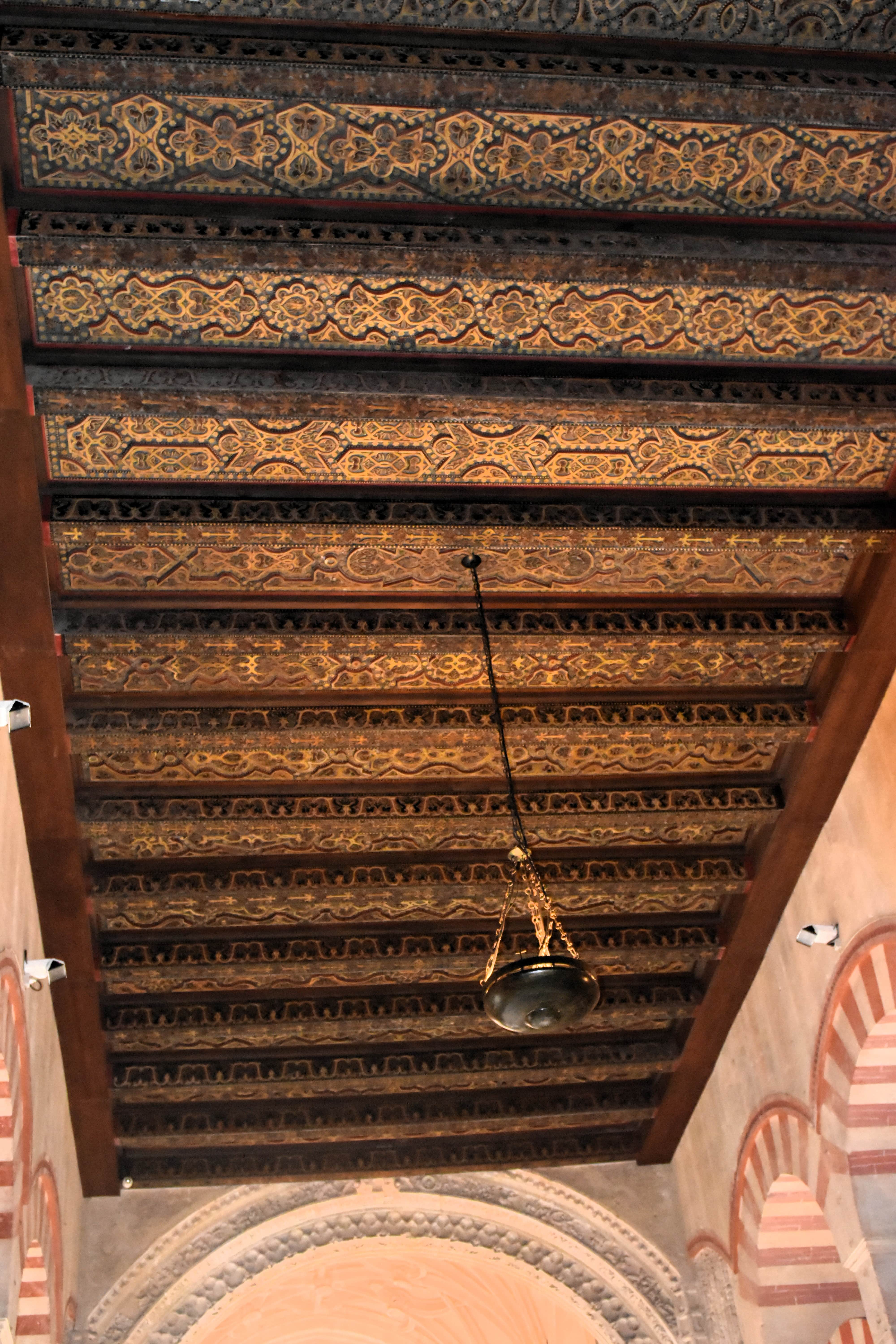
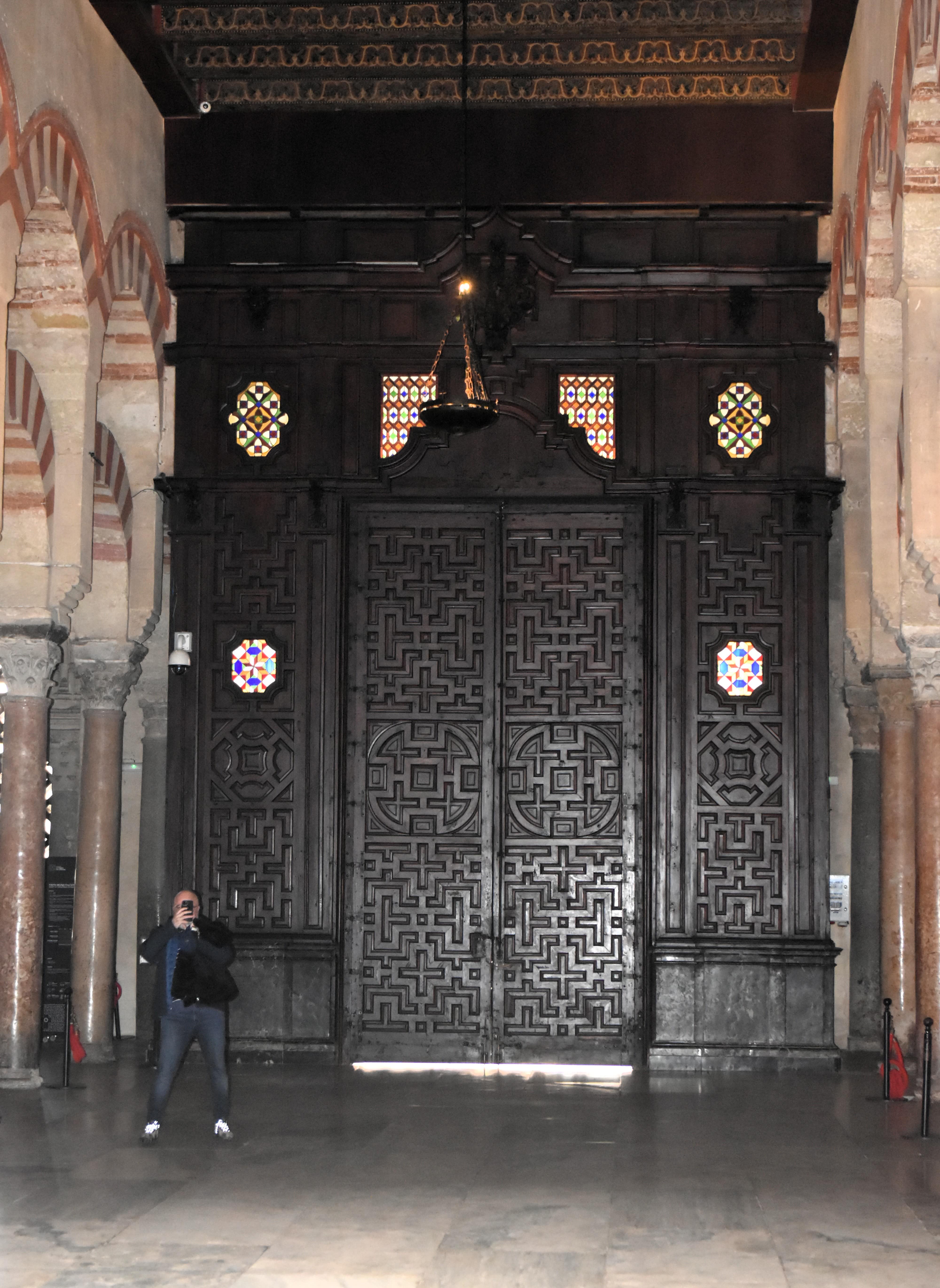
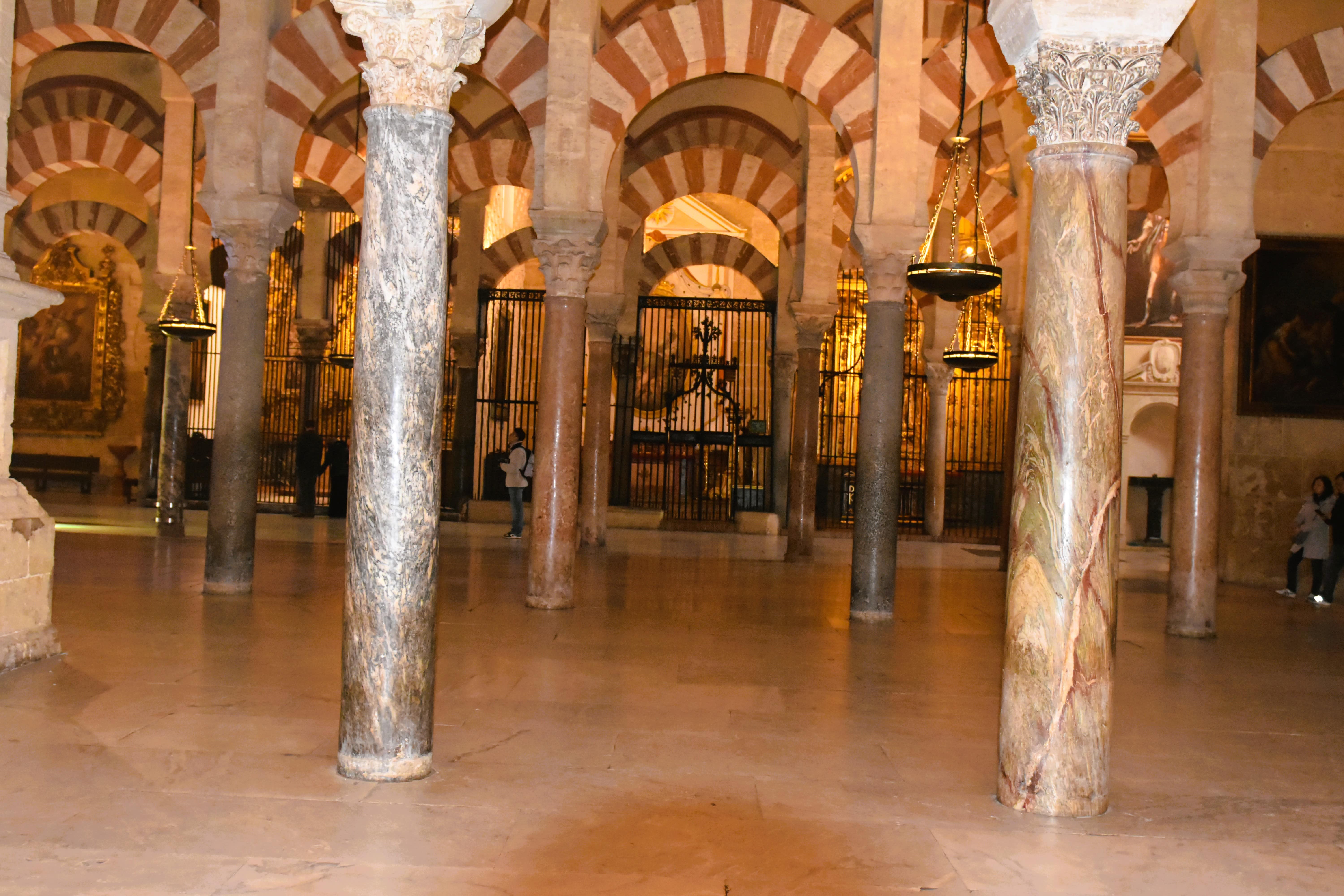
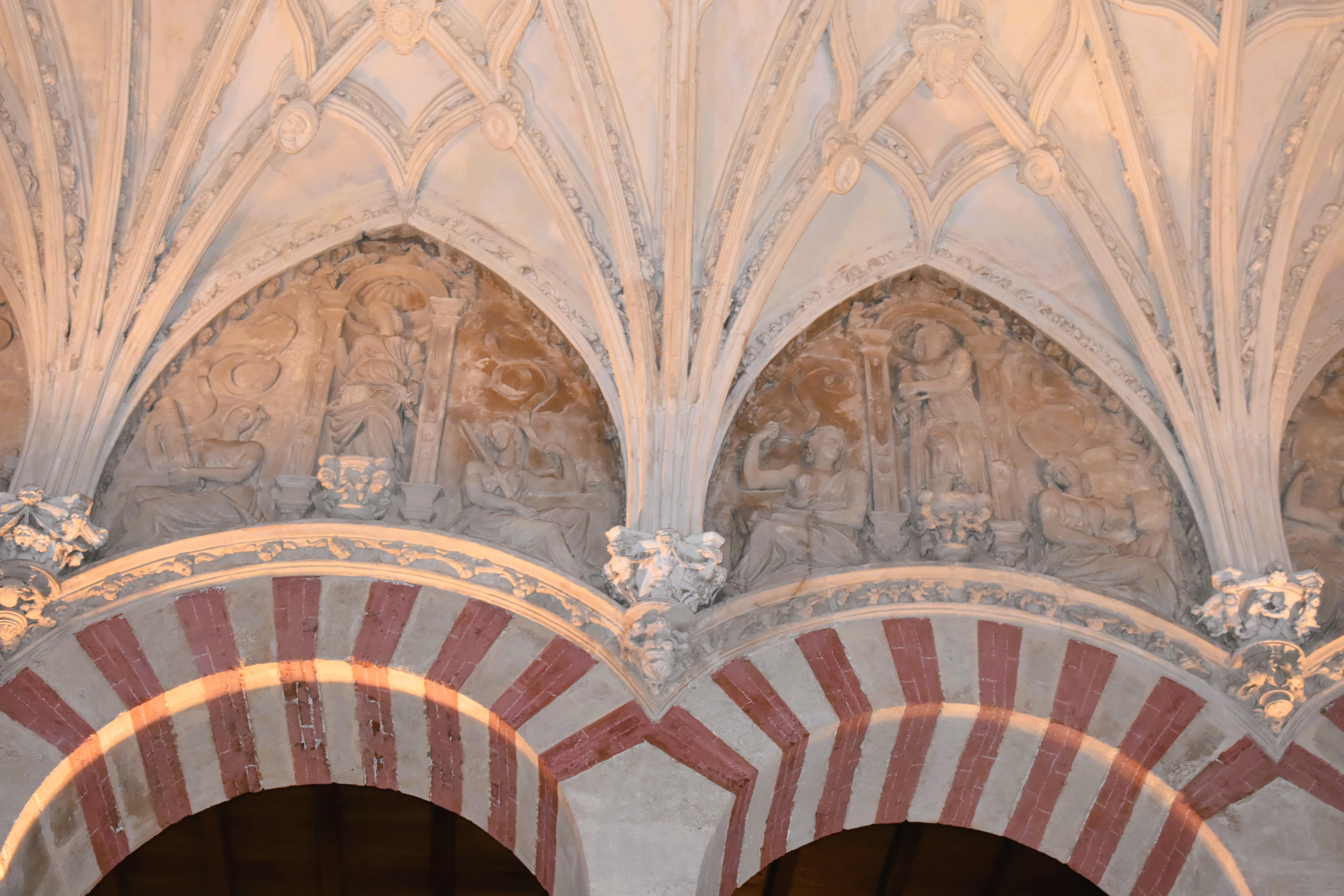
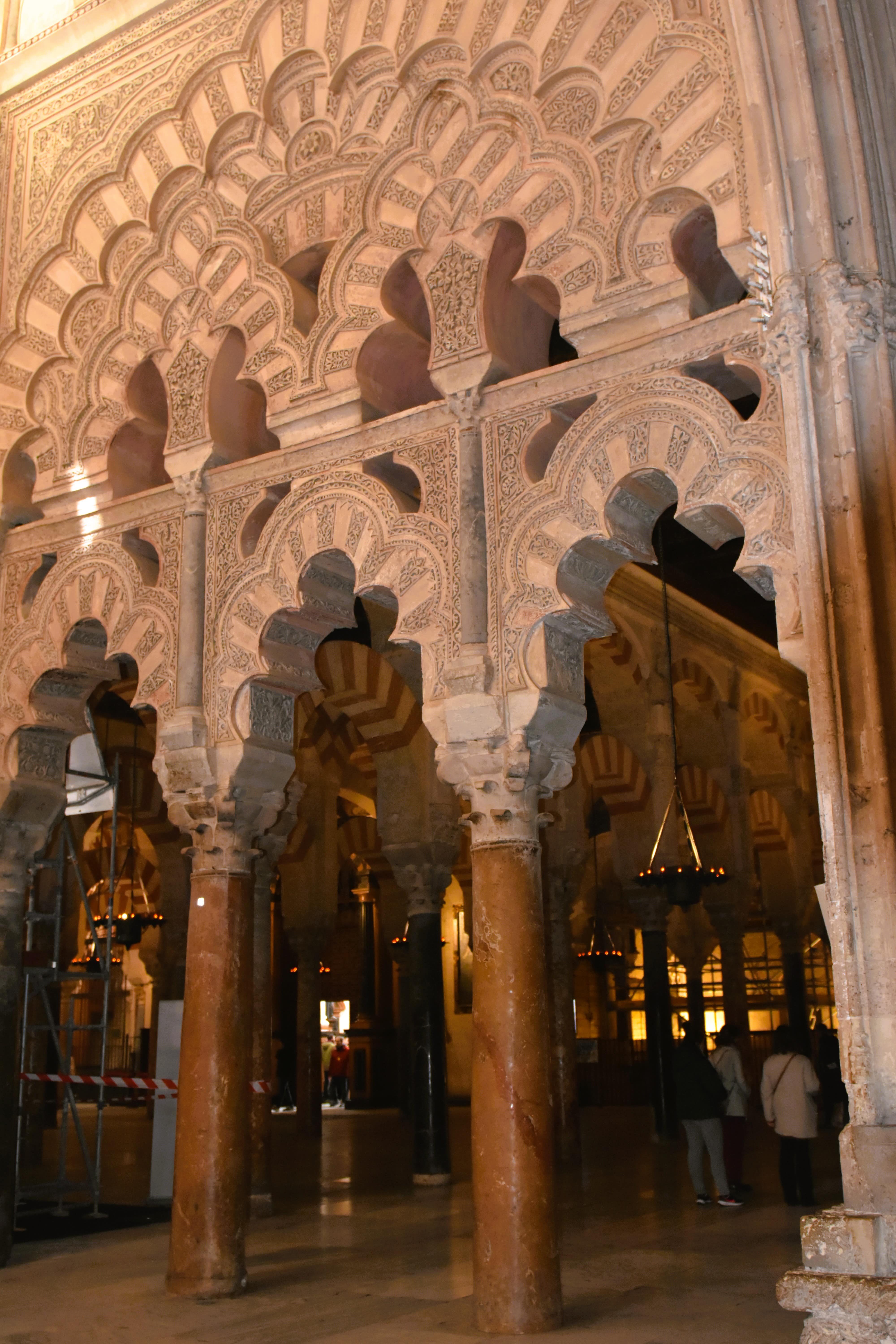
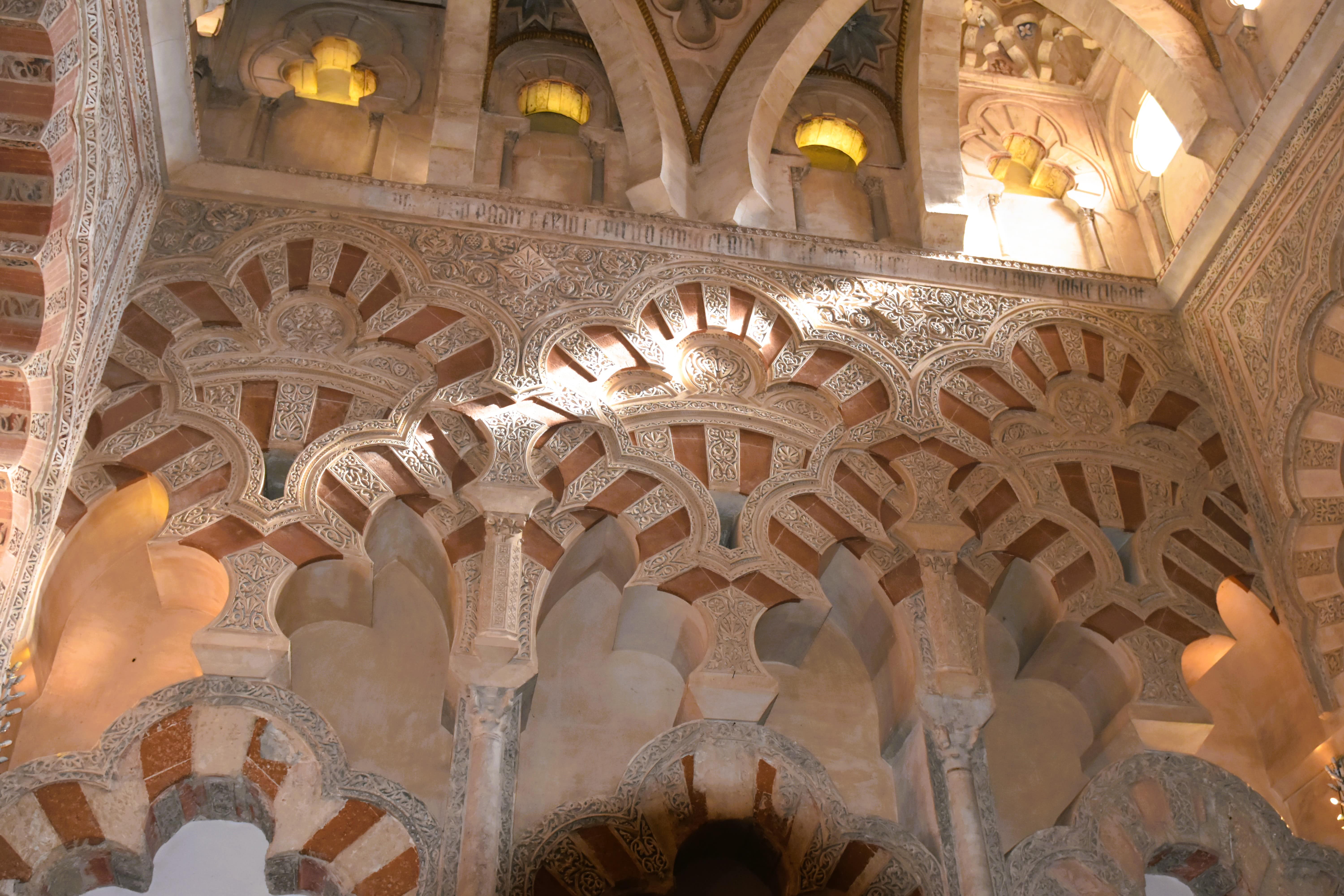
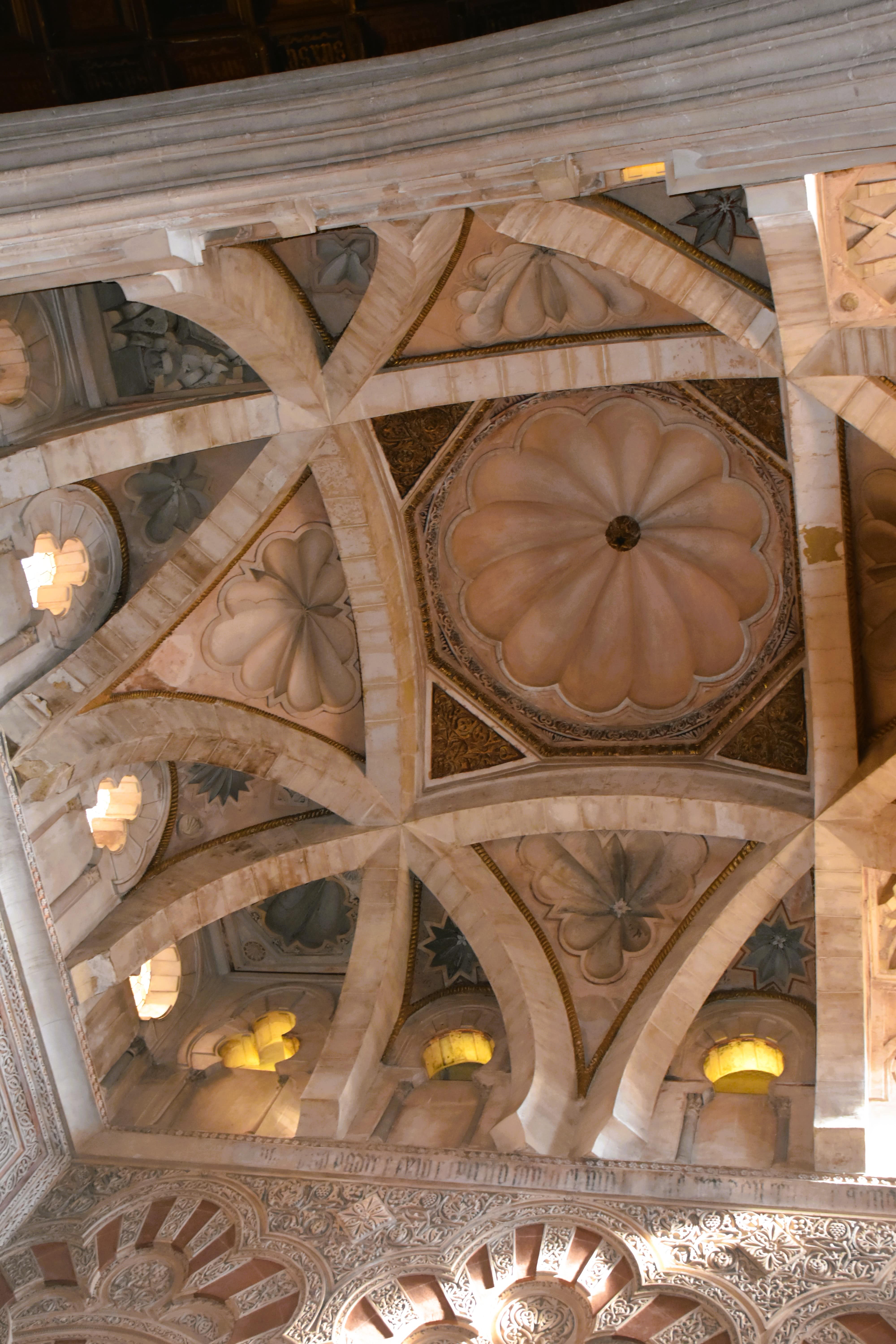
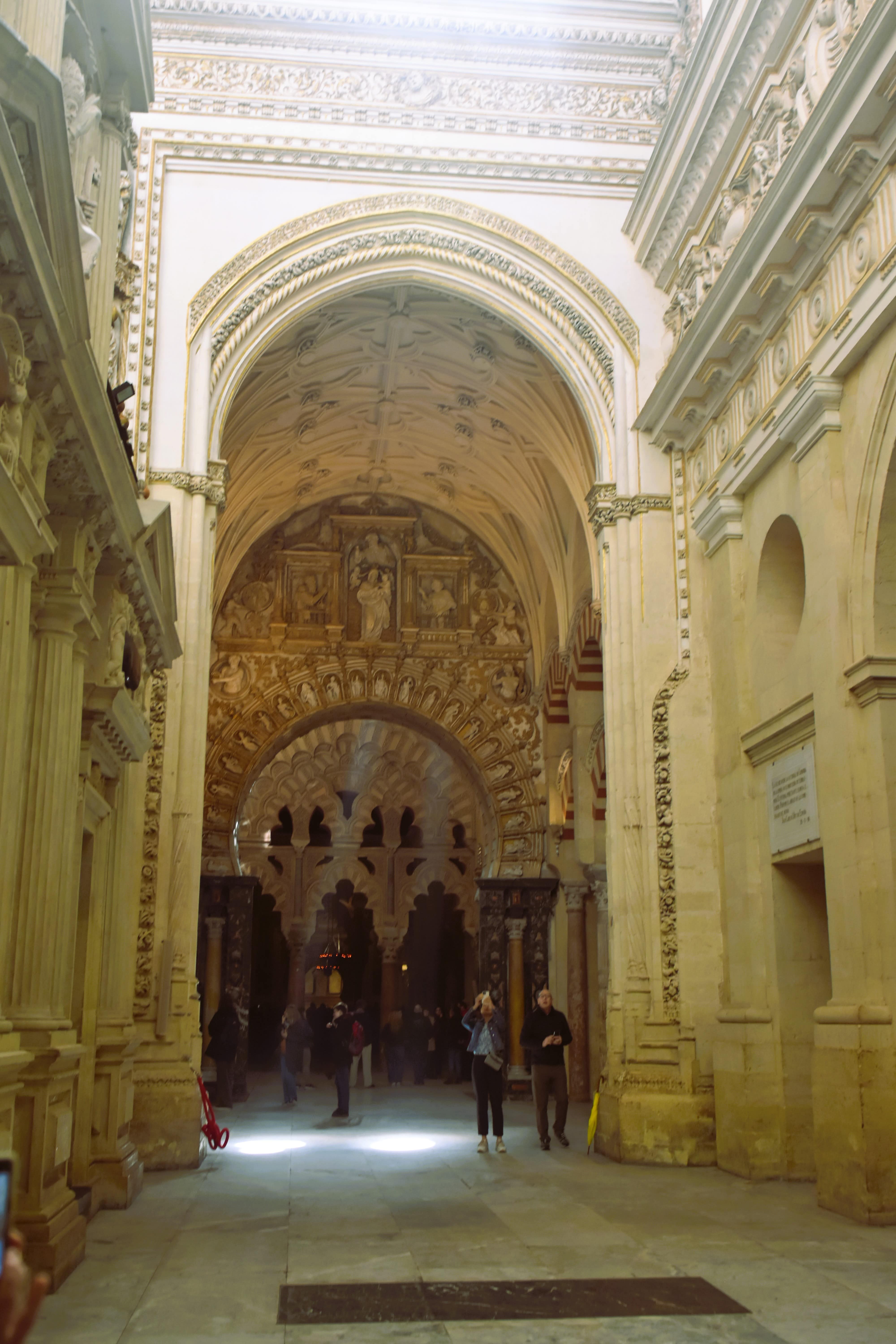
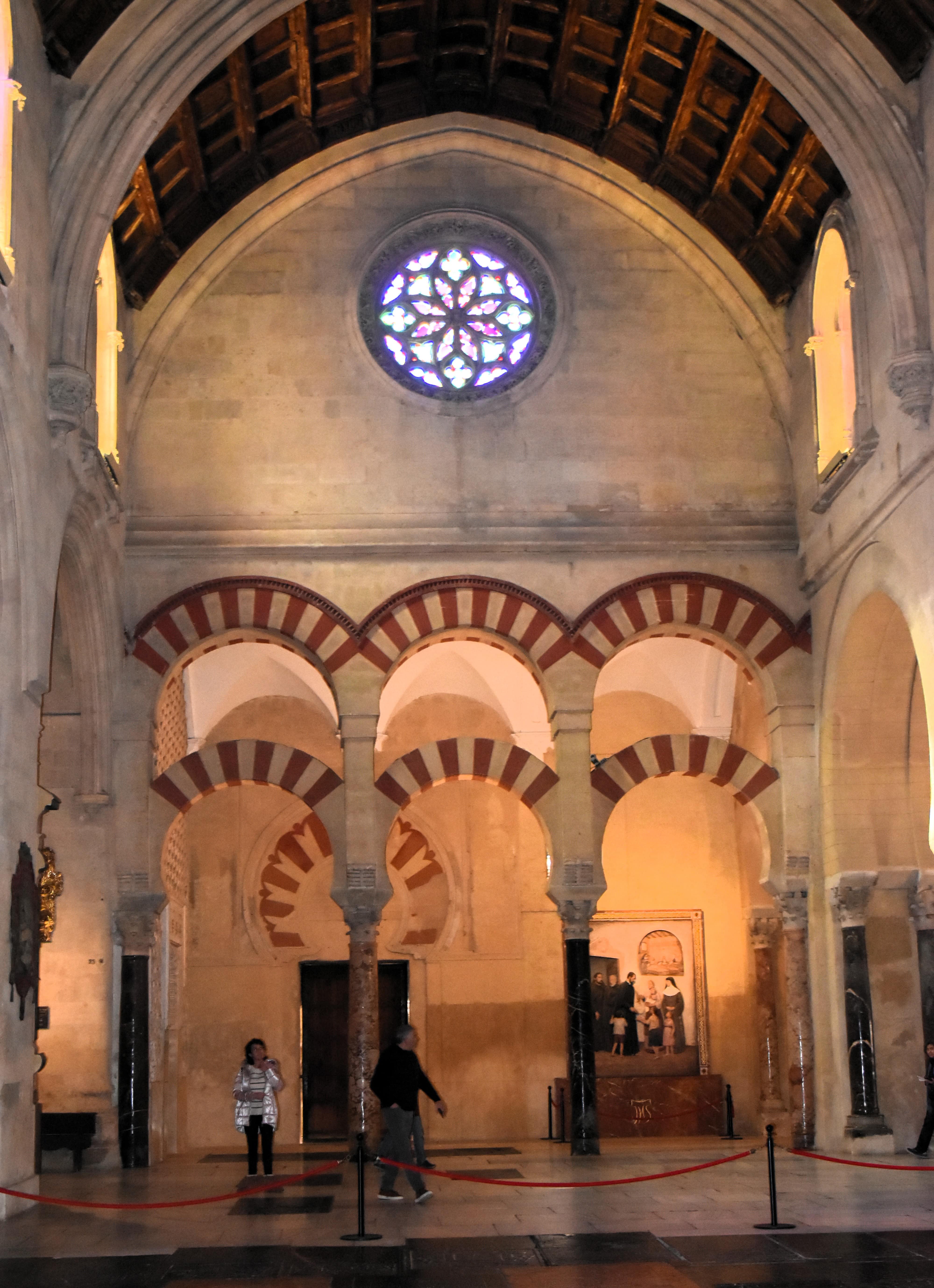
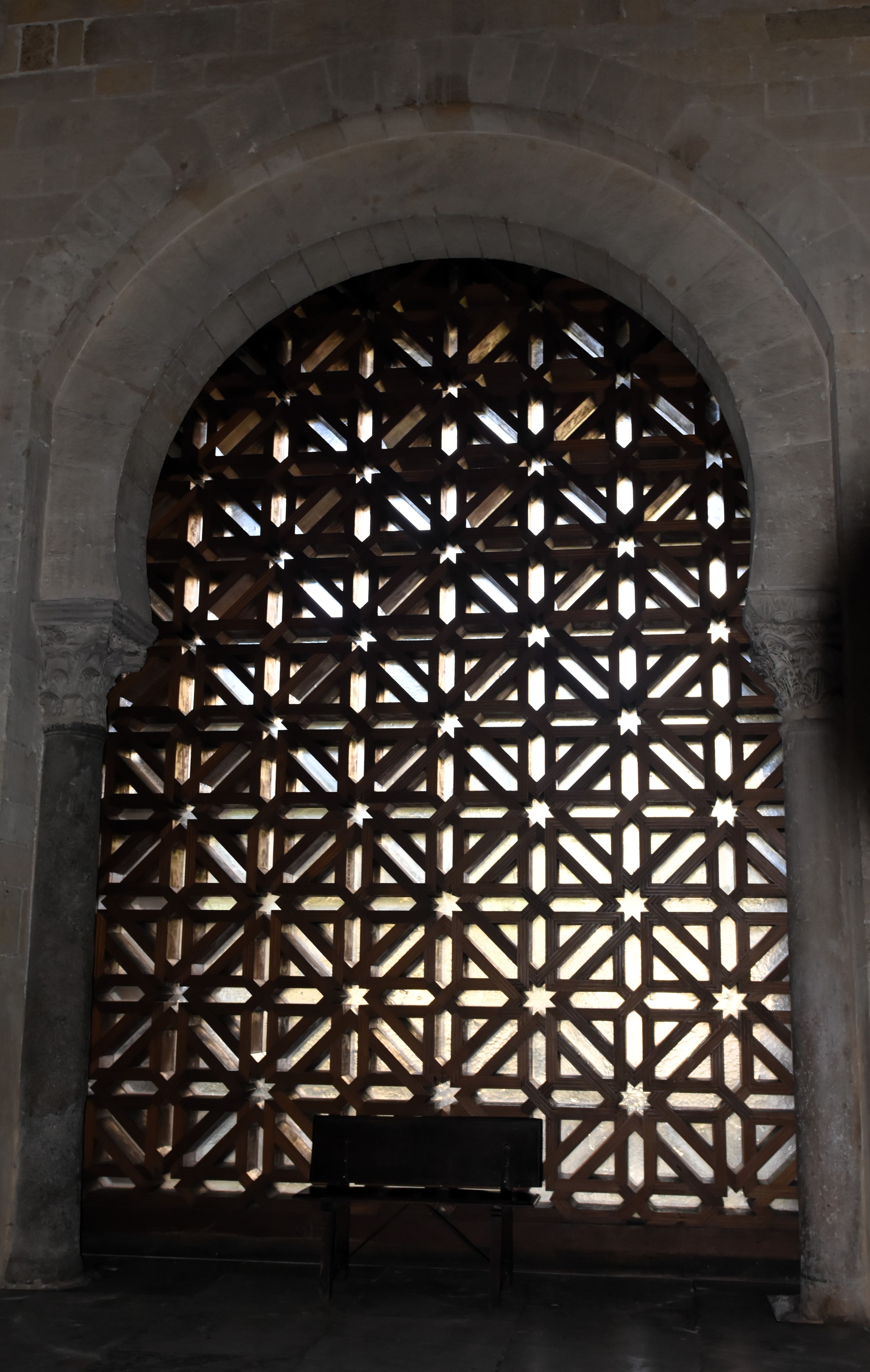
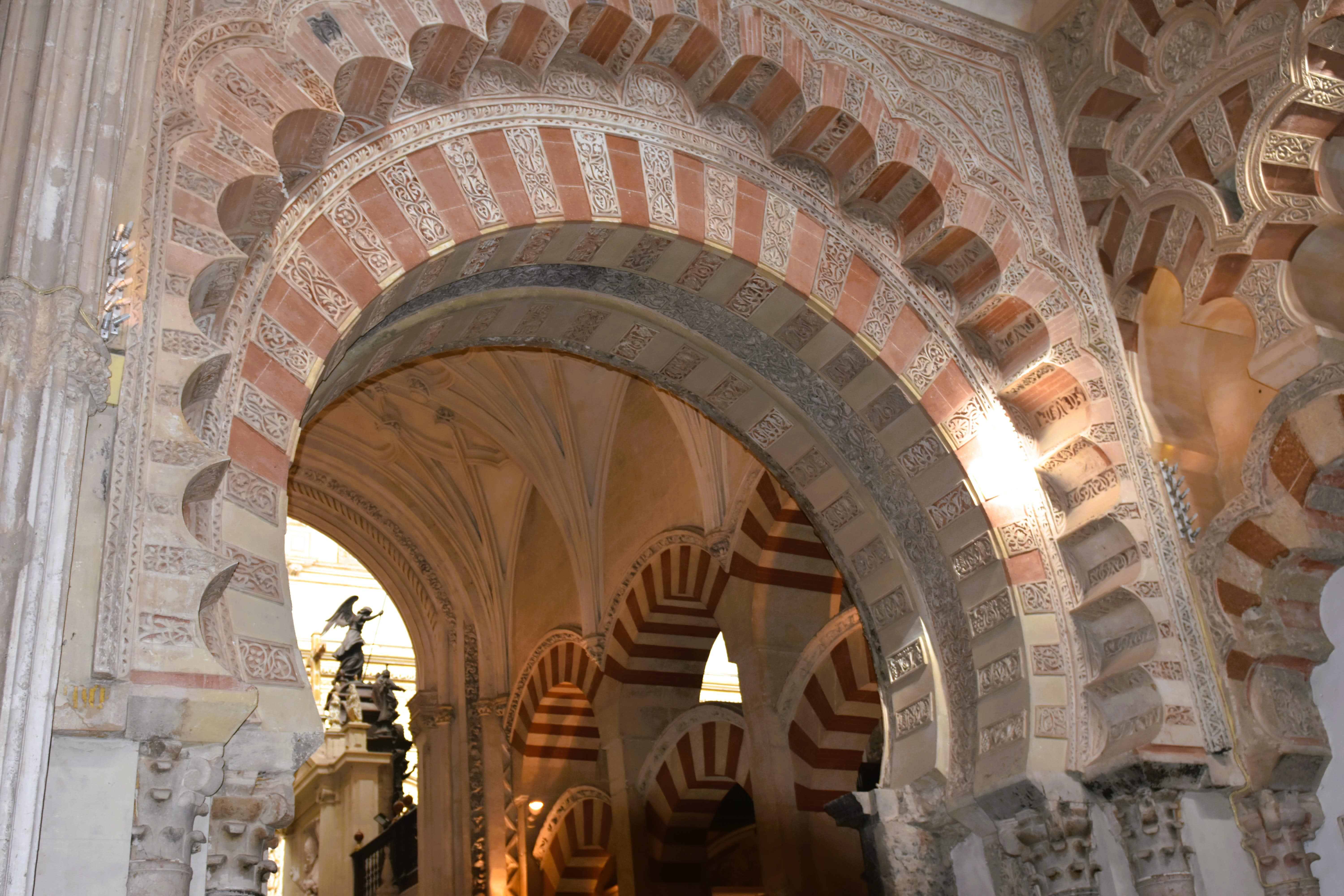
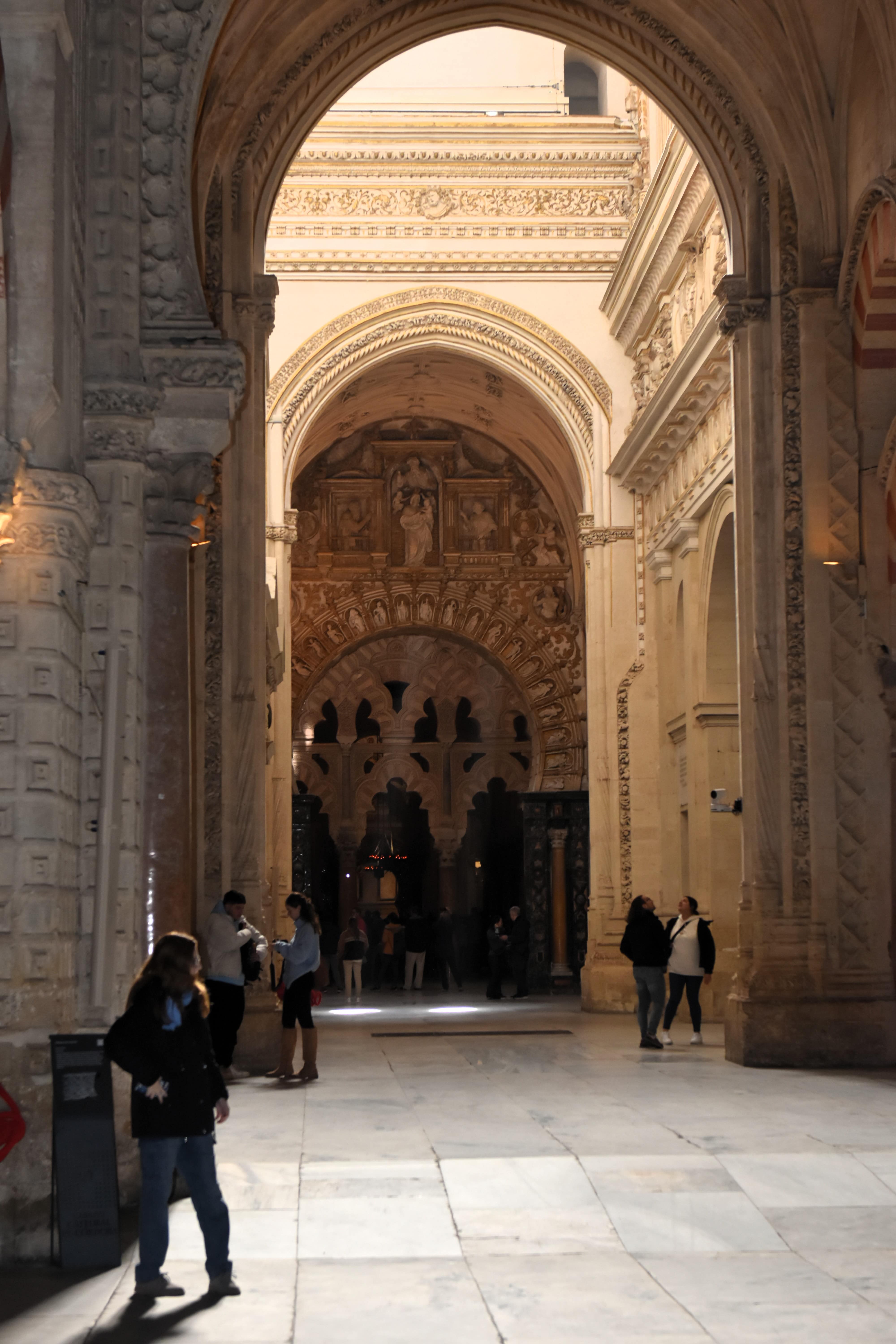
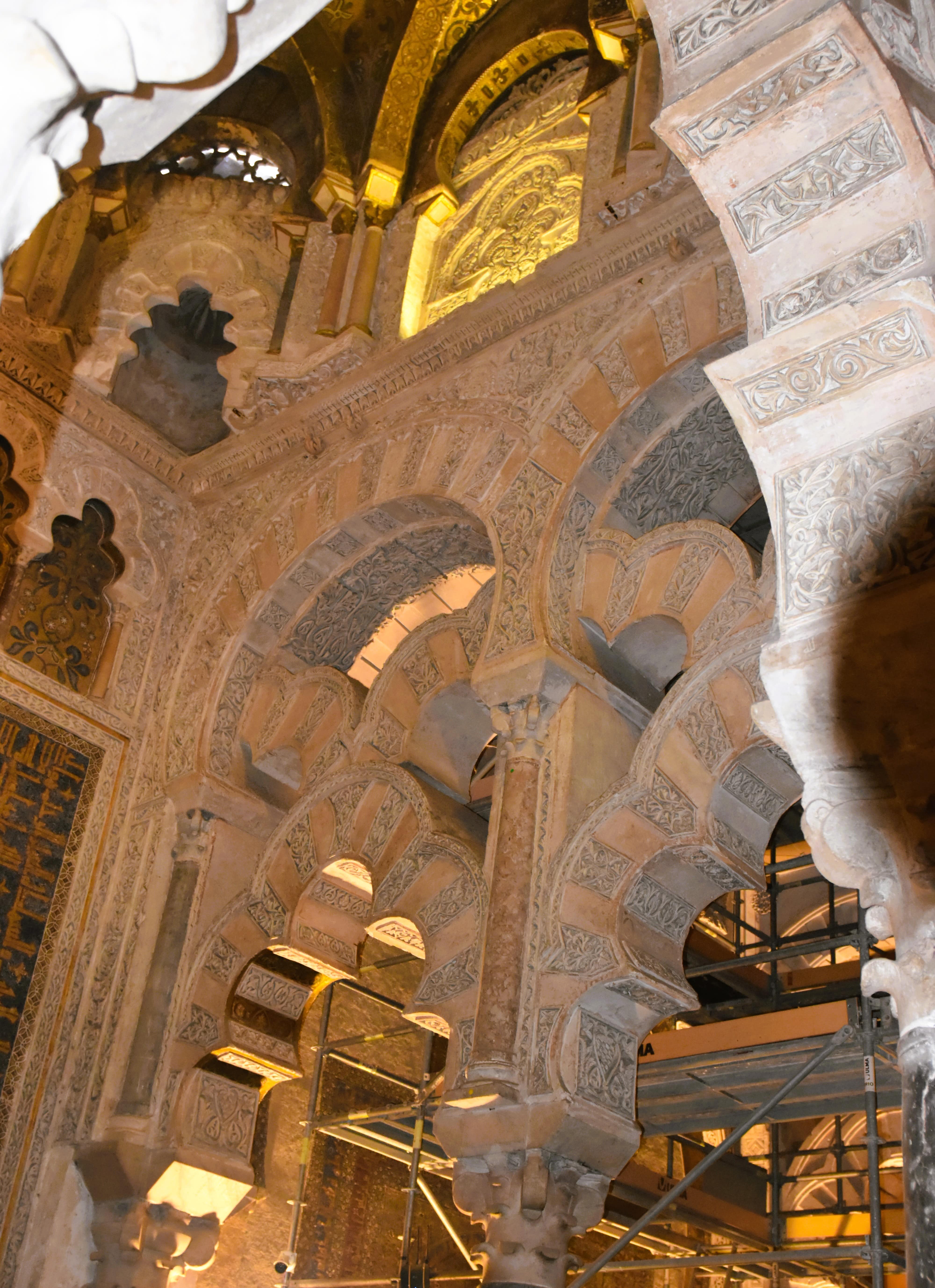
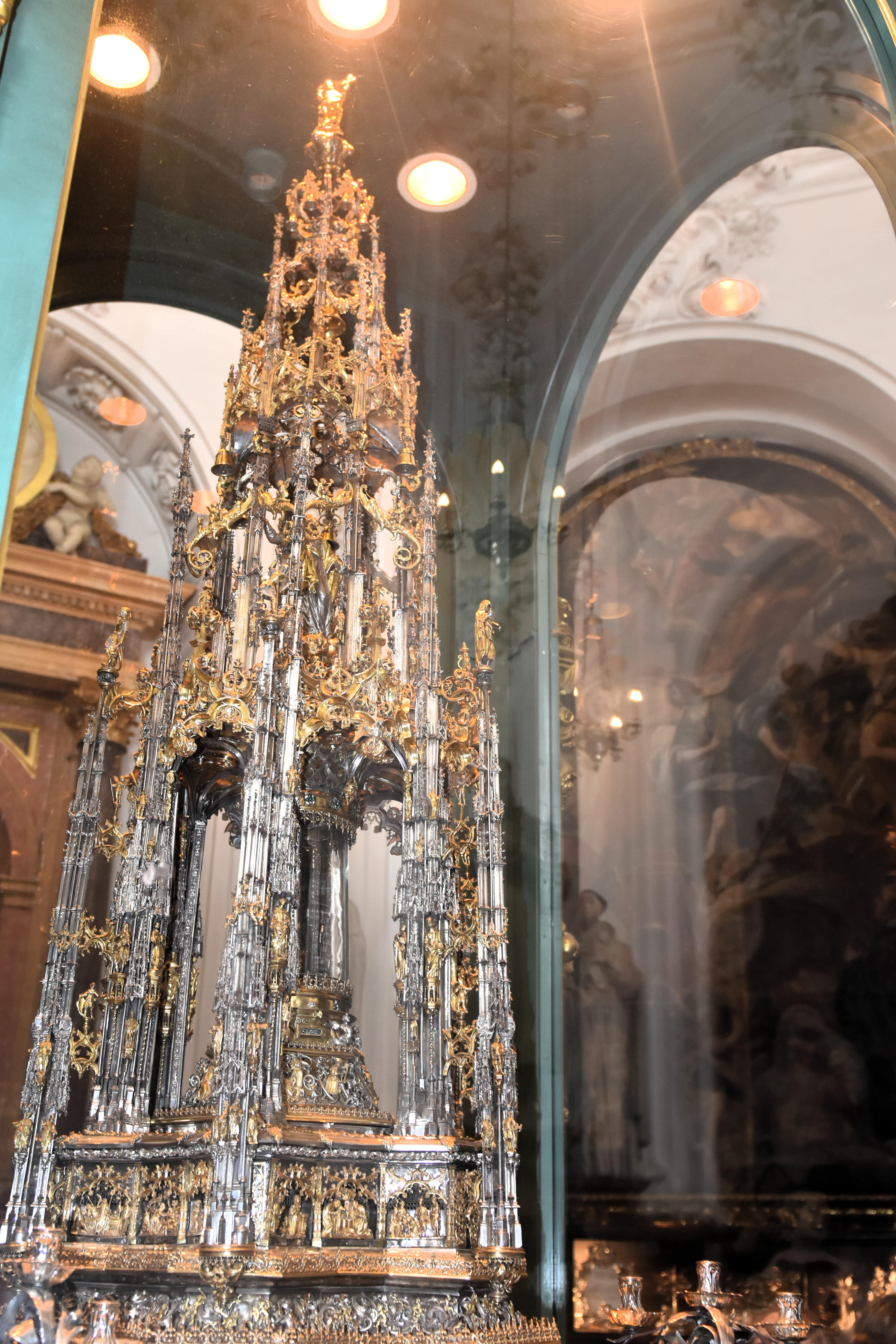
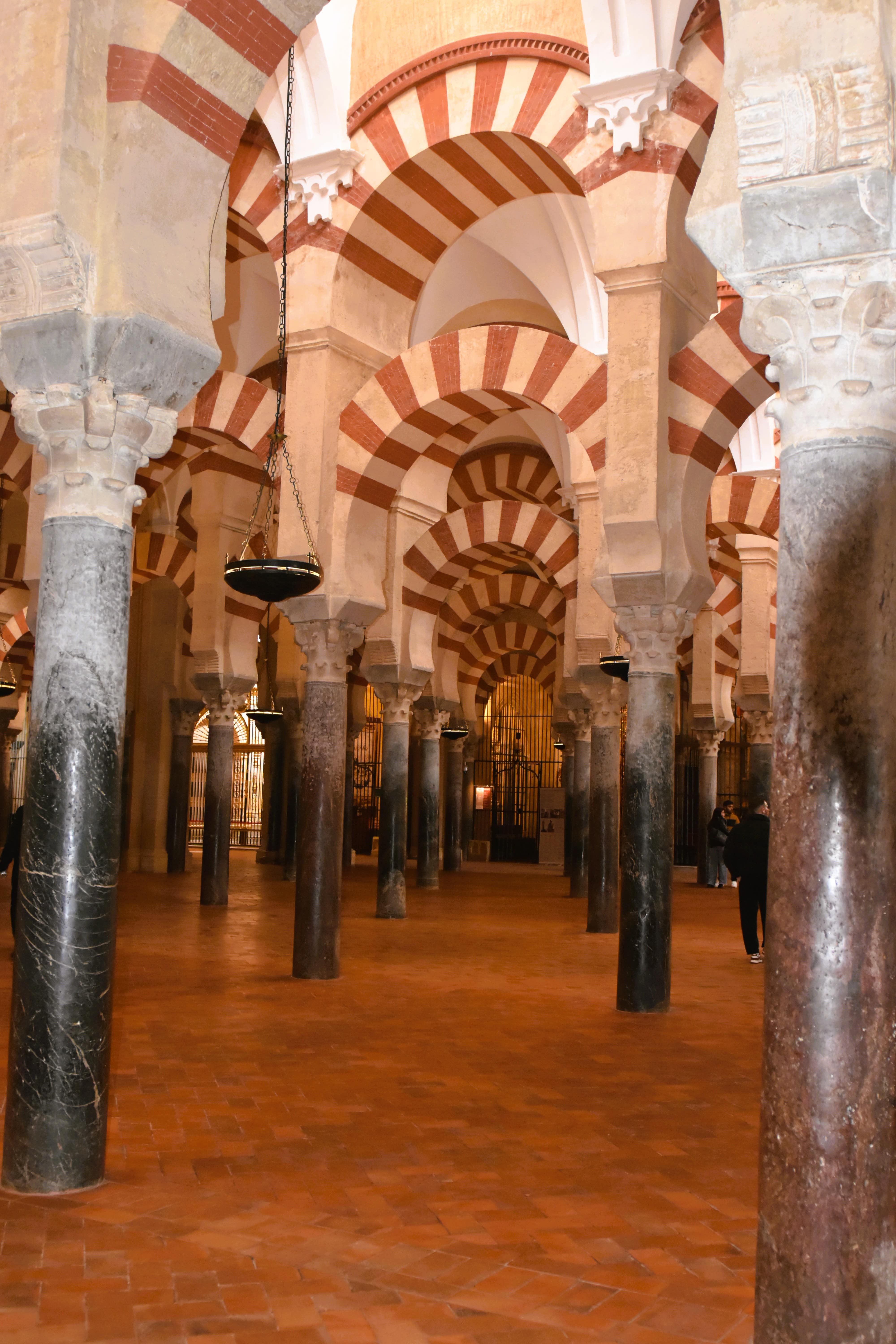
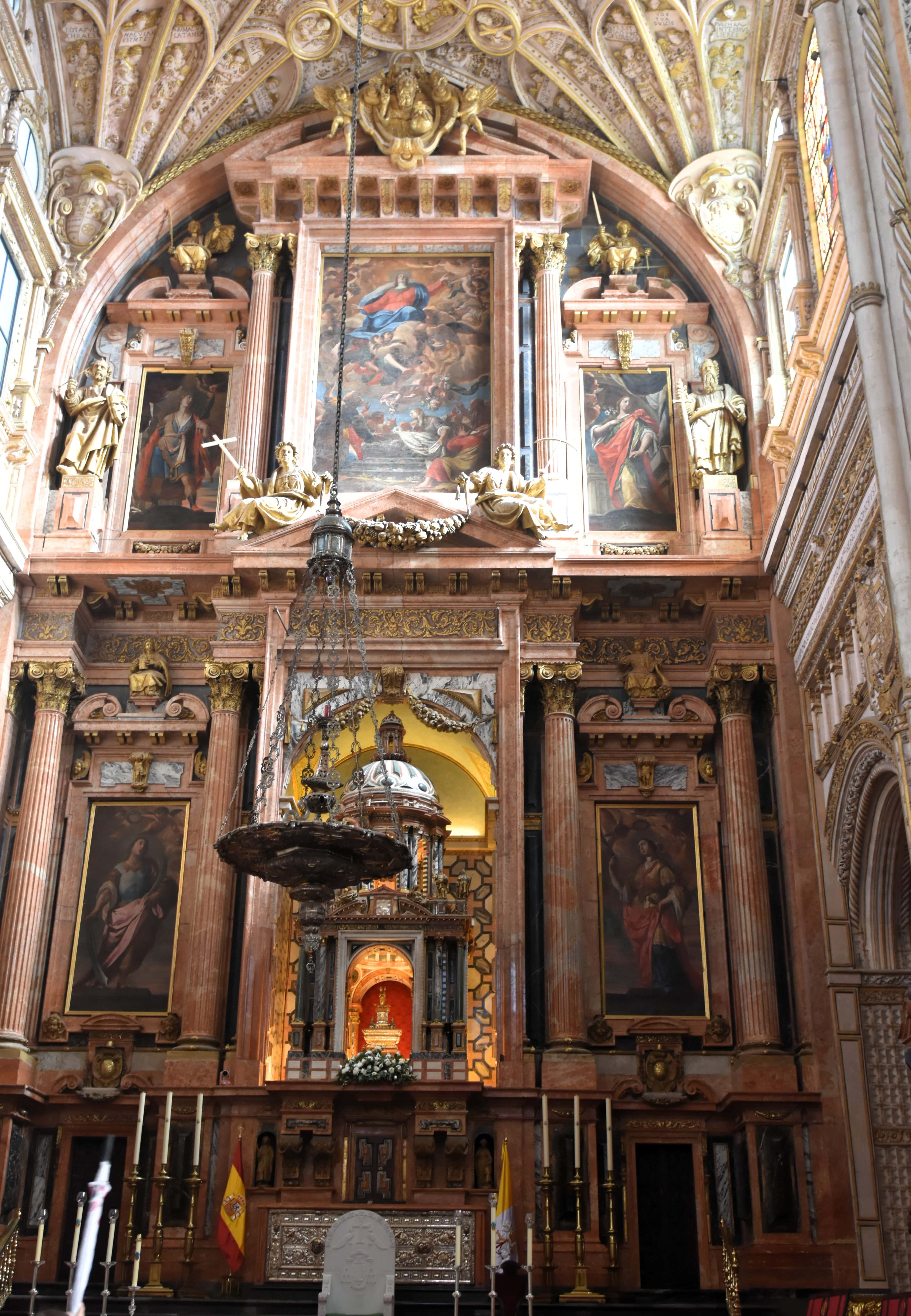
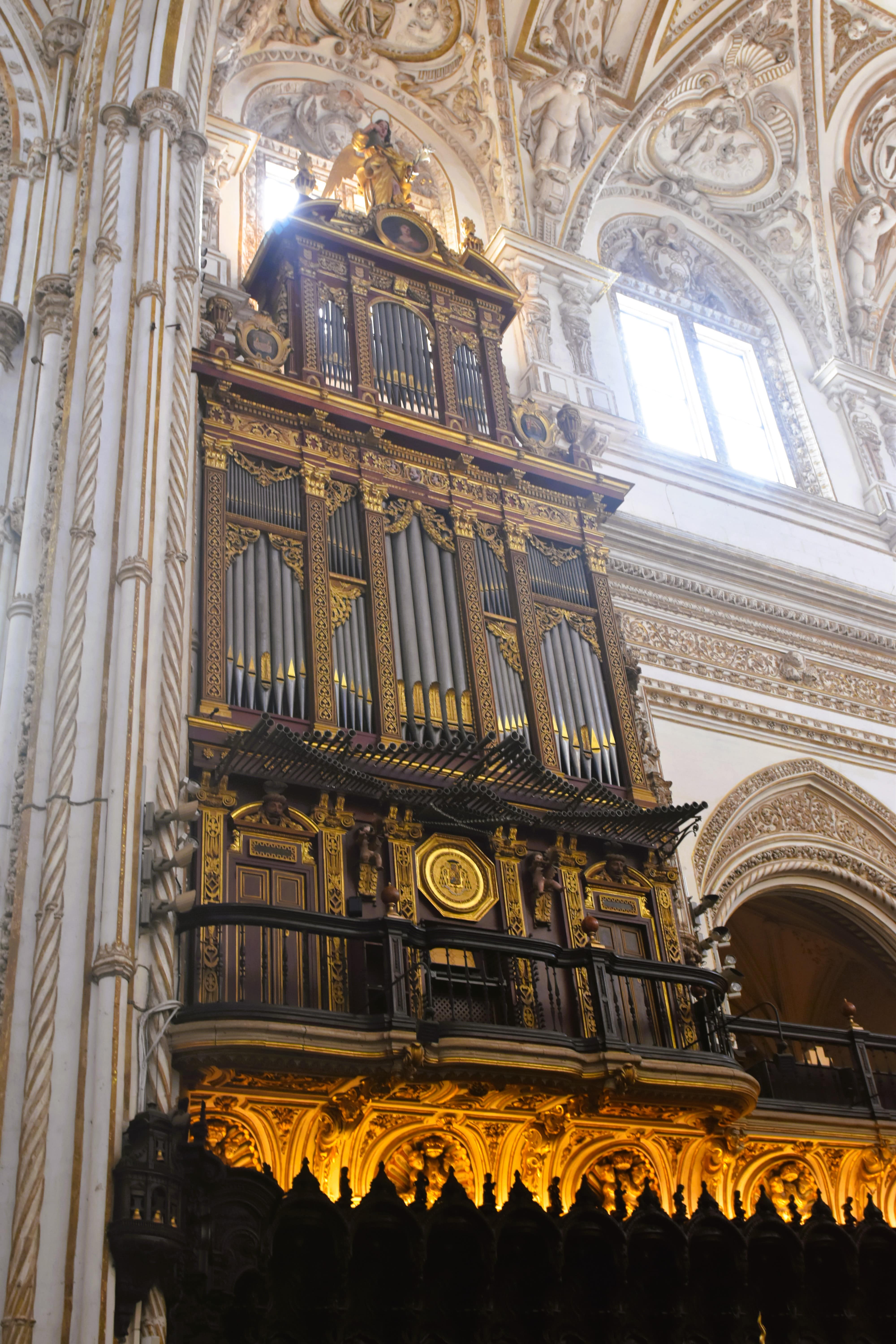
The most iconic symbol of Córdoba is the Mezquita-Catedral, a stunning architectural wonder that captures the city’s layered history. The “Mezquita,” was built over a Christian church built in the Visigothic period (5th century). After the Moorish conquest, the mosque was built in the 8th century. In 1236, following Cordoba’s fall to Ferdinand, the site was reconsecrated as Christian and in 1523, a cathedral was erected, resulting in a fascinating fusion of Islamic and Gothic styles.
Walking through its forest of red-and-white striped arches, visitors can admire the intricate mihrab (prayer niche) that once directed Muslim worshipers toward Mecca. In the center, a grand Renaissance-style cathedral rises, symbolizing the city’s transition from Moorish rule to Christian Spain.





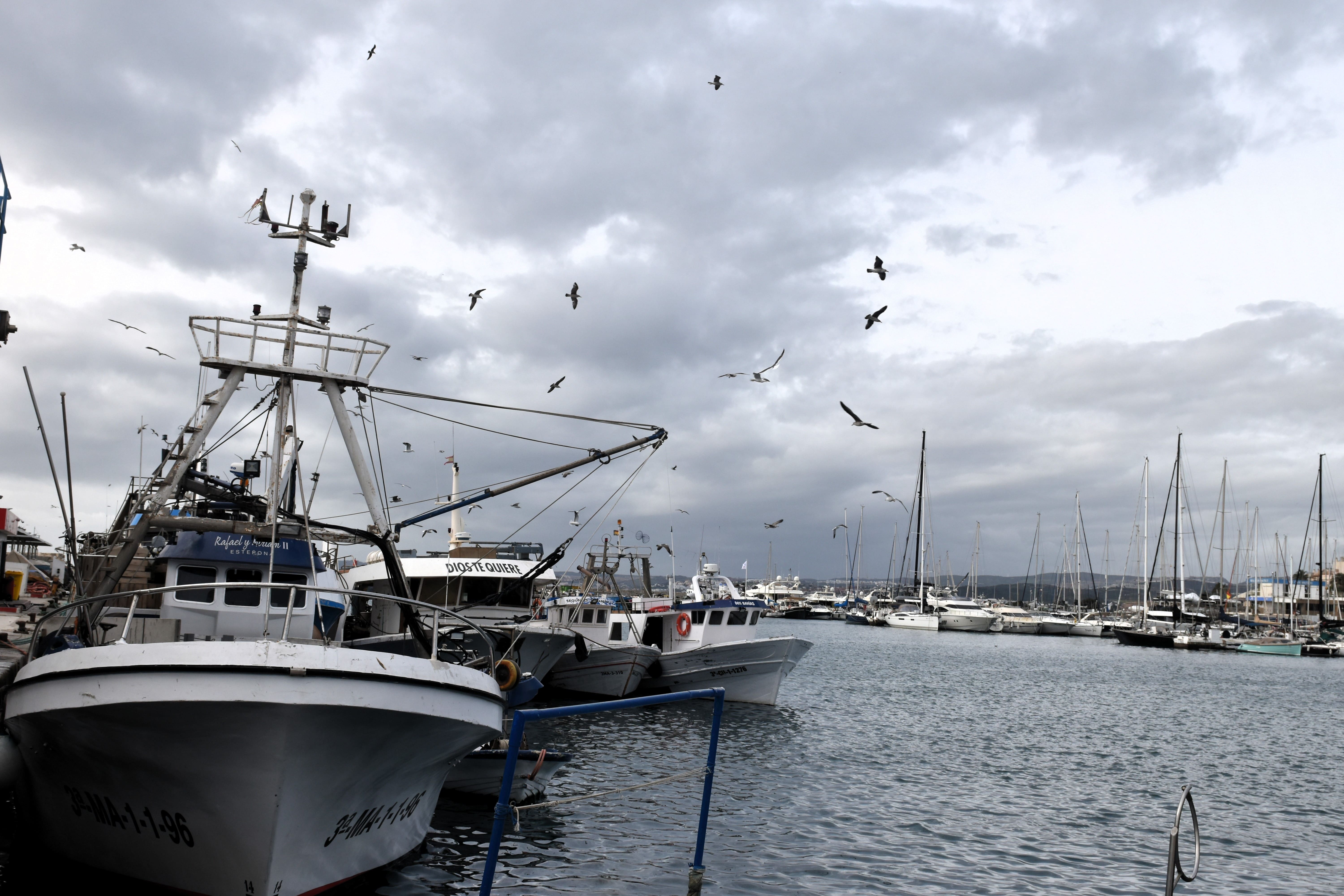
Spain is one of the largest consumers of fish in the world. We met our local expert at Estepona’s fishing port for an on-site presentation at the local fishing market. Our experts, Pacu, provided a lecture on the local traditions of seafood and an introduction to the fresh local produce that is key to the local economy. Seafood is an important component of the renowned Mediterranean diet. This lecture was set up by Shonia of Turismo Marinero.
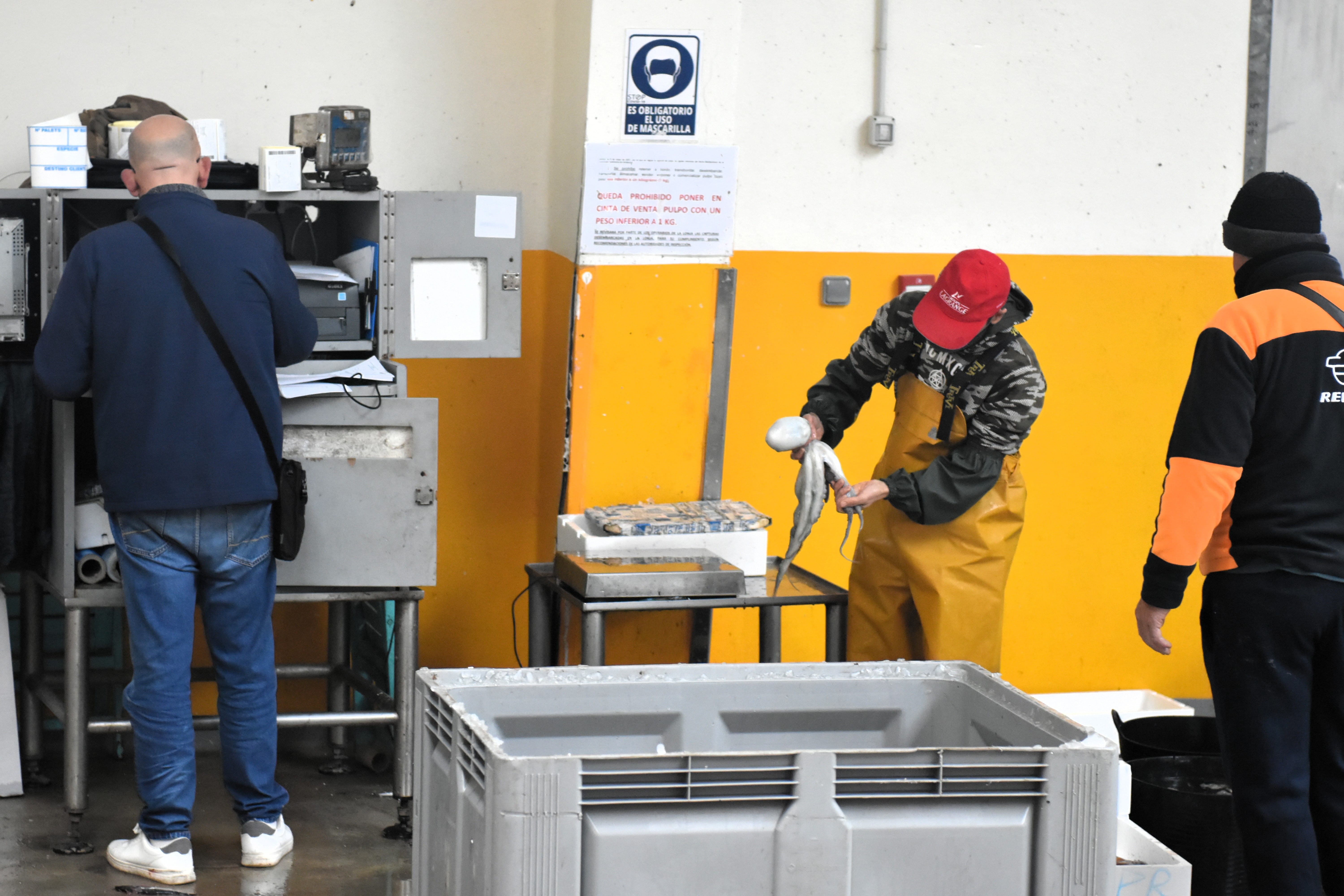
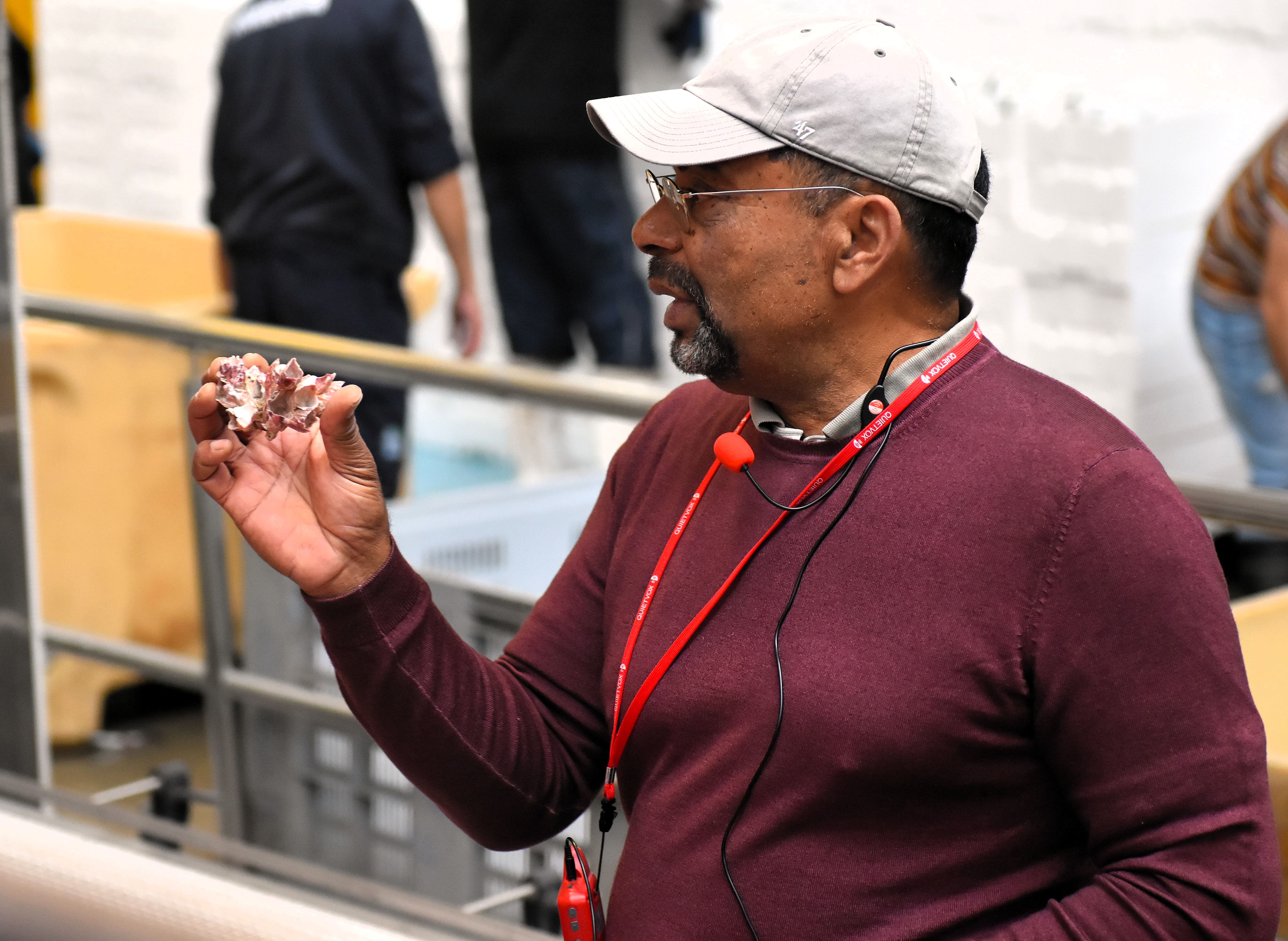
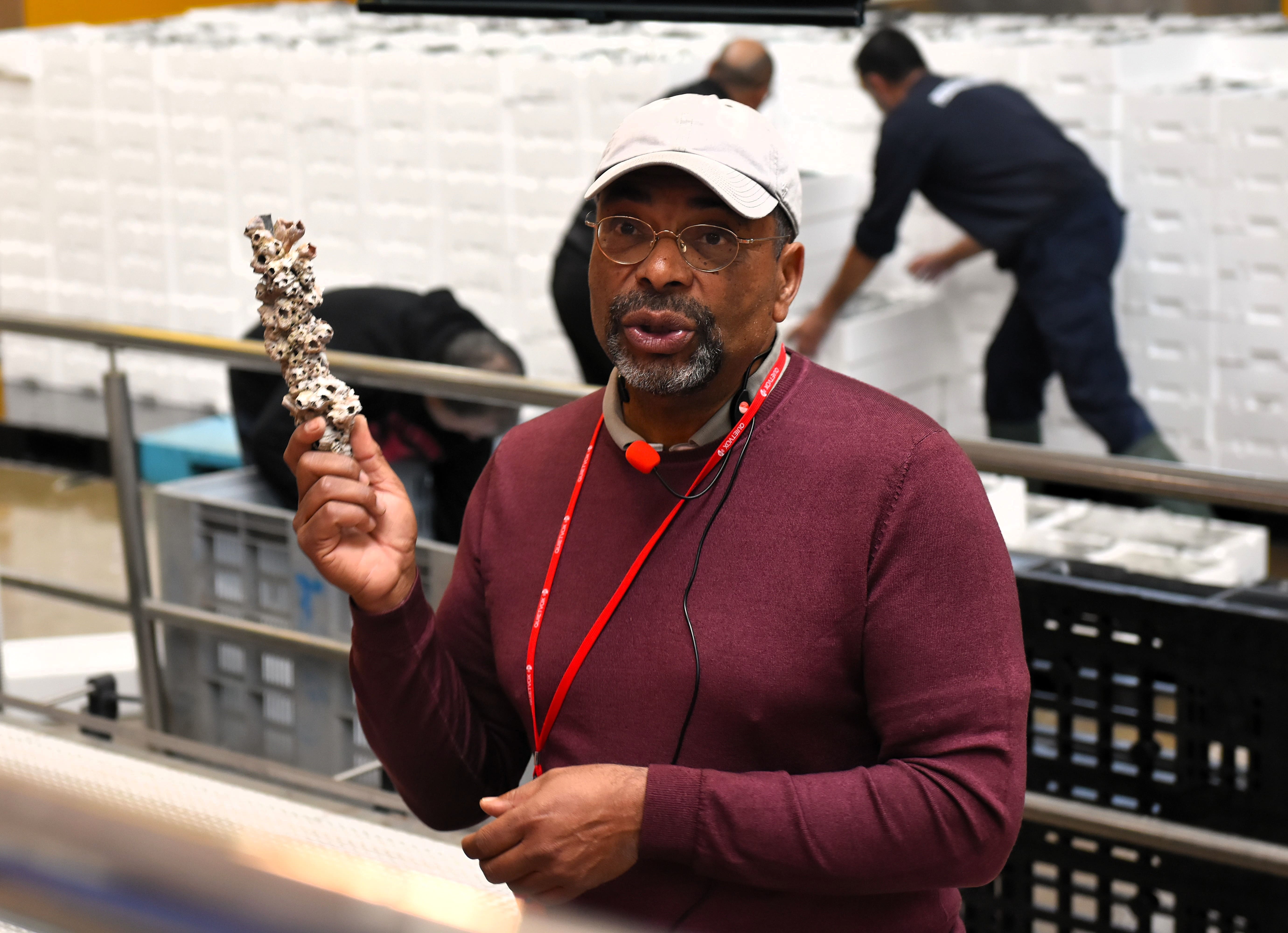
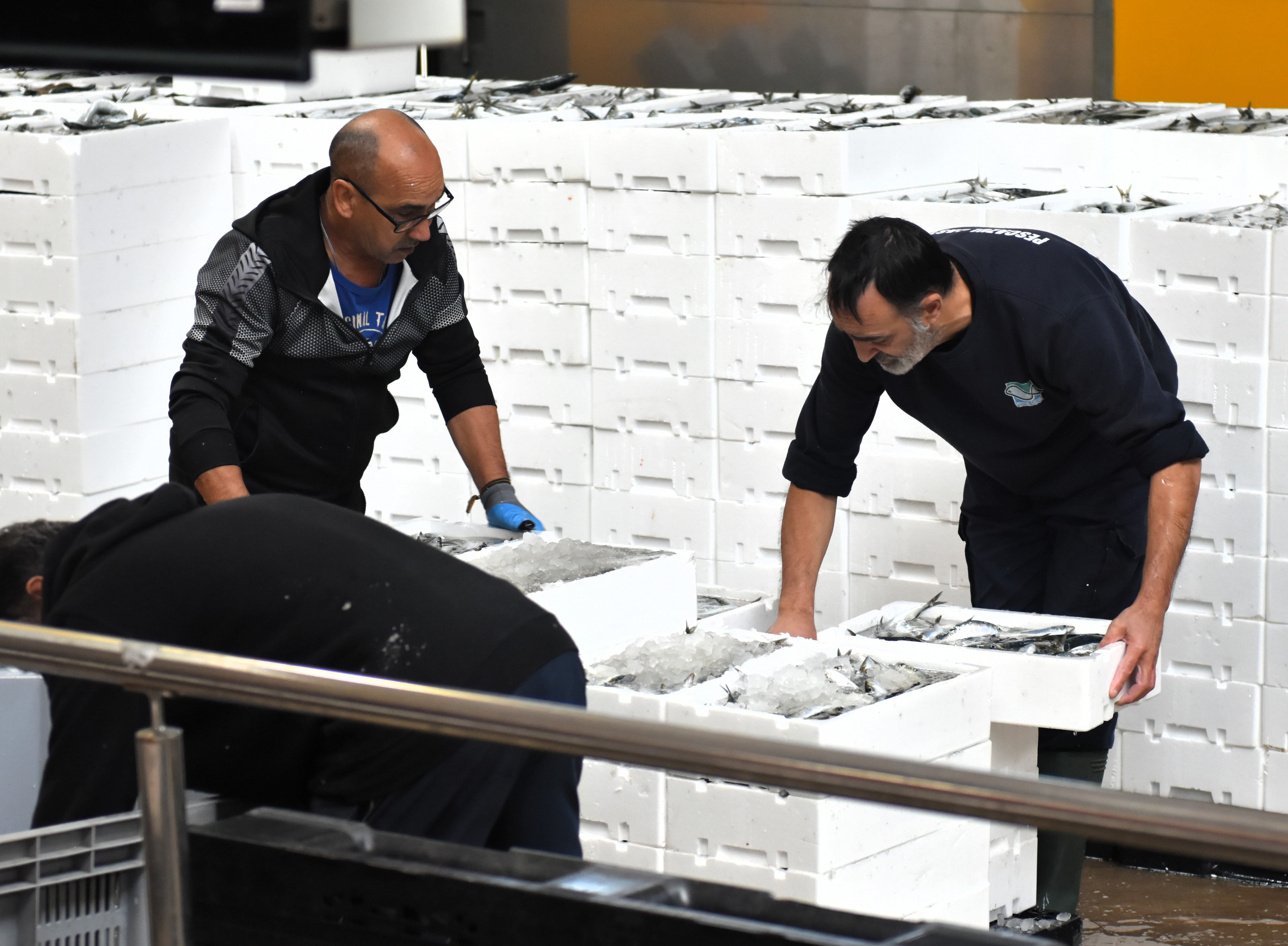
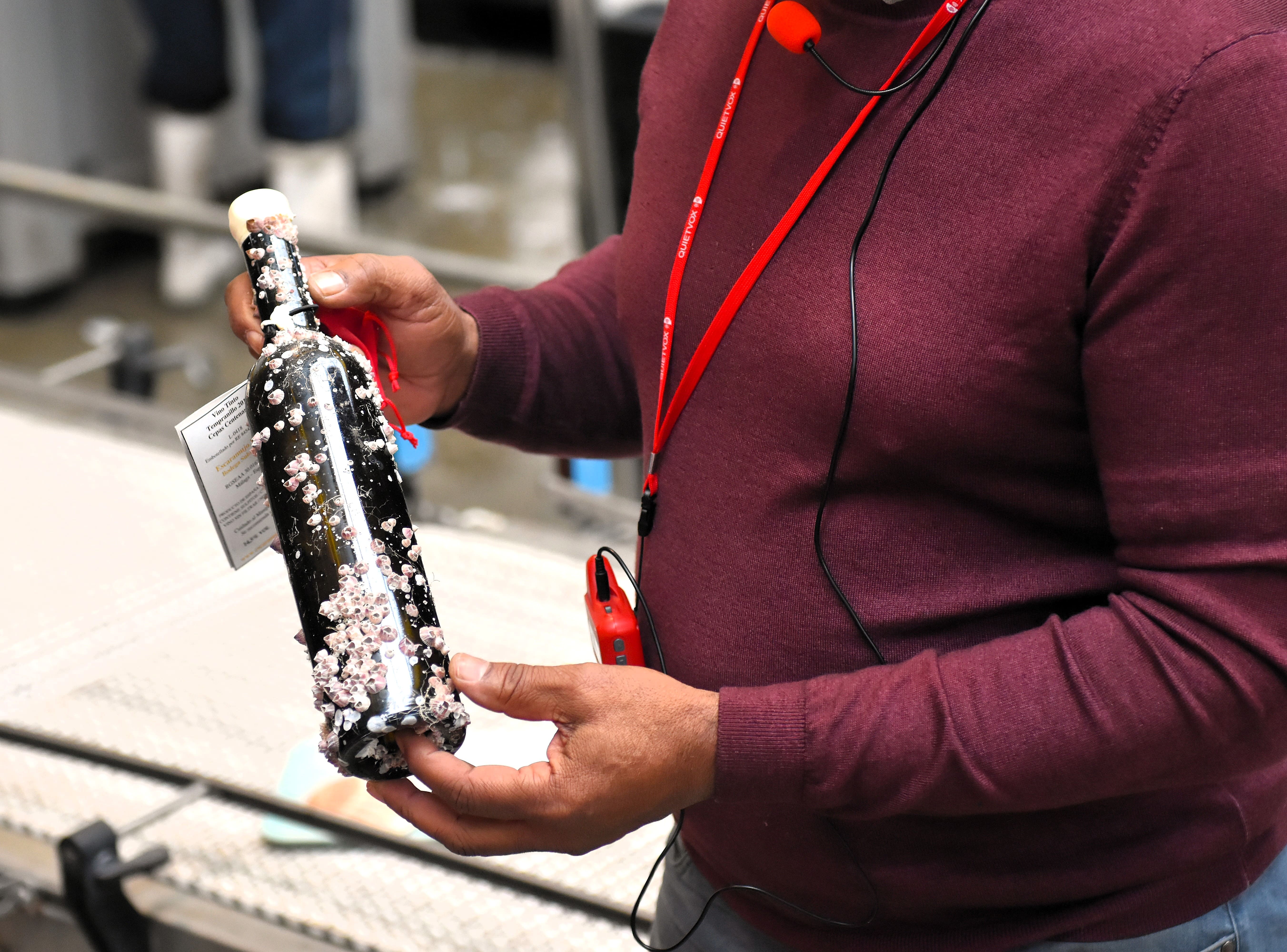
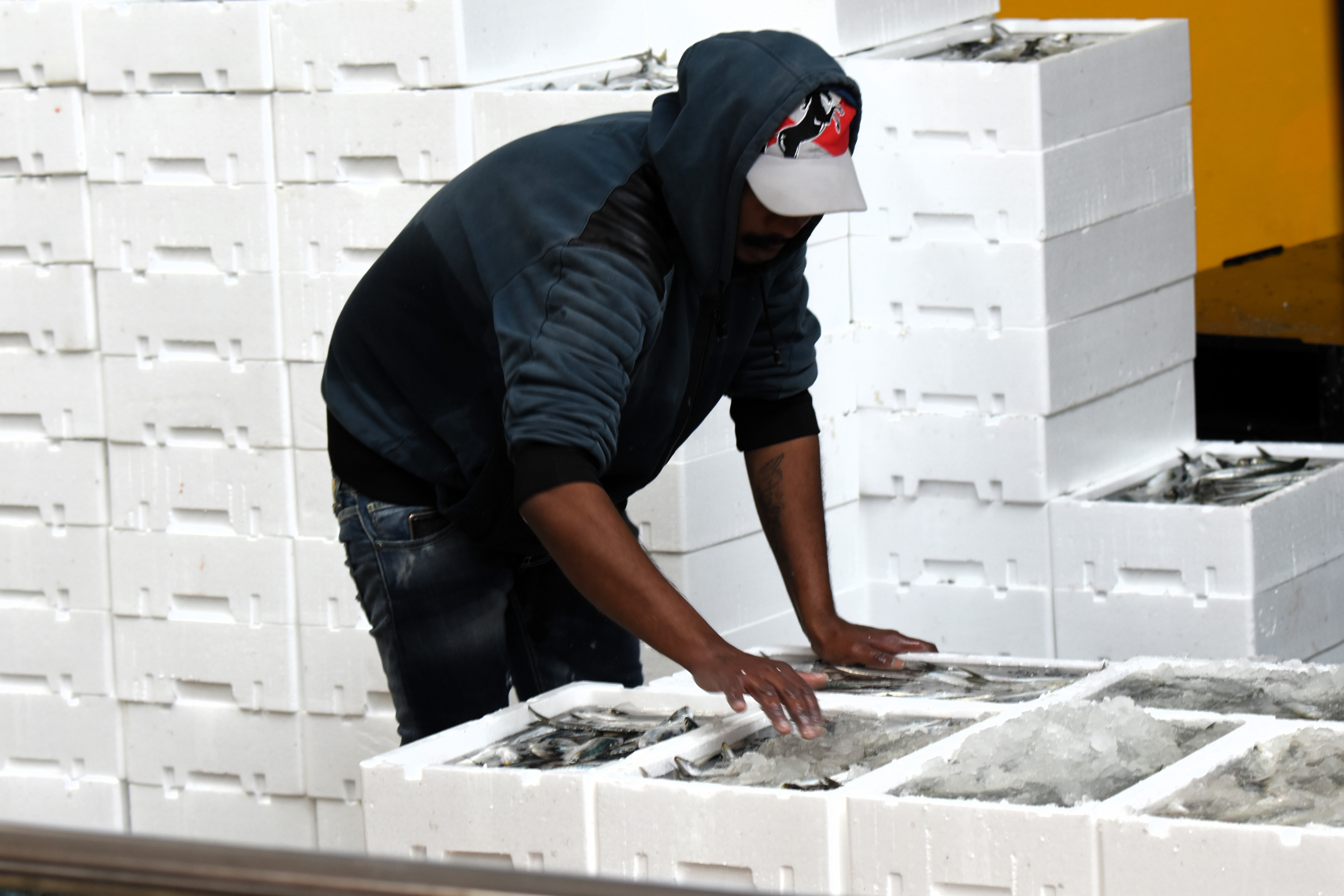
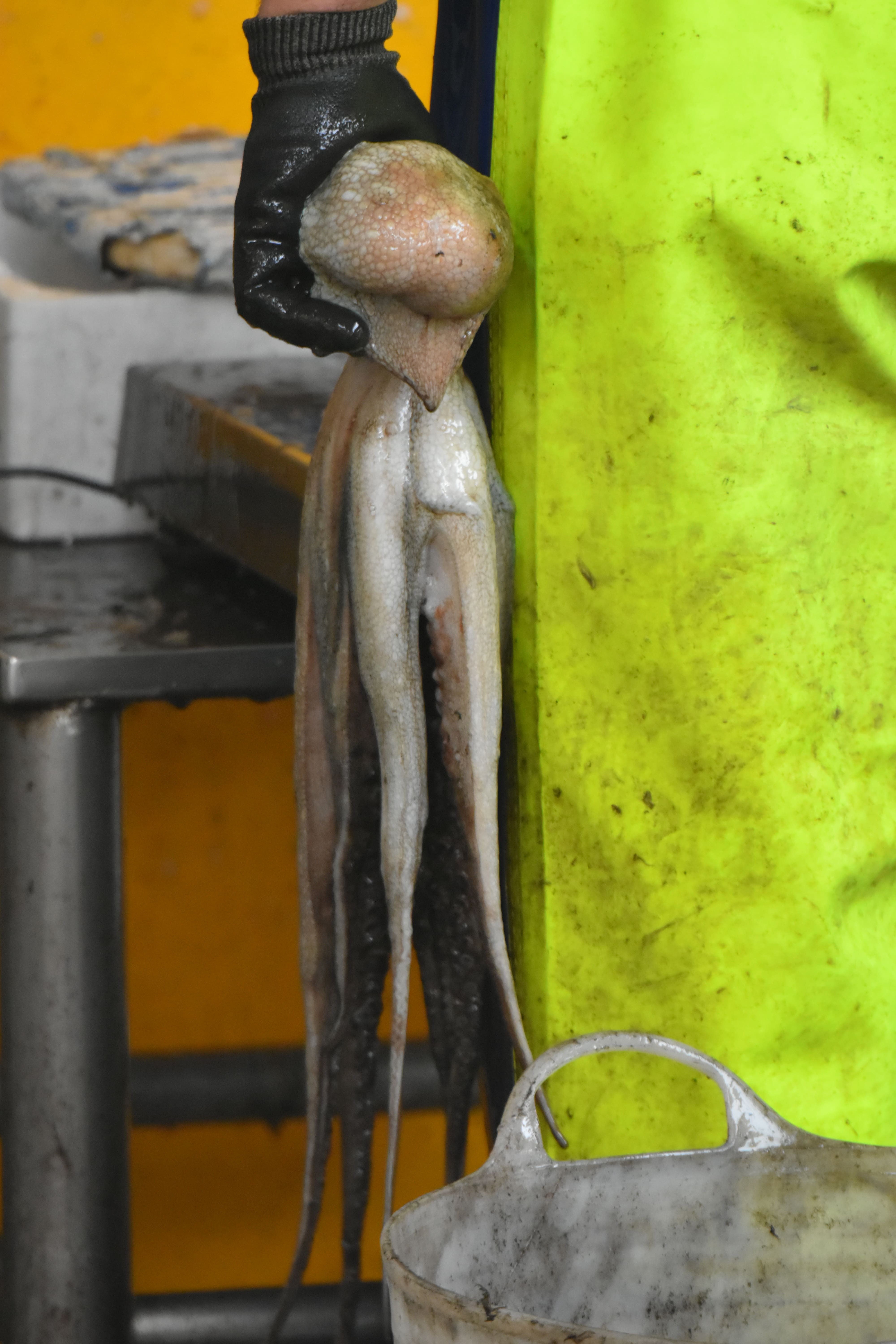
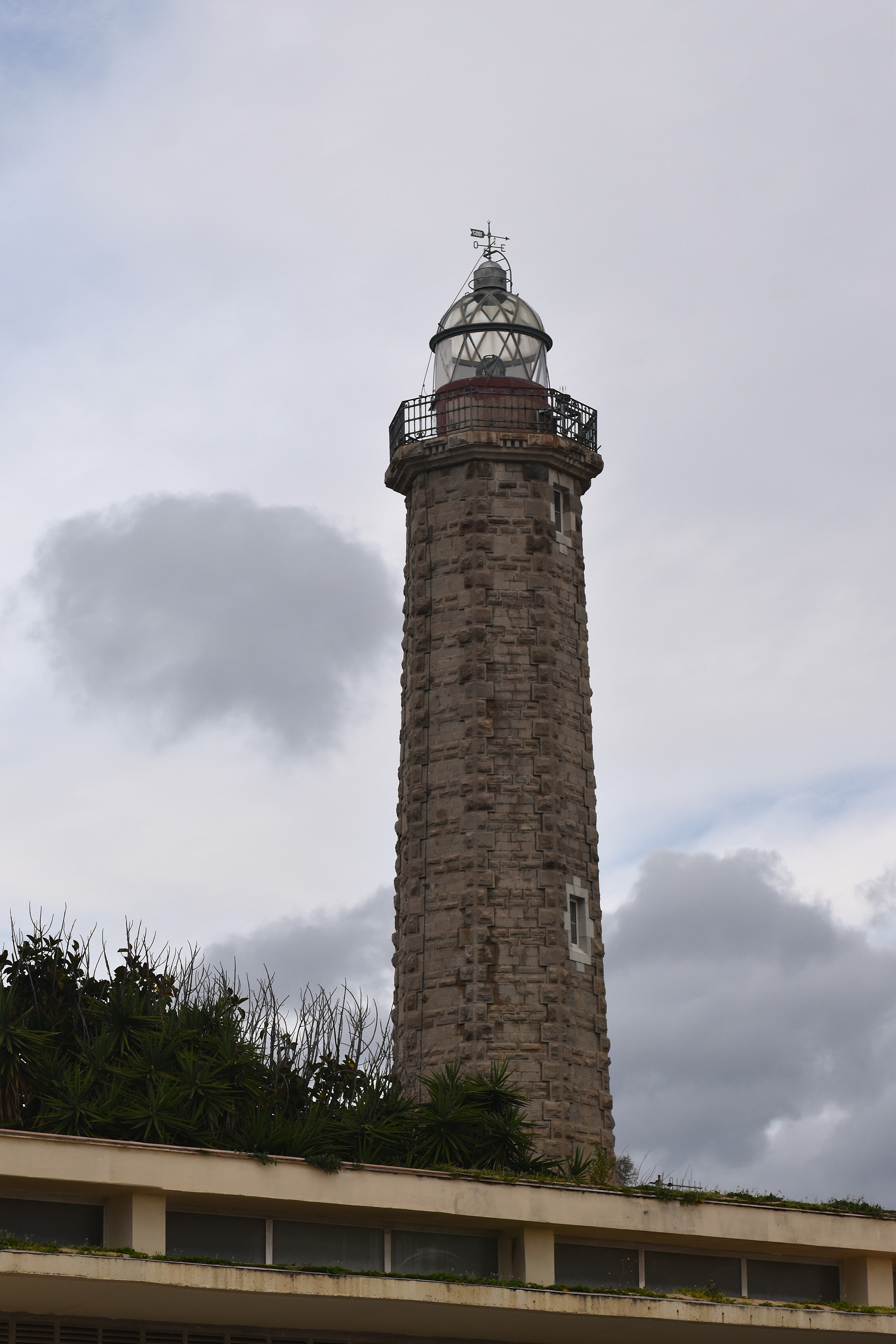
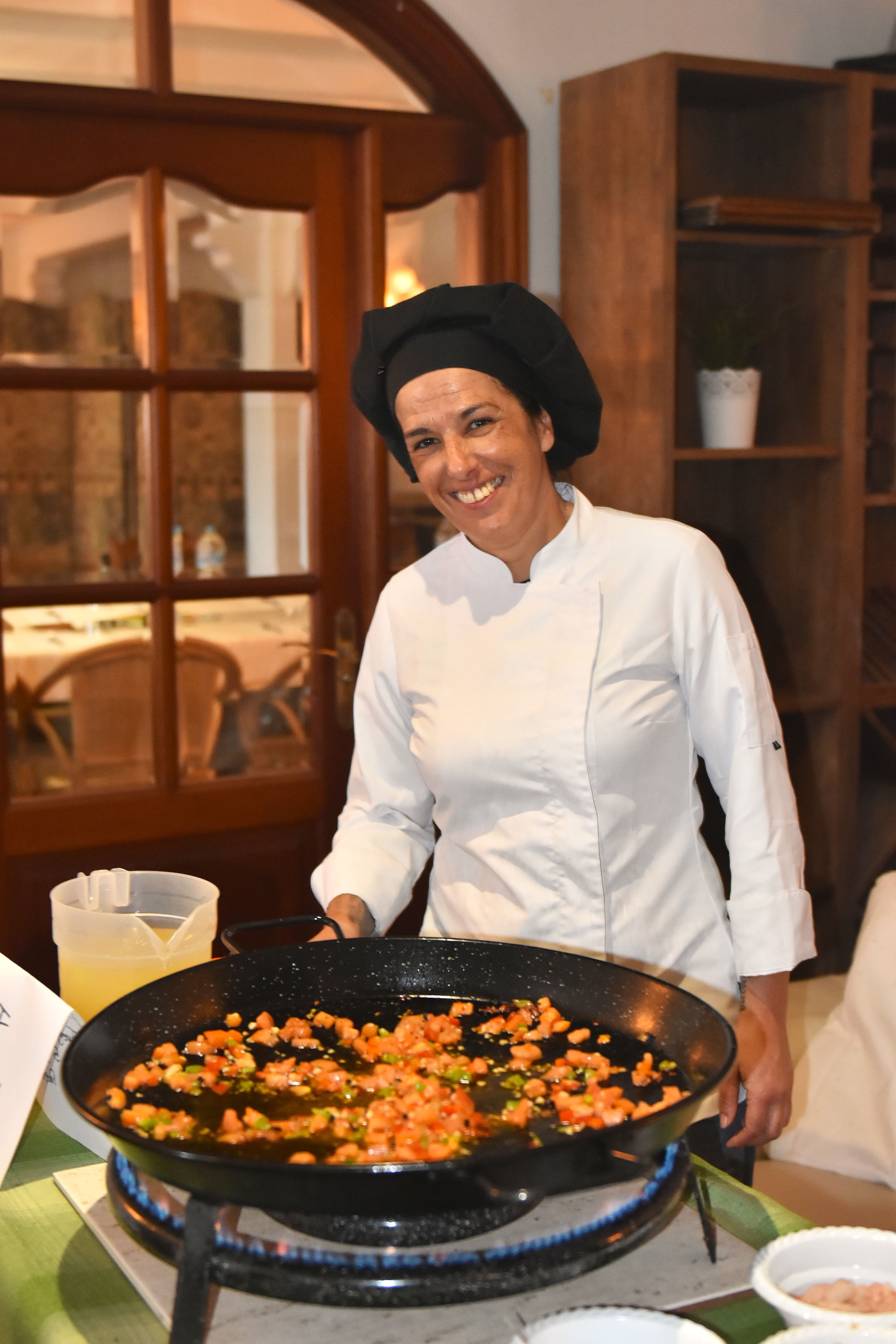
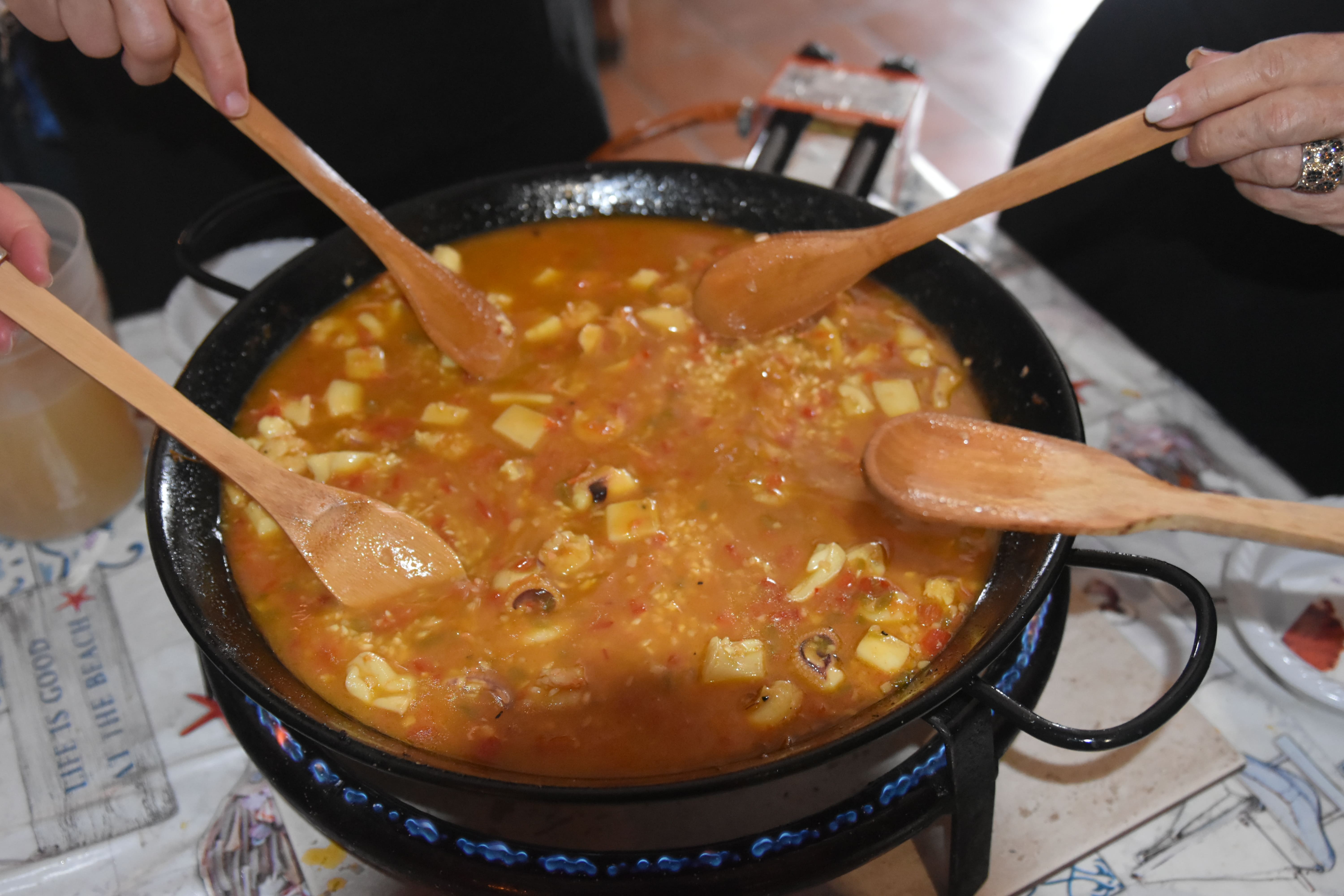
Later, we joined a chef in preparing a seafood paella-making workshop and a complimentary glass of Sangria or two.
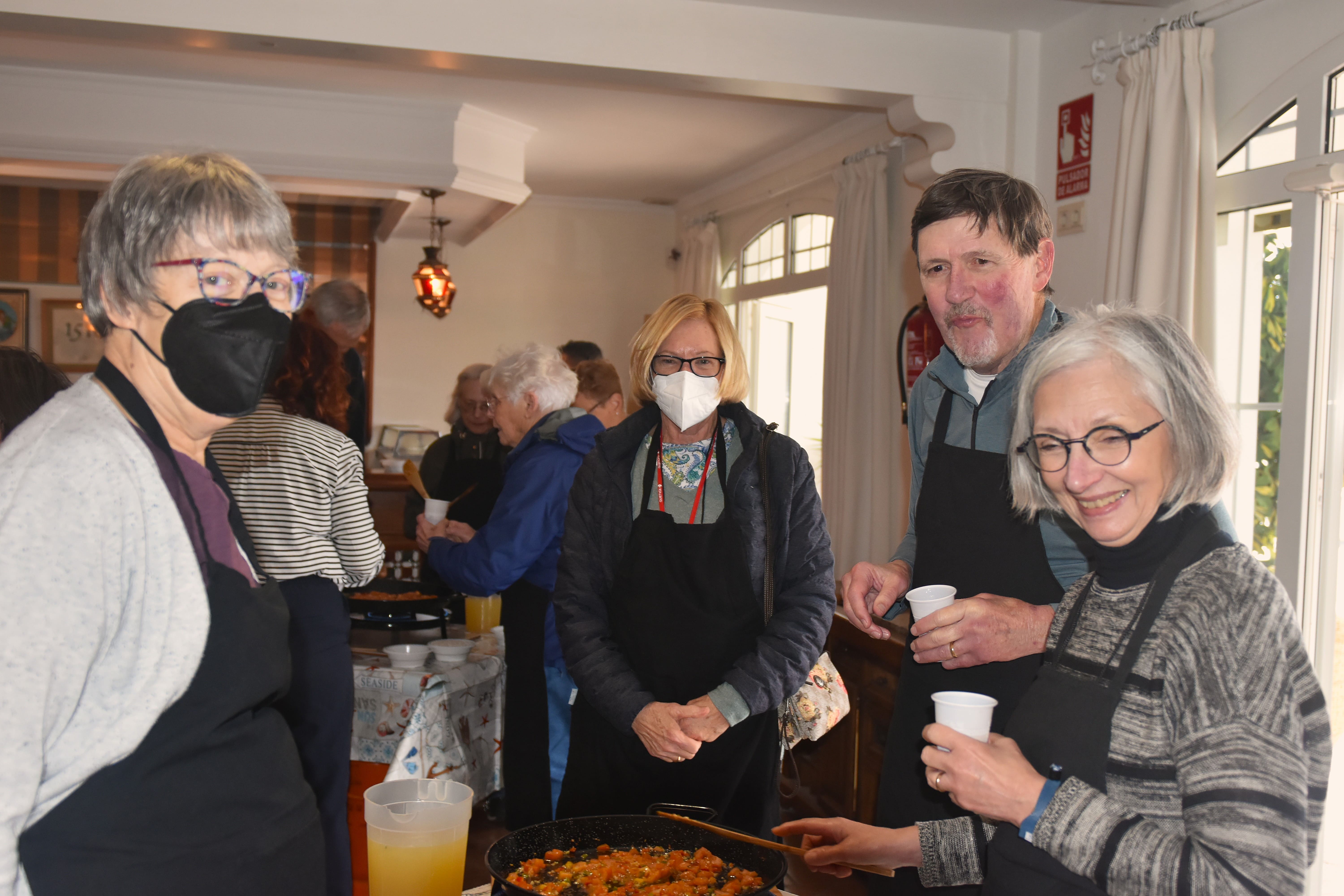

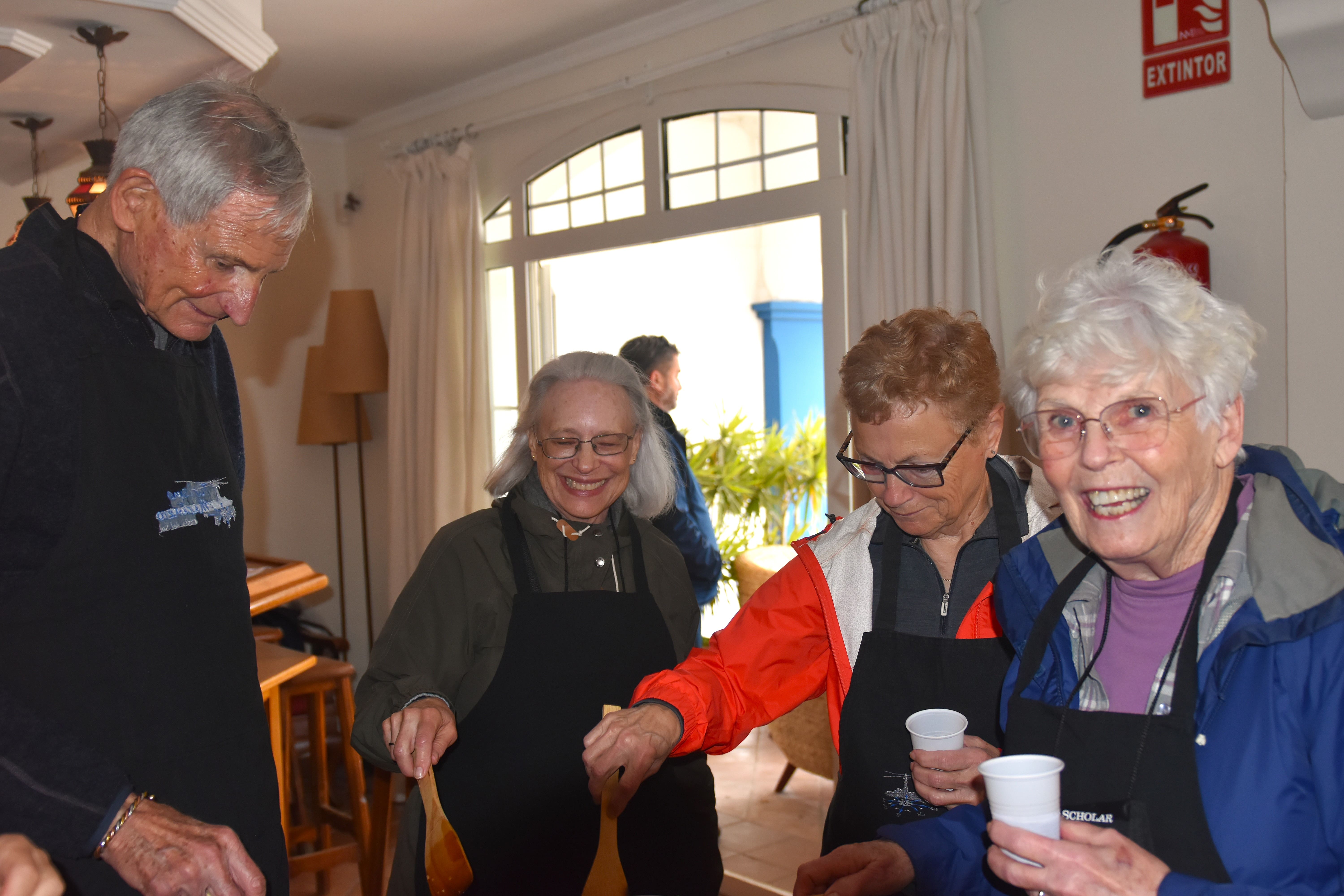
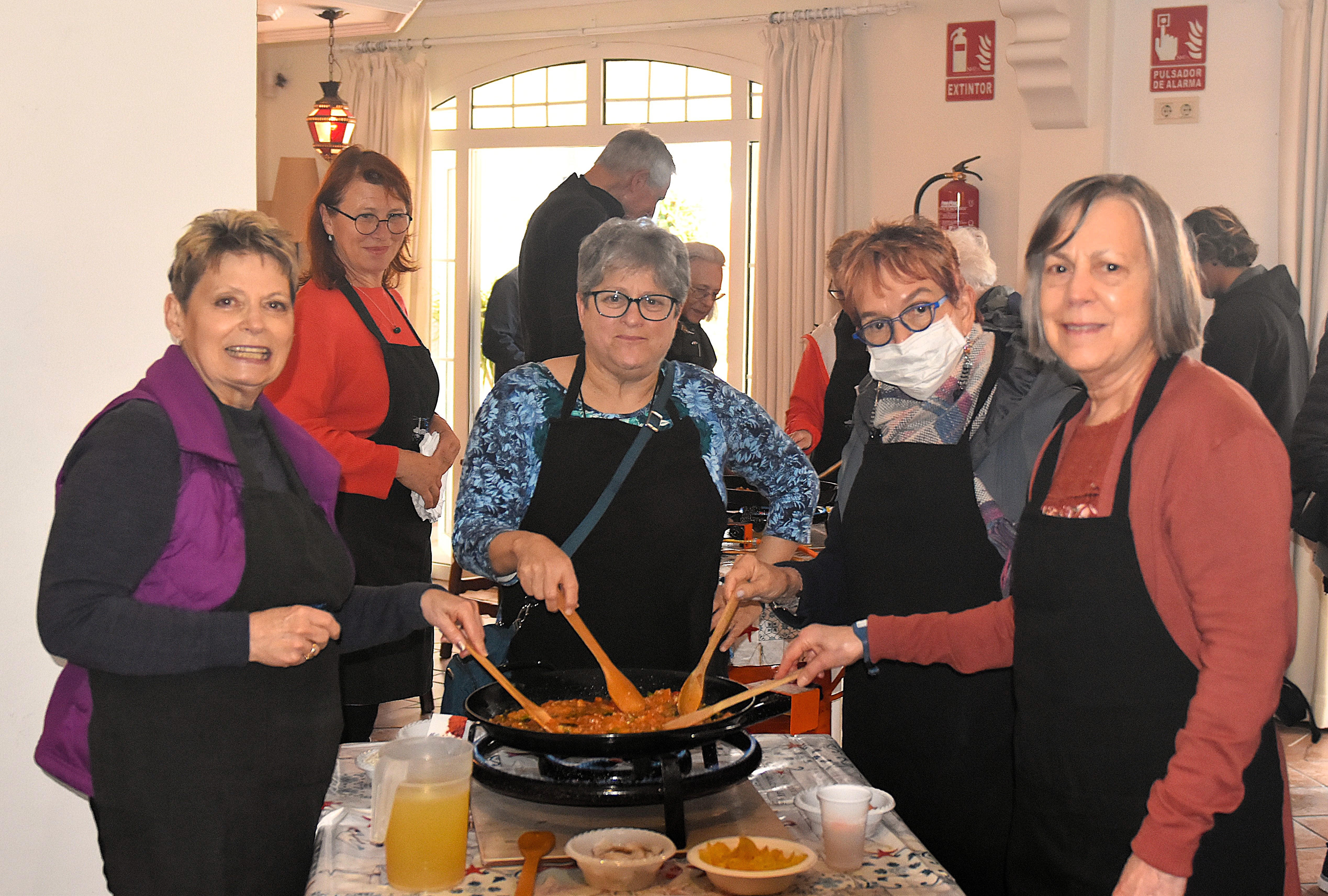
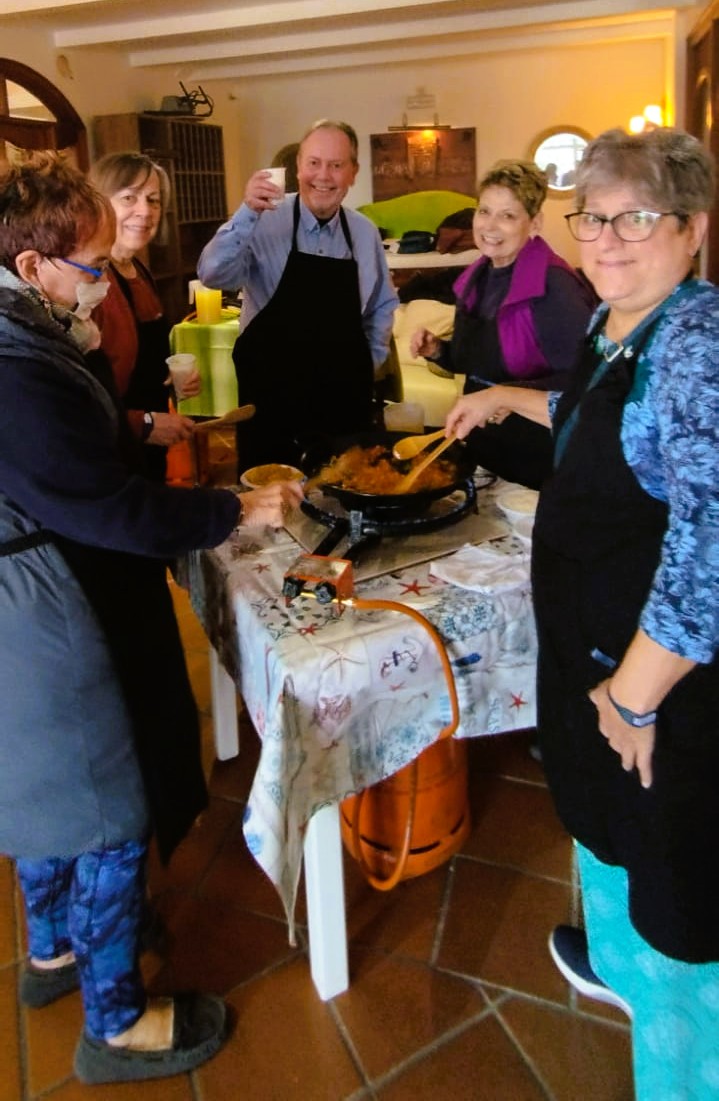
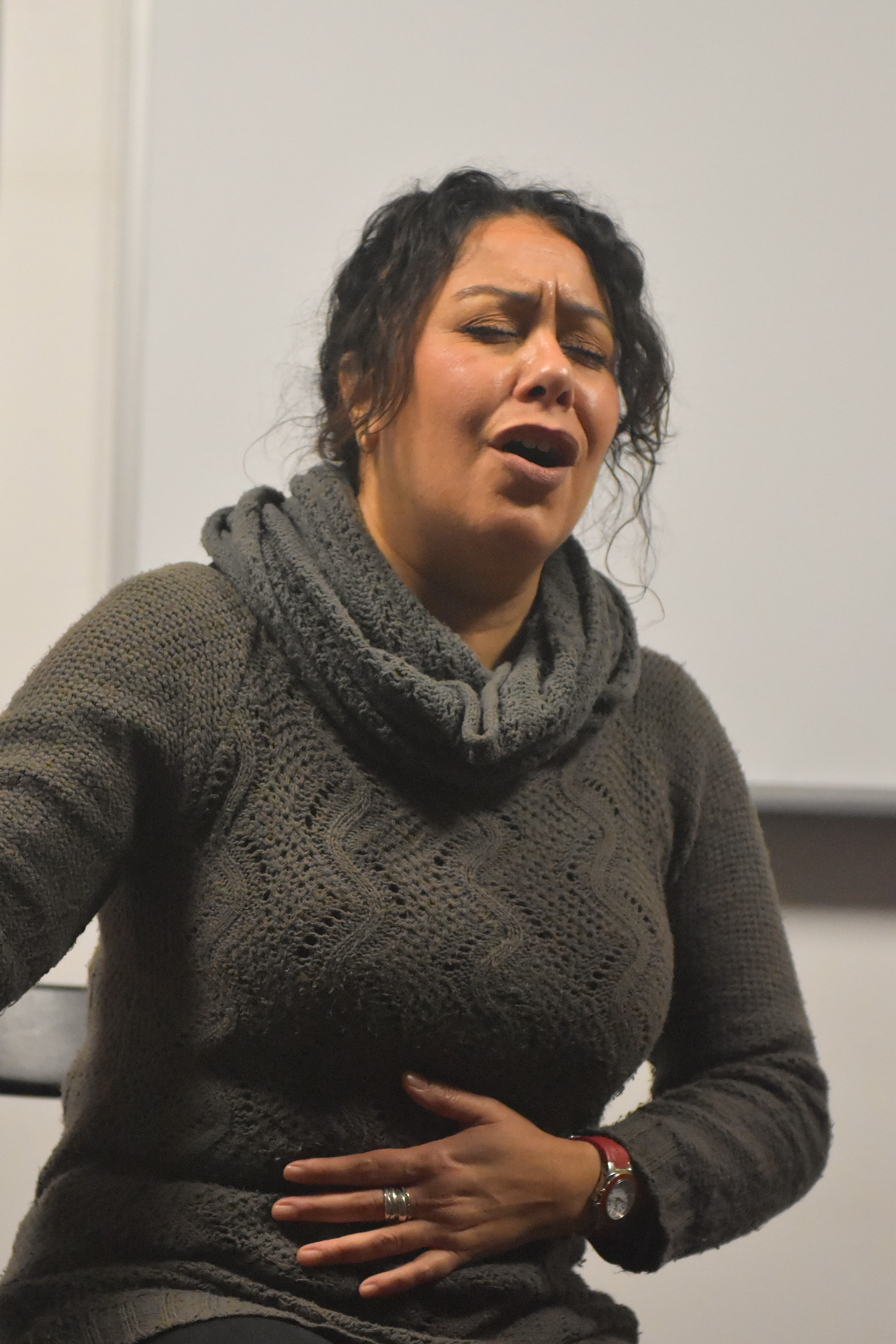
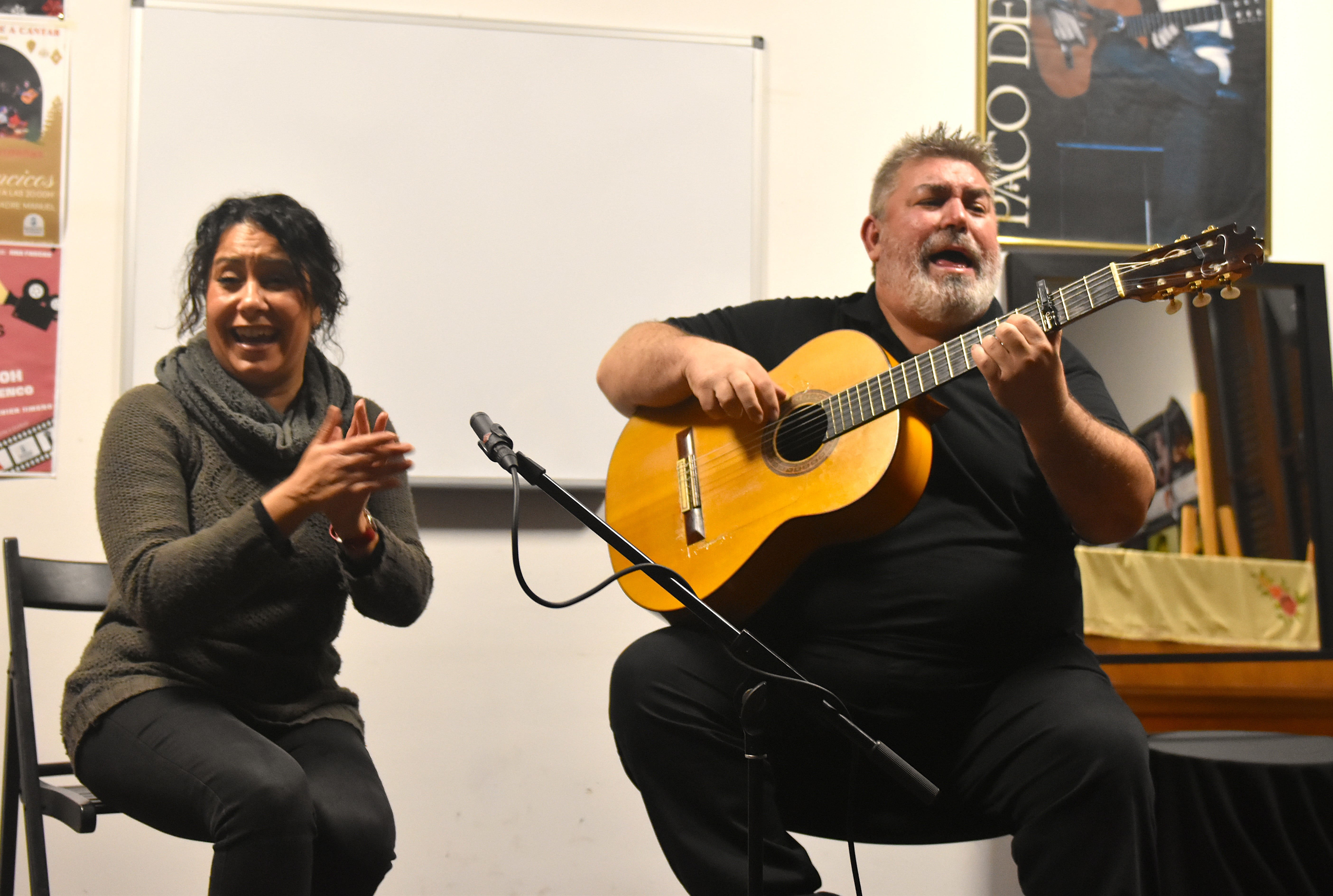
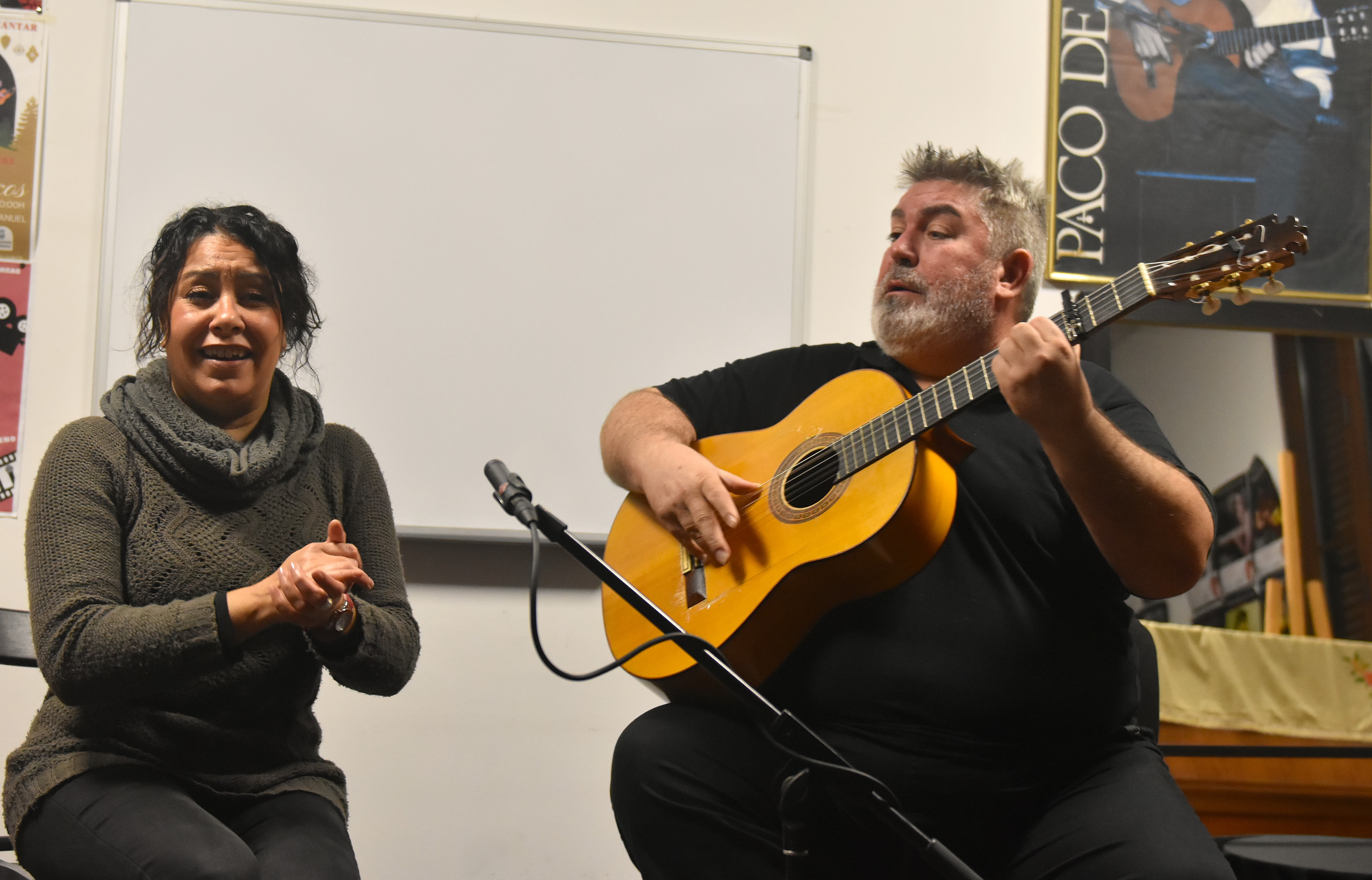
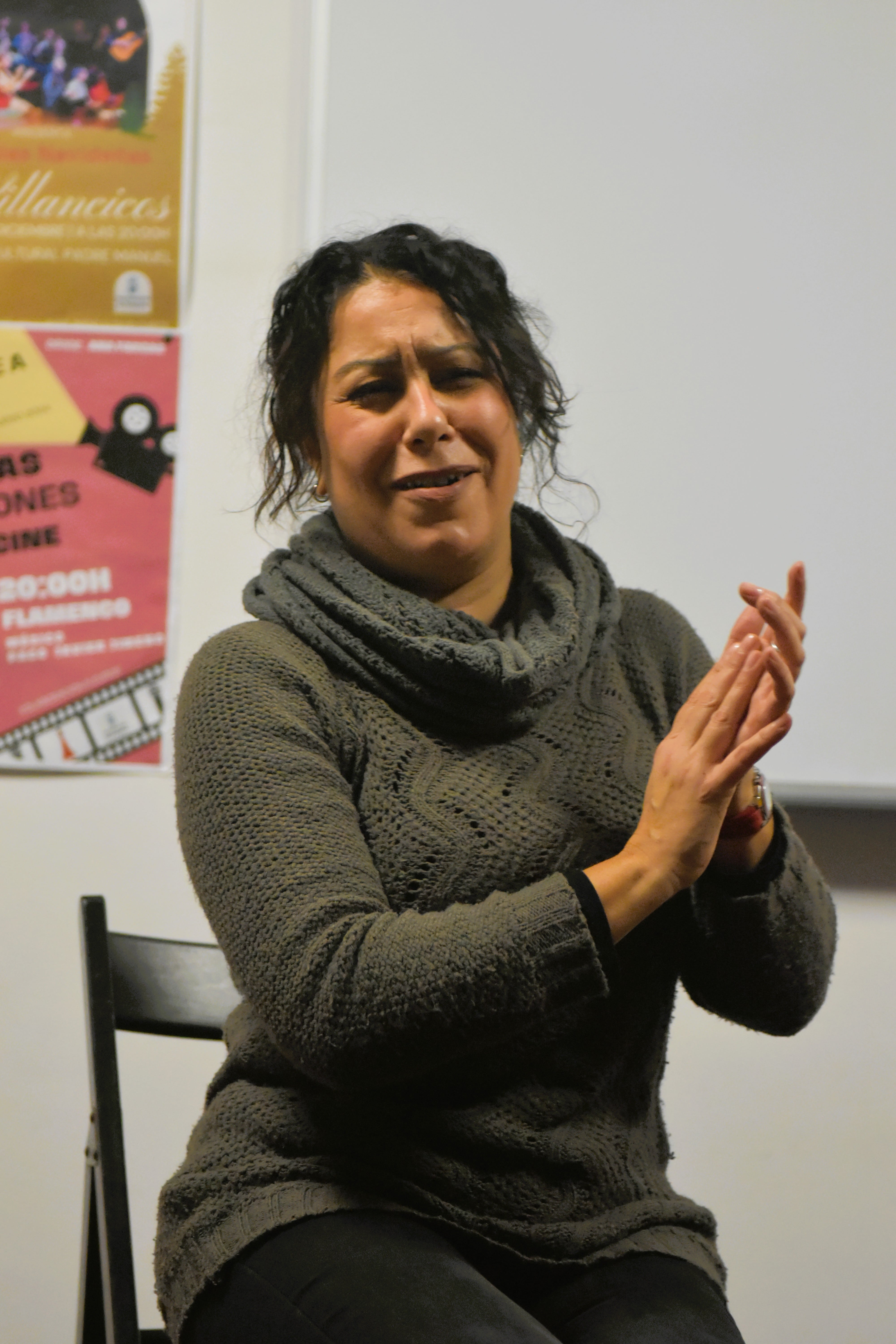
That evening, we went to a cultural center, where we enjoyed a performance of collaborative artistry of classic Spanish Flamenco guitar by Paco Jimeno, accompanied by his wife Ana Fargas.


Ronda: The Dramatic Beauty of Spain’s Hilltop Town
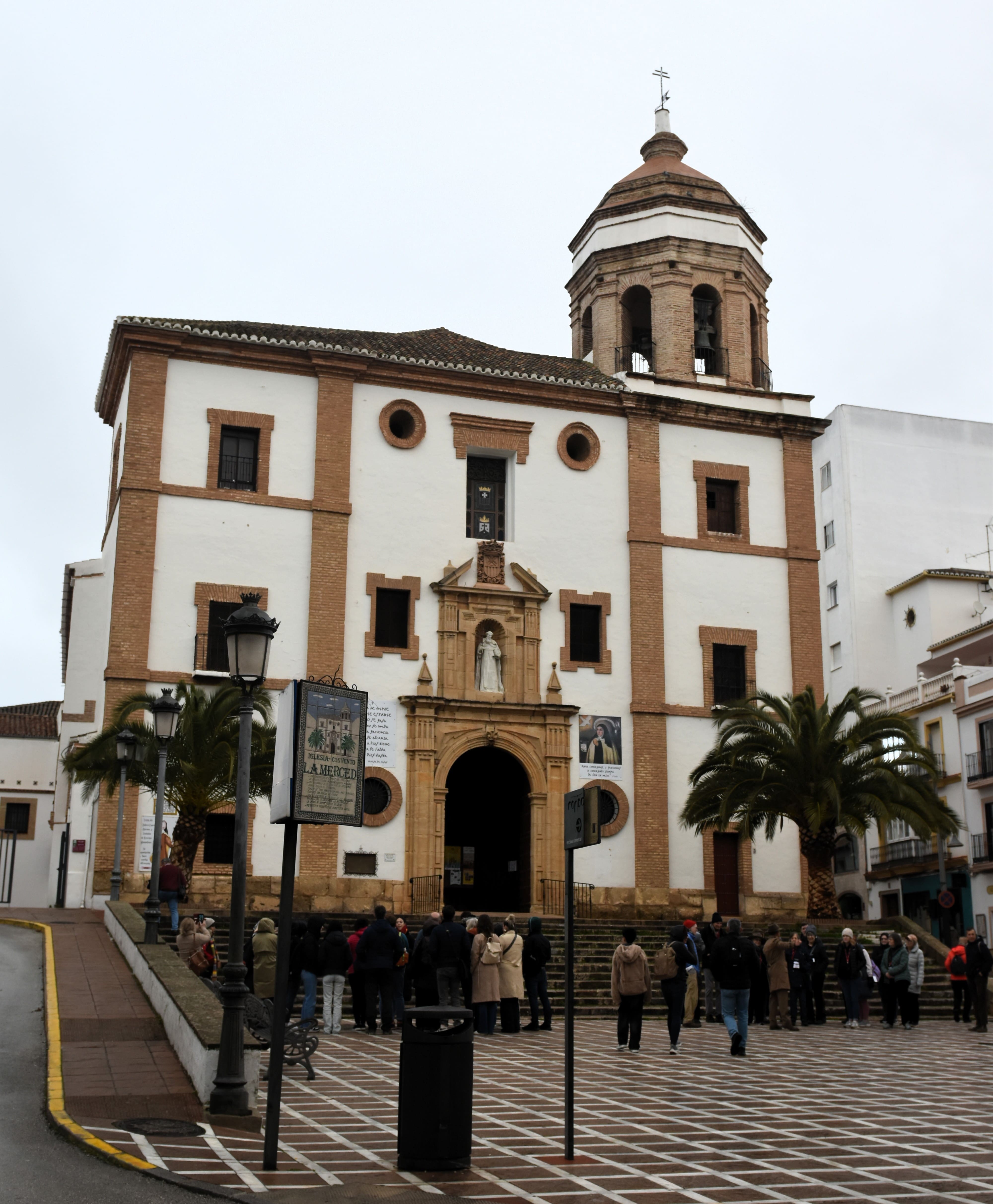
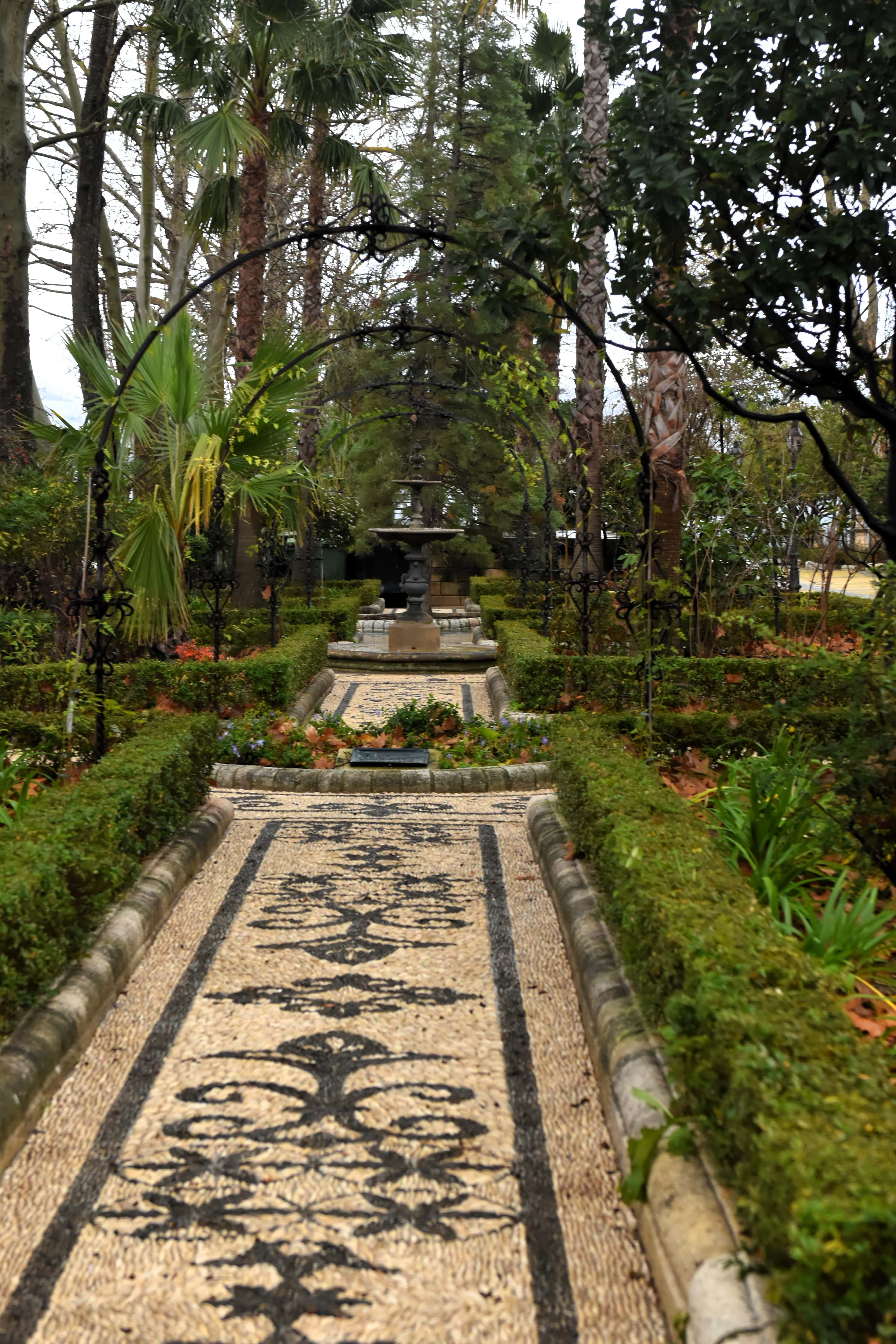
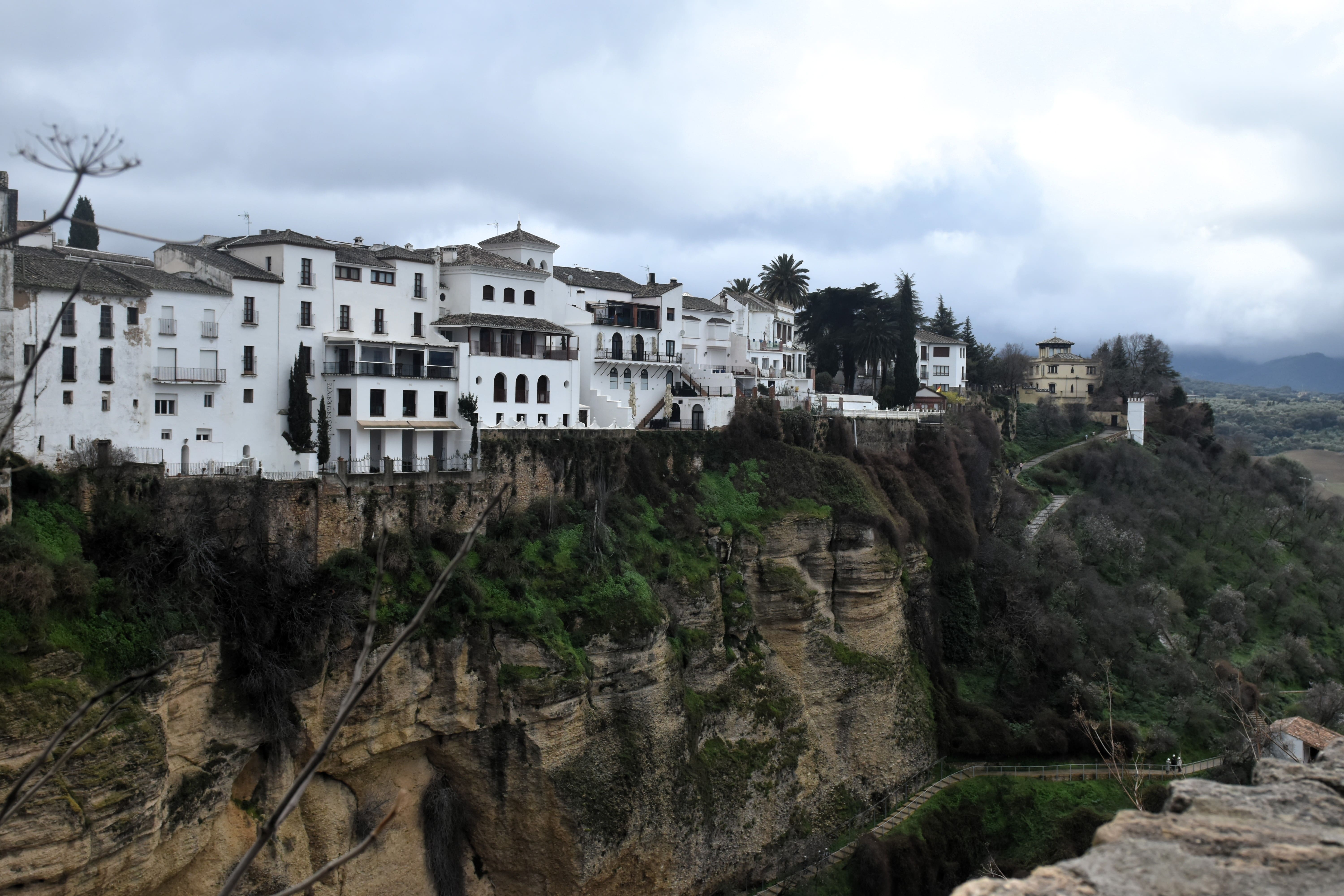
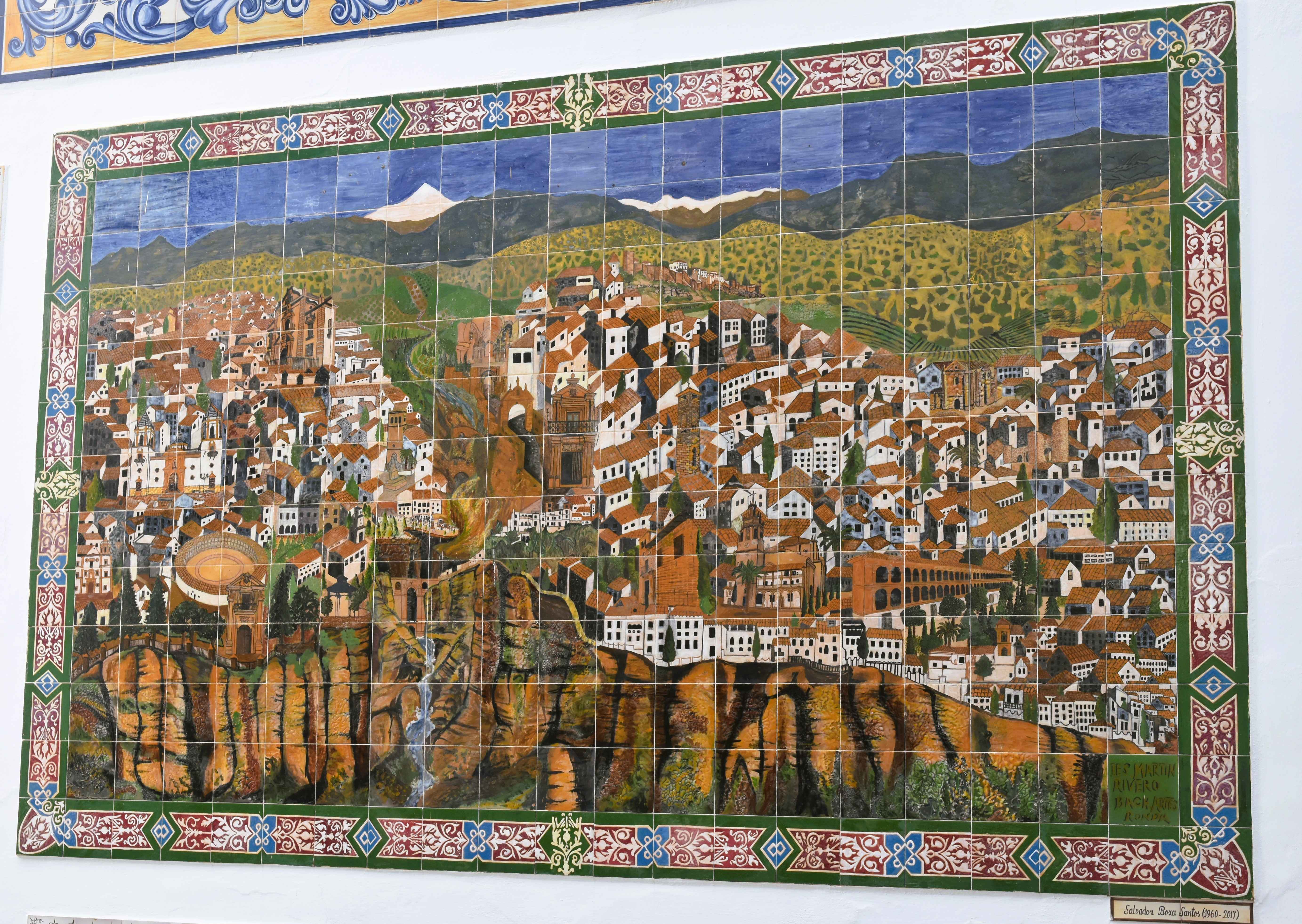
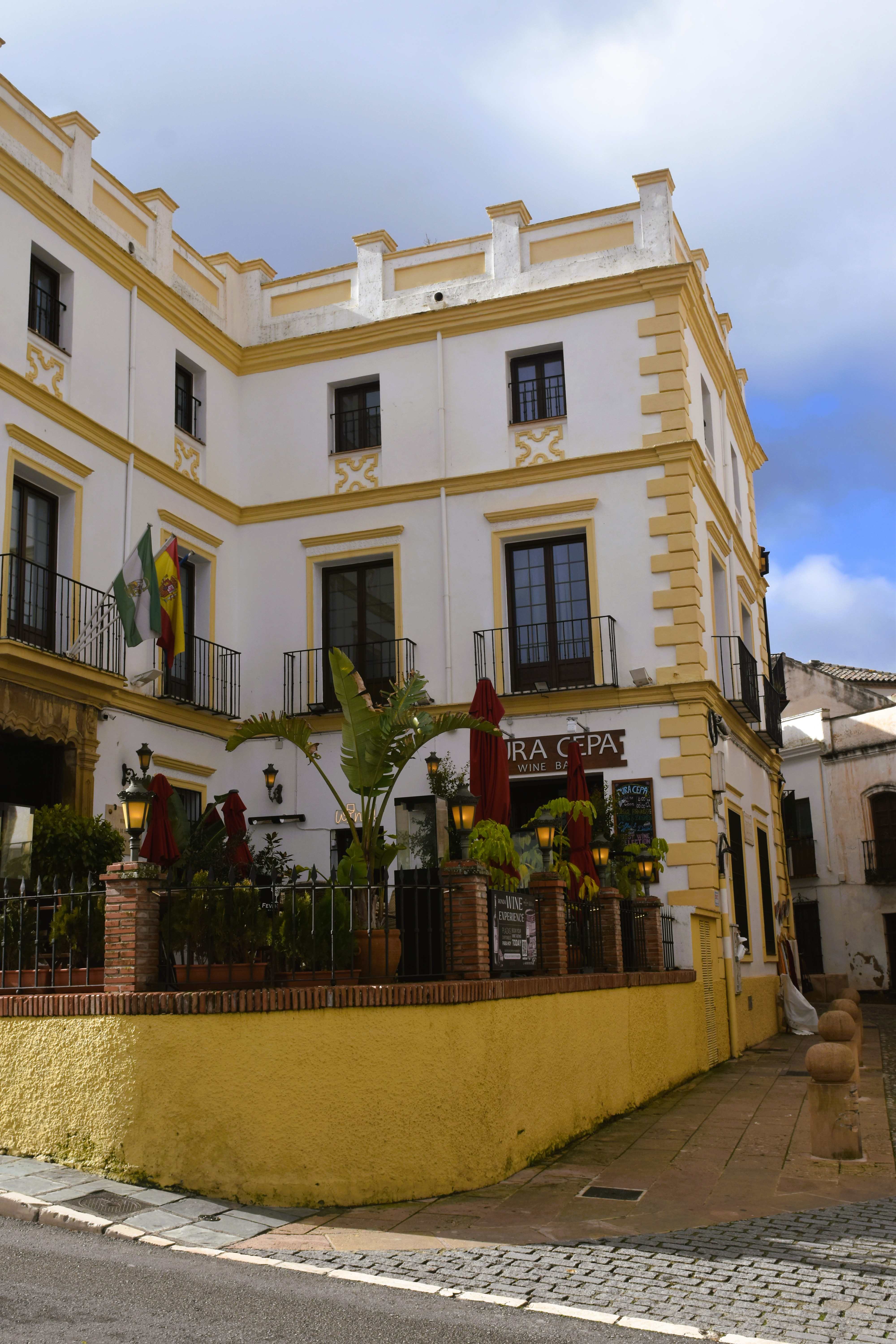
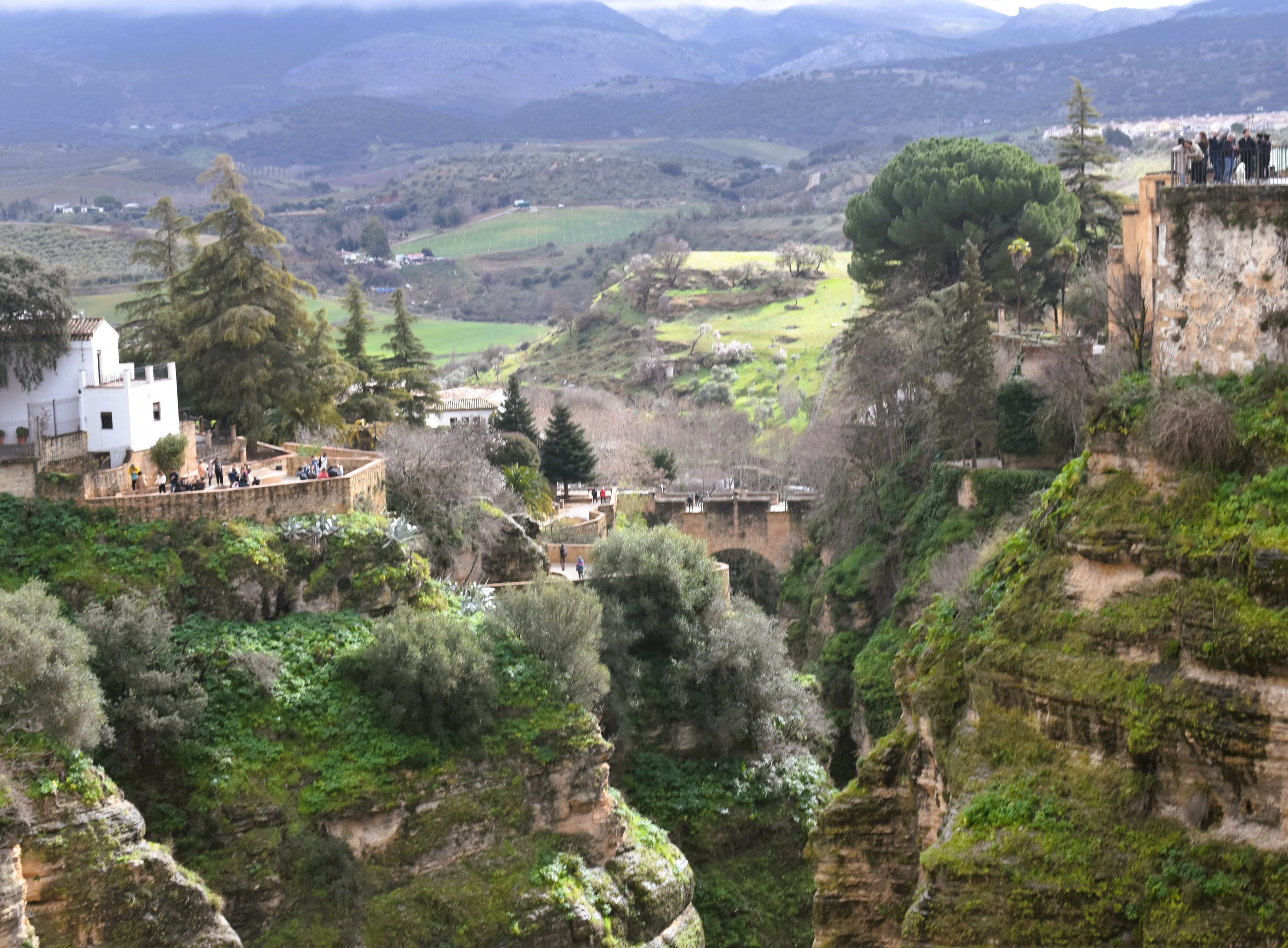
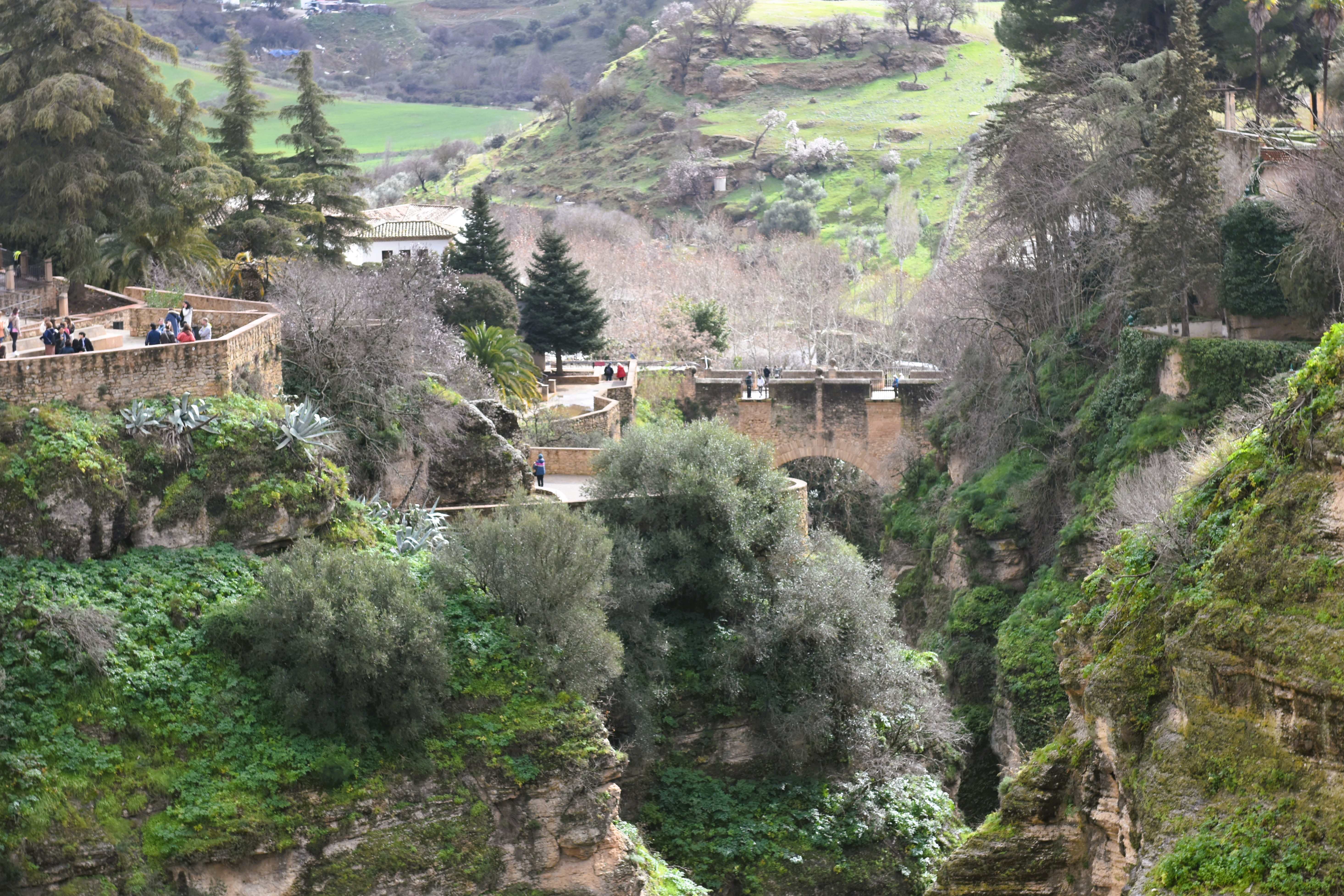
Perched high above the El Tajo Gorge, Ronda is one of the most breathtaking and historically significant towns in Southern Spain. Known for its stunning landscapes, rich Moorish heritage, and deep cultural traditions, Ronda has captivated travelers, writers, and artists for centuries—including Ernest Hemingway and Orson Welles, who both found inspiration in its dramatic setting.
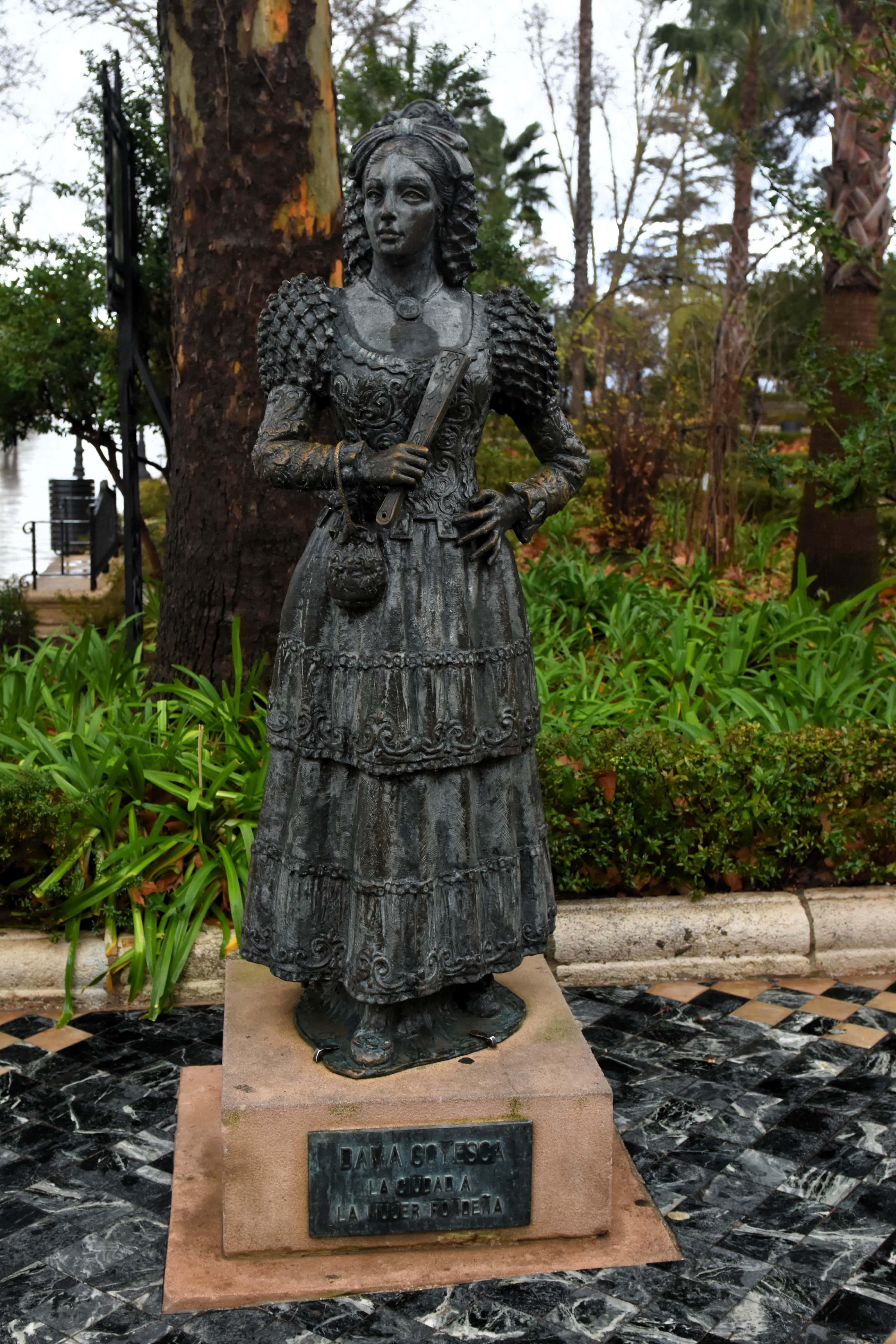
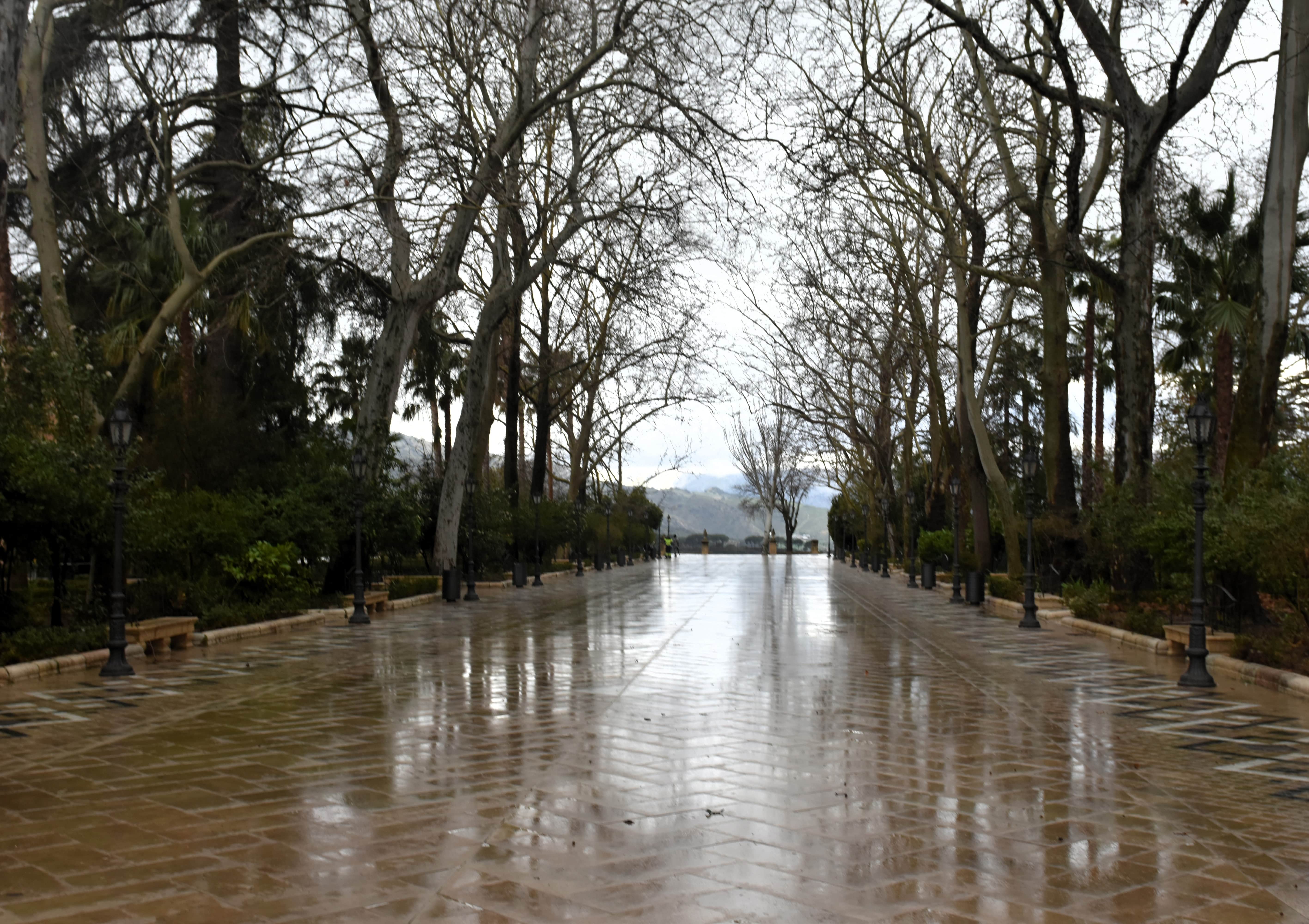

Plaza de Toros: The Birthplace of Modern Bullfighting
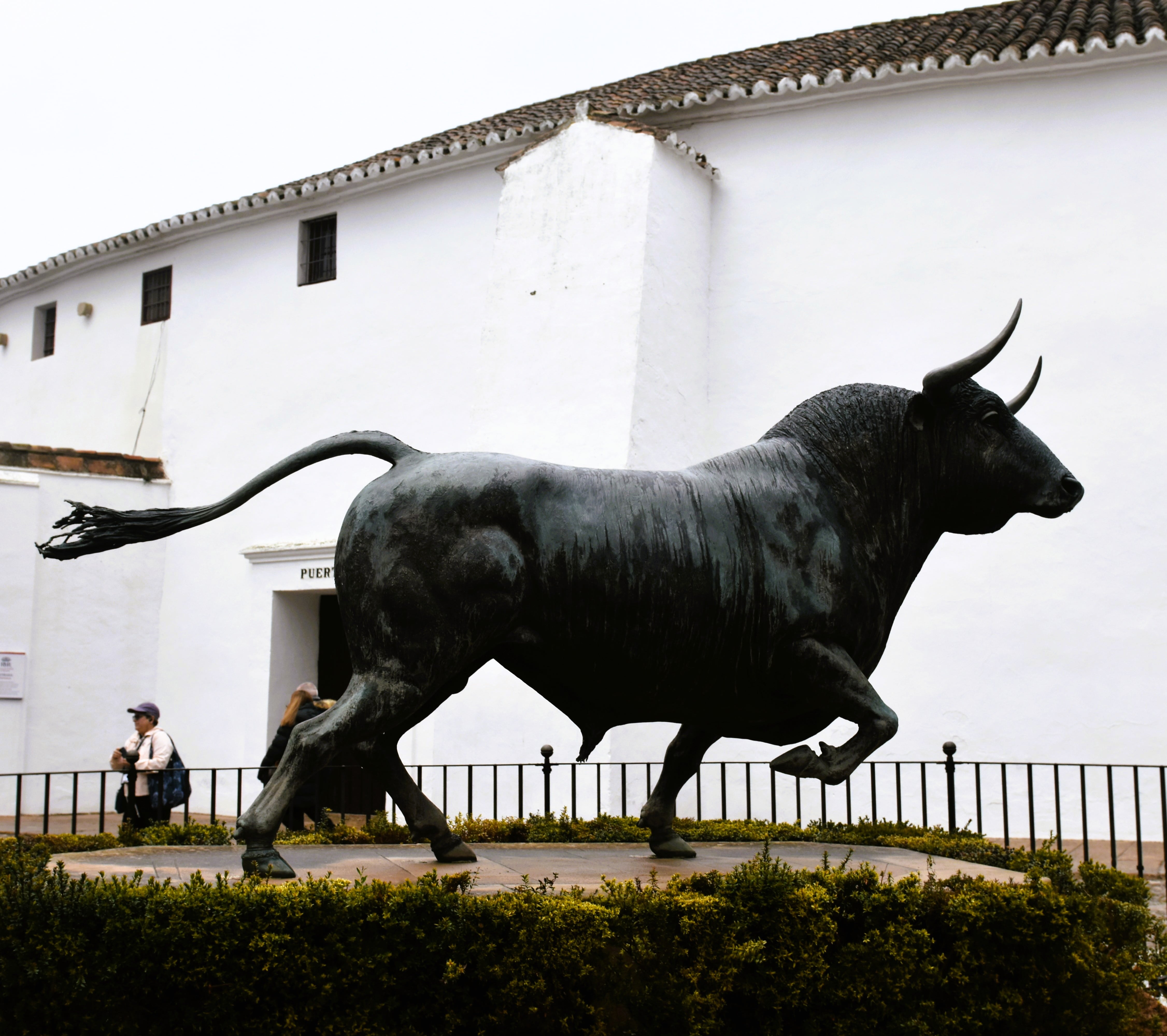
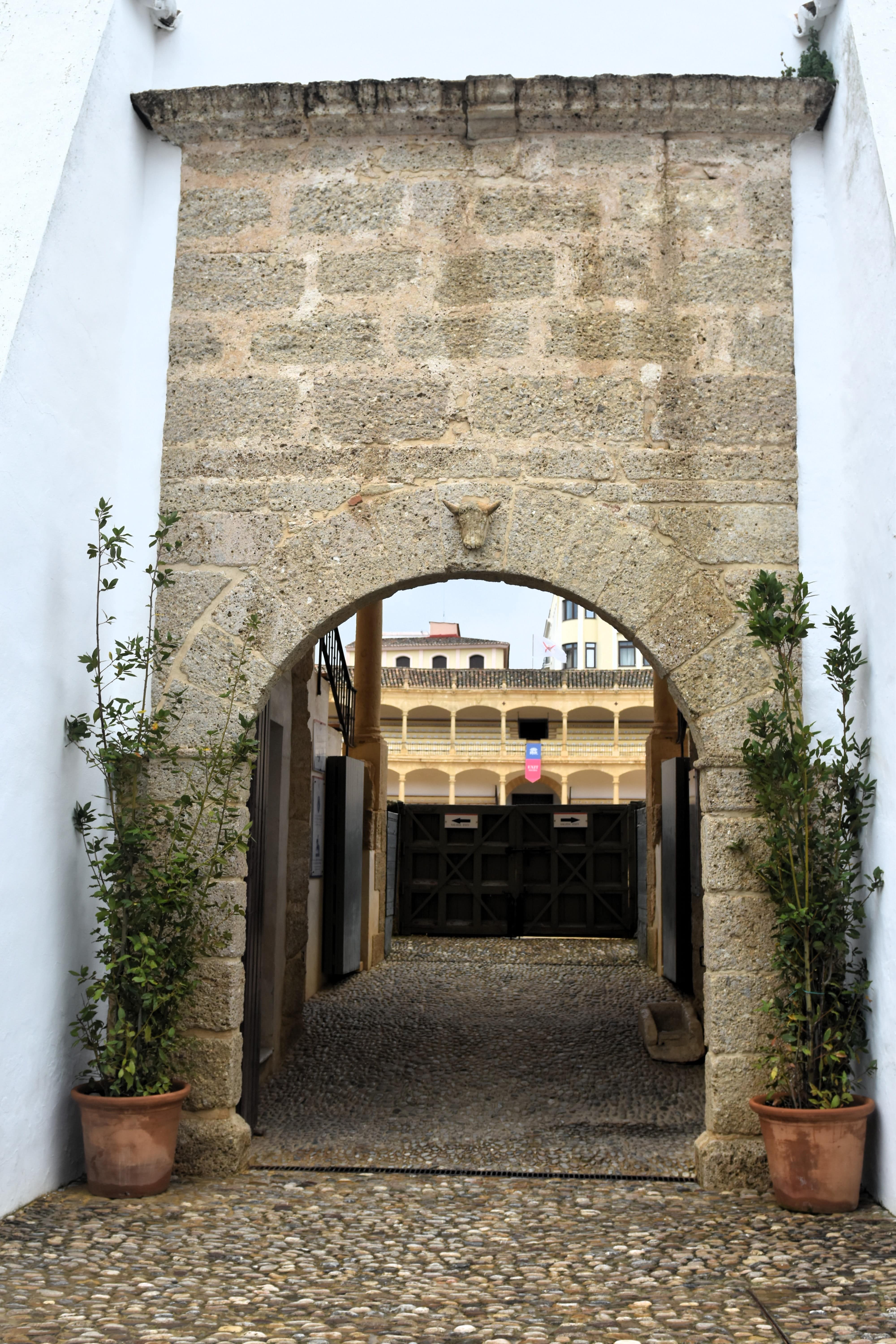
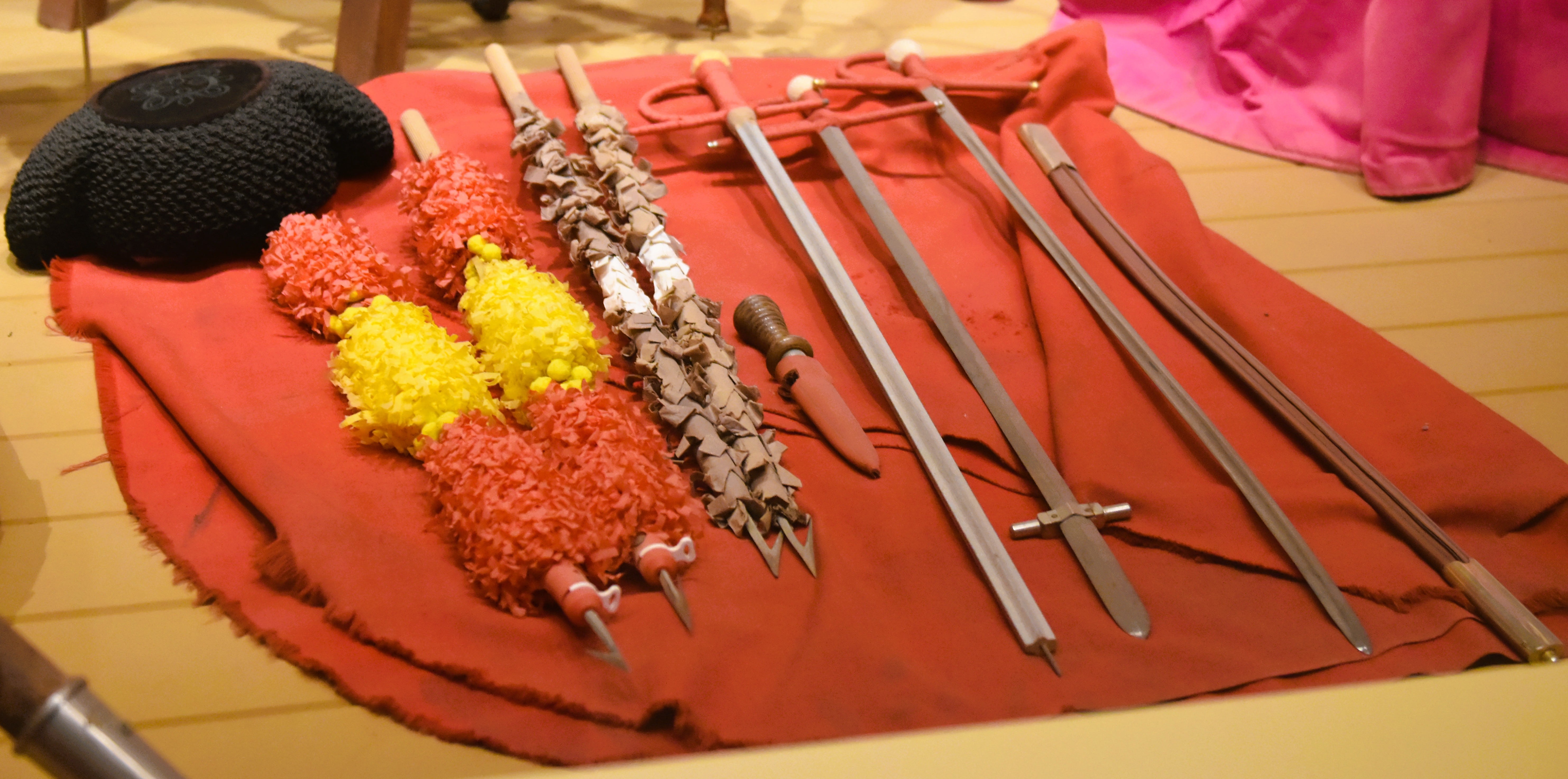
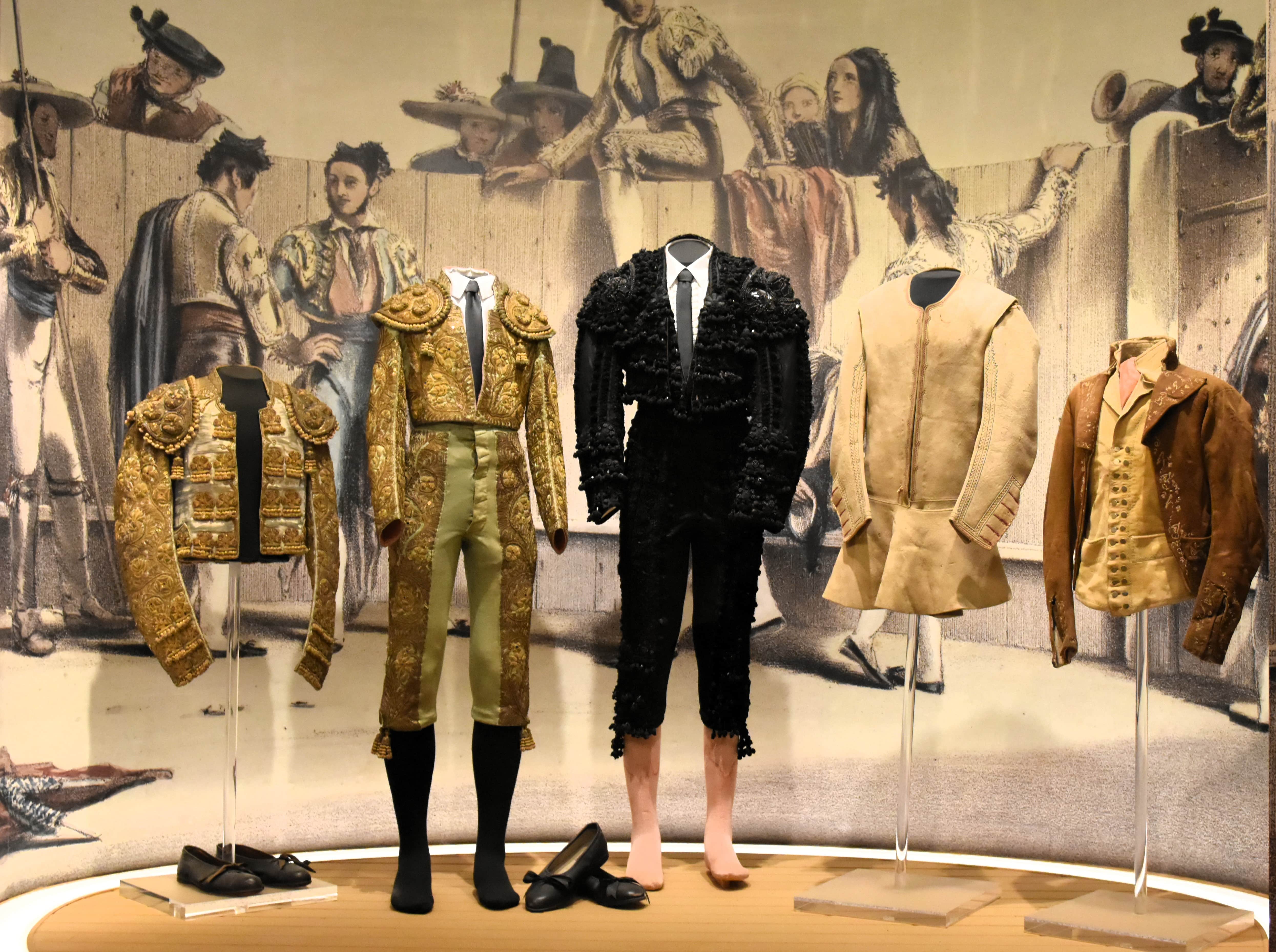
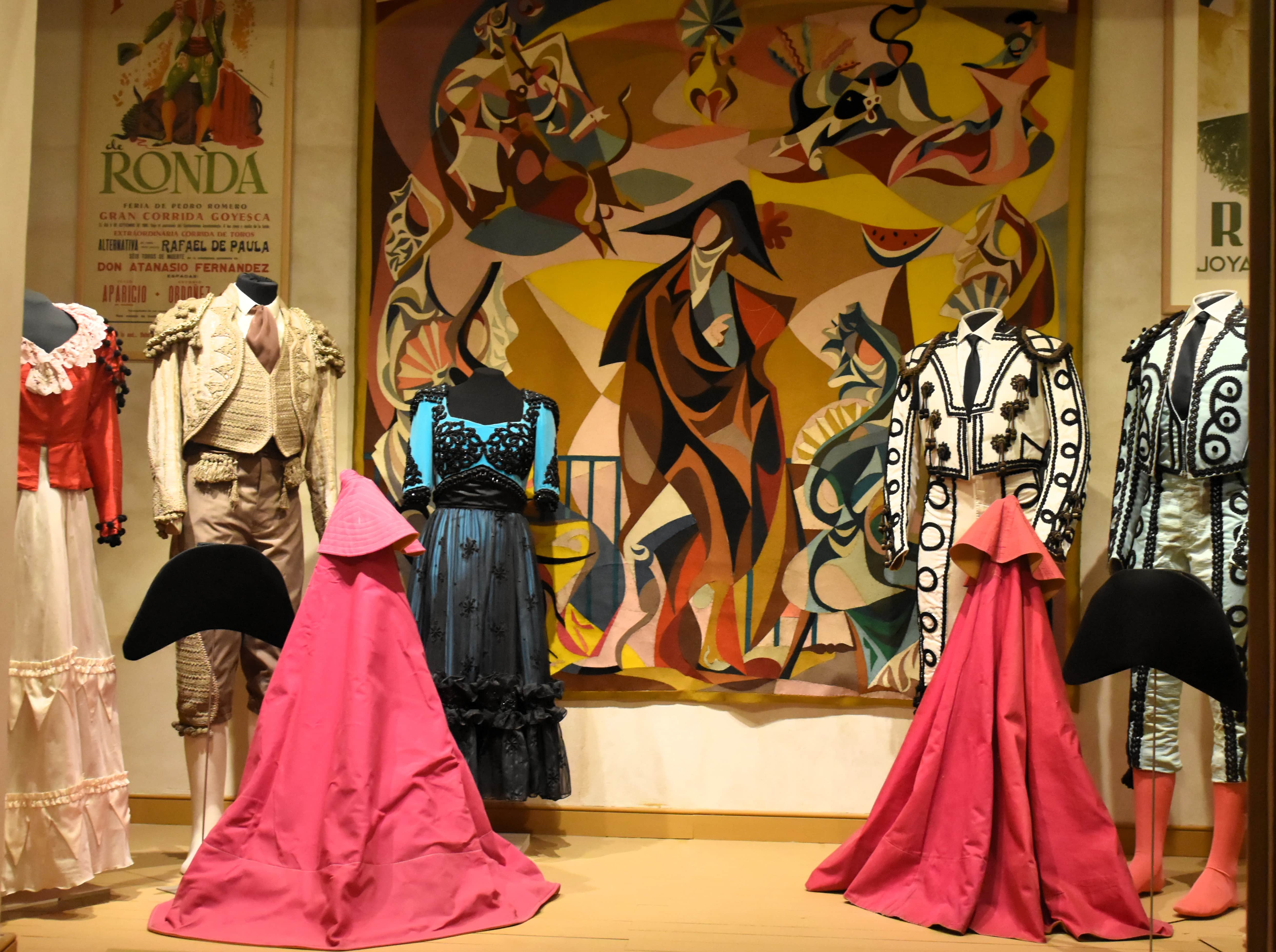
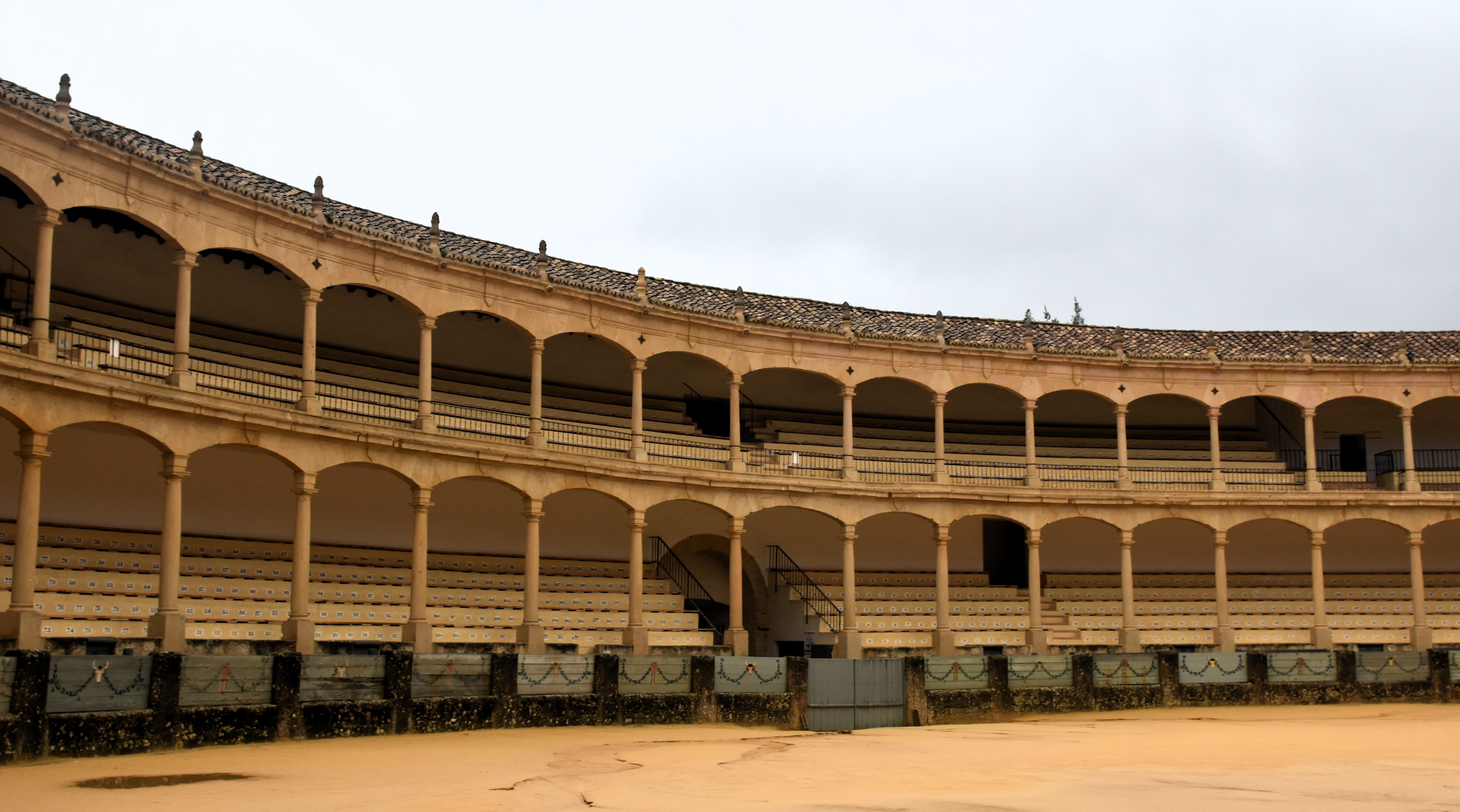
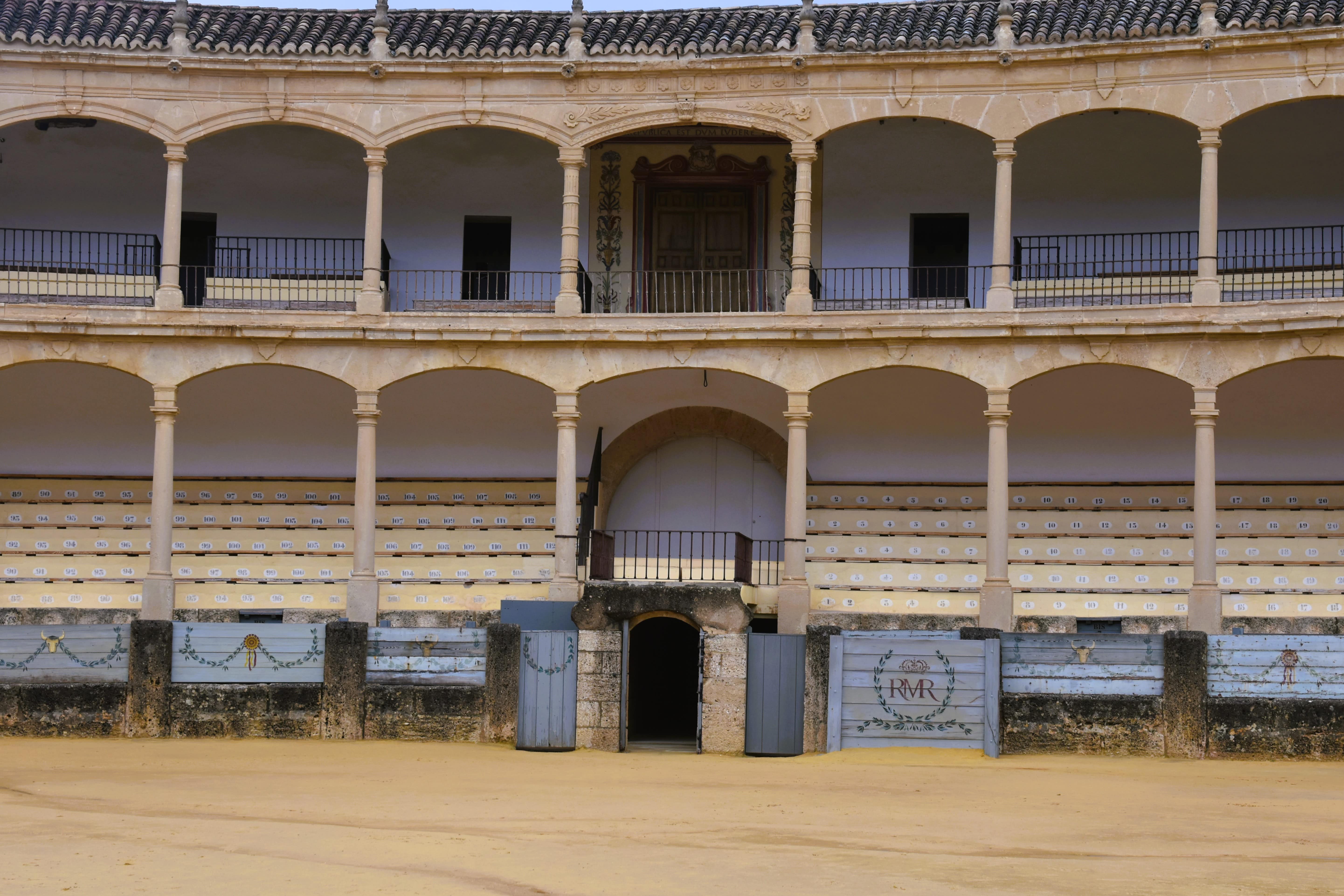
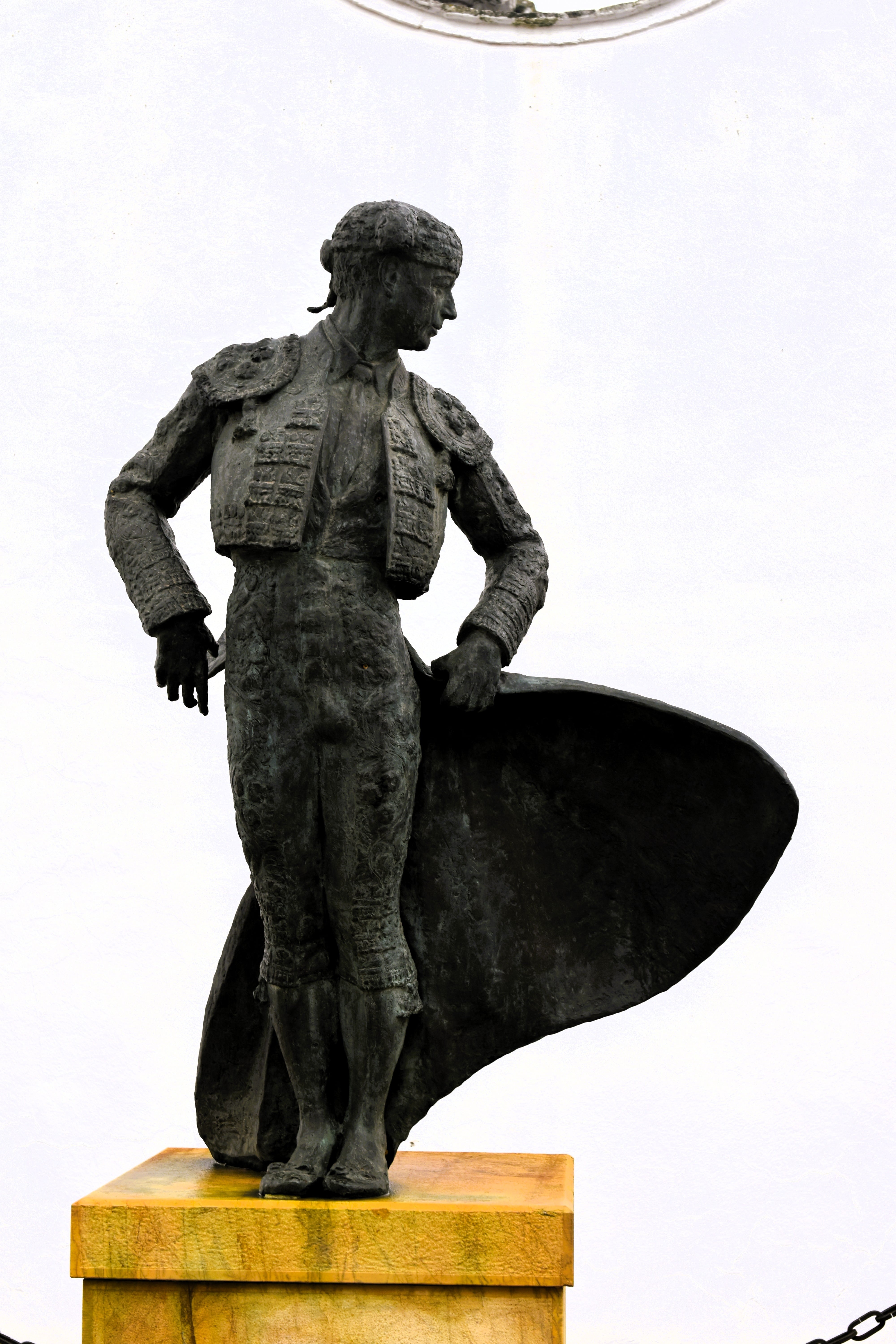
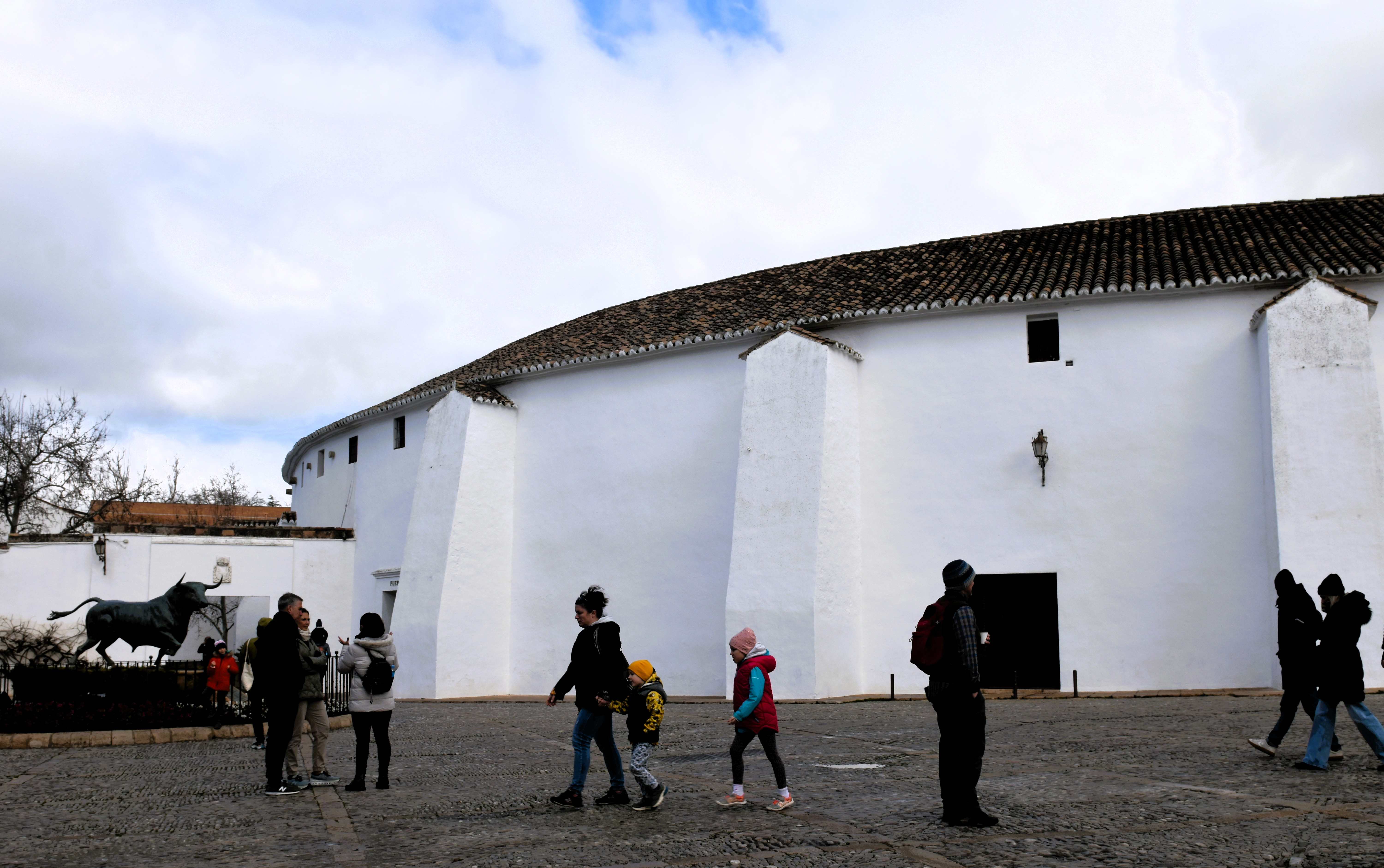
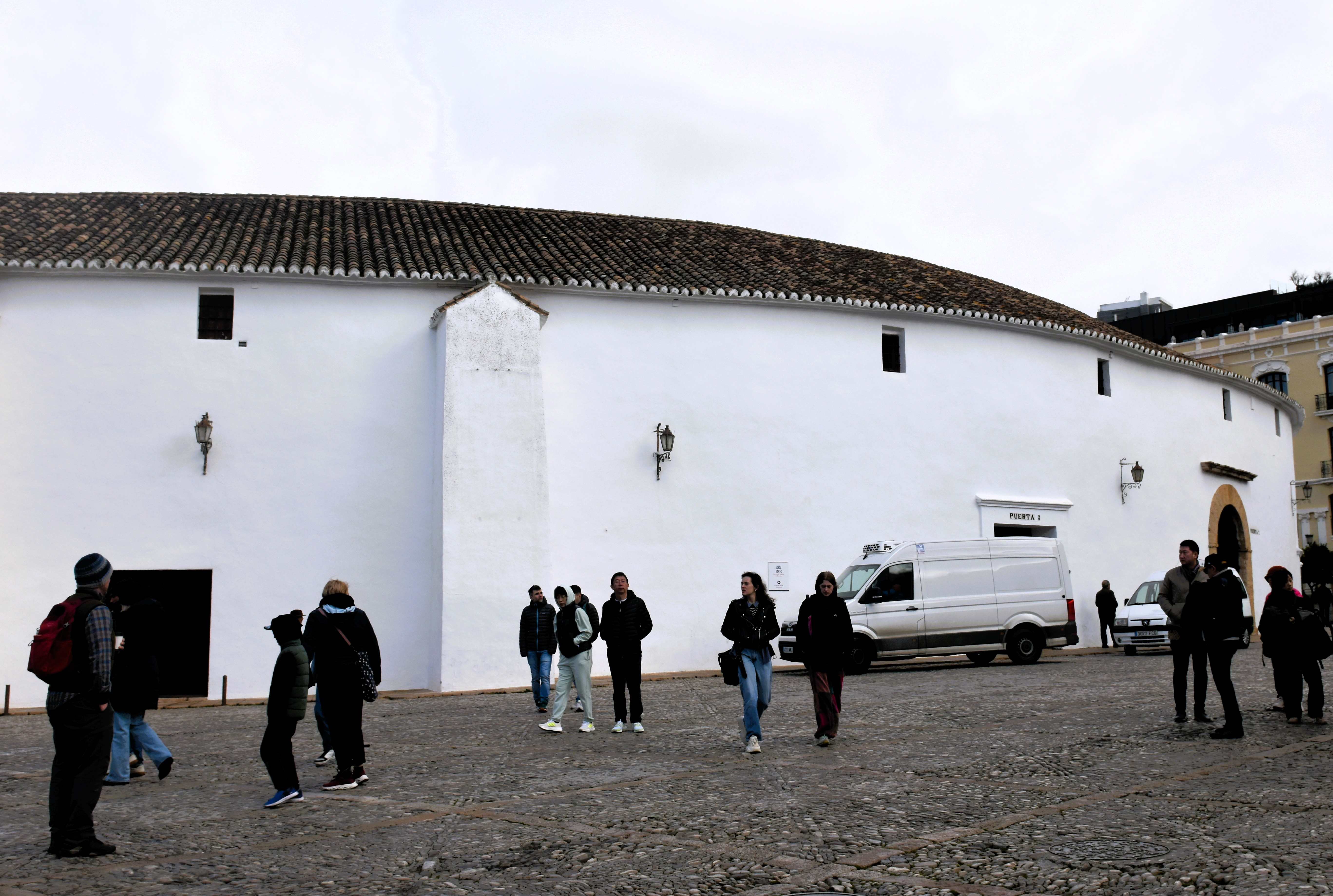
Ronda is known as the cradle of modern bullfighting, and its Plaza de Toros, built in 1785, is one of Spain’s oldest and most prestigious bullrings. The Real Maestranza de Caballería, the legendary bullfighting school, was established here, and it played a major role in shaping Spain’s bullfighting tradition.
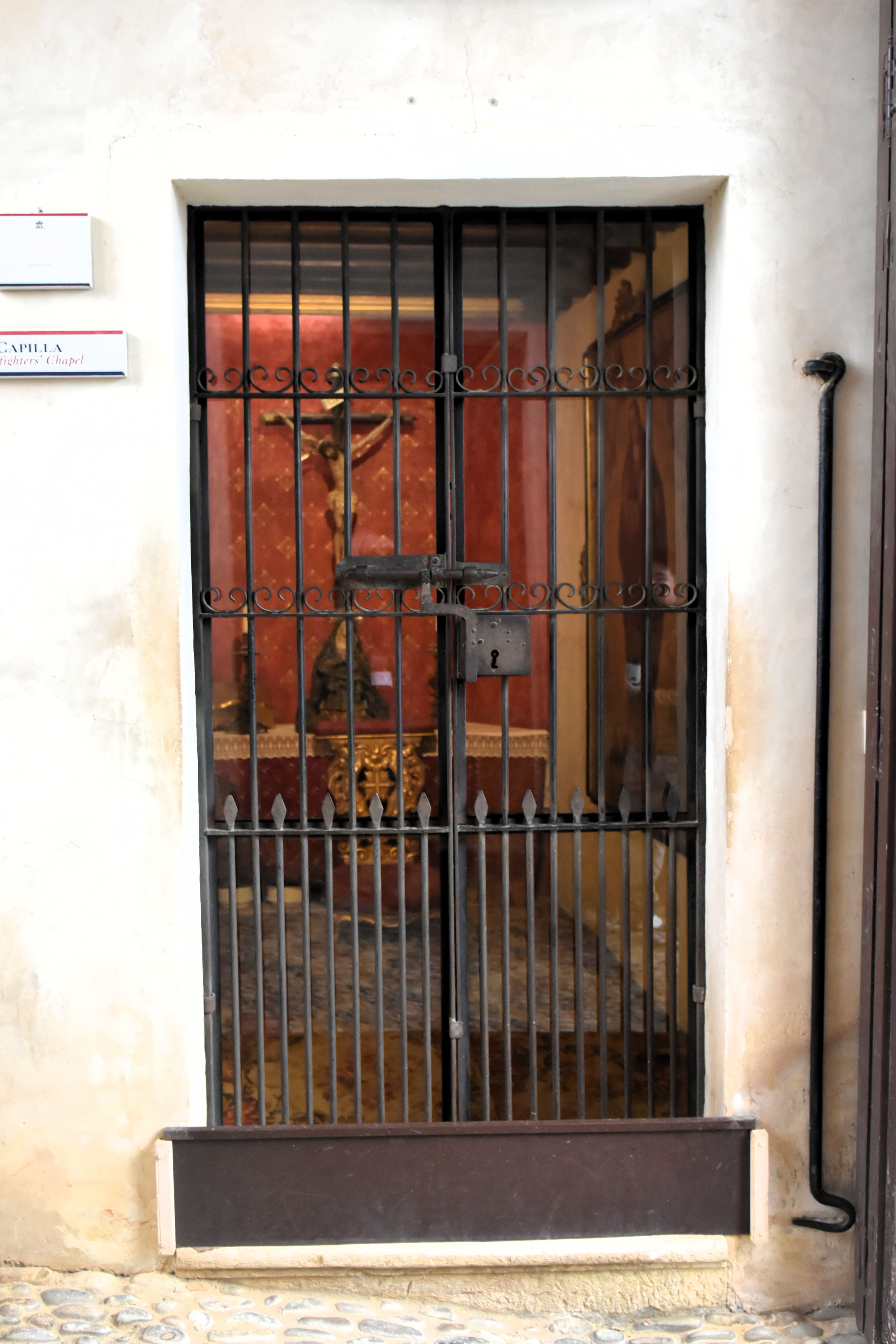
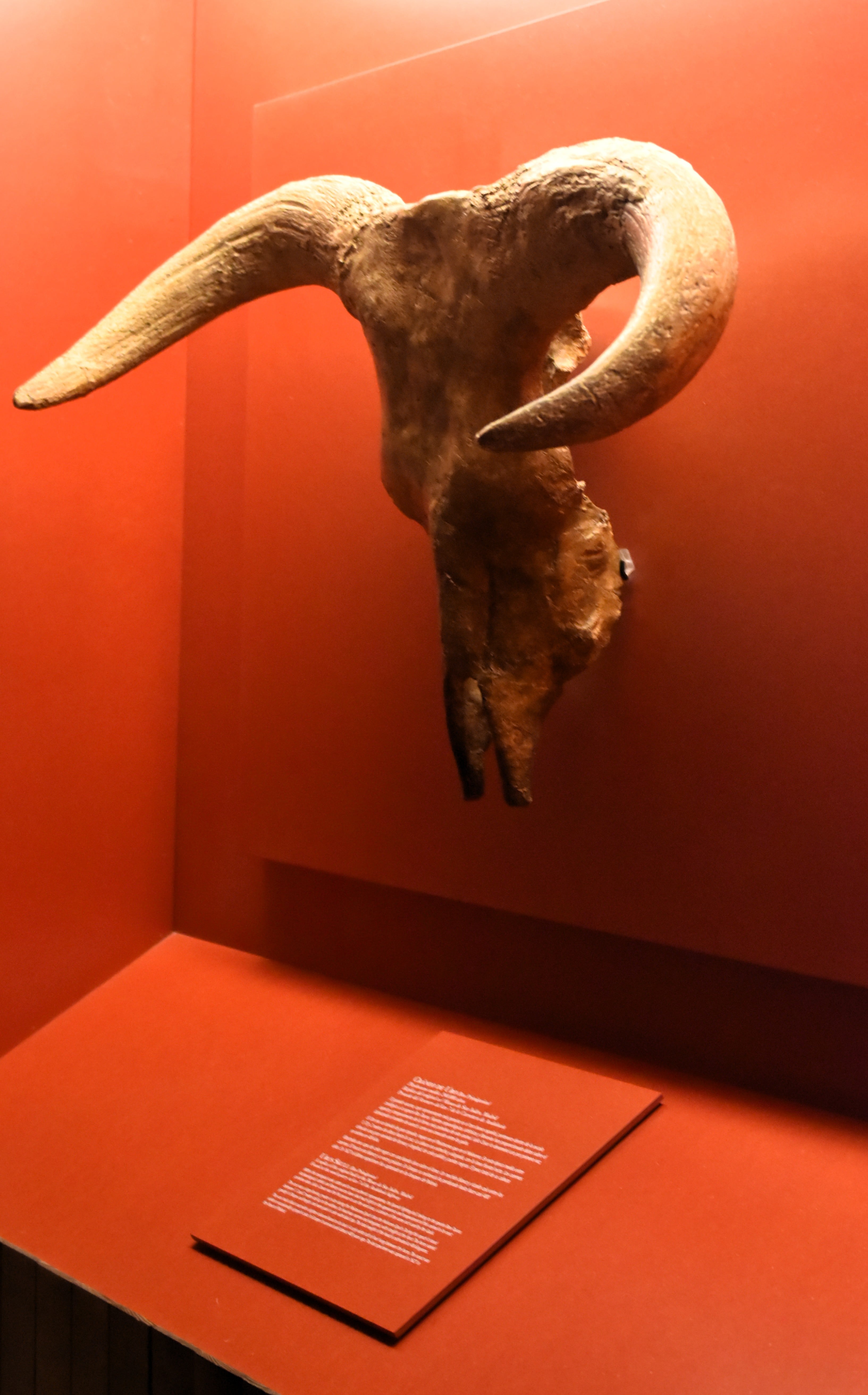
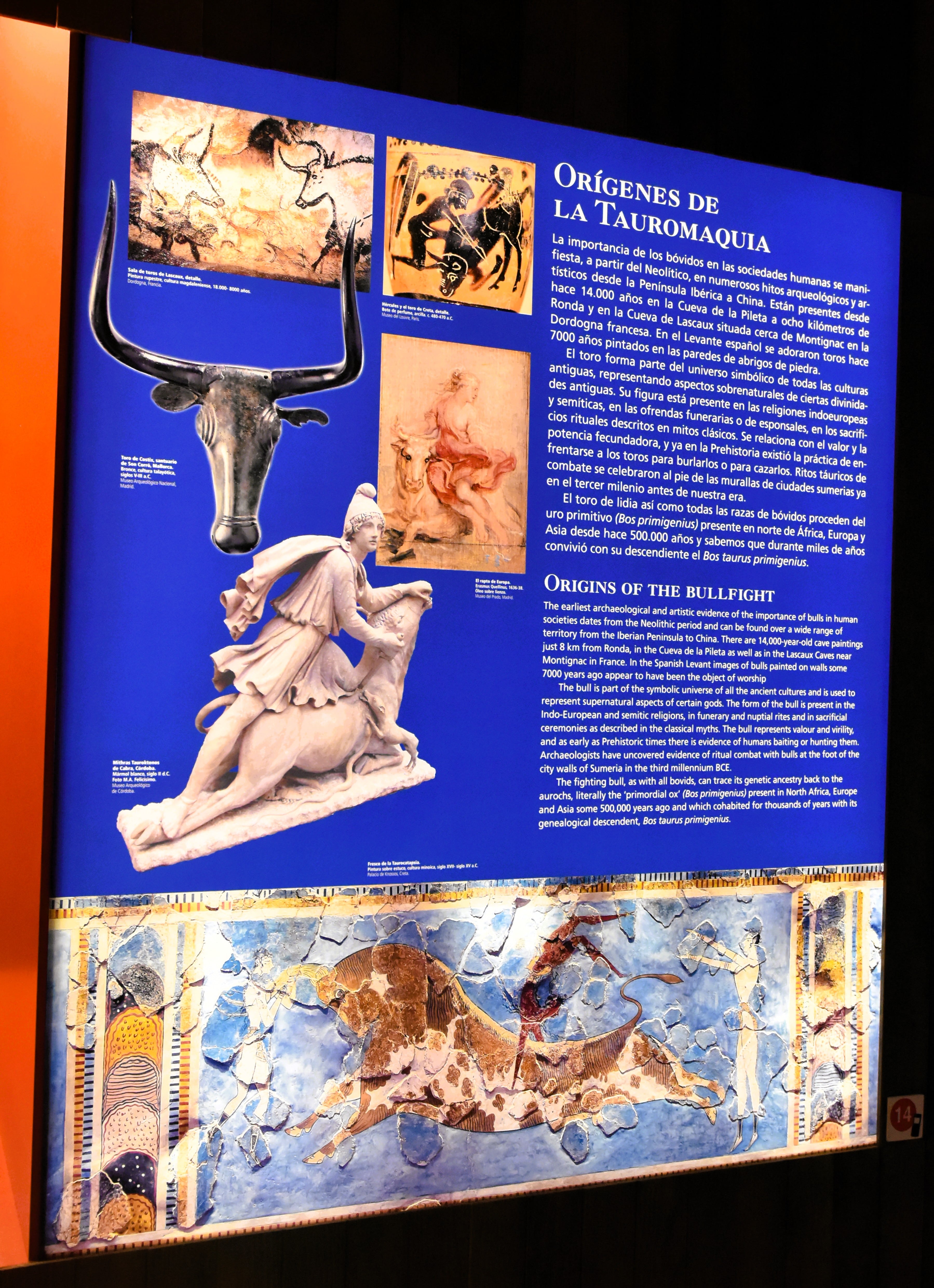
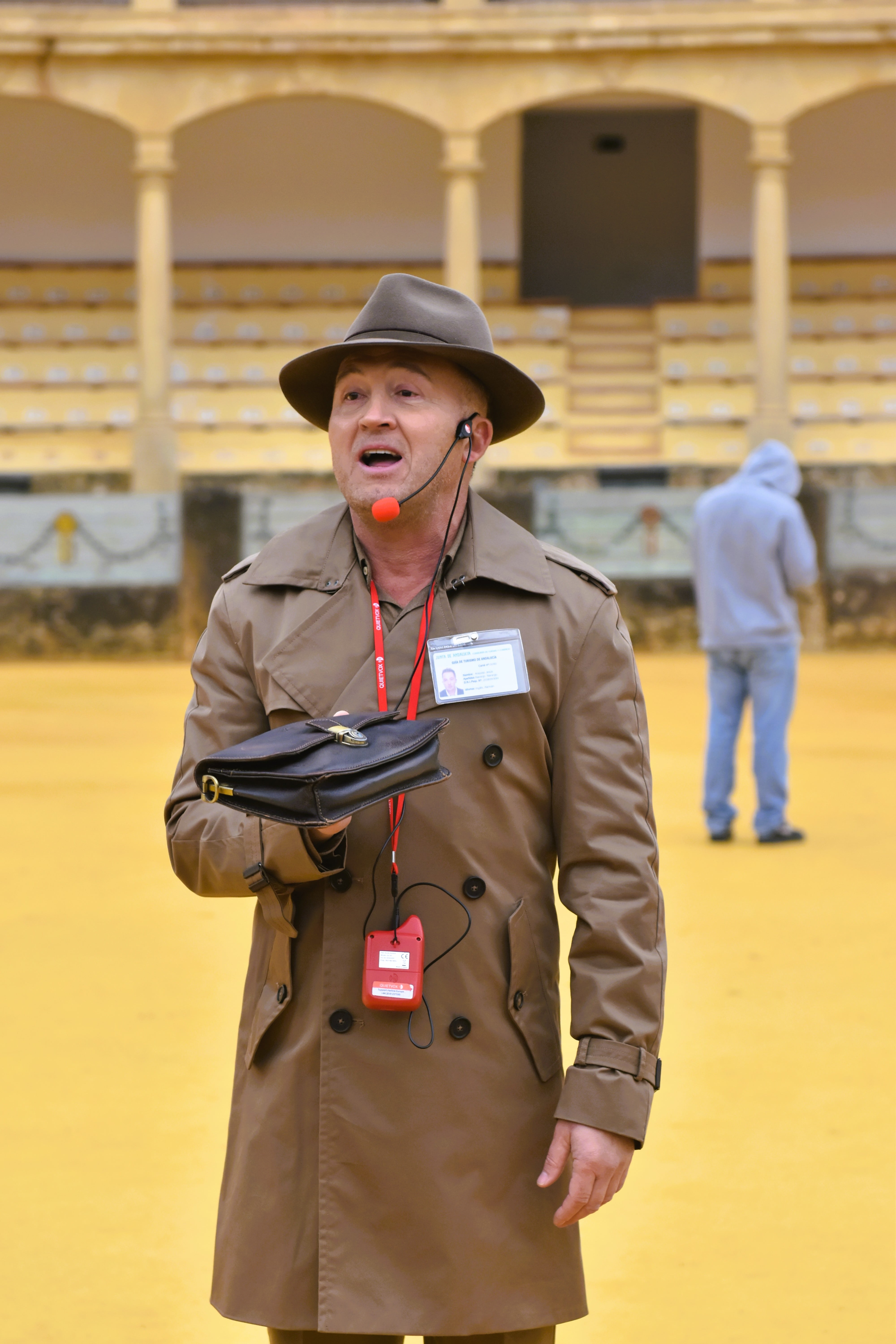
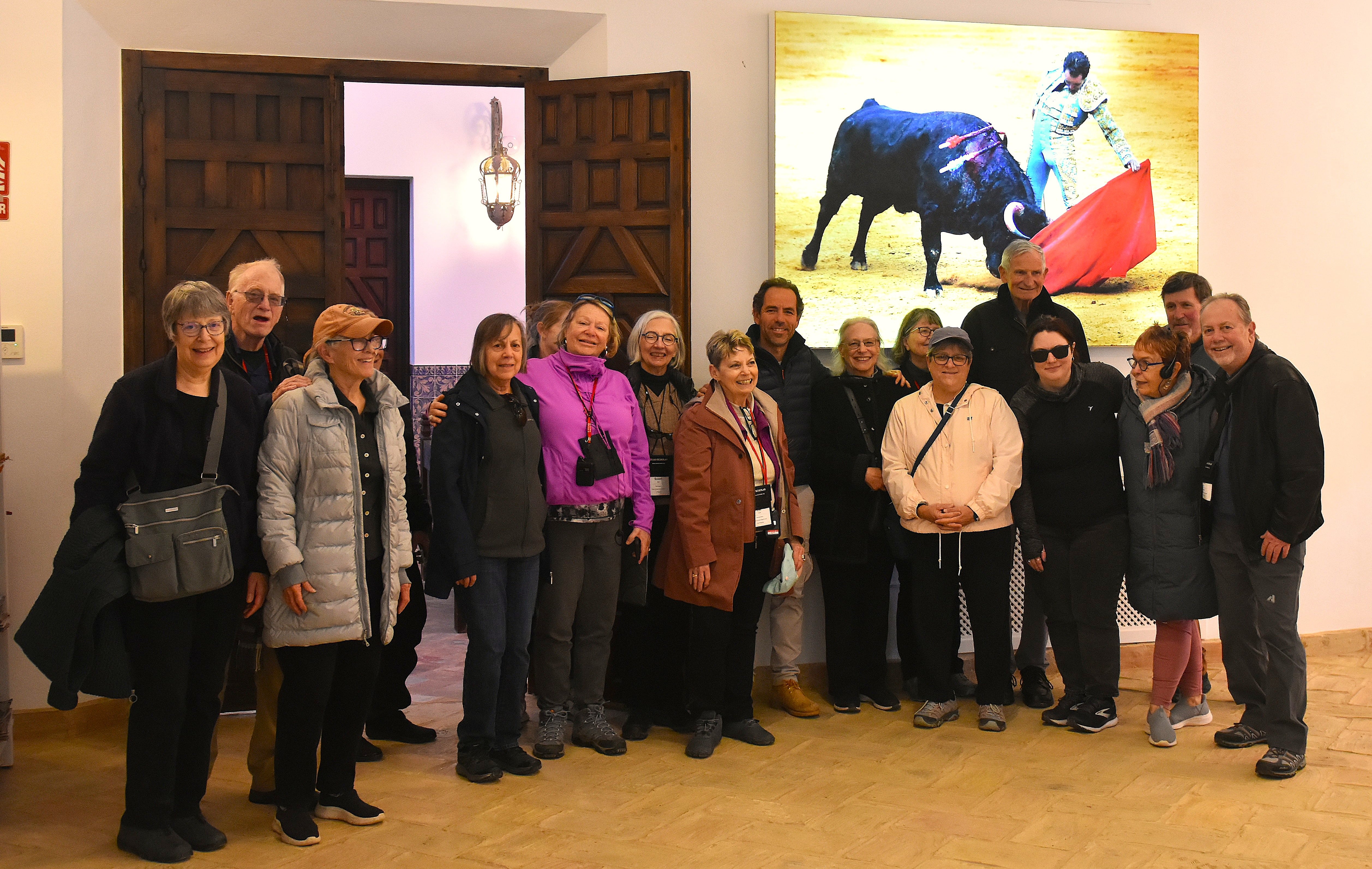
For those interested in the history (without attending a bullfight), the Bullfighting Museum inside the ring provides a fascinating look into this centuries-old spectacle. Our local guide, Rafael, was quite exuberant in providing the history and background of the area.
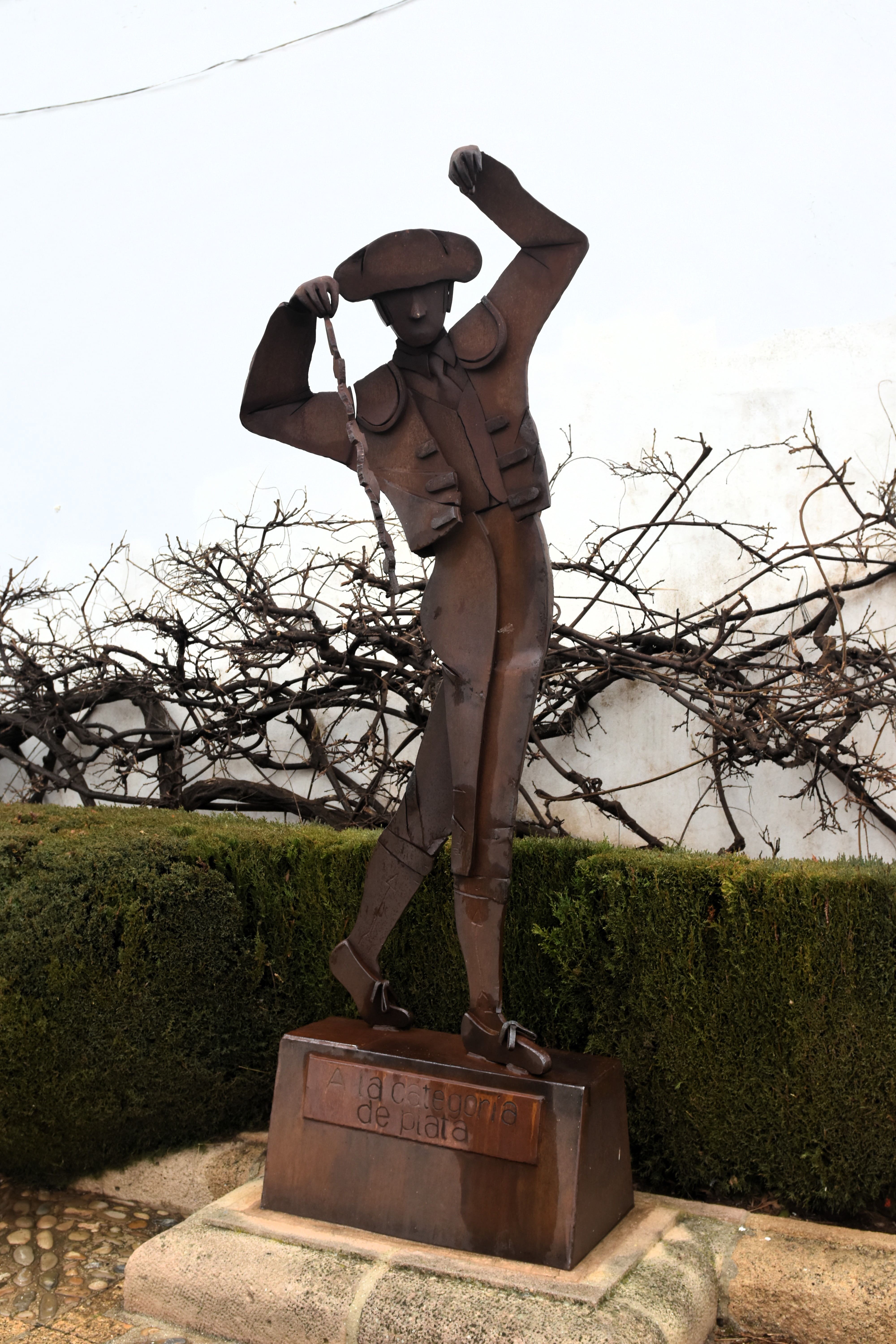



Puente Nuevo: The Iconic Bridge of Ronda
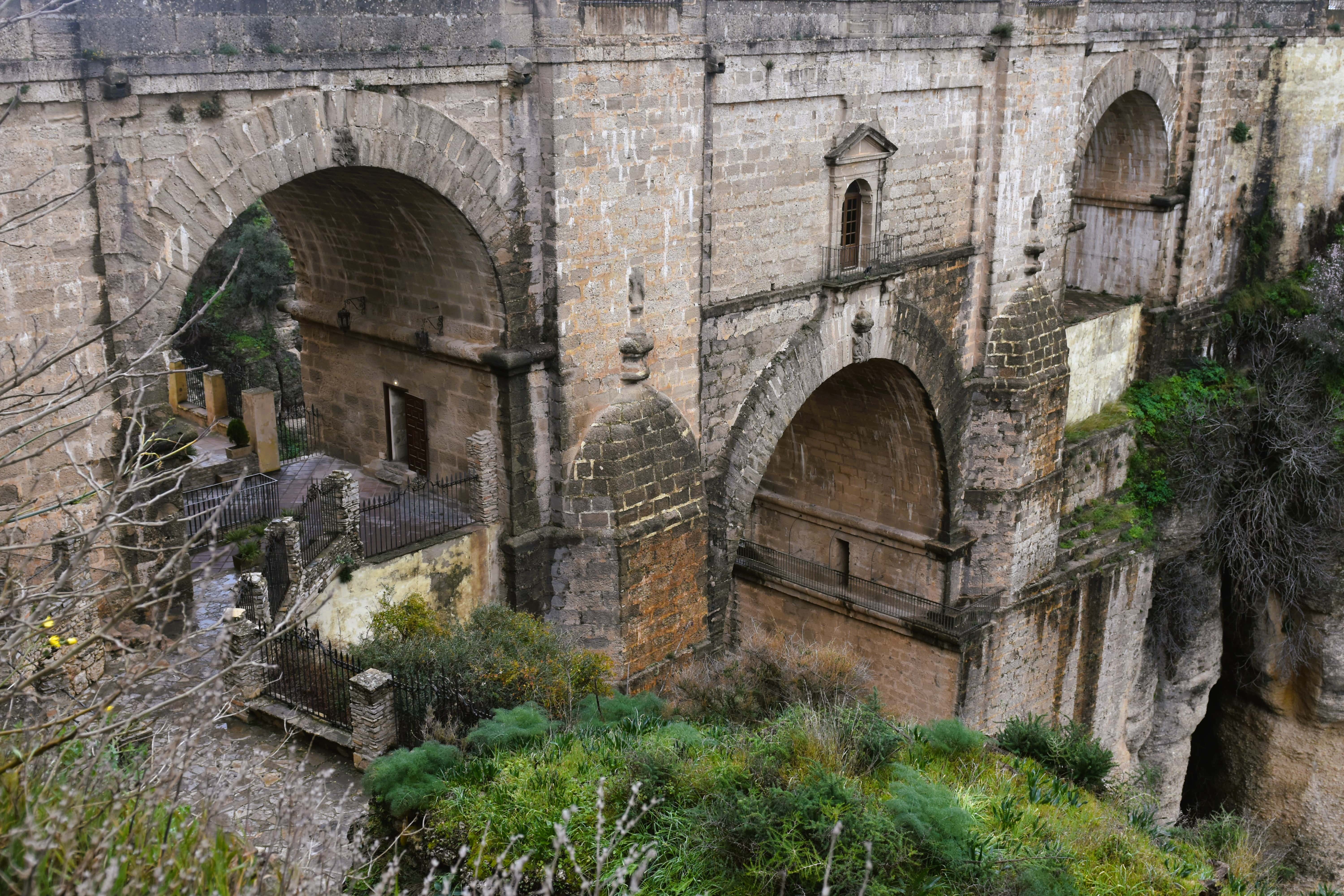
The most famous landmark in Ronda is the Puente Nuevo (New Bridge), an awe-inspiring 18th-century stone bridge that spans the deep El Tajo Gorge, connecting the old and new parts of the city. Standing 98 meters (322 feet) above the Guadalevín River, the bridge offers breathtaking views of the surrounding Andalusian countryside. Beneath the bridge, a small chamber once served as a prison, and legend has it that political prisoners were thrown into the gorge below.
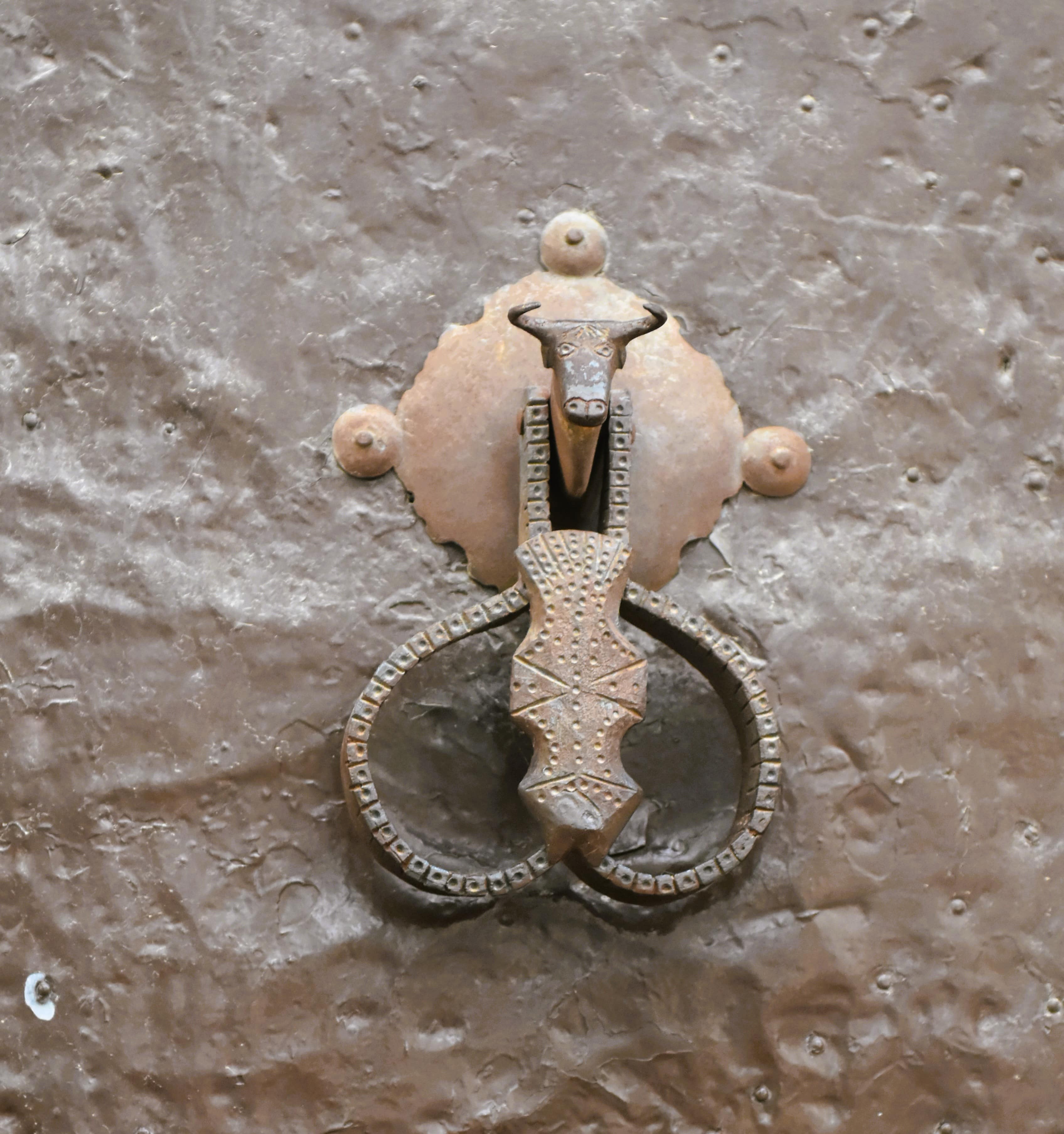
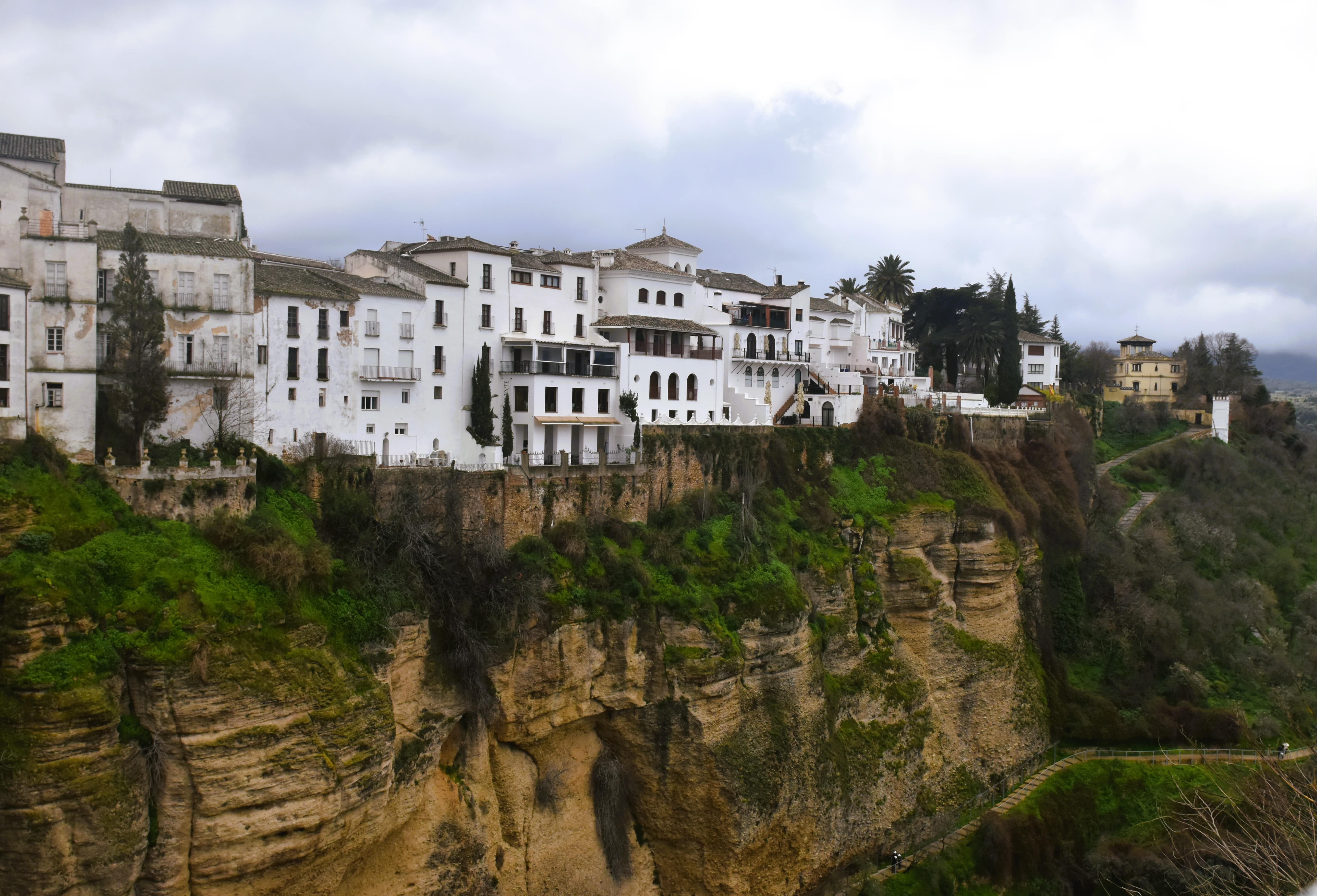
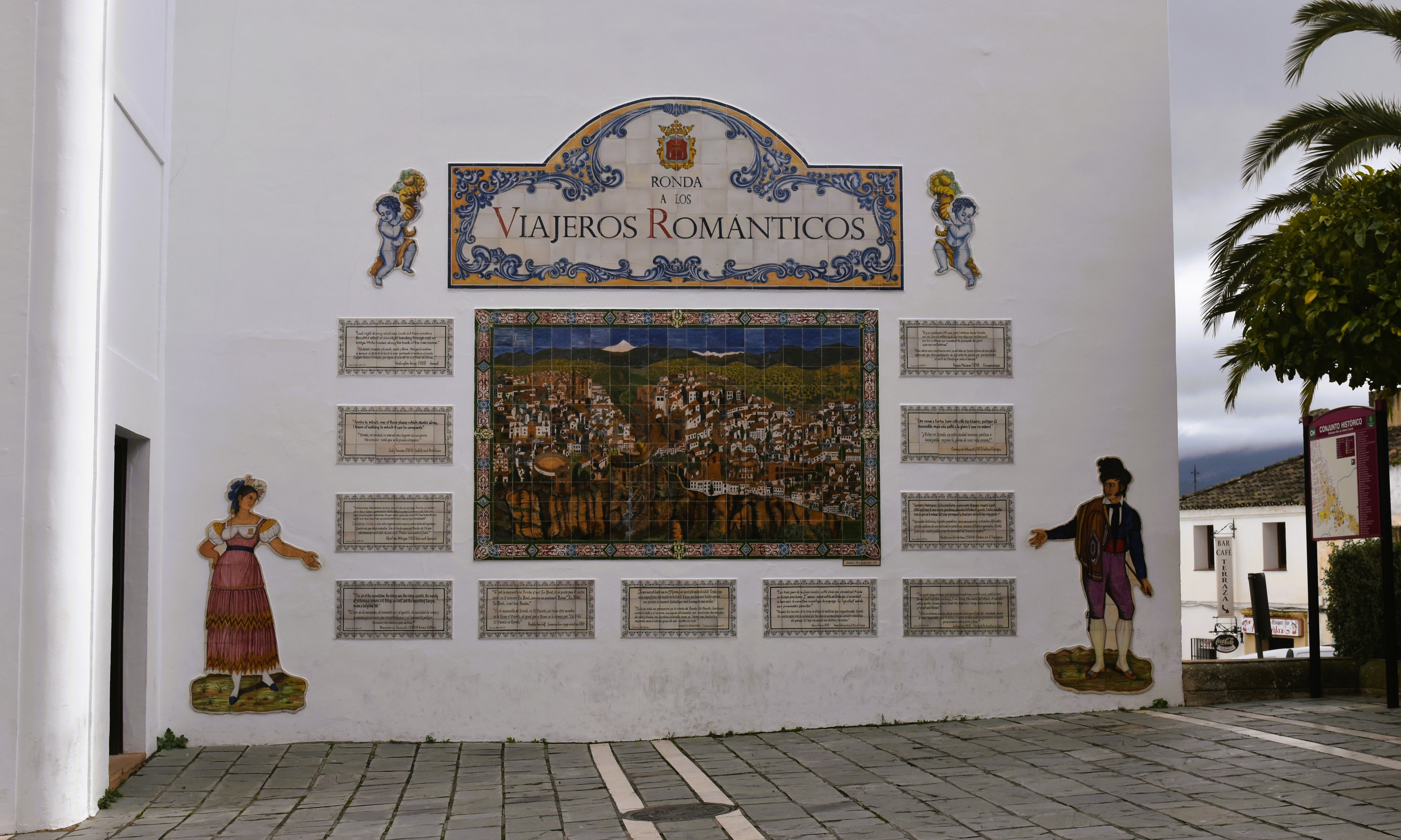
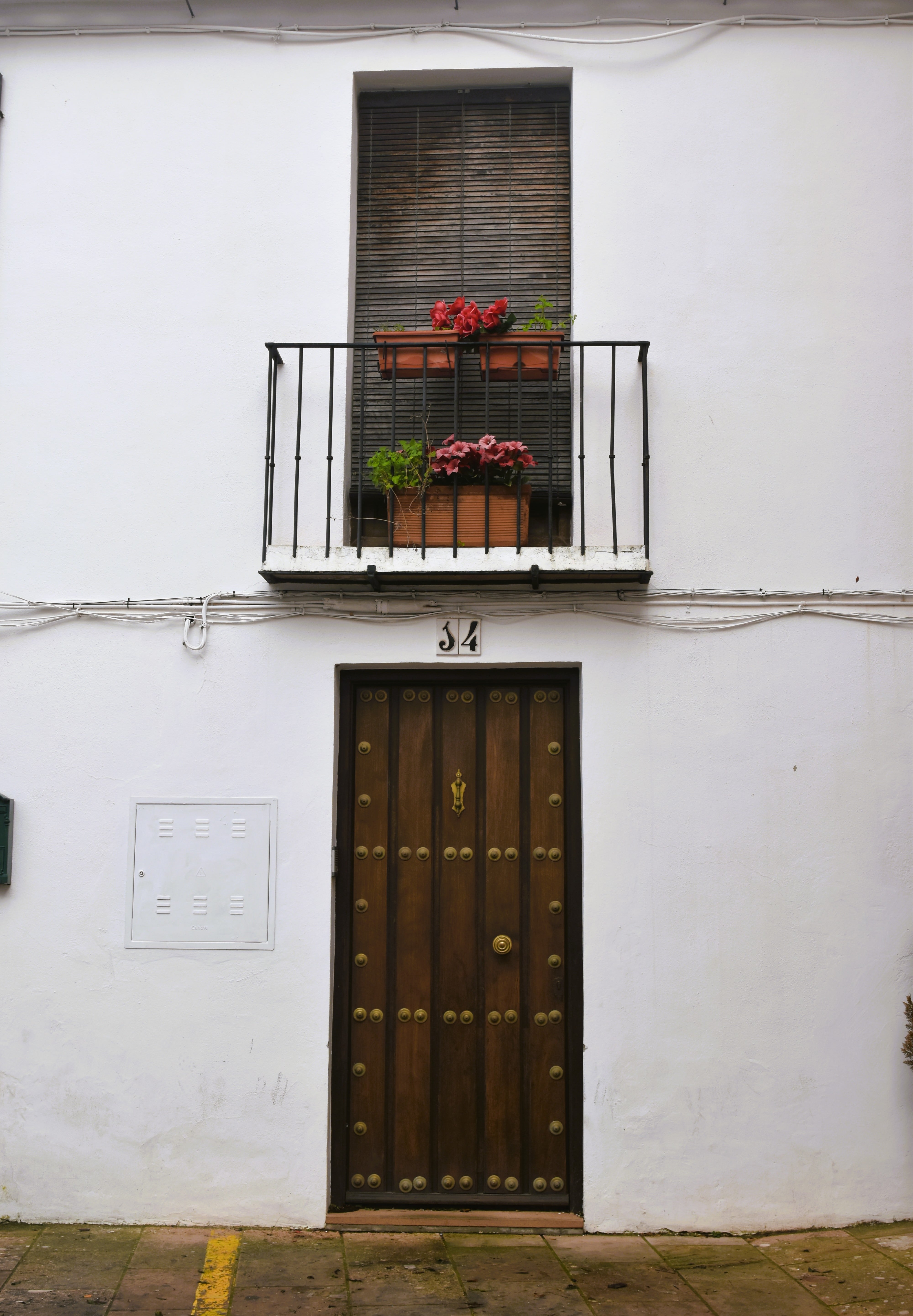

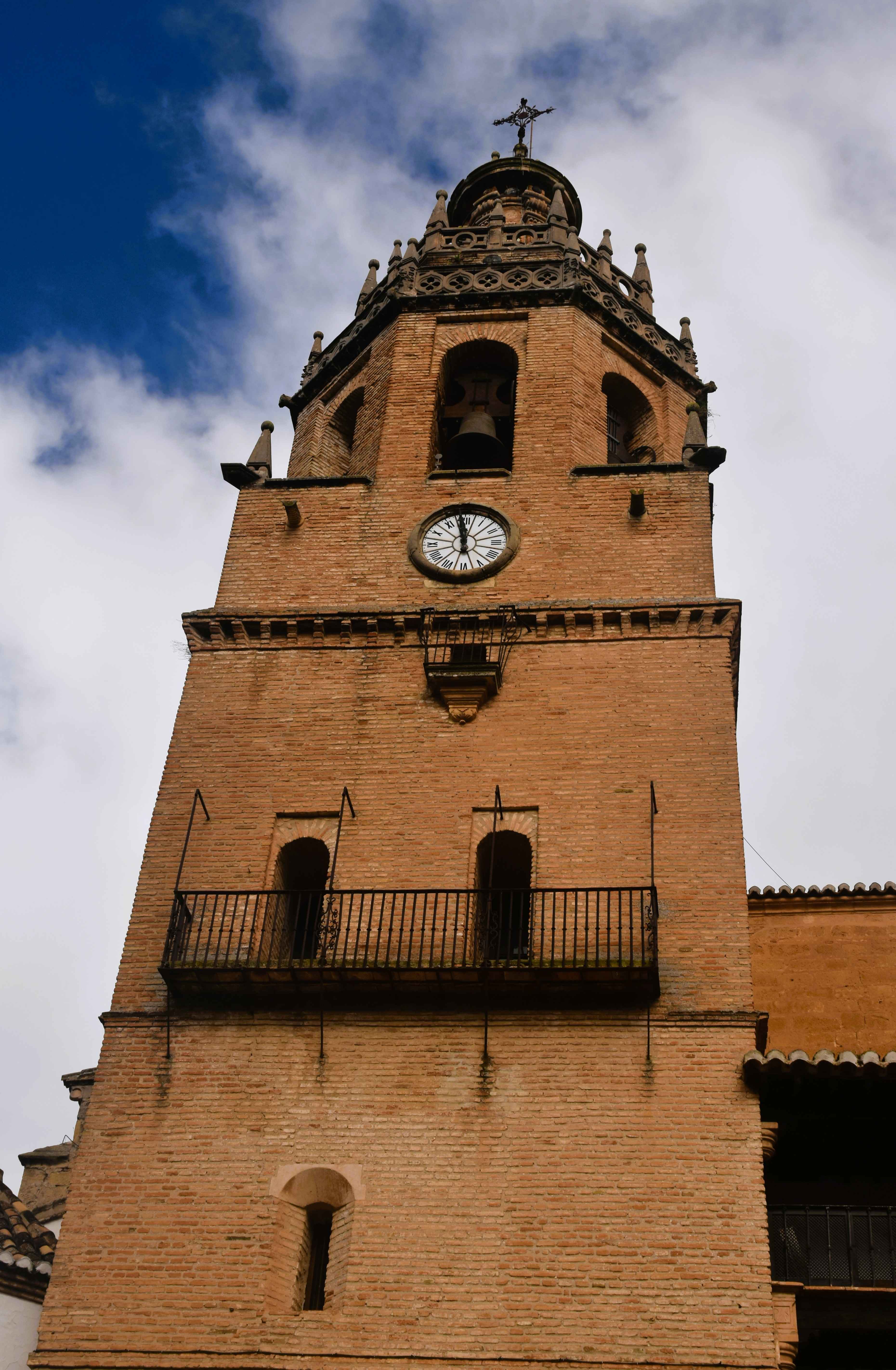
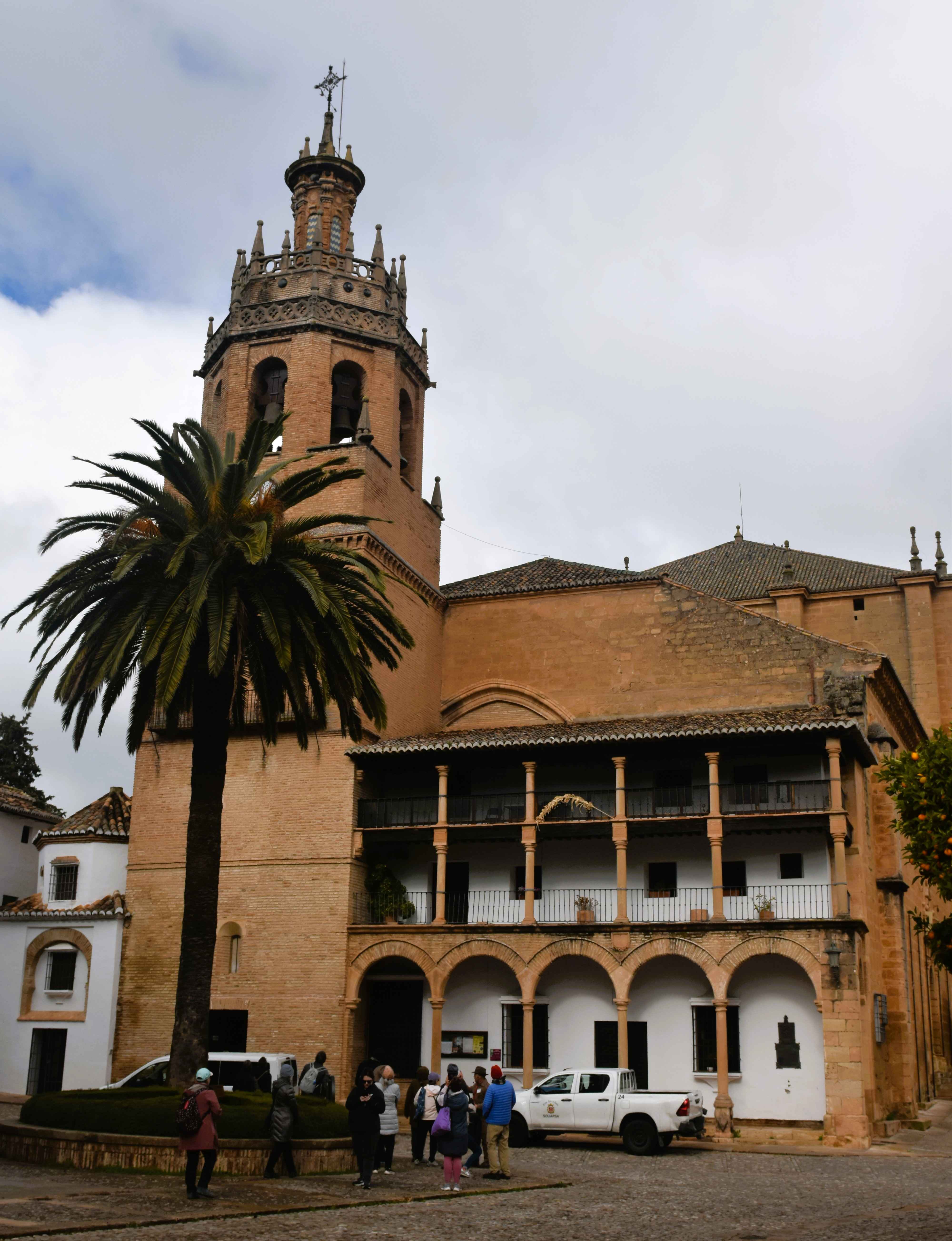
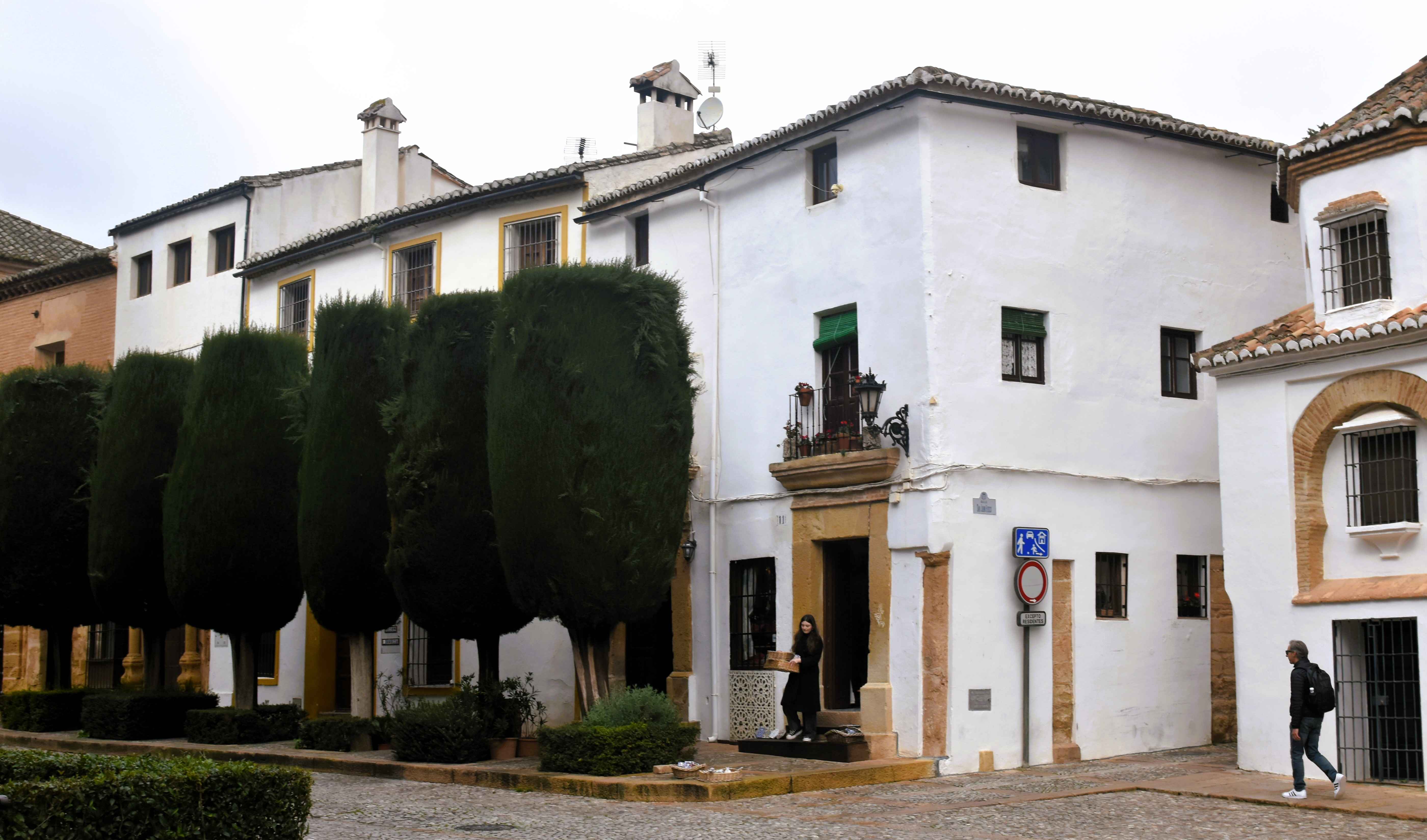
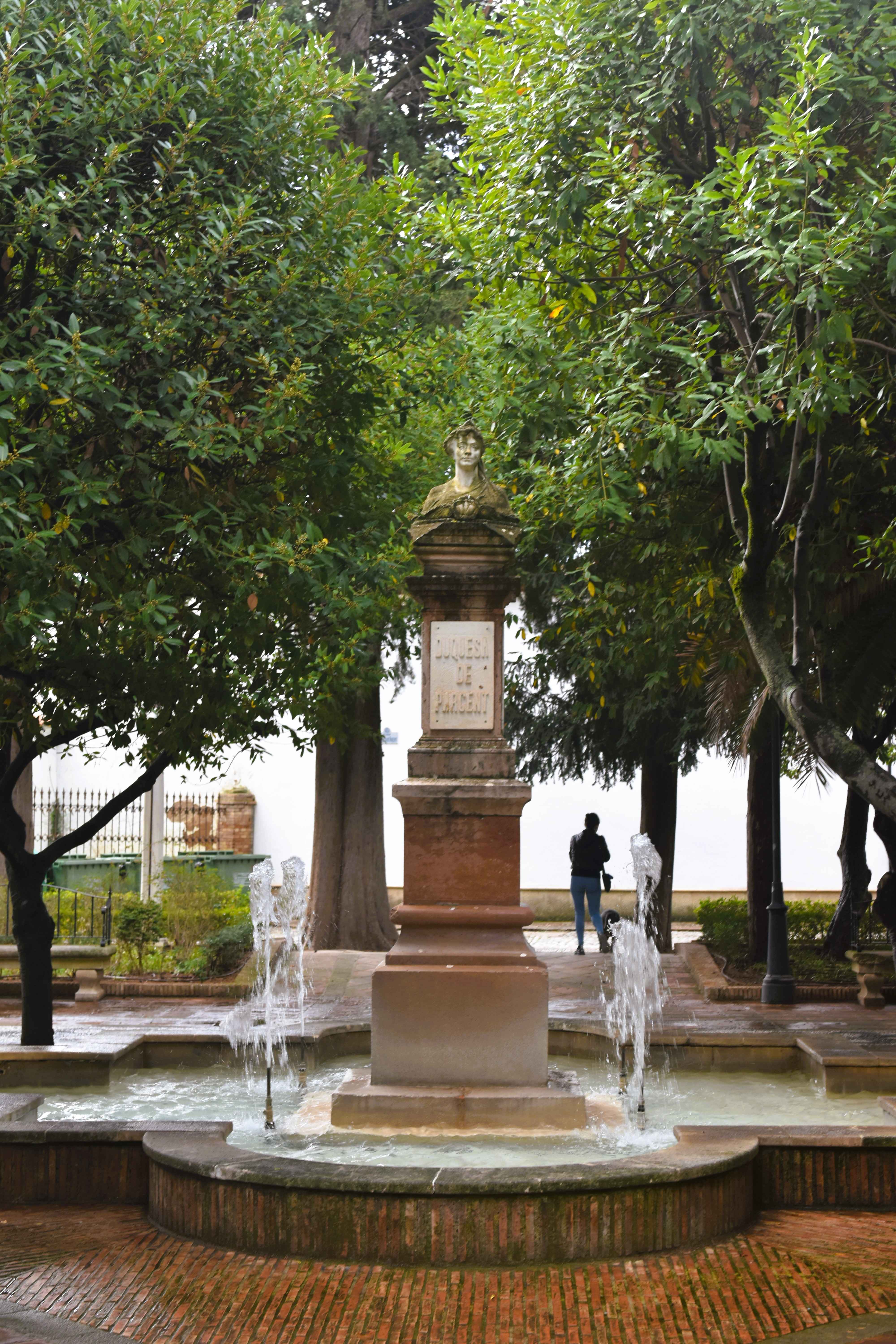
Ronda’s Moorish Legacy: A Walk Through History
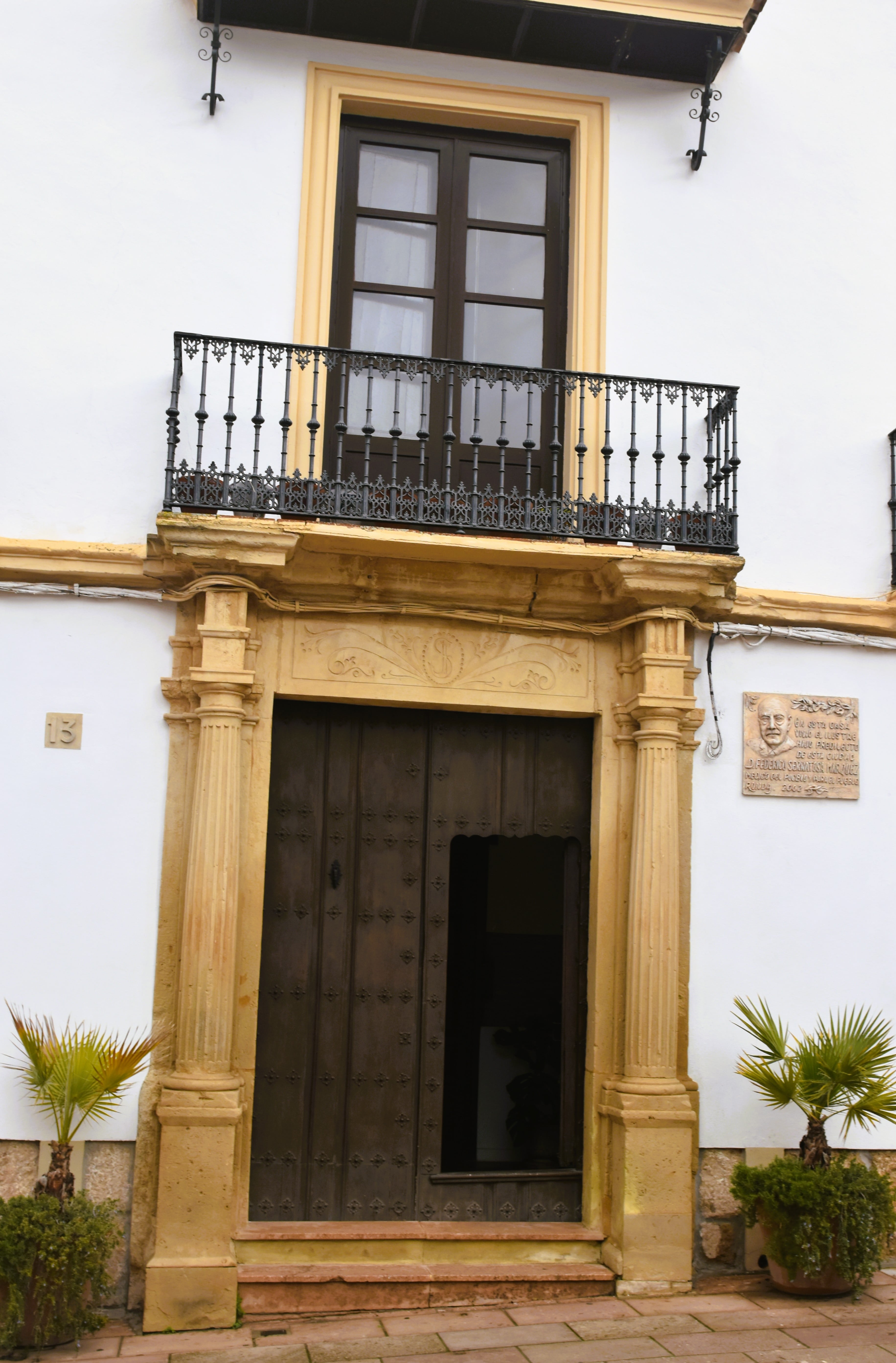
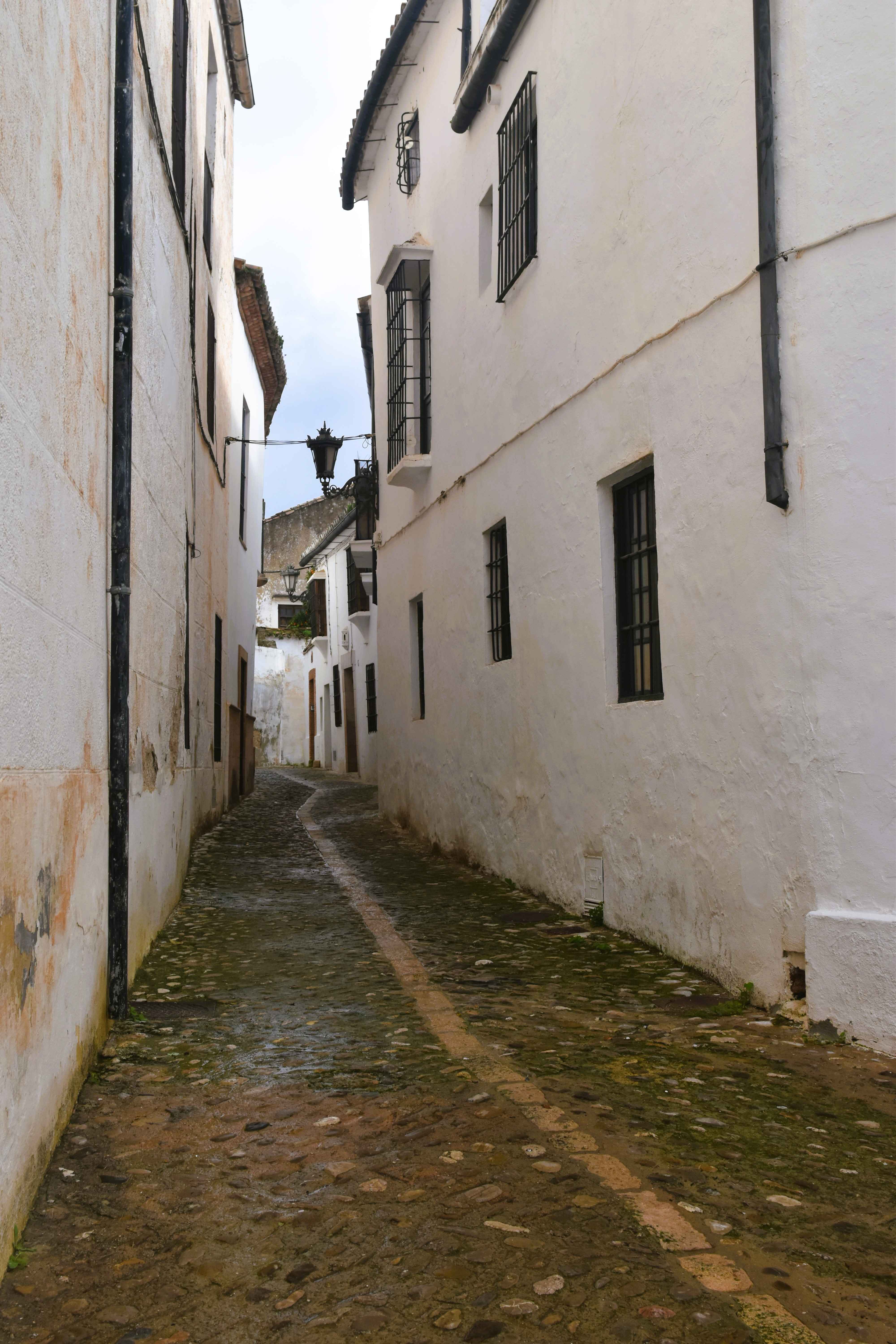
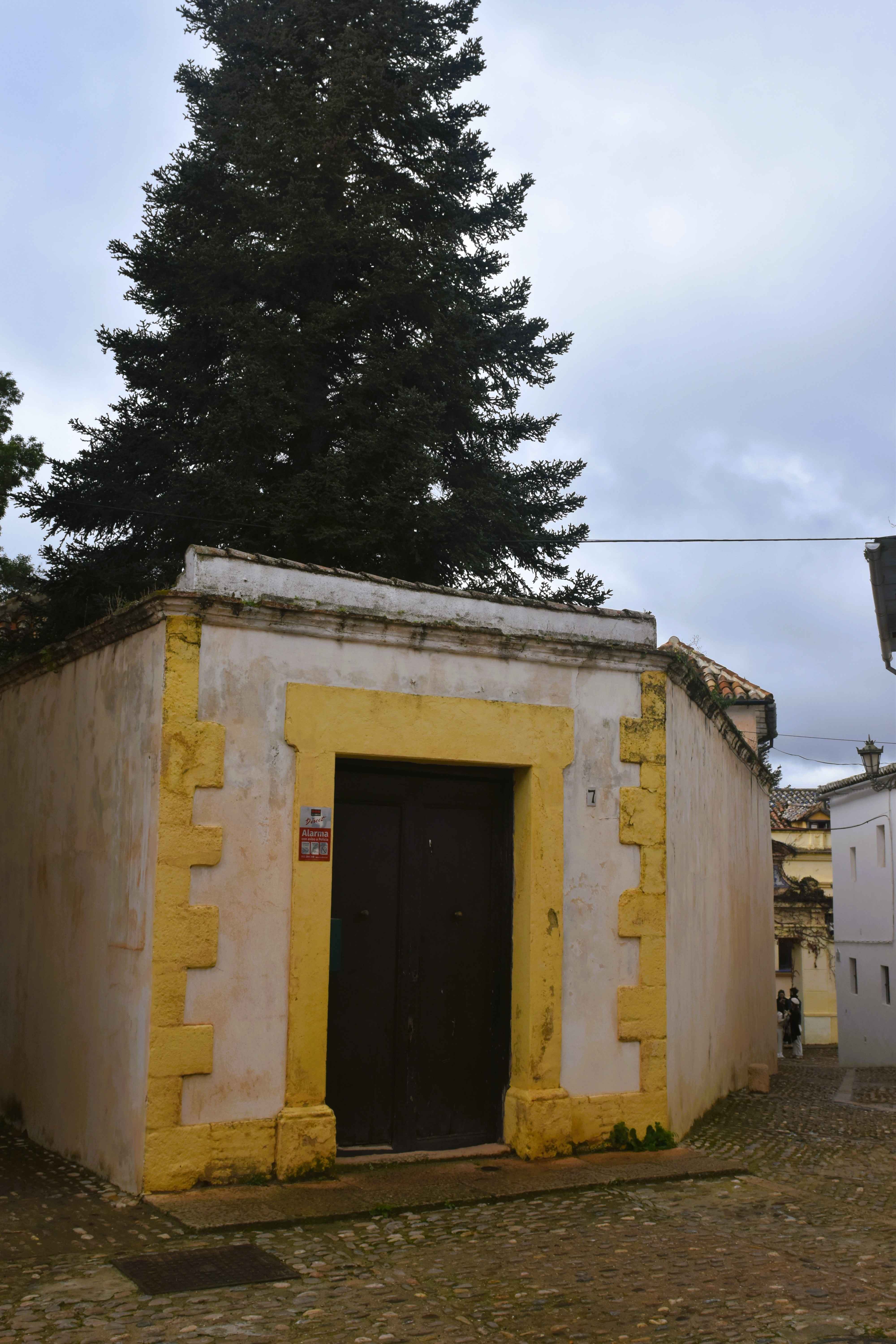
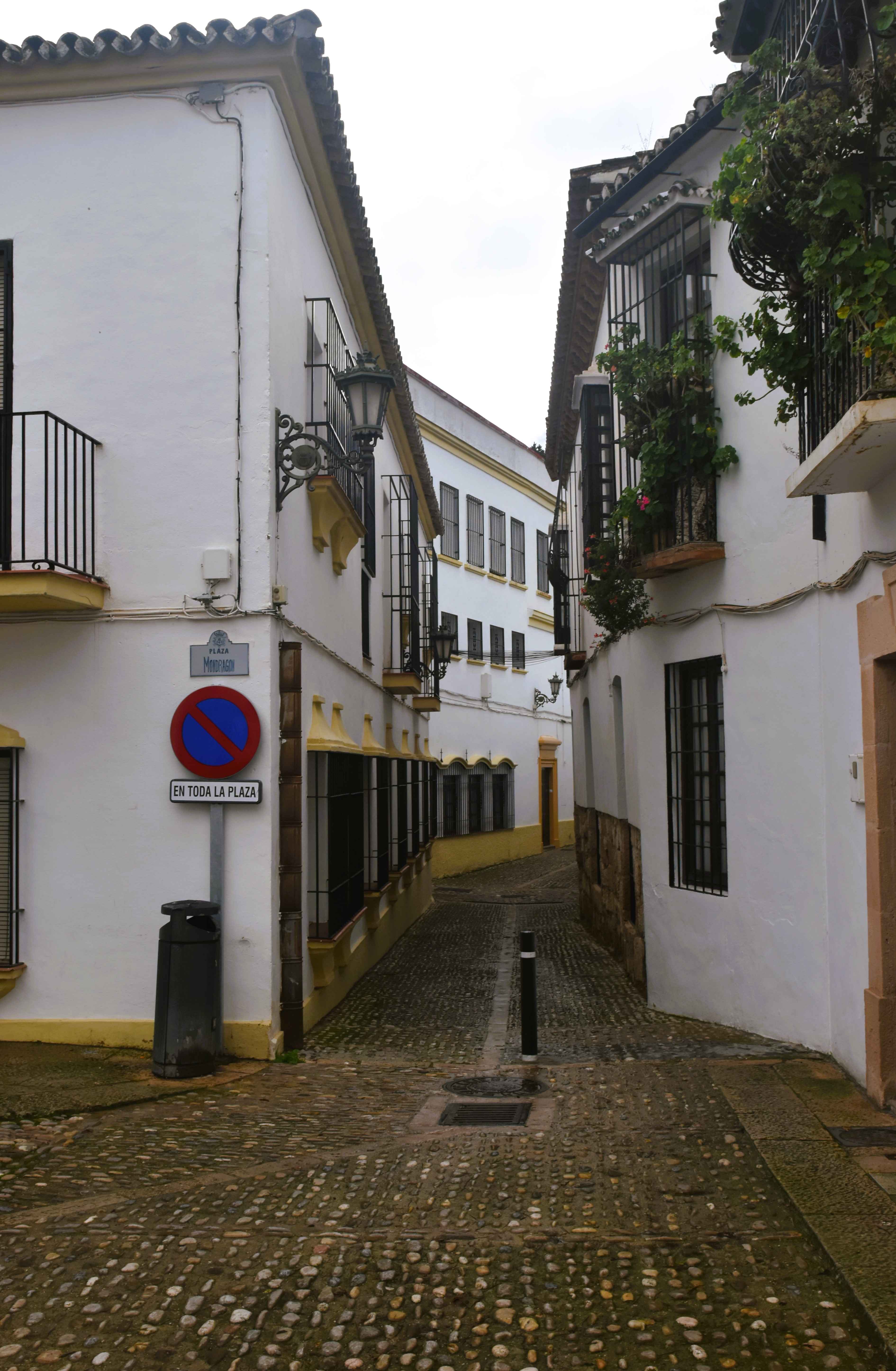
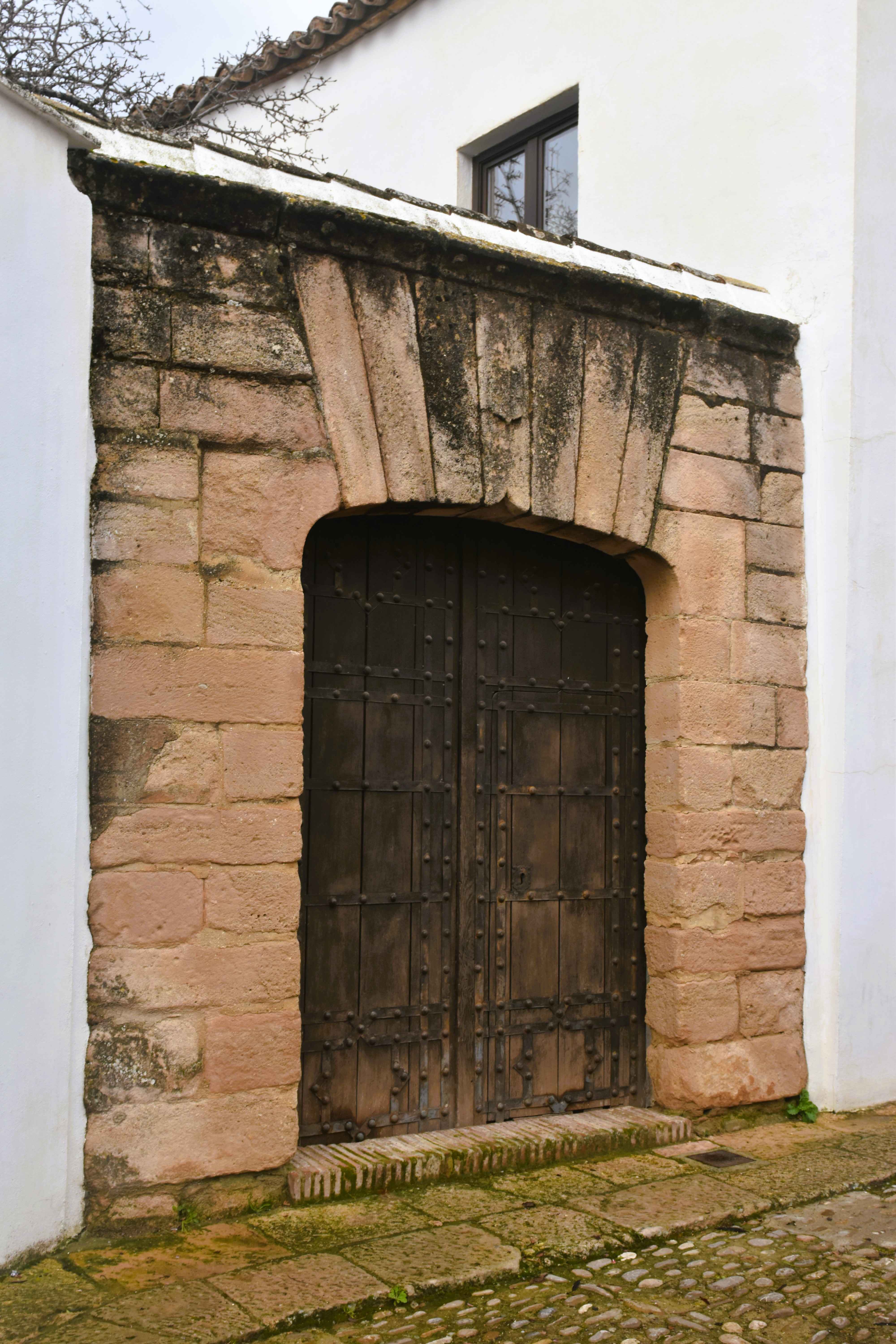
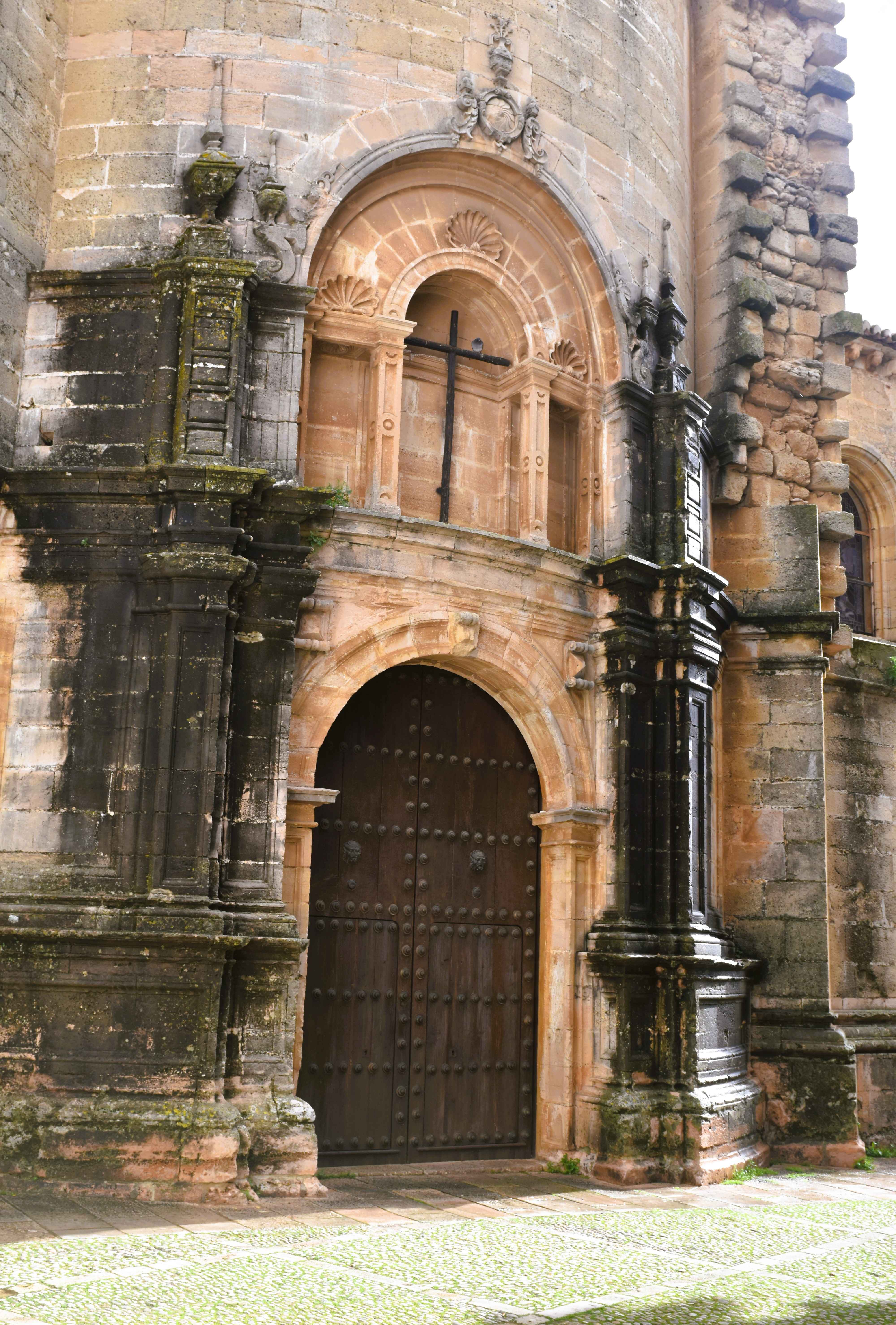
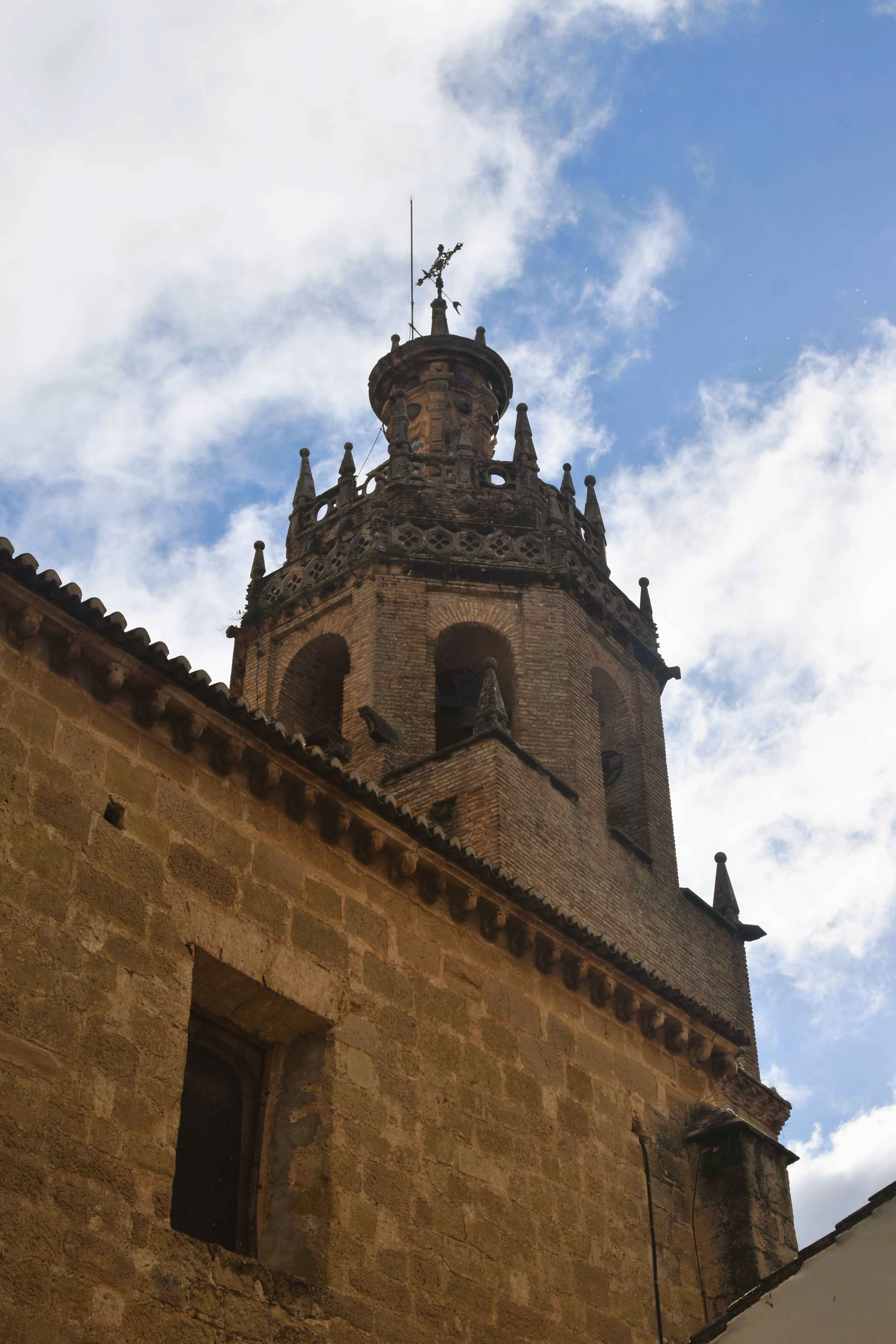
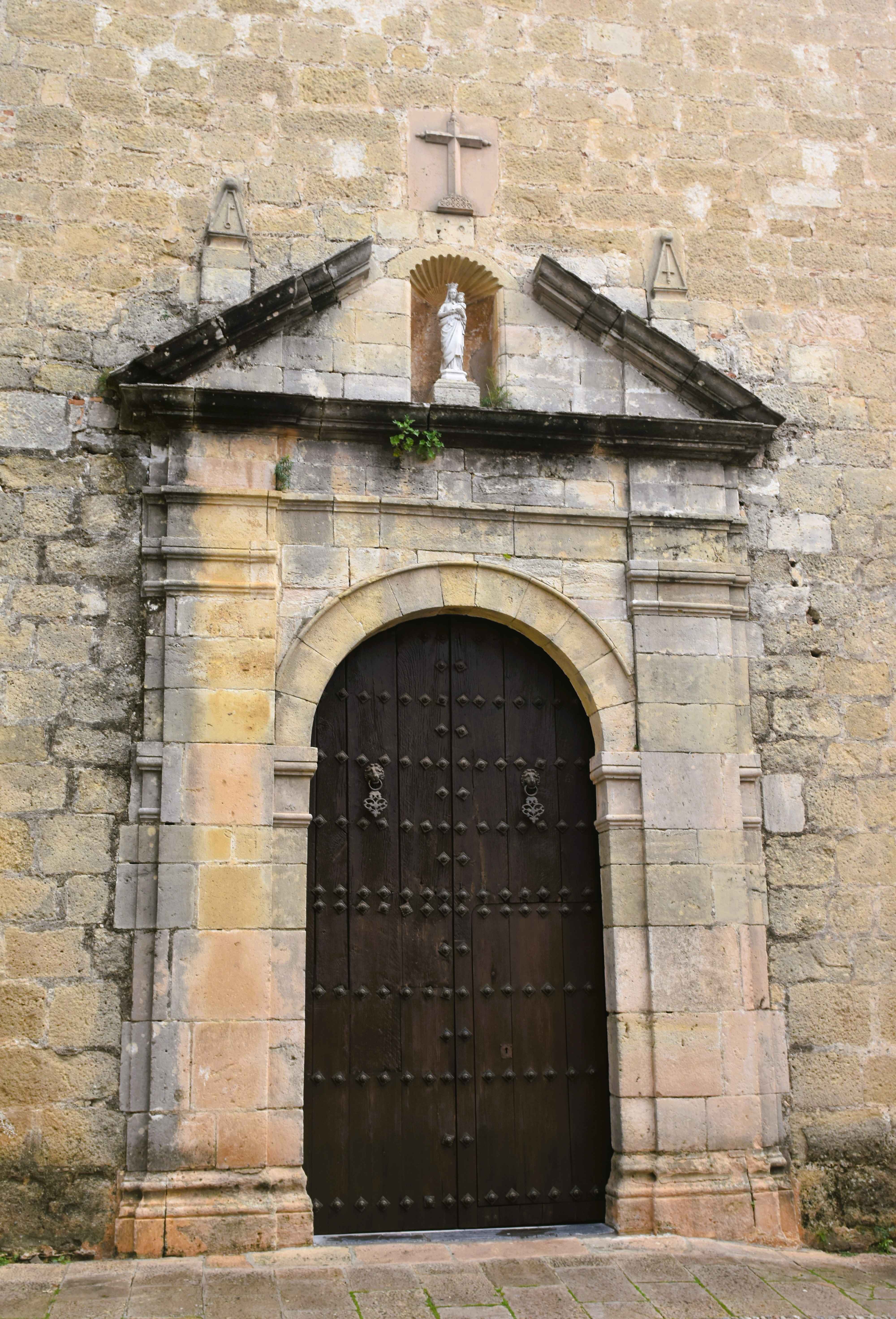
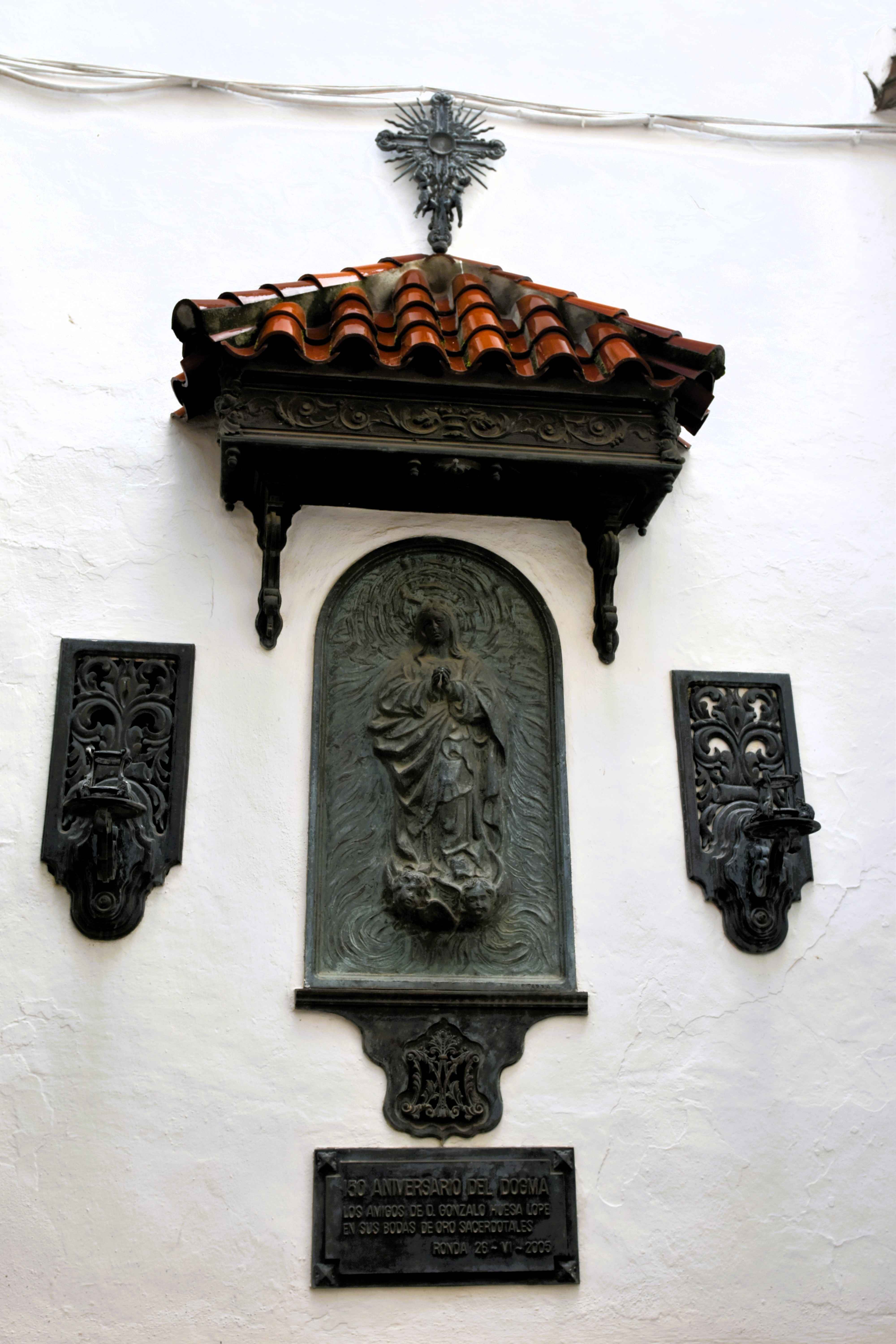
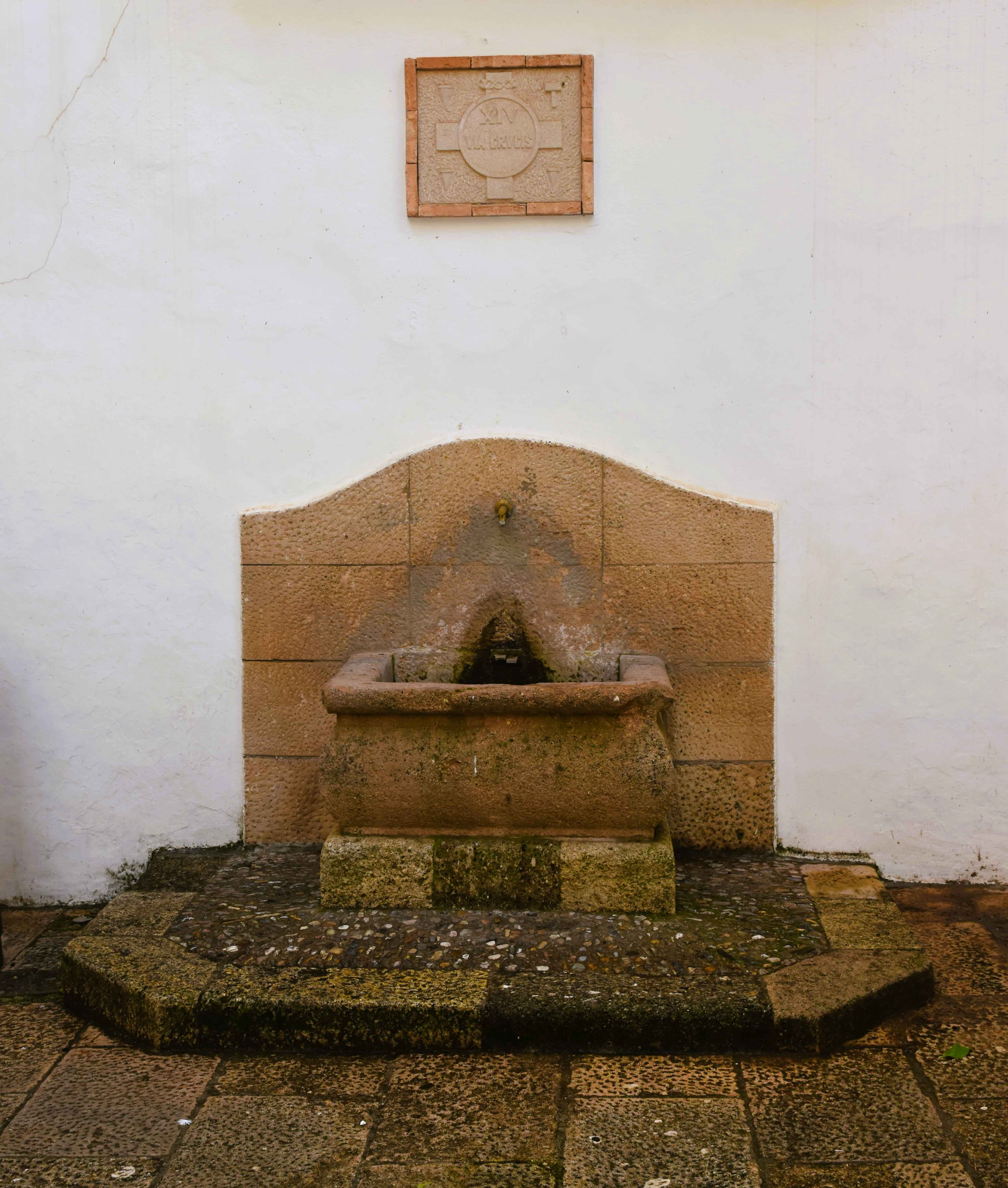
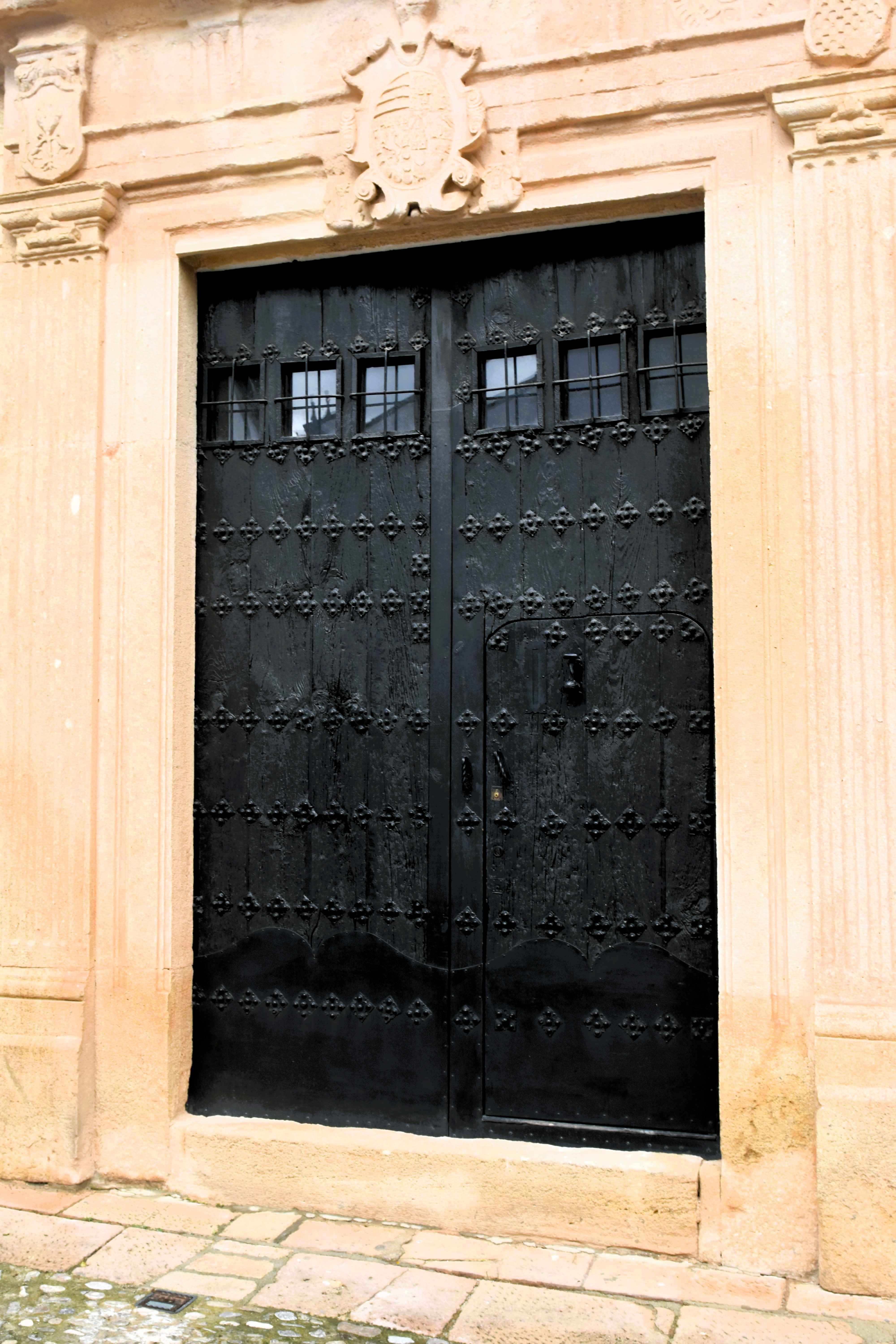
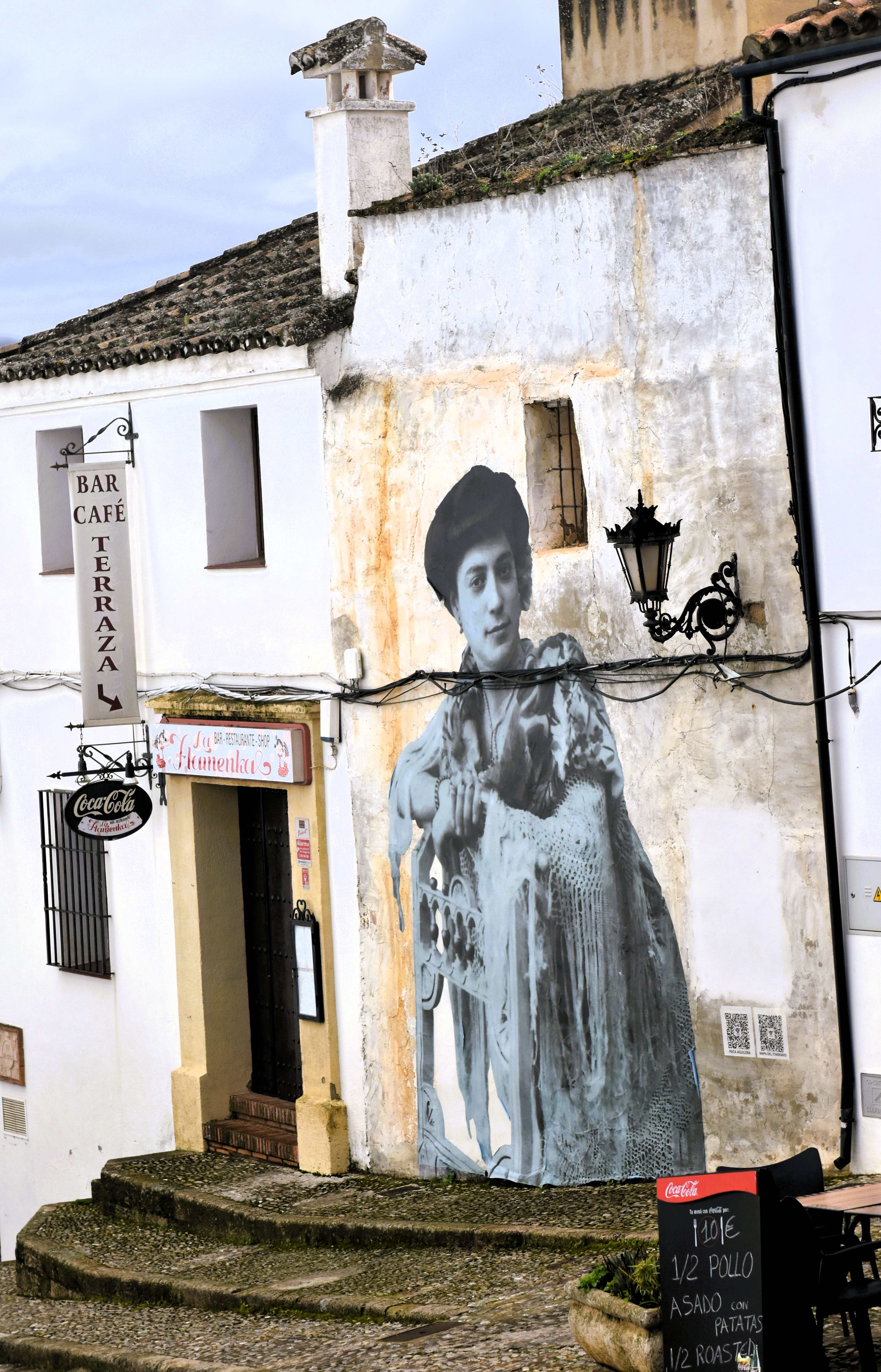
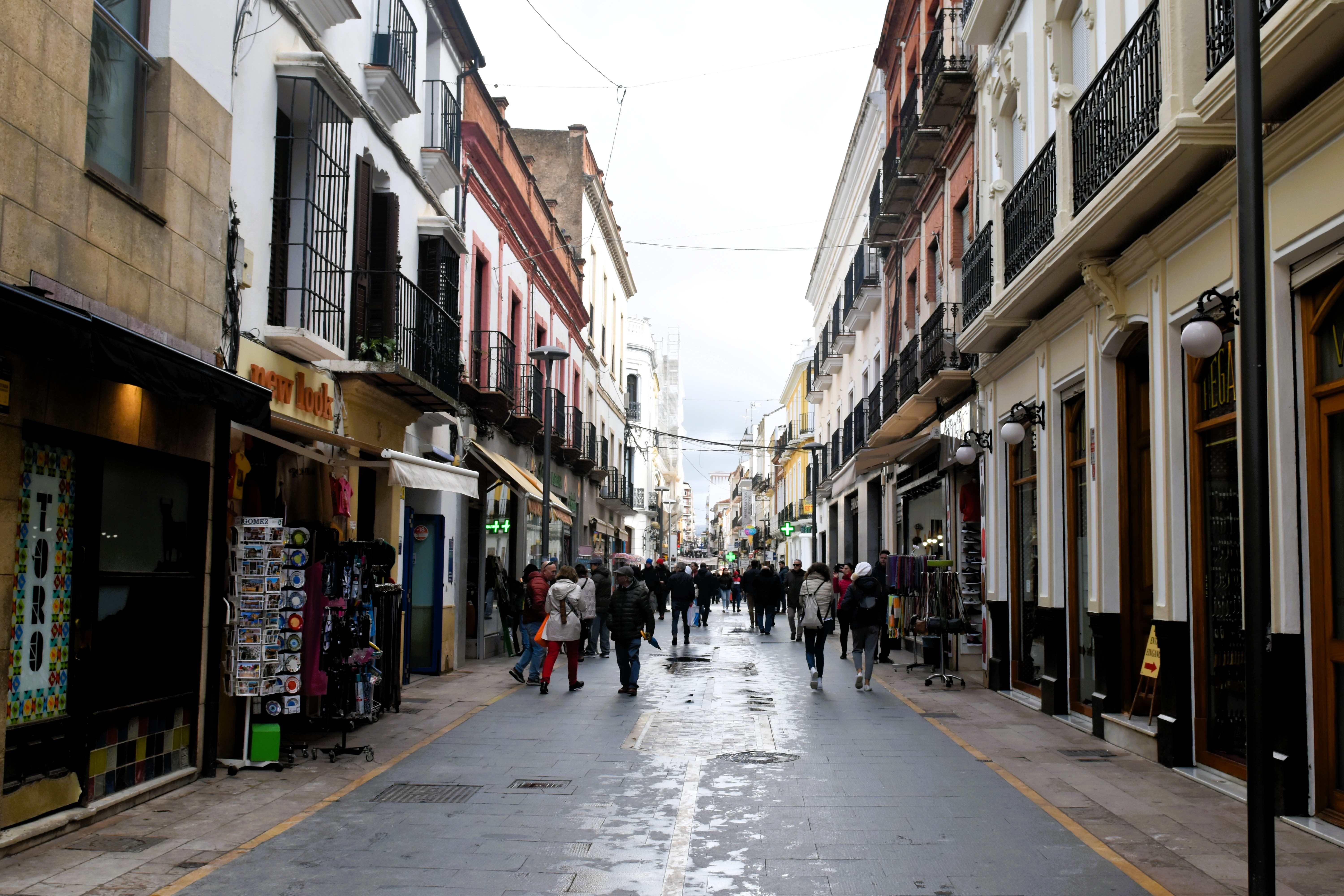
Before the Catholic Monarchs took control in 1485, Ronda was an important Moorish stronghold, and its historic center reflects this legacy. The Old Town (La Ciudad) is a maze of narrow cobblestone streets, reminiscent of Moorish Spain.
The Hemingway & Orson Welles Connection
Ronda’s dramatic beauty and fierce traditions inspired Ernest Hemingway, who wrote about the town in For Whom the Bell Tolls, referencing a tragic scene where prisoners were thrown from the cliffs during the Spanish Civil War. Orson Welles was so enamored with Ronda that he chose to have his ashes scattered here, in the countryside near his friend’s estate.
Ronda’s Cuisine: A Taste of the Countryside
Ronda’s gastronomy is deeply rooted in Andalusian and rural Spanish traditions. Some local favorites include:
- Rabo de toro – A slow-cooked oxtail stew, also popular in Córdoba.
- Chorizo and jamón ibérico – Cured meats from the surrounding mountains.
- Queso de cabra – Locally produced goat cheese, often paired with honey.
A Town Frozen in Time
With its breathtaking cliffs, Moorish past, and deep-rooted traditions, Ronda is a place that feels like stepping back in time. Whether you’re gazing across the gorge from Puente Nuevo or savoring local flavors in a rustic tavern, Ronda offers a glimpse into the heart and soul of Andalusia.
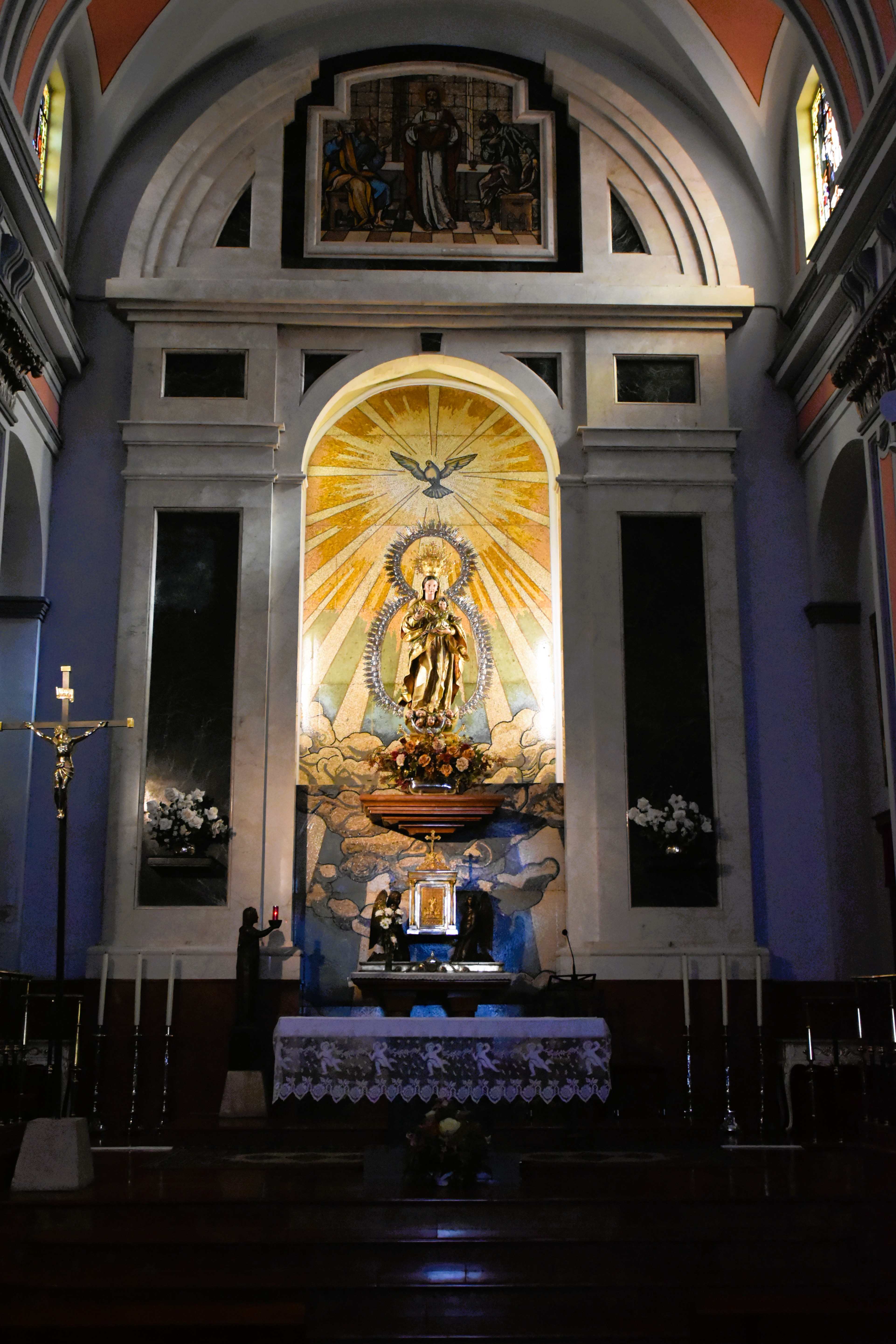
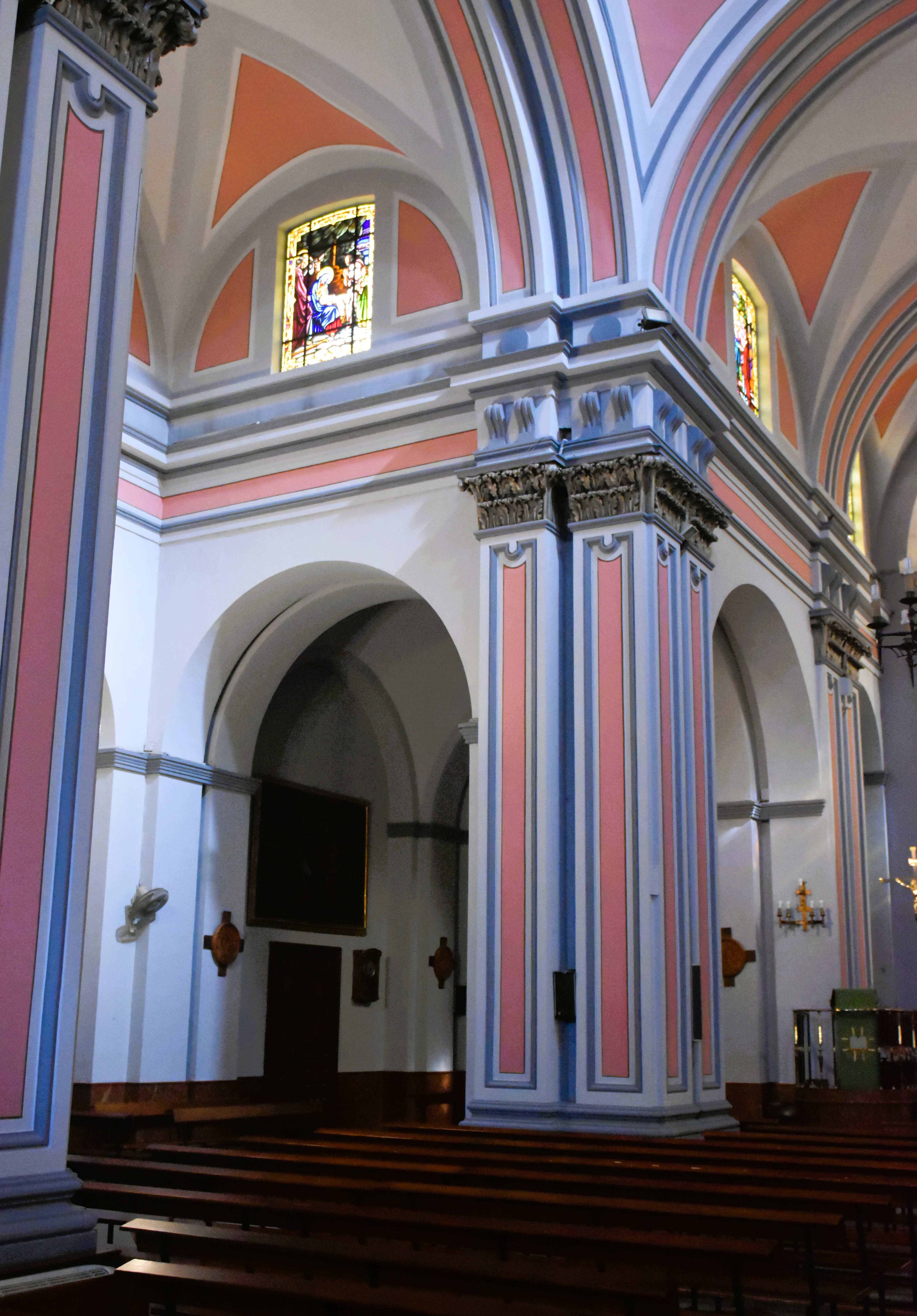
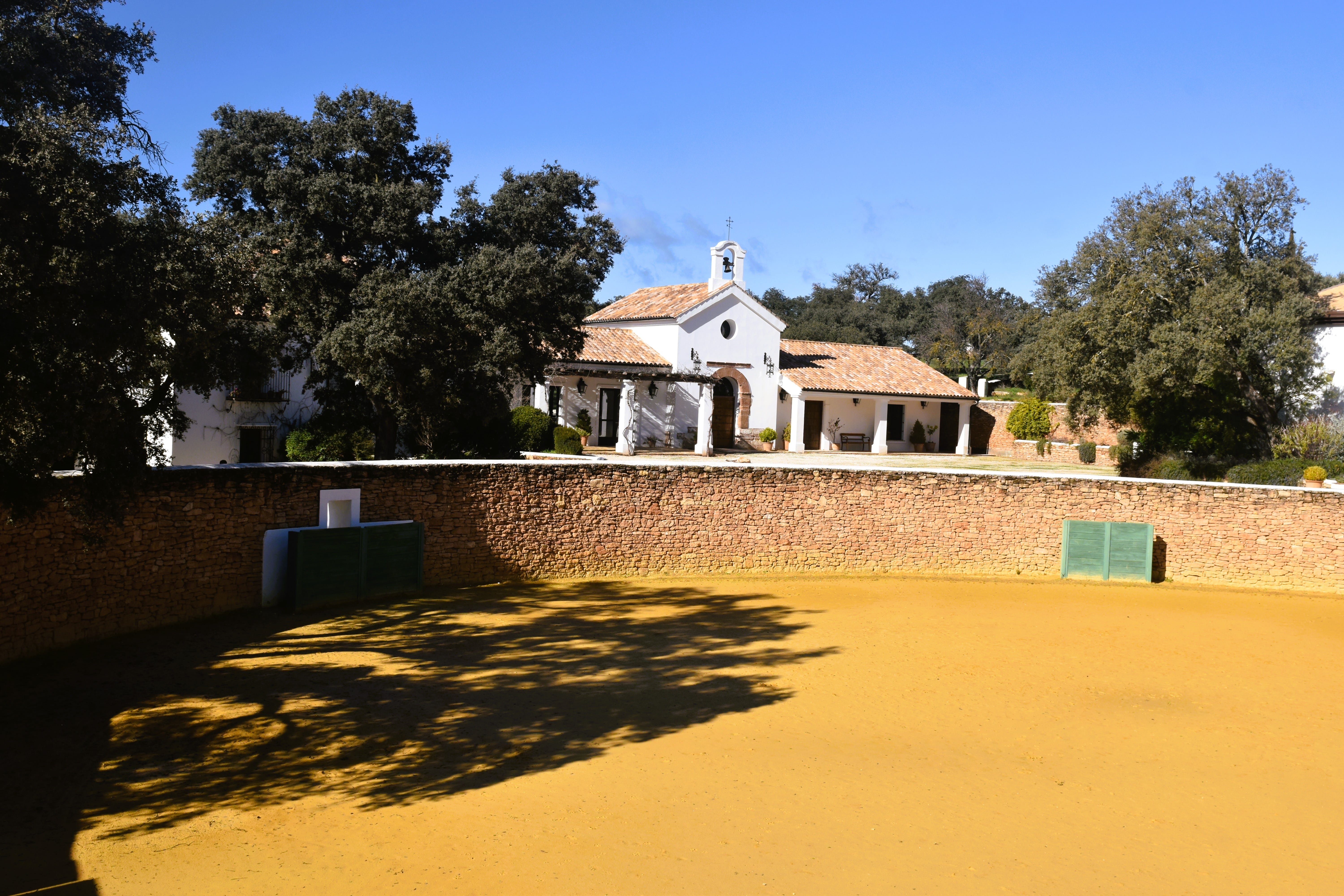
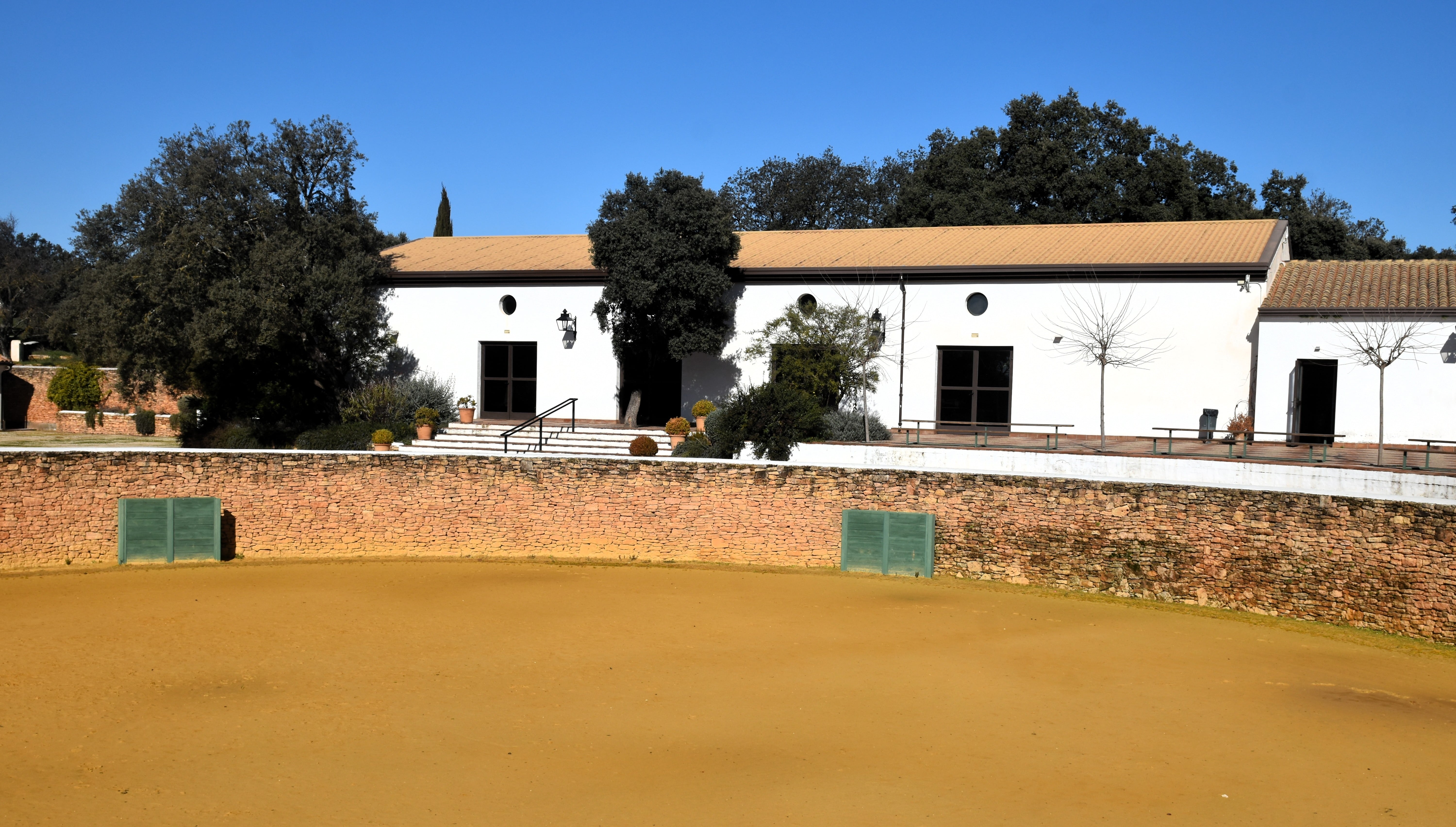
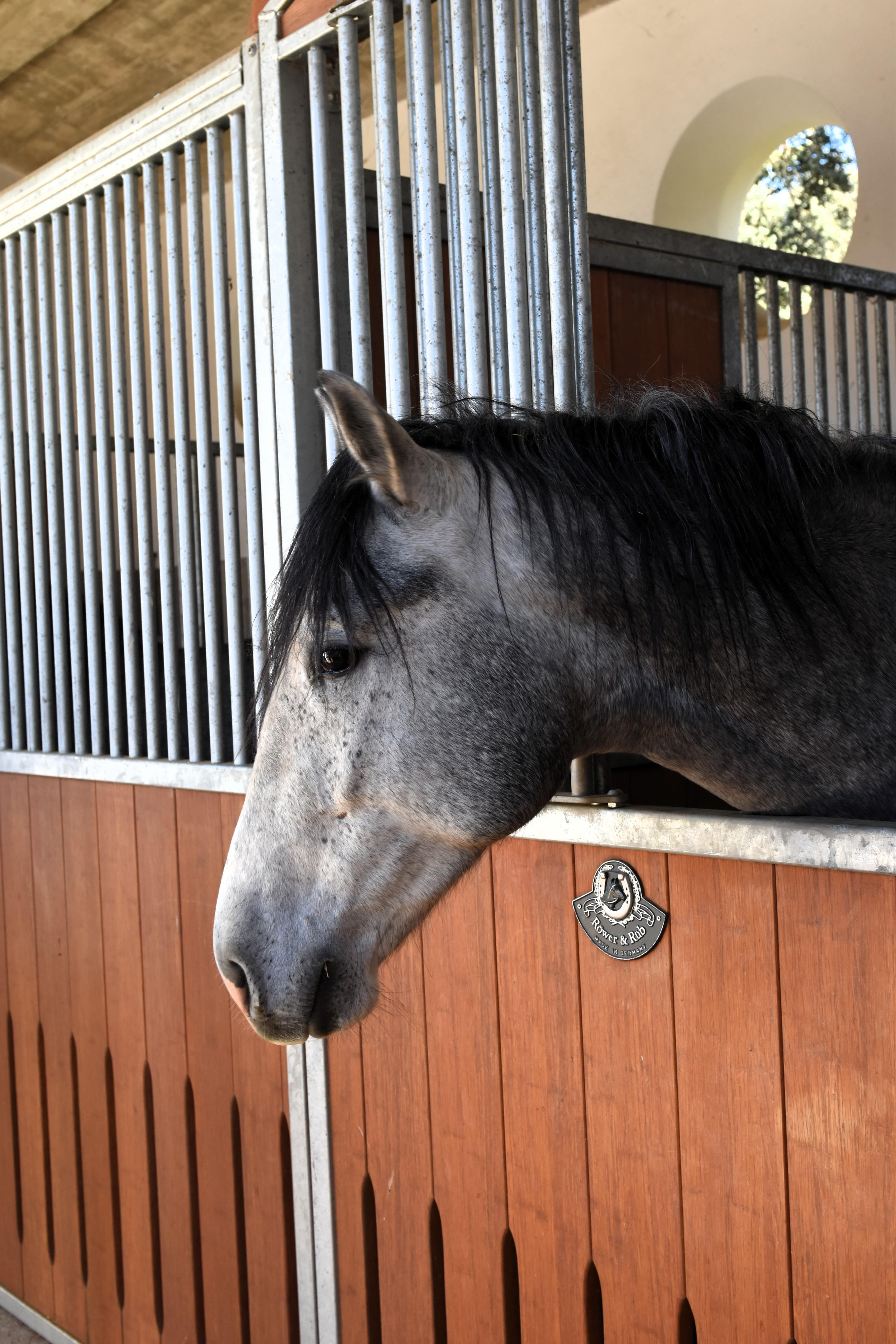
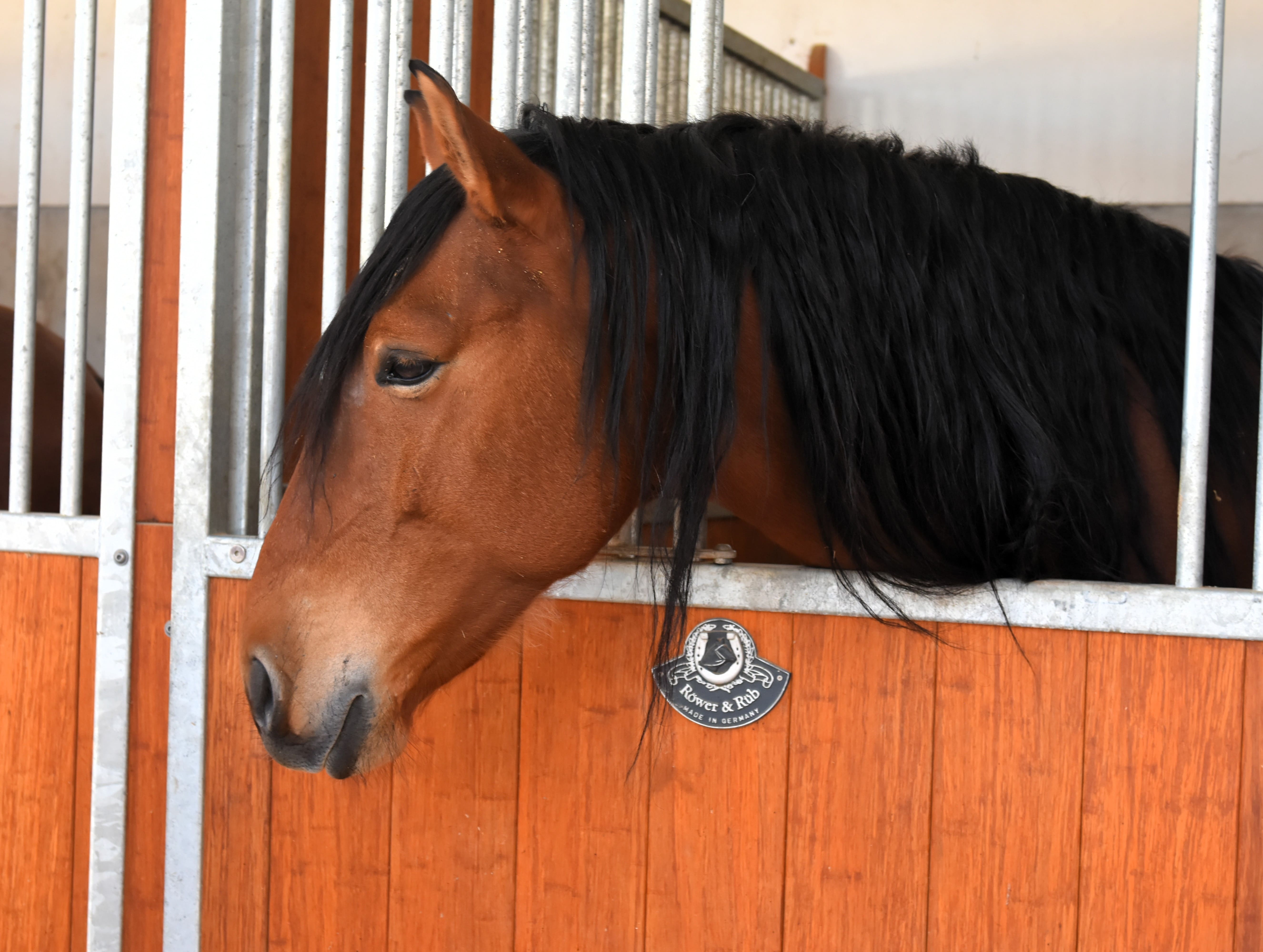
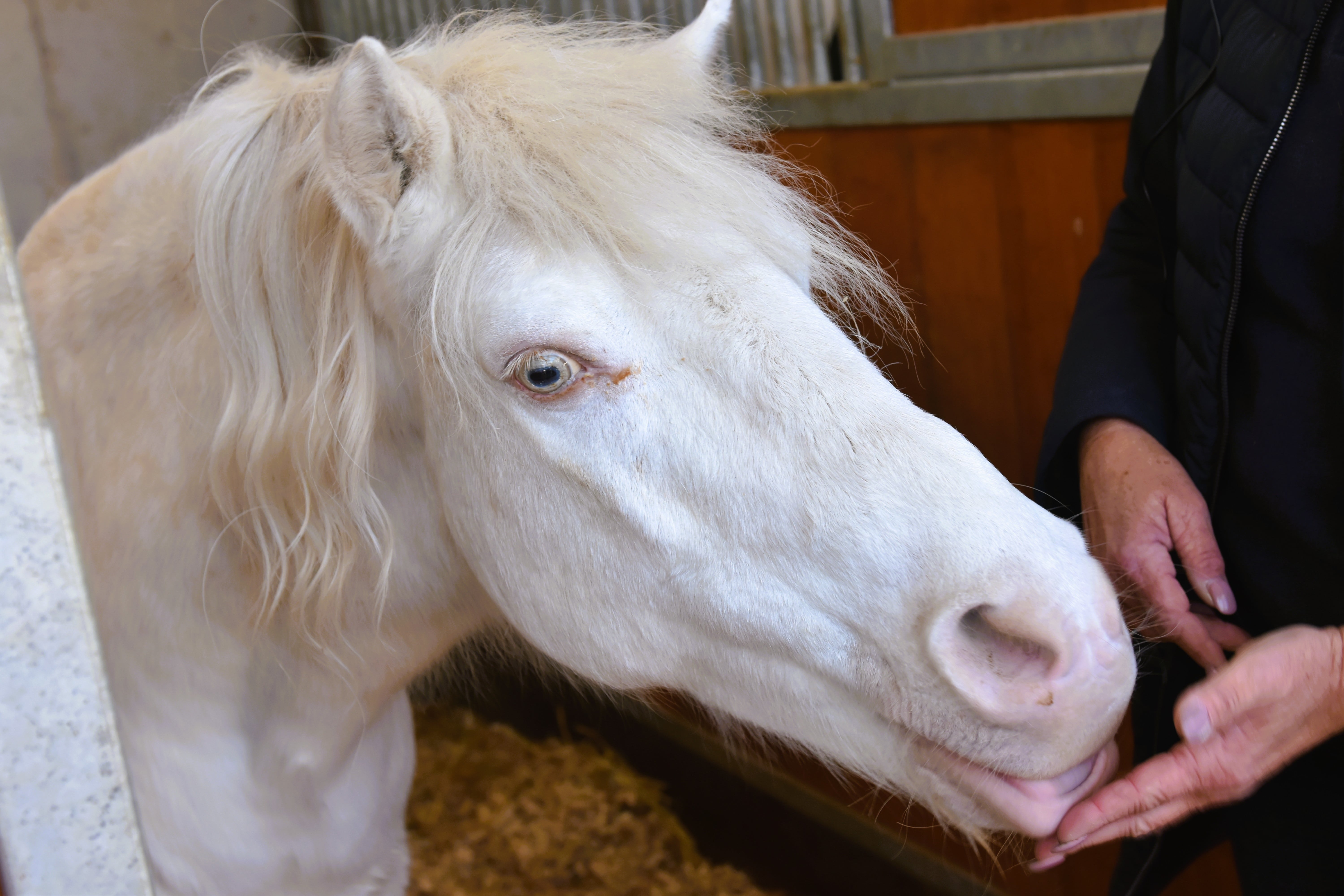
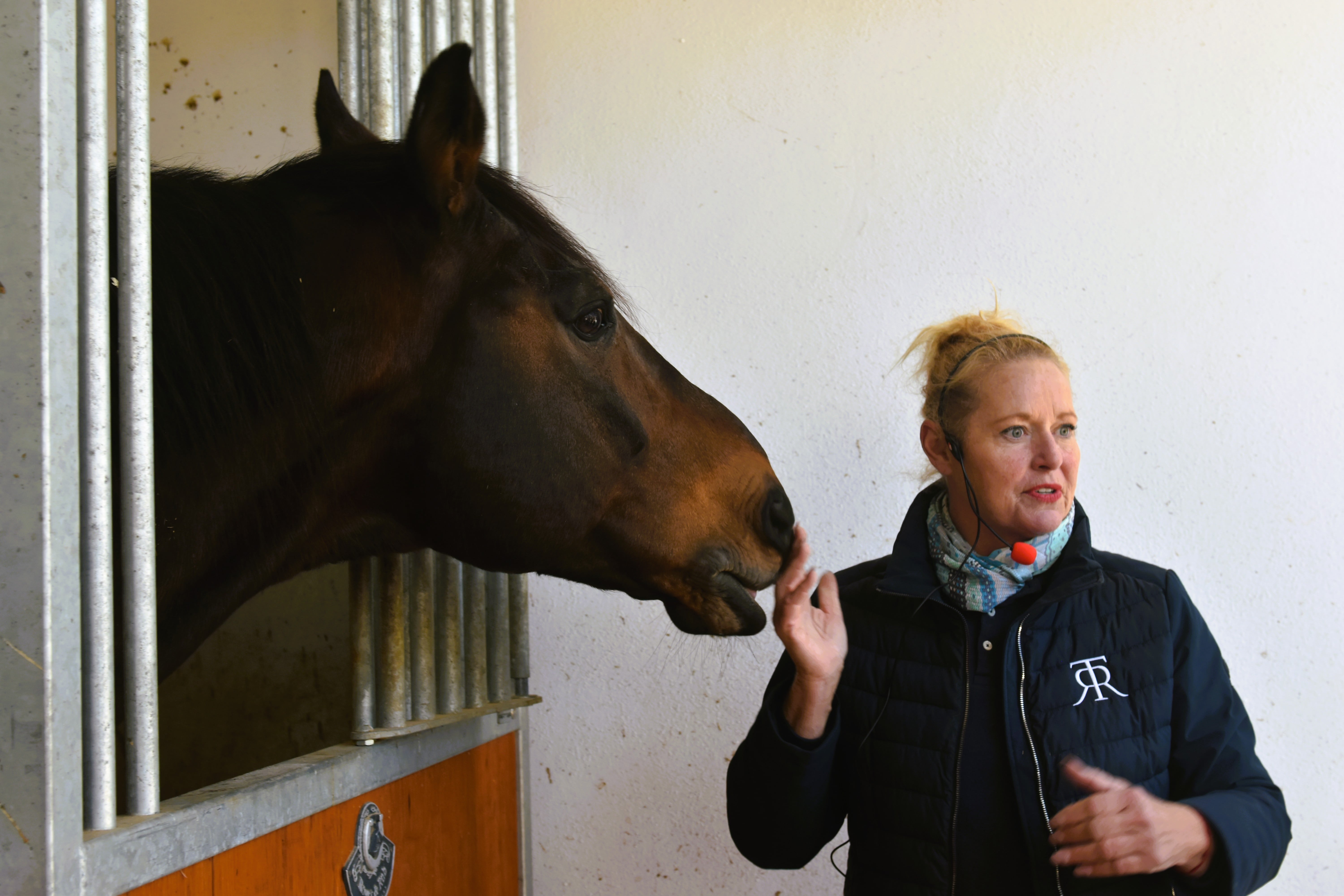
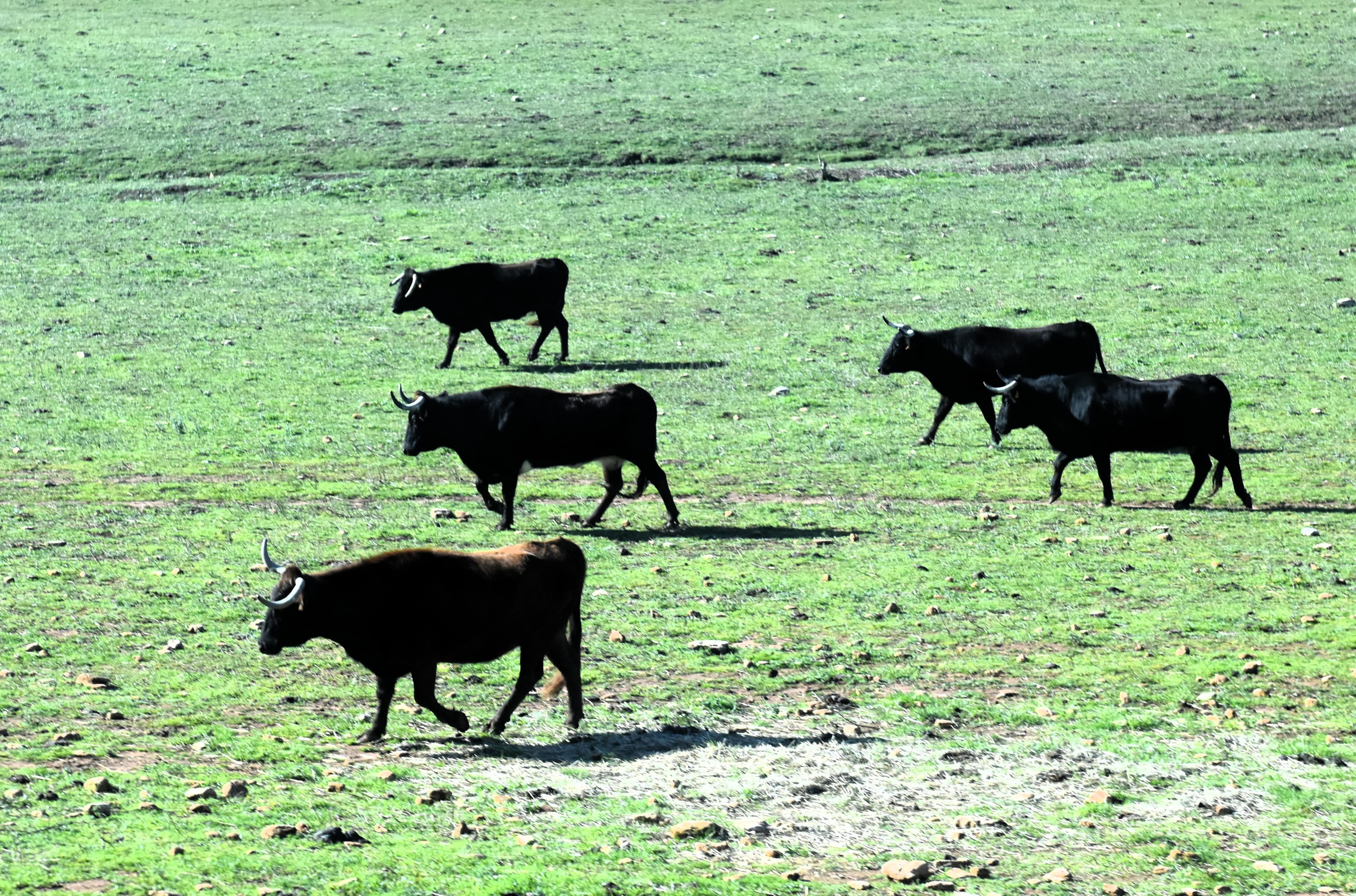
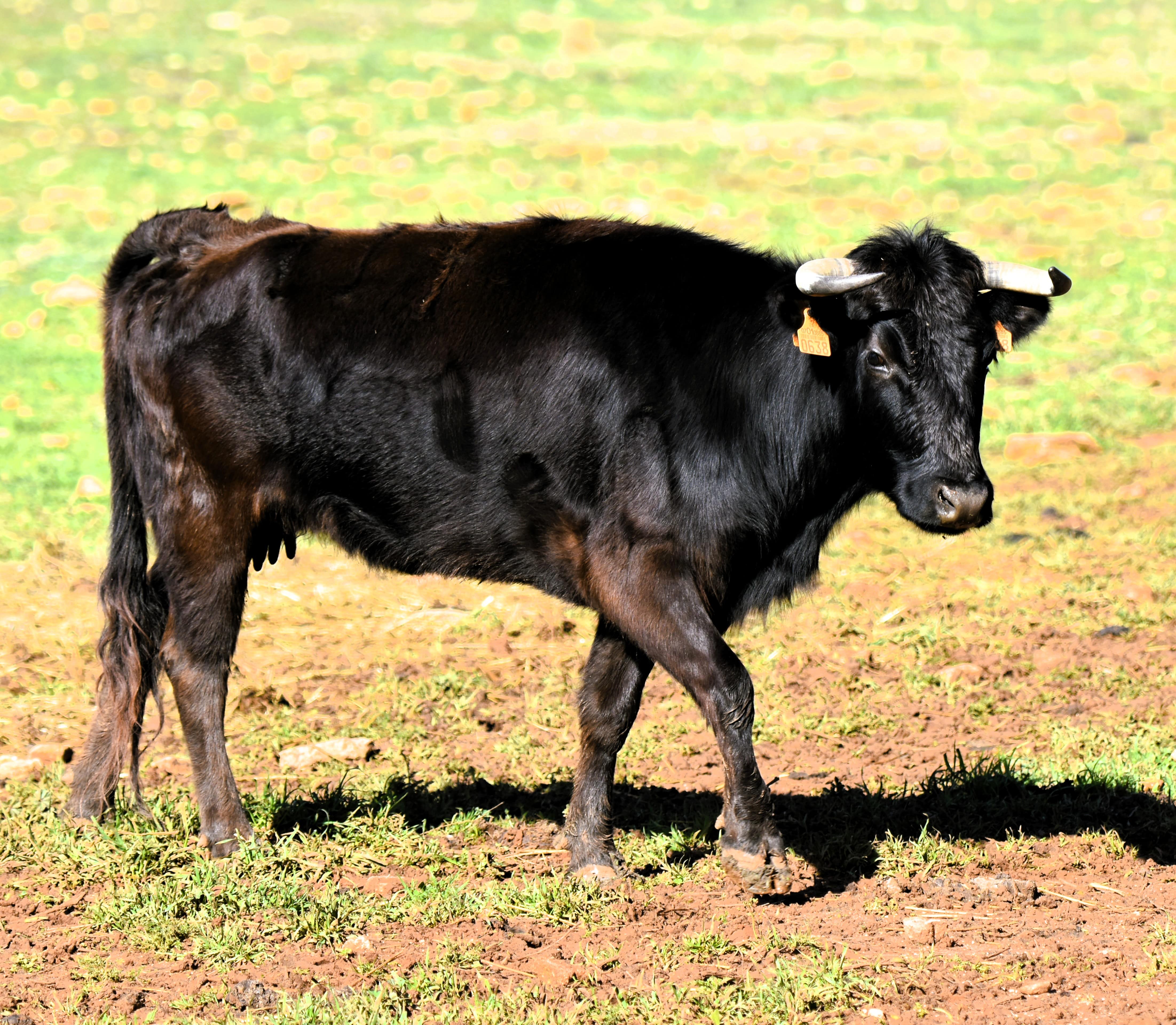
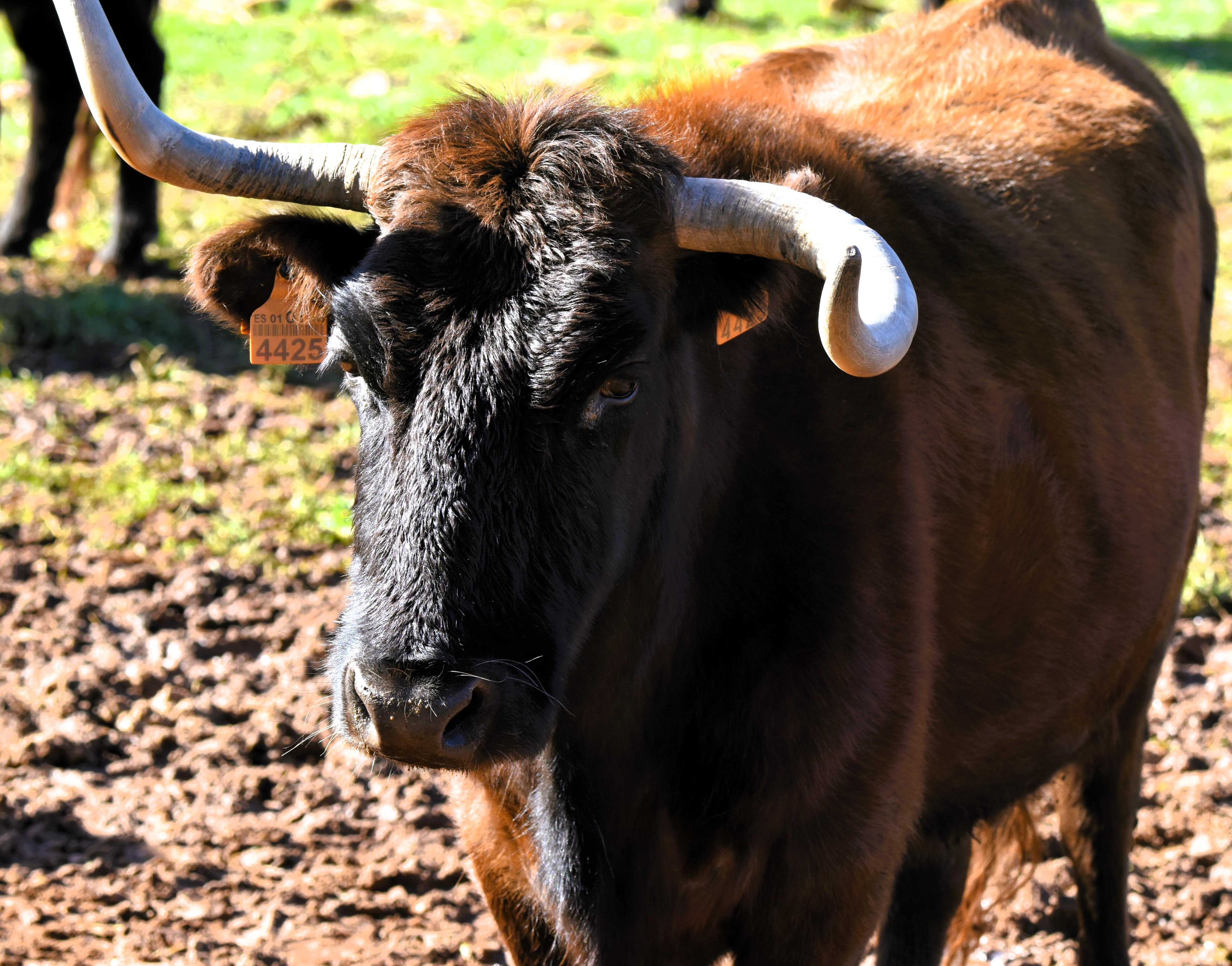
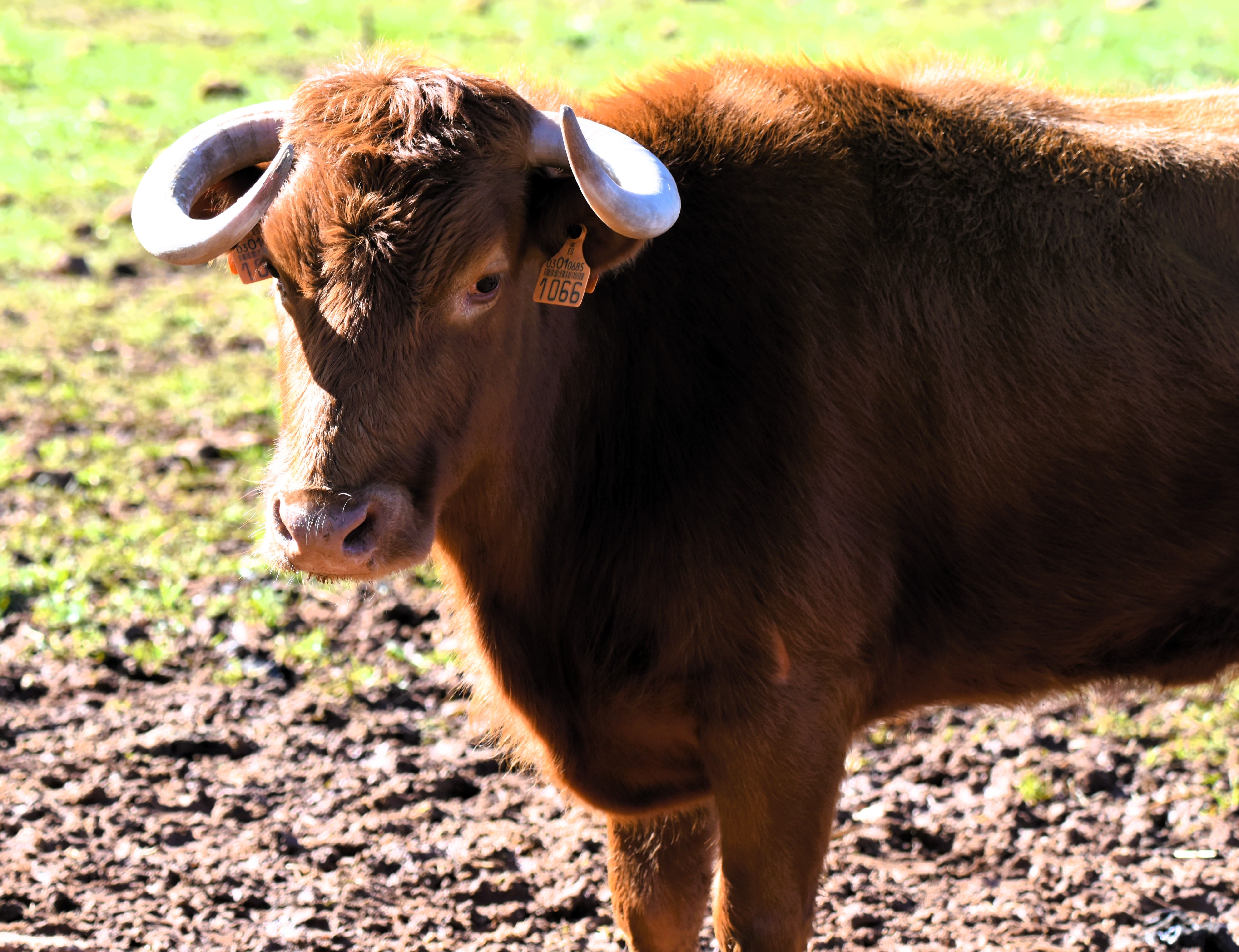
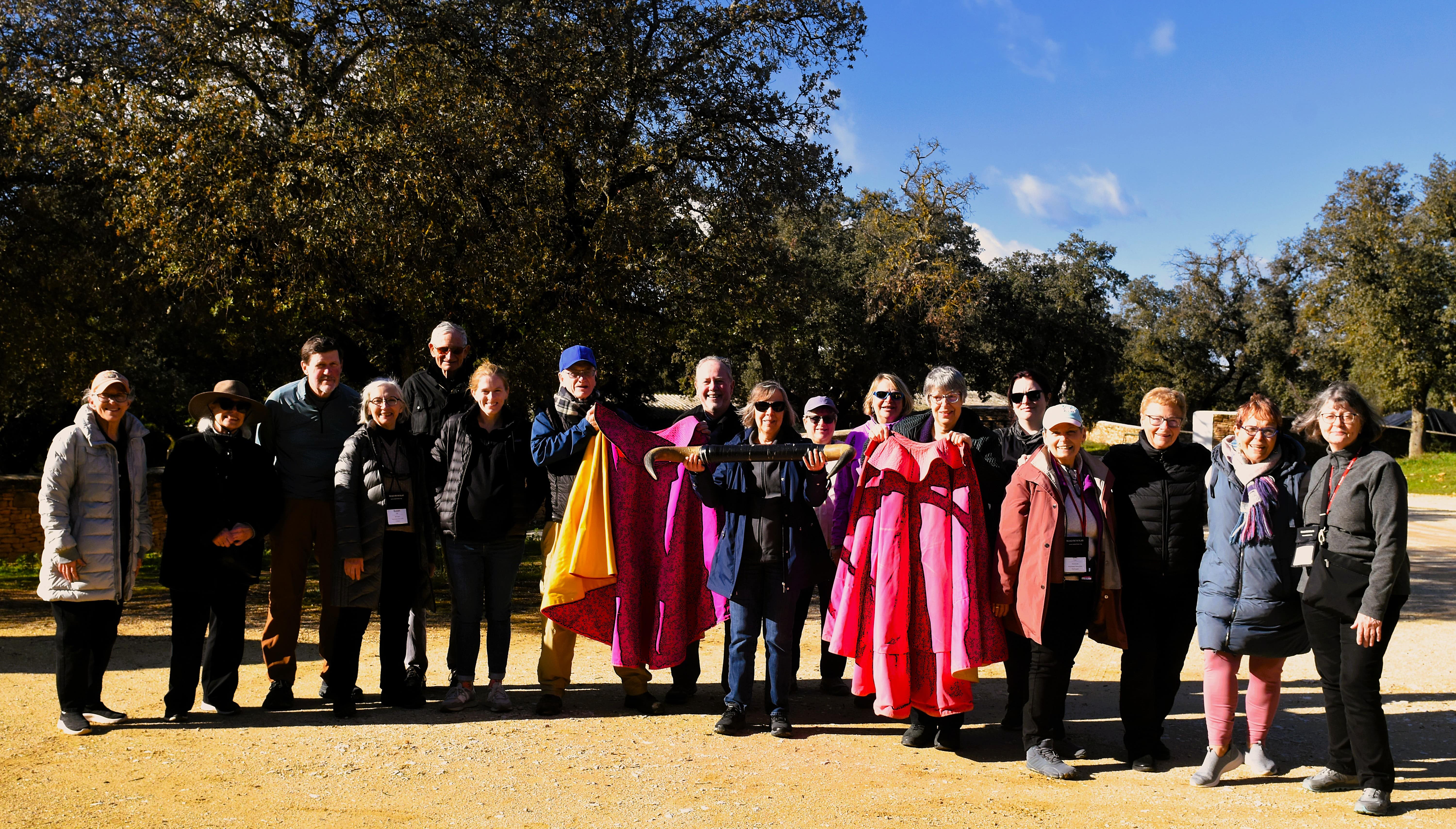
After lunch, we went to a nearby bull ranch, where a staff member walked us through the bull fighting rink used for training and the stables a the Andalusian reserve. We were able to see the Toro Bravo or Toro de Lidia (Spanish Fighting Bull) and thoroughbred Andalusian horses. We learned about the breed and discussed the arguments and controversy surrounding this Spanish tradition.
Gibraltar: A British Outpost with a Spanish Soul
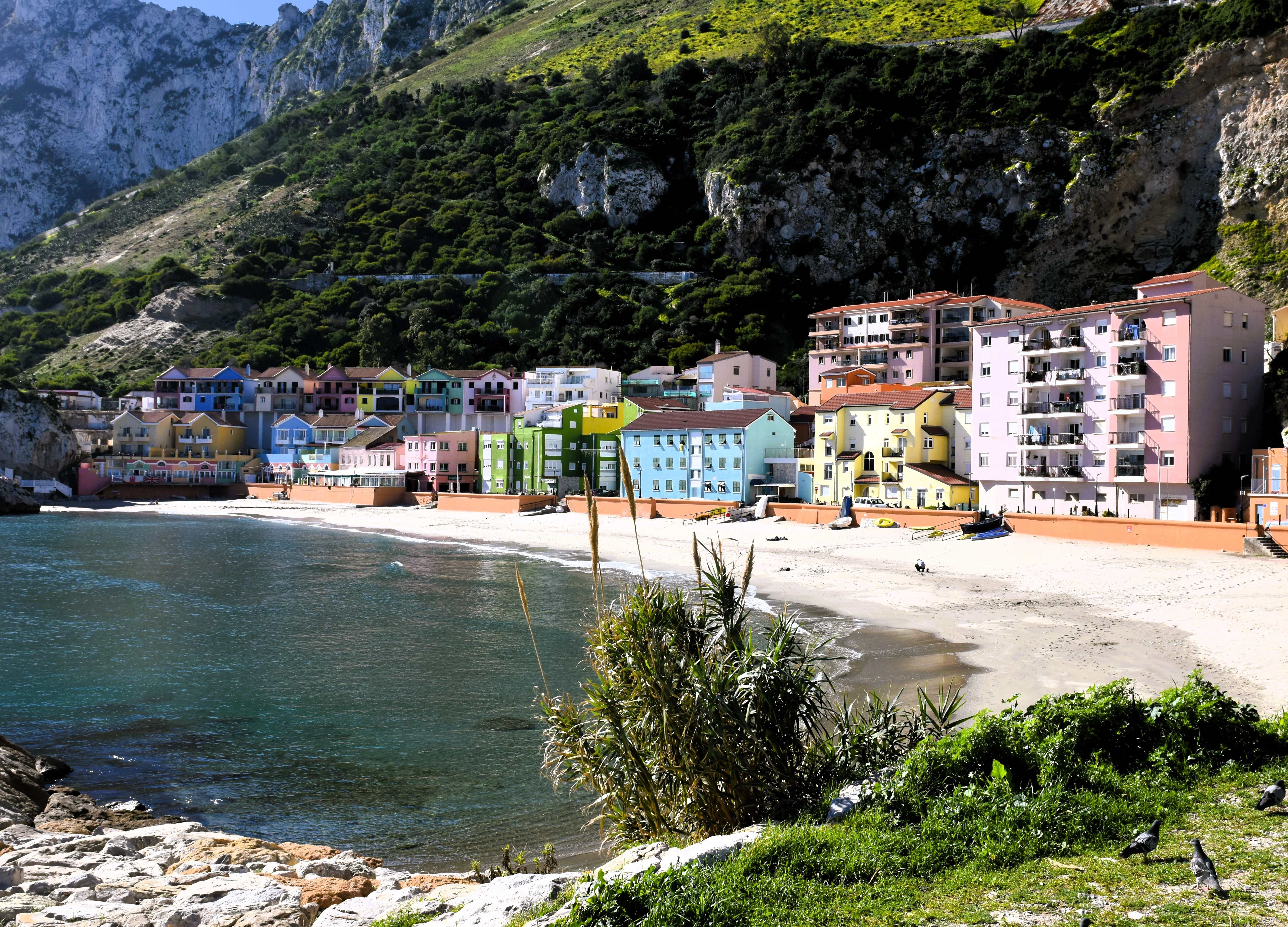
Perched at the southernmost tip of the Iberian Peninsula, Gibraltar is a fascinating blend of British, Spanish, and Moorish influences. Though it remains a British territory, its history and culture are deeply intertwined with Spain. With its dramatic cliffs, storied past, and strategic importance, Gibraltar offers a unique contrast to the other stops on this journey.
The Rock of Gibraltar: A Natural and Historical Icon
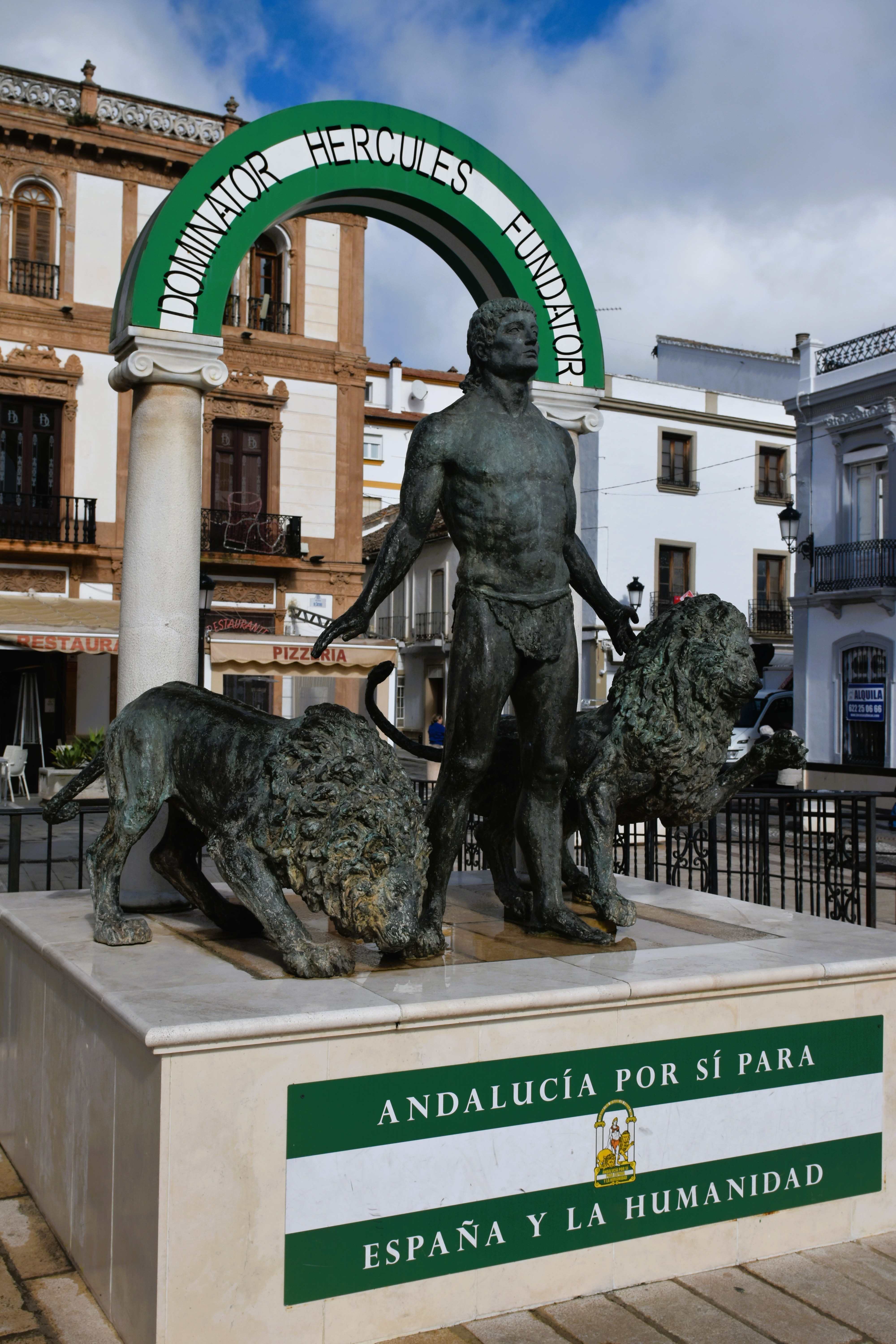
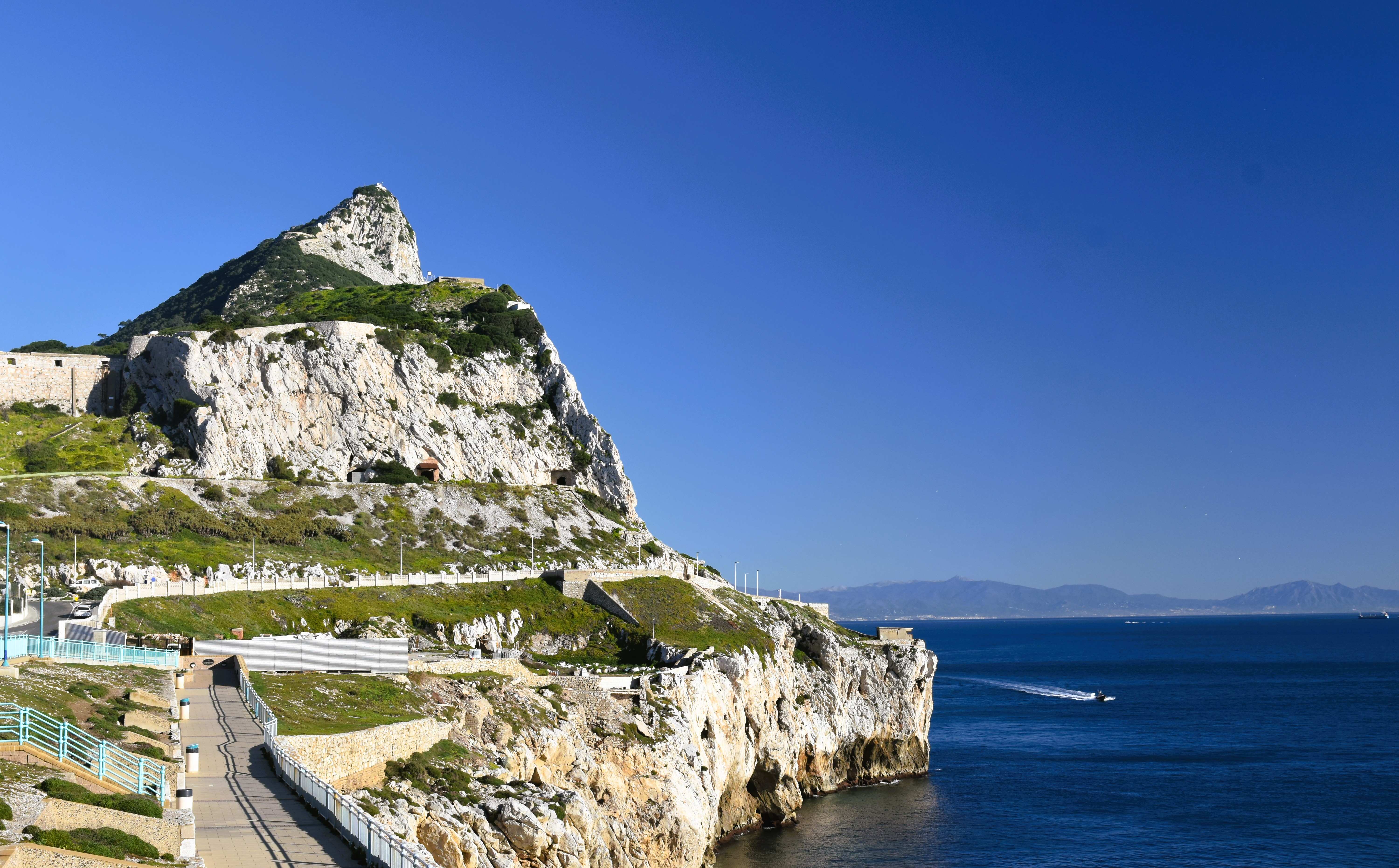
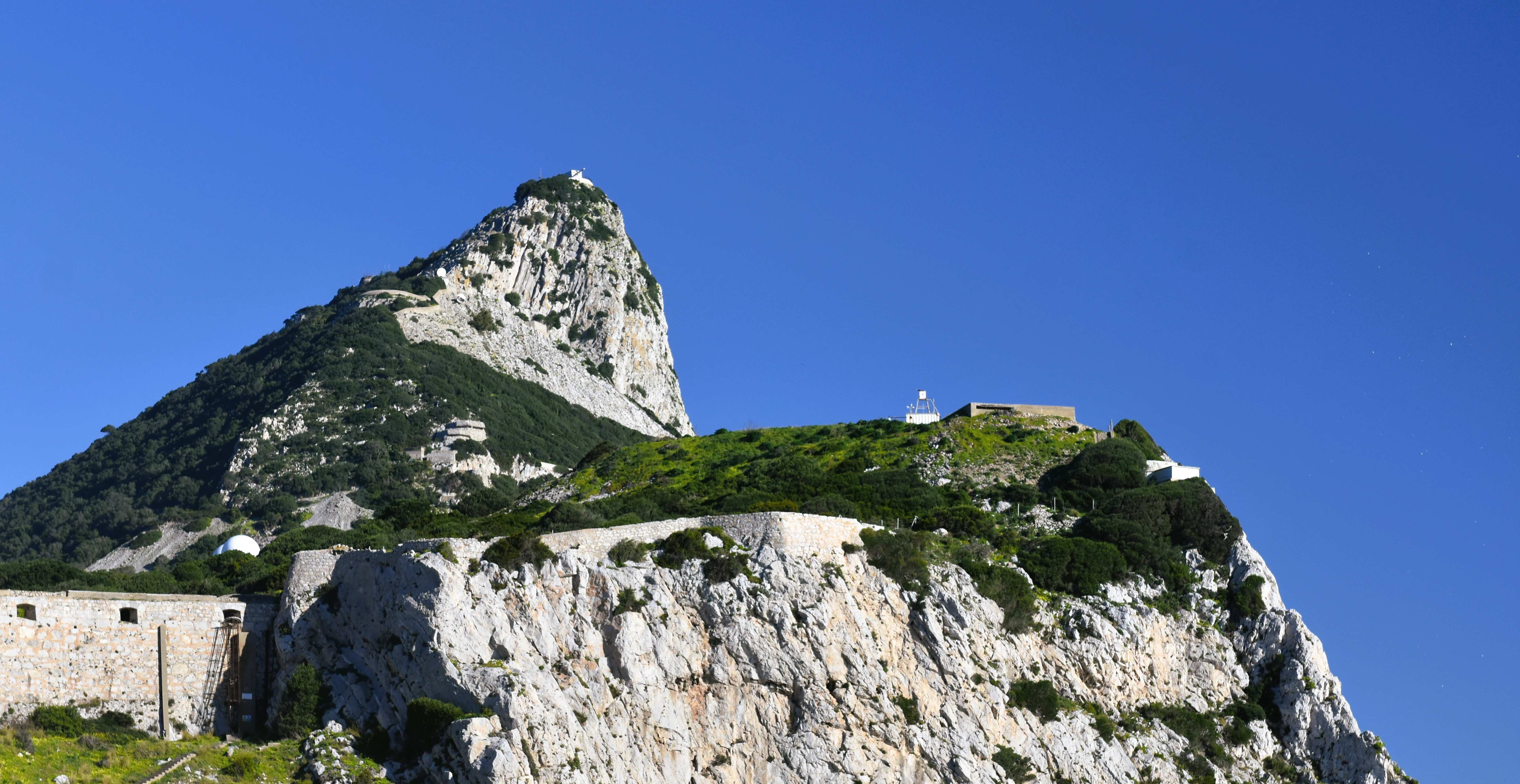
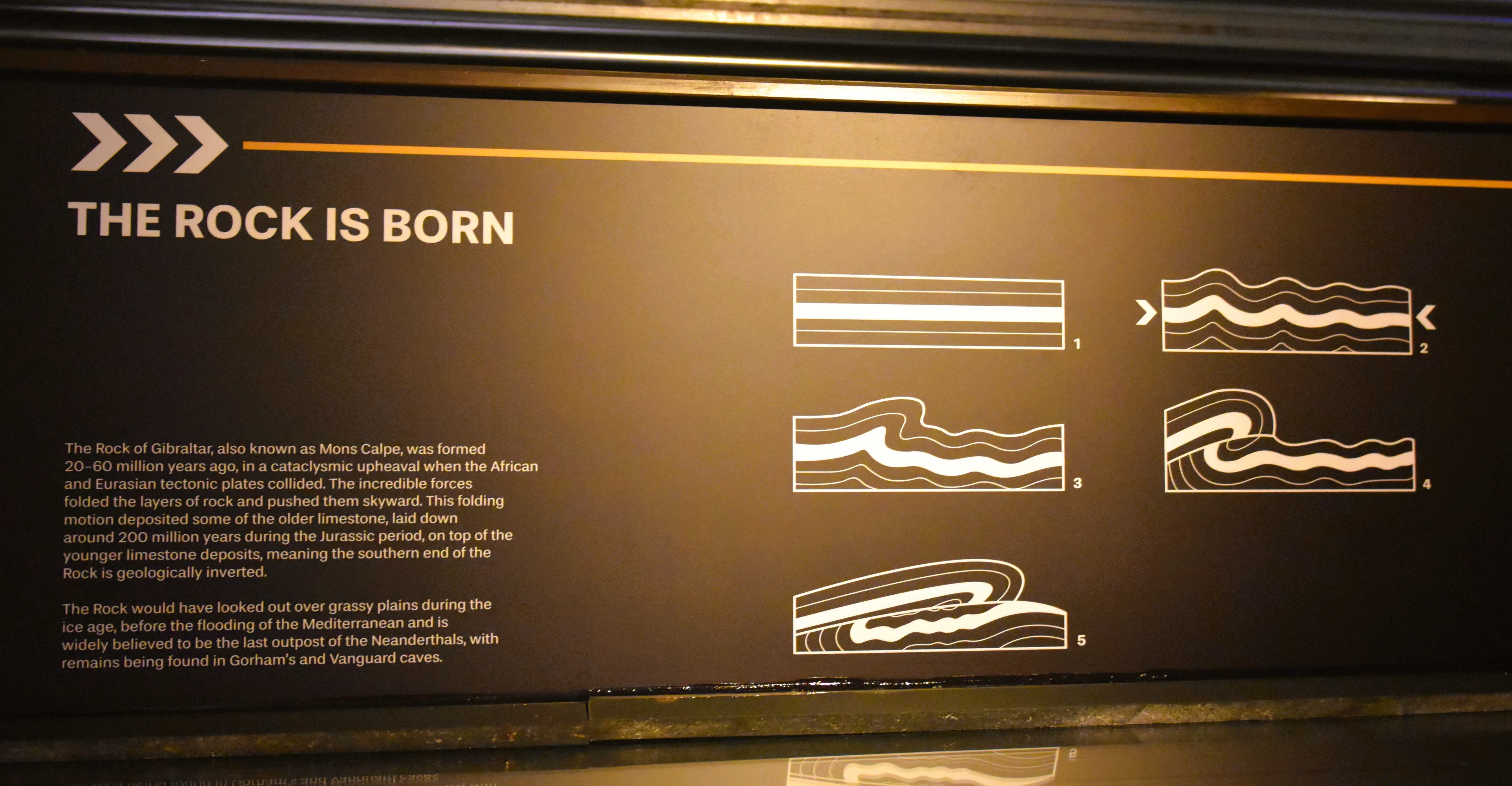
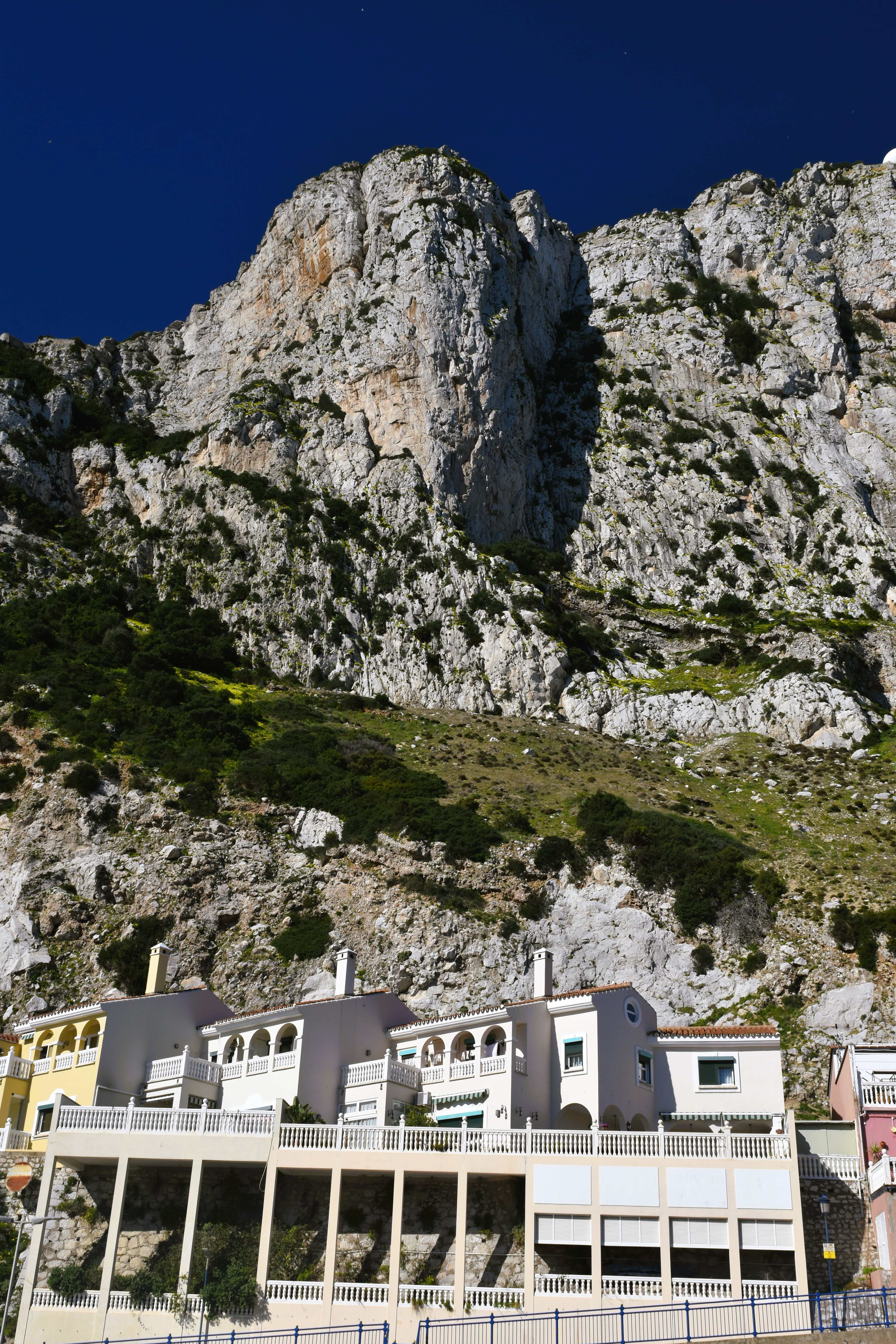
The Rock of Gibraltar, a towering limestone monolith, has been a landmark for sailors for centuries. But beyond its striking appearance, it is rich in history and legend. It was one of the Pillars of Hercules, marking the edge of the known world in ancient times.
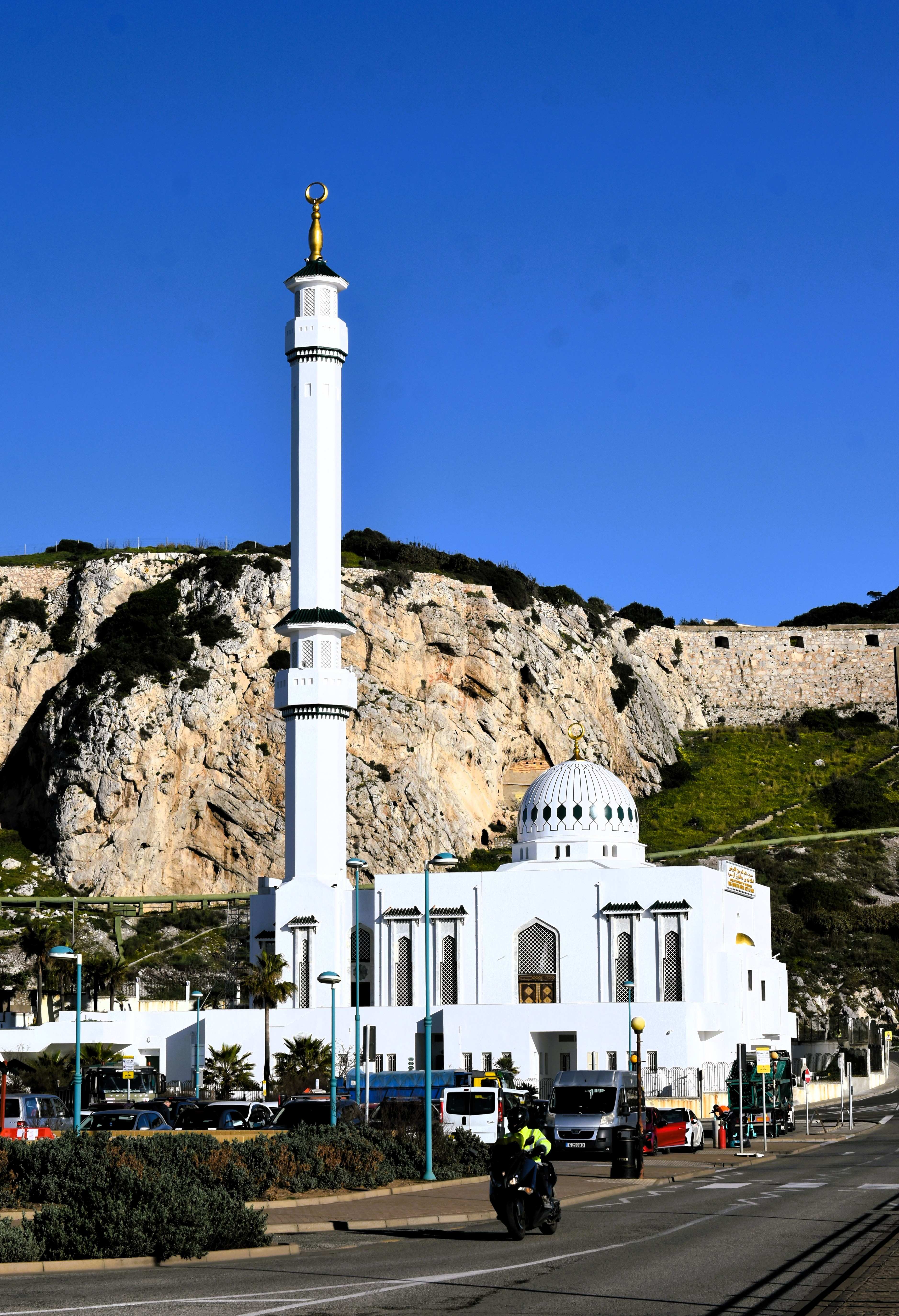
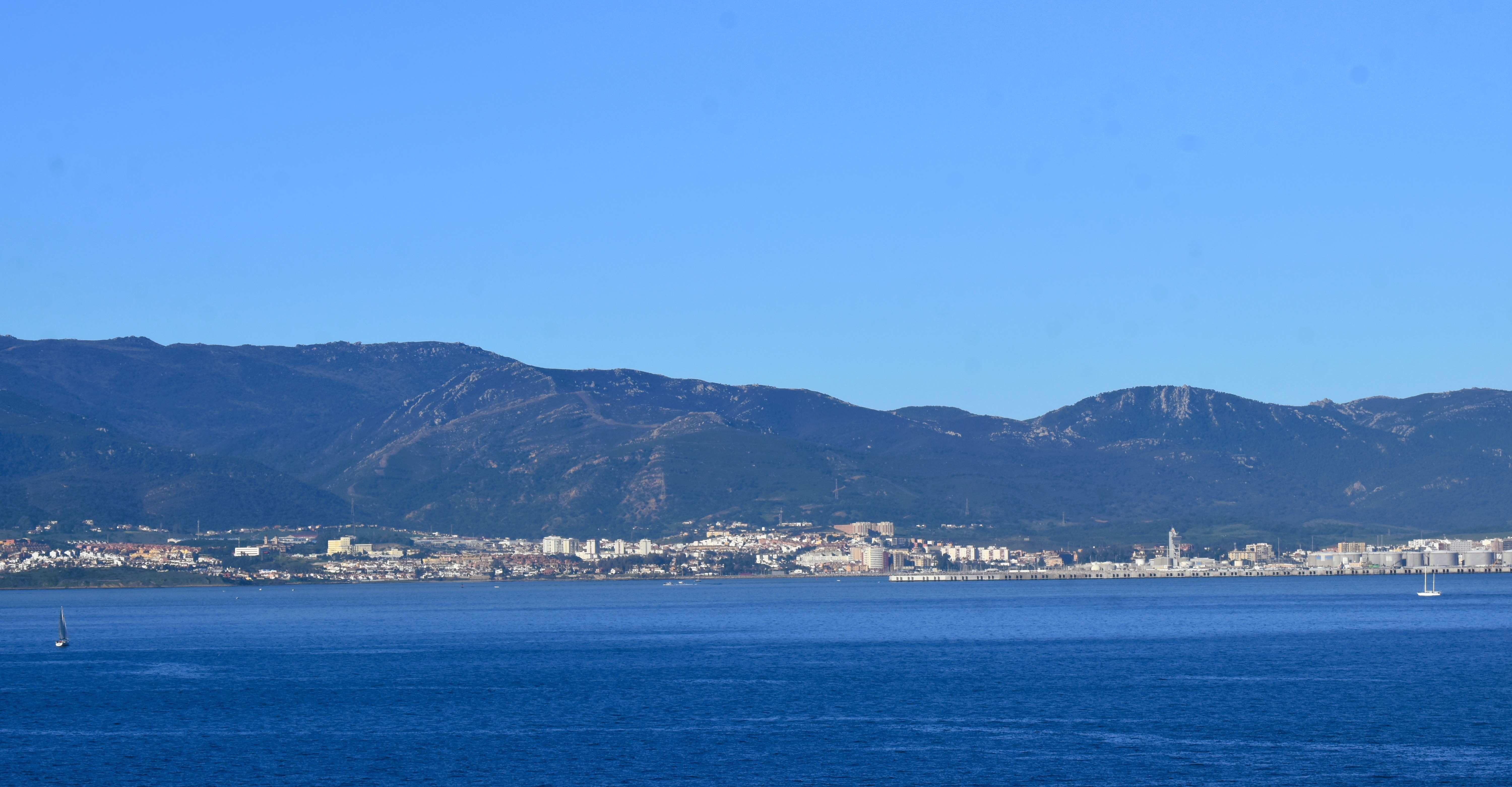
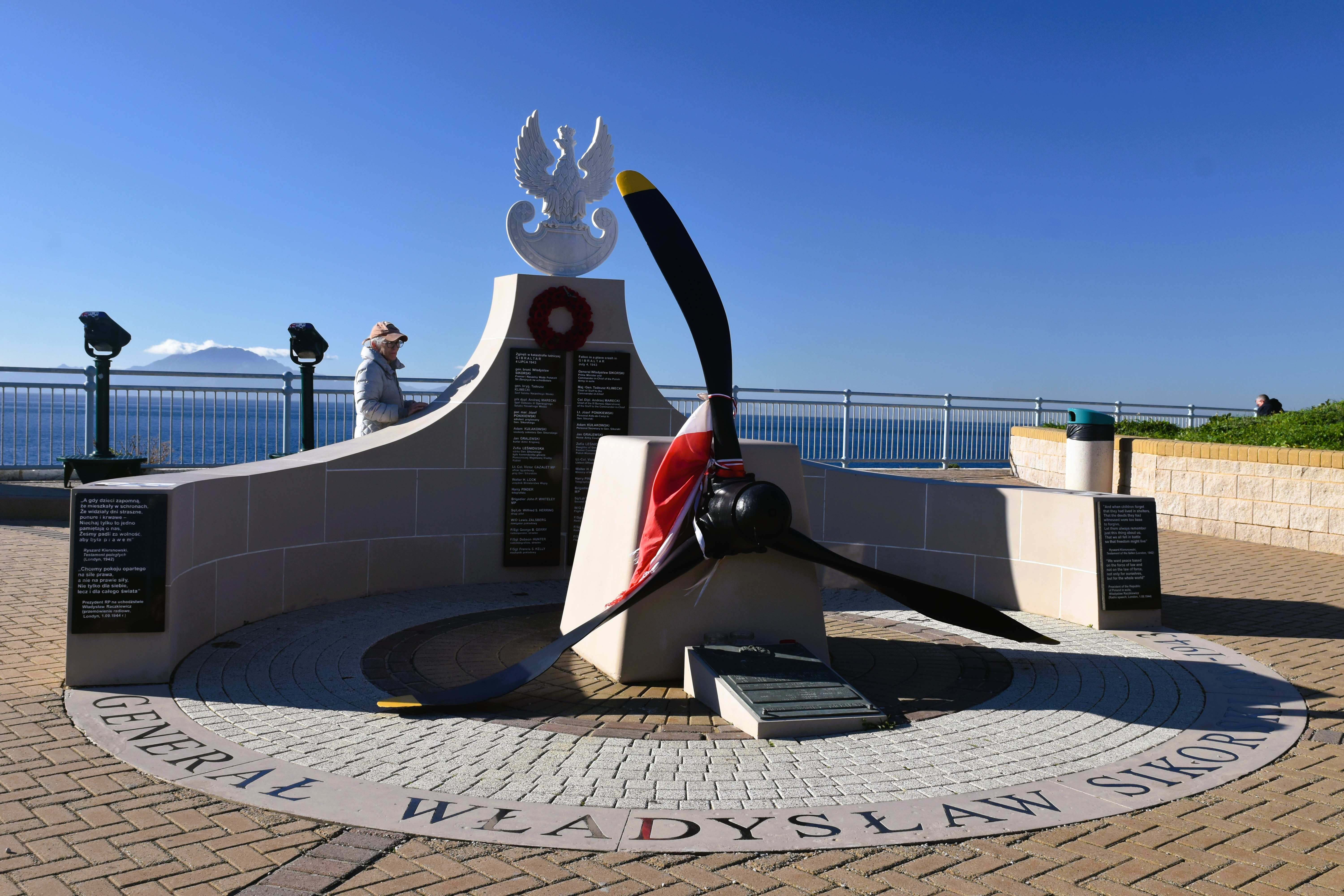
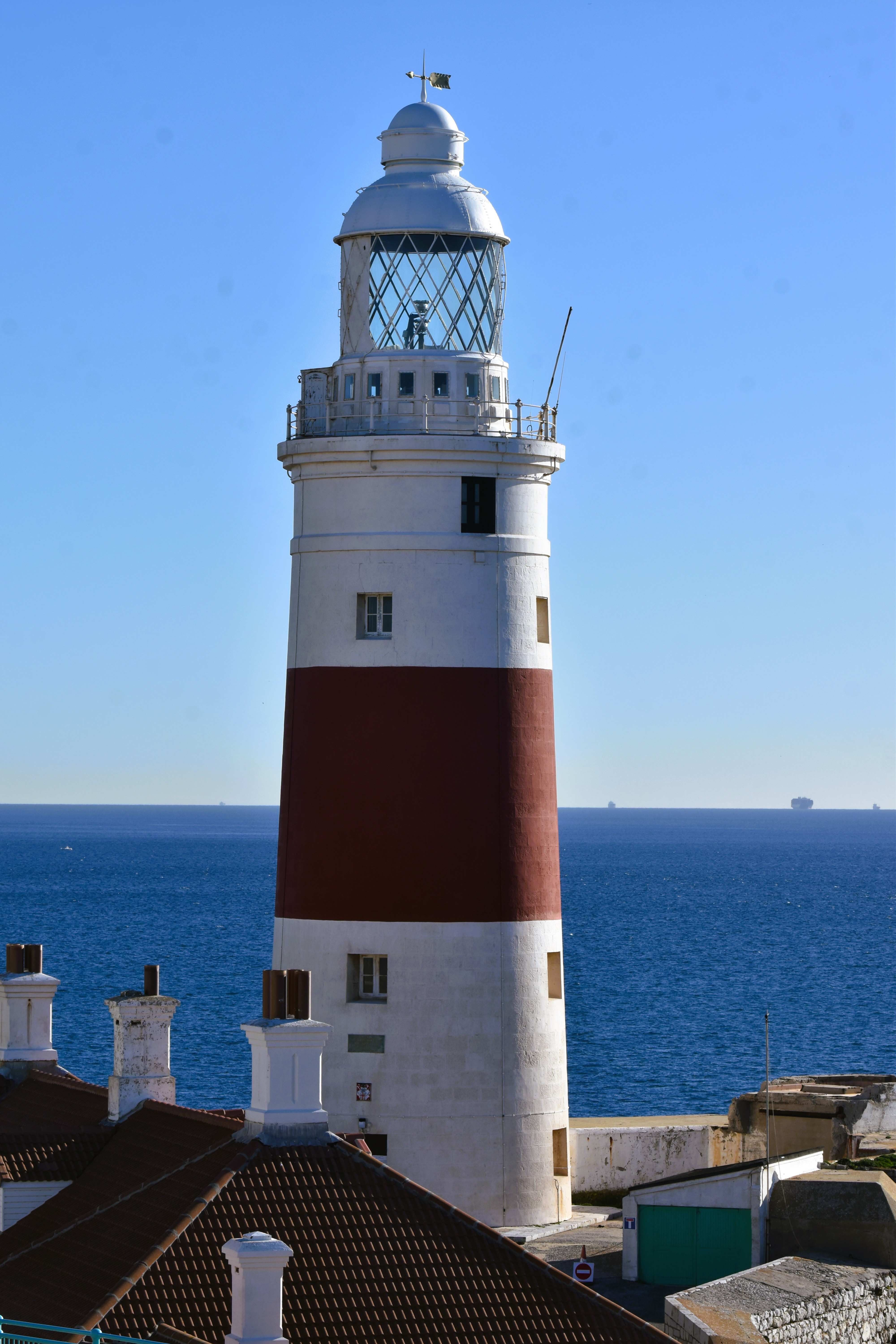
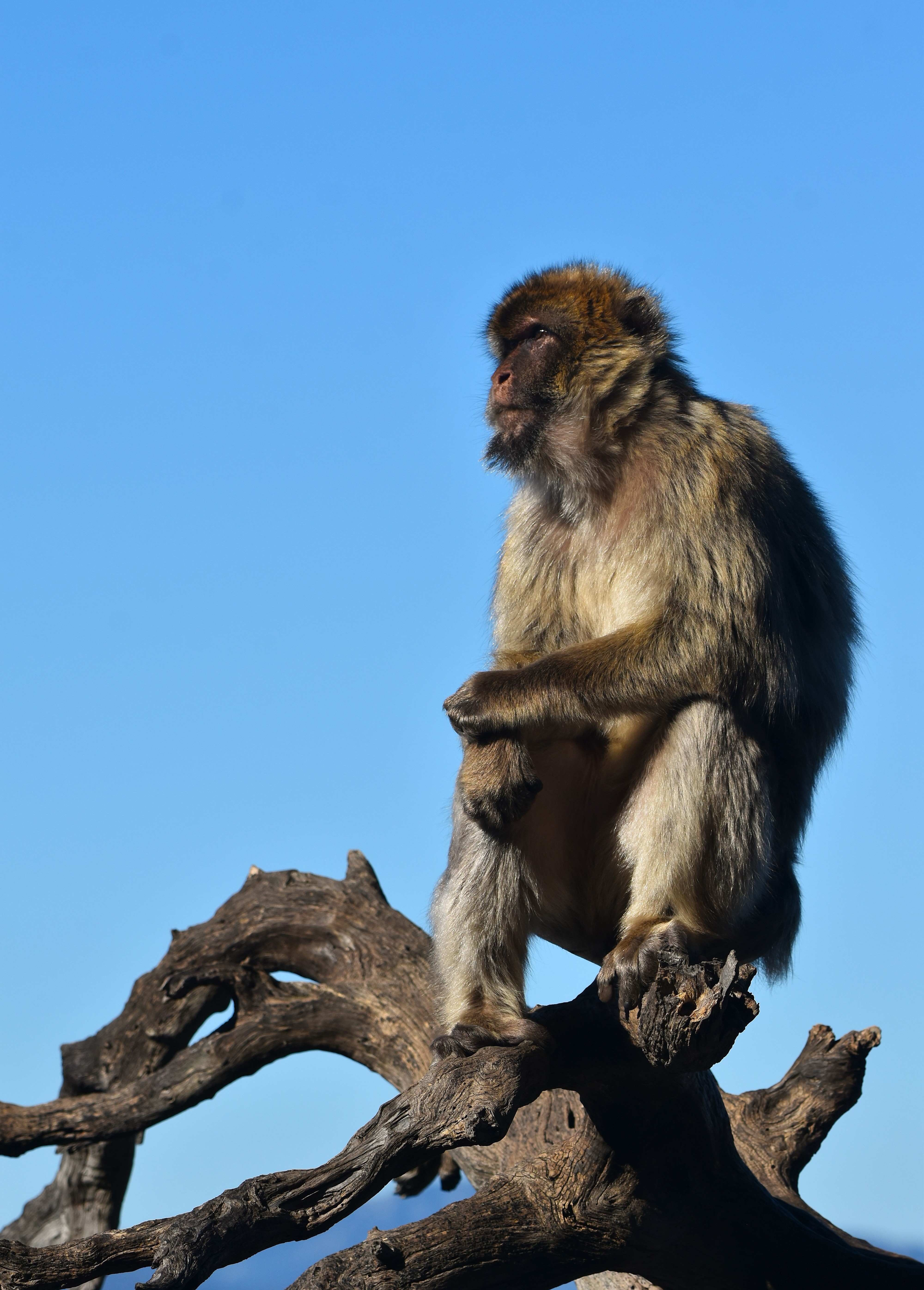
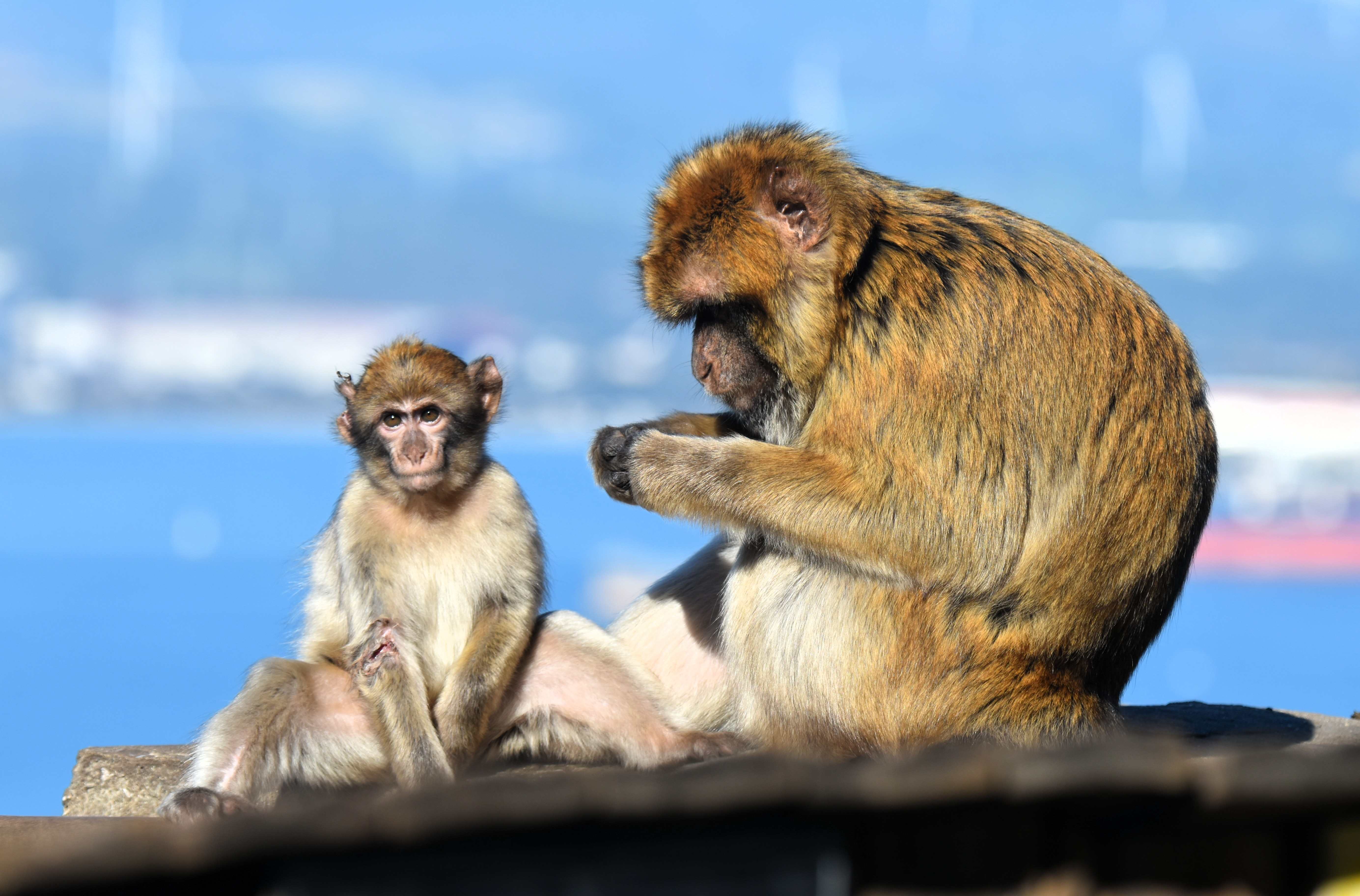
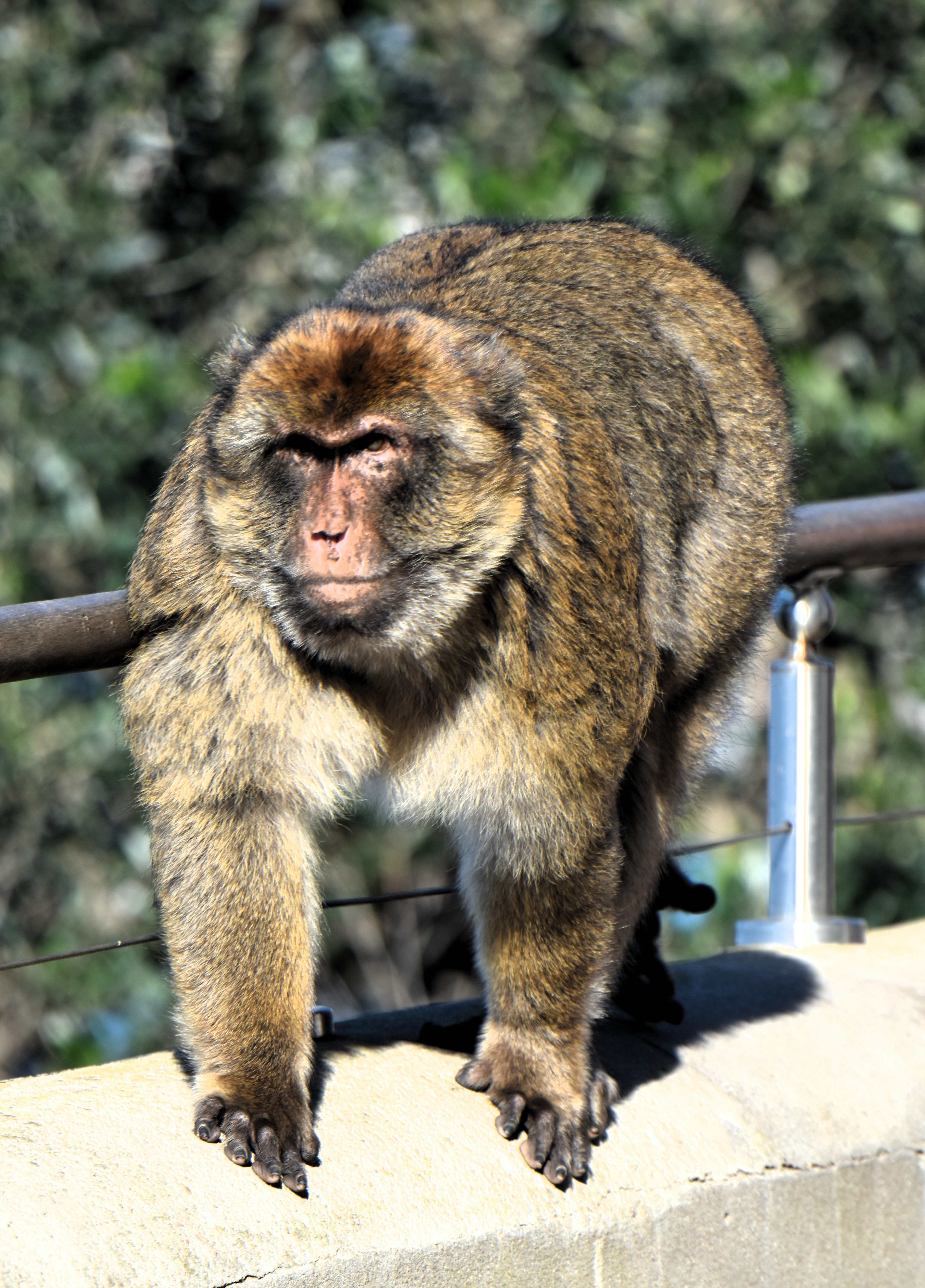
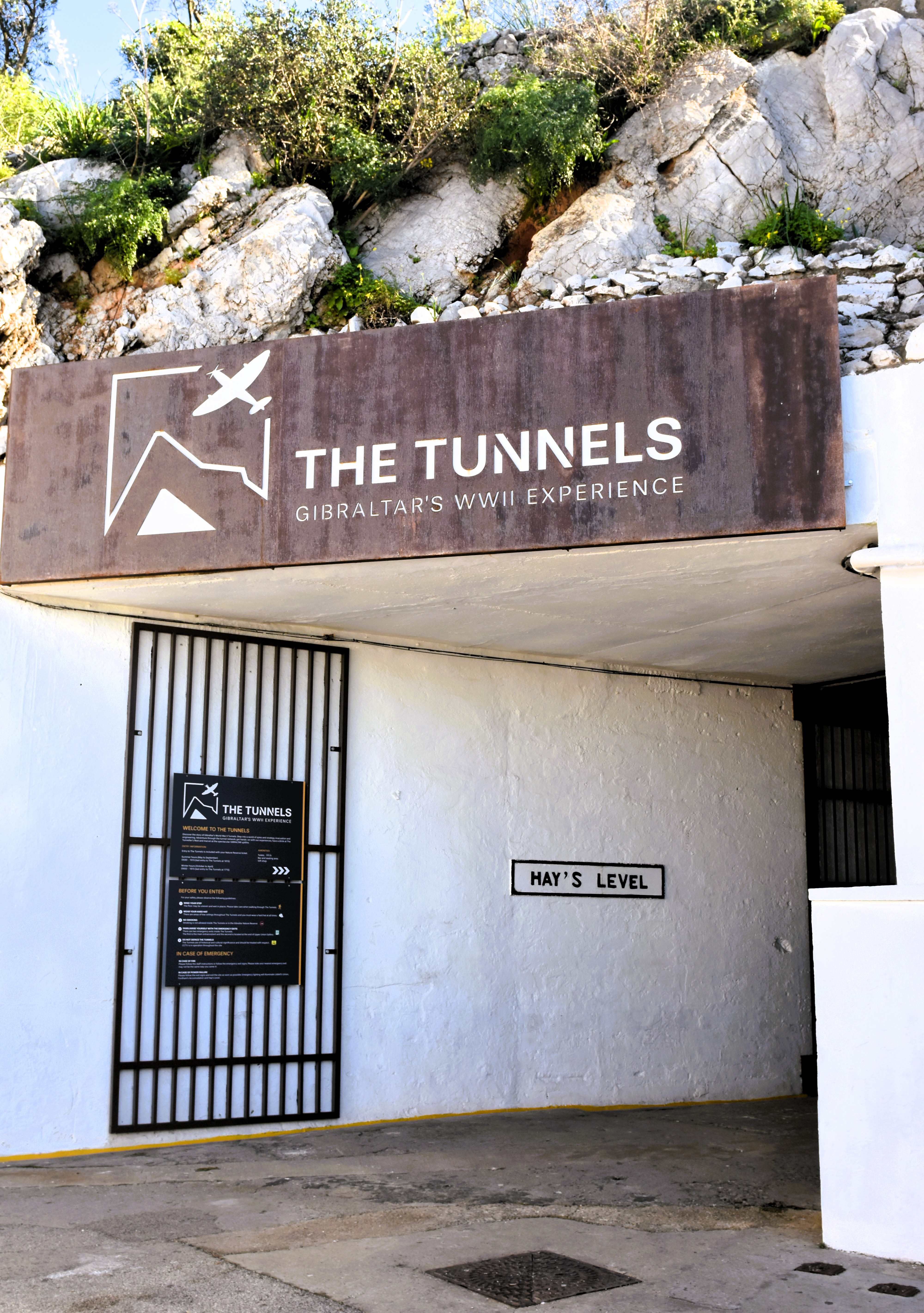
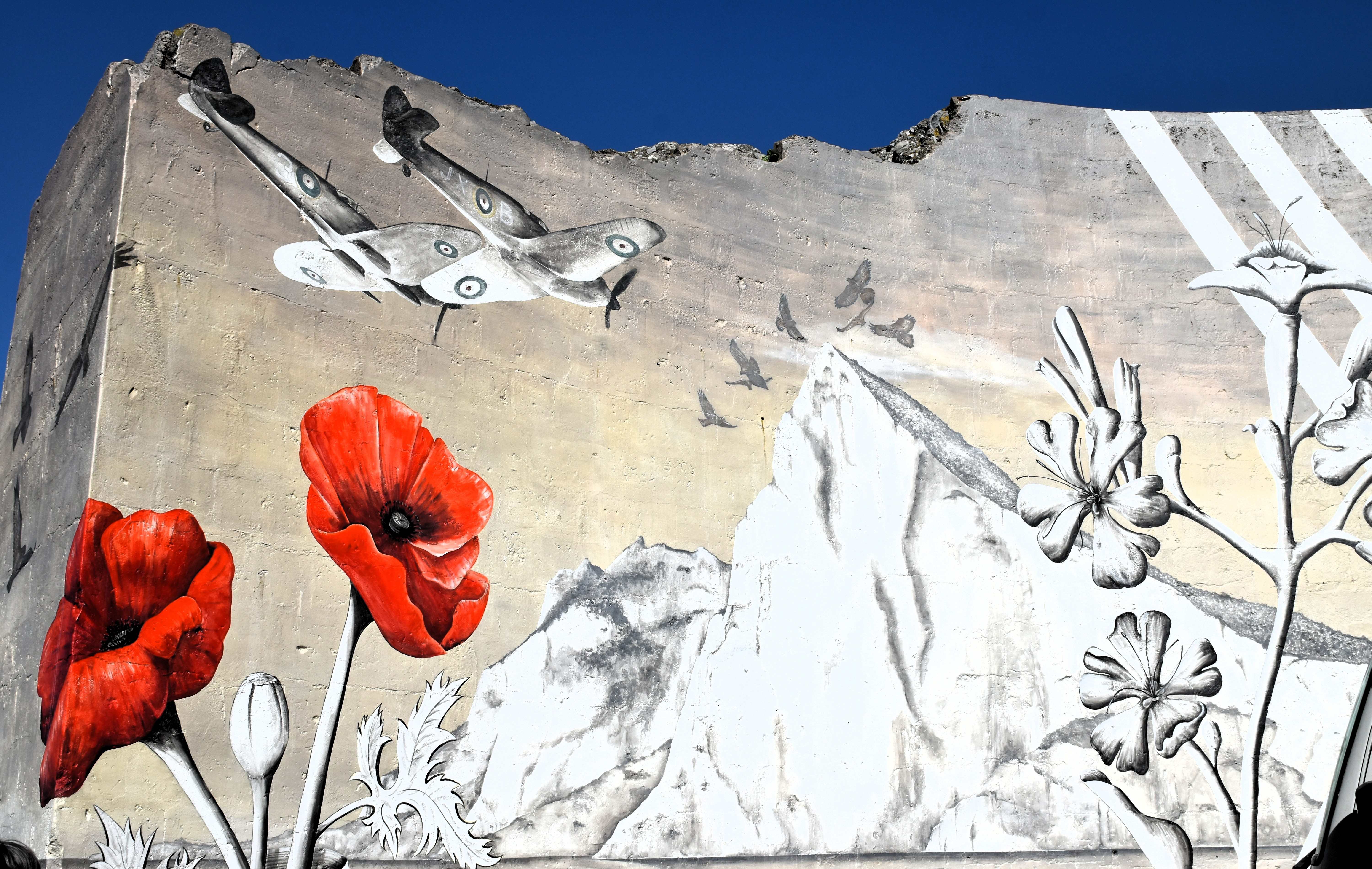
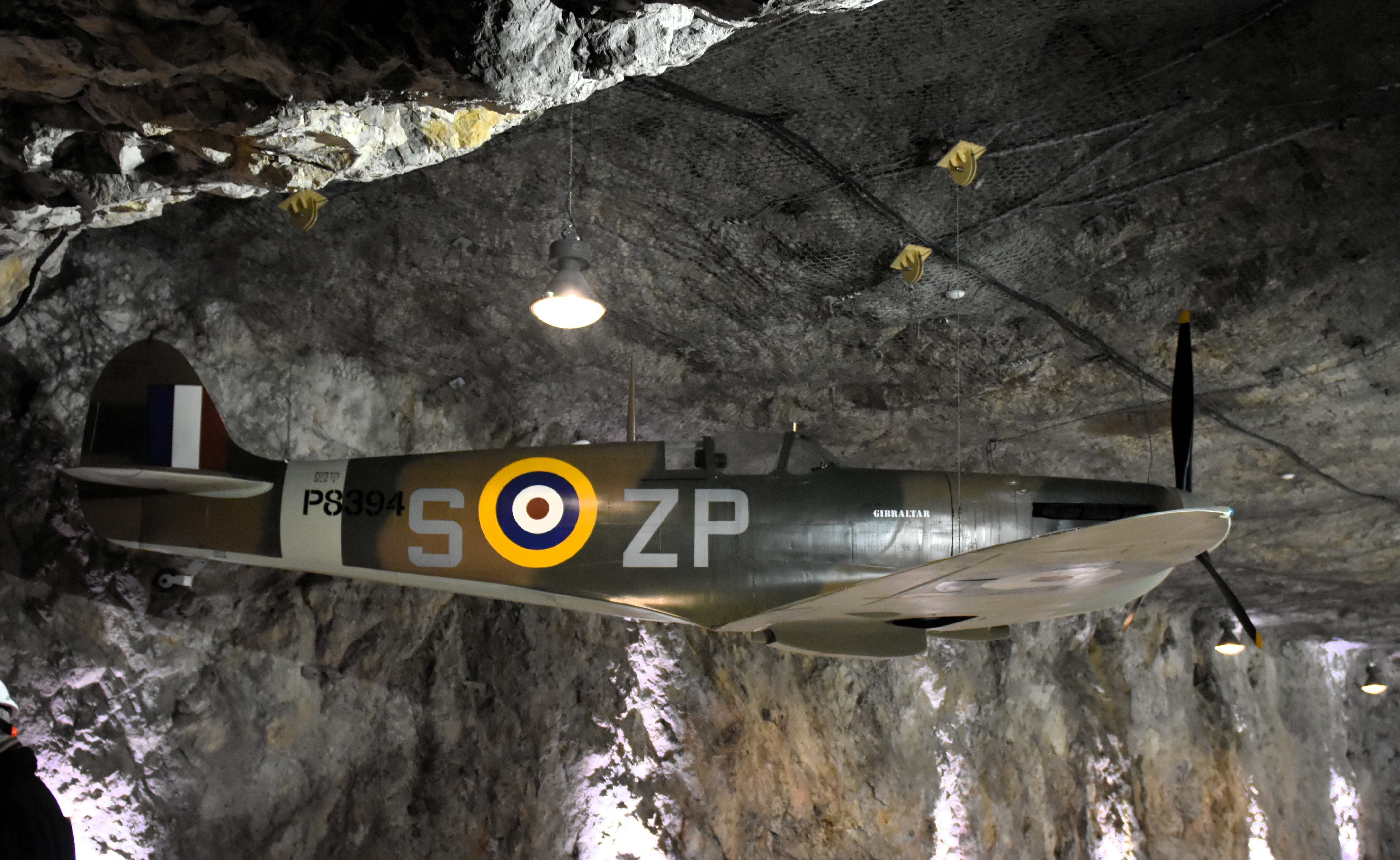
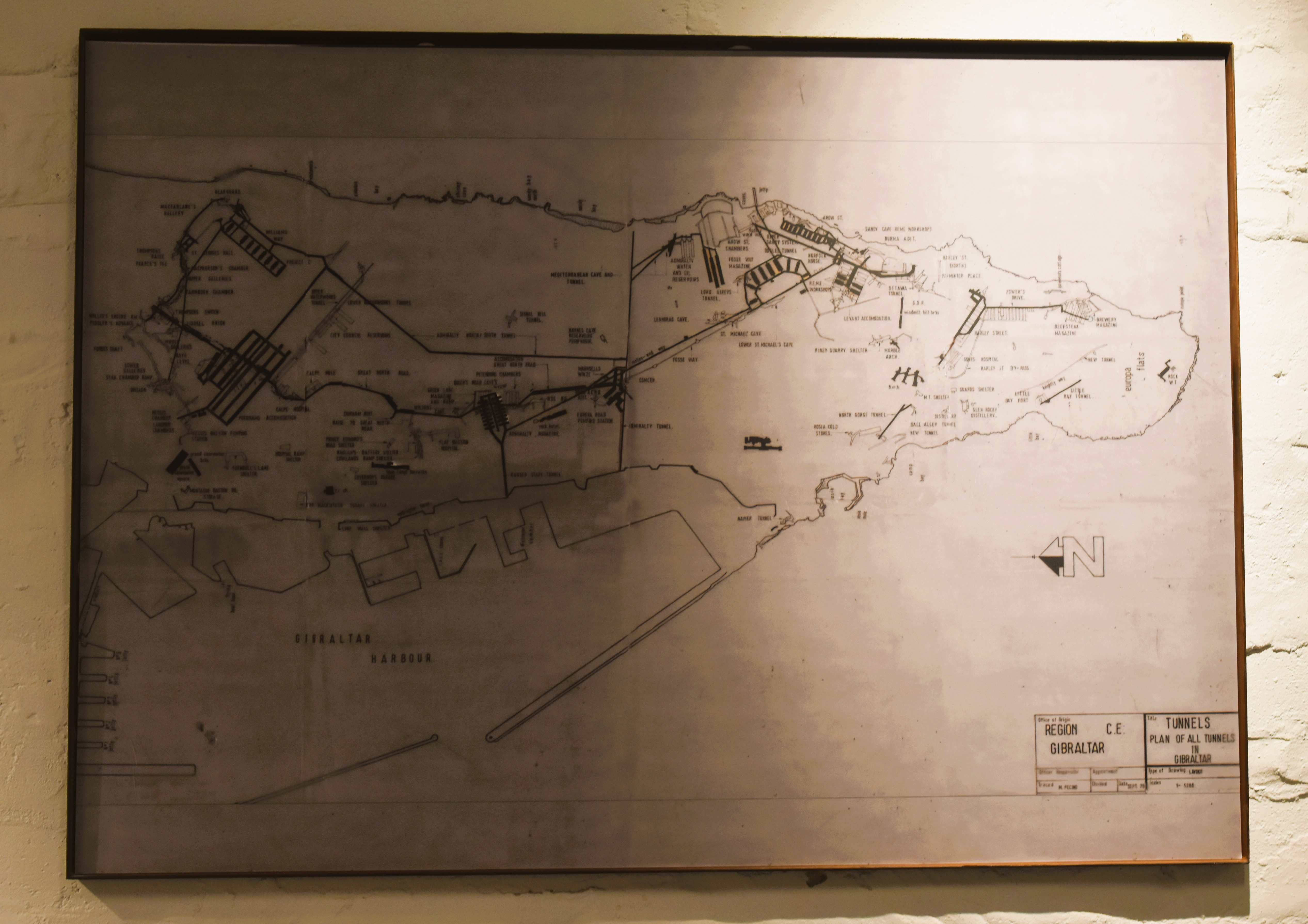
Our group boarded a minibus to the Punta de Europa (Southern most European Point). We then traveled up to the caves and tunnels of Gibraltar from where we were able to enjoy the stunning panoramic view of the British-style streets and, in clear weather, the Moroccan coastline. Later, we visited the underground World War II tunnels from where Operation Torch – the Allied invasion of North Africa was executed. The Rock is also home to the famous Barbary macaques, Europe’s only wild monkey population. Legend has it that as long as the monkeys remain on Gibraltar, the territory will stay under British control.

St. Michael’s Cave: A Subterranean Wonder
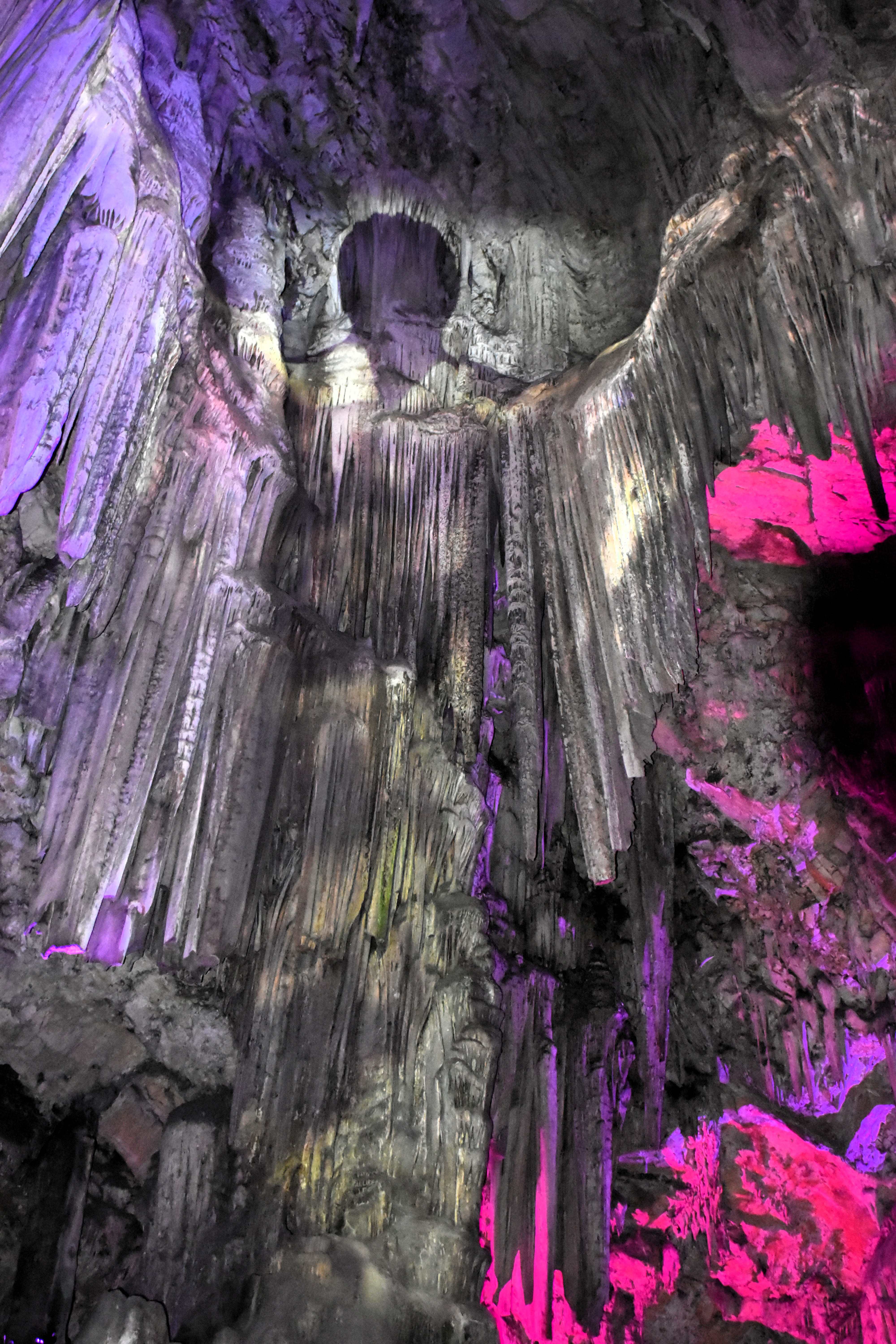
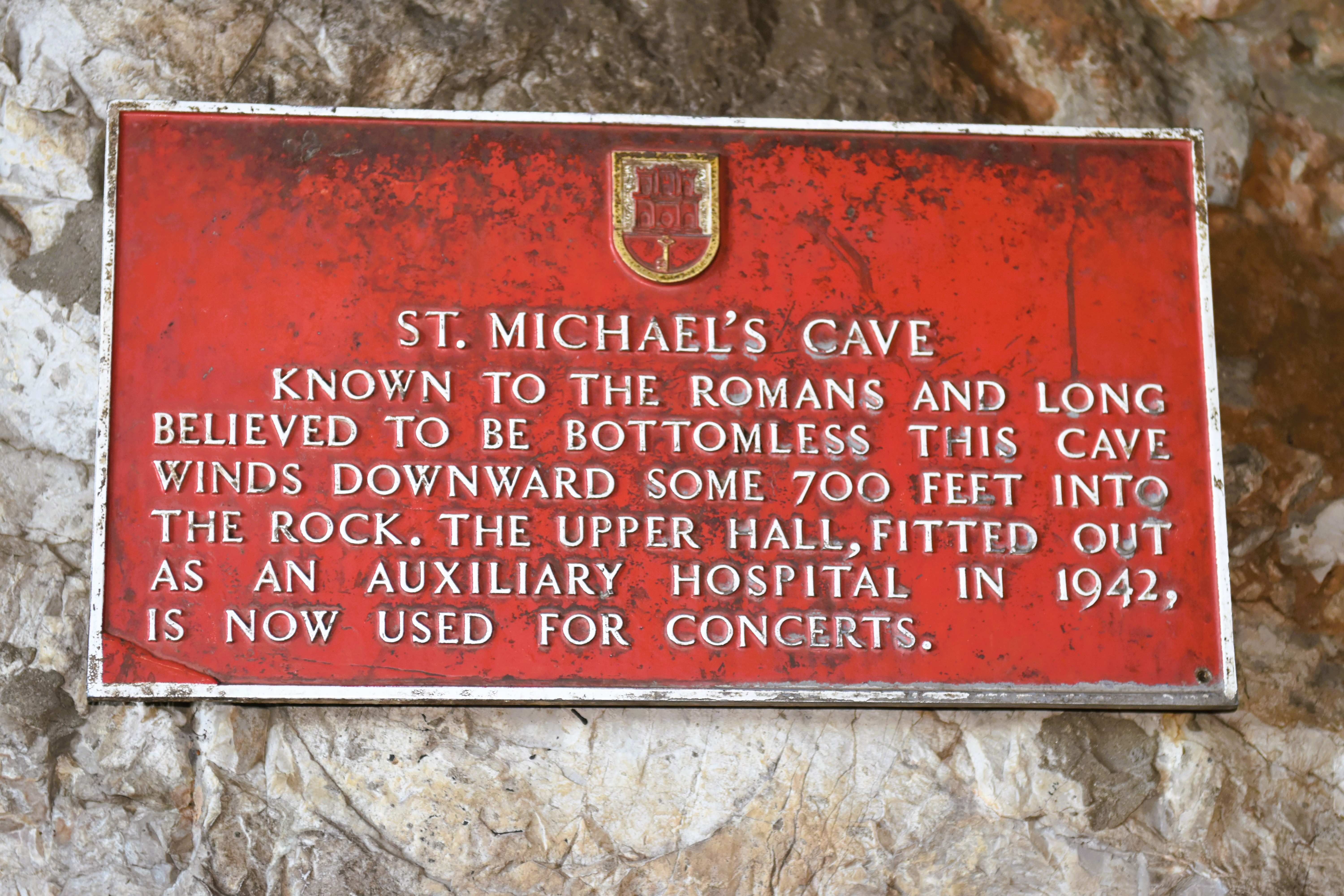
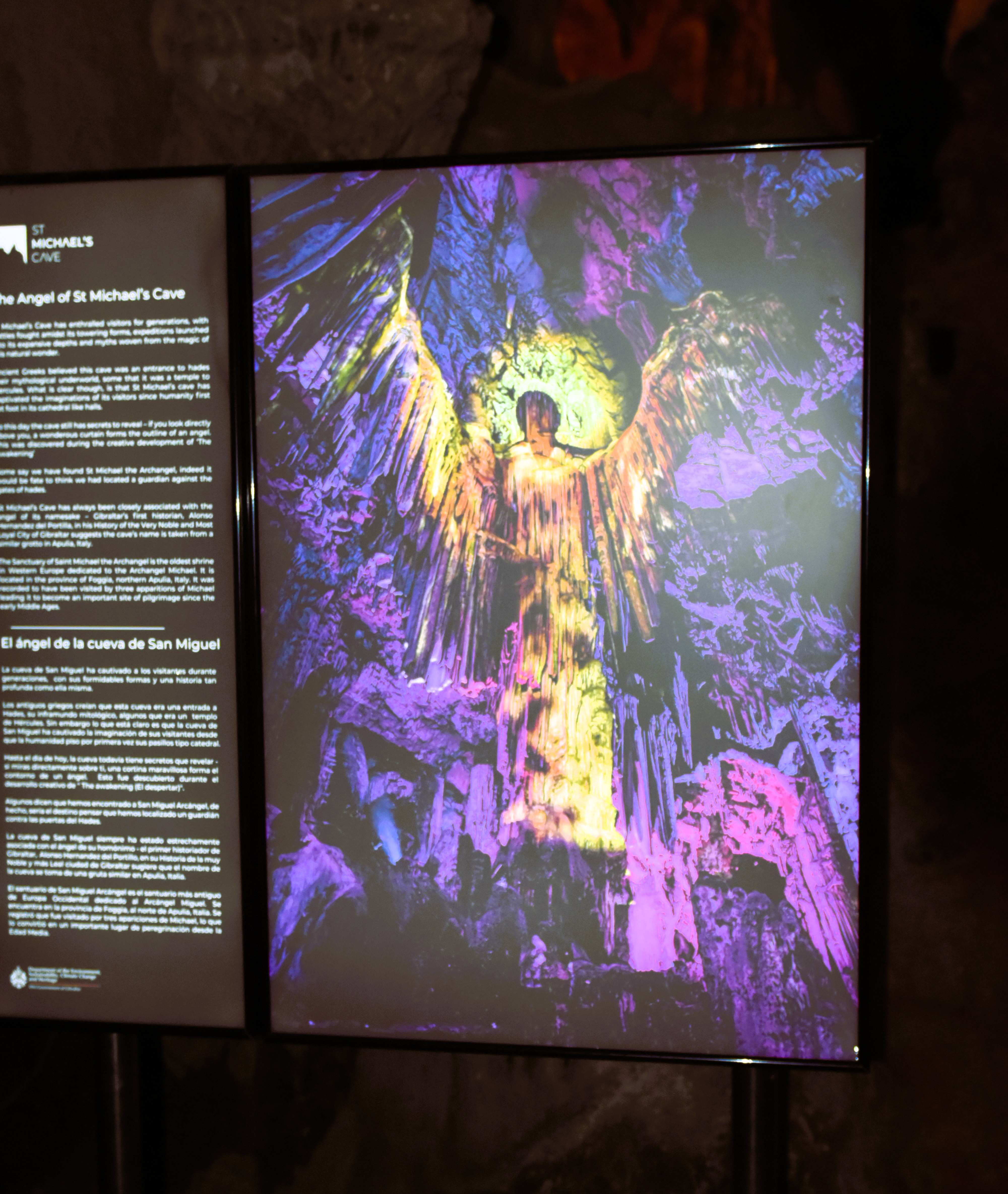
Deep inside the Rock lies St. Michael’s Cave, a stunning network of limestone caverns filled with stalactites and stalagmites. Used by the Romans and later prepared as a hospital during World War II (though never used for that purpose), the cave is now an atmospheric venue for concerts and performances.
The Great Siege Tunnels: A Testament to Gibraltar’s Strategic Role
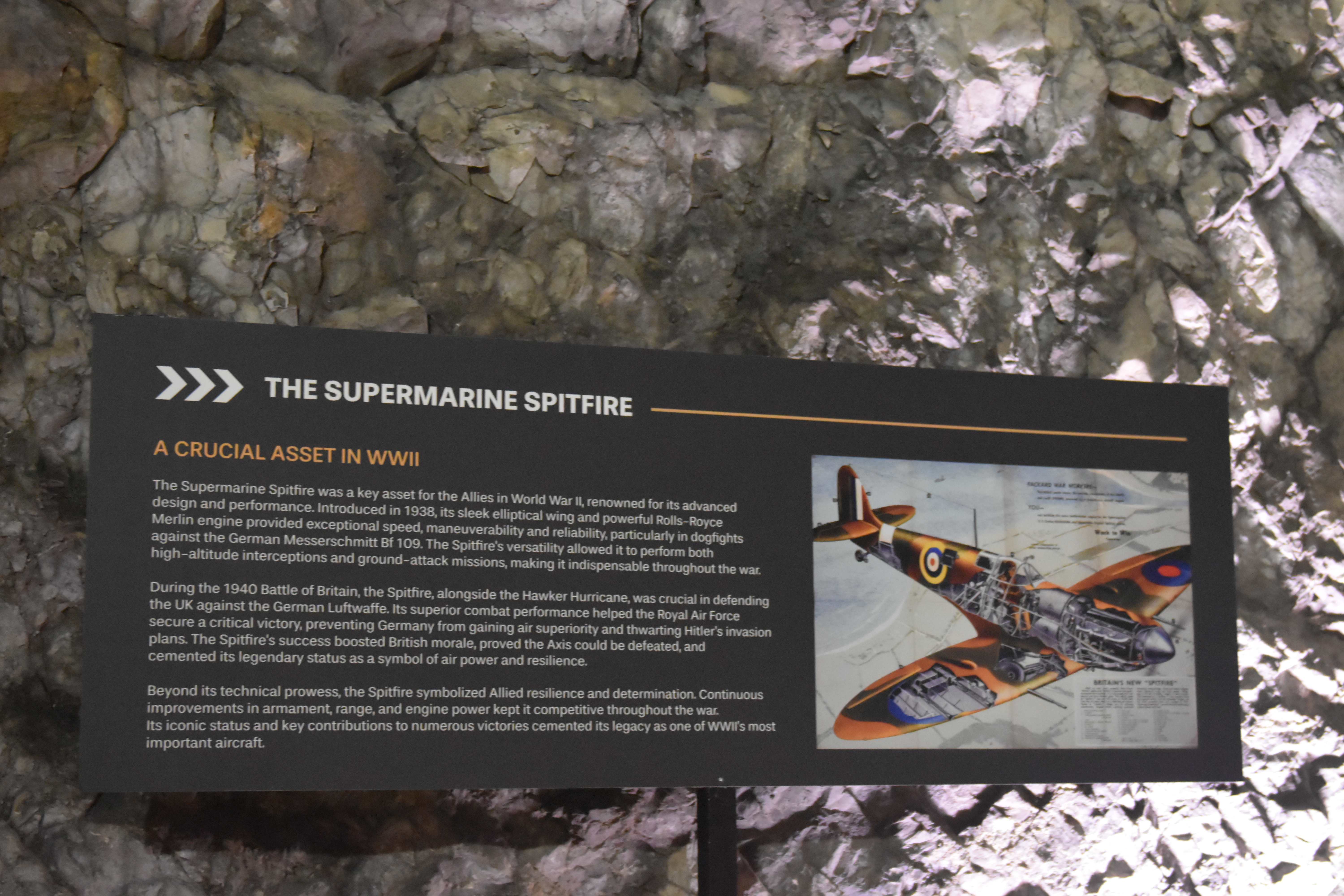
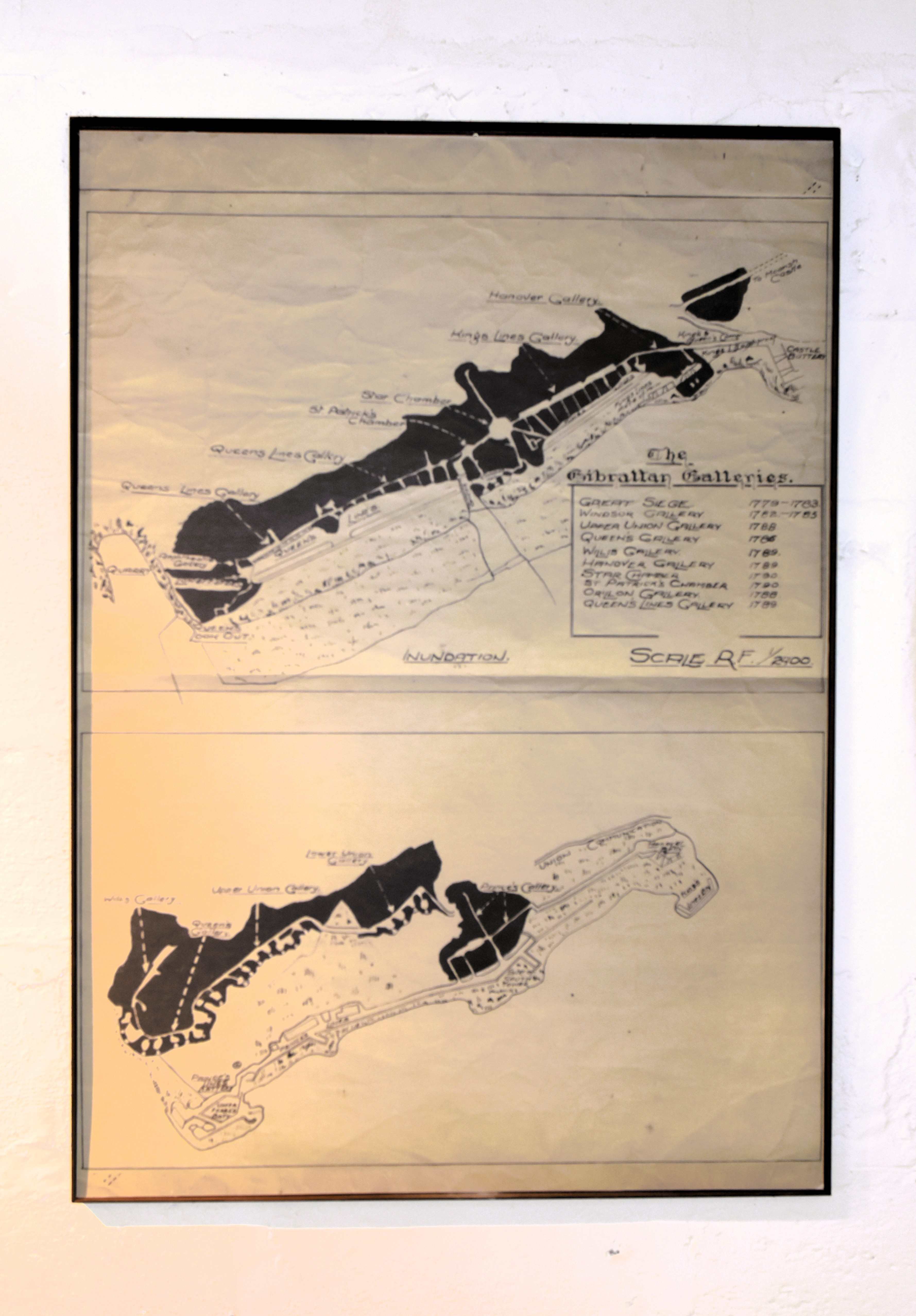
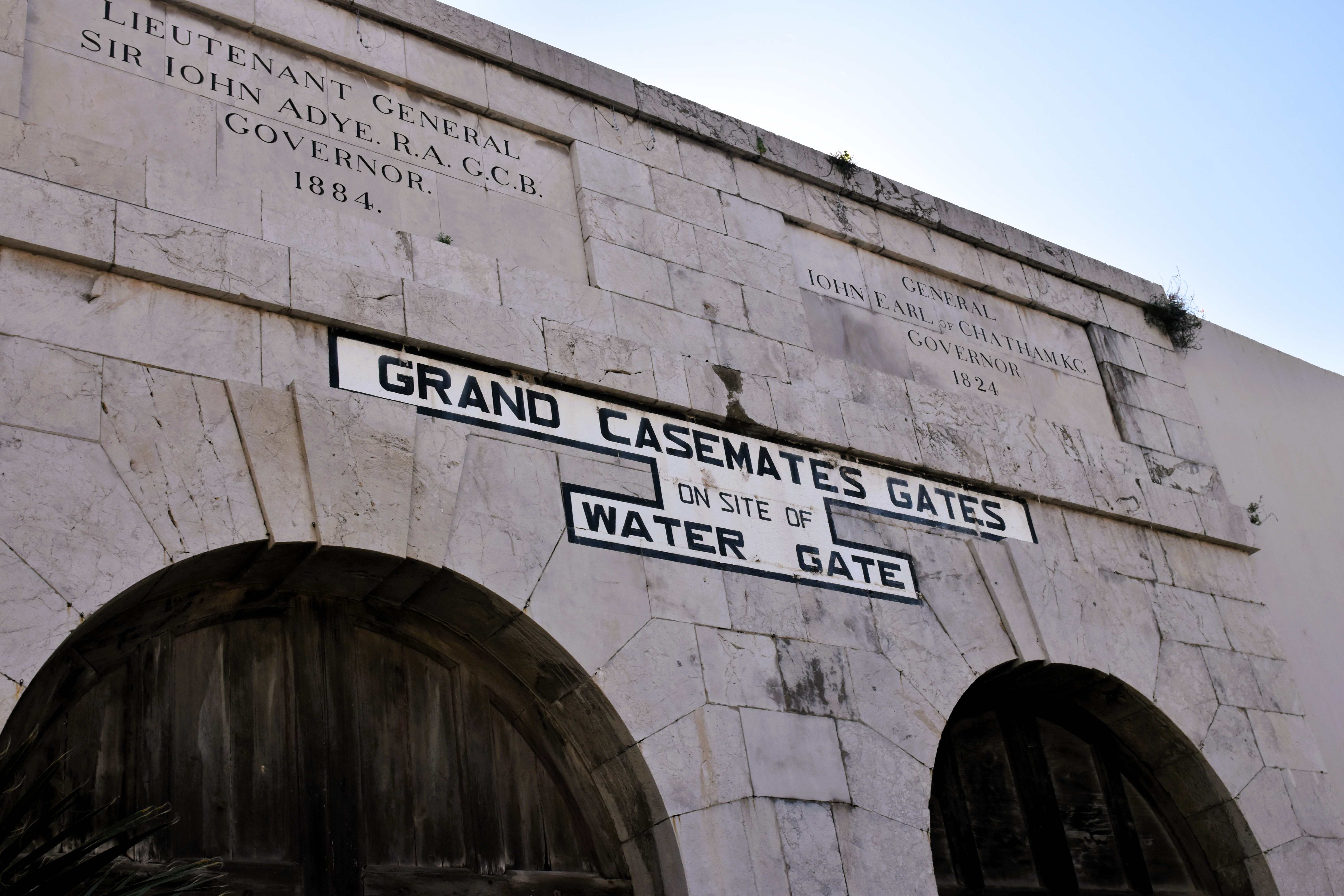
Gibraltar’s location has made it a battleground for empires throughout history. The Great Siege Tunnels, carved by the British during the 18th century, are a testament to the territory’s resilience. These tunnels, along with World War II tunnels, offer a glimpse into Gibraltar’s military past and the struggles to defend it.
A Blend of Cultures and Cuisines
Gibraltar’s culture is a fusion of British, Spanish, and Mediterranean influences, which is reflected in its food. Visitors can enjoy:
- Fish and chips – A nod to Gibraltar’s British ties.
- Calentita – A chickpea-based dish similar to Spanish socca or Italian farinata.
- Rosto – A pasta dish influenced by Gibraltar’s Genoese heritage.
Walking through Main Street, you’ll find a mix of British pubs, Spanish tapas bars, and Moorish architectural touches—a perfect representation of Gibraltar’s unique identity.
The Beatles’ legend John Lennon married artist Yoko Ono in a quick, private ceremony on March 20, 1969, at the British Consulate in Gibraltar. Their wedding inspired the song The Ballad of John and Yoko.
Though small in size, Gibraltar packs a powerful historical and cultural punch, making it a must-visit stop on this journey through Southern Spain.
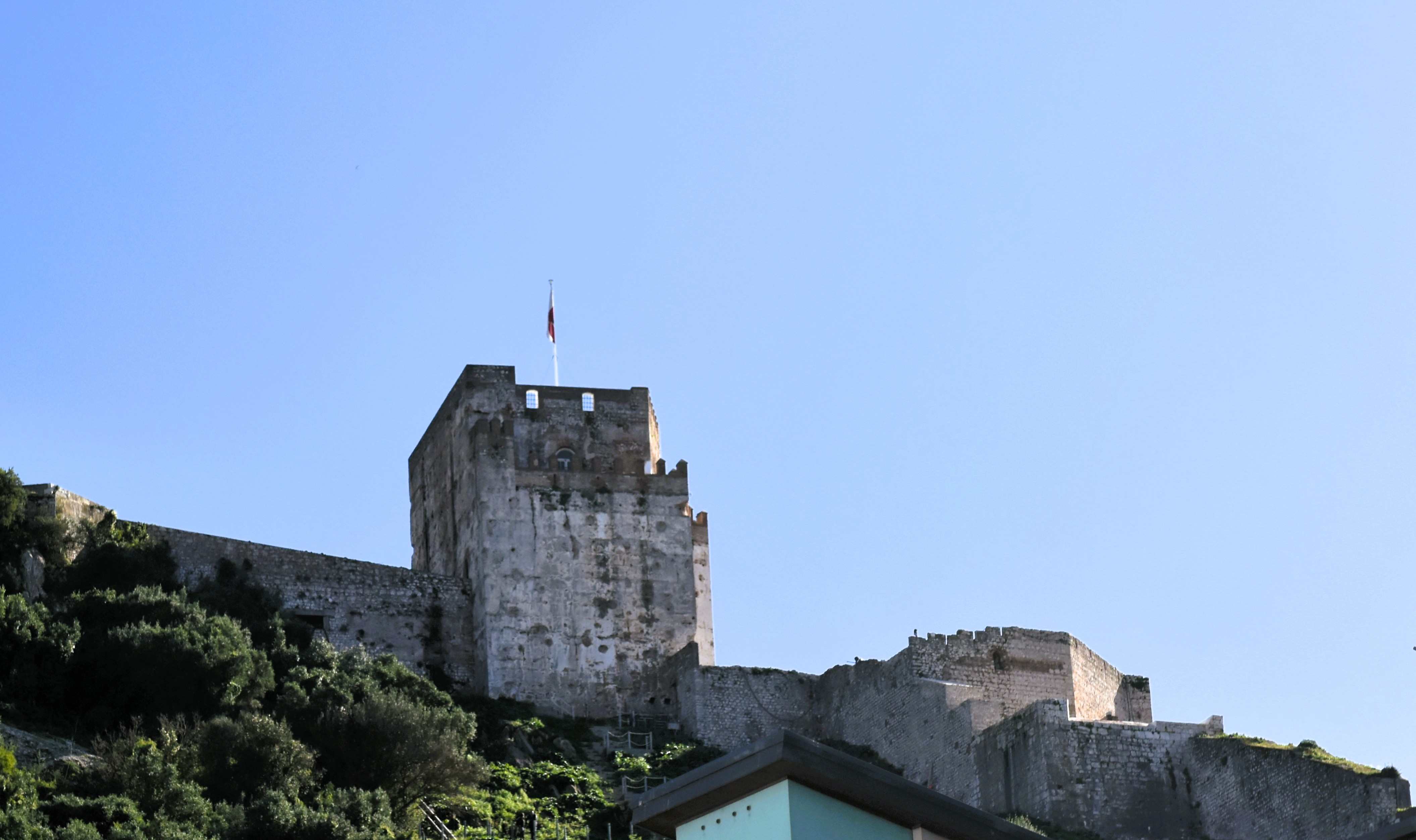
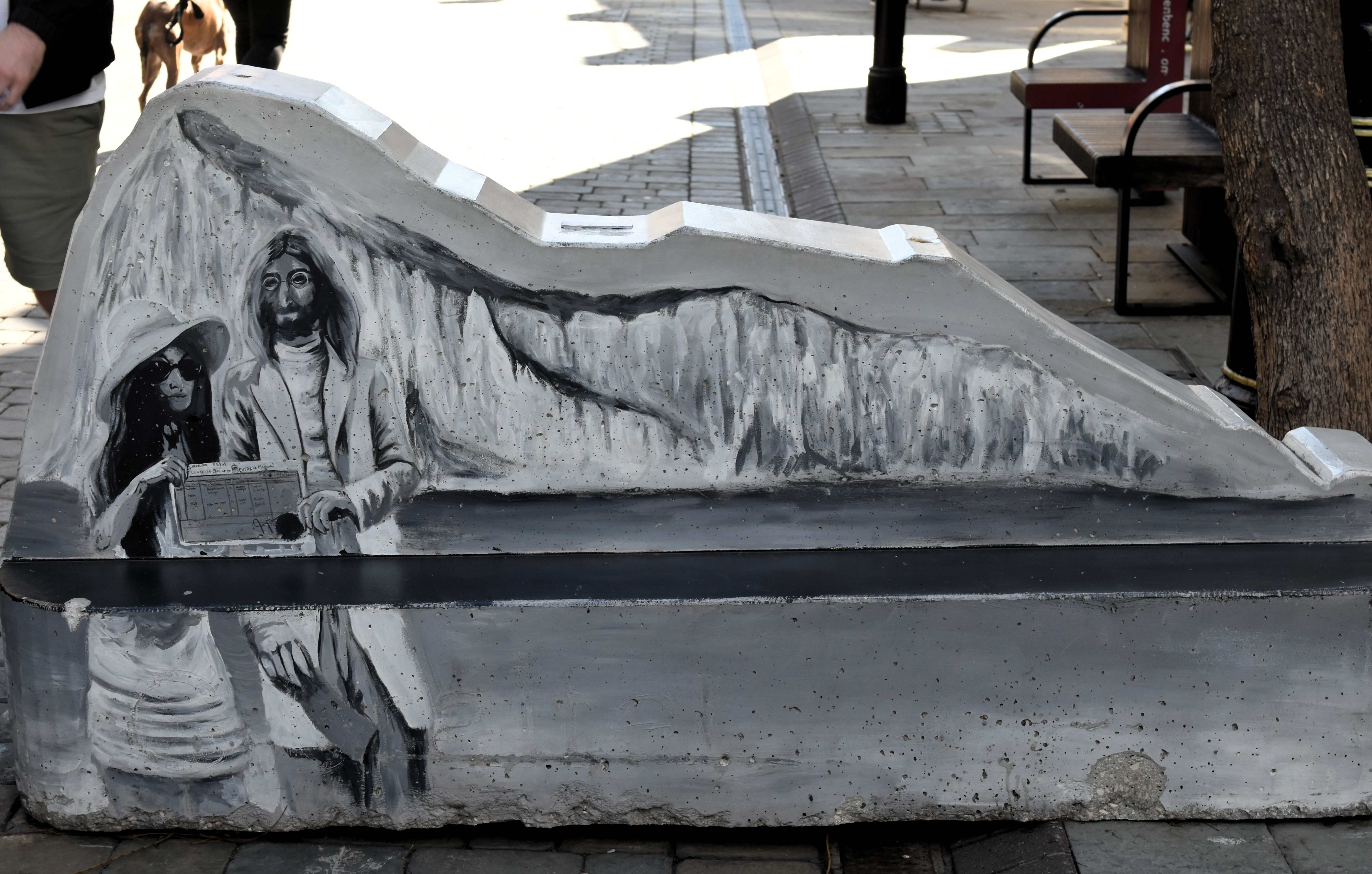
After an enjoyable farewell dinner, we retired to our room and enjoyed the view from the balcony one last time before leaving Estepona. Clare and I went to Malaga and Seville for a few days after leaving the group.

 Marc's Travels