You know that feeling when you land in a new city—bags in hand, no clue where the taxi stand is, and just enough excitement to cancel out the jet lag? That was us, stepping into Seattle on a grey-skied afternoon, ready for five days of exploring, eating, learning, and getting mildly lost. Fortunately for us, everyday after that first afternoon turned out to be sunny and pleasant with so many plants in bloom.
Seattle’s the kind of place you think you know. Rain, coffee, tech, and the fish-tossing guys at Pike Place Market. But spend a few days walking its hills, talking to locals, and ducking into coffee shops and underground tours, and you realize there’s way more under the surface—literally and figuratively.
I’m not here to give you a top-ten list. This is our real trip—what we saw, what surprised us, and what we’d do again (or skip). If you’re thinking about visiting, or just curious about what Seattle feels like up close, you’re in the right place.
Day 1: First Impressions, Italian Dinners, and Downtown Vibes
We landed in Seattle in the early afternoon and, like most visitors, quickly found ourselves figuring out how to get into the city. After a bit of searching, we found the taxi area. Our driver—warm, fast-driving, and most likely from the Indian subcontinent—whisked us into downtown. It was our first real glimpse of the city: hills, cranes, a lot of grey, and a fair bit of character.
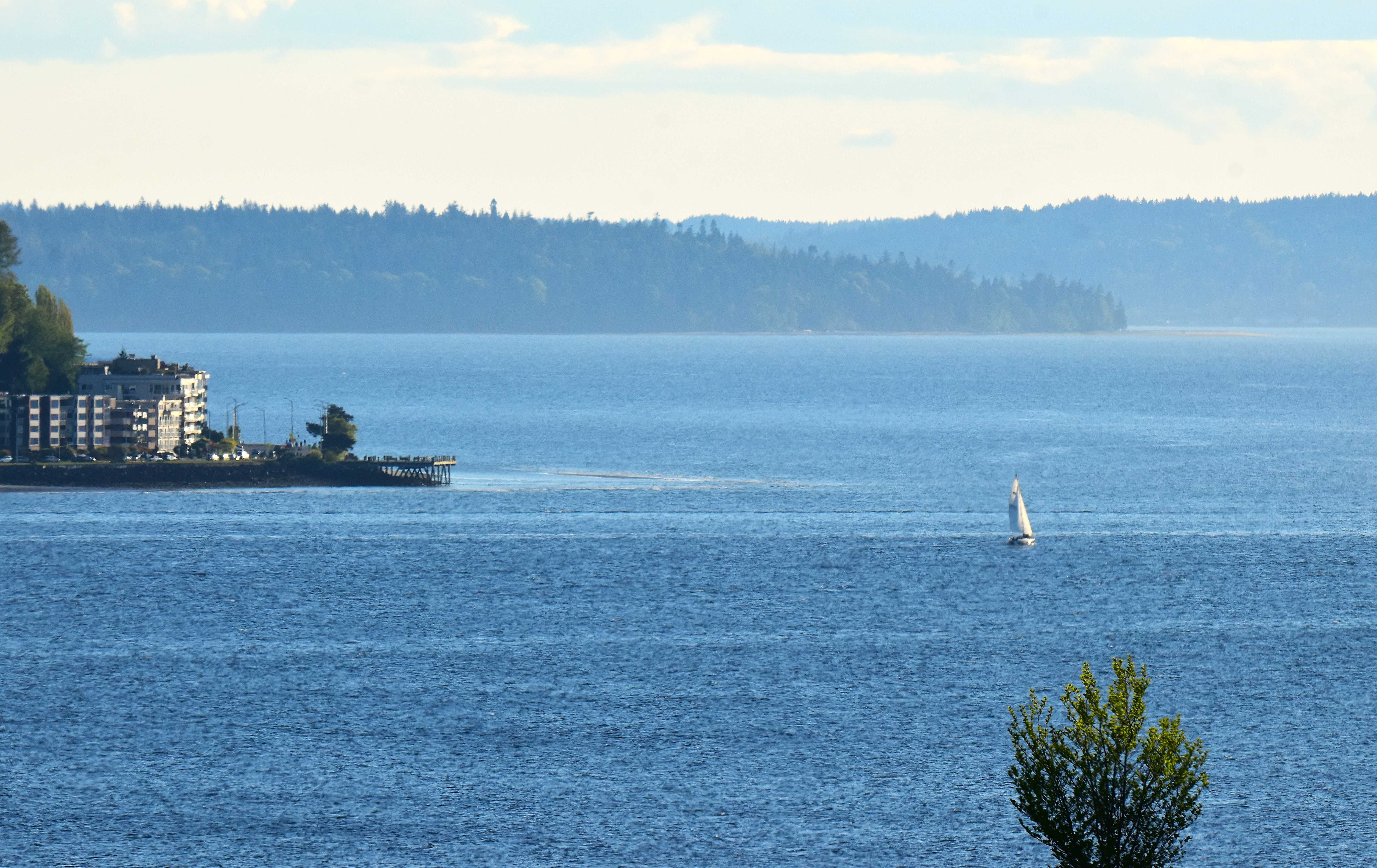
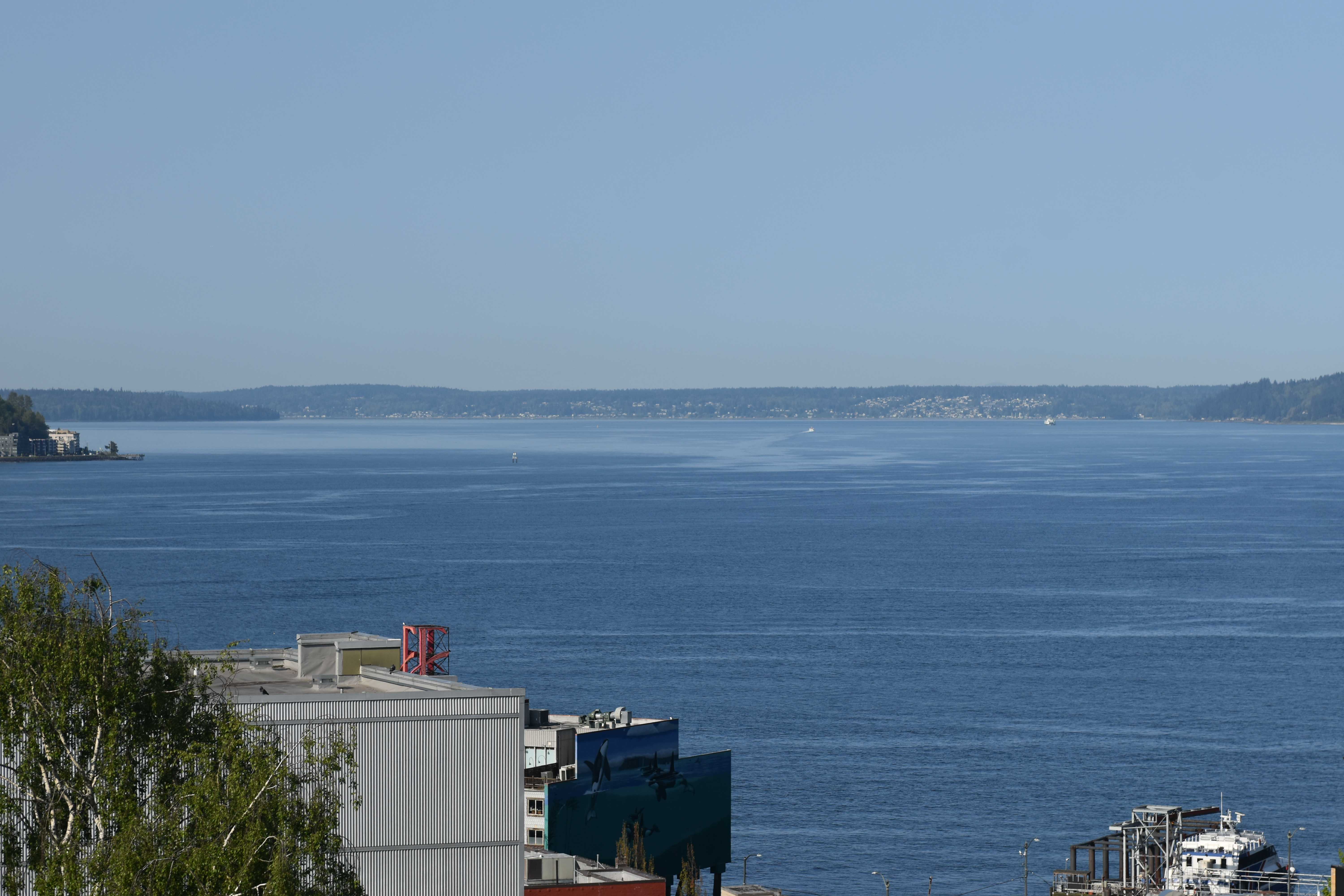
Our Airbnb was on 1st Avenue, in a slightly rougher patch of the downtown area. The condo had a nice view of Puget Sound from its balcony. But if you’ve lived in city centers before—especially abroad—it felt familiar, if a rough around the edges. We dropped our bags and headed out for groceries. Whole Foods was about a 15-minute walk away, which gave us a nice first look at the neighborhood.


Dinner that night was an easy choice: an Italian restaurant called Limoncello, just a block from where we were staying. It ended up being one of those meals where everything hits—friendly staff, house-made food, and a surprisingly attentive owner who took the time to chat with us once he found out we were visiting from out of town.
Day 2: Coffee, Cobbled Streets & Seattle’s Fiery History
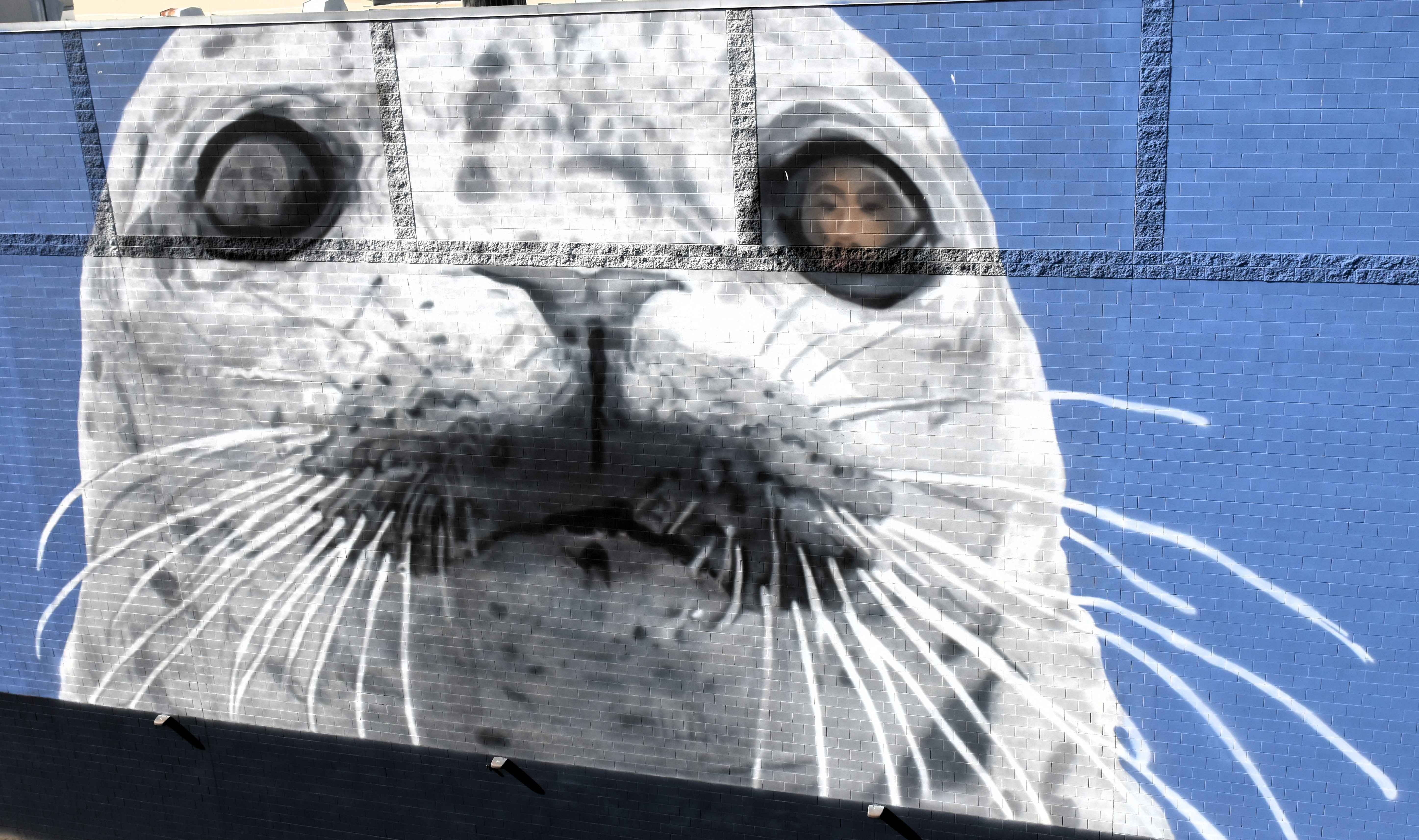
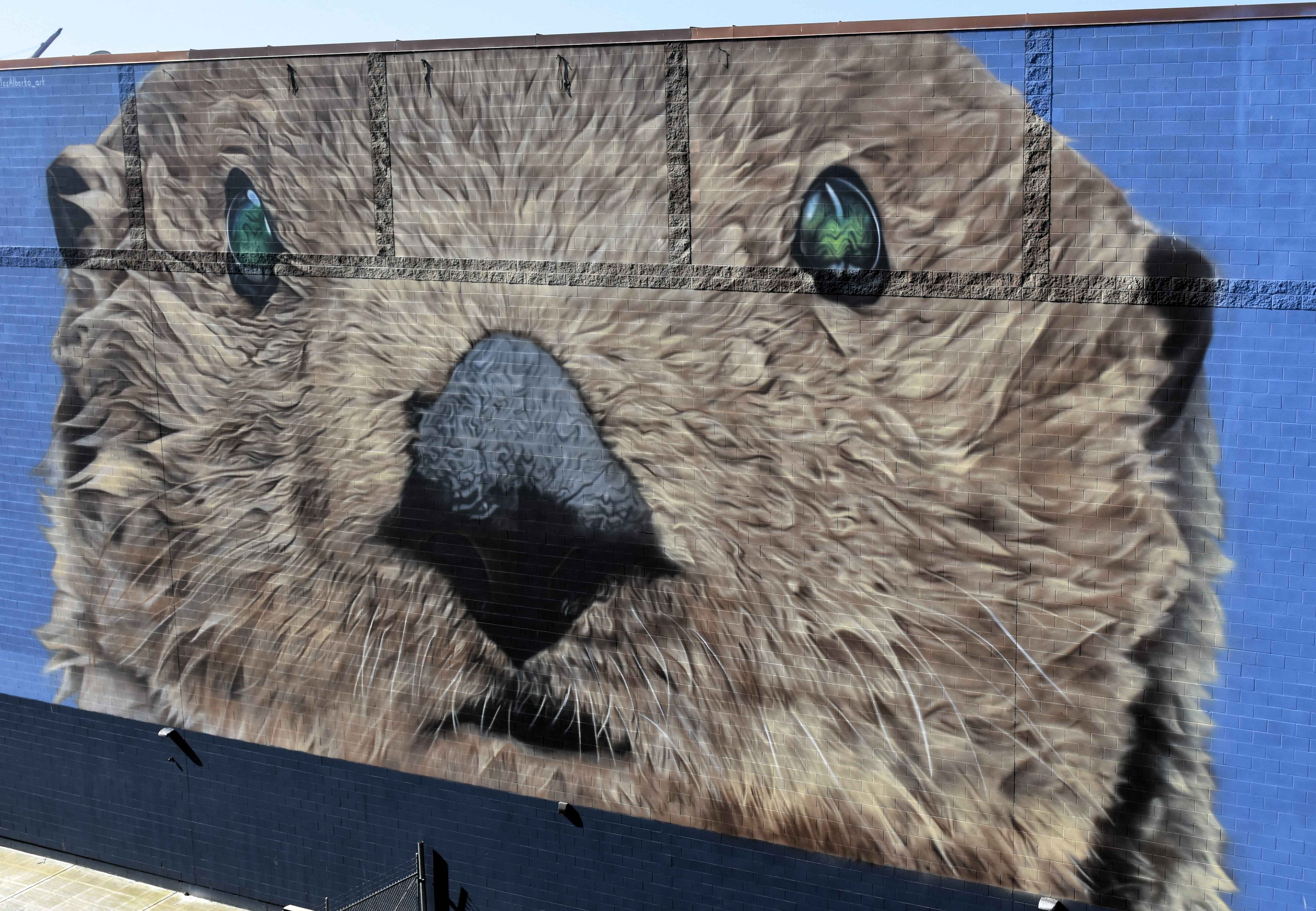
We kicked off the next morning with a walk to the Seattle Aquarium. It’s perched right on the water and made for a peaceful start to the day. Along the way, there were a number of murals painted on the sides of buildings.



The real highlight of the day was the Seattle Free Walking Tour we’d booked in advance. We met up at Anchorhead Coffee on Western Avenue, and from there, we met Joe—our guide, resident storyteller, and someone who seemed to know at least one person from every state in the US. We couldn’t help but stare at the window washers dangling from ropes above the coffee shop and the sculptures near by.


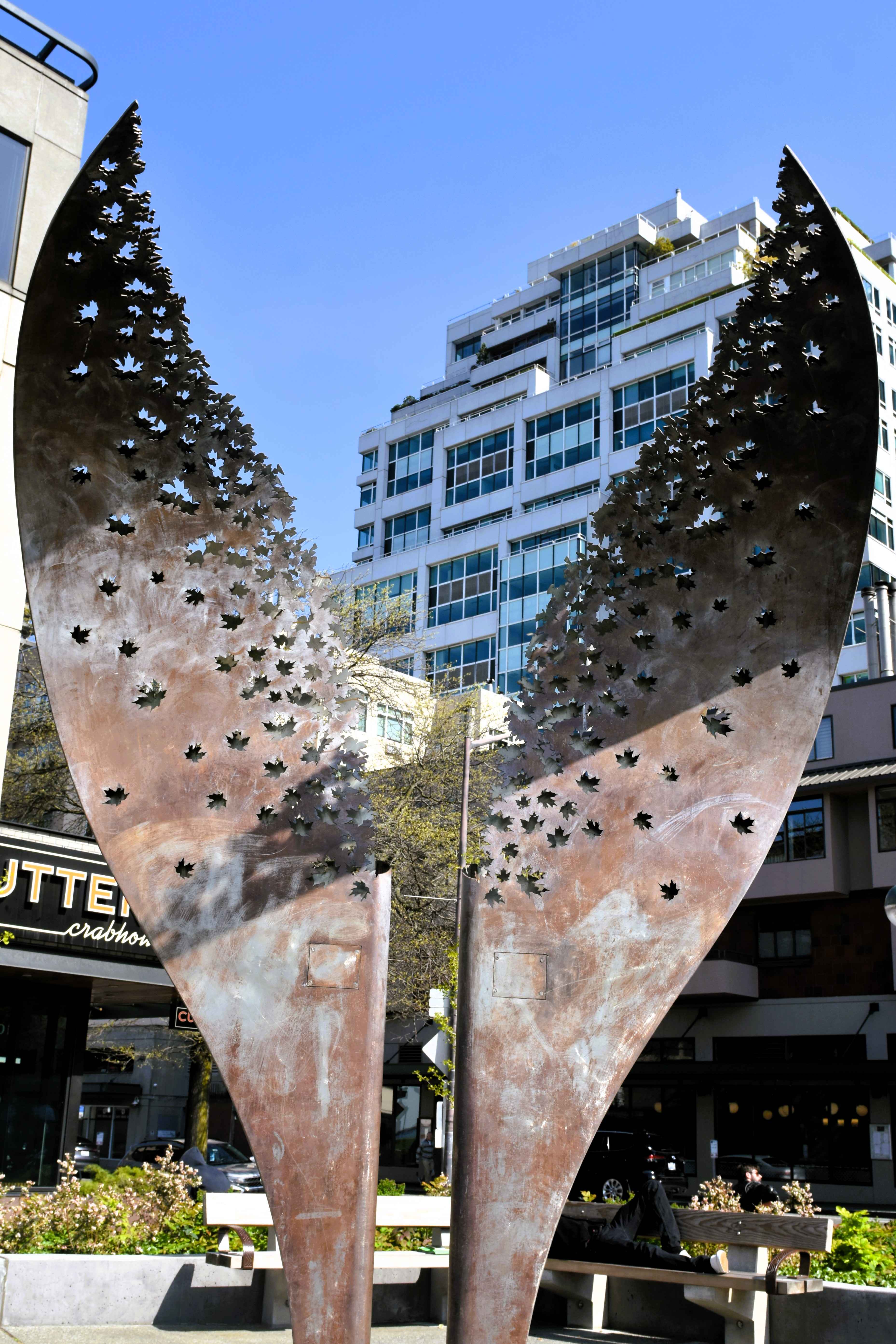
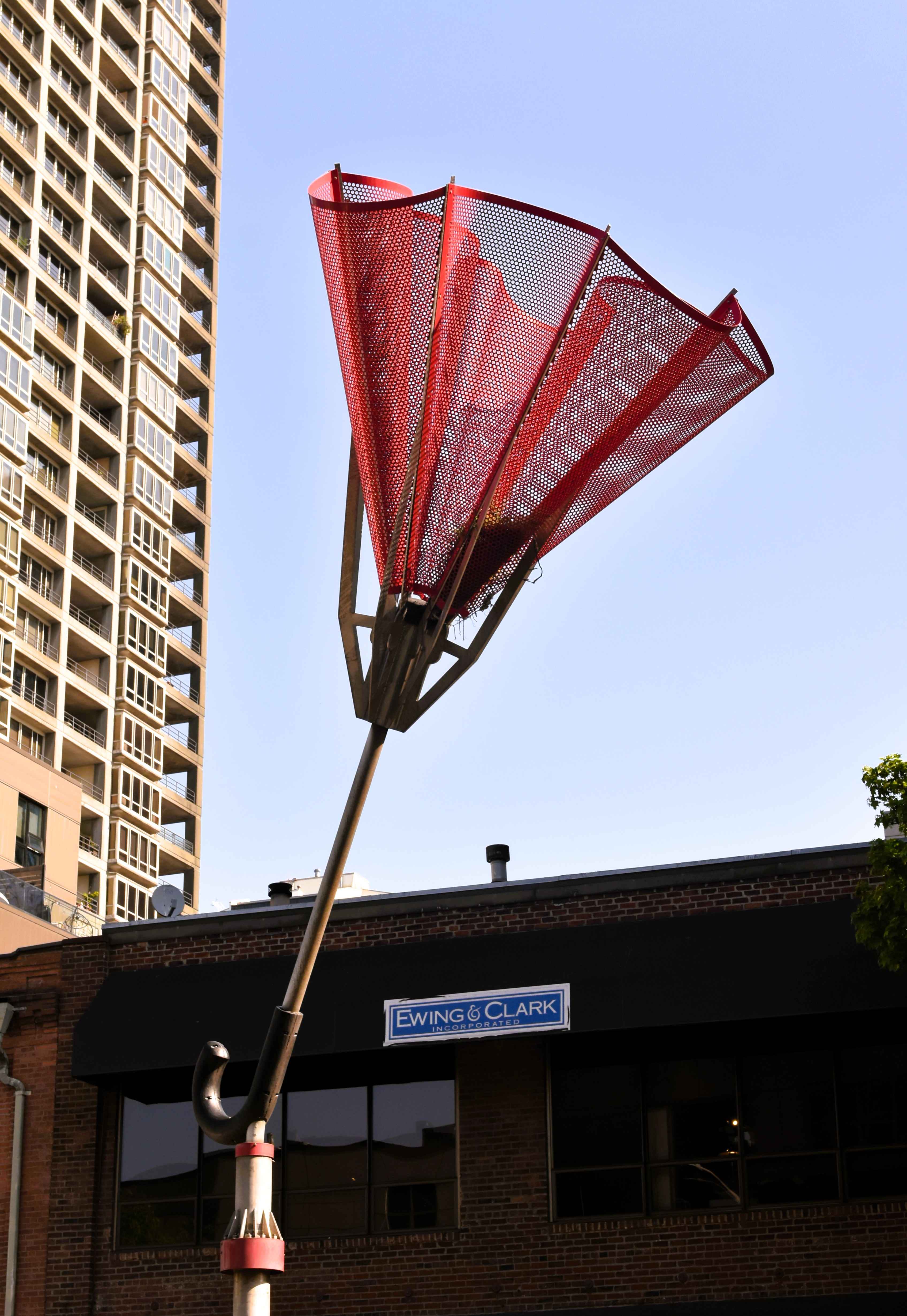

Joe was full of facts, but more importantly, he made history fun. He told us how Seattle began as a lumber hub after the Denny Party arrived in 1851. The city’s early days were basically built on stilts—literally. With soggy, flood-prone ground and endless timber, they raised the buildings off the ground with wooden supports and used hollowed-out logs for water pipes. The whole setup was, as you can guess, a fire hazard waiting to happen.
That fire came in 1889, and it tore through Seattle’s central business district in just a few hours. Started by an overturned glue pot in a woodworking shop, it destroyed nearly everything—but miraculously, no one died. When the city rebuilt, they did it smart: brick buildings, higher street levels, and fireproof materials. Joe pointed out how you can still see remnants of this change today—buildings with smaller doors on the “ground” floor, and much larger ones on what used to be the second.
At one point, Joe paused and said, “Seattle was originally built on seven hills.” I thought to myself, Rome was built on seven hills. But here’s where it gets wild: the city actually excavated two of those hills, moving massive amounts of earth to fill in and raise the street levels in places like Pioneer Square. So when you’re standing at street level today, you’re actually standing about 20 feet above where the original city once was—and in many buildings, those old “first” floors are now basements.
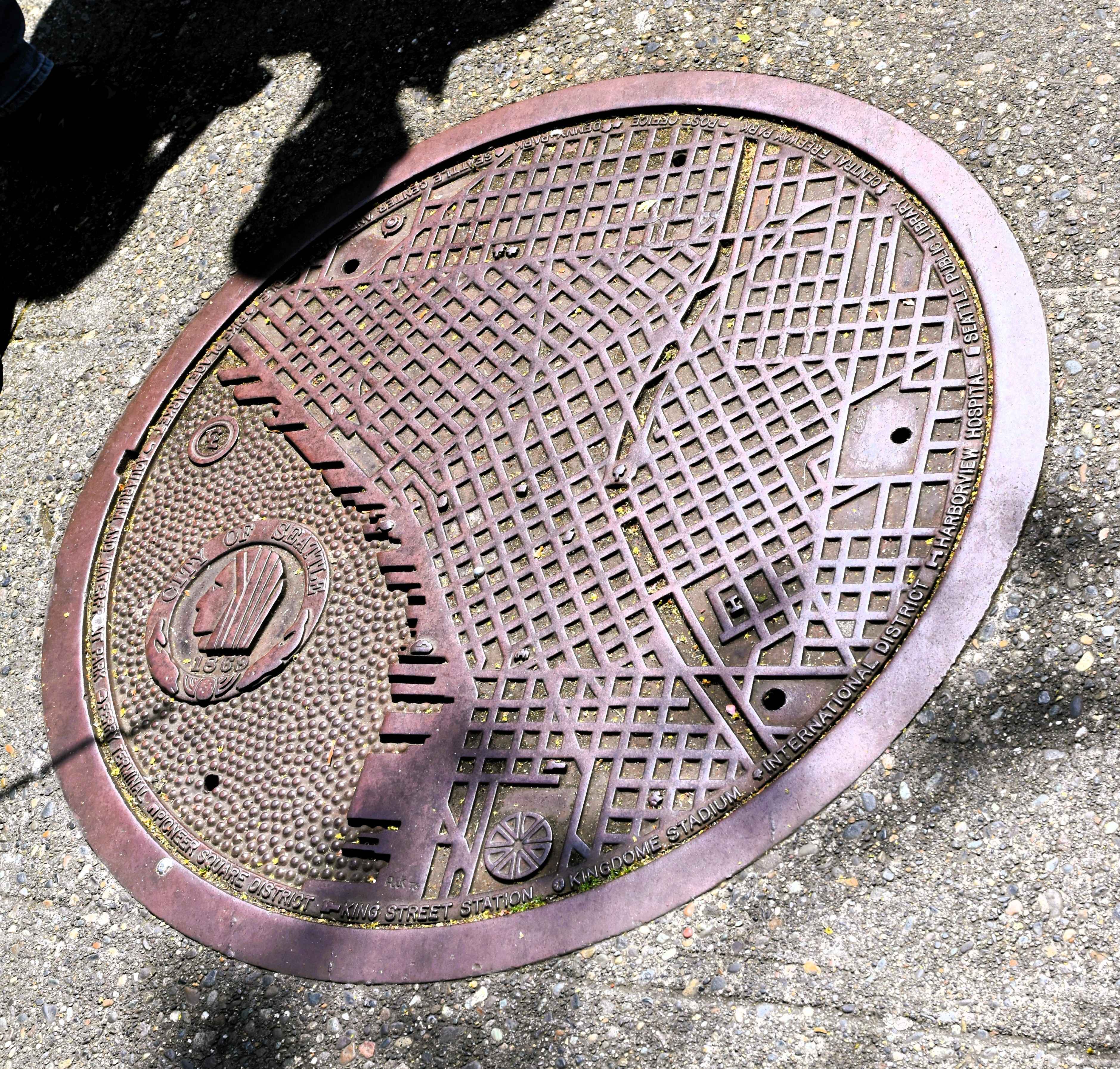
He even showed us a manhole cover with a map of the city engraved on it. Apparently, there are a few of these scattered across downtown—small details that make you feel like the city’s constantly winking at you.
From Pioneer Square, we saw the bust of Chief Seattle—the city’s namesake and a Duwamish leader who, as the story goes, didn’t just give his name away. He negotiated for it, and rightfully so. Joe made it clear: the Chief was savvy, and not just a symbolic figure. He built real relationships with settlers like Doc Maynard, who pushed to name the city after him.


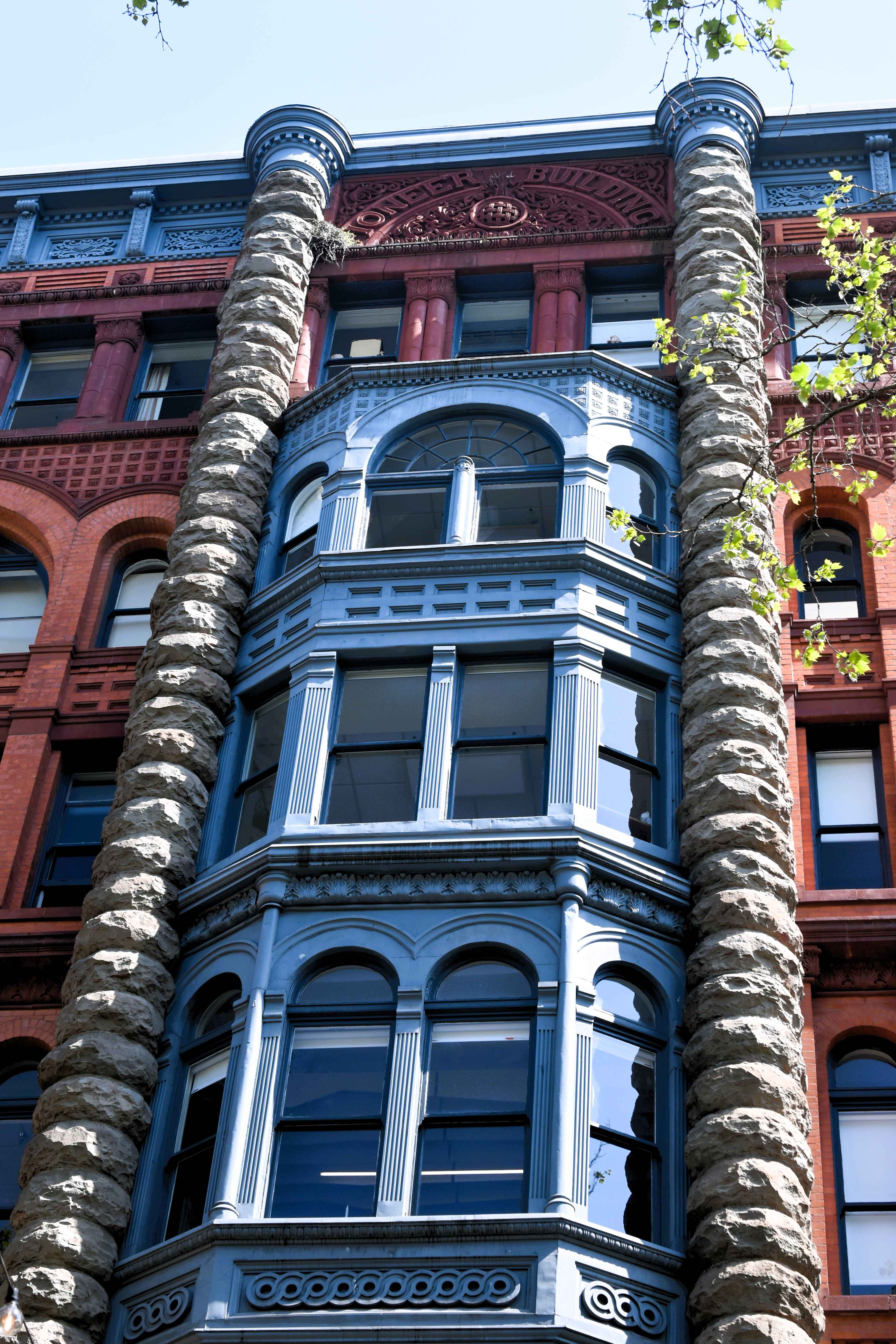
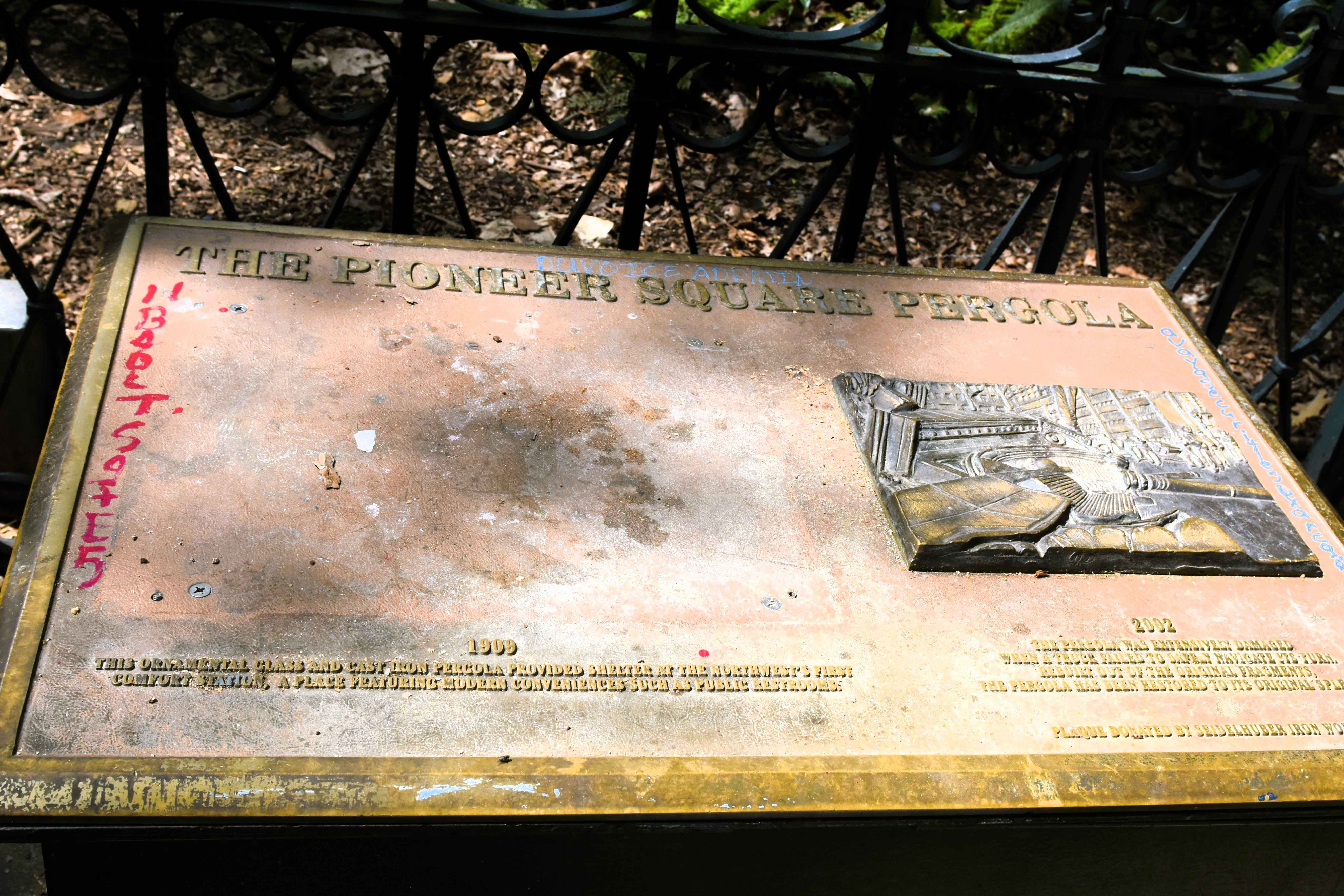

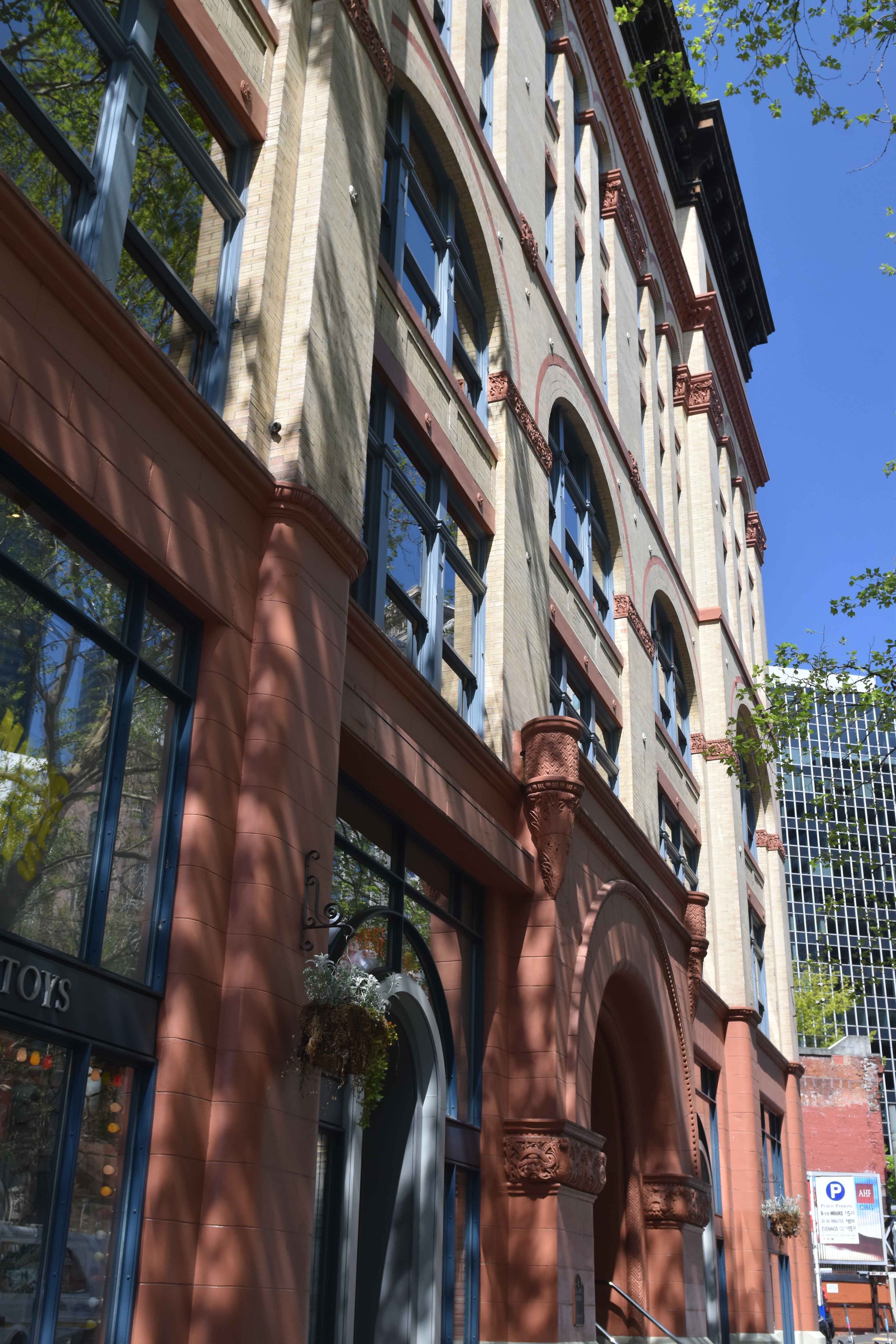


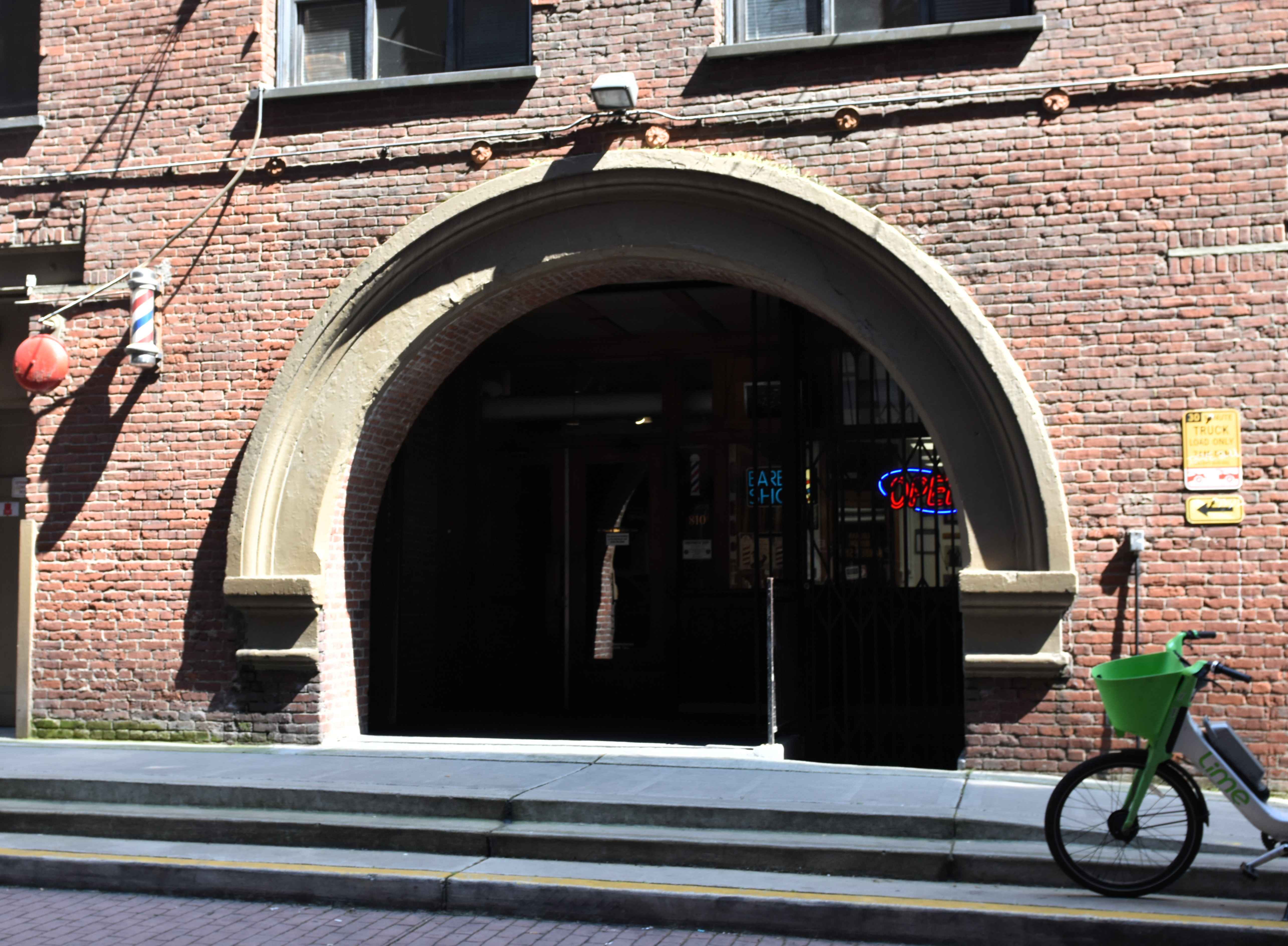
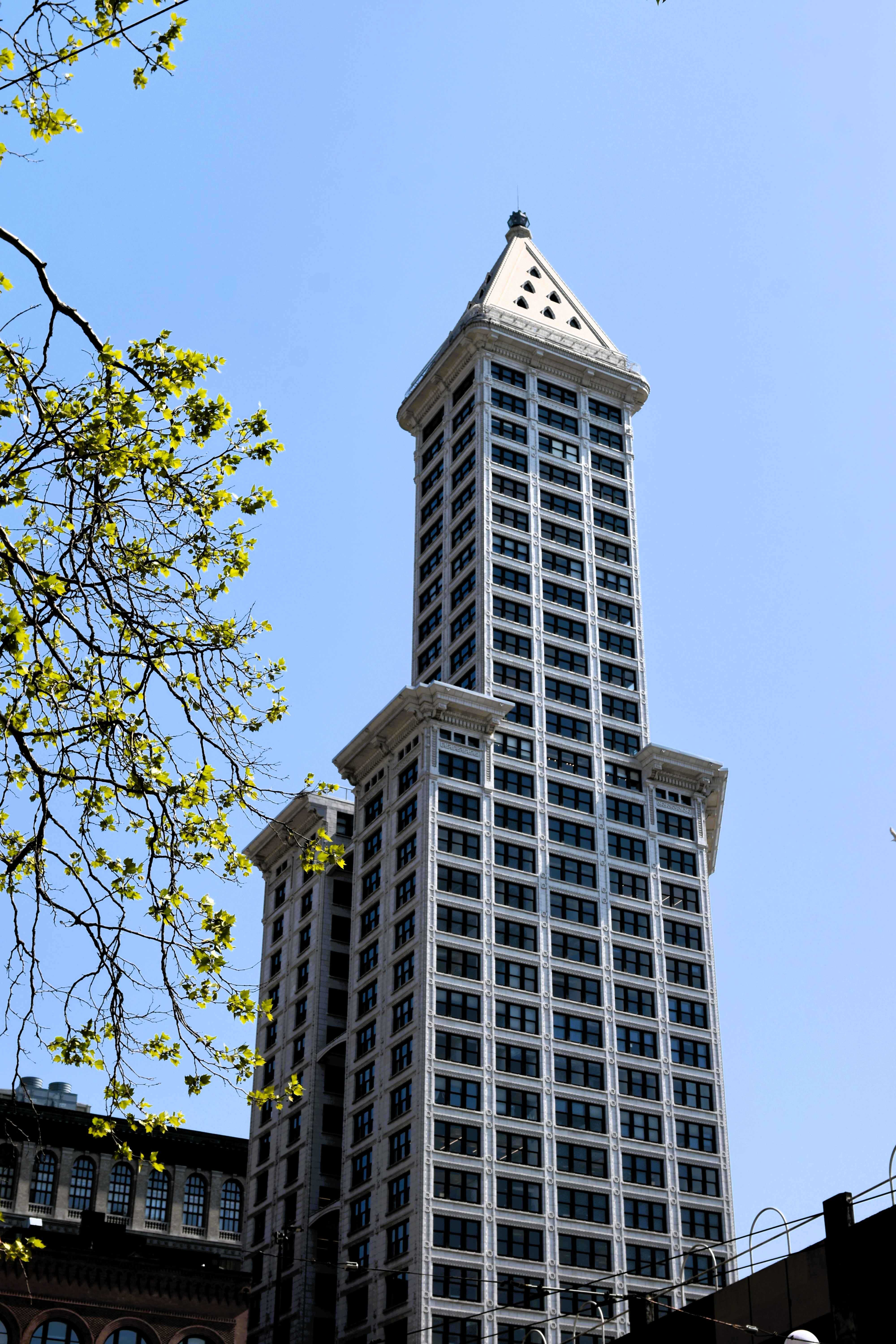
While walking through Pioneer Square, we also came across the historic Smith Tower. Completed in 1914, this 38-story, 462-foot skyscraper was one of the tallest buildings west of the Mississippi until 1931. It was named after Lyman Cornelius Smith, a typewriter and firearms magnate. After his death in 1910, construction was overseen by his son, Burns Lyman Smith. The building still stands as a striking piece of early 20th-century architecture and a reminder of Seattle’s ambitious past.
We ended the tour near the Aquarium, after Joe showed us a warehouse with a second-floor loading door still intact—another clue to Seattle’s “raised city” past. Before leaving us, he threw out a few tips, including taking the ferry to Bainbridge Island for a quieter escape from the bustle, and where to get a good beer near Pike Place Market. Of course, we had to stroll through Pike Place Market and see the fishmongers flinging salmon and check out the bar.

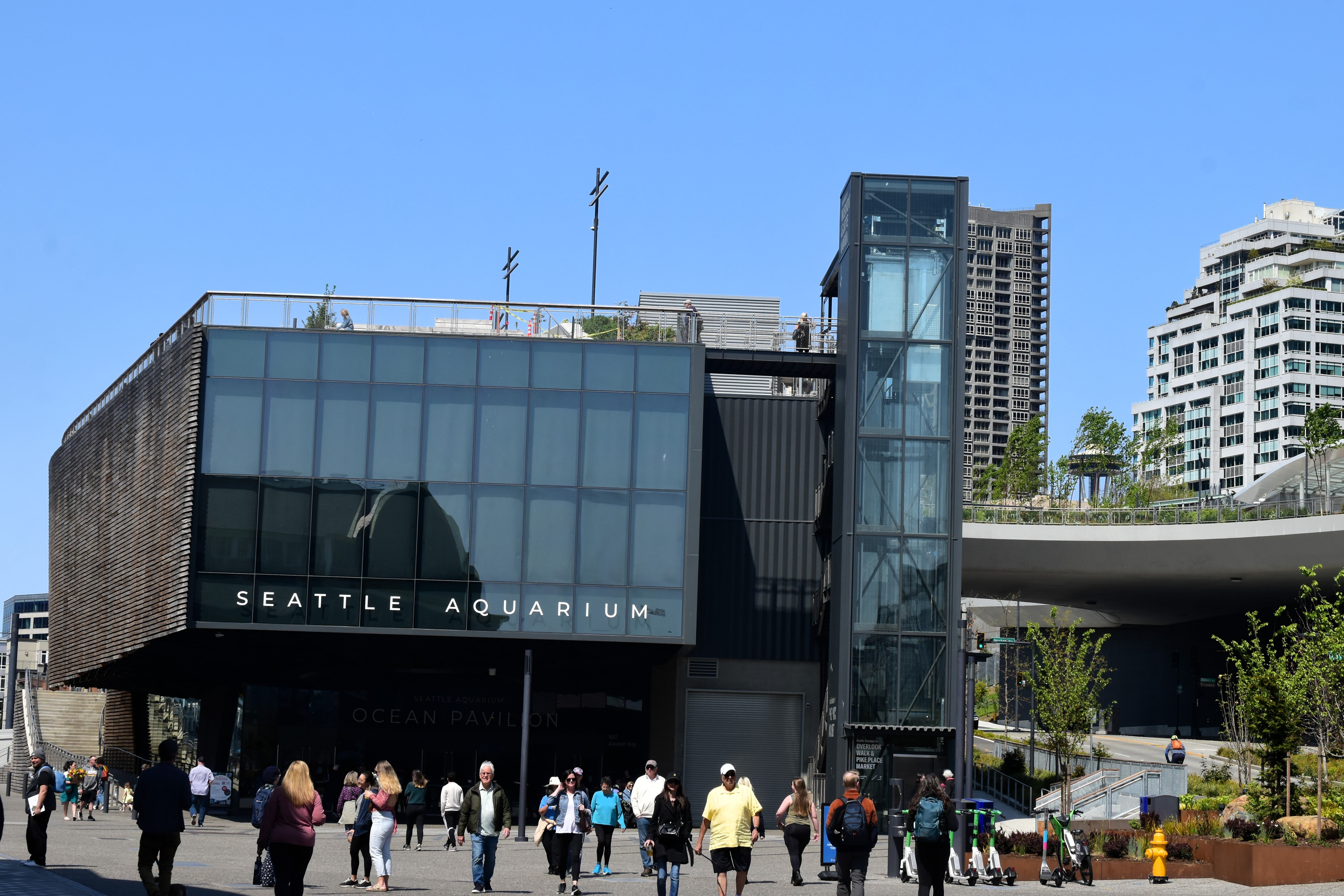

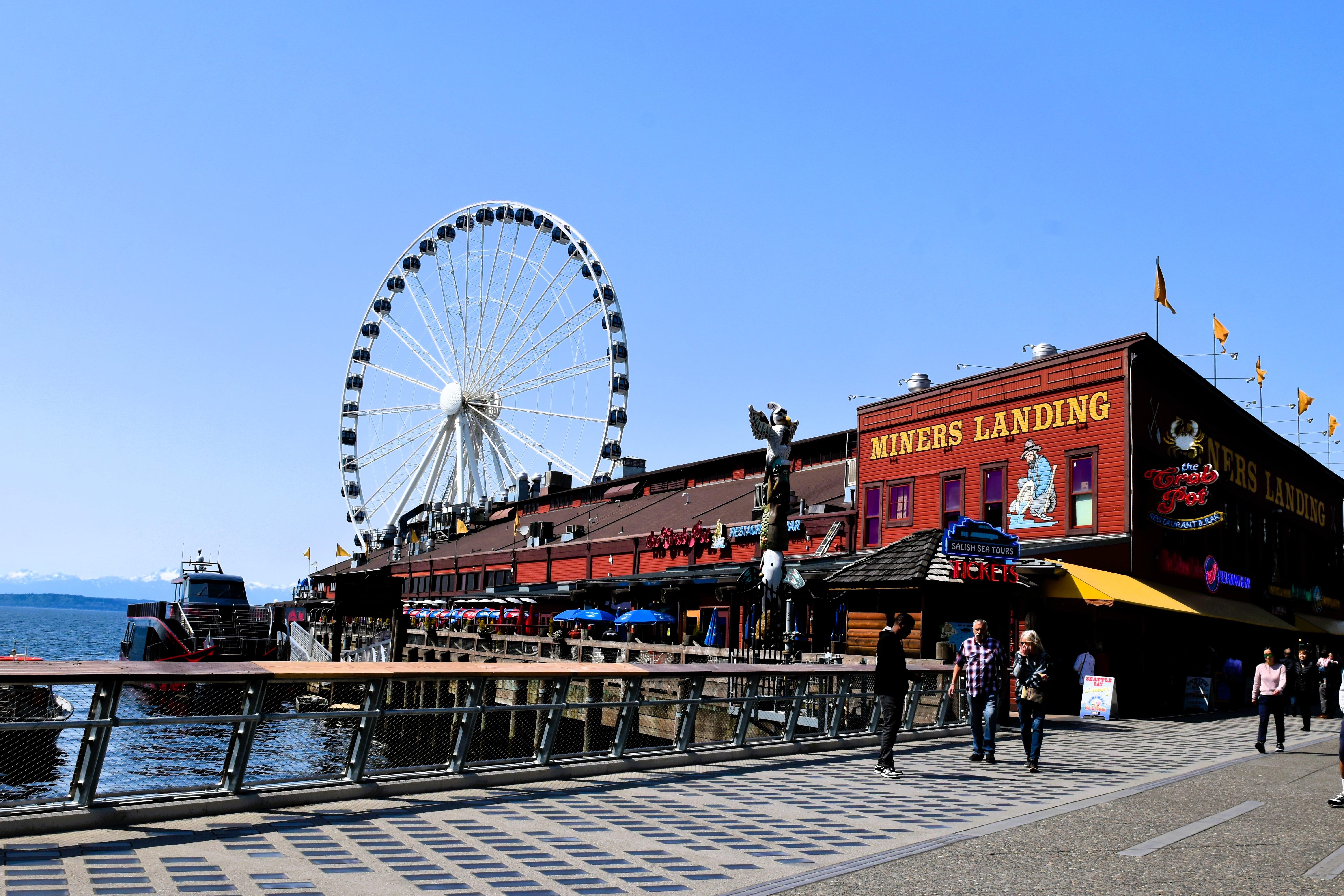
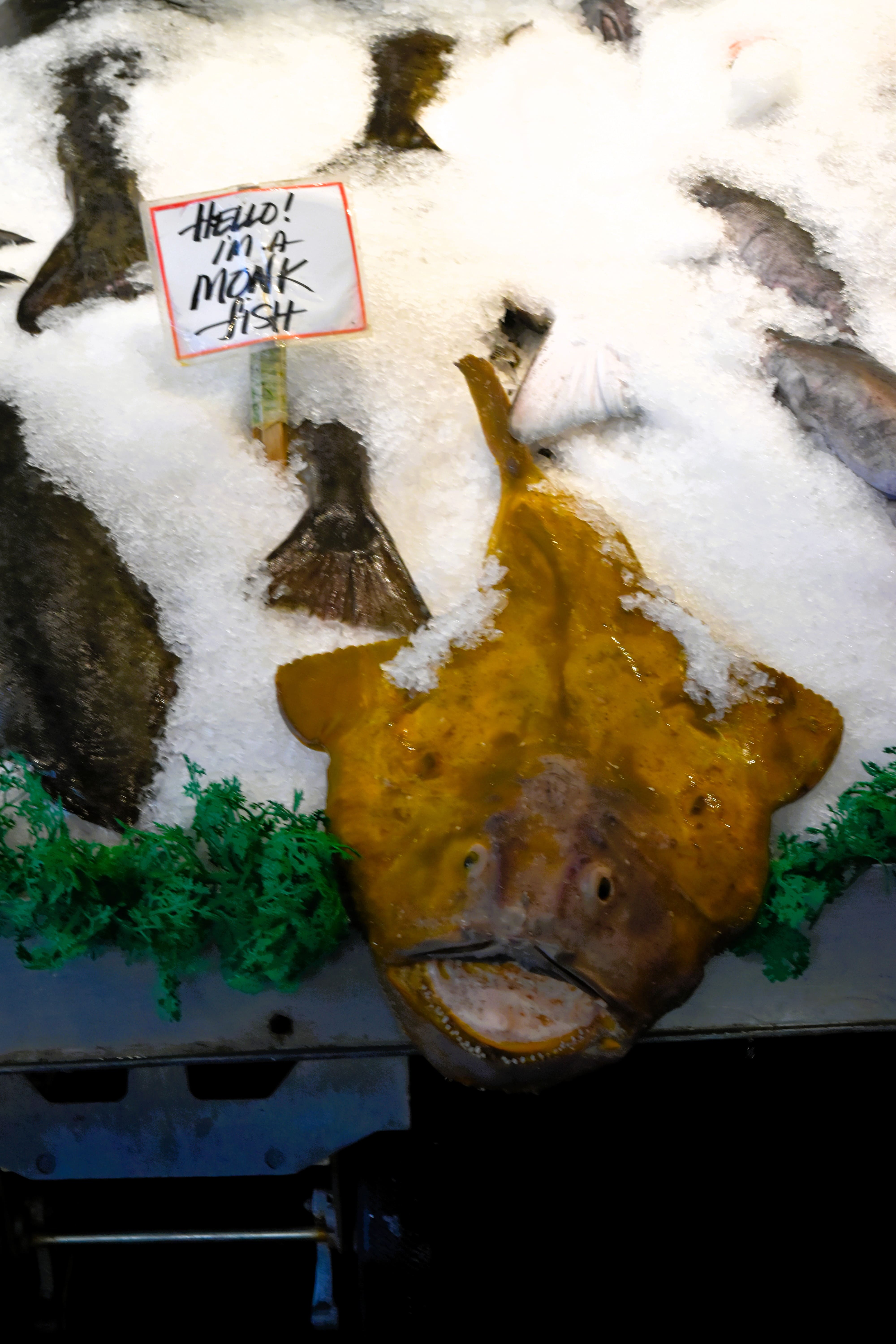


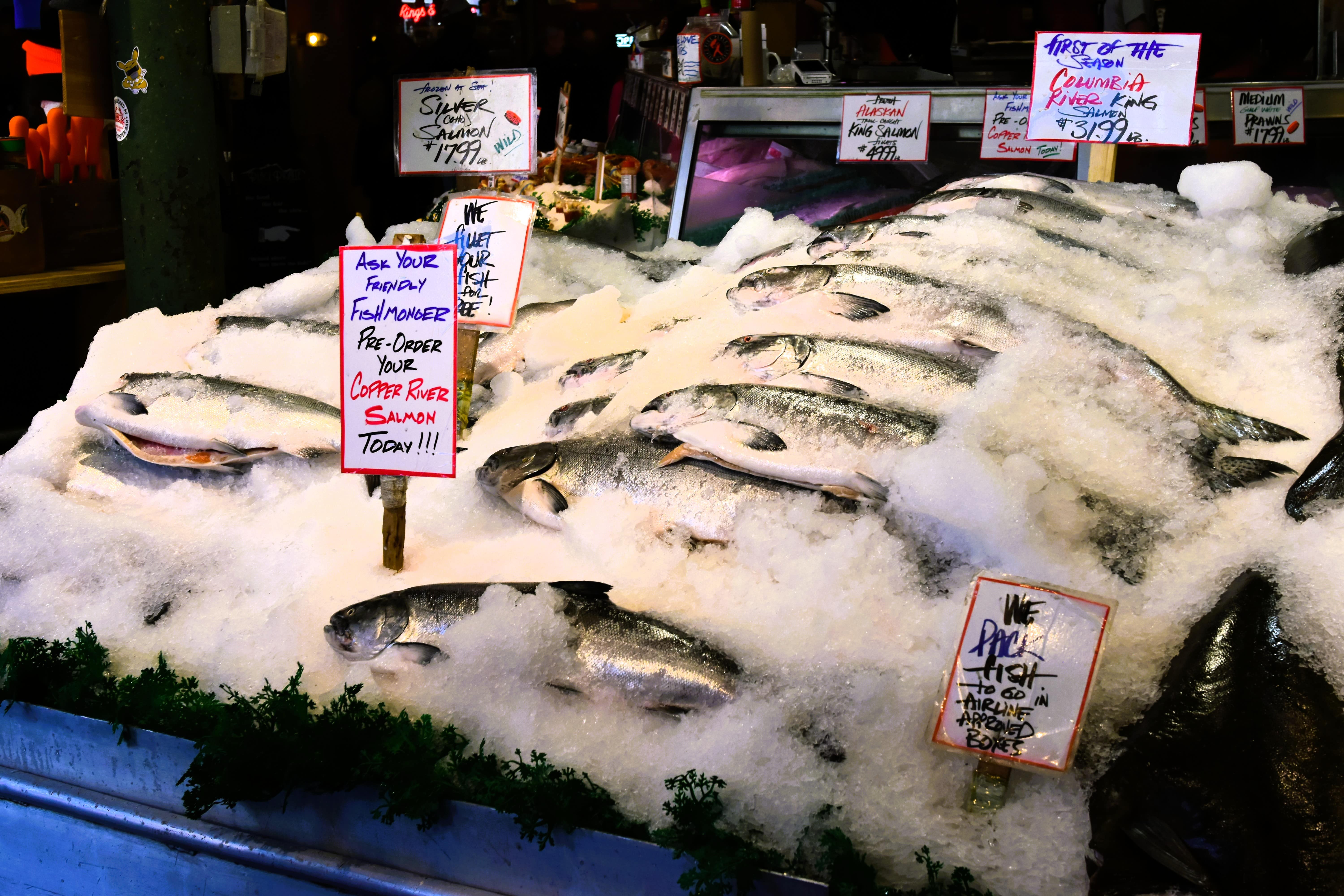
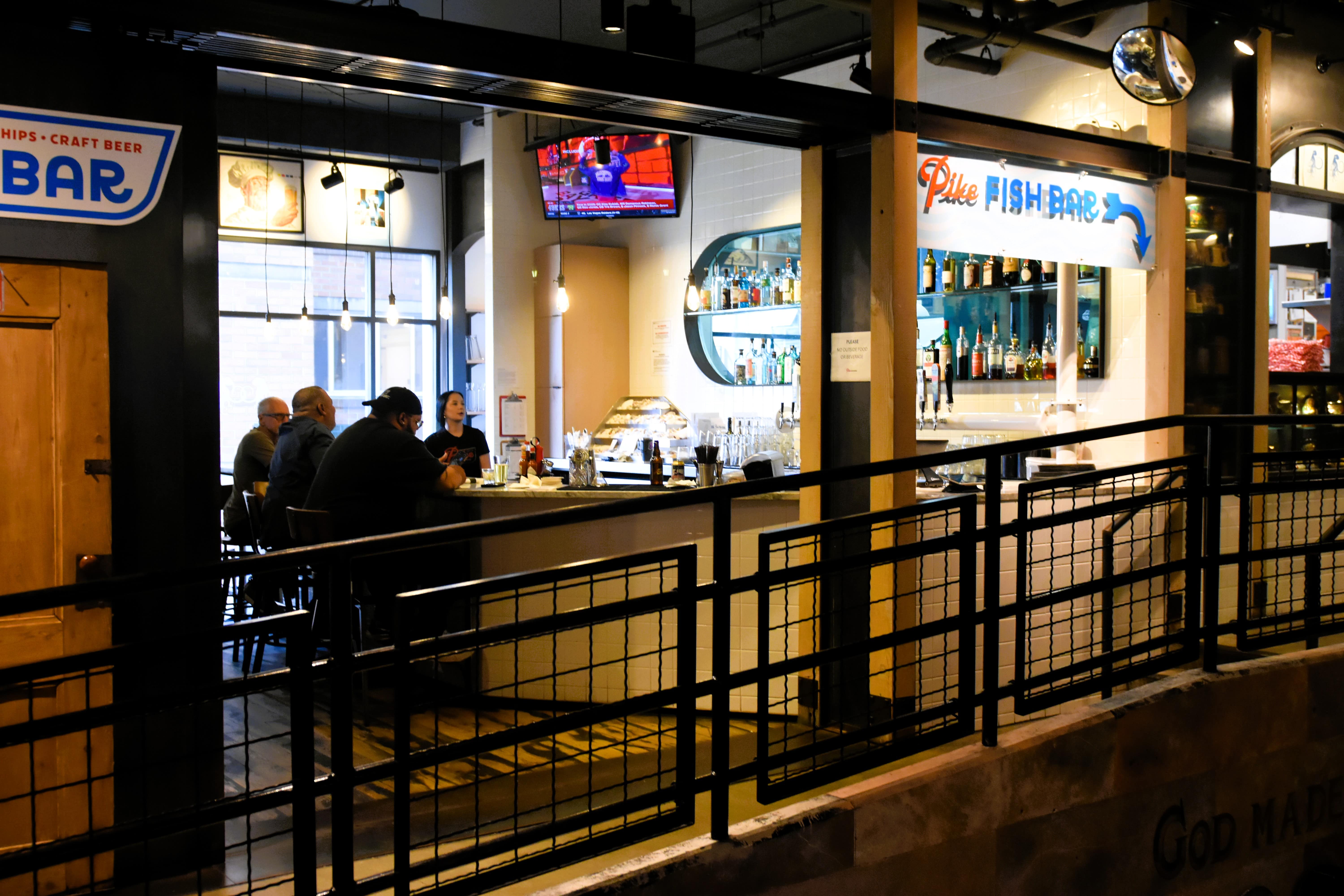

It was only Day 2, but we already felt like Seattle was starting to open up to us—not just through the big landmarks, but through its layers, history, and a few good stories.
Day 3: Glass Gardens, Hilltop Views & a Taste of Belltown
We started the day with a walk to Seattle Center, home to some of the city’s most iconic sights: the Space Needle, the Museum of Pop Culture (MoPoP), and one of the true gems of the trip—Chihuly Garden and Glass.


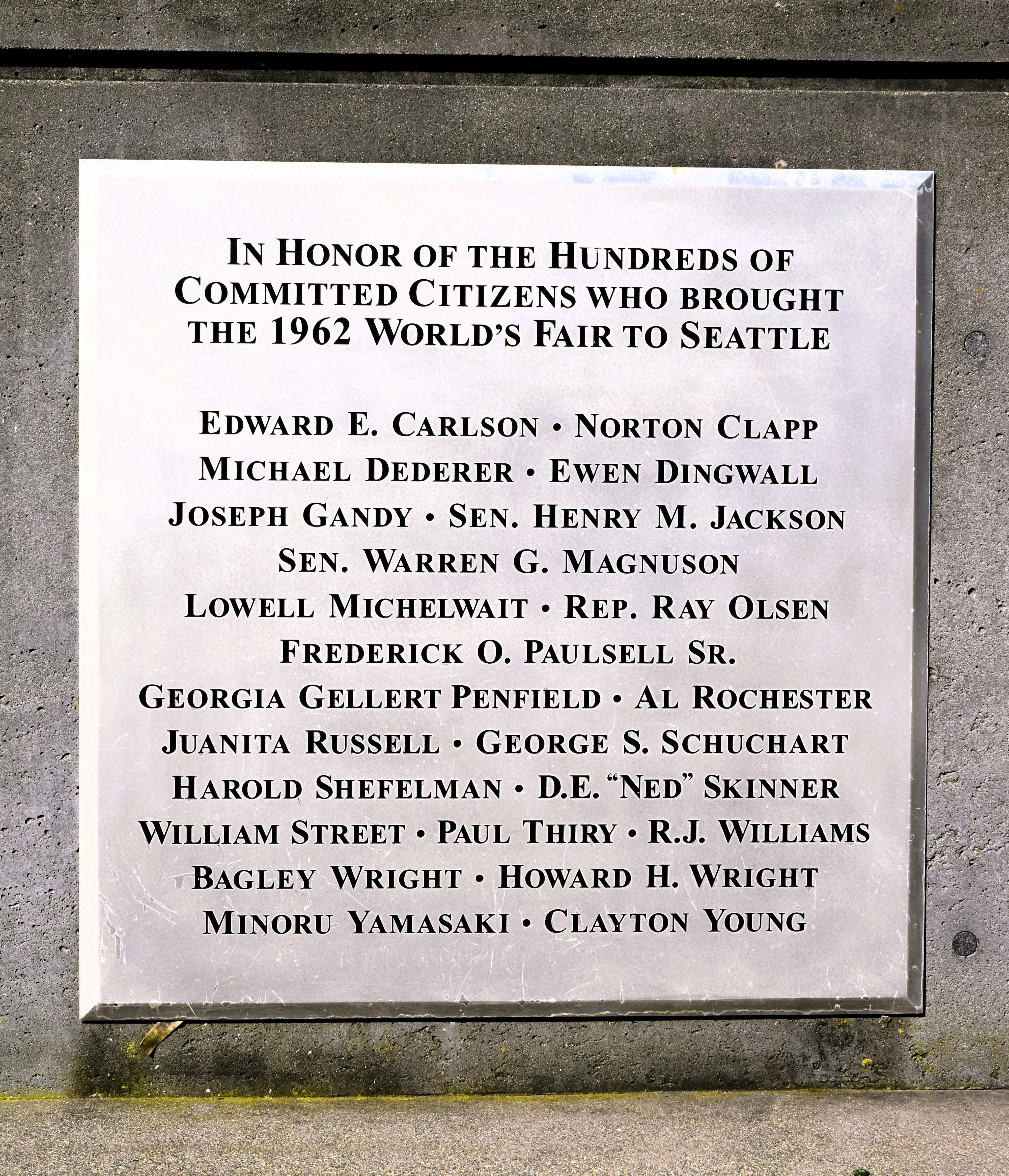
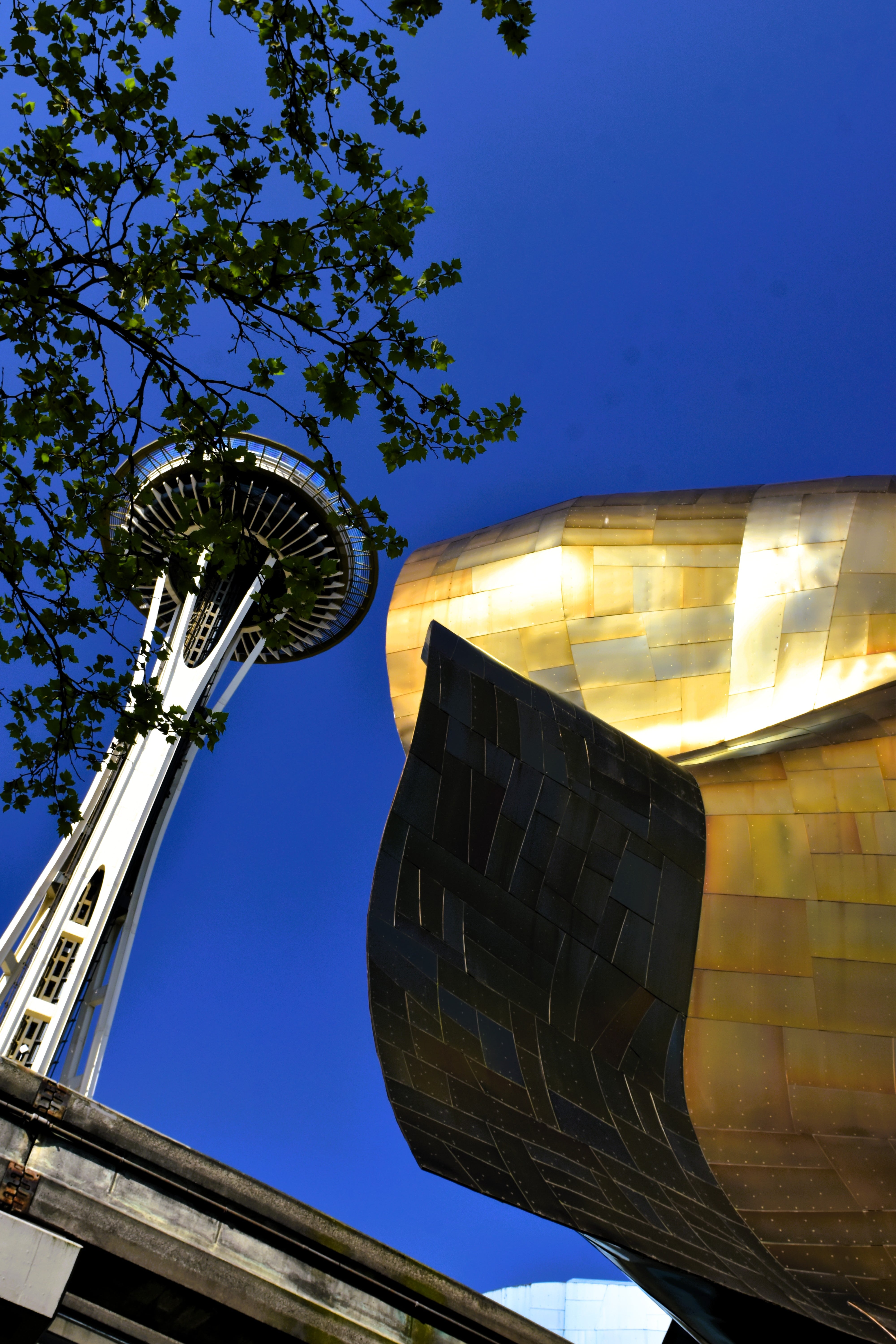

After wandering around the base of the Space Needle and taking in the bold curves of the MoPOP building, we stepped into Chihuly’s world. If you’ve seen glass art before, this is something else entirely. The colors, the scale, the drama—every room was more breathtaking than the last. We’d previously been to the Corning Museum of Glass in New York, but Chihuly’s work had a distinct magic. The way his sculptures blended nature with vivid, otherworldly shapes made the whole exhibit feel alive. If you’re in Seattle and skip this place, honestly—you’ve missed something remarkable.


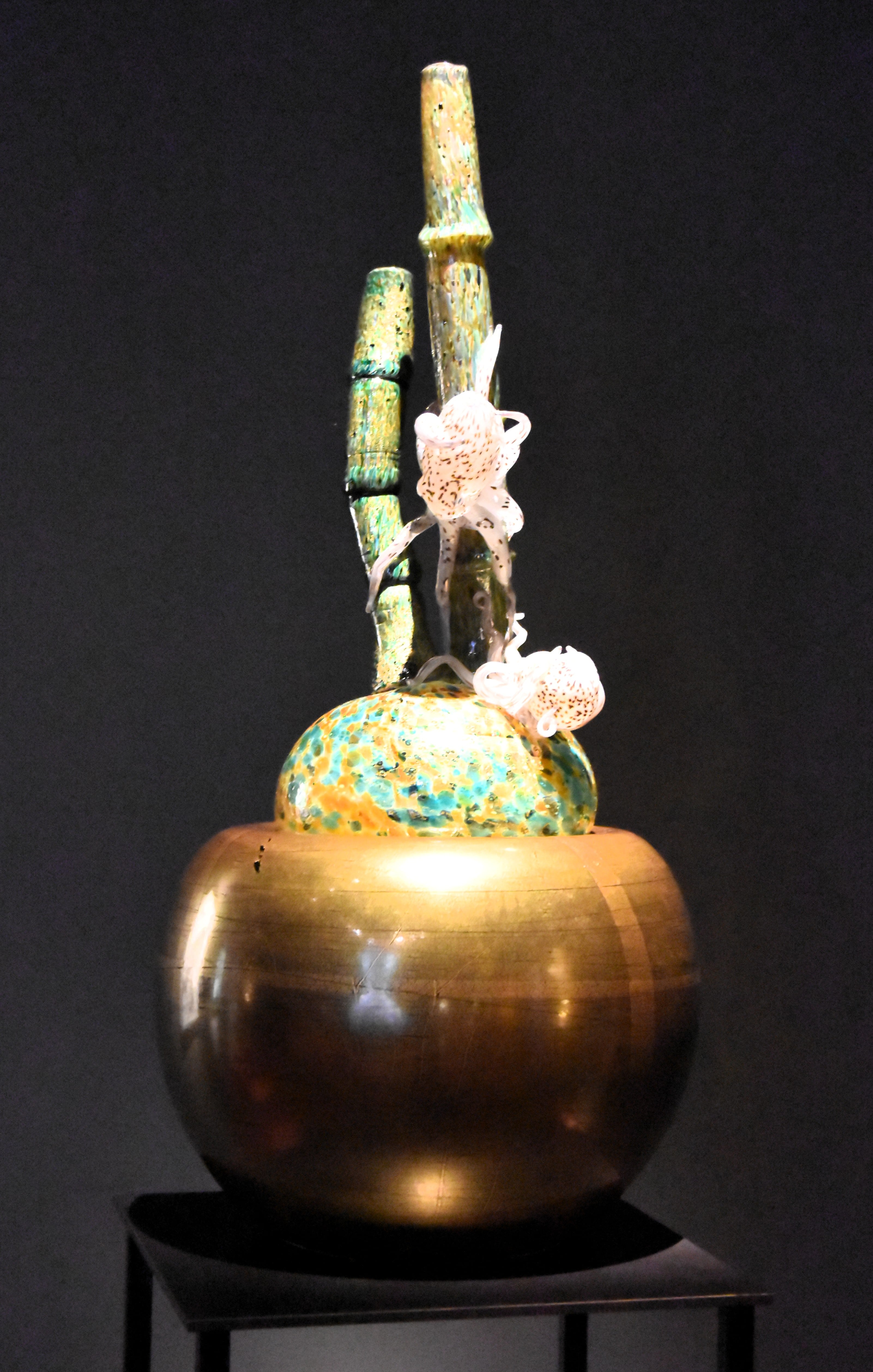
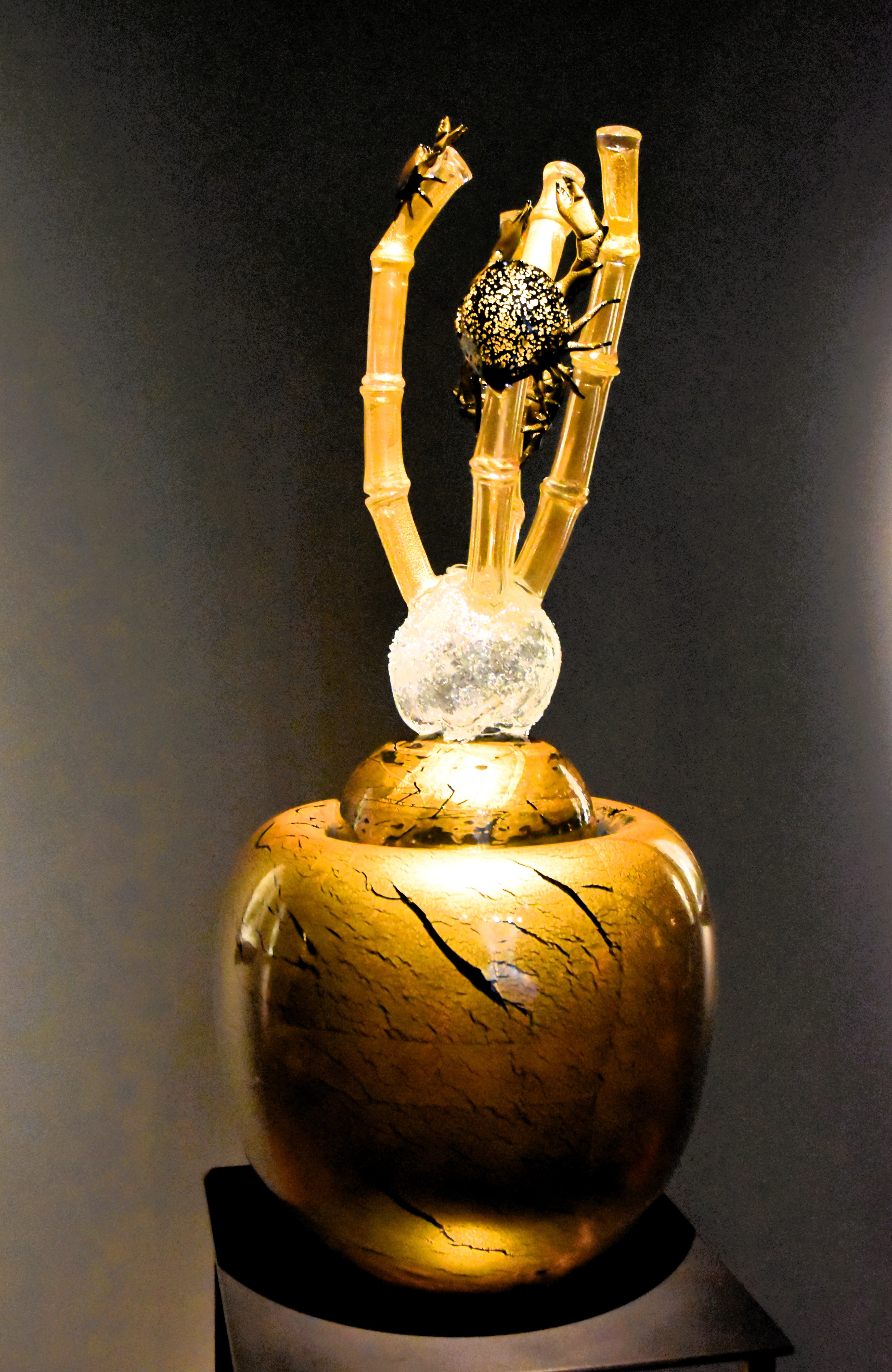


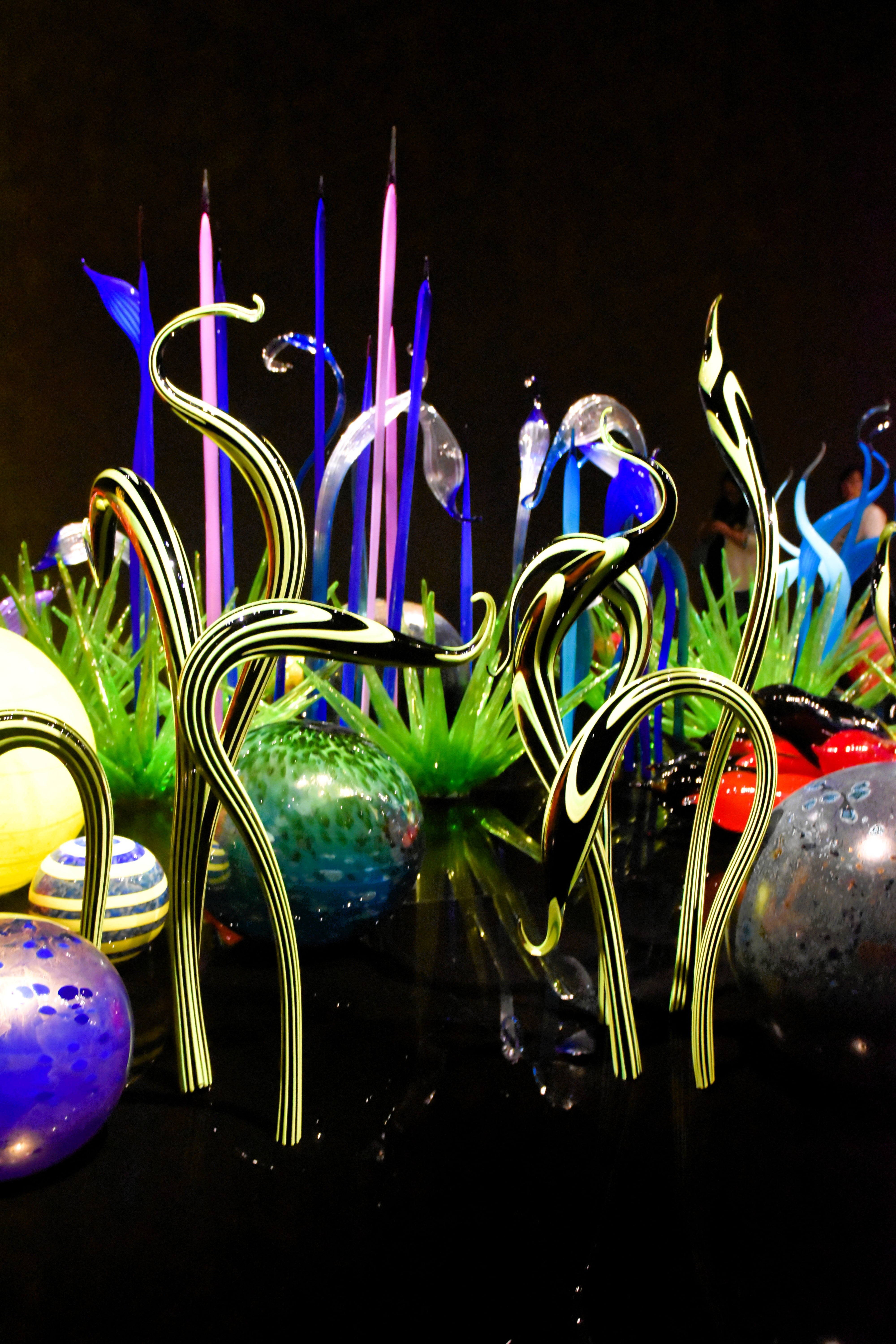
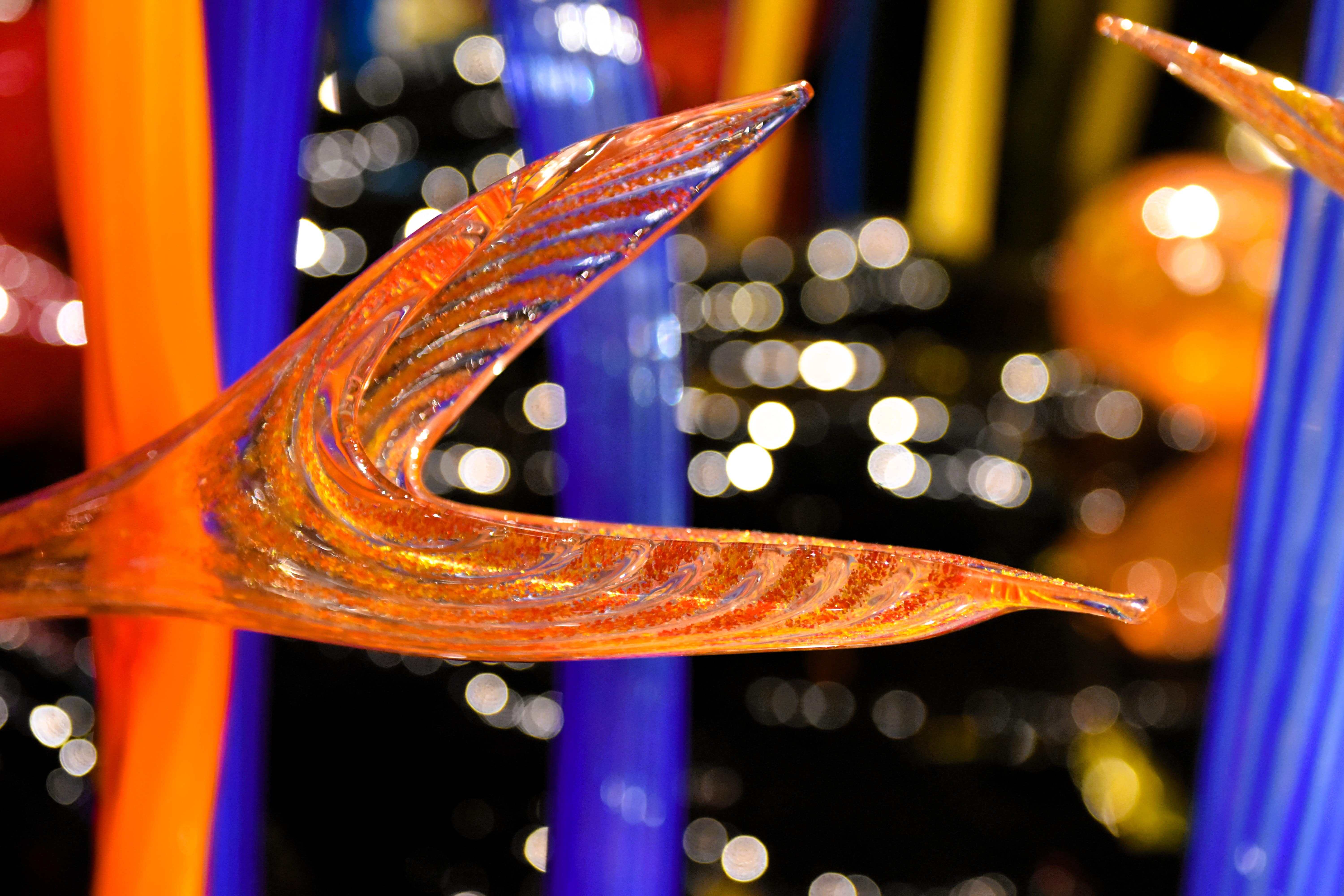
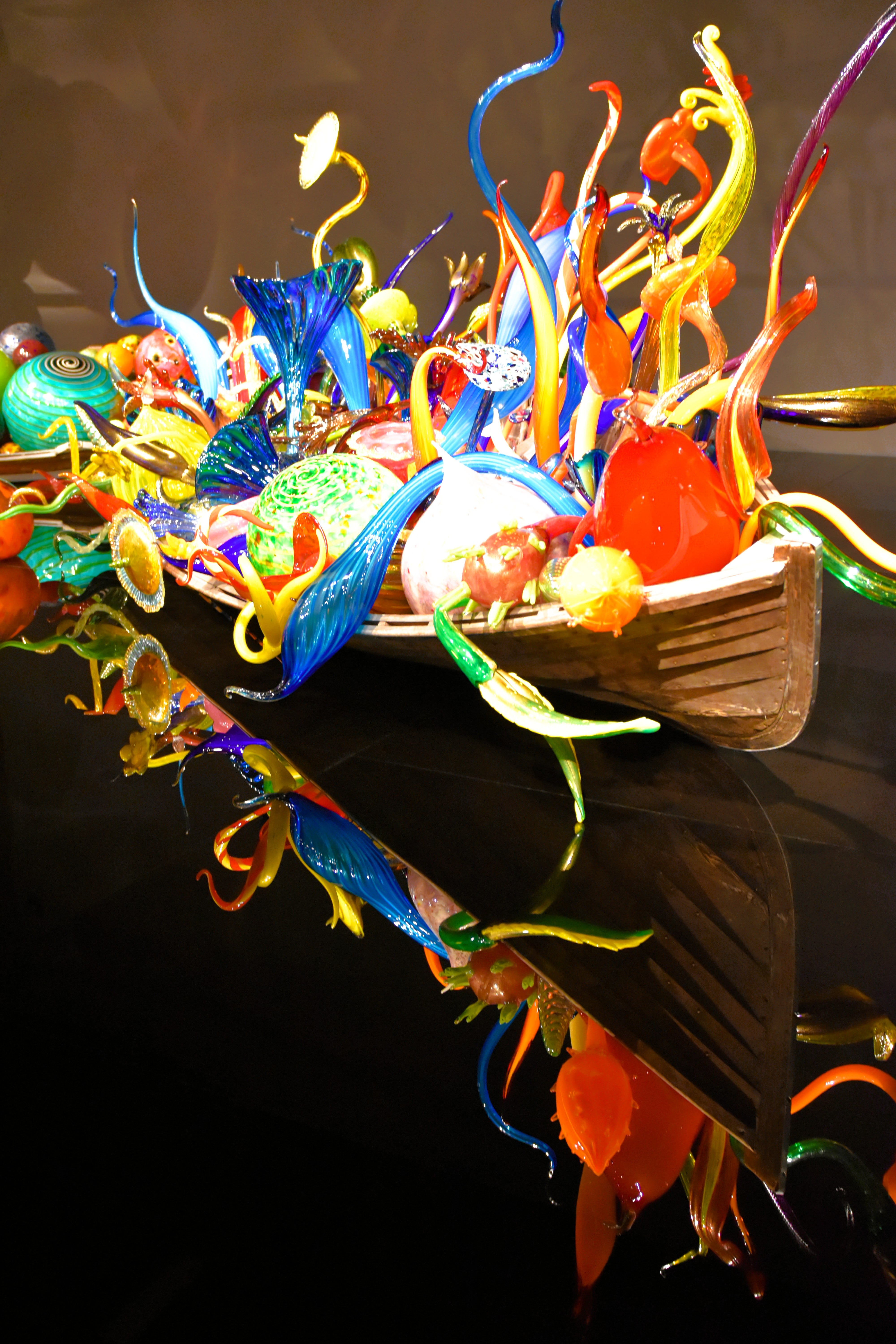


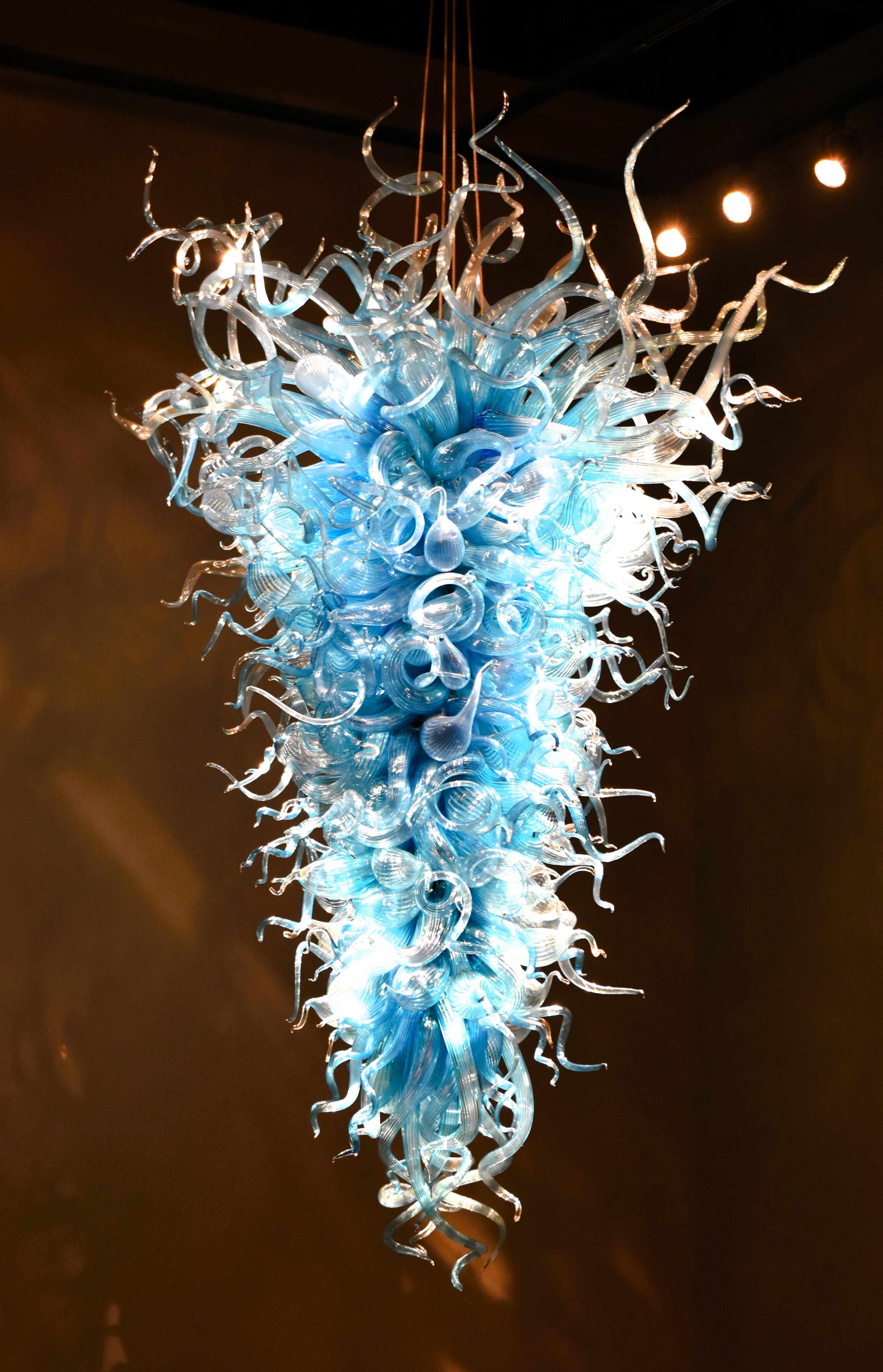
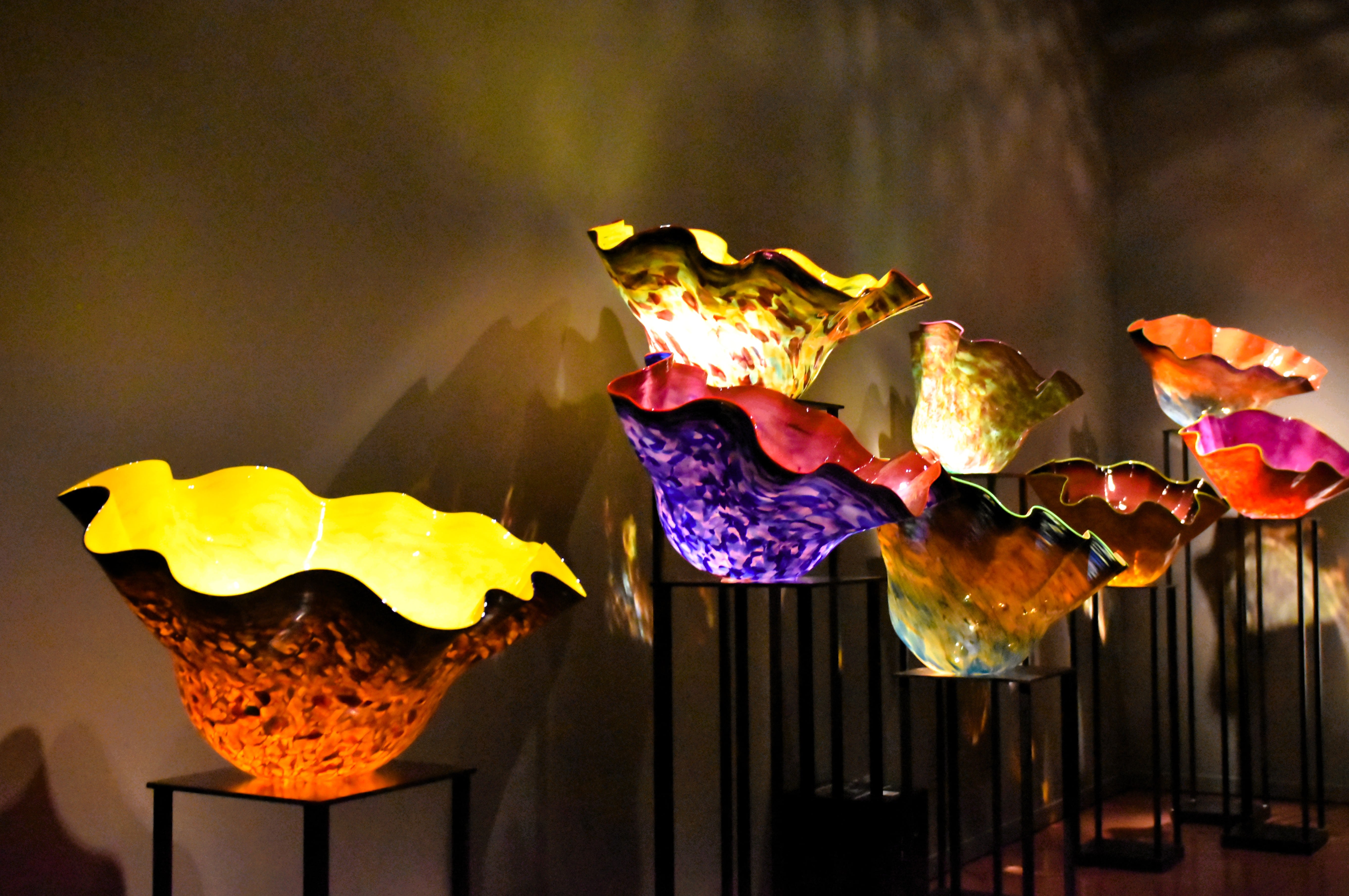
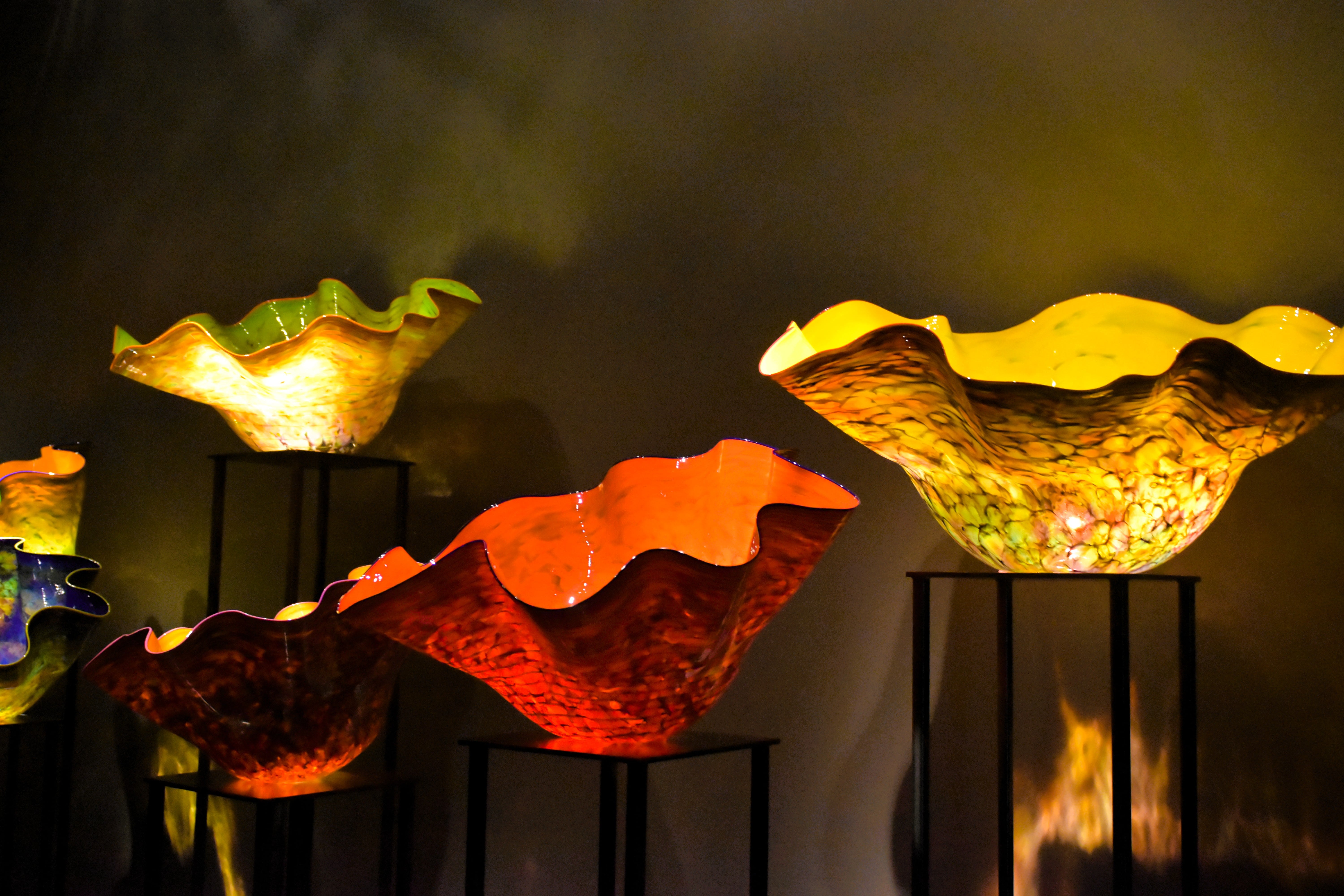
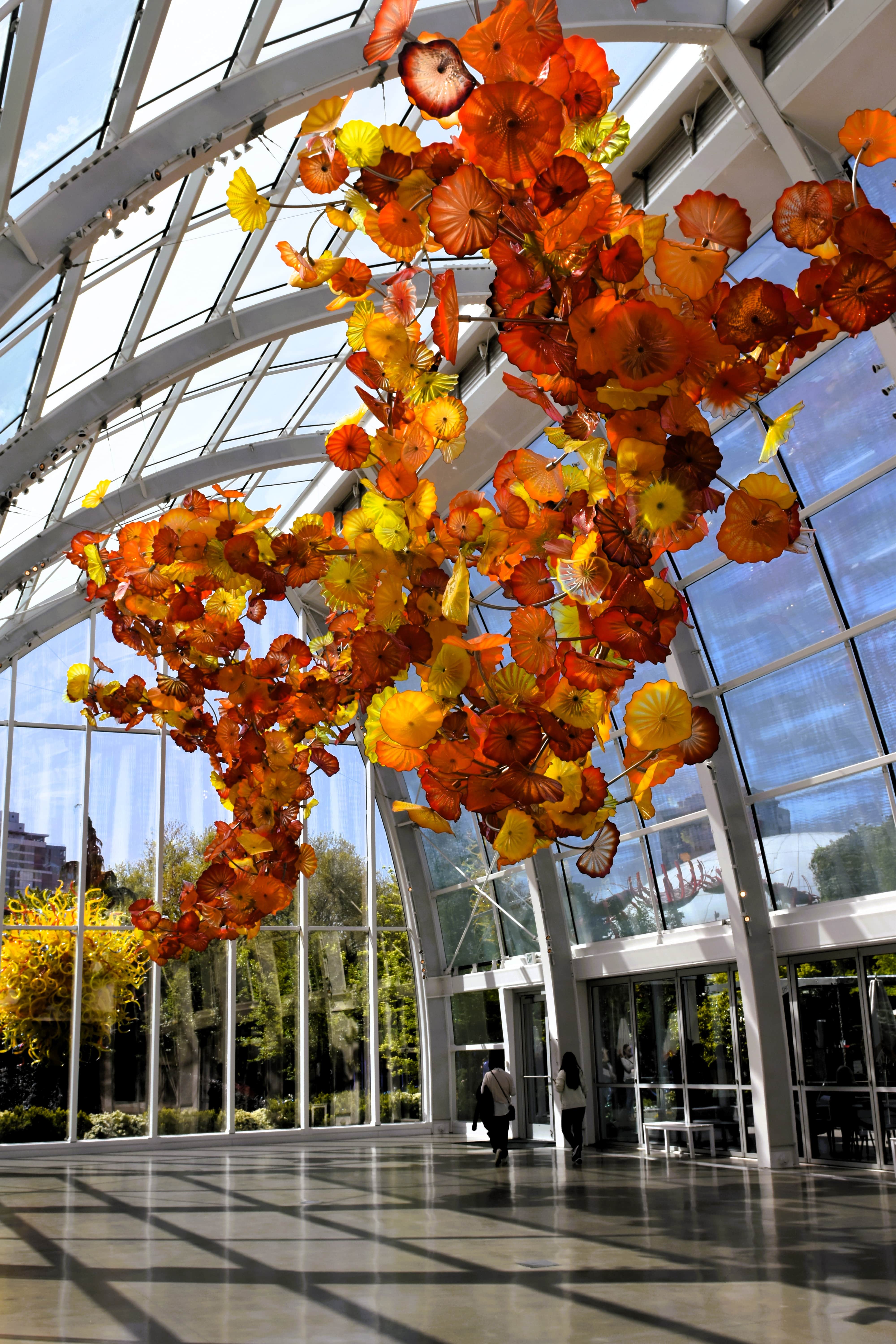
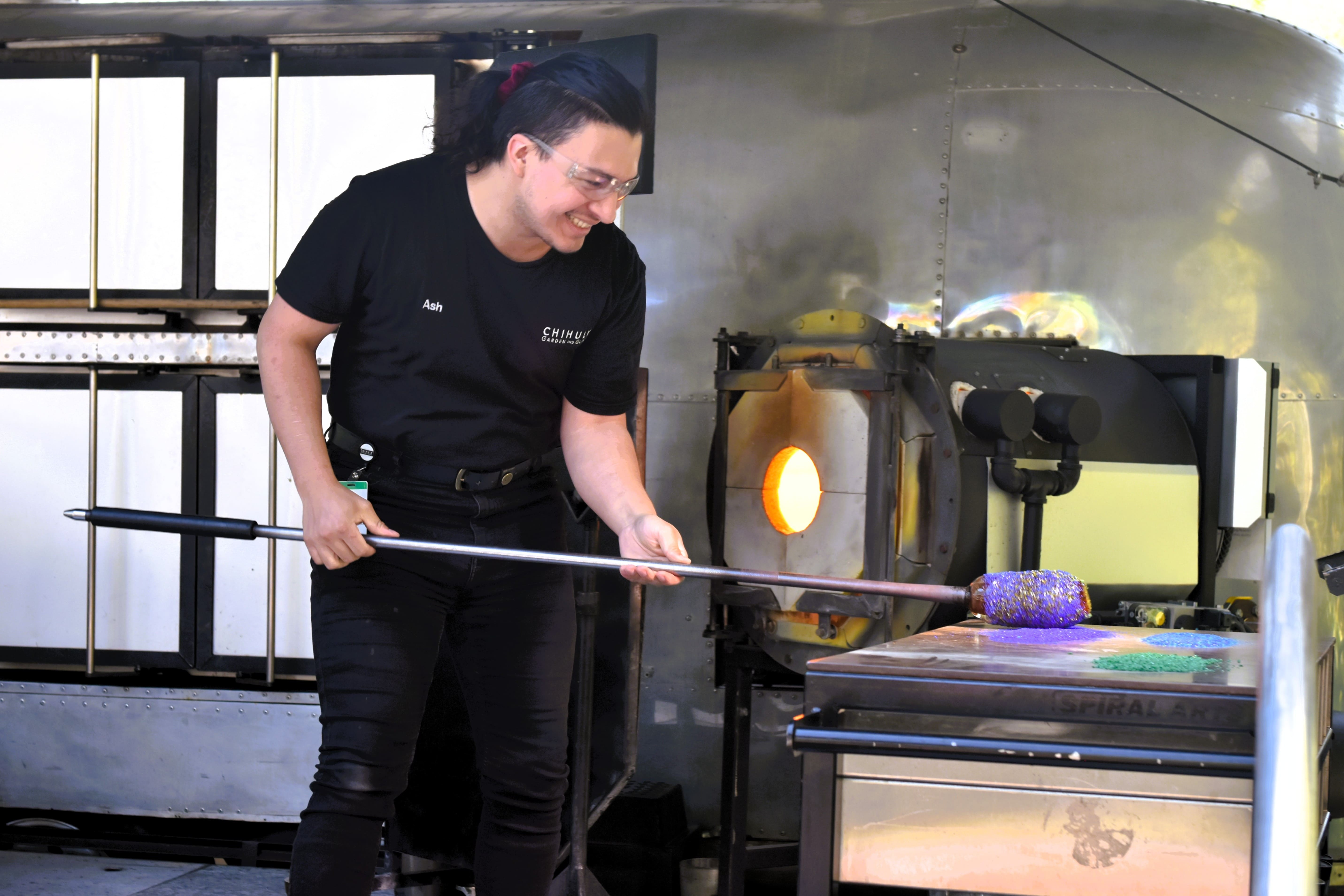


After soaking in the exhibits, a short film, and a glass-blowing demo, we headed to The Bar at Chihuly Garden and Glass for lunch. It turned out to be a great decision. The food was delicious and beautifully presented. We did take a look at the nearby Seattle Center Armory, which has a food court, but in hindsight, we were glad we opted for the quieter, more atmospheric Bar instead.


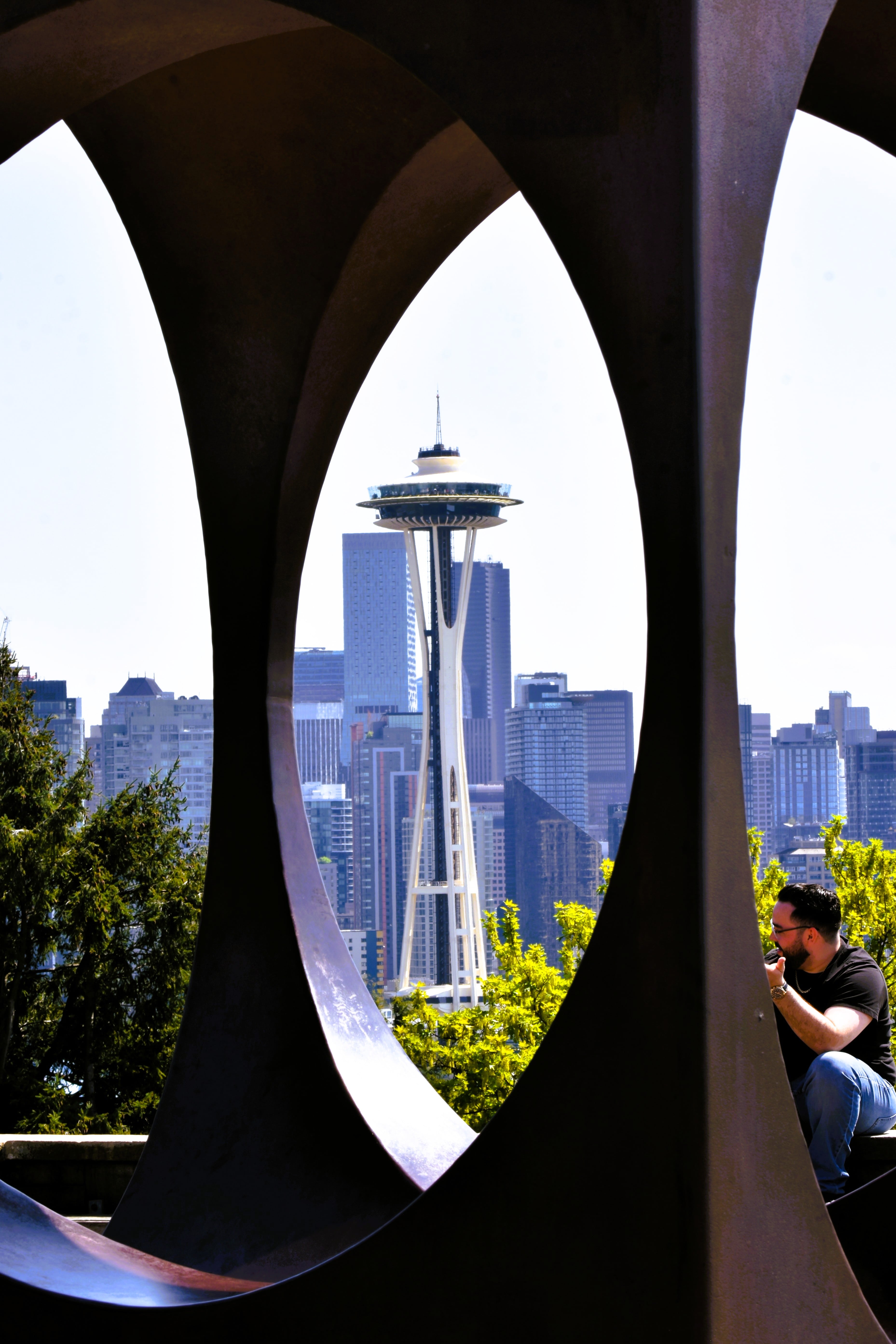
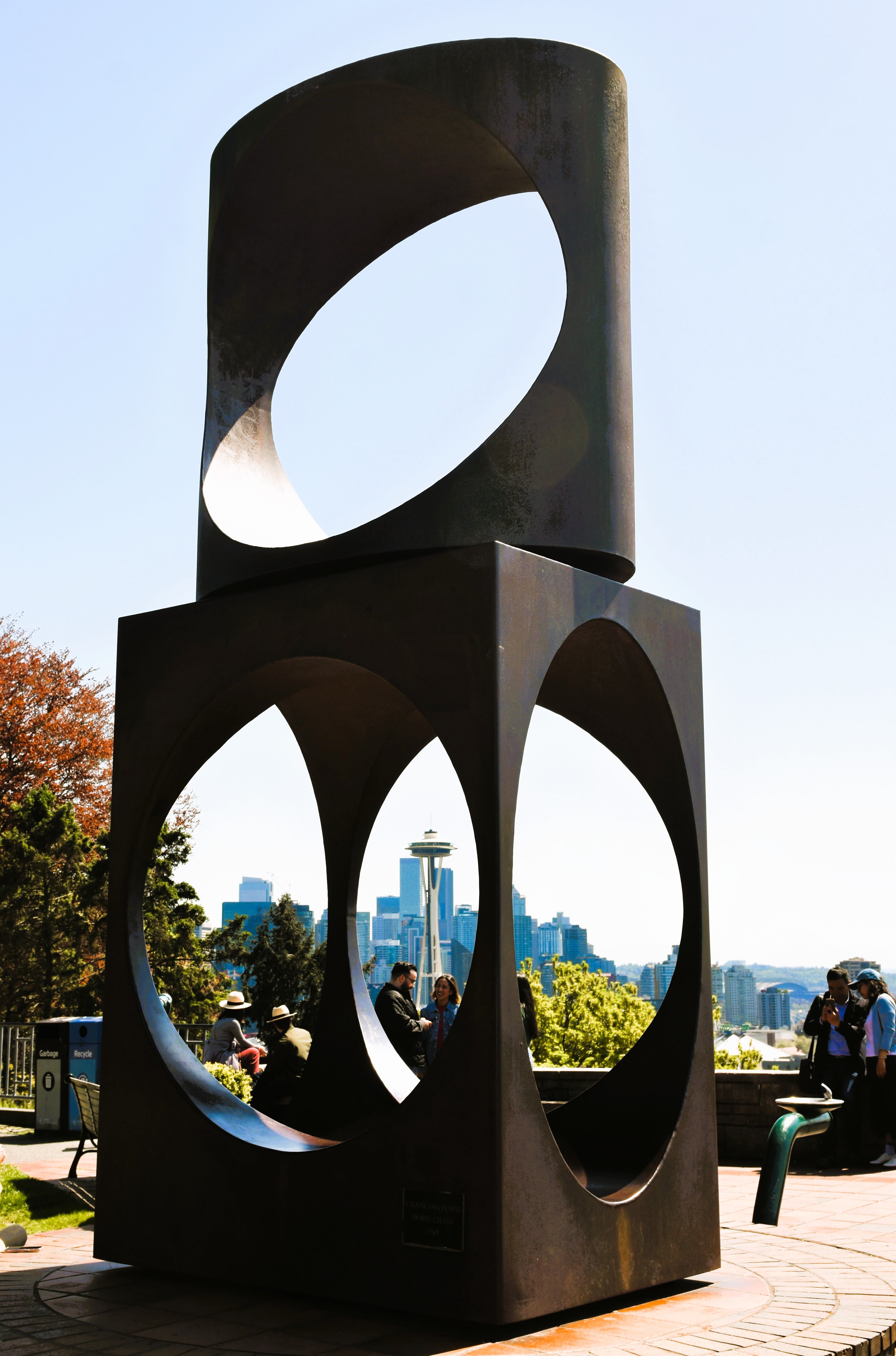
Next, we caught a bus to Kerry Park, and this was where Seattle really showed off. From this small park perched on the edge of the Queen Anne neighborhood, you get one of the most iconic views of the city: the Space Needle framed by downtown’s skyline, Elliott Bay behind it, and—if you’re lucky—Mount Rainier towering in the background. The view alone was worth the trip, but the helpfulness of the bus driver added a personal touch. On the way back, we even ended up with the same driver, who let us know we didn’t need to pay again for the return ride.
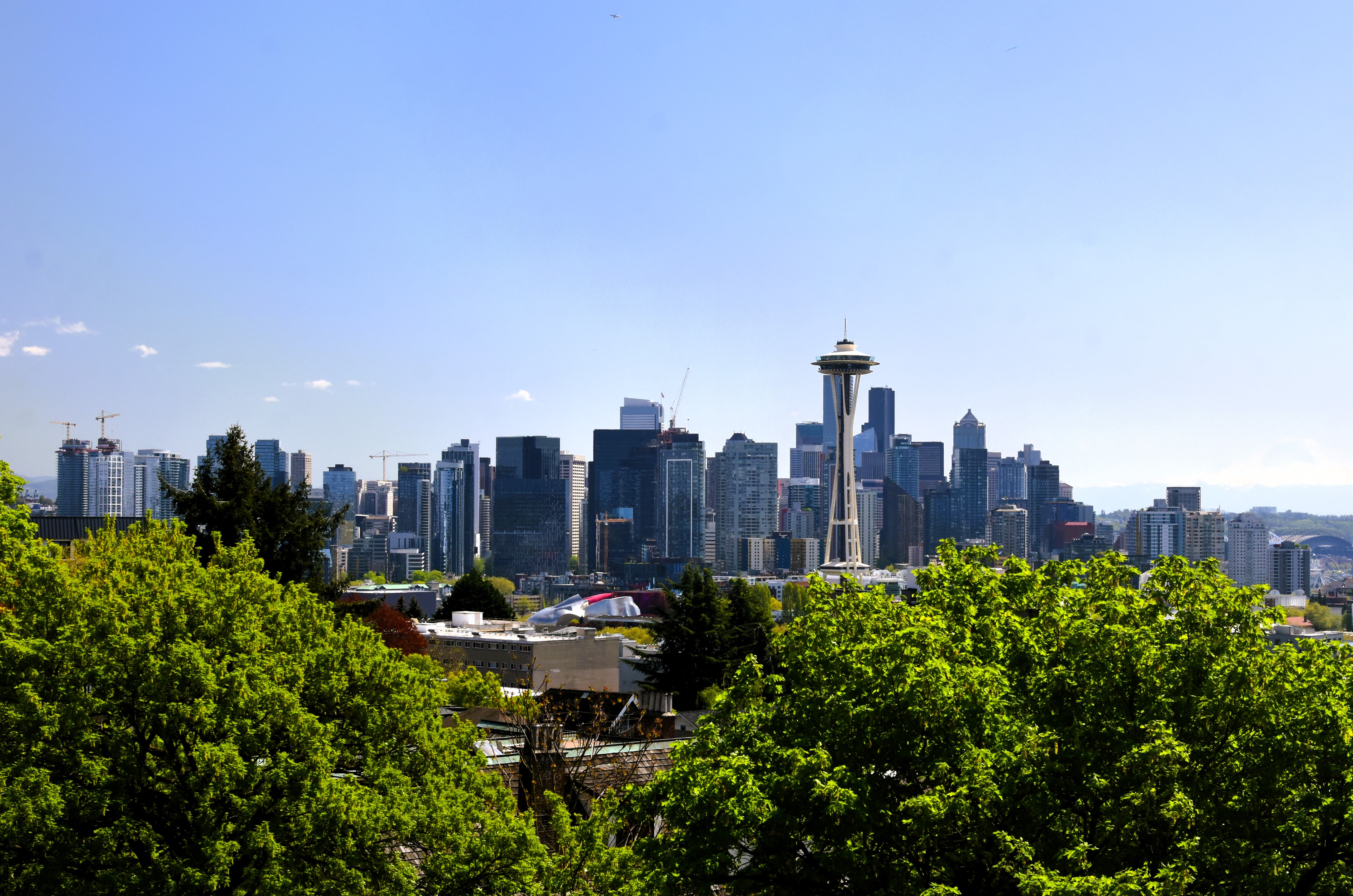


We couldn’t resist trying out the Seattle Monorail, even though it only runs a short route between Seattle Center and Westlake Center. It was a quick ride, but it’s one of those classic Seattle experiences—part retro, part practical, and still a fun way to see the city from a different angle.


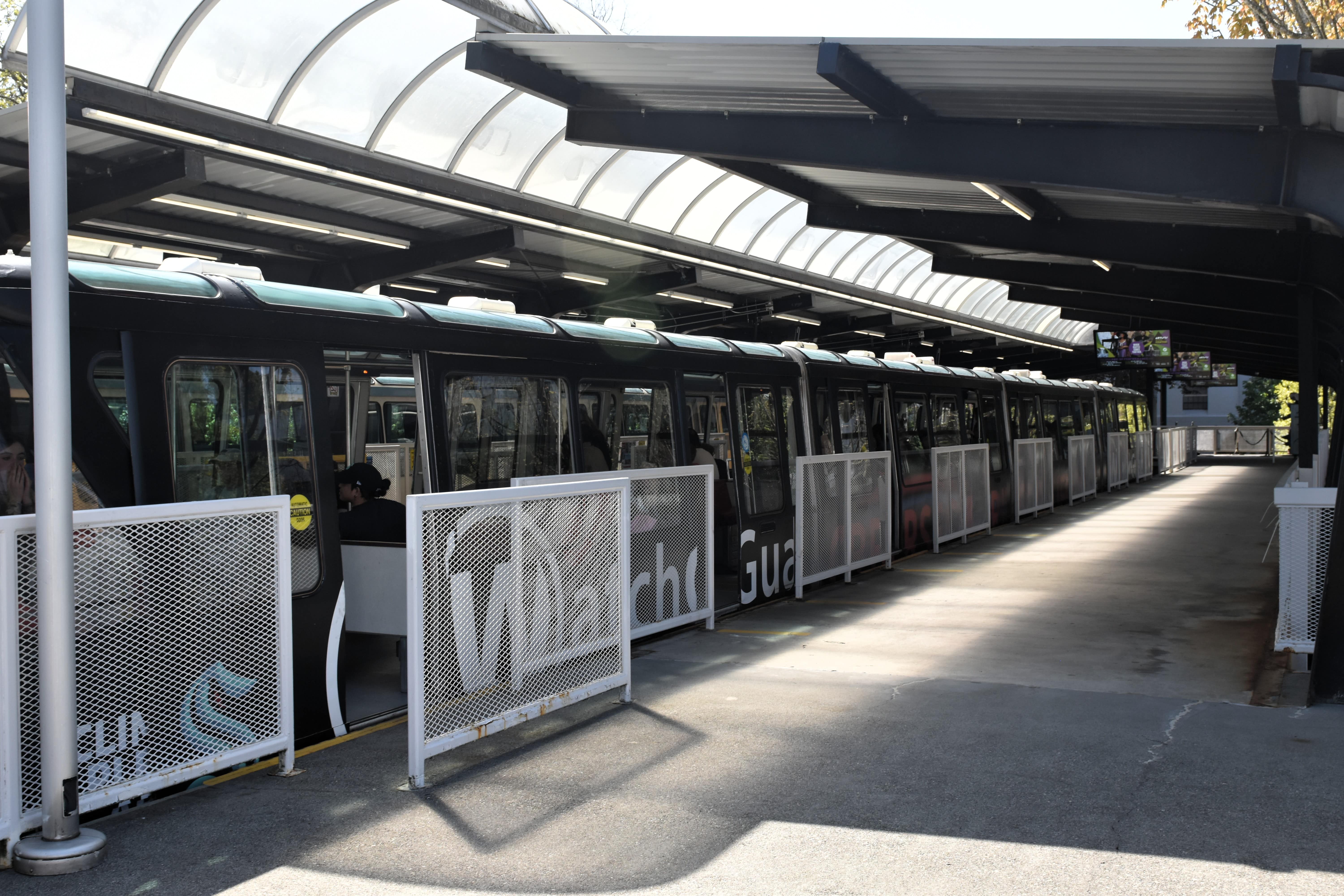


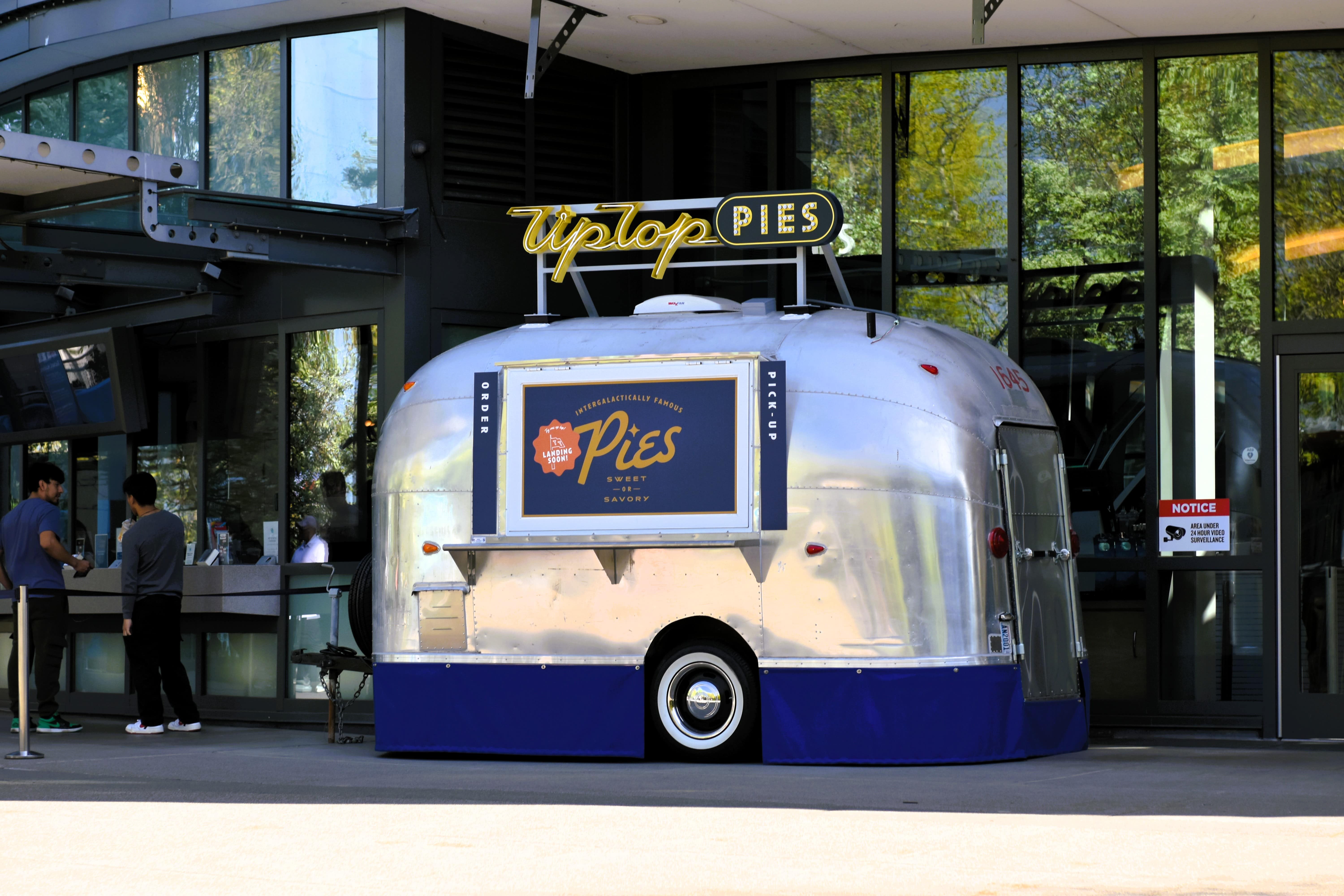
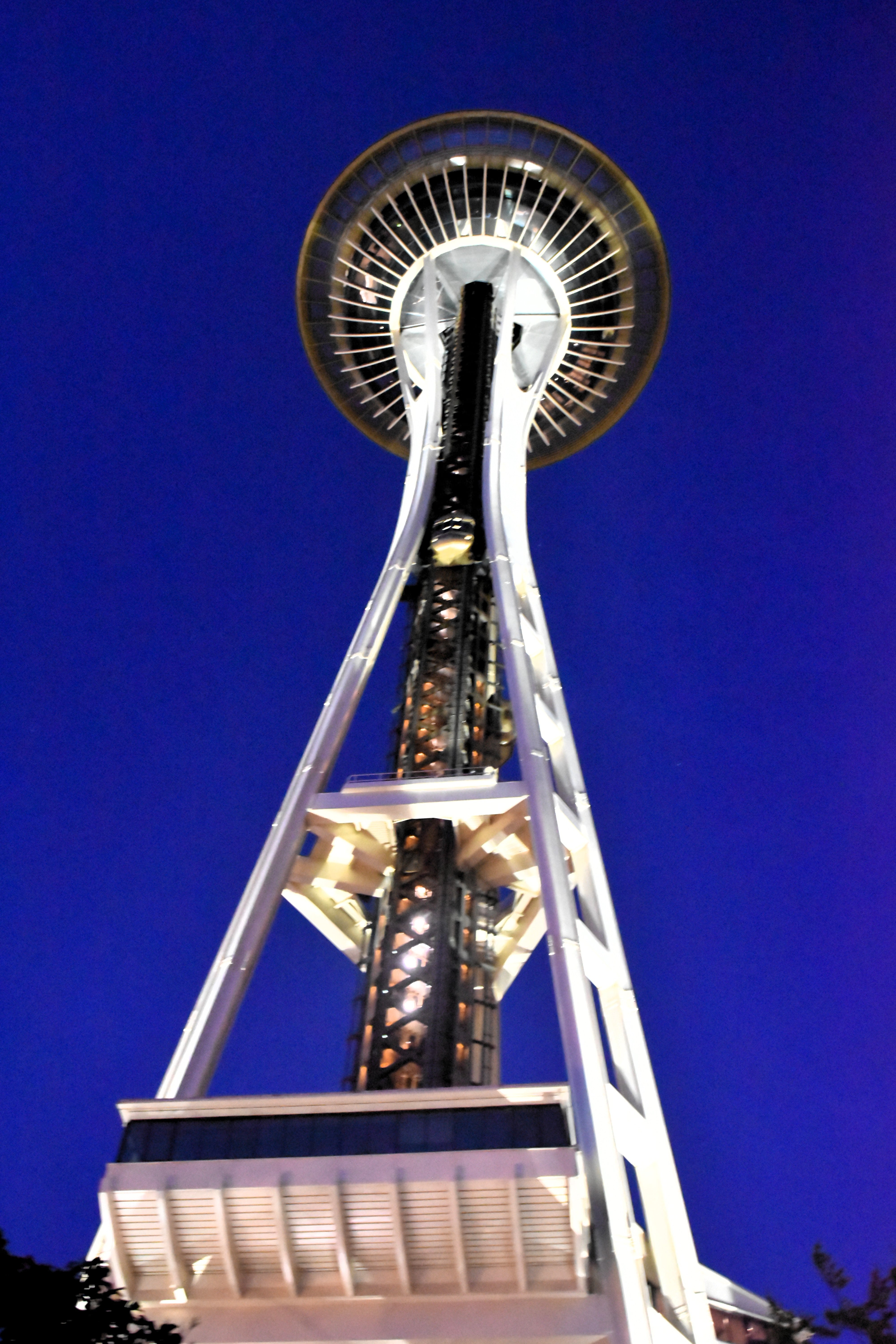
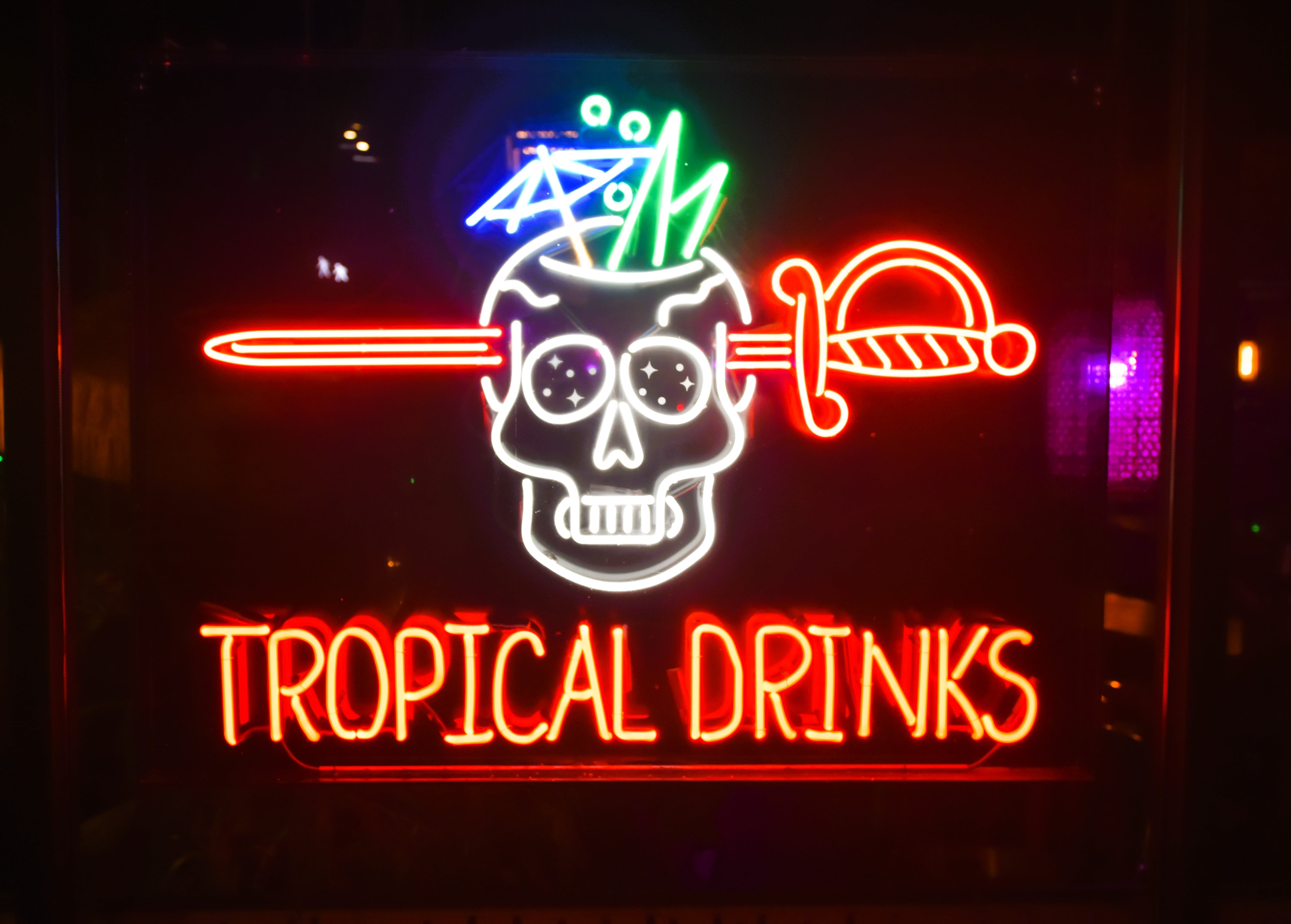
Back in Belltown, we rounded off the day with a pint at Belltown Pizza, which had the kind of laid-back, neighborhood vibe you hope to find when you’re traveling. Later that evening, I decided to head back toward the Chihuly Garden to try and catch it lit up at night. Unfortunately, I was a little too late—the gates were closing soon and they were not letting people in—but I still walked around the grounds and experimented with some night photography. Even from the outside, it had a quiet kind of glow that was worth the walk.




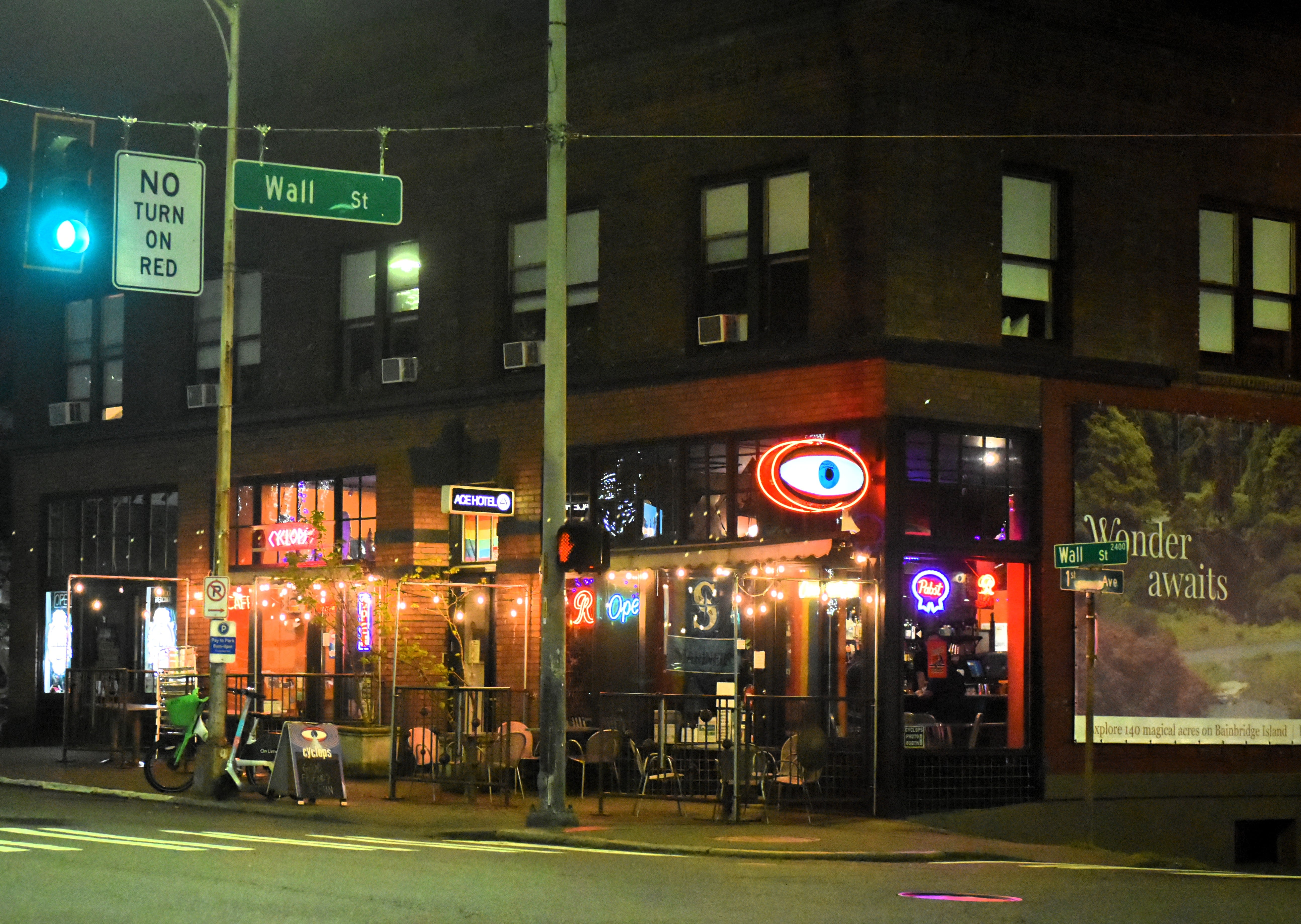
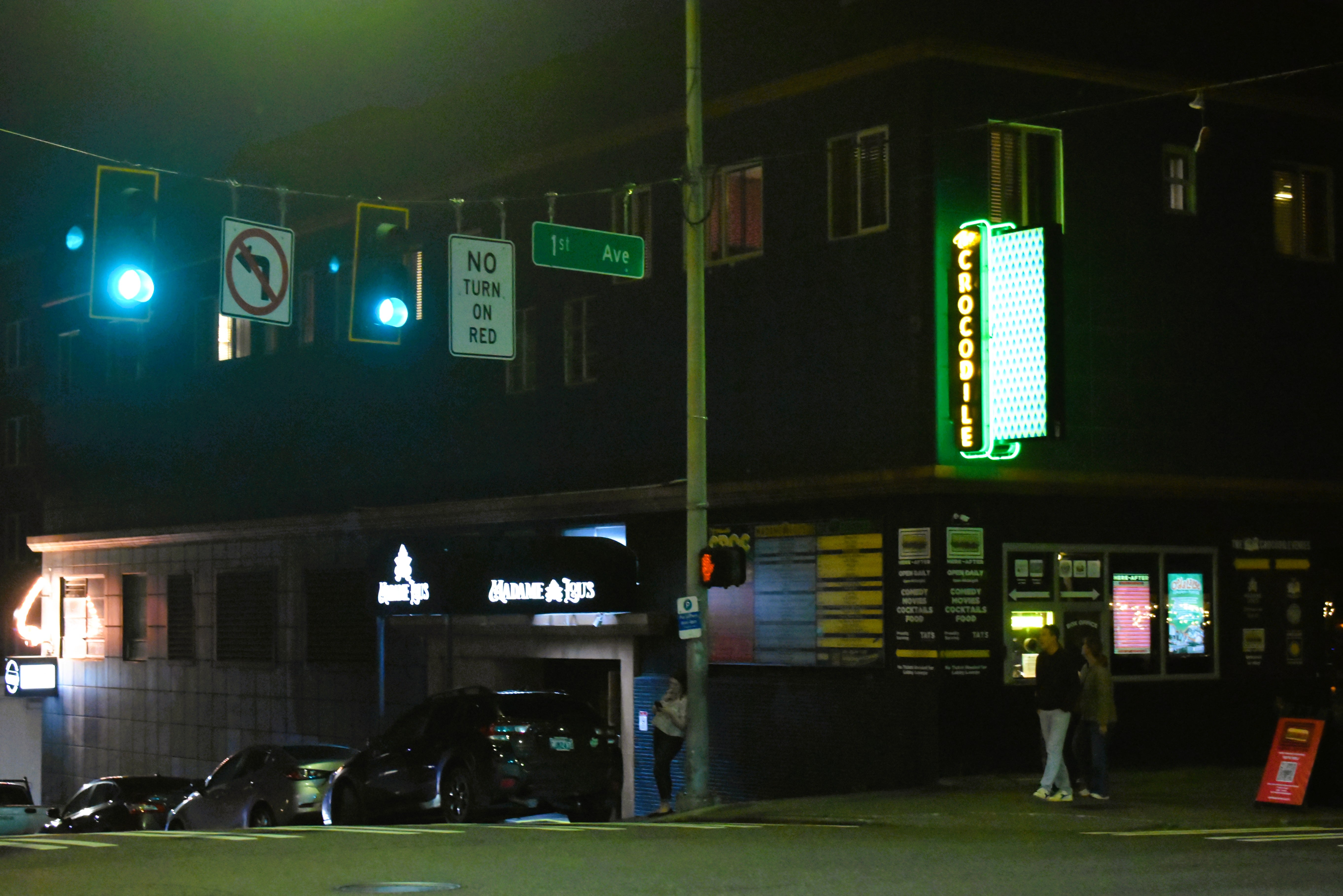
Day 4: Going Underground and a Trip to Bainbridge Island
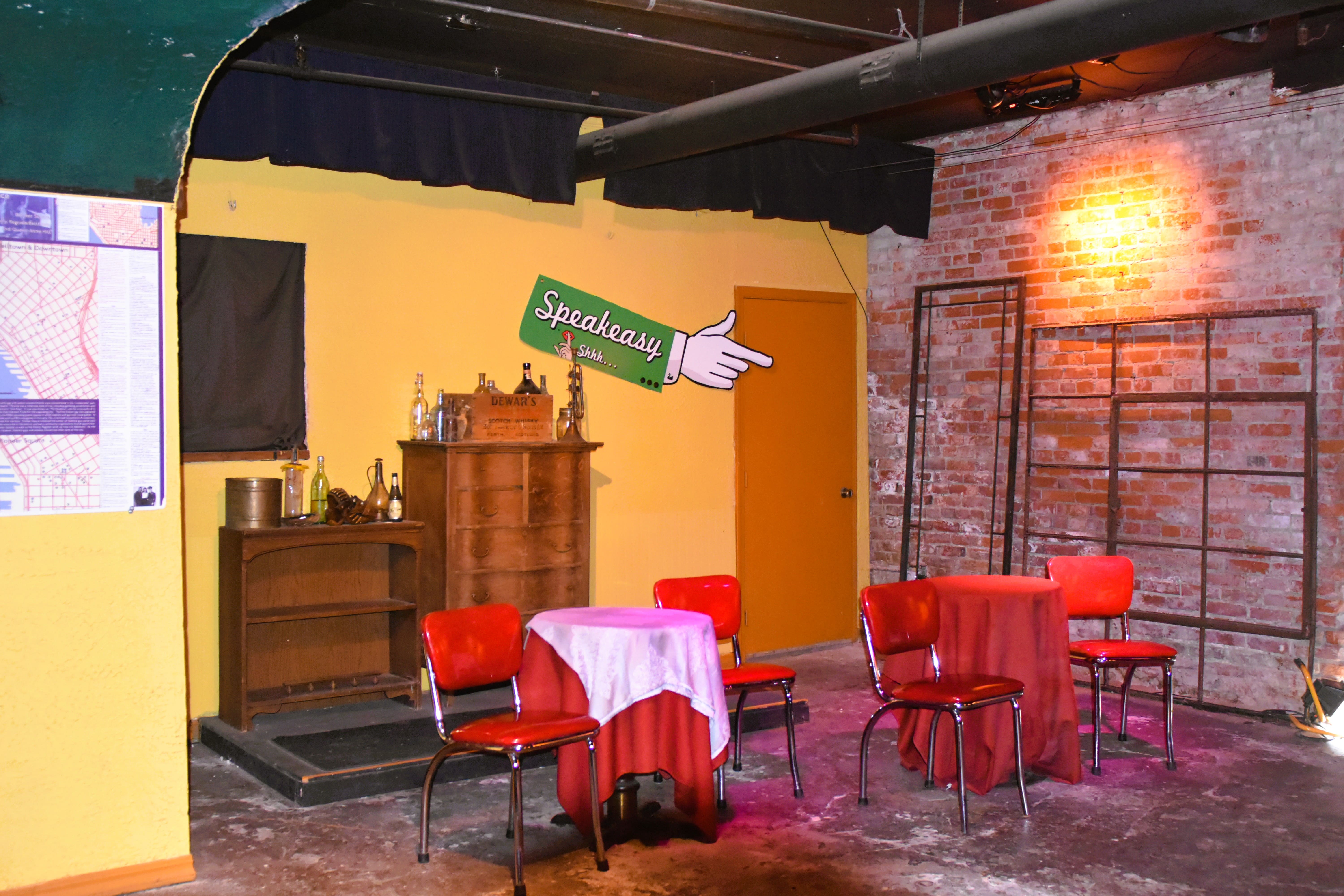
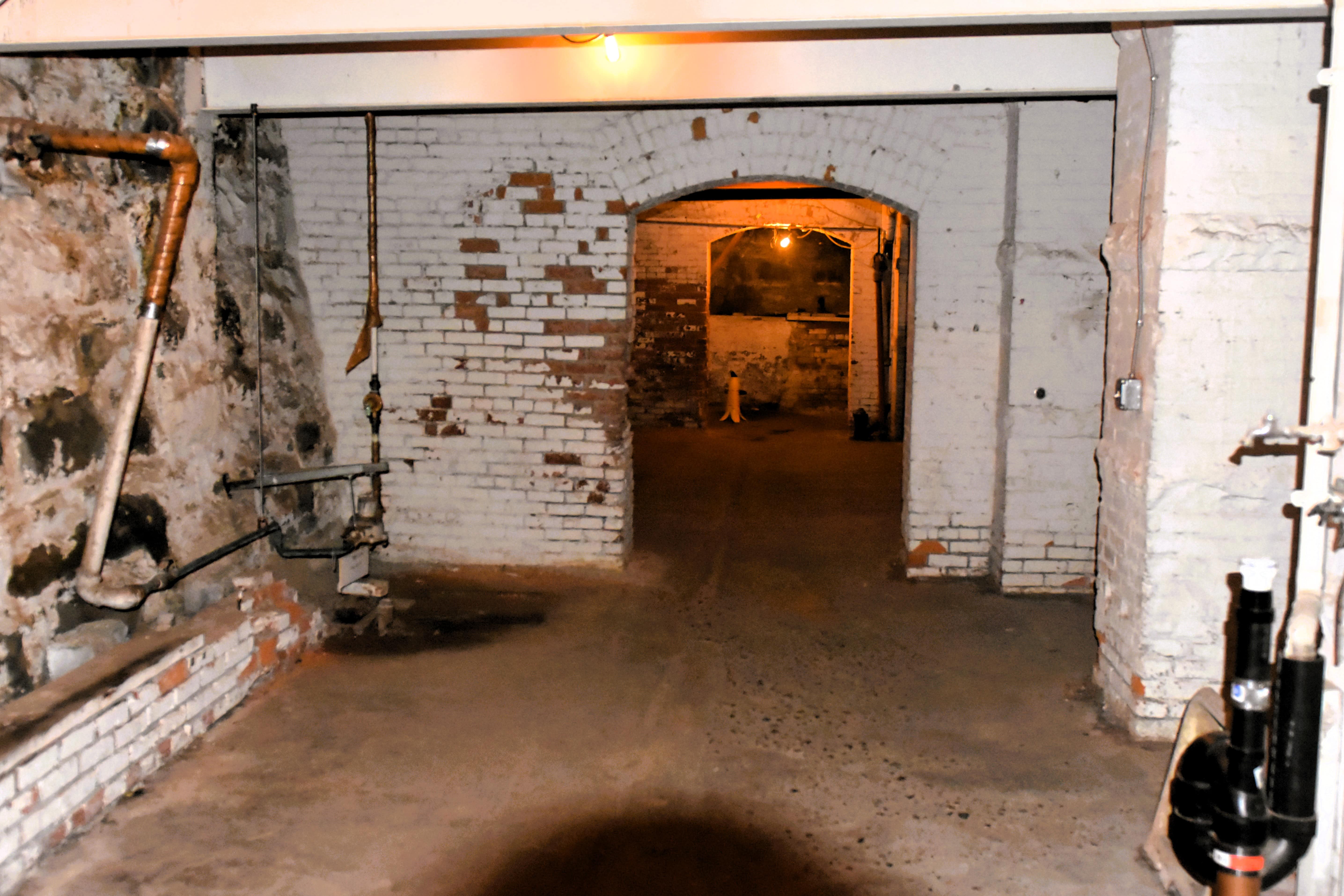
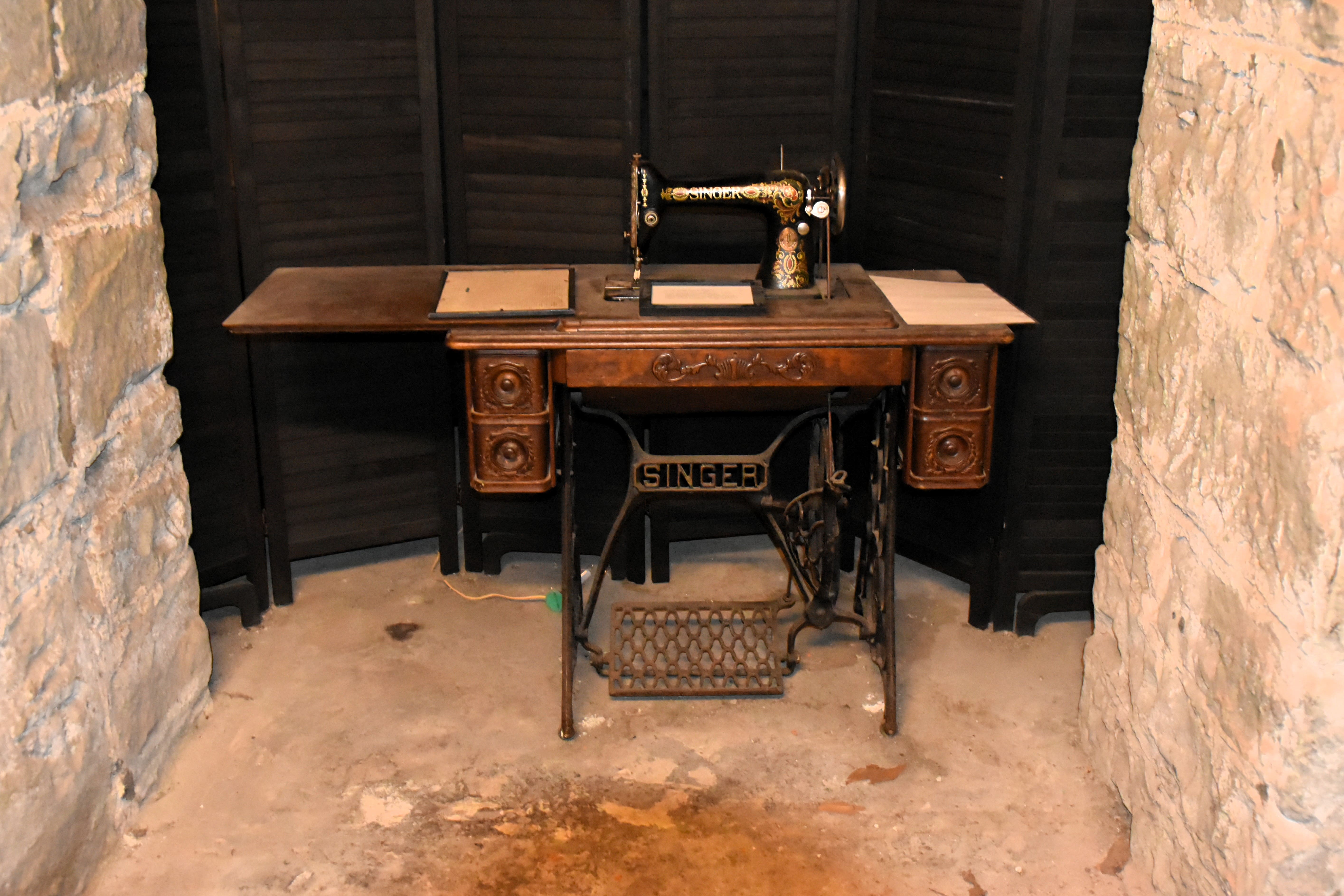
On Friday, we walked down to 1st and Cherry Street to join the Beneath-the-Streets tour of old Seattle. Our guide this time was Richard, and while the route was different from our earlier walking tour, the history overlapped quite a bit—just with more focus on what’s hidden below the city. Richard had a good sense of humor, much like Joe from our previous tour. Between the two of them, you could mistake this for a stand-up comedy show about Seattle’s past.
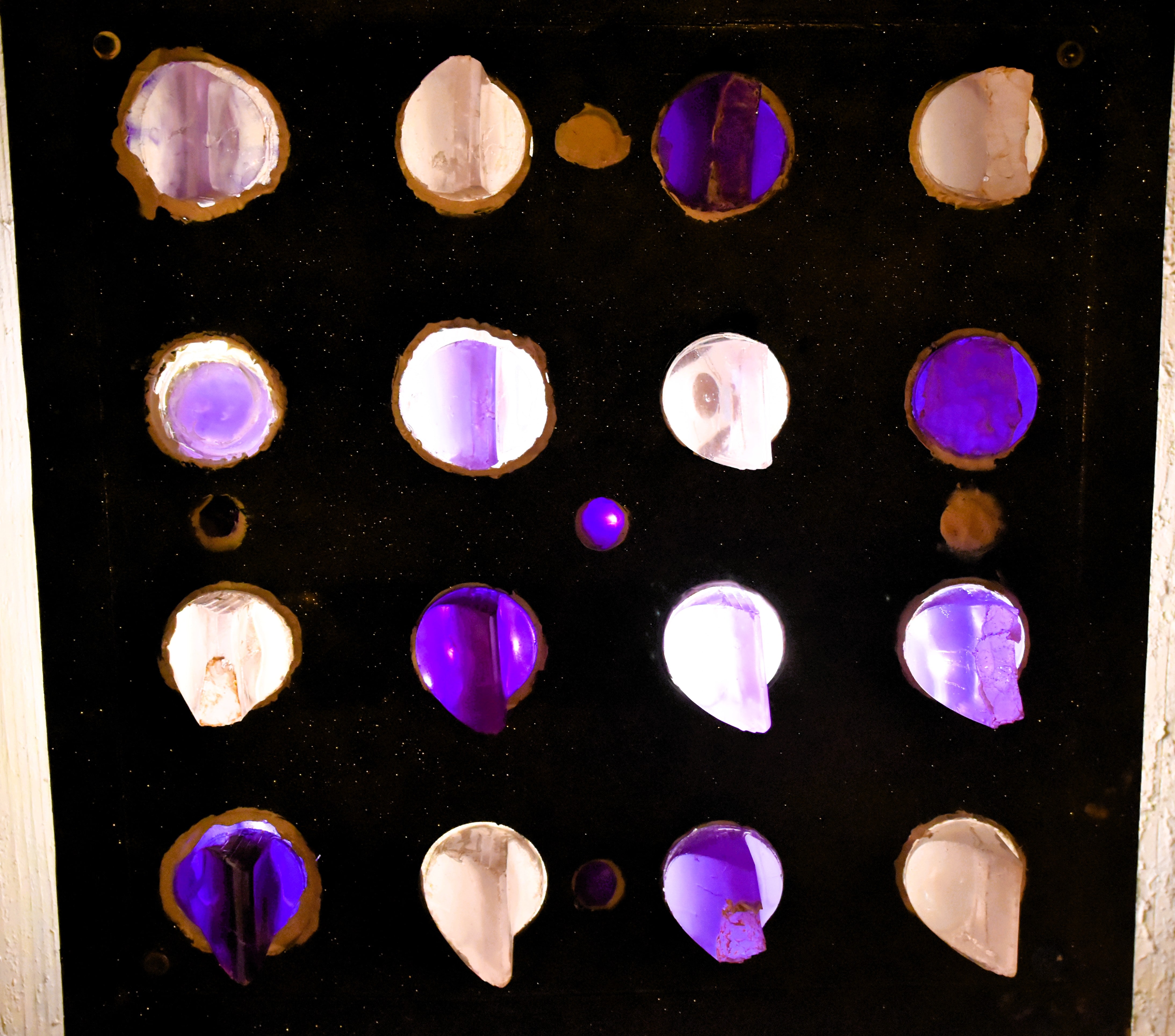
The tour took us through a series of basement spaces that were once the original ground floors of buildings before the city raised the street level after the Great Fire. One highlight was the old glass skylights embedded in the sidewalks—these were designed to let daylight filter into the underground walkways. Over time, exposure to sunlight turned the magnesium in the glass purple, which gave them a unique look.



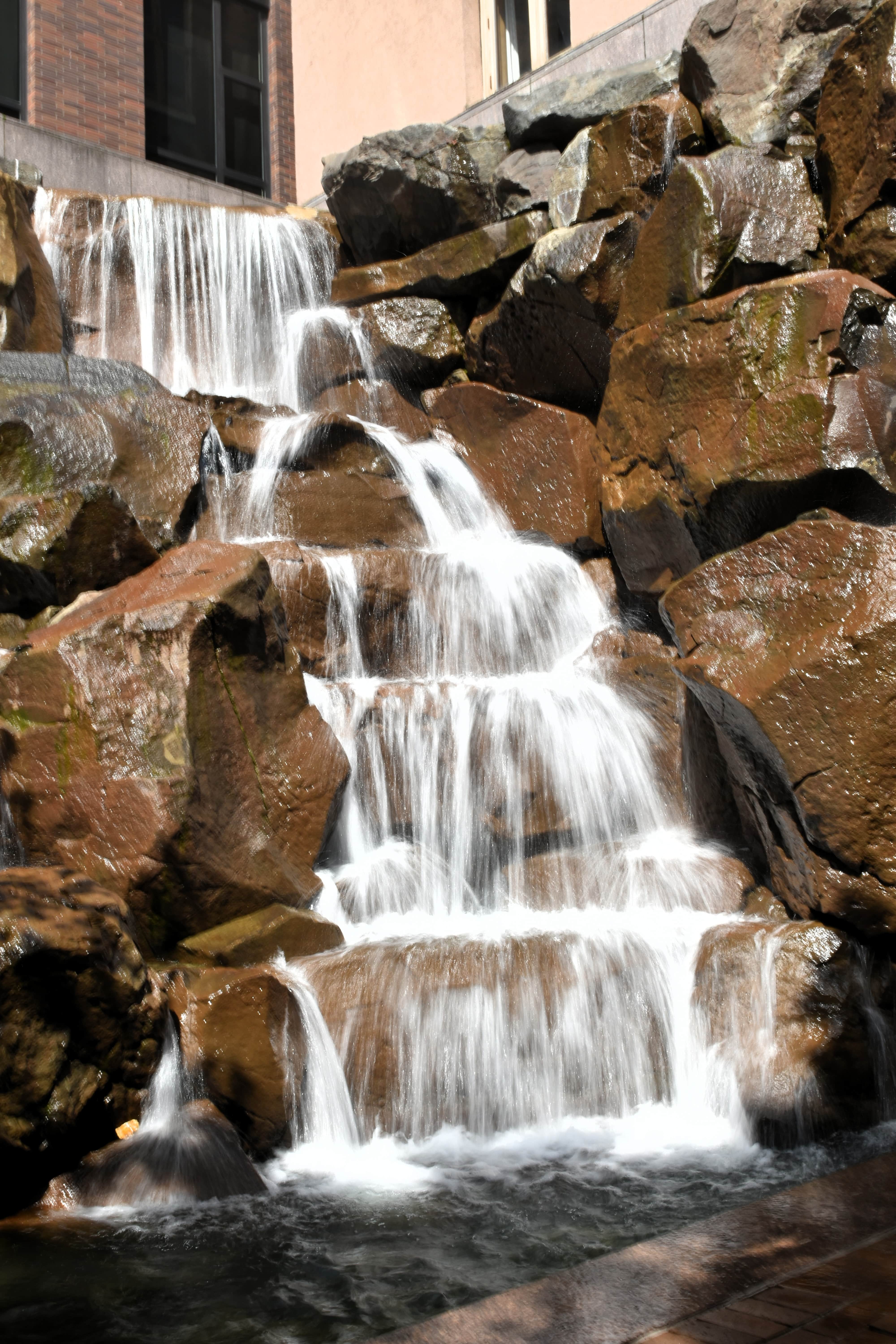
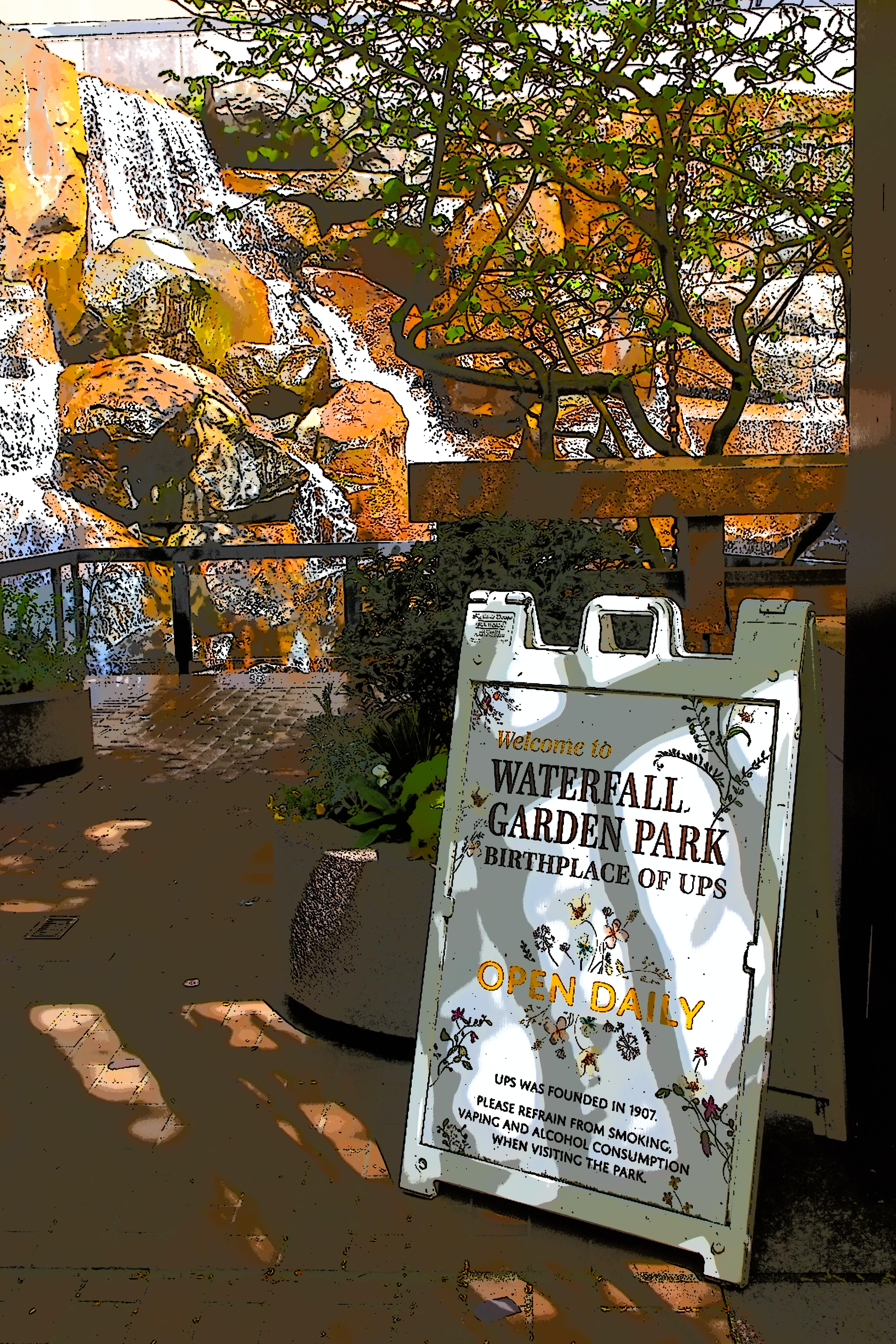
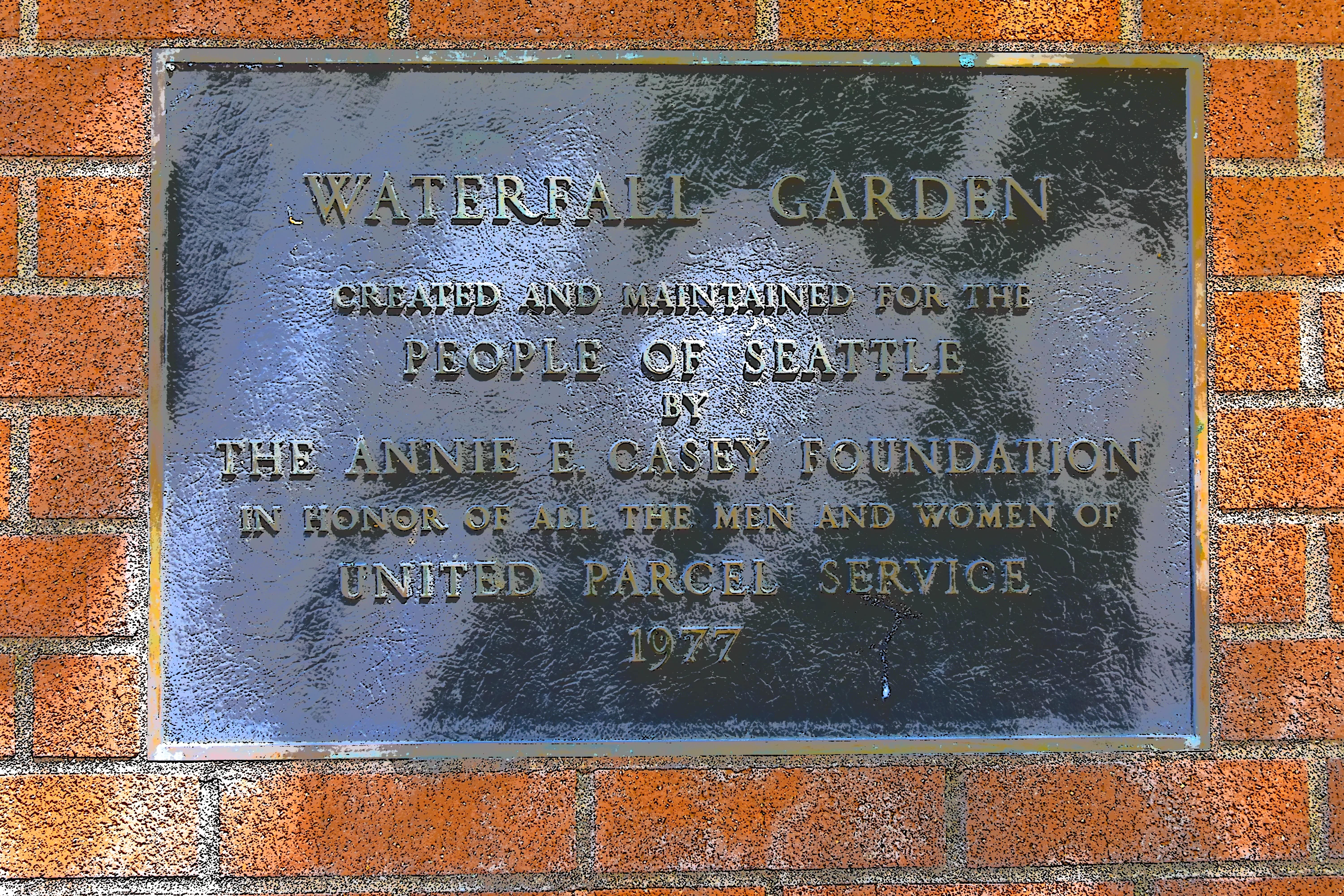
After the tour, we walked over to Waterfall Garden Park (also known as UPS Park). It’s a small, quiet spot in Pioneer Square, built on the original site of United Parcel Service. There’s a 22-foot waterfall tucked away in the middle of the park, and it’s a nice place to stop and relax. The space was designed in the late ‘70s and funded by the Annie E. Casey Foundation to honor UPS founder James Casey.

From there, we headed to the ferry terminal and took a trip over to Bainbridge Island. Once on the island, we looked around for a lunch spot. The first place we tried wasn’t quite what we were hoping for—everything was deep-fried—so we circled back to a café advertising “gourmet” sandwiches. The food was decent, though I’m not sure I’d go so far as to call it gourmet. Little did we know that Bainbridge Island is the birthplace of pickleball.


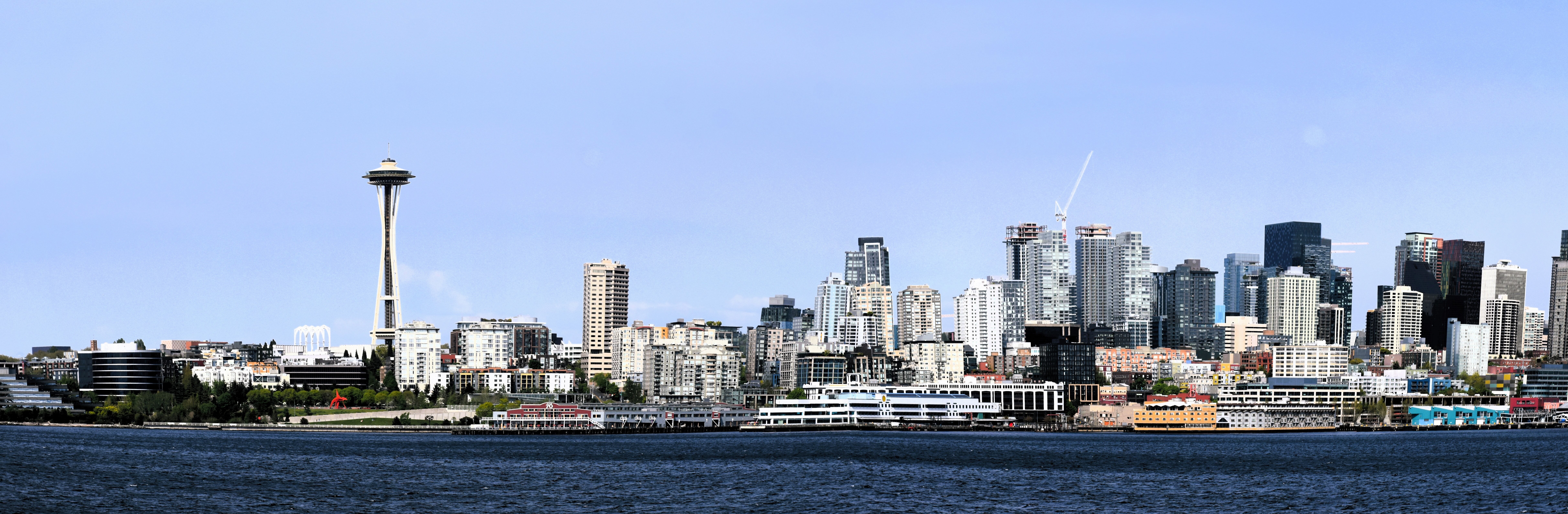
On the way back to Seattle, I spent some time taking photos of the skyline from the ferry. The view from Puget Sound really gives you a different perspective of the city.


Day 5: Orcas, Sea Lions, and a Farewell Dinner
On our final day in Seattle, we took a whale watching tour with SJC Whale Watching, which departed from Pier 69—just a short walk from our Airbnb on 1st Avenue. The boat left at 10:30 AM and made its way into Puget Sound. The water was calm and the ride took about 45 minutes before we reached an area where Orcas had recently been spotted.
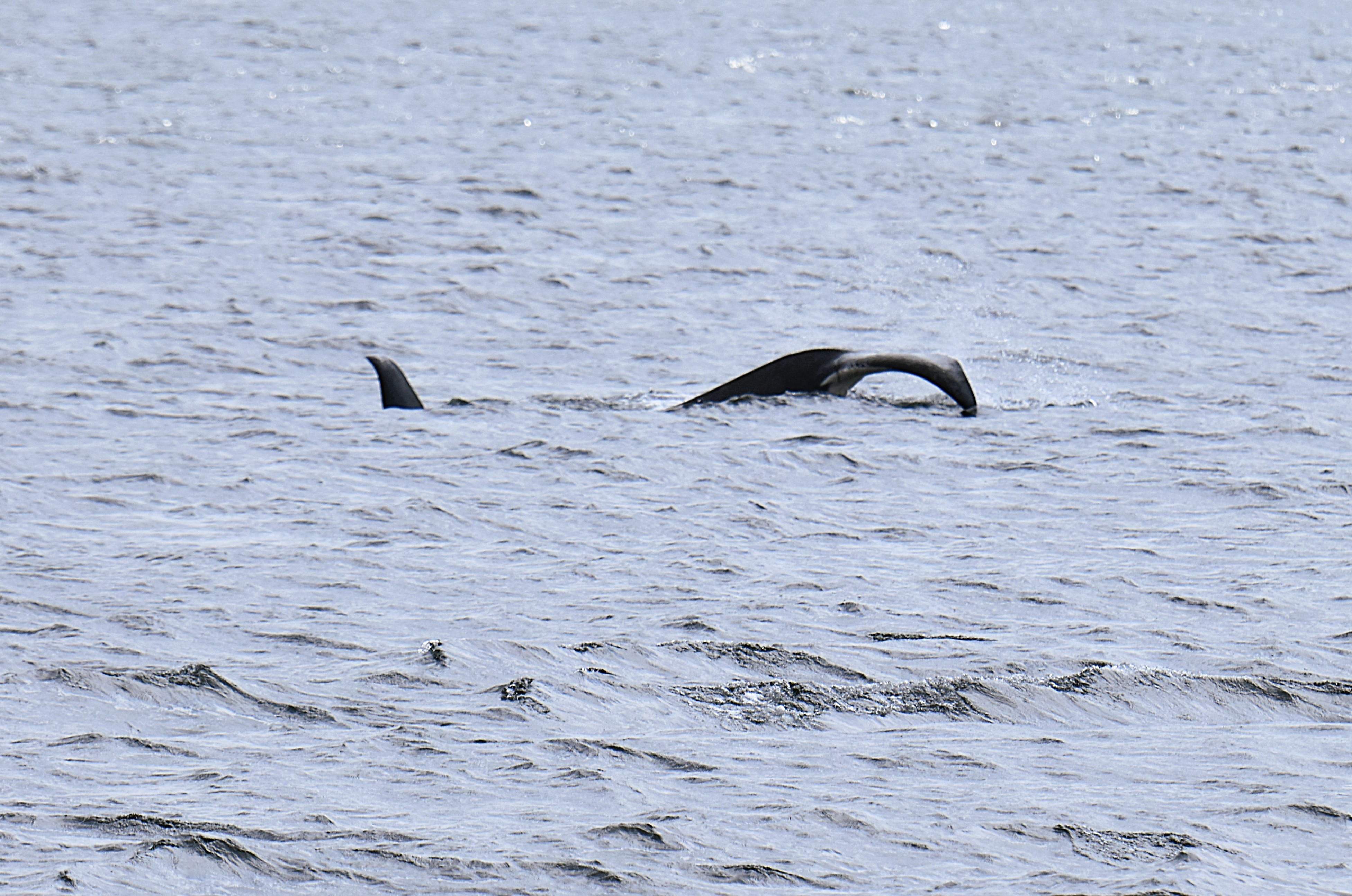

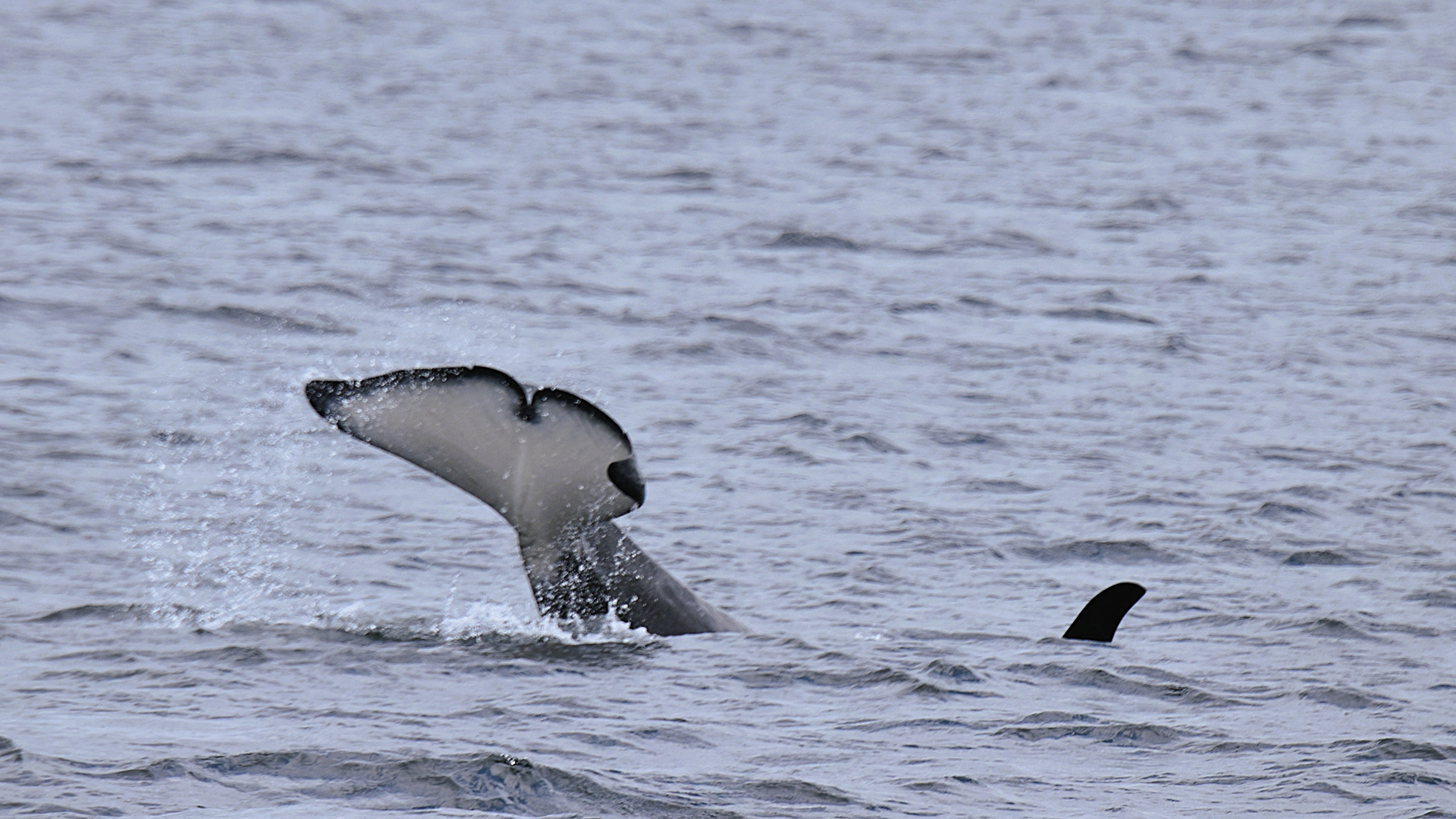
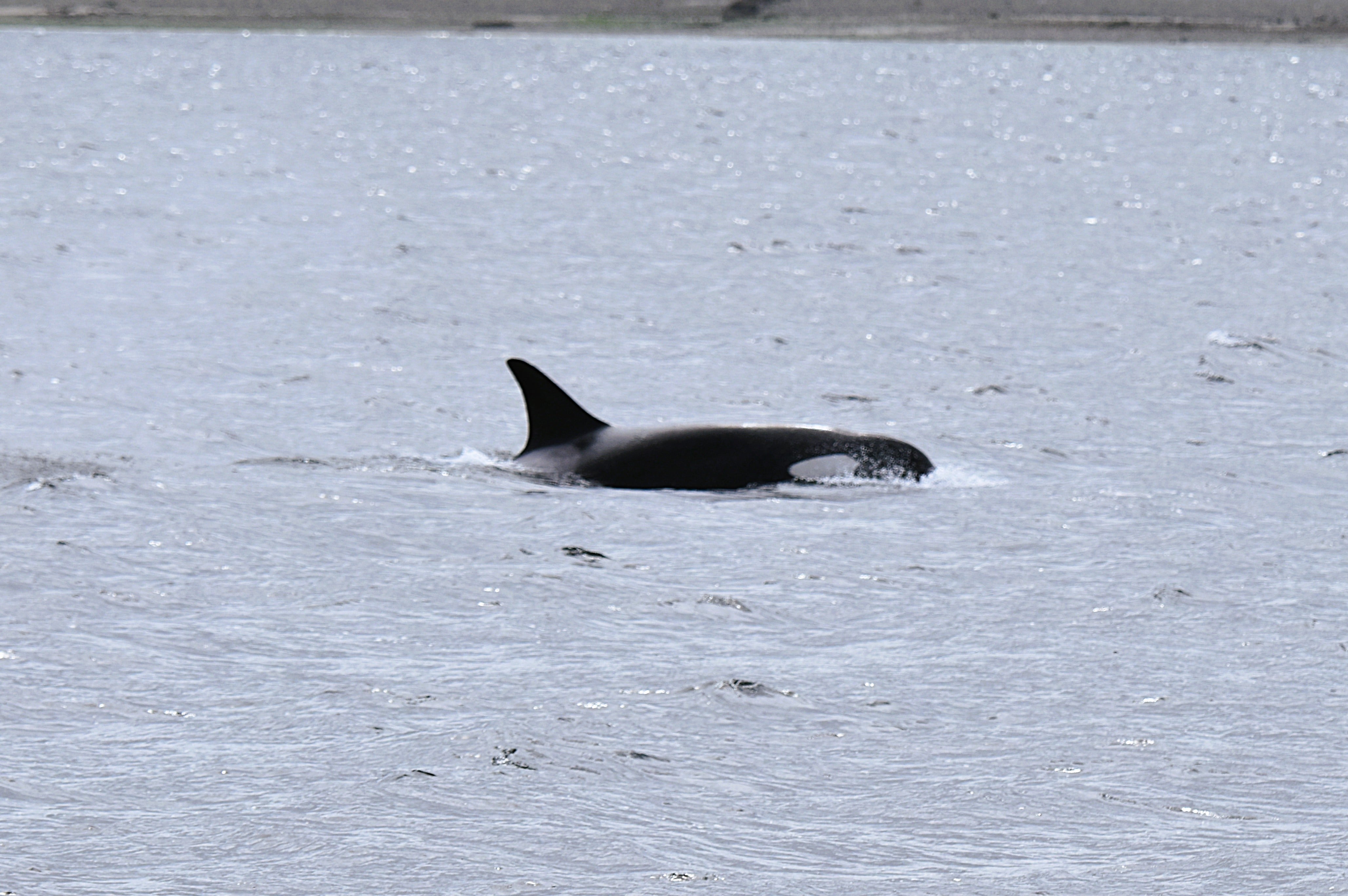
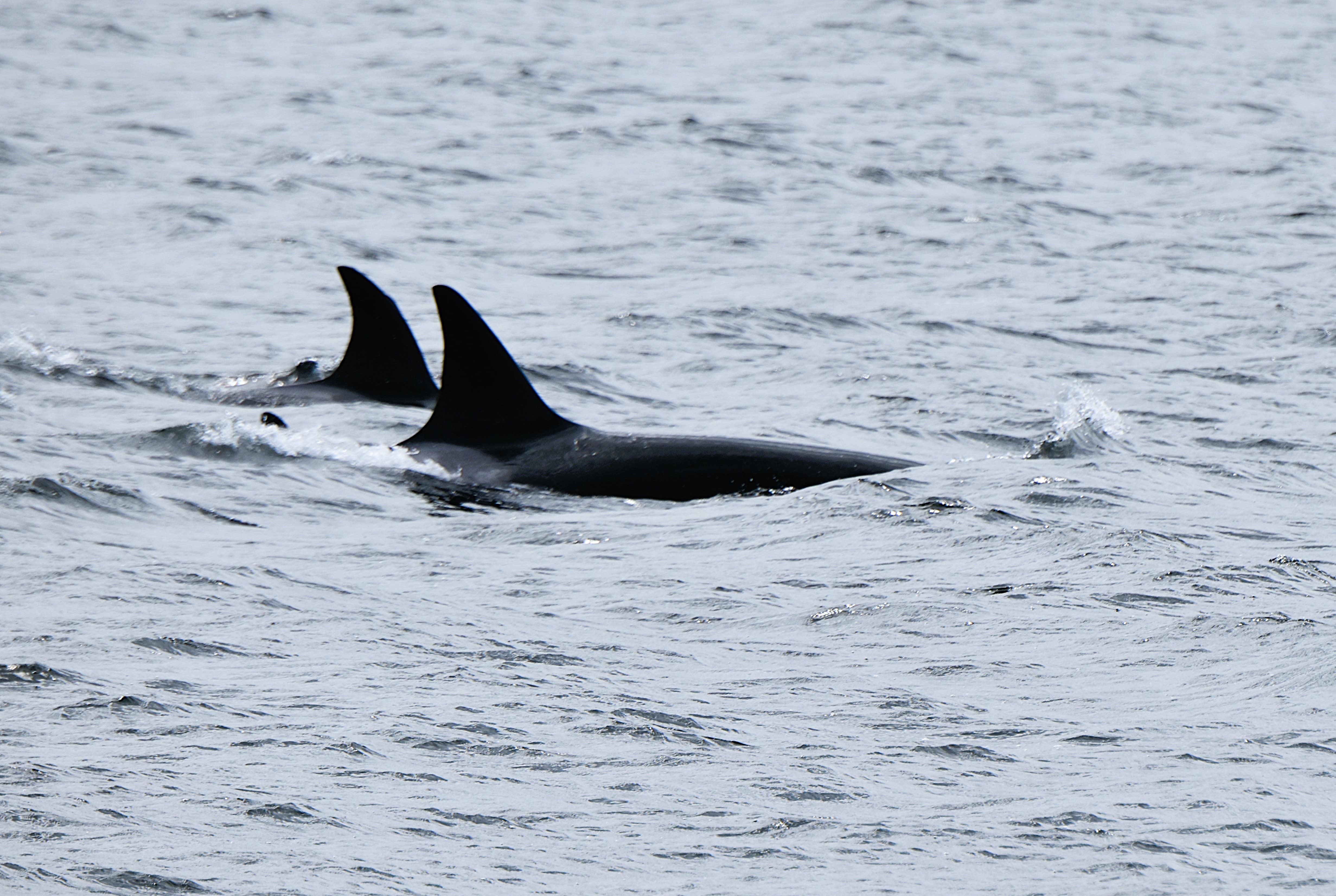

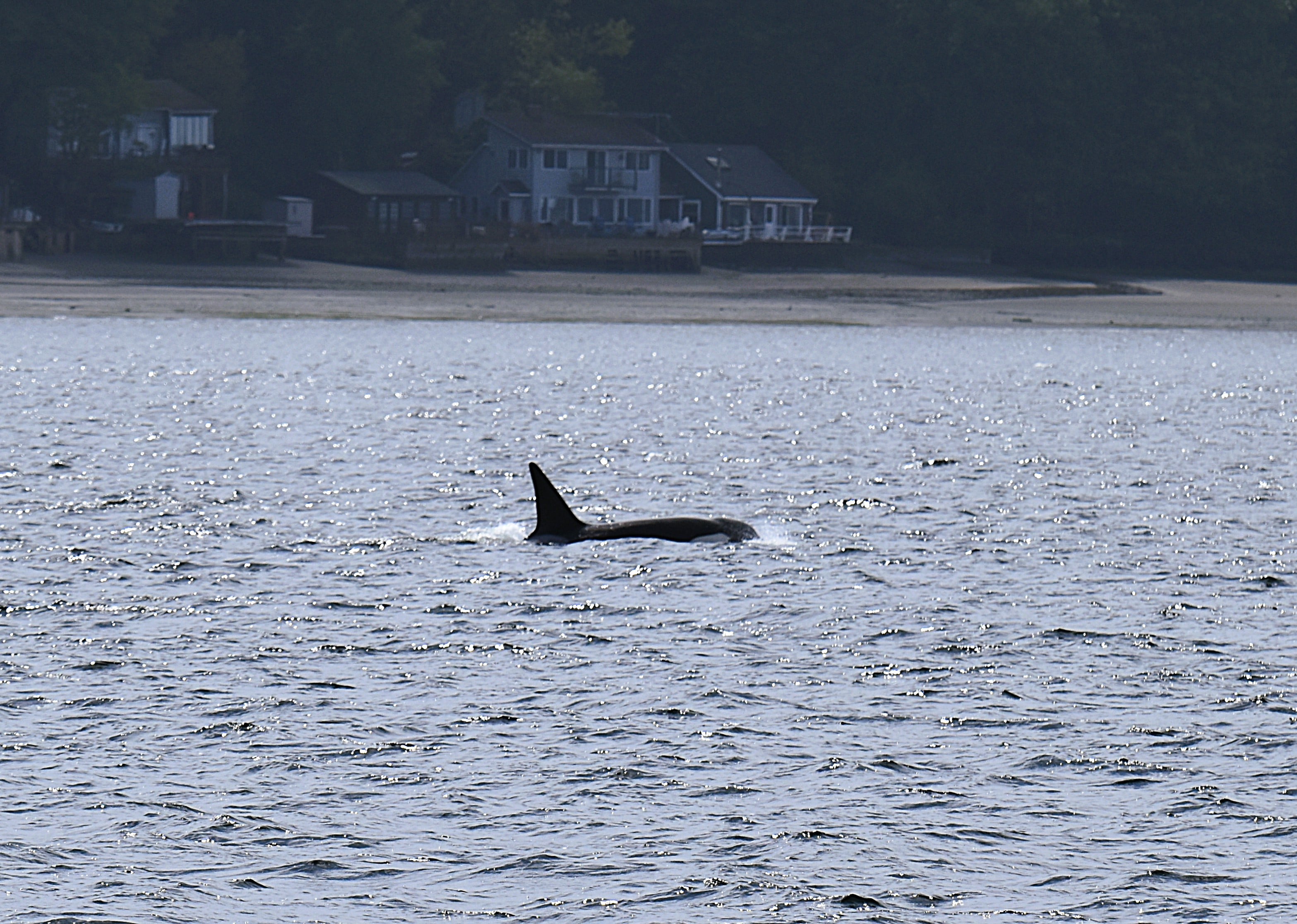
The crew kept a respectful distance—around 200 feet—from the whales so as not to disturb them. We were allowed out on the bow of the ship for a better view. At one point, the Orcas started diving and thrashing around. According to the crew, this usually means they’ve found prey—likely a sea lion or harbour seal.

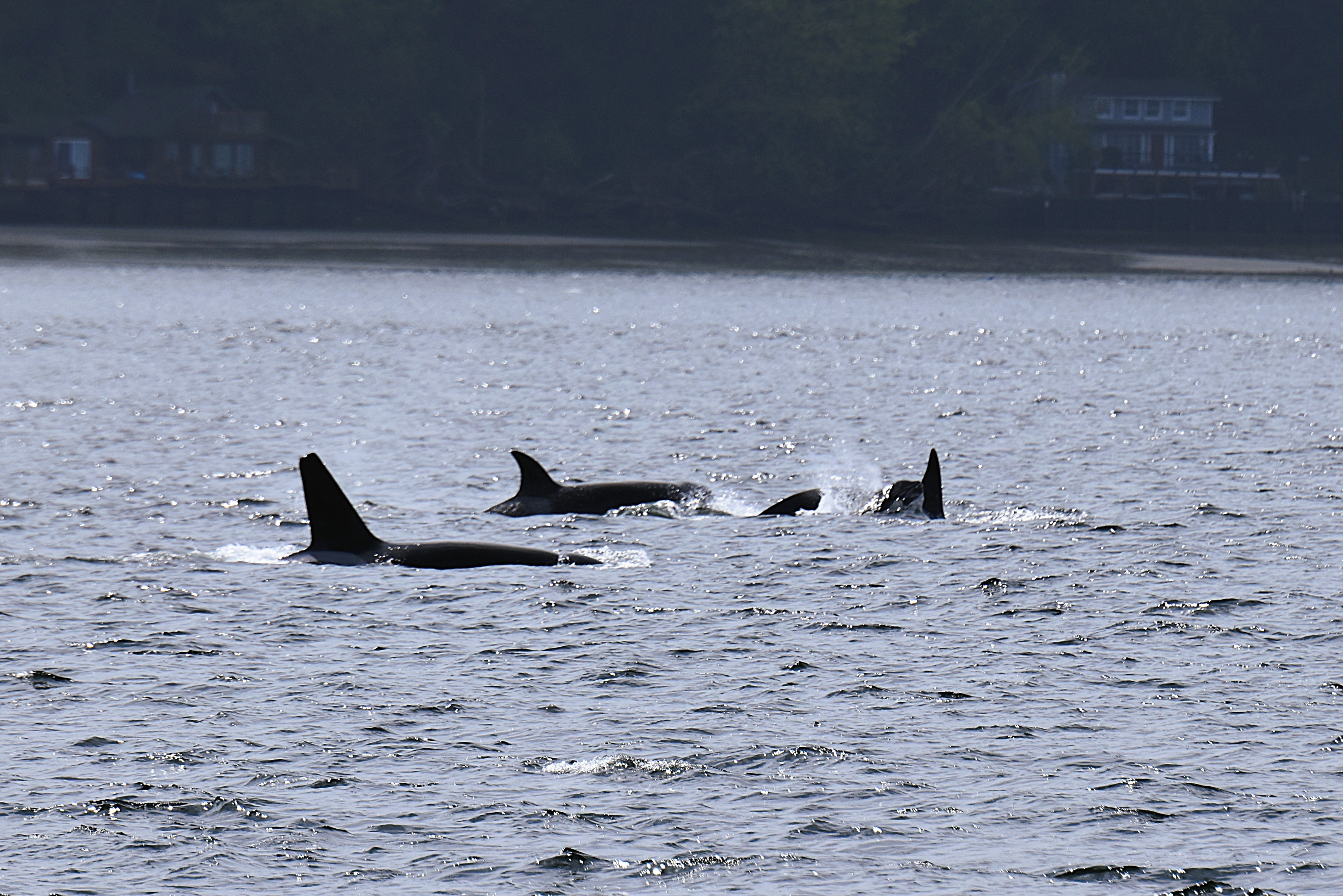

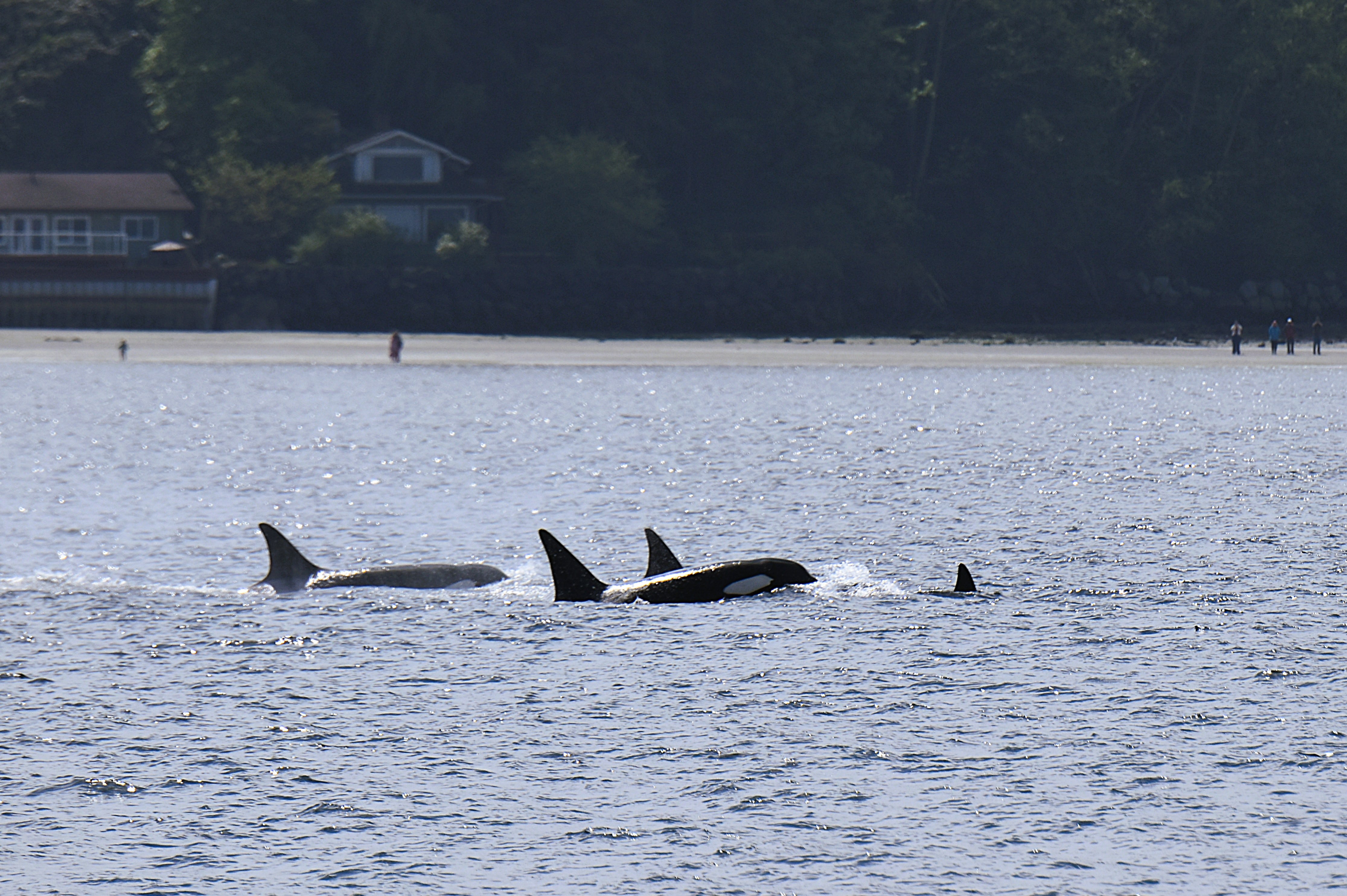
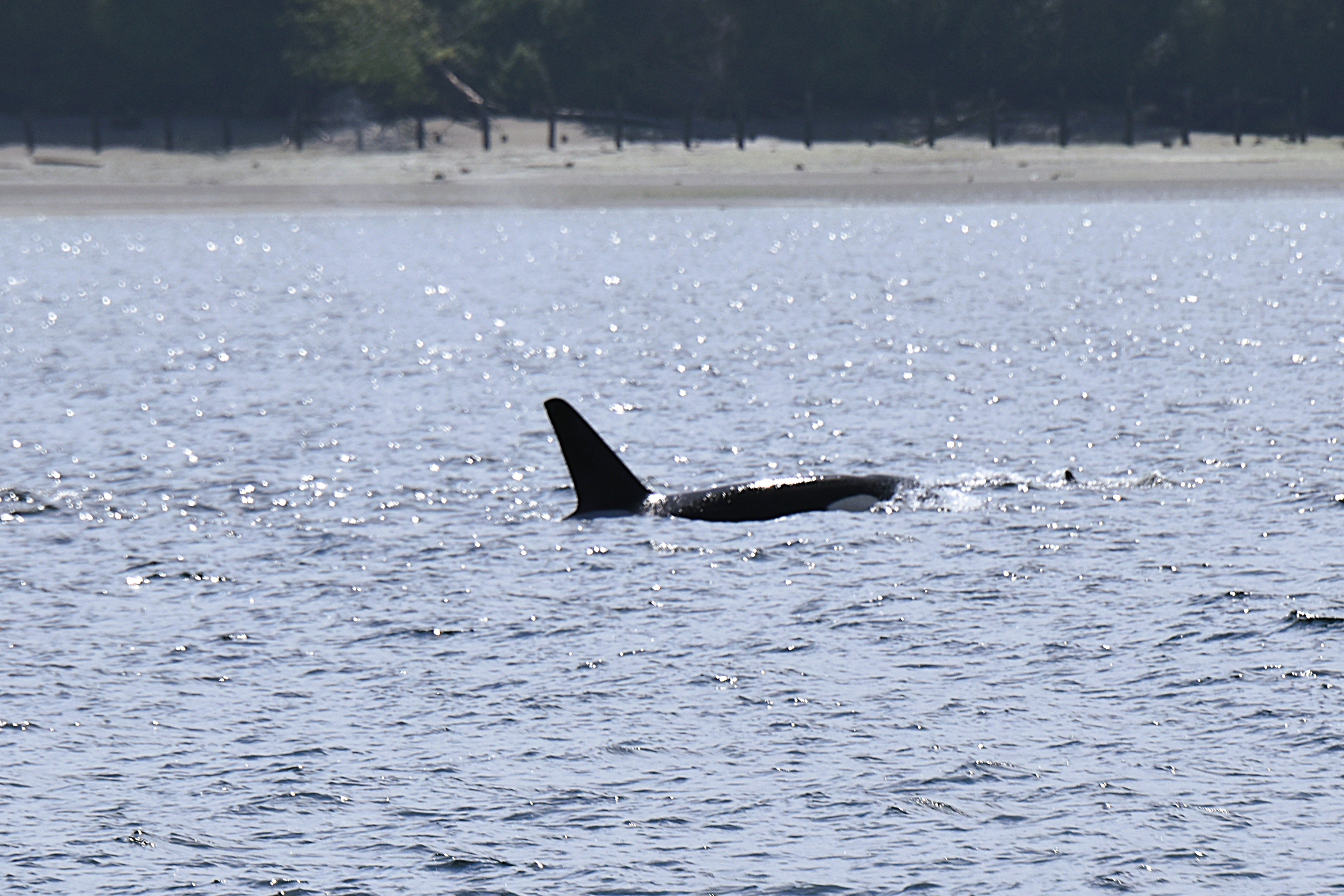
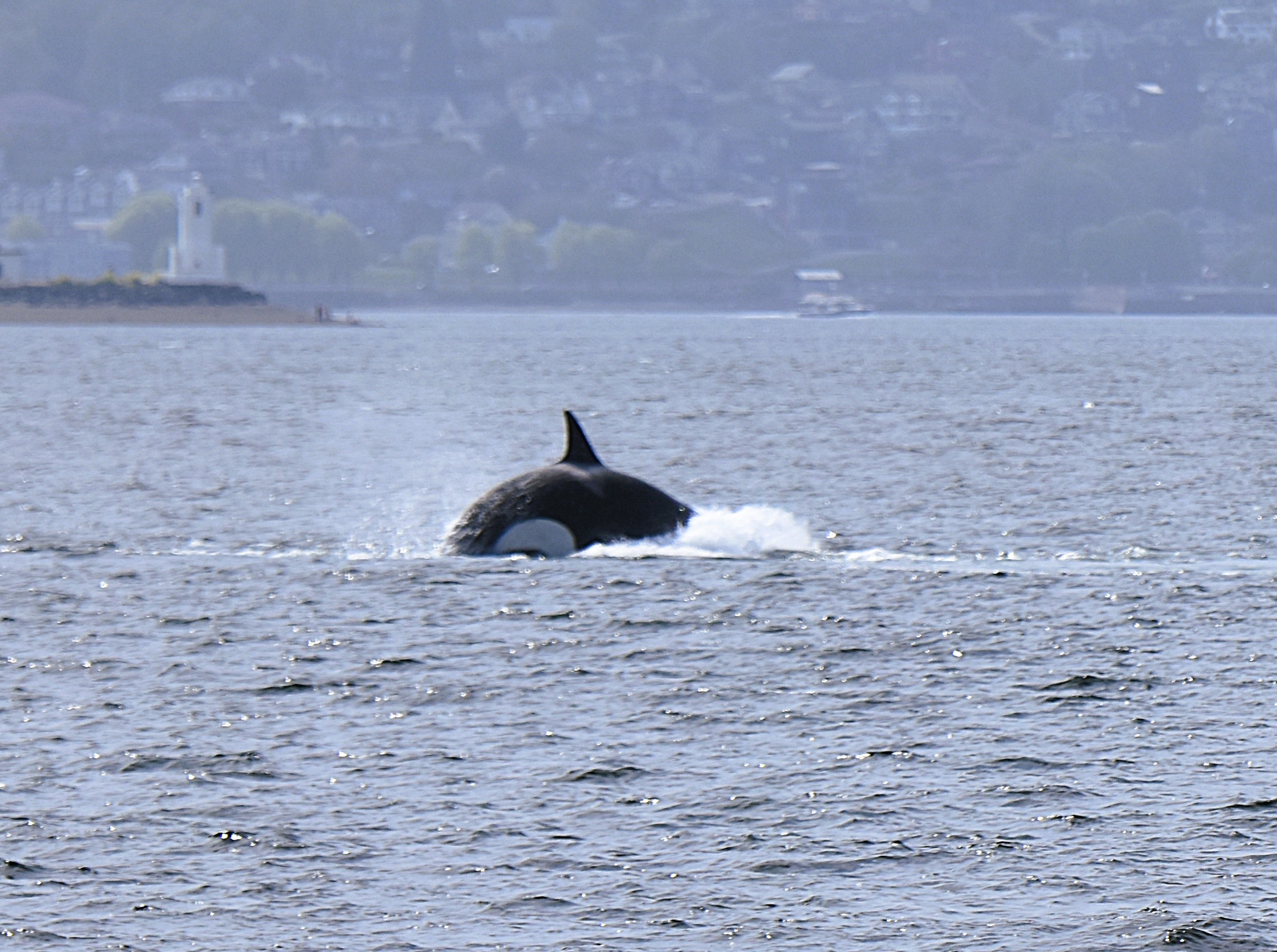


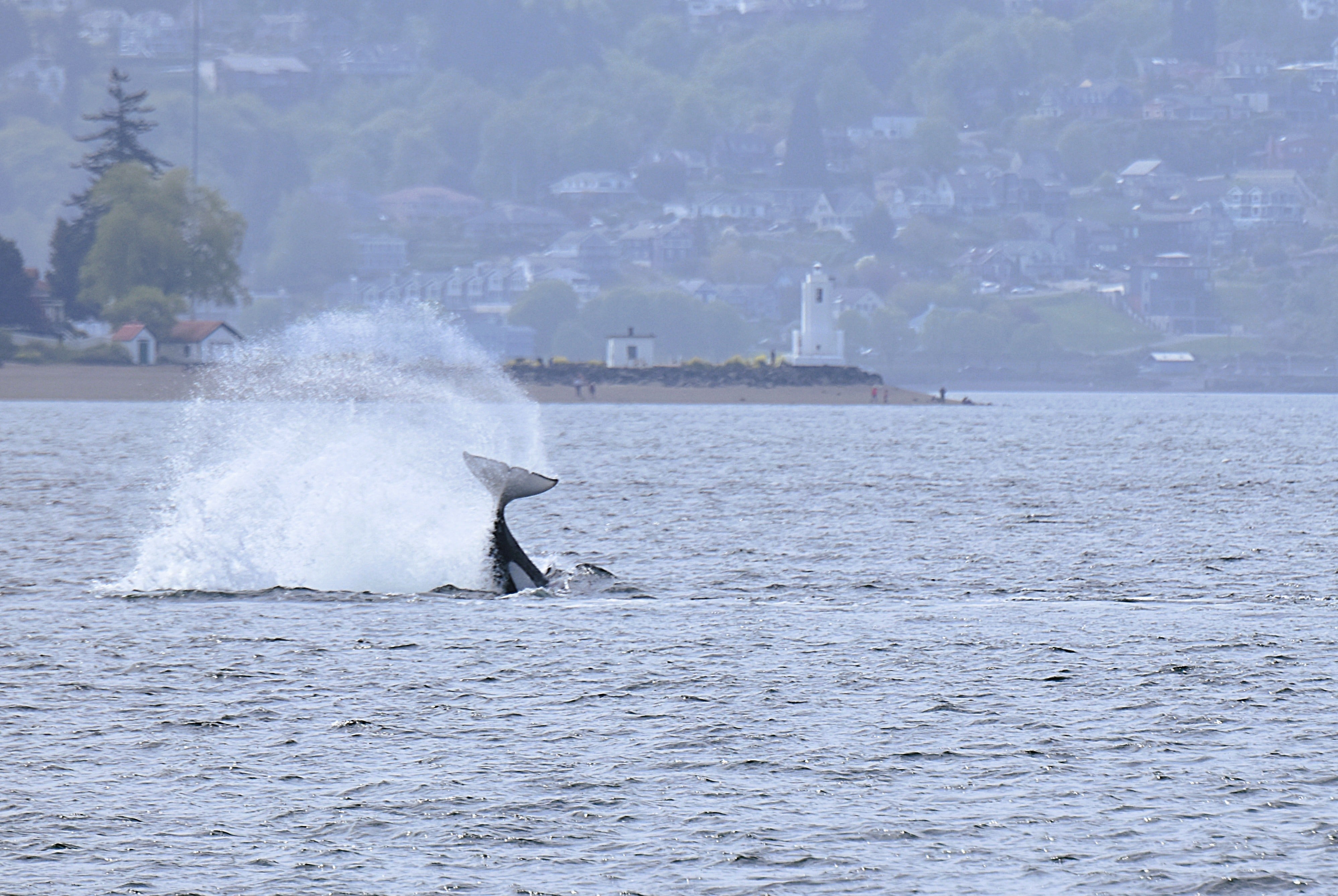
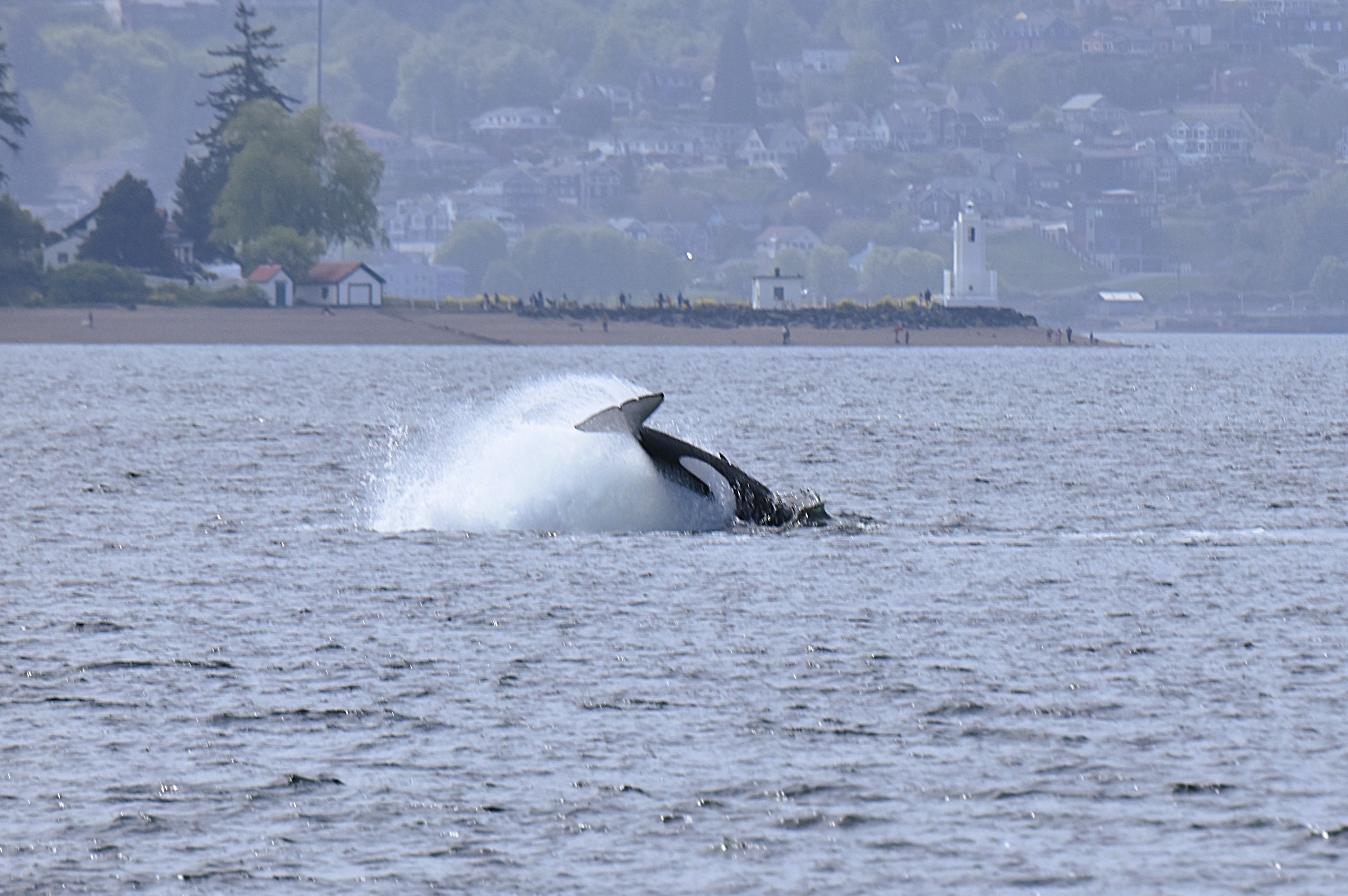
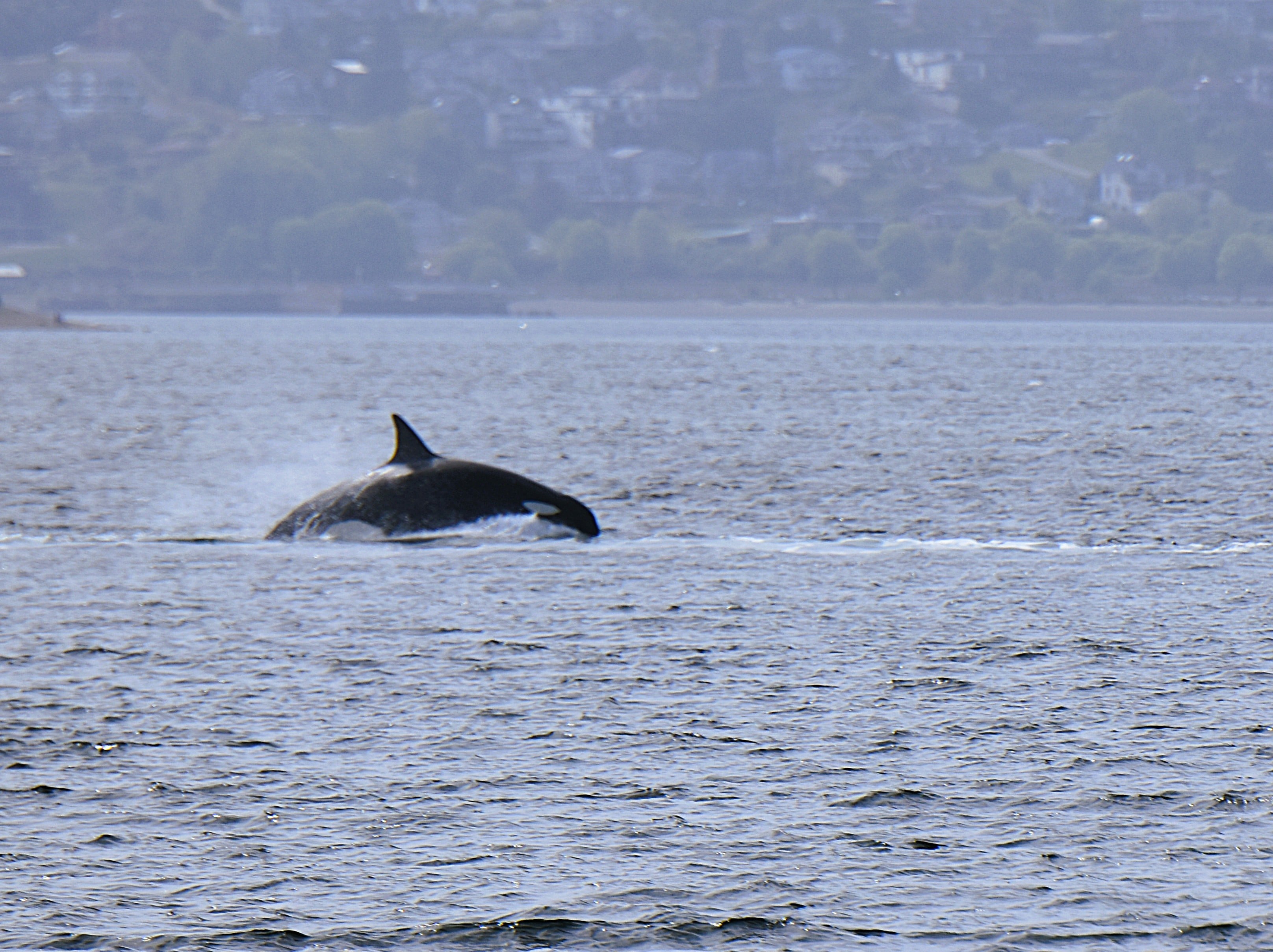
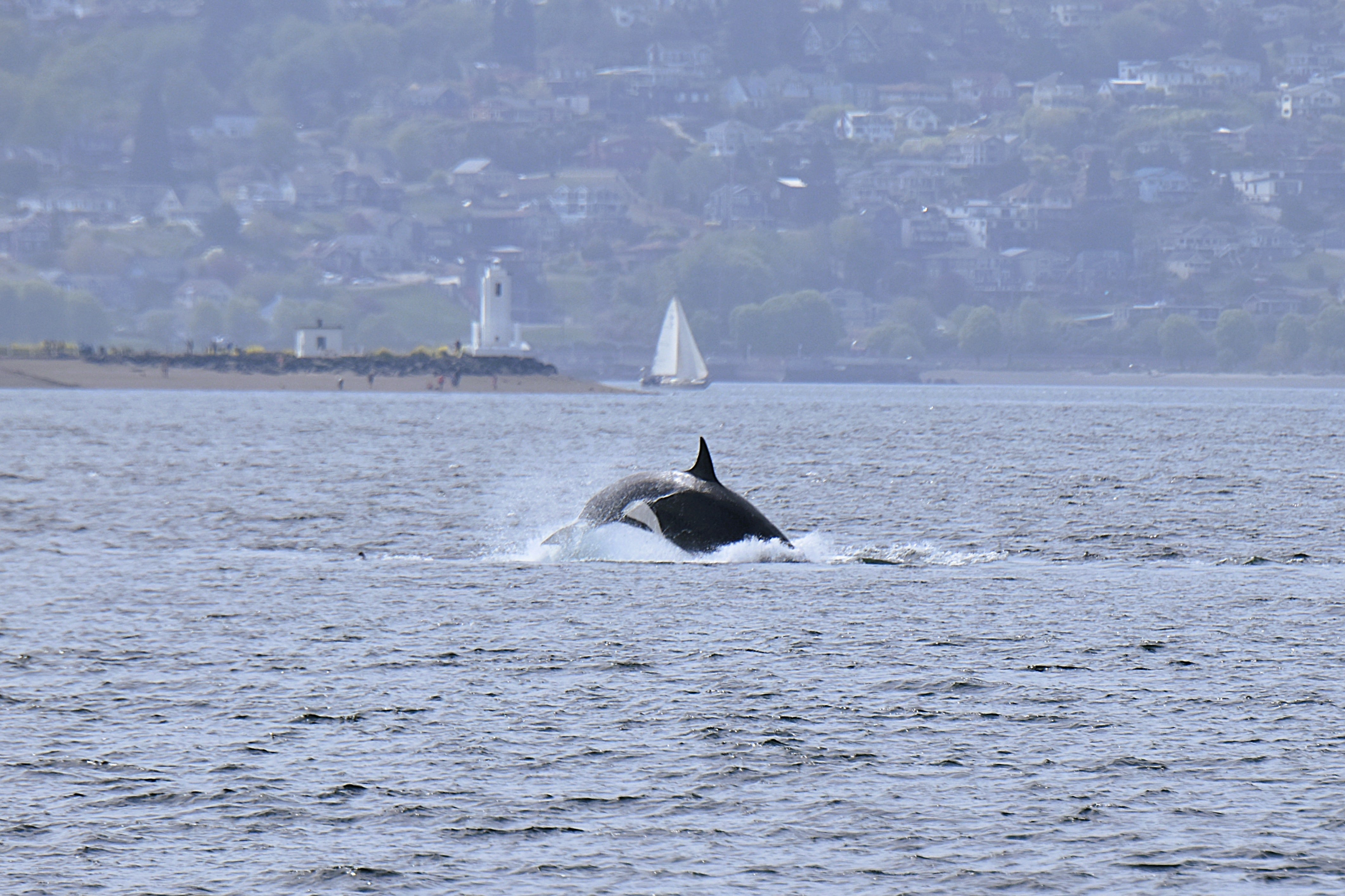
After about an hour of watching the Orcas, the boat started back toward Seattle, with a brief stop to check out a buoy where a sea lion was stretched out, surrounded by cormorants perched on top and some harbor seals swimming close by.


That evening, Clare and I returned to Limoncello for a farewell dinner. It was a good way to close out the trip. We managed to check off everything on our list, but there’s clearly a lot more to see in Seattle. If we get the chance, we’d be happy to come back for a longer look.
 Marc's Travels