Clare and I set out on a week-long road trip along the California coast, starting in San Diego and aiming for San Francisco—though we didn’t quite make it all the way. Our journey began on a Wednesday, carefully planned down to the last detail. But as any traveler knows, plans are often at the mercy of air travel.
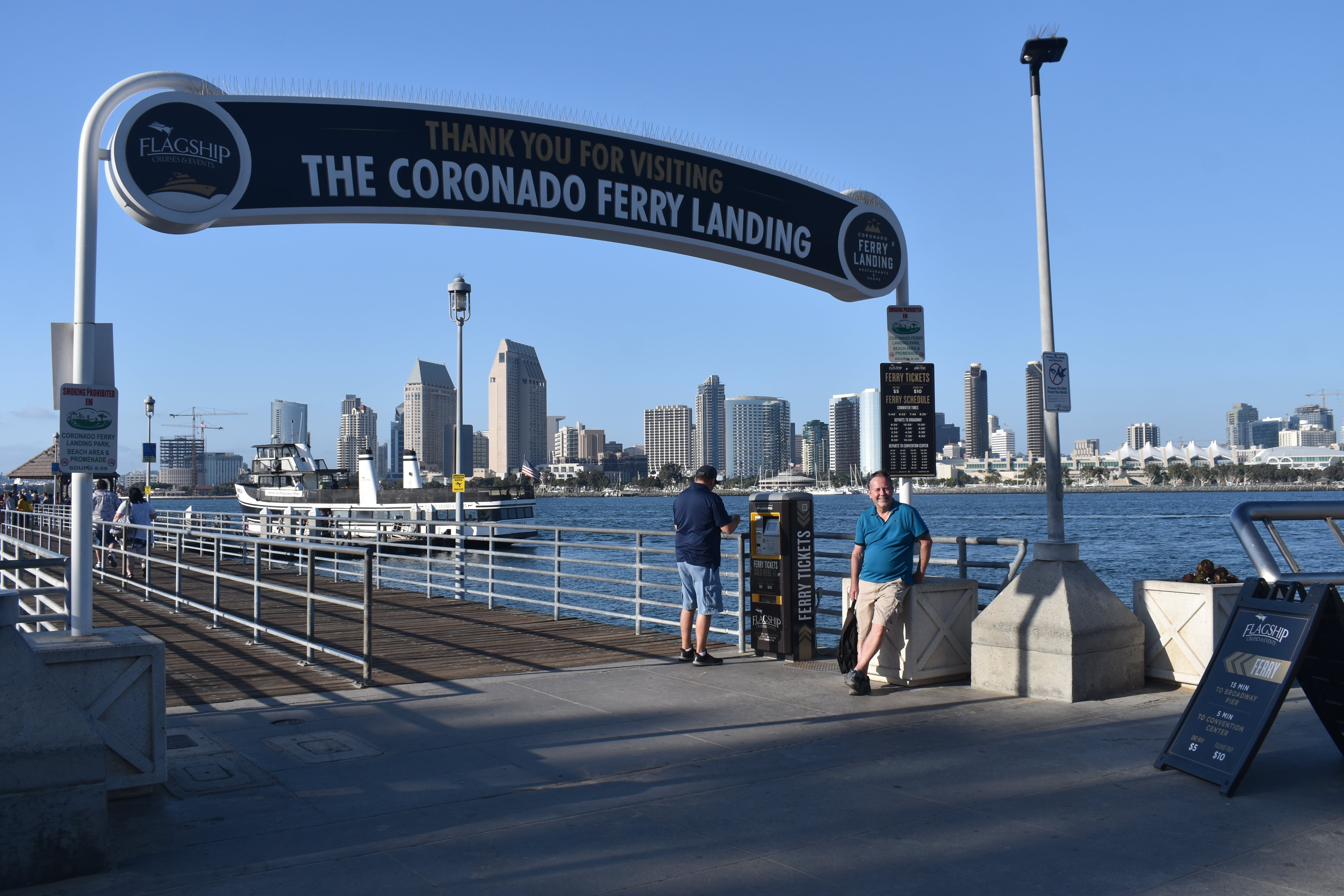
A delay due to plane issues set us back an hour and a half, forcing us to adjust our itinerary. Instead of visiting Balboa Park as planned, we decided to take the ferry to Coronado—a scenic detour that turned out to be a great way to kick off our adventure.
As our ferry glided toward Coronado, we passed the massive USS Midway, an impressive sight against the harbor backdrop. Stepping off onto Coronado Island, we were greeted with stunning views of the San Diego skyline, framed beautifully by the Coronado Ferry Landing Arch.
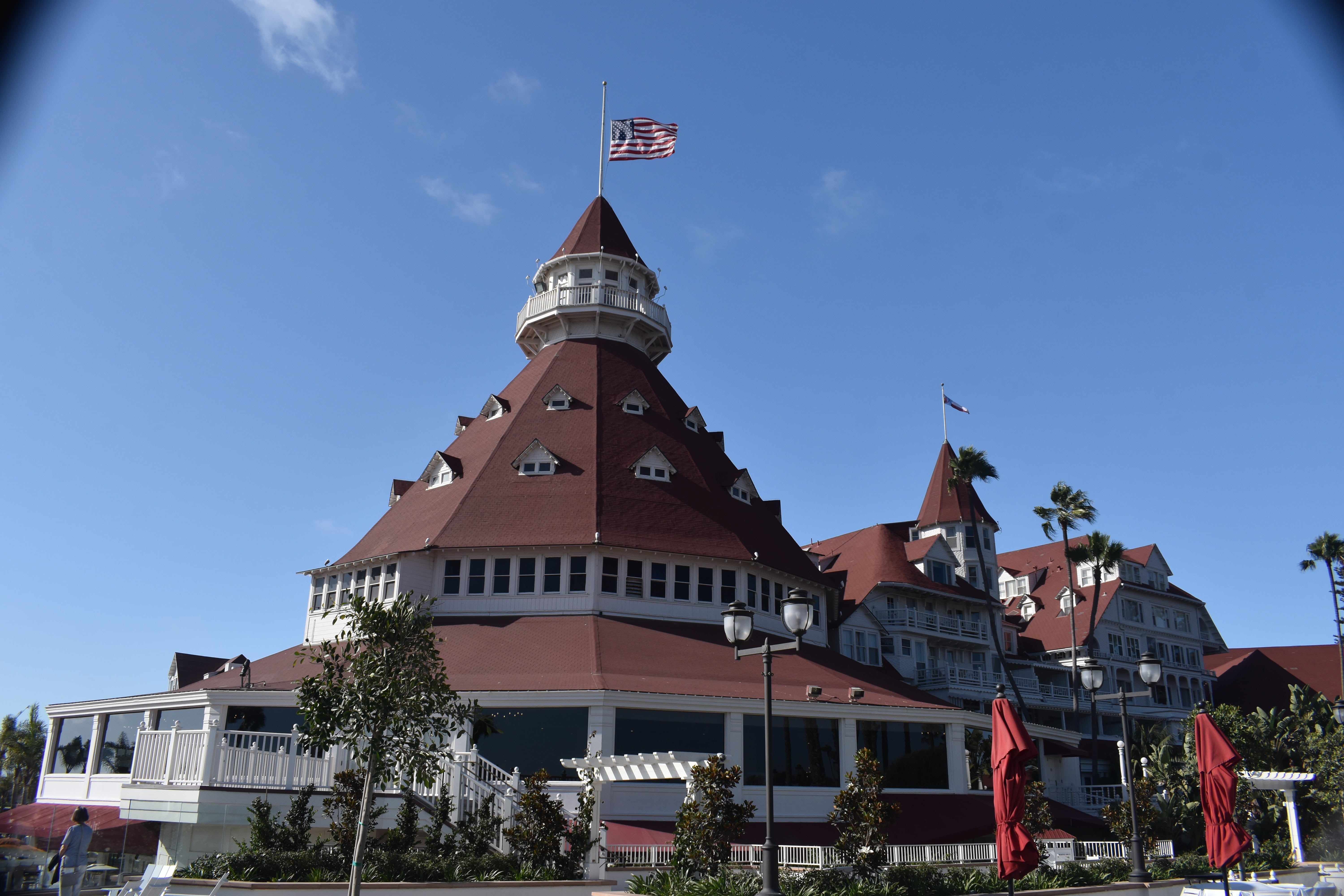
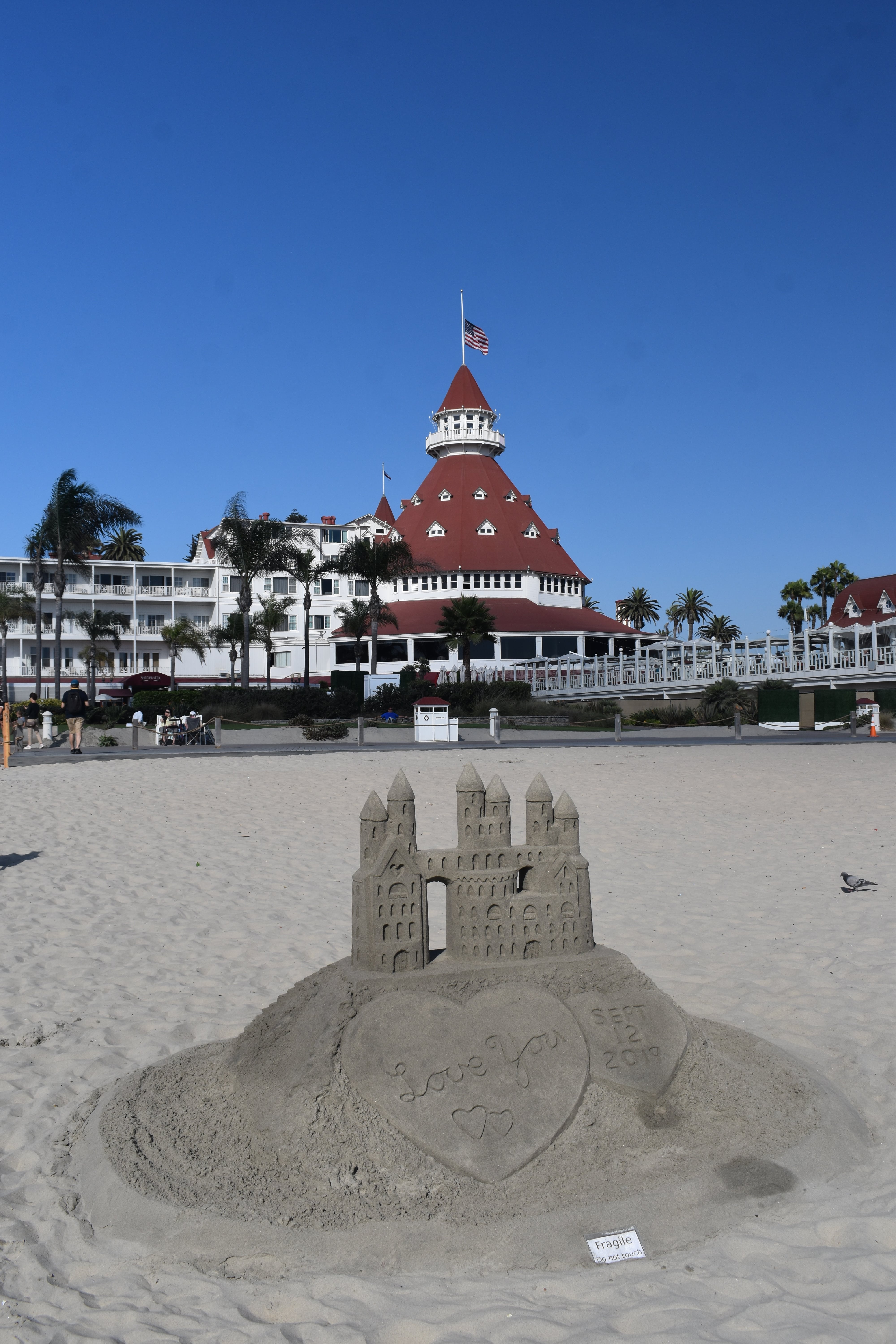
After grabbing lunch at a local brewery, we made our way to the iconic Hotel del Coronado. Its historic charm and beachfront setting made for a memorable stop. However, I was caught off guard when, upon arriving at the Sofia Hotel later, I was unexpectedly singled out—something I hadn’t anticipated.



Balboa Park
The next morning, Clare and I hopped on a bus to Balboa Park. Sure, we could afford a taxi, but taking public transport lets us mingle with locals and get a real feel for the city.
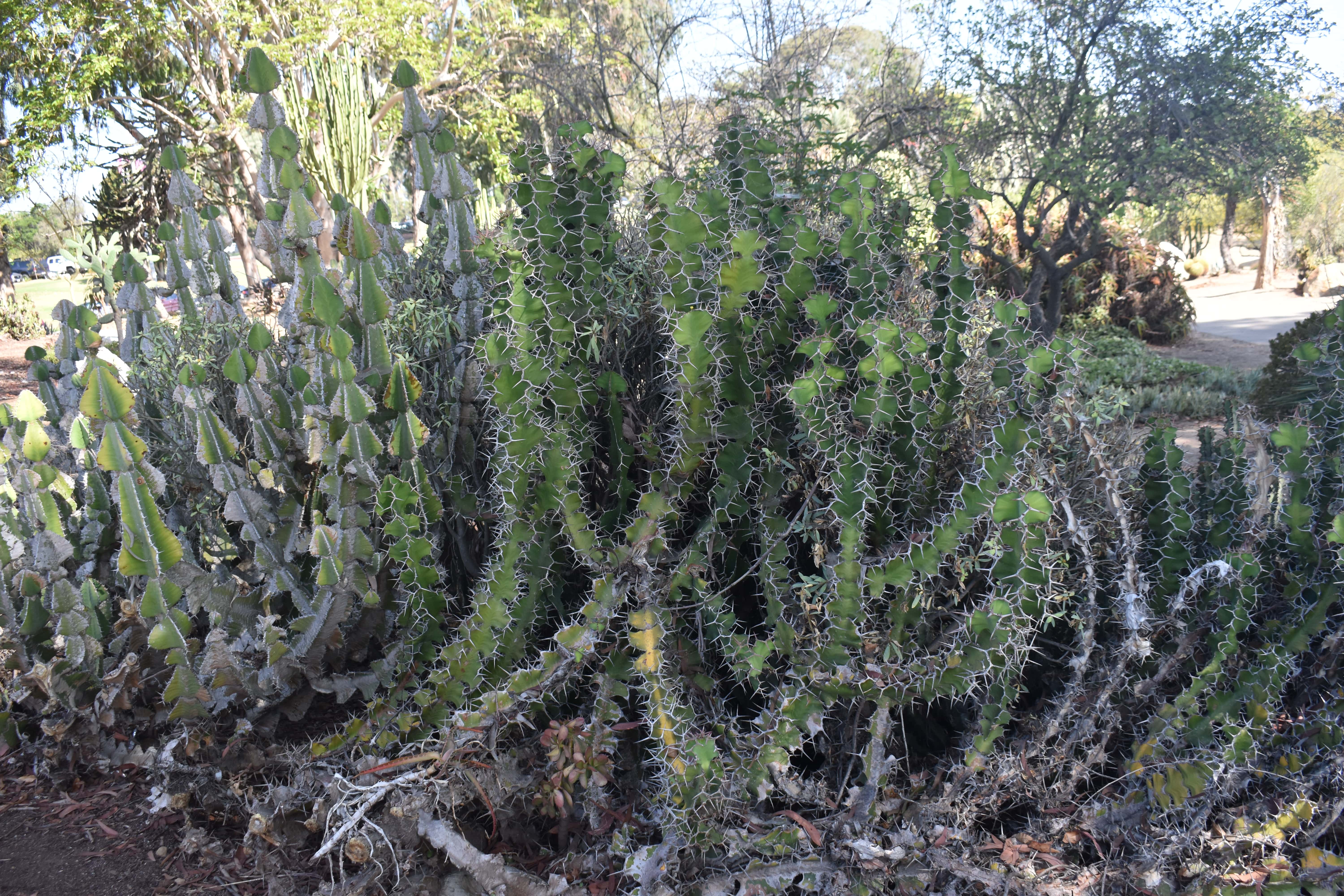
Our first stop was the Inez Grant Parker Memorial Rose Garden, a breathtaking three-acre space filled with the fragrance and colour of 1,600 roses in over 130 varieties. Right next to it, the historic Cactus Garden, originally developed by Kate Sessions for the 1935 California Pacific International Exposition, showcased a fascinating mix of desert plants.
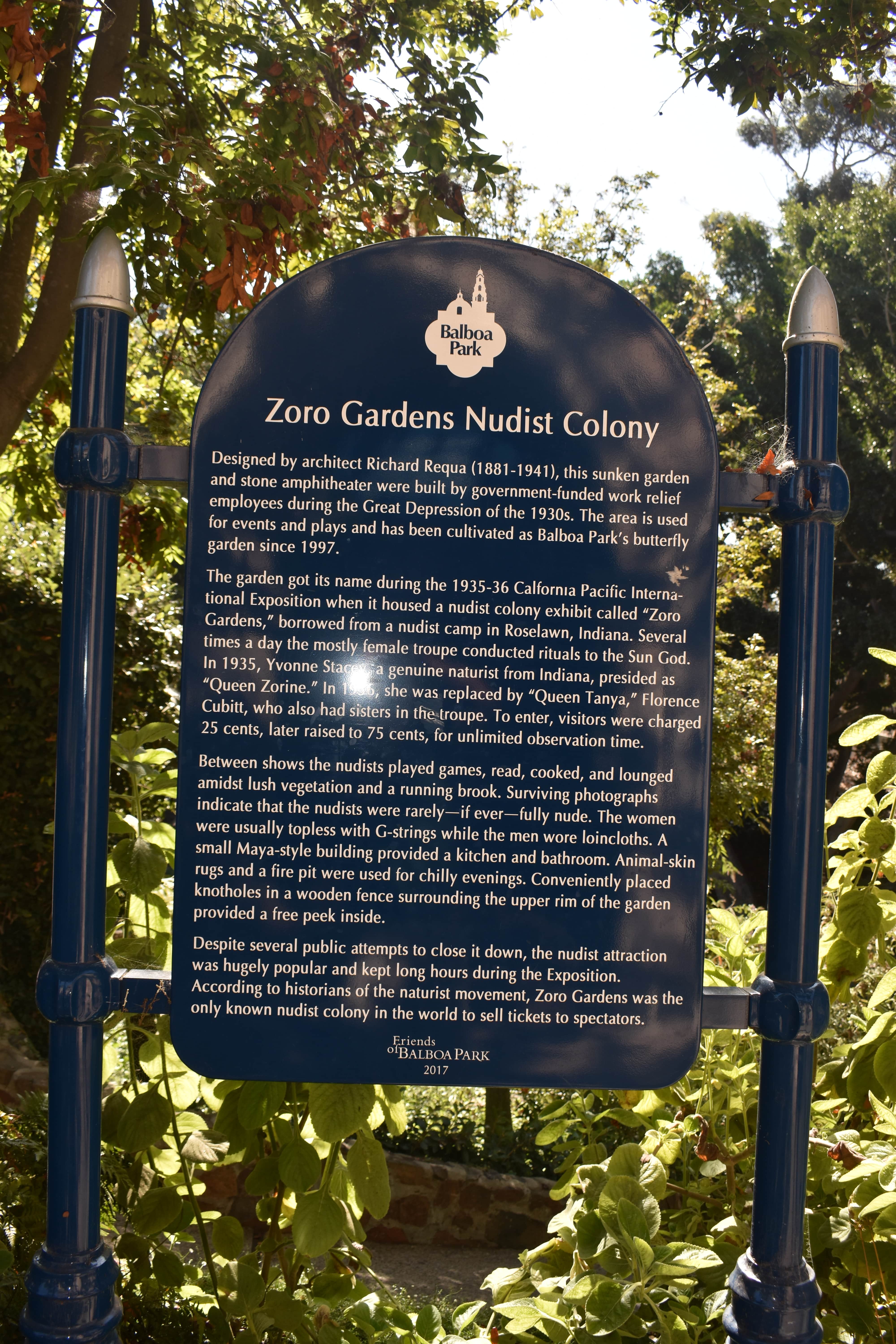
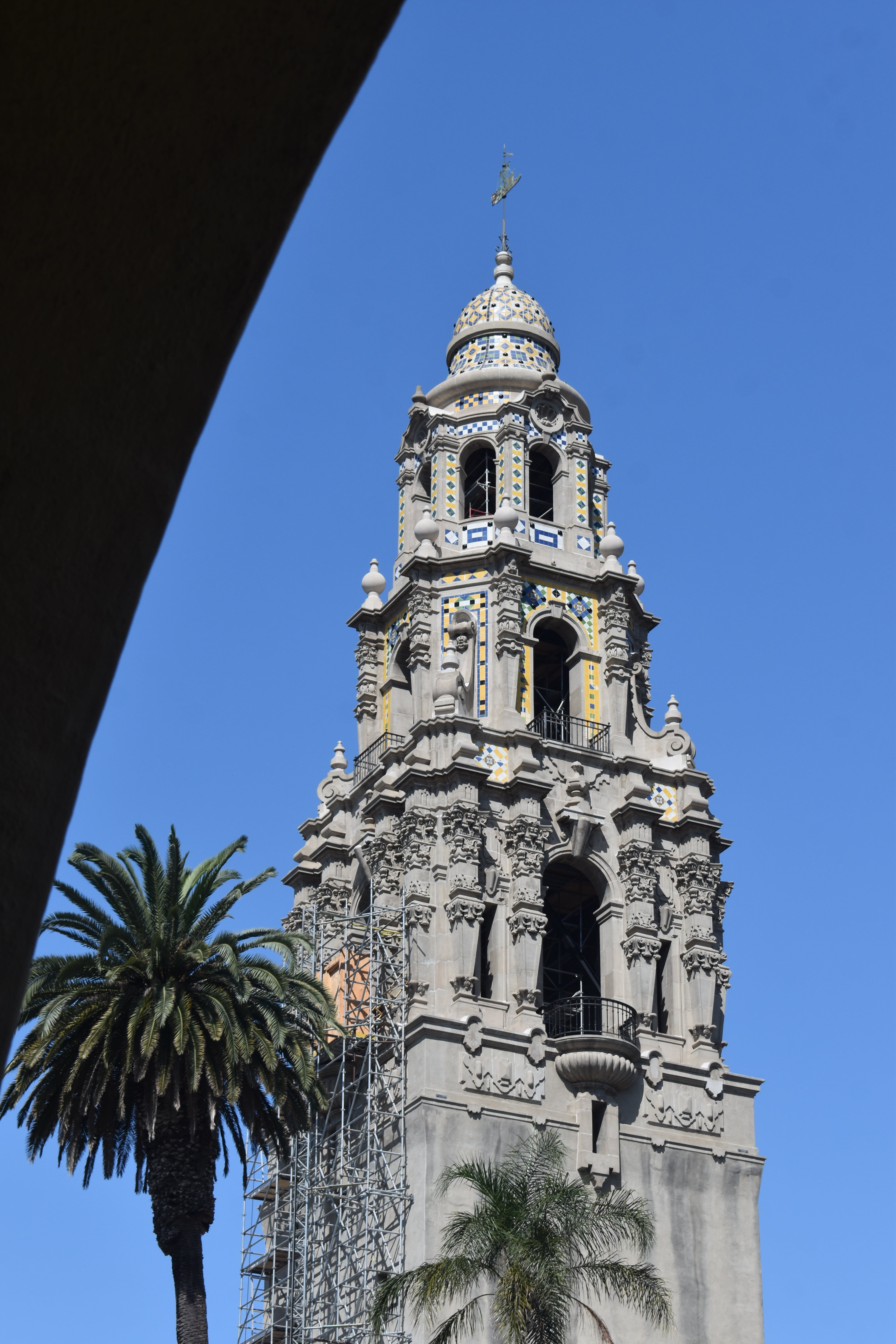
As we wandered through the park, we passed the Natural History Museum and stumbled upon the Zoro Garden, which once housed a nudist colony—though that era has long since passed. Unfortunately, the California Tower at the San Diego Museum of Man was closed for seismic retrofitting. This iconic structure, designed by Bertram Goodhue for the 1915 Panama-California Exposition, is an intricate blend of Baroque, Plateresque, Churrigueresque, Rococo, and even Gothic styles. Its striking silhouette can be seen from miles away.
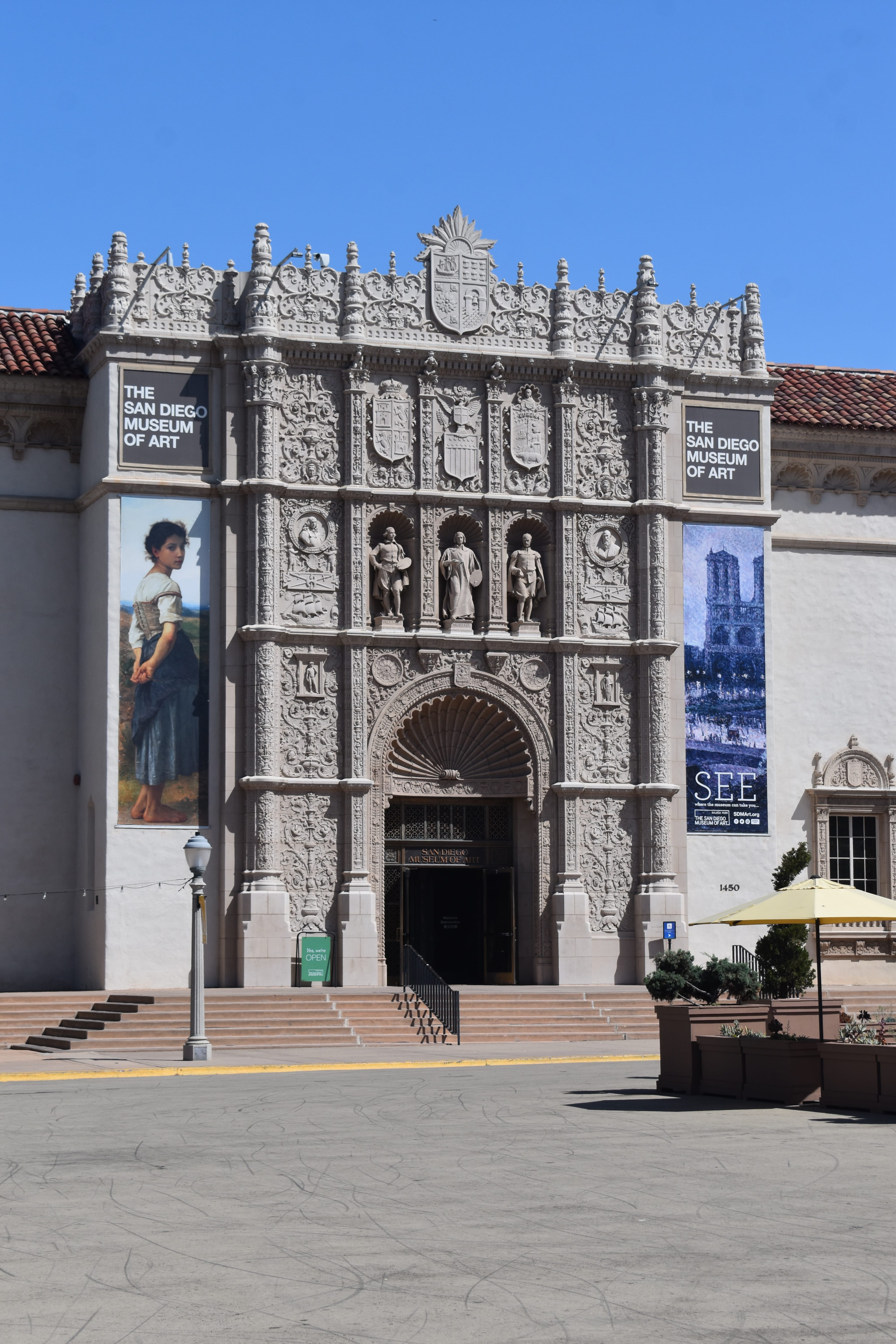
Continuing on, we passed the San Diego Museum of Art before making our way to Palm Canyon. After exploring the lush canyon, our final stop was the Spreckels Organ Pavilion, home to the world’s largest outdoor pipe organ. Unfortunately, we didn’t get to see it in action, but the pavilion itself was an impressive sight.
It was a day full of history, architecture, and nature—proving that Balboa Park really is San Diego’s cultural heart.
The next day, Clare and I took the bus to Balboa Park. It’s an easy and inexpensive way to get around San Diego—sure, we could afford a taxi, but we prefer to mingle with locals and soak in the everyday rhythm of the city.
Our first stop was the Inez Grant Parker Memorial Rose Garden, a breathtaking three-acre space filled with the fragrance and colour of 1,600 roses in more than 130 varieties. Right next to it, the historic Cactus Garden, originally developed by horticulturalist Kate Sessions for the 1935 California Pacific International Exposition, showcased an impressive collection of desert plants.
Wandering further, we passed the Natural History Museum and stumbled upon the Zoro Garden, once a nudist colony—though those days are long gone. We were disappointed to find that the California Tower at the San Diego Museum of Man was closed for seismic retrofitting. Designed by Bertram Goodhue for the 1915 Panama-California Exposition, this iconic structure is a stunning architectural blend of Baroque, Plateresque, Churrigueresque, Rococo, and Gothic styles. Its soaring presence dominates the skyline, visible from miles away.
As we continued through the park, we passed the San Diego Museum of Art on our way to Palm Canyon, a lush oasis of towering palms and winding trails. Beyond the canyon, our final stop was the Spreckels Organ Pavilion, home to the world’s largest outdoor pipe organ. Unfortunately, we didn’t get to hear it play, but the grand pavilion itself was still an impressive sight.
After a full day of exploring, we couldn’t help but laugh—when we went to London, we made a point of visiting the Globe Theatre, but with all its history and architectural beauty, Balboa Park felt like a trip through time and cultures all on its own.
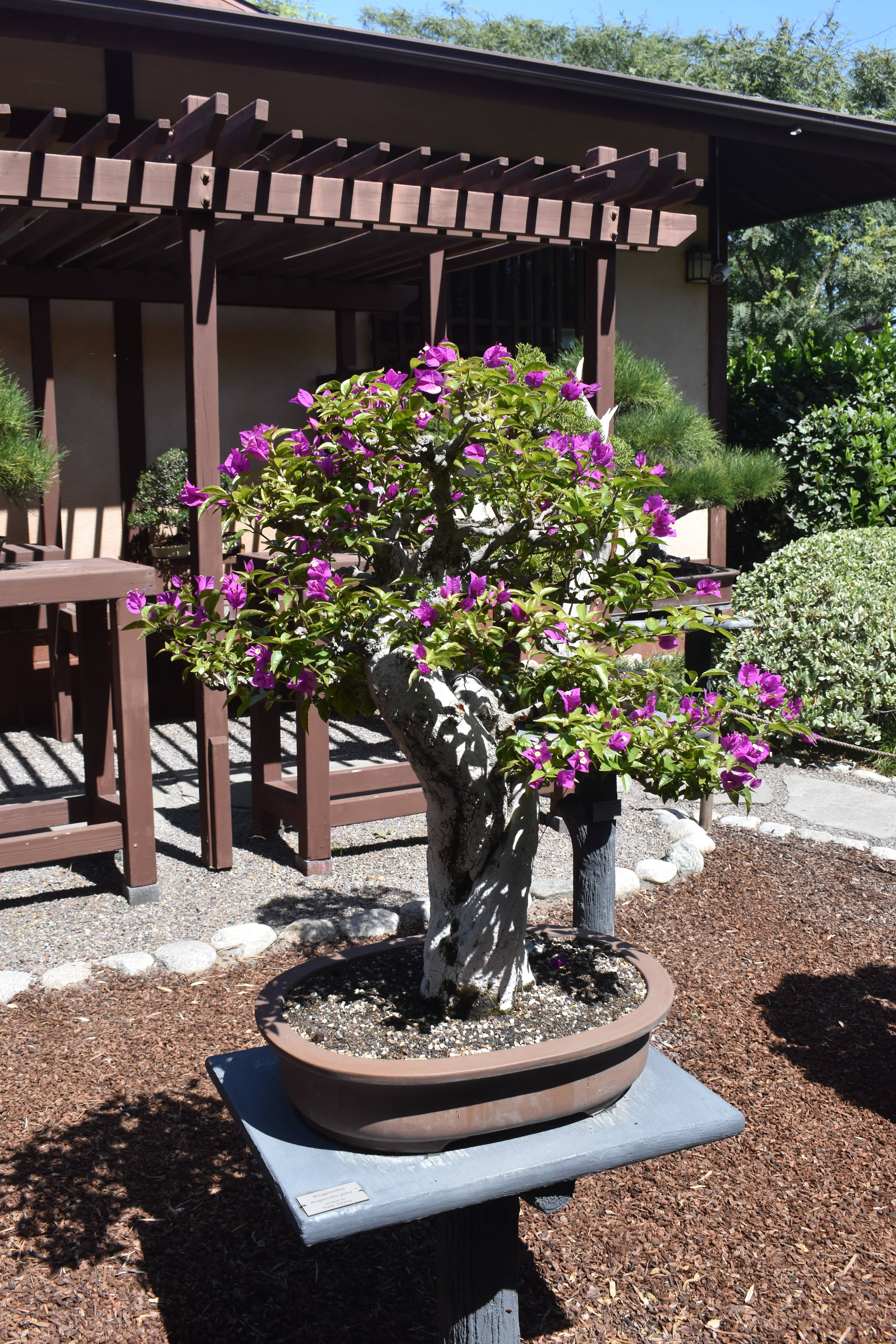
Our next stop was the Japanese Friendship Garden, a beautiful tribute to the bond between San Diego and its sister city, Yokohama. Designed to immerse visitors in Japanese culture, the garden blends traditional landscaping, koi ponds, and serene pathways into a peaceful retreat. It was well worth the admission, offering a quiet contrast to the bustling city beyond its gates.
Unfortunately, the Botanical Building was closed on the day of our visit, but even from the outside, its historic lath structure was impressive. One of Balboa Park’s most photographed landmarks, it houses thousands of tropical plants and ferns—definitely a reason to return someday.









Gaslamp Quarter
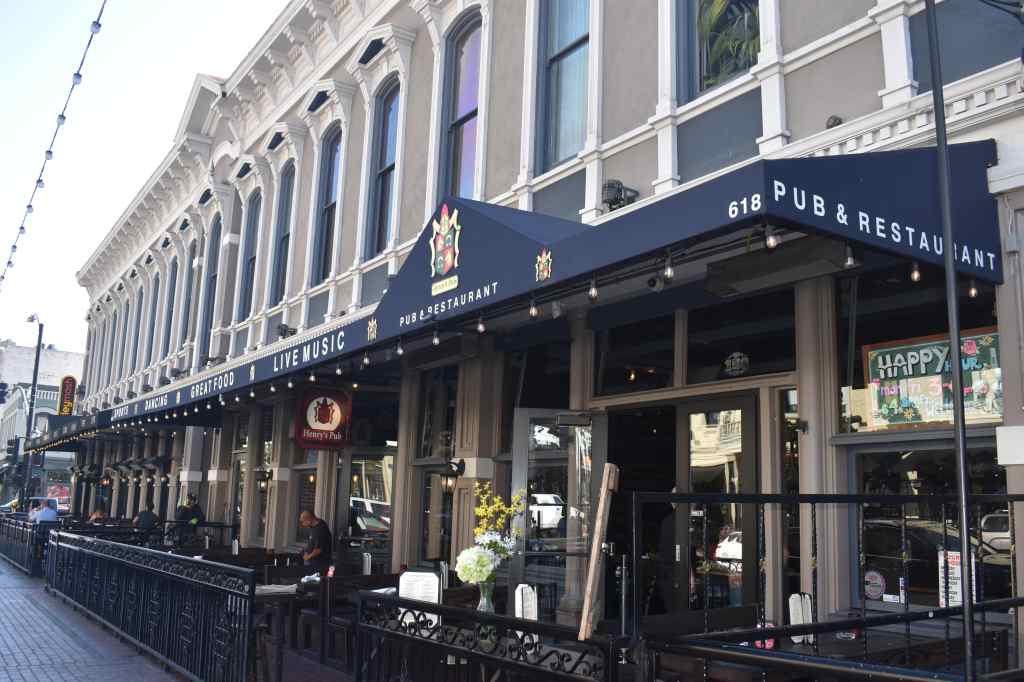
Later, we explored the Gaslamp Quarter, a district rich in history and character. Originally developed by Alonzo Horton, who purchased 800 acres of waterfront land for just 33 cents per acre in 1867, the area quickly became the heart of San Diego. By 1869, Horton had built a wharf at the end of 5th Avenue, solidifying the district as the backbone of the growing city.
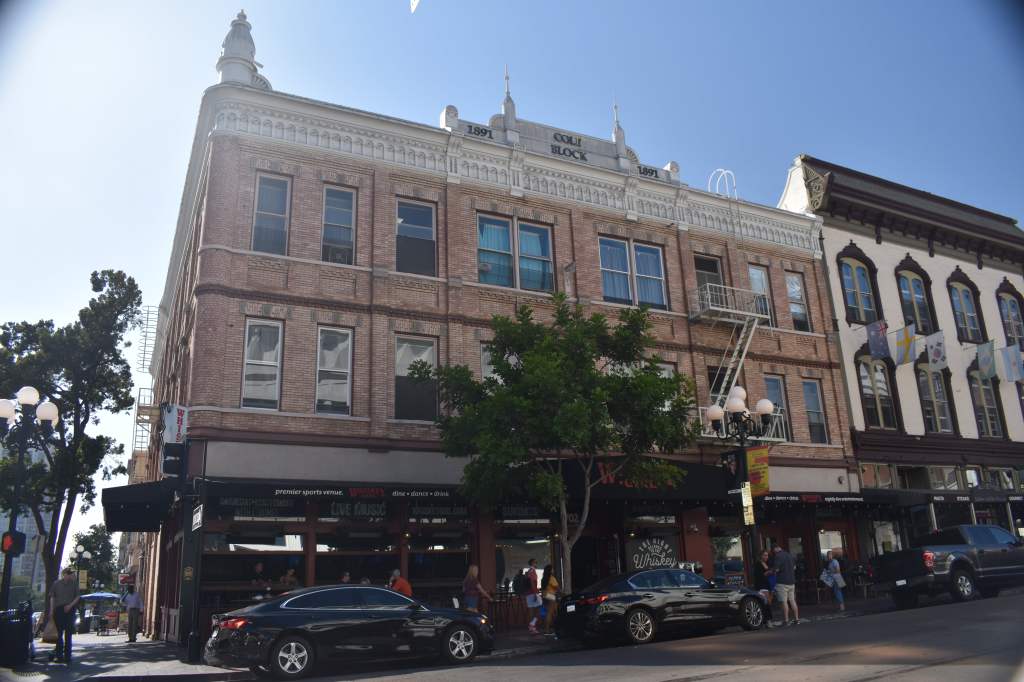
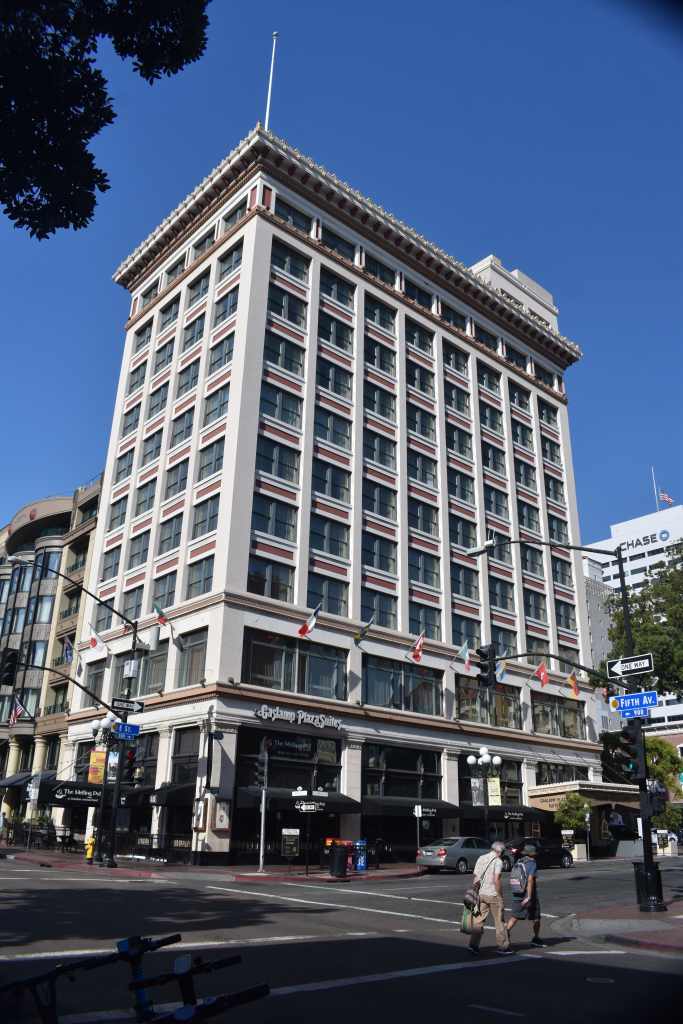
Today, the Gaslamp Quarter is known for its stunning collection of Victorian-style commercial buildings, constructed between the Civil War and World War I. These historic structures, now home to restaurants, bars, and shops, give the neighbourhood its unique charm. Recognised for its architectural and cultural significance, the district was officially designated a Historic District on the National Register of Historic Places in 1980.
Wandering through the Gaslamp’s lively streets, we could feel the layers of history beneath the modern energy—a perfect blend of San Diego’s past and present.
As we explored the Gaslamp Quarter, we came across several historic buildings that stood as reminders of San Diego’s past.
The first was the Ingle Building, built in 1906 for a Northern California Elks Lodge. Though originally designed for a fraternal organisation, the building has since found new life as a comedy club, blending history with entertainment.
Next was the Lester Hotel, also built in 1906, followed by the William Heath Davis House, the oldest surviving structure in San Diego’s New Town, dating back to 1850. This well-preserved saltbox-style home—a common East Coast architectural style—was prefabricated and shipped to San Diego. Today, it serves as the office of the Gaslamp Quarter Historical Foundation, offering visitors a glimpse into the city’s early days.
Another striking structure was the Brunswig Drug Building, located at the corner of J Street and 5th Avenue. Built in 1900, this sturdy brick-and-mortar building features cast-iron columns and large show windows, reflecting the commercial elegance of the era.
Each of these buildings, with their unique history and architecture, added to the rich character of the Gaslamp Quarter, making it feel like a walk through time.


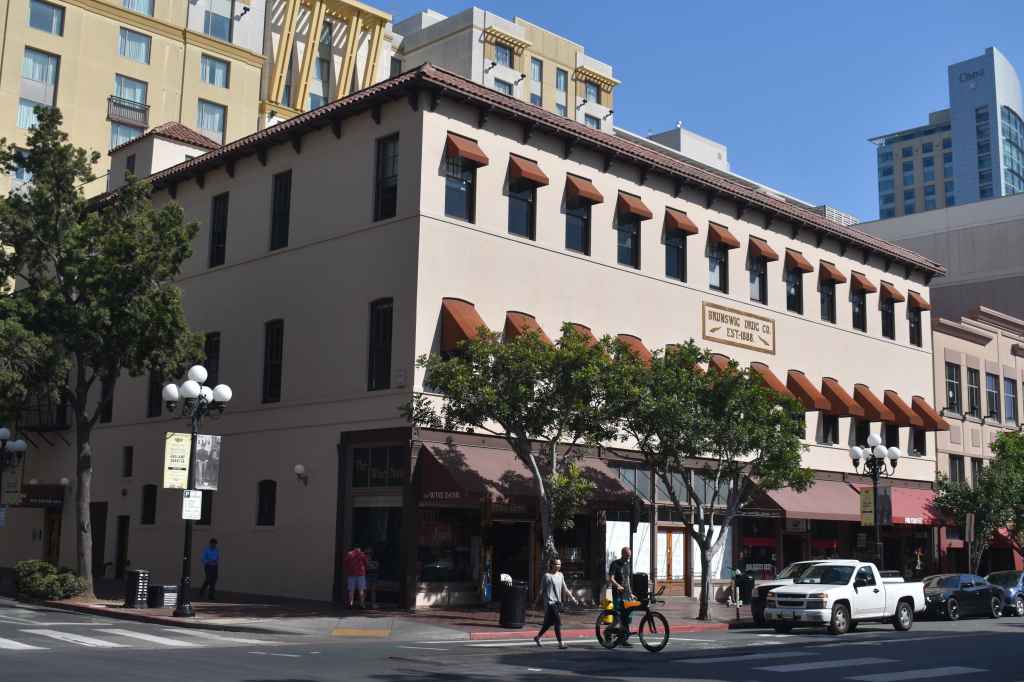
Continuing our walk through the Gaslamp Quarter, we came across more fascinating historic buildings, each with its own story to tell.
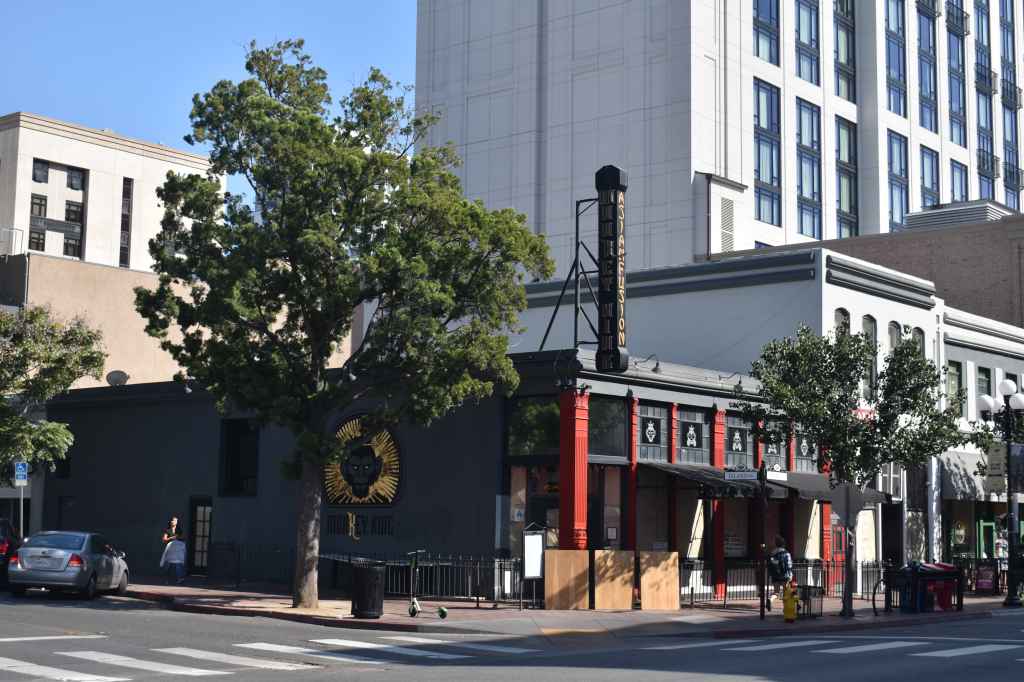
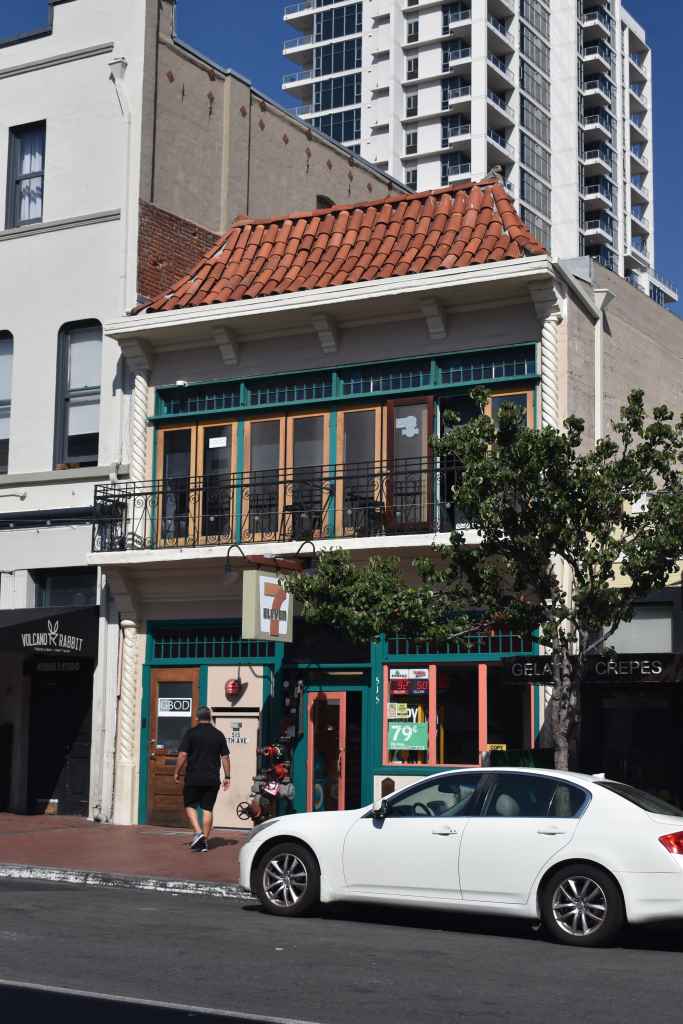
The Nanking Café, built in 1912 for just $1,900, is a single-story structure with distinctive cast-iron columns on its front façade. Since its construction, it has housed various Asian restaurants, though its history goes beyond food—at one point, the restaurant was merely a front for a lucrative gambling parlor hidden in the back.
Just down the street stands the Manila Café, built in 1930. Over the decades, it has changed hands and purposes many times—serving as a Chinese restaurant from 1931-1938 and again from 1944-1973, while operating as a billiard hall between 1939-1943. Its vintage charm even caught the eye of Hollywood, making appearances in the films In God We Trust and Writer’s Block.
These buildings, with their colourful pasts, added yet another layer to the Gaslamp Quarter’s rich history—a mix of culture, commerce, and a touch of scandal.


A Bit of History: The Stingaree District Cleanup
By 1912, San Diego’s infamous Stingaree District—a haven for gamblers, prostitutes, and saloons since the 1880s—was finally targeted for cleanup. Influenced by concerned citizens, politicians moved to shut down the vice-ridden area. Among the well-known figures drawn to the Stingaree was Wyatt Earp, who once ran three gambling halls in the city.
The crackdown culminated in 1912, when police arrested 138 prostitutes. Of those, 136 agreed to leave the city, while two pledged to reform—though one later changed her mind, and the other was declared insane. The unintended consequence? San Diego lost its appeal as a liberty port for the Navy, marking a shift in the city’s reputation.
Historic Buildings of the Gaslamp Quarter
Amid this colourful past, the Gaslamp Quarter is home to several beautifully preserved historic buildings:
- Backesto Building (1873) – One of the finest office buildings of its time, it housed Klauber and Levi, a pioneering grocer and general-merchandise firm from 1878 to 1886.
- Cole Block (1891) – A classic example of turn-of-the-century commercial architecture, reflecting the city’s economic growth.
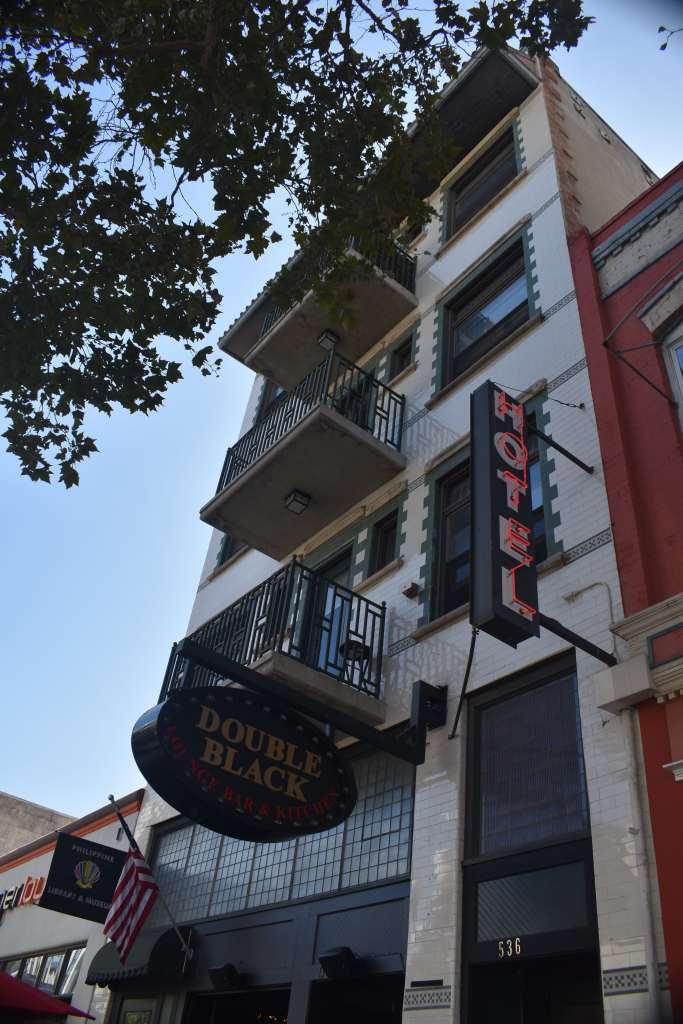
- Llewelyn Building (1887) – Originally a family shoe store until 1906, when it was converted into a hotel with a less-than-stellar reputation.
- Spencer Ogden Building (1874) – The oldest structure in the district to remain in the same family’s ownership. Over the years, it has housed realtors, import businesses, drugstores, home furnishing shops, and even dentists—including the infamous “Painless Parker”, a showman-like dentist known for his theatrical approach to marketing.
- Marston Building (1881) – A beautiful example of Italianate Victorian architecture, reflecting the grandeur of 19th-century commercial buildings.
- Keating Building (1890) – A striking Romanesque-style structure, it was ahead of its time with steam heating and a wire cage elevator. At the time of its completion, it was considered one of San Diego’s most prestigious office buildings.
Each of these buildings stands as a testament to San Diego’s transformation, from a Wild West town filled with saloons and gambling halls to a modern city with a rich architectural and cultural heritage.


The Louis Bank of Commerce (1888): A Landmark of Elegance and Scandal
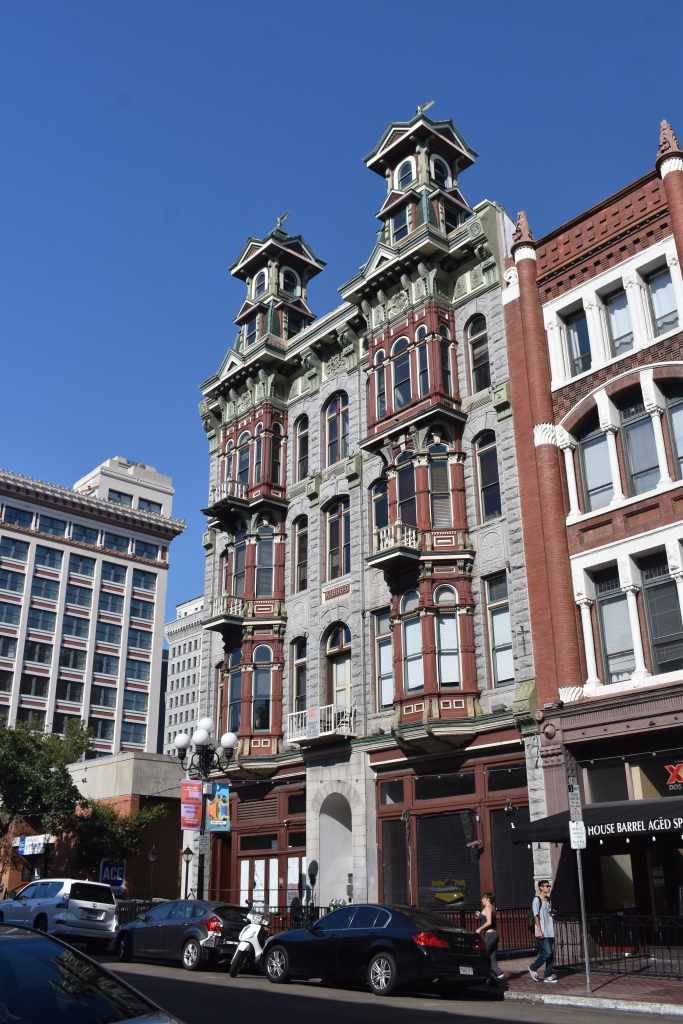
Among the most striking buildings in the Gaslamp Quarter is the Louis Bank of Commerce, built in 1888. Marked by its twin rising towers, this was San Diego’s first granite building and a prime example of Baroque Revival architecture.Originally, the four-story structure housed the Bank of Commerce until 1893, when entrepreneur Isidor Louis transformed the space into an oyster bar—a favourite haunt of Wyatt Earp, adding yet another layer to the building’s colourful past.But the most notorious chapter came when the upper floors were converted into the Golden Poppy Hotel, a brothel run by fortune teller Madame Coara. In an unusual touch of showmanship, her “ladies of the night” wore dresses that matched the colour of their room doors, creating an unmistakable visual identity for their services.With its mix of grandeur, gambling, and scandal, the Louis Bank of Commerce remains one of the most fascinating relics of San Diego’s Wild West era.

Day 3: Coastal Drive & La Jolla Cove
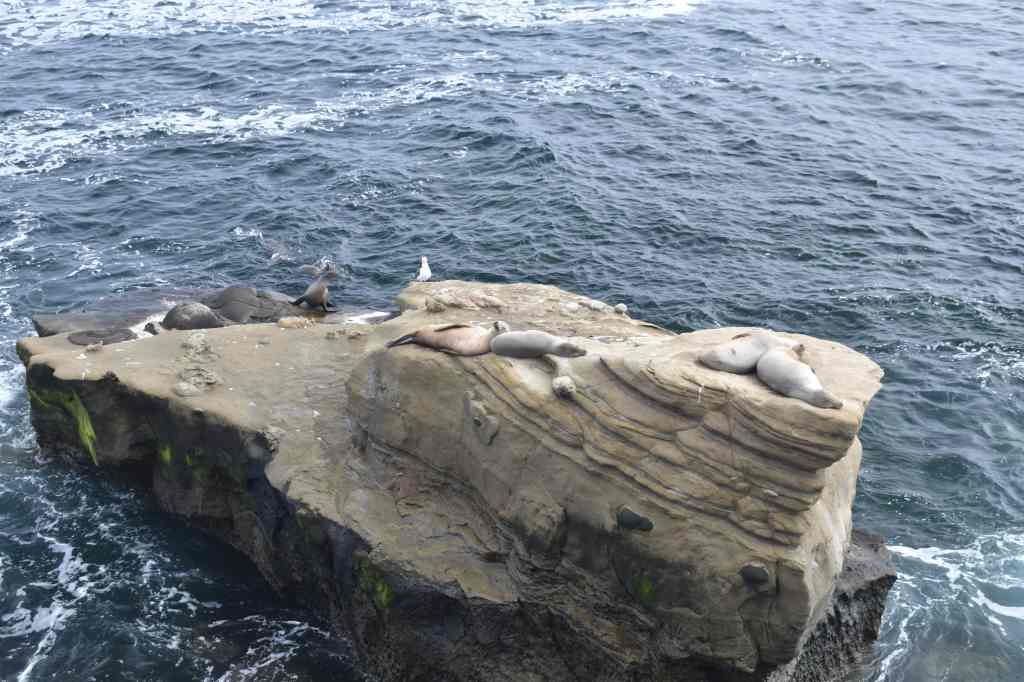
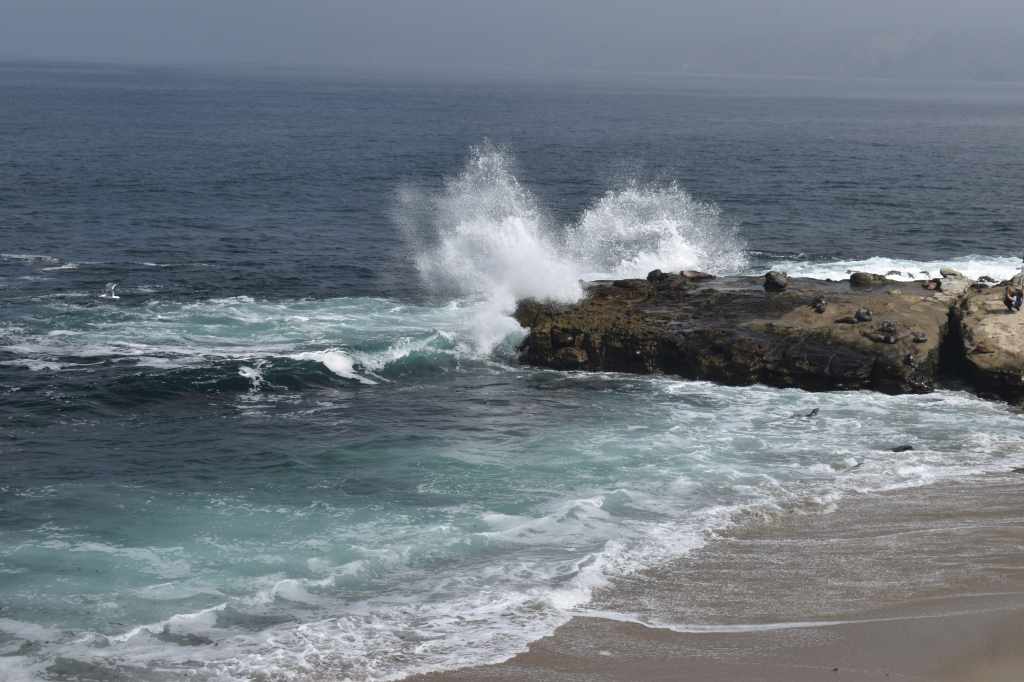
On the third day of our trip, we left San Diego behind and began our drive up the California coast. Our first stop was the stunning La Jolla Cove, a picturesque coastal gem where seals and sea lions bask on the rocks and frolic in the surf.
The sight (and sound) of these playful marine animals, combined with the crystal-clear waters and rugged cliffs, made for a perfect quick stop. Though our visit was brief, the beauty of La Jolla’s coastline left a lasting impression as we continued our journey north.



Day 3 Continued: Coastal Highway 101 & the Queen Mary
We took our time driving up the coast on North Coastal Highway 101, soaking in the ever-changing landscapes and charming seaside towns. One of the great things about driving this route is getting a true sense of where places are—the names you always hear about become more than just dots on a map.
Passing through Del Mar, Encinitas, Carlsbad, Camp Pendleton (where I had done some work in the 1980s), San Clemente, Laguna Beach, and Huntington Beach (Surf City), I couldn’t help but appreciate the vastness and beauty of California’s beaches. Compared to the East Coast, they are simply on another level—bigger, wider, and more dramatic, making the Atlantic shoreline seem almost modest by comparison.
A Nostalgic Visit to the Queen Mary
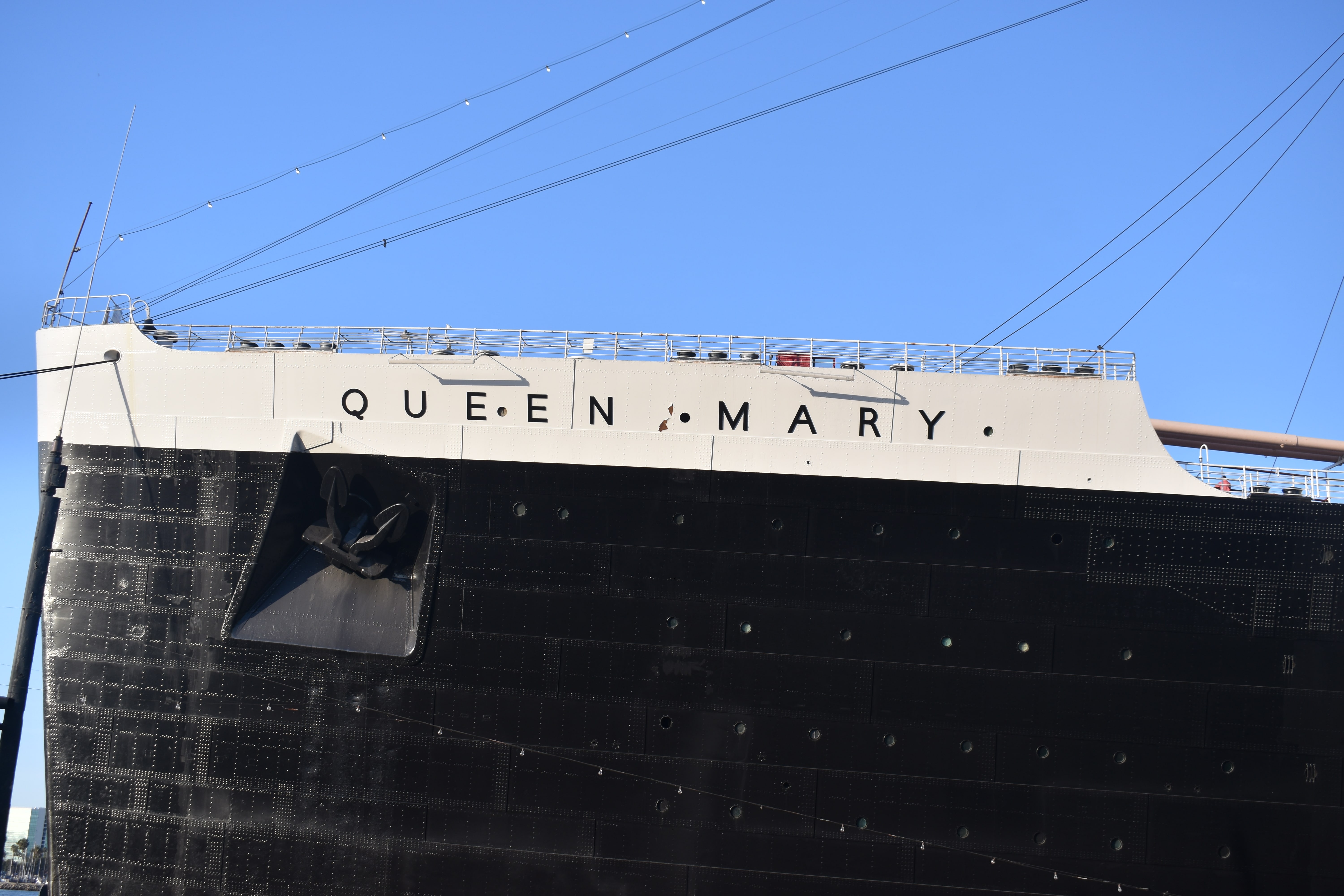
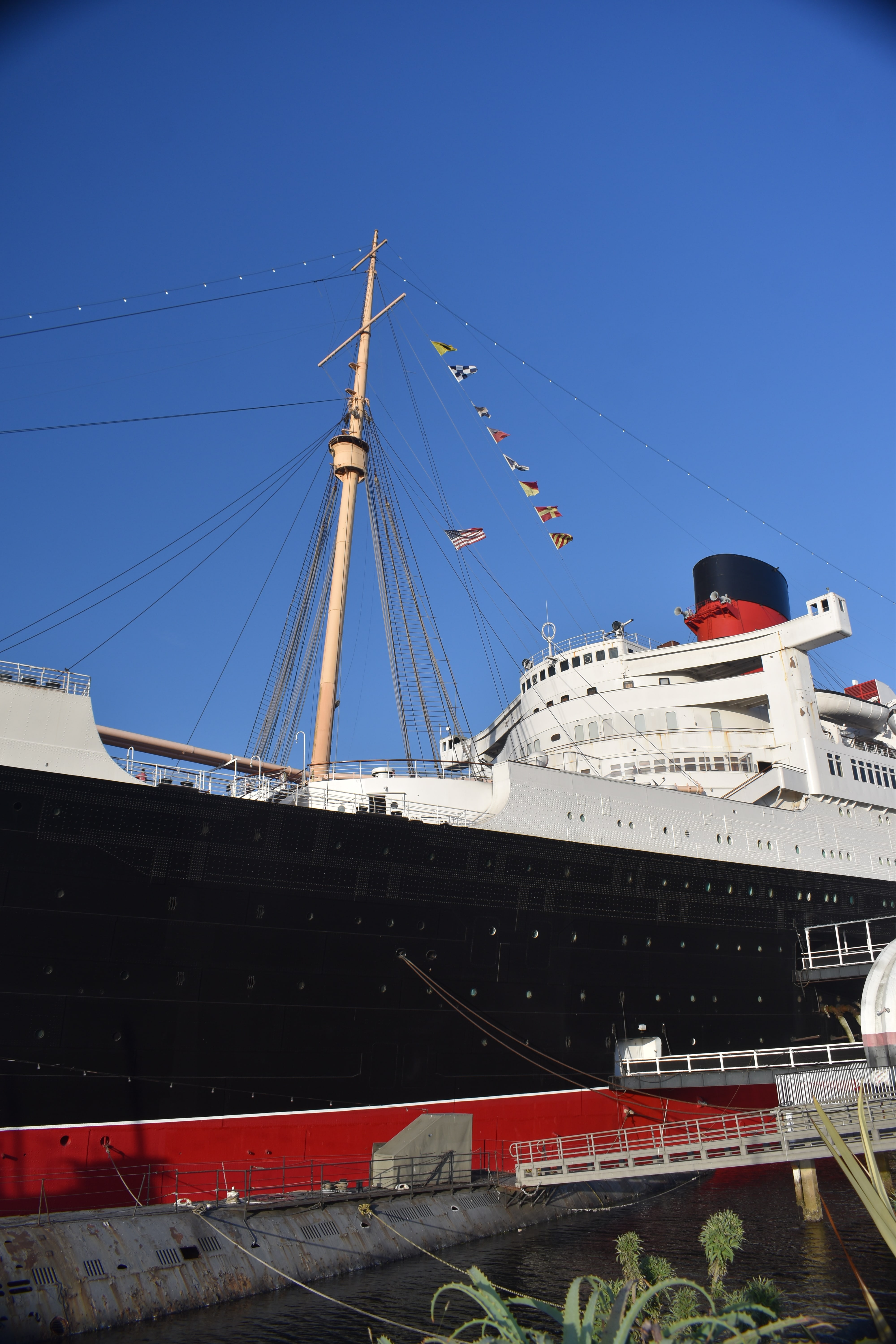
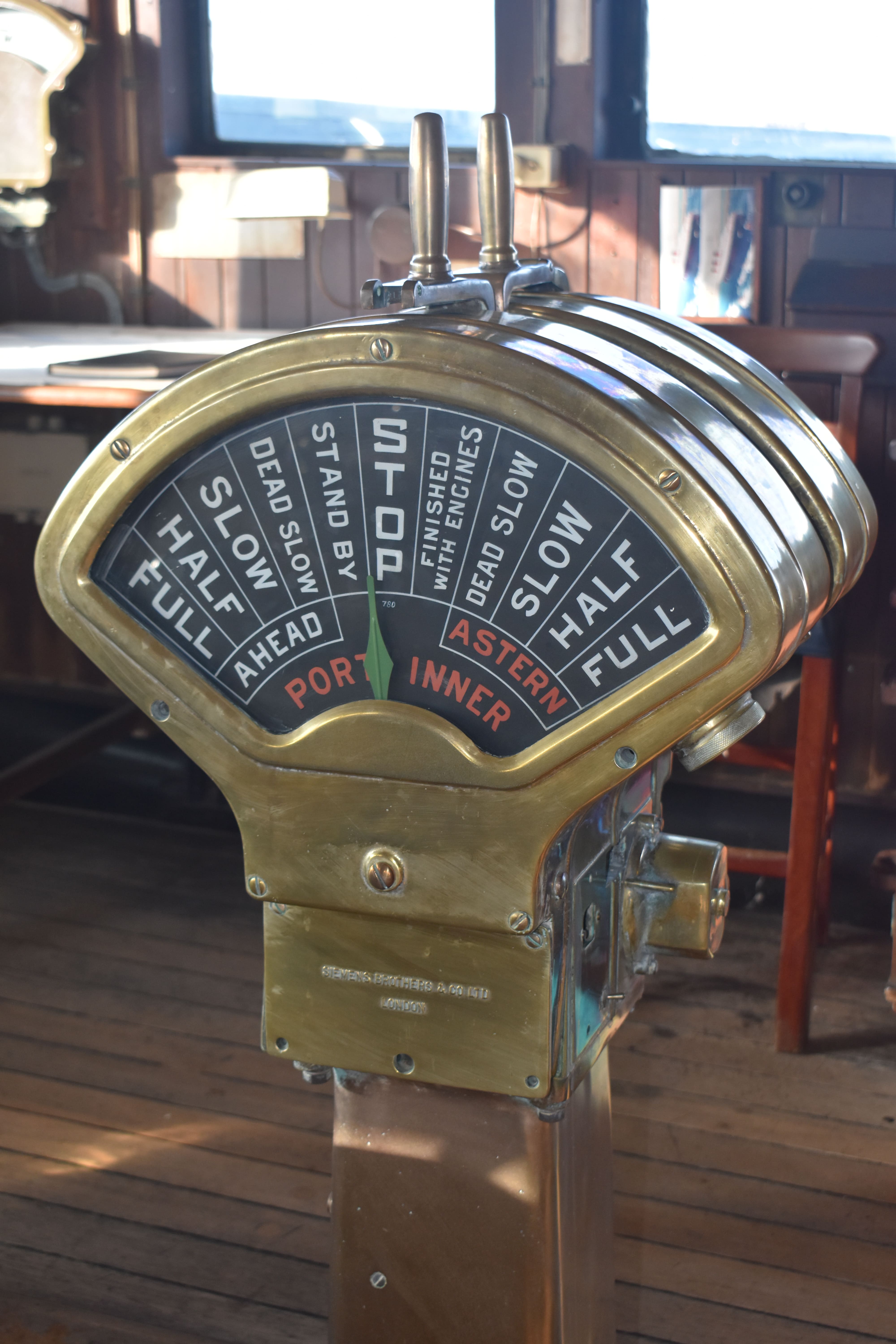
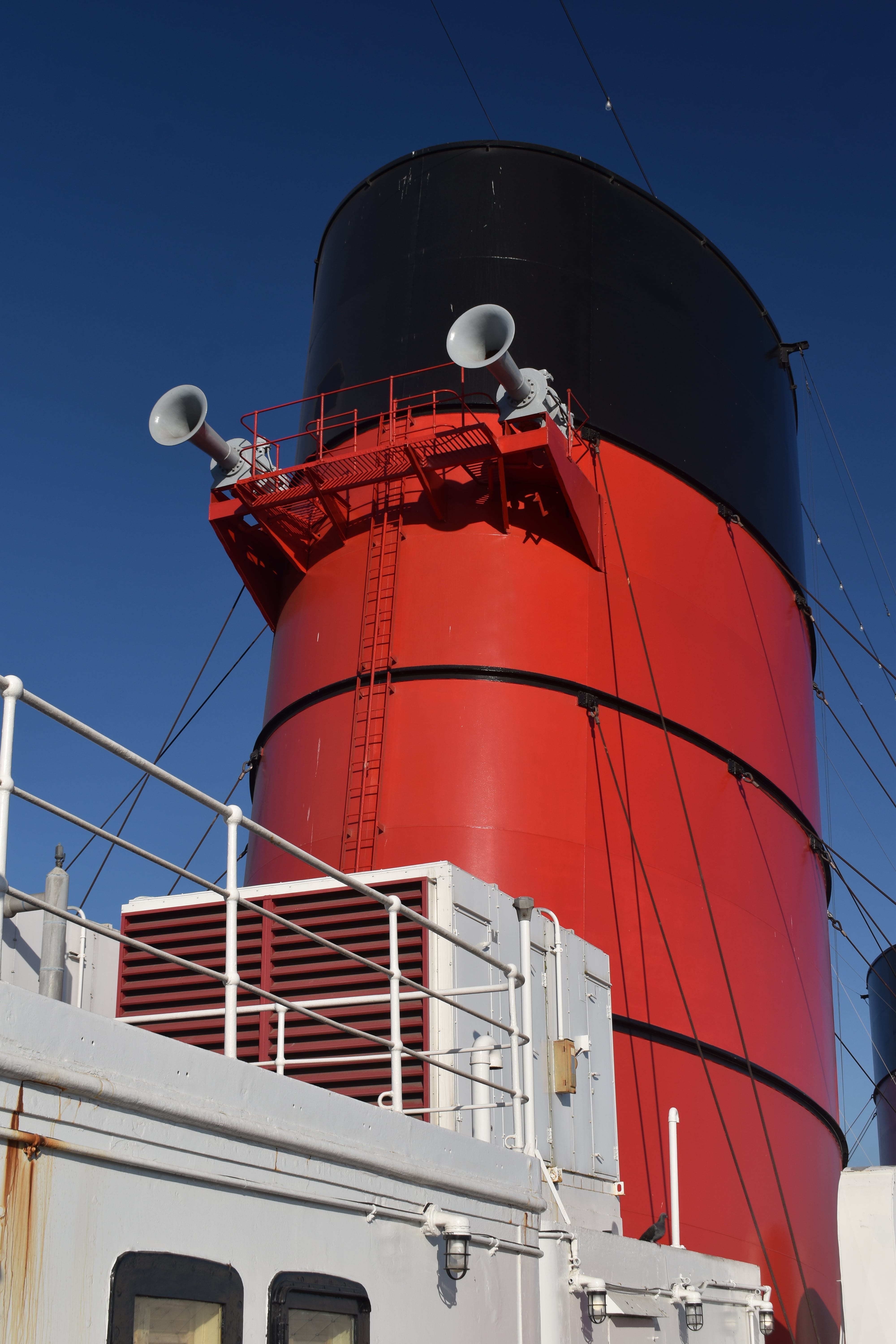
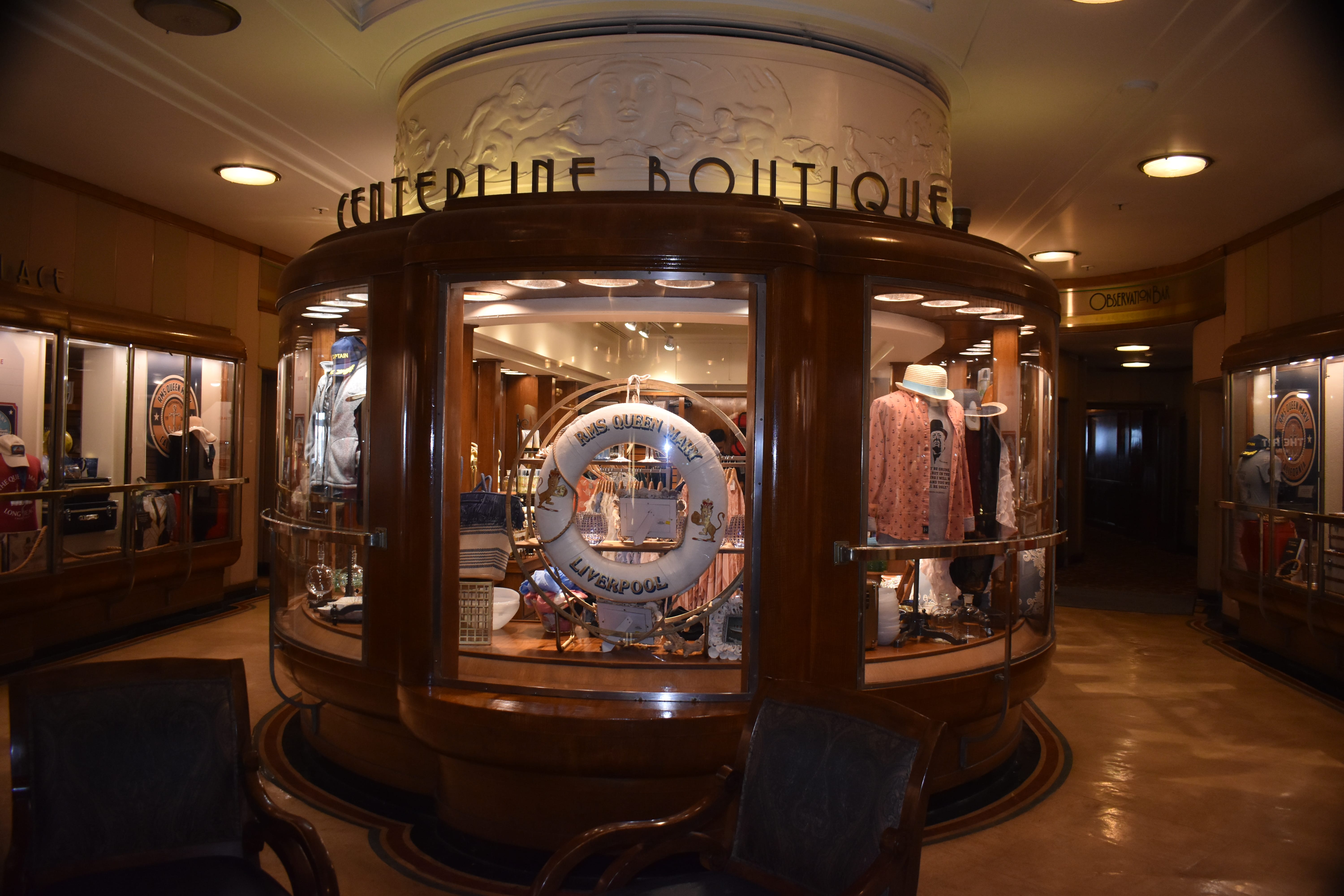
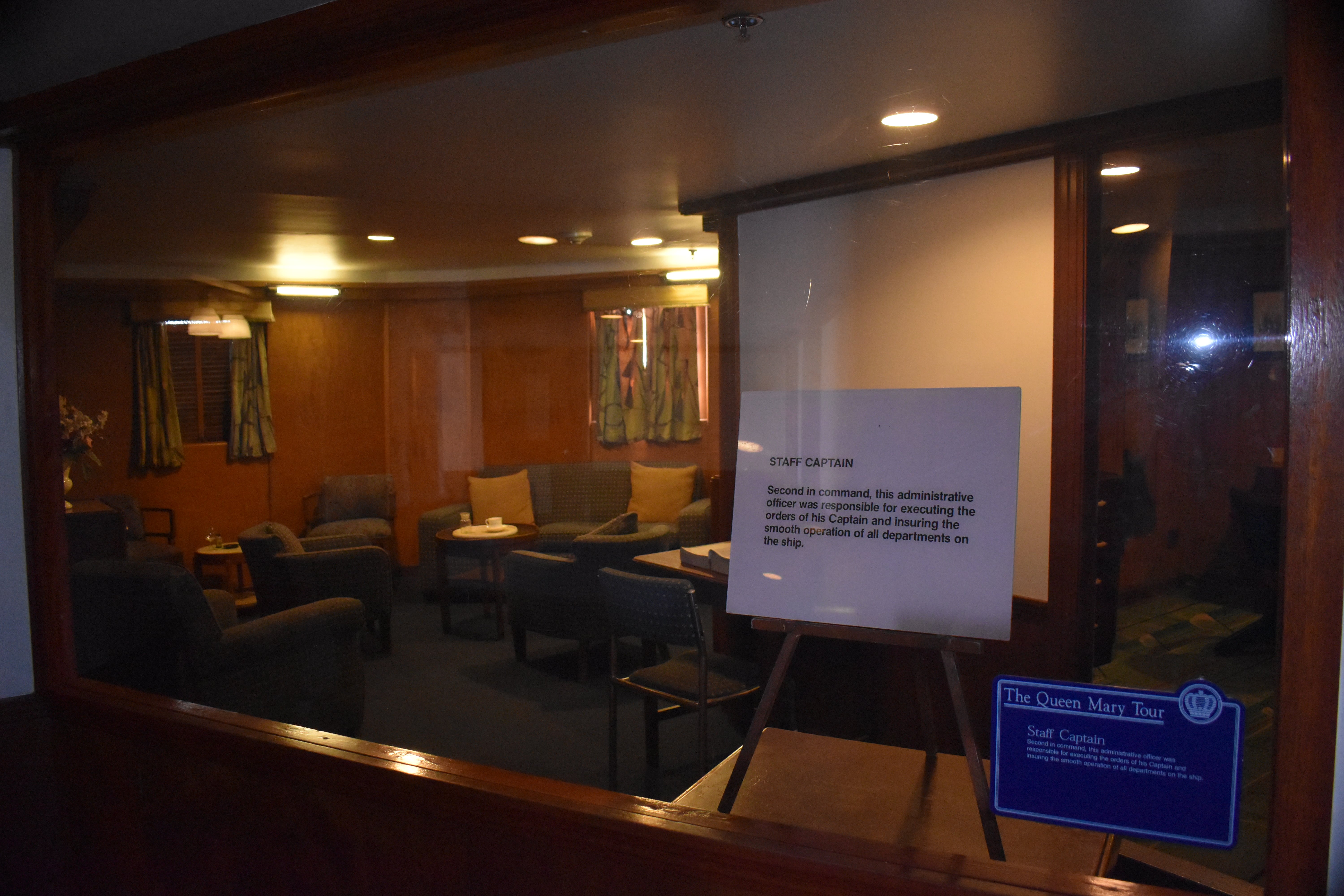
That evening, we stopped in Long Beach but made sure to visit the legendary Queen Mary. As a child, I had traveled on ocean liners, and I have a faint memory that one of them may have been the Queen Mary itself. I was eager to walk its decks again, hoping to spark a clearer memory of those transatlantic crossings to visit my grandparents, Mamie and Papi, in Paris.
Though the visit didn’t trigger any specific recollections, it was still a powerful experience. The grandeur of the ship reminded me of fragments from those voyages—elegant dining rooms with white tablecloths, staring out at the ocean from the deck, playing shuffleboard, experiencing a severe storm and watching the churning sea, a cramped cabin with a porthole, life vest drills, and the thrill of seeing the Statue of Liberty as we arrived in New York. Considering I was only between the ages of 4 and 8 during these journeys, it’s no surprise that the memories are scattered, but stepping aboard the Queen Mary brought them back to life in a small way.
For those wondering about the last picture I took on the ship—it was of one of the ship’s propellers, viewed through a cut-out section in the hull. Seeing it up close was a fascinating reminder of the engineering marvel that once powered this majestic vessel across the Atlantic.






Day 4: Santa Barbara – A City of History & Beauty
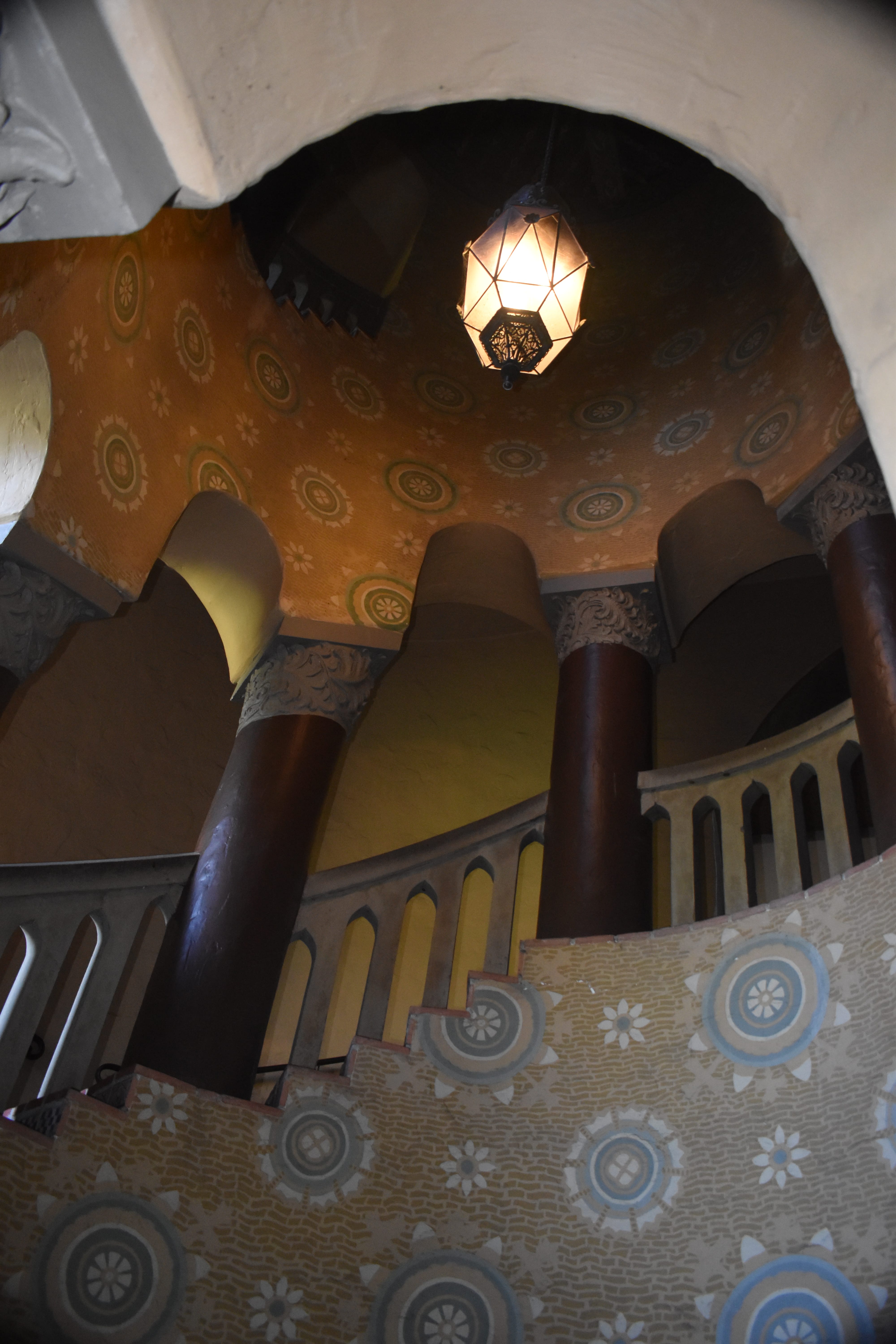
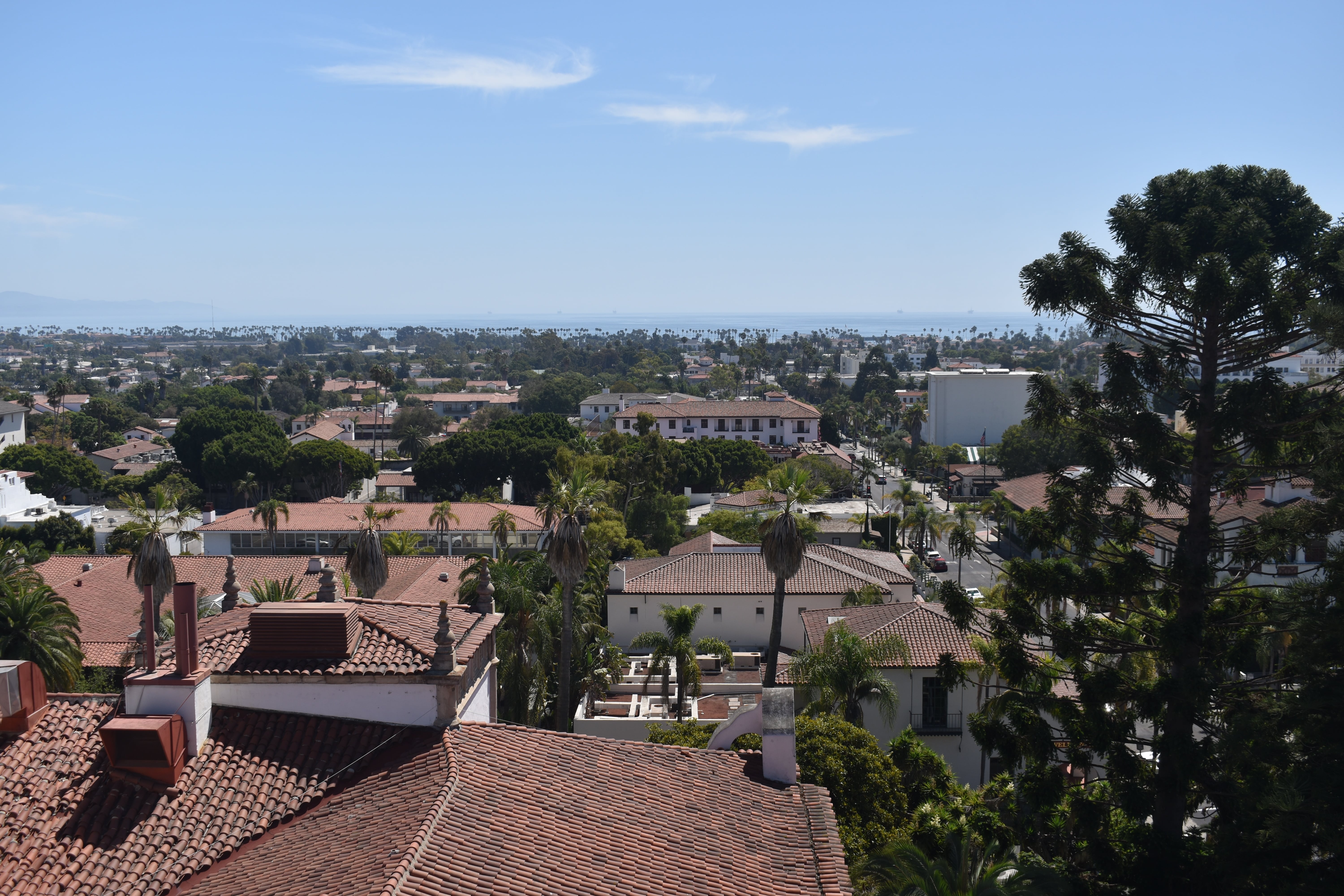
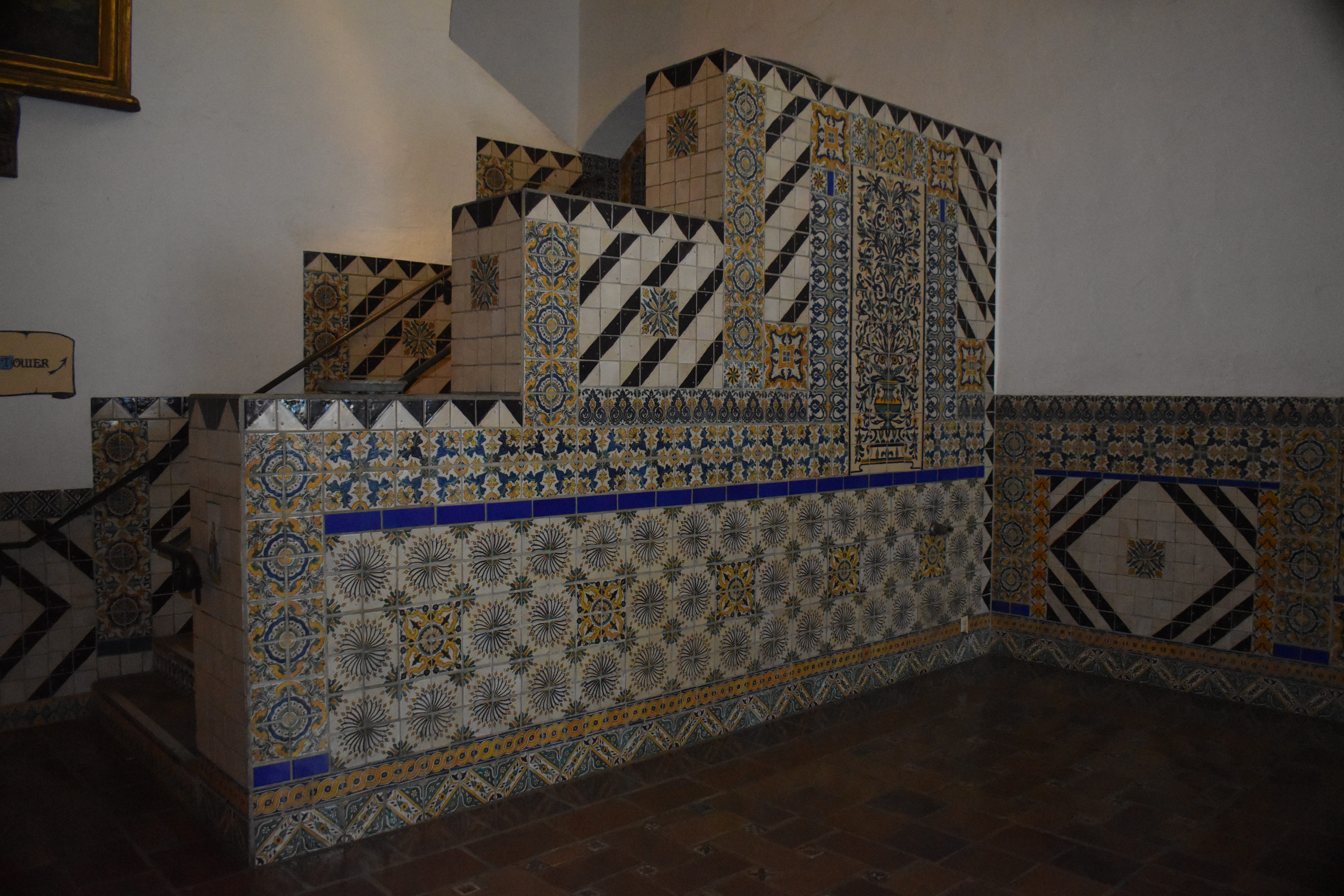
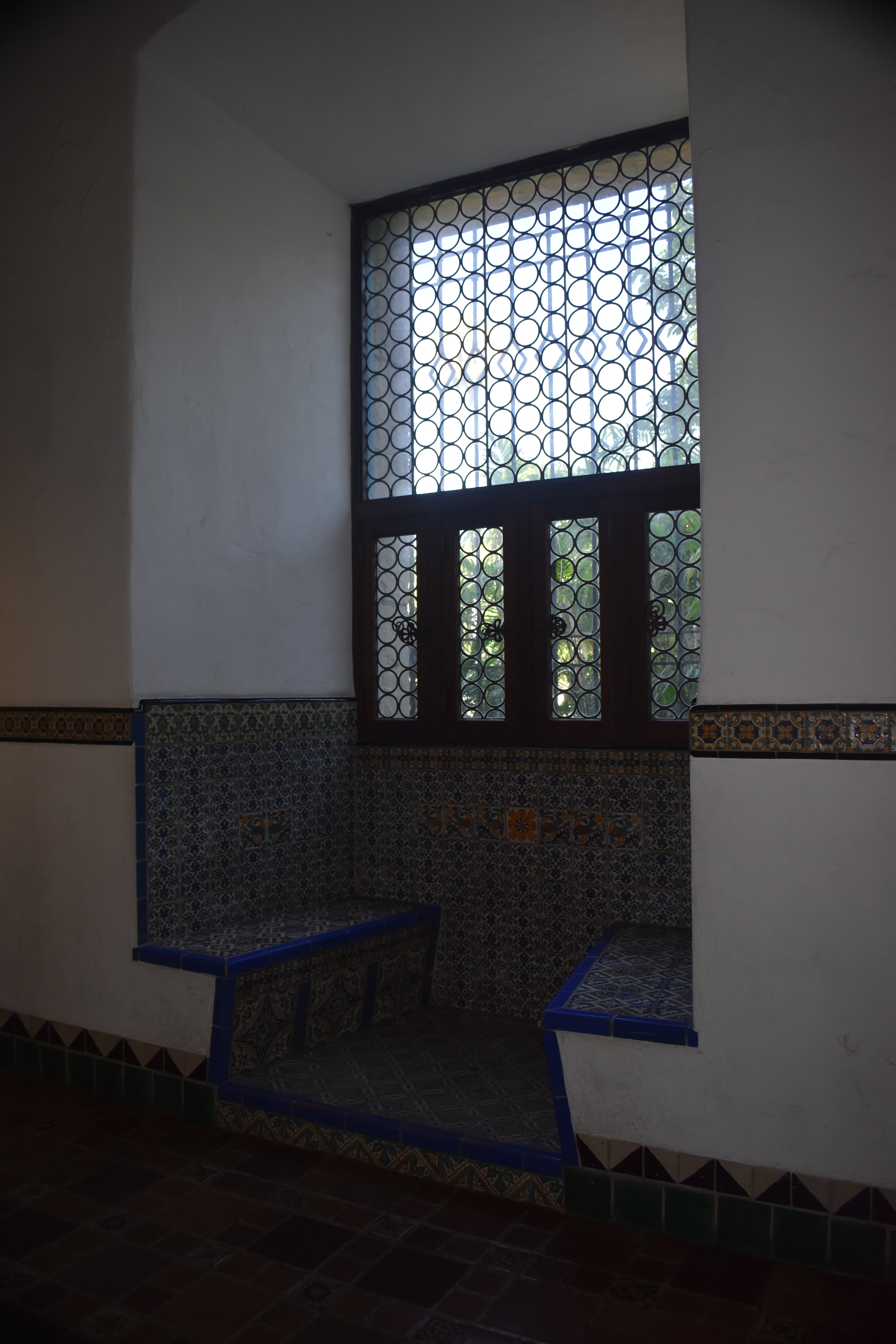
When visiting Santa Barbara, there’s one place that, in my humble opinion, is an absolute must-see: the Santa Barbara County Courthouse. Unlike most courthouses—places you generally want to avoid—this one is a Spanish-Moorish architectural masterpiece. With its intricate tile work, lush gardens, and an 80-foot clock tower, it feels more like a museum than a judicial building. The clock tower’s observation deck offers one of the best panoramic views of the city, making the visit even more worthwhile.
Having worked in the Federal Judiciary, I’ve seen firsthand how some historic courtrooms from the 1800s have been carefully relocated into modern buildings to preserve their craftsmanship. But in Santa Barbara, the entire courthouse itself is a work of art, standing as a testament to the city’s rich history.
A Walk Through History: Casa De La Guerra & Plaza De La Guerra
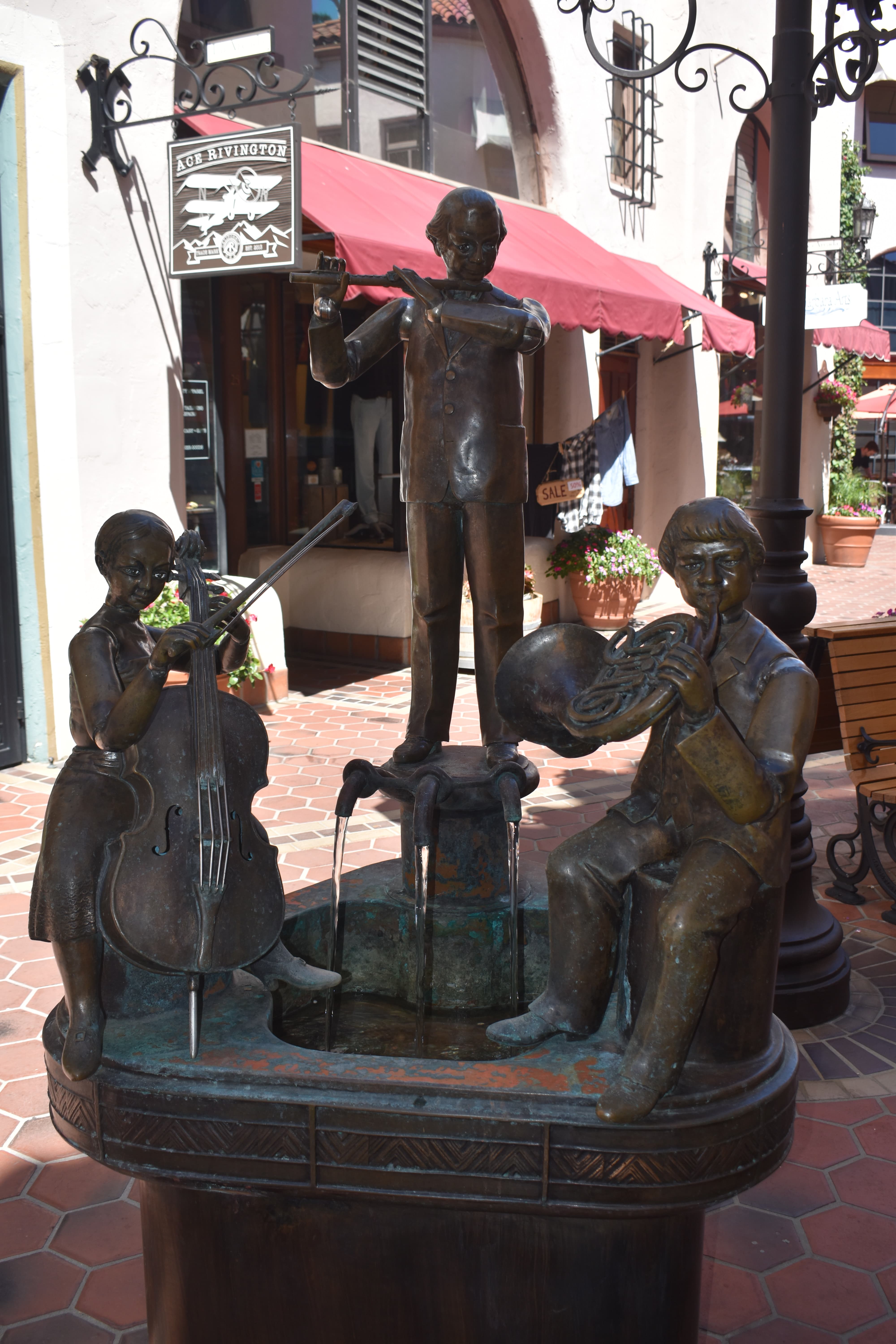
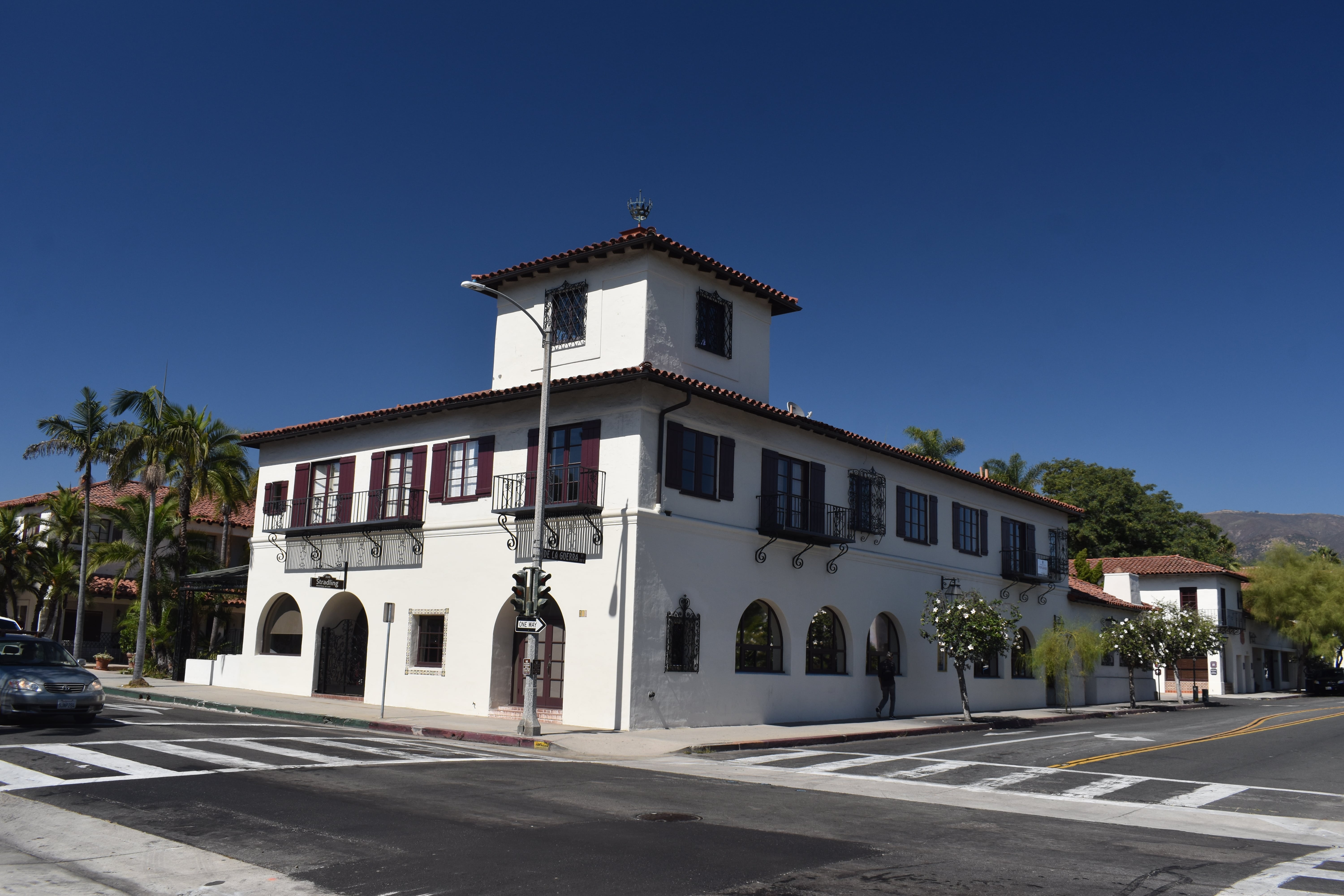
After the courthouse, we took a stroll down De la Guerra Street to find the courtyard of Casa De La Guerra. Built by José de la Guerra, the fifth Presidio commandant and one of Santa Barbara’s most influential figures, this historic home reflects the city’s Spanish colonial heritage.
Just beyond it lies Plaza De La Guerra, where Santa Barbara’s City Hall stands. The plaza, surrounded by historic adobes and charming architecture, serves as a cultural heart of the city.
Looking back, we wished we had set aside more than a single day for Santa Barbara. There was so much more to explore, but with the time we had, we soaked in as much history, beauty, and architecture as possible before continuing our journey up the coast.








A Morning at Old Mission Santa Barbara
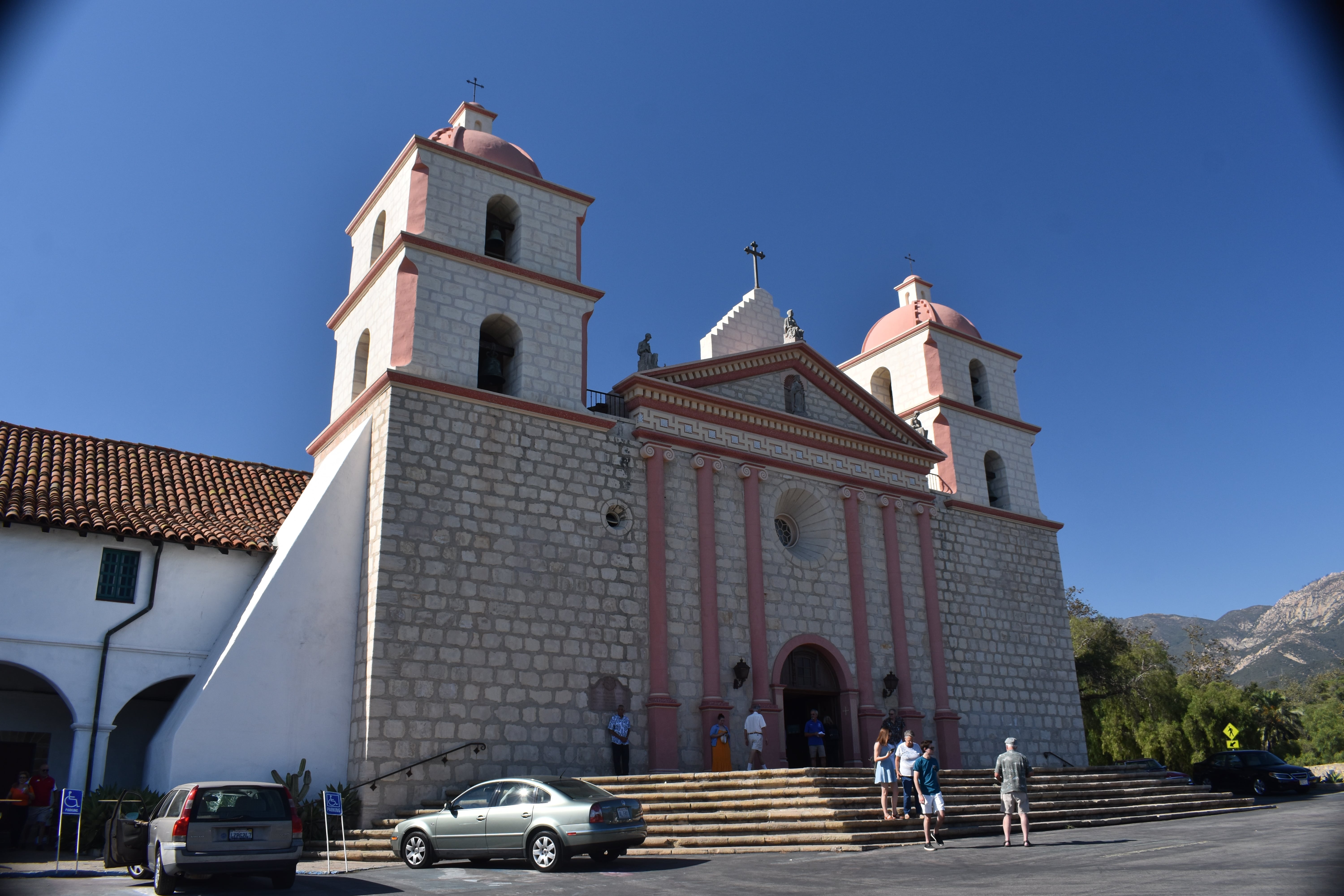
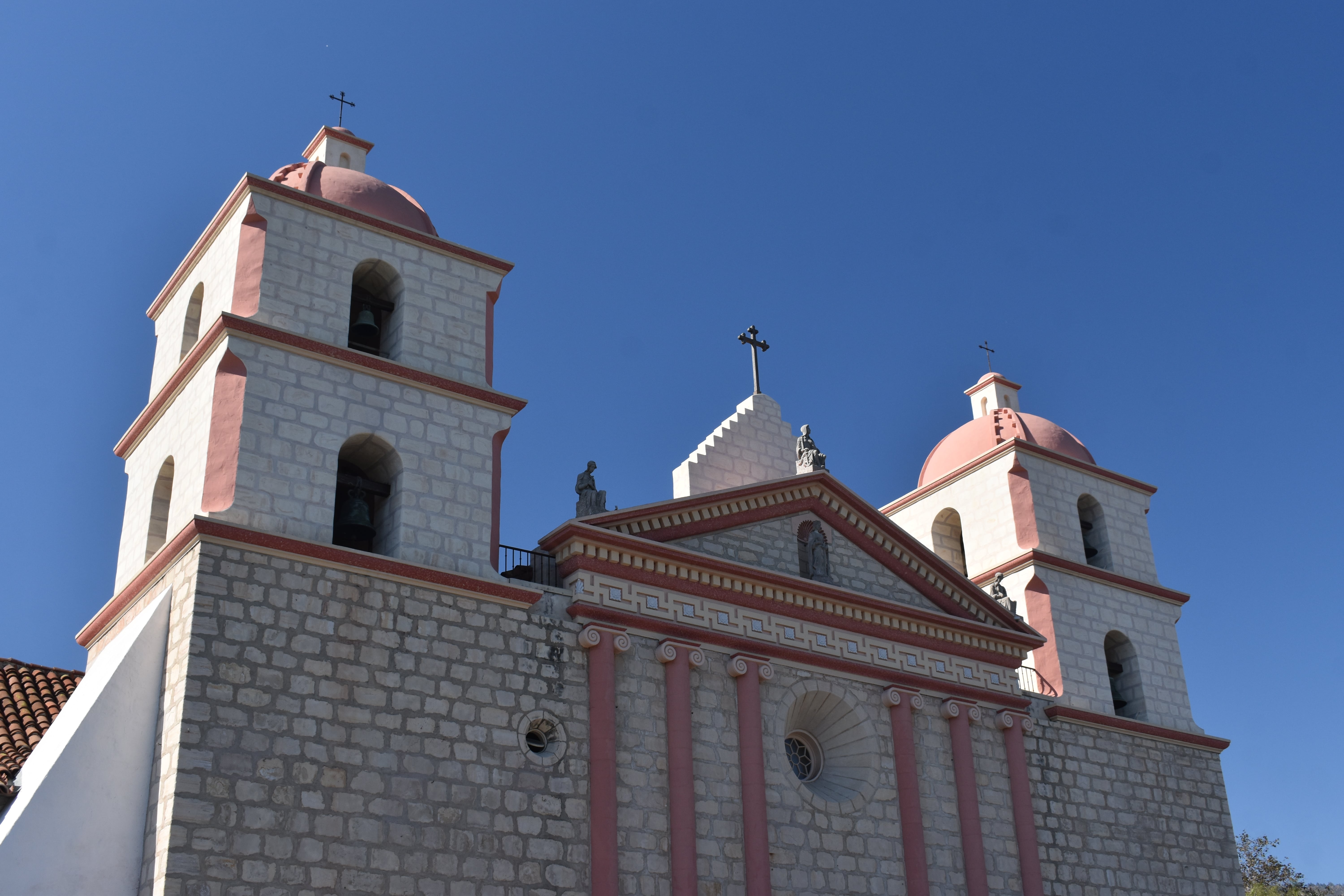
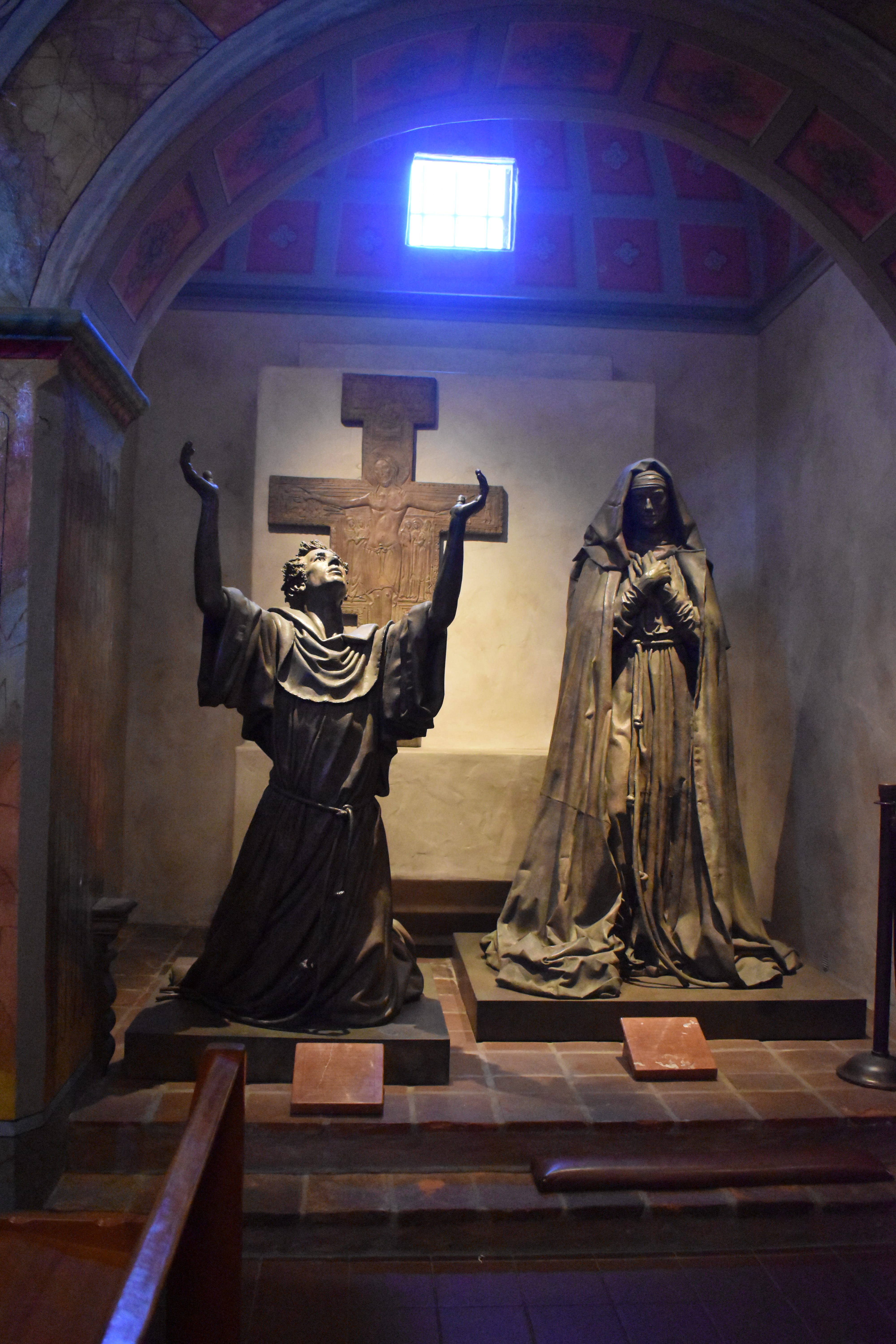
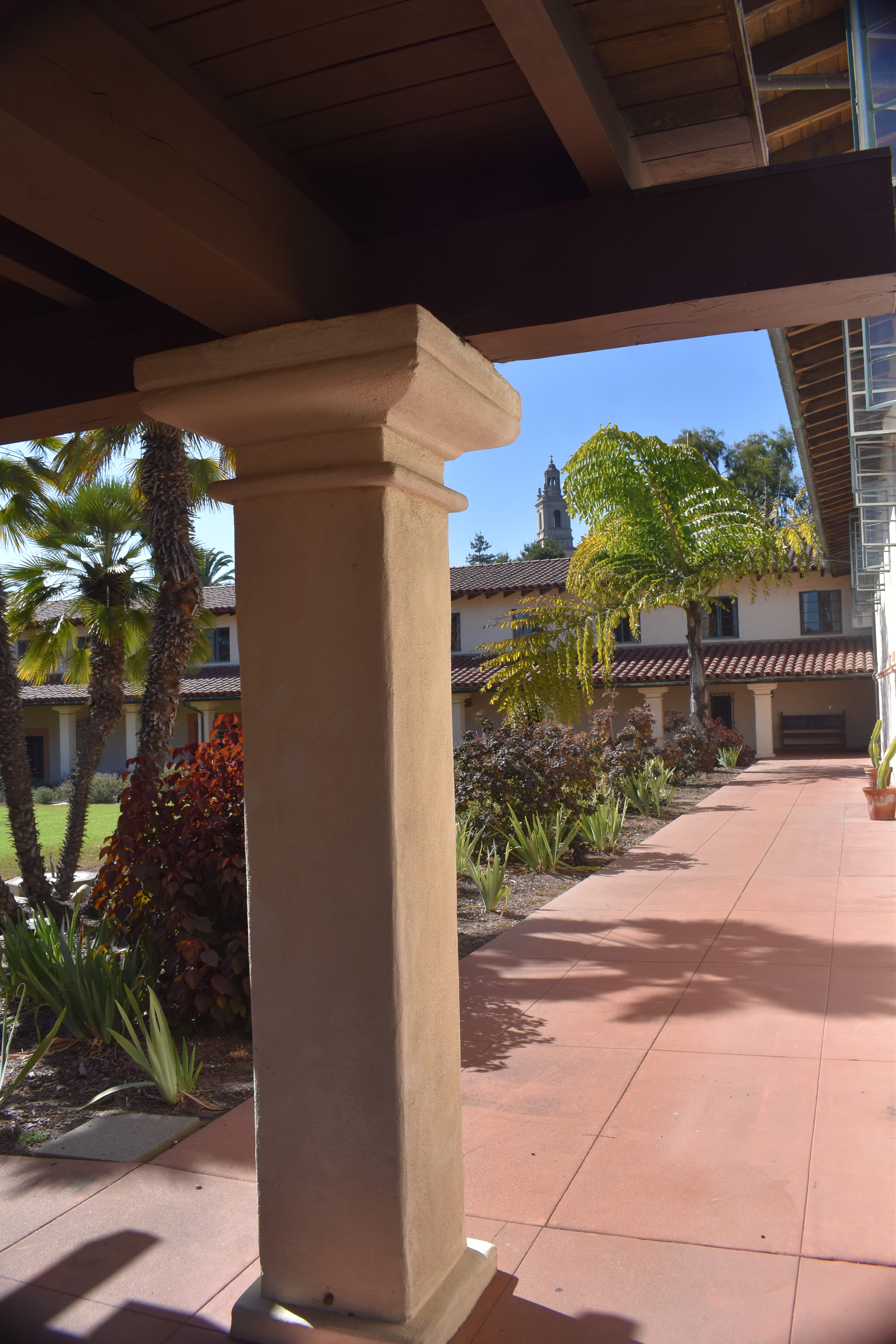
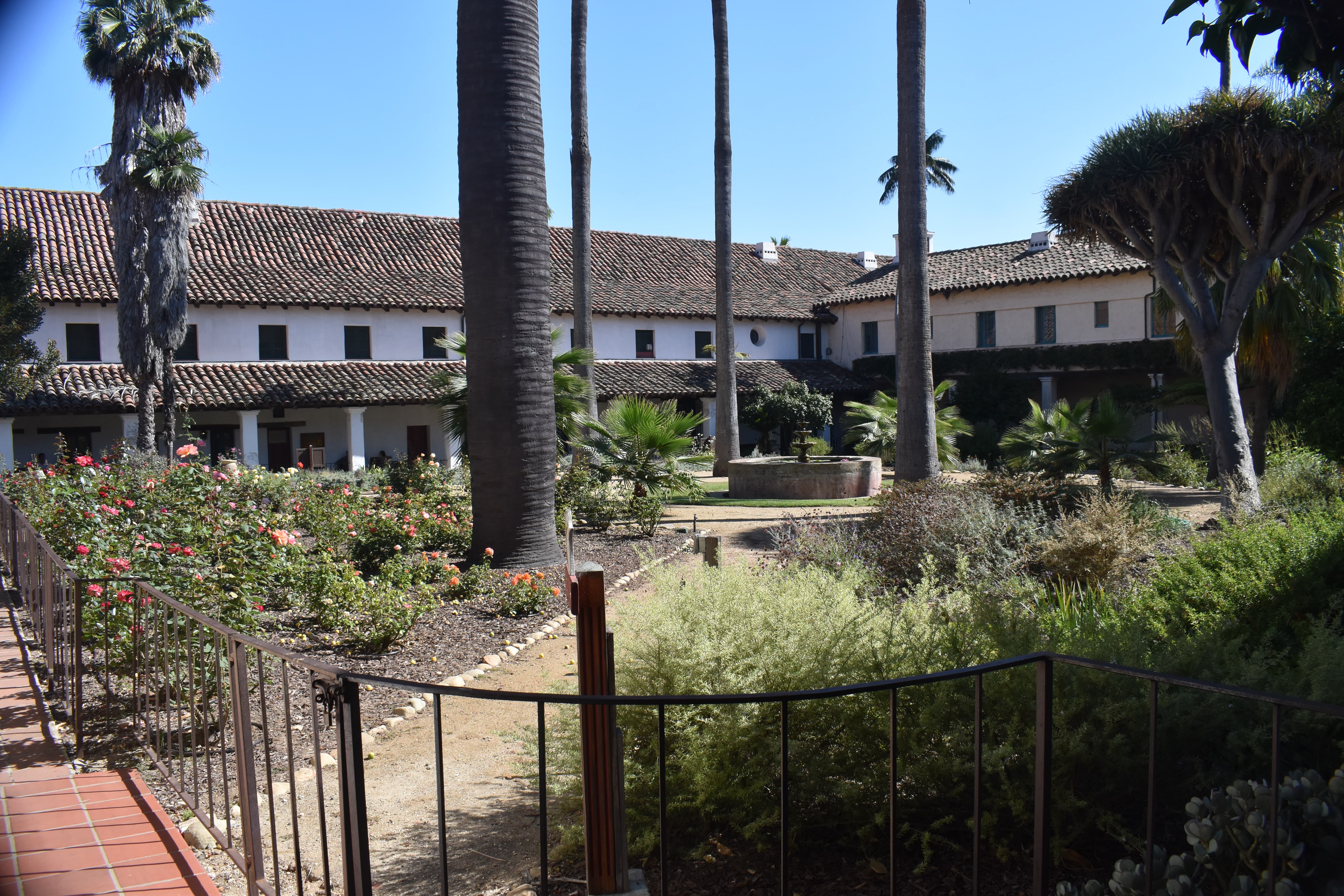
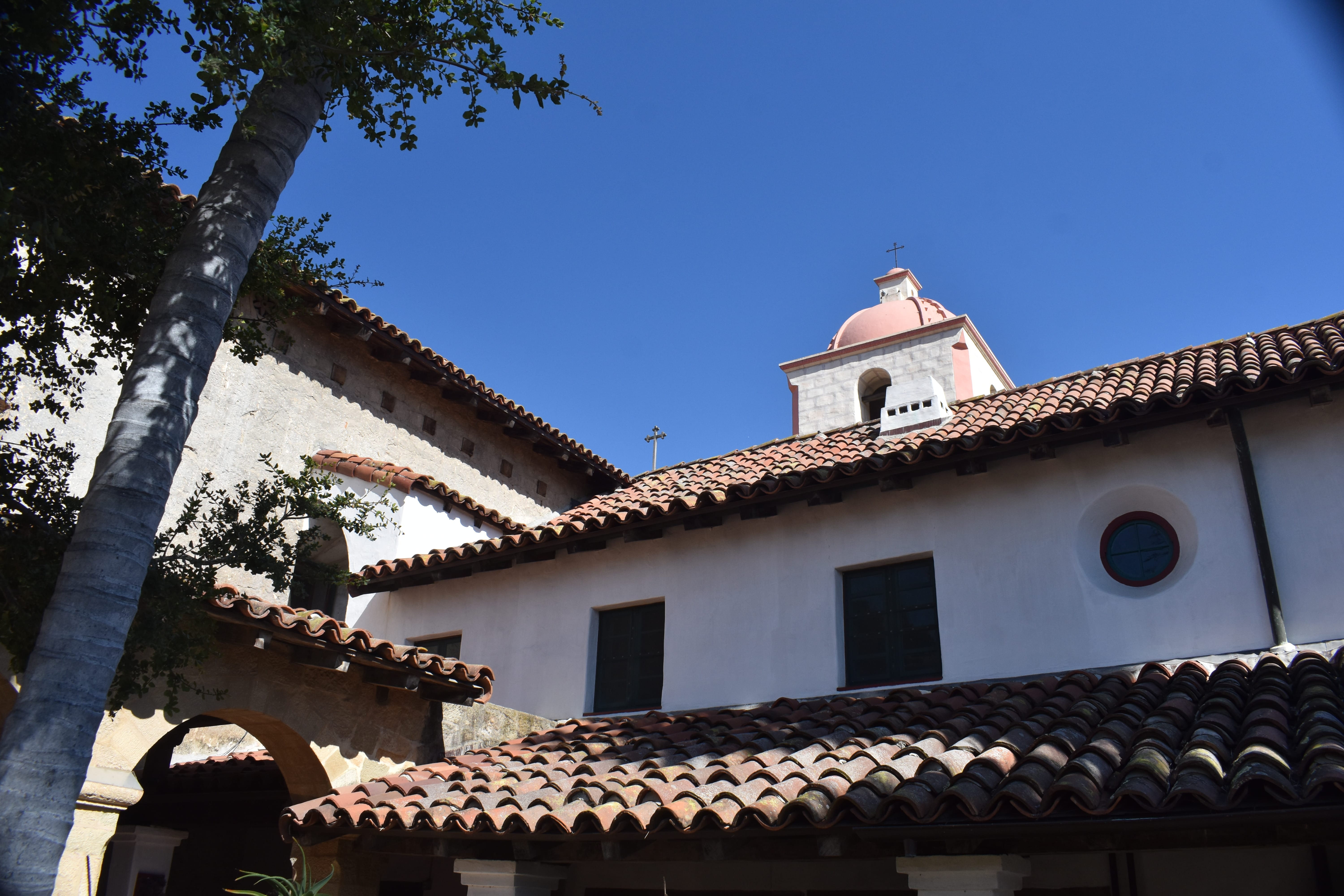
Before leaving Santa Barbara, we made one last stop at the Old Mission Santa Barbara, taking the museum and garden tour. Founded in 1786 by Spanish Franciscan missionaries, the mission is often called the “Queen of the Missions” for its stunning architecture and rich history.The church’s architectural design is based on The Ten Books of Architecture by Vitruvius, a Roman architect who wrote his treatise around 27 B.C.. This classical influence is evident in the mission’s symmetrical façade, grand columns, and ornate details. Inside, we admired artwork from 18th and 19th-century Mexican artists, which added to the mission’s historical and cultural significance.
The Cemetery & Sacred Garden
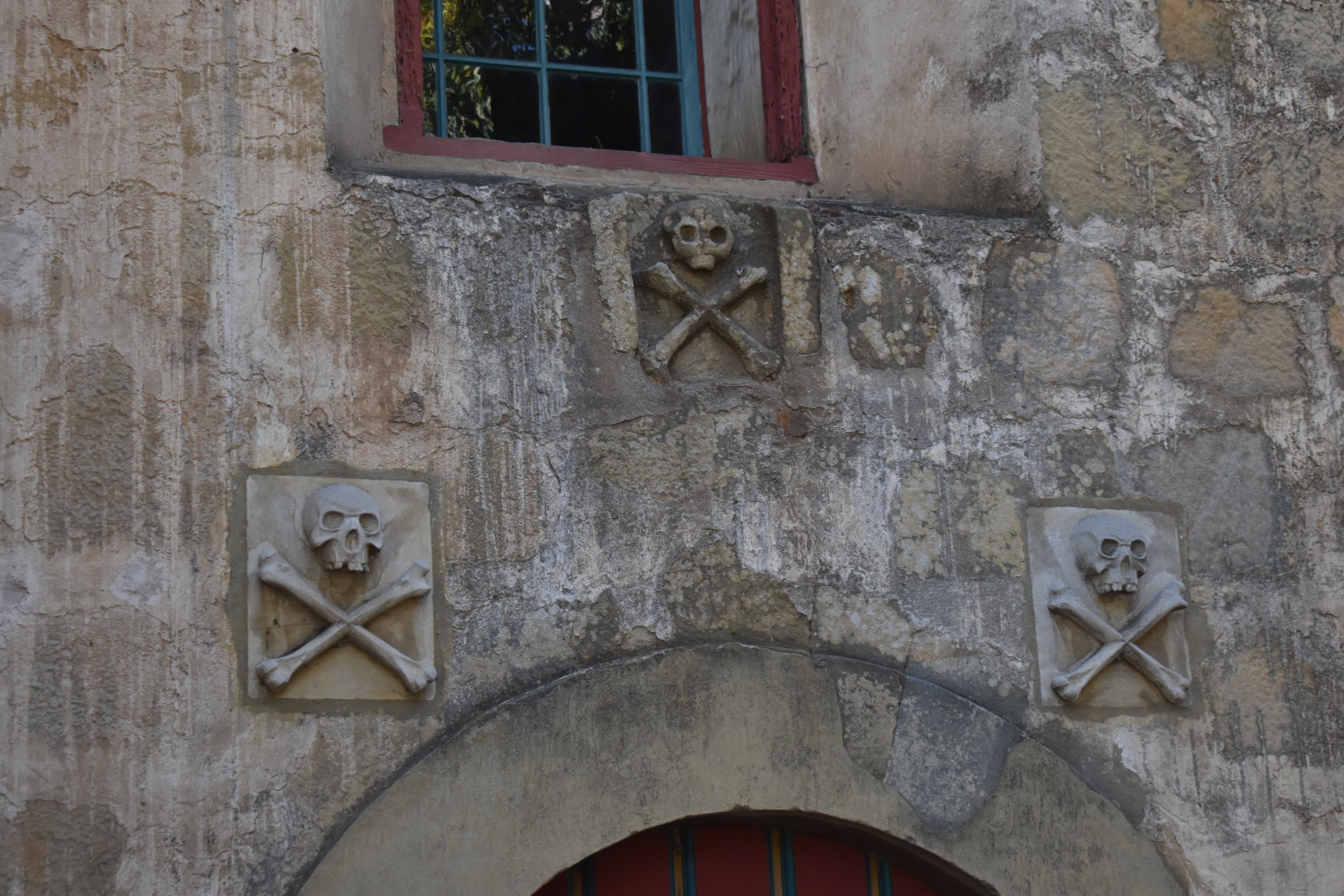
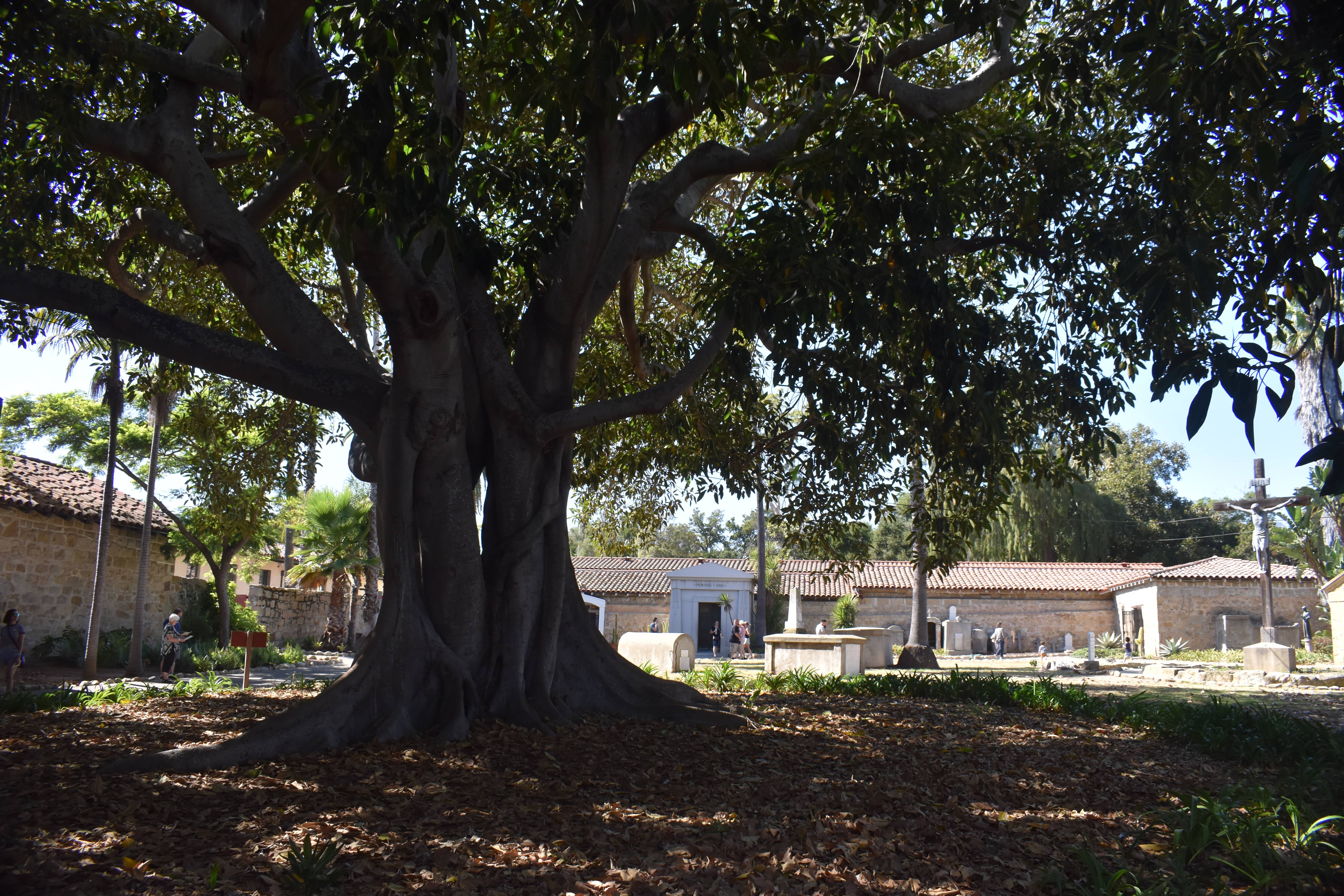
The mission’s cemetery, dating from 1789 to the present, holds the burial sites of early Santa Barbara settlers and Native Americans. Above the church doors, we noticed the skull carvings, which were traditionally used to mark cemetery locations—a solemn but fascinating detail.The Sacred Garden, originally a work area where Native Americans were trained in building trades, now serves as a peaceful space filled with colorful flowers, fountains, and historic artifacts. One of the highlights was the large stone fountain, built in 1808, alongside the lavanderia, a stone wash basin once used by the Native Americans.Visiting Old Mission Santa Barbara gave us a deeper appreciation for the city’s Spanish colonial roots and the cultural blending that shaped its history. With that, we said goodbye to Santa Barbara, continuing our journey up the California coast.





Day 5: A Visit with Friends & Morro Bay’s Iconic Landscape
After a wonderful visit with our old friends Liz and Len in Buellton, we enjoyed some wine tasting with them and their daughter—an experience that perfectly captured the charm of California’s Central Coast. But soon, it was time to hit the road again, continuing our journey north.
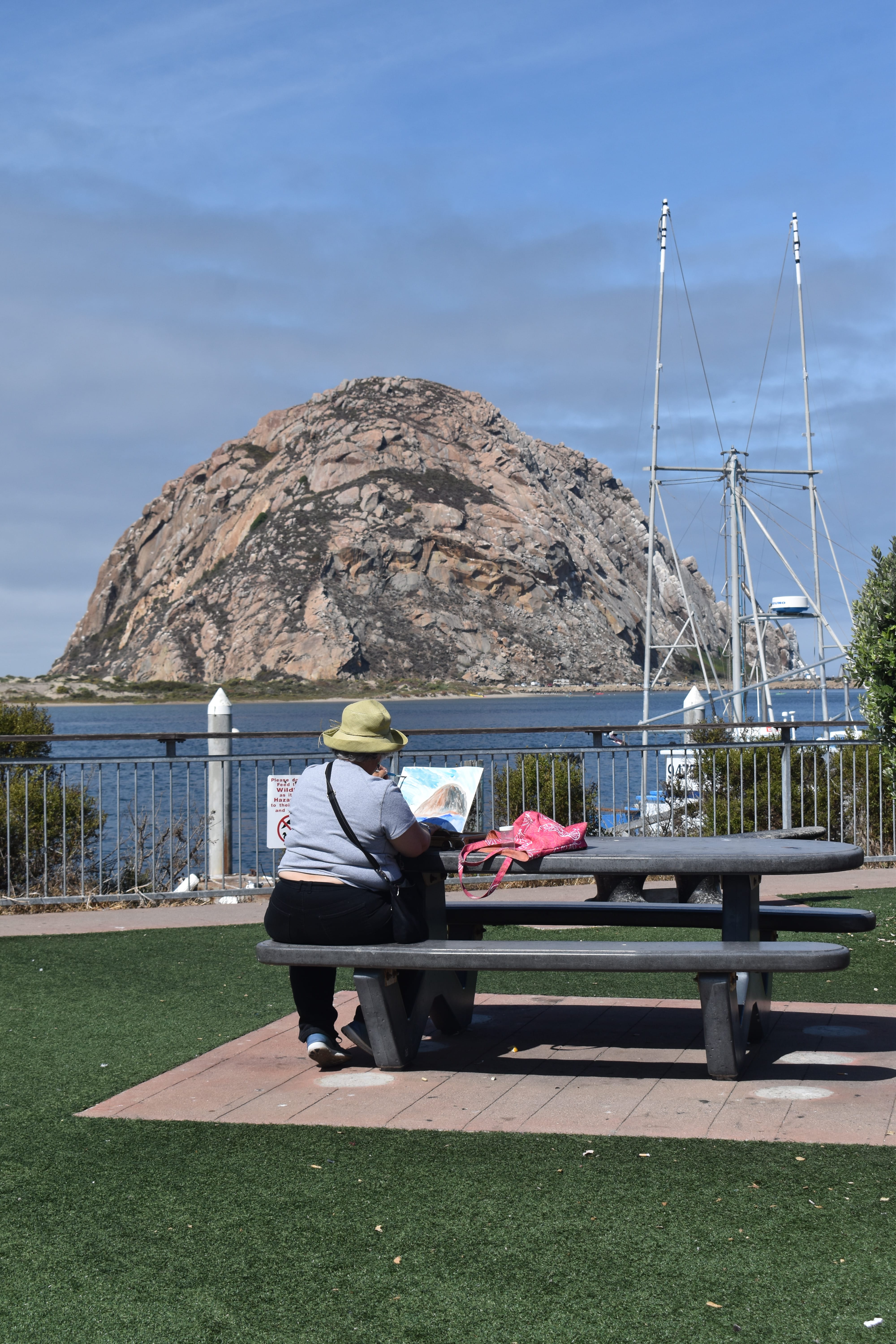
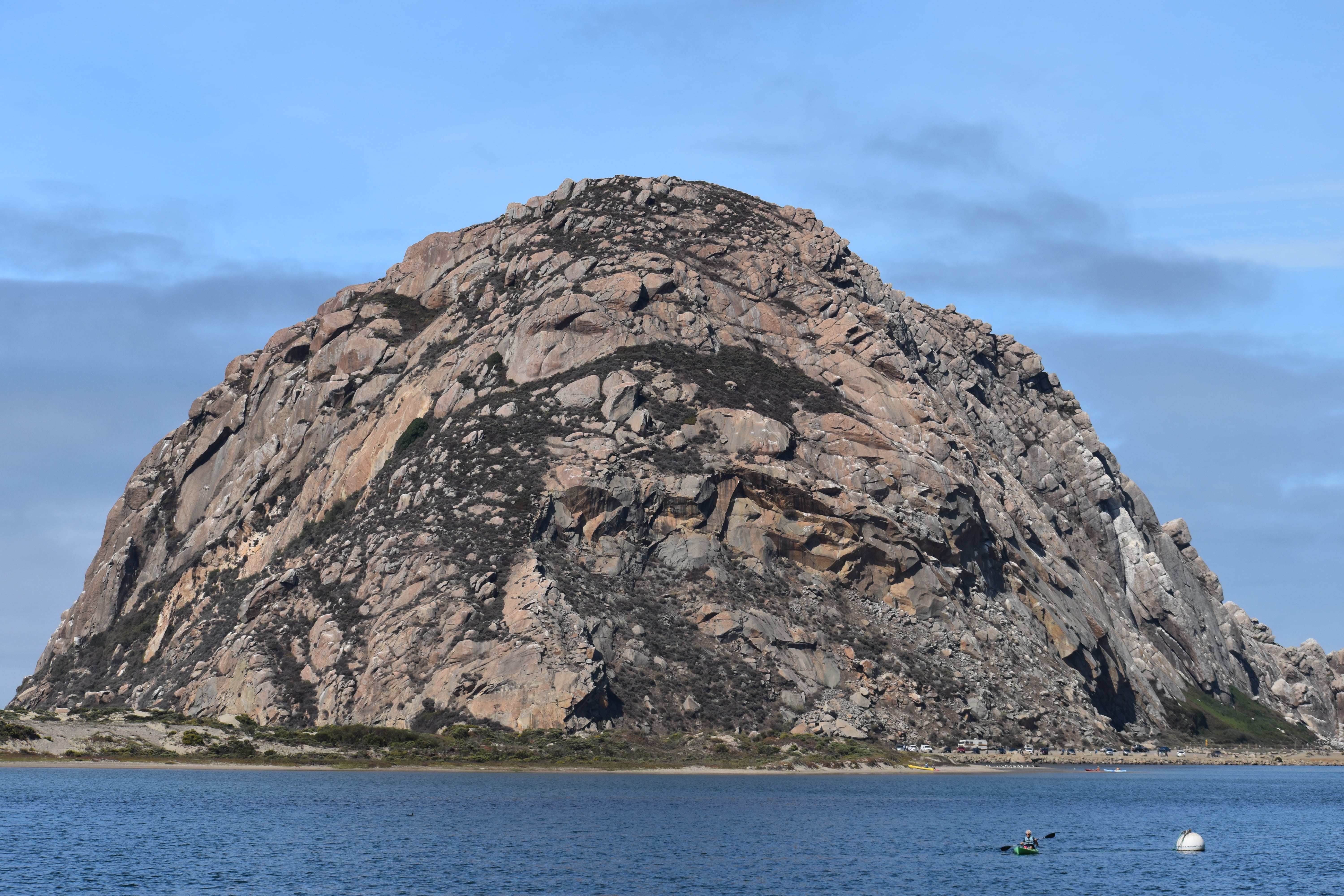
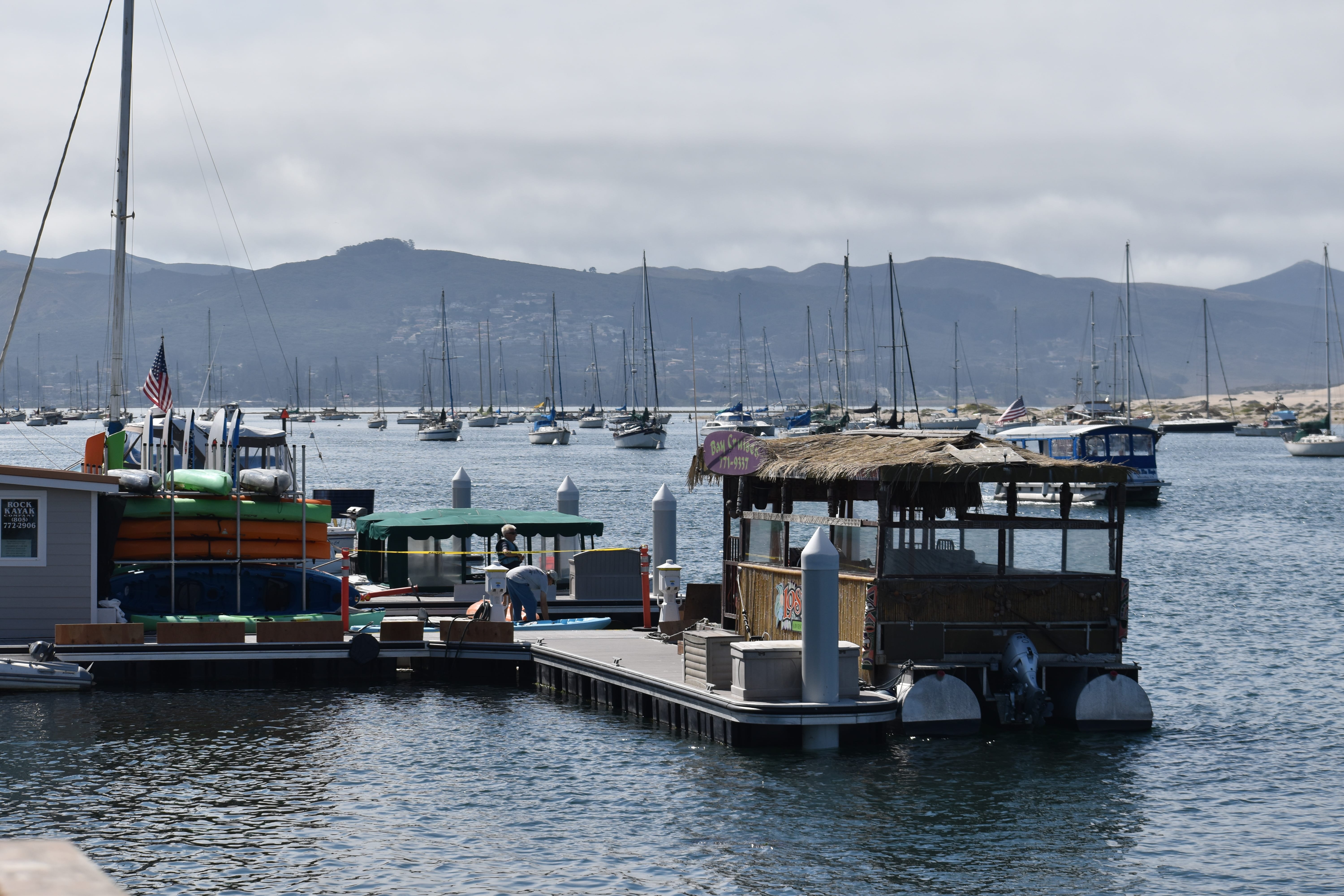
Our next stop brought us to Morro Bay, a picturesque coastal town along Route 1, known for its striking natural landmark: Morro Rock. This ancient volcanic mound, towering 576 feet above the shoreline, sits at the end of Morro Rock Beach and dominates the landscape.
The rock is part of Morro Bay State Park, a haven for nature lovers. The park features lagoons, scenic trails, and a bird-rich saltwater marsh, making it a perfect stop for wildlife watching and enjoying the coastal beauty. The blend of ocean views, rugged cliffs, and abundant birdlife gave Morro Bay a peaceful, almost otherworldly feel—another reminder of why California’s coastline is so special.


Day 6: The Spellbinding Drive Through Big Sur
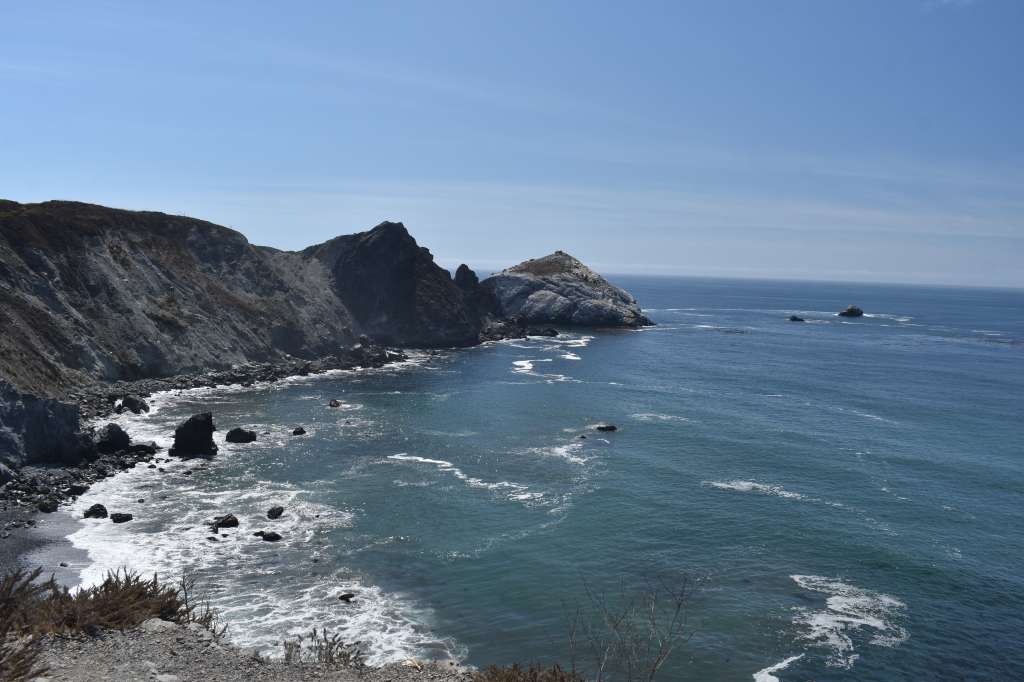
Continuing our journey north toward Monterey, we took the iconic drive along Highway 1, winding through the breathtaking landscapes of Big Sur State Park.
What can one say about this stretch of California’s coastline? Simply put—it’s spellbinding. Towering cliffs plunge into the Pacific, waves crash against rugged rocks, and the road twists and turns through redwood forests and misty headlands. Every turn offers another jaw-dropping vista, making it nearly impossible not to stop every few miles just to take it all in.
Big Sur isn’t just a place—it’s an experience. The sheer beauty of the landscape, the scent of salt air mixed with redwoods, and the sound of the ocean meeting the cliffs create a sense of awe and serenity that few places can match. It was one of those drives where the journey itself was as memorable as the destination.Next on our way to Monterey was enjoying the drive along the Coastal highway through Big Sur State Park. What can one say about the California coast in this area, spellbinding vistas.



McWay Falls: A Breathtaking Stop Along the Coast
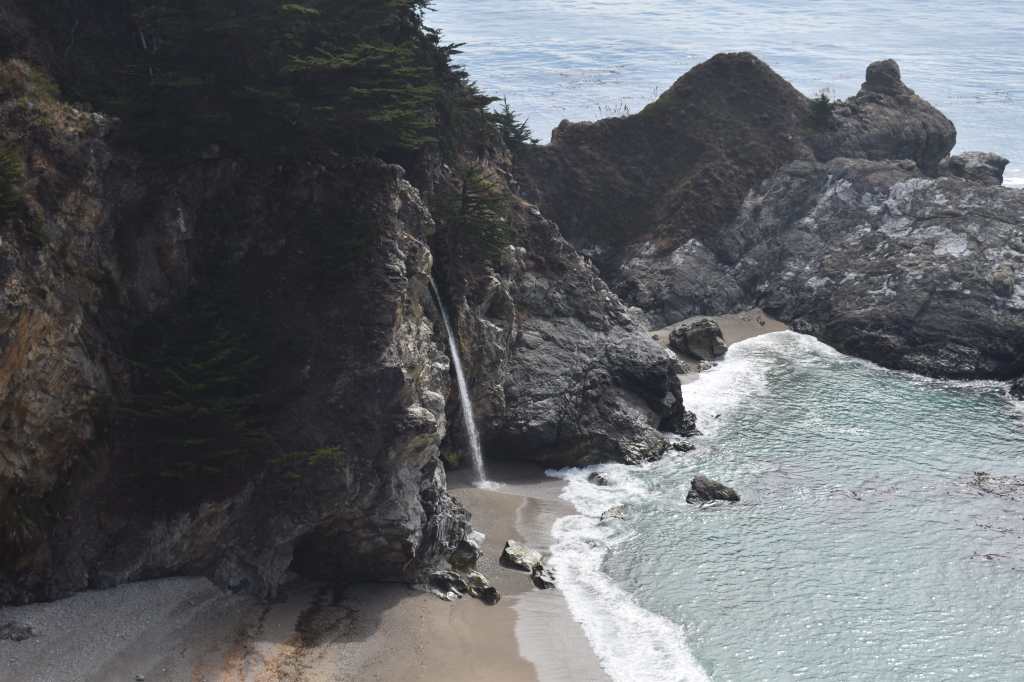
As we continued our drive through Big Sur, we made a stop at McWay Falls, one of the most iconic and mesmerizing sights along California’s Highway 1.
Unlike typical waterfalls, McWay Falls is a tidefall, meaning it empties directly into the ocean. Cascading 80 feet down a rocky cliffside into the turquoise waters below, the waterfall looks like something out of a dream.
The short overlook trail provided the perfect vantage point to take in the unspoiled beauty of the falls, the golden sands of the secluded cove, and the endless Pacific horizon. Standing there, watching the water plunge into the sea, we were reminded once again why Big Sur is considered one of the most awe-inspiring places in the world.On our way we stopped at McWay Falls, a tidefall, a waterfall that empties directly into the ocean. McWay Falls has an 80 foot drop to the ocean and is a spectacular sight.

Bixby Canyon Bridge: An Icon of the California Coast
Further along our journey up Highway 1, we stopped at one of the most iconic landmarks of the California coast—the Bixby Canyon Bridge.
Completed in 1932, this stunning single-span concrete bridge is not only one of the tallest of its kind in the world, but also one of the most photographed. Stretching 714 feet long and towering 280 feet above Bixby Creek, the bridge perfectly frames the dramatic cliffs and crashing waves of Big Sur.
Standing at the viewpoint, gazing at the elegant arches set against the rugged coastline, it was easy to see why this bridge has become a symbol of California’s scenic beauty. Whether you recognize it from postcards, car commercials, or album covers, nothing compares to seeing it in person, with the Pacific stretching endlessly in the background.Further along, we stopped at the Bixby Canyon Bridge which is one of the tallest single-span concrete bridges in the world and one of the most photographed.


Day 7: Exploring Monterey’s Rich History
The Monterey Peninsula is steeped in history, with its roots stretching back thousands of years to the Rumsien Indians, who first inhabited the area. Unfortunately, the arrival of European explorers brought disease and environmental changes that devastated the native population.
The Spanish first landed in 1542, led by Juan Rodríguez Cabrillo, but it was Sebastián Vizcaíno who formally named Monterey Bay in 1602, in honor of the Viceroy of New Spain. Over the years, Monterey changed hands multiple times—under Spanish, Mexican, and eventually American rule. When gold was discovered in 1848, statehood followed quickly, and in 1850, California became the 31st U.S. state. Though Monterey had once served as California’s capital, that honor shifted to San Jose, ending Monterey’s political prominence.
Historic Landmarks of Monterey
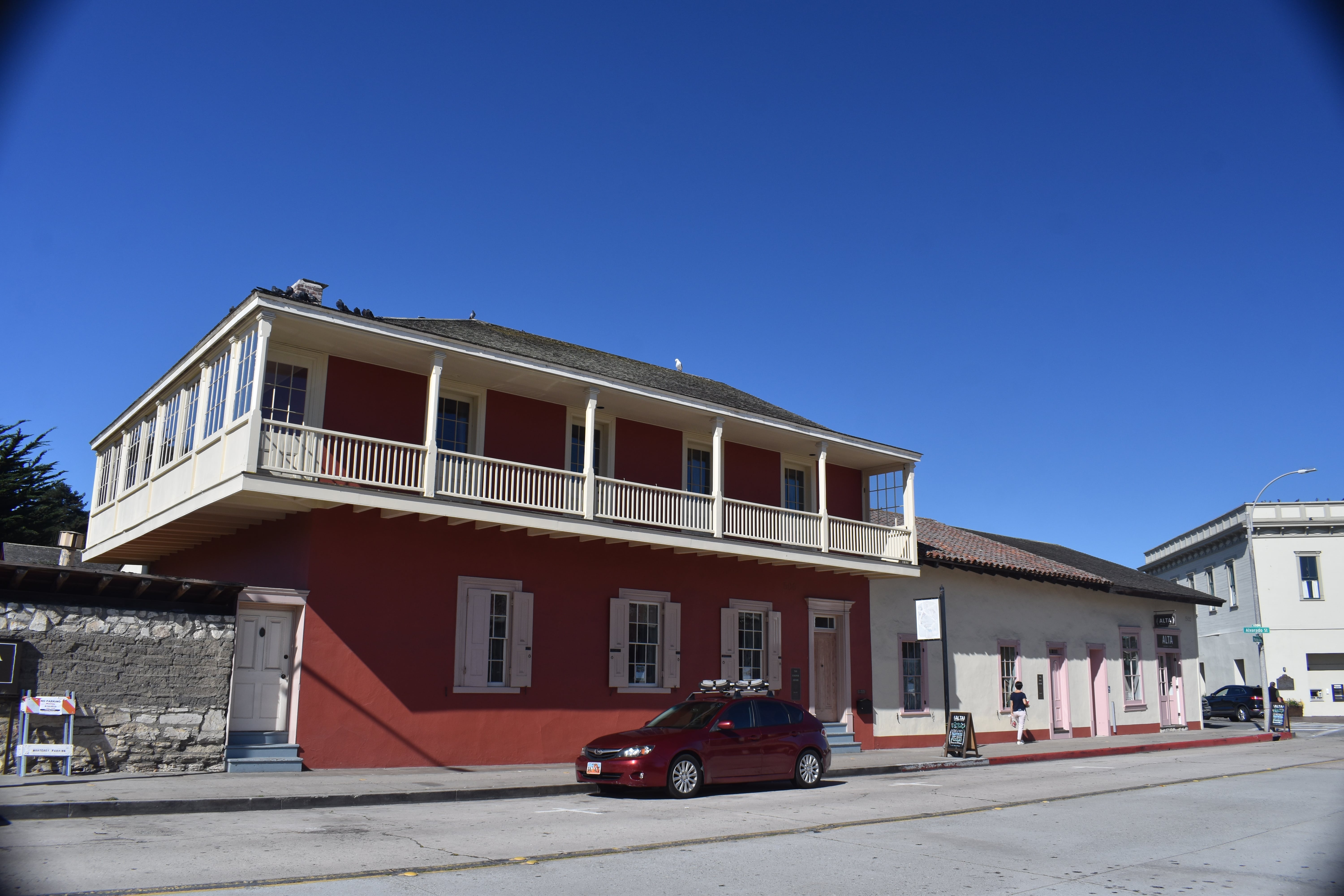
Our first stop was the Cooper-Molera Adobe, a National Trust Historic Site dating back to 1827, offering a glimpse into Monterey’s Mexican and early American periods.
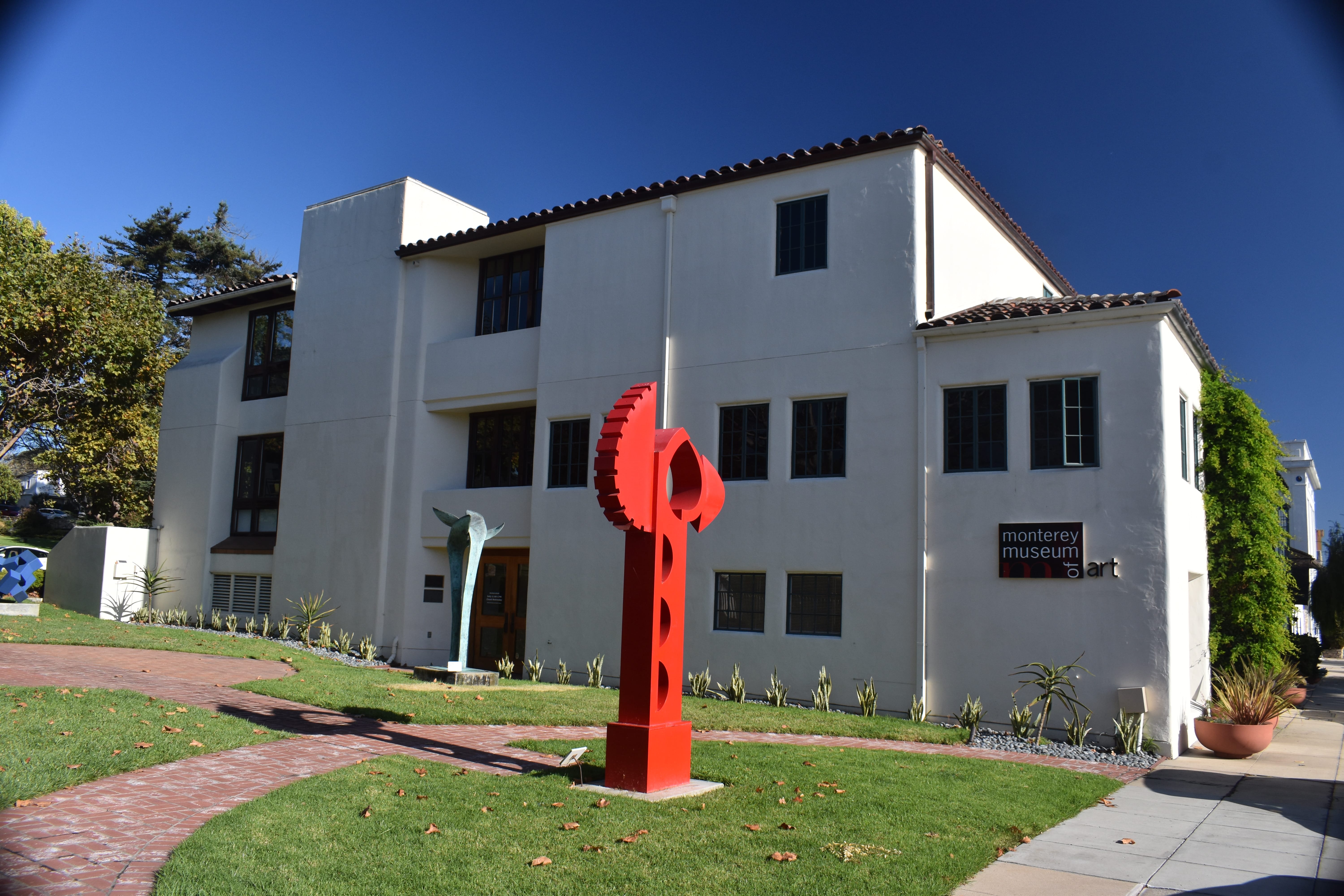
Next, we visited the Monterey Museum of Art, home to regional artwork that reflects the area’s natural beauty and artistic heritage. From there, we explored the Larkin House, an early 19th-century adobe residence built by Thomas Oliver Larkin during Monterey’s Mexican period. This home became the prototype for Monterey Colonial architecture, blending Spanish adobe with New England-style wood elements.
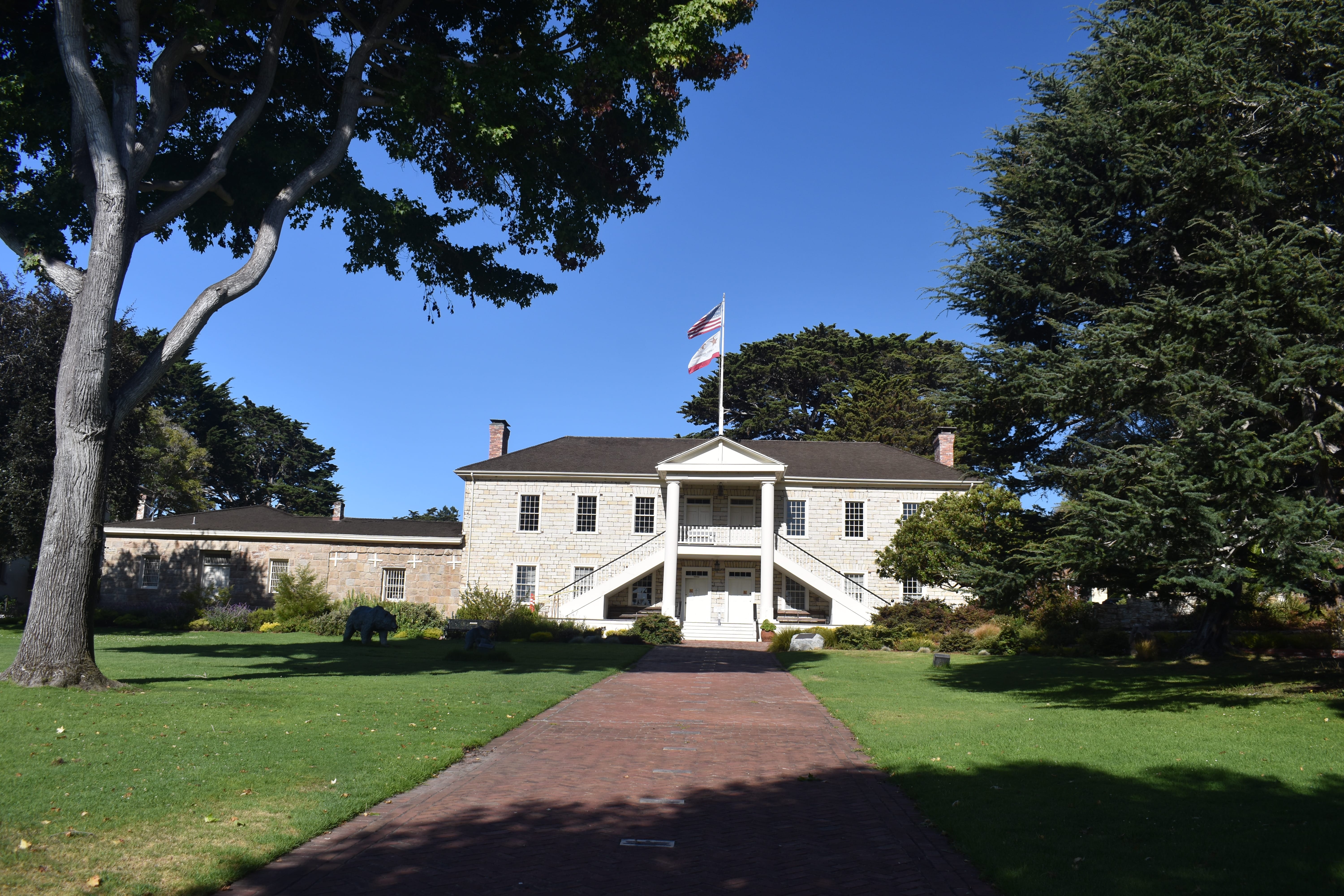
At Colton Hall, we stepped back in time to October 1849, when California’s first Constitution was drafted. Originally built as a public school and town meeting hall, the building now houses exhibits on early Monterey and the birth of California’s statehood.
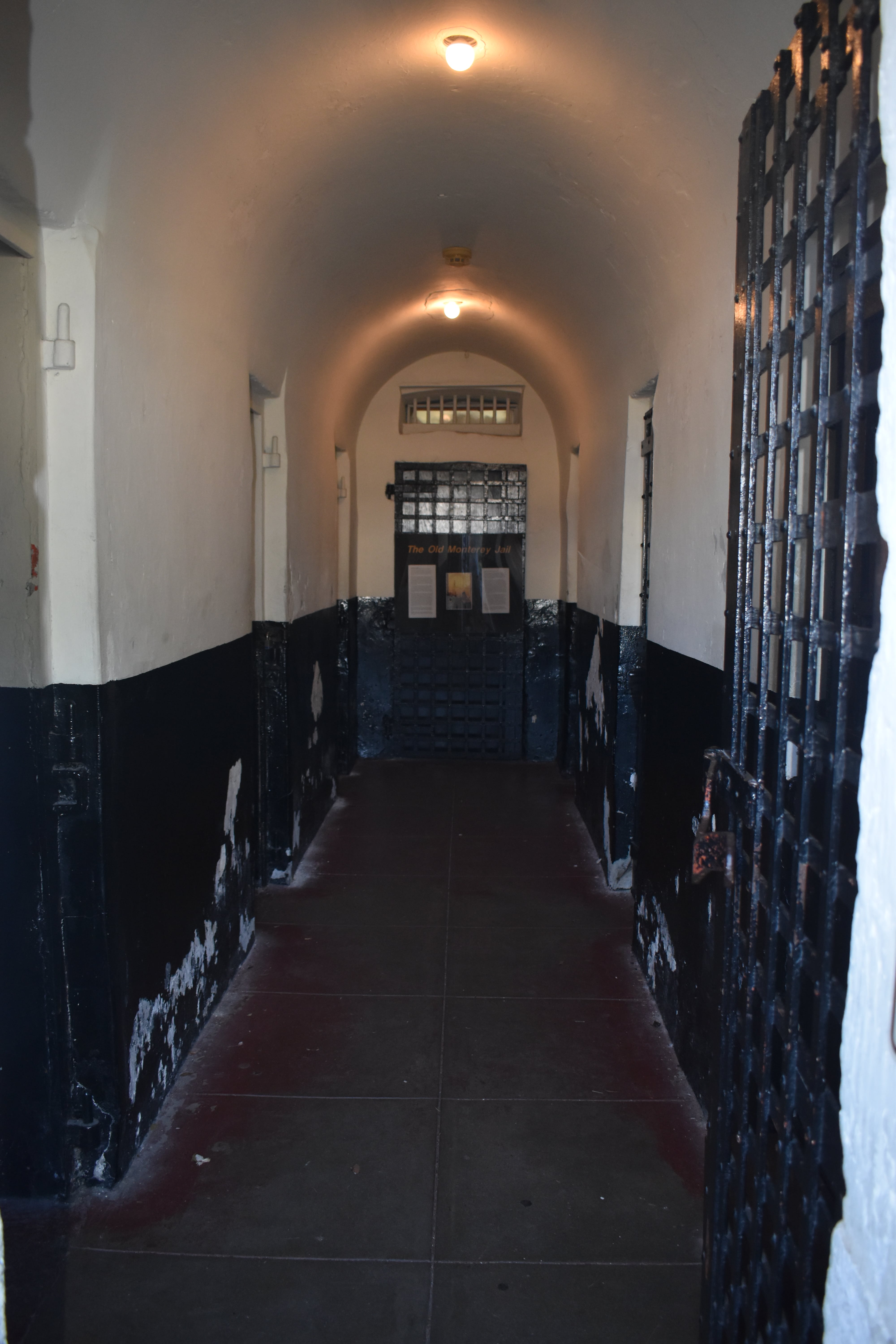
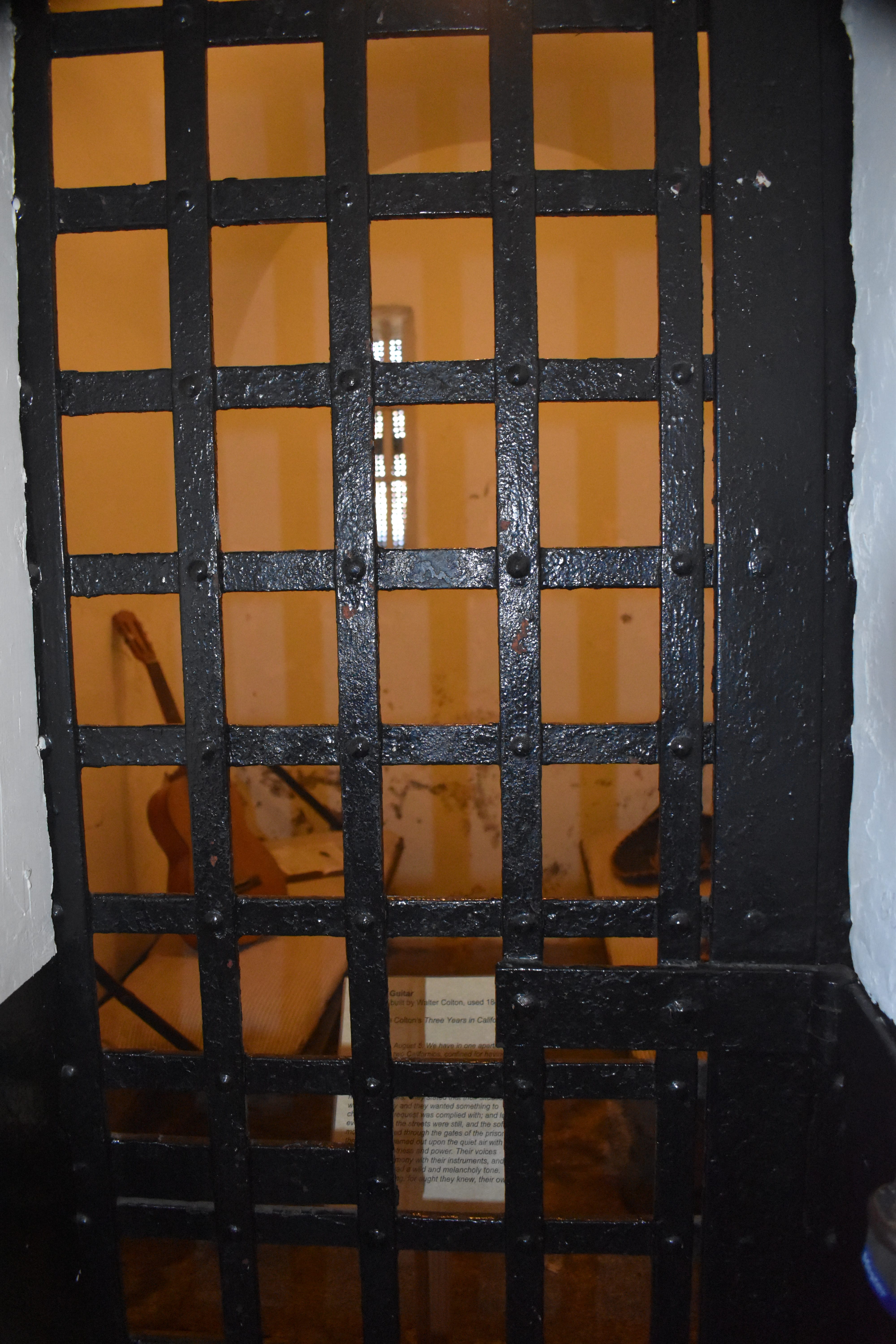
No historical tour would be complete without a stop at the Monterey Jail, built in 1854. Its thick walls and simple design reflect a time when law enforcement had far fewer tools at its disposal.
We also strolled past other historic sites, including the Alvarado Adobe, built in the 1830s, which was home to the first Monterey-born governor of California, and the Gordon House, a mid-19th century home that further added to the charm and character of old Monterey.
A Journey Through Time
Walking through Monterey, it was easy to feel the layers of history—from its Native American roots to Spanish missions, Mexican rule, and the early days of California’s statehood. Each building and landmark told a piece of the story, making our visit an unforgettable step back in time.







Literary & Historical Treasures in Monterey
After some searching, we finally found the Stevenson House, a historic site tied to Robert Louis Stevenson. The famous author reportedly rented a second-floor room in what was then known as the French Hotel during his stay in 1879. It was here that he gathered inspiration for future works—including the legendary Treasure Island. Though he was relatively unknown at the time, his brief time in Monterey left a lasting mark on literary history.
Exploring Monterey’s Waterfront History
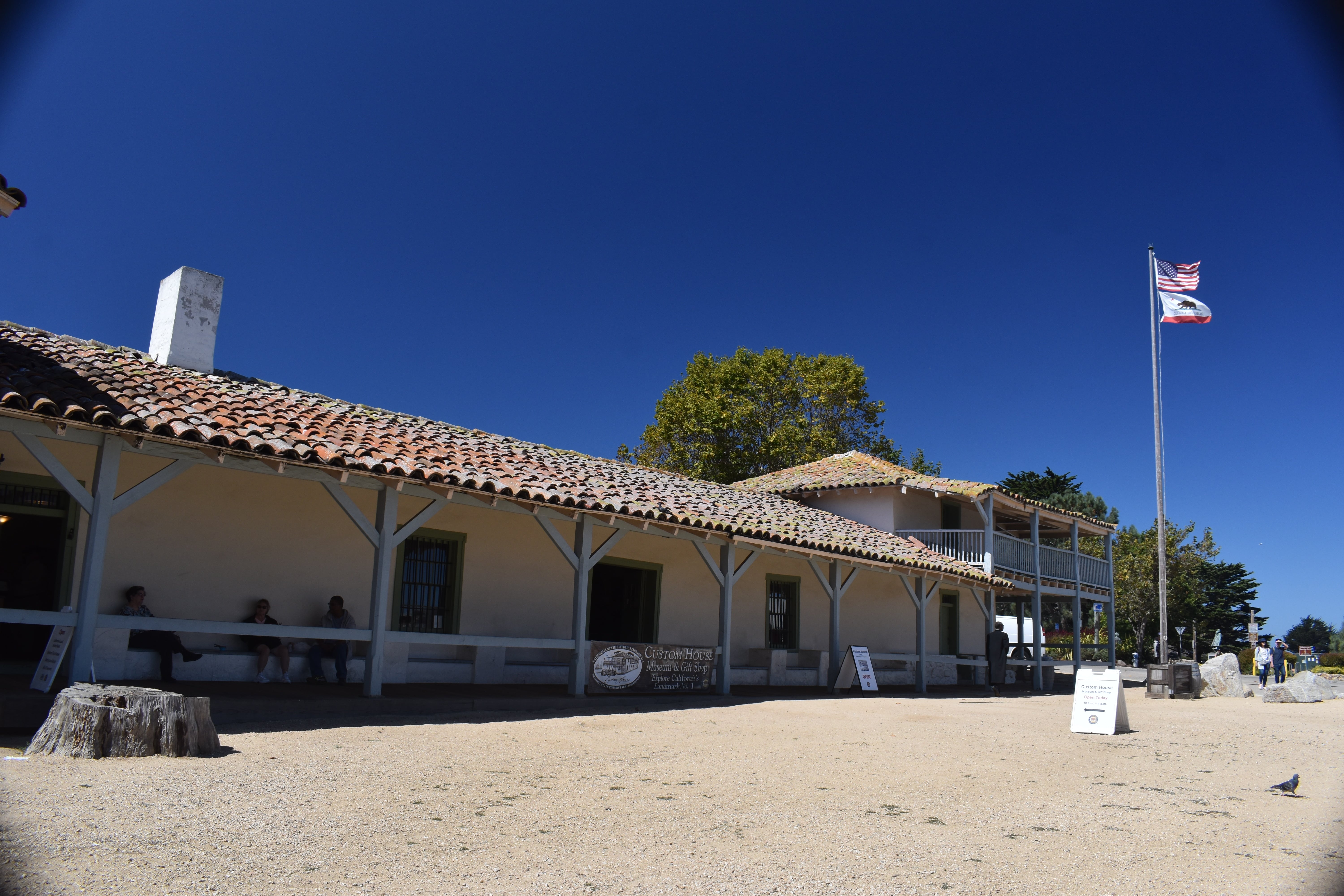
From there, we walked down to the waterfront, where we came across the Customs House, built in 1827 by the Mexican government to collect customs taxes on goods arriving by sea. As the oldest government building in California, it played a crucial role in the region’s economic history.
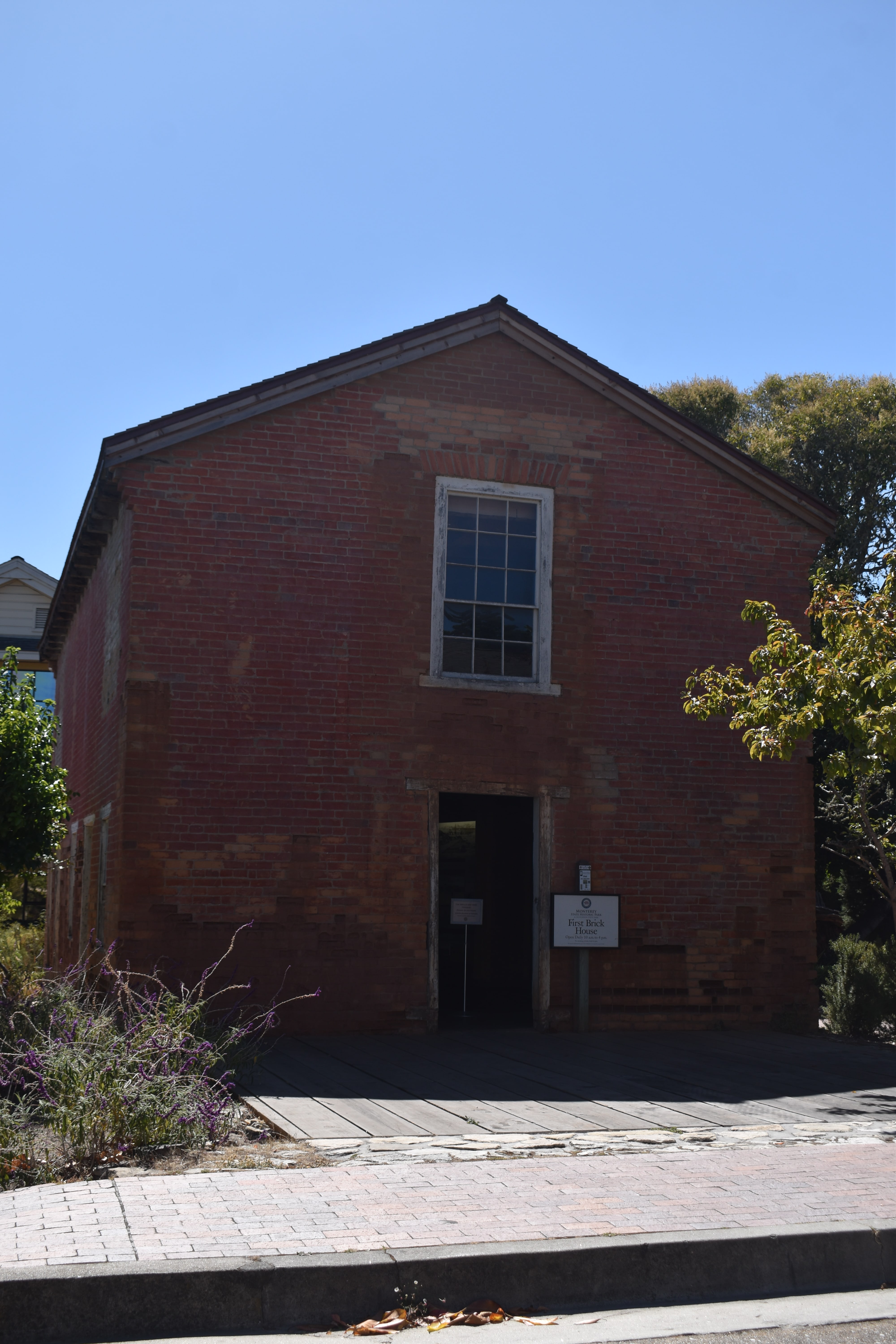
Nearby, we found the First Brick House in Monterey, marking the transition from the Adobe era to the American period. Built in 1847 by Gallant Dickinson, it introduced fired clay brick making to California, replacing the traditional adobe construction that had dominated the region. This shift in building techniques symbolized the changing times as Monterey adapted to its new American identity.
A Touch of Scotland in Monterey
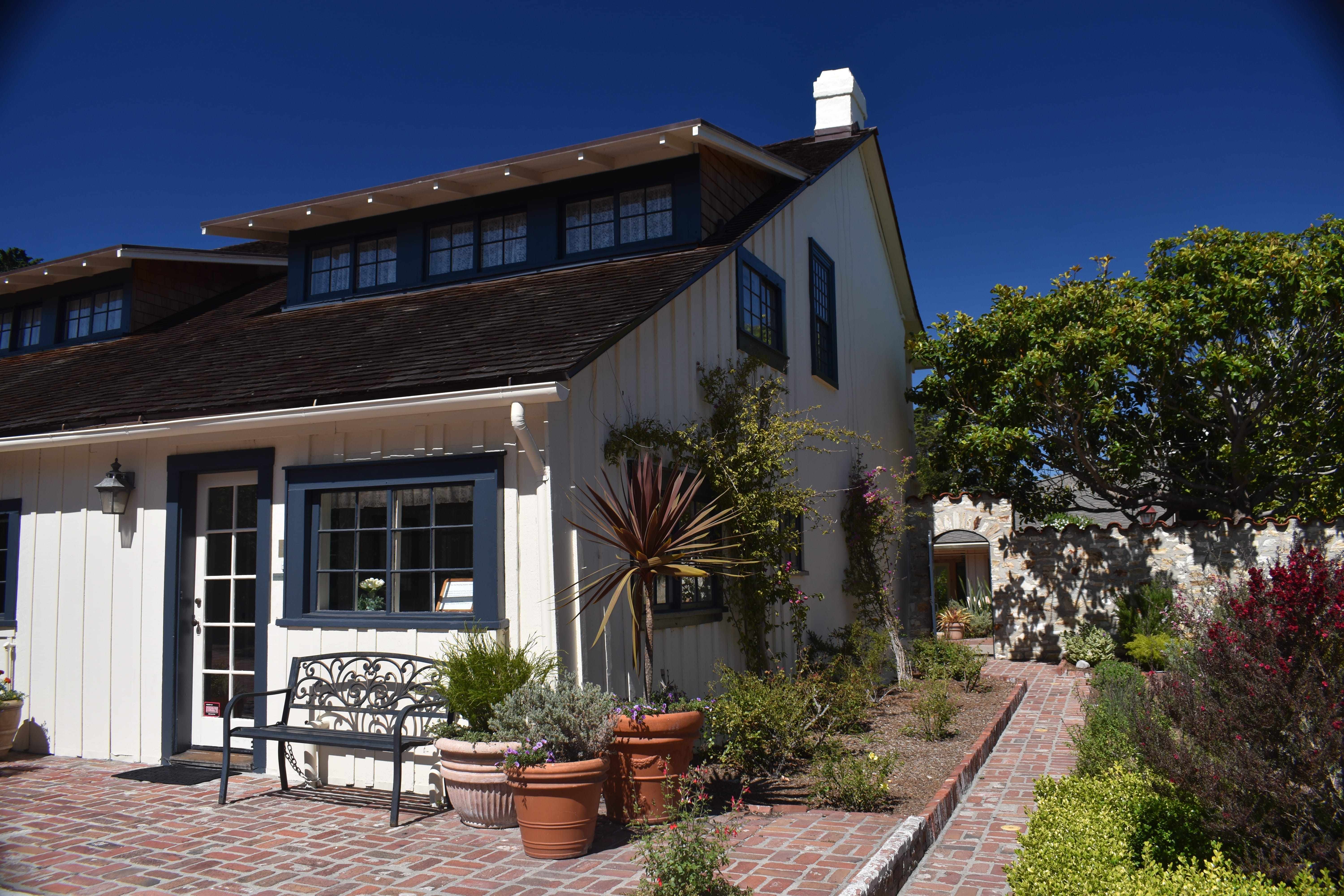
Not far from the brick house, we discovered the Old Whaling Station, a beautiful adobe home and garden with an unexpected connection to Scotland. Built in 1847 by David Wight, the home was designed to resemble his ancestral home in Ayton, Scotland. Originally constructed for his wife and daughter, the house would later serve as a whaling station, tying it to Monterey’s maritime history.
A Blend of Literature, Architecture, and History
From literary legends to architectural milestones, our day in Monterey was filled with fascinating discoveries. Whether retracing the steps of Robert Louis Stevenson, exploring California’s oldest government buildings, or uncovering the transition from adobe to brick, every stop added another layer to the rich history of this coastal town.





More Historic Landmarks in Monterey
Our exploration of Monterey’s historic district continued with a few more fascinating stops, each offering a glimpse into the city’s rich past.
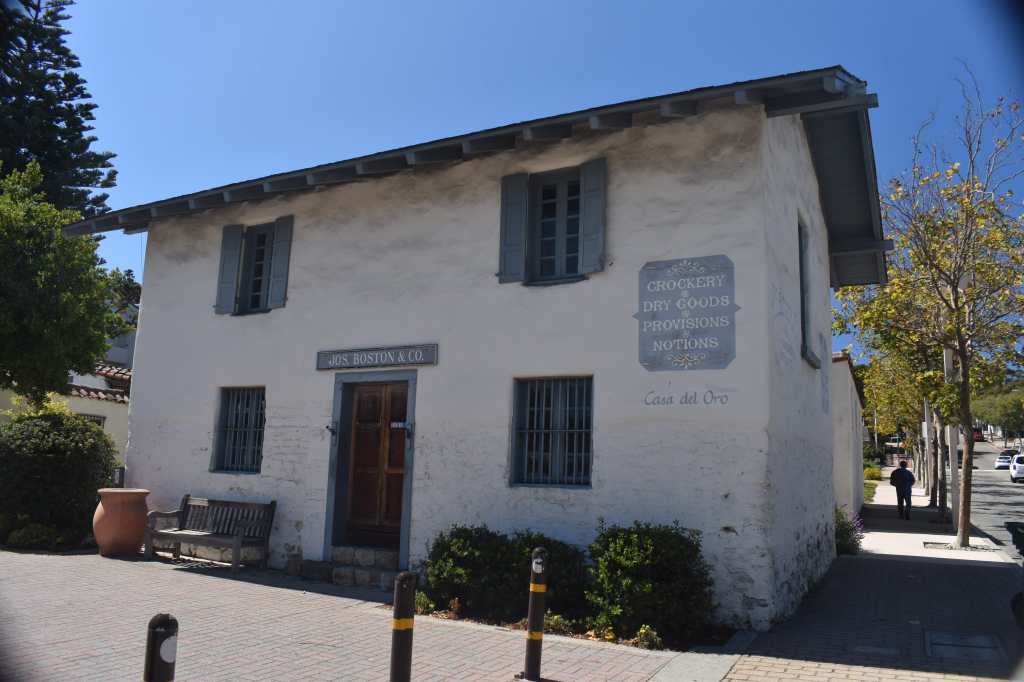
Casa del Oro – This adobe building, meaning “House of Gold”, once served as a trading post and gold dust exchange during Monterey’s early days. It was an important hub during California’s transition into the American period, reflecting the economic shifts that came with statehood.
Pacific House Museum – Built in the 1840s, this structure originally served as a Mexican government office before becoming a U.S. military headquarters. Today, it’s a museum showcasing Monterey’s Native American, Spanish, Mexican, and early American history, with exhibits on everything from California’s early settlers to its role in the Gold Rush era
- California’s First Theater – Dating back to the 1840s, this humble adobe structure holds the title of the first theater in California. Originally built as a sailor’s lodging house, it was later transformed into a small playhouse, where some of the earliest theatrical performances in California took place.
A Walk Through Time
With every step, Monterey’s history unfolded before us—from gold trading and military operations to the arts and culture of early California. The layers of Spanish, Mexican, and American influence made this coastal town feel like a living museum, each site telling a different chapter of its story.


A Final Look at Monterey & Farewell to the California Coast
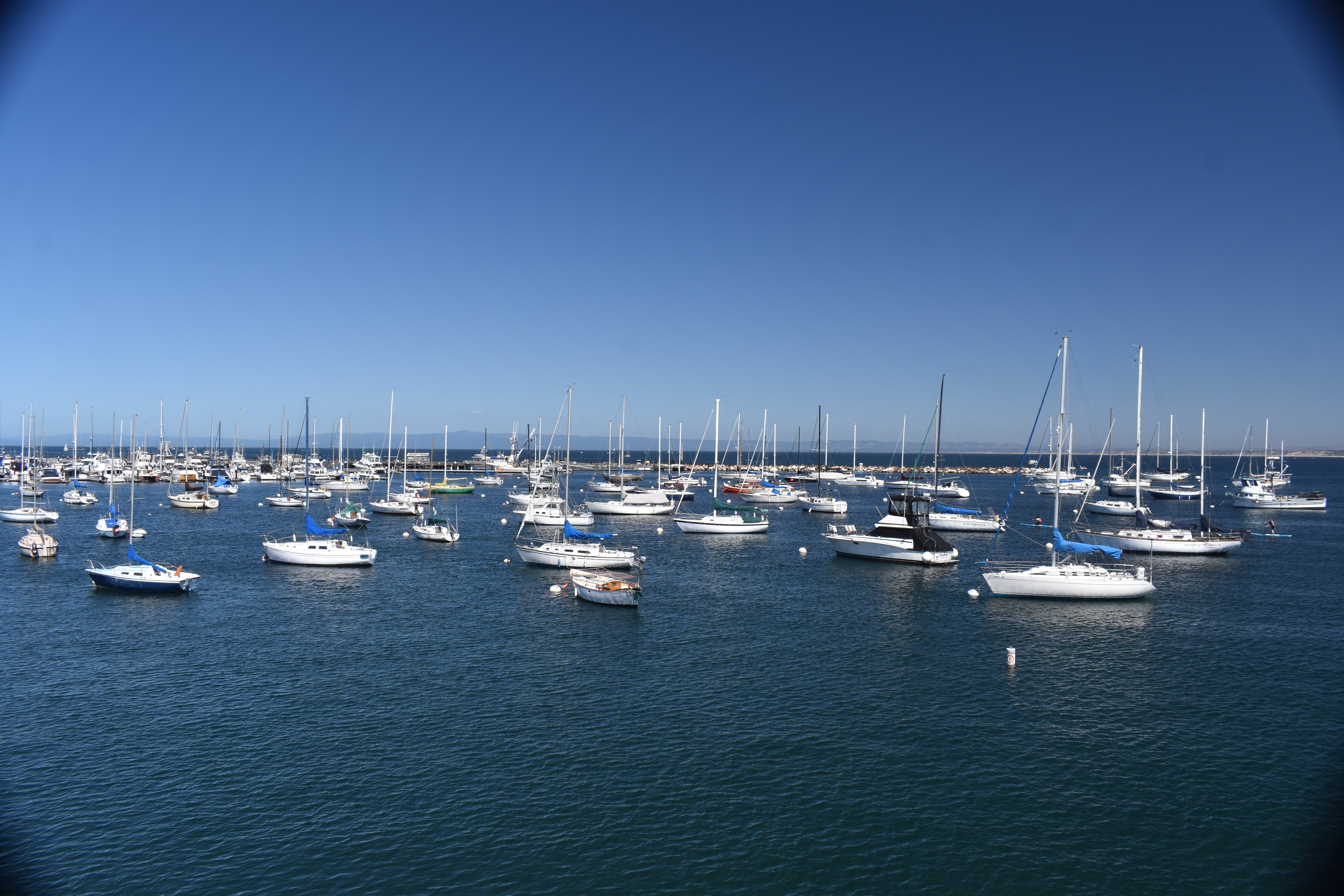
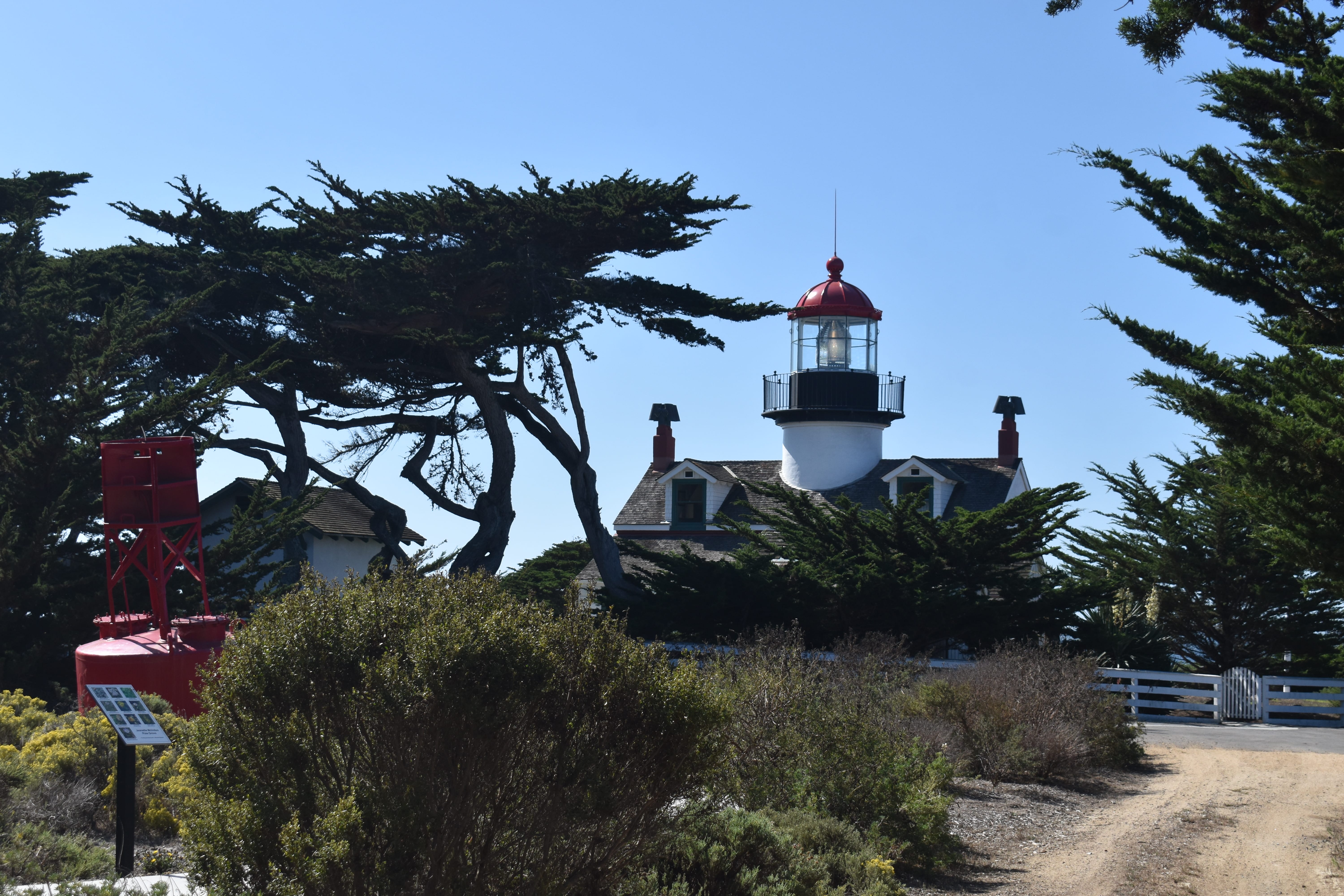
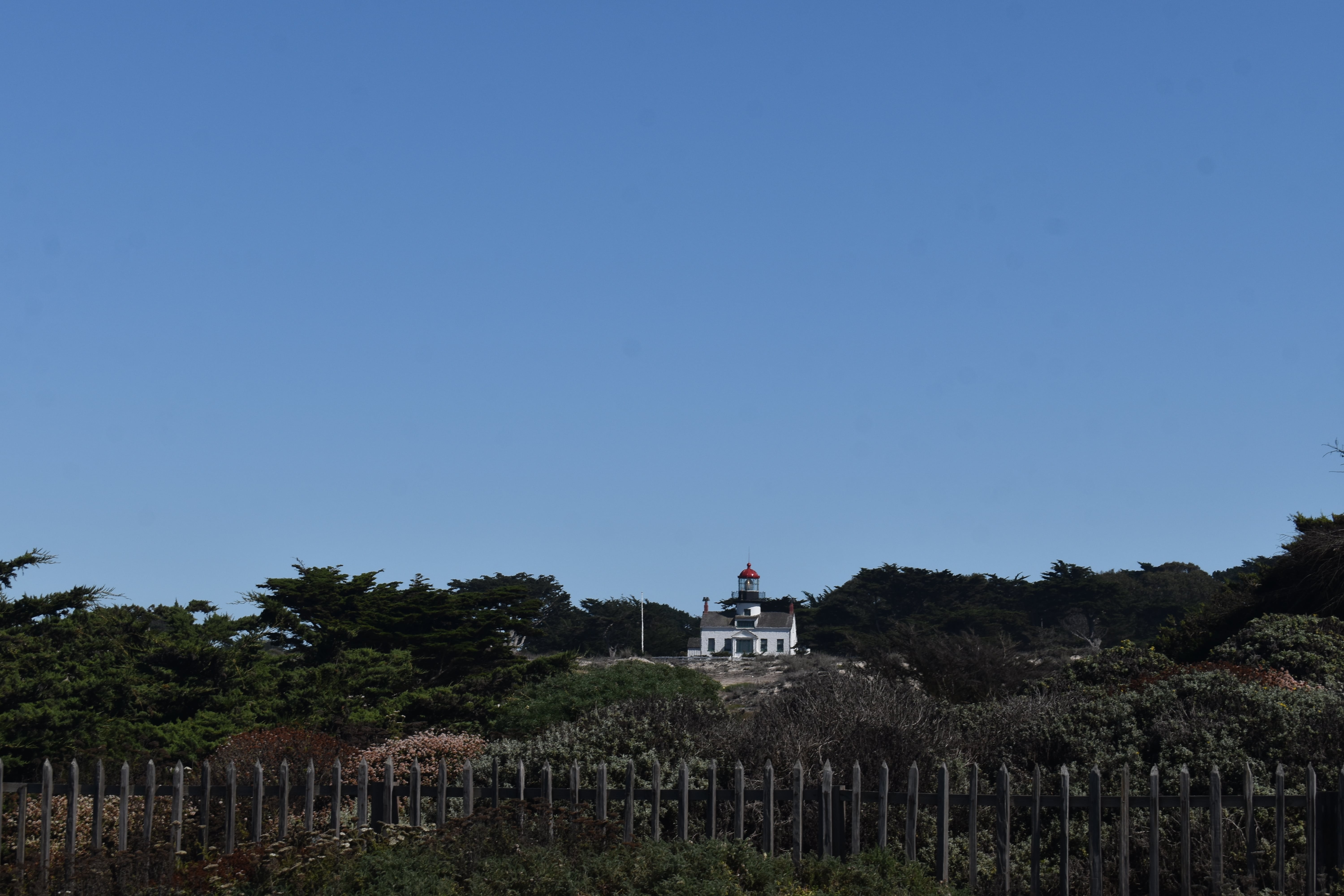
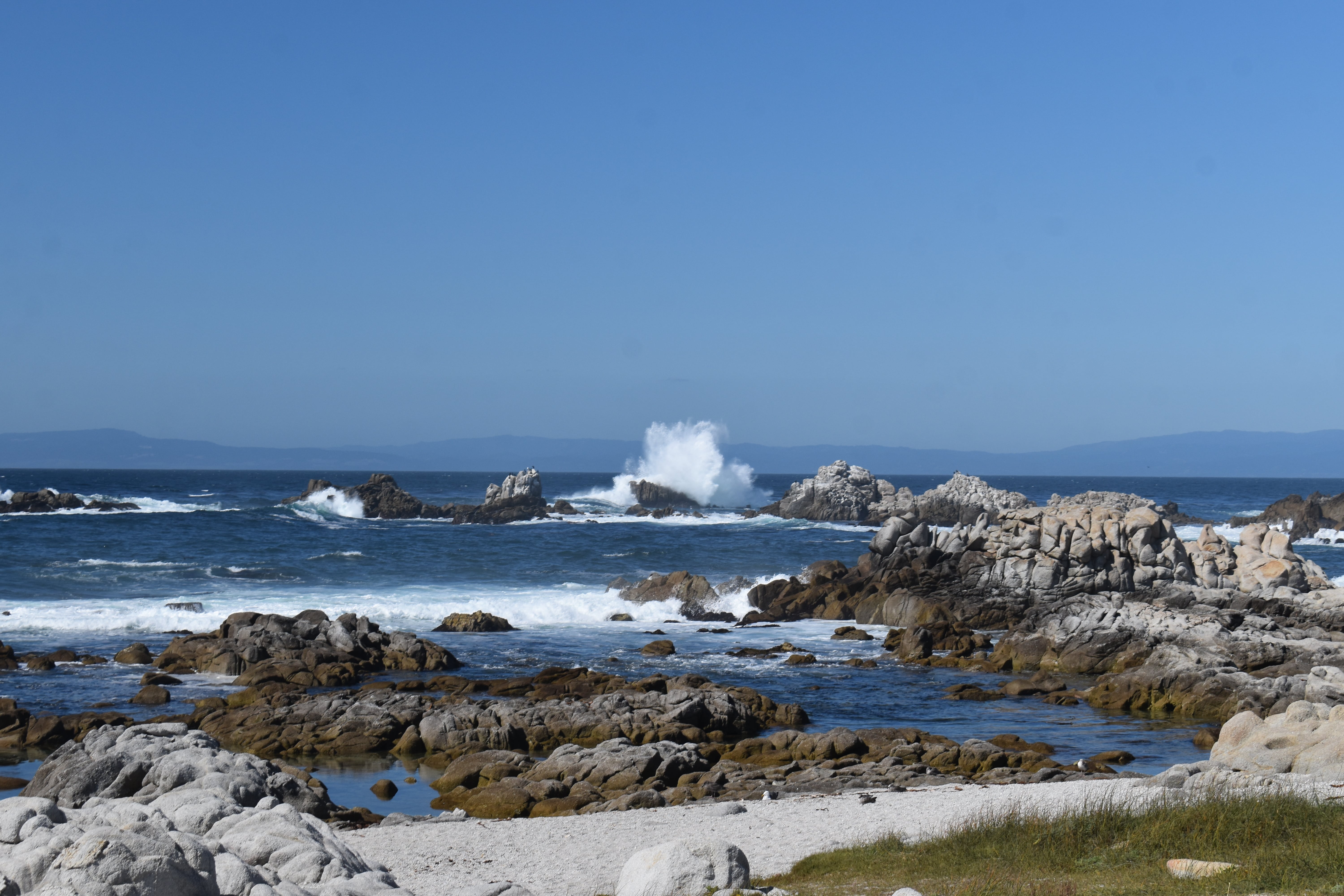
Before leaving Monterey, we took in our final views of the harbor, watching the boats gently sway as the afternoon light shimmered on the water. Our last stop was the Point Pinos Lighthouse, a fitting end to our coastal journey. As the oldest continuously operating lighthouse on the West Coast, it has guided sailors since 1855. Standing there, gazing at the peaceful scenery, we couldn’t help but reflect on the beauty and history we had experienced along the way.
That afternoon, we set off for San Jose, where we caught our flight home the next day. Though our journey had come to an end, the breathtaking landscapes, charming towns, and rich history of the California coast would stay with us. We may have left, but one thing was certain—we’d love to come back.



 Marc's Travels