Clare and I decided to spend our summer vacation in August 2022 exploring the Hudson Valley in New York. In planning the trip, we chose Poughkeepsie as a central base for visiting the stretch of the Hudson River that most interested us. The name immediately brought to mind The French Connection and Popeye Doyle’s memorable line: “Now I’m gonna bust your ass for those three bags and I’m gonna nail you for picking your feet in Poughkeepsie.” Did I ever imagine I’d be vacationing in Poughkeepsie? Not really.
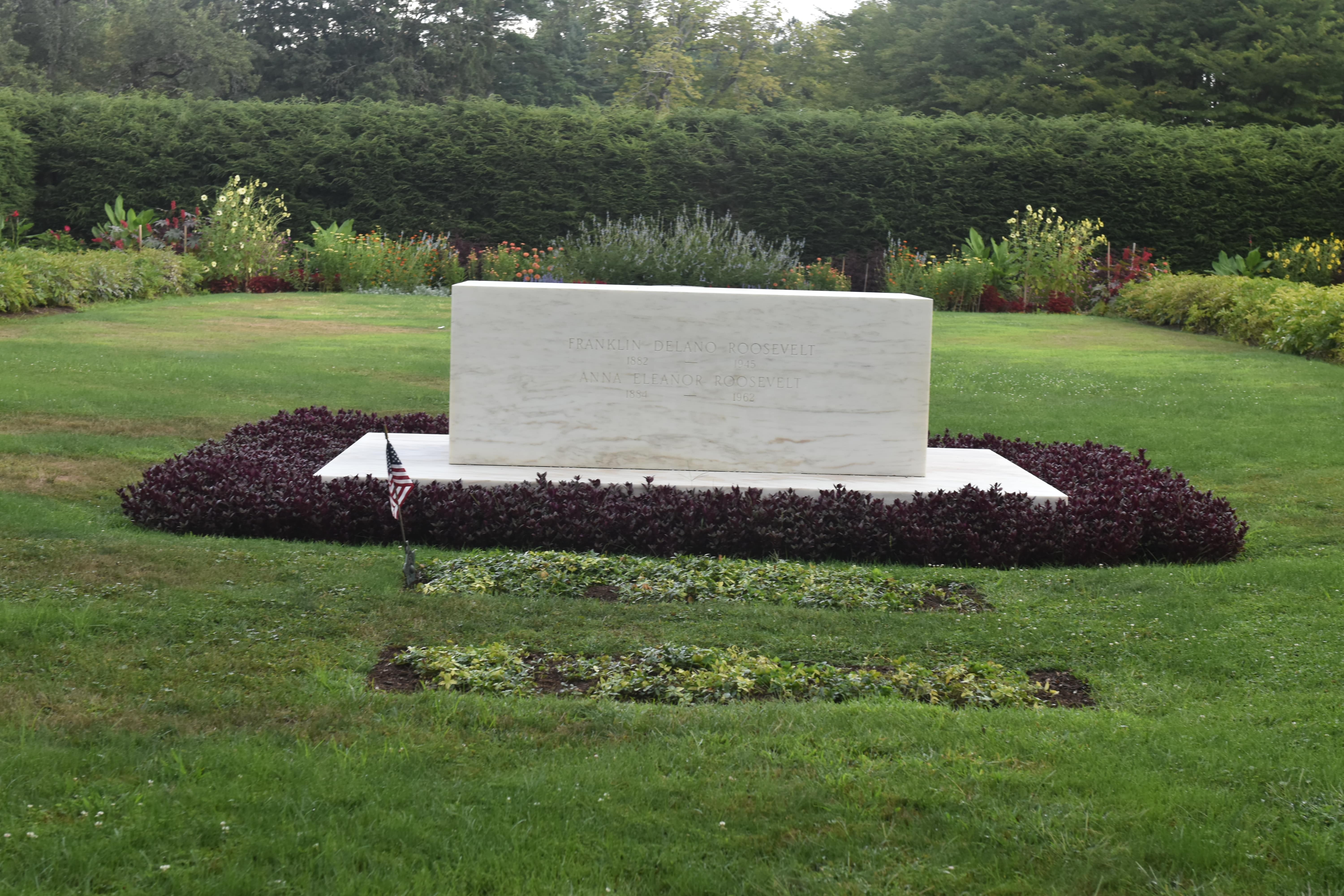
While Poughkeepsie may not top anyone’s list of New York highlights, it turned out to be a pleasant and convenient place to stay. We enjoyed the community and found it well situated for exploring the surrounding area. Just a short drive away is Hyde Park, home to the Franklin D. Roosevelt and Eleanor Roosevelt residences—sites that would become the main focus of our visit.
We arrived on Monday, settled into our hotel, and headed out for dinner at the Mill House Brewing Company. The meal was thoroughly enjoyable, and it’s a spot we would readily recommend to anyone passing through Poughkeepsie.

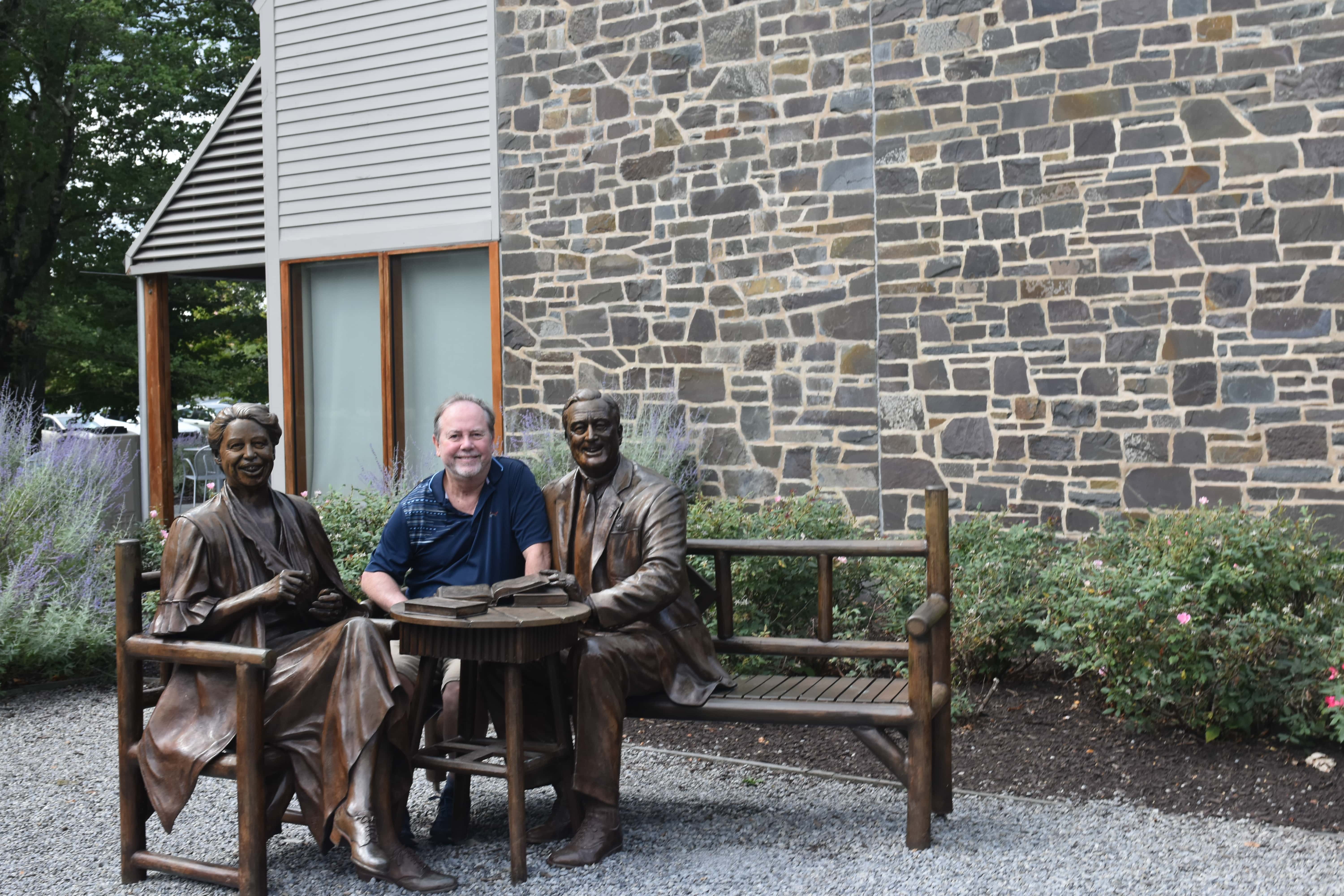
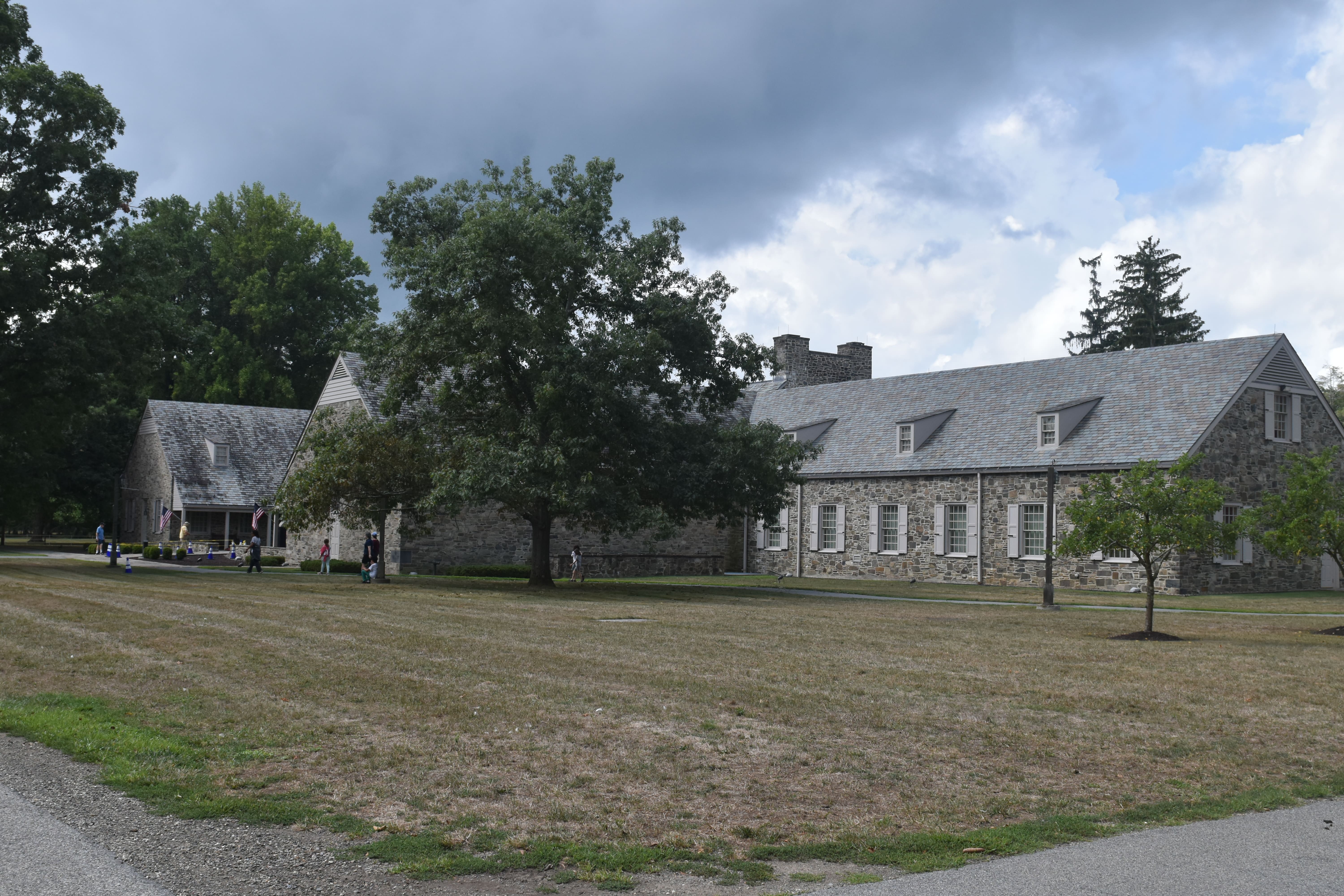
We arrived early Tuesday morning at FDR’s family home in Hyde Park and joined the first tour of the day. Our guide was excellent, providing a wealth of historical detail about Franklin D. Roosevelt and his presidency. While the house itself was large and comfortable, it was not grandiose by any means. Its stone exterior, in my view, conveyed the strength and character long associated with the Roosevelt family.
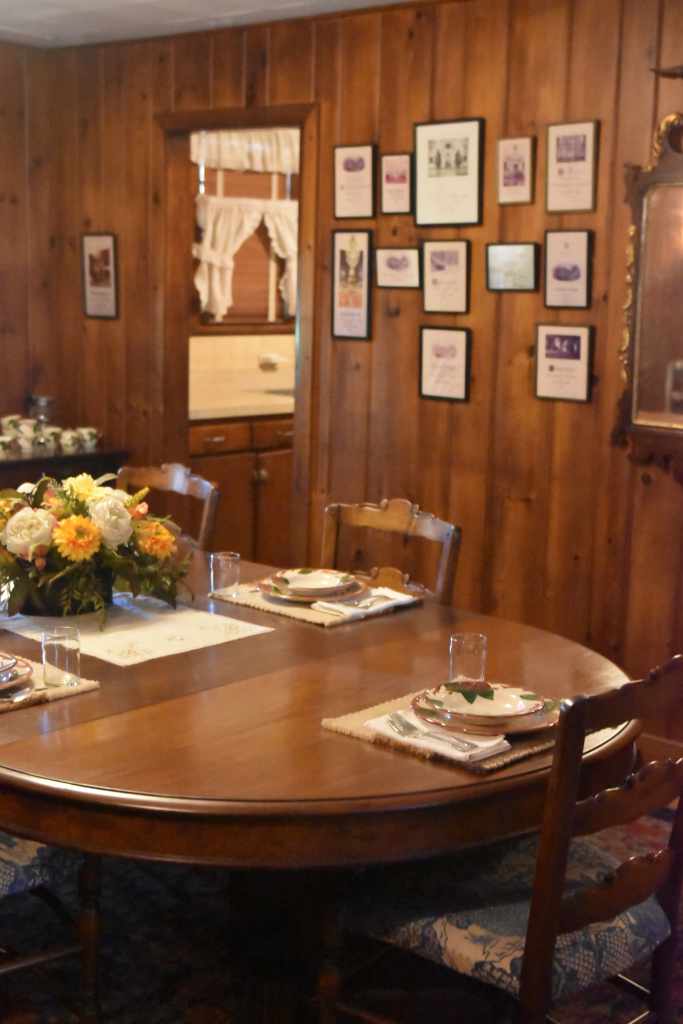
Inside the front room, we noticed an abundance of Navy memorabilia, along with a corner cabinet filled with birds Franklin had caught and studied as a child—an early glimpse into his lifelong curiosity and discipline. The main floor included a living room and dining room, and to the far left, a large “family room” where Roosevelt often relaxed with family, friends, and visiting dignitaries.
Before leading us upstairs, our guide pointed out the stair railing, noting that it had been touched not only by generations of Roosevelts but also by their many distinguished guests, including visiting kings, queens, and Prime Minister Winston Churchill. The bedrooms on the second floor were spacious for their time, though smaller than one might expect given the stature of the guests who stayed there.
We learned that the home was actually owned by FDR’s mother, Sara Roosevelt, who had her own bedroom situated close to that of the presidential couple. Eleanor’s bedroom was modest, located next to Franklin’s. There was also a third floor intended for the children, but a fire many years ago damaged that section of the house, and it has remained closed and never reopened.
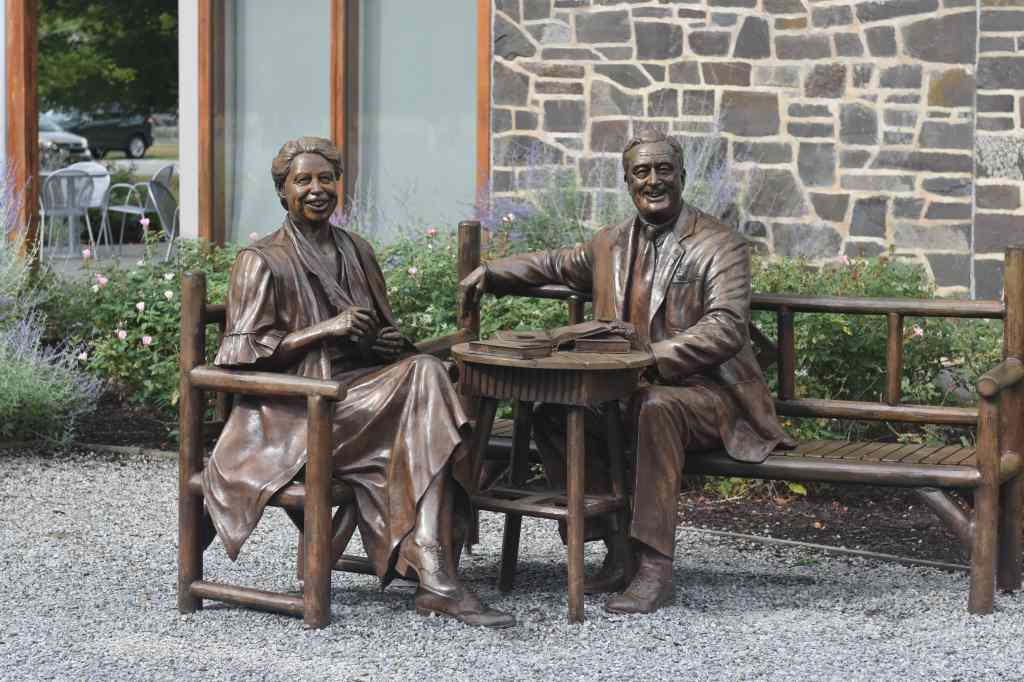
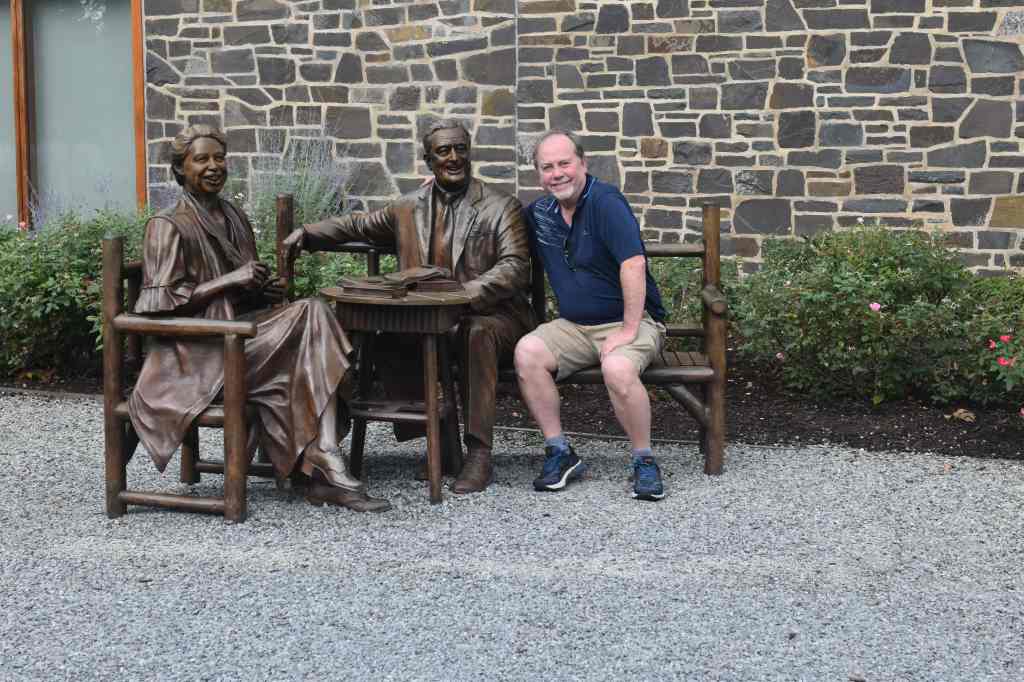


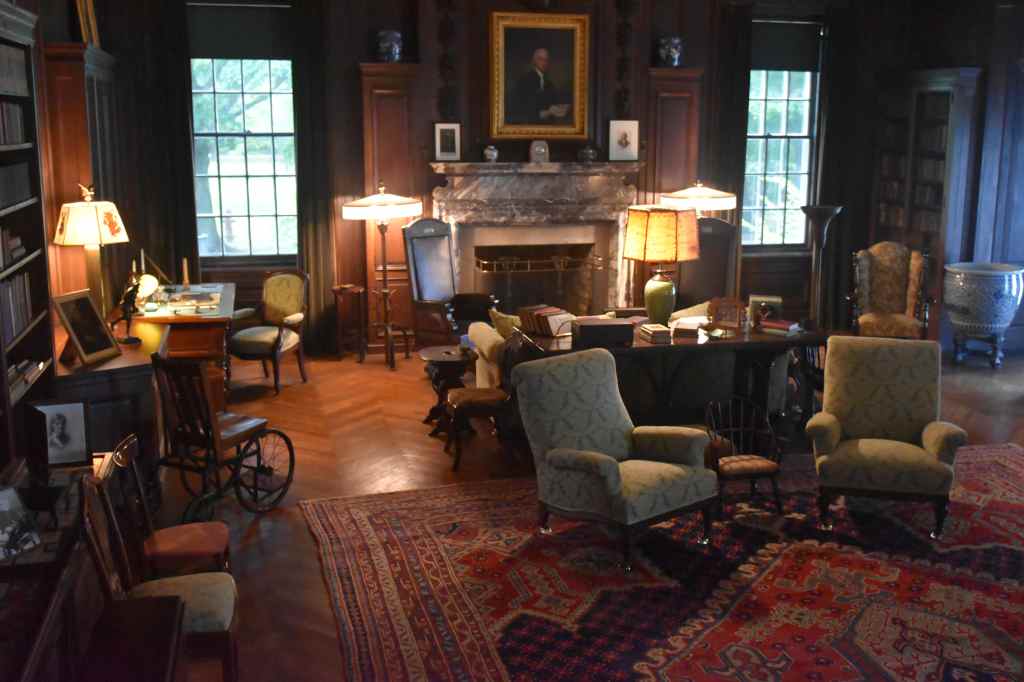
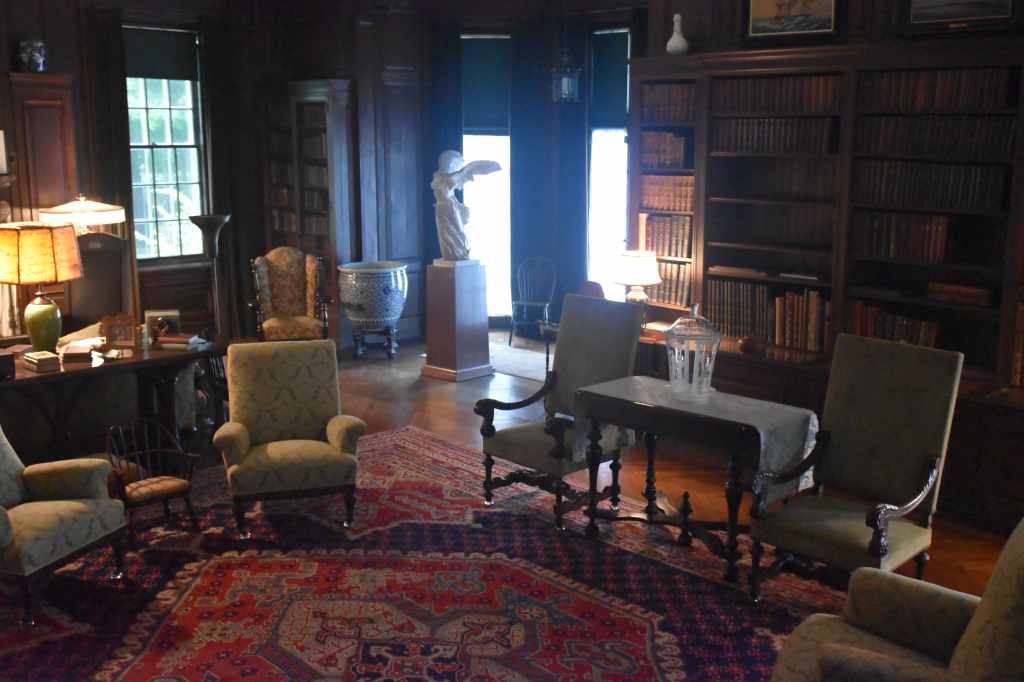
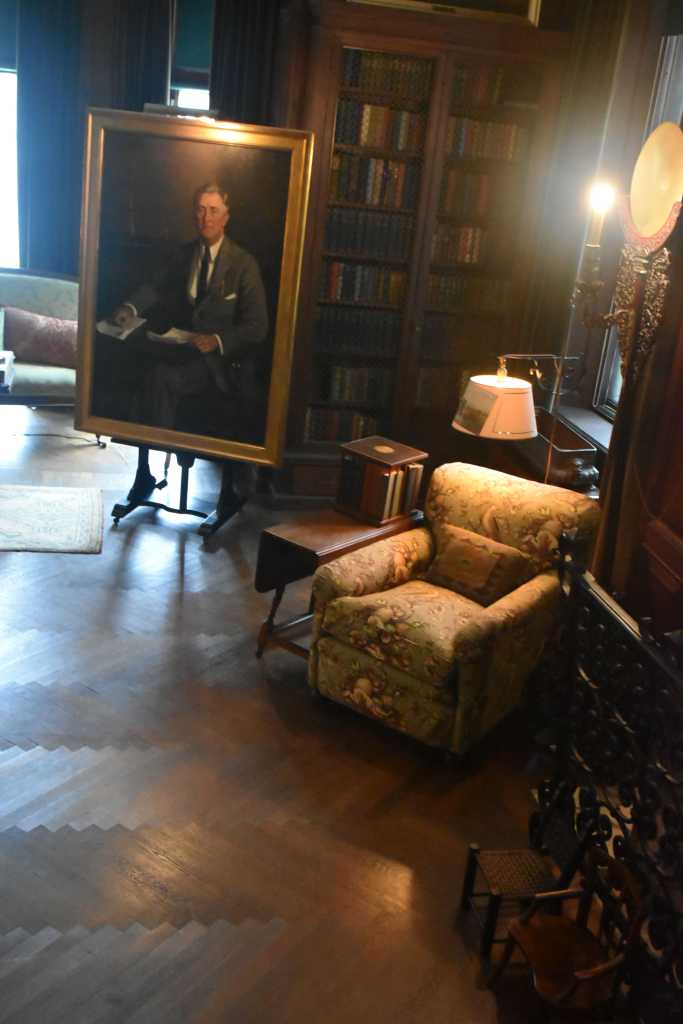
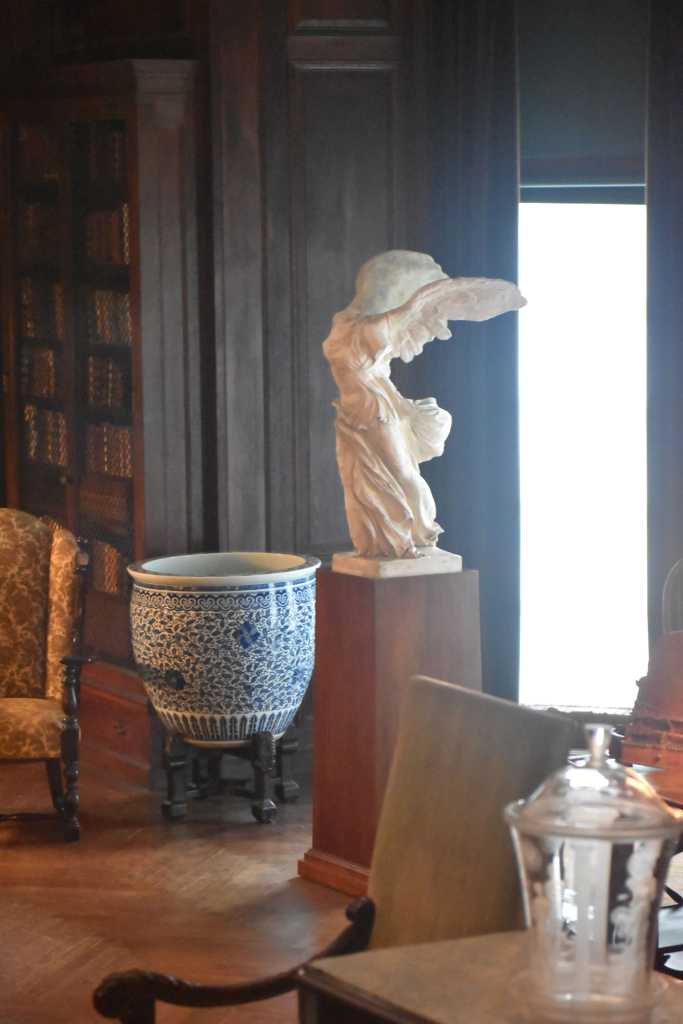
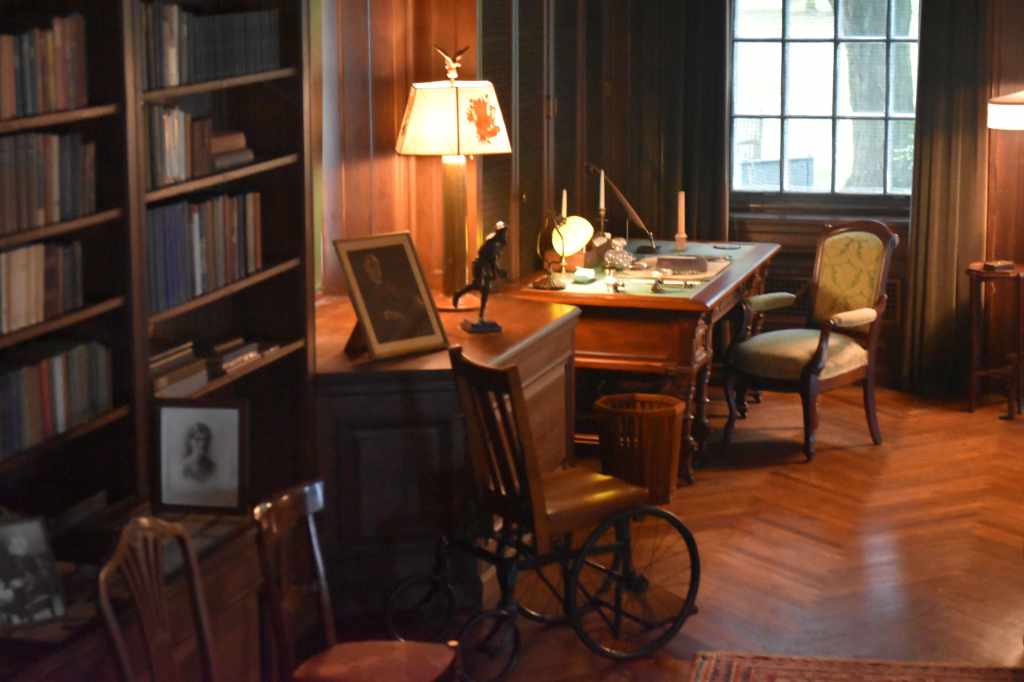
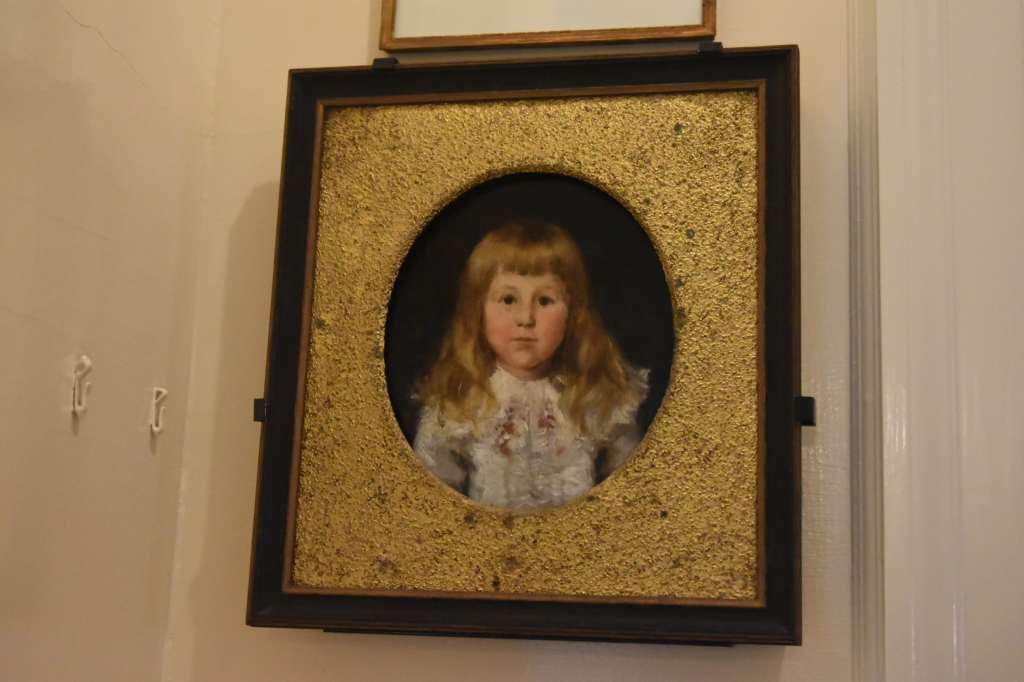
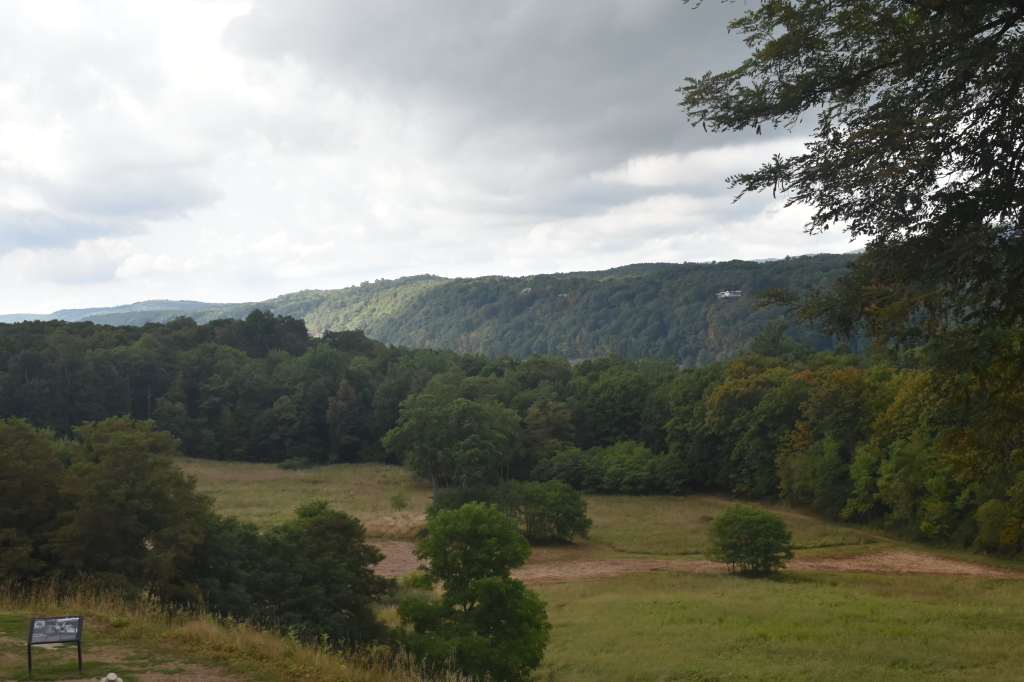
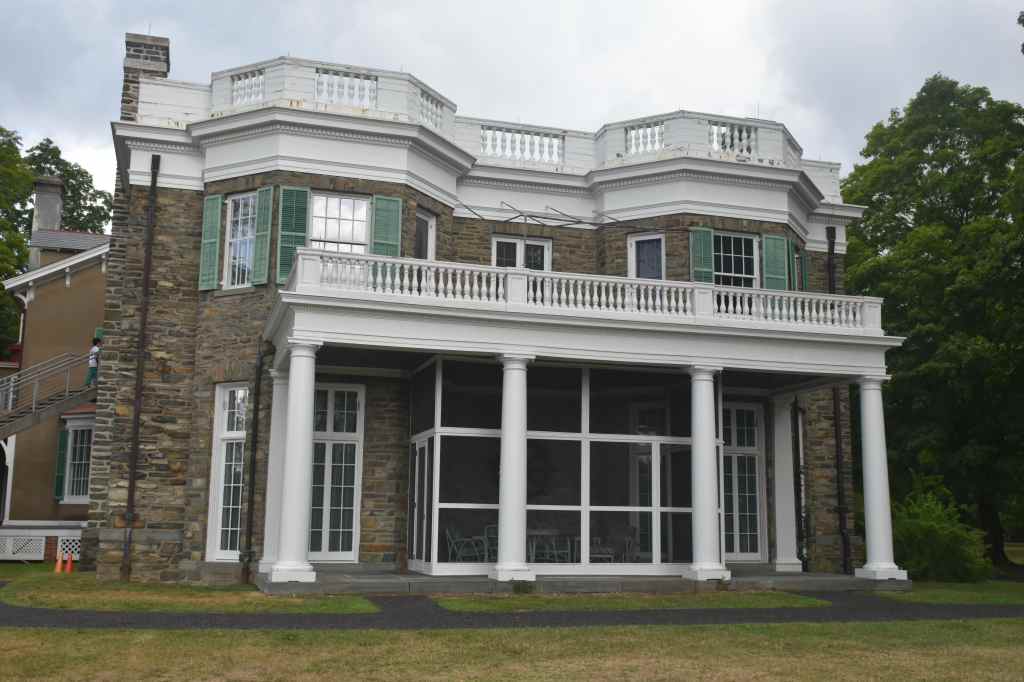
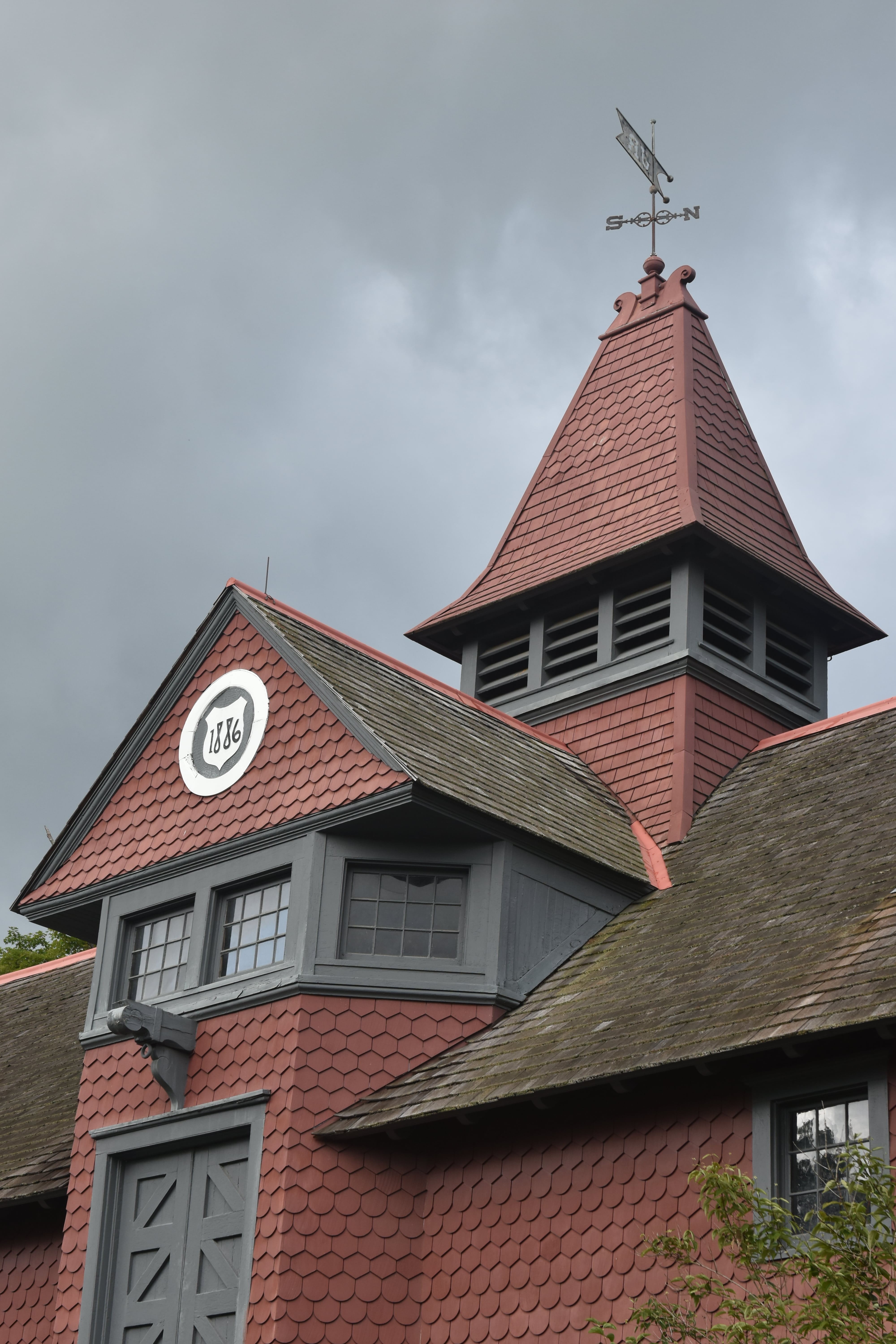
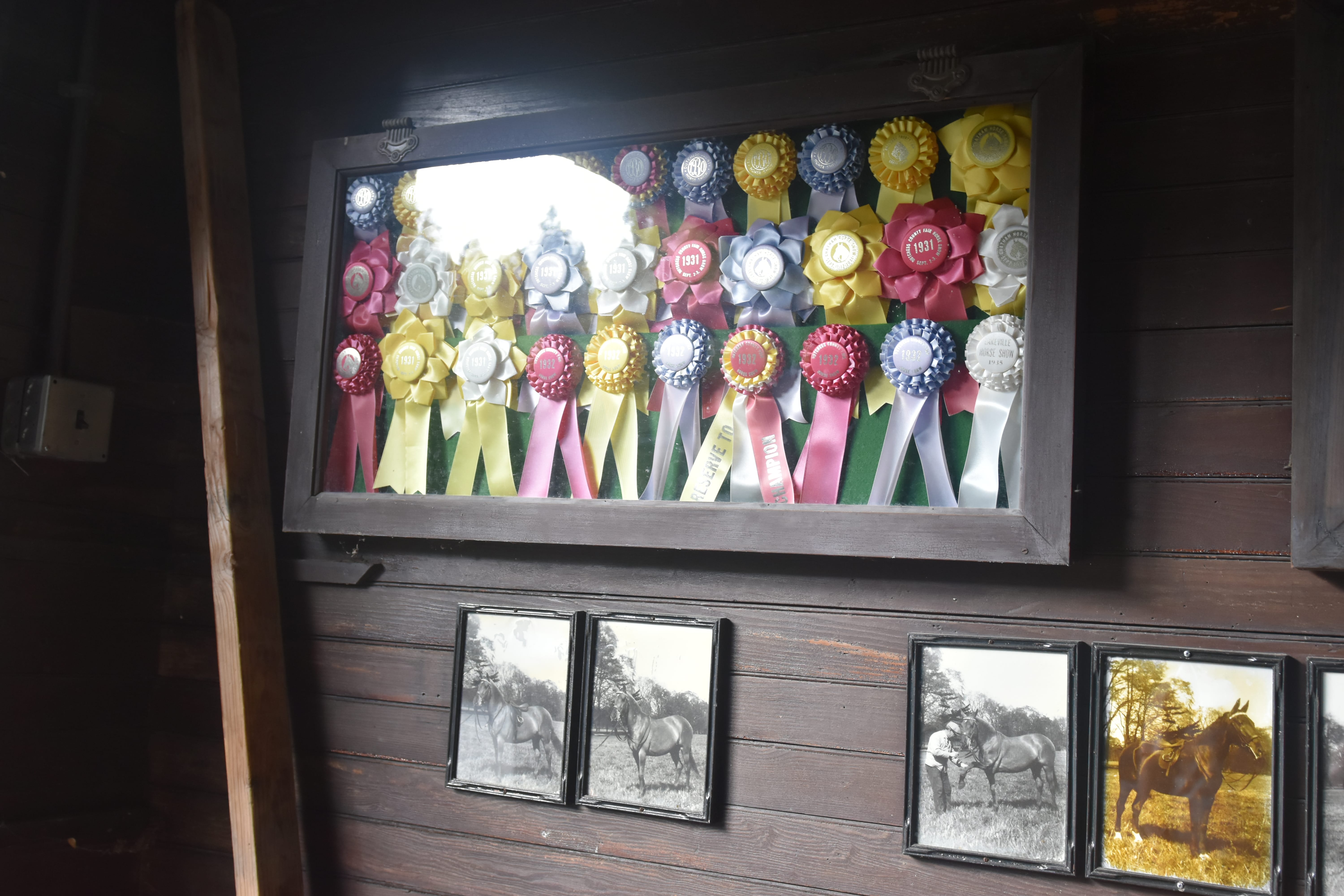
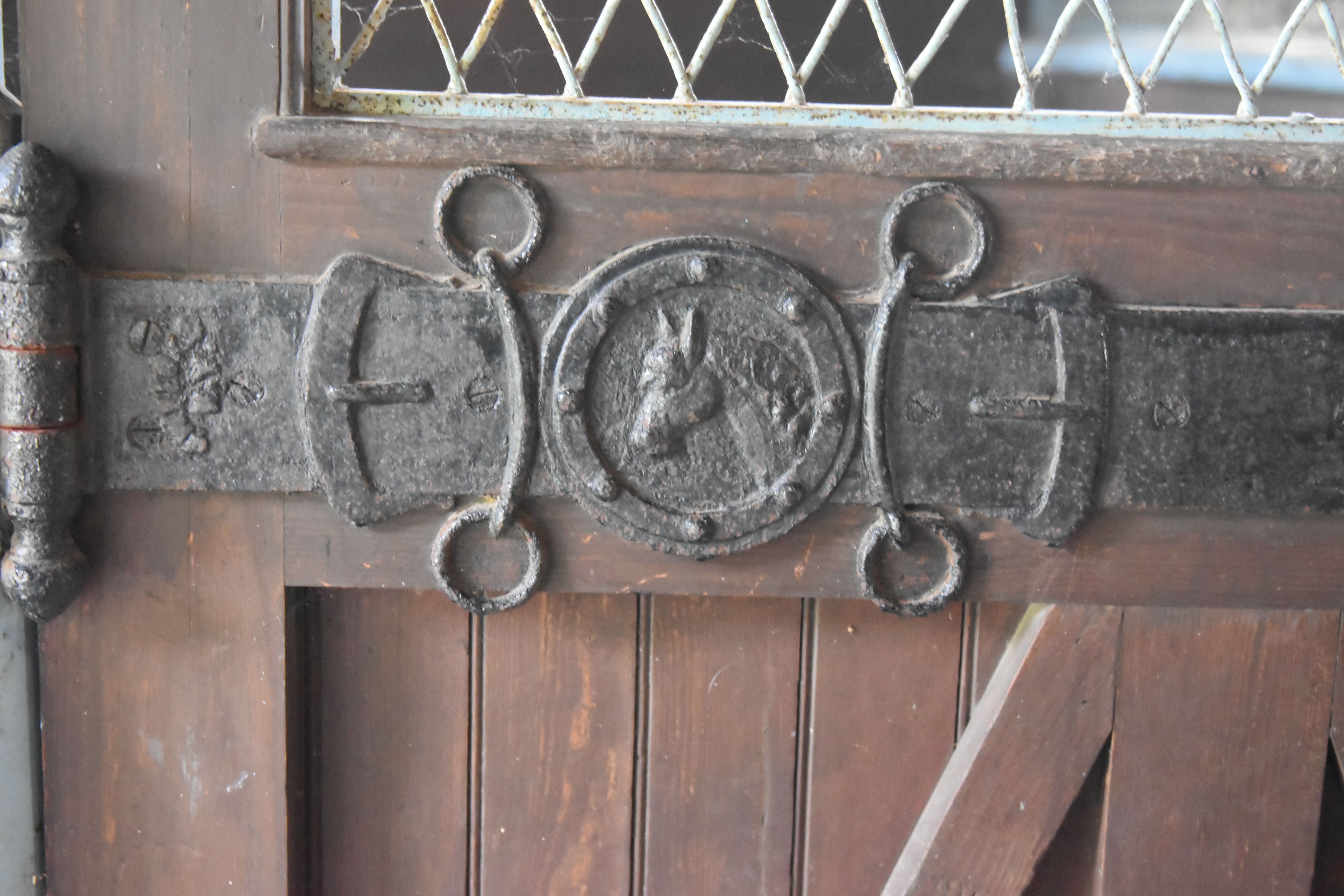
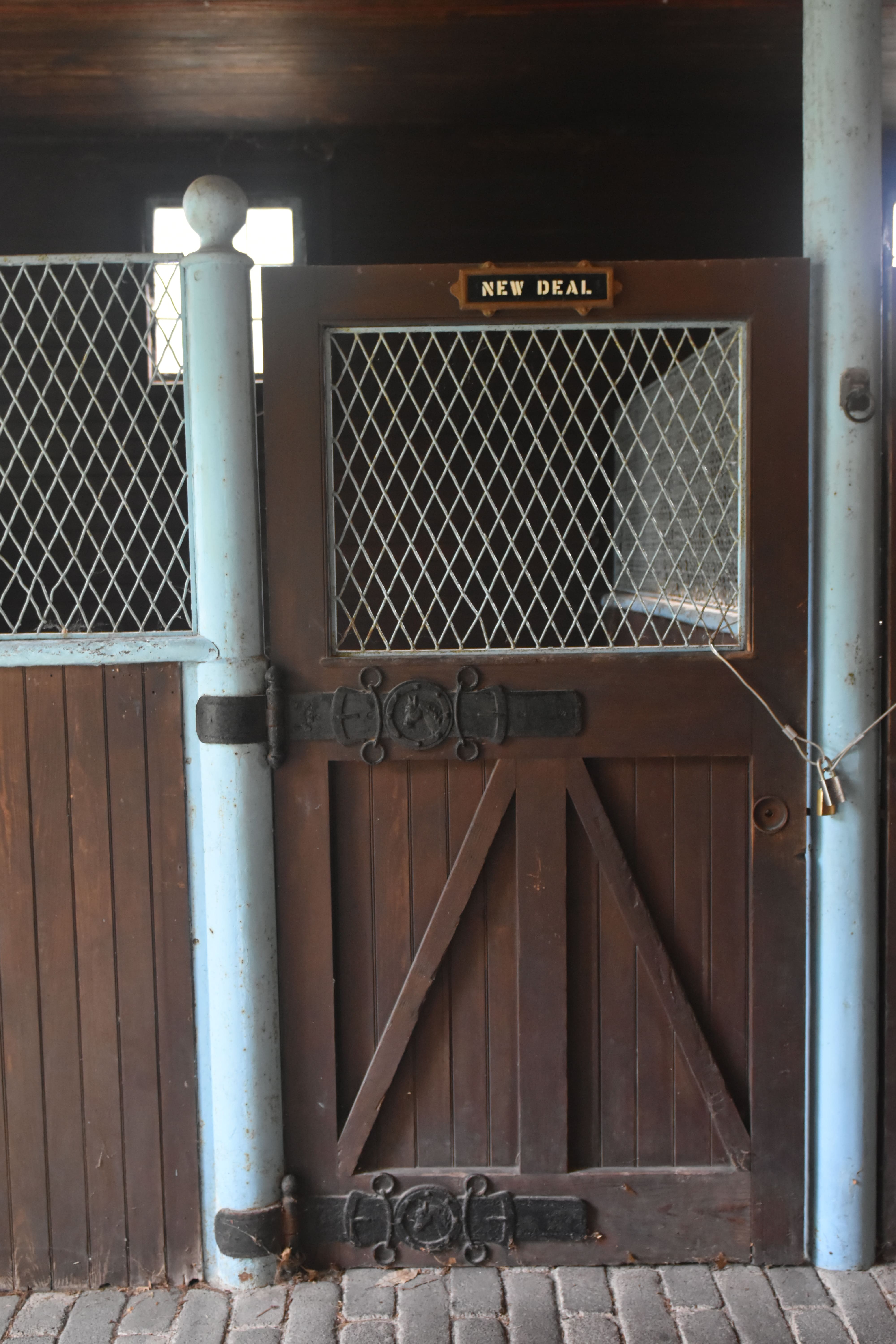
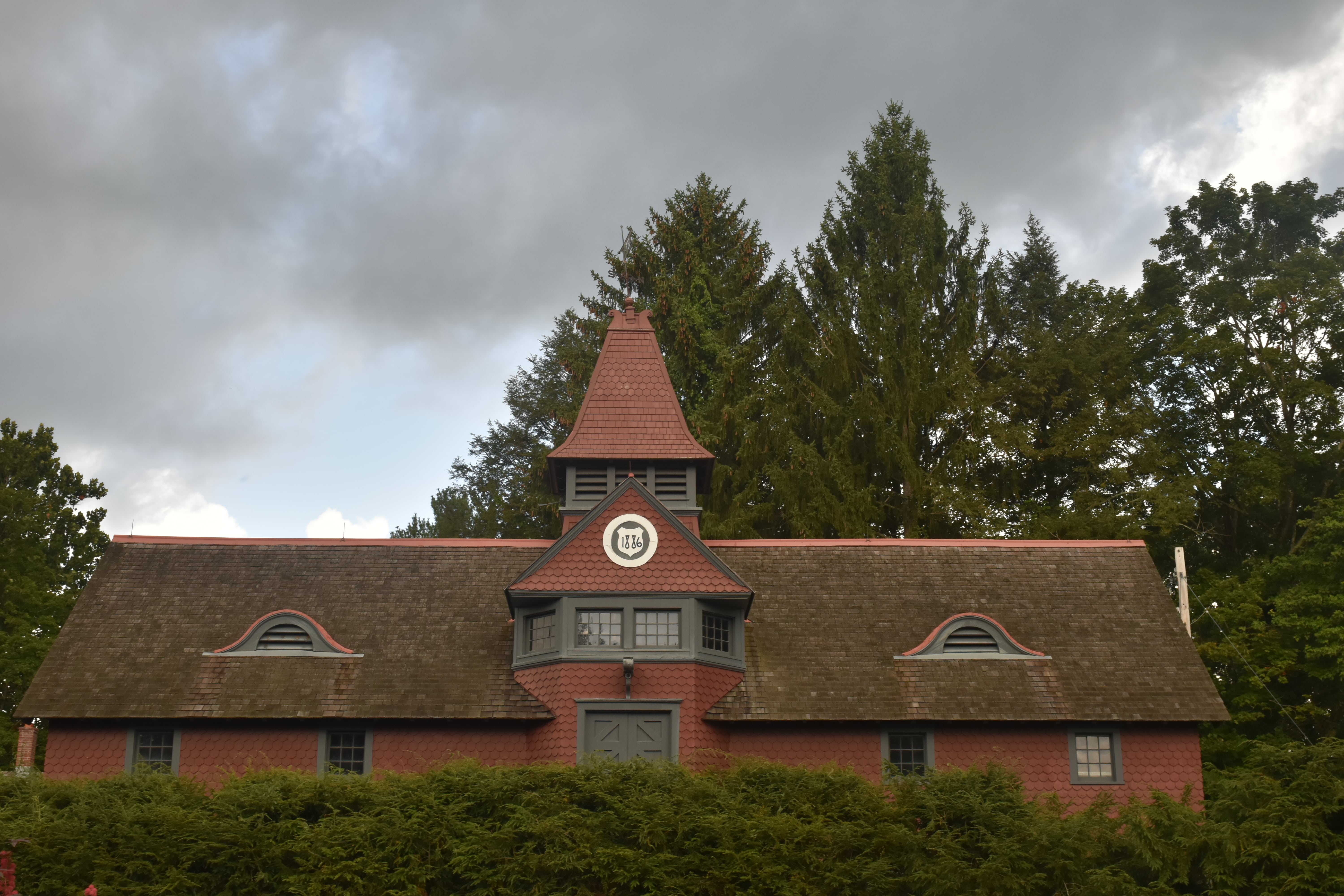
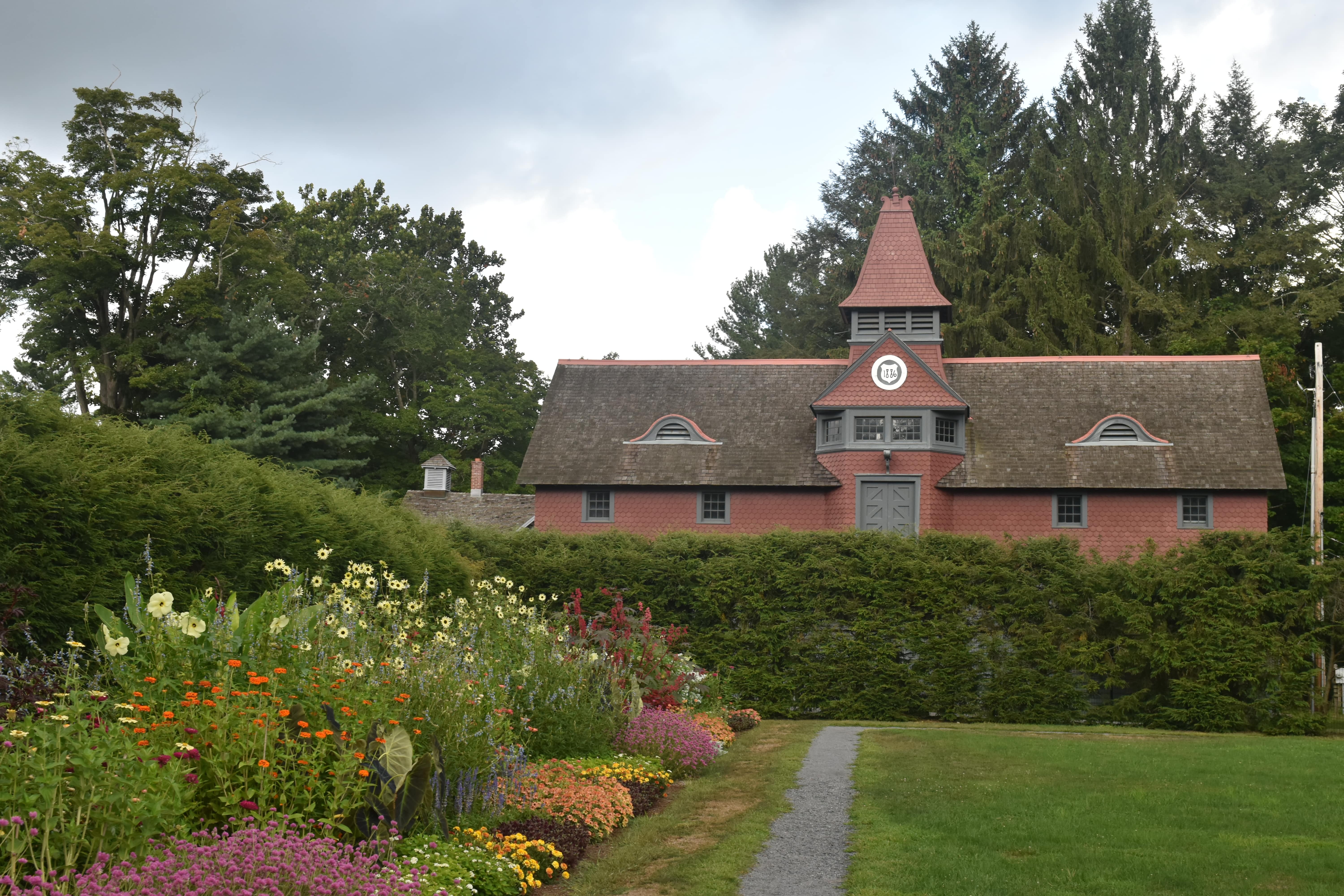
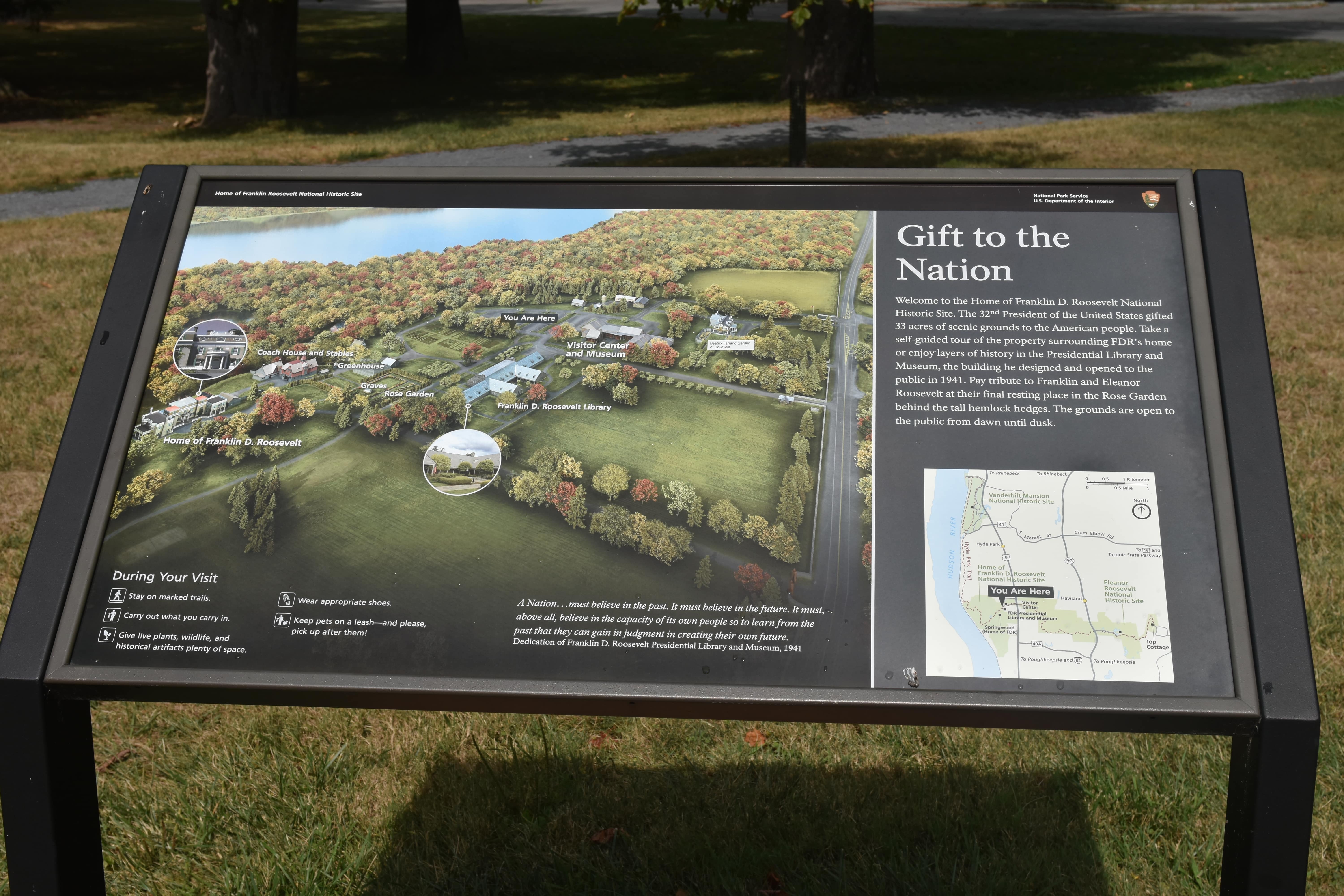
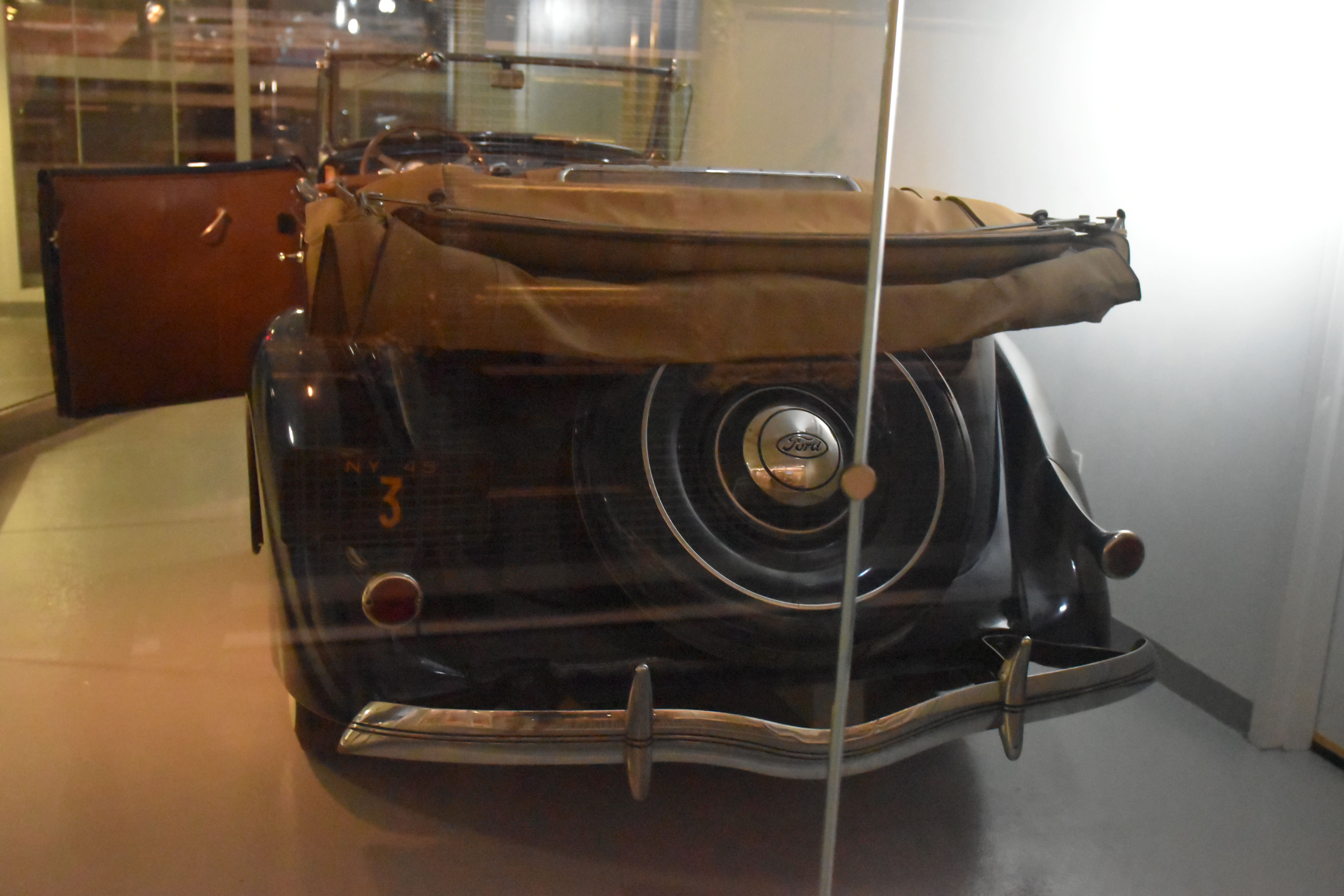
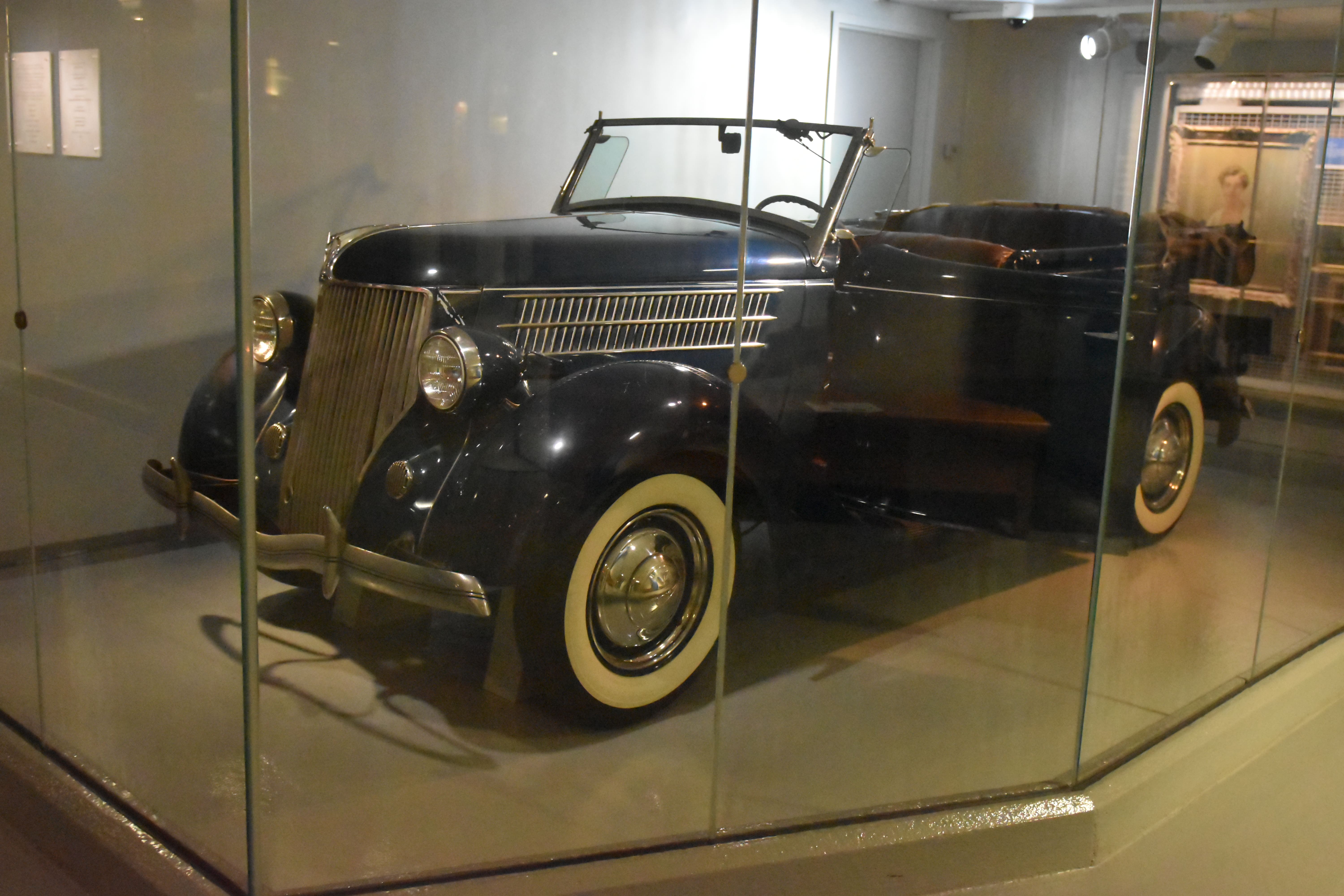
After touring the house, we walked through the stables and gardens before heading to the FDR Presidential Library and Museum. The museum covered a broad sweep of Roosevelt’s life and presidency, offering context that complemented what we had just seen in the home. In the basement, we saw the specially modified car that allowed FDR to drive despite his paralysis—a quietly powerful reminder of both his determination and ingenuity.
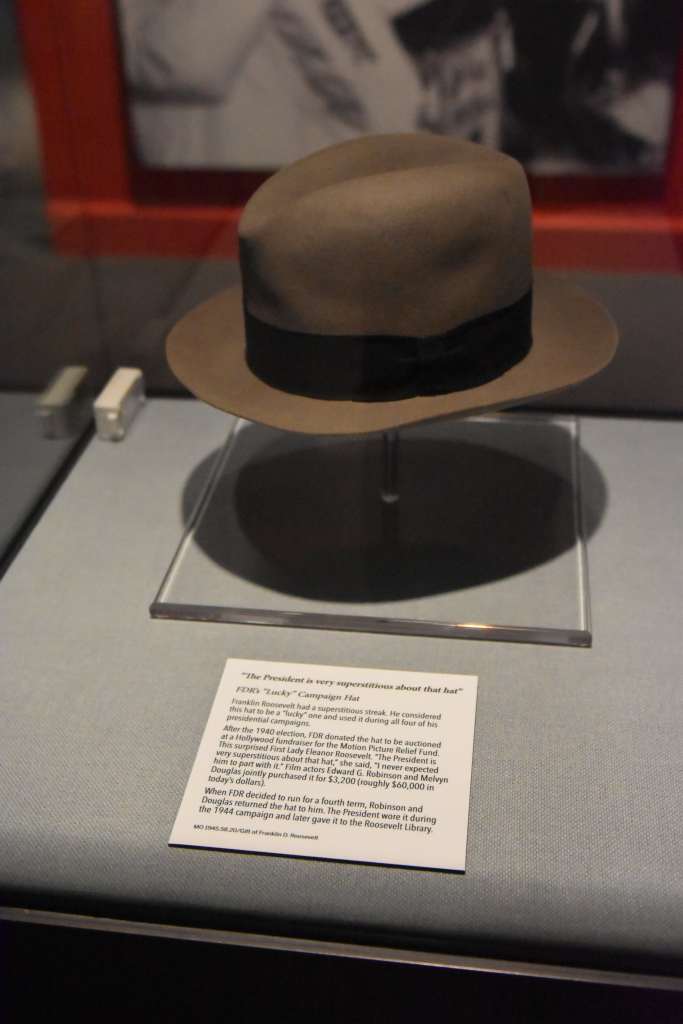
From there, we went to lunch at the Eveready Diner. We had originally hoped to visit a brewery, but it was closed, so the diner became our fallback choice. It turned out to be a perfectly satisfying stop. After lunch, we drove through the campus of the Culinary Institute of America. When we first planned the trip, we had intended to dine at one of the Institute’s restaurants, but because we postponed our vacation until late August due to excessive heat, the school was closed for summer break.
That was disappointing, but travel often requires a bit of flexibility—a lesson that would come up again later in the trip.


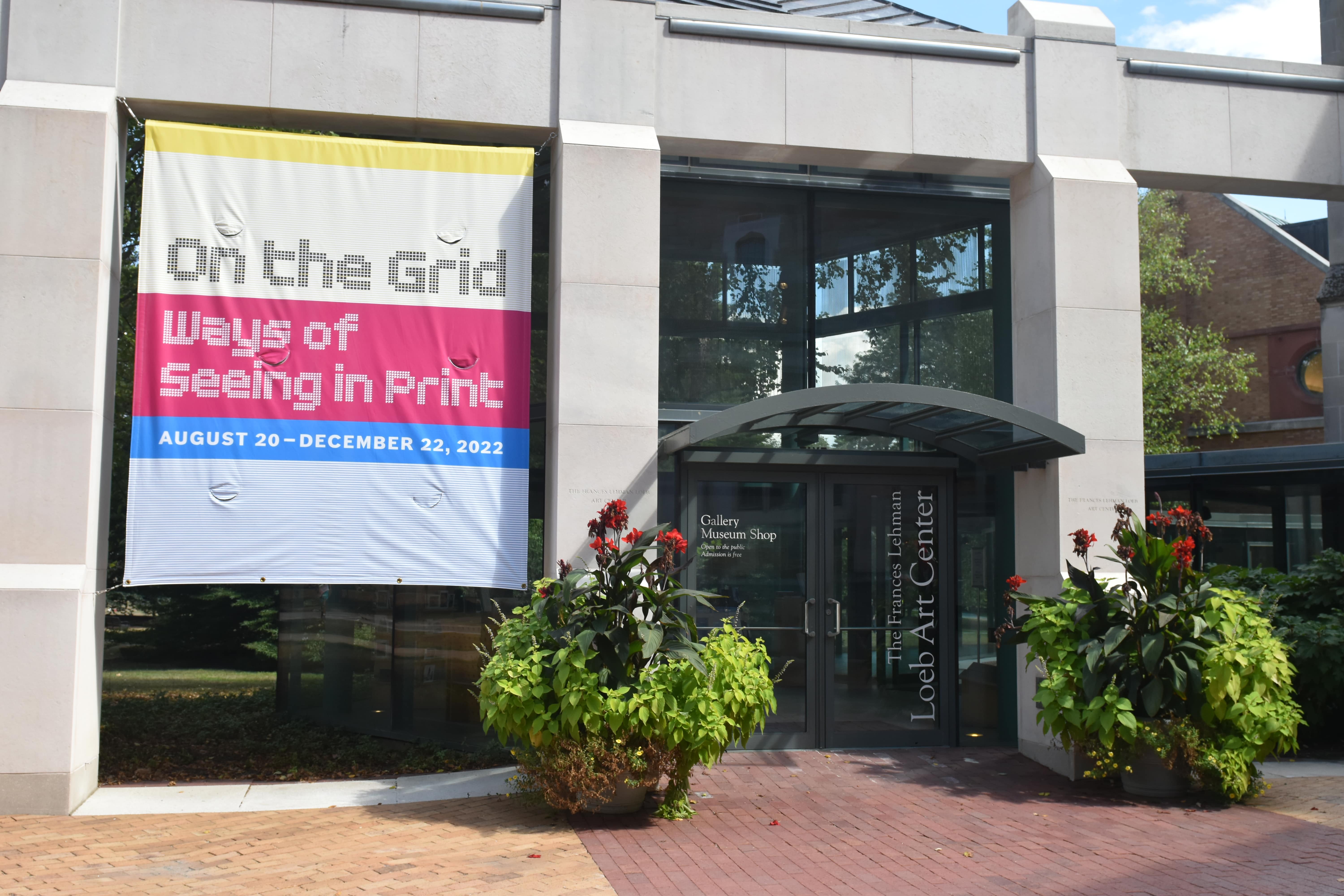
That afternoon, we visited Vassar College. Founded in 1861, Vassar was the first college in the United States to include a full-scale museum as part of its original campus plan—the Frances Lehman Loeb Art Center. The Loeb has an impressive and diverse art collection that is well worth a visit.
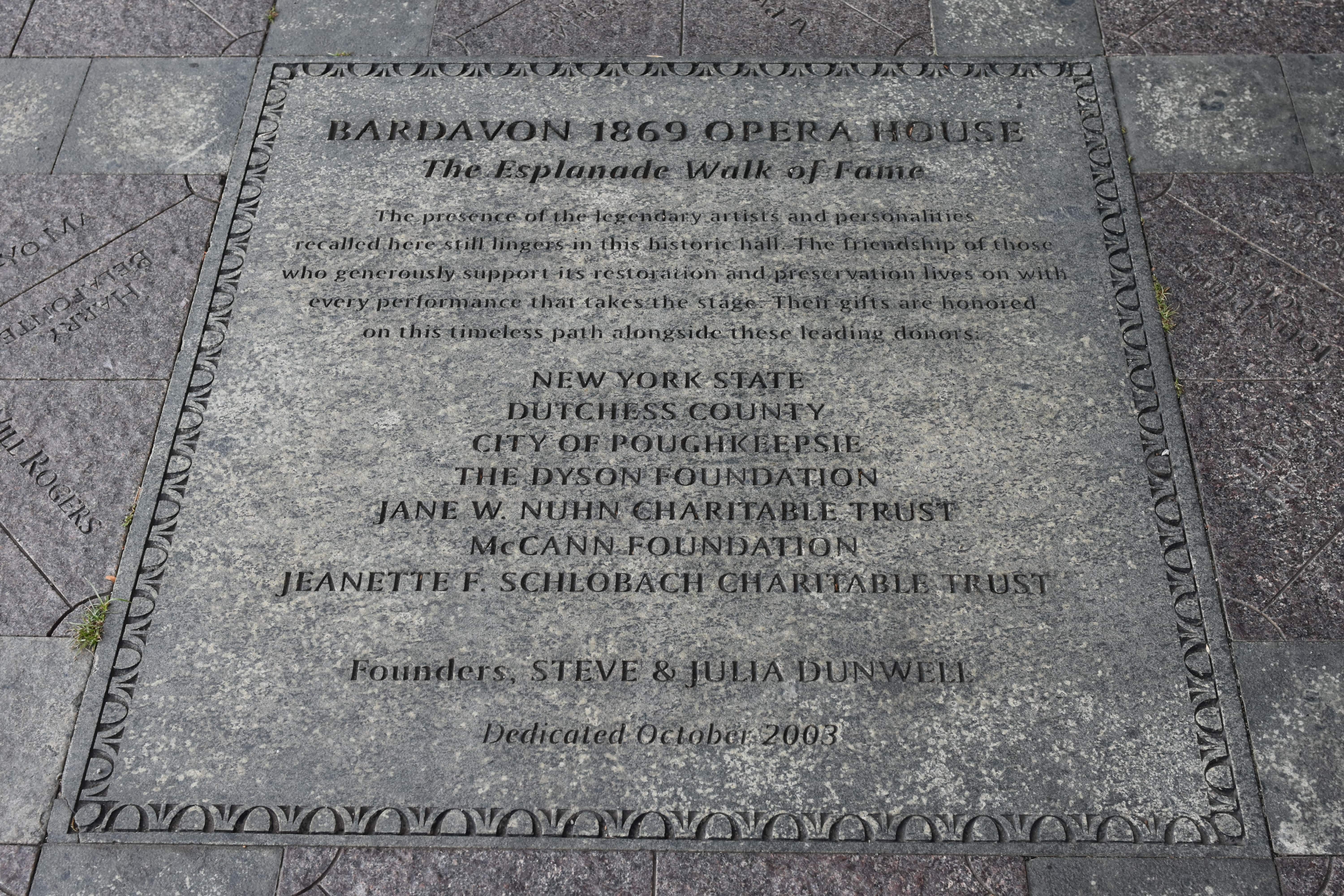
Be sure to also spend some time in the sculpture garden. While it is modest in size, it offers a thoughtful selection of works and is worth the time to explore. We also made a brief stop at the Bardavon theater building, which is notable for a walkway featuring the names of many stars emblazoned in the sidewalk, a small but interesting surprise.



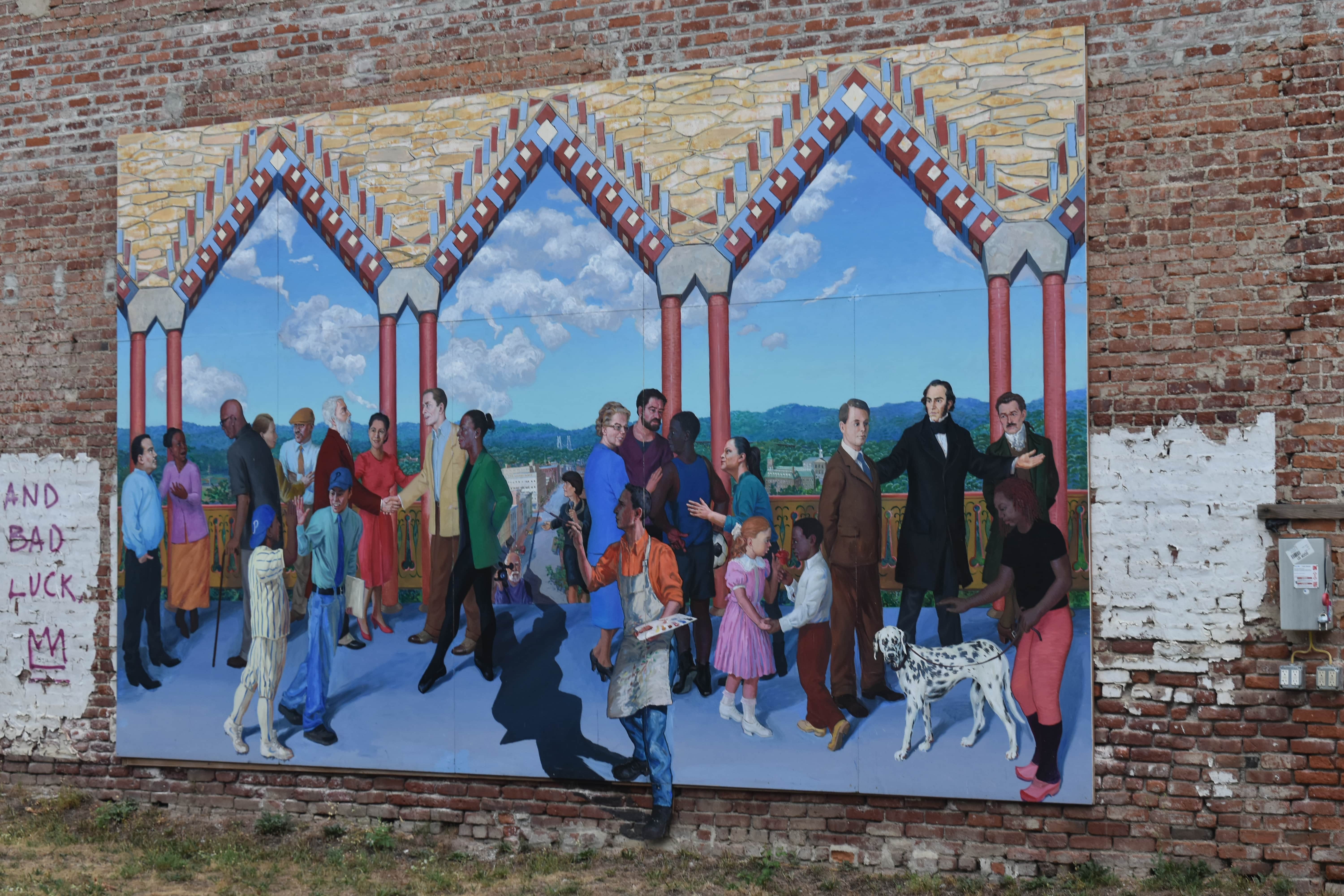
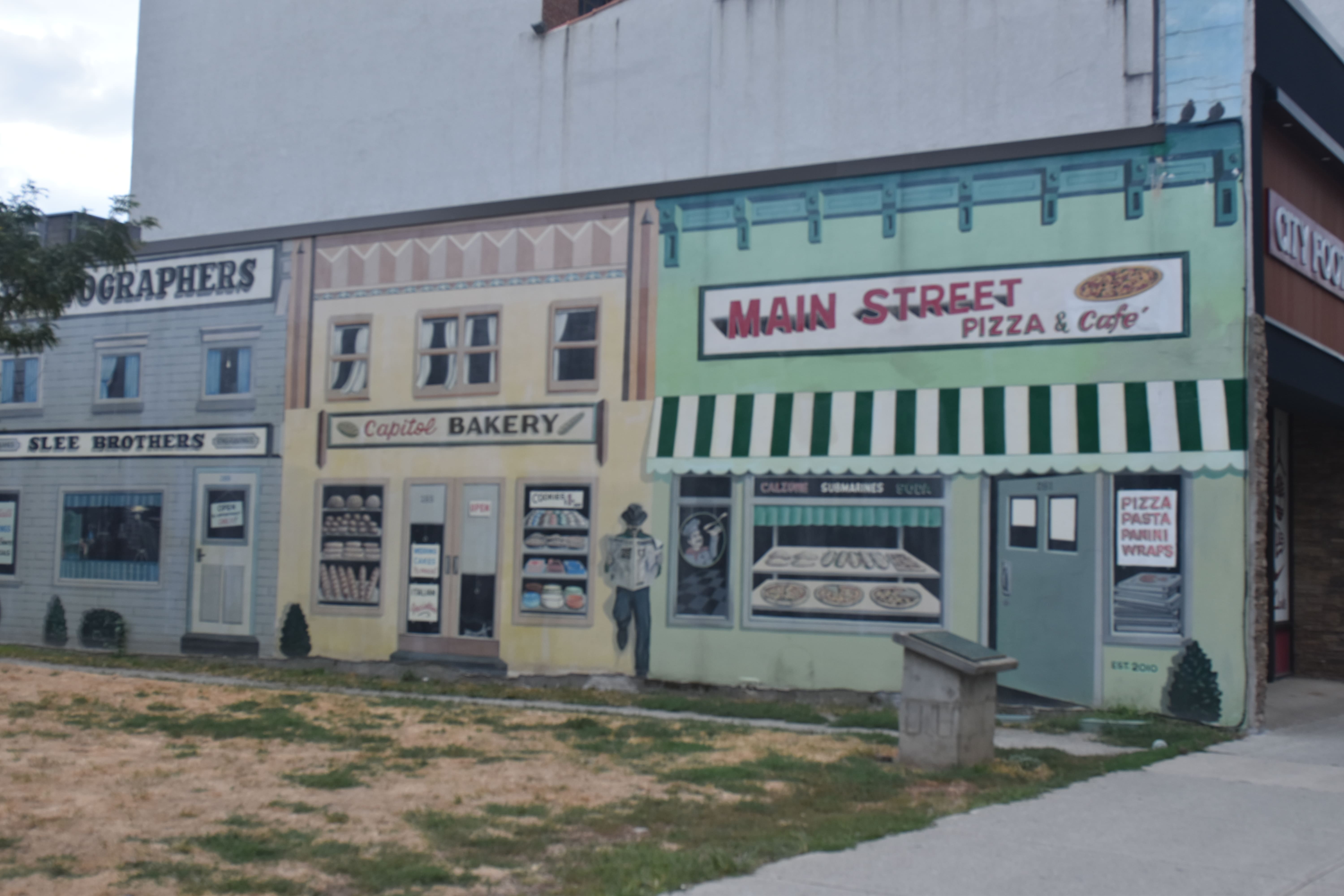
That evening, we had dinner at Brasserie 292, which I would highly recommend. The food was delicious, the service outstanding, and the wine selection excellent. Located in downtown Poughkeepsie, the restaurant is surrounded by older buildings and murals that add real character to the area and made for an enjoyable walk after dinner.

The next morning, we headed to Innisfree Garden. My car’s GPS led us to a dead-end road, but Google Maps eventually found the correct route. One of the challenges of travel these days is the accuracy of GPS navigation. While Google is often more reliable, it too can fail—or make decisions you didn’t ask for.
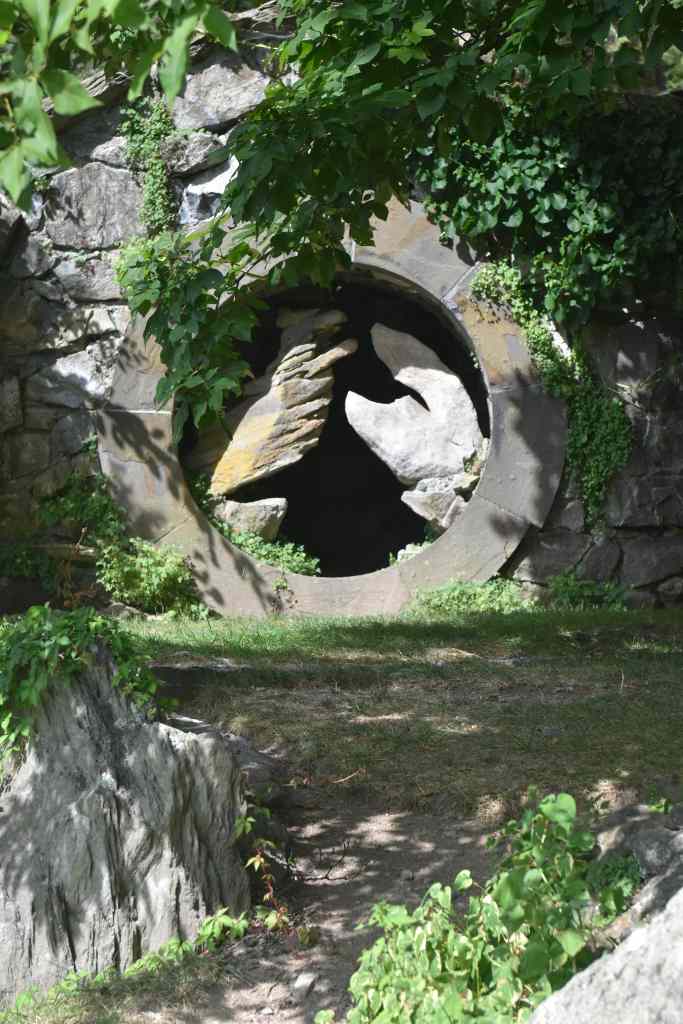
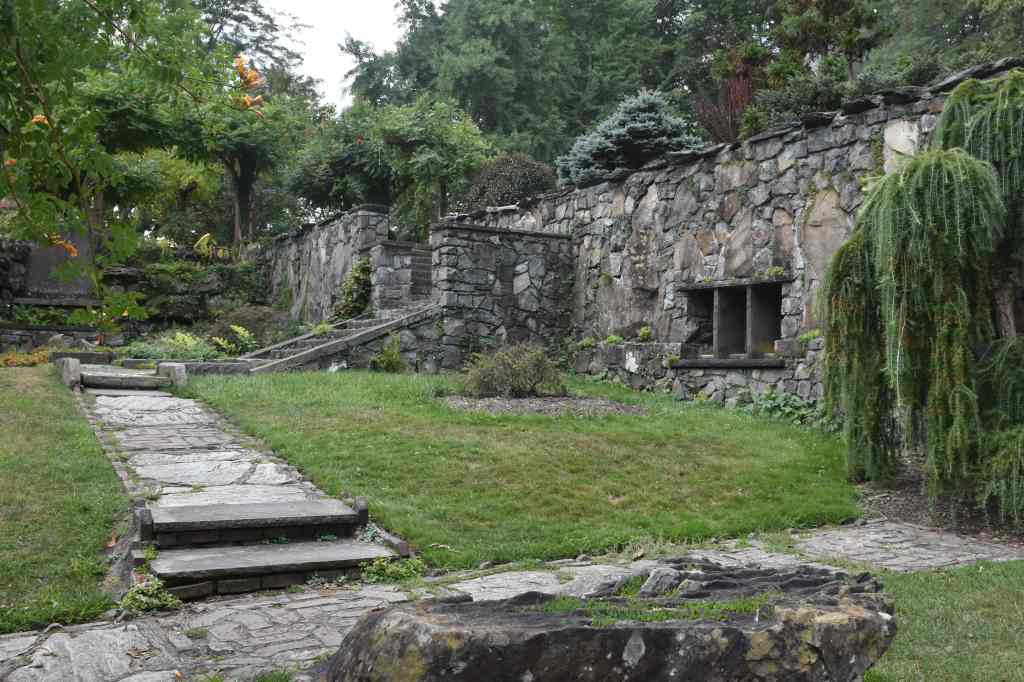
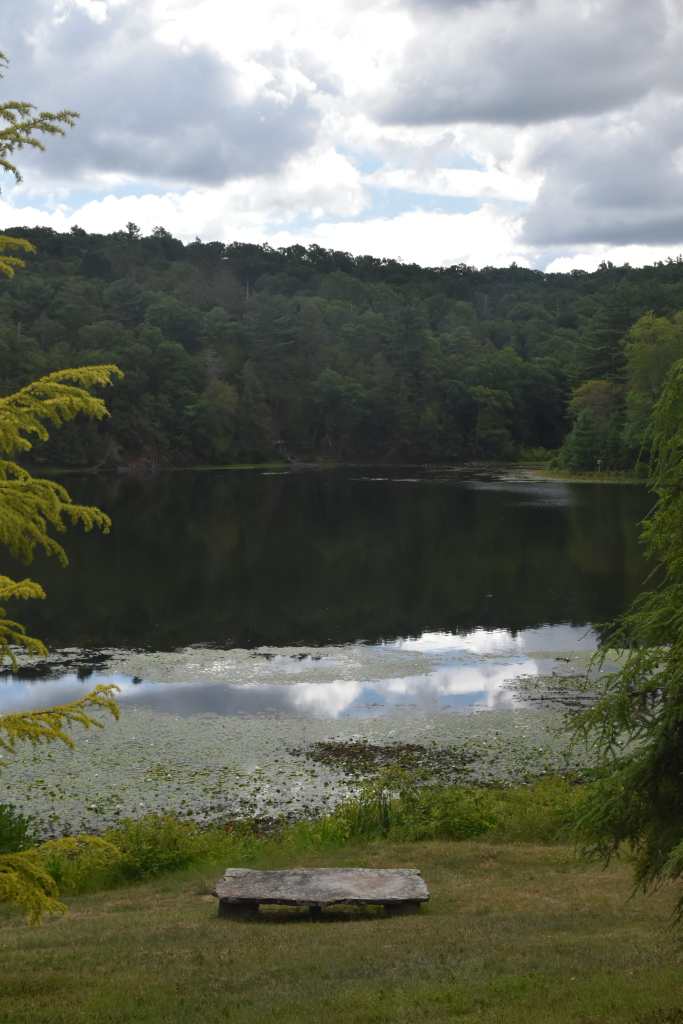
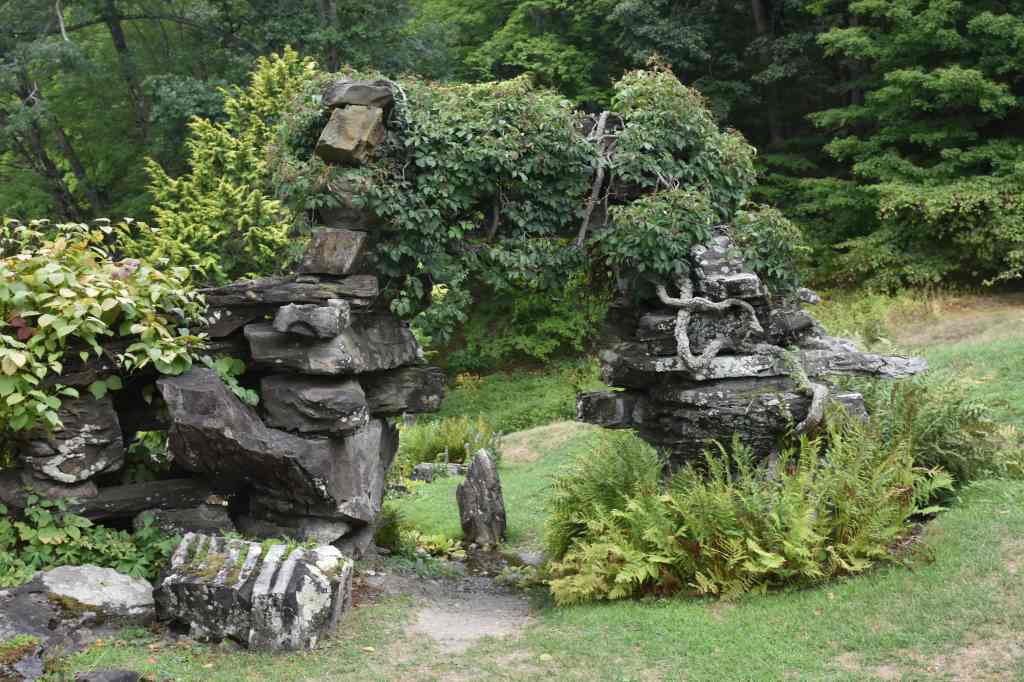
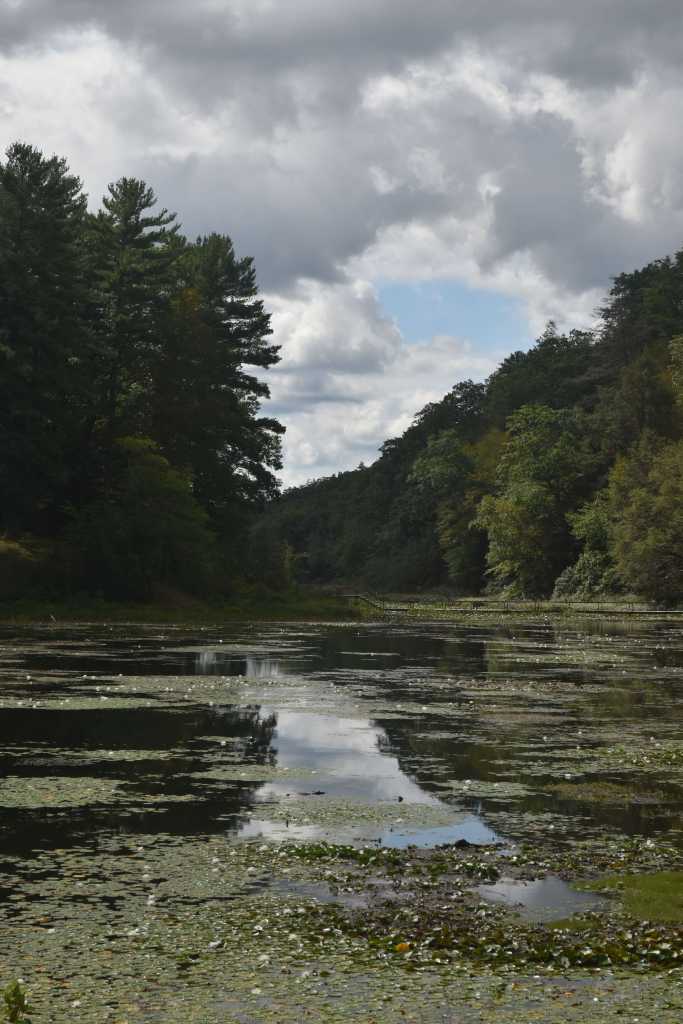
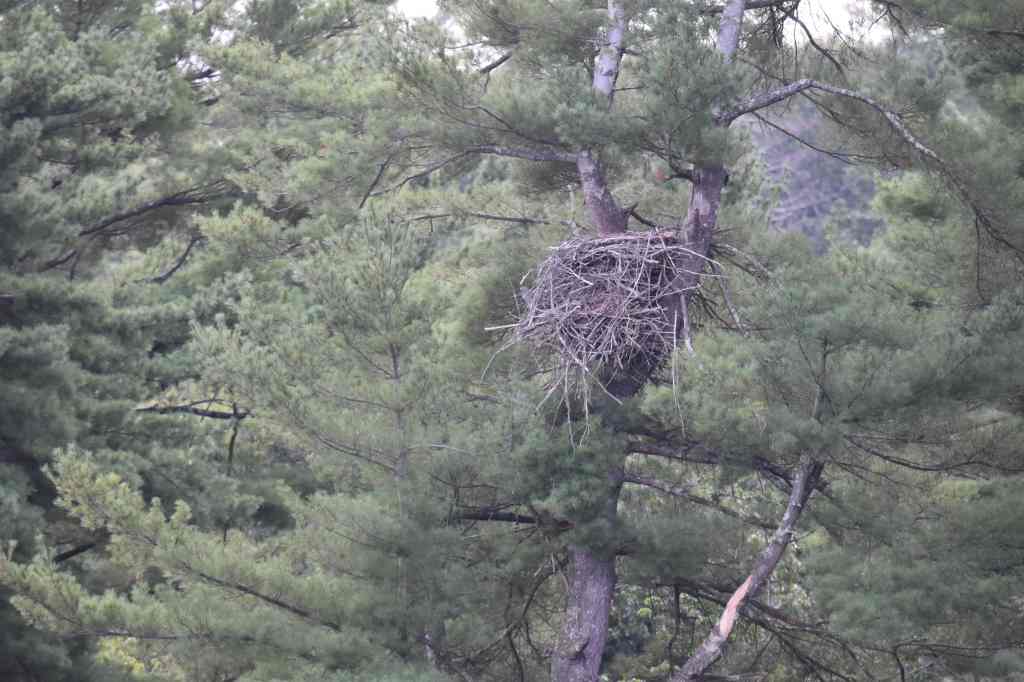
Innisfree is billed as one of the world’s best gardens, a designation that left us somewhat puzzled. While it is certainly an interesting and attractive place, I’m not sure I would rank it among the very best. The grounds are large and expansive, featuring a sizable lake, many trees, and a variety of structures and water features. Still, it made for a very pleasant morning stroll. We were even shown an eagle’s nest, though unfortunately no eagles made an appearance.


That afternoon, we skipped lunch in order to visit Eleanor Roosevelt’s home at Val-Kill. Before touring the property, we attended a half-hour lecture on Eleanor and her early life. What an extraordinary woman she was. It became clear just how much of Franklin Roosevelt’s greatness was shaped by Eleanor—the remarkable woman behind the man. I was aware of some of her strengths, but I hadn’t fully appreciated the depth of her influence on FDR.
To understand how powerful and trusted she was, consider that Franklin had Eleanor speak to the American people about the attack on Pearl Harbor before he delivered his own address. Eleanor’s home itself is almost secondary; it is Eleanor who draws you there. Visiting her home and gardens helps you better understand a truly great person.
We also took a short detour through the Vanderbilt Mansion Historic Site, opting for a slow drive around the estate. My personal description of the Vanderbilt Mansion would be “far too ostentatious for my taste.”
As we reflected on the day, I couldn’t help but imagine the contrast—politicians, dignitaries, writers, and actors gathered around a piano in Eleanor’s home, singing together after dinner. It felt like a fitting image to end the day.


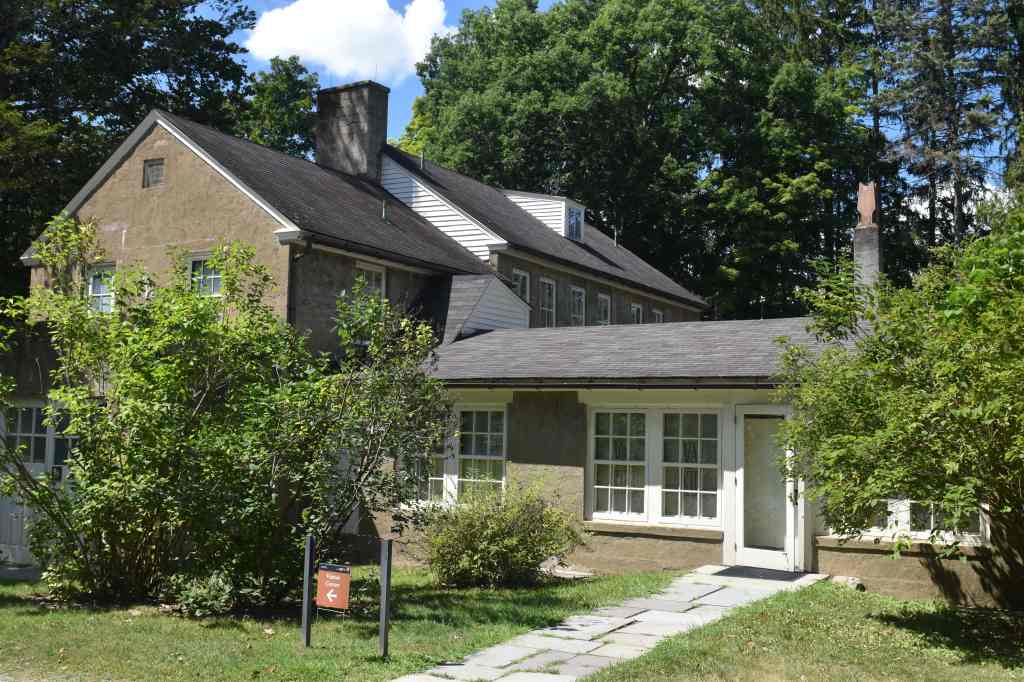
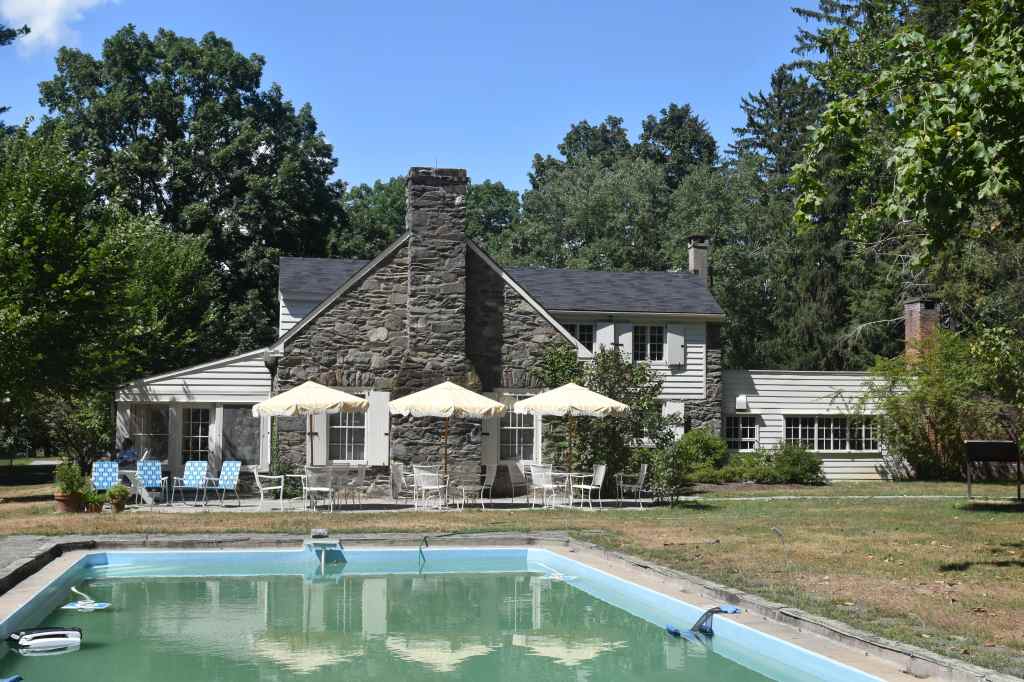
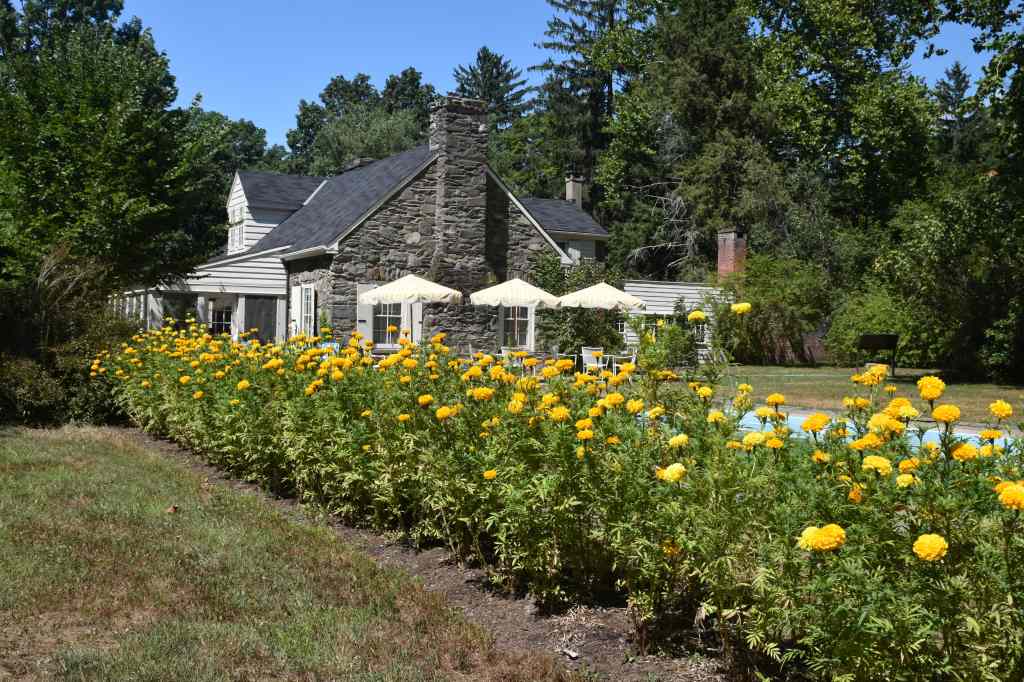
That evening, we went to dinner at a restaurant along the Hudson River. We first stopped at Mahoney’s Irish Pub & Steakhouse, but not being in the mood for bar food, we strolled down to River Station instead. It offered more seafood and, just as importantly, a much better view of the river that evening.
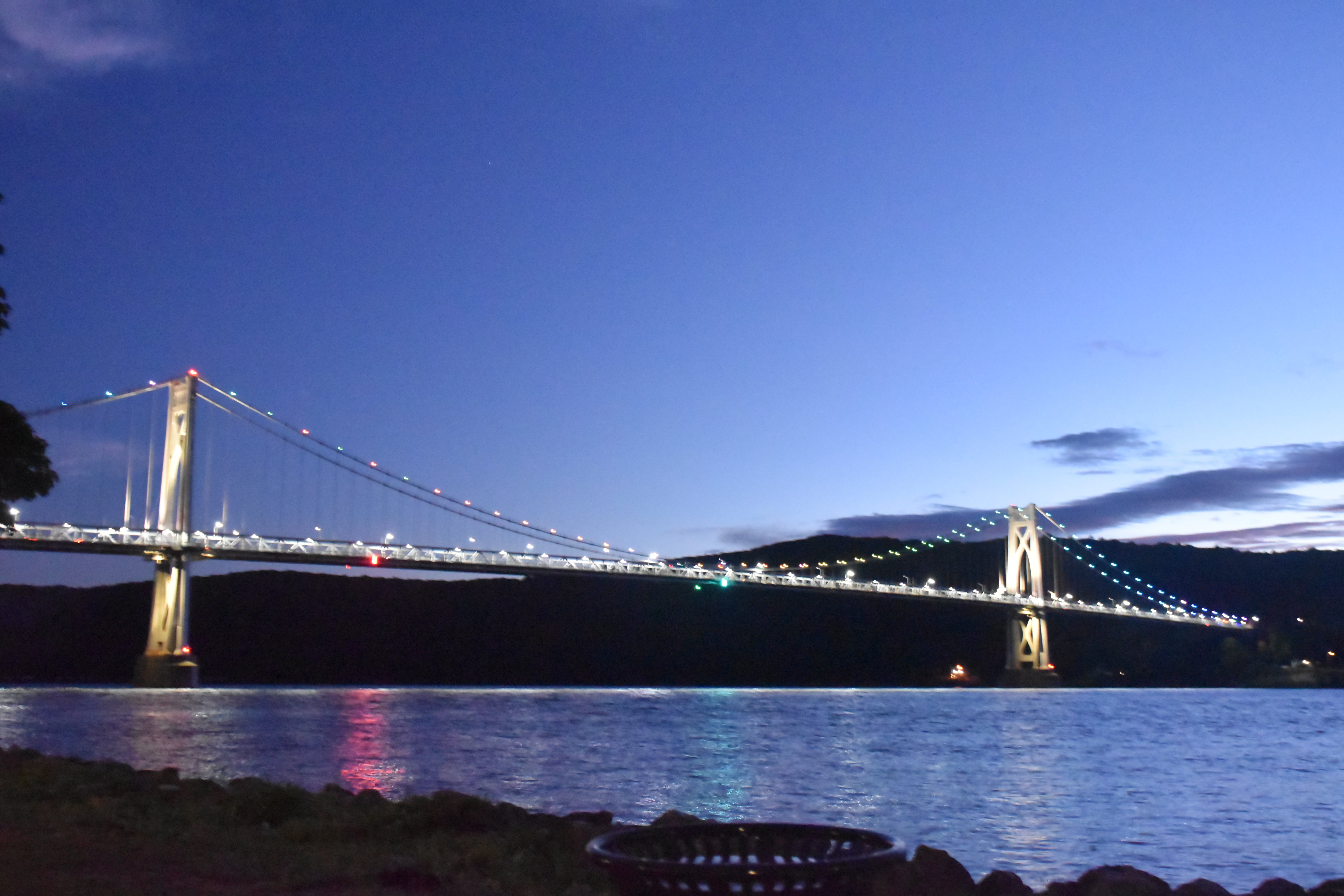
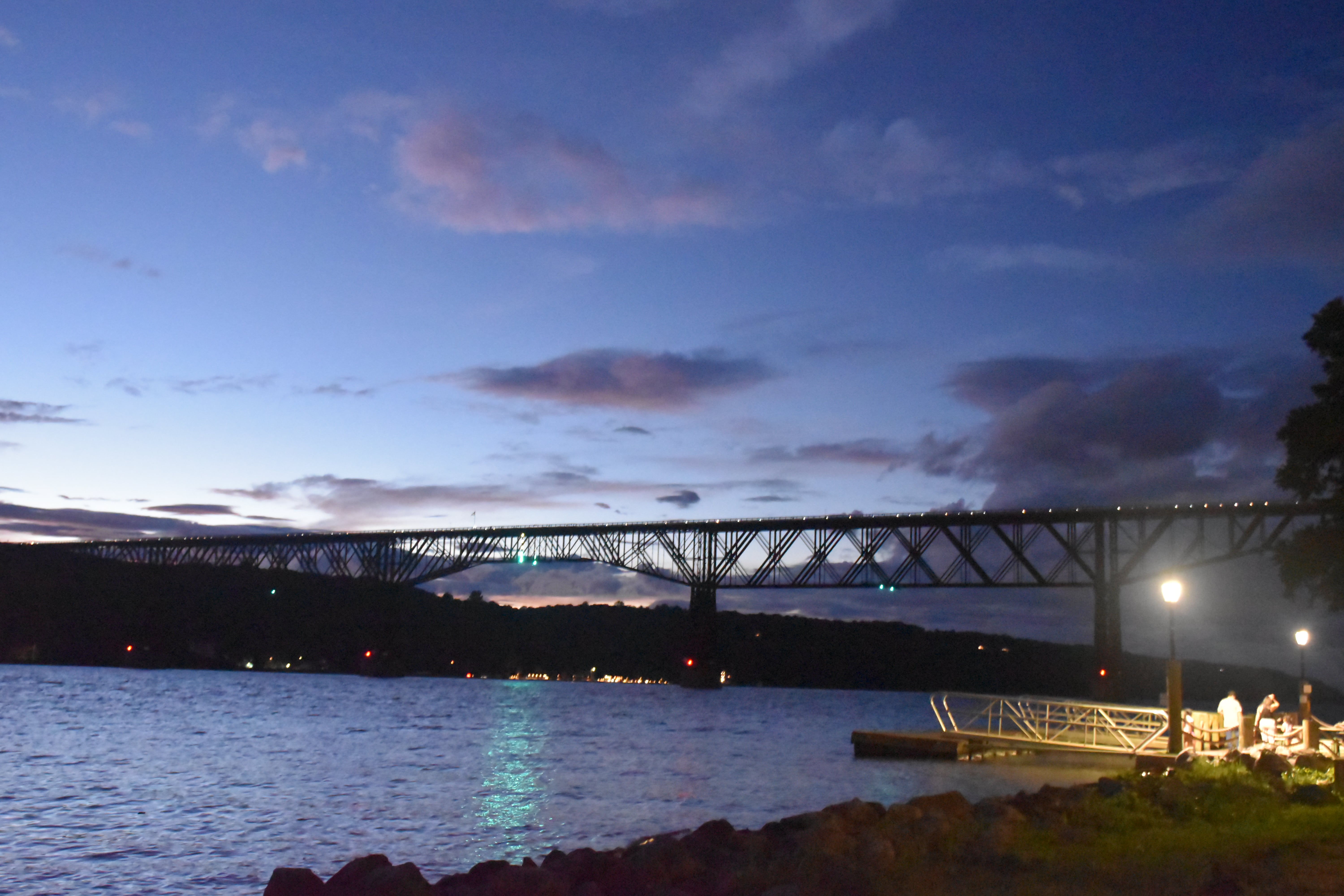
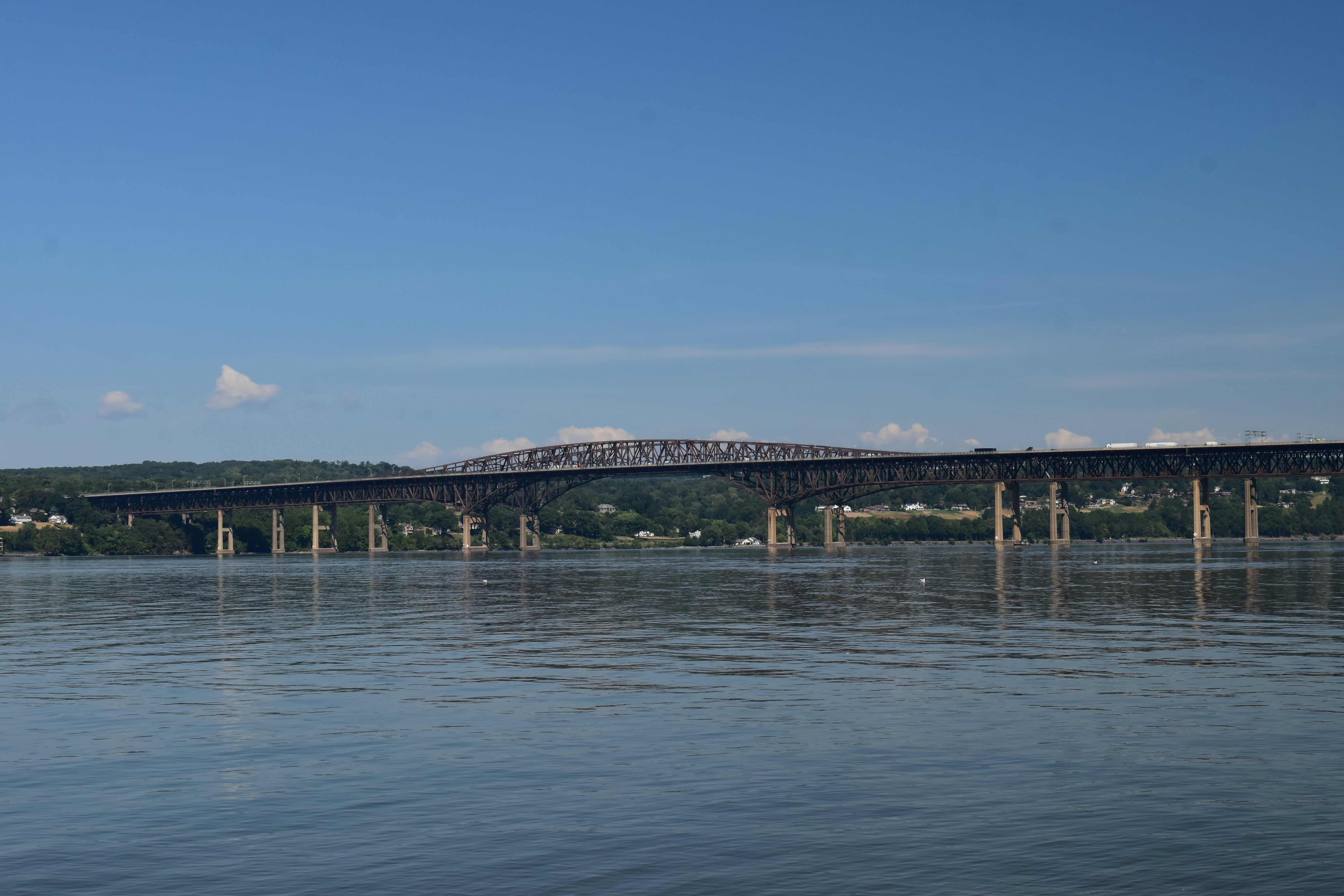
The following morning, Thursday, we visited the Walkway Over the Hudson. Originally built as the Poughkeepsie–Highland Railroad Bridge, it was constructed to transport western raw materials to eastern industrial centers. At the time of its opening, it was the longest bridge in the world, with as many as 3,500 rail cars crossing it each day at its peak. In 1974, a fire—likely caused by a spark from a train’s brakes—destroyed the tracks. Poor maintenance contributed to the damage, as a service pipe designed to spray water on the tracks in case of fire was inoperable.
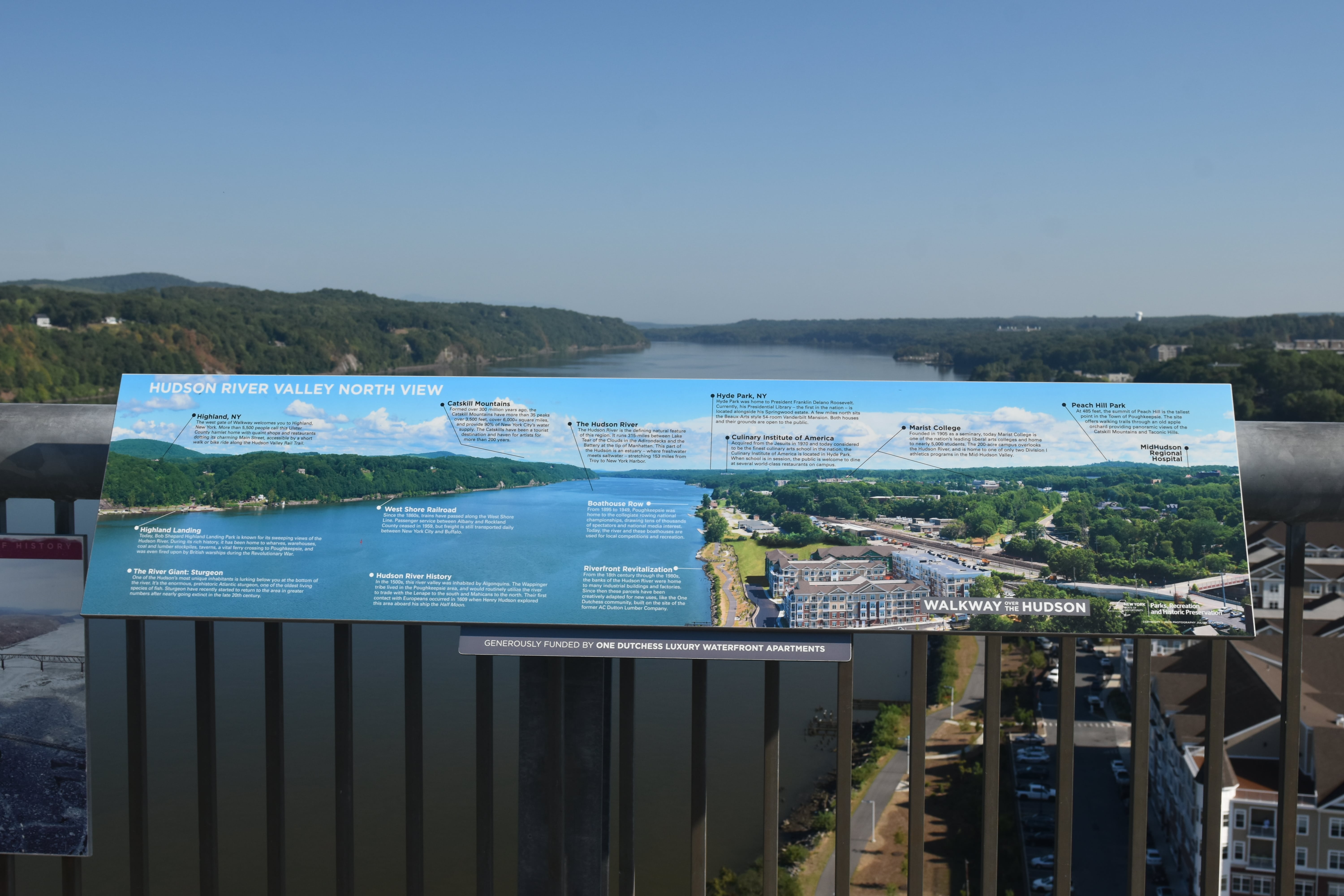
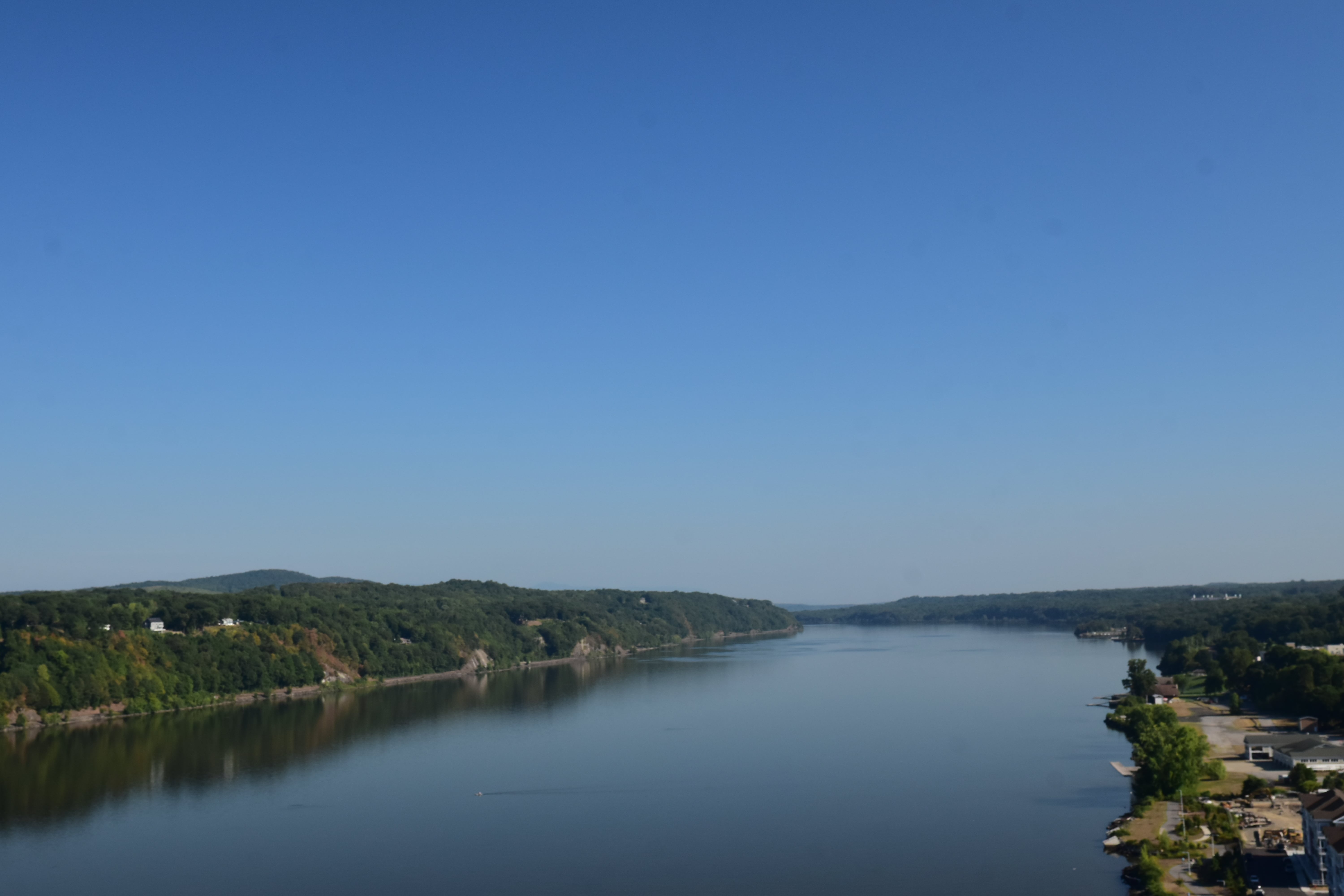
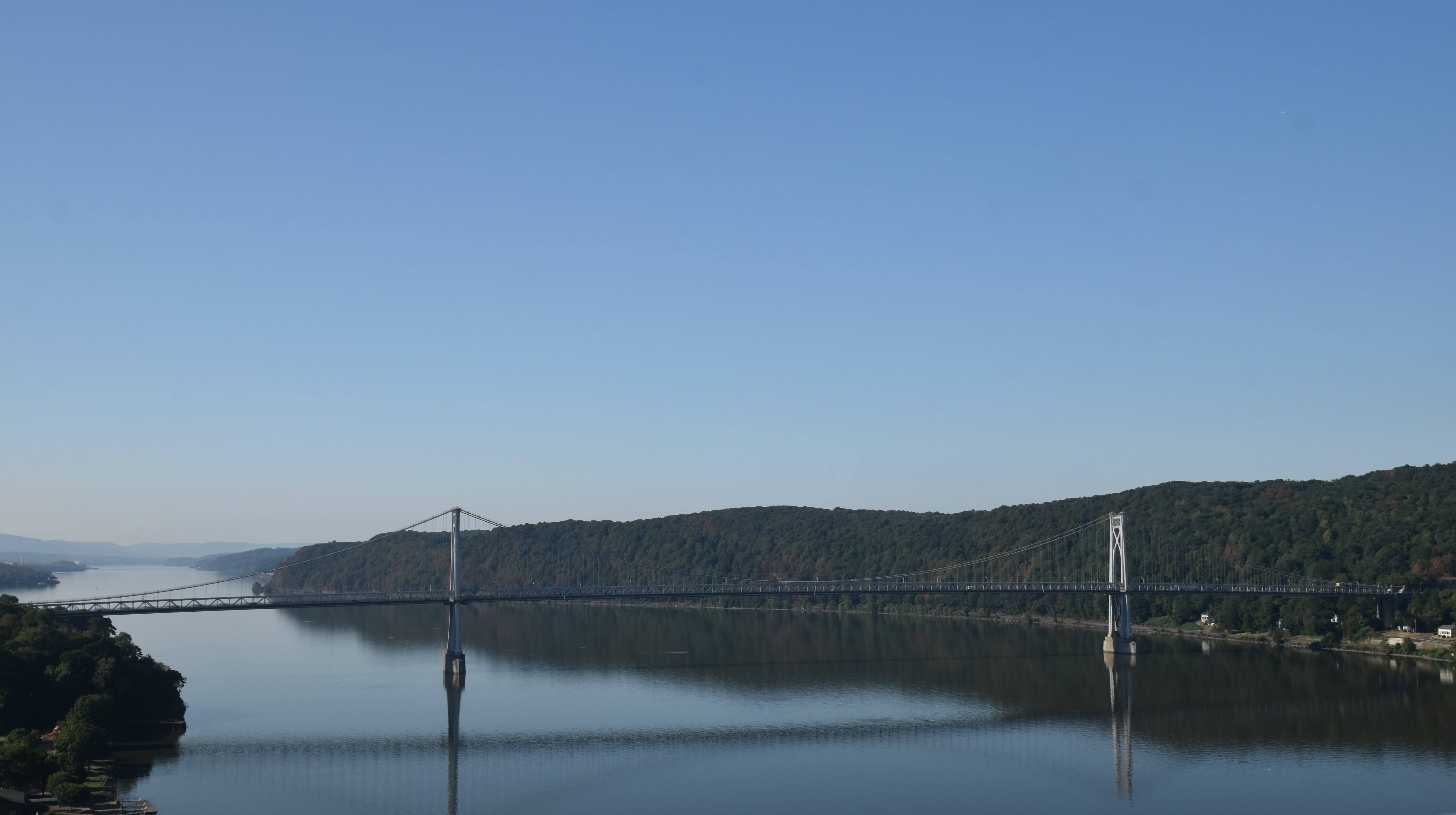
The bridge was eventually rebuilt and reopened in October 2009 as the Walkway Over the Hudson State Historic Park. Rising 212 feet above the river and stretching 1.28 miles, this linear park offers sweeping views north toward the Catskills and south to the Hudson Highlands. The views alone make the walk well worth the effort.


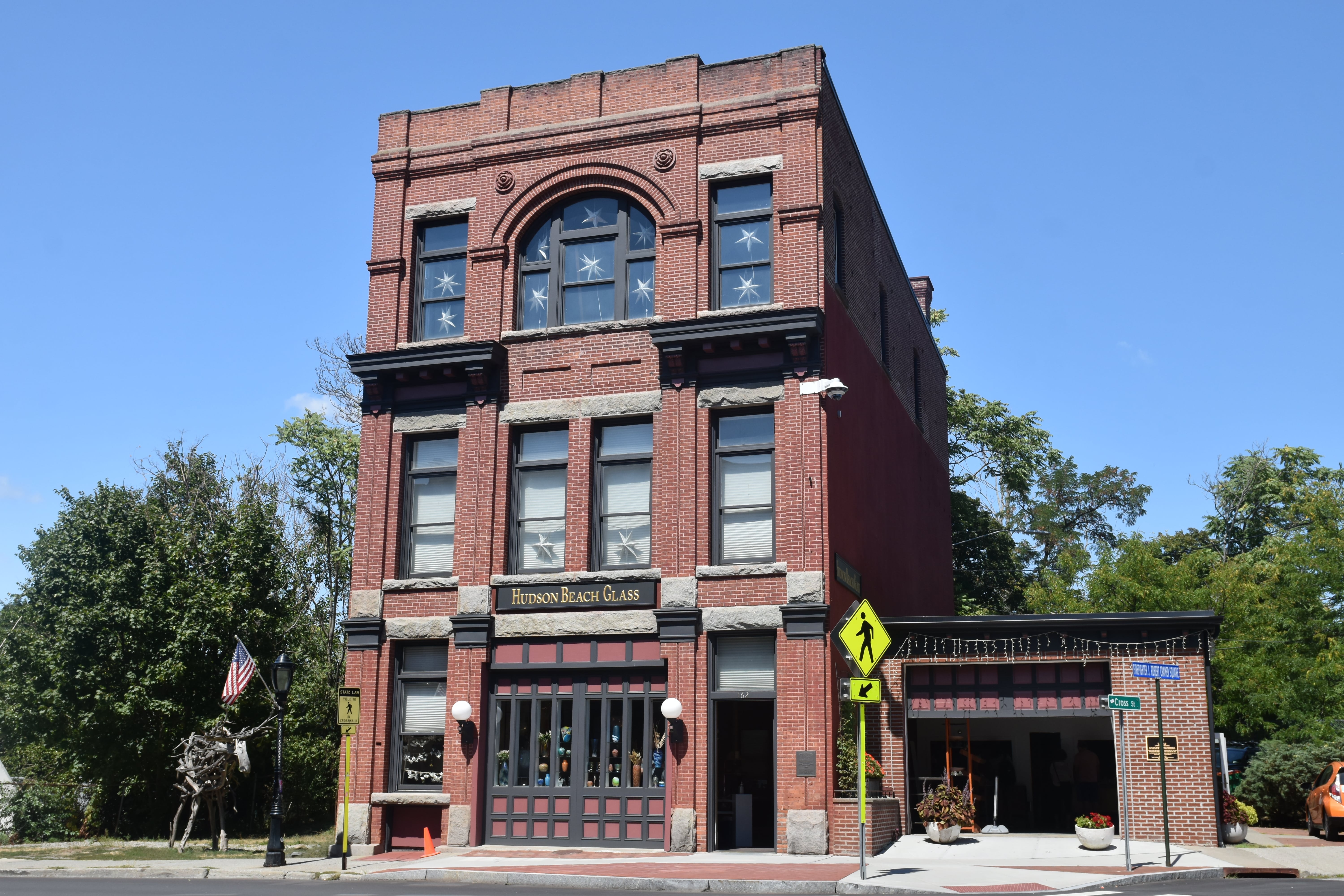
From there, we drove to Beacon for our next stop: the Dia Beacon Museum of Modern Art. Unfortunately, upon arrival we discovered that the museum was closed for no apparent reason, though it was scheduled to reopen on Friday. Unforeseen issues are part of travel, and as we’ve learned over time, it’s always wise to have backup plans. After a brief discussion, we decided to visit the Hudson Beach Glass Company instead.
At the shop, we watched the glass blower at work in his one-man factory and chatted with him for a while. As it turned out, he grew up in Richmond, Virginia, and attended VCU, just as I did, so we spent some time reminiscing about the school. Afterward, Clare and I wandered down Beacon’s main street looking for lunch and found a small restaurant specializing in crepes, which turned out to be quite good. We then stopped at Industrial Arts Brewing Company to sample some local brews before checking into our hotel.


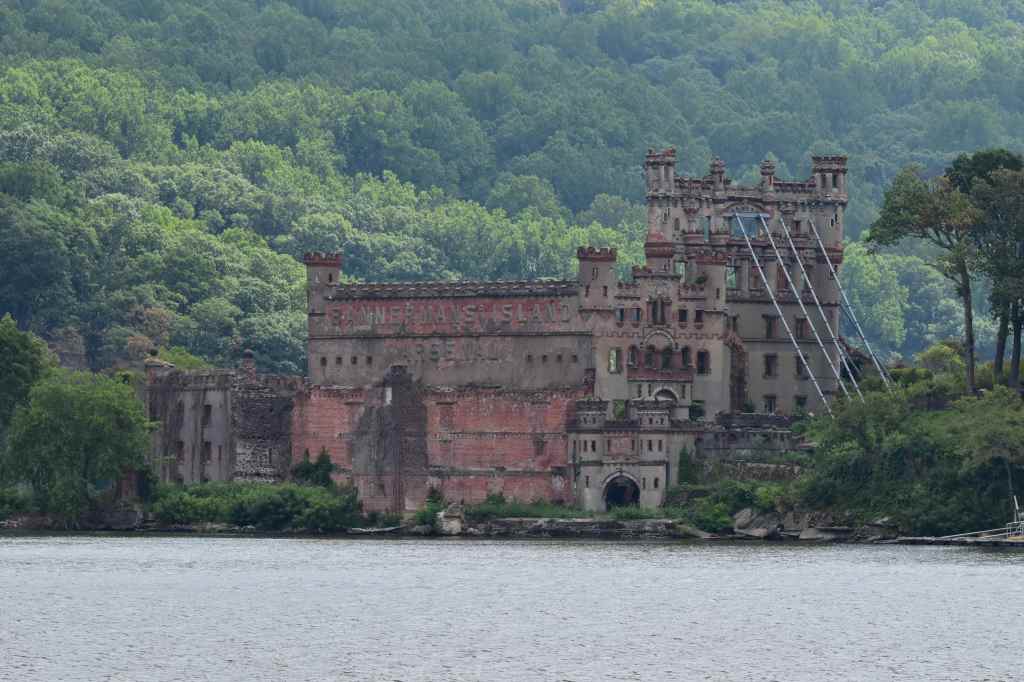
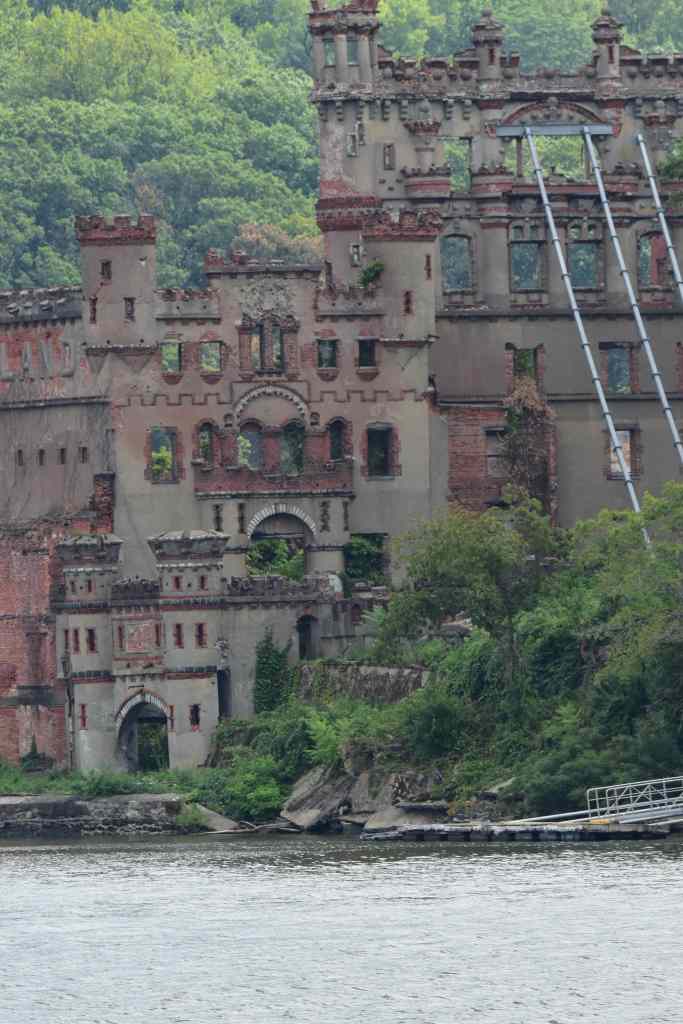
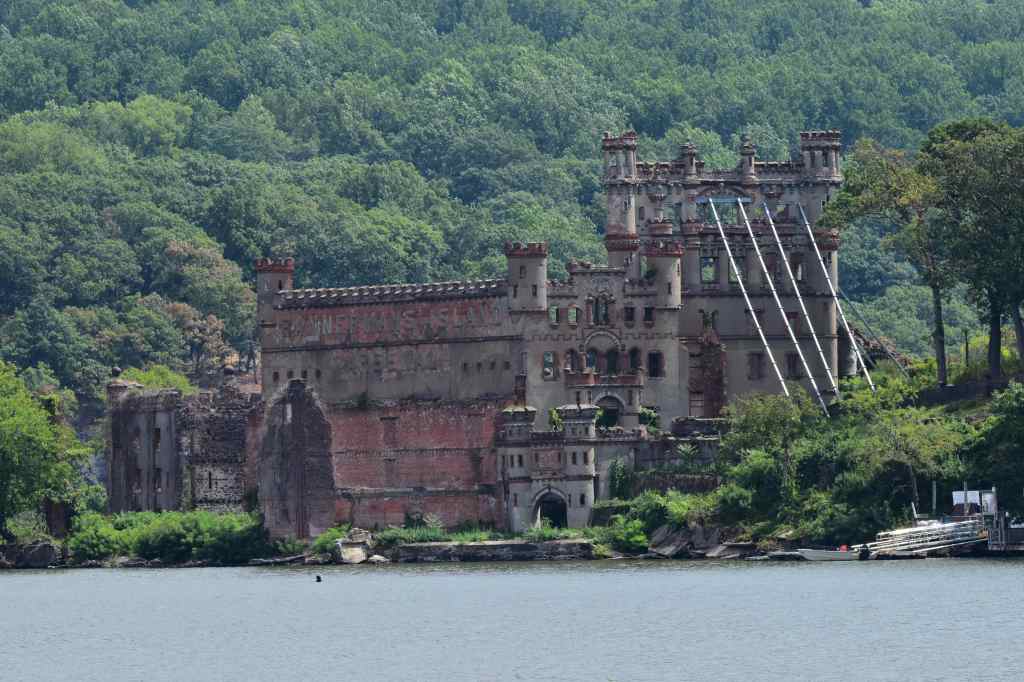
On Friday, we went to Newburgh to take the Pride of the Hudson boat cruise down the river. The ship could certainly use a fresh coat of paint, but overall it was a pleasant way to experience the Hudson from the water. One of our main interests was seeing the Bannerman Castle Arsenal, and the cruise brought us close enough to get a good look at the castle’s atmospheric ruins.
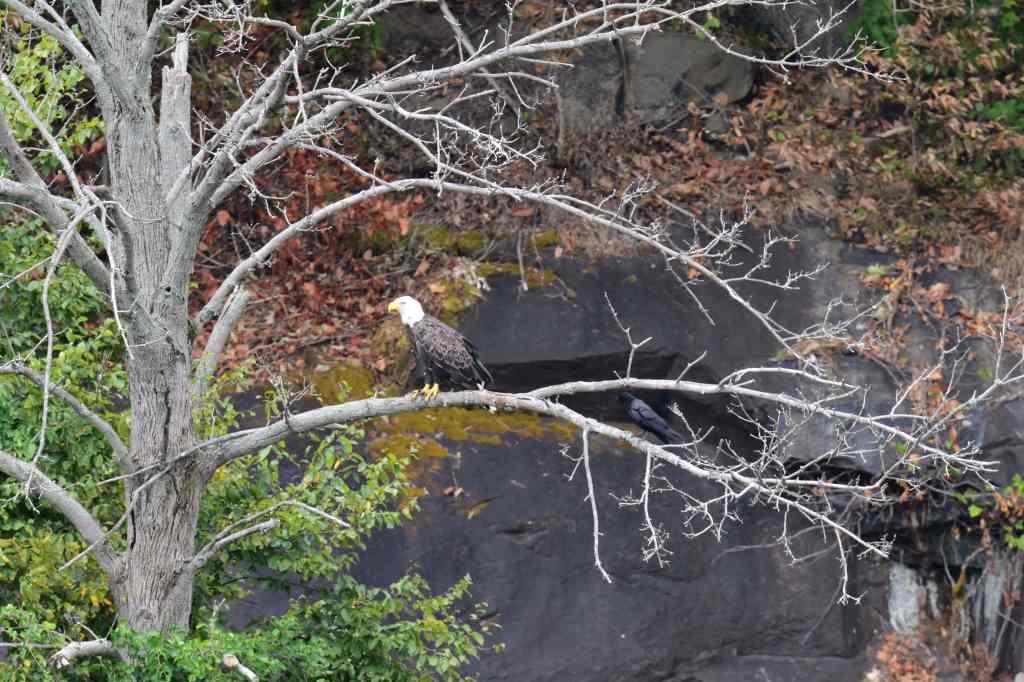
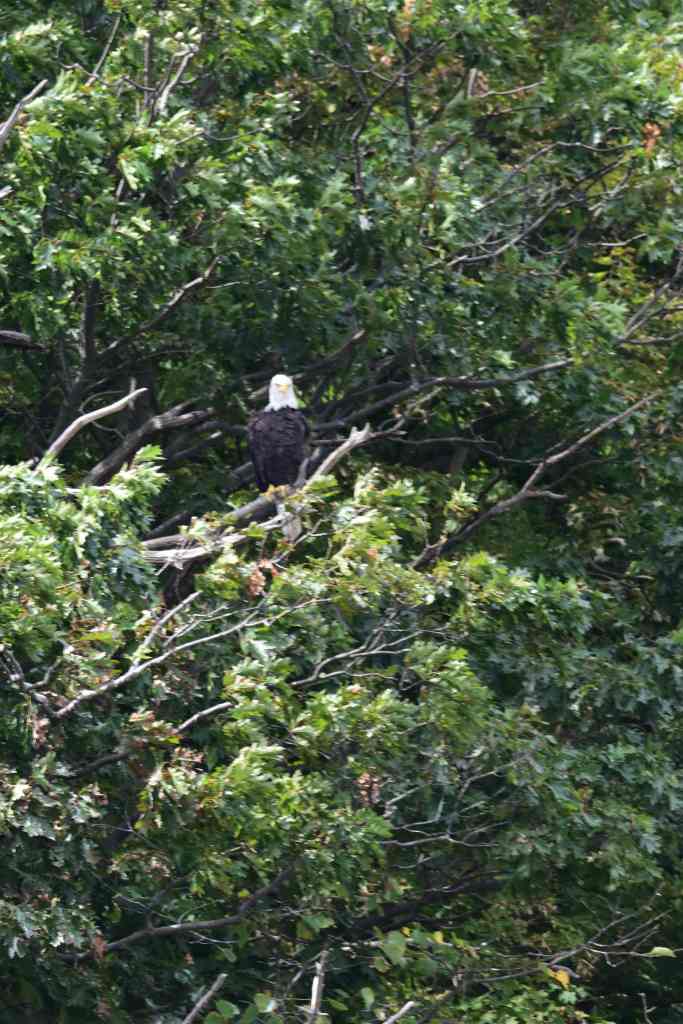
The day was partly cloudy, which made it especially appealing for photography. At times, the sun broke through and illuminated sections of the mountainsides, creating striking contrasts that I couldn’t resist photographing. We were also fortunate to spot a couple of eagles perched in trees along the river—something that added an unexpected highlight to the trip.
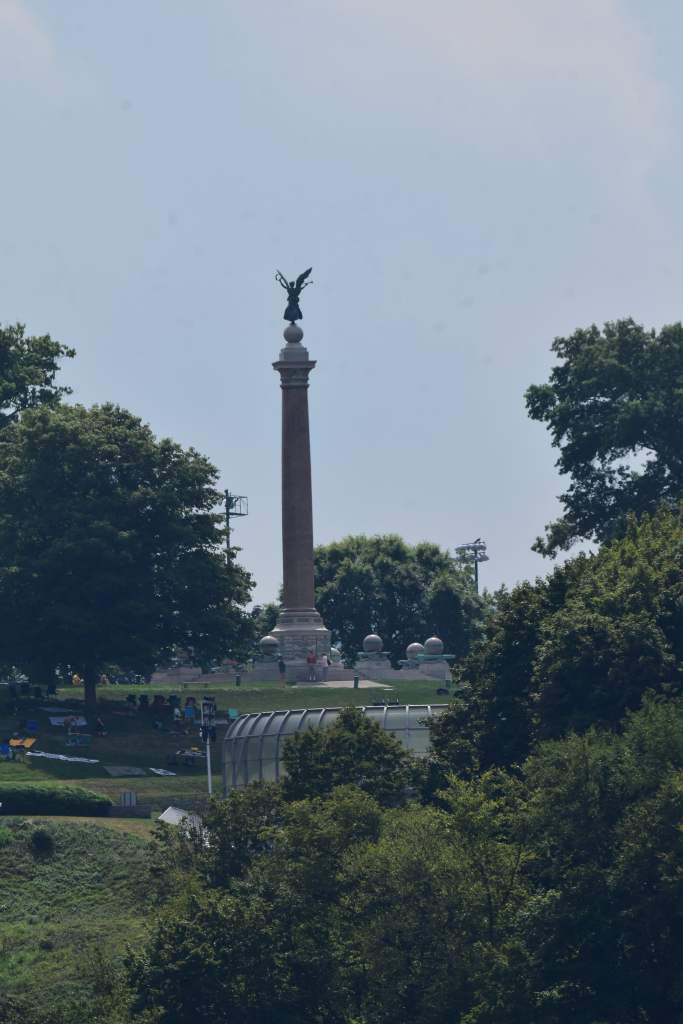
The ship continued south as far as West Point before turning around for the return to Newburgh. The entire excursion lasted about two hours, and I felt it was well worth the time for the opportunity to see parts of the Hudson River that you simply don’t experience from land.
After the cruise, we stopped for lunch at a nearby taco restaurant. The food was quite good, and the cold beer was especially refreshing after our time on the water.



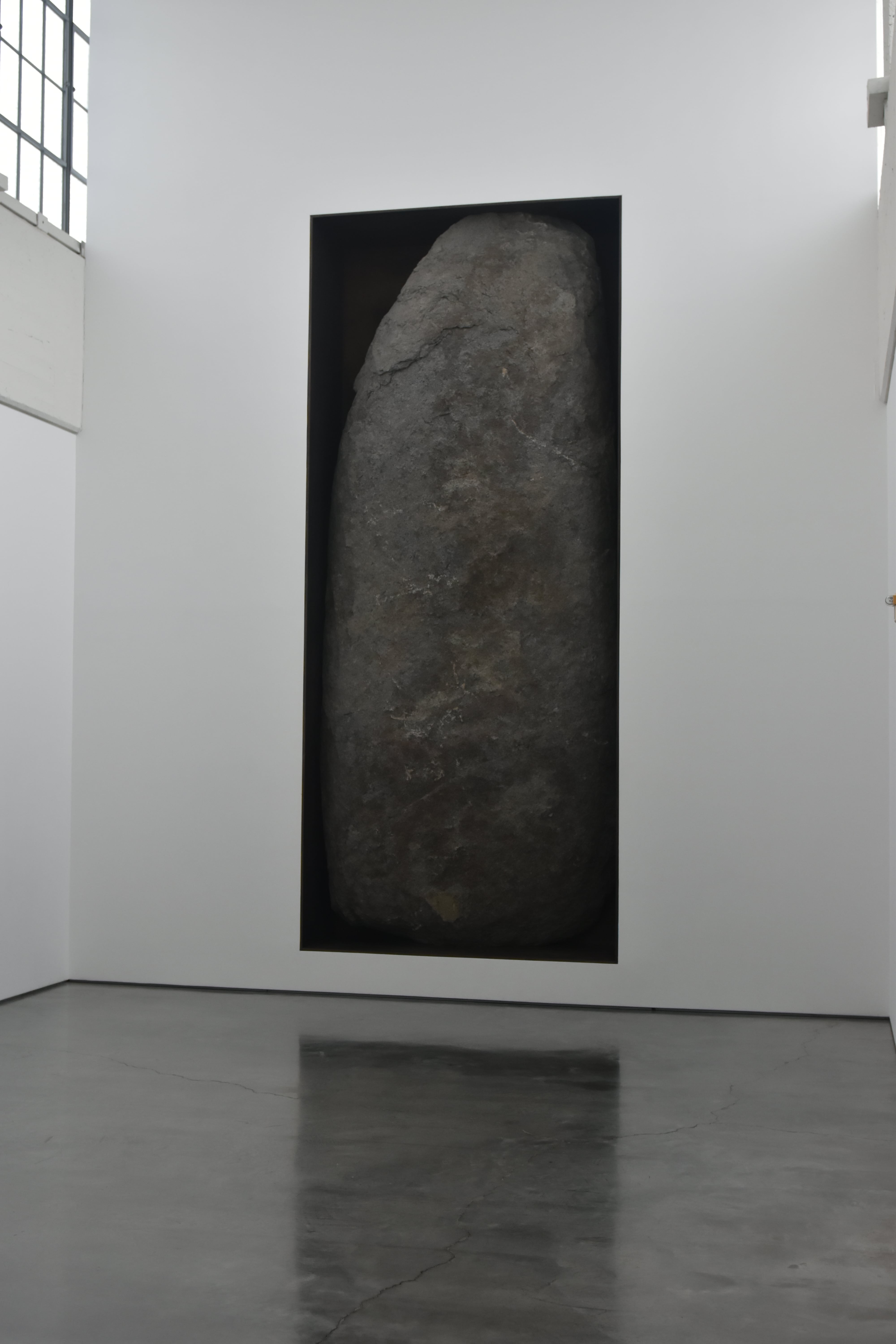
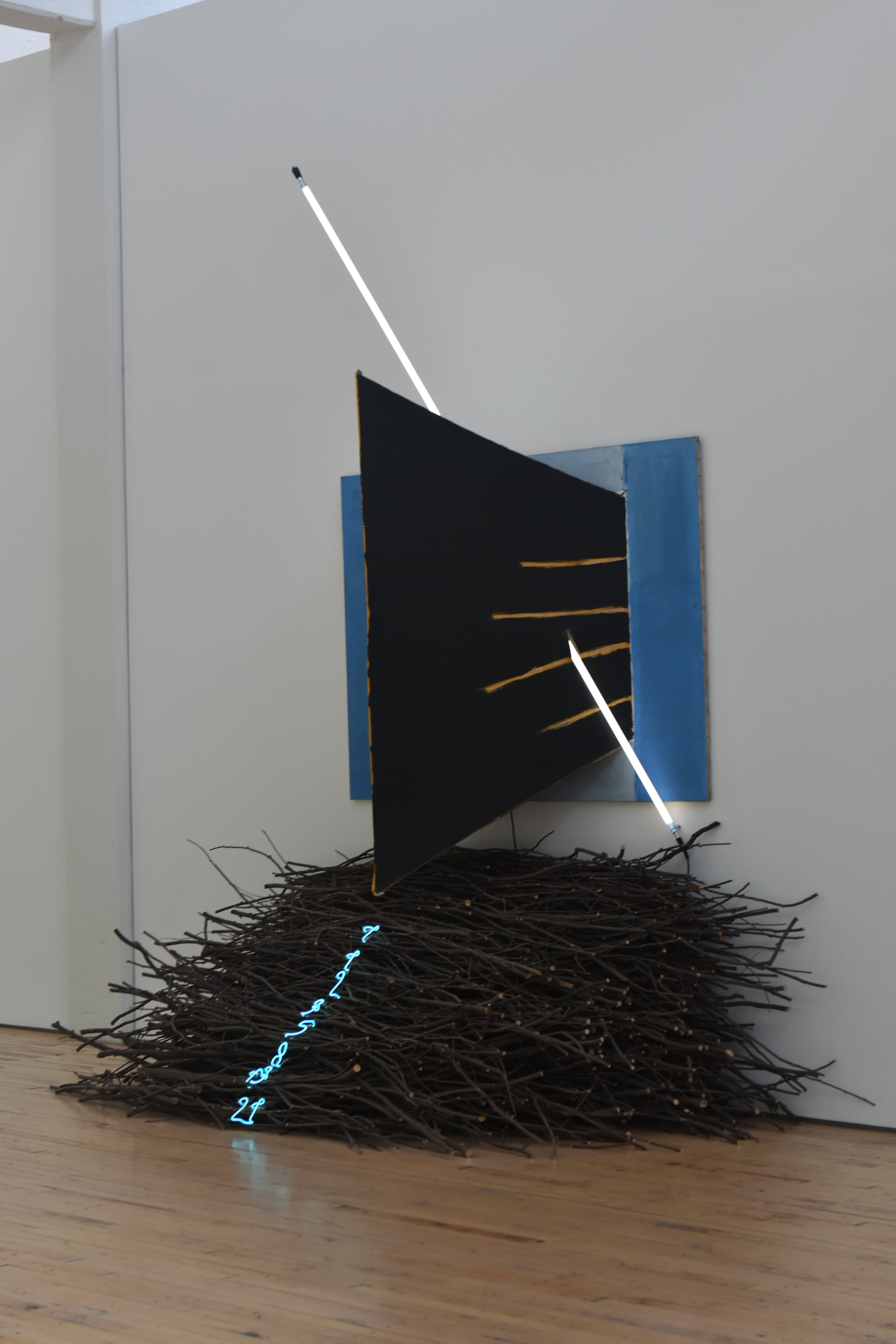
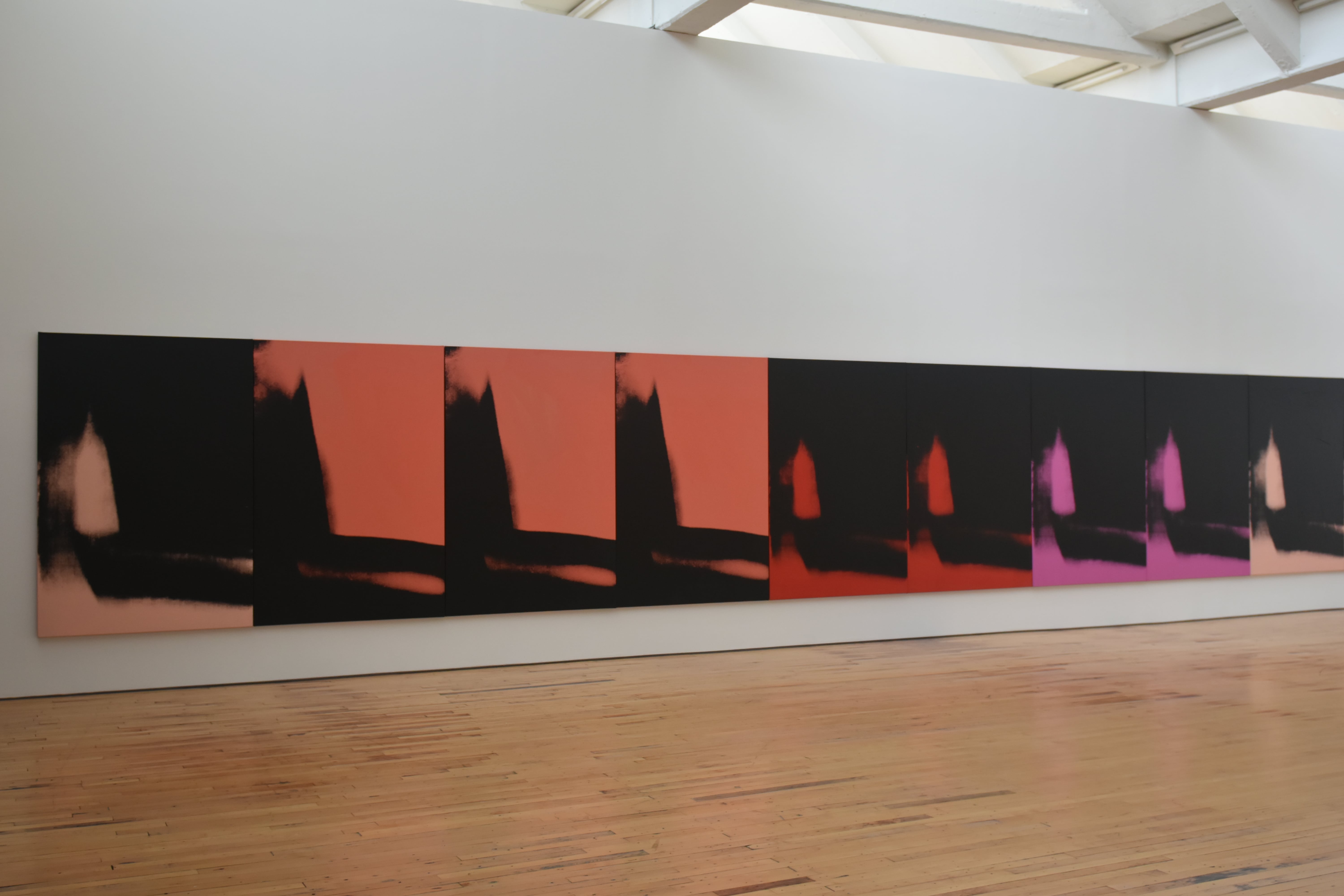
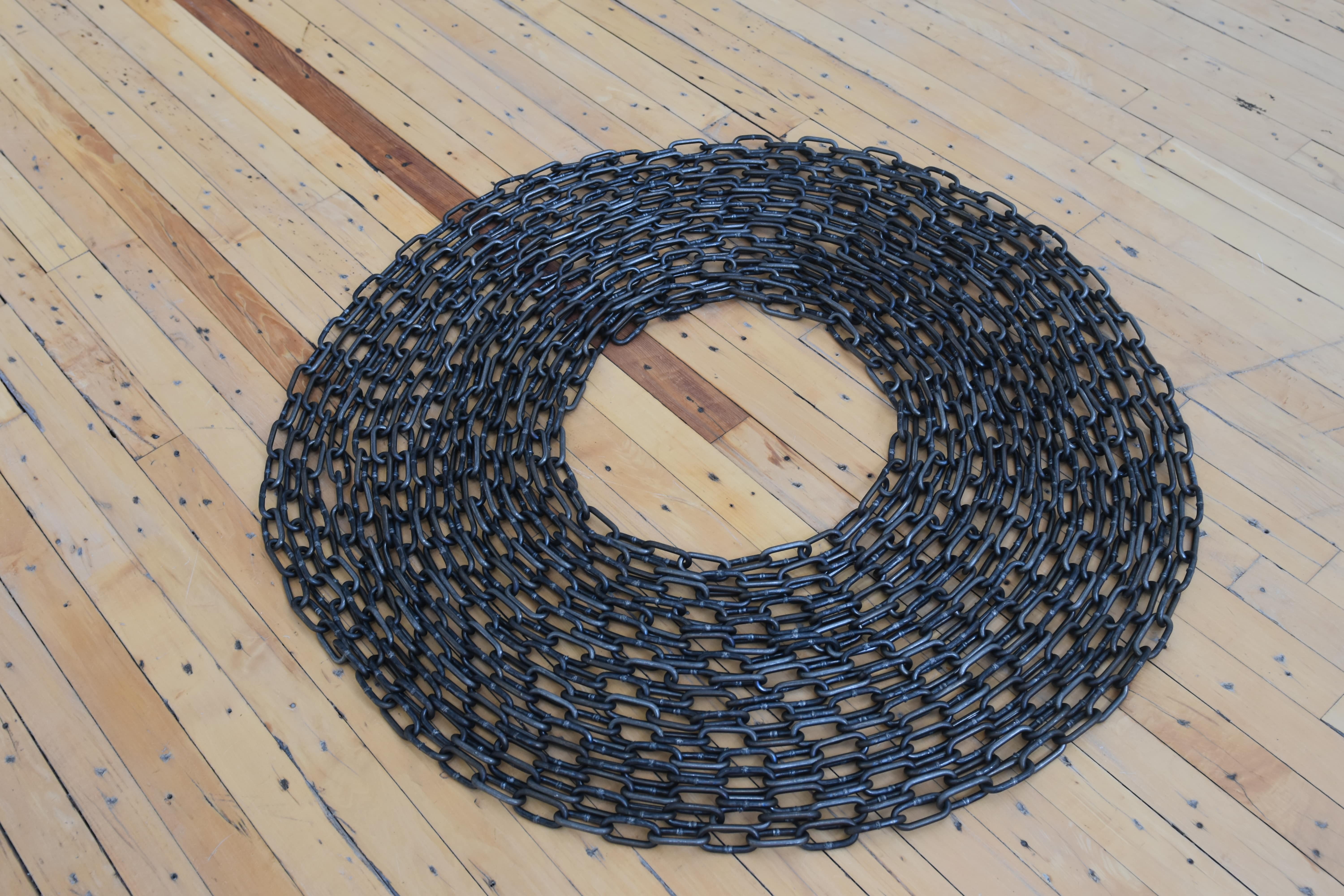
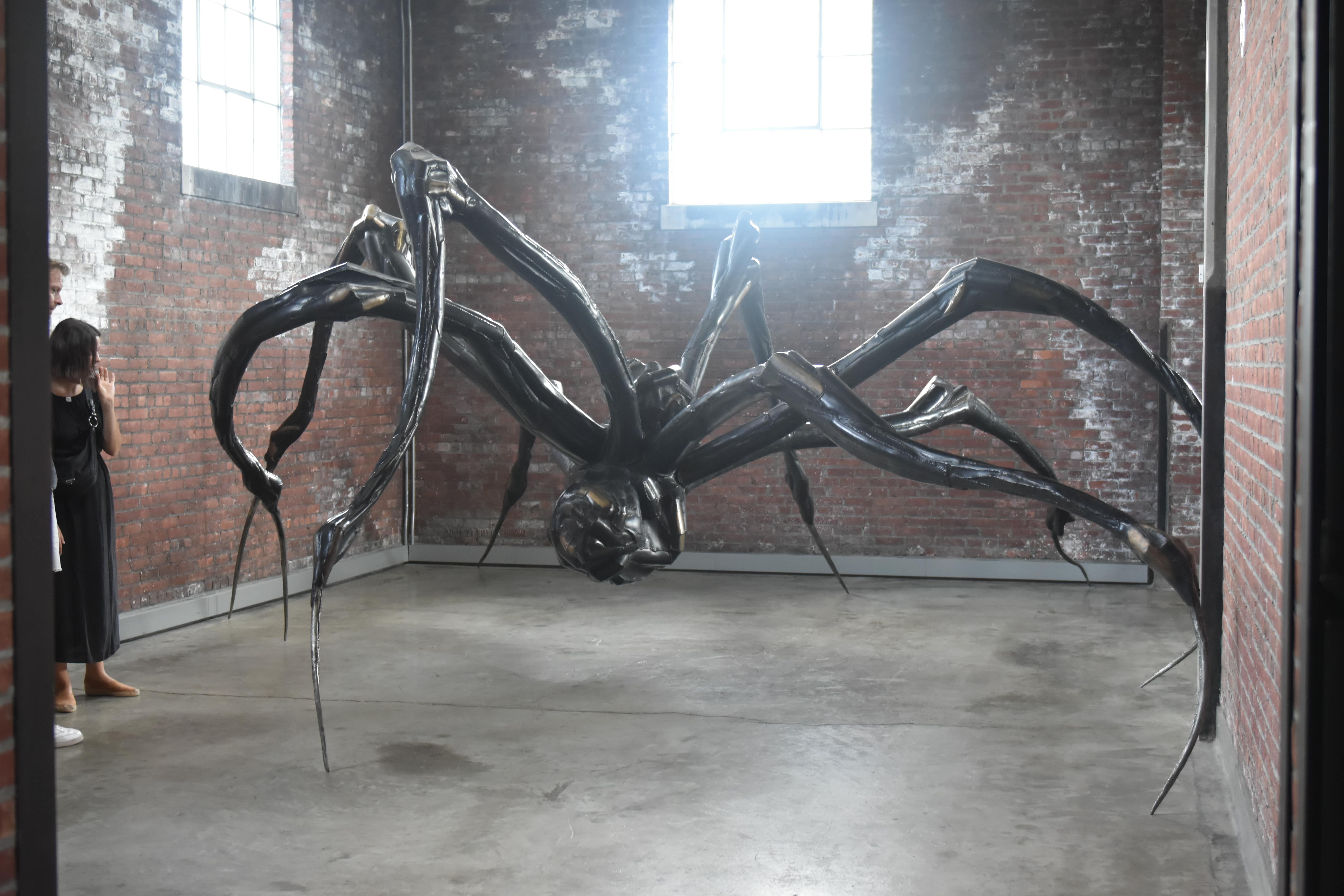
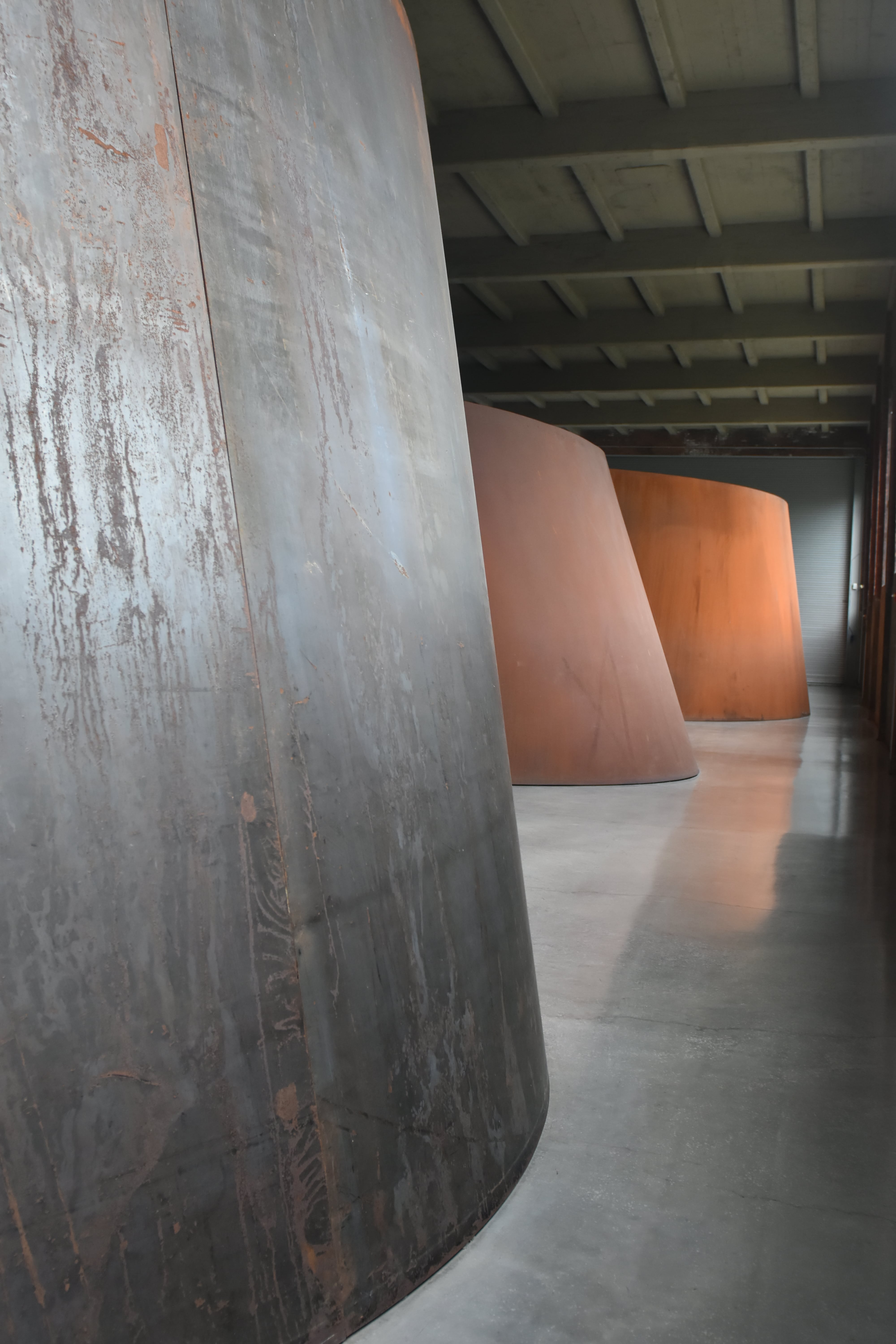
Later, we returned to see the Dia Beacon Museum. Yikes—it was even more modern than I had anticipated. There was a room featuring Andy Warhol, which I enjoyed, perhaps because I could at least understand it. Much of the other work left me questioning what exactly constitutes art. Still, despite my reservations, I think it was worthwhile to give modern art a fair chance and try to understand the messages the artists were attempting to convey.



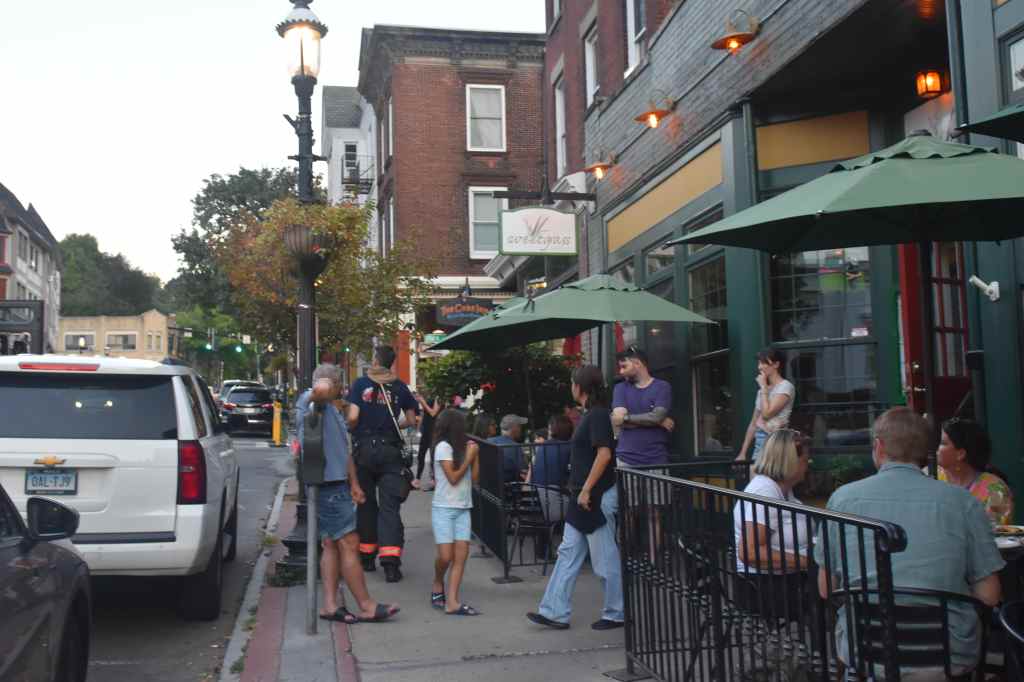
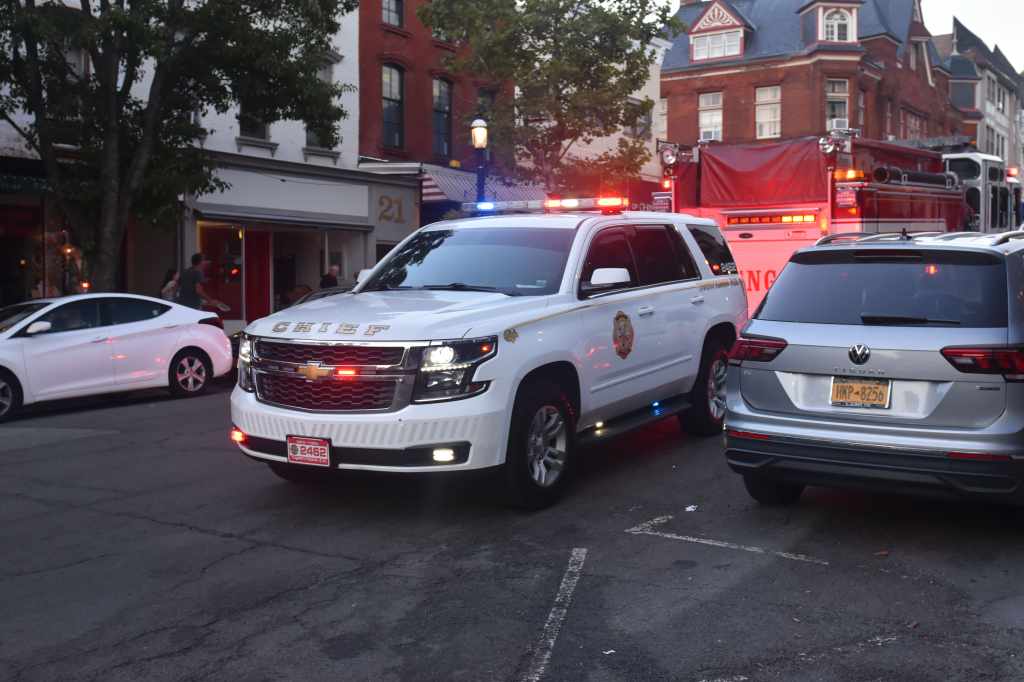
Our final stop before heading home was Tarrytown. Clare wanted to visit Washington Irving’s home, and while we did make the trip, it was unfortunately closed at the time, so we missed the opportunity. That evening, we had dinner at Sweet Grass Grill, which turned out to be quite memorable. I would recommend the restaurant, but toward the end of the meal the fire alarm went off and couldn’t be silenced until the fire department arrived. We finished dinner to the sound of a blaring alarm—certainly an eventful way to end the trip before heading home.
 Marc's Travels