Why We Chose Pittsburgh
We weren’t chasing a bucket-list city. We weren’t looking for crowds, must-see selfies, or an overstuffed itinerary. We just wanted to go somewhere with substance — a place where you could slow down, walk, look around, and feel like you were learning something without trying too hard.
Pittsburgh fit that brief almost immediately.
For Clare, the city had always existed through stories. In-law relatives came from Pittsburgh, so it was a place she’d heard about long before we ever considered visiting. For me, it was familiar in a more academic way. Pittsburgh shows up early in American history — contested ground during the colonial period, a strategic point where rivers meet, and later a powerhouse of steel that helped build the modern United States. Add to that institutions like Carnegie Mellon University and its role in early computer science and cybersecurity through CERT, and the city already had layers before we ever arrived.
What made Pittsburgh appealing was that none of this felt packaged. It didn’t present itself as a “heritage city” or a “reinvented city.” It simply was what it was — a place shaped by geography, conflict, industry, and innovation, all still visible if you knew where to look.
That made it the right choice for a few days away. Enough history to be engaging, enough green space to breathe, and enough culture to keep things interesting — without the pressure to rush.
And fittingly, the best place to start was right where the city itself began.
Where Three Rivers and History Meet: Point State Park
If you want to understand Pittsburgh, you start at the point.
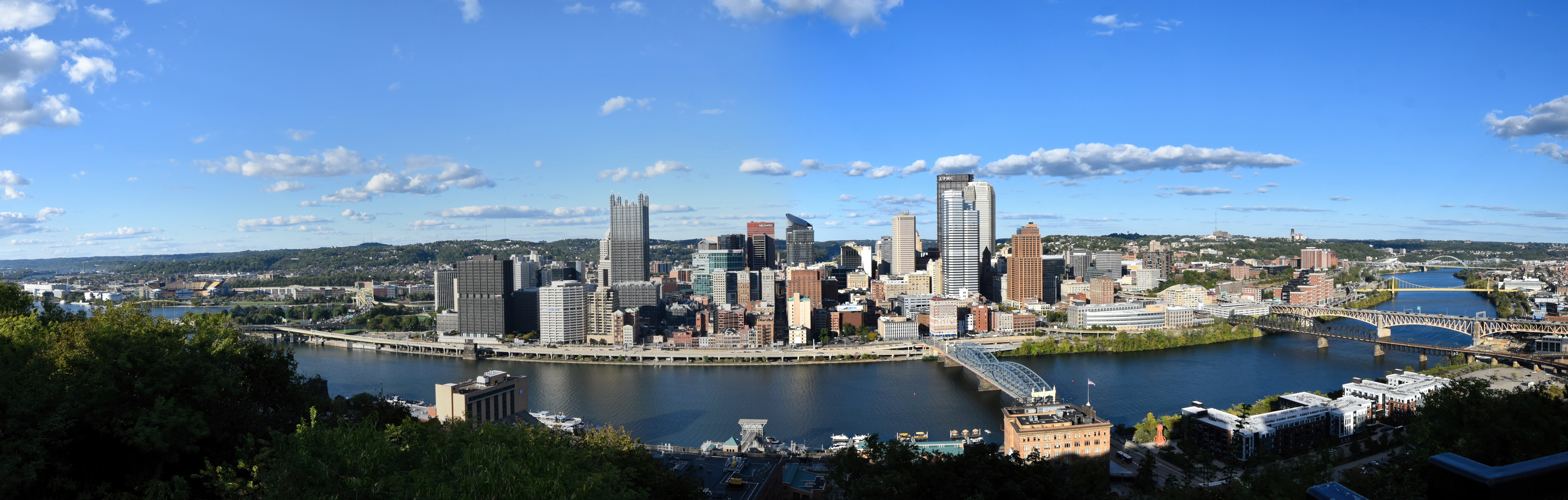
Point State Park sits at the sharp tip of the “Golden Triangle,” where the Allegheny and Monongahela rivers come together to form the Ohio River. It’s an obvious photo stop, but it’s also far more than that. Standing there, you’re at the reason Pittsburgh exists at all.
Long before glass towers and bridges, this spot was strategic ground. Control the rivers and you controlled movement, trade, and defence. During the French and Indian War, this was the site of Fort Pitt, a key British stronghold in a conflict that shaped the future of North America. That history isn’t buried or abstract — it’s right under your feet.
The park itself is open and calm, a 36-acre stretch of green framed by water and skyline. The fountain at the point pulls your eye outward, while the riverfront trails invite you to wander without any real plan. It’s the kind of place where you naturally slow down, take in the view, and let the city come to you.
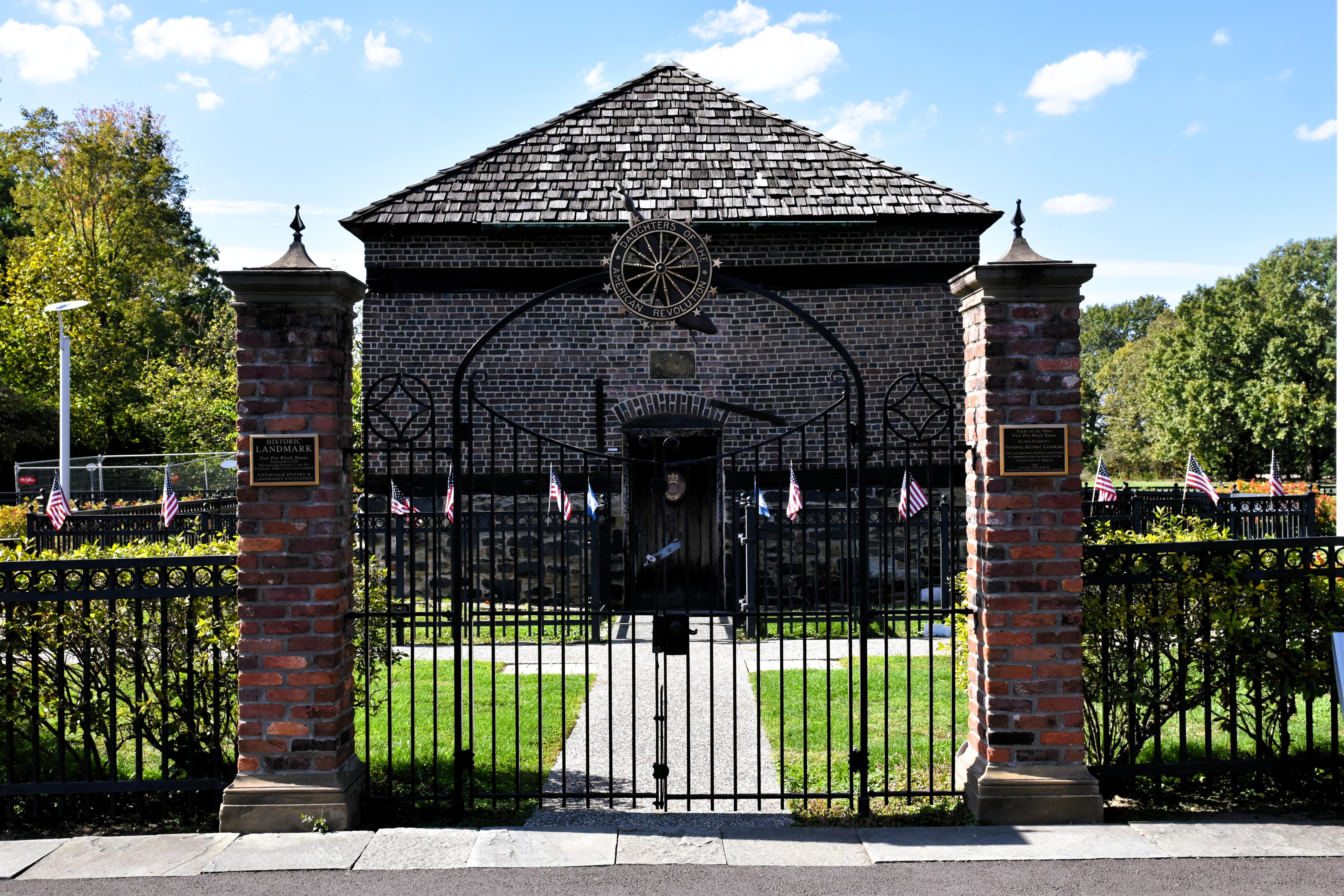
A short walk brings you to the Fort Pitt Museum, which tells the story of the region’s early conflicts and why this confluence mattered so much. Nearby is the Fort Pitt Block House, the oldest surviving building in Pittsburgh — a quiet reminder that the city’s story didn’t start with steel, but with contested land, uneasy alliances, and global empires colliding.
From almost anywhere in the park, you get panoramic views of downtown and the three rivers stretching away in different directions. It’s one of those rare places where geography, history, and modern city life all line up in a single glance.
For us, it was the perfect introduction — not loud or flashy, just grounded. A reminder that before Pittsburgh became a city of industry and innovation, it was first a place defined by where it stood.
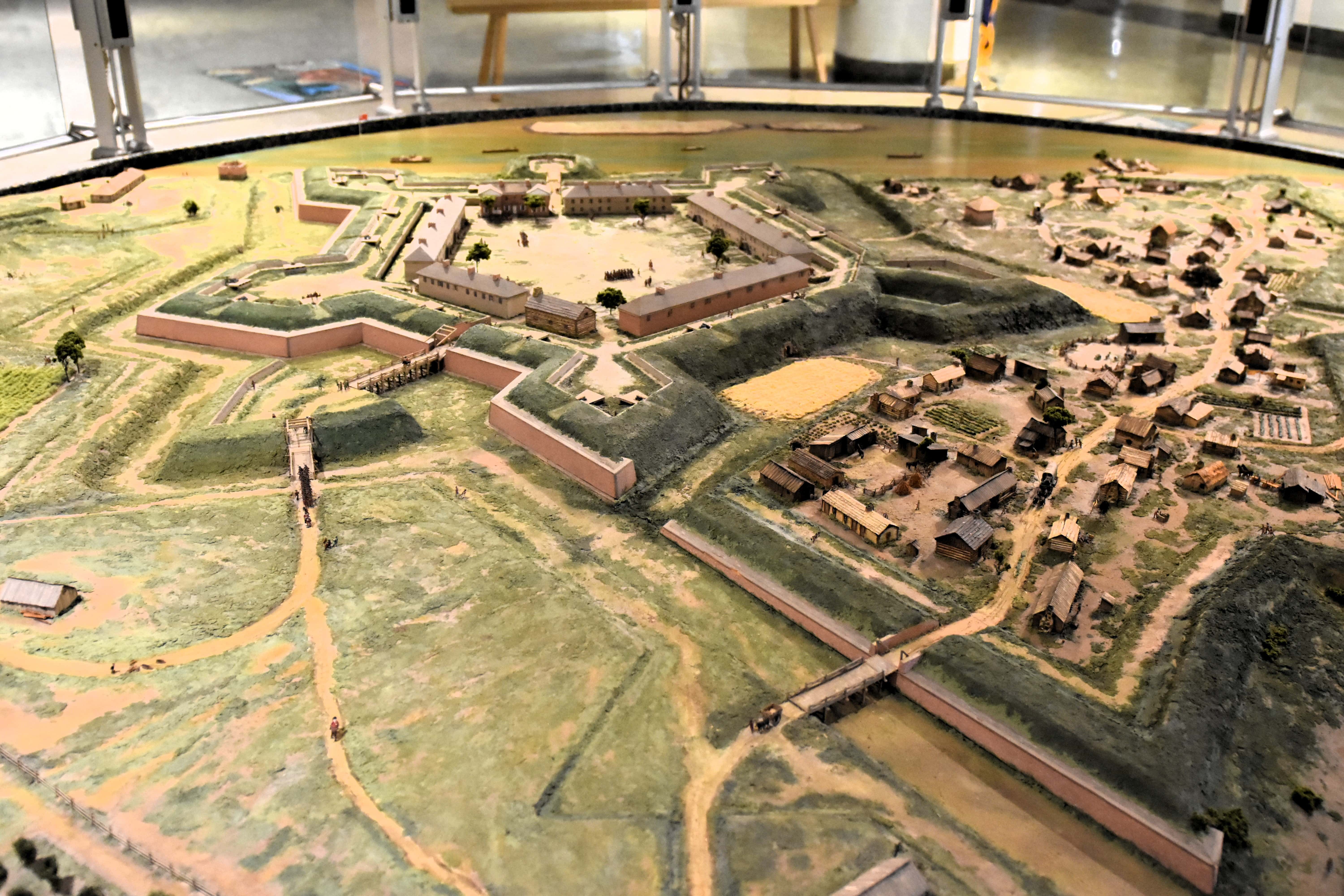
Understanding the City Through Its Past: Heinz History Center
If Point State Park shows you why Pittsburgh exists, the Heinz History Center explains what it became.
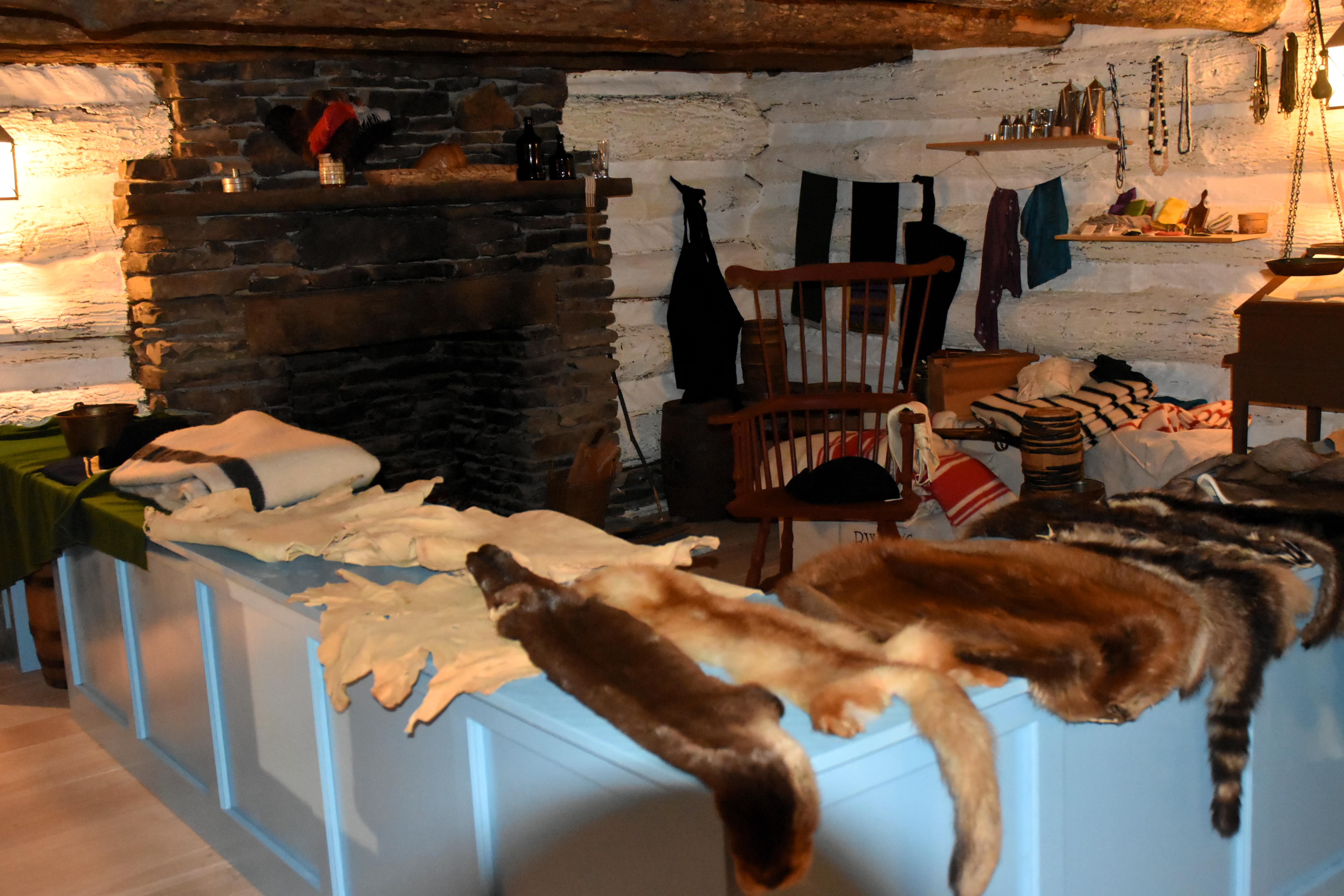
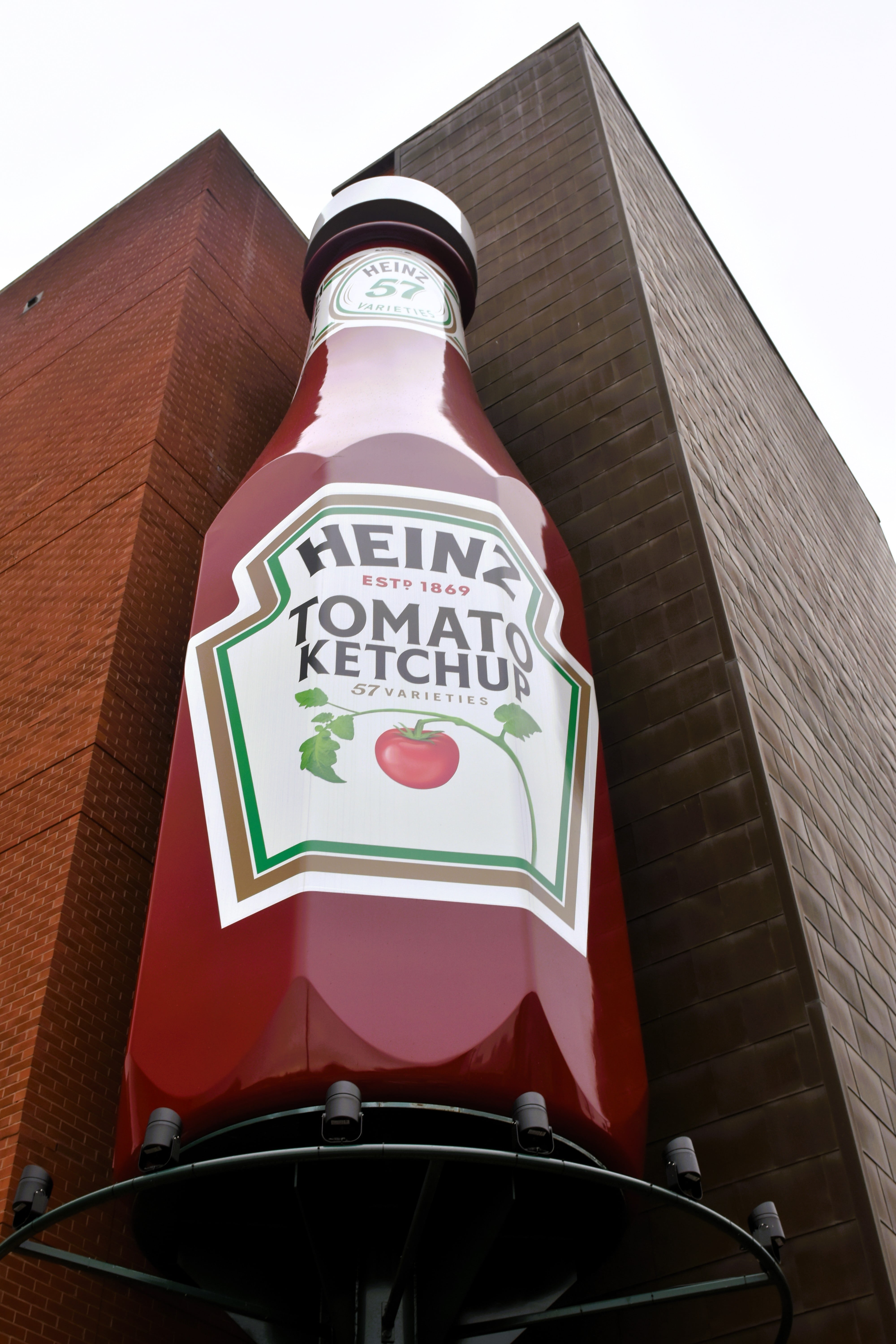
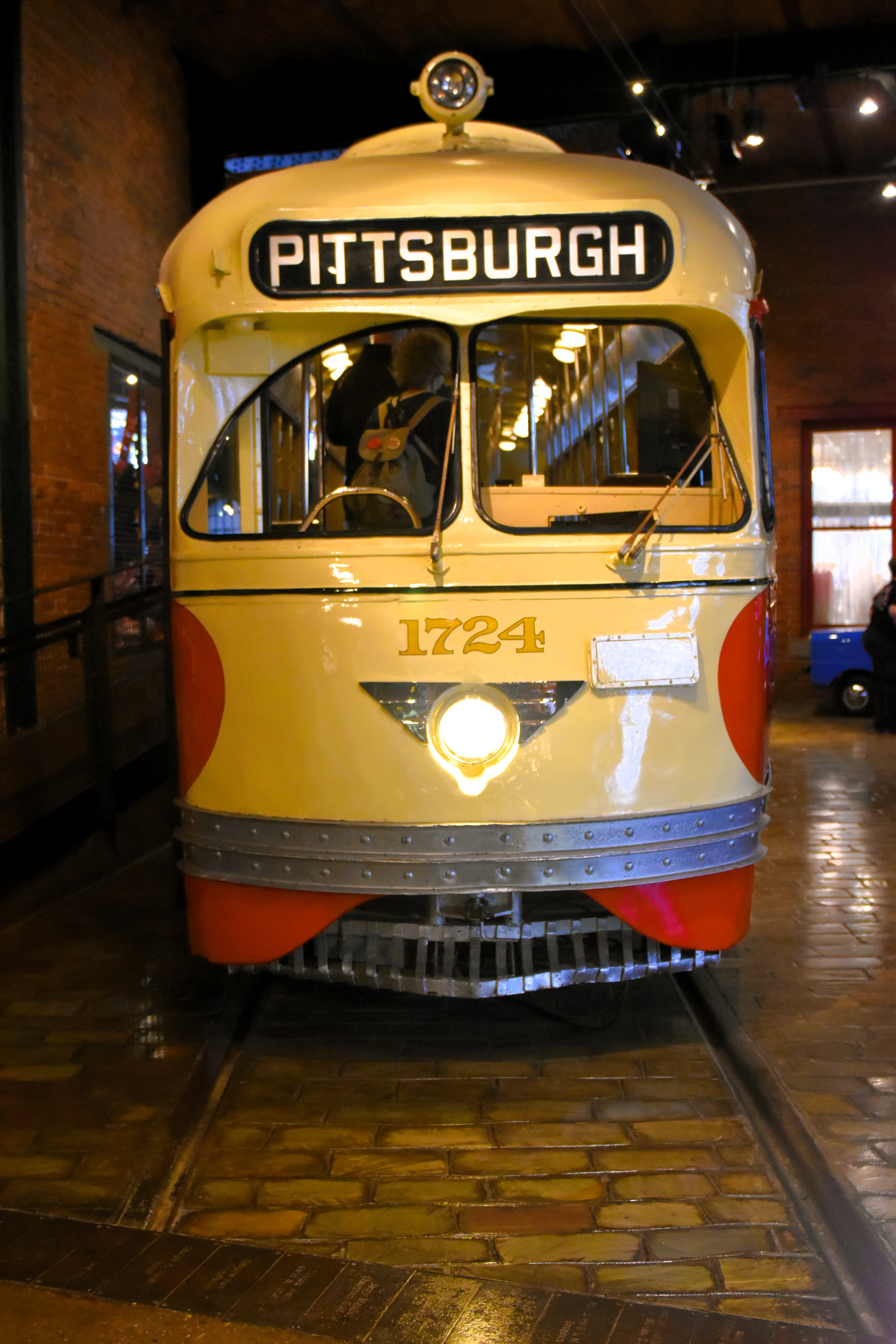
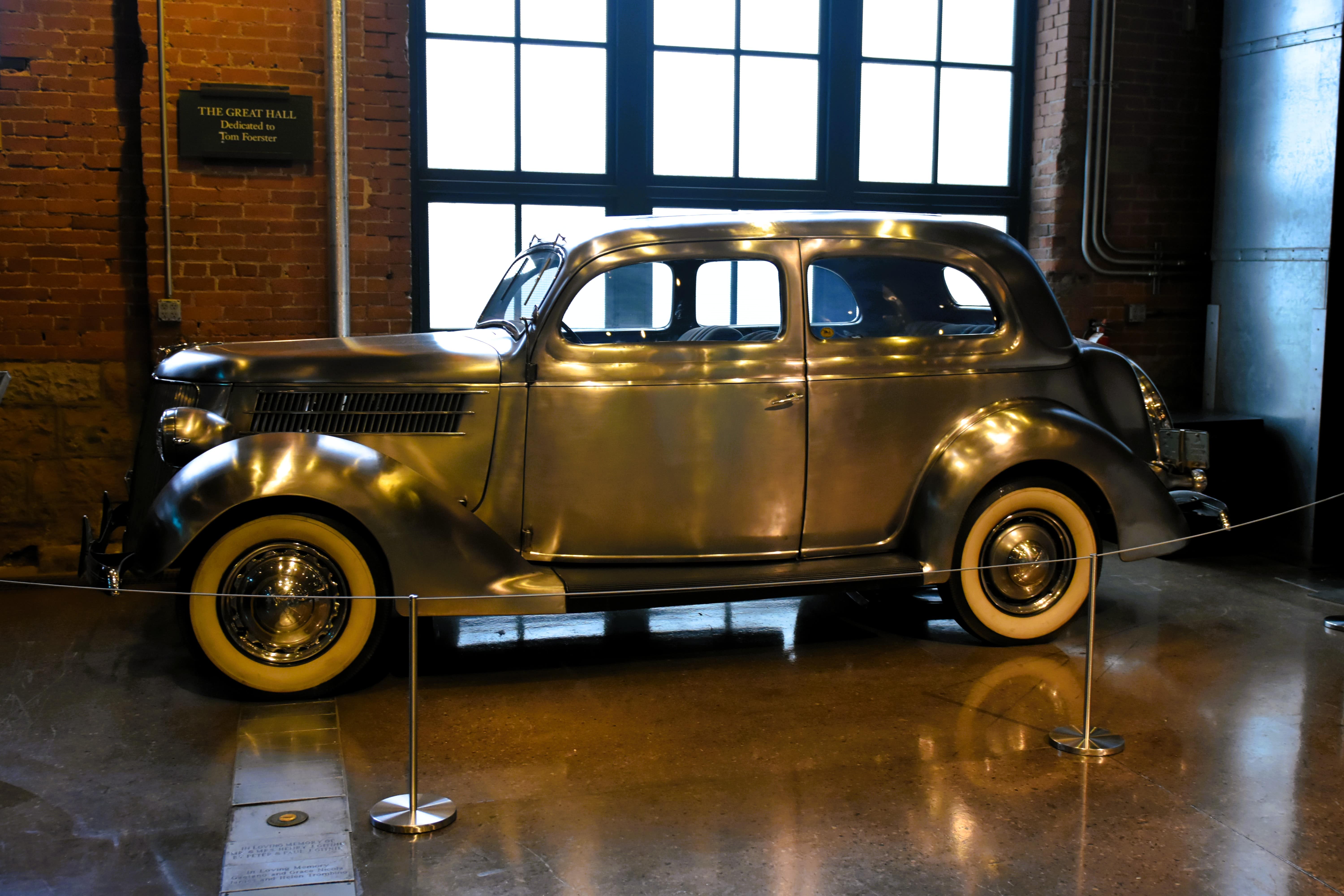
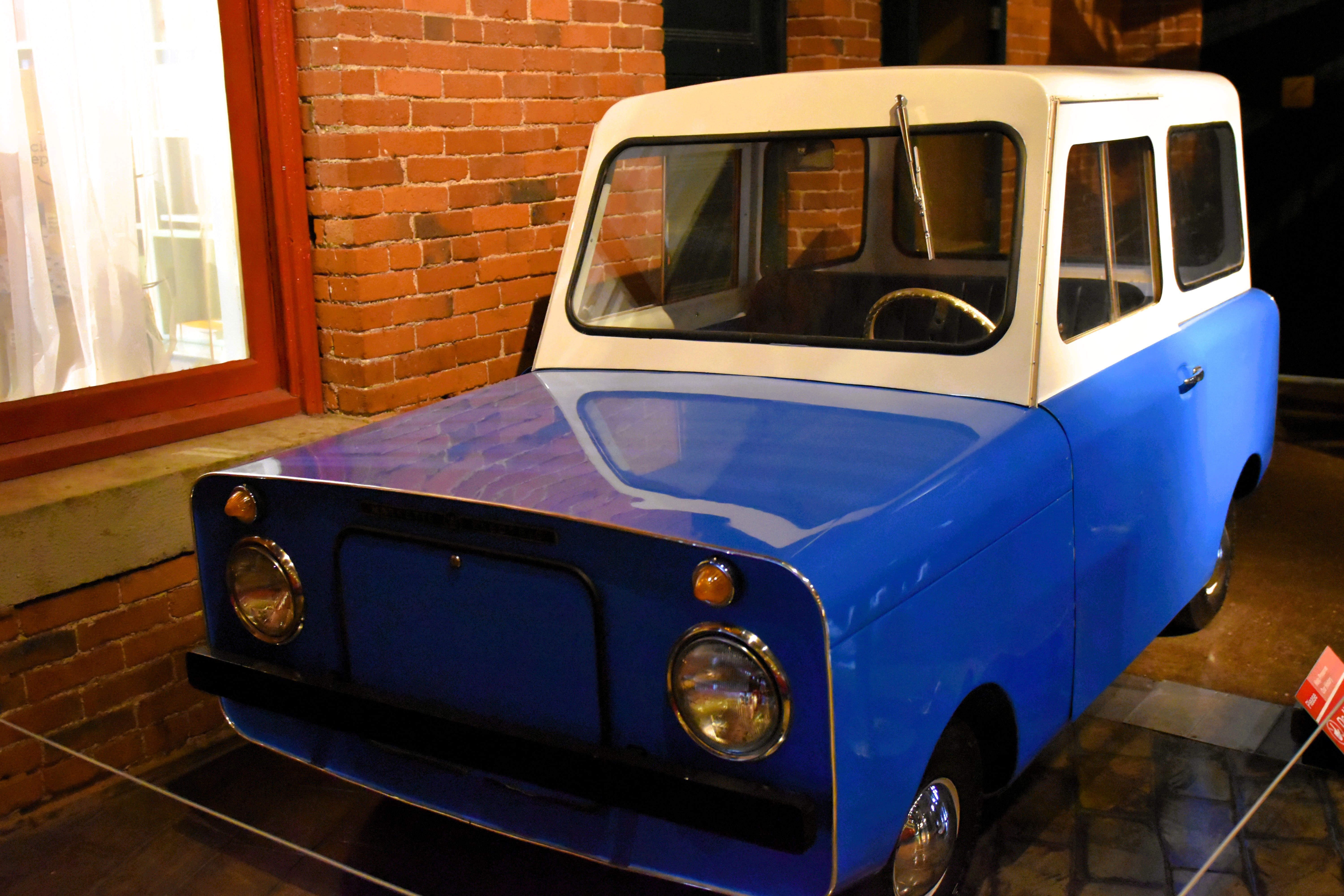
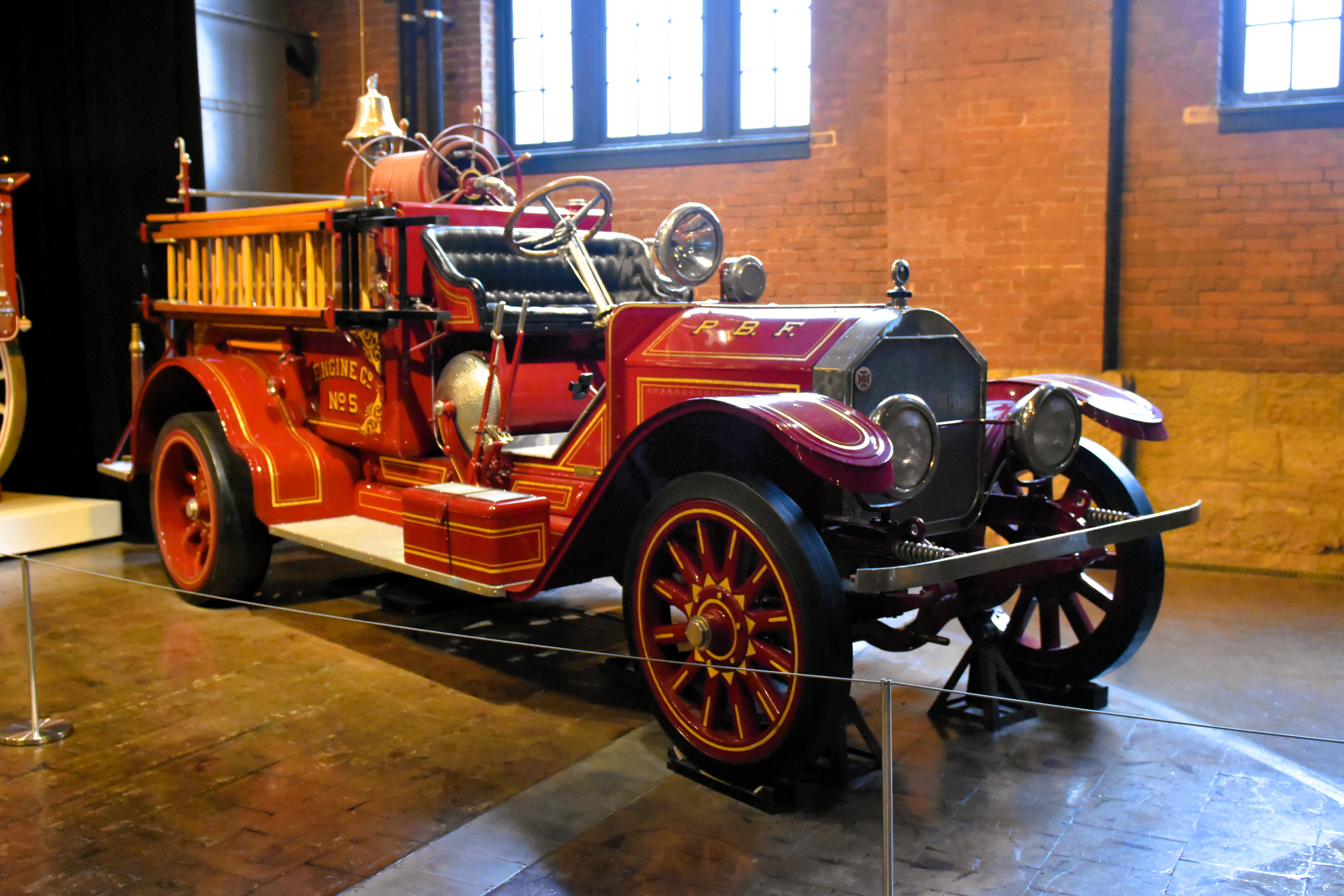
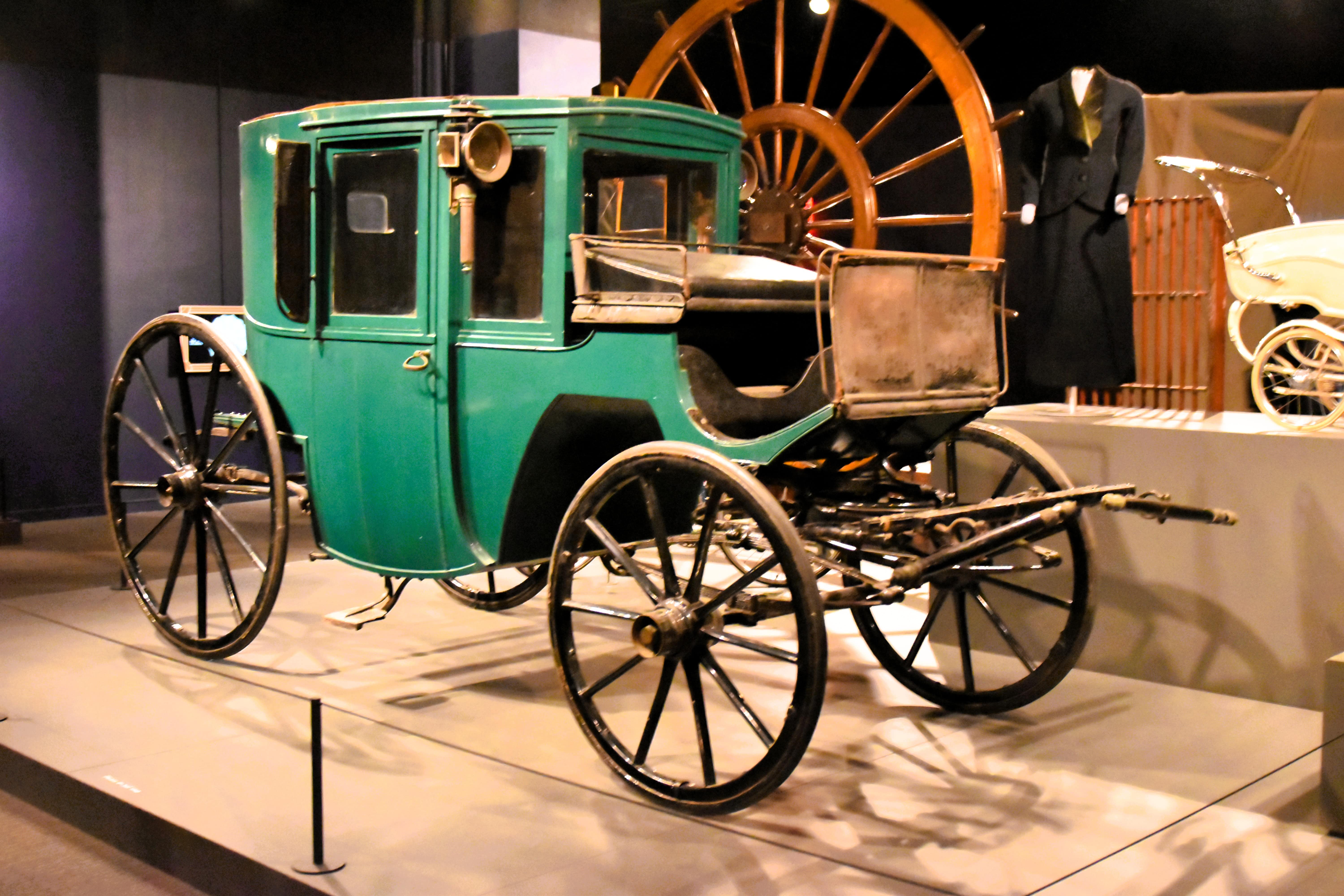
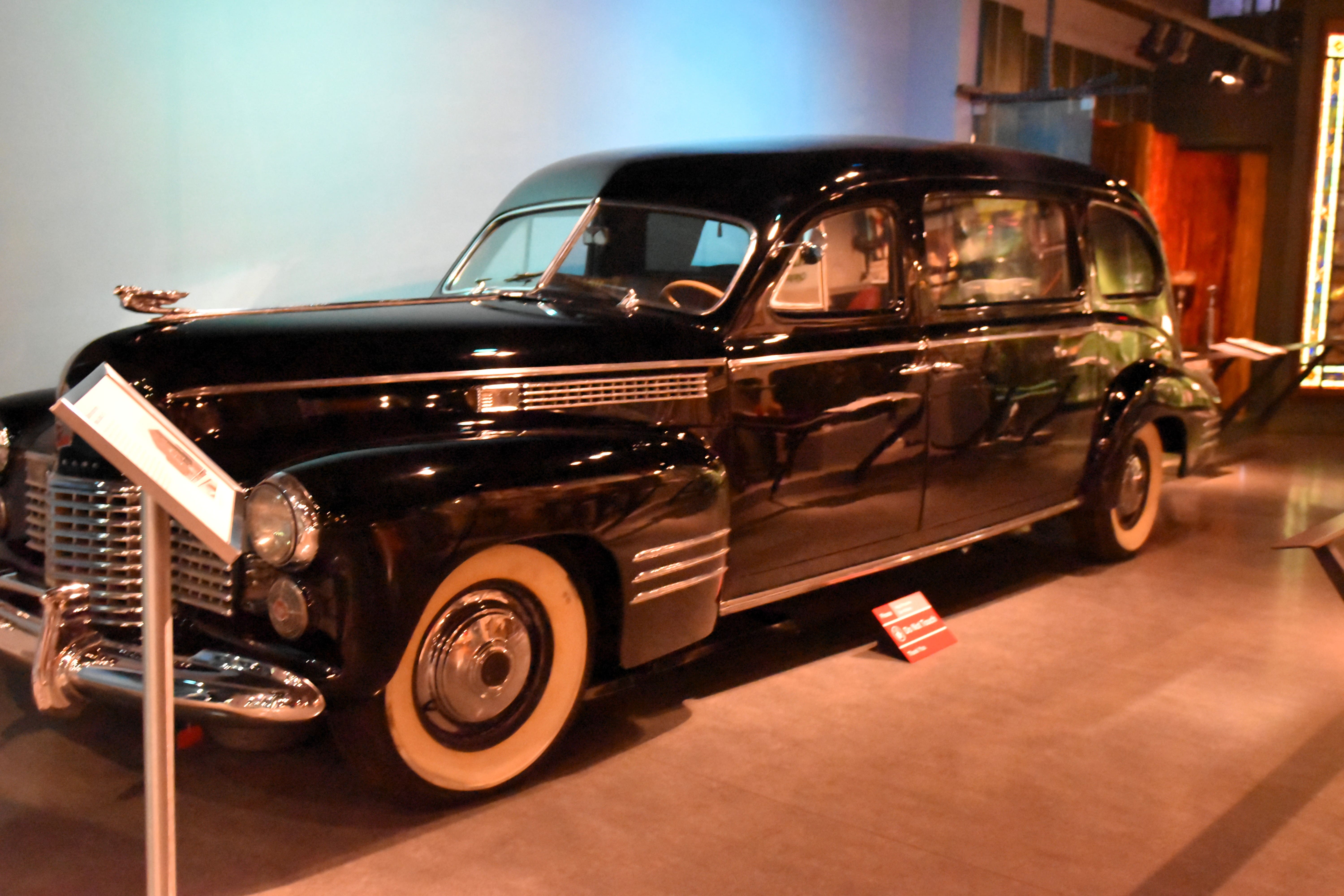
Housed in a former steel warehouse, the museum feels like a natural extension of the city itself. The building doesn’t try to hide its industrial roots, and that turns out to be the perfect setting for telling the story of Western Pennsylvania. Spread across six floors, the History Center is less about one moment in time and more about how a region keeps reinventing itself.
One of the first things that stands out is the sheer range. This isn’t a museum that sticks to a single theme. Instead, it moves comfortably between innovation, politics, industry, culture, and everyday life. You start to see Pittsburgh not as a one-note steel town, but as a place that has repeatedly shaped — and reshaped — itself.
The Pittsburgh: A Tradition of Innovation exhibition captures that idea especially well. It spans 250 years of contributions, from Dr Jonas Salk’s work on the polio vaccine to something as unexpected — and unmistakably American — as the invention of the Big Mac. The point isn’t novelty. It’s continuity. Pittsburgh has long been a place where ideas turn into things that matter.
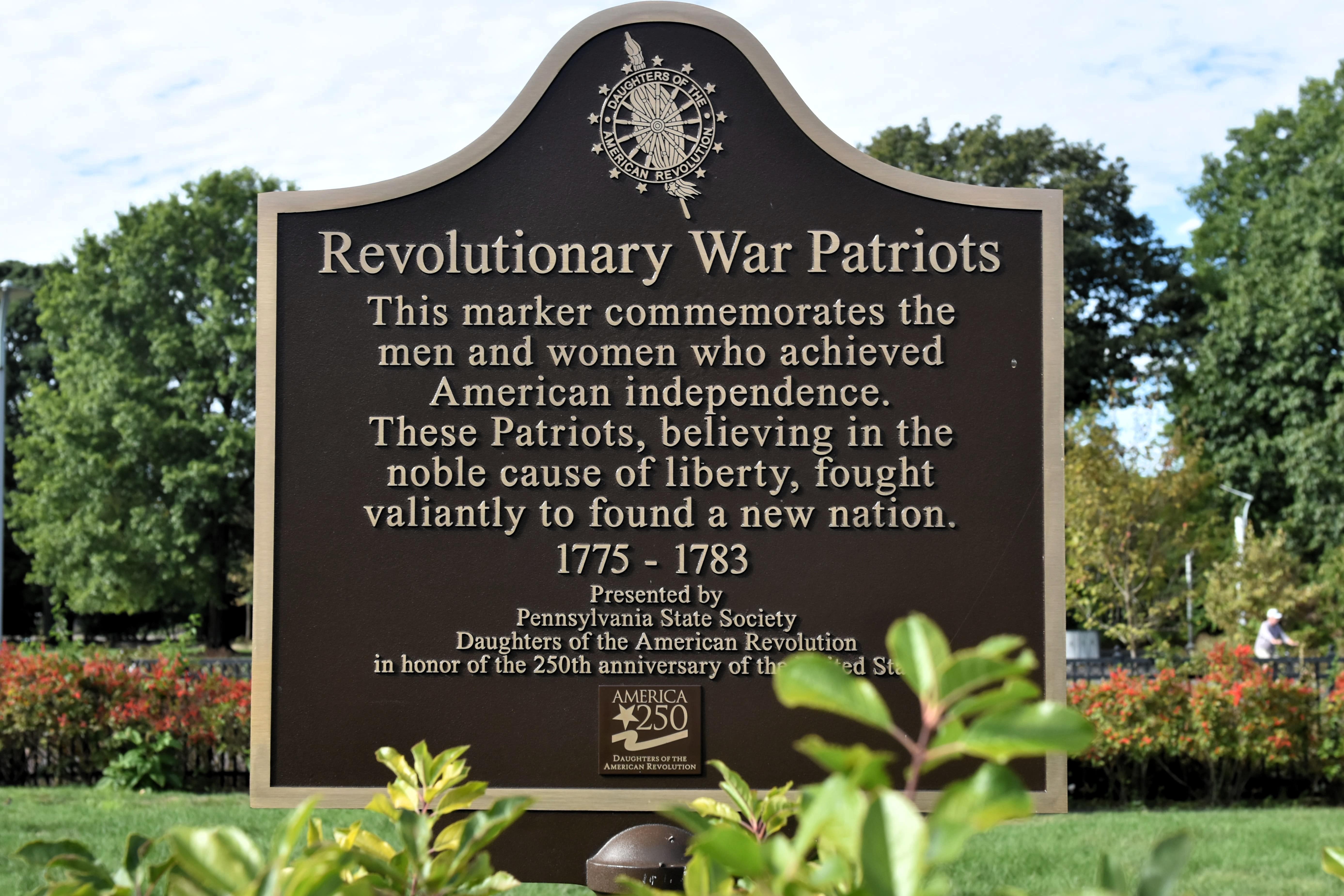
Other exhibitions fill in the deeper layers. Clash of Empires places the French and Indian War into a global context, reinforcing just how important this region was long before the United States existed. From Slavery to Freedom traces more than two centuries of African American history, grounding the city’s story in experiences that are often overlooked but essential to understanding it fully.
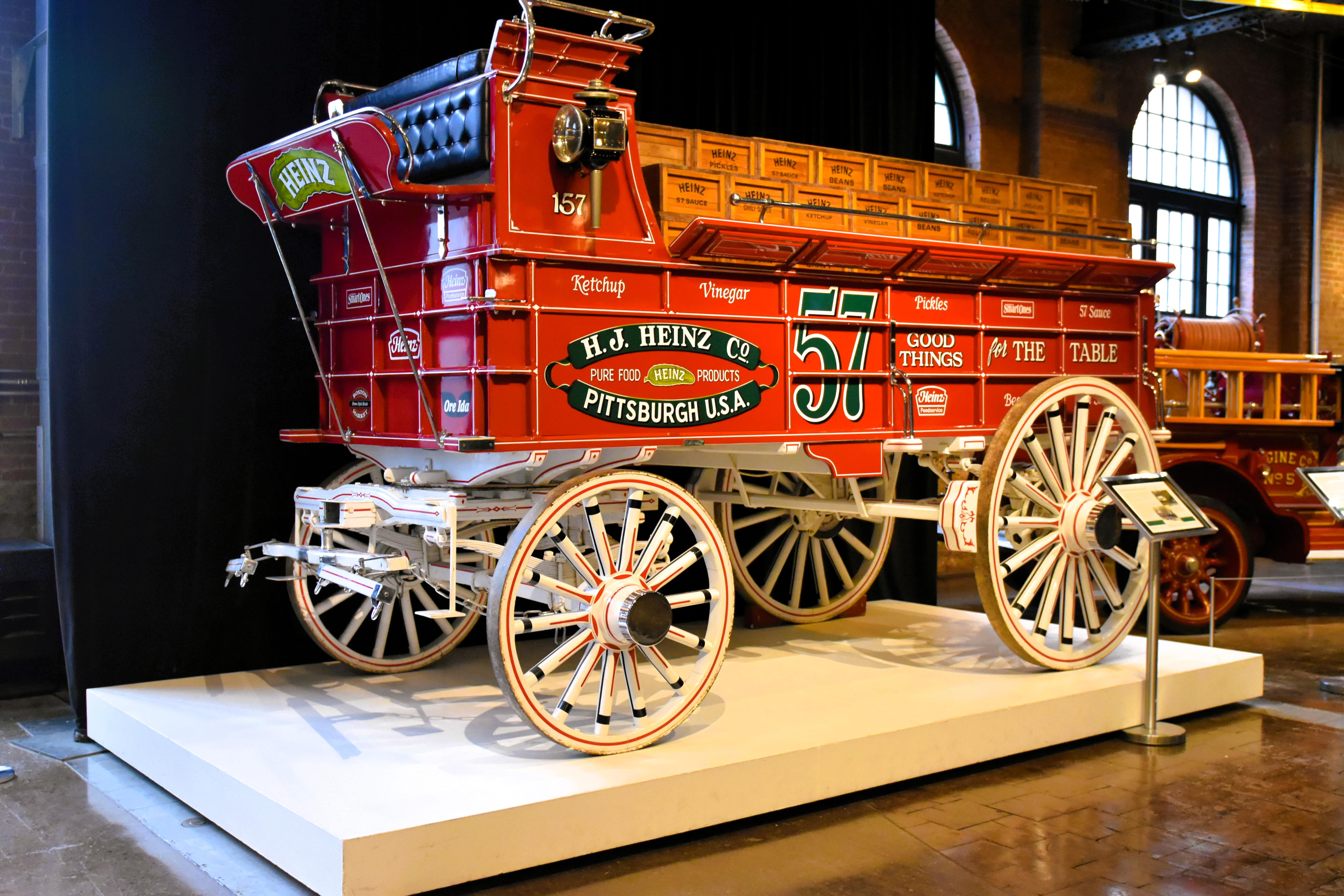
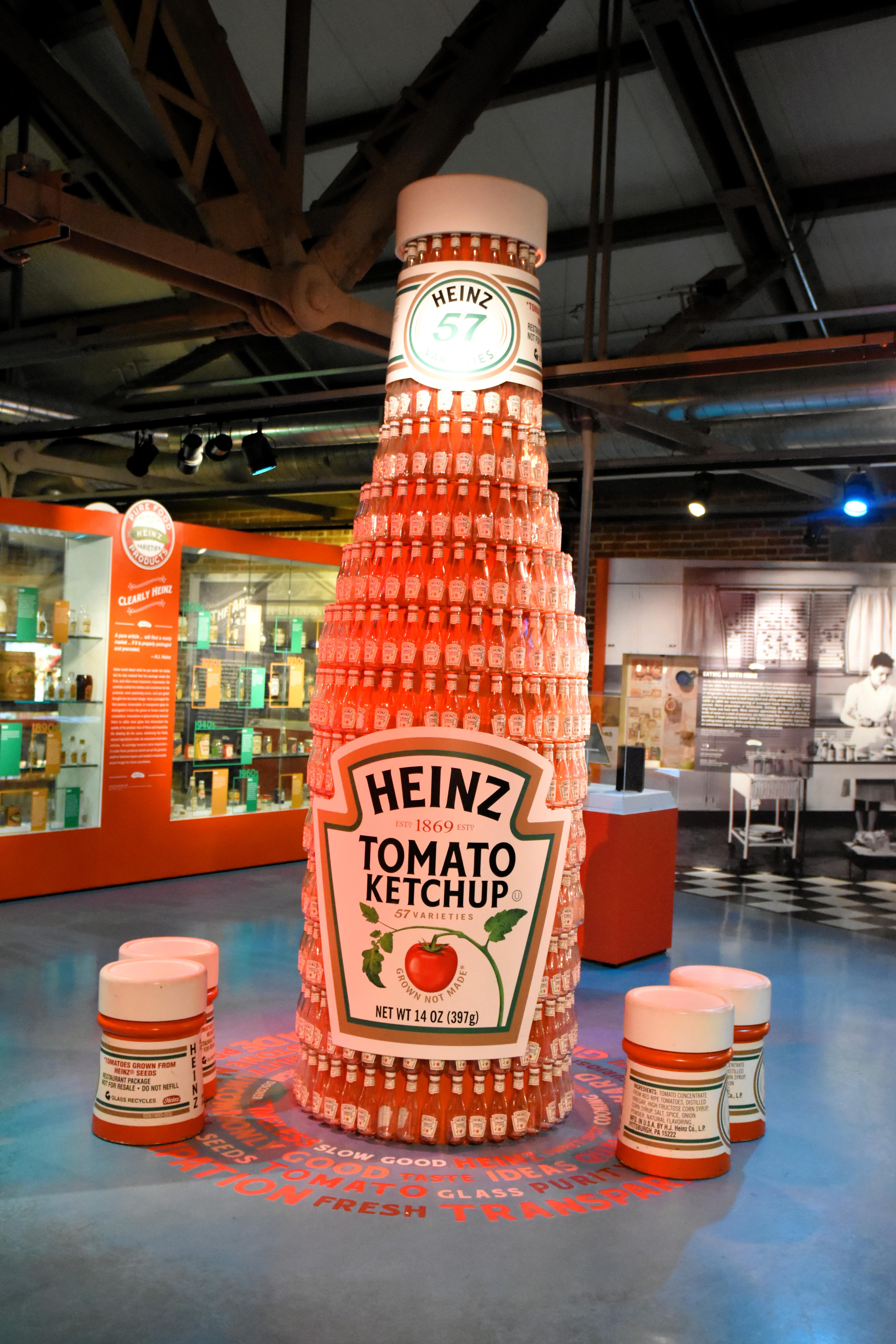
There’s also a strong sense of place and people. Exhibits on Senator John Heinz, the Heinz company itself, and the region’s ethnic communities make it clear that Pittsburgh’s identity was built by individuals as much as by industries. Even popular culture finds a home here, with original set pieces from Mister Rogers’ Neighborhood — a quiet reminder that kindness and creativity can be part of a city’s legacy too.
You don’t rush through the Heinz History Center. It asks you to linger, to make connections, and to rethink what you thought you knew. By the time you leave, Pittsburgh feels less like a destination you’re visiting and more like a story you’ve started to understand.
Art That Challenges and Provokes: The Andy Warhol Museum
After immersing yourself in history, the Andy Warhol Museum pulls you firmly into something more modern — and more unsettled.
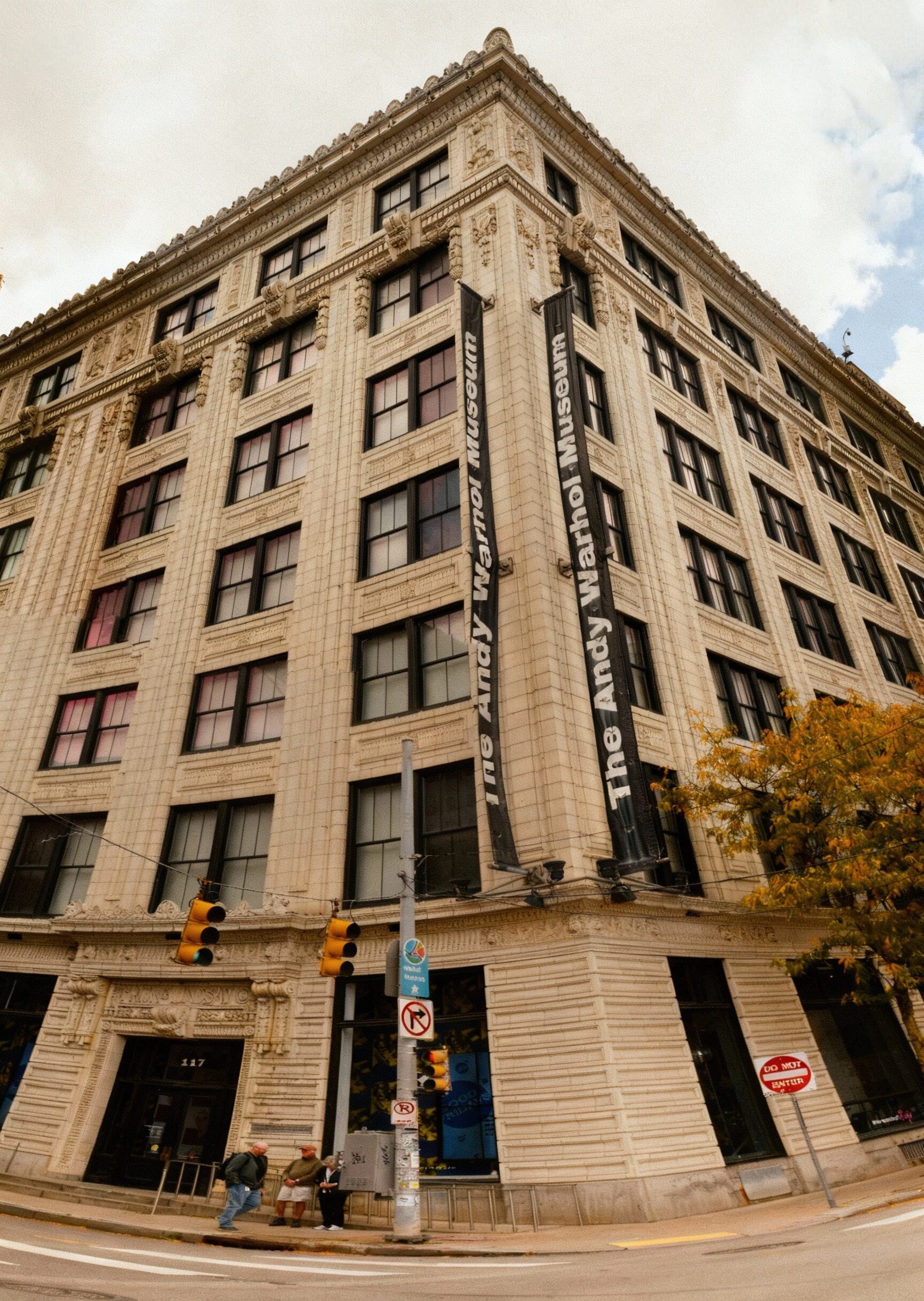
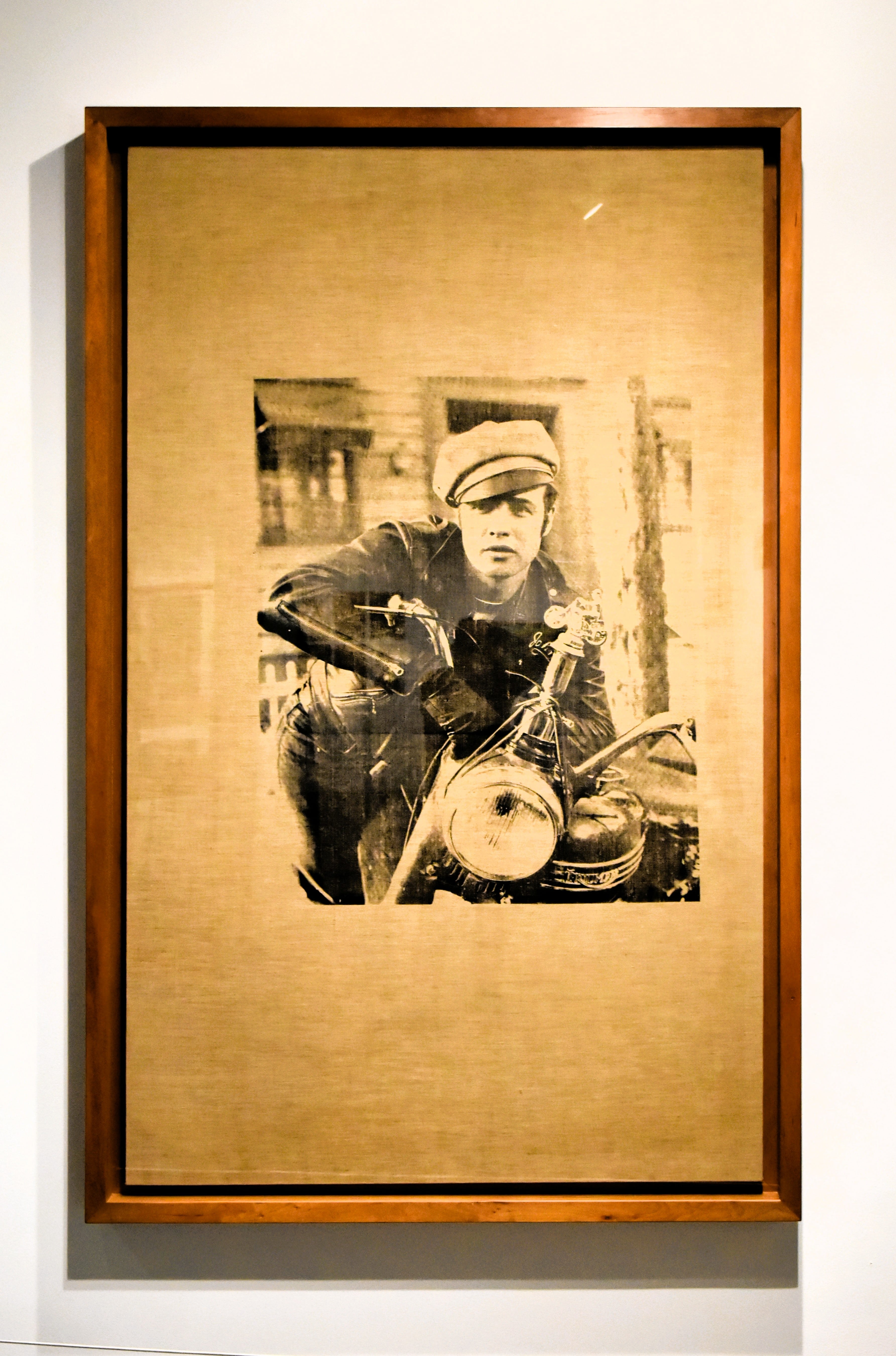
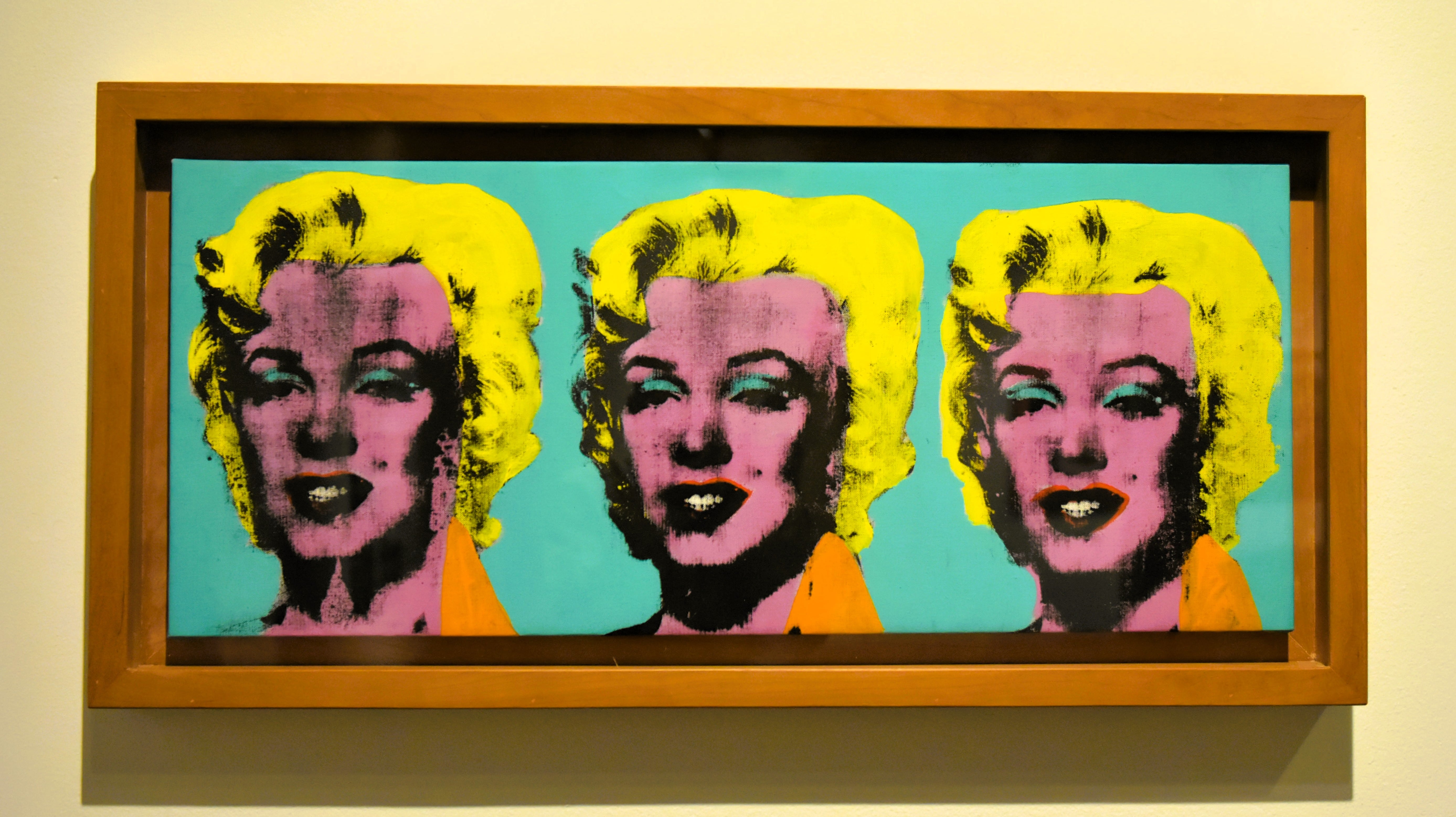
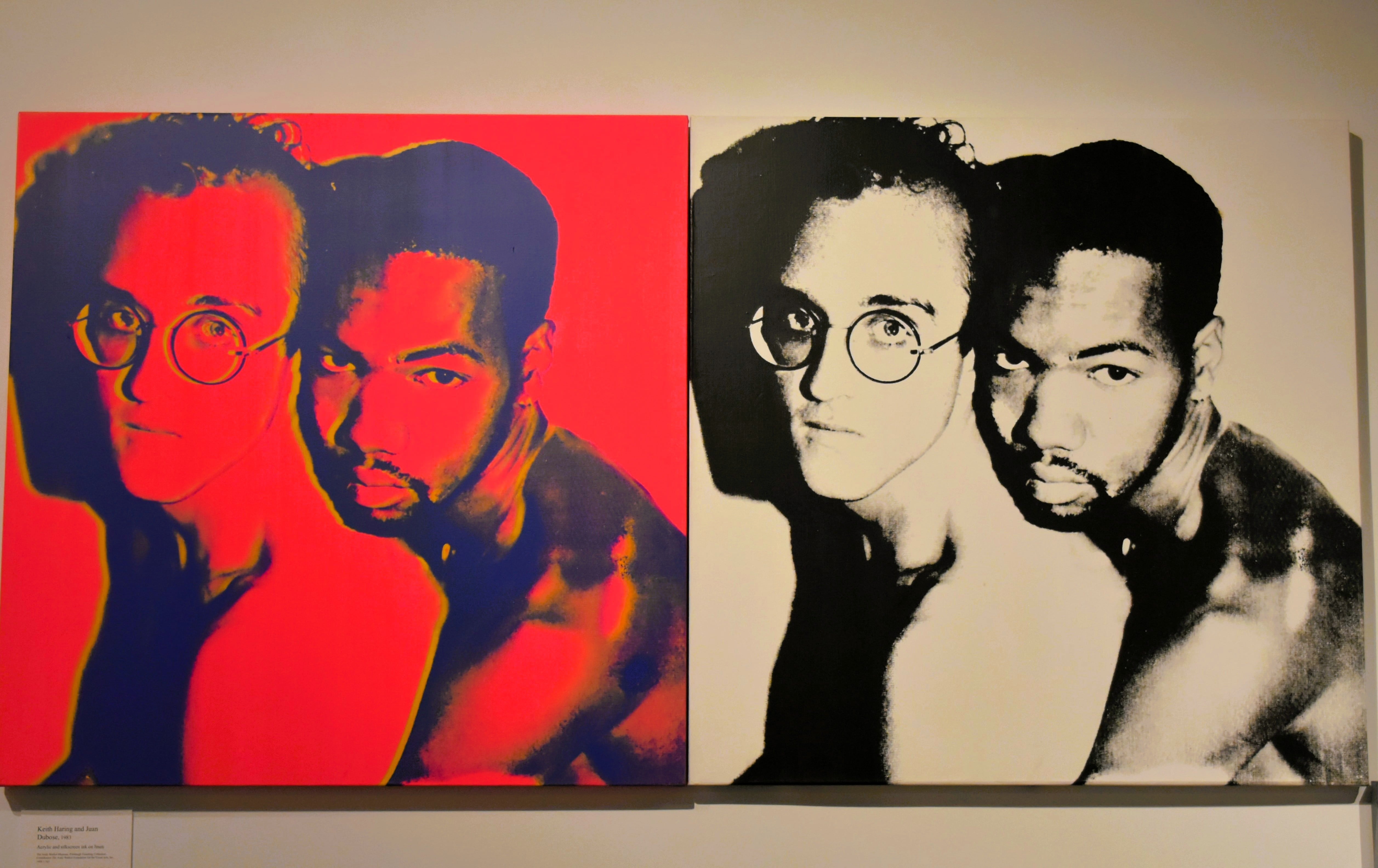
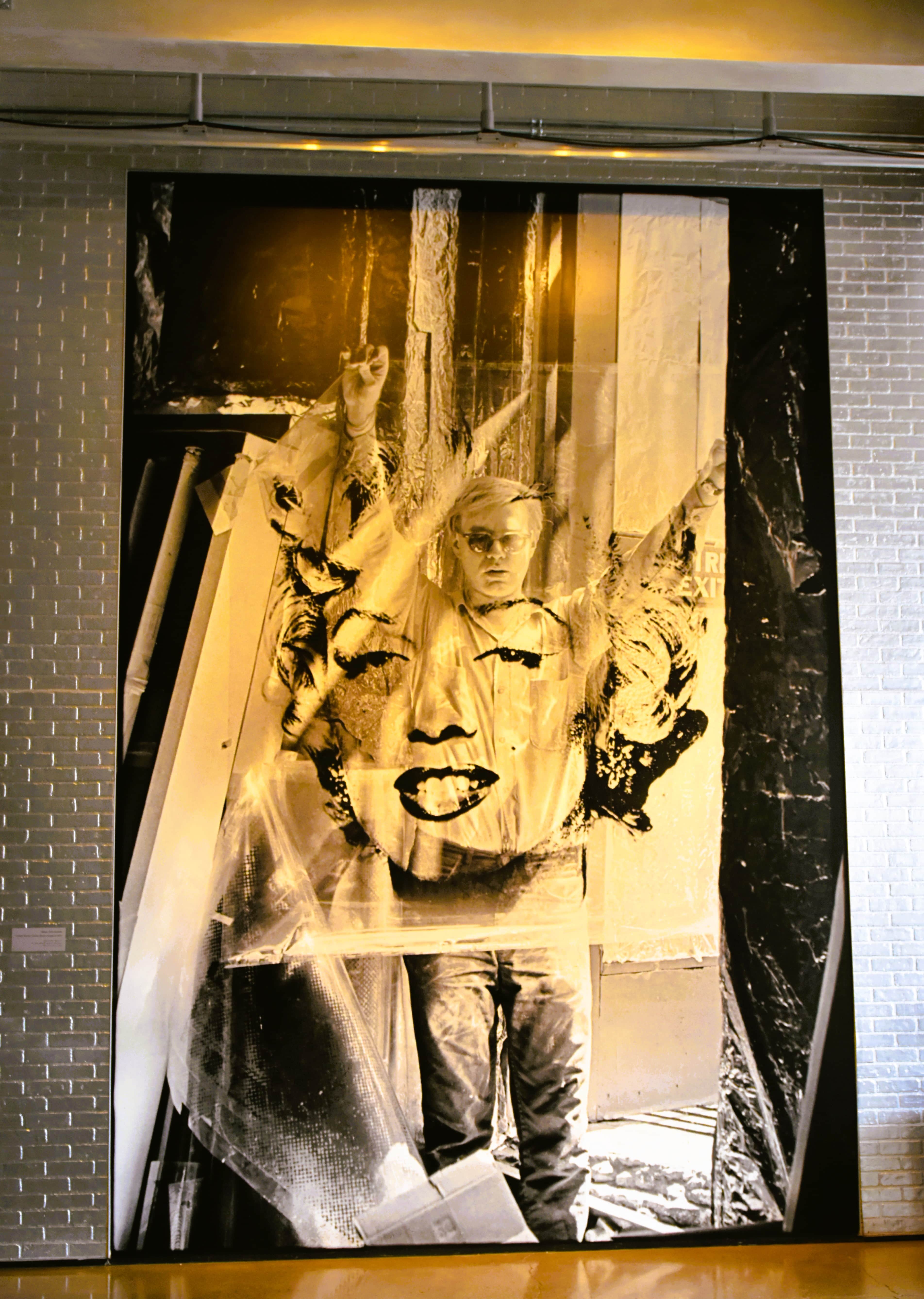
Warhol was born in Pittsburgh, and that fact alone reframes the city a little. This is the birthplace of an artist who challenged what art could be, who blurred the line between commerce and creativity, and who made people uncomfortable on purpose. The museum doesn’t shy away from that. It leans into it.
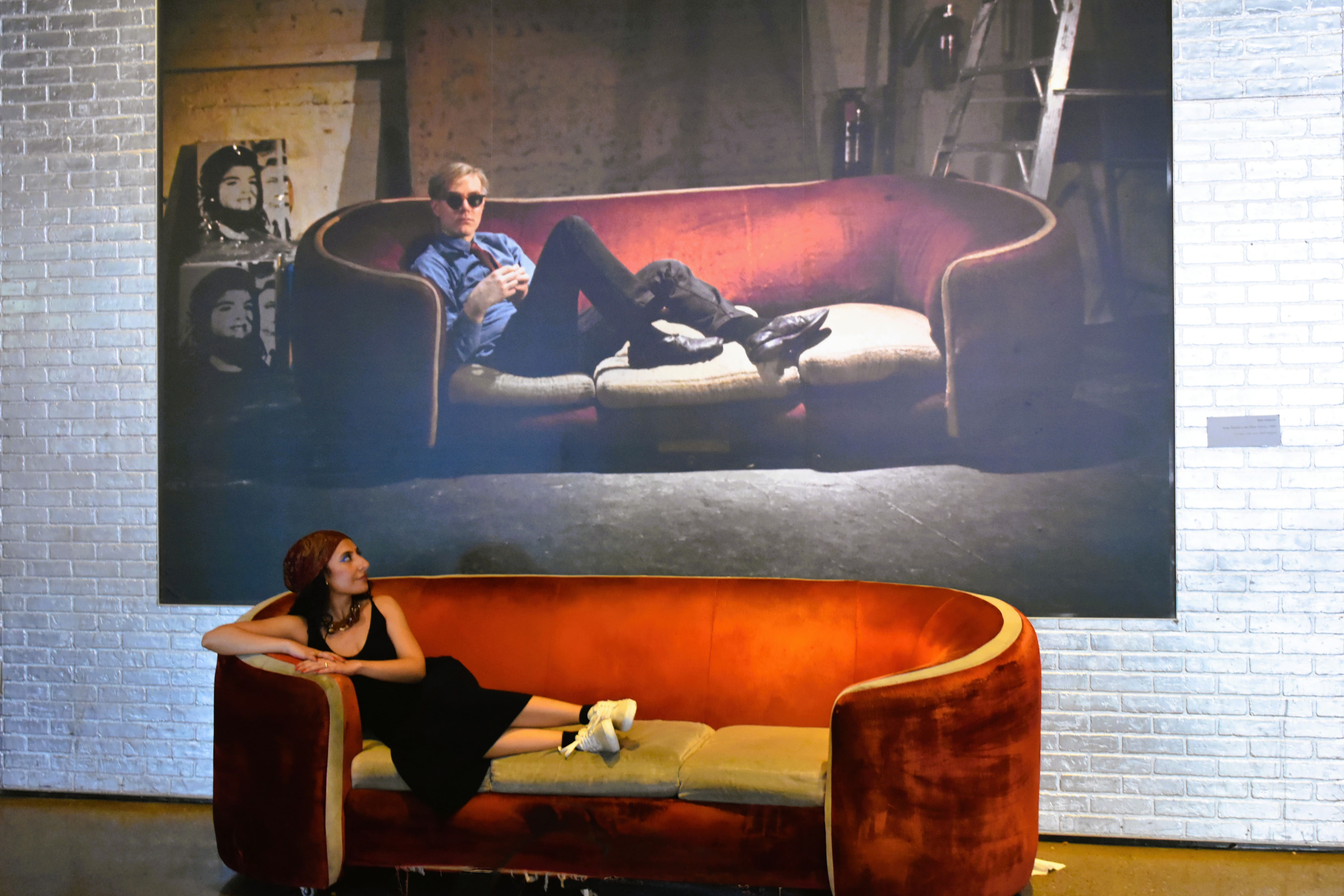
Watching Andy Warhol’s life story before visiting the museum changed the experience in a quiet but important way. Seeing his work after learning about his childhood in Pittsburgh, his health struggles, his shyness, and his careful self-construction as a public figure adds depth to what’s on the walls. The repetition, the detachment, the fascination with fame — it all feels less abstract when you understand the person behind it.
Instead of asking, “Why is this important?” you start asking, “Why did this matter to him?” The museum becomes less about pop art and more about a life shaped by background, place, and reinvention. Knowing where Warhol came from makes it easier to see how Pittsburgh, in its own way, helped shape an artist who would go on to challenge the world’s idea of art itself.
Spread across seven floors, The Warhol is one of the most comprehensive single-artist museums in the world. But it doesn’t feel like a shrine. It feels alive. Films play, installations shift your mood, and familiar images take on new meaning when you see them in context. You don’t just look at the art — you react to it.
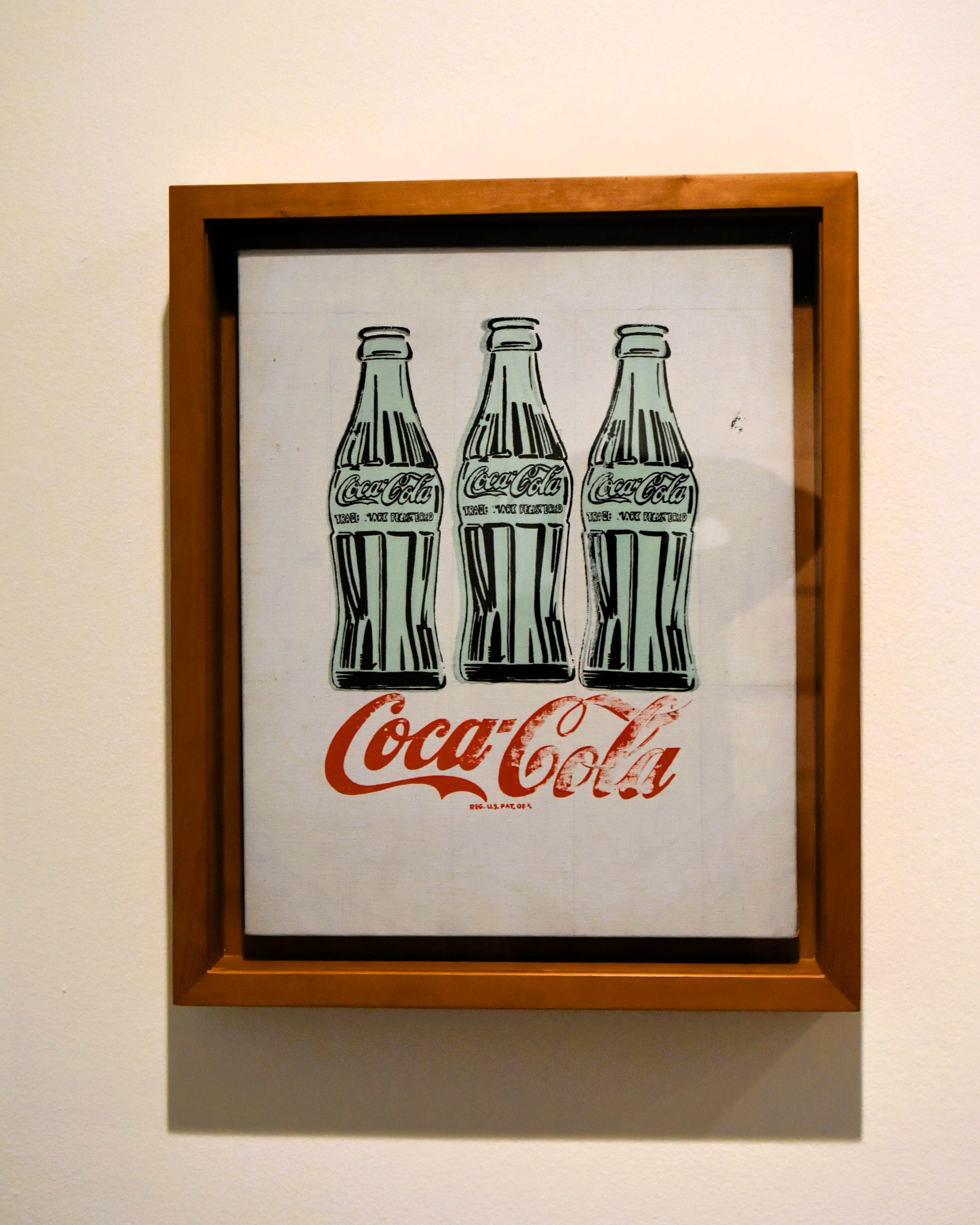
Some pieces make you smile. Others make you pause. A few might leave you slightly uneasy. That’s the point. Warhol’s work asks you to think about fame, repetition, consumption, and identity, and the museum gives those ideas space to breathe.
What works especially well is how the museum fits into Pittsburgh’s larger story. Warhol’s art grew out of a working-class background in a city defined by industry and mass production. Seeing his work here, rather than in a neutral white space, adds a layer you don’t always get elsewhere.
You don’t need to be an art expert to enjoy The Warhol. You just need to be open to being challenged a little. And after hours spent with forts, factories, and timelines, that shift in energy feels refreshing — proof that Pittsburgh’s creativity didn’t stop with steel.


A Slower Pace: The National Aviary
After the intensity of museums and ideas, the National Aviary offers something completely different — space to breathe.
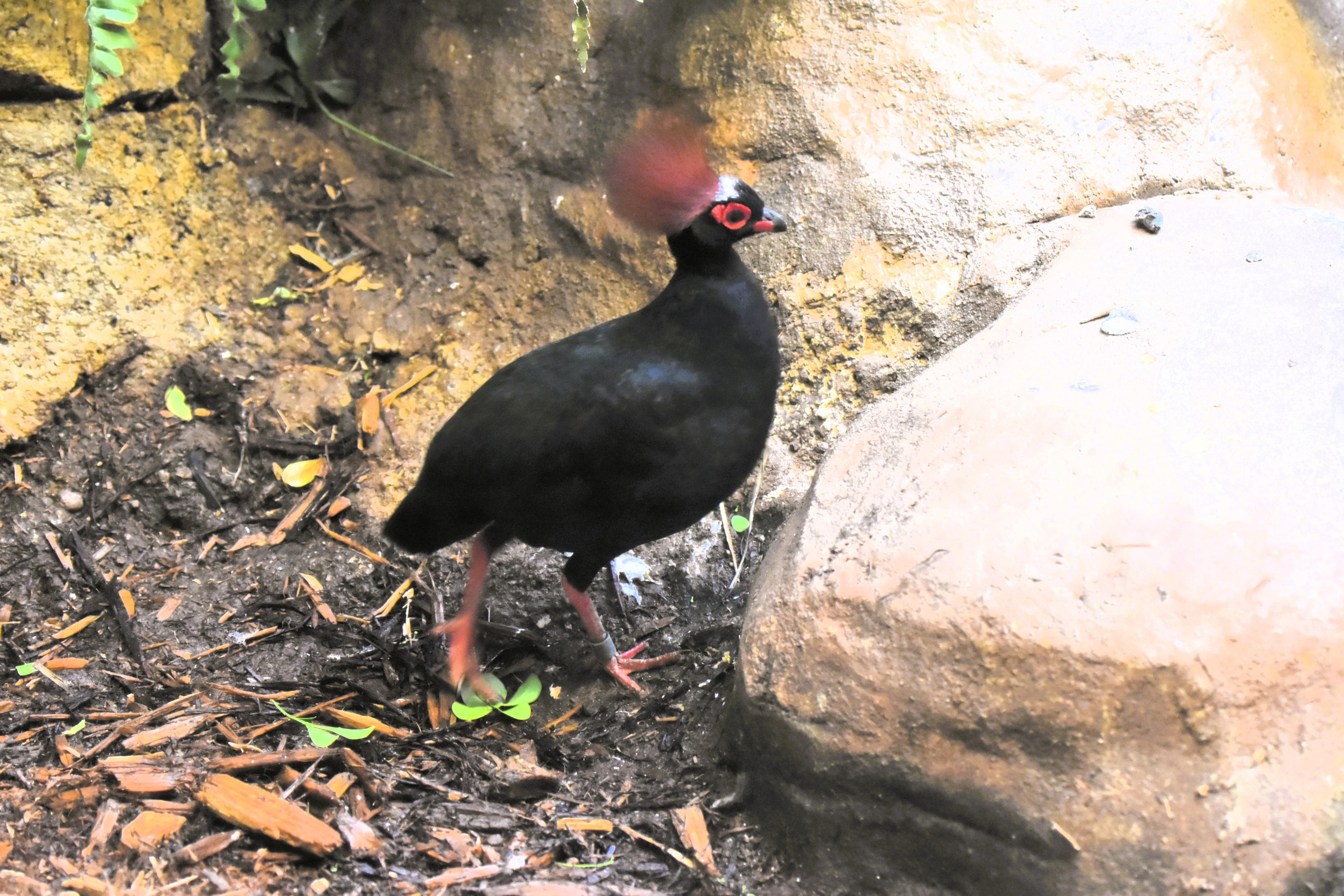
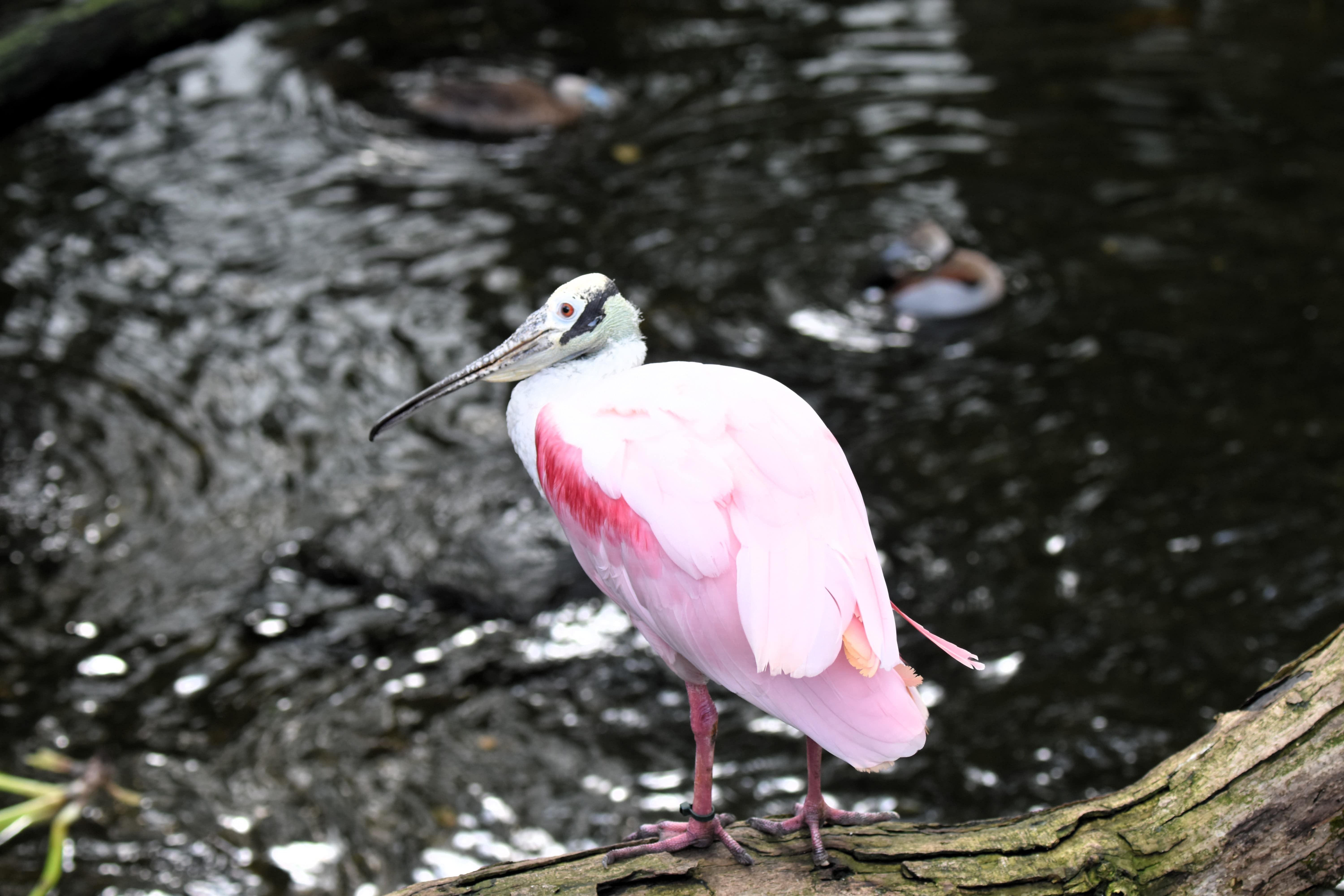
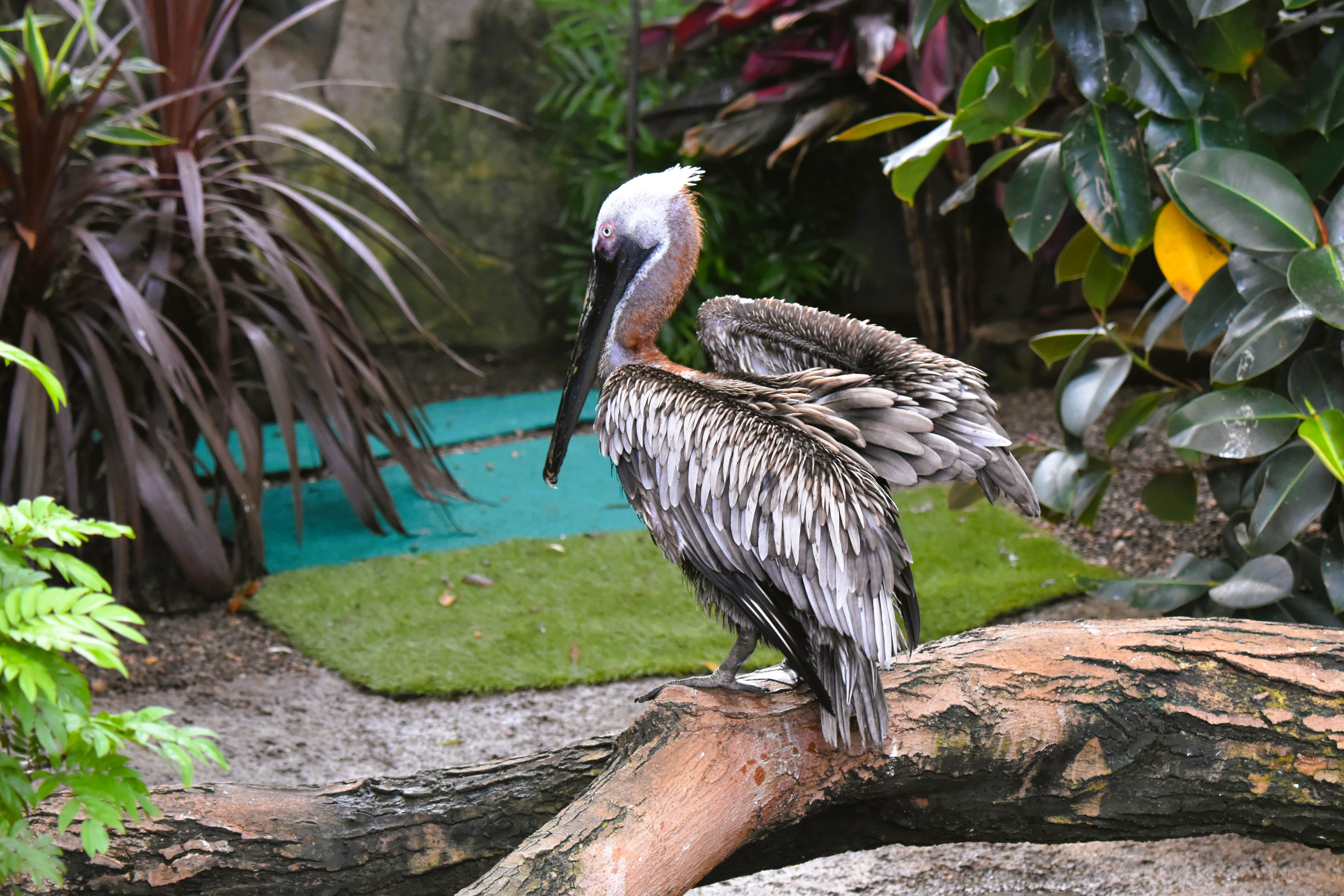
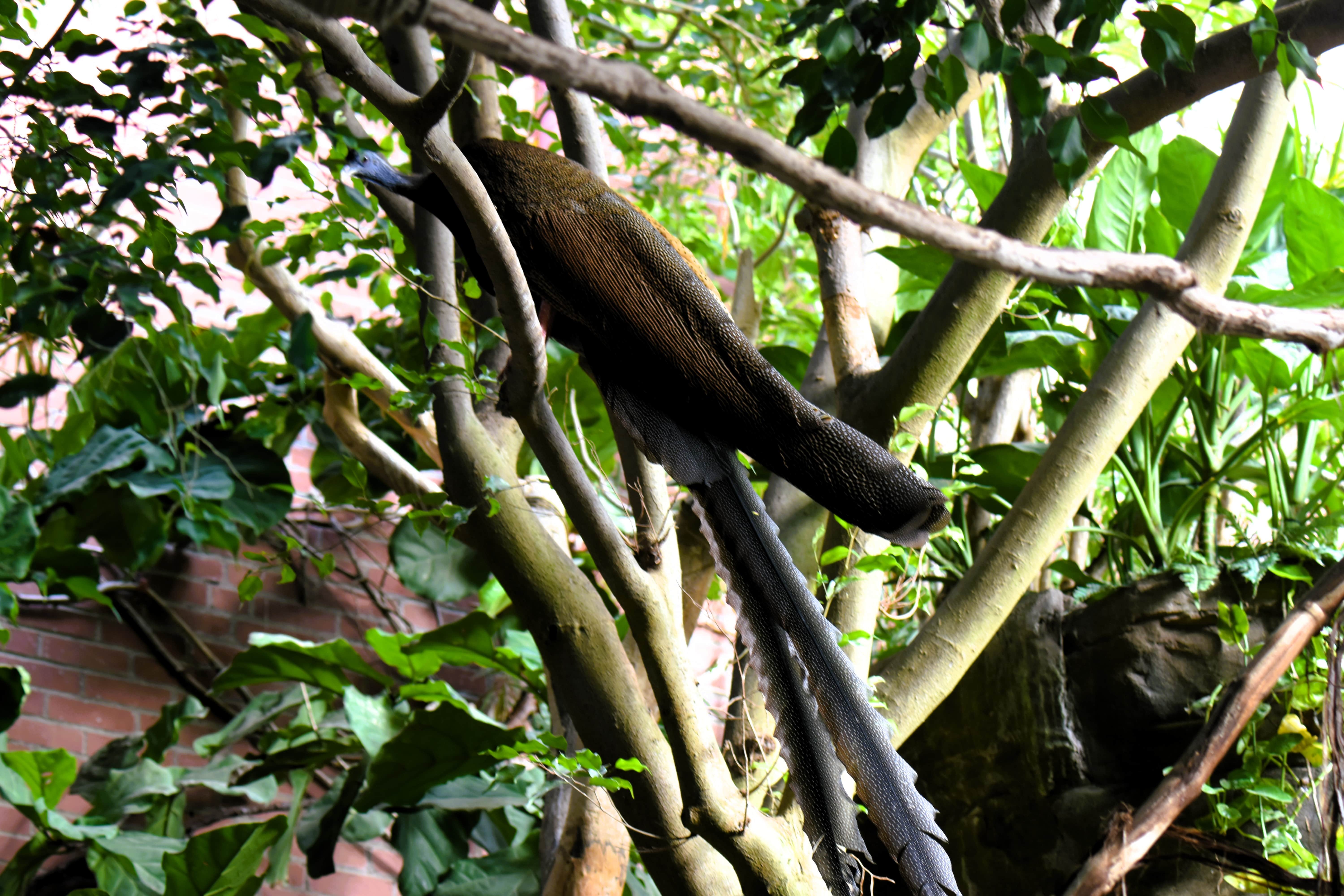
Tucked into the North Side, the Aviary doesn’t feel like a traditional zoo. It’s quieter, more intimate, and designed for close encounters rather than spectacle. Home to more than 500 birds and animals from around the world, many of them threatened or endangered, it invites you to move slowly and pay attention.
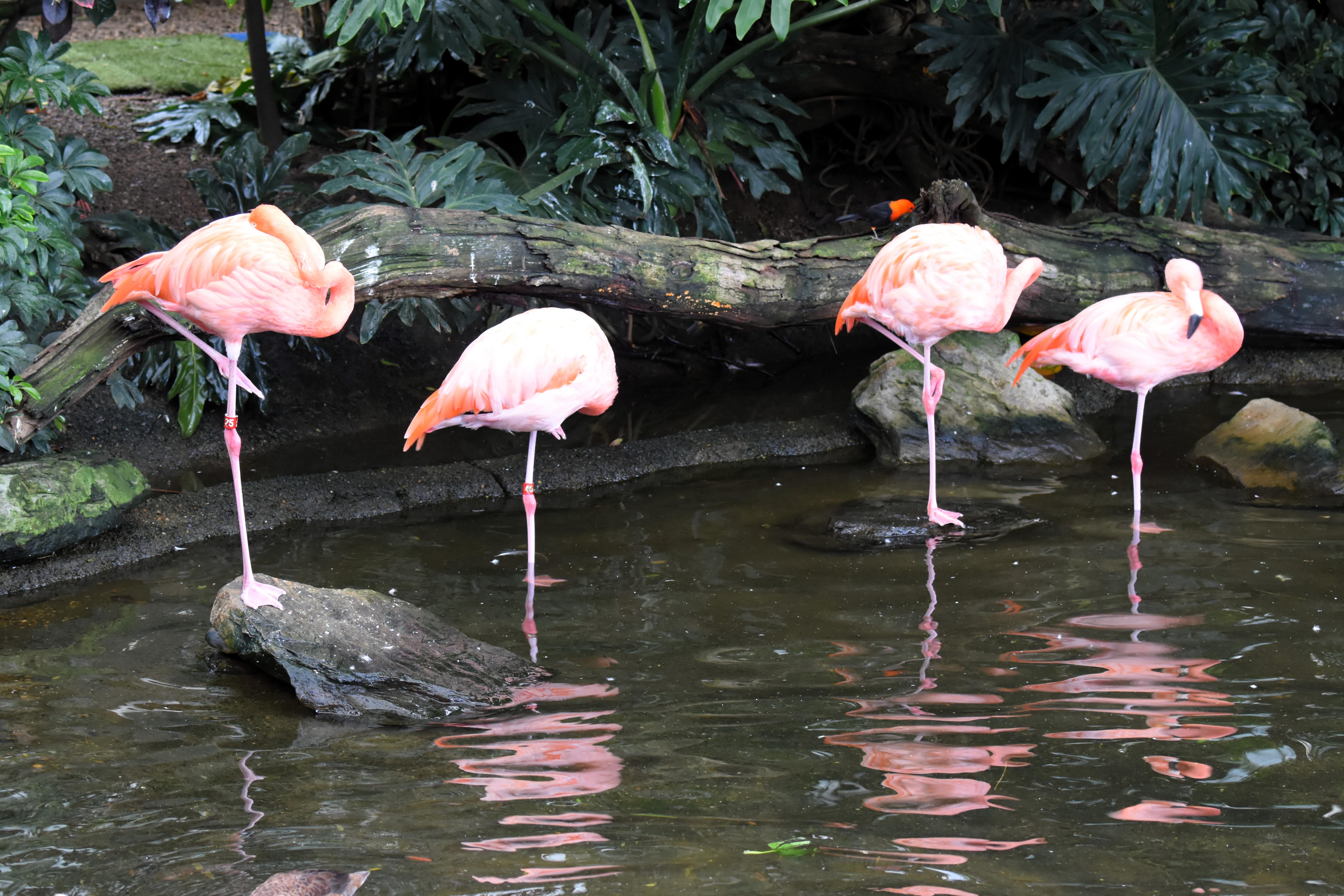
The walk-through habitats are the highlight. Birds aren’t confined behind glass; they move freely around you. Flamingos wade nearby. Penguins waddle past with surprising confidence. In some areas, you find yourself sharing space rather than observing from a distance. It’s gentle, immersive, and unexpectedly calming.
There’s also a strong emphasis on conservation, but it never feels heavy-handed. You come away more aware of the fragility of these species without feeling lectured. Even the presence of animals like the sloth — unhurried and utterly unconcerned with your schedule — reinforces the idea that this is a place meant for slowing down.
In a city shaped by industry and movement, the National Aviary offers a pause. It’s a reminder that Pittsburgh isn’t only about what humans have built, but also about how nature still finds a place within it.











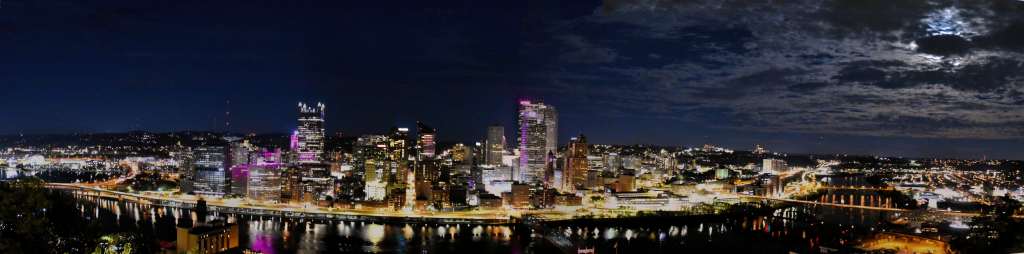
Seeing the City from Above: The Duquesne Incline
Some cities are best understood from street level. Pittsburgh isn’t one of them.
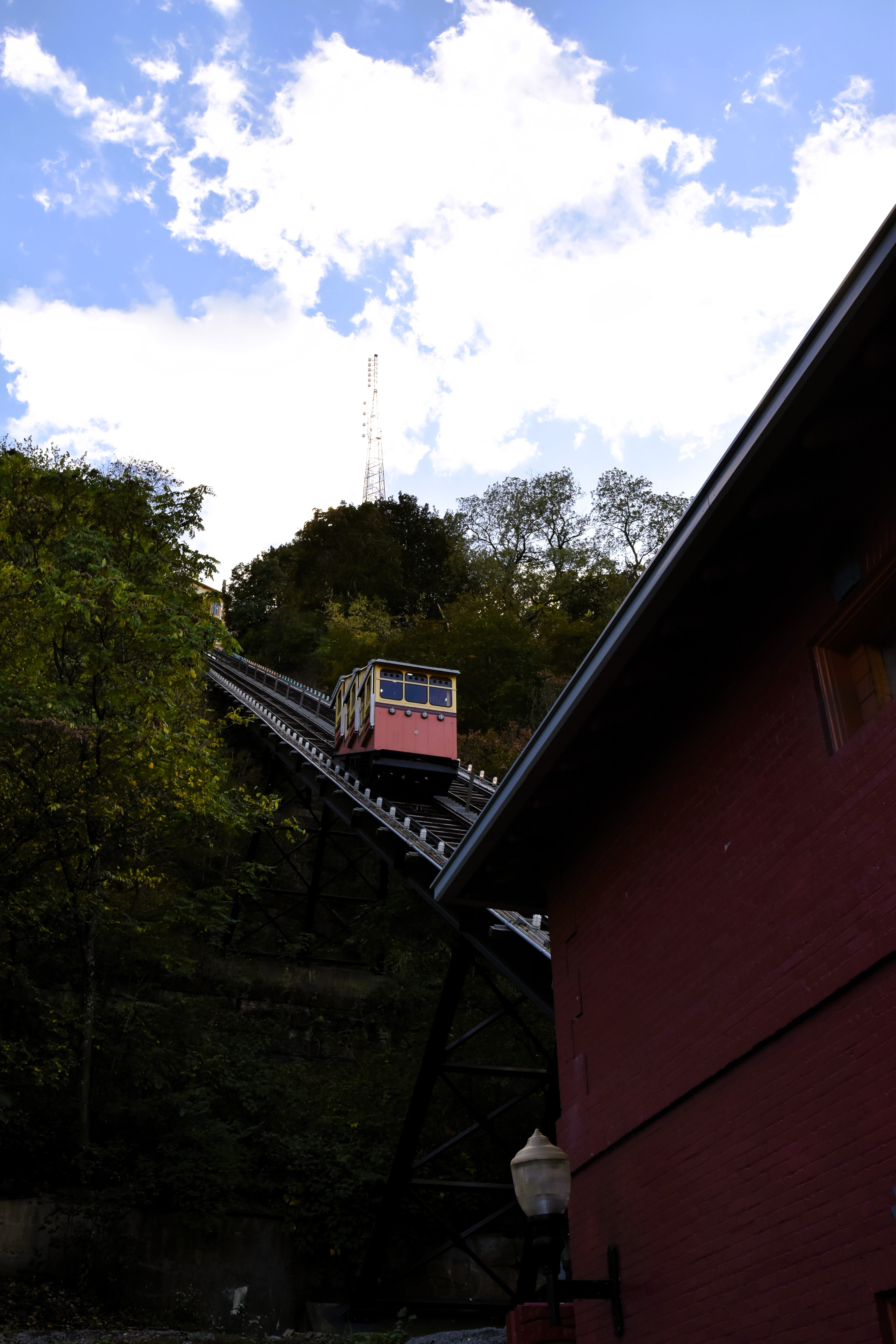
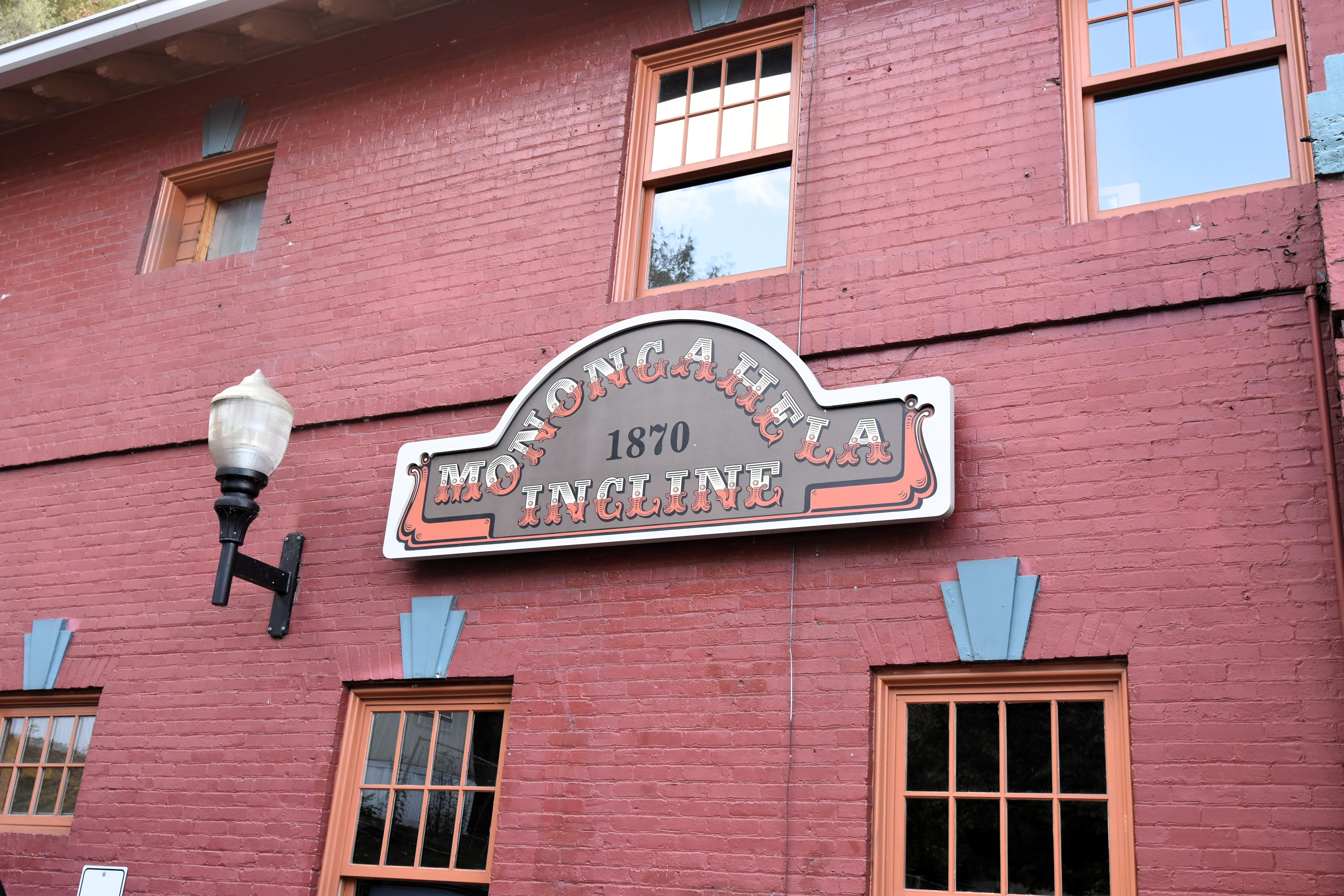
To really grasp how the rivers, bridges, and neighborhoods fit together, you need to rise above it all — and the Duquesne Incline does exactly that. The red and yellow cars climb the steep face of Mount Washington, lifting you nearly 400 feet above the city in just a few minutes.
The ride itself is short, almost understated. But when you step out at the top, everything clicks.
From the Mount Washington side, the downtown skyline spreads out in front of you, framed by the curves of the three rivers and stitched together by bridges in every direction. You can trace where you’ve been and spot where you’re headed next. The city suddenly makes sense in a way it never quite does from below.
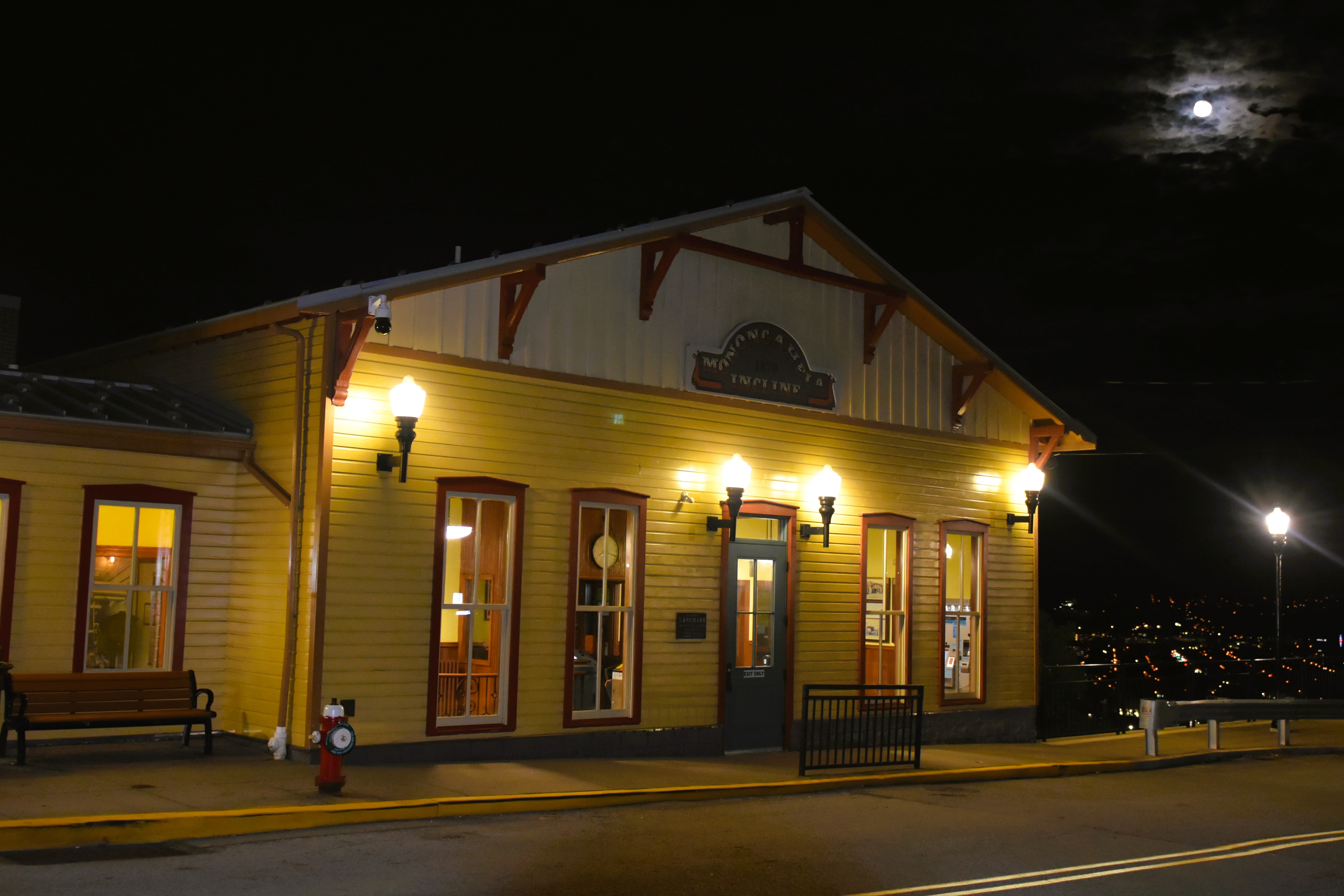
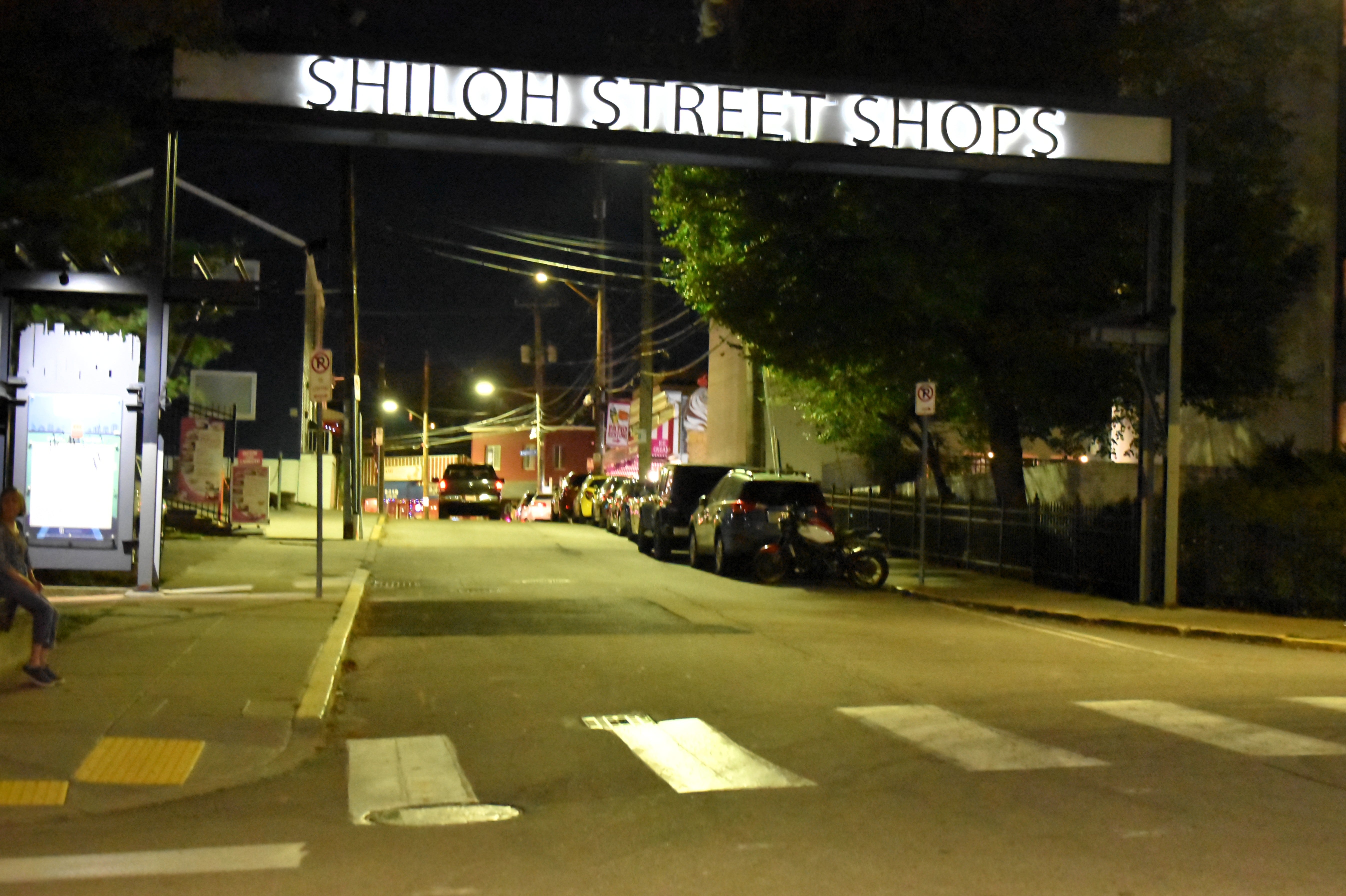
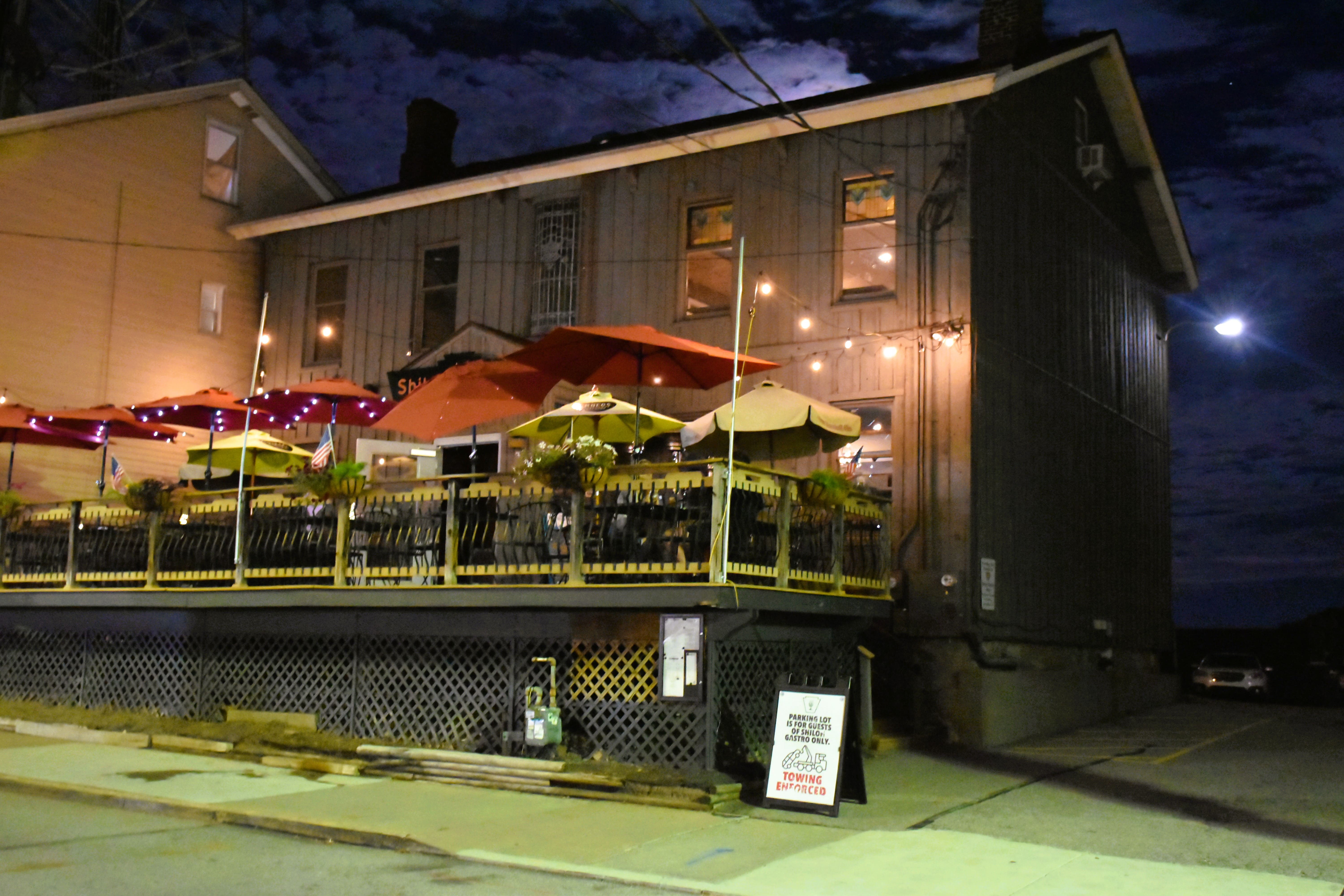
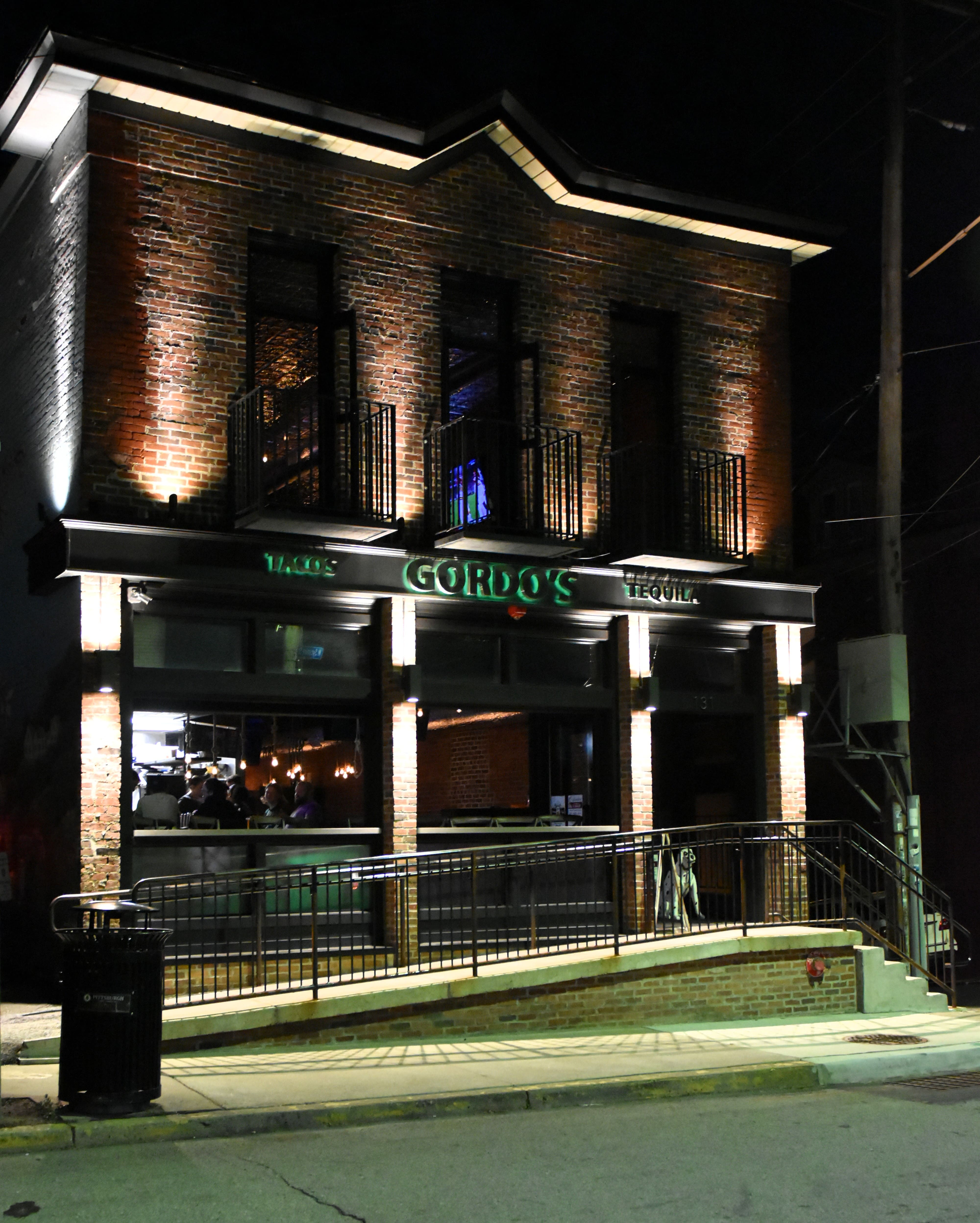
What makes this stop even better is that it doesn’t end at the view. Mount Washington feels like a neighborhood rather than an overlook. After taking in the skyline, we wandered along Shiloh Street, where restaurants line the road just a short walk from the Incline. It was an easy, unplanned kind of evening — good food, familiar conversations, and a city spread out beneath us.
There’s also something grounding about the Incline’s history. It’s not a modern attraction built for views alone. It’s a piece of working infrastructure, originally designed to carry people up and down the hillside. That practical past adds weight to the experience. You’re not just looking at Pittsburgh — you’re riding a part of it.
We didn’t rush this stop. We lingered — first with the view, then over a meal — letting the city settle in. It was one of those moments where Pittsburgh felt less like a place we were visiting and more like somewhere you could easily stay a little longer.
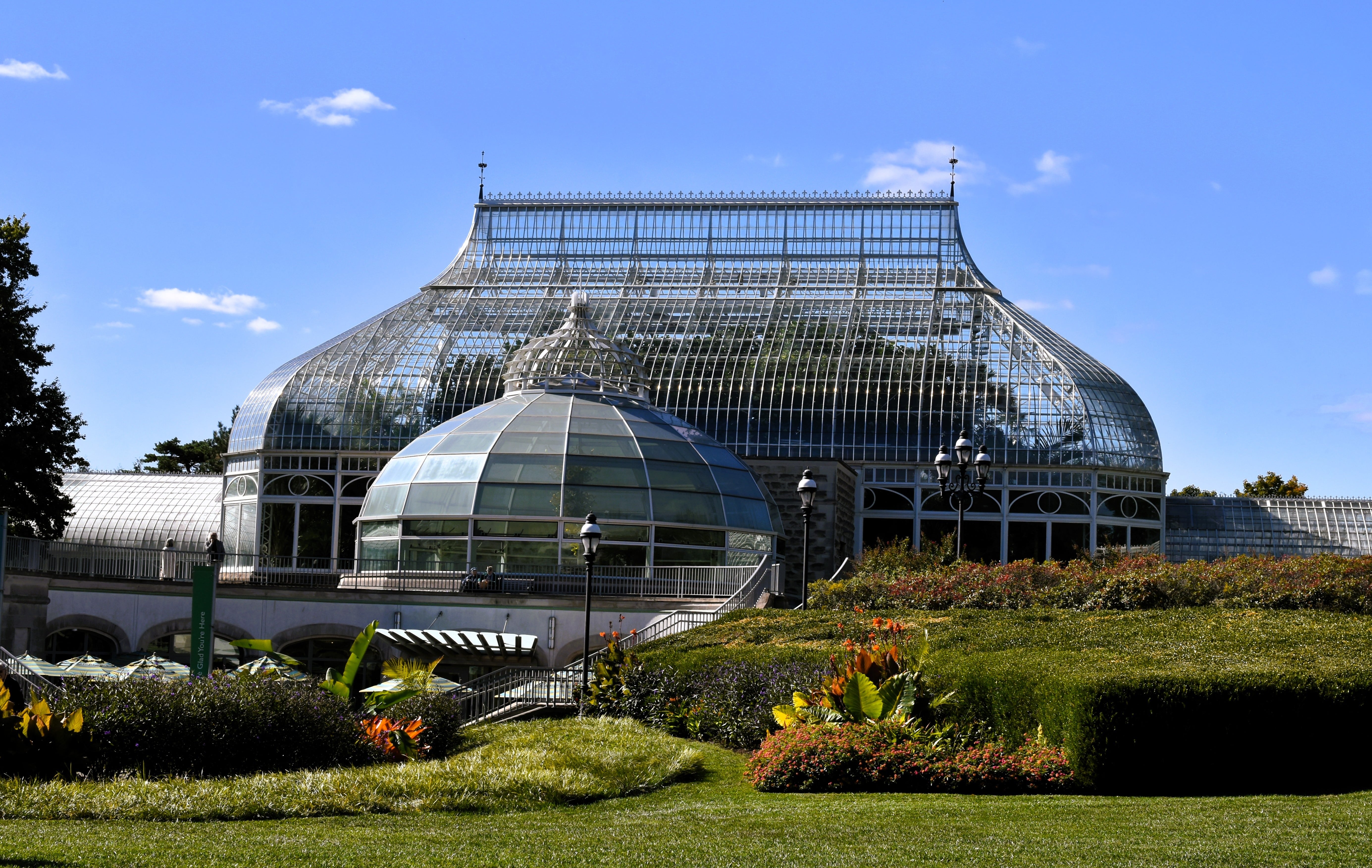
Beauty and Calm at Phipps Conservatory
After history, art, animals, and city views, Phipps Conservatory felt like a deep exhale.
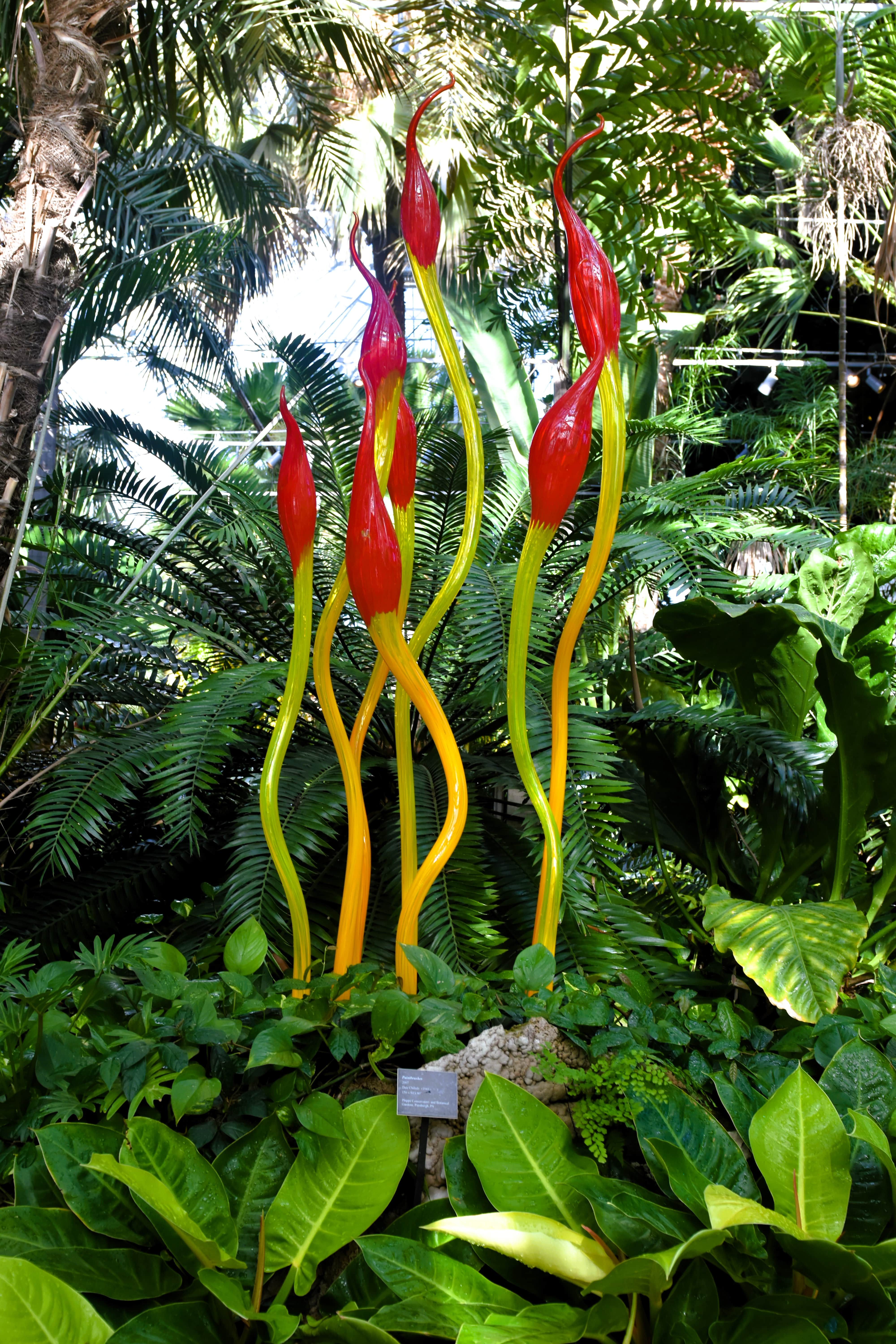
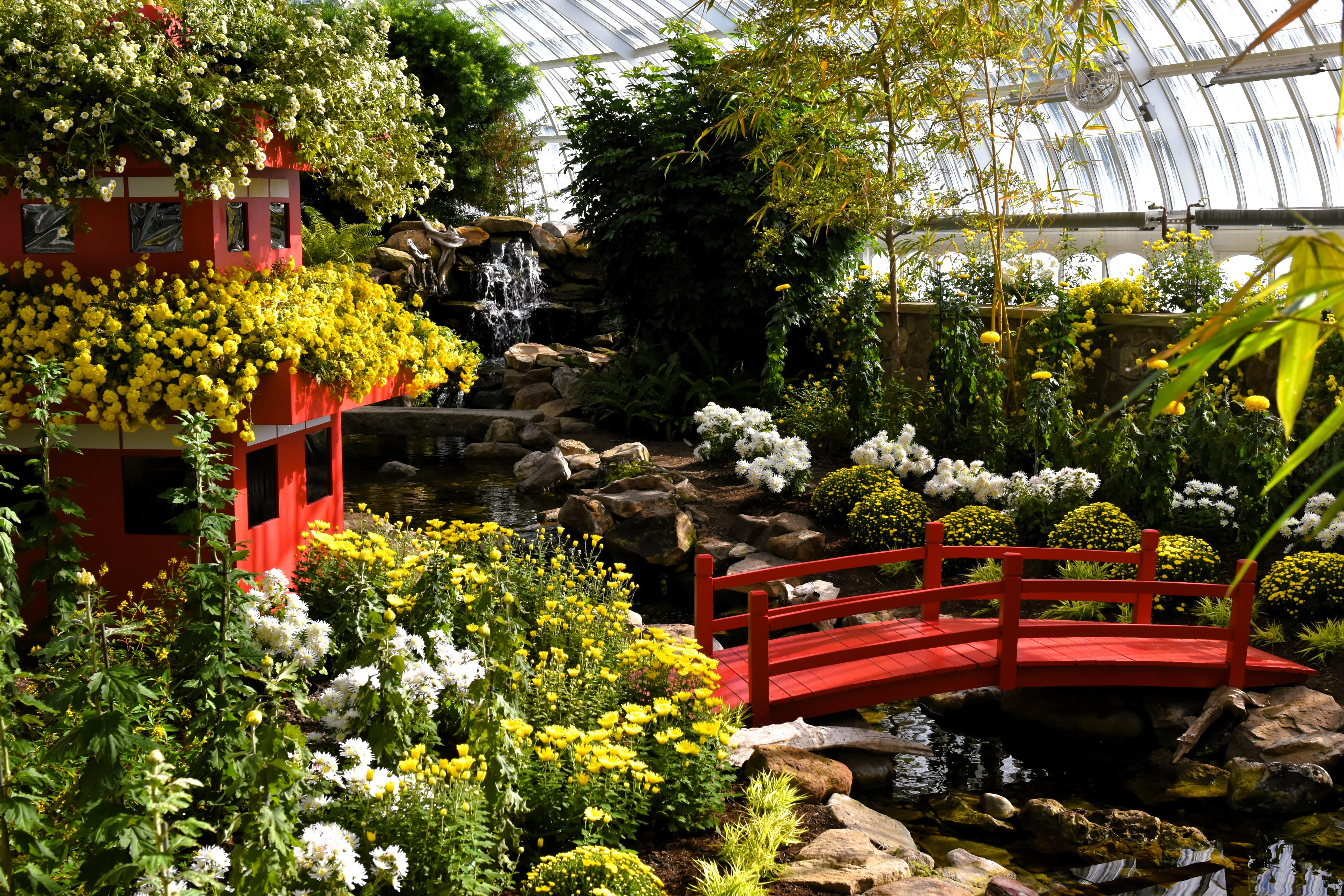
Set in Schenley Park just a few miles from downtown, Phipps is both grand and welcoming. The historic glasshouse — with its soaring ceilings and light-filled rooms — anchors the experience, but it’s what surrounds it that makes the visit linger in your memory. Gardens unfold at an unhurried pace, each space inviting you to slow down and simply look.
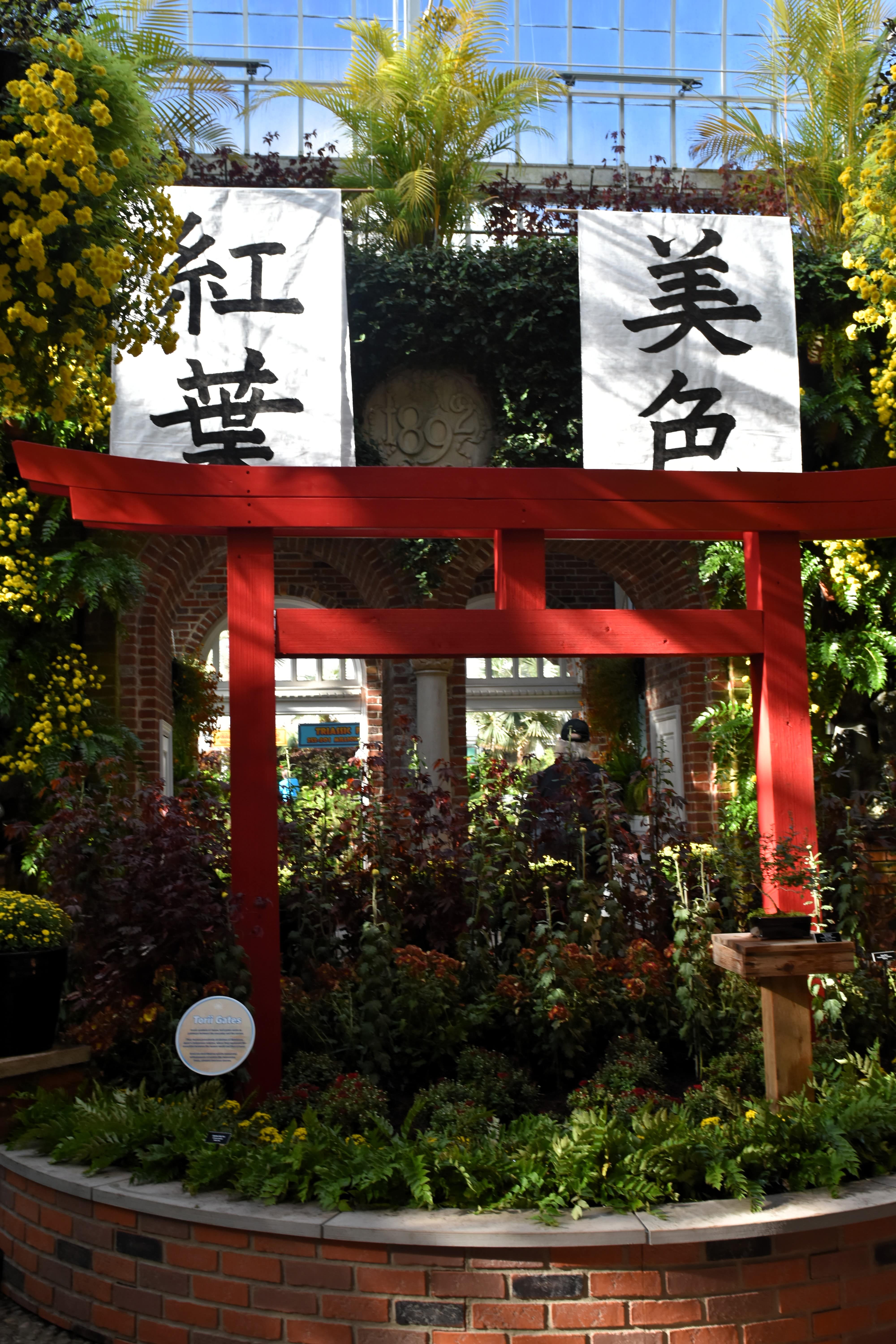
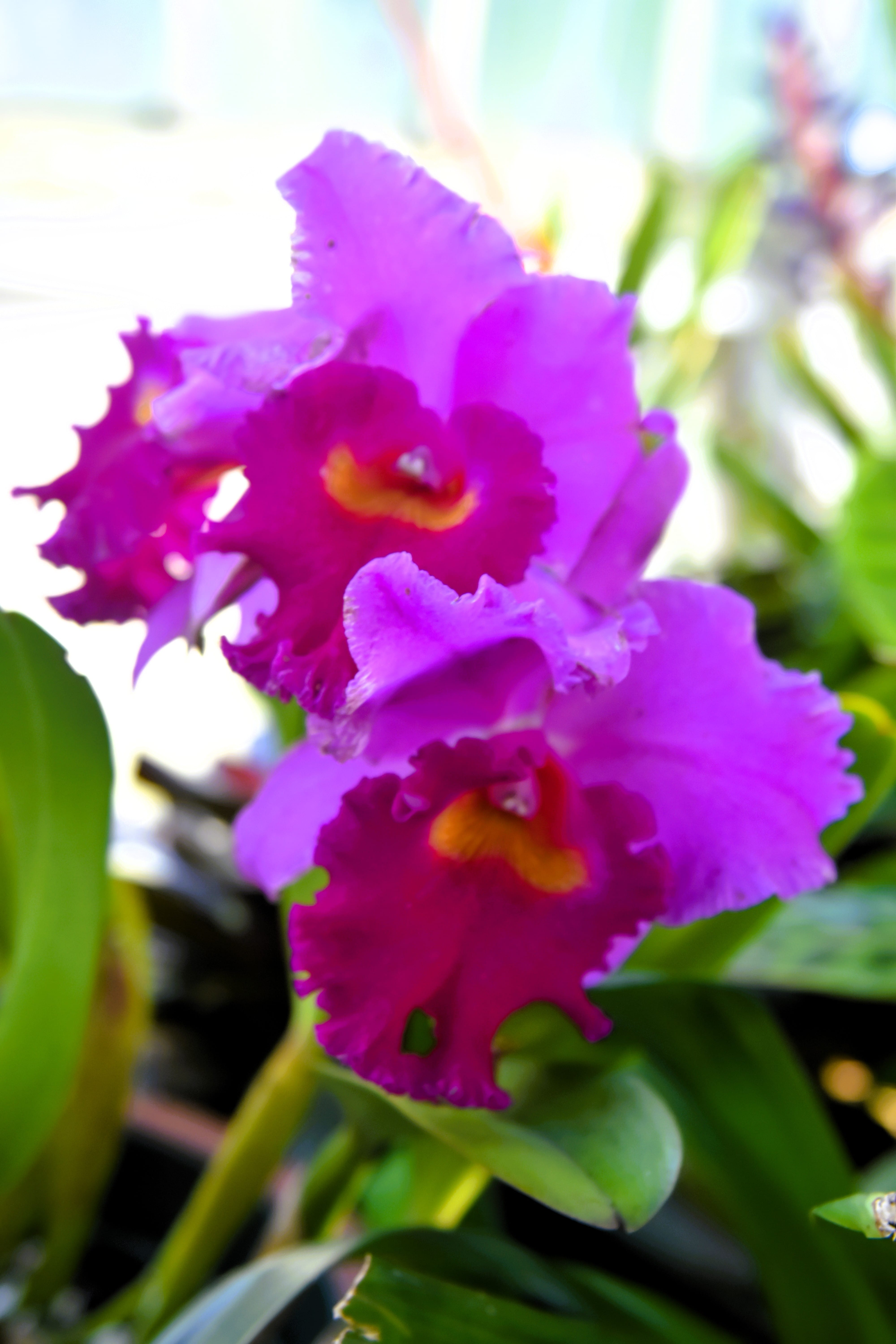
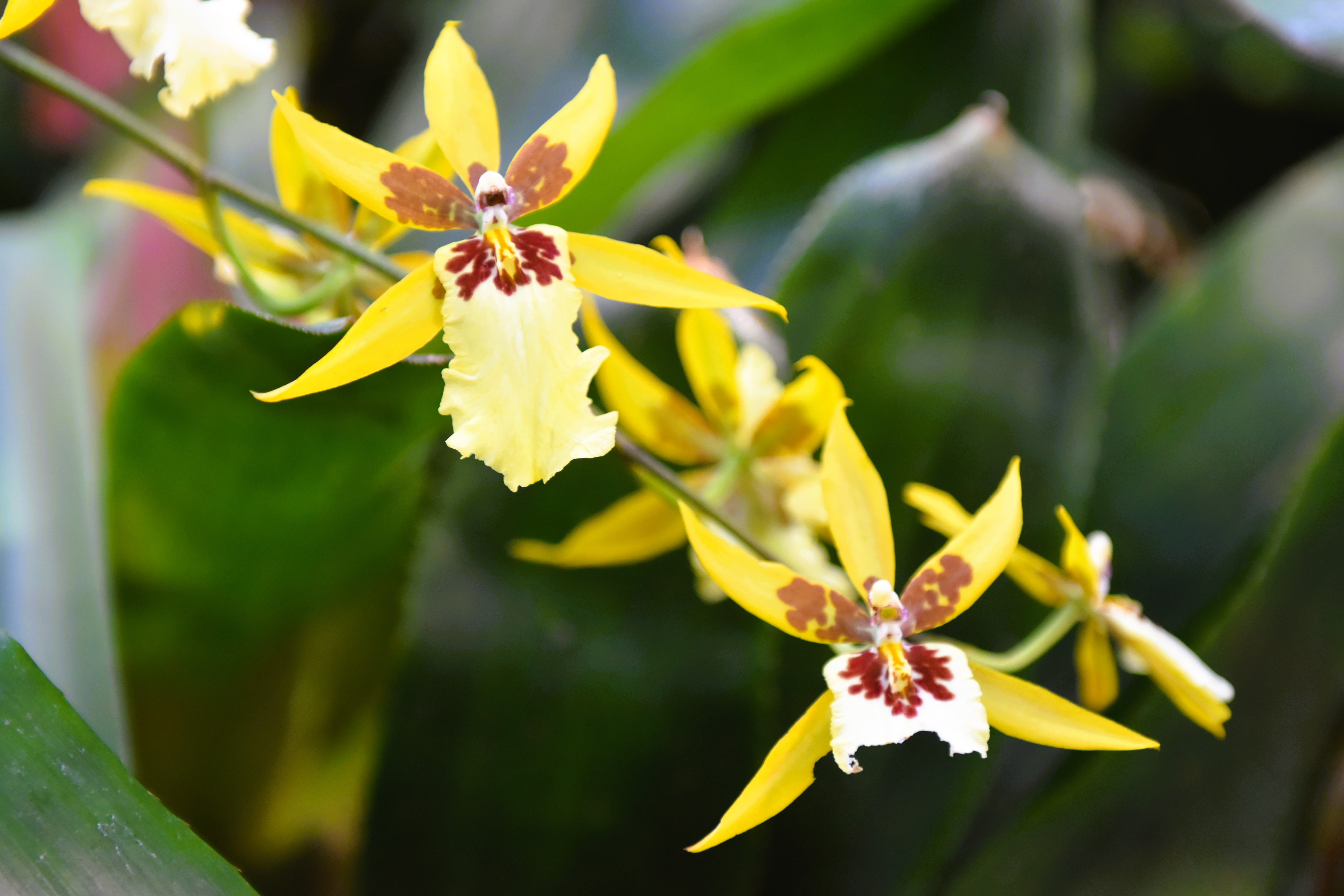
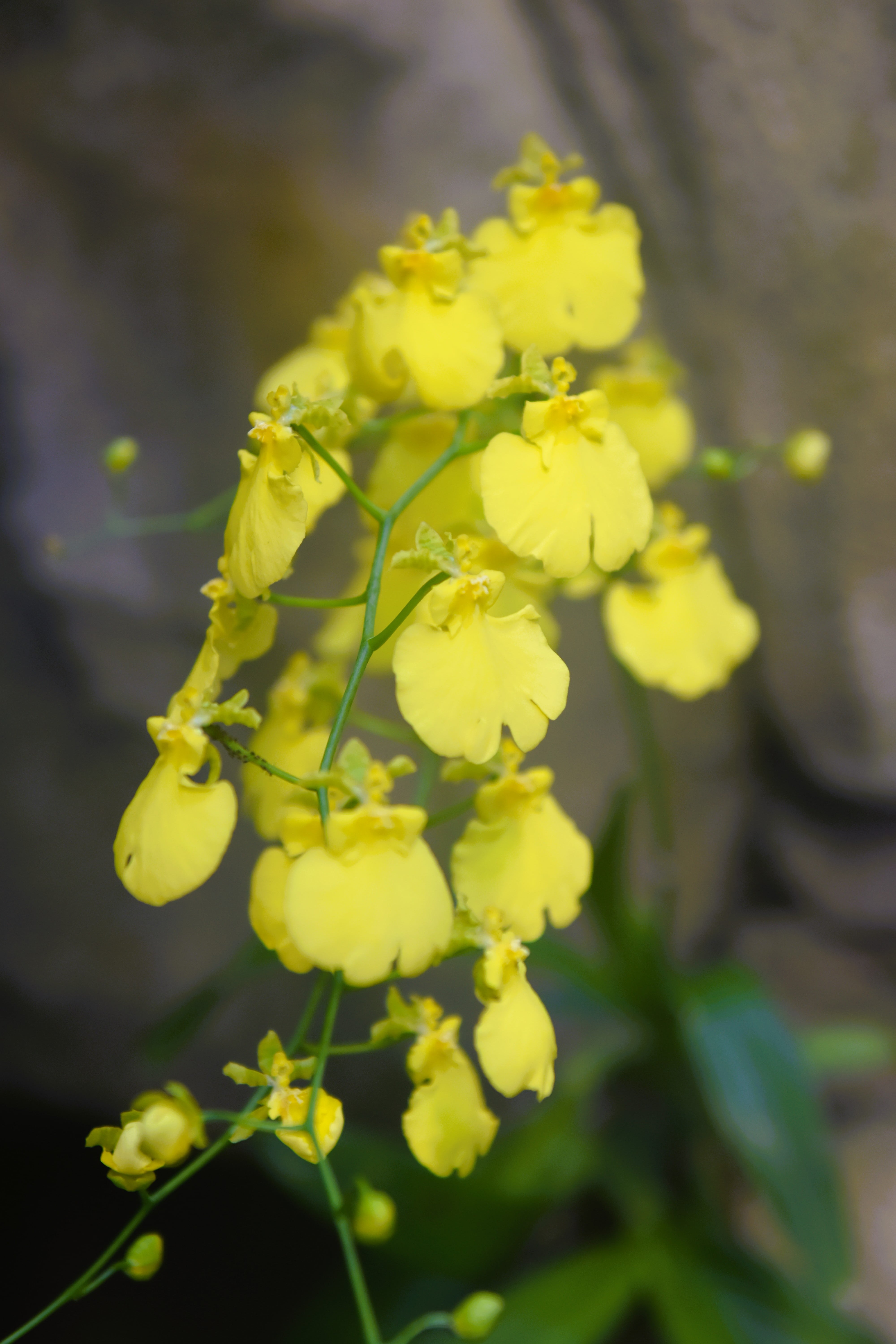
Inside, the conservatory moves you through different worlds. Tropical rooms are warm and dense with greenery. Orchid displays are precise and elegant. Bonsai collections feel almost meditative, asking for patience rather than attention. Seasonal flower shows bring colour and structure without feeling staged or forced.
What stands out is the balance between beauty and purpose. Phipps isn’t just about display. It’s also a leader in sustainable design and green practices, and that philosophy quietly underpins the entire experience. You notice it in the materials, the layout, and the way the gardens feel alive rather than curated for effect.
We took our time here. There was no reason not to. Families moved through at their own pace, couples lingered on benches, and no one seemed in a hurry to leave. It felt less like an attraction and more like a shared space for reflection.
In a city shaped by industry and innovation, Phipps offers something gentler. It shows another side of Pittsburgh — one that values preservation, sustainability, and beauty — and it ties the whole trip together in a way that feels both calming and complete.


Pittsburgh, Old and New
Pittsburgh doesn’t try to reinvent itself for visitors. It doesn’t polish over its past or package its story into something easily digestible. Instead, it lets you encounter the city as it is — layered, thoughtful, and quietly confident.
Over just a few days, we moved from the birthplace of a city at Point State Park to the stories that shaped it at the Heinz History Center. We stepped into art that challenged expectations, slowed down among birds and gardens, rose above the rivers on the Duquesne Incline, and ended our days with good food and wide views on Mount Washington. Each stop revealed a different side of Pittsburgh, but none of them felt disconnected.
What stood out most was how naturally the old and the new sit side by side. Early American history exists alongside modern innovation. Industrial buildings house museums. Steel gives way to glass, and glass gives way to green spaces. It all feels earned, not forced.
For Clare, the trip added texture to stories she’d heard for years. For me, it brought academic history into sharper focus by placing it in real landscapes and living neighbourhoods. For both of us, Pittsburgh delivered exactly what we were hoping for — a change of pace, a sense of discovery, and a reminder that some cities reveal their value only when you take the time to listen.
If you’re looking for a place to slow down, learn something, and enjoy being away without feeling rushed, Pittsburgh quietly makes a strong case for itself. It’s a city shaped by where it’s been — and comfortable with where it’s going.
 Marc's Travels