Our journey from Dulles Airport to Mexico City turned into quite the adventure. Our flight was delayed by five and a half hours due to a mechanical issue, forcing United to find a replacement plane. Instead of arriving at 10 PM on Sunday evening as planned, we landed at 2:30 AM on Monday—only to discover that our pre-booked driver had given up on us. With no other choice, we hopped in a taxi and made our way to the hotel.
Thankfully, our accommodation, NH Collection Mexico City Centro Histórico (Palma 42, Centro, 06000, Mexico City), was a pleasant surprise. Conveniently located near the city’s historic center, it had friendly staff and an excellent restaurant—definitely a hotel I’d recommend. After catching up on some much-needed sleep, we set out to explore the city the next morning.
Our first stop was Plaza de la Constitución, commonly known as Zócalo, the second-largest square in the world and the largest in any Spanish-speaking country, spanning an impressive 46,800 square meters. We wandered through the stunning Catedral Metropolitana, then explored the Templo Mayor before heading back to the hotel to rest after a long but exciting day.


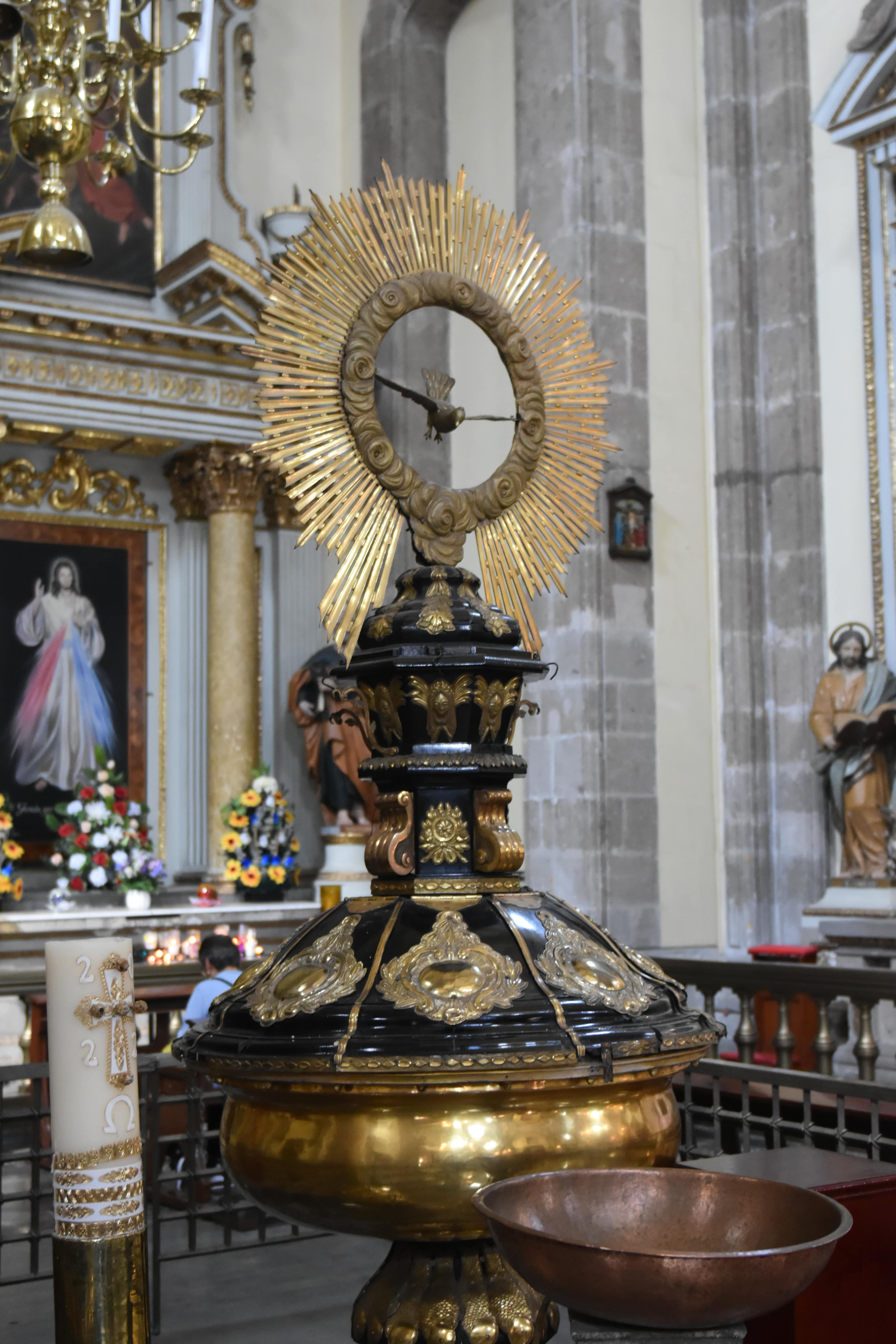
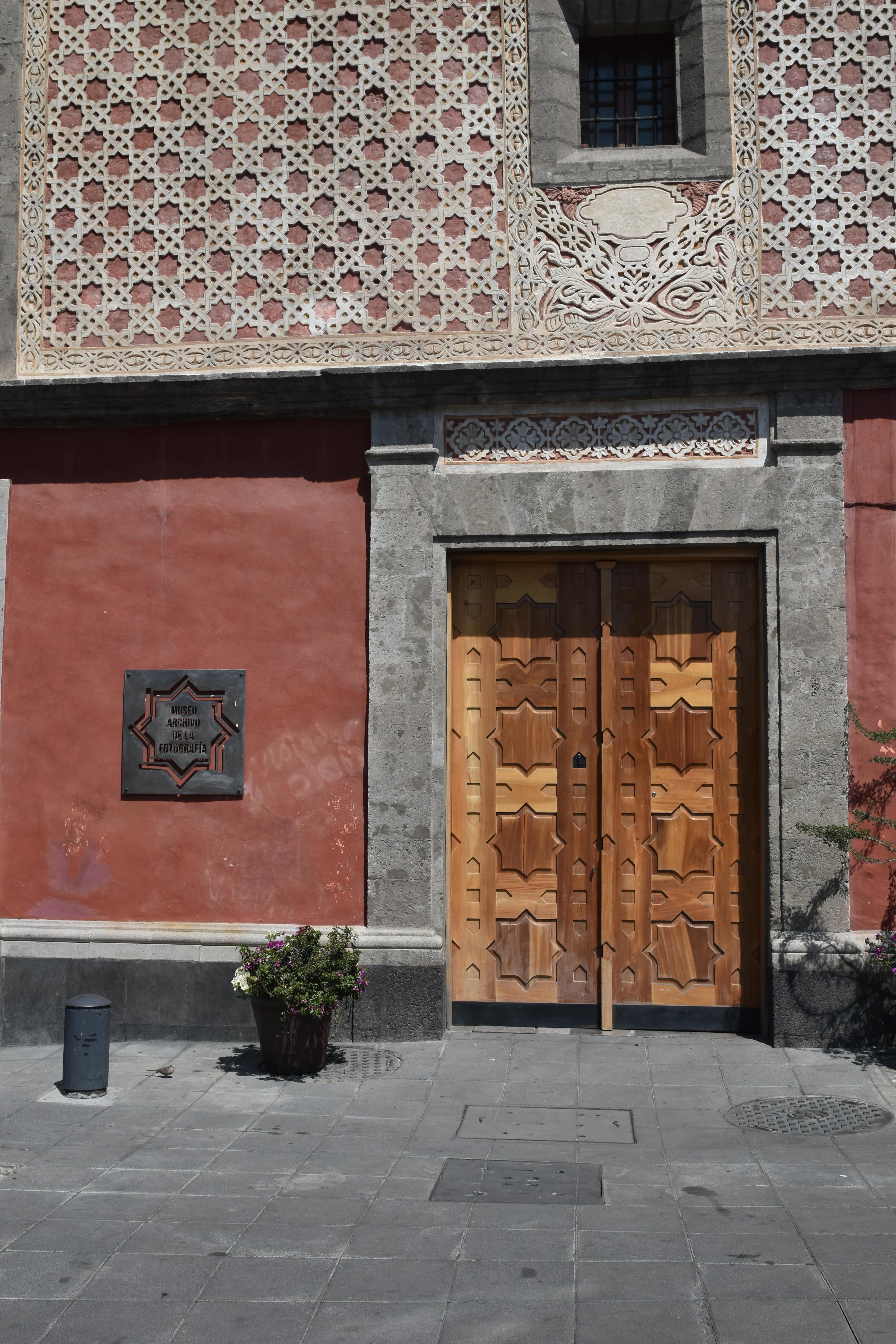

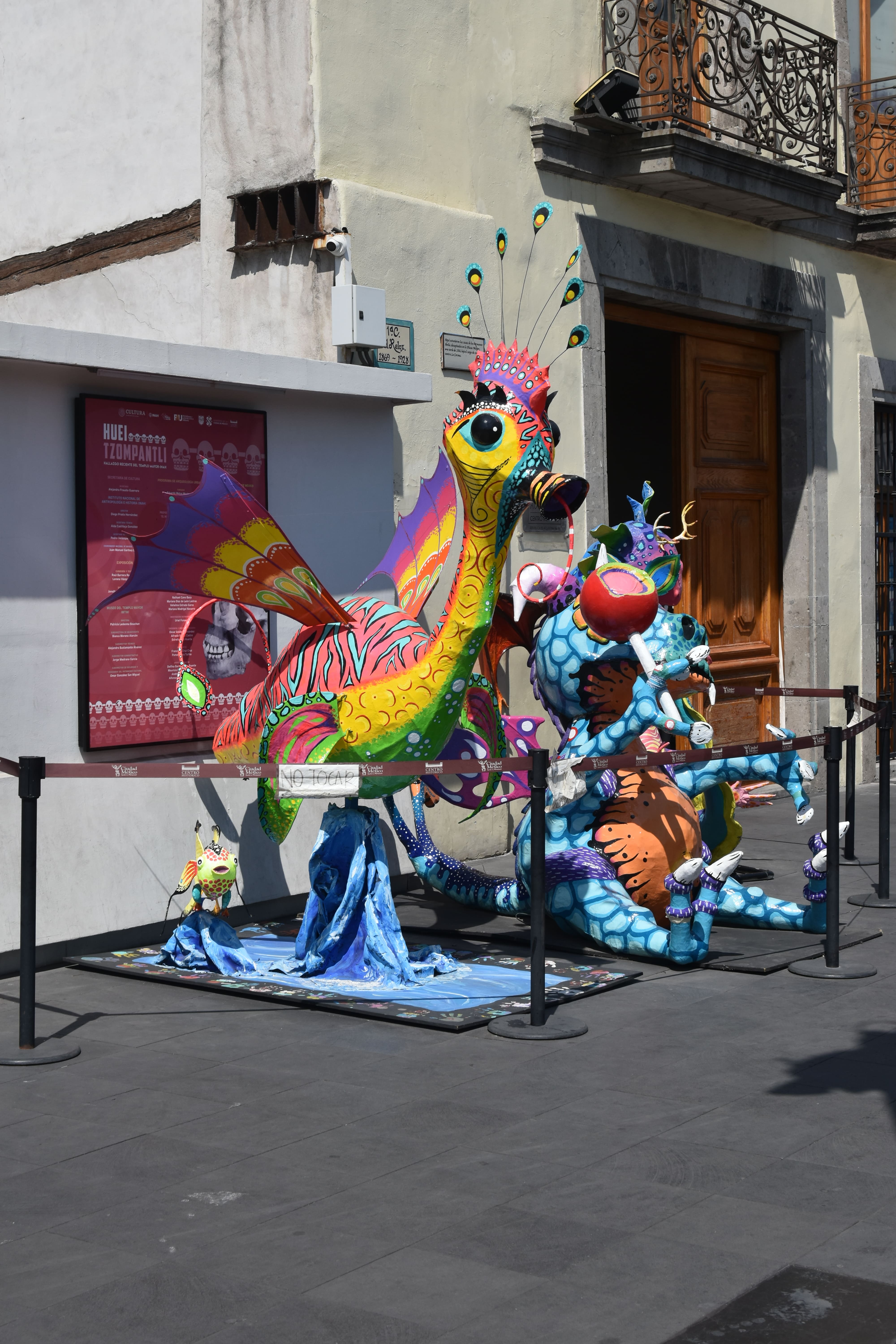
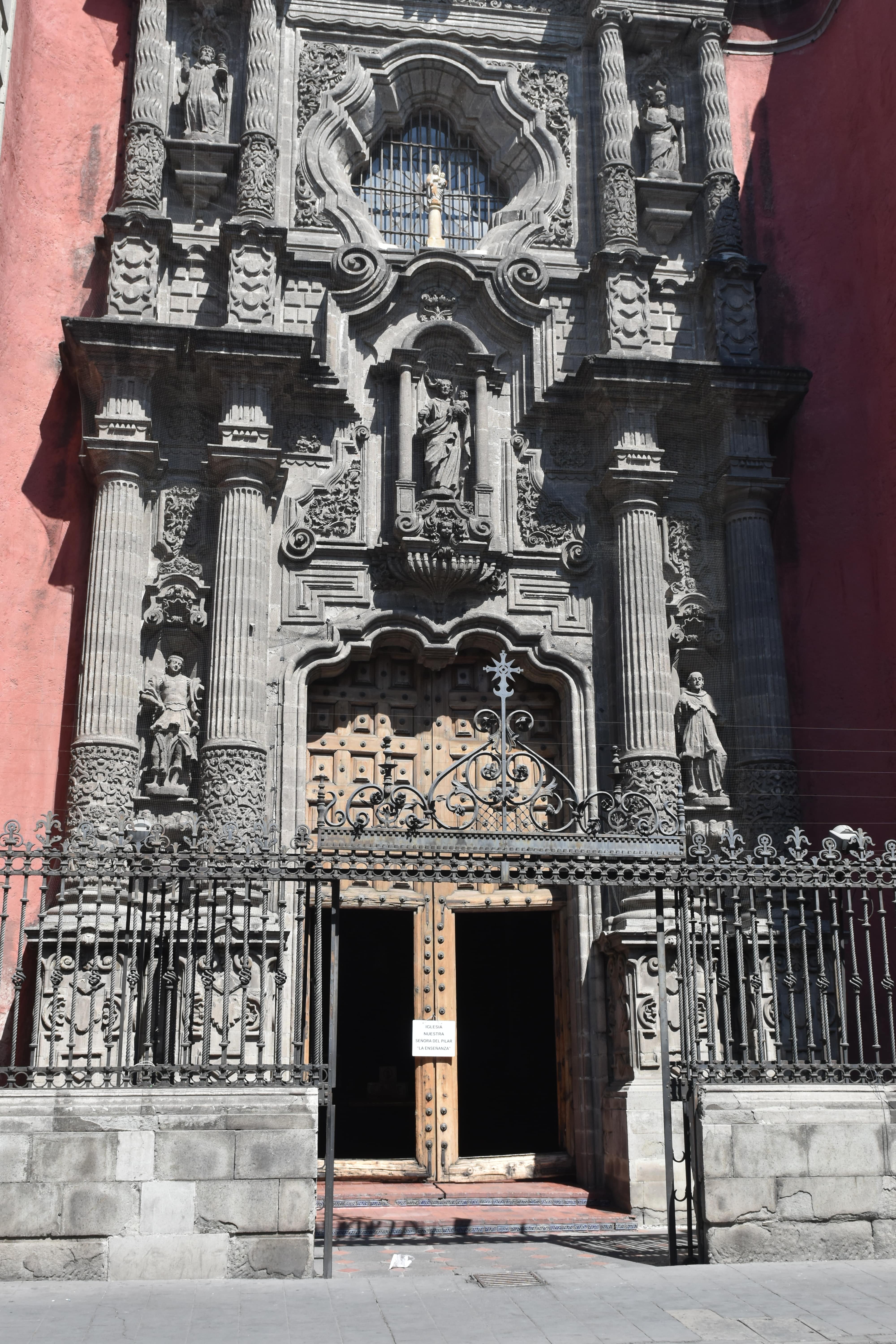


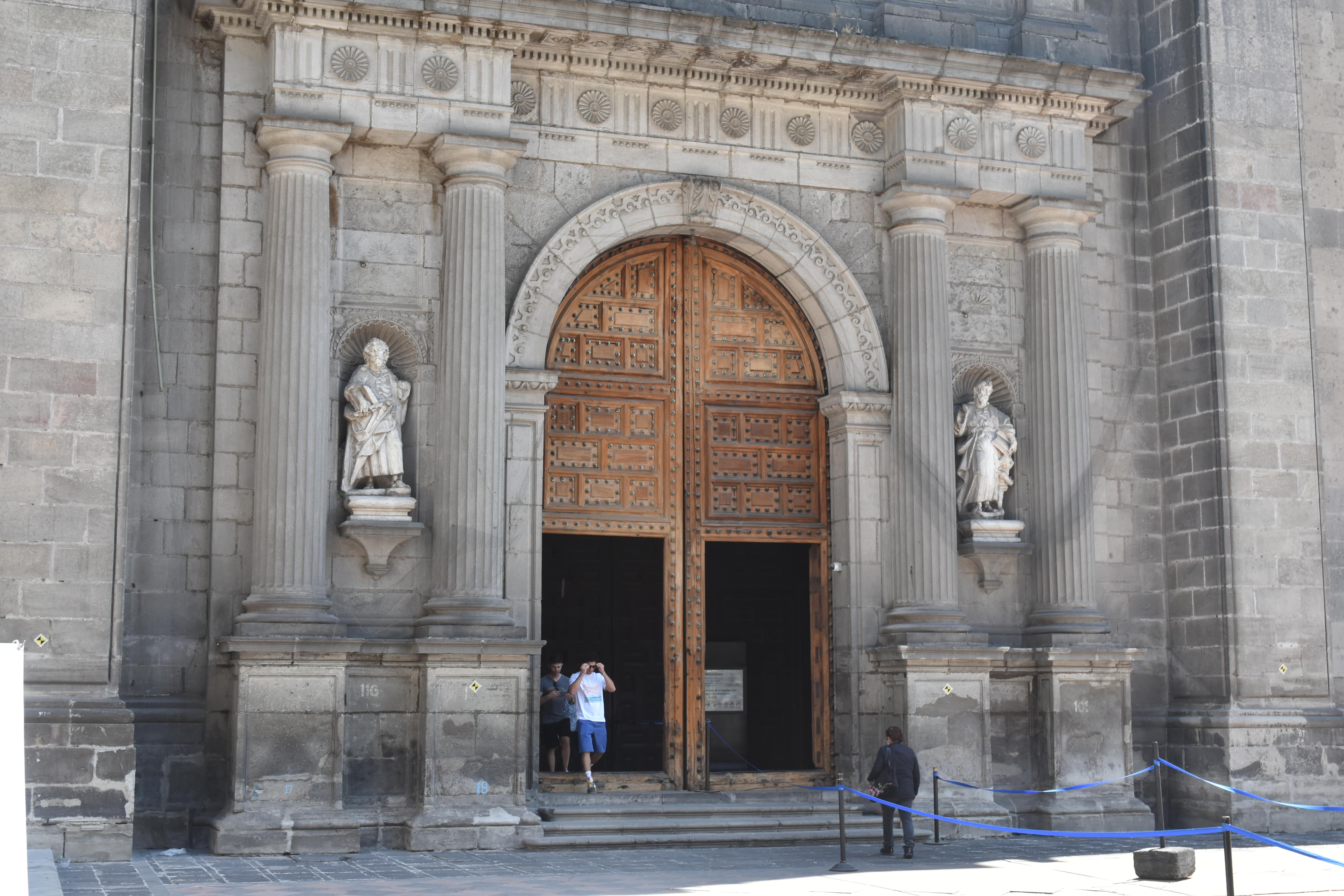


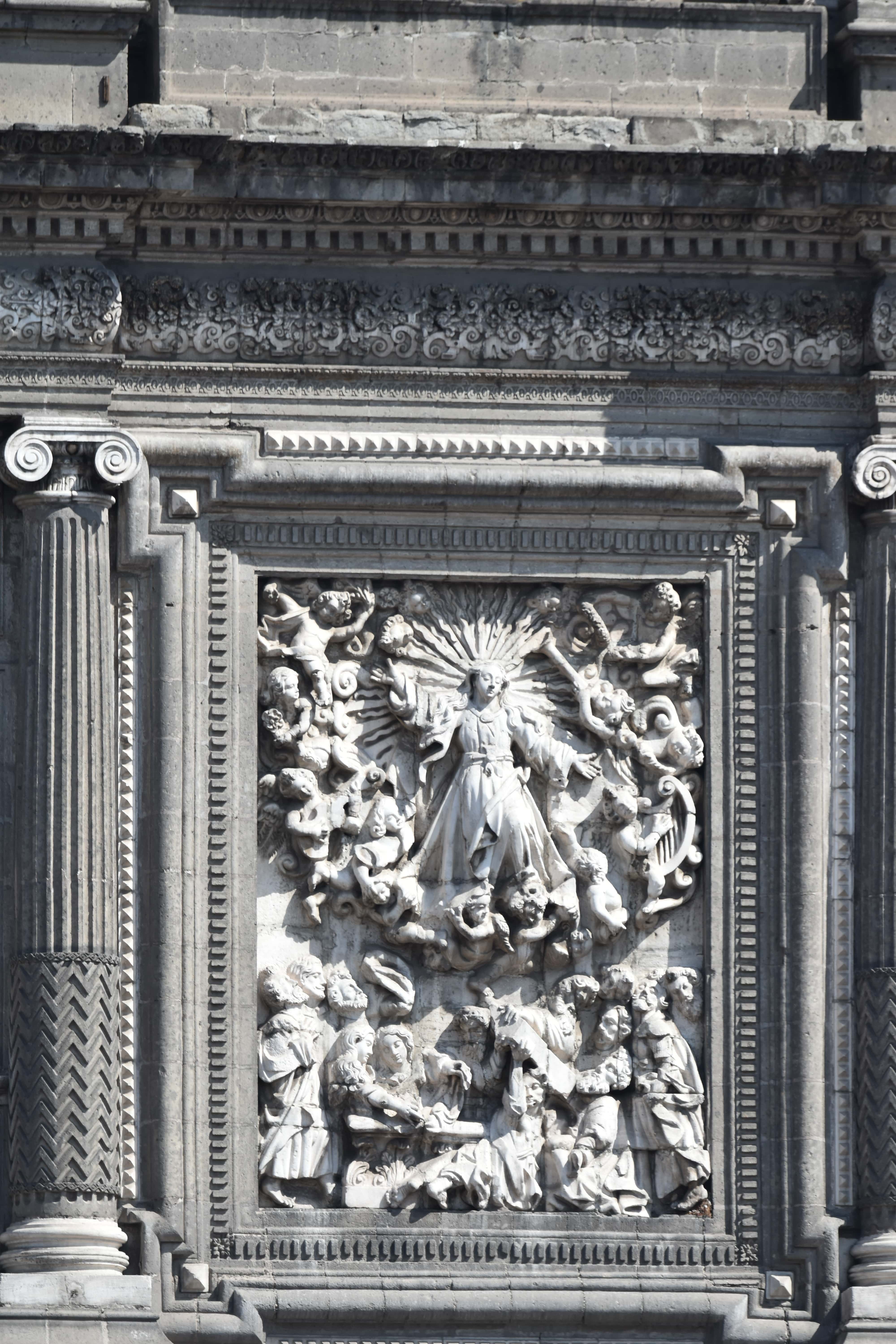
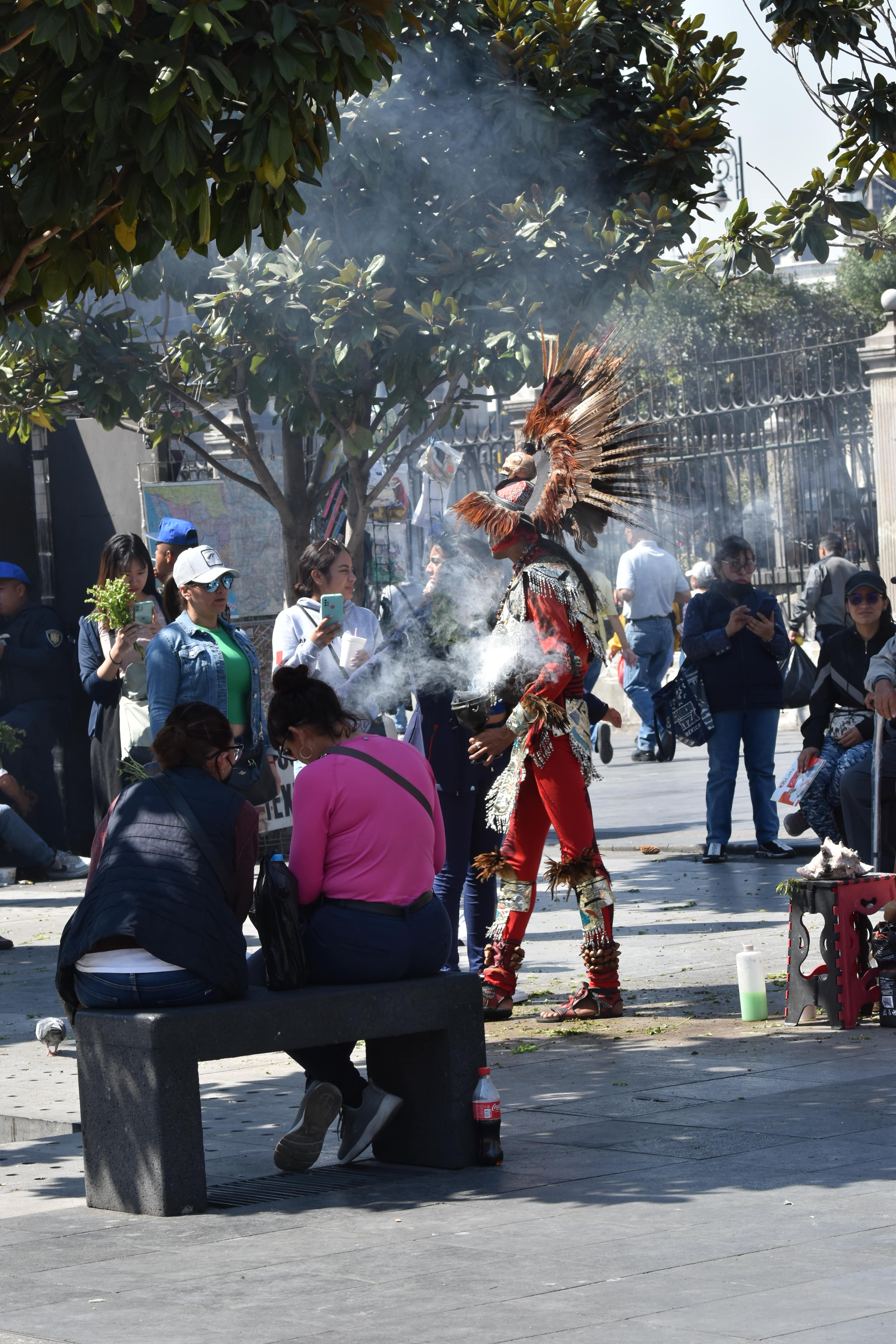
Founded in 1325, Mexico City is the oldest city in the Americas. Originally named Tenochtitlán (or México-Tenochtitlán) in Nahuatl, it was later recognized and preserved by the Spanish Crown in the 16th century. According to Mexica mythology, the city’s location was divinely chosen—Huitzilopochtli, the Aztecs’ principal god, instructed them to build their settlement where they saw an eagle perched on a cactus, holding a snake in its beak. This symbol remains iconic, even appearing on Mexico’s national flag today.
At its peak, Tenochtitlán was the thriving capital of the Aztec Empire, home to approximately 300,000 people—a larger population than any European city at the time of the Spanish conquest. Over the centuries, it remained the capital through various political eras, from the Viceroyalty of New Spain to the Mexican Empire, the Mexican Republic, and the modern nation of Mexico.
Exploring Templo Mayor
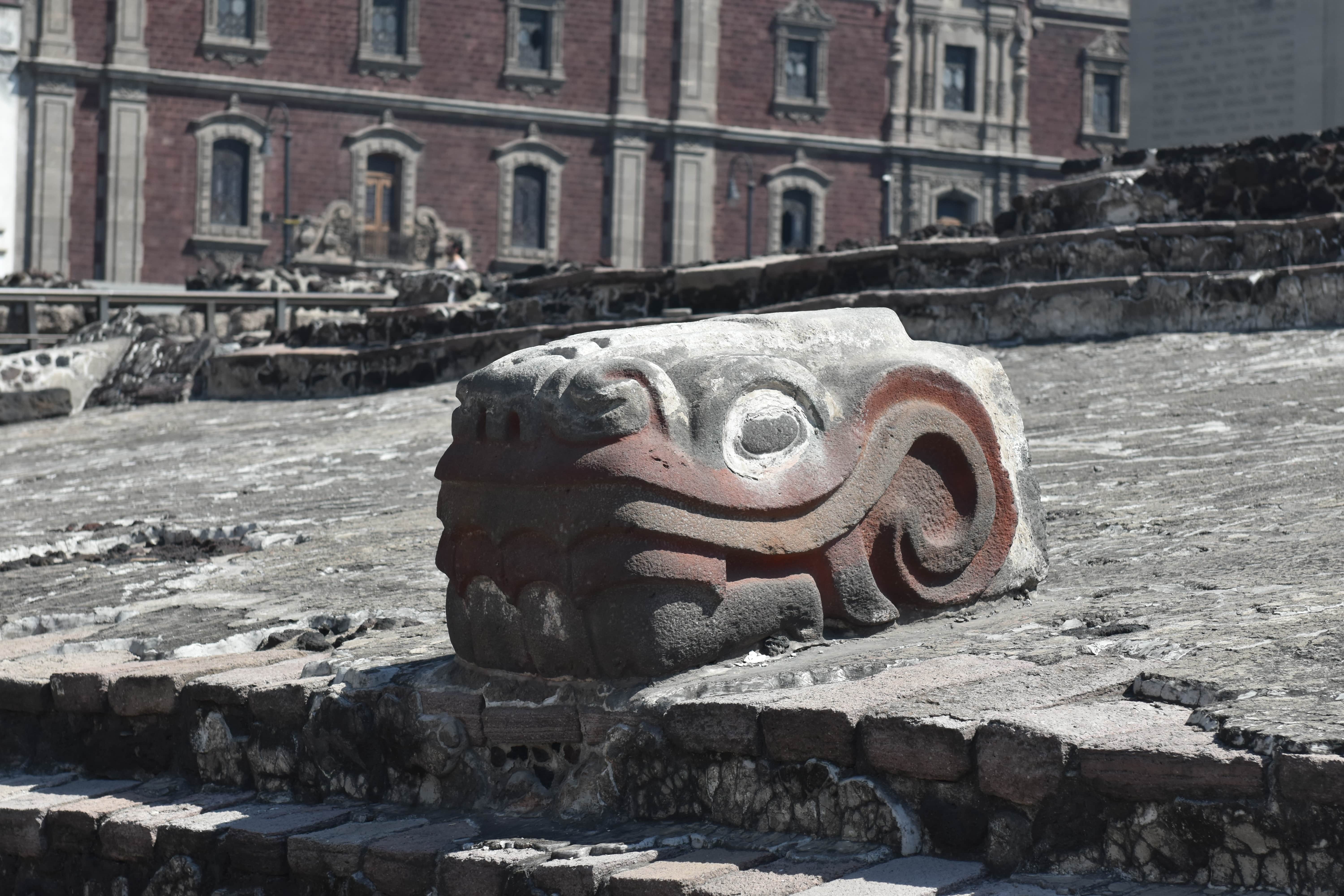
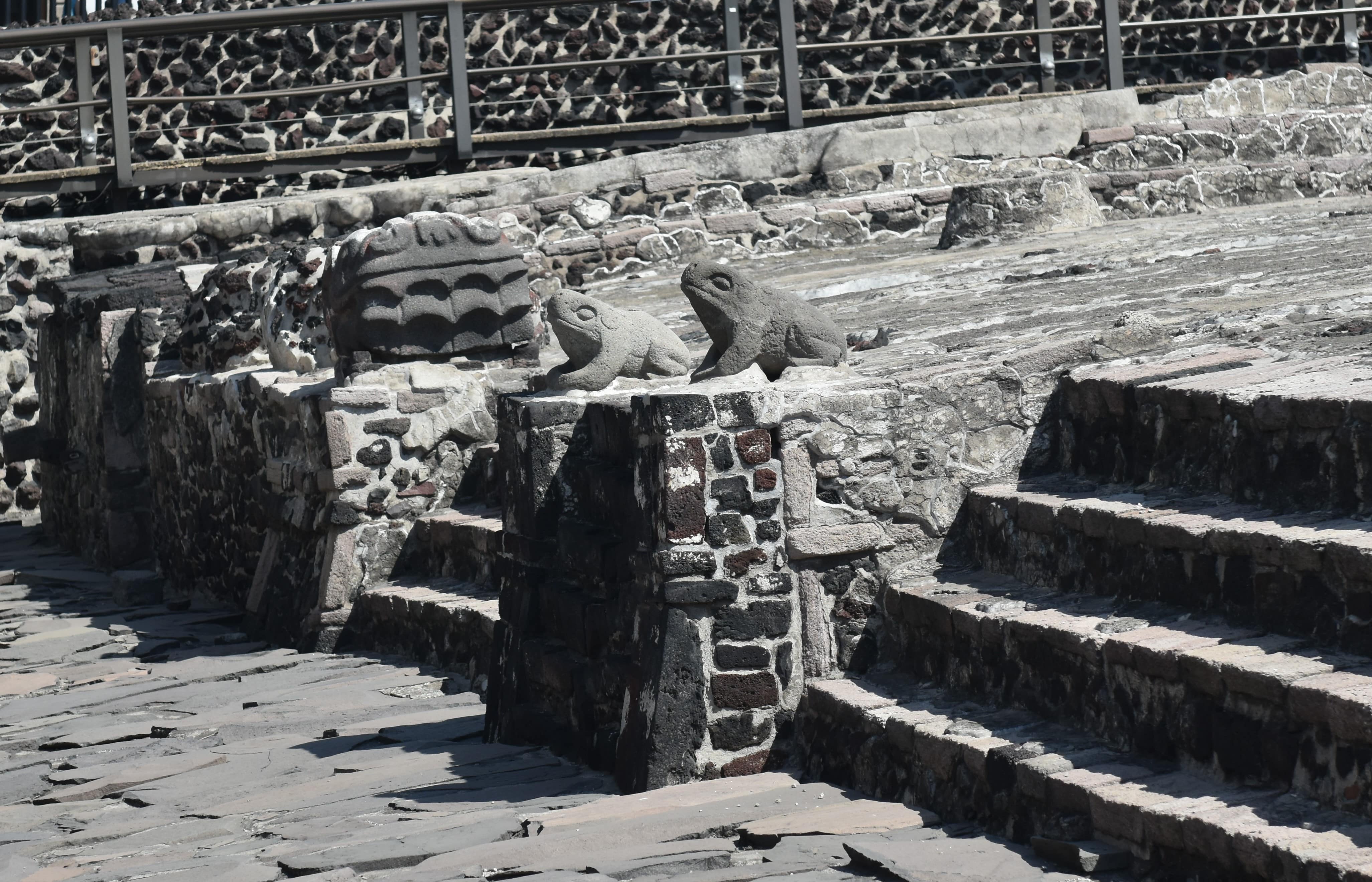
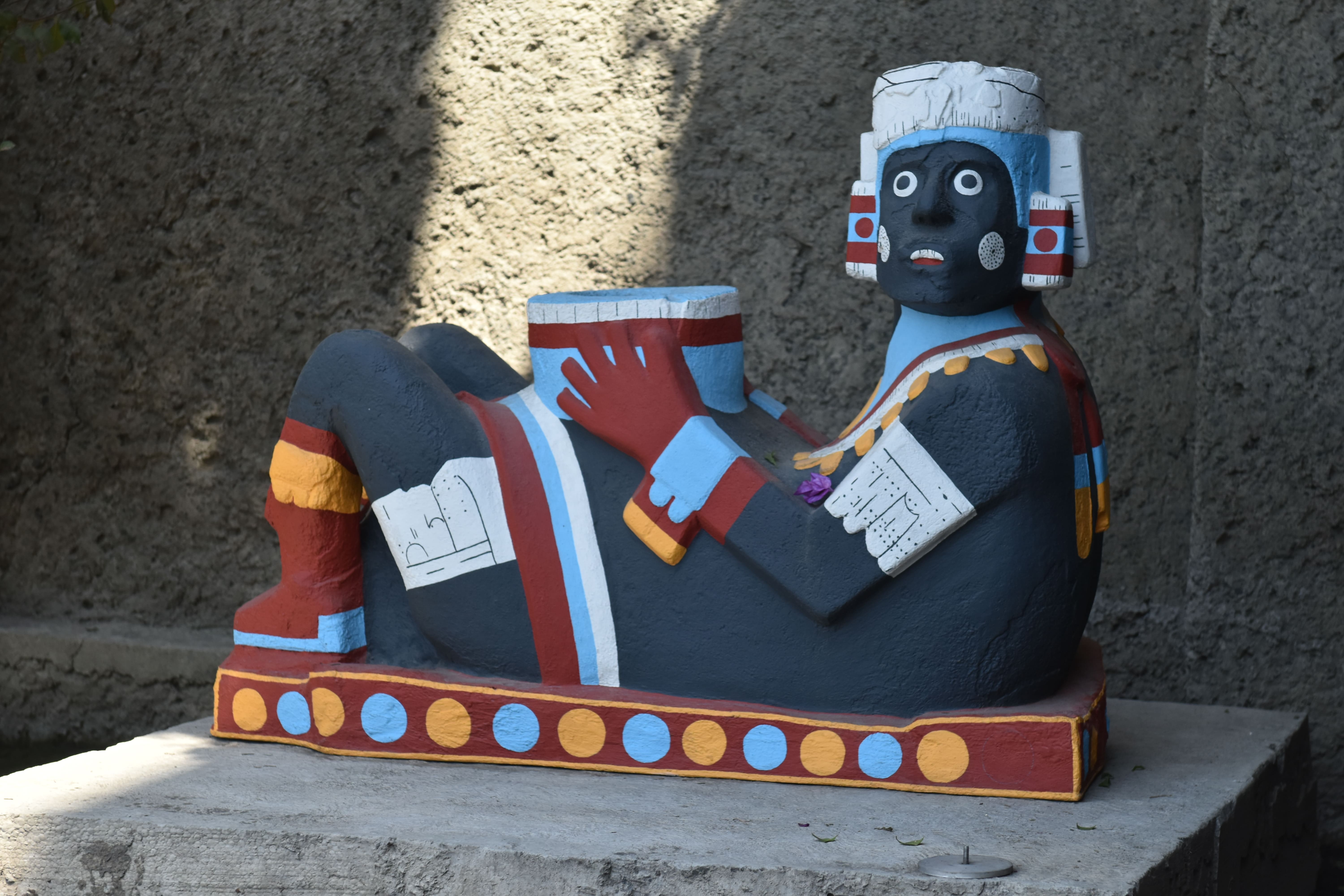
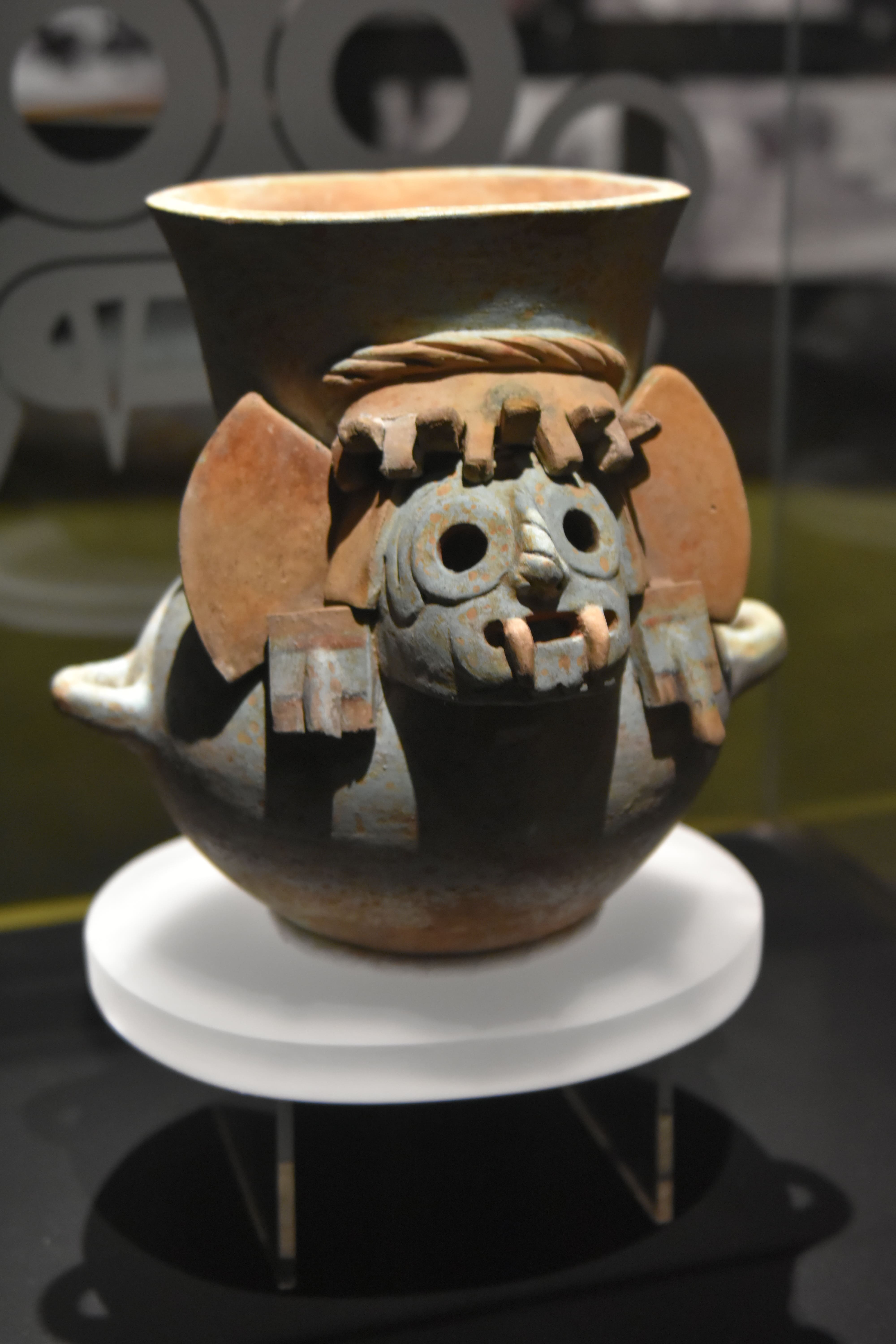
The next day, we returned to Zócalo to explore Templo Mayor, the most sacred site of Tenochtitlán. The Aztecs considered this temple the center of the universe, dedicating it to Huitzilopochtli, the god of war, and Tlaloc, the god of rain and agriculture.
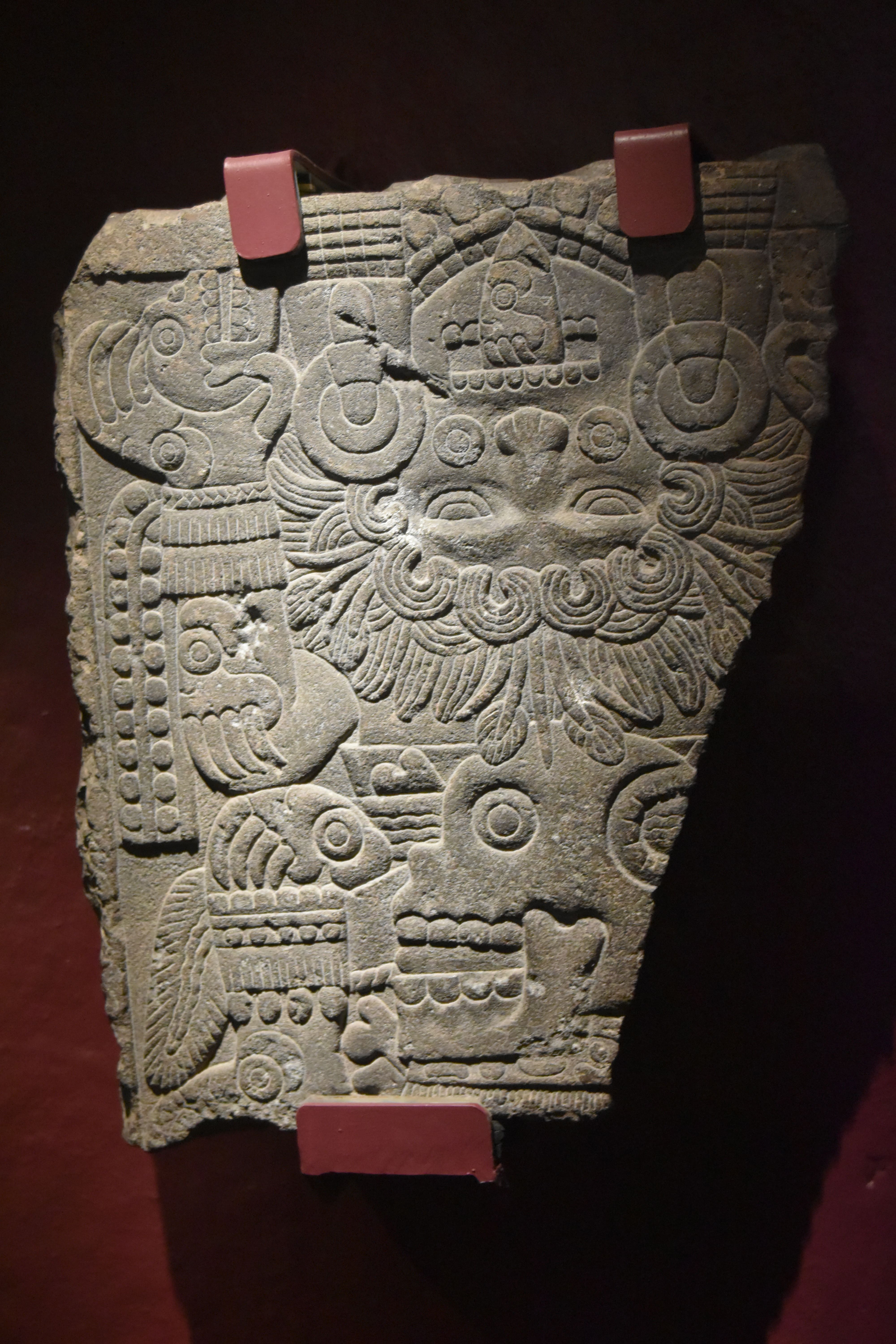
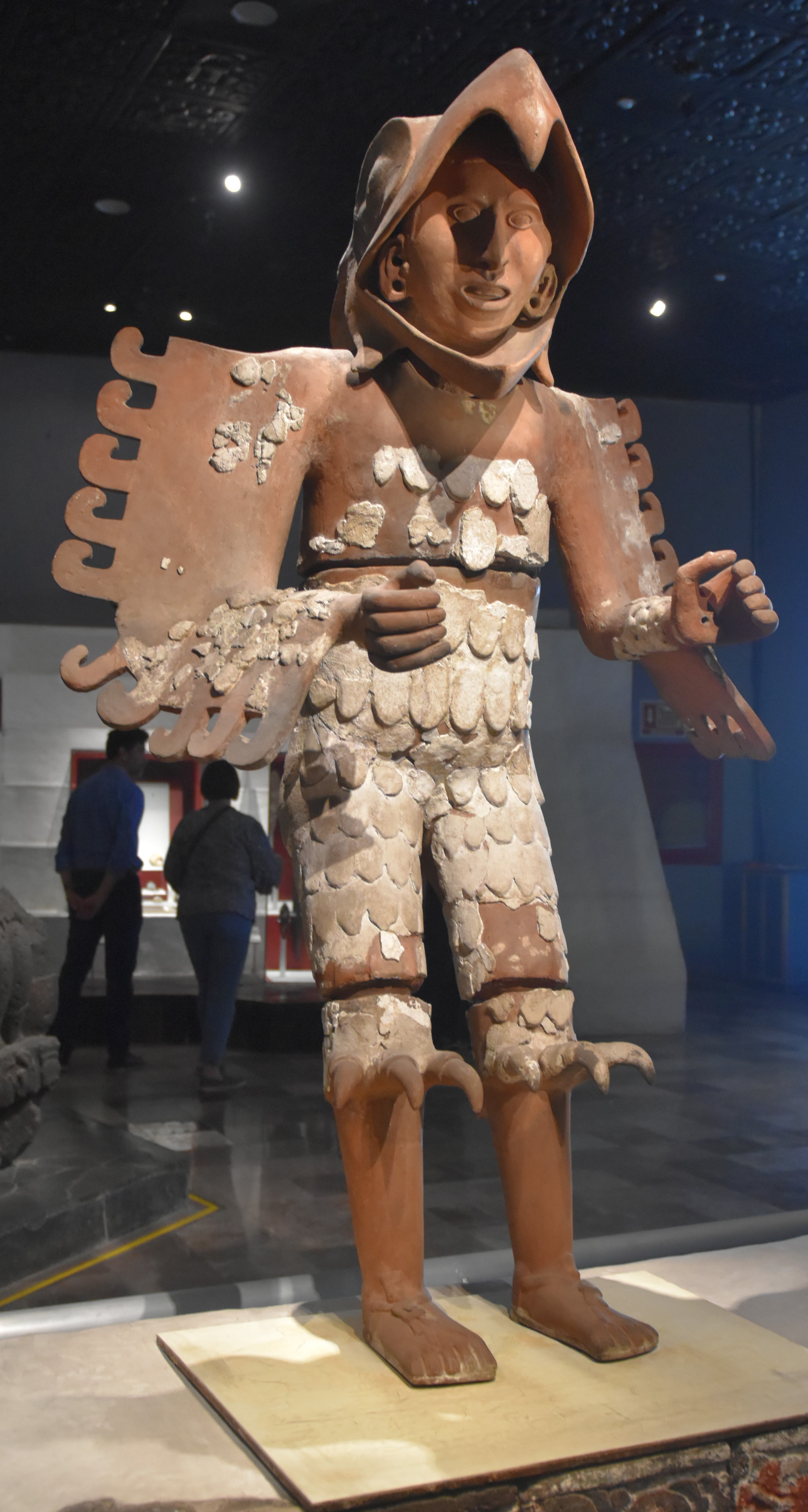
In 1987, the Templo Mayor Museum was inaugurated to showcase the archaeological discoveries from the area. Its exhibits highlight the political, military, and artistic significance of this once-mighty city, which dominated Mesoamerica before the Spanish arrived. One of the museum’s most important finds was the Coyolxauhqui monolith, discovered in 1978. This massive stone carving helped archaeologists pinpoint the exact location of the pyramid, as the myth of Huitzilopochtli describes him hurling his sister, Coyolxauhqui, from Coatepec Mountain—a dramatic tale captured in stone.








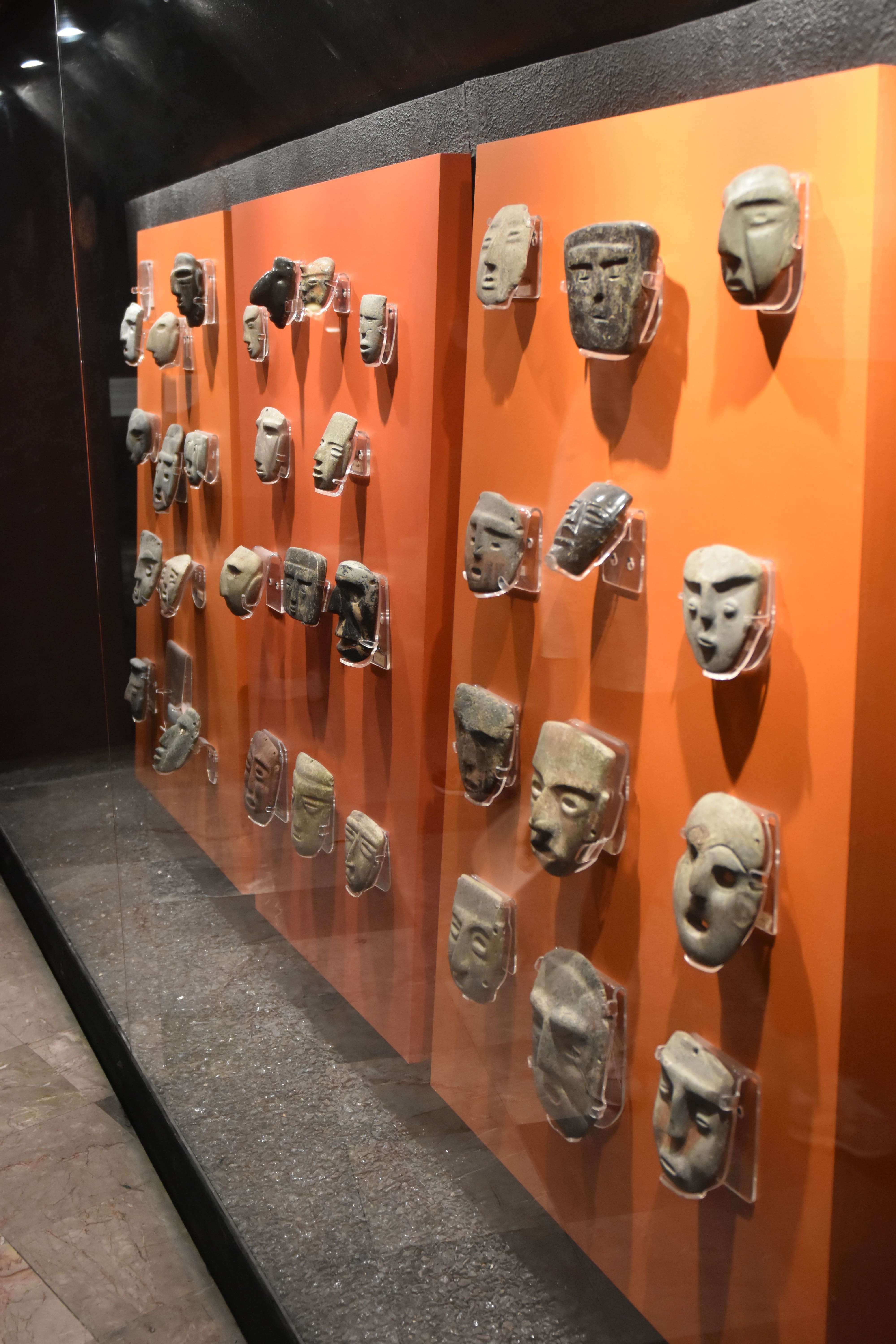
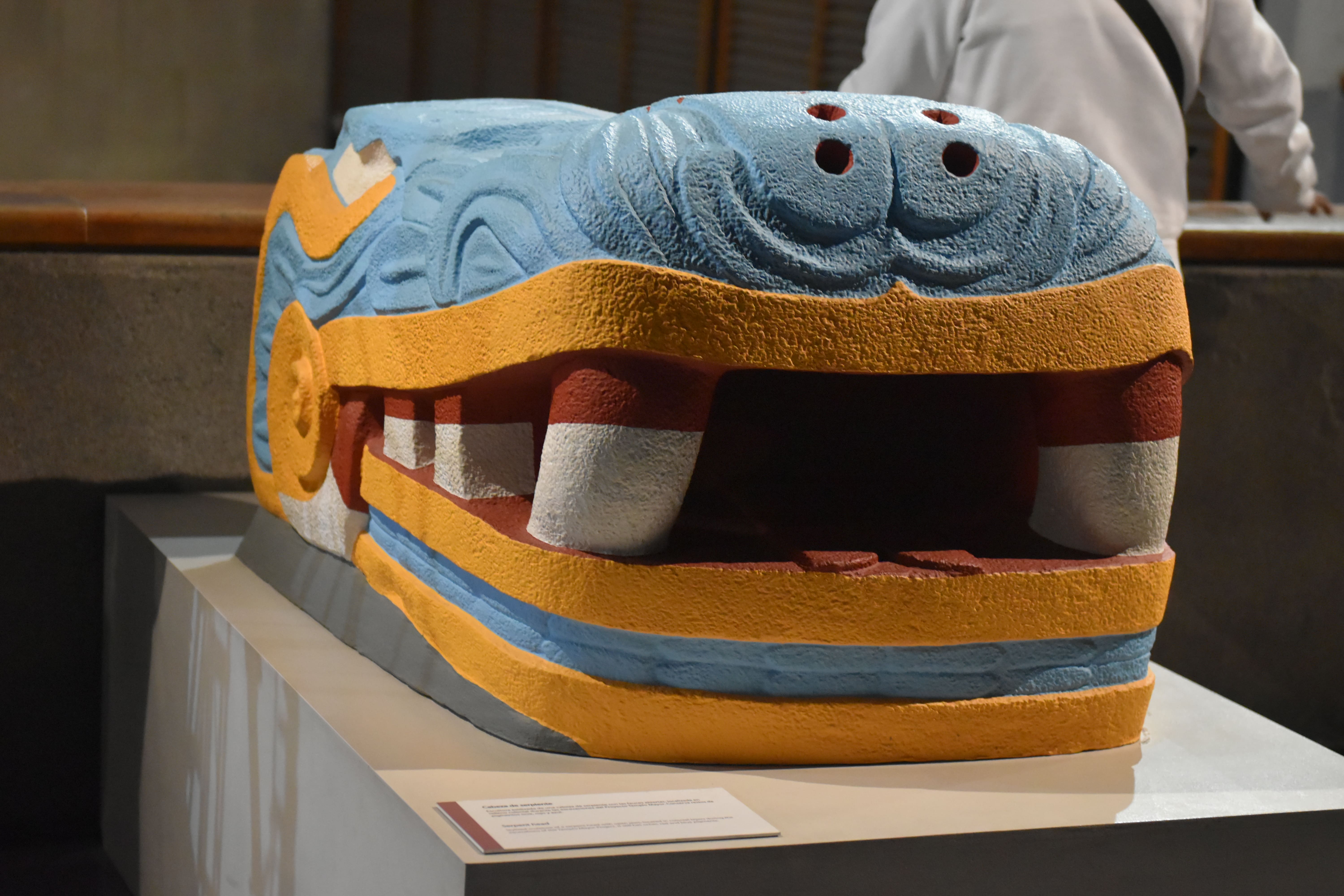
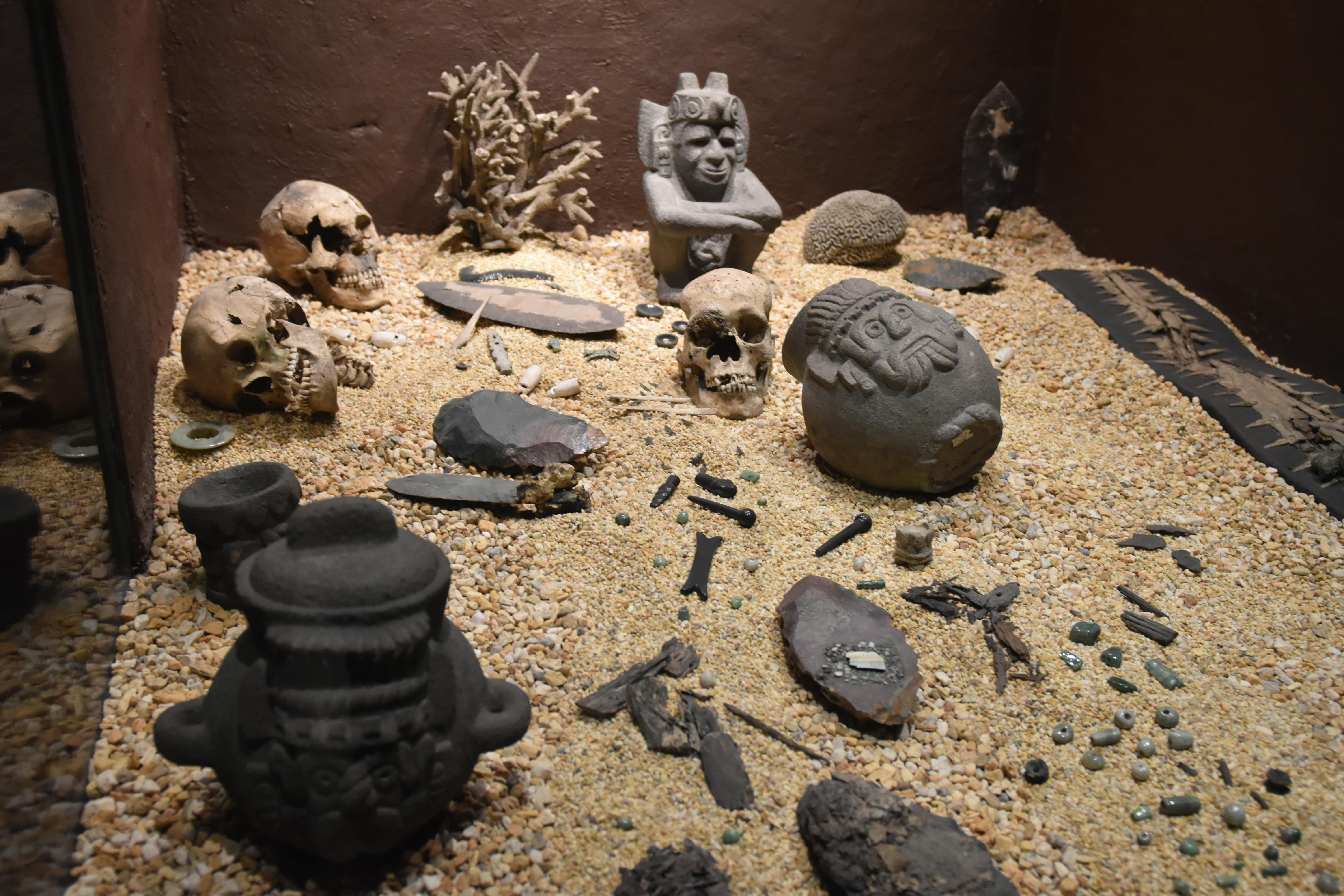
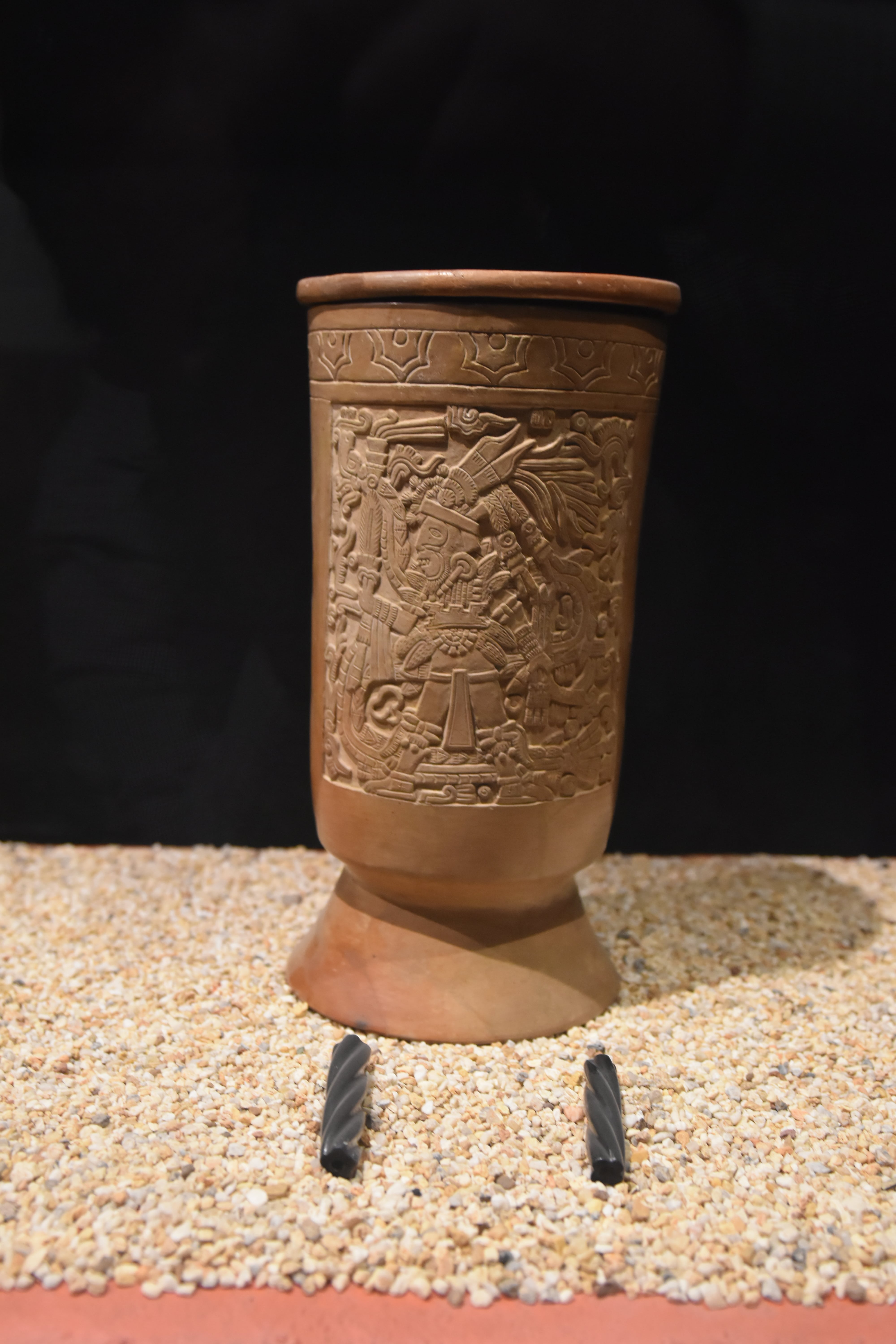


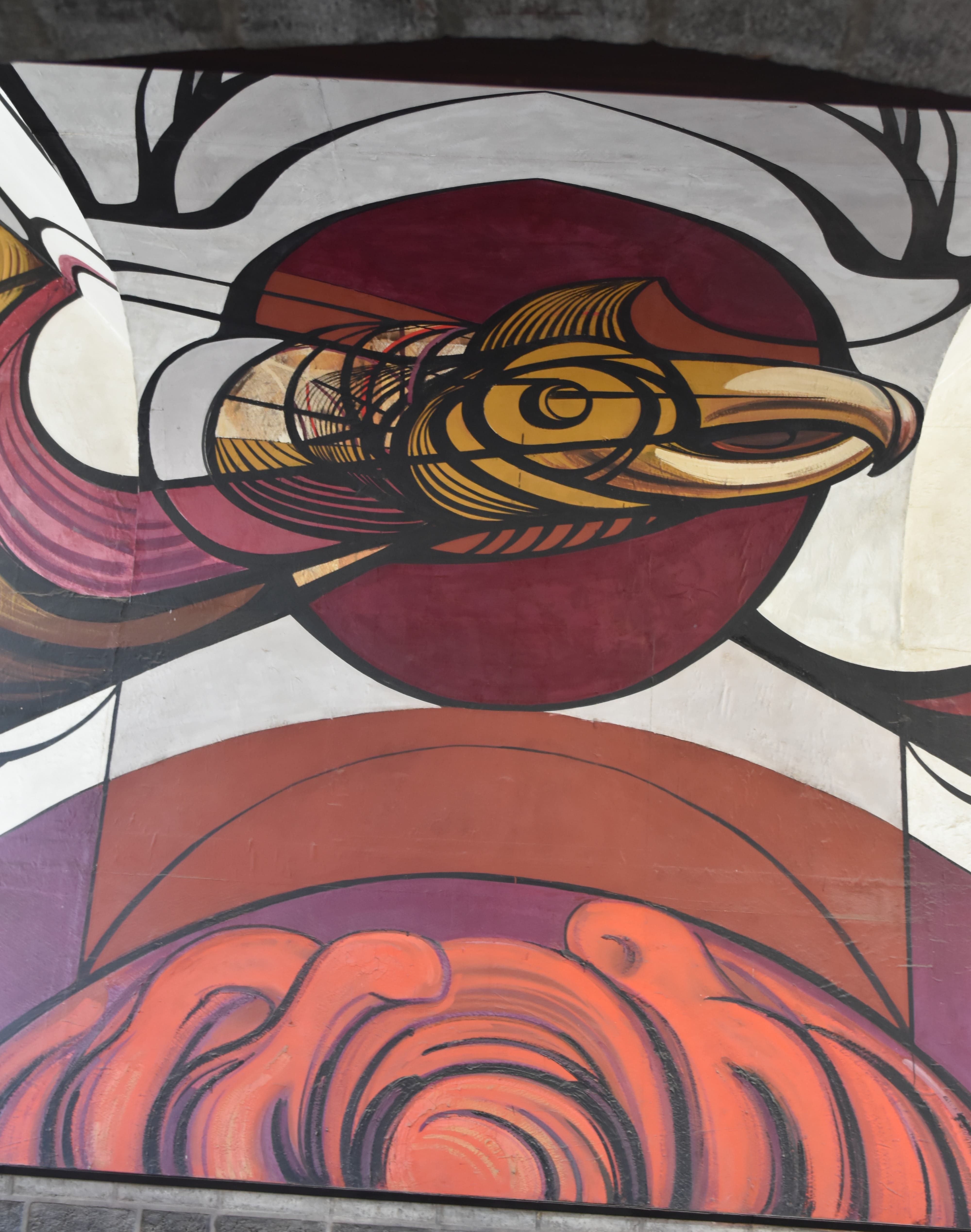
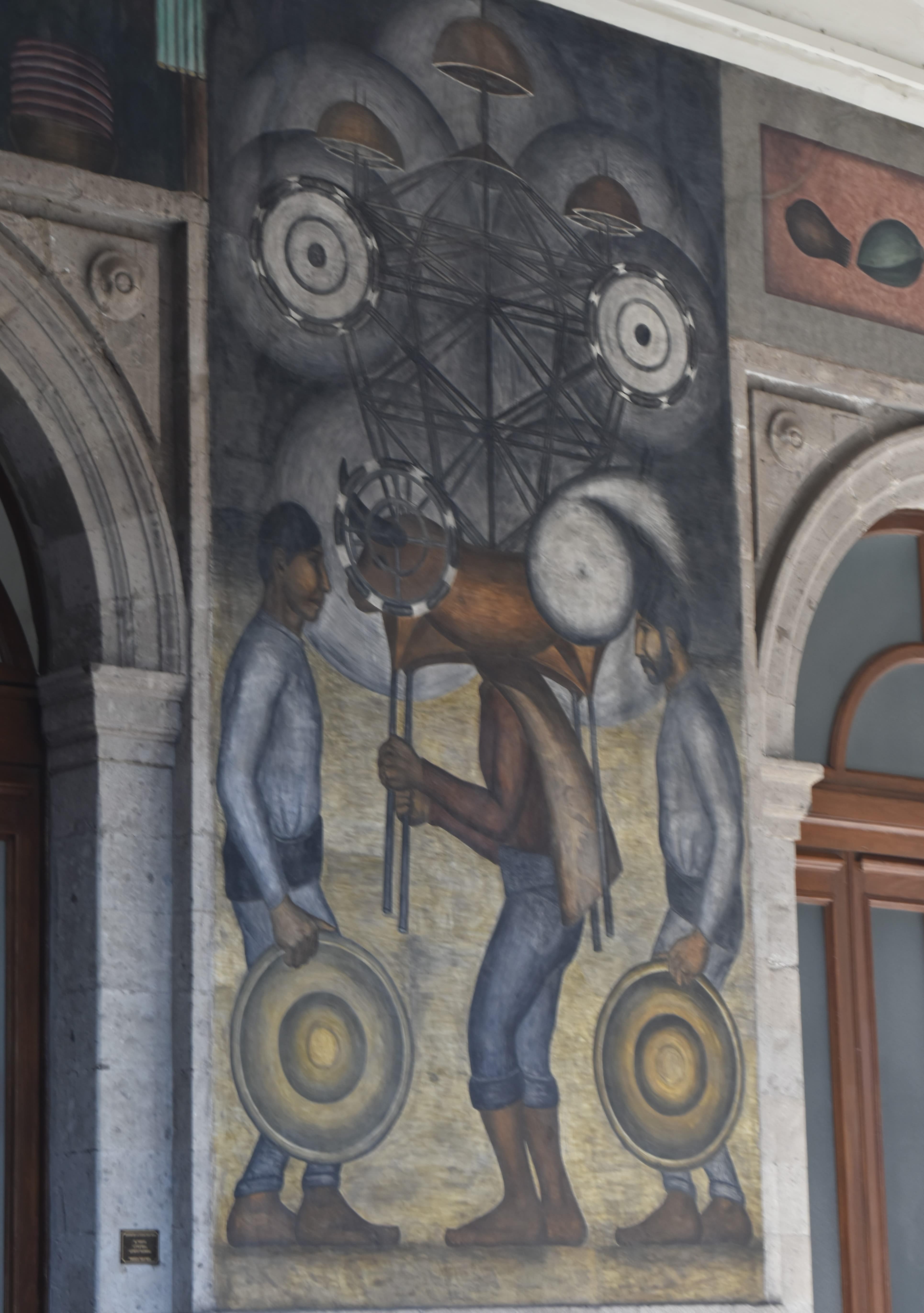
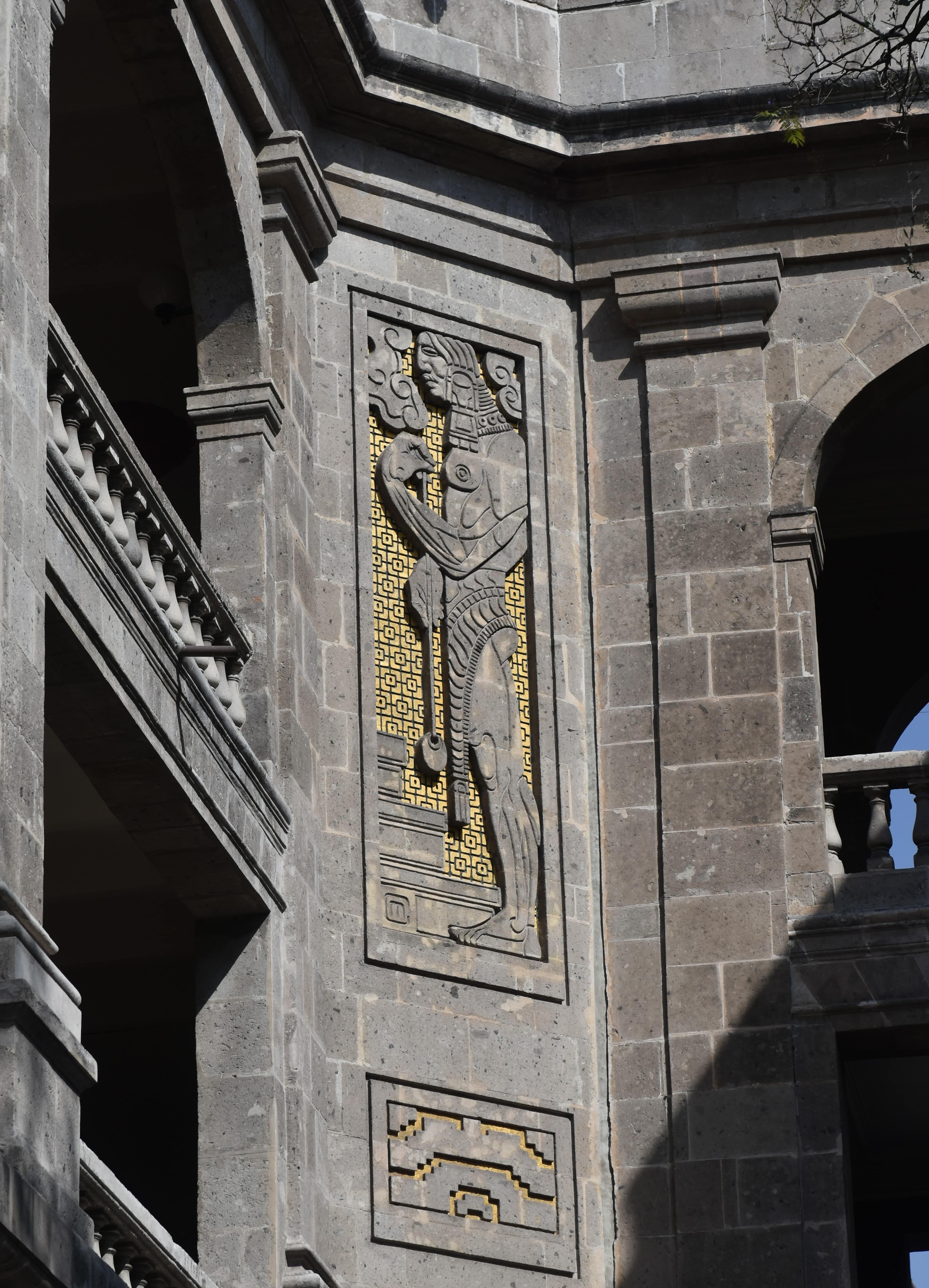
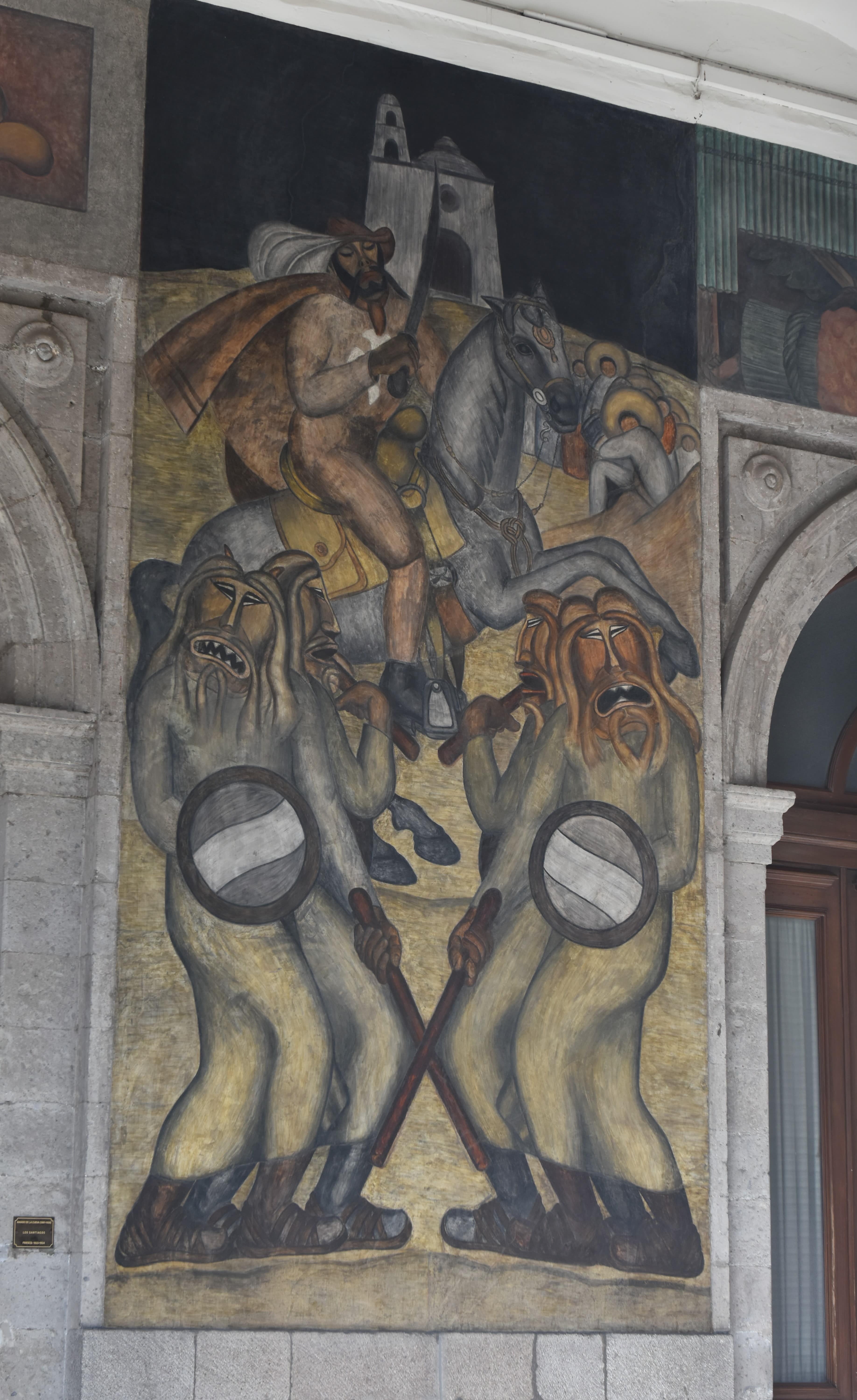
In the afternoon, we walked to the Federal Secretary of Public Education, a historic building with a fascinating past. Originally built in 1594 as The Incarnation Convent, it was once one of Colonial Mexico’s most significant religious institutions. Today, it serves as the headquarters of the Federal Secretary of Public Education and houses an extraordinary artistic treasure—over 3,000 square meters of murals painted by the legendary Diego Rivera.
Rivera’s murals celebrate the dignity of labor, paying tribute to Mexican workers across various trades. His artwork also honors national heroes, cultural traditions, and revolutionary ideals, reflecting his unique vision of human transformation and social justice. Through vibrant scenes, he reimagined Mexican festivals, depicted fertility and abundance, and illustrated the struggles of the working class in a way that remains deeply powerful today.




Unfortunately, I wasn’t feeling well the next day and had to miss the visit to the Museo Nacional de Antropología (National Museum of Anthropology). Built in the 1960s, this prestigious museum is one of the most important in Latin America, housing over 52,000 artifacts across 23 exhibition rooms. Its extensive collection includes treasures from the Teotihuacan, Toltec, Mexica, Maya, and other pre-Hispanic cultures. One of its most iconic pieces is the Aztec Calendar, a massive stone carving that remains a symbol of Mexico’s rich history. Though I missed out, Clare later told me the museum was an incredible experience, highly recommending a visit.
A Visit to La Villa de Guadalupe
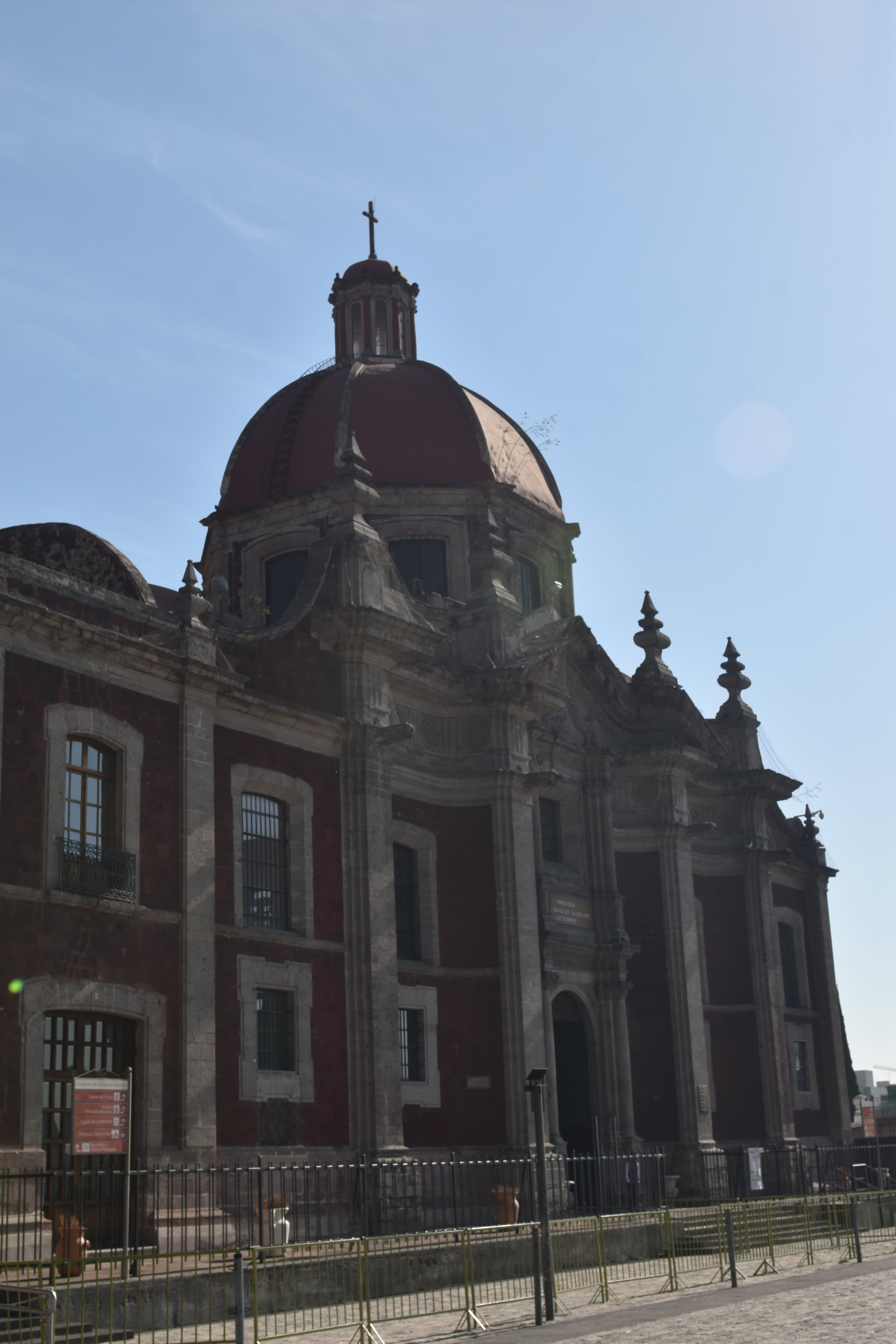
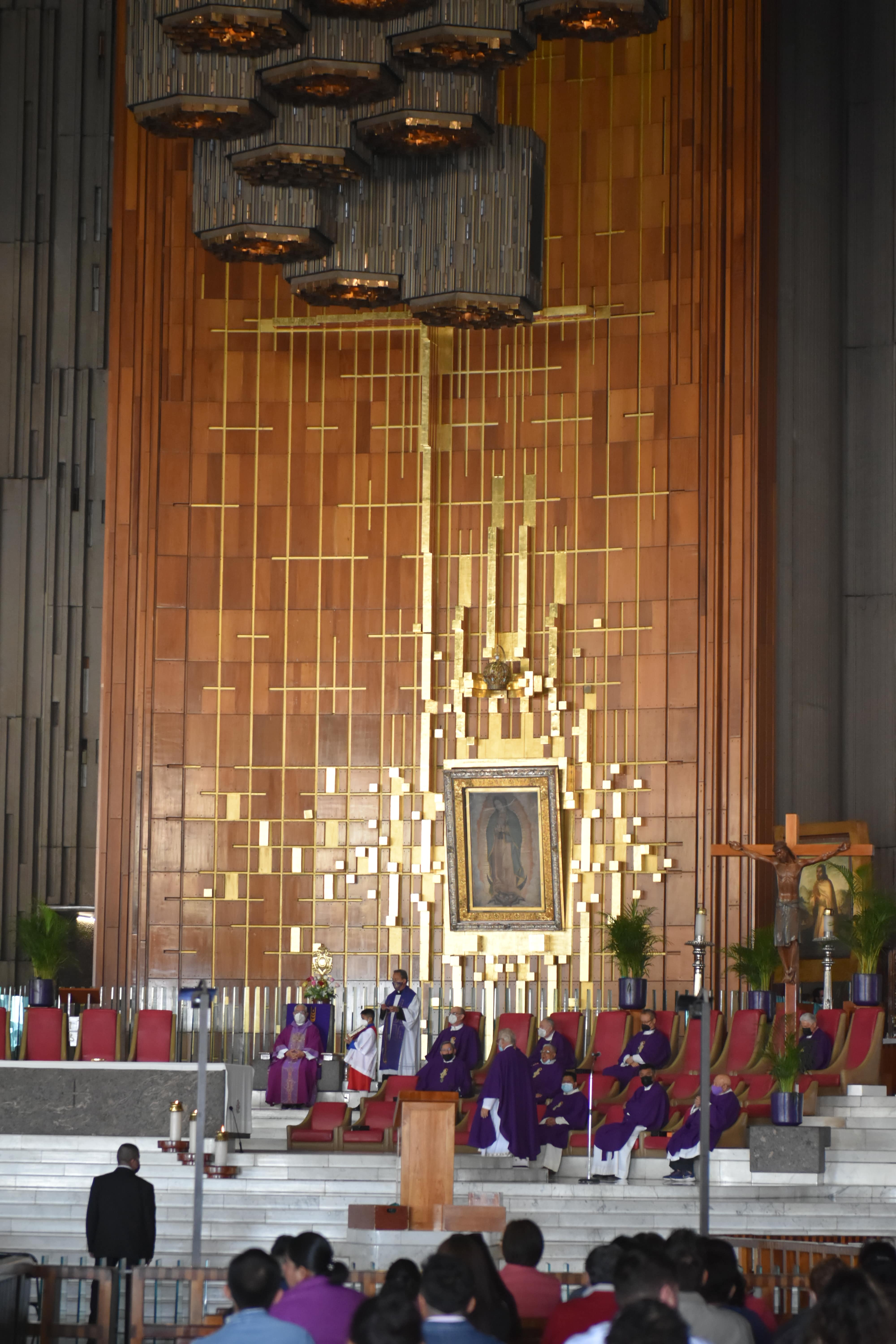
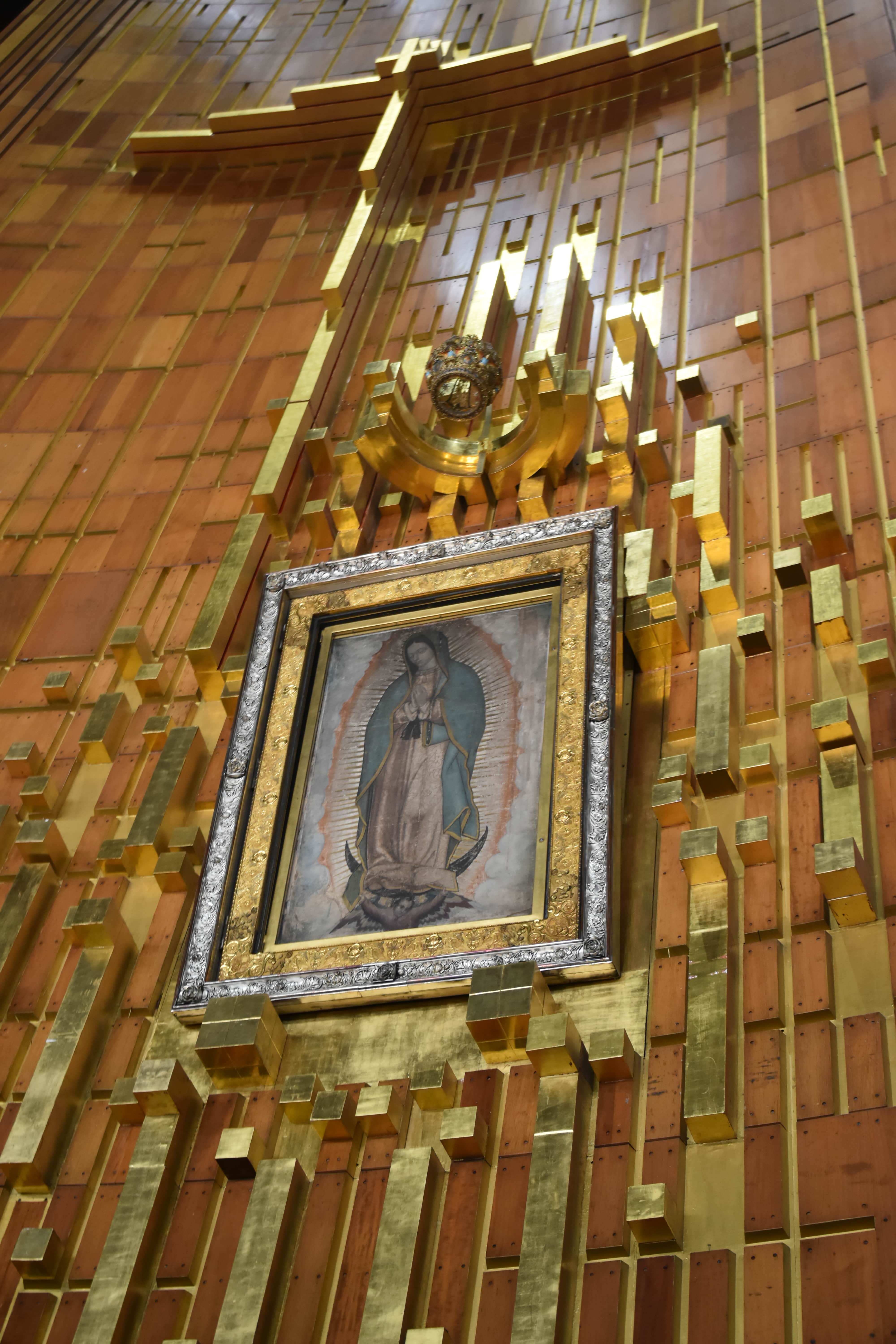
That morning, the bus took us to La Villa de Guadalupe, home to two basilicas—the Old Basilica and the New Basilica—as well as the Capuchinas Convent, all located in the Atrio de las Américas. This site is the most visited Catholic sanctuary in Latin America, as it houses the revered miraculous image of Our Lady of Guadalupe.
On the way, our guide shared the story of St. Juan Diego and the apparition of the Virgin Mary in 1531. Before the Spanish conquest, this location was a sacred site dedicated to a mother goddess. The conquistadors later destroyed the original shrine and built a church in its place, which eventually became the Old Basilica, completed in 1709. However, due to its sinking foundation, a New Basilica was constructed between 1974 and 1976, standing beside the old one—creating a striking contrast between historic and modern architecture.






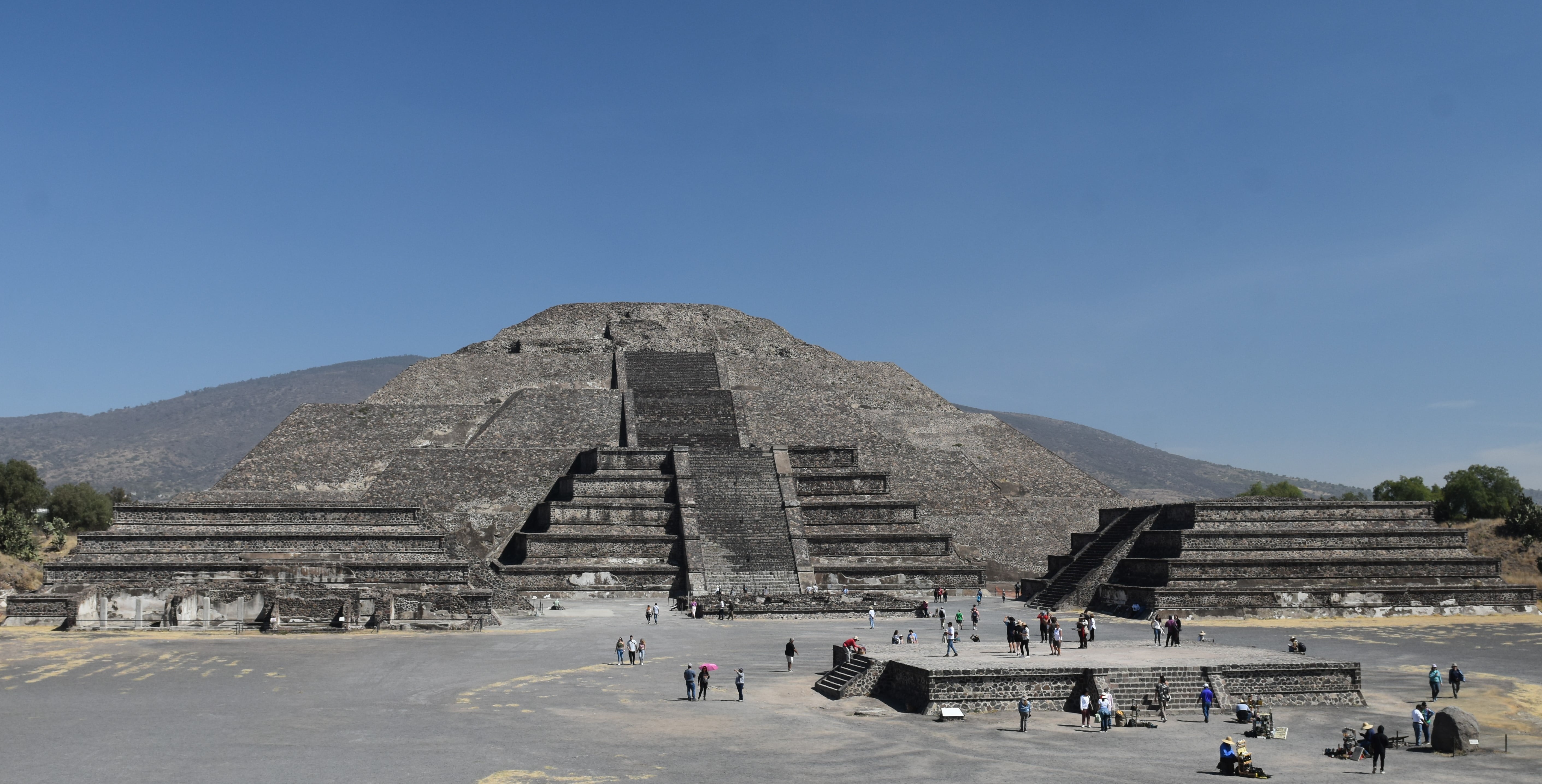
Later that day, our Road Scholar group took a bus trip to the Teotihuacan Pyramids and their surrounding archaeological site. Guided by a Road Scholar expert, we learned about the fascinating history of Teotihuacan, which, between 150 BCE and 450 CE, became the sixth-largest city in the world.
Now a UNESCO World Heritage Site, Teotihuacan was once a sacred metropolis, home to at least 125,000 people at its peak. Its most famous landmarks include the Temple of the Plumed Serpent and the towering Pyramids of the Sun and the Moon, which dominate the ancient city’s skyline.
For me, visiting Teotihuacan was one of the absolute highlights of the trip—standing among these awe-inspiring ruins, it was easy to imagine the grandeur and mystery of this lost civilization.







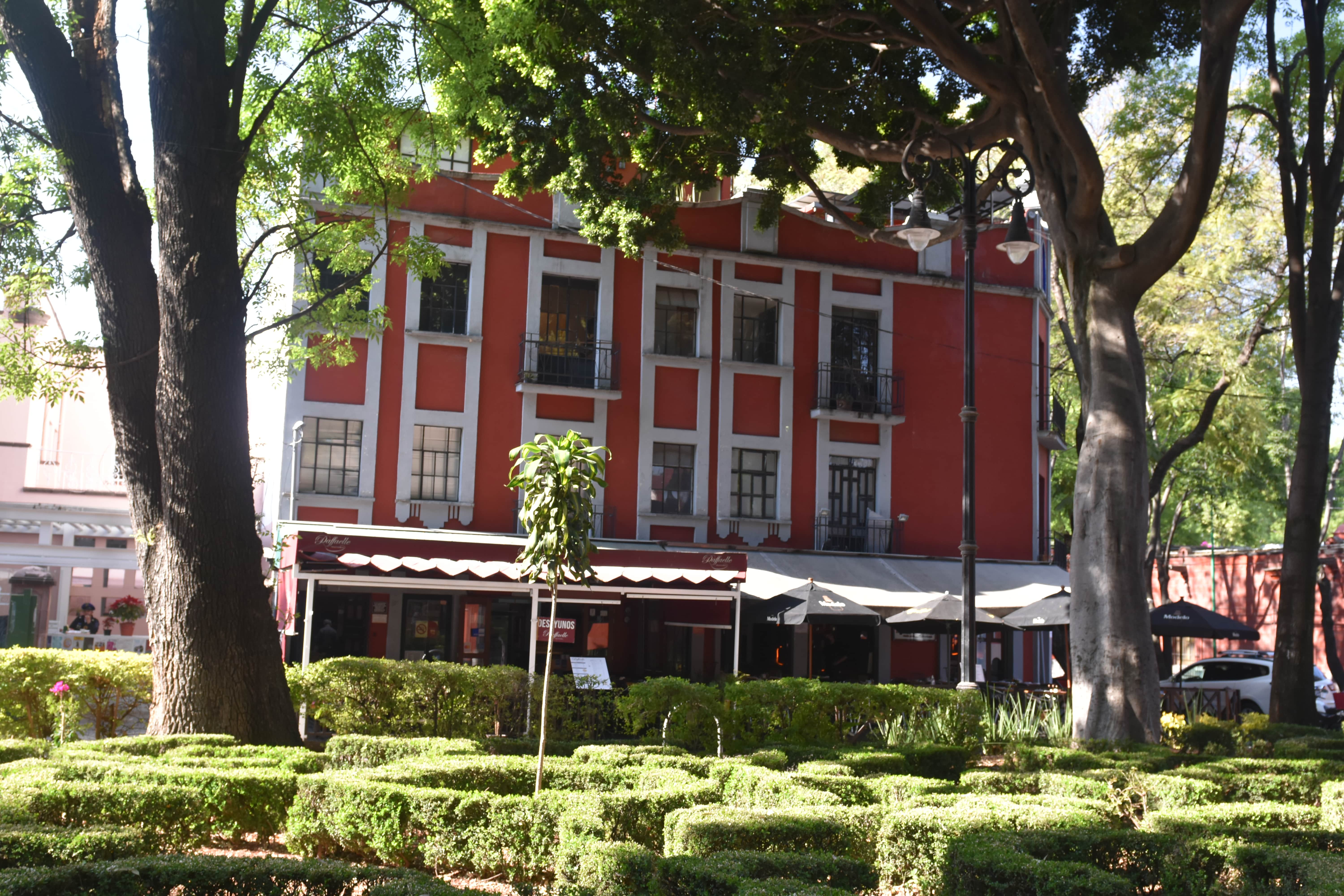
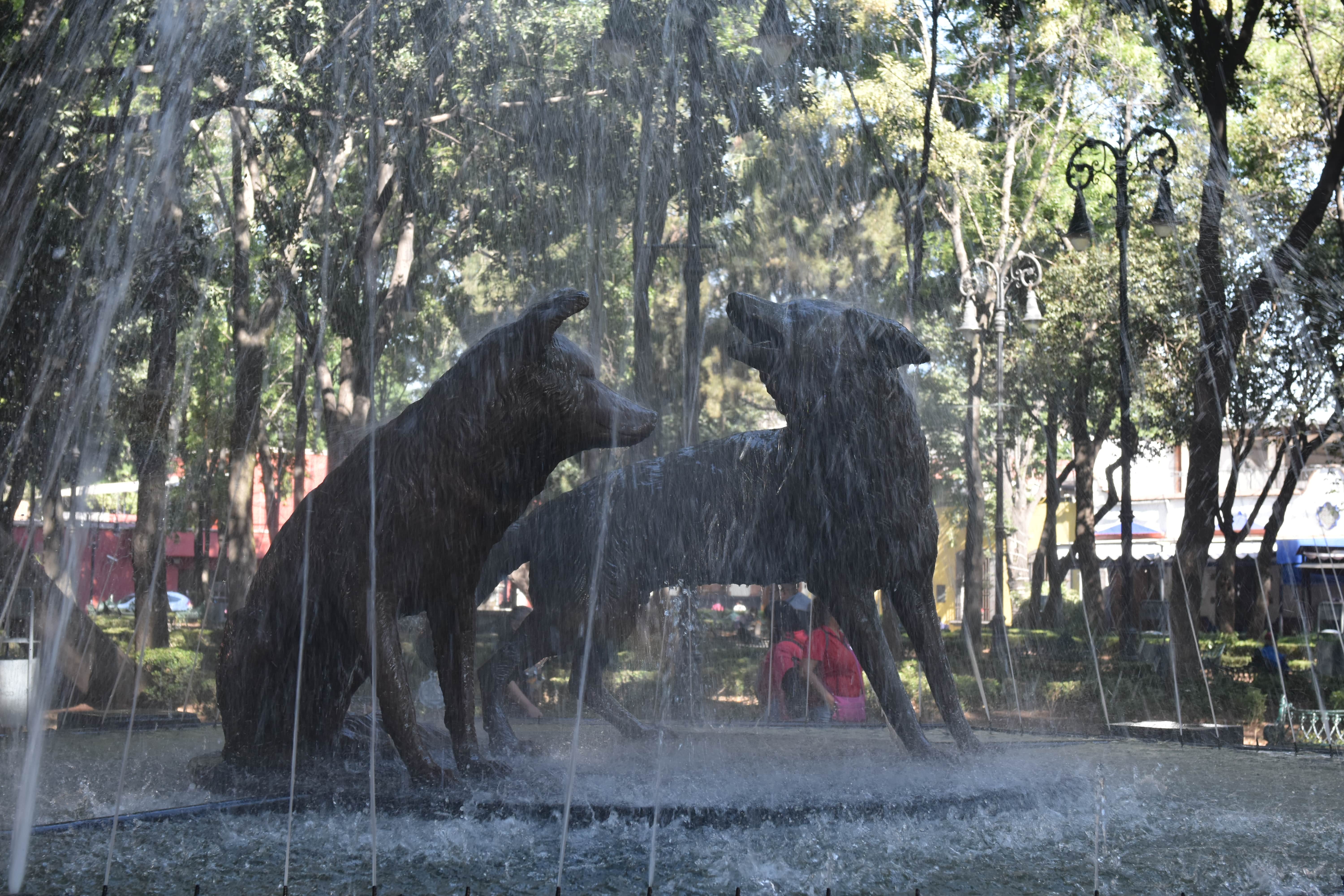
The next morning, we explored the charming Coyoacán neighborhood. Once an independent village on the shores of Lake Texcoco, Coyoacán played a significant role in Mexico’s colonial history—it welcomed the Spanish conquistadors and even served as the headquarters of Hernán Cortés. Its name comes from a Nahuatl word, which most likely means “place of coyotes.”
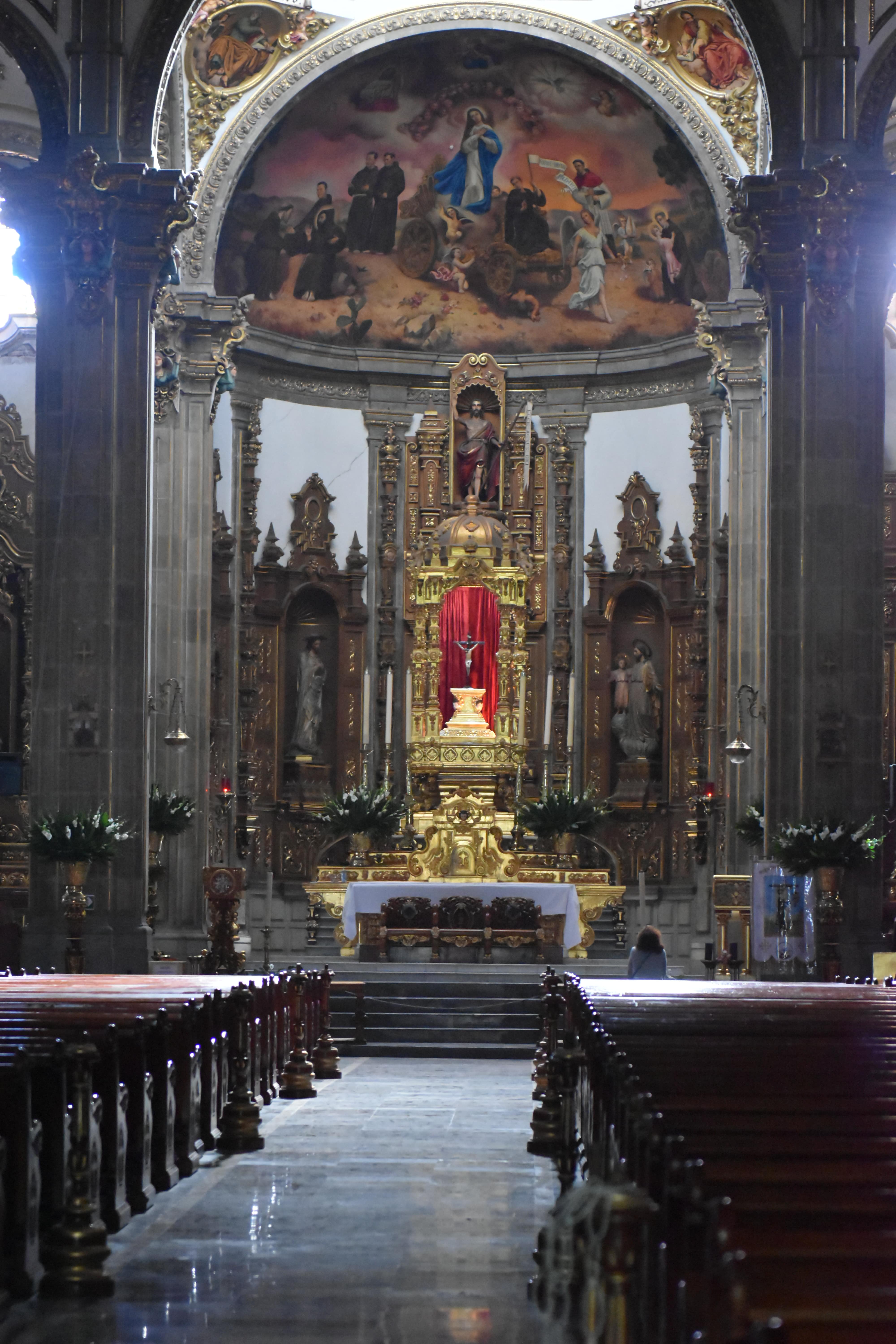
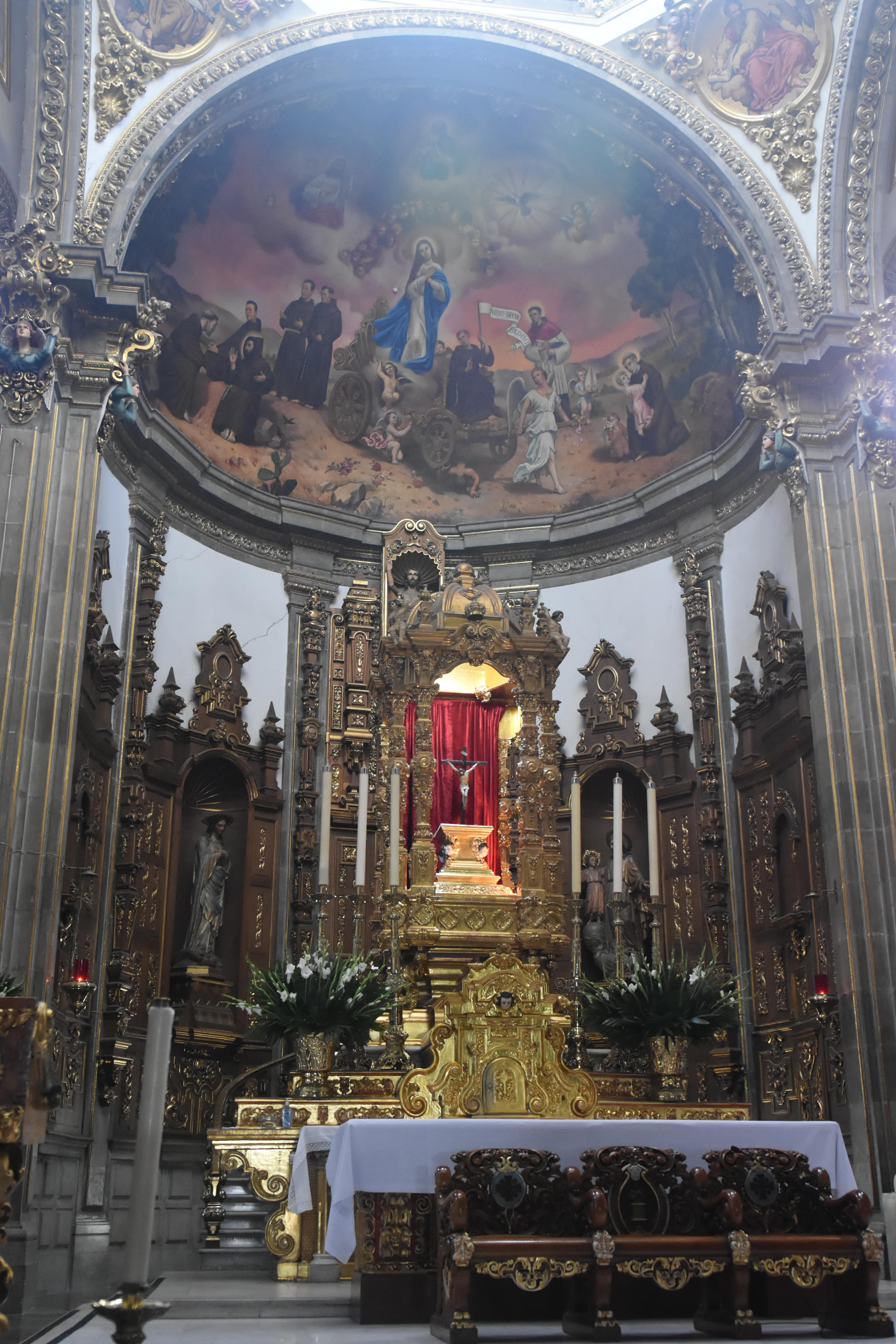
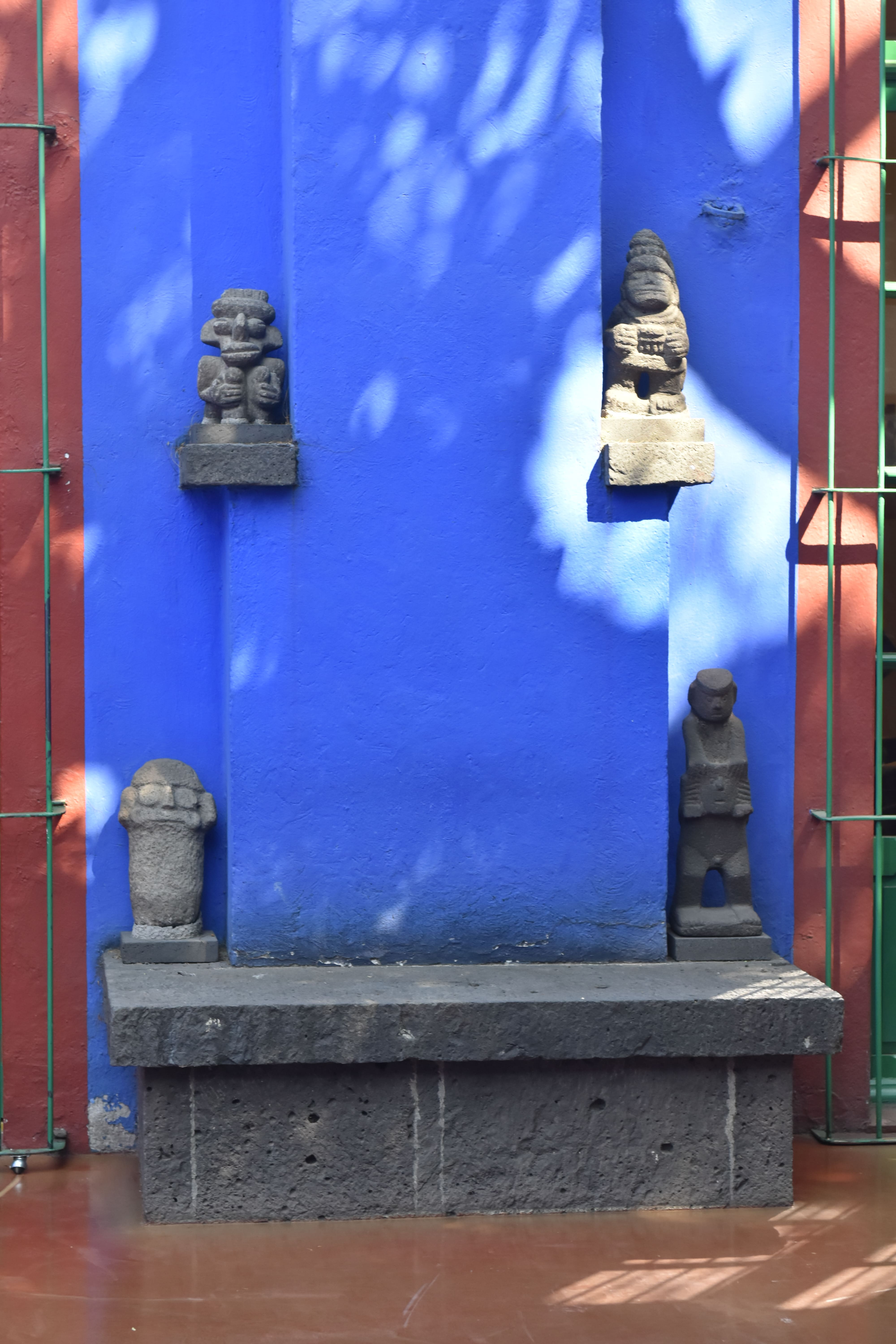
After visiting a local church, we walked to the Frida Kahlo Museum, also known as Casa Azul (the Blue House). This was the lifelong home of Frida Kahlo, and after her passing, her husband, Diego Rivera, donated the house and its contents to be preserved as a museum in her memory. Today, Casa Azul showcases not only the couple’s artwork but also provides a glimpse into the bohemian and artistic lifestyle of Mexican intellectuals in the early 20th century. The museum offers a fascinating look at Kahlo’s world—her personal belongings, traditional Mexican crafts, and the spaces where she lived and created her most famous works.







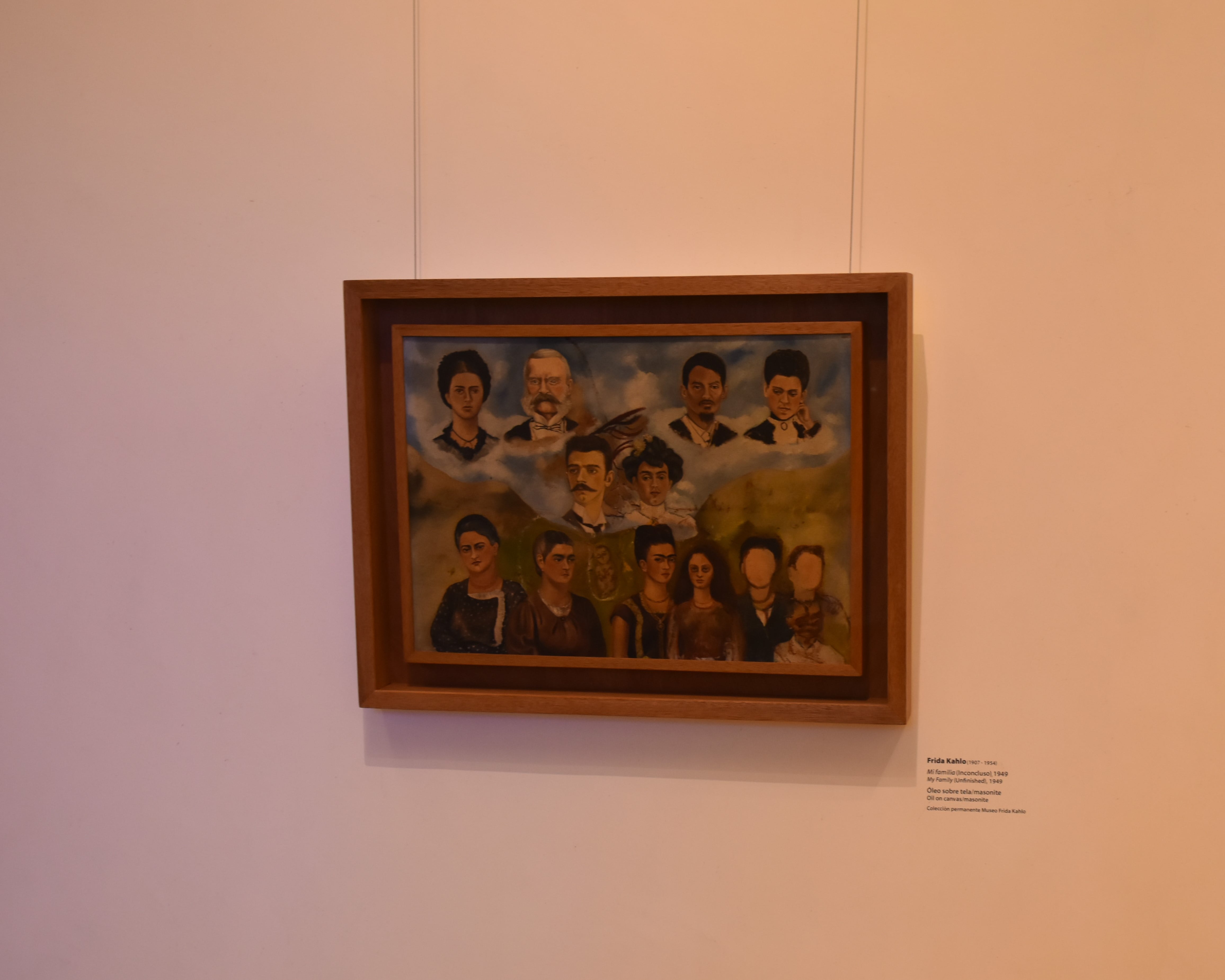
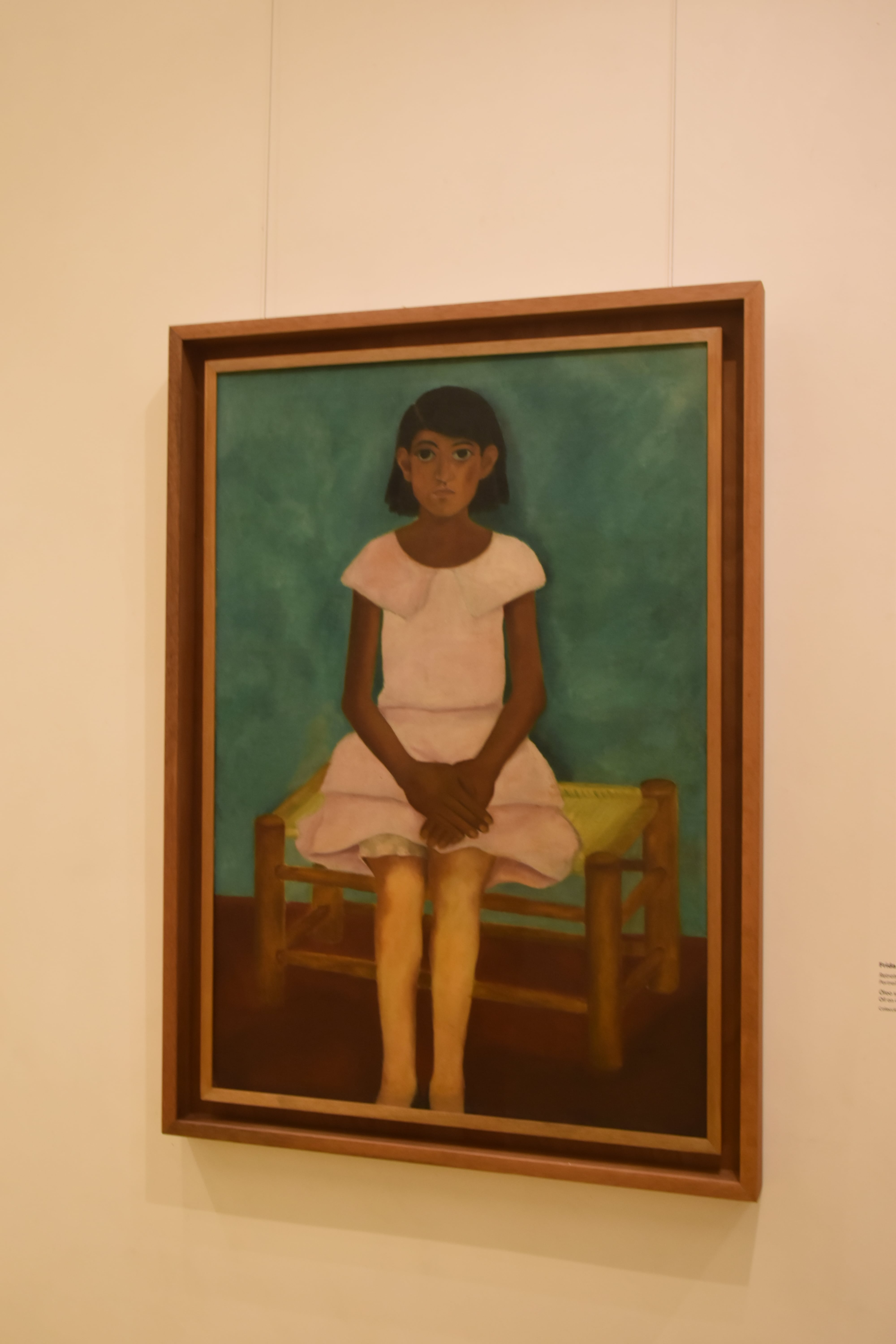


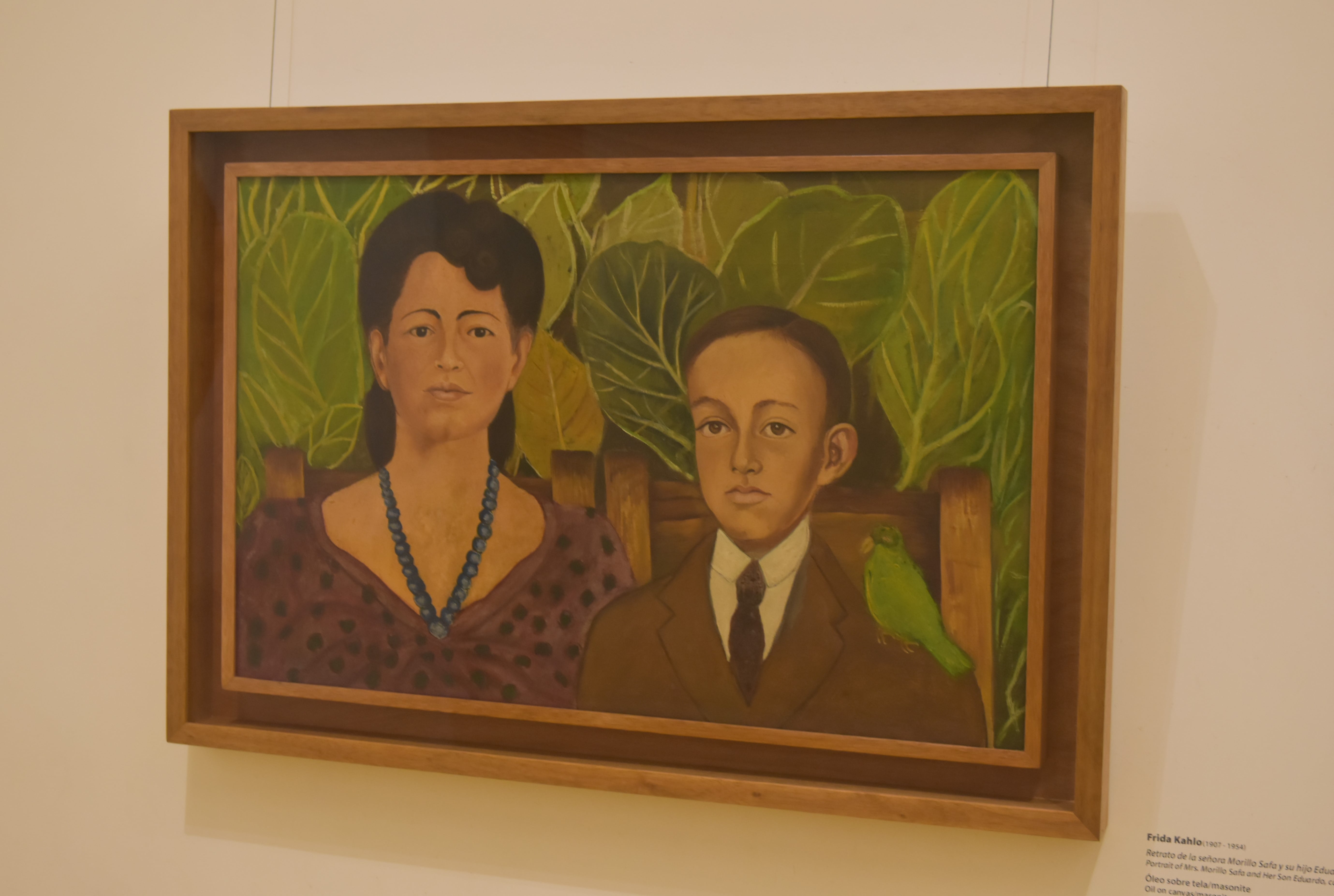


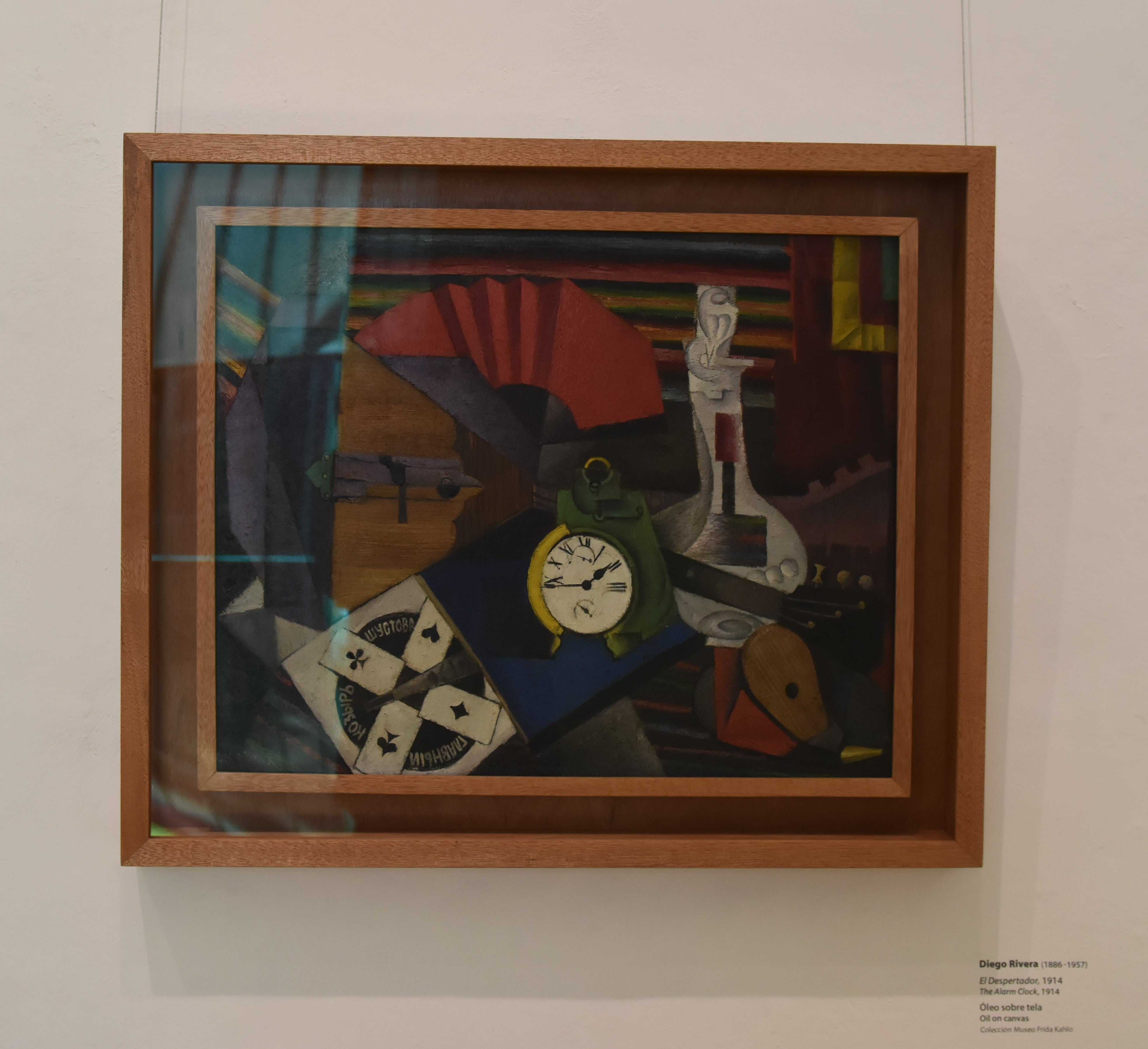
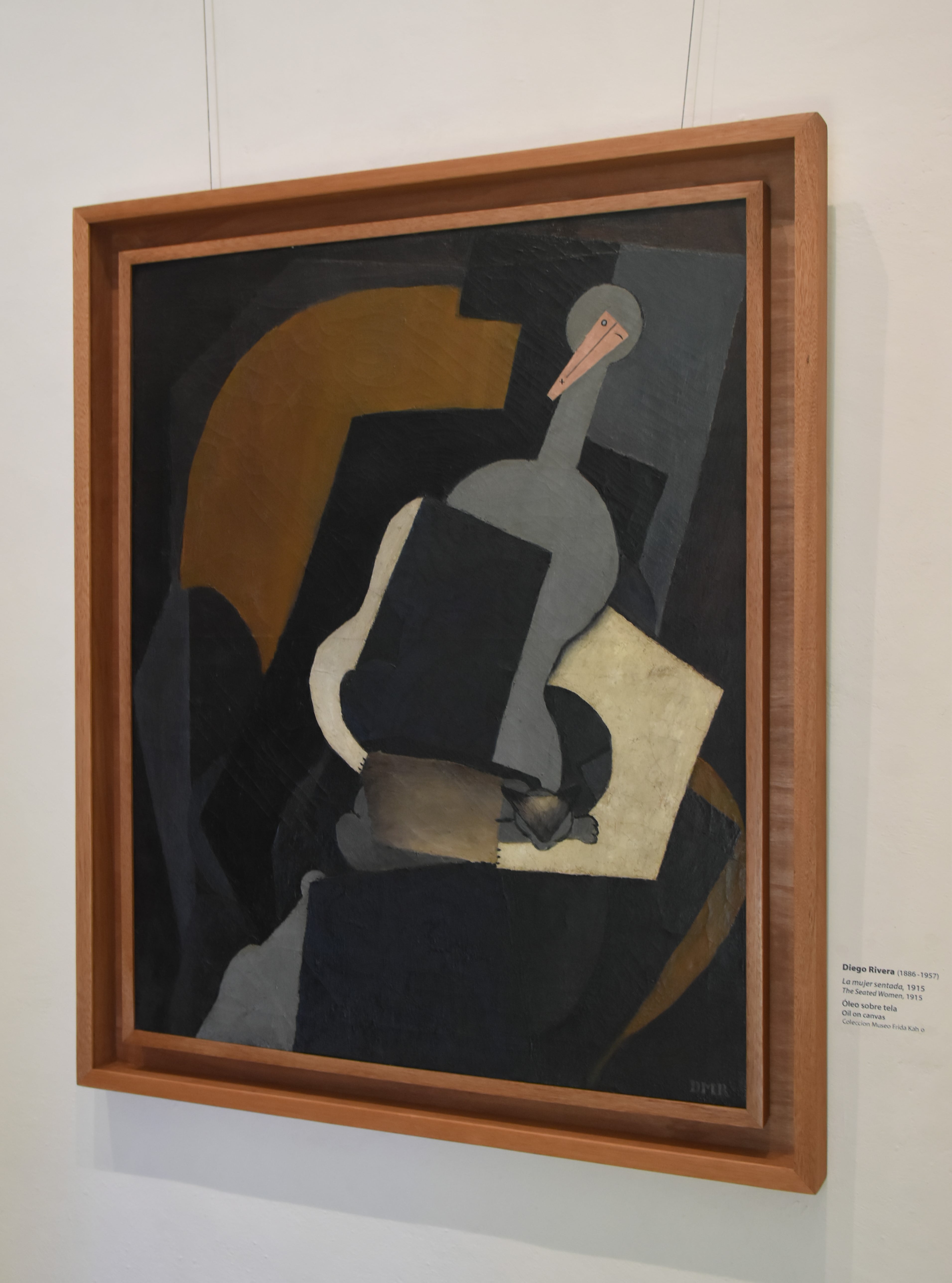


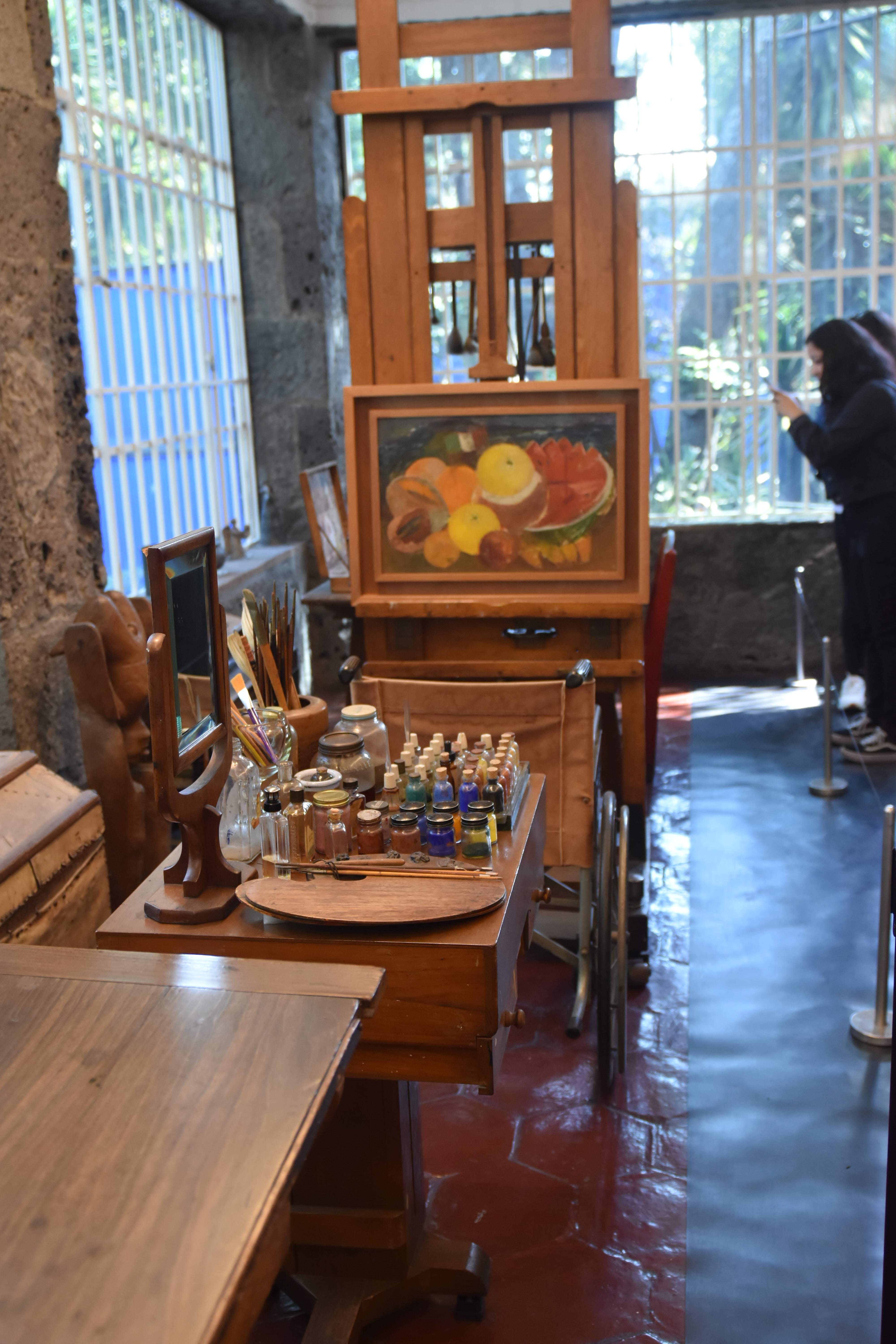
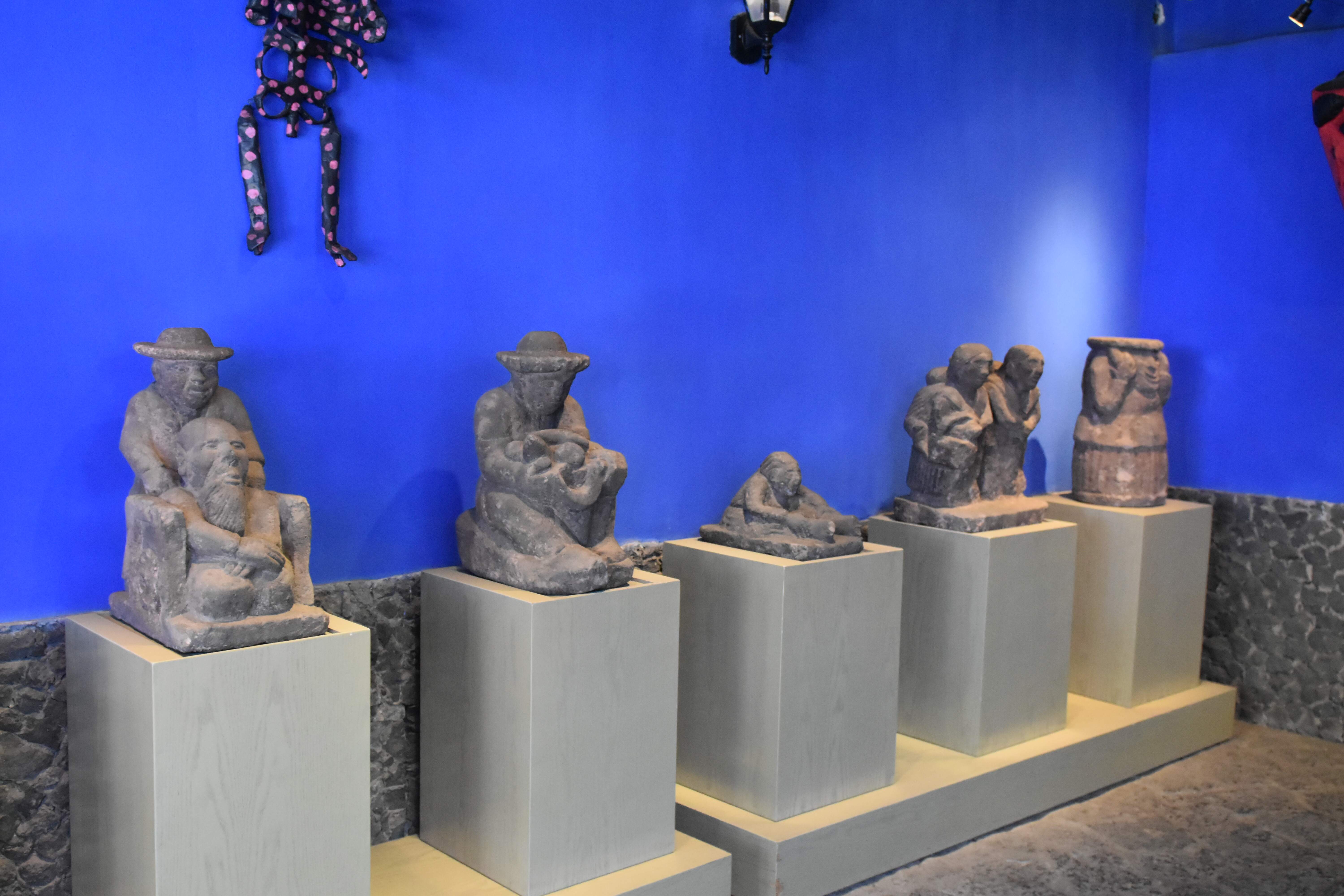


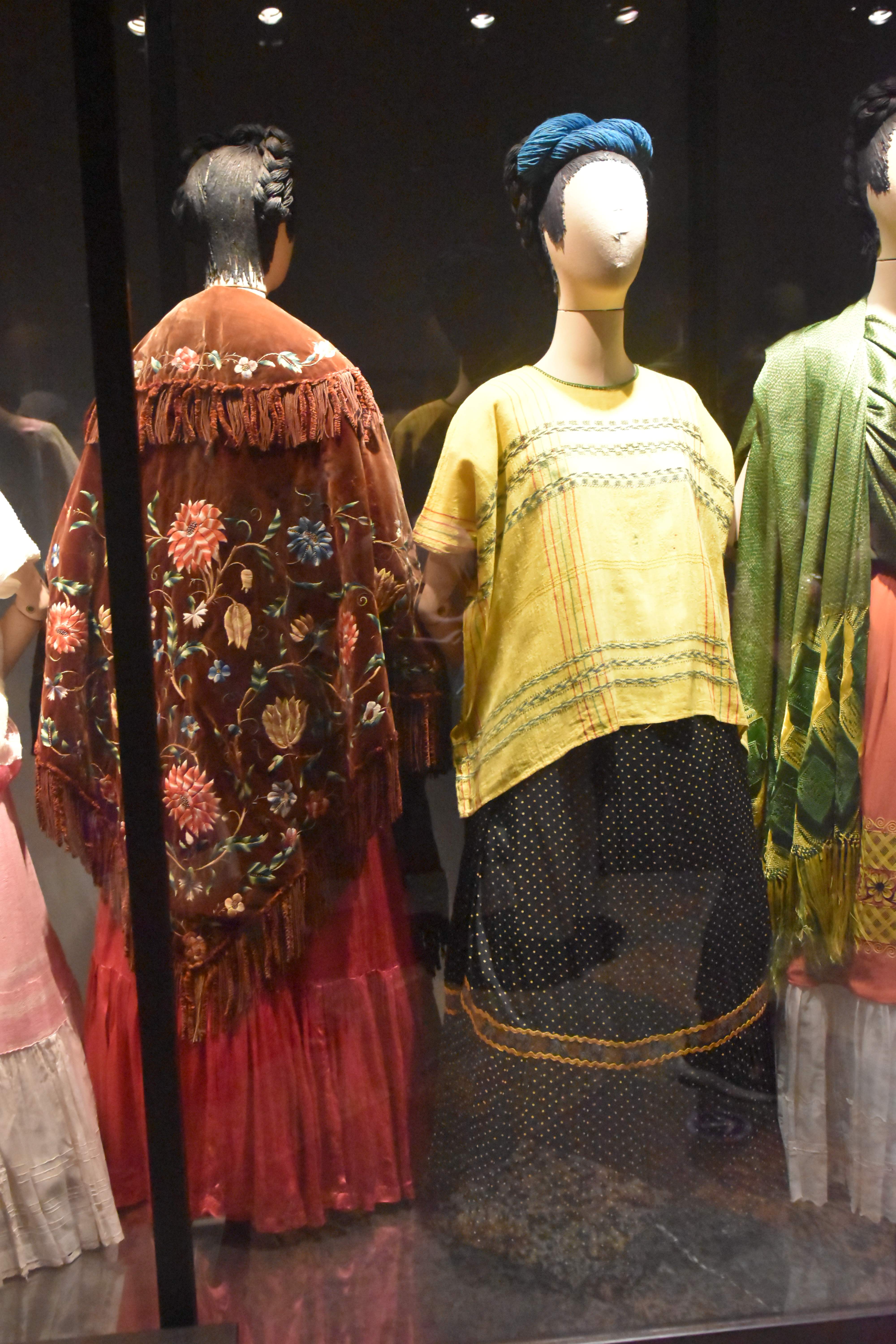

After leaving the Frida Kahlo Museum, we took a bus to Lake Xochimilco, a fascinating remnant of an ancient lake system that once covered much of the Valley of Mexico. Formed by glacial melt after the Ice Age, Xochimilco was historically part of a network of five interconnected lakes. Over time, rising temperatures and reduced water sources caused water levels to drop, leading the Aztecs in the 14th century to construct dams and canals to preserve the lake’s waters. These innovations helped shape the unique floating agricultural system that still defines the area today.
A Colorful Journey Through the Canals
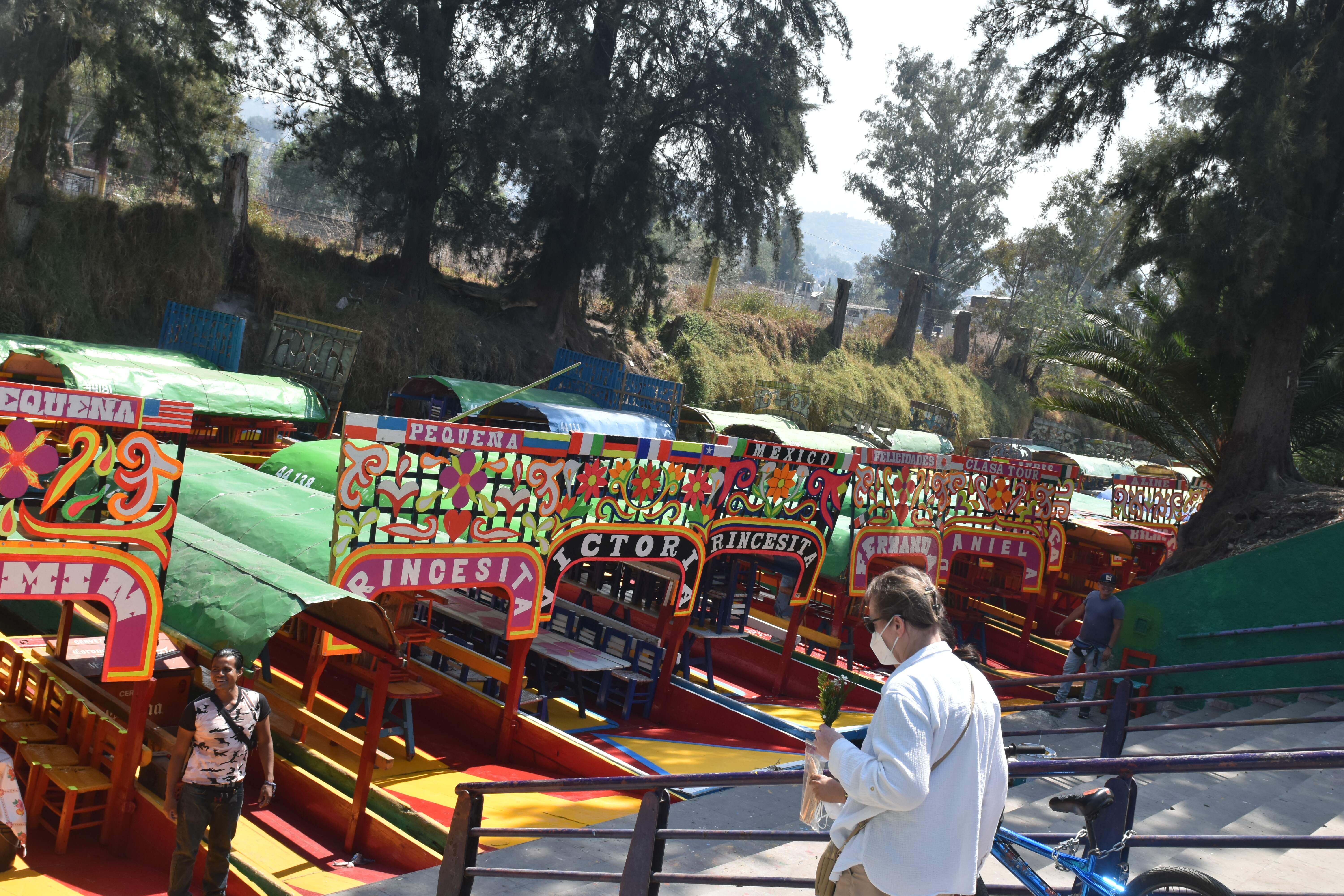
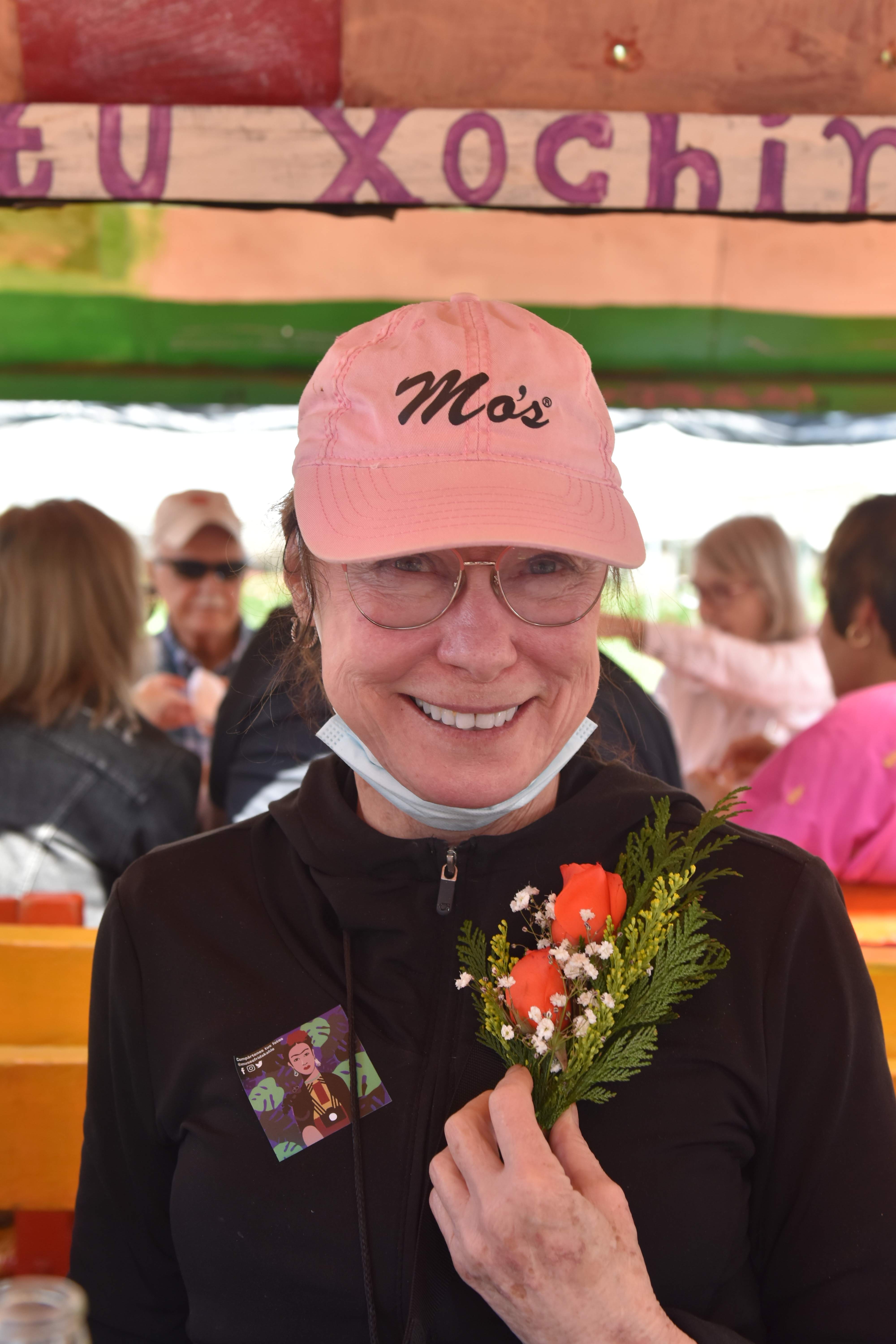
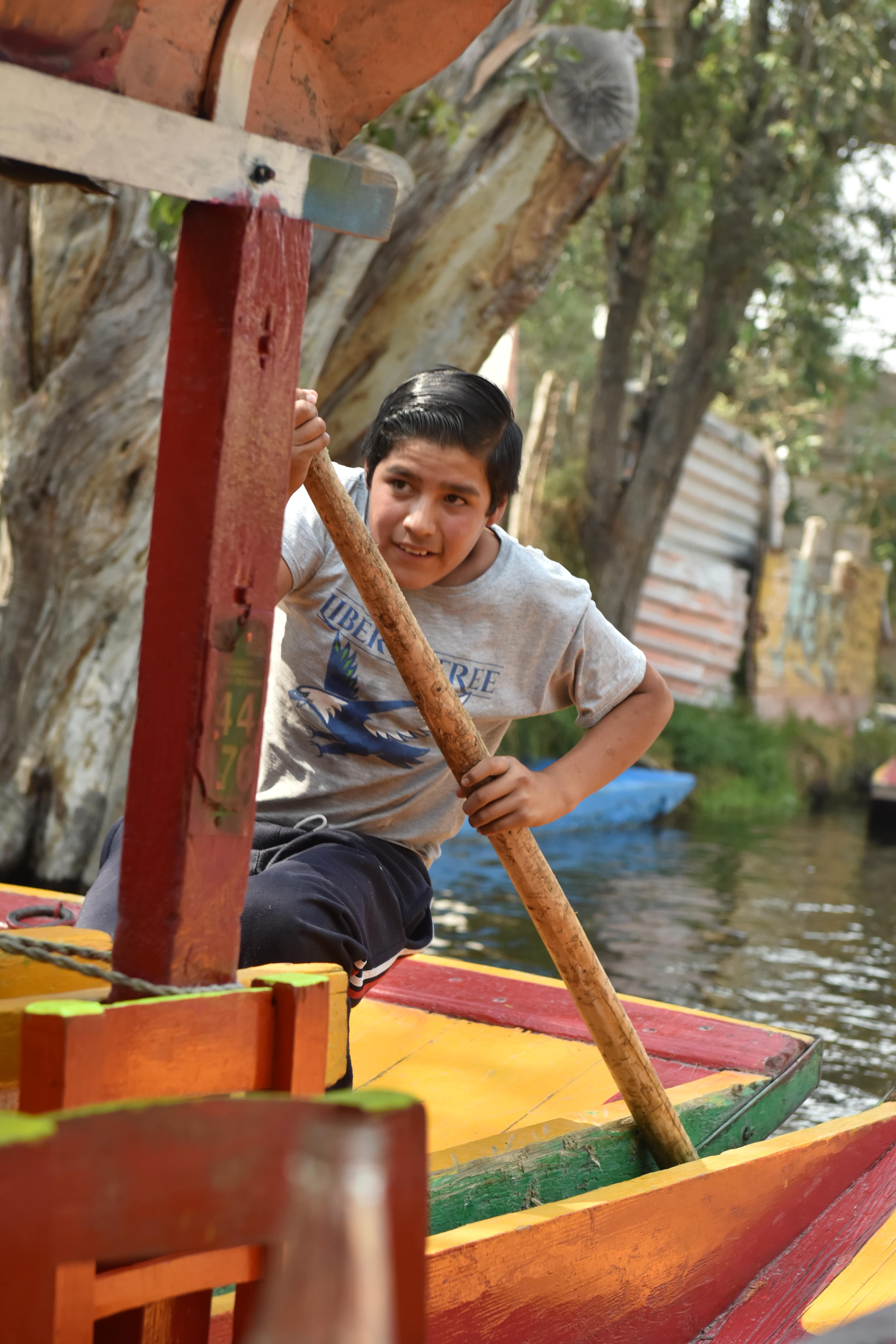
We boarded trajineras—brightly painted, flat-bottomed boats—for a lunchtime tour of the canals. As we drifted through the waterways, we learned why Xochimilco has been designated a UNESCO World Heritage Site. Unlike the bustling capital just to the north, Xochimilco has preserved its distinct identity, maintaining the chinampa system—artificial islands that created over 100 miles of canals and once connected settlements throughout the Valley of Mexico. This ancient method of farming and transportation remains one of the last living links to Mexico’s pre-Hispanic past.
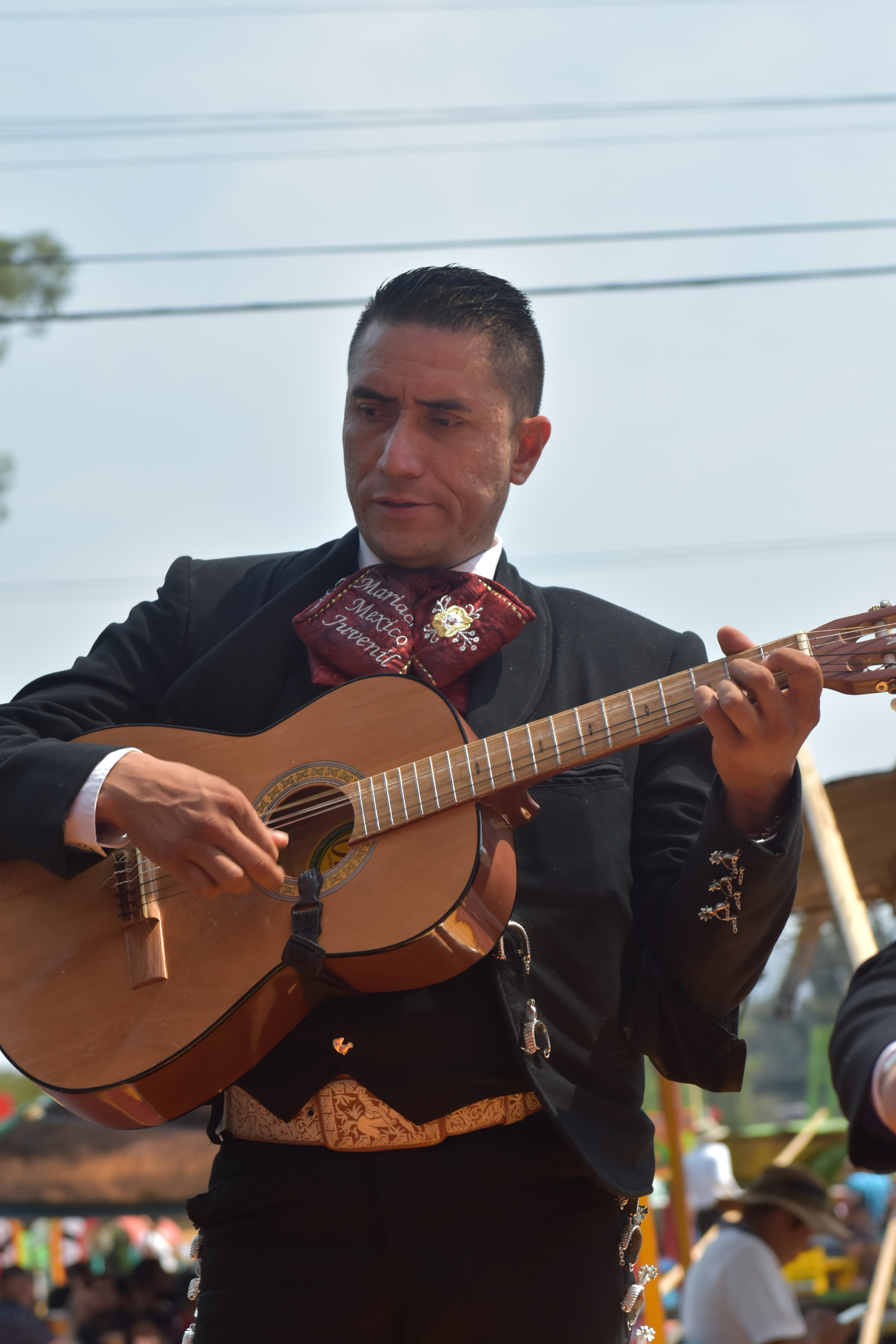
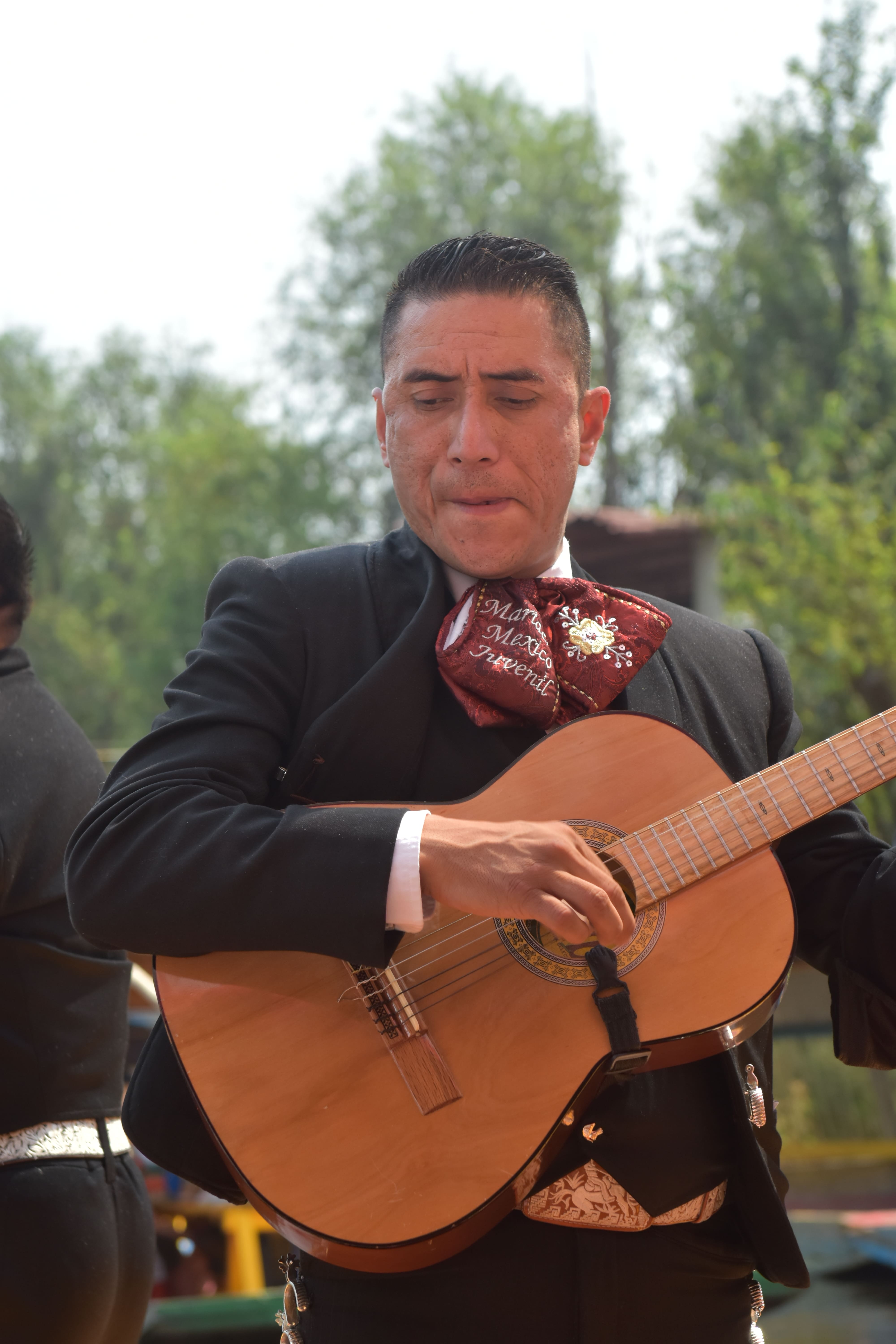
To make the experience even more memorable, a group of minstrels boarded our trajinera to celebrate a birthday in our group. Their lively performance, combined with the festive atmosphere of the floating market, made for an unforgettable and truly vibrant journey through Xochimilco’s historic canals.






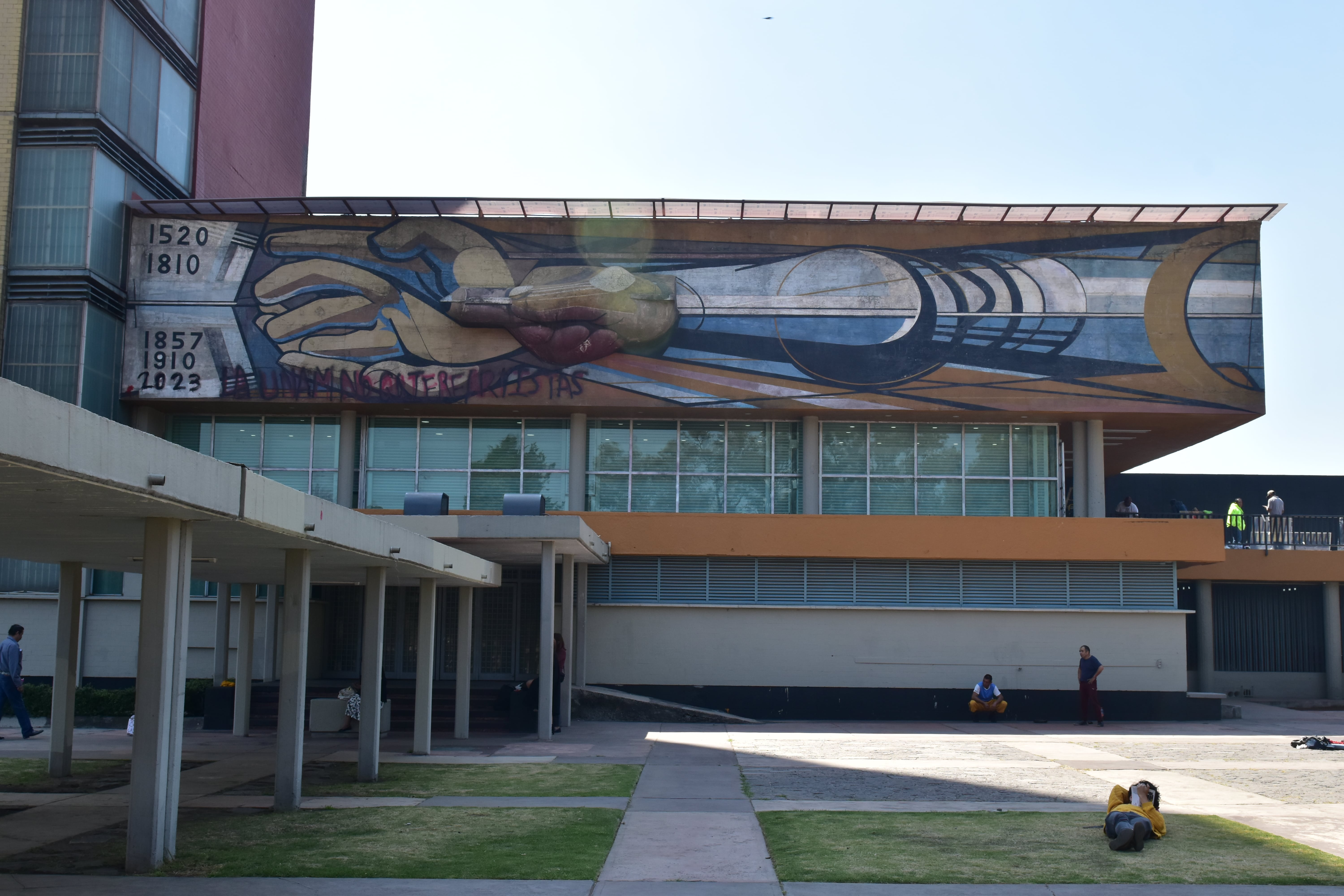
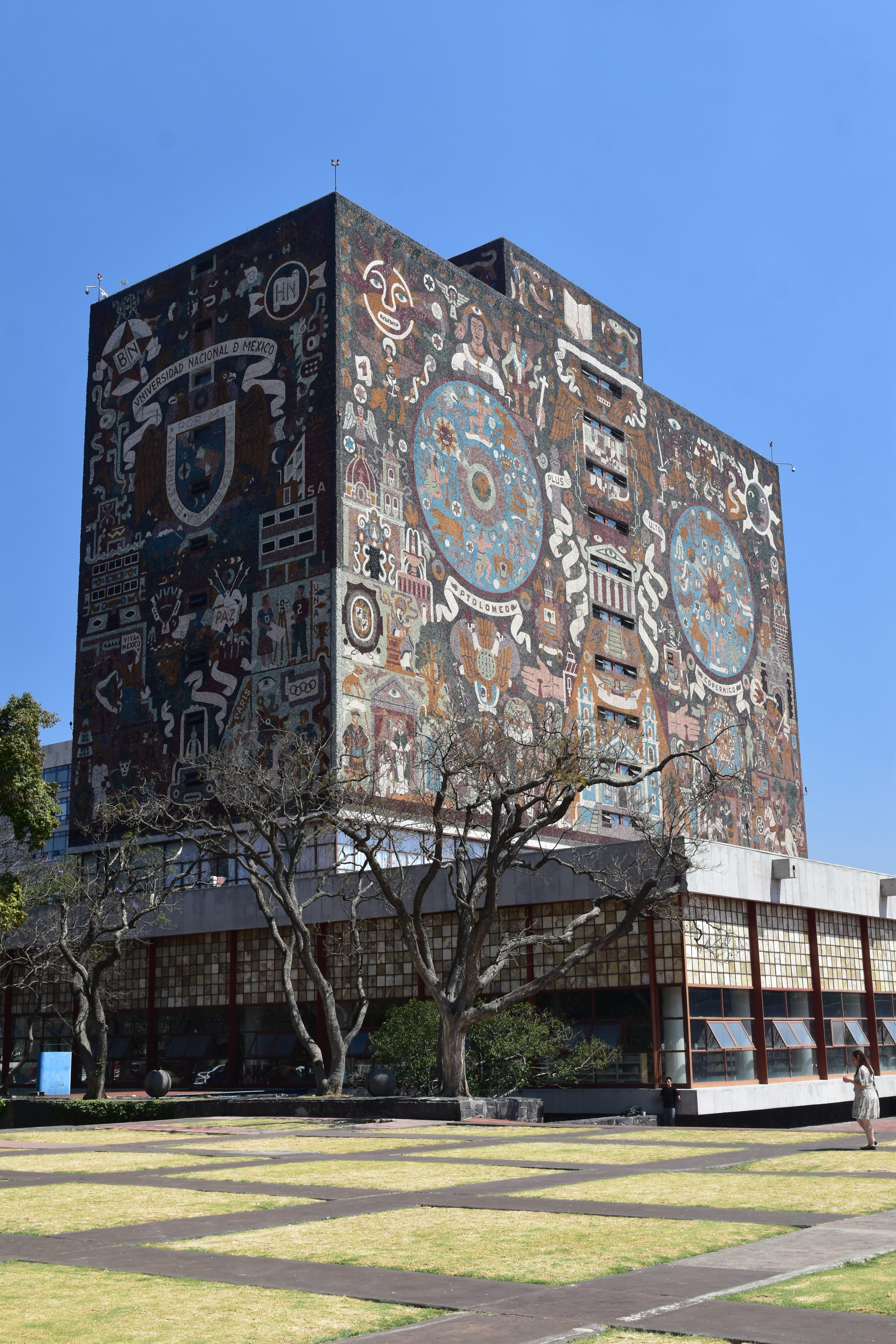
The next day, we visited the Universidad Nacional Autónoma de México (UNAM), often referred to as the “Maximum House of Studies.” Founded in its modern form on September 22, 1910, UNAM has consistently ranked among the top universities in Latin America and is renowned for its academic excellence.
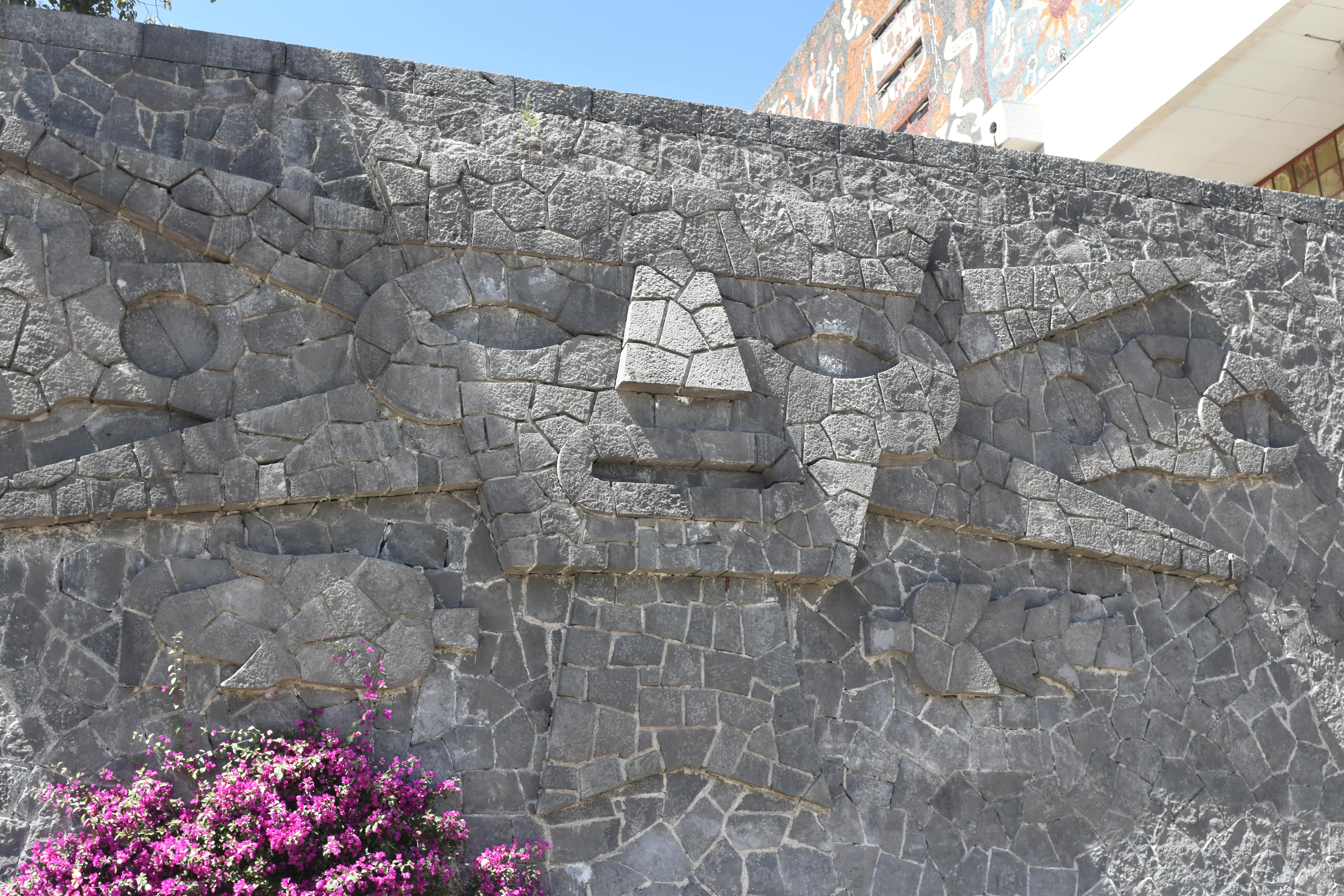
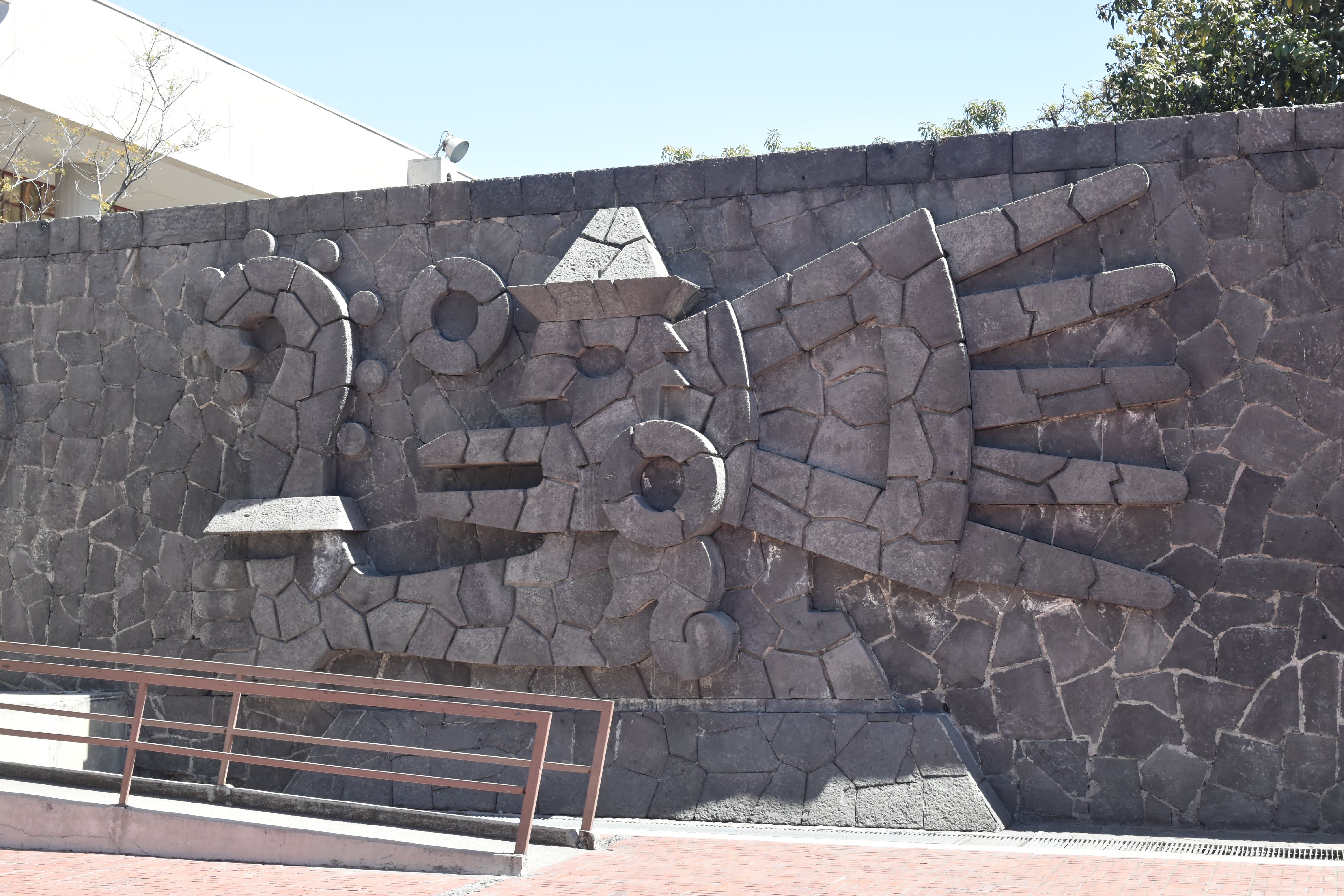
A portion of its main campus, known as Ciudad Universitaria (University City), is a UNESCO World Heritage Site, designed by some of Mexico’s most celebrated 20th-century architects. This sprawling campus not only serves as a hub of learning but also played host to the 1968 Summer Olympic Games.
Adding to its cultural significance, the campus is home to stunning murals painted by some of Mexico’s most famous artists, including Diego Rivera and David Alfaro Siqueiros. These works of art reflect Mexico’s history, identity, and revolutionary spirit, making the university a living museum of Mexican culture.
Beyond its architectural and artistic prestige, UNAM is also known for its highly competitive admissions process, with acceptance rates often below 10%—a testament to its status as one of the most elite institutions in the region.




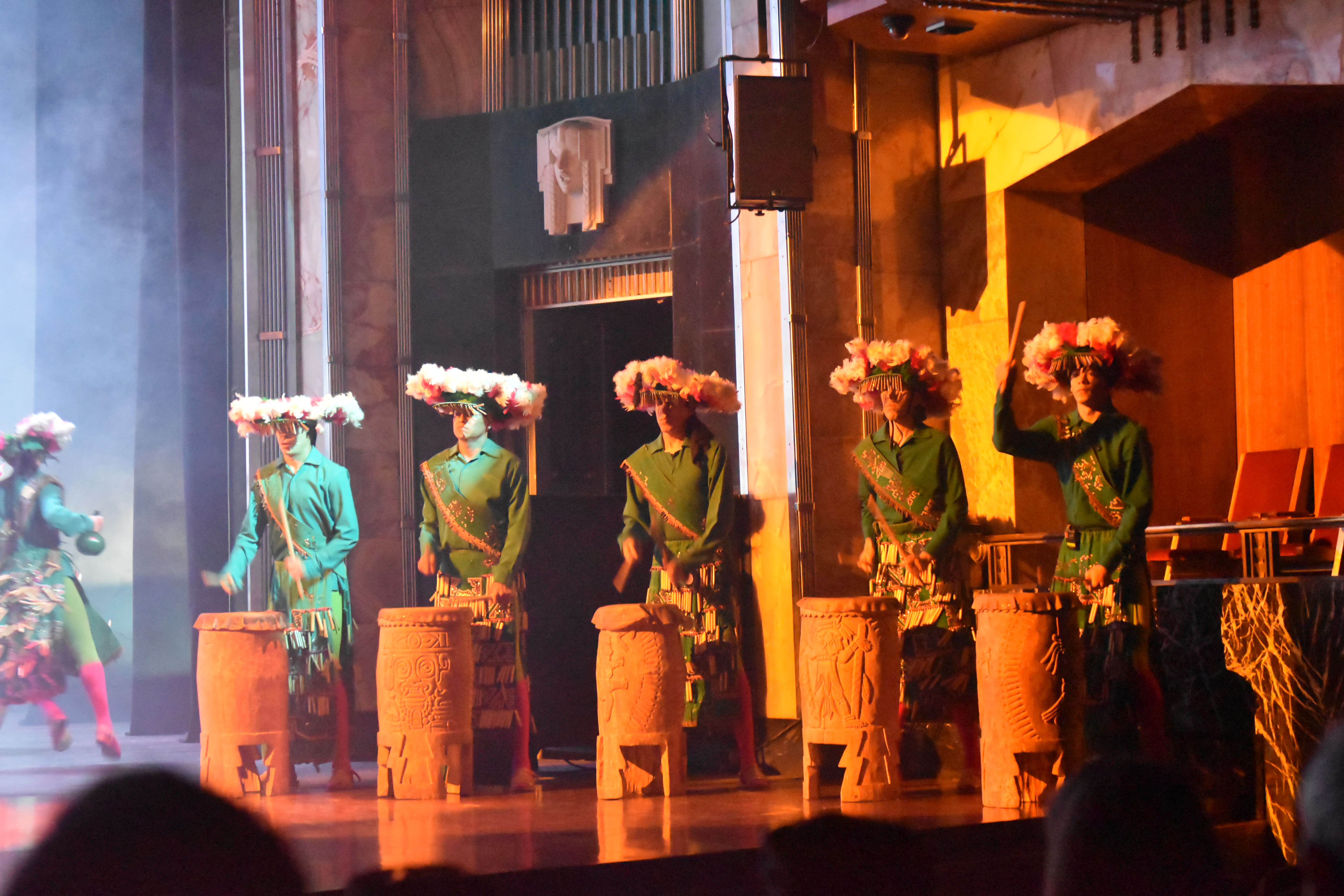
On our final day together, we visited the magnificent Palace of Fine Arts to experience a breathtaking performance by the renowned Ballet Folklórico de Amalia Hernández. The show was nothing short of mesmerizing—a dazzling display of dance, music, and vibrant costumes, celebrating the rich cultural traditions of Mexico.
Each performance reflected the diverse genres and artistic expressions from across the country, bringing centuries of history to life on stage. I, for one, was completely captivated by the energy, elegance, and storytelling woven into every movement—a truly unforgettable way to conclude our journey.

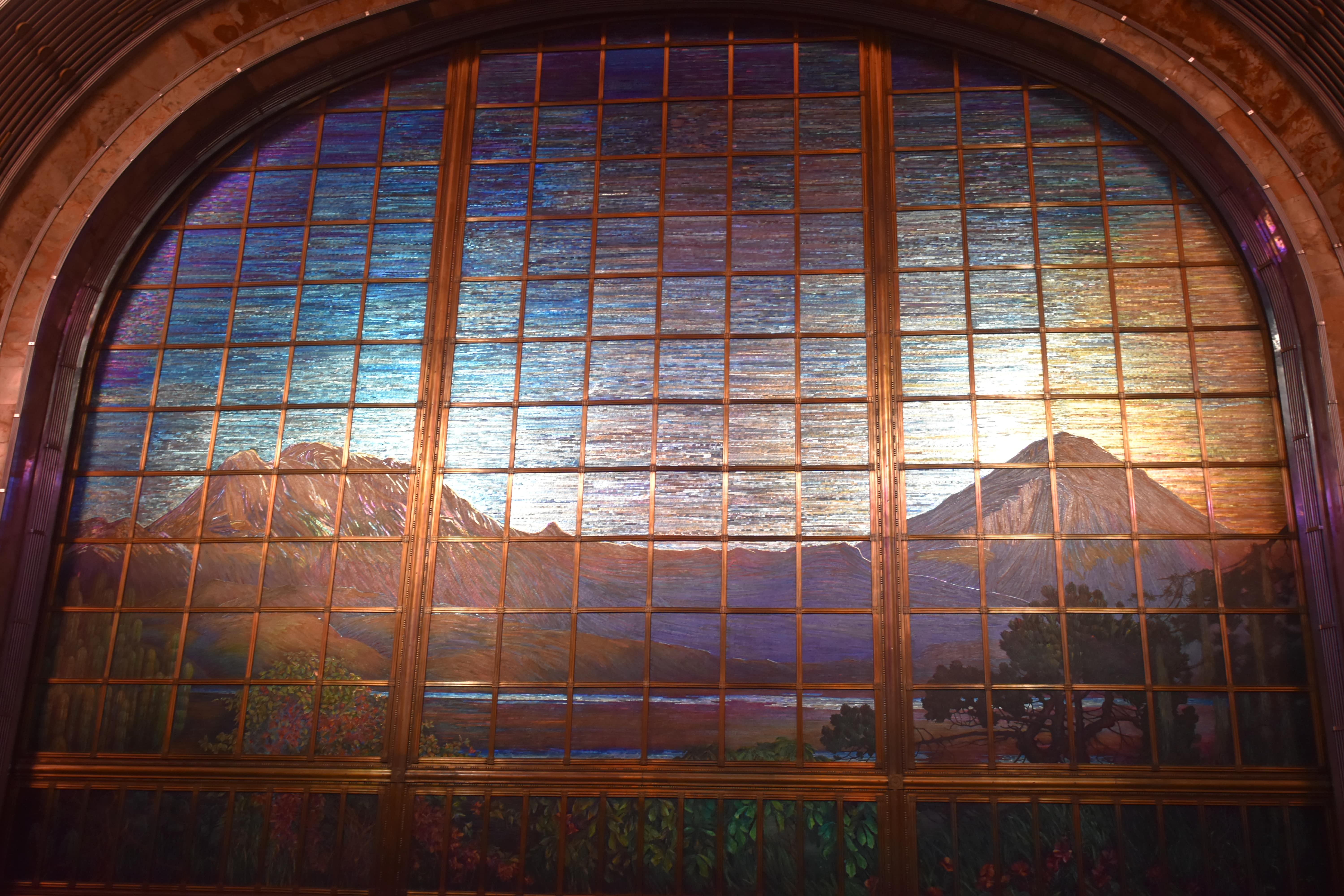
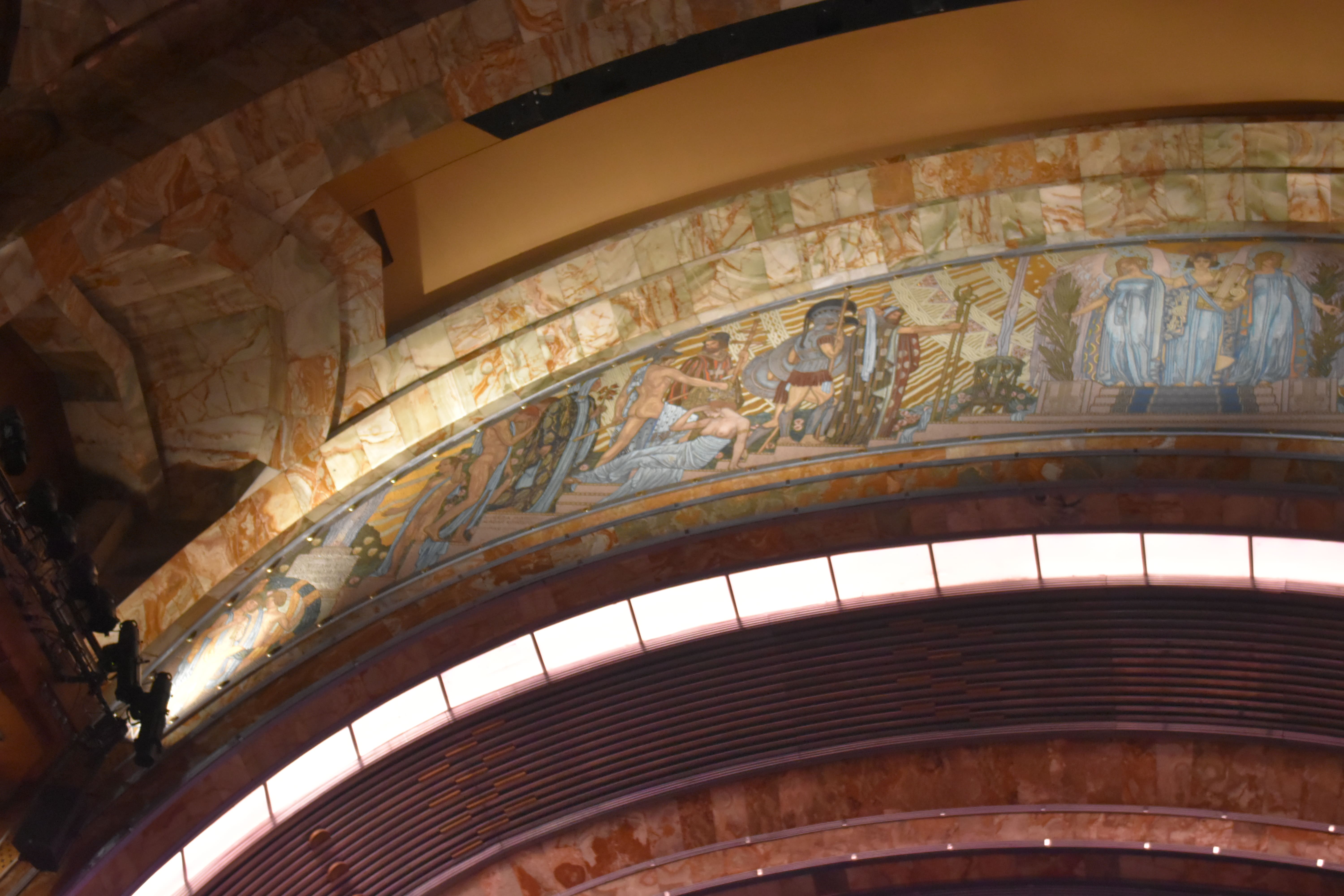

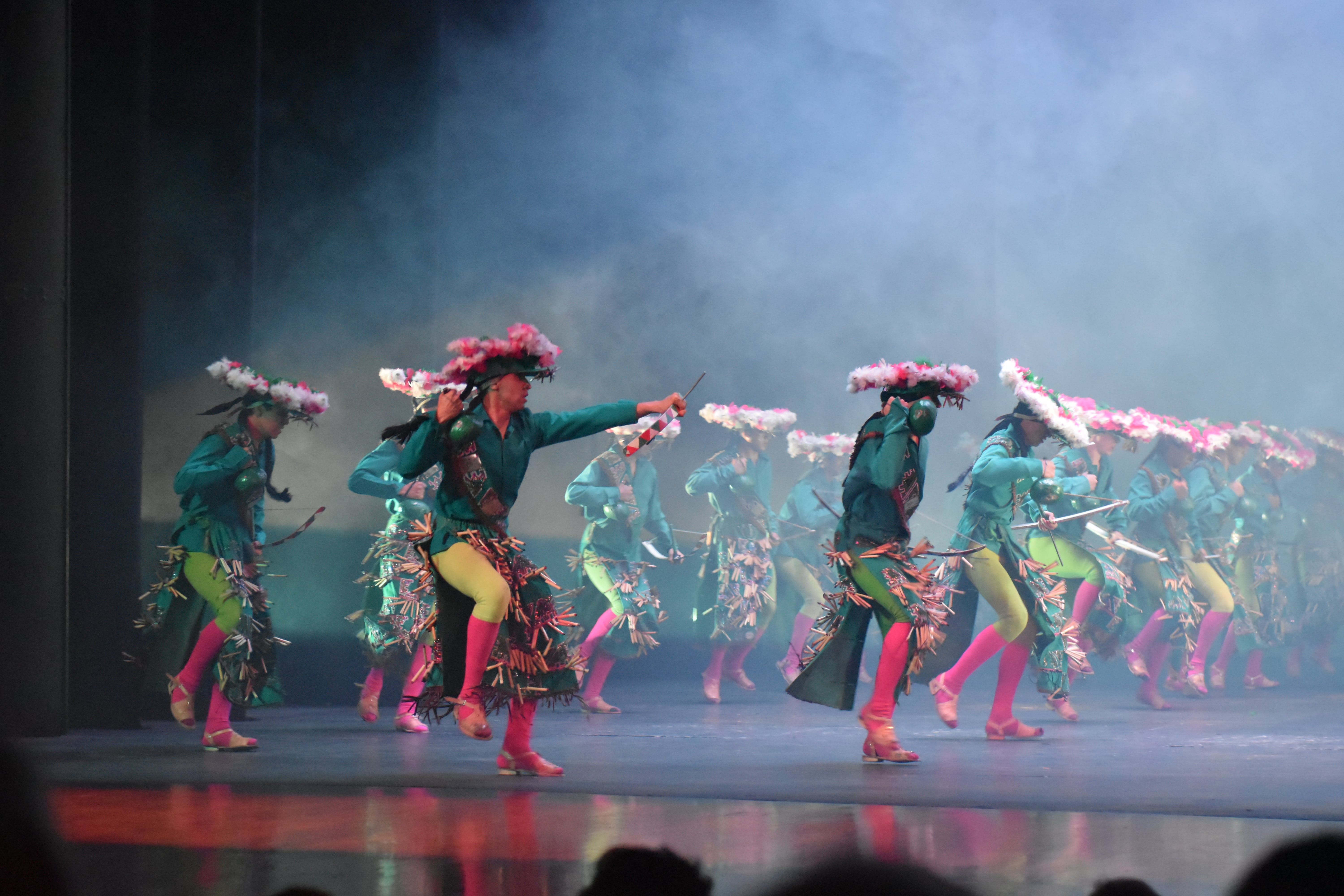

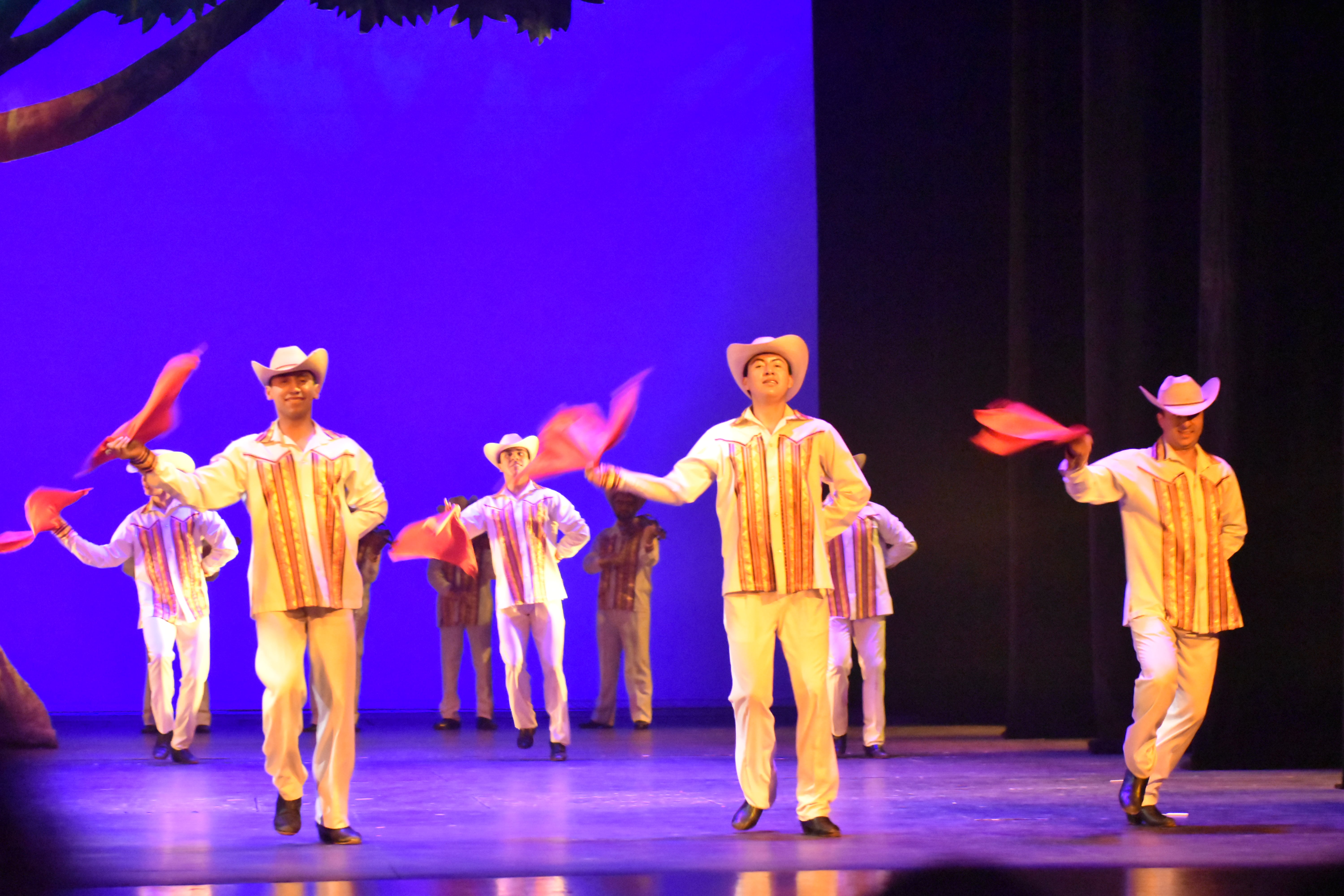
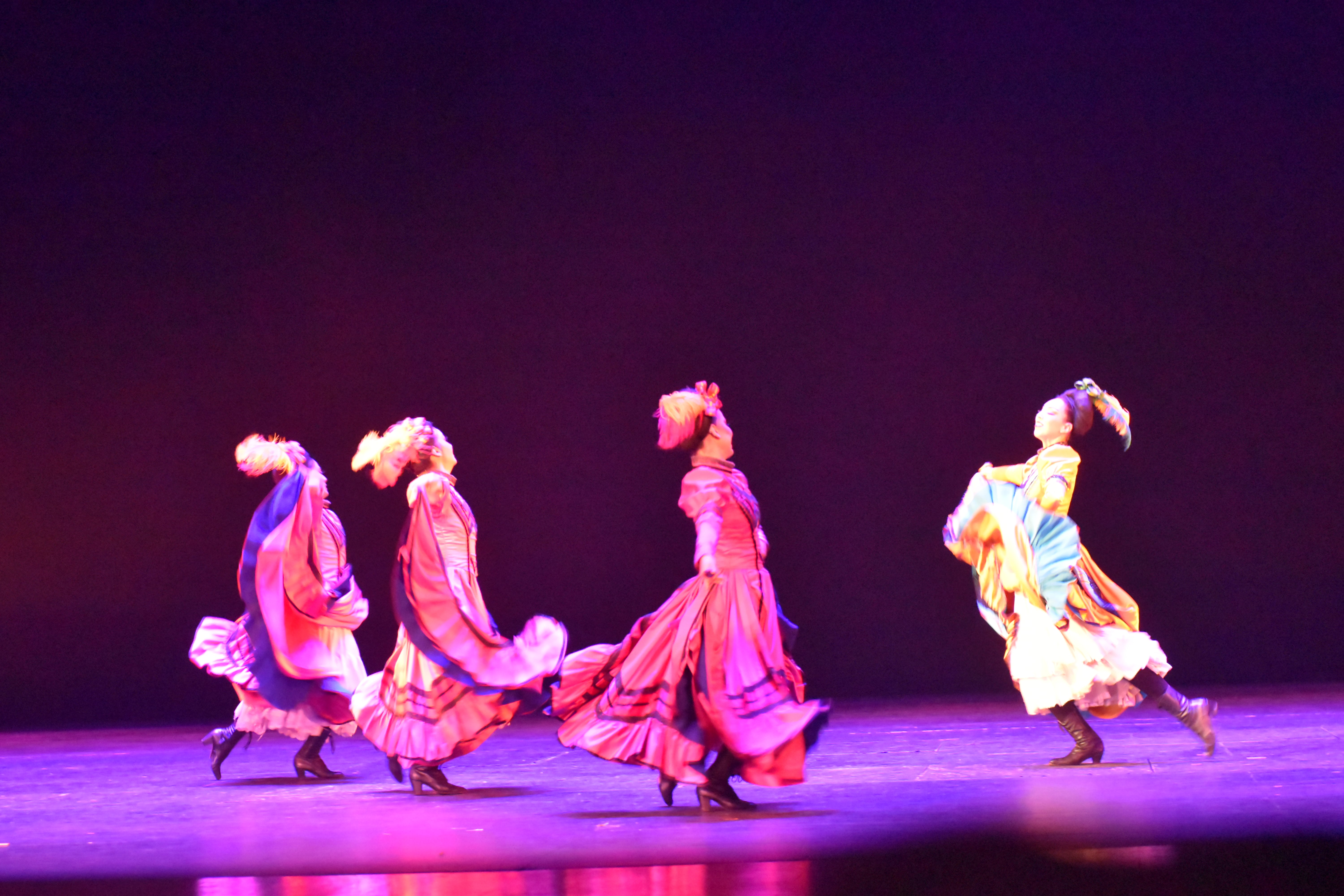


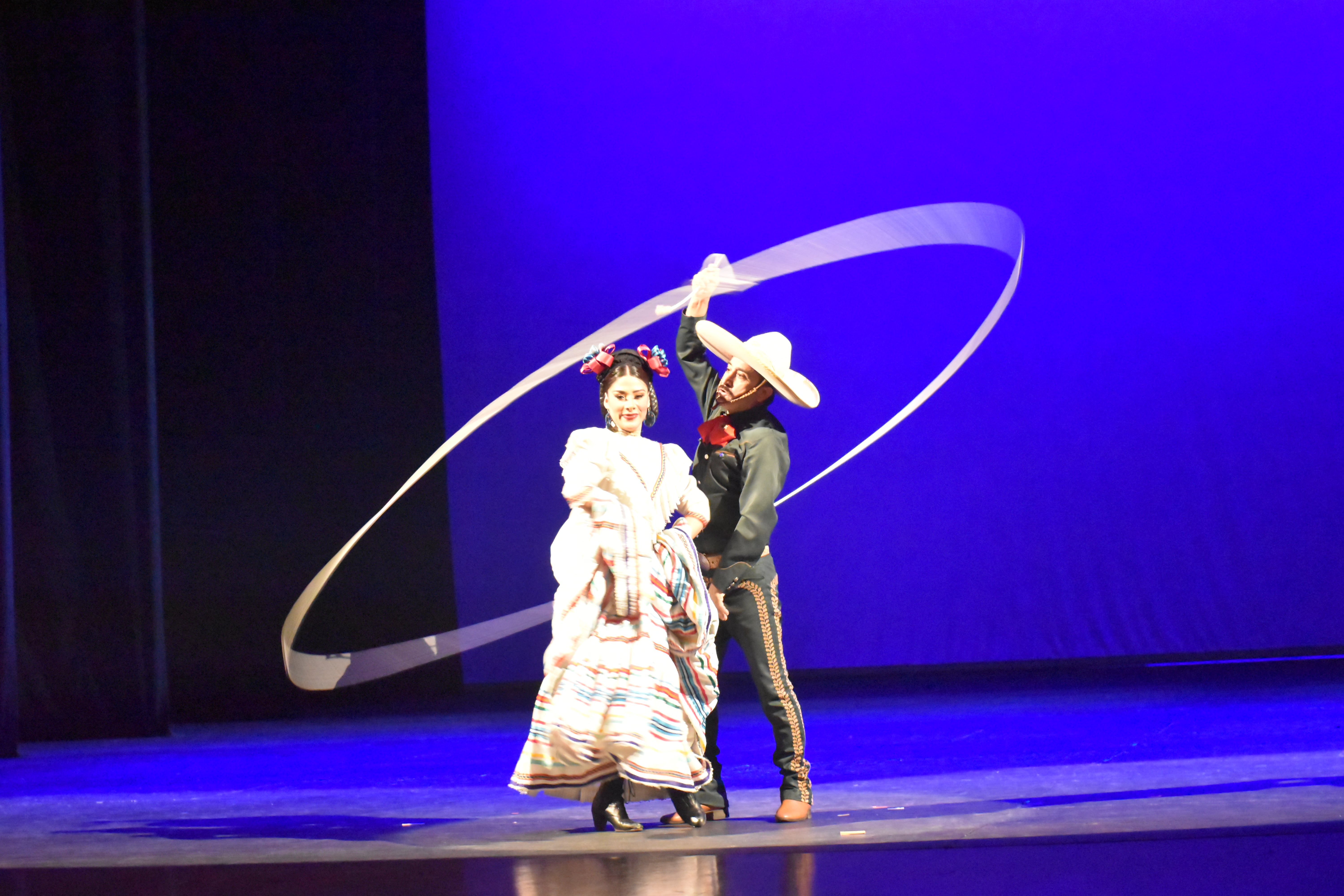
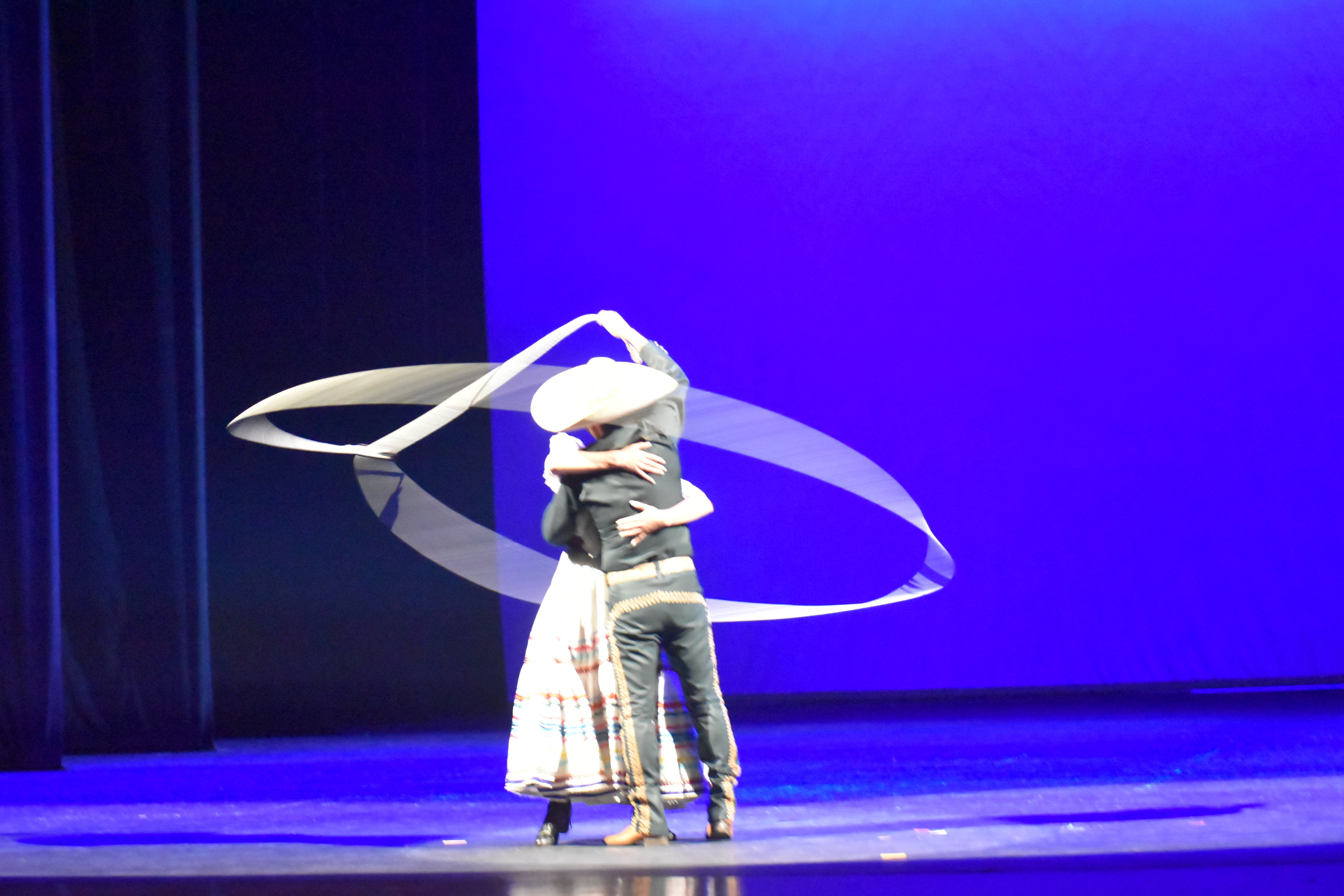


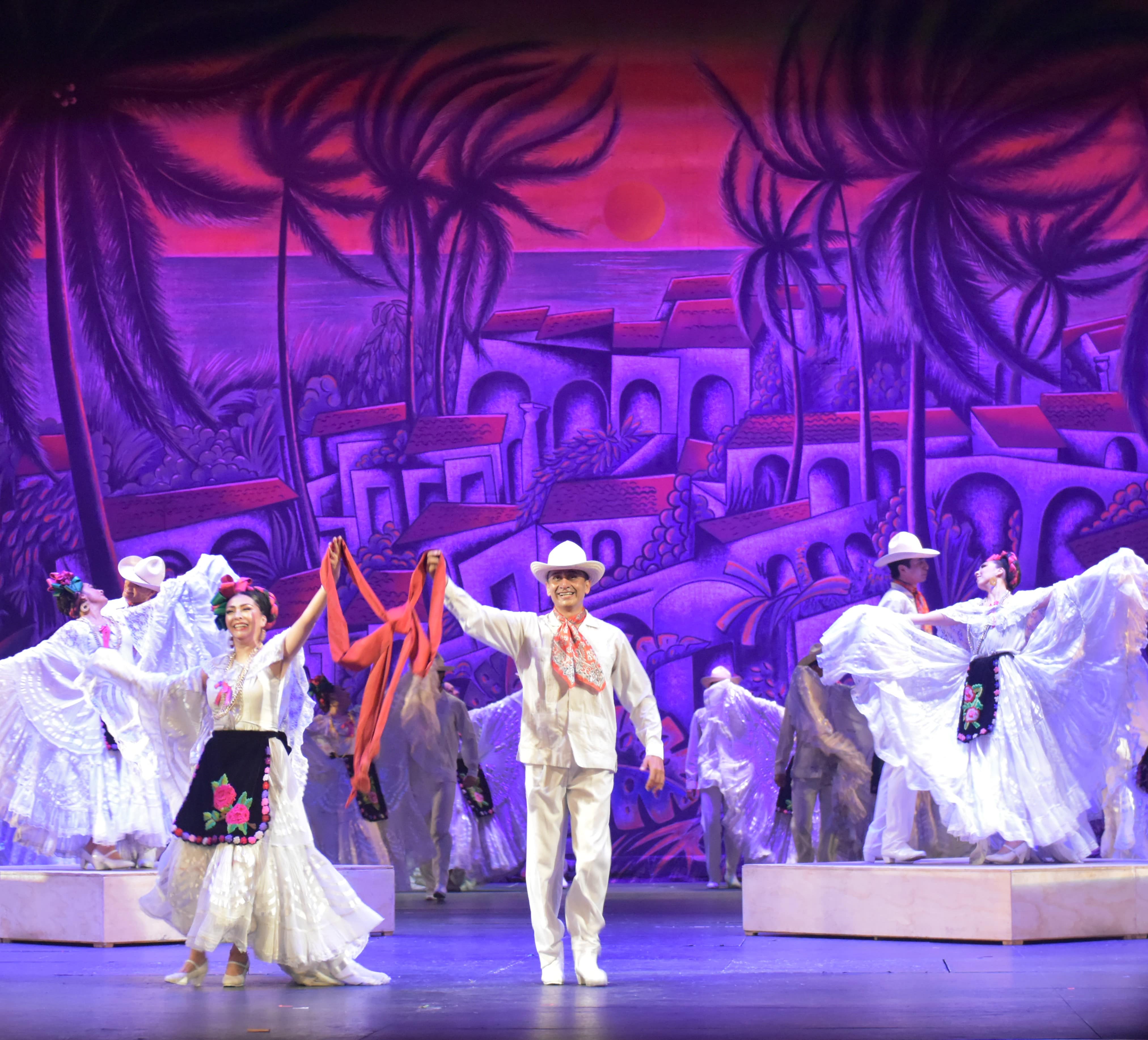
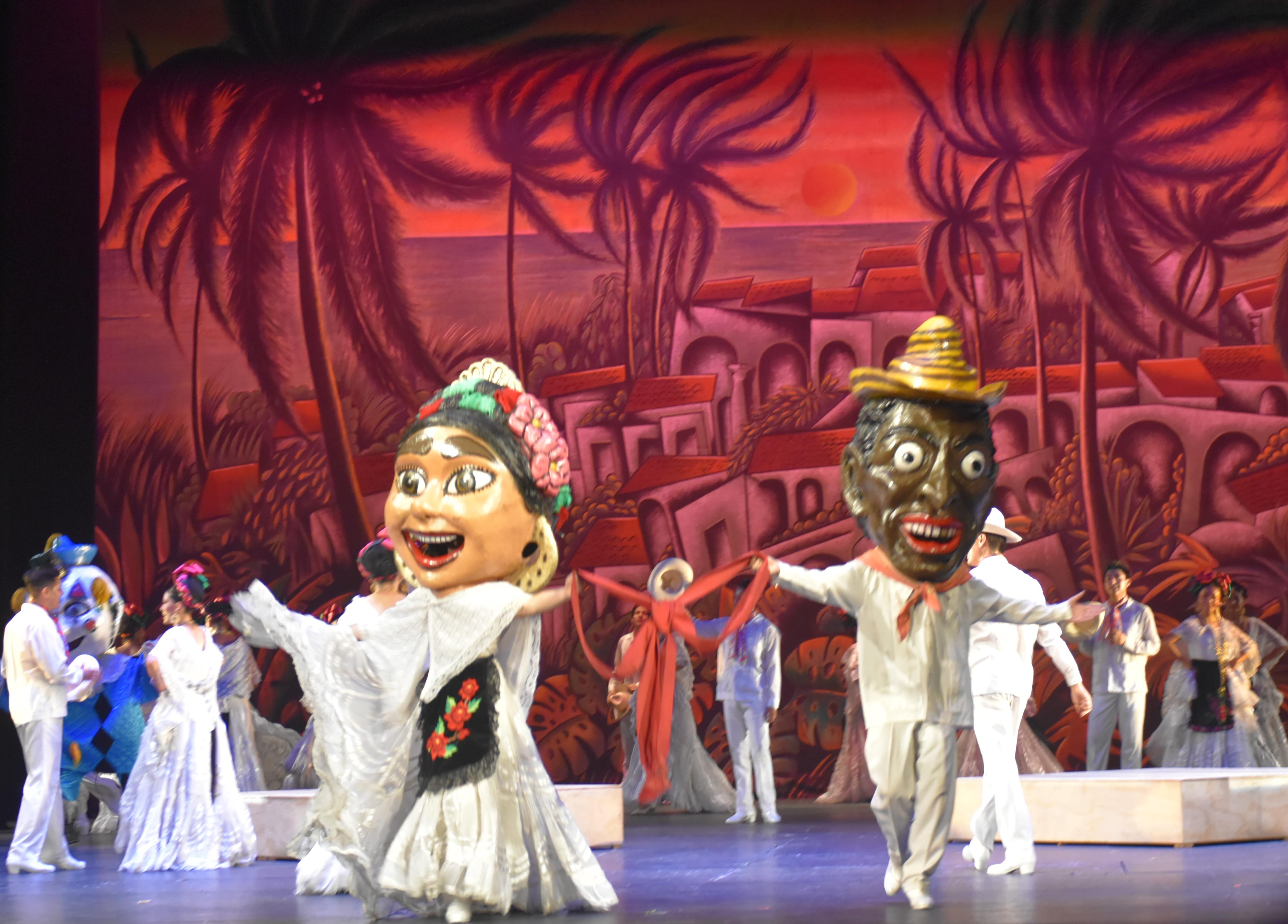


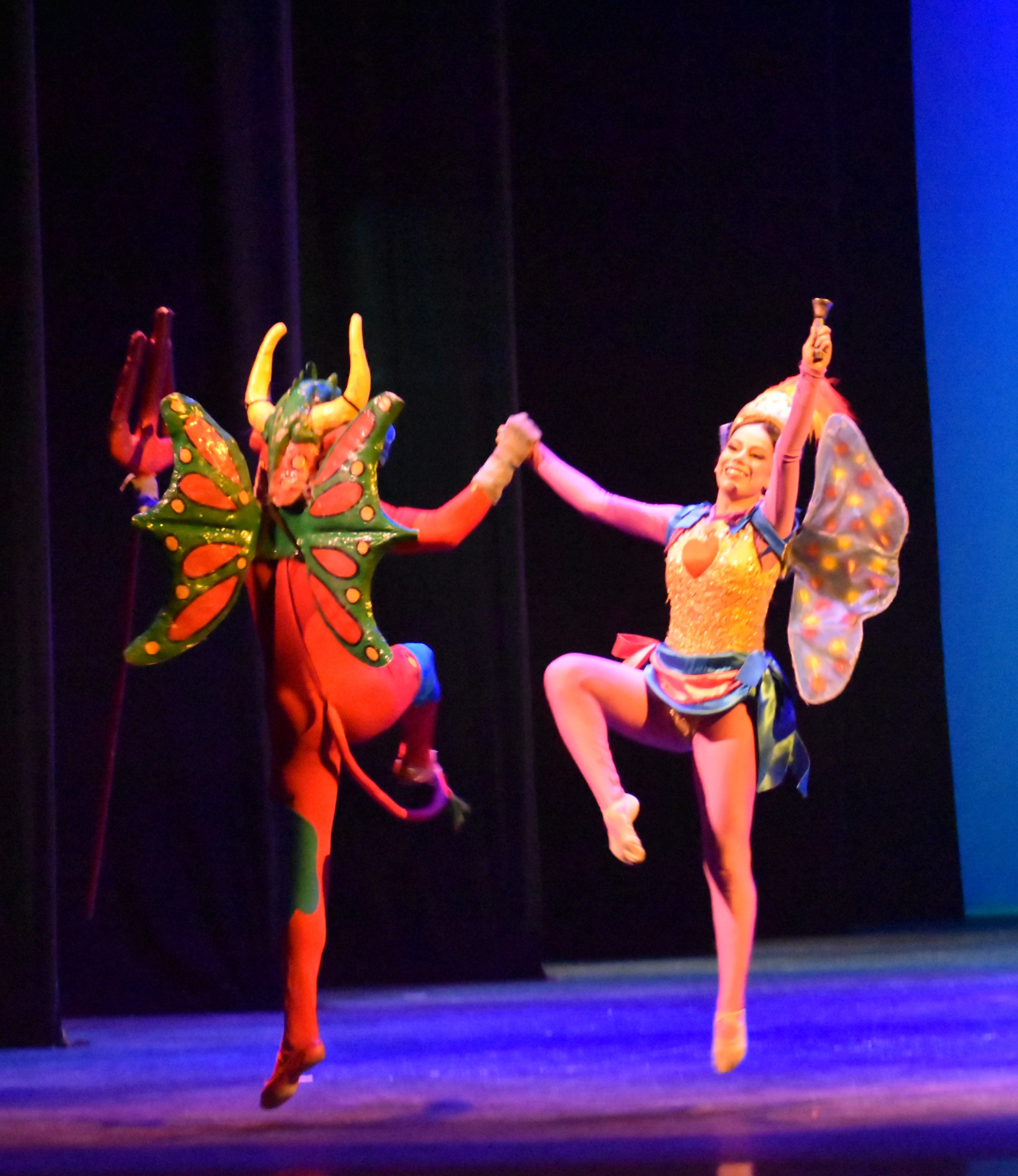


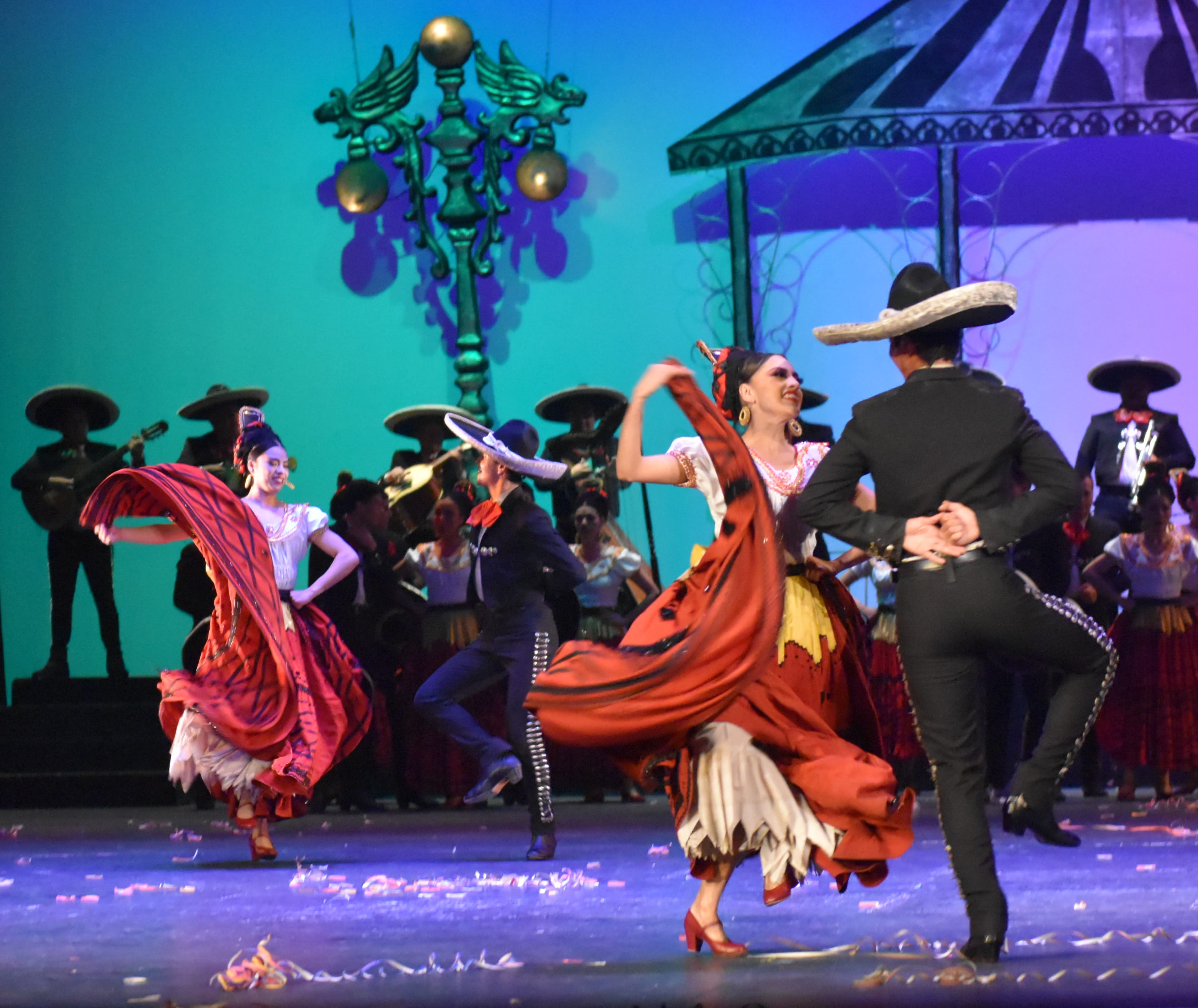

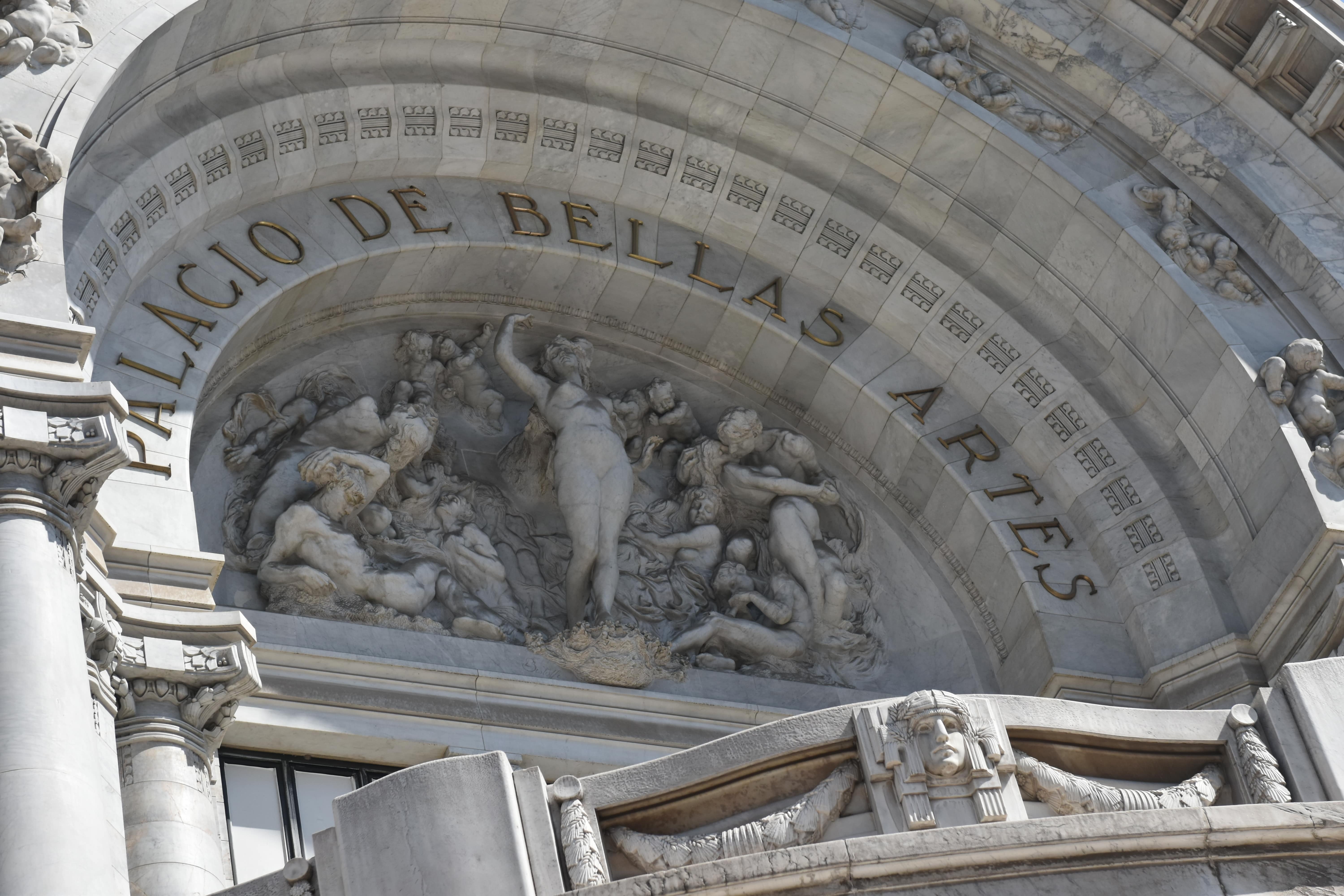
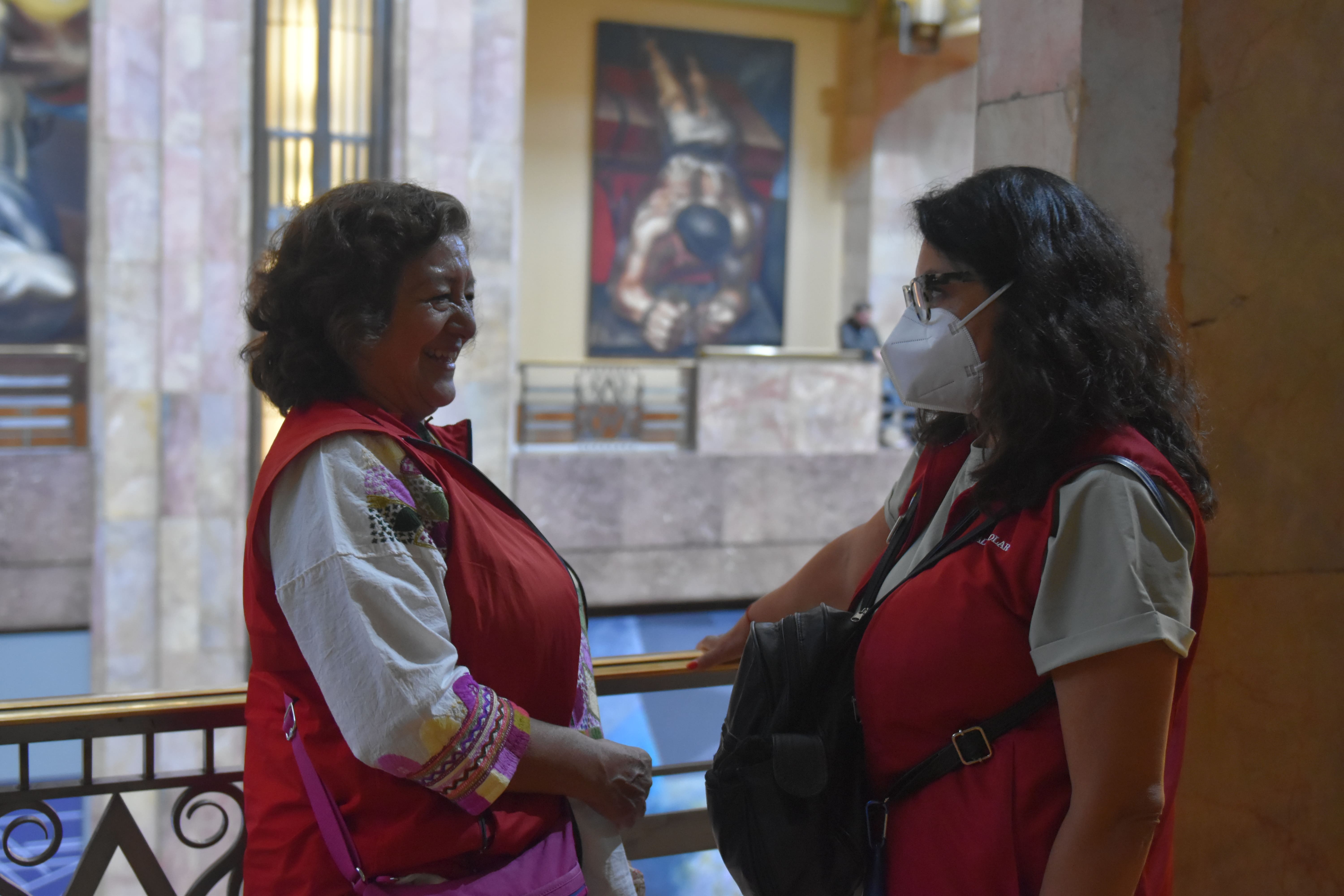
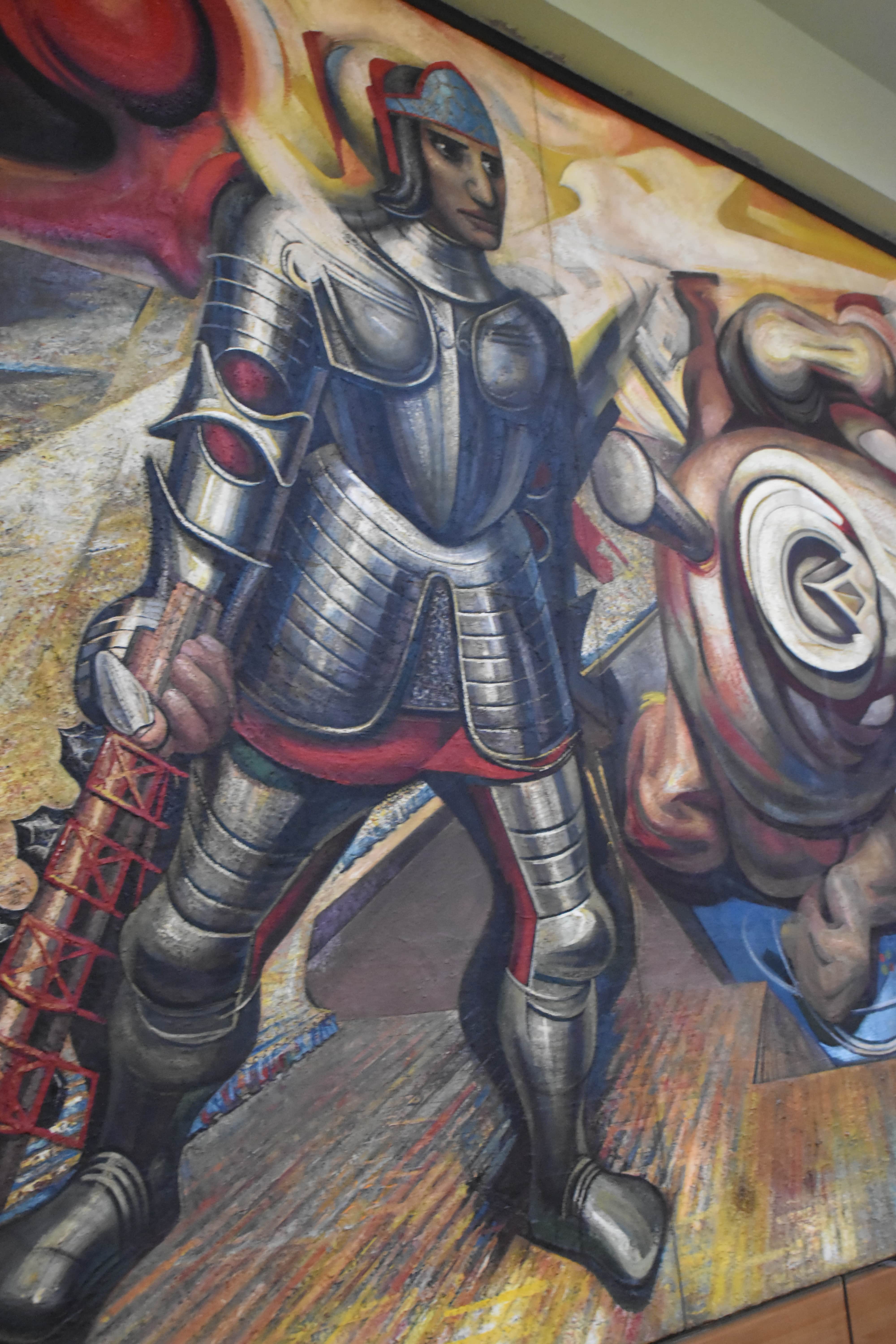
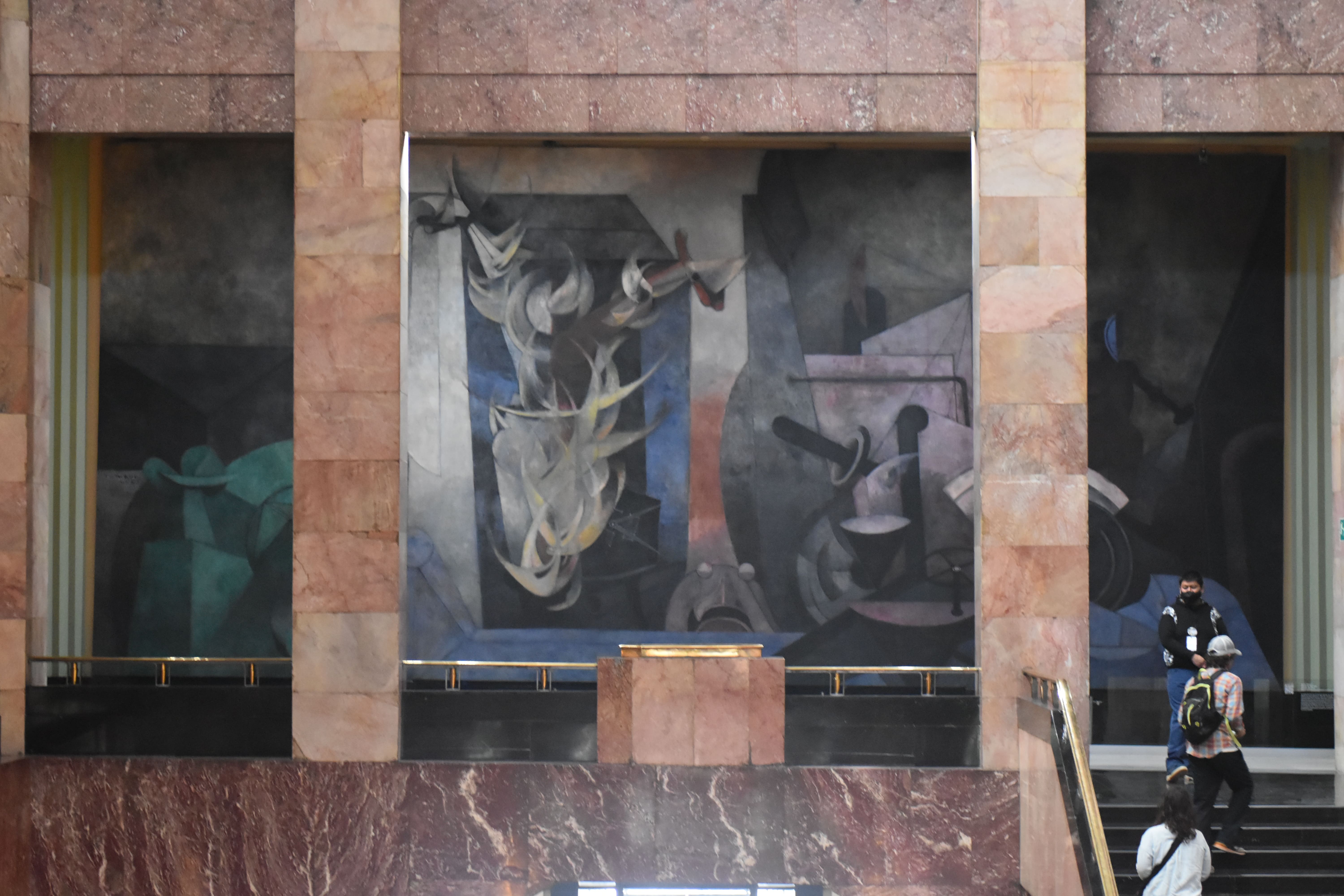
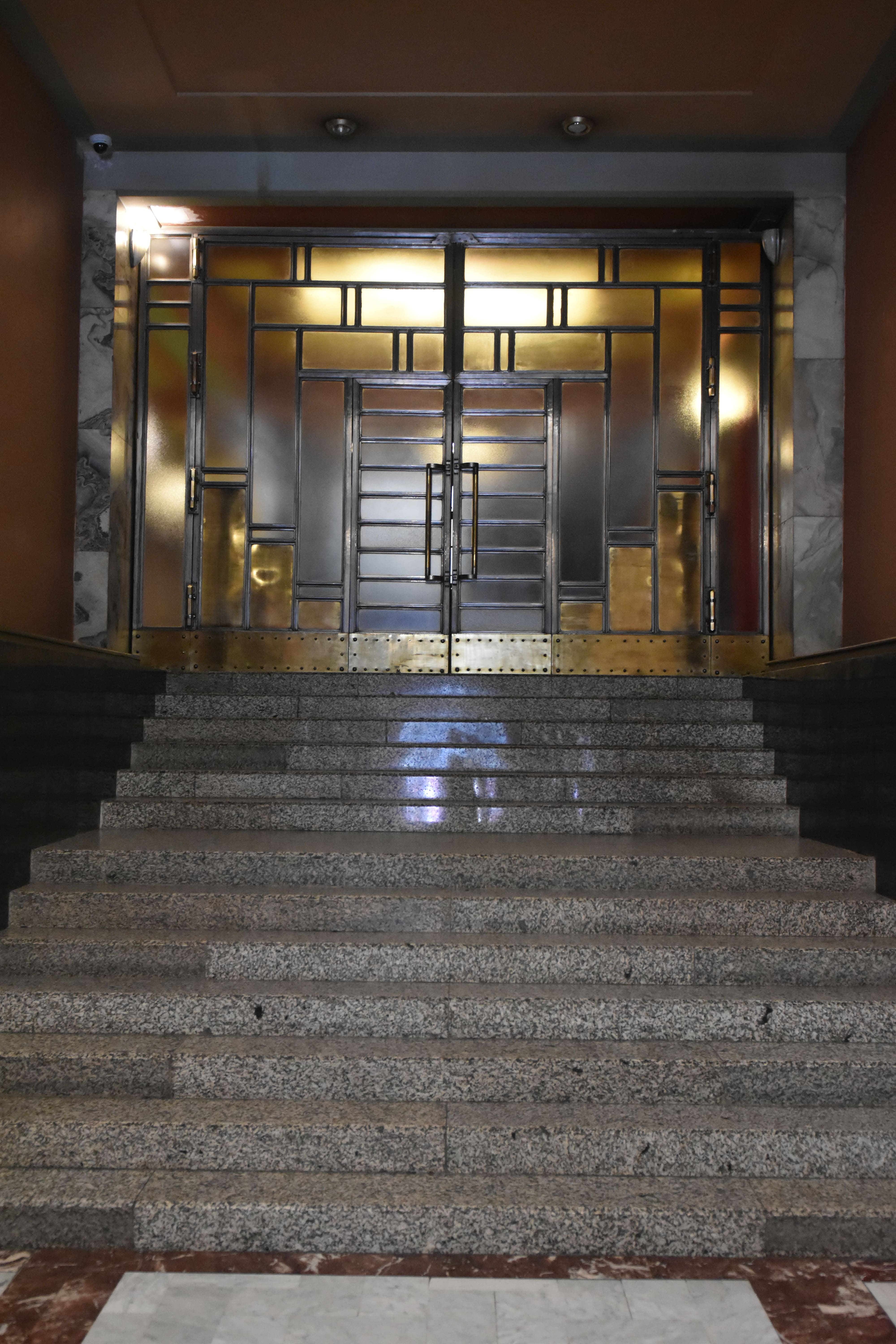
After the performance, our local expert guided us on a deeper exploration of the Palace of Fine Arts (Palacio de Bellas Artes), a cultural landmark built in the early 1930s on the site of Mexico’s first National Theater.
Inside, we marveled at the palace’s stunning blend of Art Nouveau and Art Deco architecture. The grand interior is divided into several sections, including the main hall, smaller exhibition rooms, the theater, and the institute’s offices. Every detail, from the intricate decor to the impressive murals, reflected the building’s status as a center for the arts in Mexico.


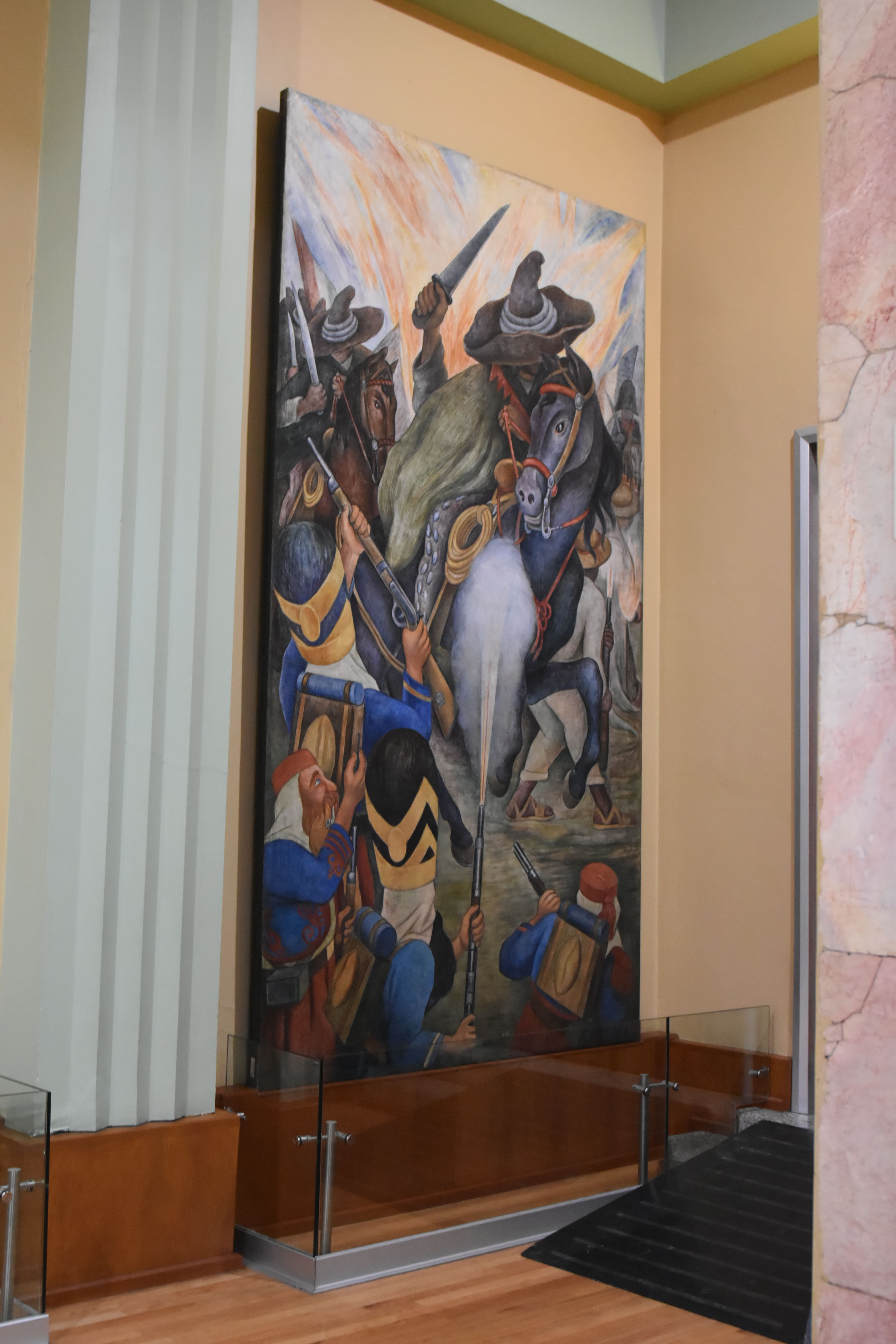

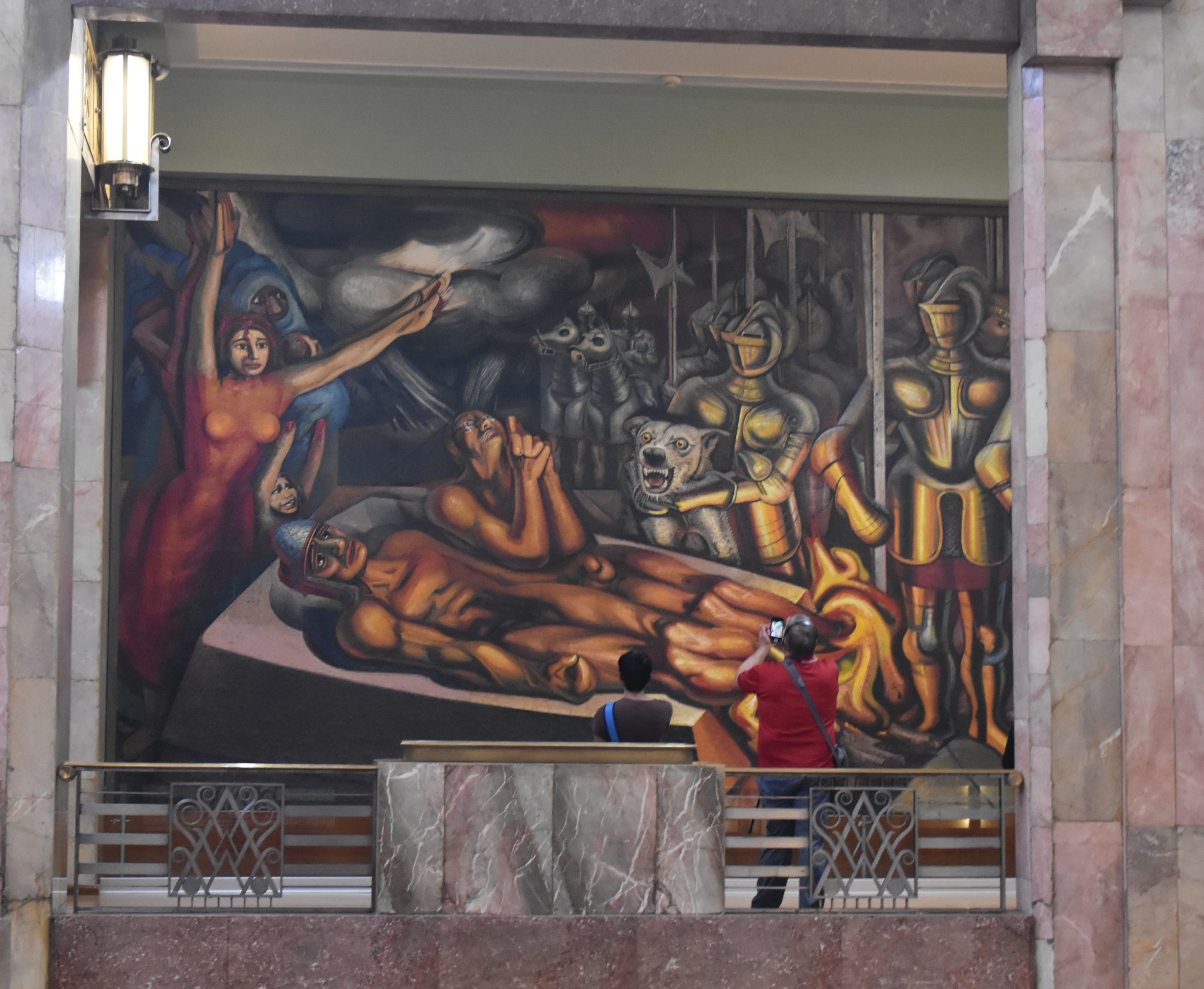

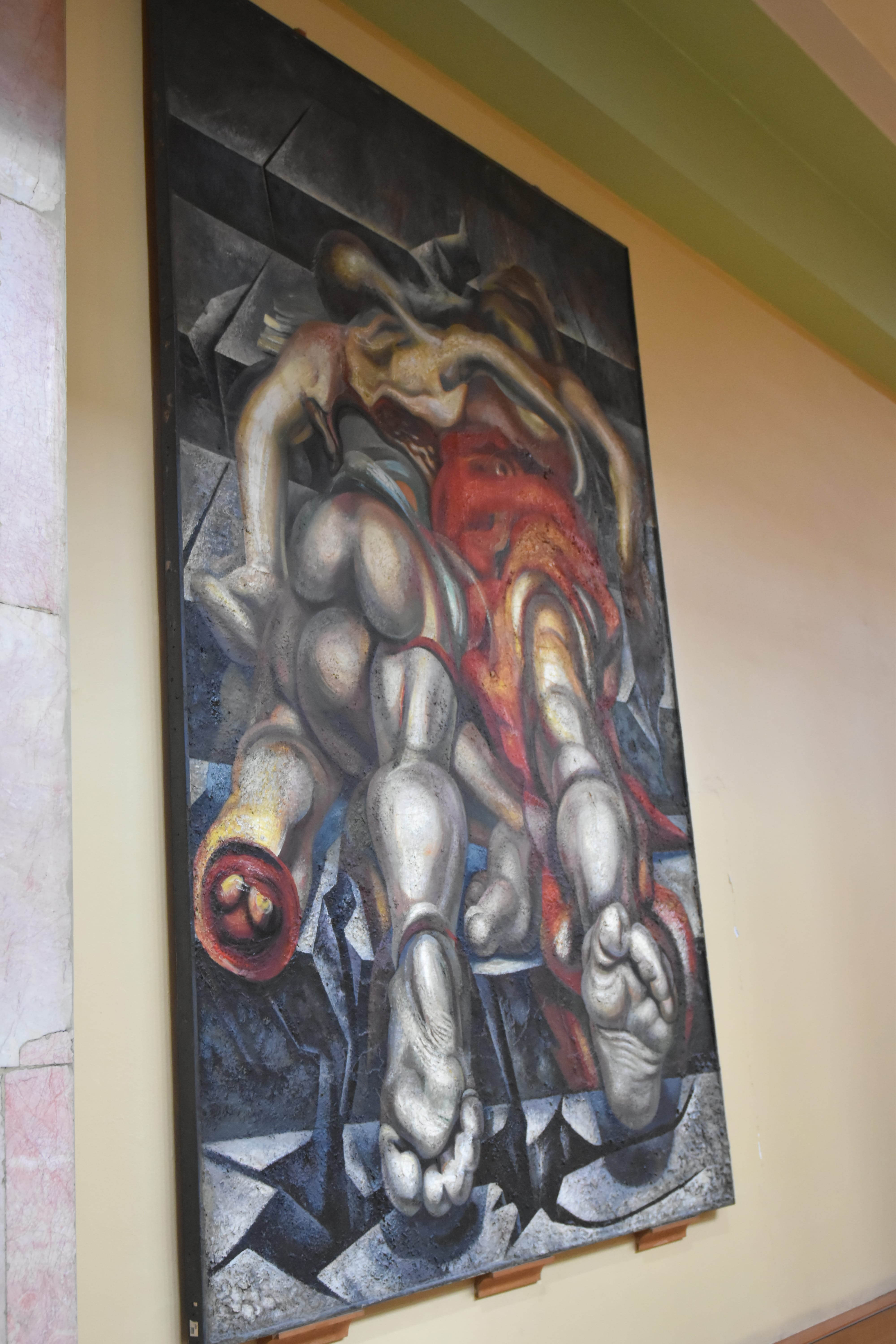
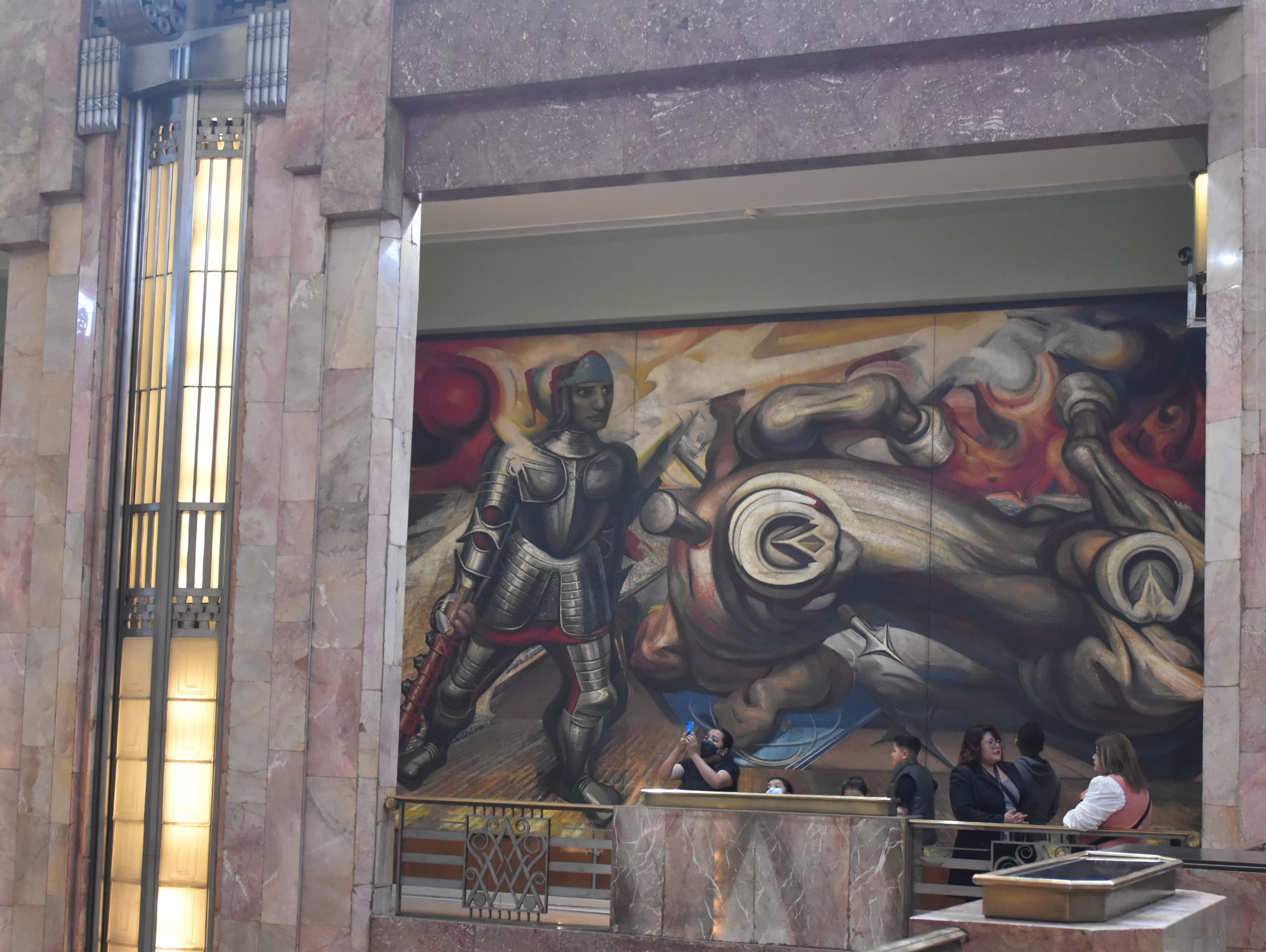
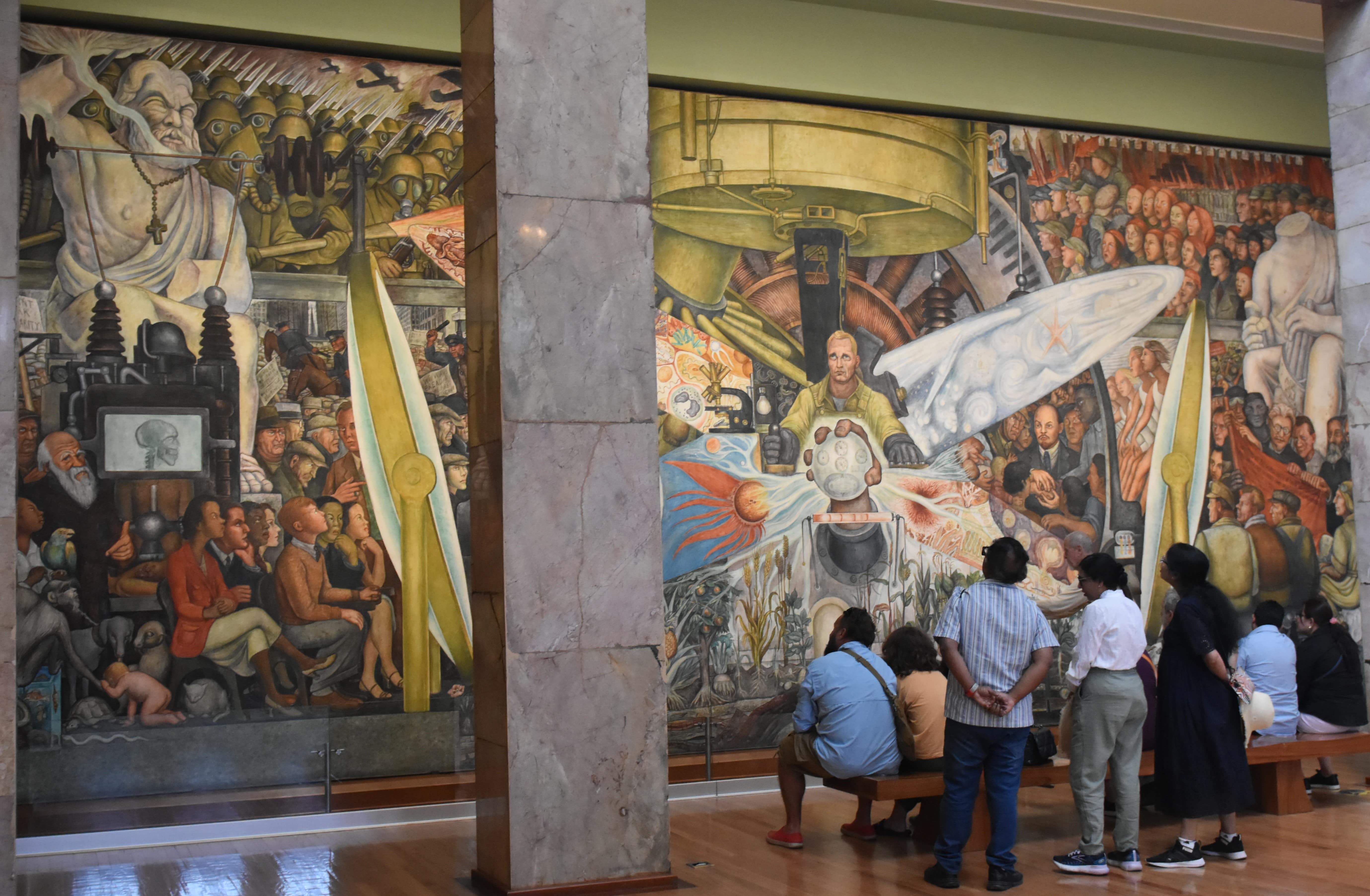
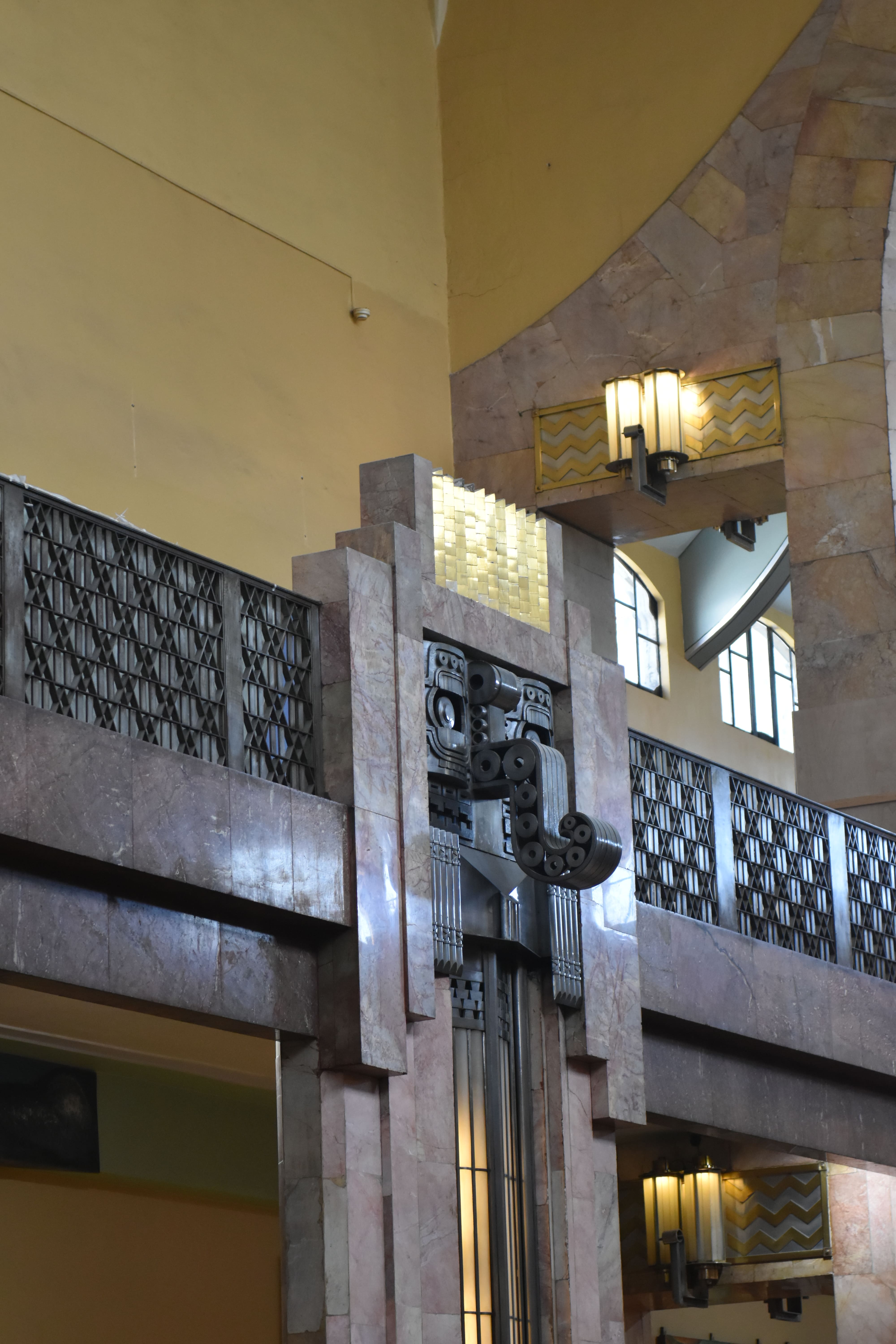



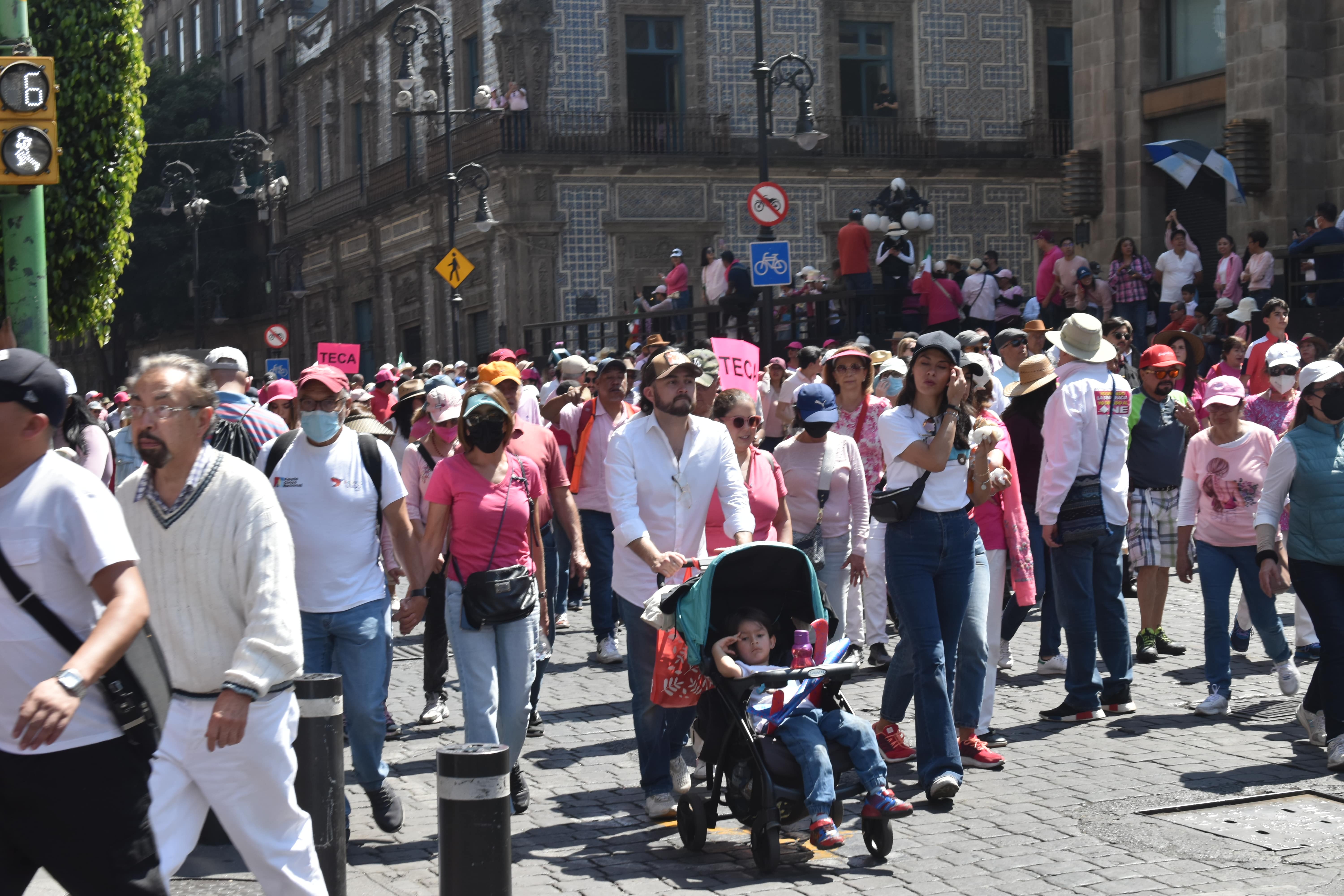
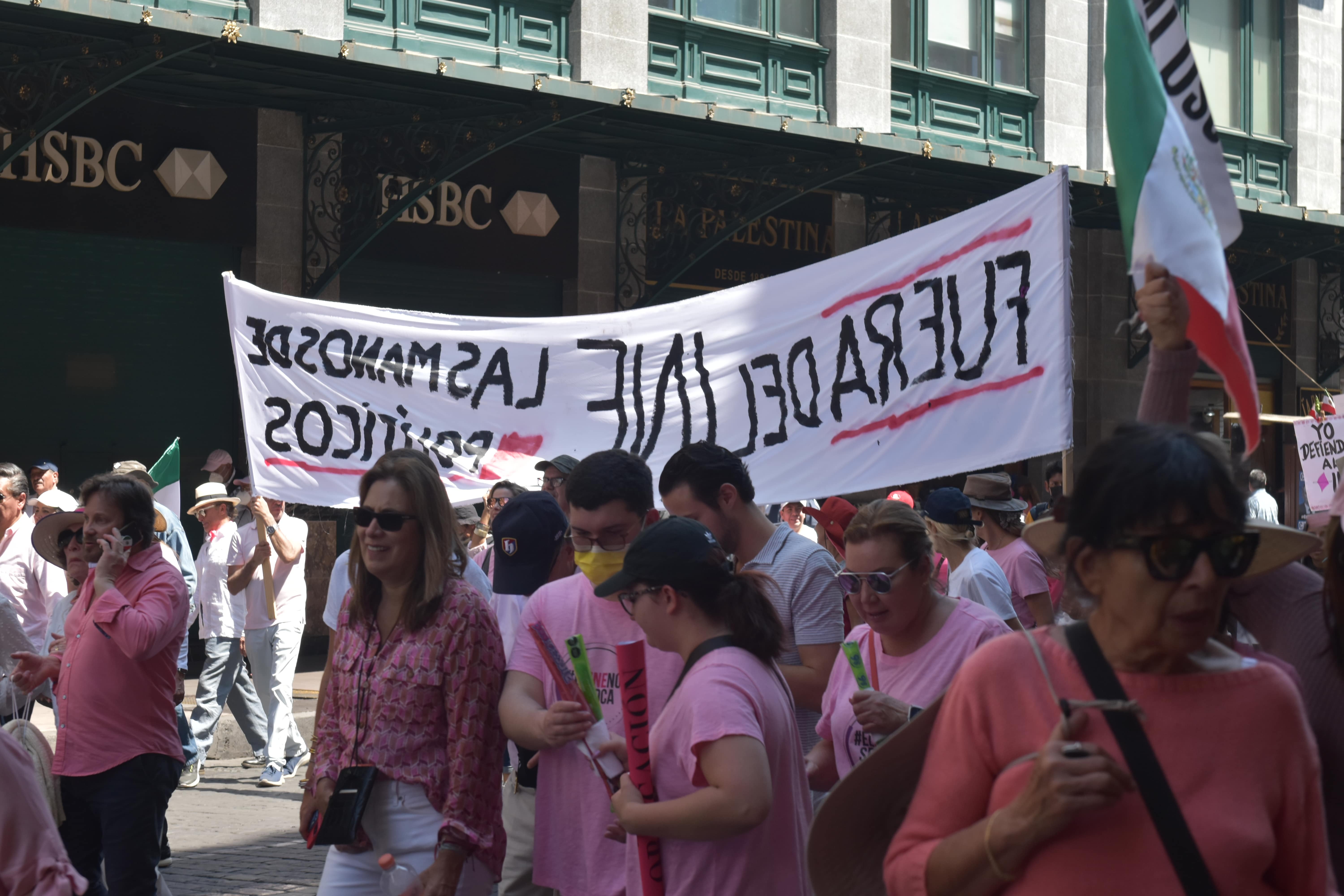
As we made our way back to the hotel, we met a very large demonstration, estimated to be 100,000, for voting rights in Mexico. The demonstration was very peaceful and we made our way back without a problem.


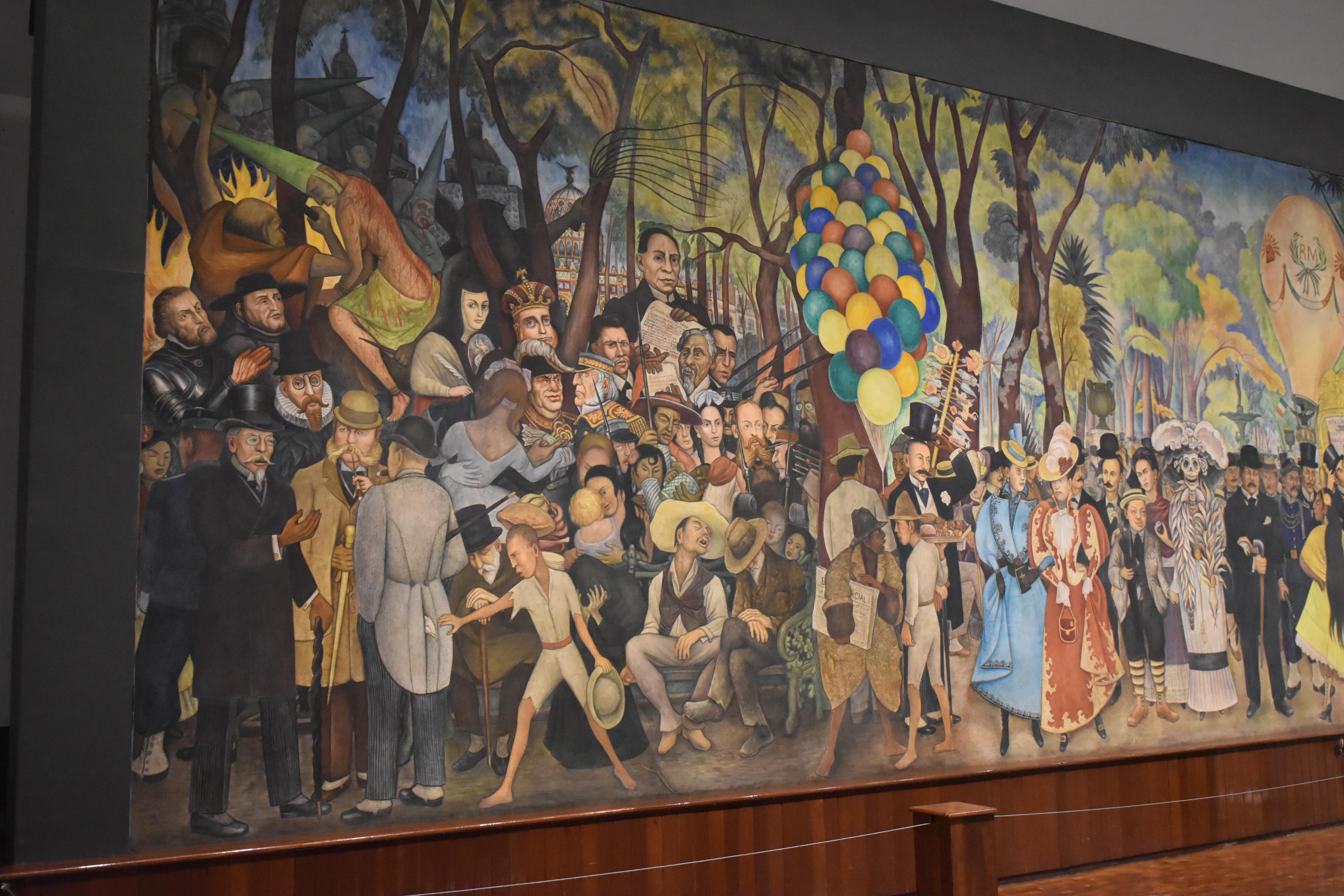
Later, Clare and I returned to the Palace of Fine Arts before making our way to the Museo Mural Diego Rivera to see the iconic mural, Sueño de una Tarde Dominical en la Alameda Central (“Dream of a Sunday Afternoon in the Alameda Central”). Painted between 1946 and 1947, this 51-foot-long masterpiece vividly portrays famous figures and pivotal moments from Mexican history, blending art and storytelling in Diego Rivera’s signature style.



 Marc's Travels
Marc, thank you for sharing this marvelous blog with us. This is like taking our wonderful trip all over again! You certainly absorbed an amazing amount of information, and your photos are lovely. I’m now planning to read some of your other blogs. Thanks for preserving and presenting these wonderful memories! Frank Segall
LikeLike
Hi Marc,
This is a wonderful blog, full of such interesting facts! Your pictures are outstanding! I’m glad you and Clare had such a good experience.
LikeLike