Clare and I arrived in Glasgow, Scotland, around lunchtime and quickly found our driver, who was waiting to take us to the Maldron Glasgow City Centre Hotel. He was friendly, chatty, and full of local knowledge—though his strong Scottish accent took a bit of getting used to! Still, we had a lovely conversation on the way. As it turns out, he was very interested in architecture, which made for a fun connection, since Clare and I share that interest. His best advice for exploring the city? “Always look up.” Many of Glasgow’s older buildings have fascinating details tucked high above eye level, and we kept that tip in mind throughout the trip.
That evening, we met most of our Road Scholar group—though a few fellow travelers were delayed due to flight issues and some had lost luggage. Clare and I usually try to arrive a day early for this very reason, having had our own share of travel hiccups over the years.
Our group manager was Adam Edwards, and our study leader was Margaret Hubbard—both incredibly welcoming and organized. Margaret gave us an overview of Scottish history to set the stage, promising to fill in the details as we traveled. Not long after, we boarded the coach for a city tour of Glasgow, which took us past Glasgow Cathedral, George Square, and several architectural landmarks designed by Charles Rennie Mackintosh.


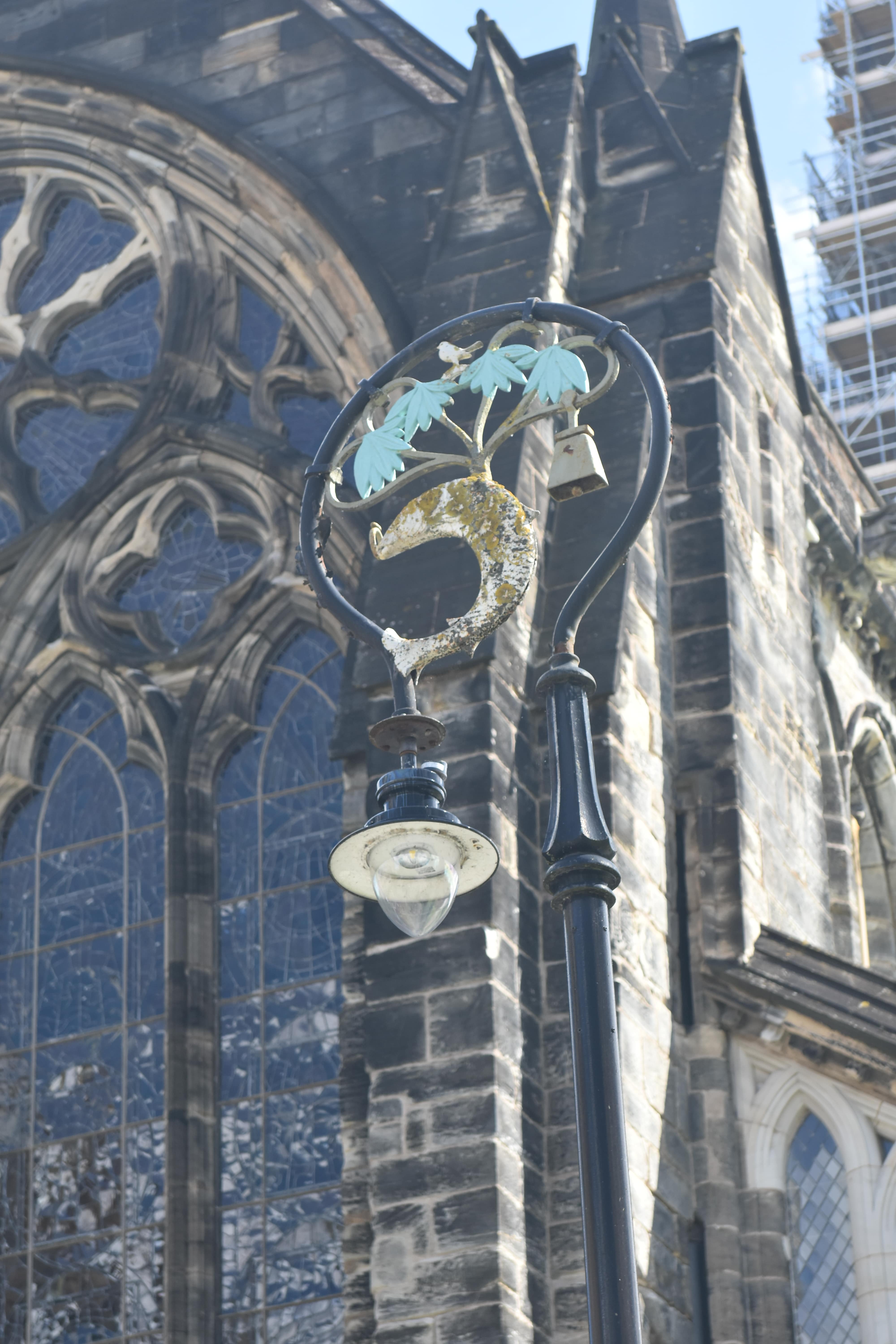
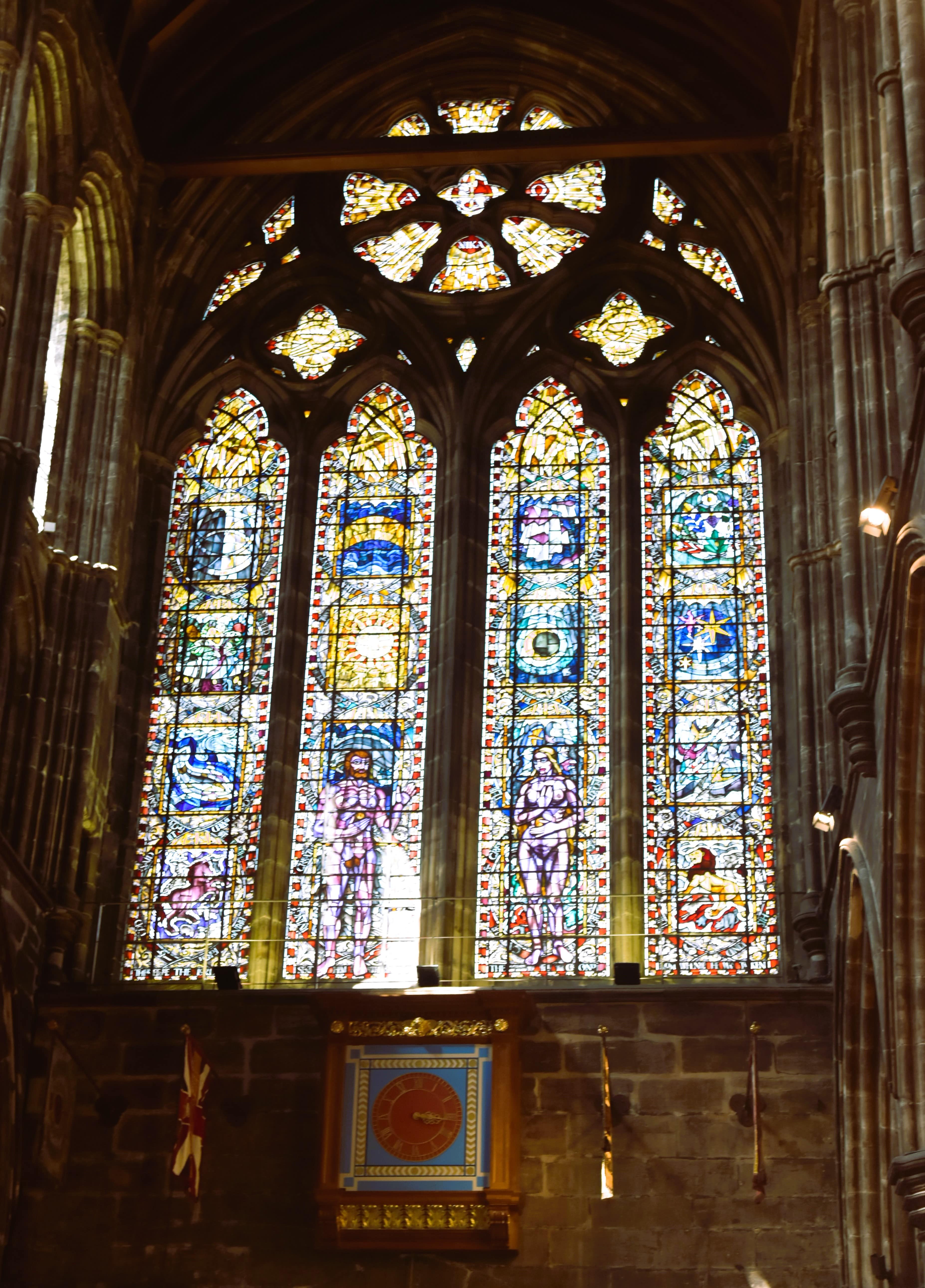


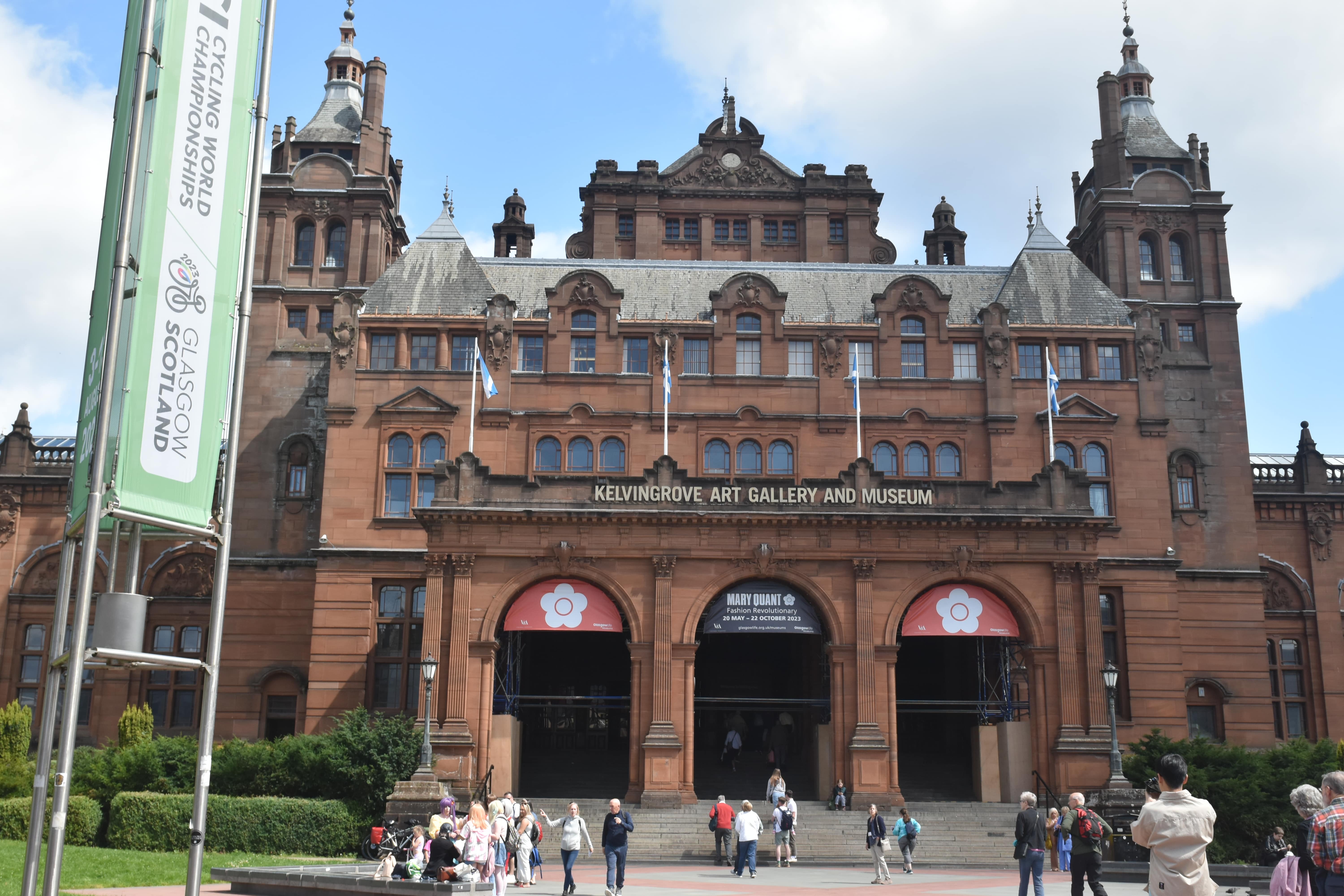
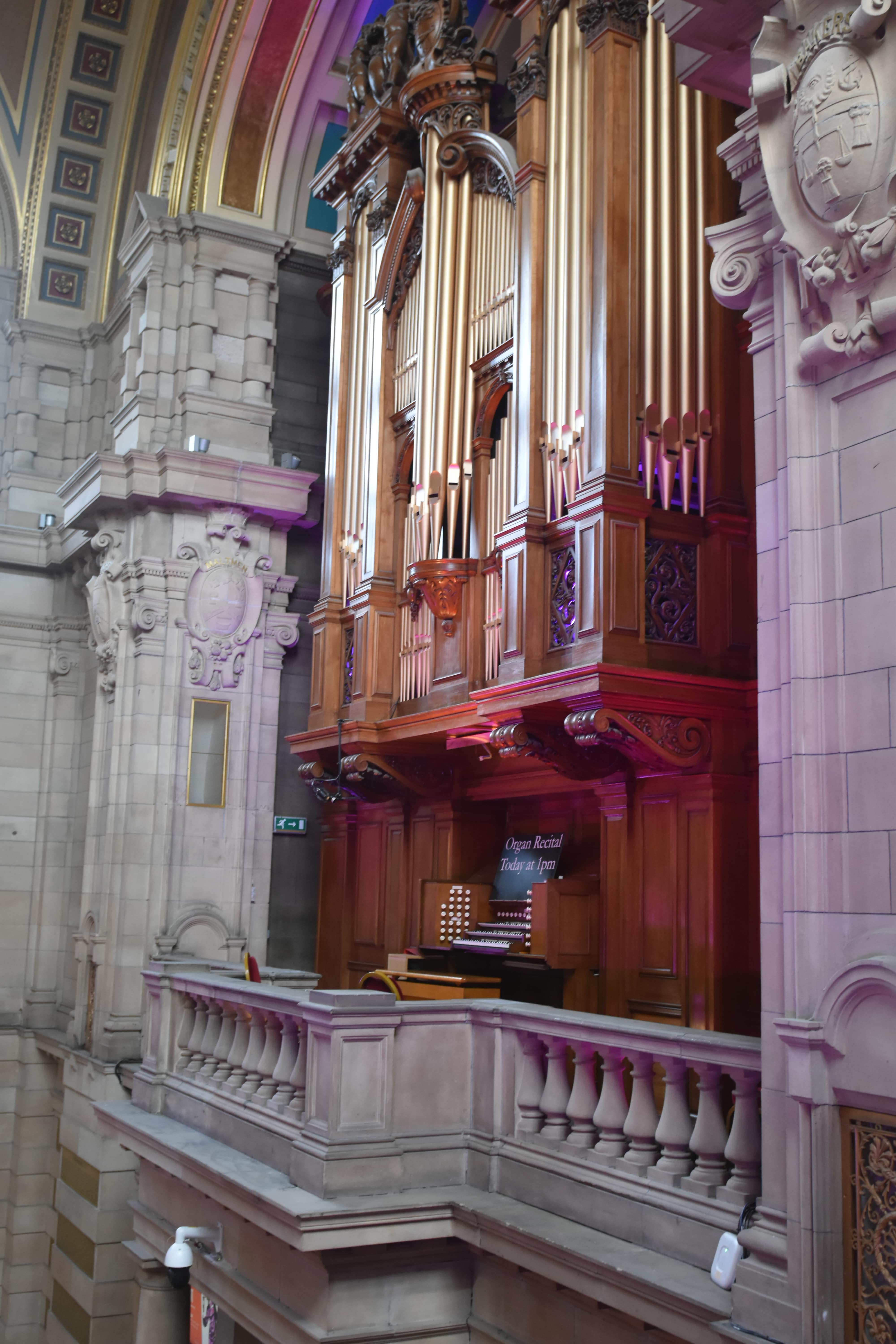
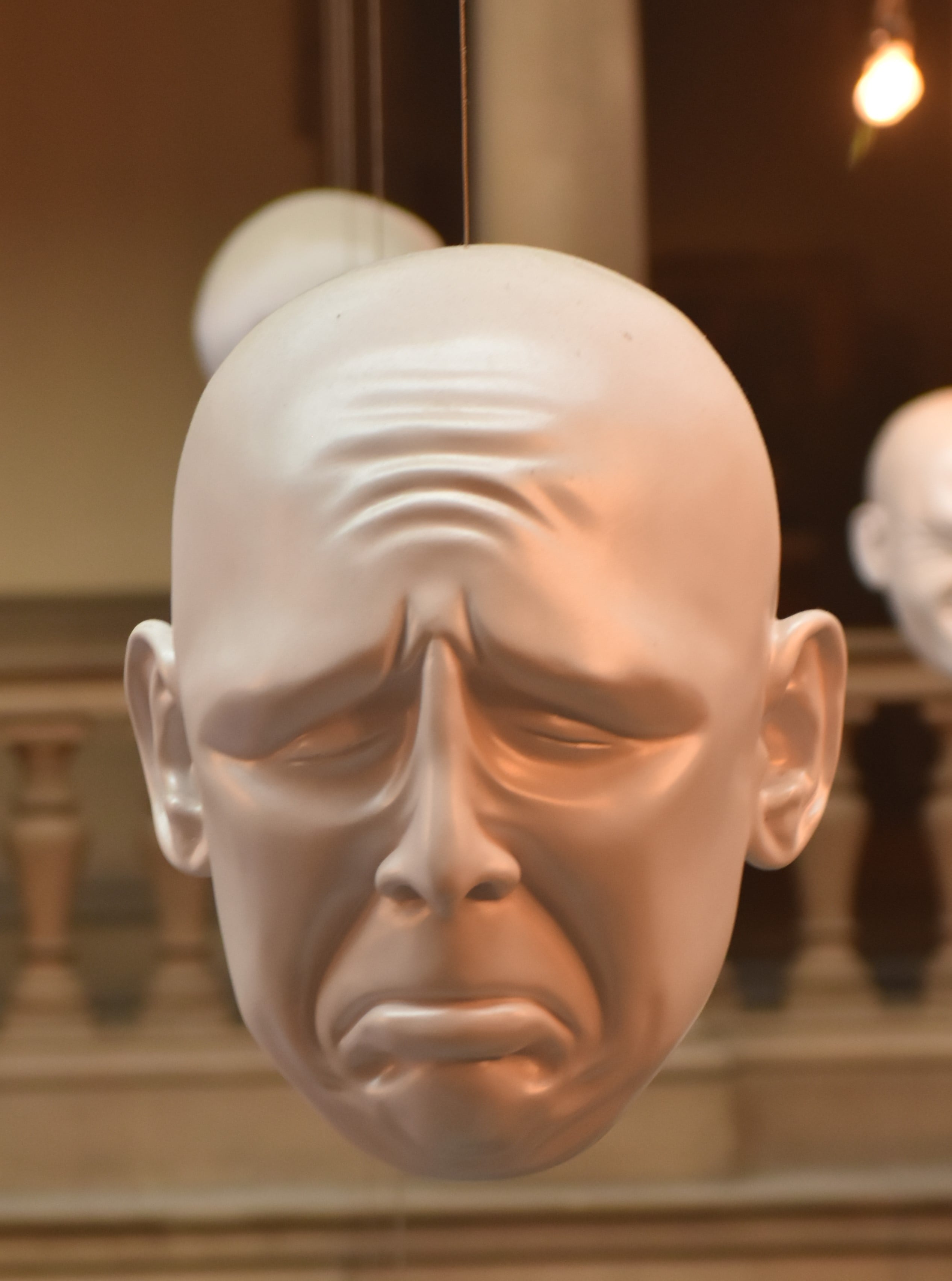
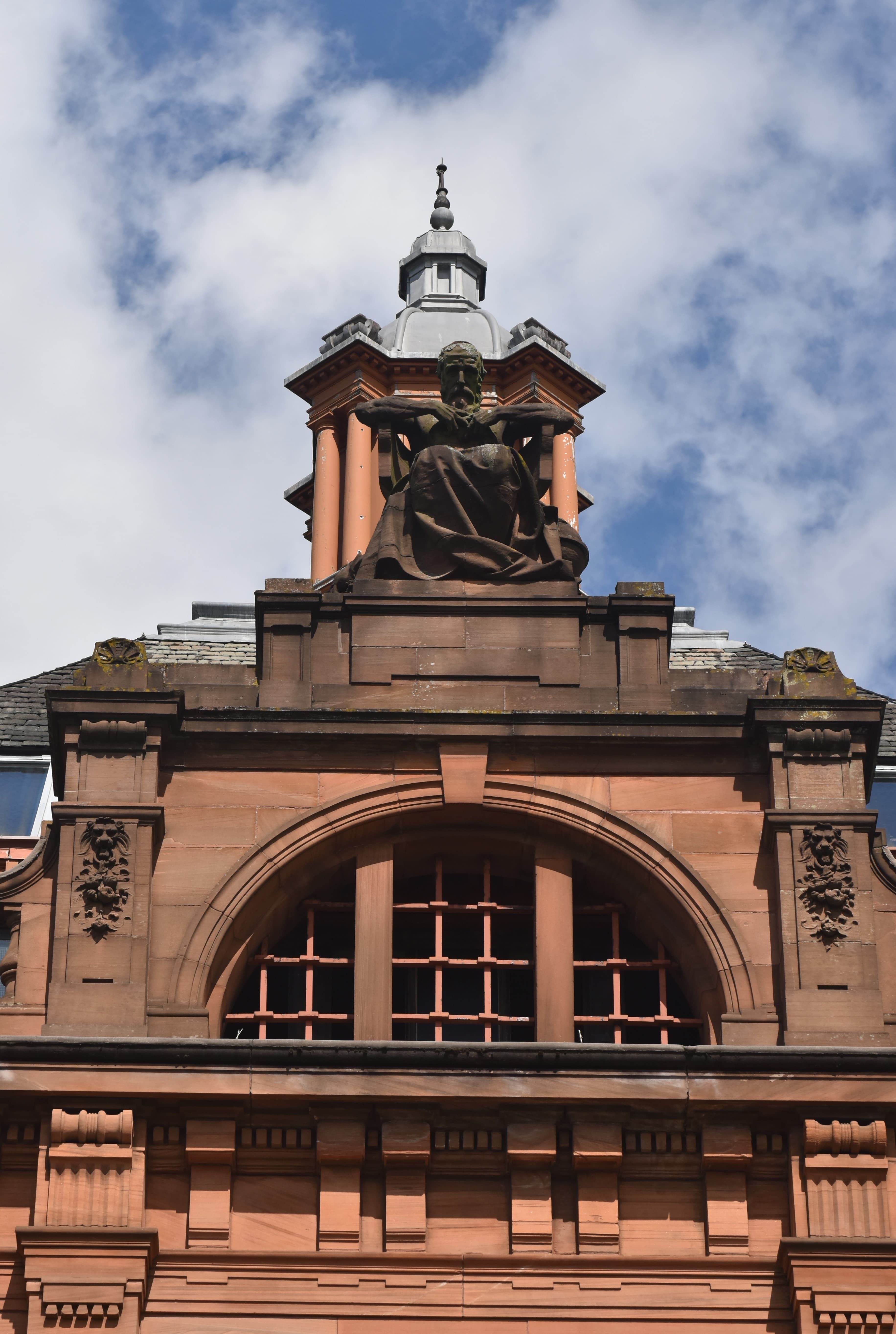
After the coach tour, we were dropped off at the Kelvingrove Art Museum and given the freedom to make our own way back to the hotel later on. As we stepped inside the grand entrance, we were welcomed by the sound of a live organ performance—a wonderful surprise for the mid-day crowd. It added an unexpectedly elegant backdrop to our visit.
Inside, we spent time exploring the exhibits, including a fascinating collection by the Glasgow Boys—a group of progressive artists from the late 19th century who broke away from traditional styles and helped shape Scottish modern art. The museum’s broader collection was also impressive, offering a mix of art, history, and unexpected curiosities. It was a relaxing and engaging way to ease into the rhythm of the trip.



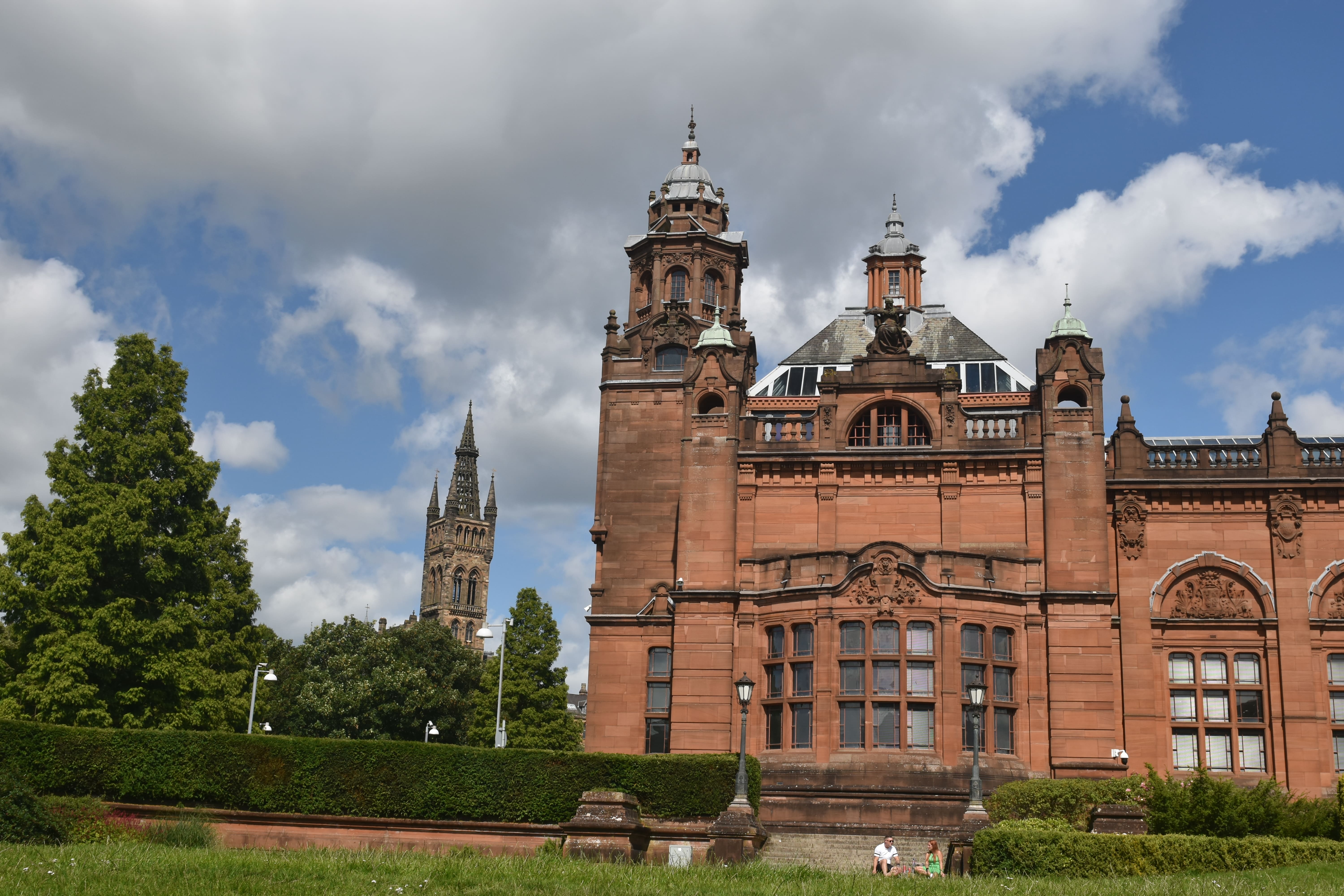
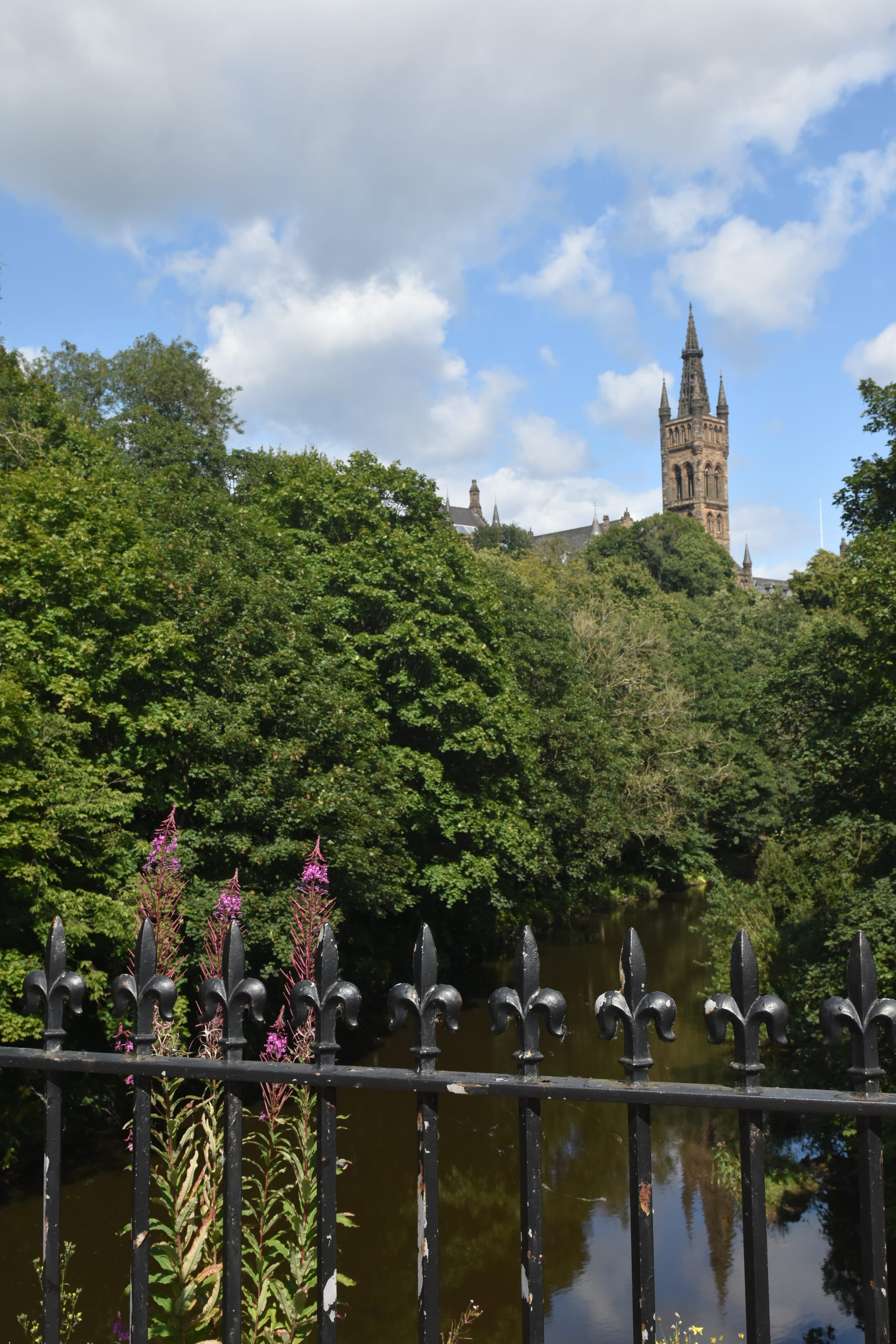
After our time at the museum, Clare and I decided to walk back to the hotel and explore more of Glasgow on foot. It was a great way to take in the city at our own pace and notice details we would’ve missed from the coach.
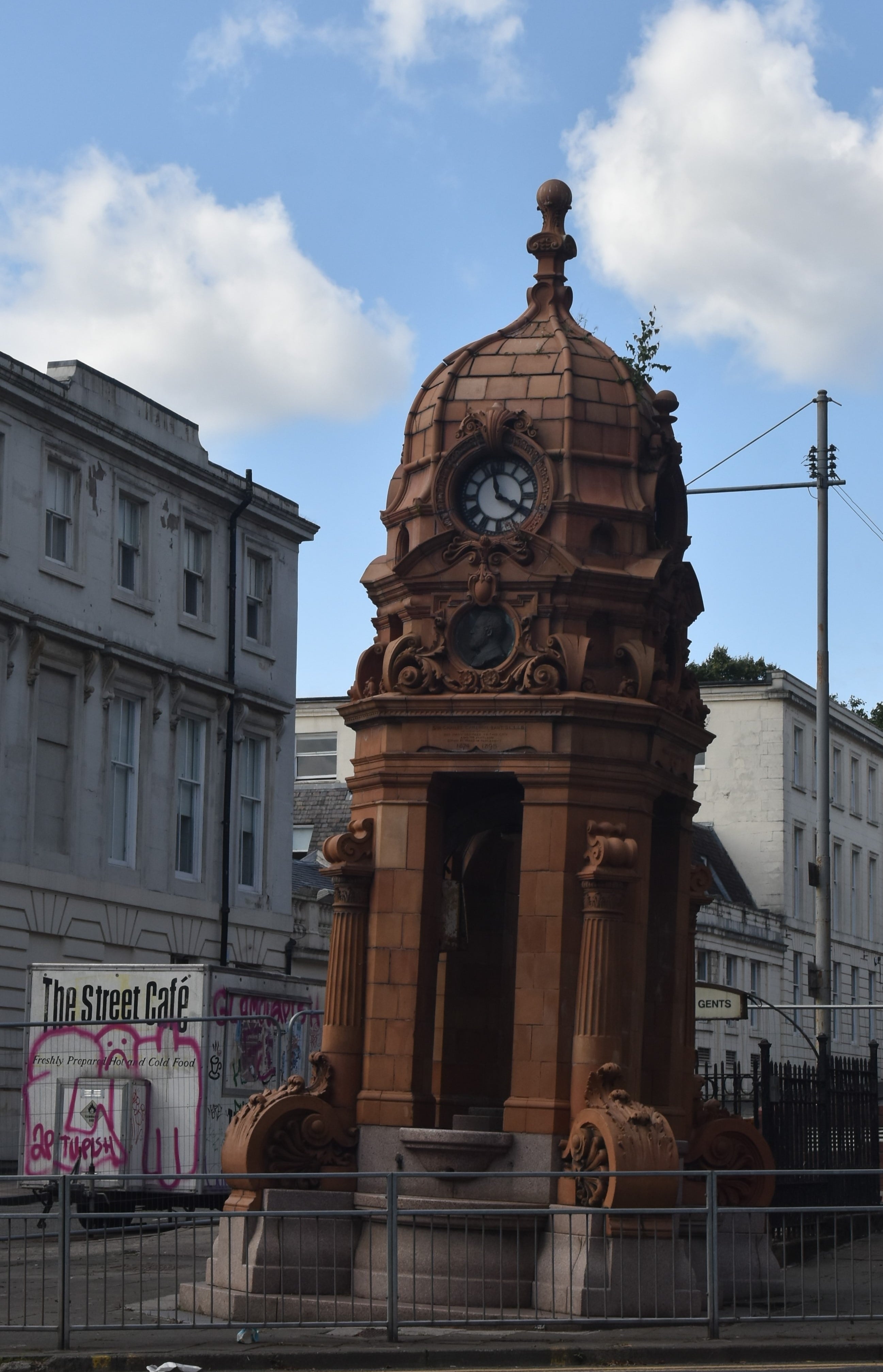
The first photo is of the University of Glasgow., a striking and historic campus that looks like something out of a Gothic novel. The second is of the slightly leaning clock tower at Charing Cross—known locally as the “Leaning Tower of Glasgow.” It’s got a charming tilt that makes it hard not to stop and stare.
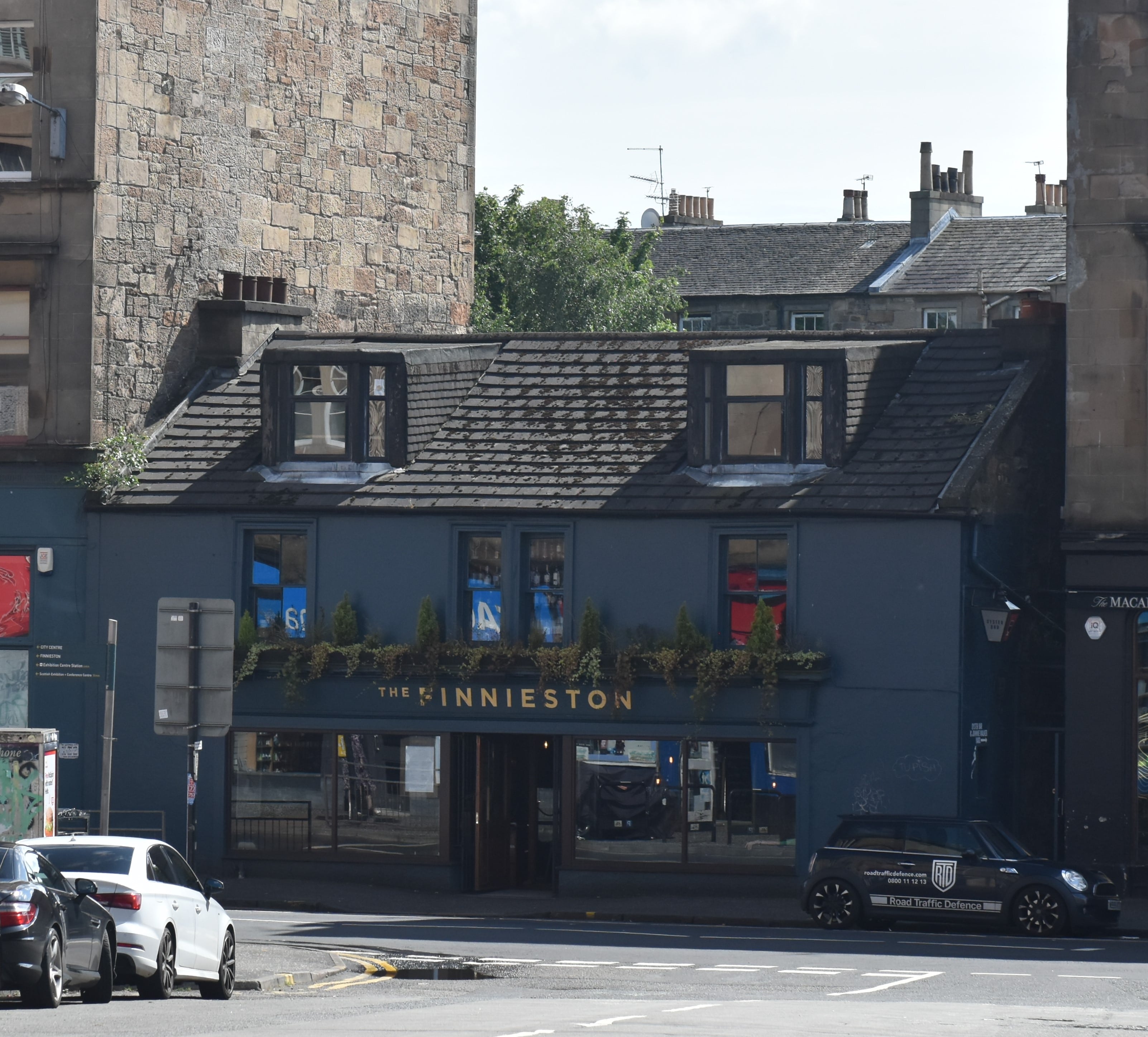
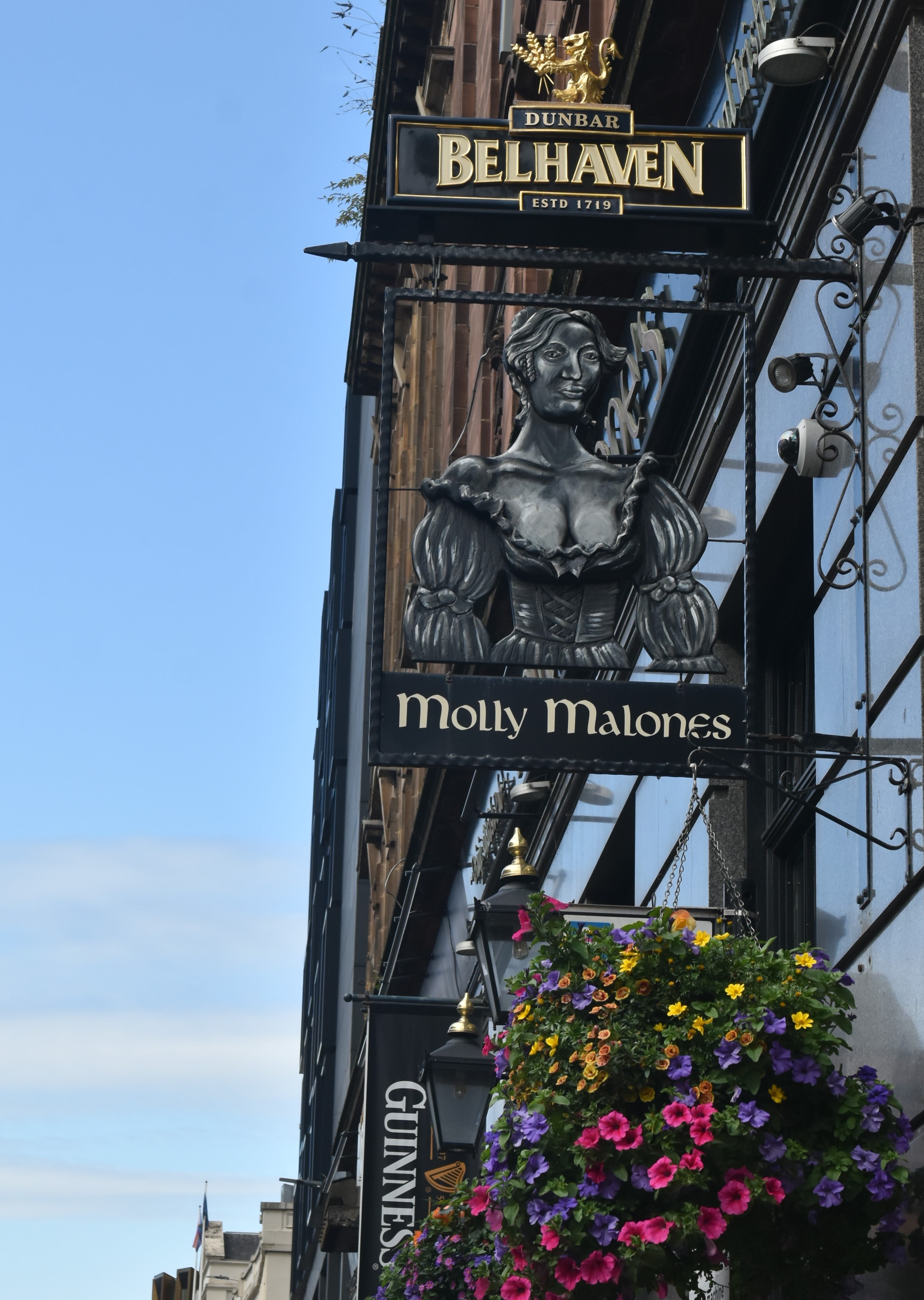
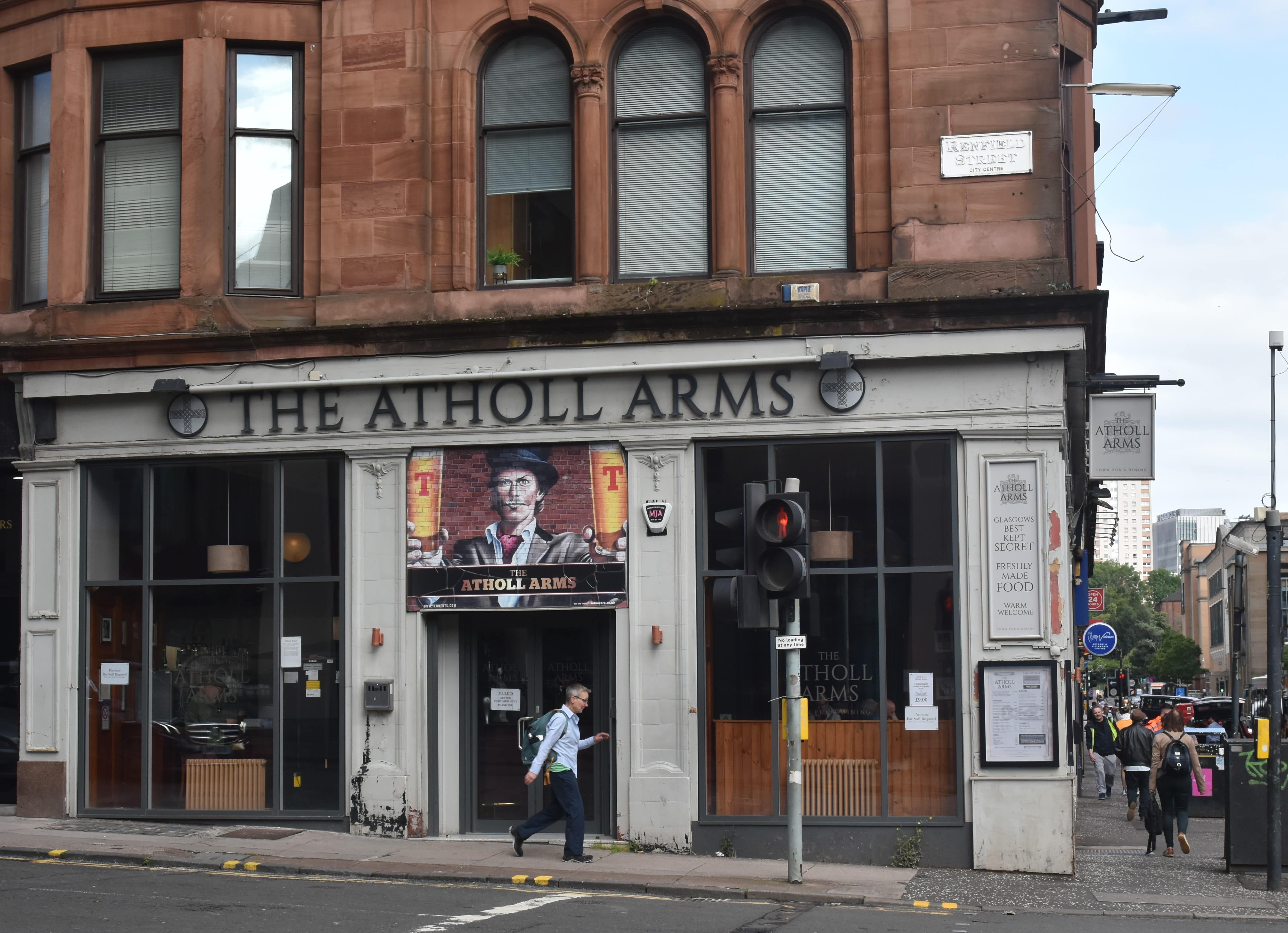
The last two photos are closer to home: one shows the detailed relief on the building directly across from our hotel, and the other is of the corner pub, just steps away from where we stayed. Both gave us a deeper appreciation for the little things that make Glasgow such a character-filled city.



The following day, our field trip took us to Culzean Castle, perched dramatically on the Ayrshire coast. Once the principal seat of Clan Kennedy—one of Scotland’s oldest noble families—the castle has deep historical roots. The Kennedy’s can trace their lineage all the way back to Robert the Bruce, which gives the site an added weight when walking its halls and grounds.

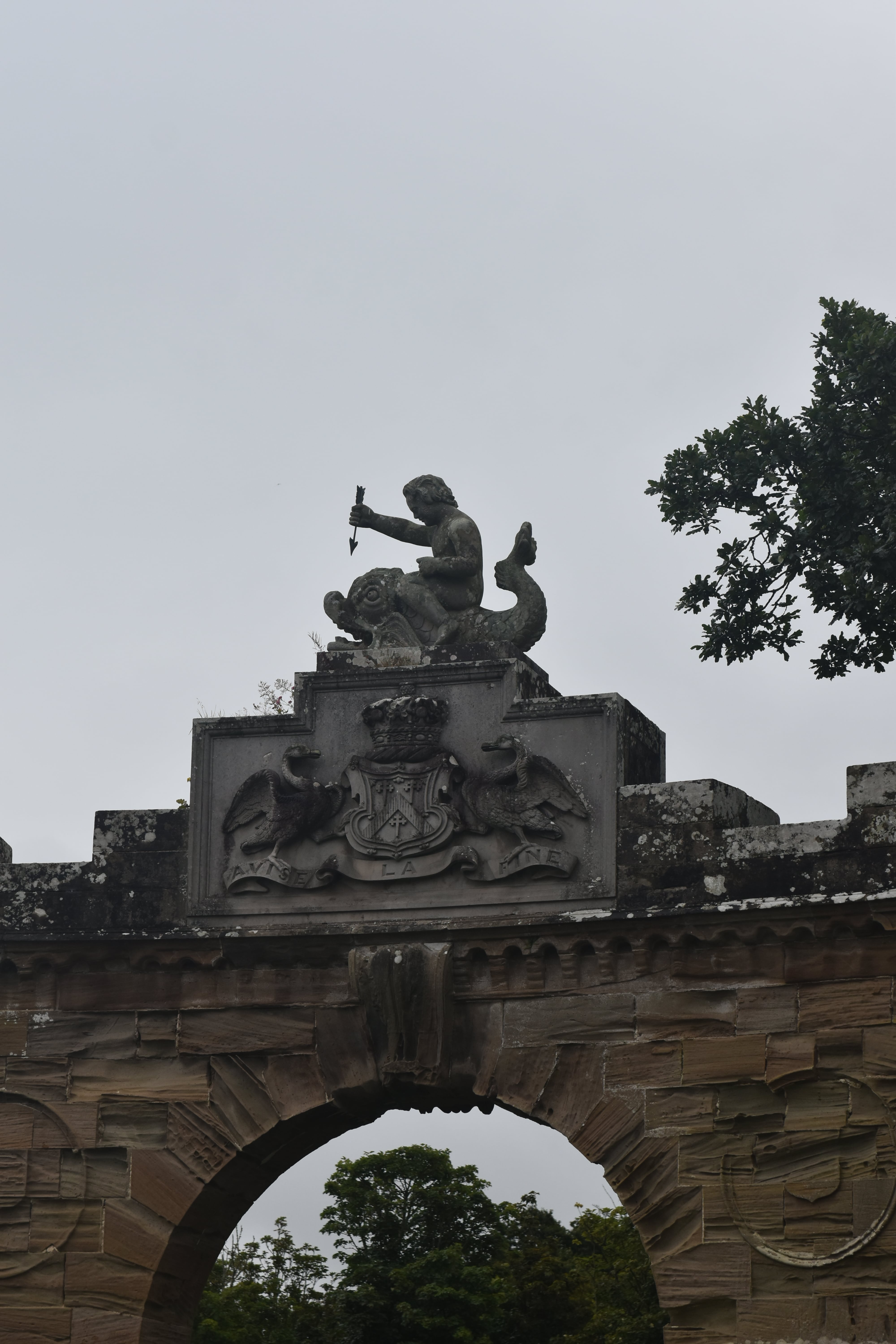


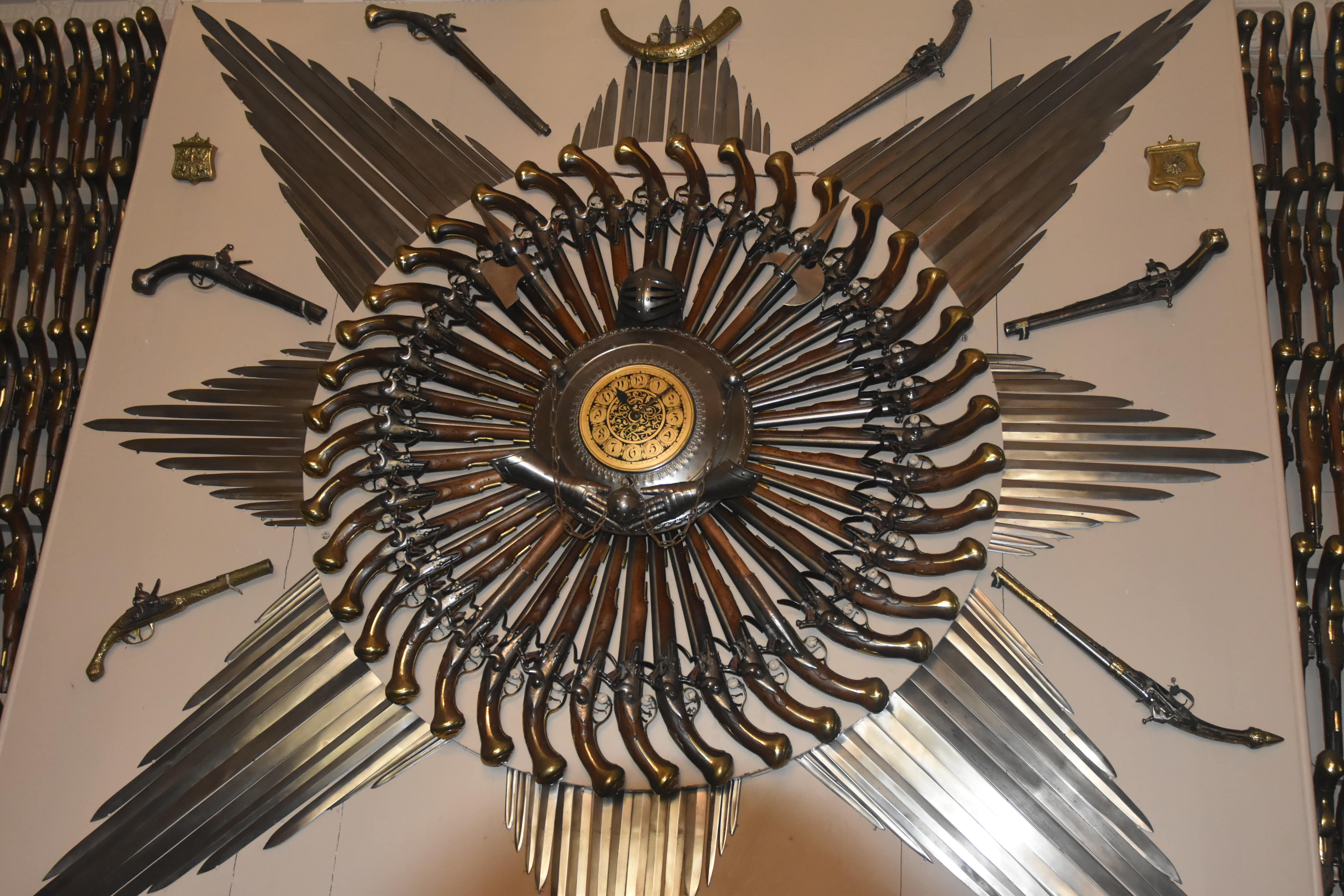
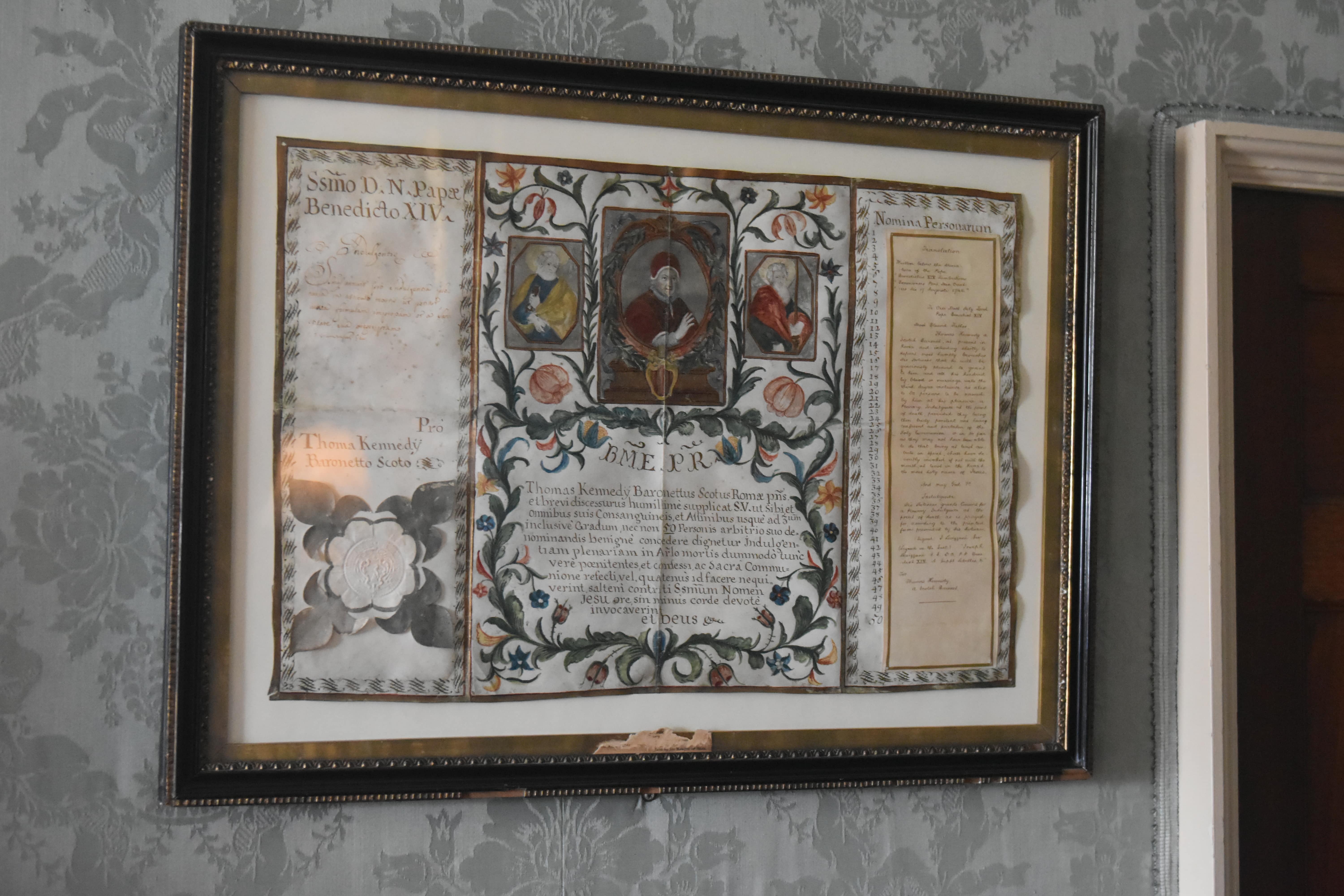
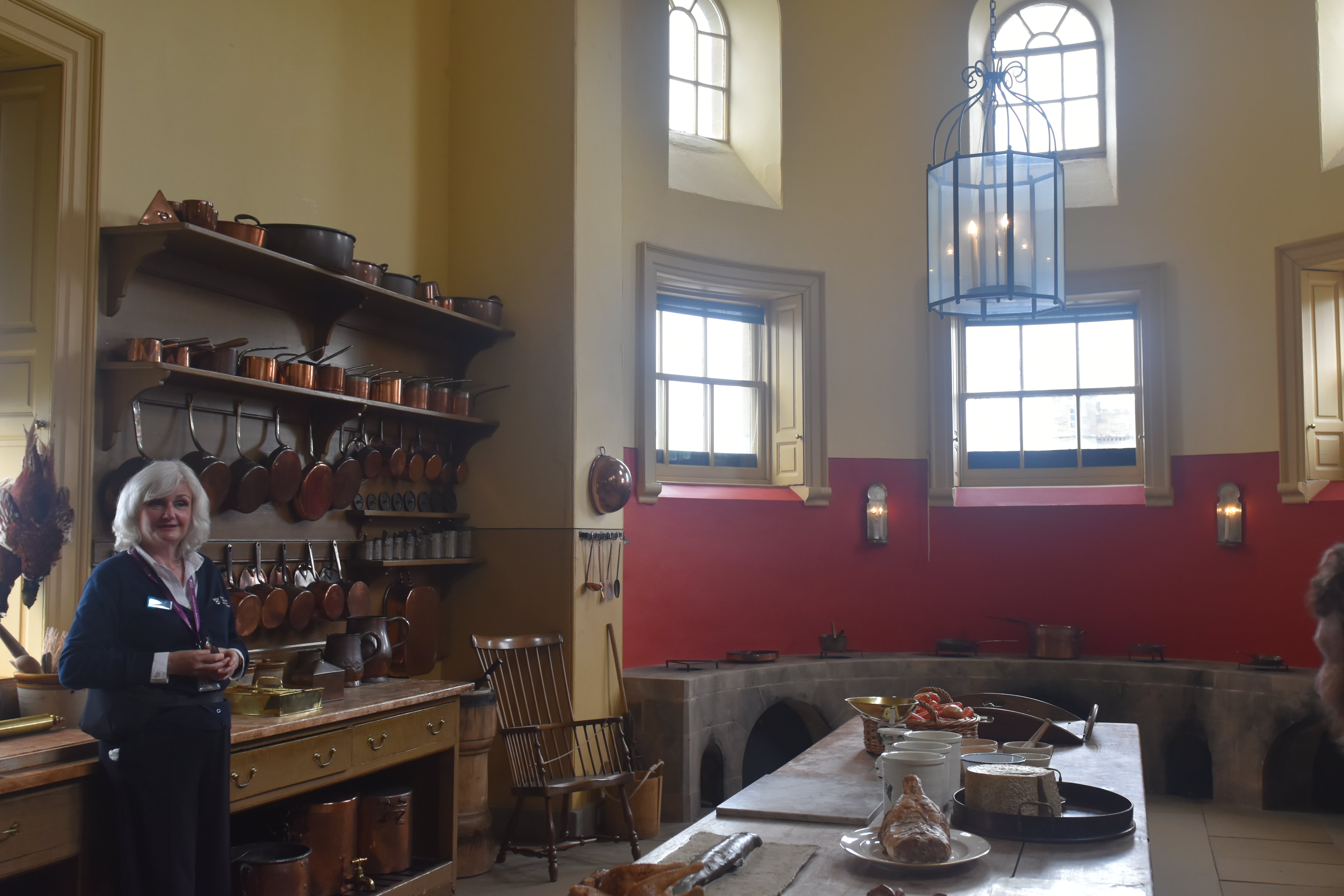

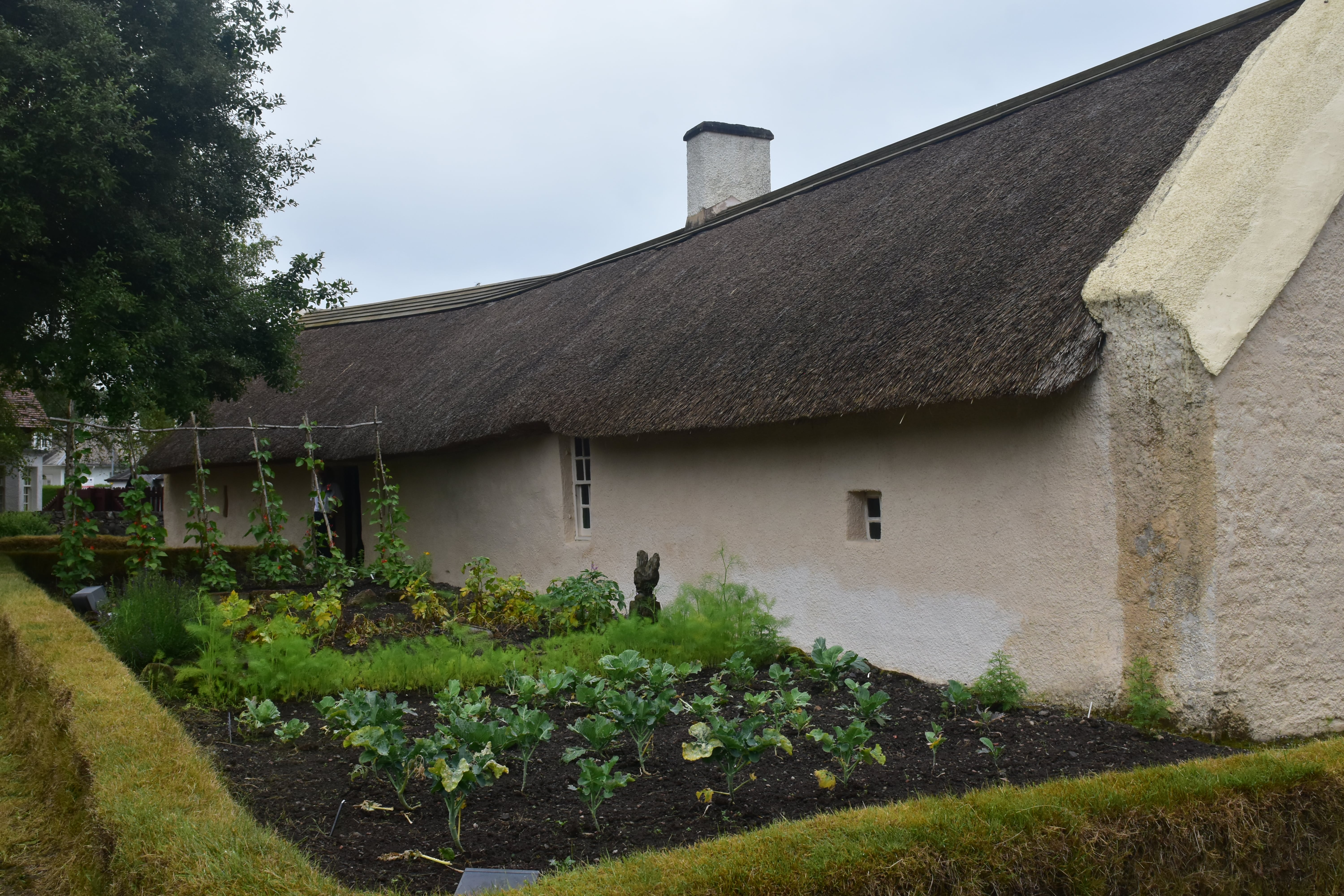
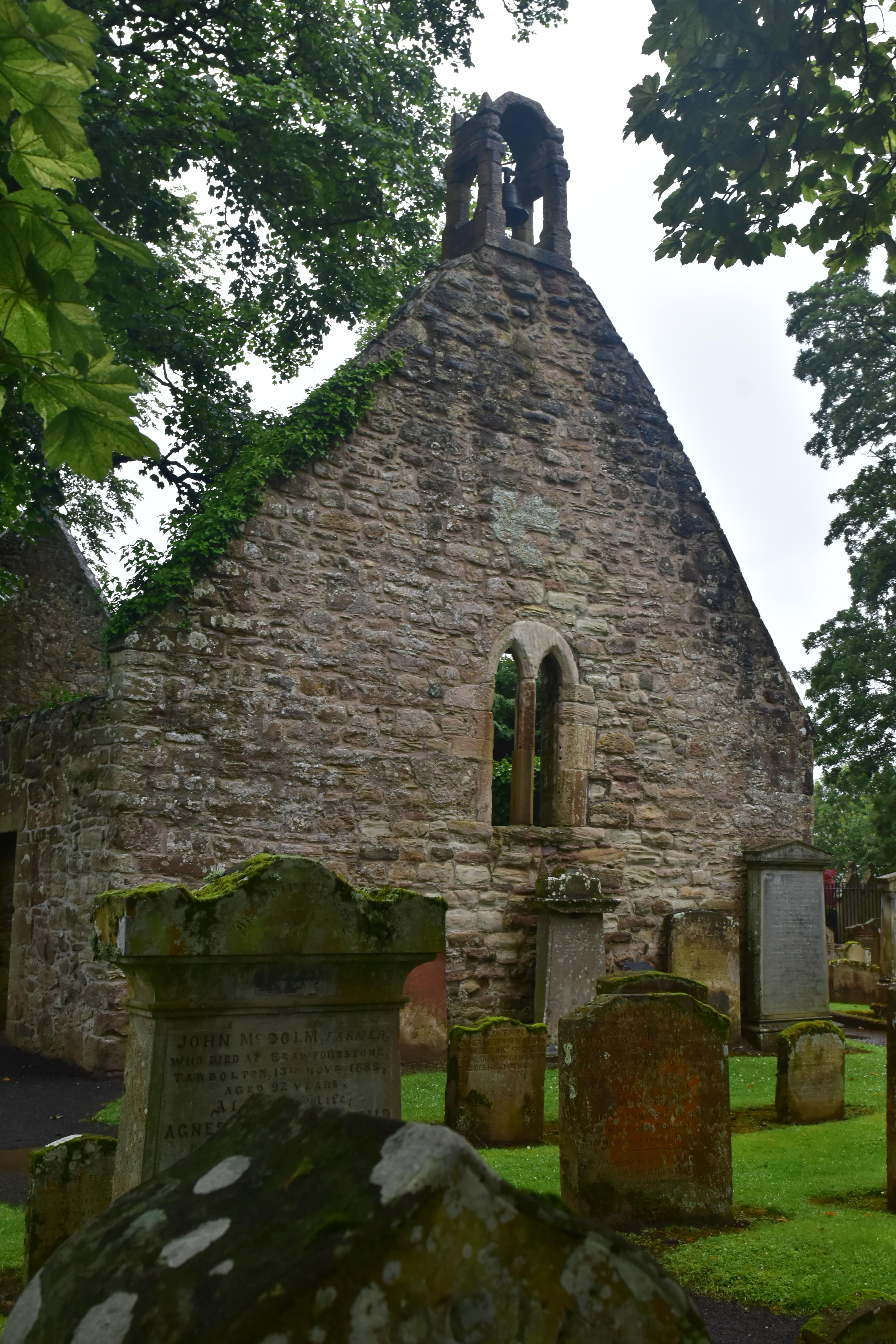
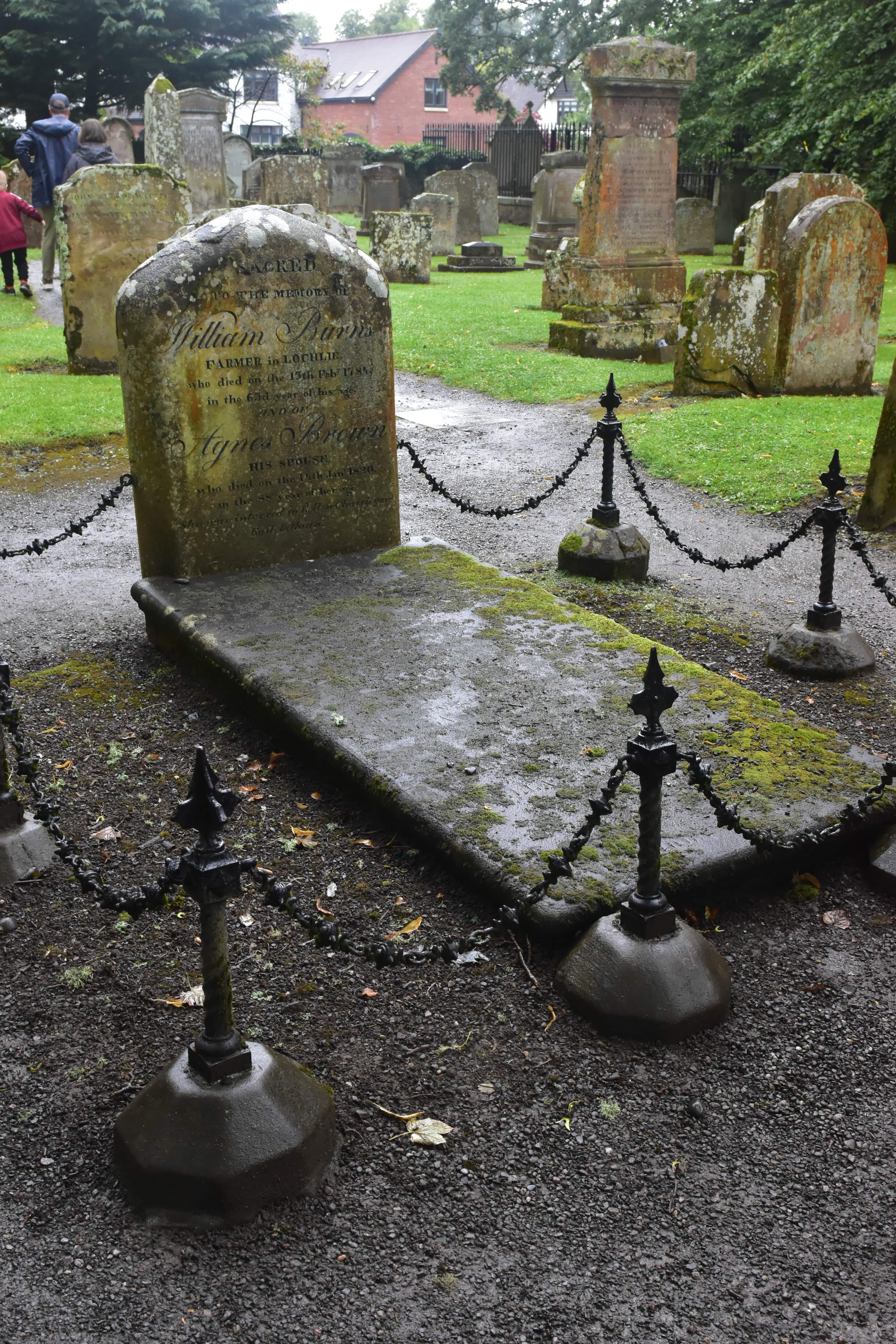
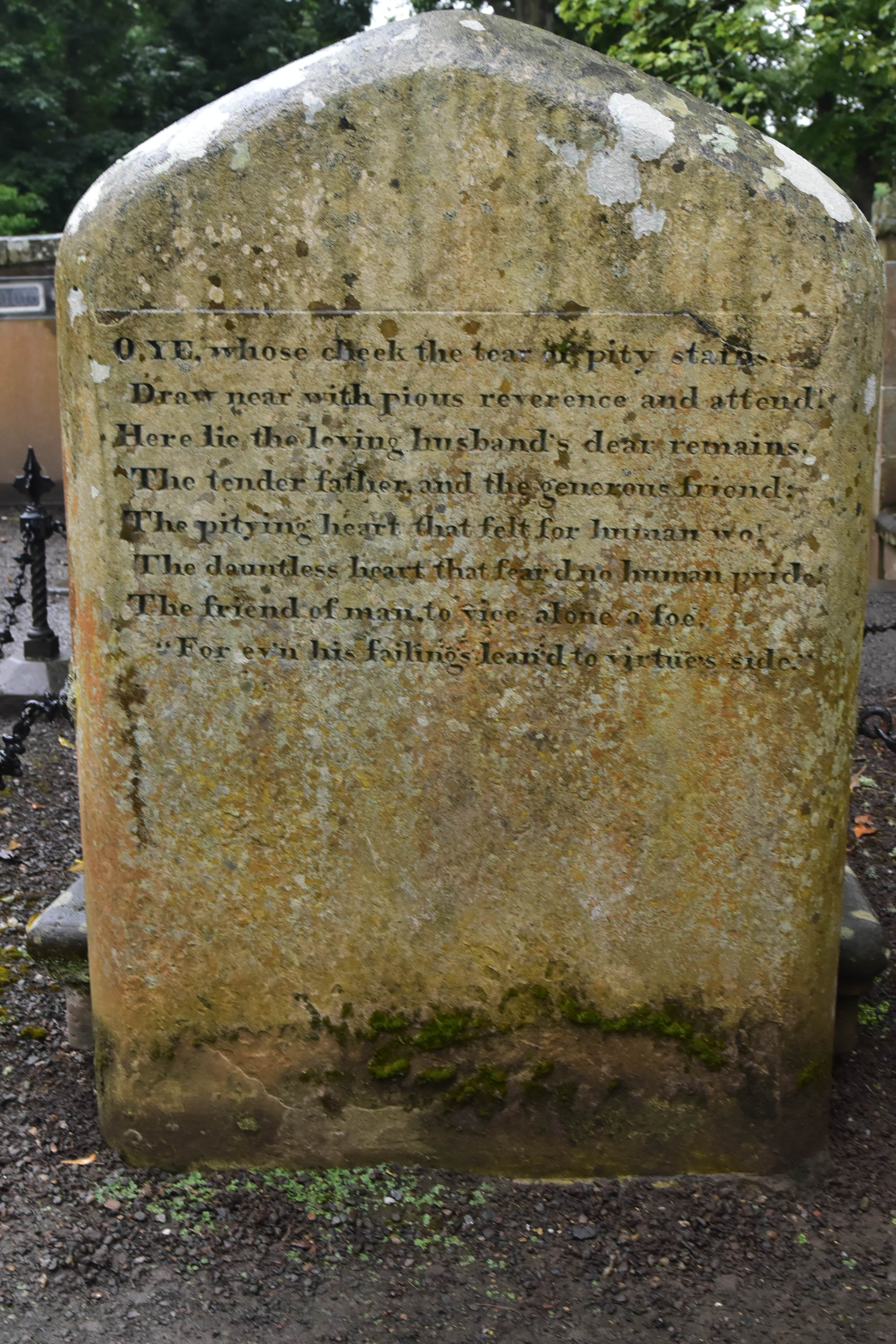
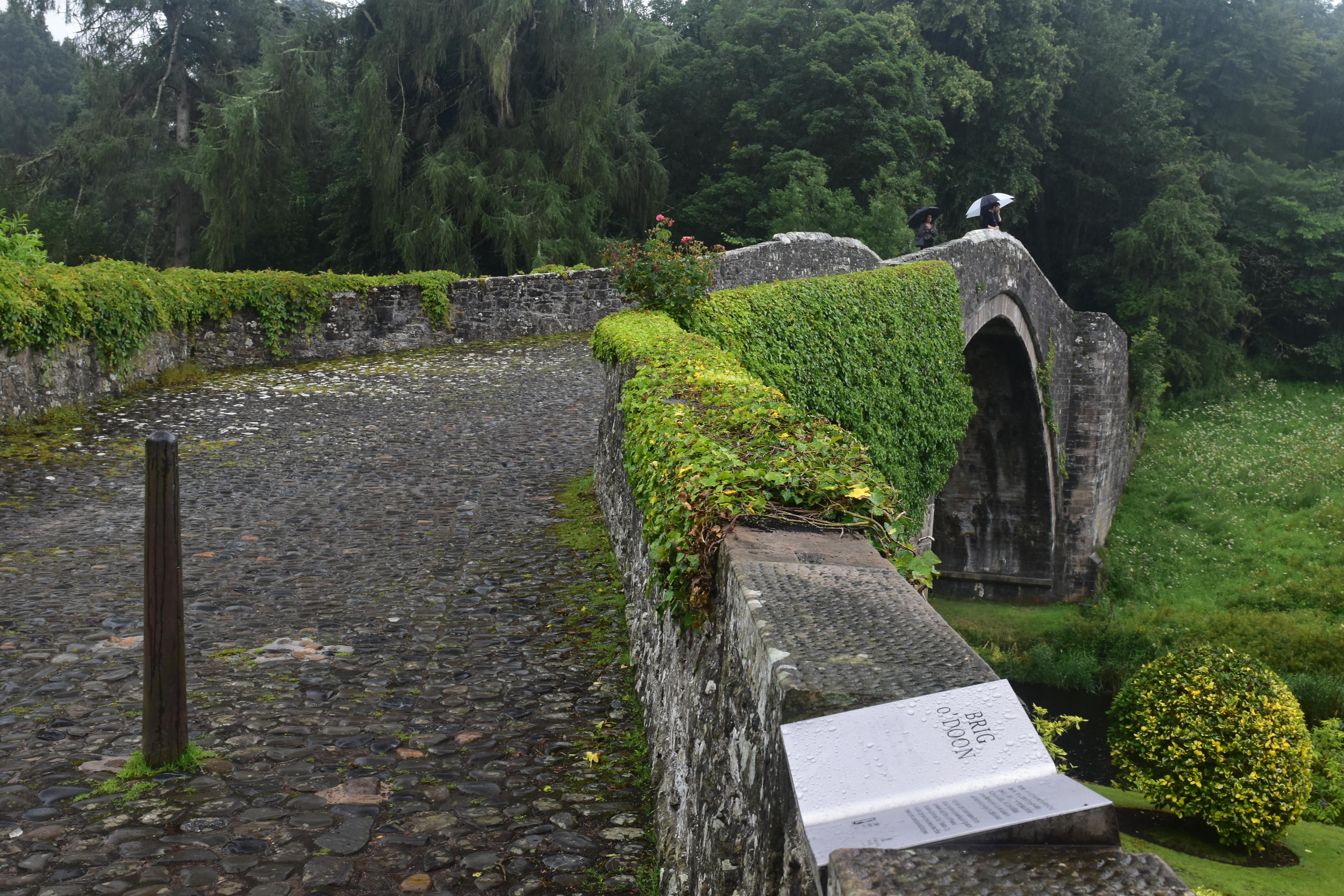
Next our journey took us to Alloway, the birthplace of Scotland’s national poet, Robert Burns. Burns Cottage, the “Auld Cley Biggin,” was built by the poet’s father himself in 1757. Margaret provided a history of the Alloway Auld Kirk graveyard and medieval bridge (Brig o’Doon) over the River Doon that featured prominently in the final scene of Robert Burns’ popular narrative poem “Tam O’Shanter.” William Burns, father of the poet, is buried in the graveyard together with his daughter Isabella as well as two of his nieces

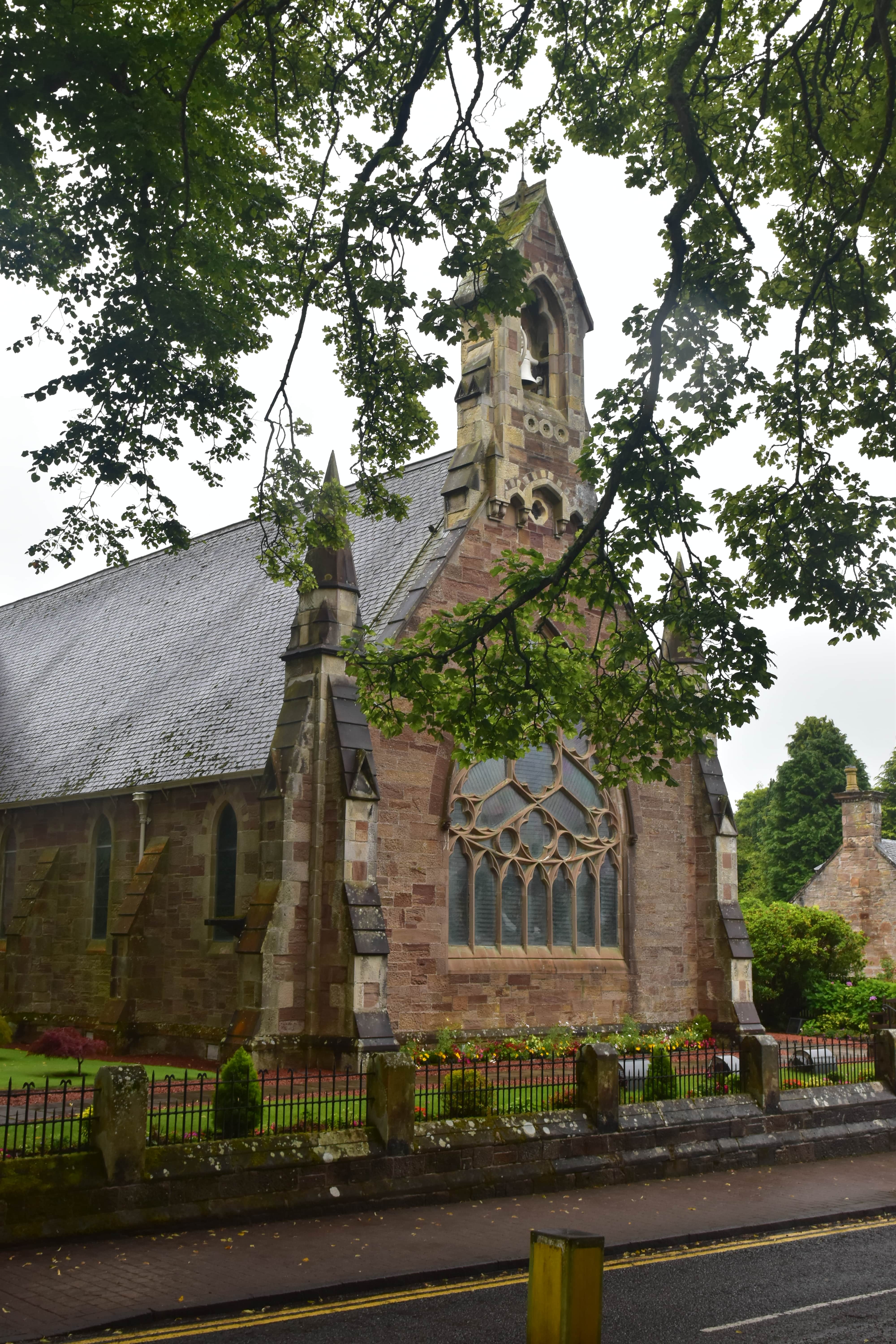


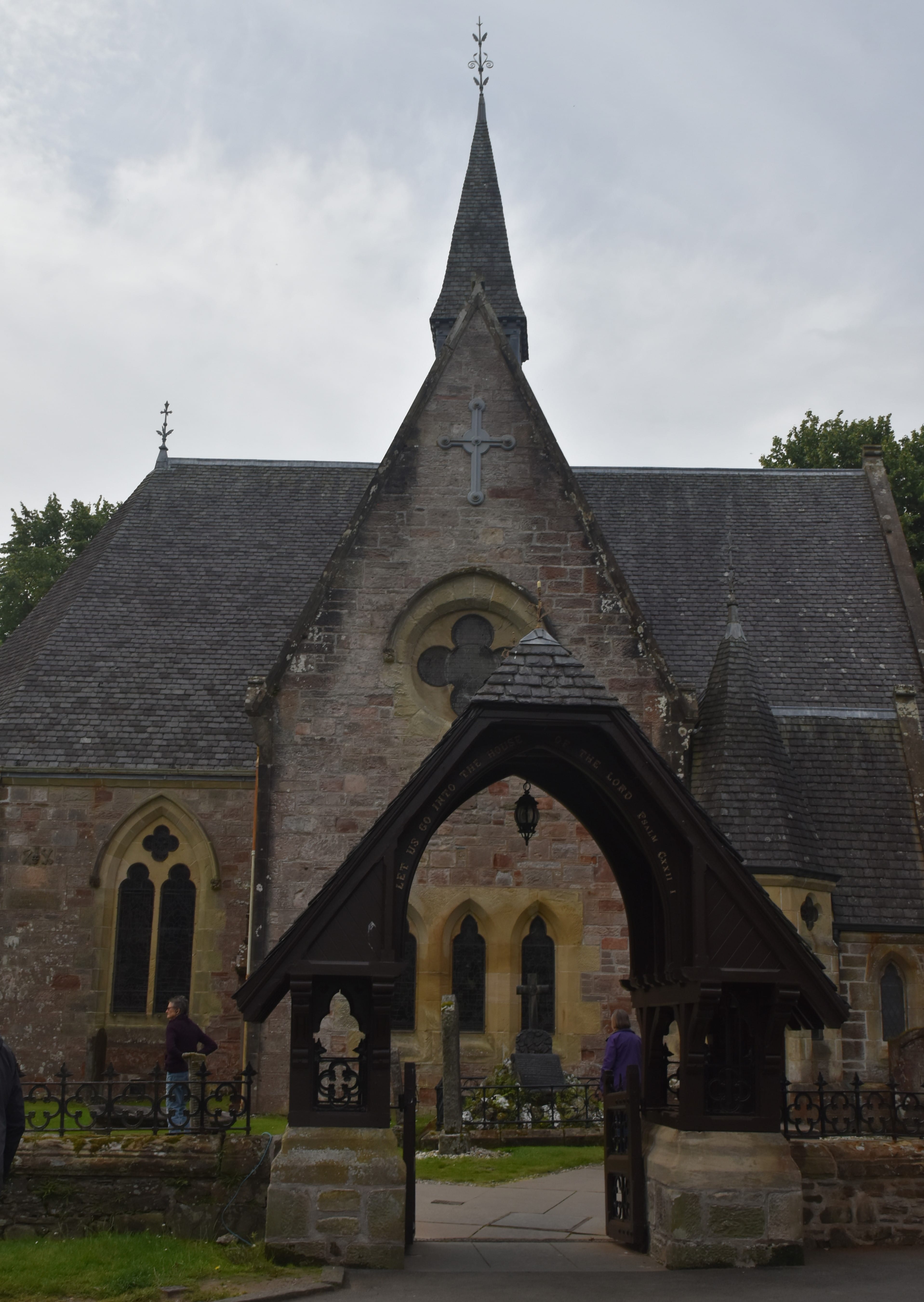
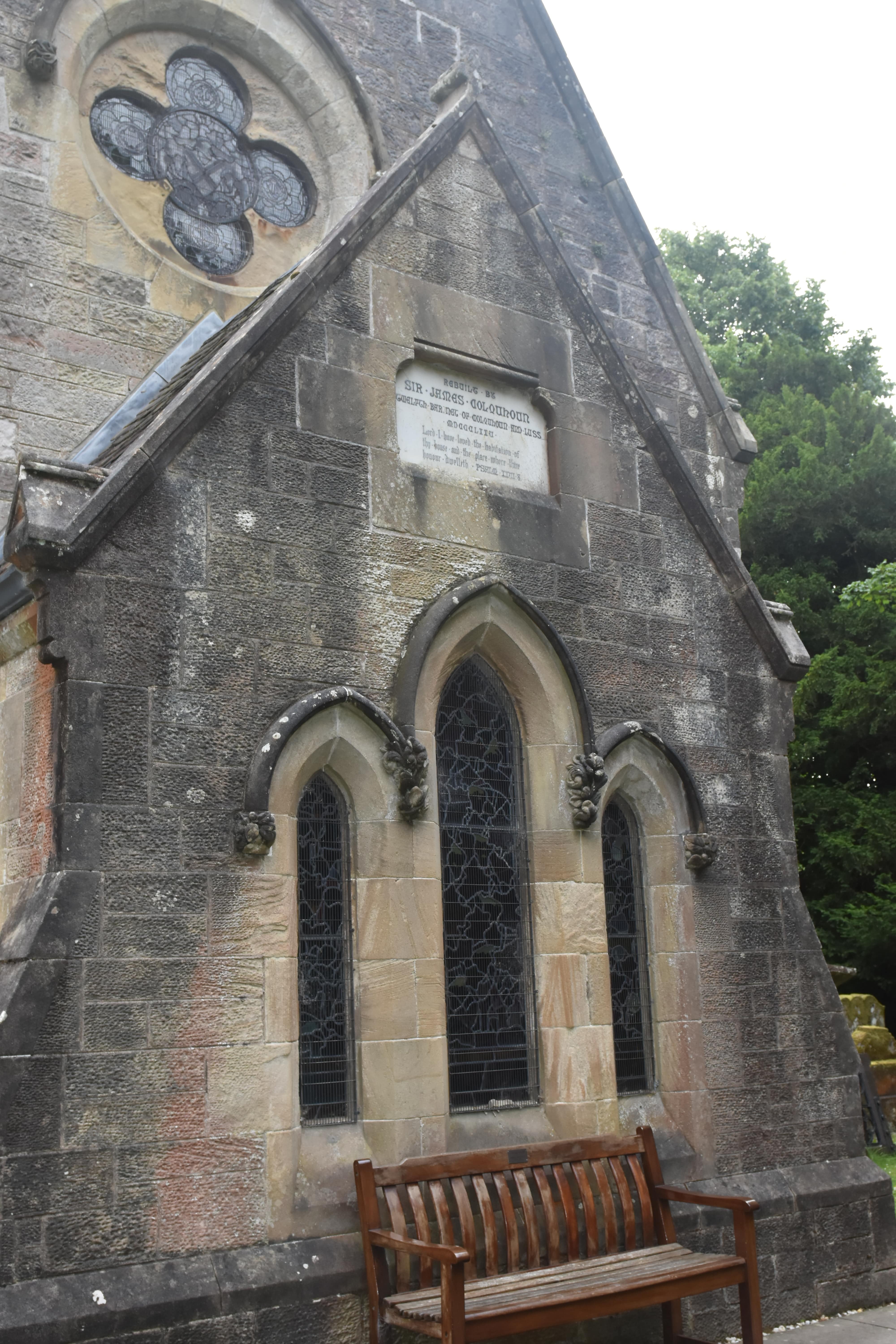
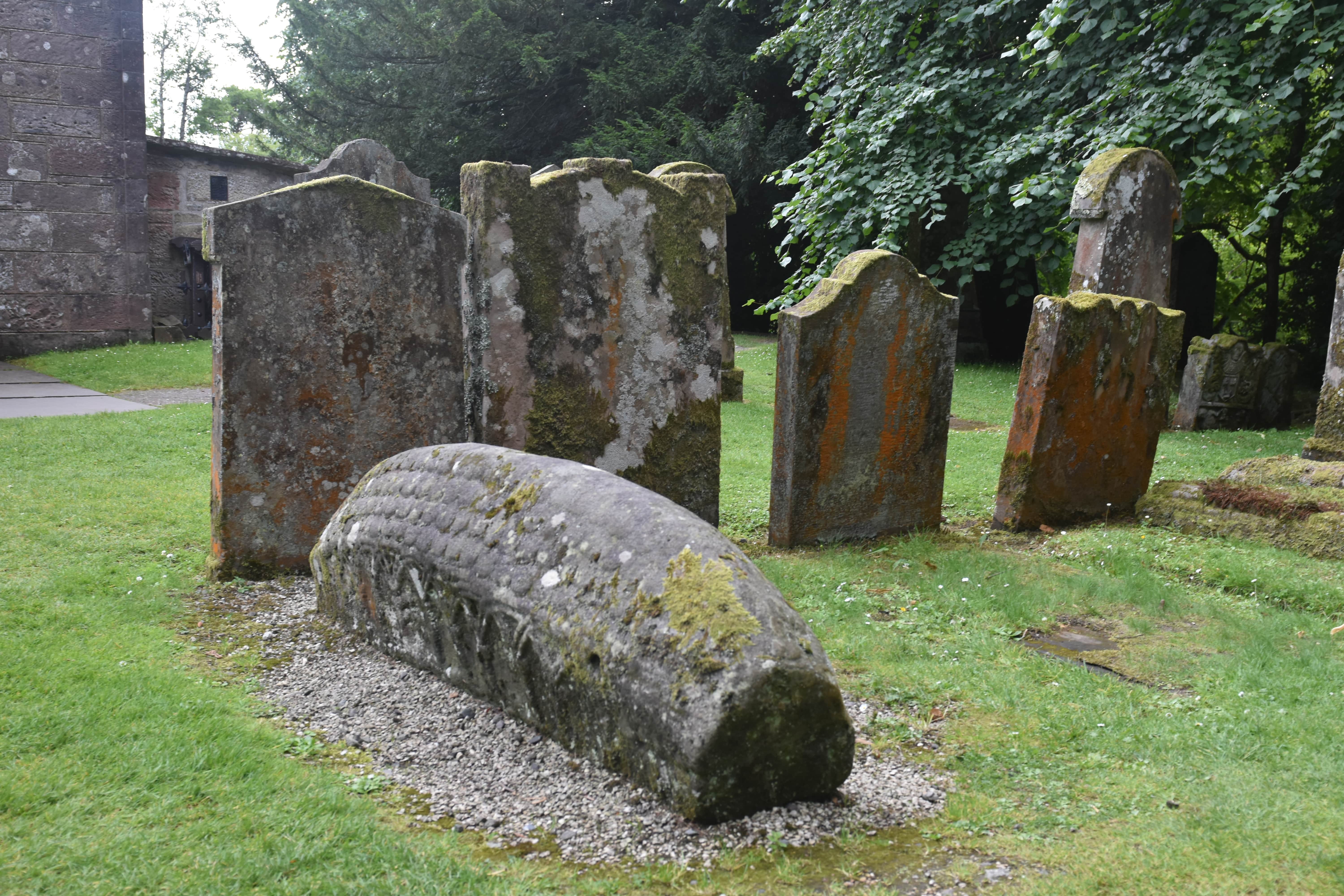
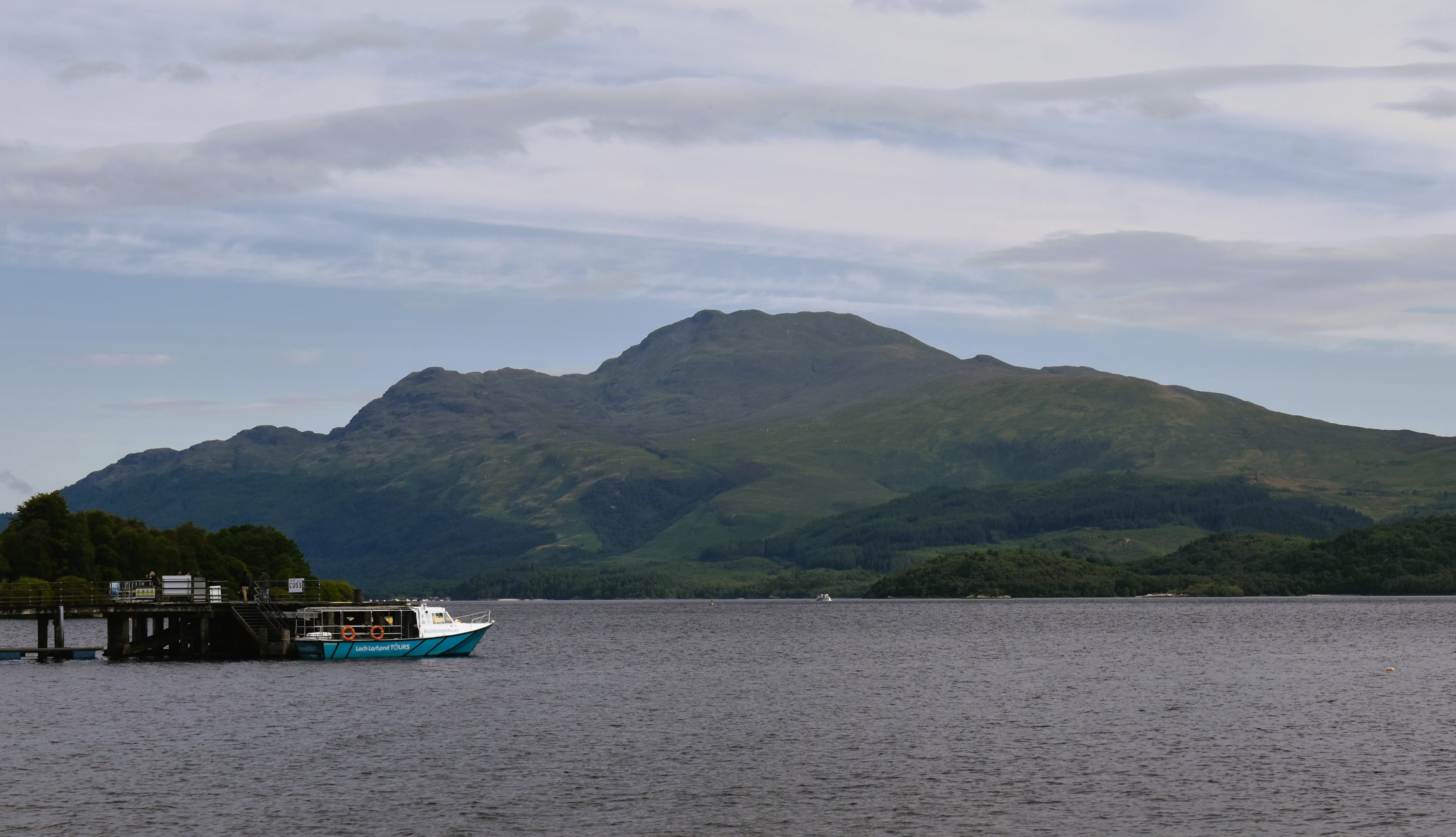
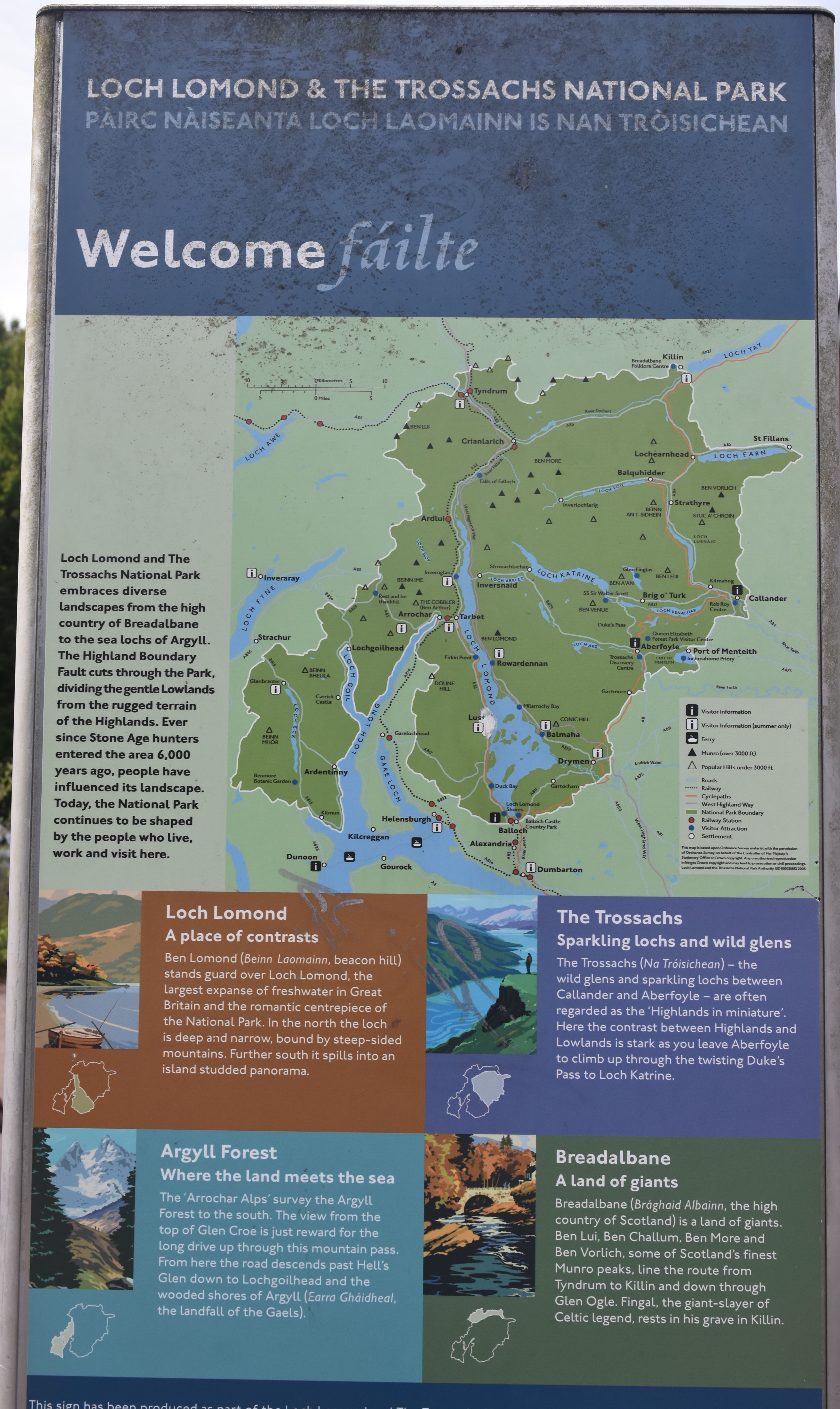
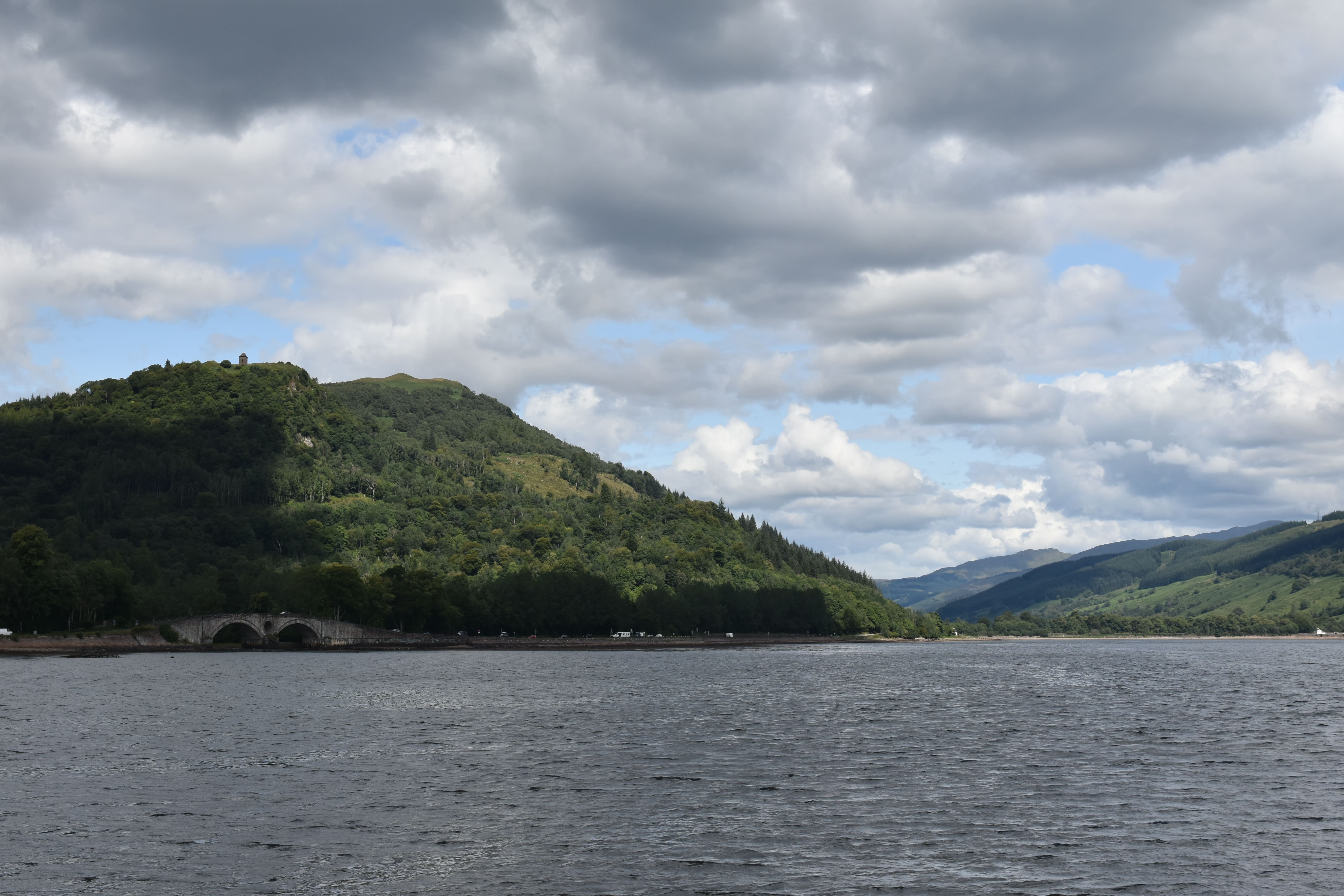
The motor coach took us to Oban on the fifth day of our journey by way of Loch Lomond and Inveraray Castle, home of the Duke of Argyll, Chief of the Clan Campbell. We visited the village of Luss on Loch Lomond to see the Luss Parish Church dedicated to Saint Kessog. The present church building was constructed in 1875 but the graveyard is much older. The earliest stones date from the 7th or 8th century and includes an 11th century Viking hogback grave.




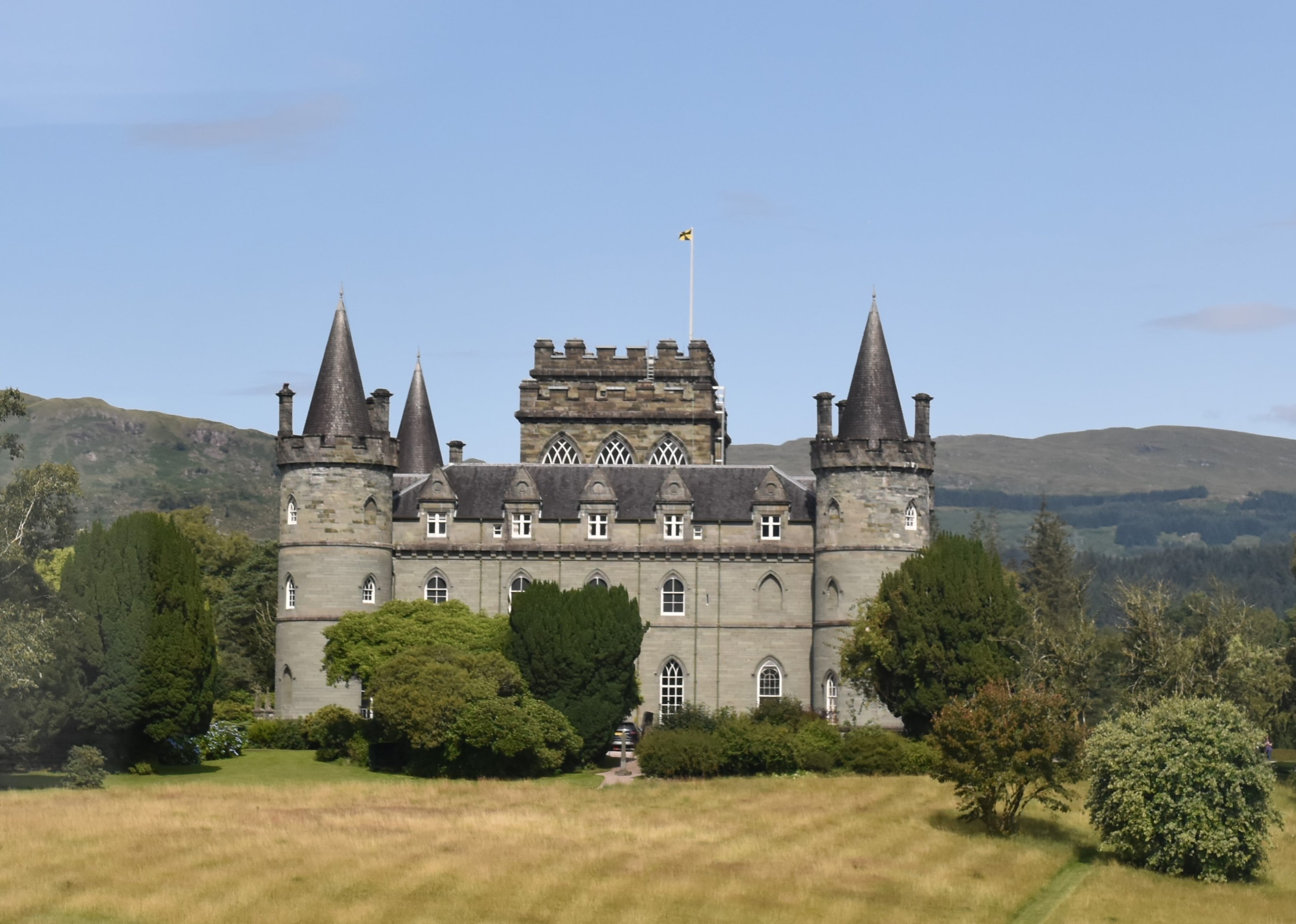
An Inveraray Castle has been on the shores of Loch Fyne since the 1400s. The architect Vanbrugh sketched an idea that became the base of the house which the 3rd Duke of Argyll would eventually build. The foundation stone was laid in 1746 and was followed by construction on a design by the architects Roger Morris and William Adam. Inveraray Castle was designed to be a truly modern, baroque, Palladian and Gothic-style castle. The castle was finished 43 years later by James and Robert Adam.
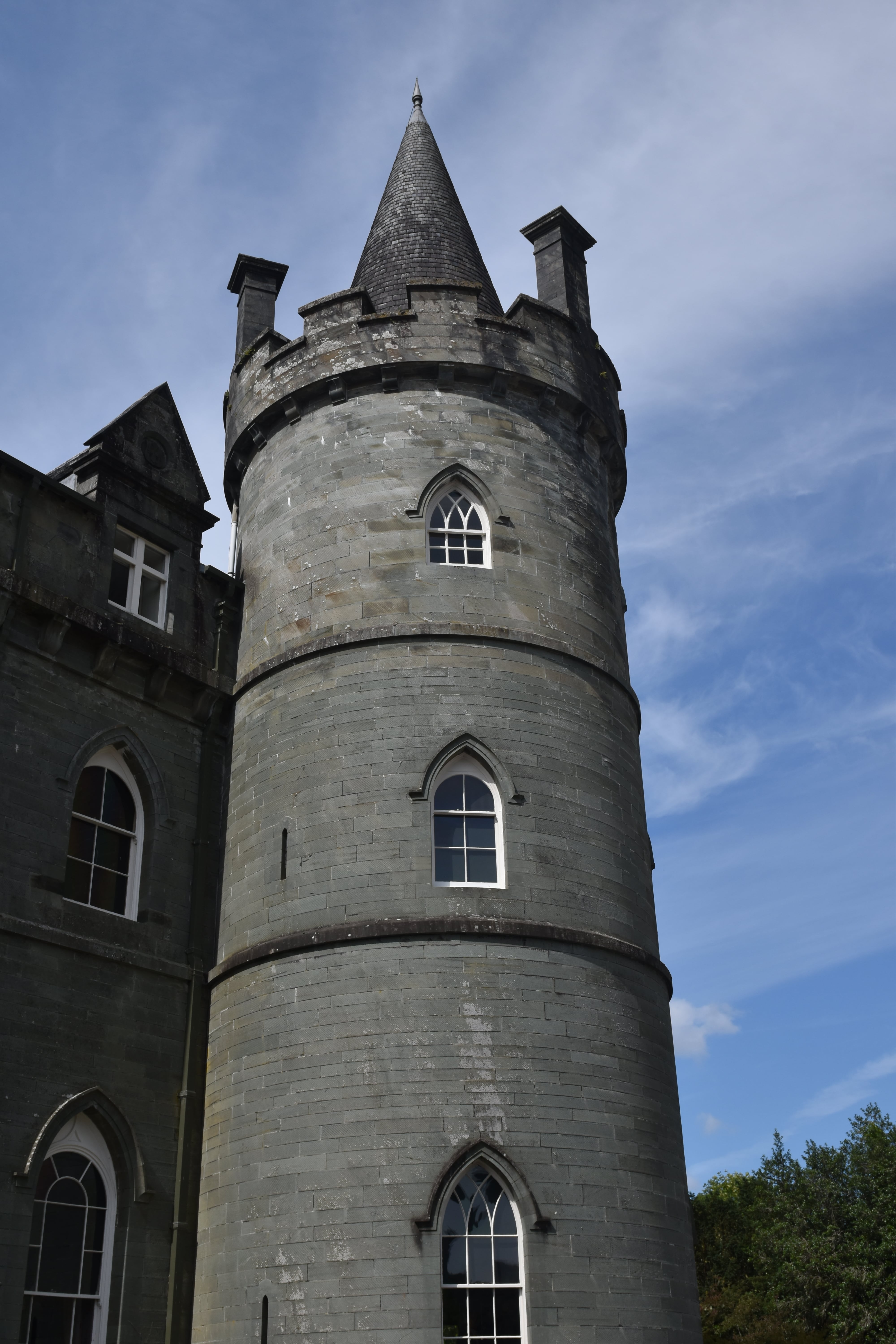
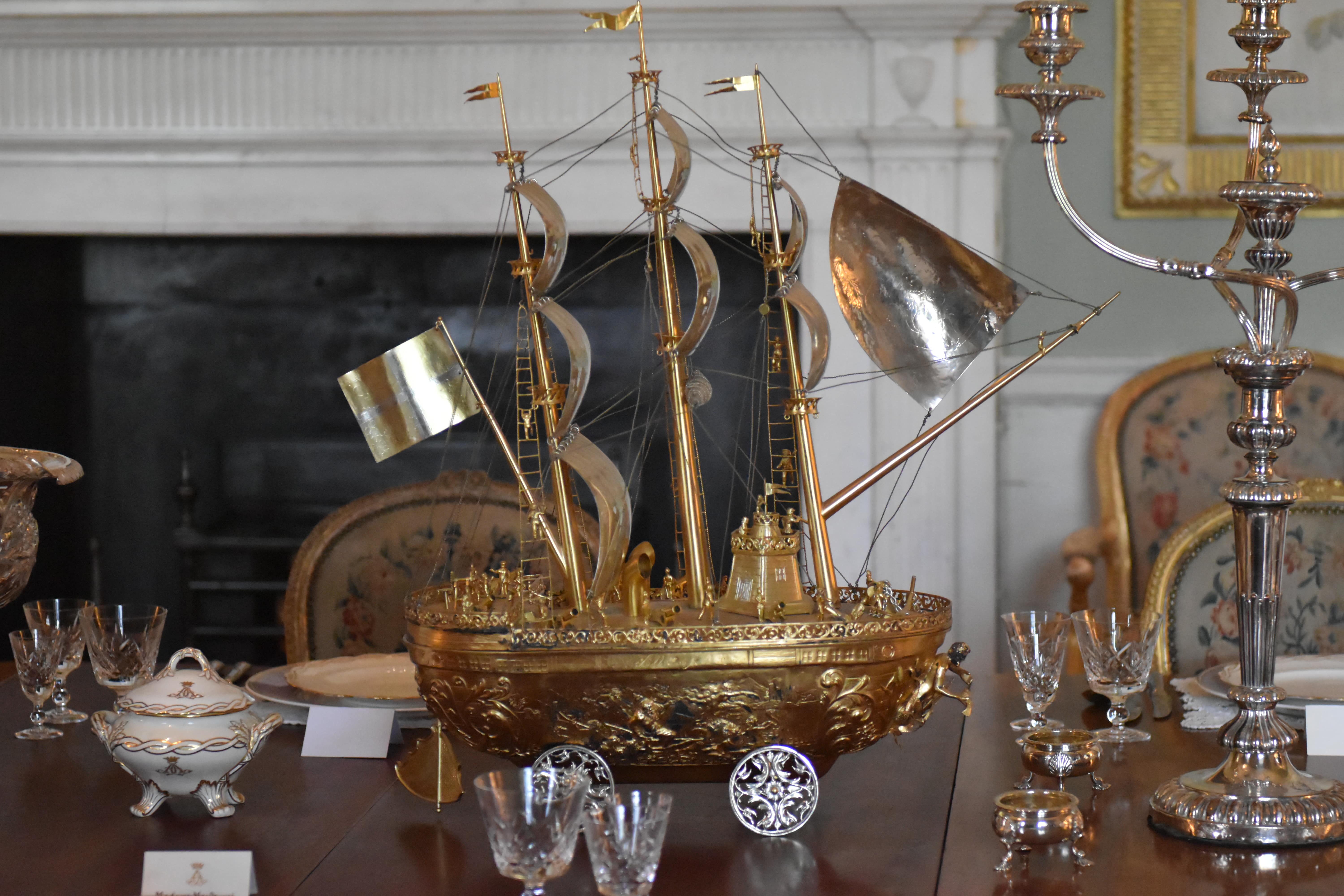


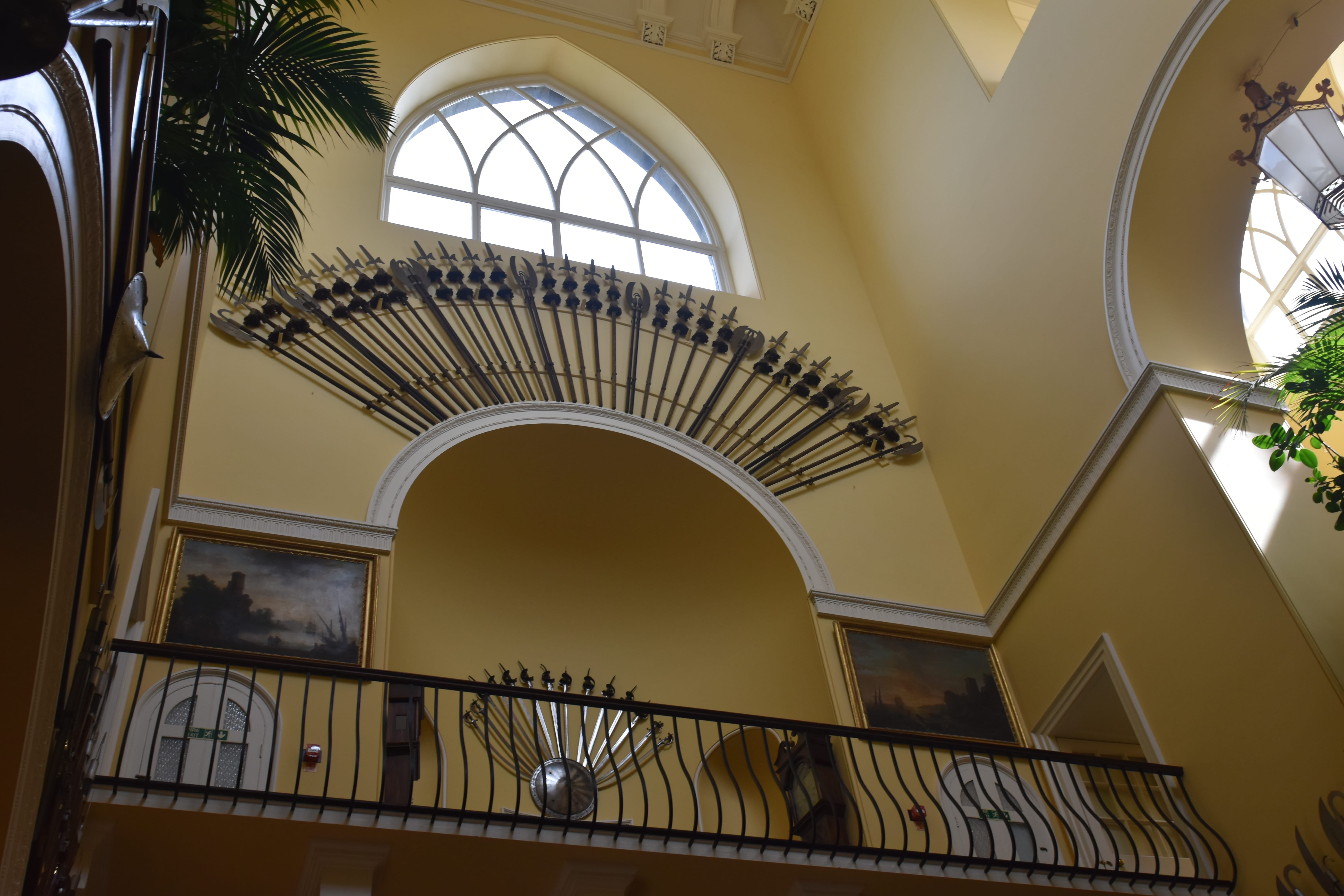
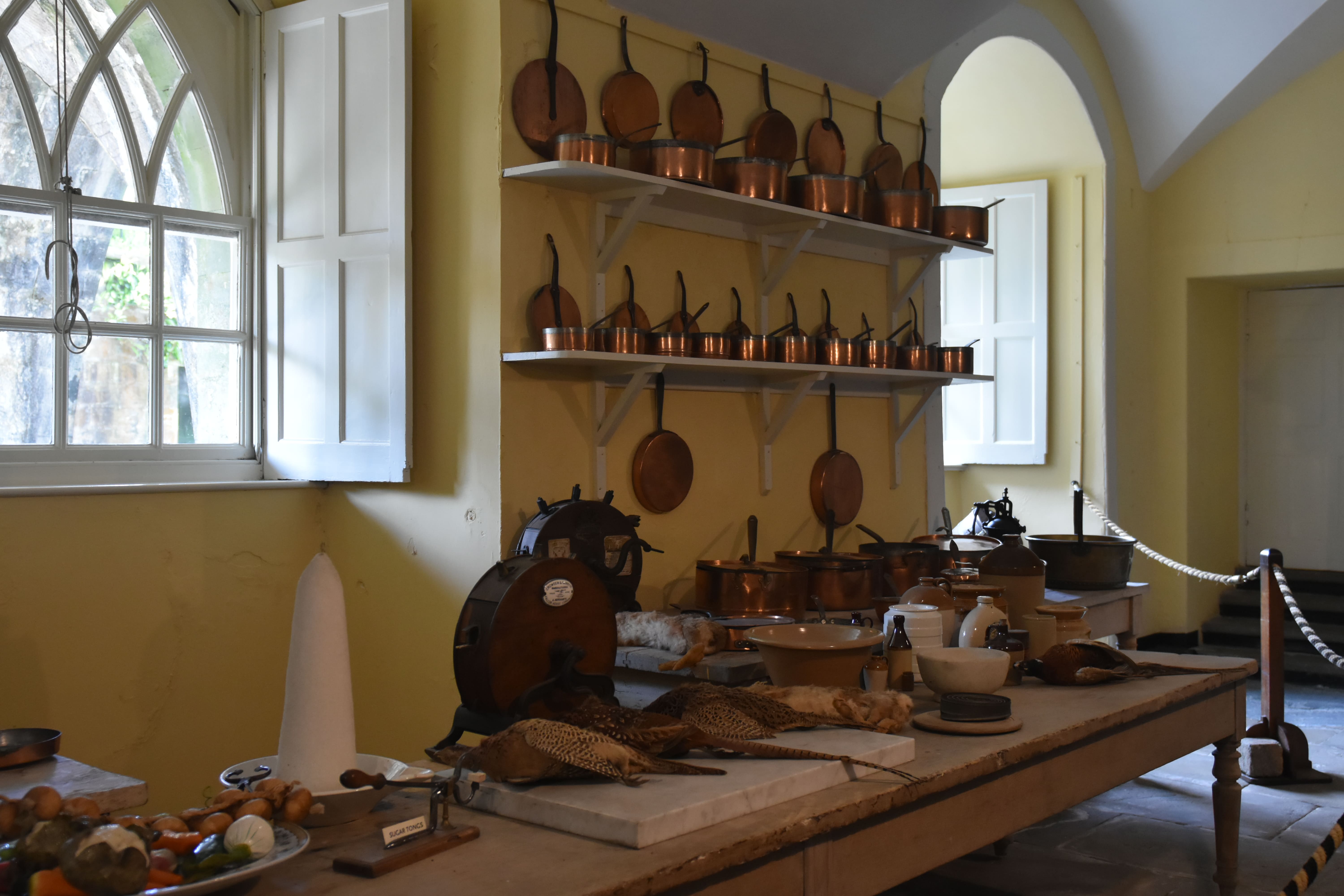


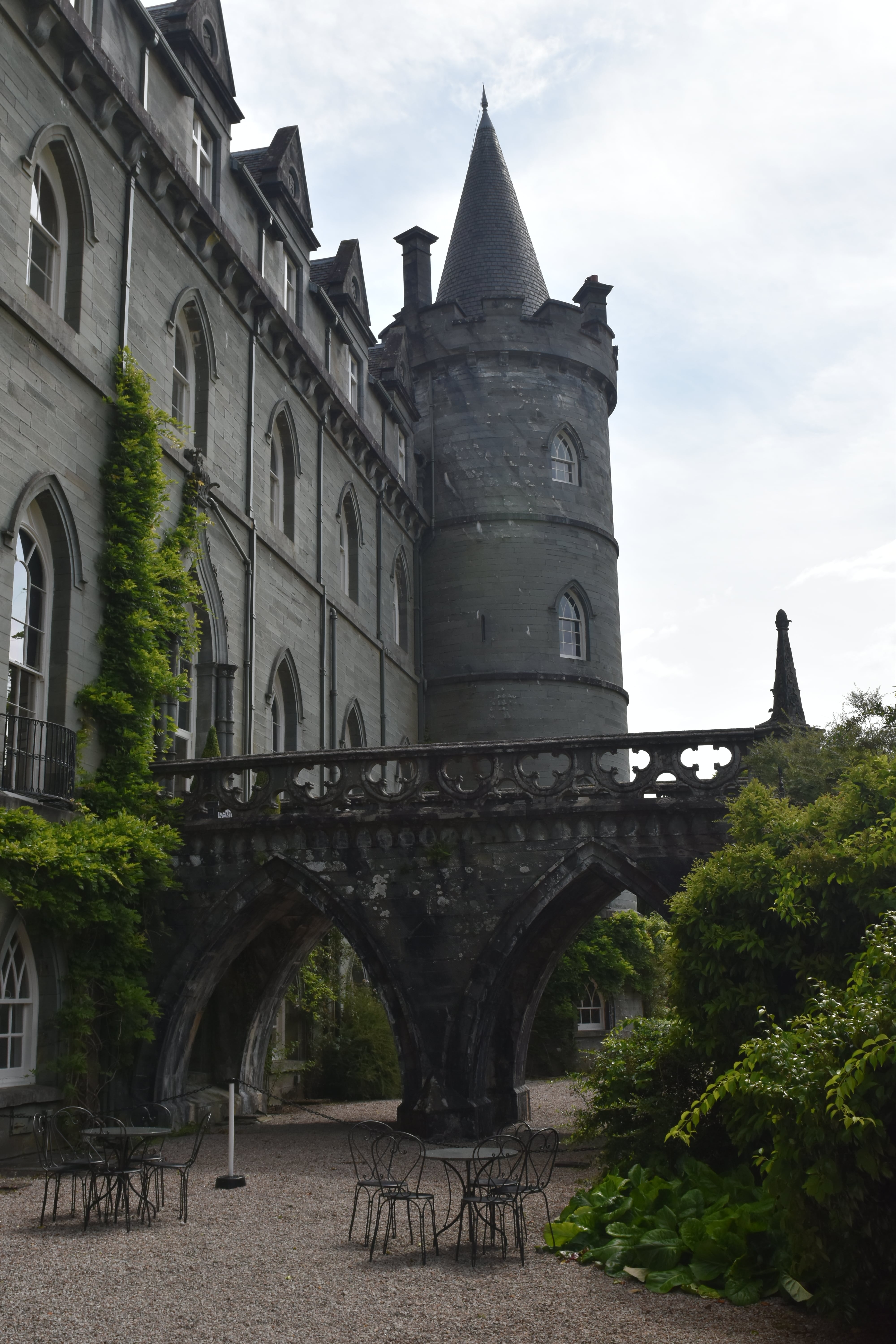

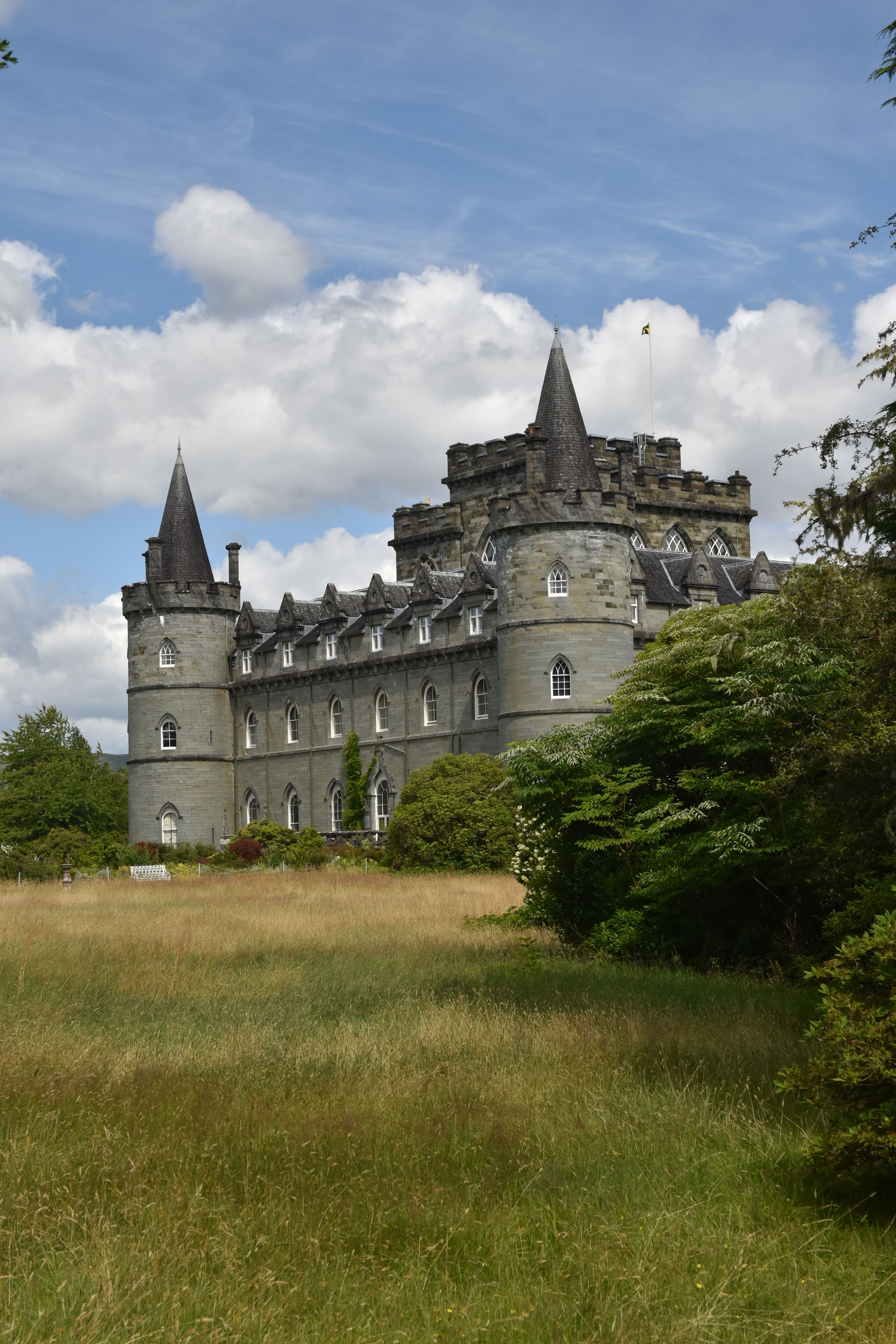
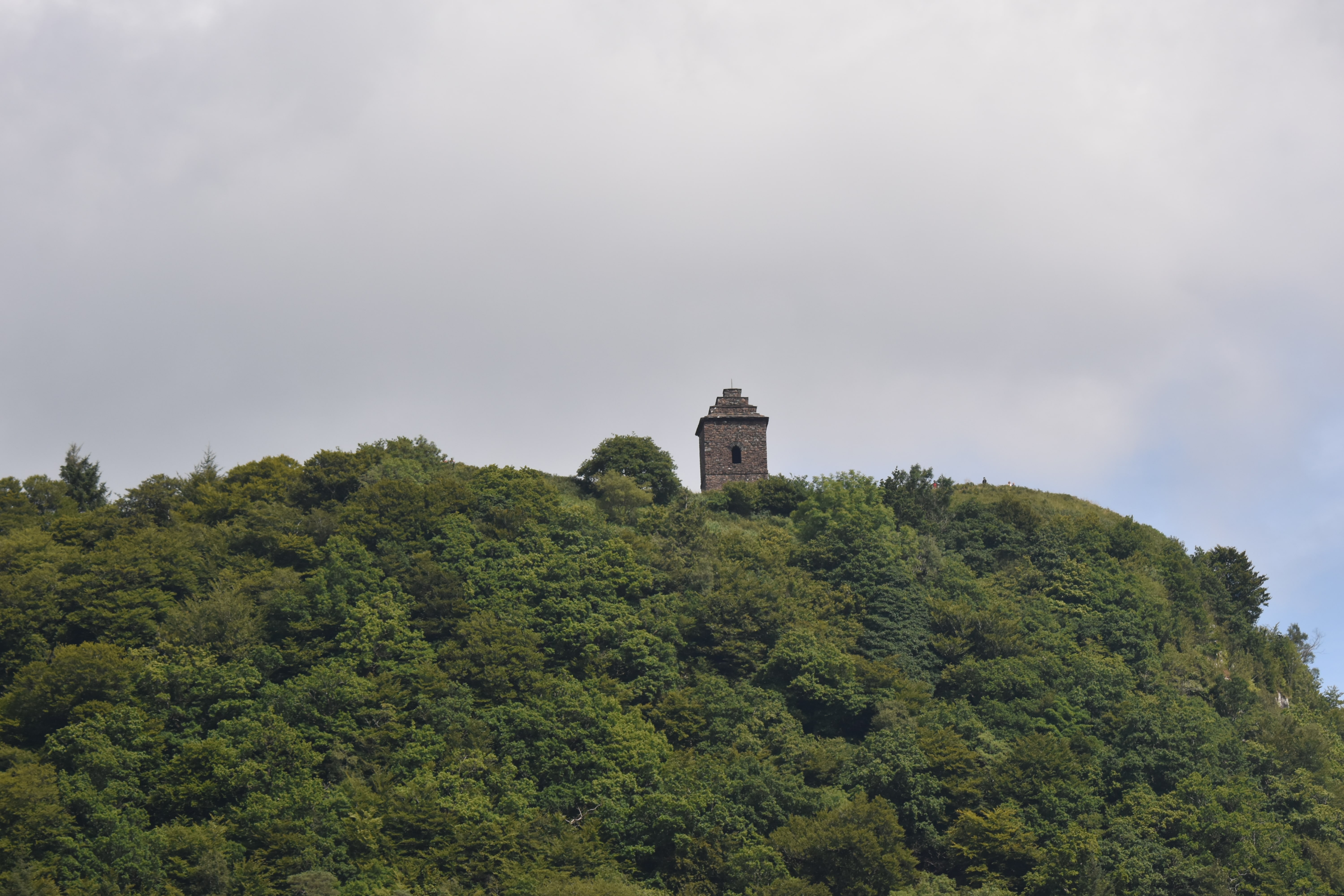
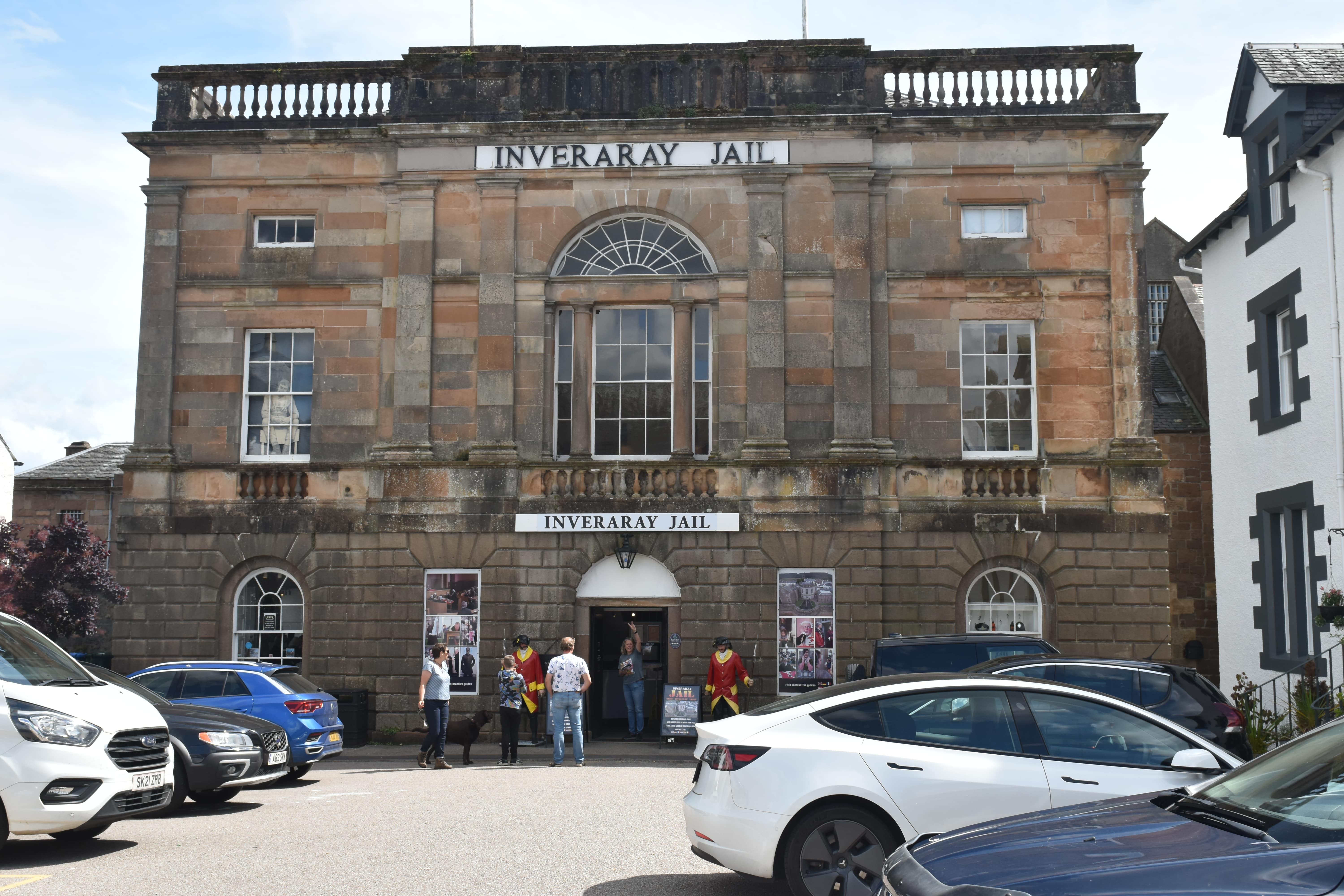
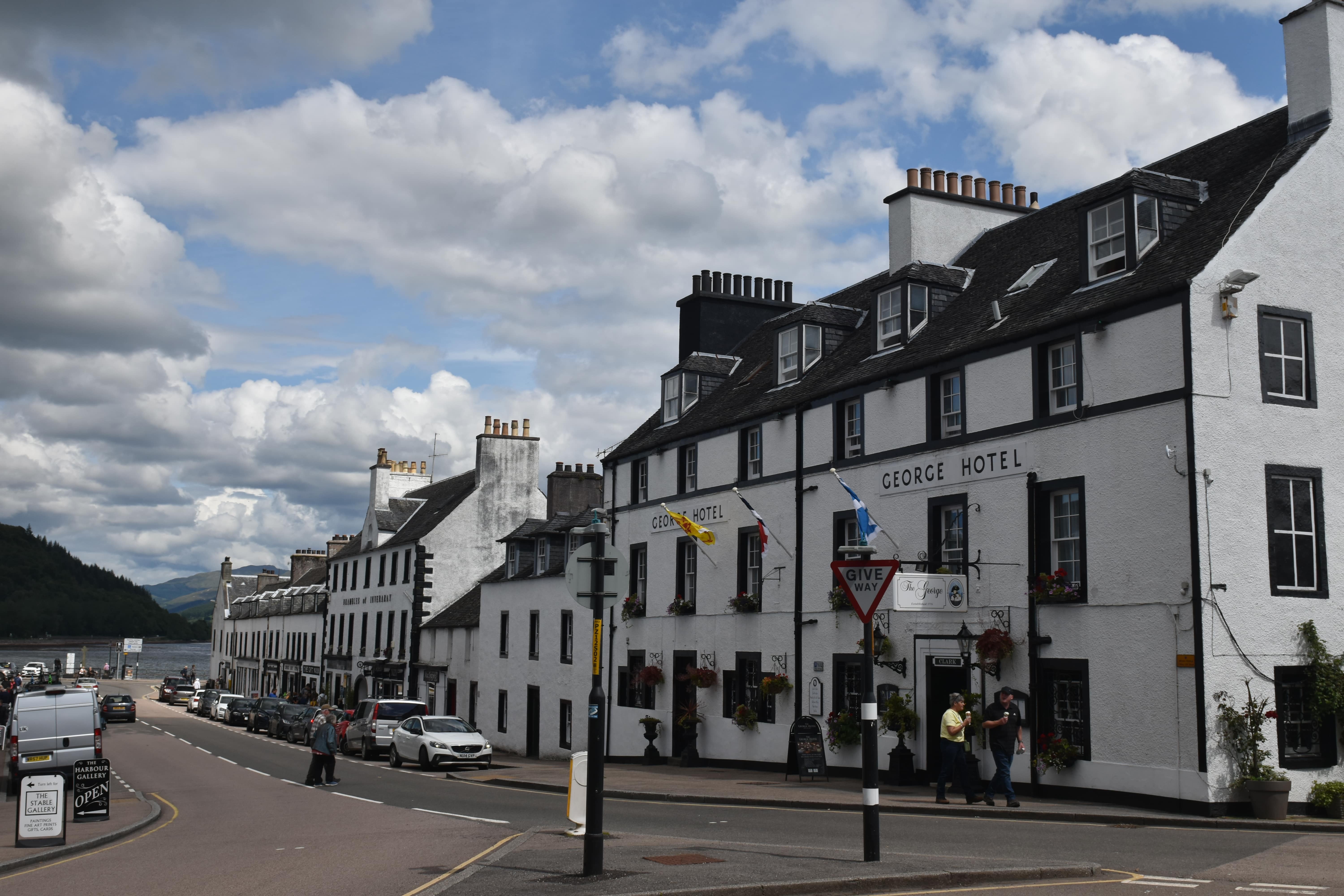
We had lunch at the village of Inveraray and enjoyed a stroll around the town.



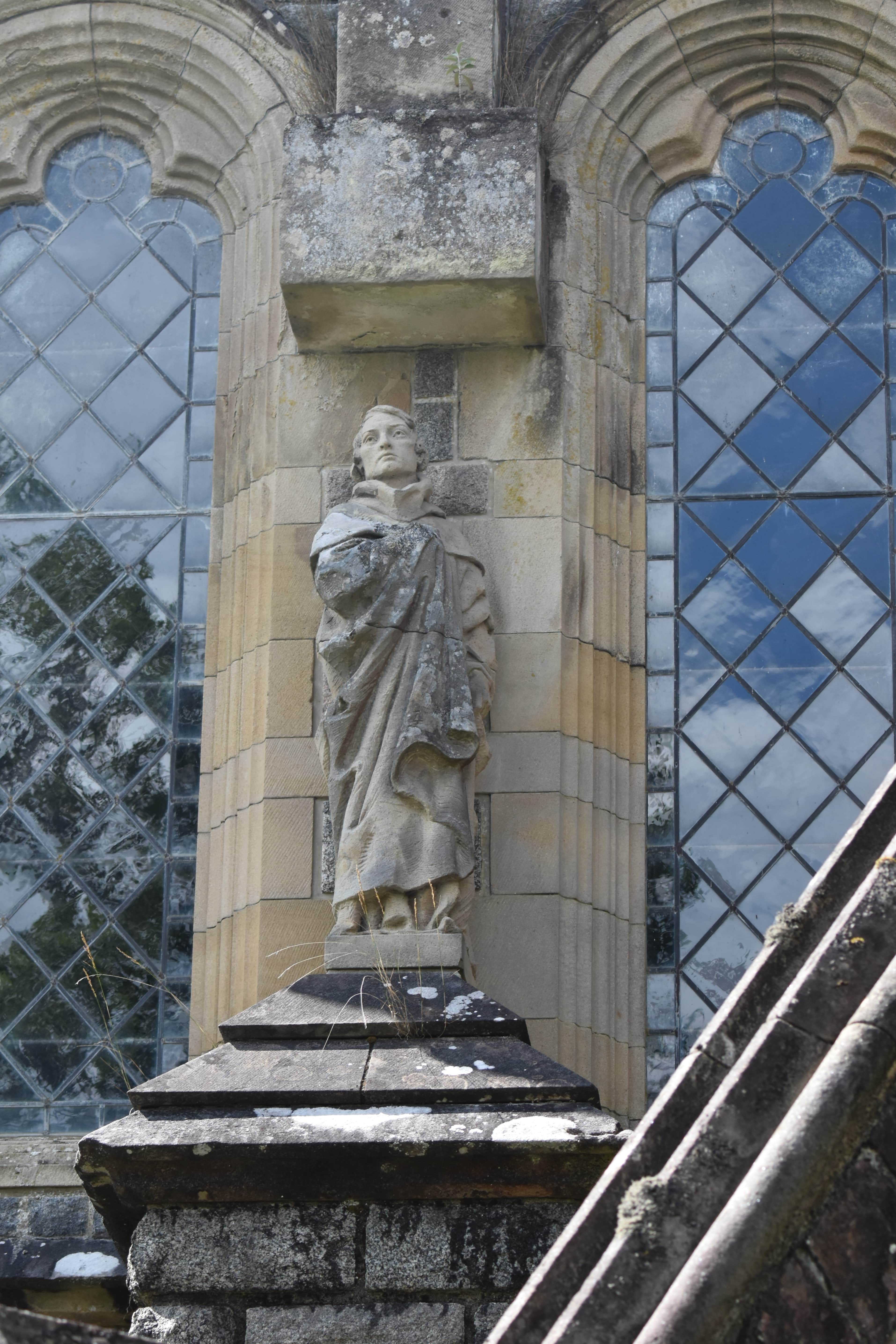
Next, we visited Victorian church of St Conan’s Kirk. We were given a history of St Conan’s Kirk by a docent. Walter Douglas Campbell, a younger brother of Archibald Campbell, designed the church. The heavy oak beams in the cloister are believed to have come from the recently broken up wooden battleships, HMS Caledonia and HMS Duke of Wellington. It also houses a fragment of bone that is said to have come from Robert the Bruce, King of Scotland. From the church, we could see the ruins of Kilchurn Castle on Loch Awe which is the first photo.


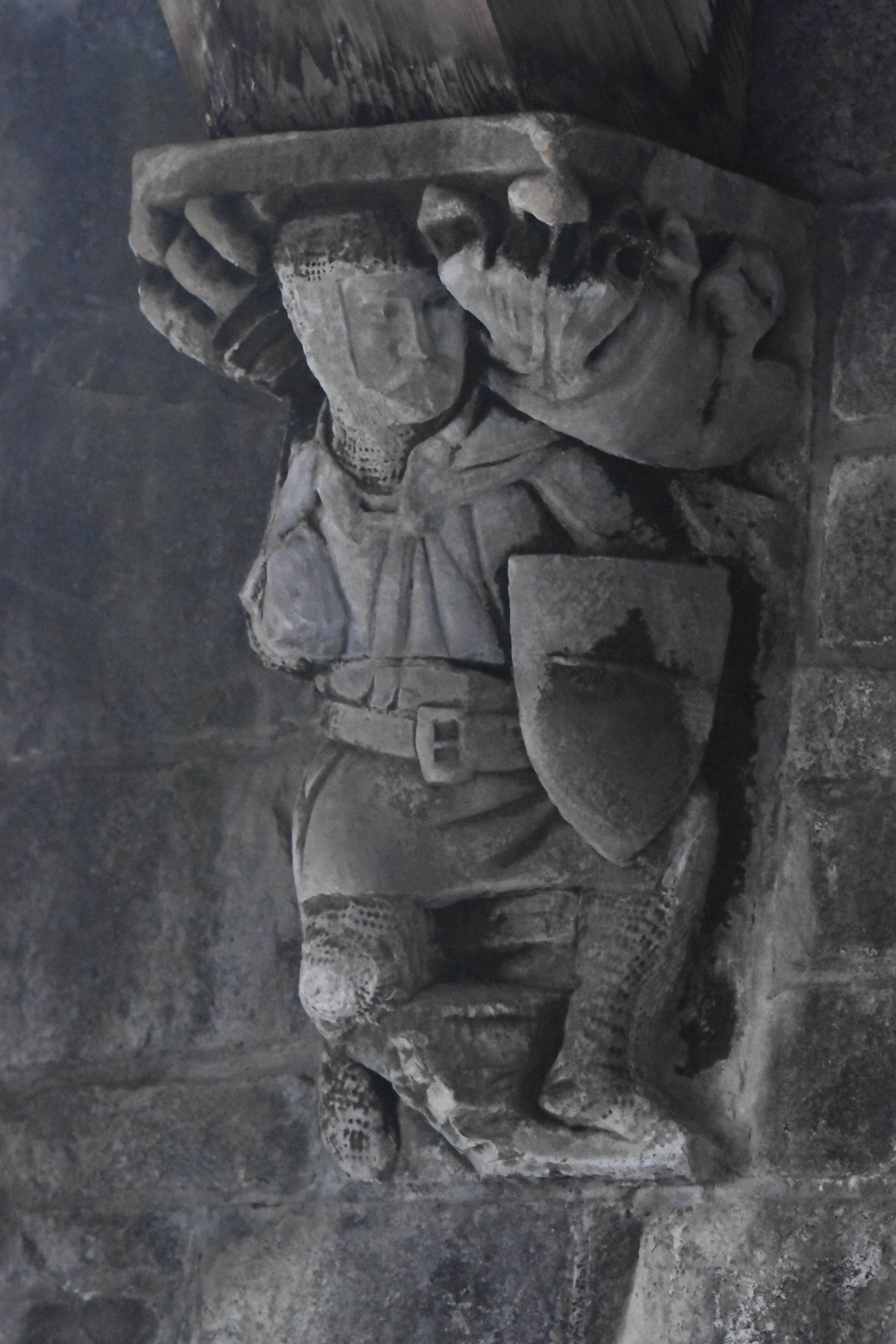

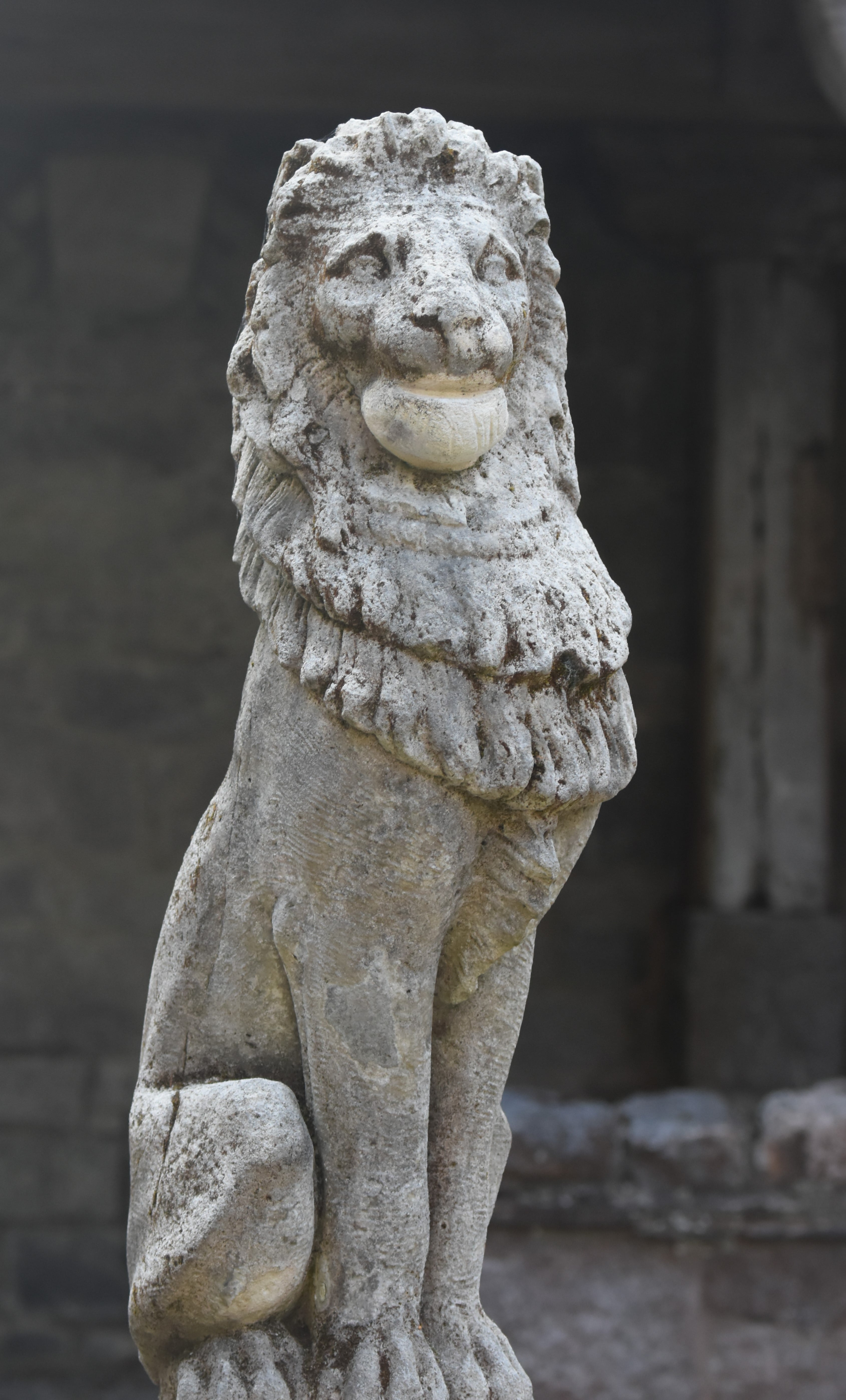


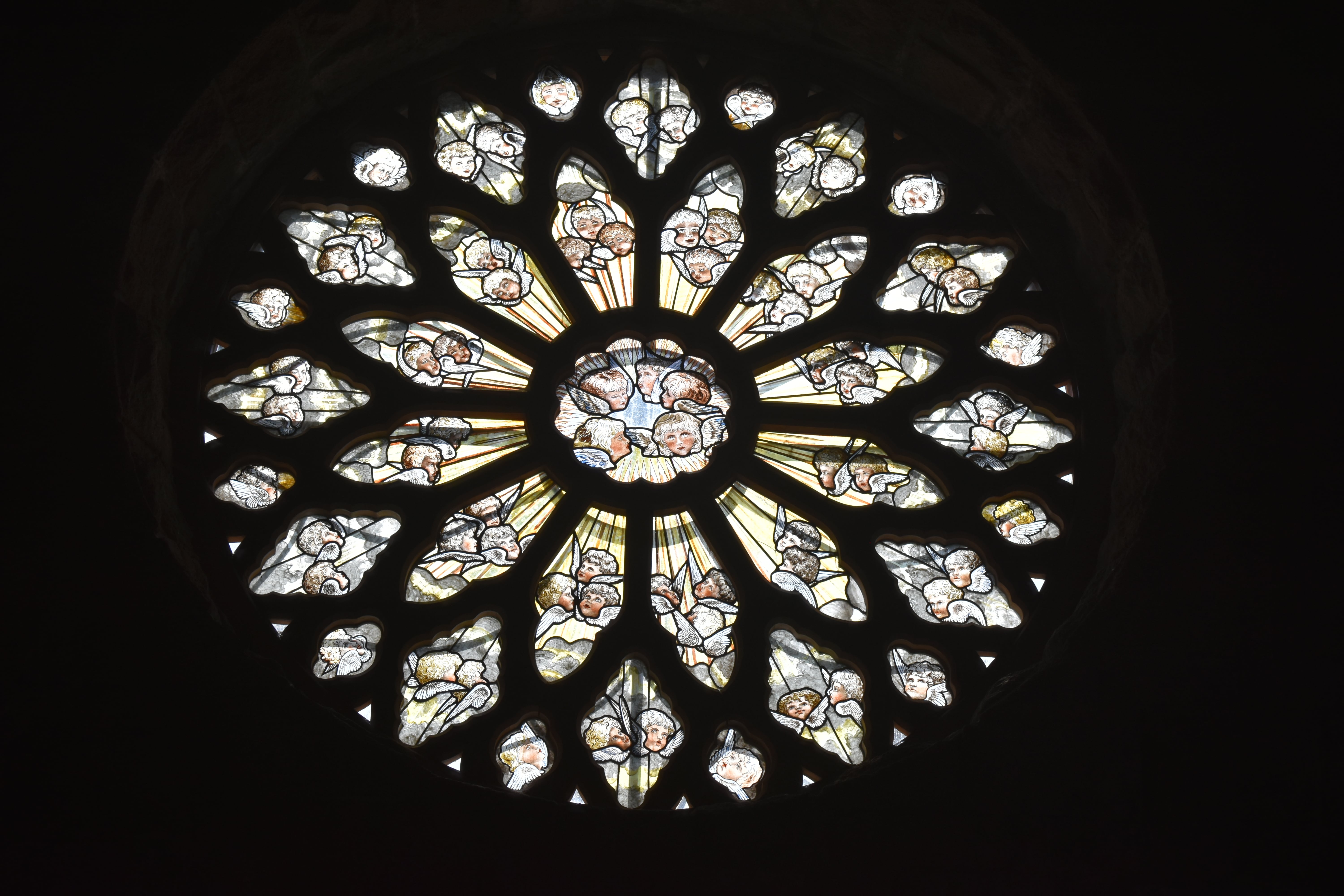
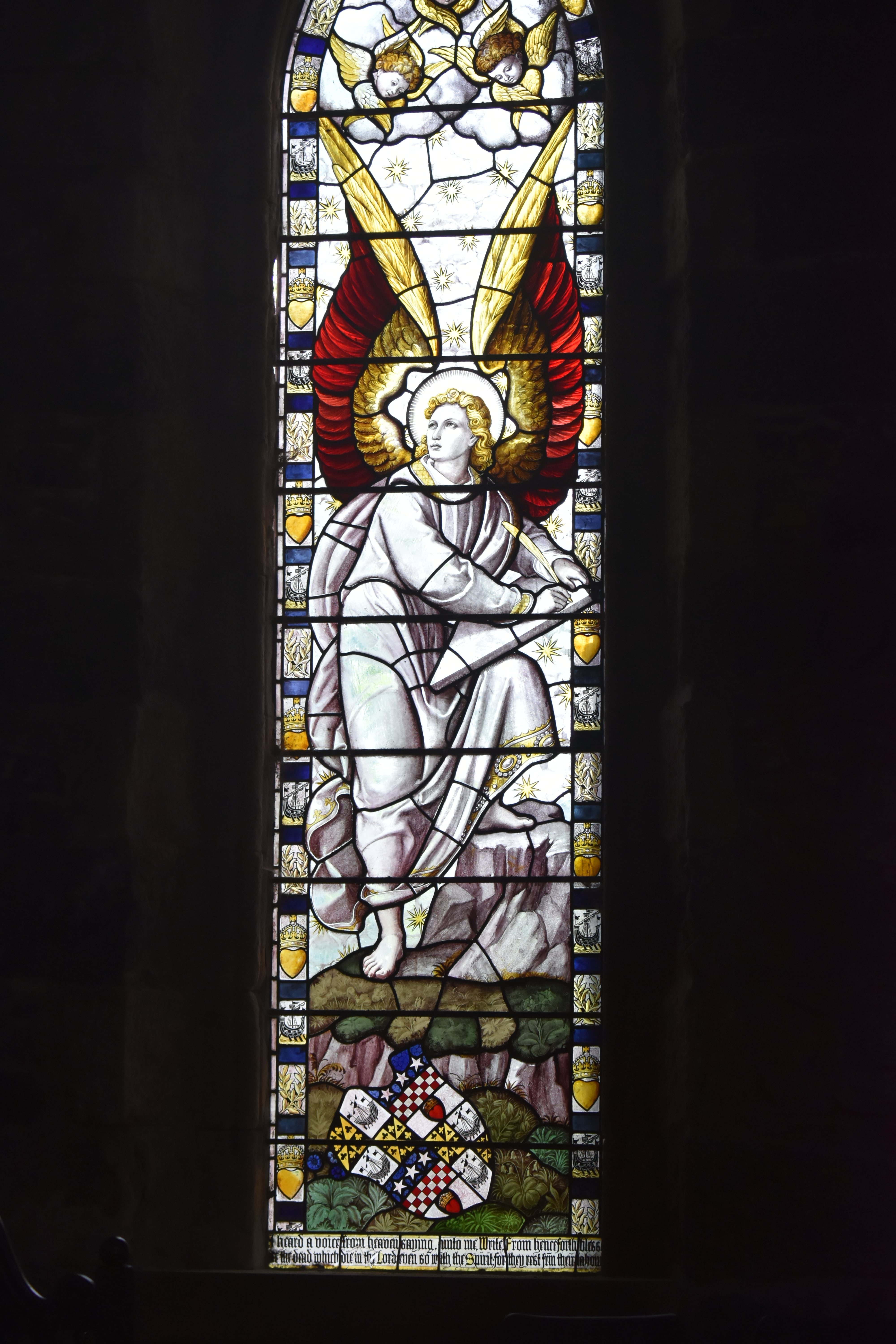
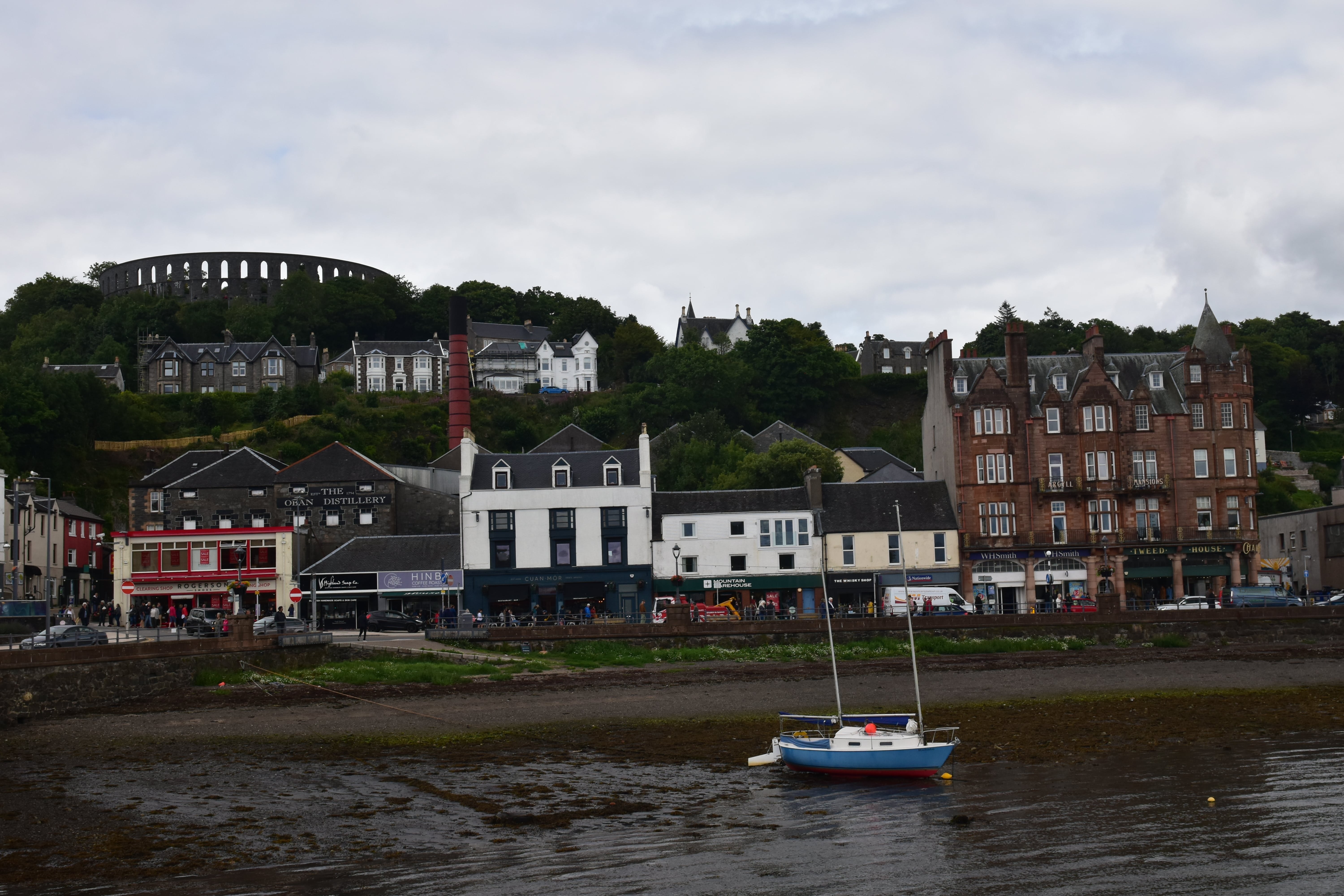
The modern town of Oban grew up around the distillery, which was founded there in 1794. Sir Walter Scott visited the area in 1814, the year he published his poem The Lord of the Isles which created an interest in the town. During World War II Merchant and Royal Navy ships used Oban as an important base in the Battle of the Atlantic. Oban was also important during the Cold War because the first Transatlantic Telephone Cable came ashore at Gallanach Bay. This carried the Hot Line between the US Presidents and USSR General Secretaries. At North Connel, next to the airfield/airport was the Nuclear Reporting Cell of the Royal Observer Corps. Currently, the principal industry has remained tourism, though the town is also an important ferry port.
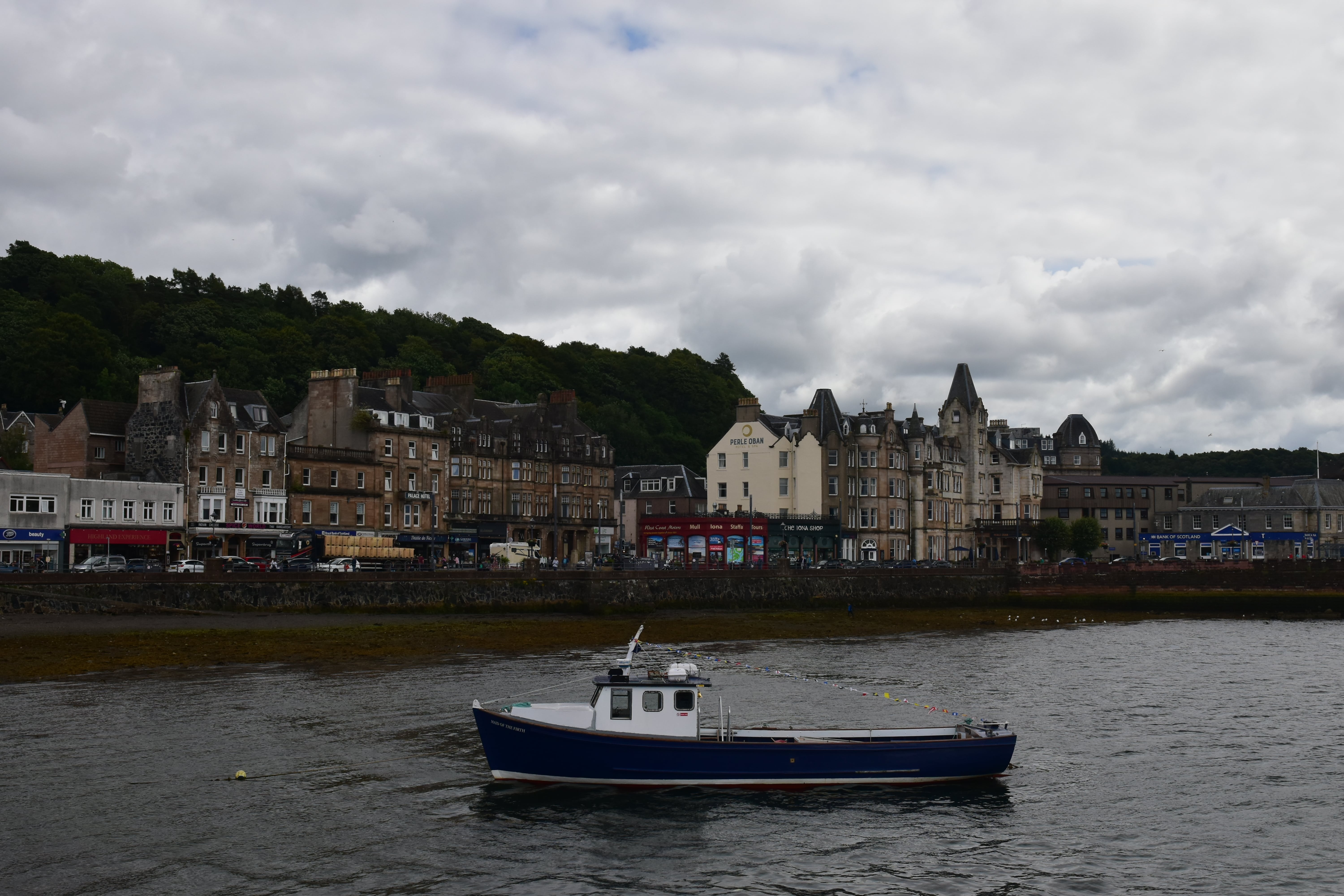
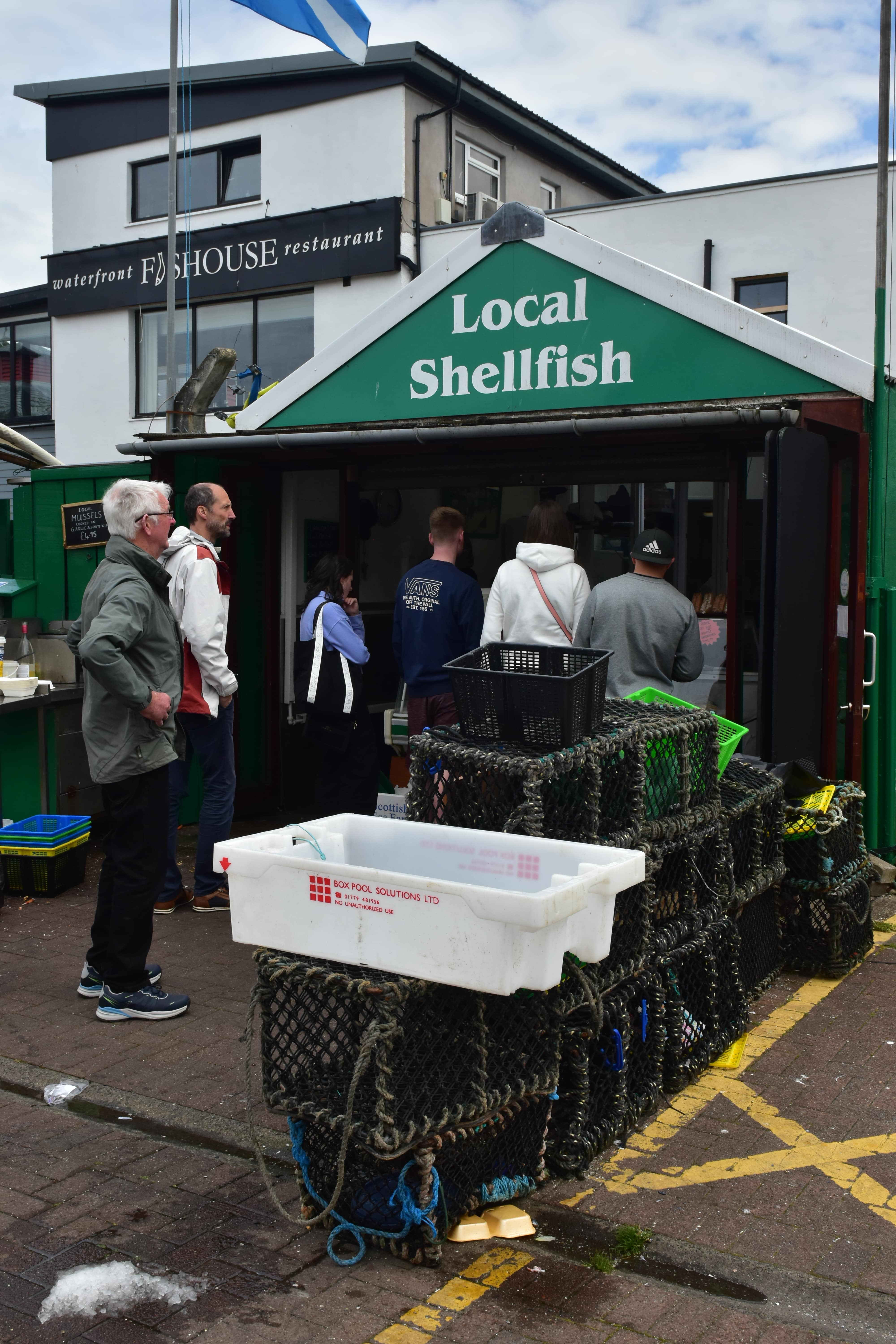
At one end of Oban, there is a memorial to those who perished in World War I. There are several older, very attractive Inns along the waterfront. Clare and I had read about the local Seafood Hut with little or no seating which is supposed to have outstanding fresh seafood (Green sign reading “Local Shellfish”, however it stops serving at 6PM so we were unable to dine there. There always seemed to be someone playing the “pipes” on the shoreline while we in Oban.

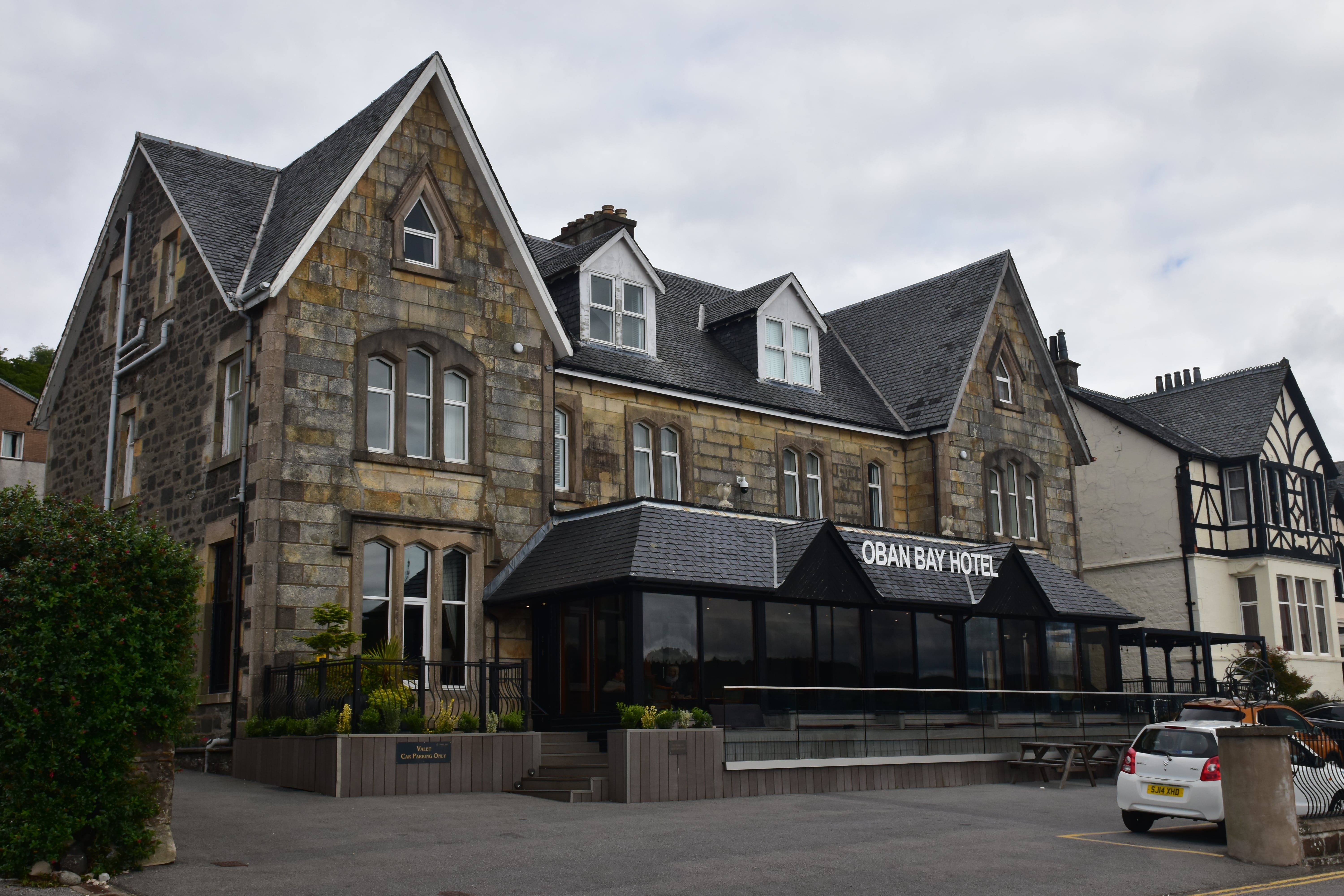
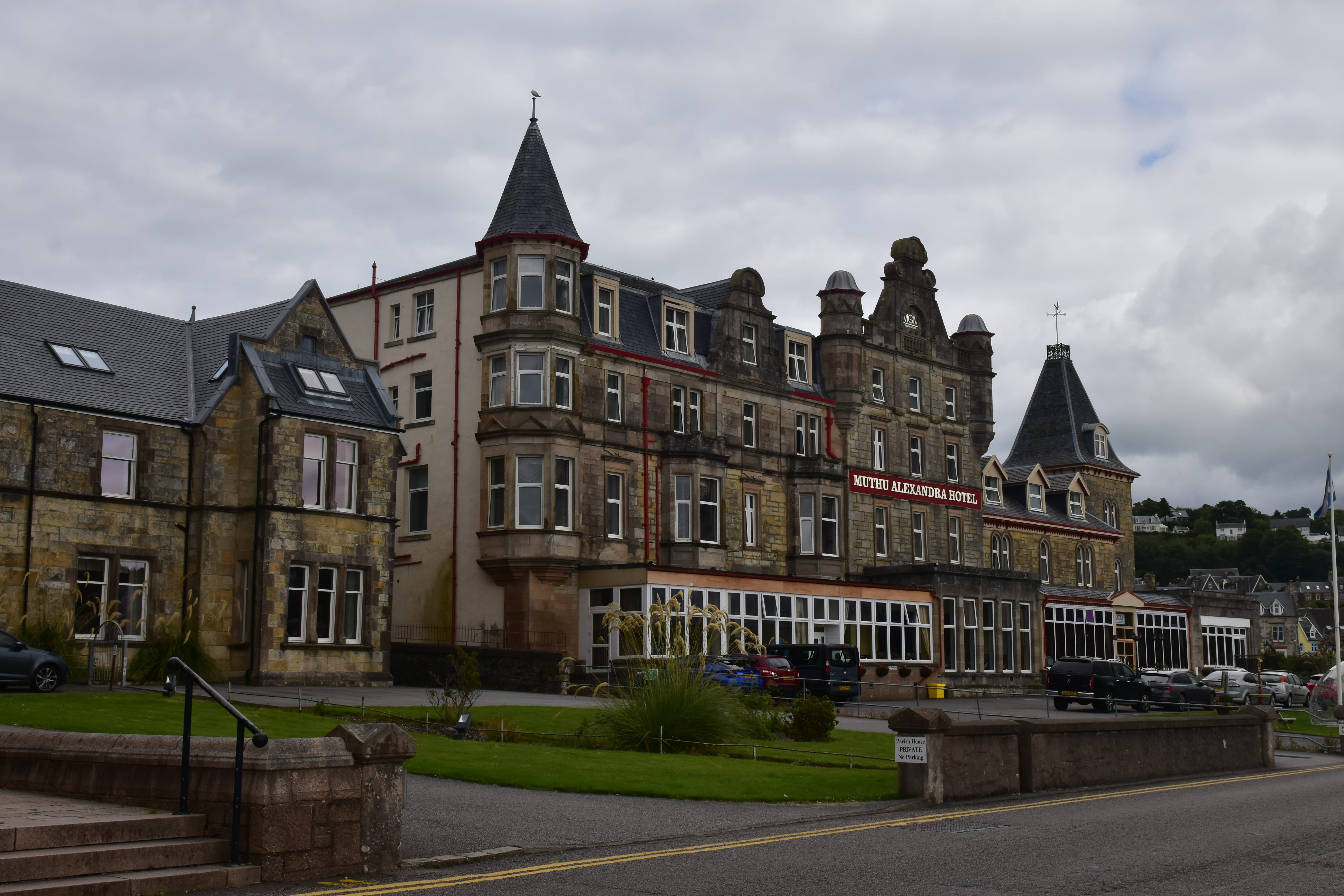
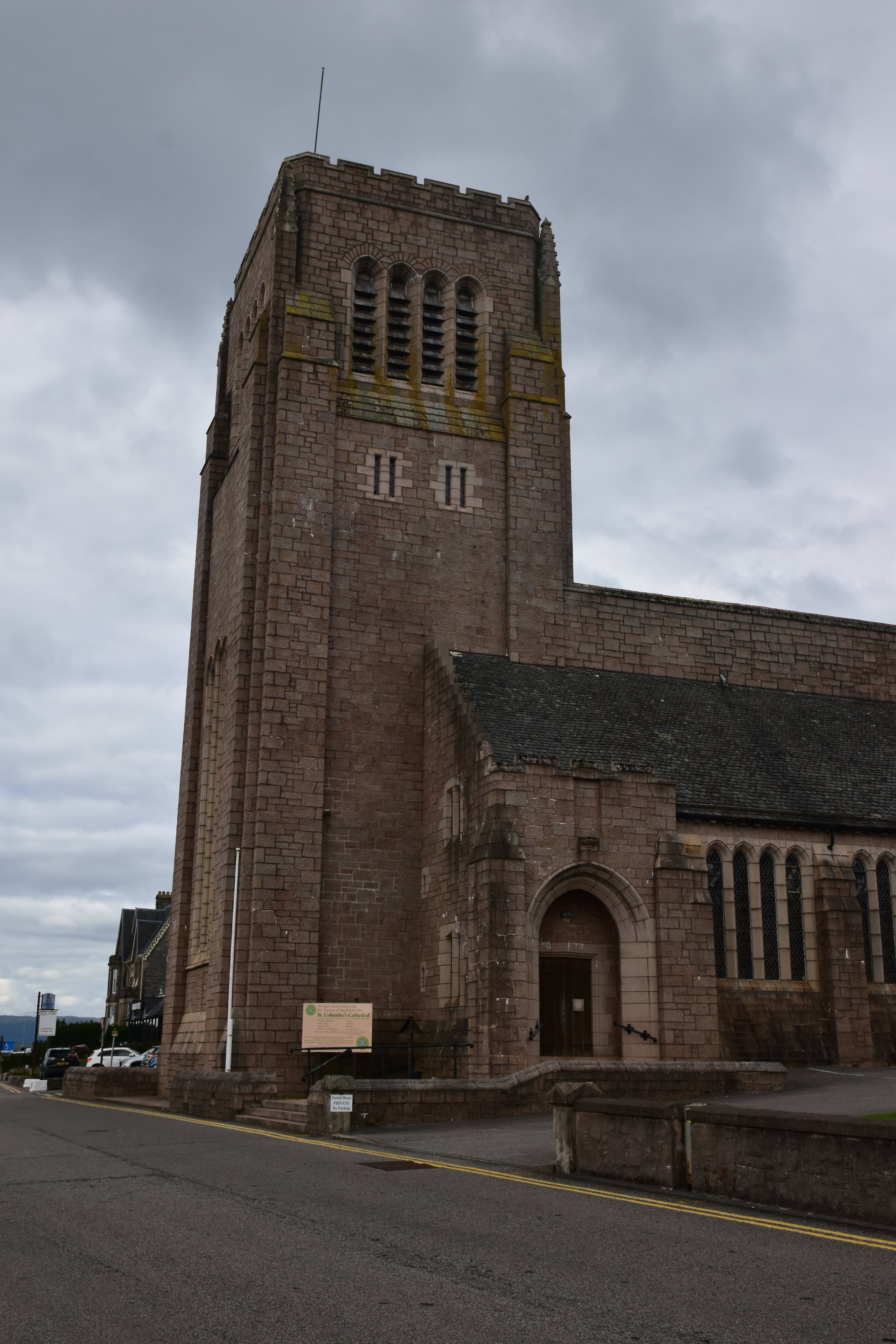

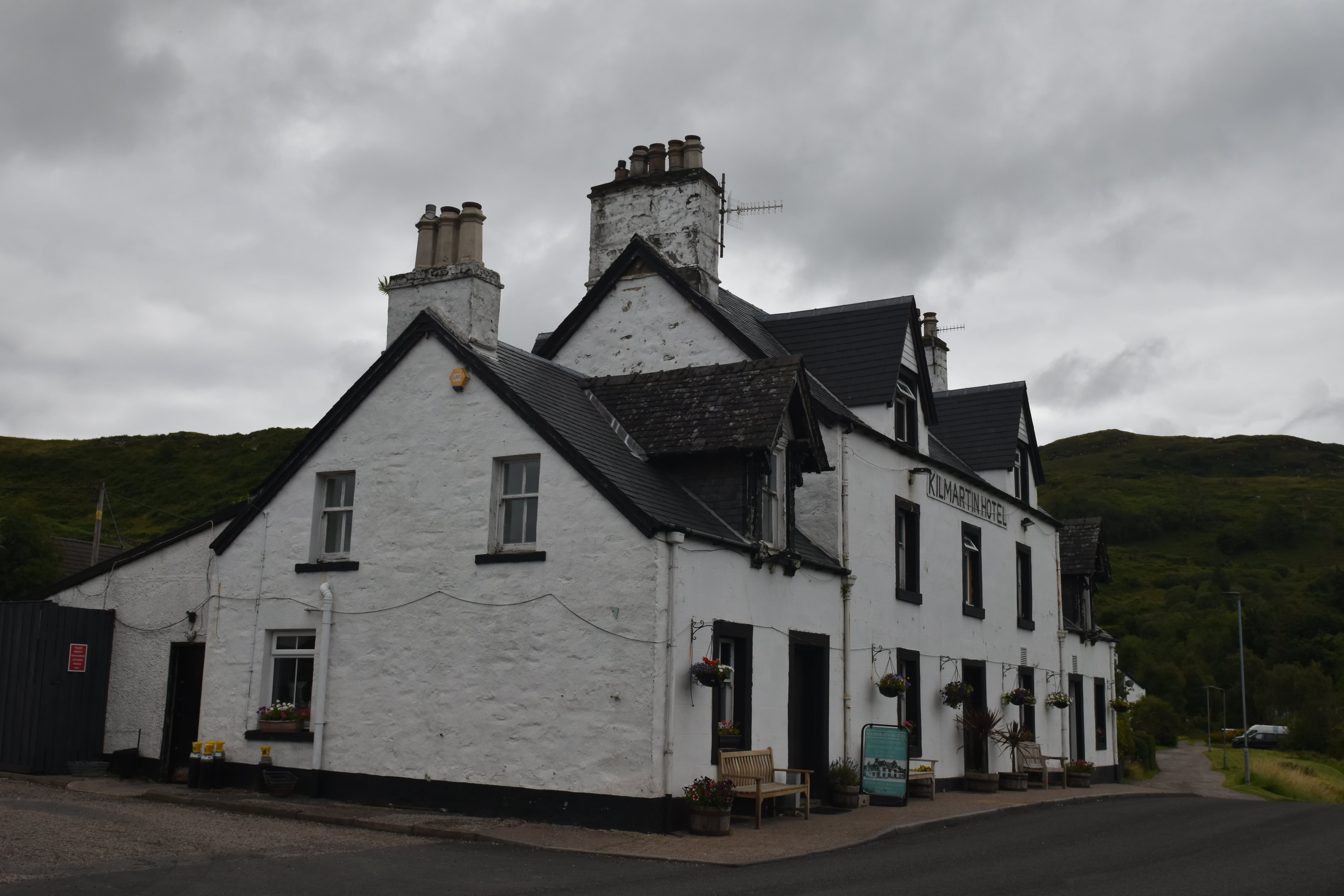
The following day, we had a field trip to Kilmartin. We arrived at Kilmartin Village whose white buildings are set against the hillside behind, while to the western side the imposing church rises above its tiered churchyard. You enter the churchyard through the arched gateway erected in 1921 as a memorial to those who died in the 1914-1919 war. The date is a reminder that Scottish war memorials tend to take the Treaty of Versailles on 28 June 1919 as the end point of the war rather than the armistice that came into effect on 11 November 1918. Kilmartin Parish Church was built in 1834-5 by the architect Joseph Gordon Davis.
The Kilmartin Parish Church has a remarkable collection of early grave slabs. Some grave slabs are of early Christian design, some are medieval.

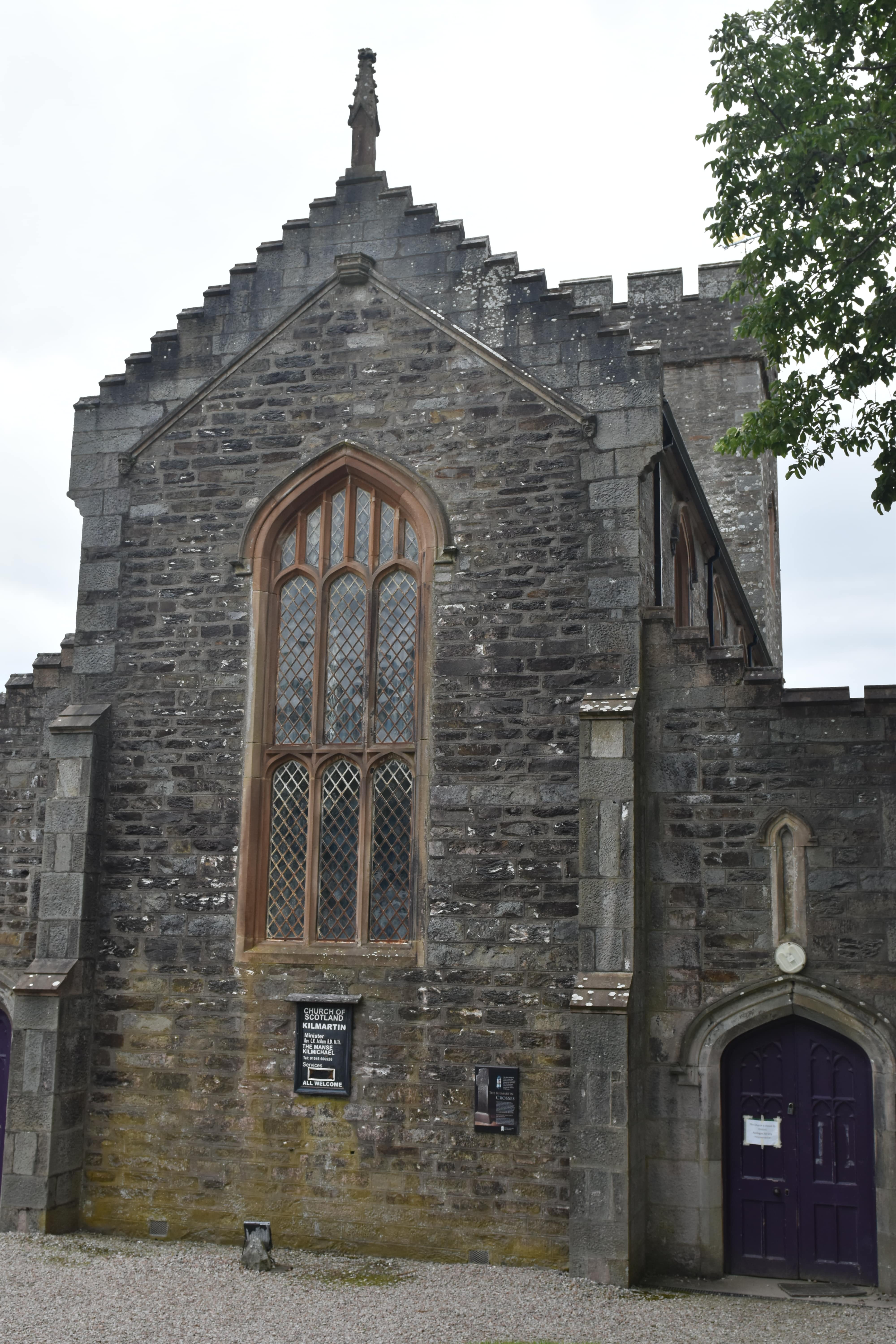

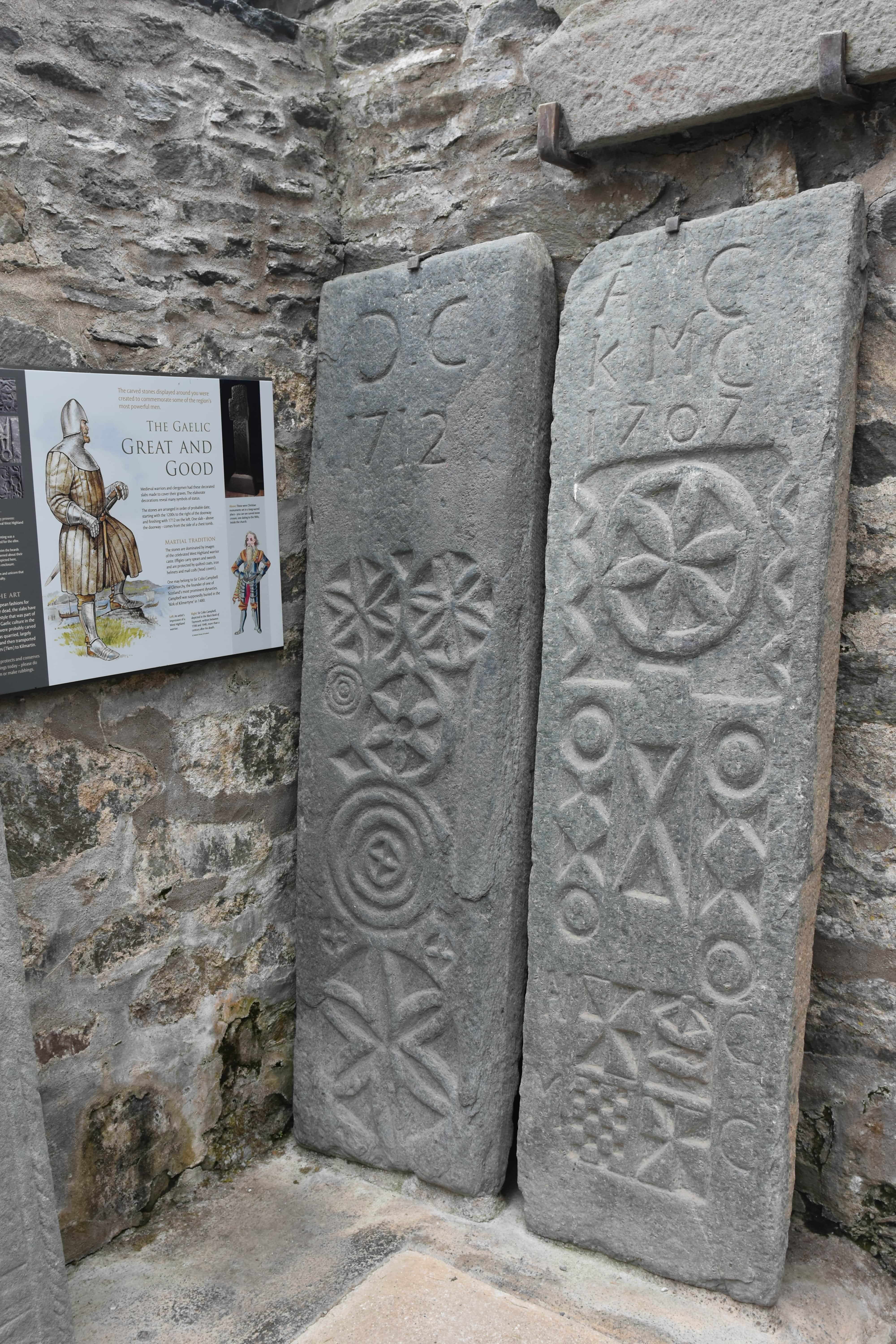


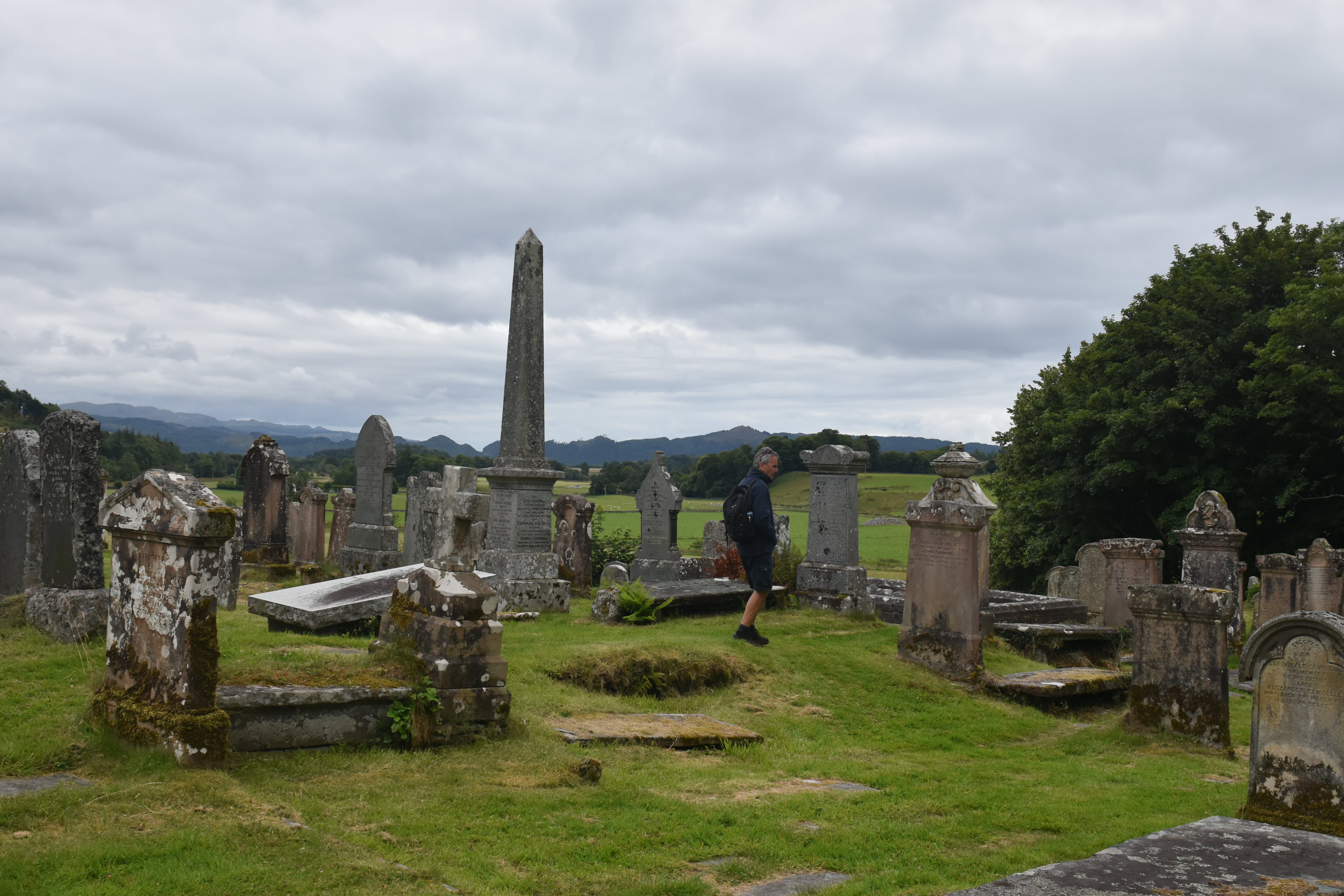
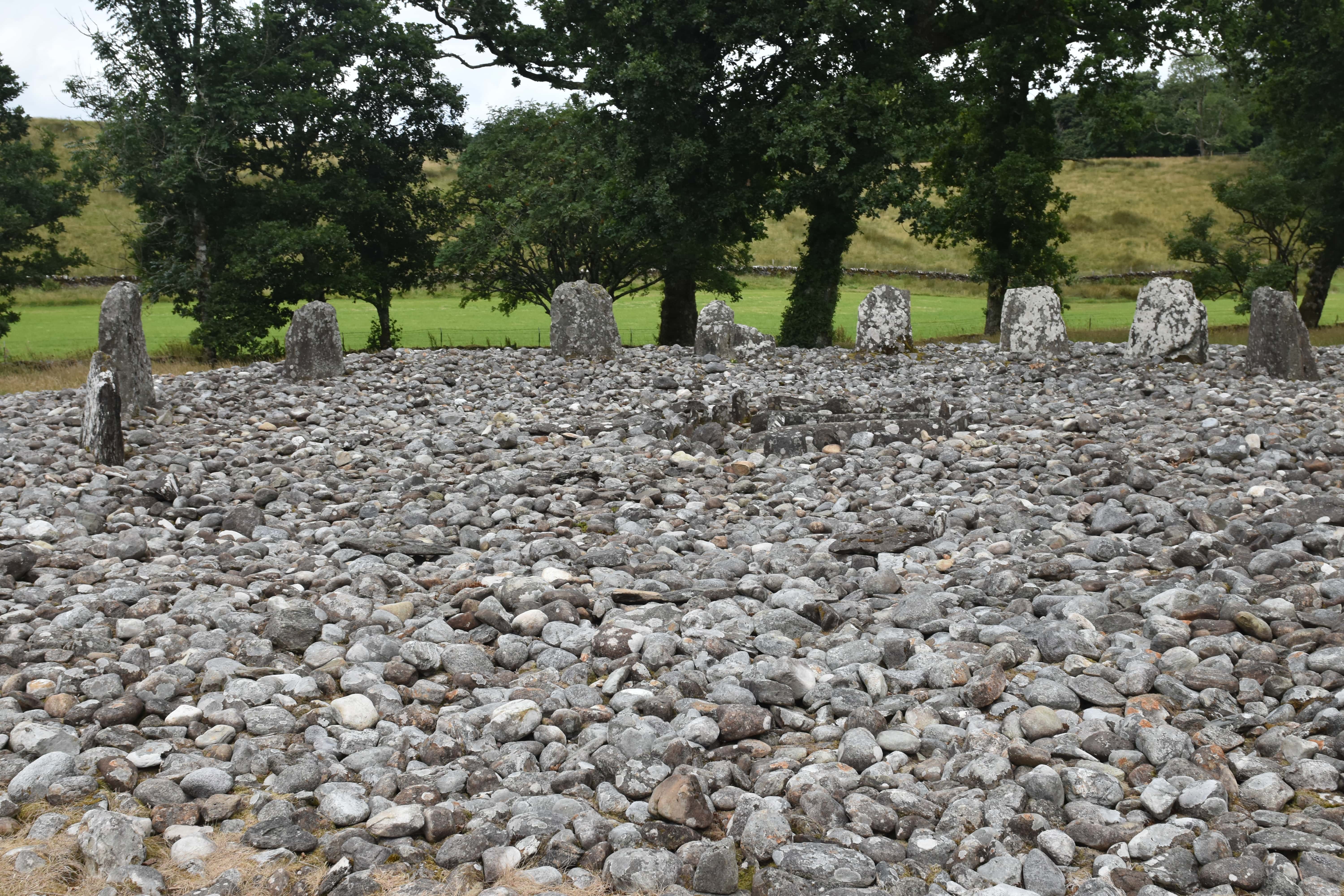
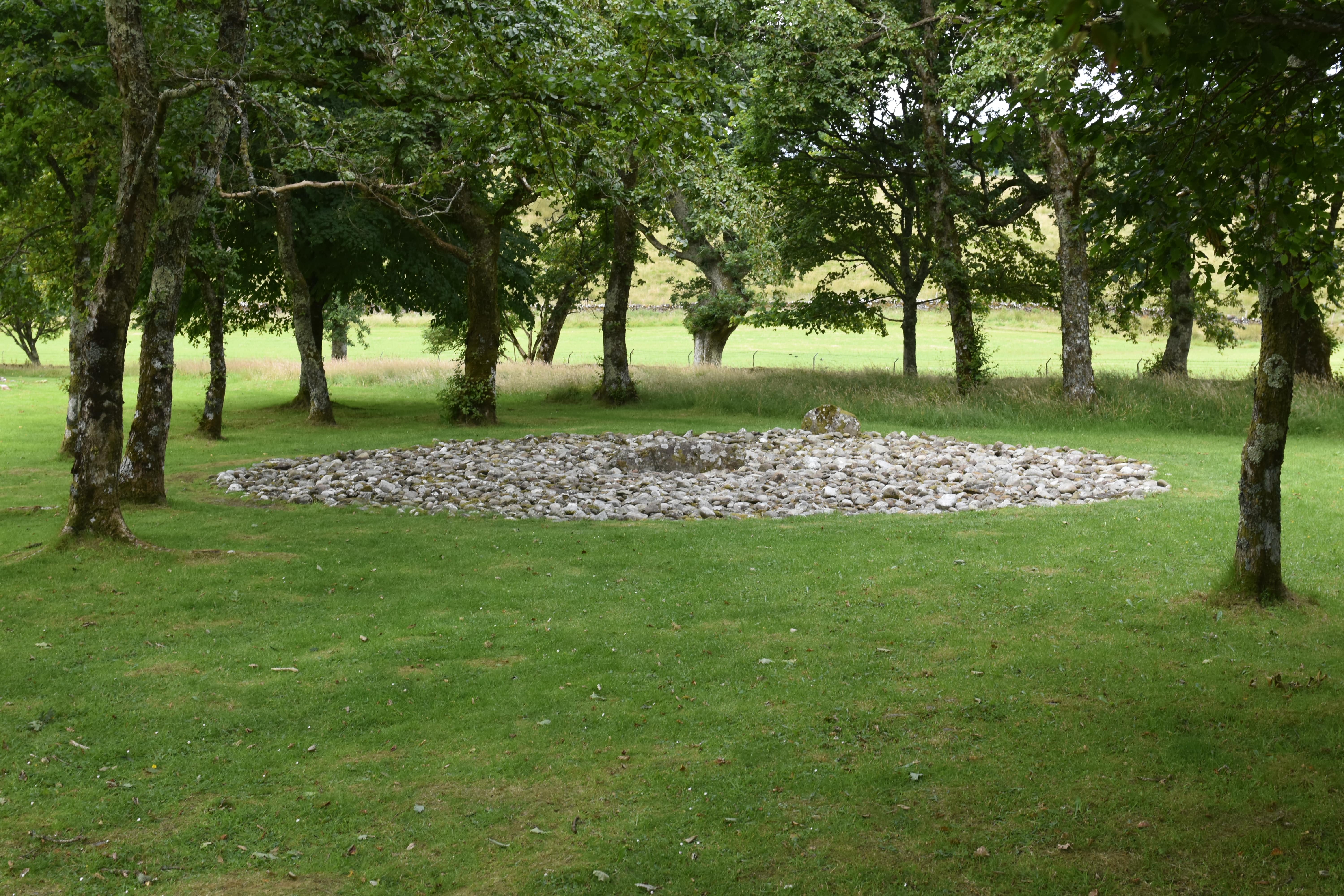
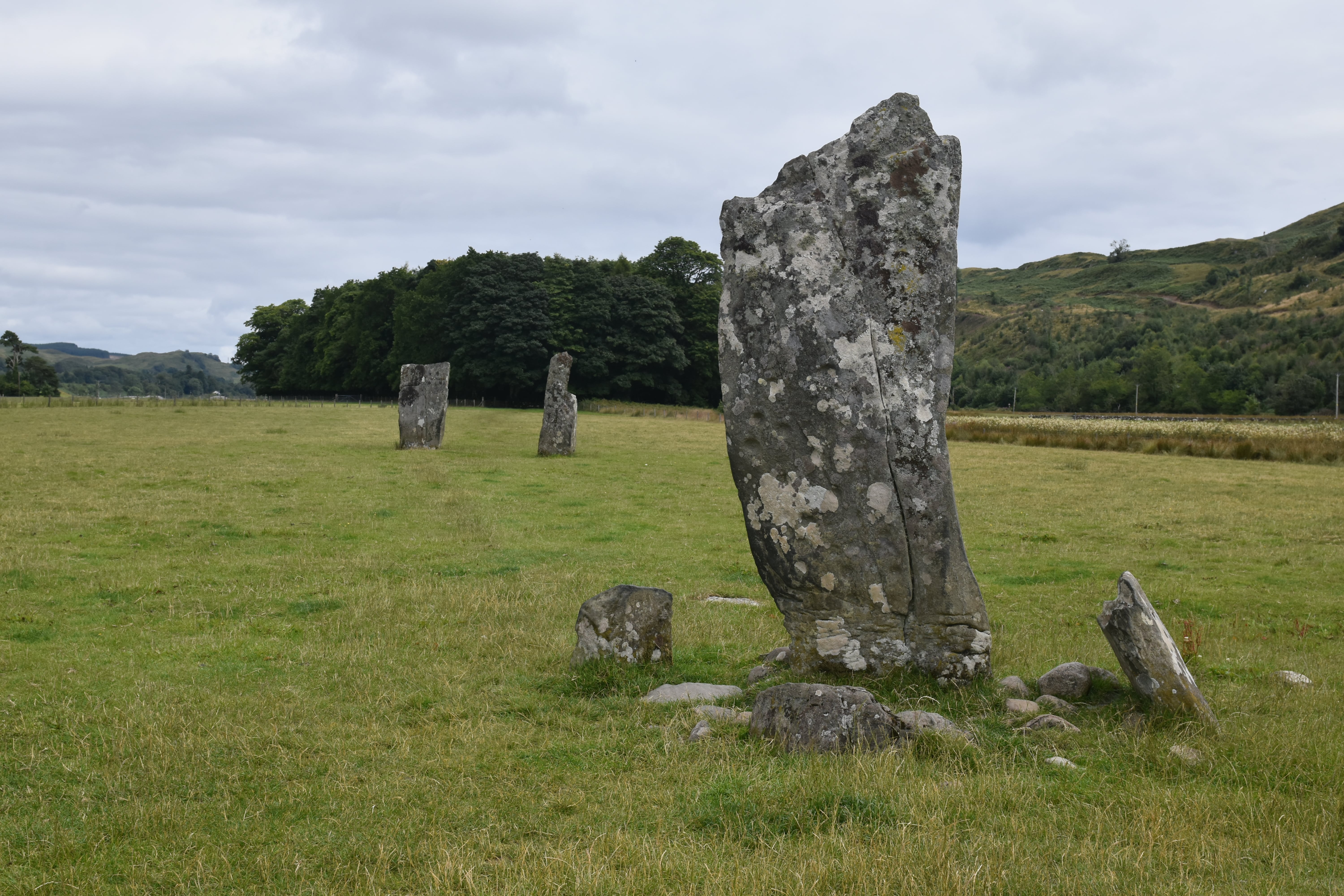
Kilmartin Glen is considered to have on of the most important concentrations of Neolithic and Bronze Age remains in Scotland. Over 5000 years of human history can be traced across the Kilmartin valley. At least 350 ancient monuments, of which 150 are prehistoric, lie within six miles of the quiet village of Kilmartin. Of particular interest are the earlier prehistoric monuments: chambered cairns, round cairns, cists, standing stones and rock carvings.



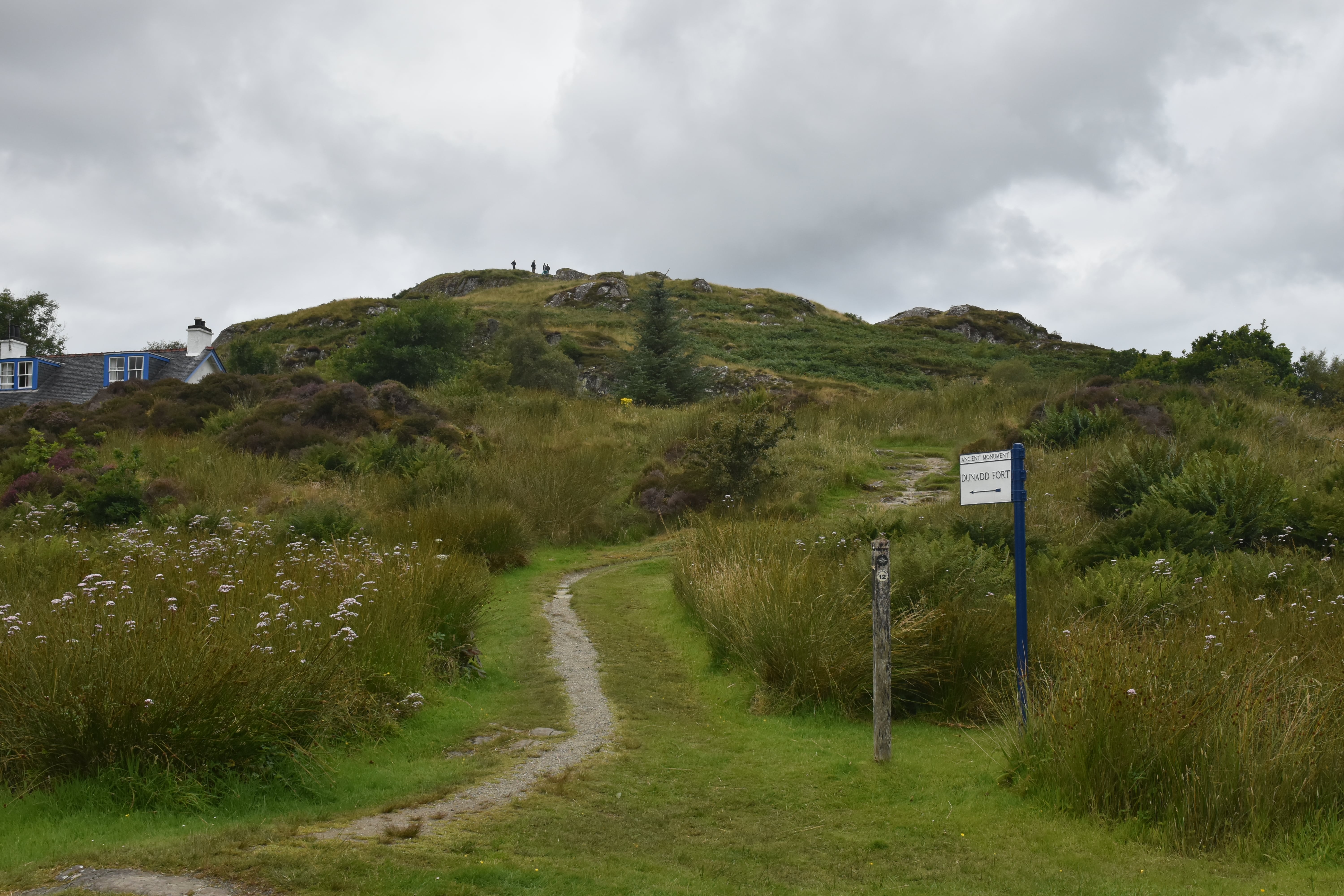
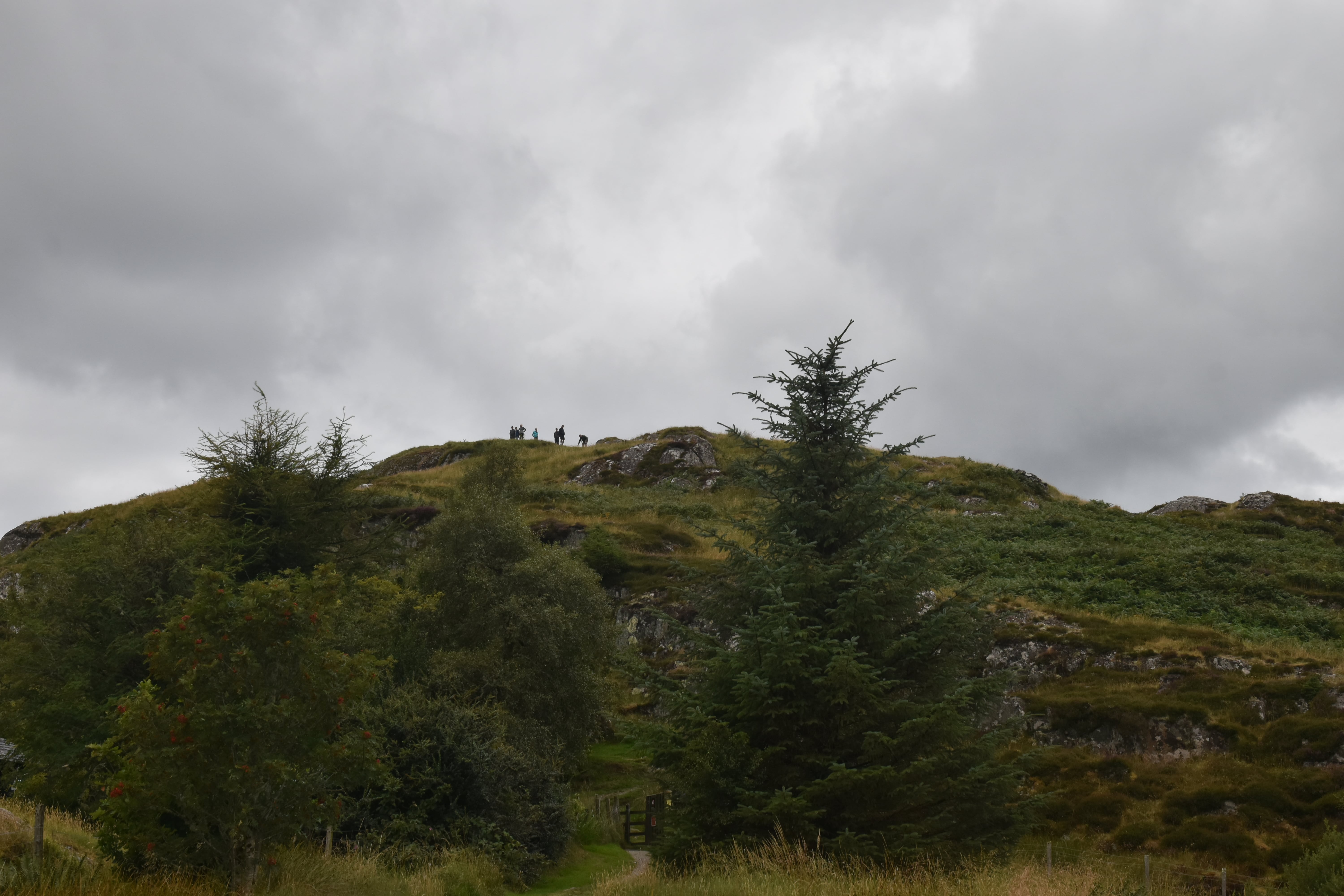
Dunadd was the capital of the Ancient Kingdom of Dalriada. Legend has it that the Stone of Destiny was used here in the crowning of the first Kings of Scotland. At the top, there is a foot print, still very visible, carved into the stone. By Irish tradition, the King of Dalriada was crowned by placing his foot into this imprint.
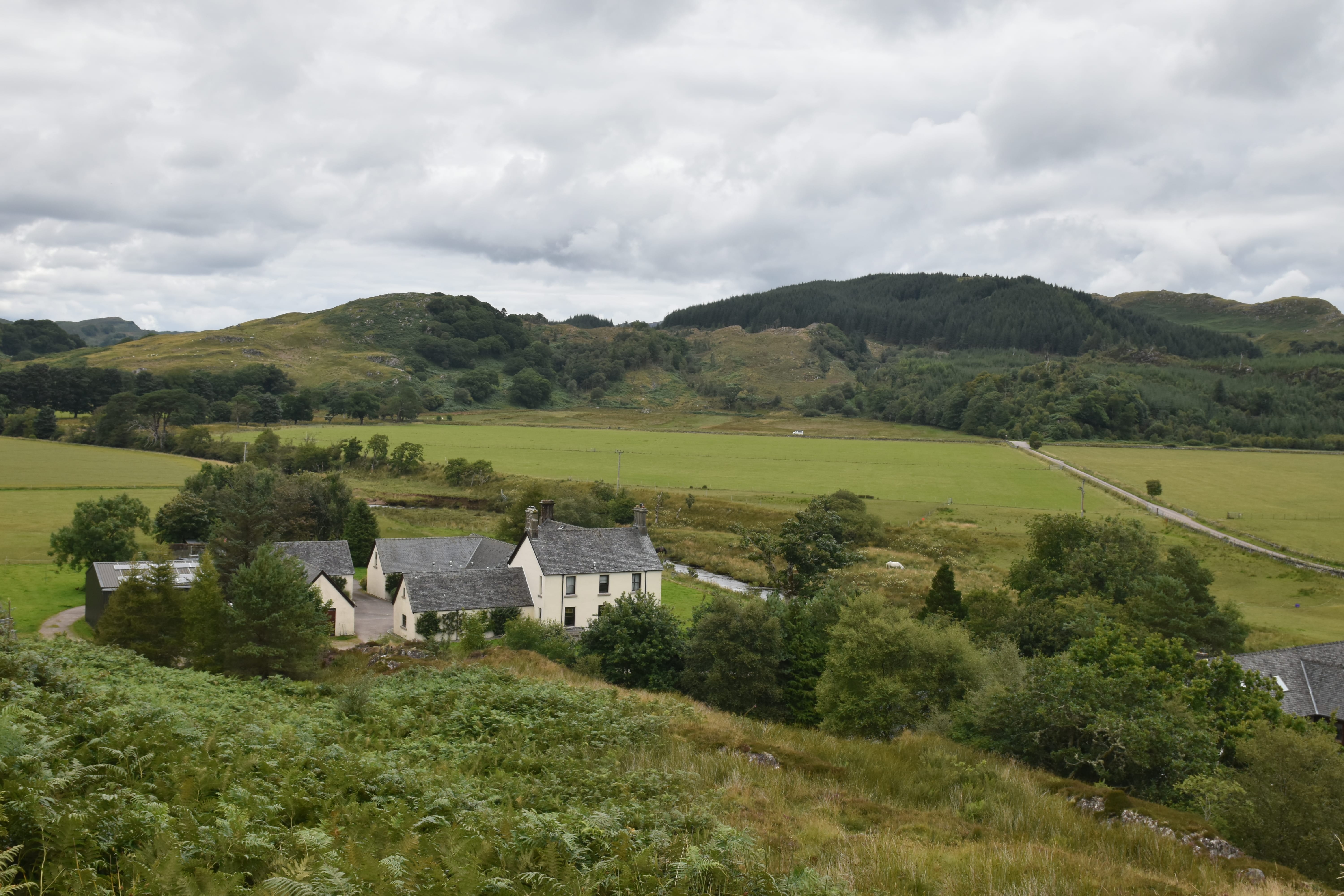
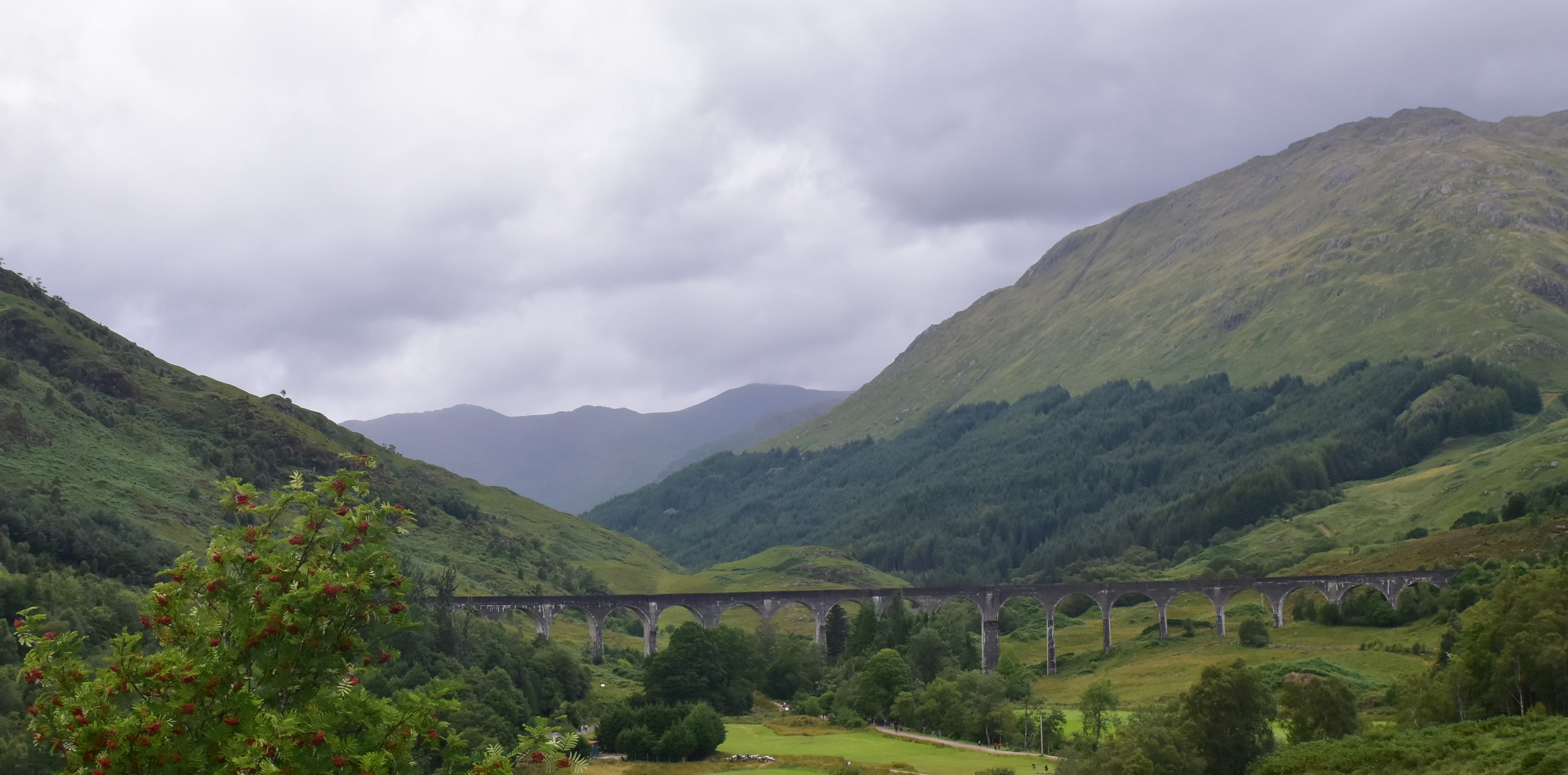
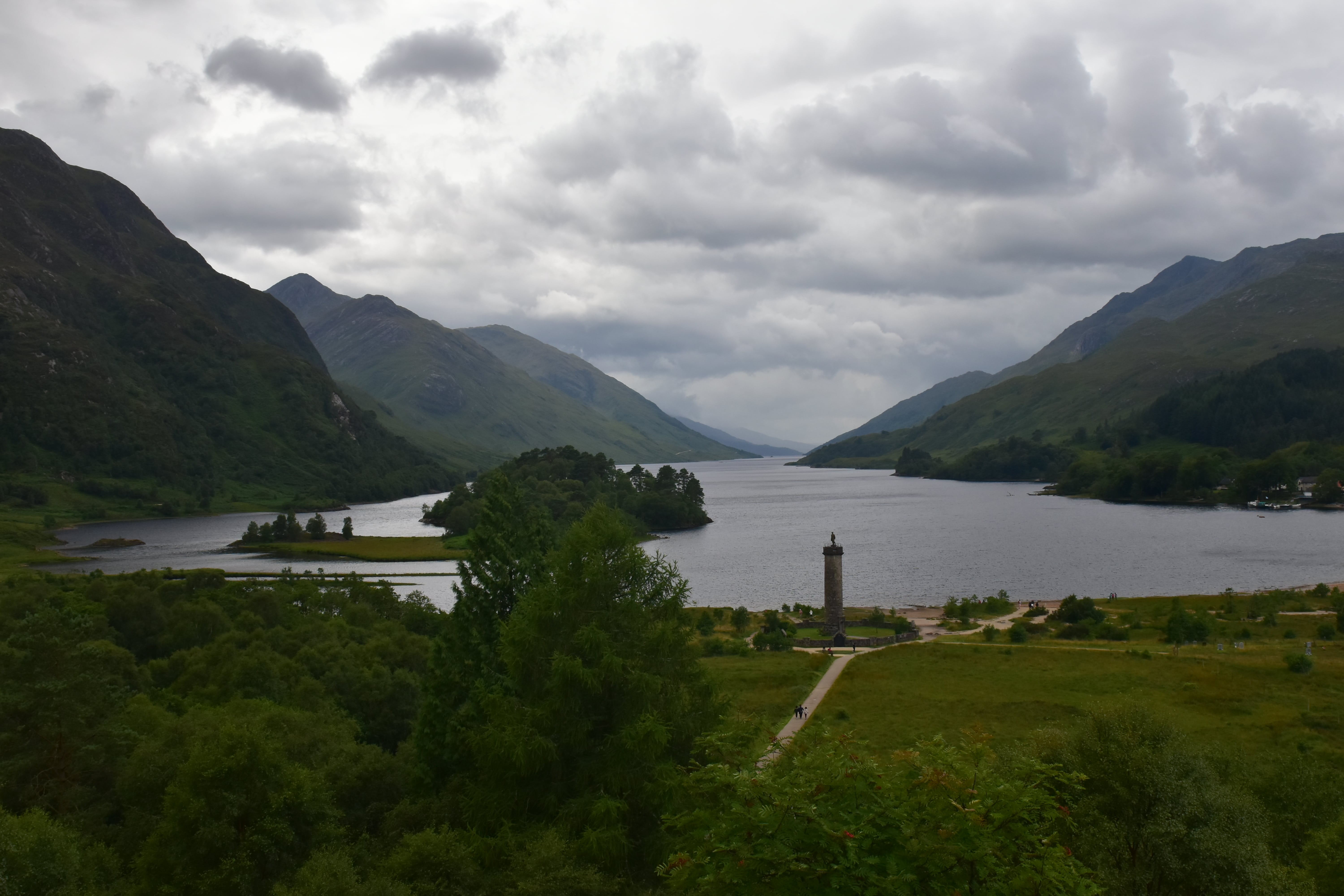
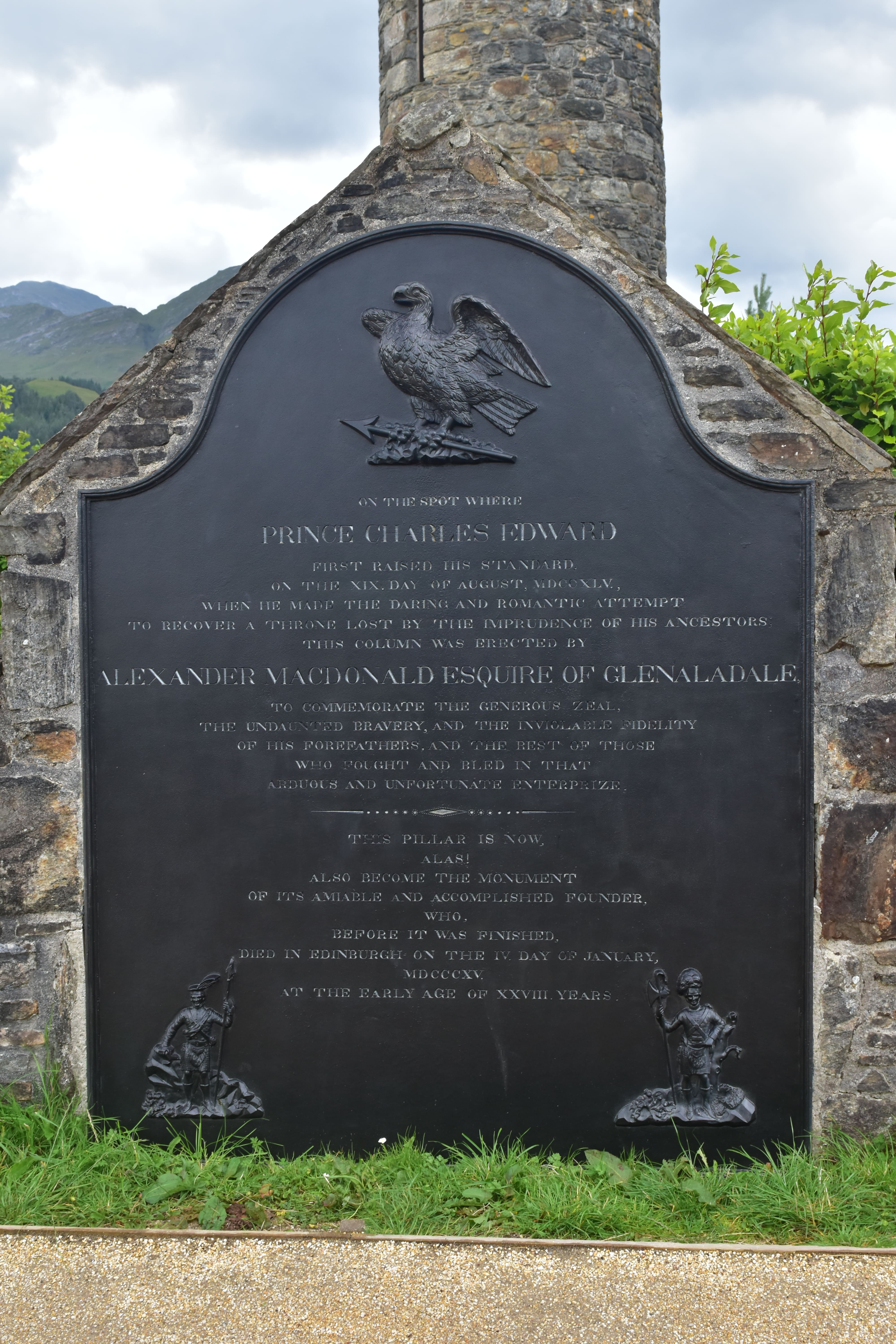
The next day, we were again on the coach exploring the rugged countryside. We rode along Loch Linnhe towards Fort William and passed Castle Stalker, made famous by Robert Louis Stevenson’s novel “Kidnapped” and Monty Python fans who will recognize it as the ‘Castle of Arrrgh!’ from the “Monty Python and Holy Grail” movie. Unfortunately, no photos of Castle Stalker. We moved on to Glenfinnan to take a boat ride on Loch Shiel. The scenery was magnificent as well as the views of the Glenfinnan Viaduct. The captain of the boat pointed out the antlers of an red deer which I quite honestly, could not make out on the trip. However, when I returned home and blew up the third photo, I did, indeed, see the antlers. There is also the 60 foot monument of Bonnie Prince Charlie who claimed the thrones of Scotland and England from his father, James Stuart. The monument commemorates the 1745 Jacobite Rising.
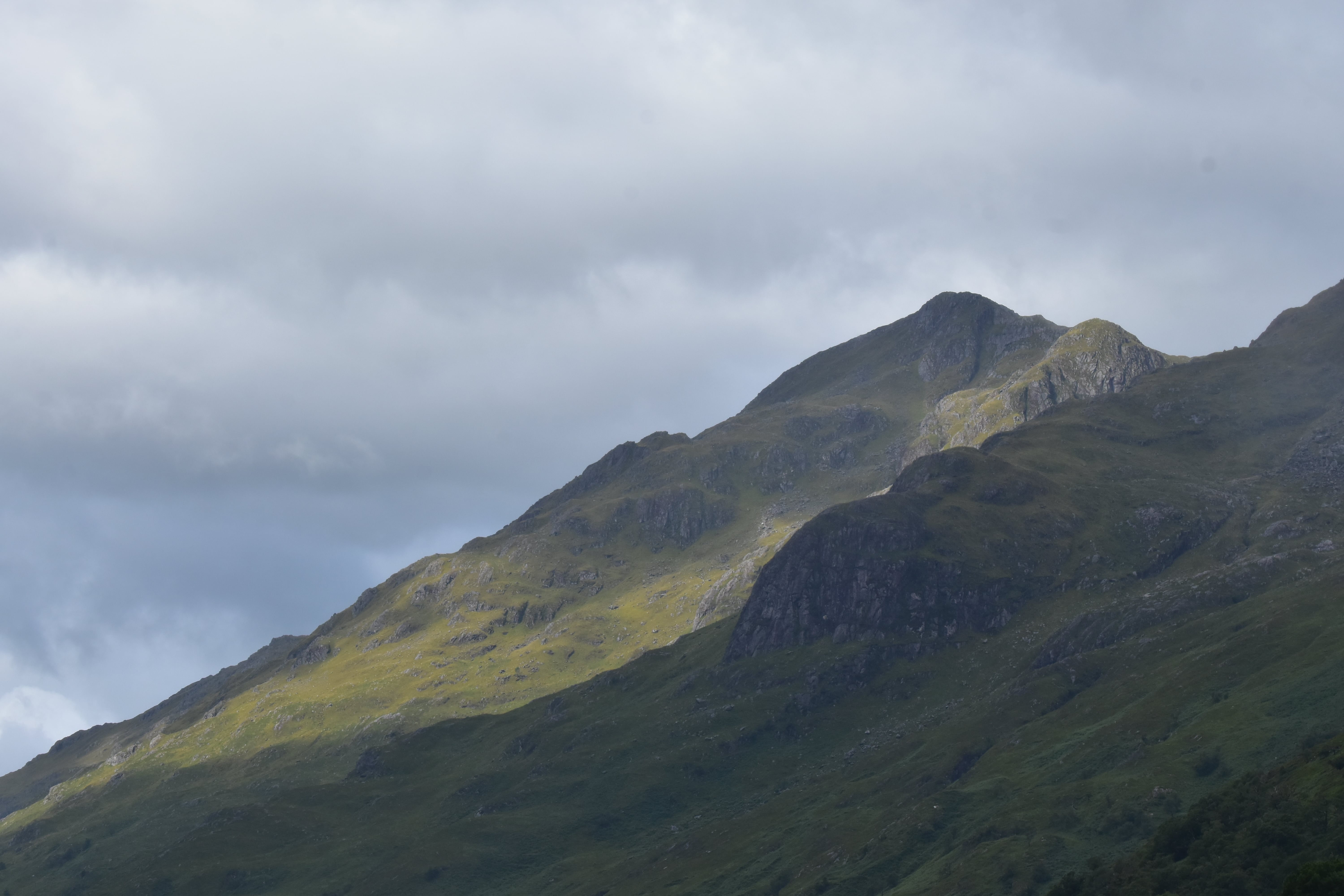




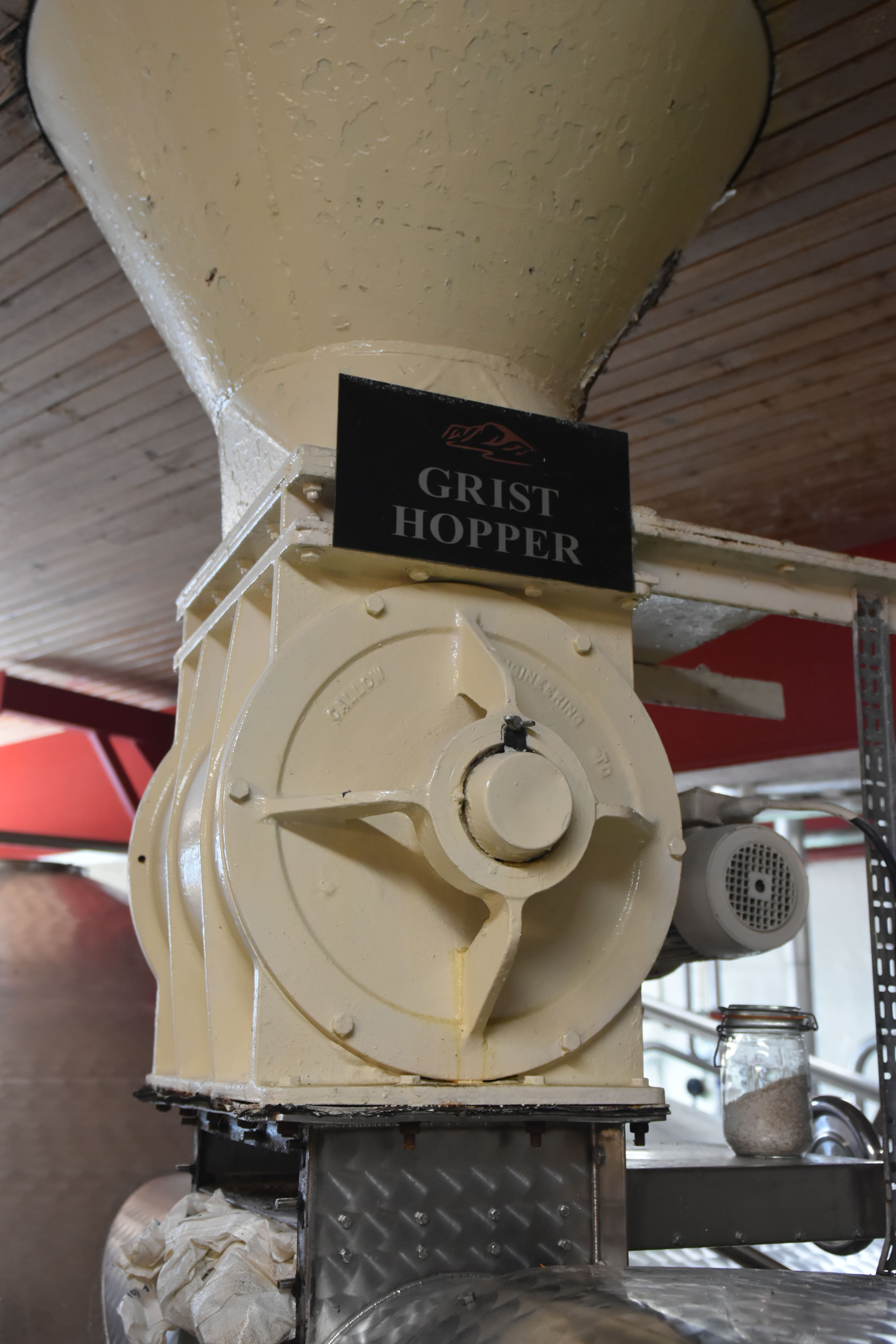
The next morning we visited the Ben Nevis Whisky Distillery to learn the process employed in distilling Scotland’s most famous export which I have tasted on many occasions. I’ve been to several Scotch tasting with slide shows to provide an indepth knowledge of the scotch distilling process so I was very familiar with the process. The waters from the Ben Nevis mountain are used in making the Ben Nevis Scotch. Ben Nevis, itself, was once a massive active volcano which exploded and collapsed inwards on itself millions of years ago. The name from the ancient Gaelic language translates to ‘mountain with its head in the clouds’, thanks to its iconic mist-shrouded peak.






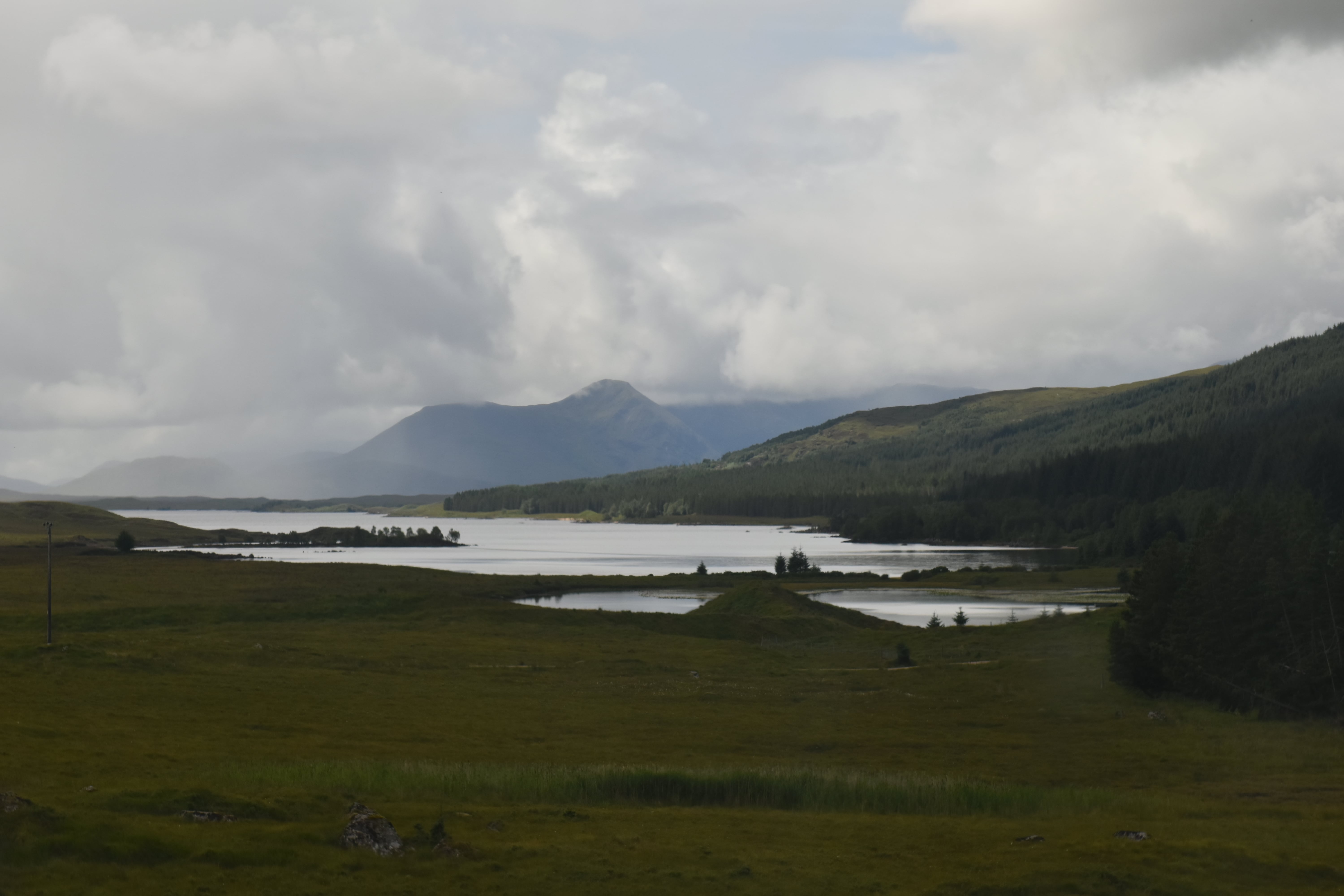
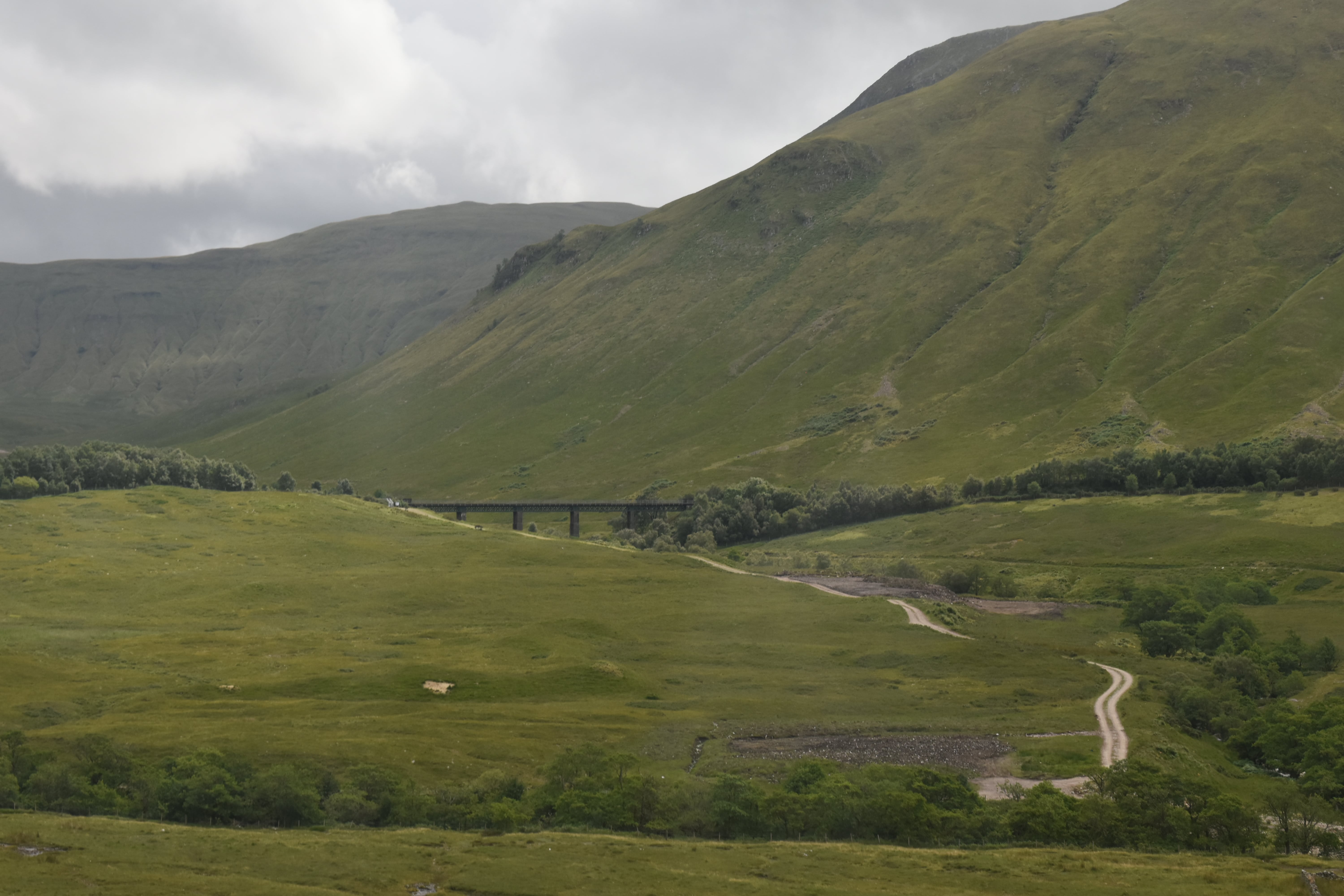
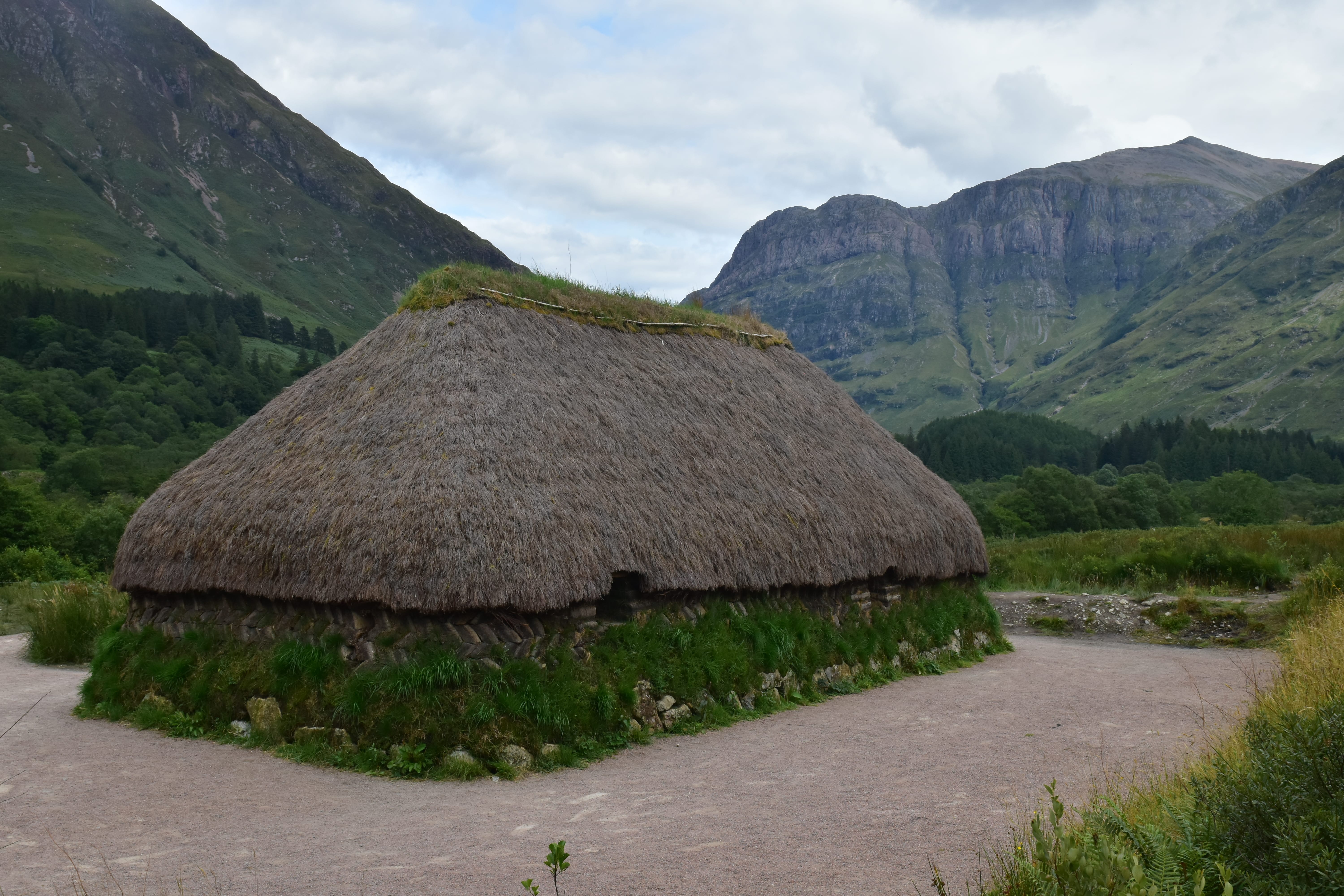
Later in the day, we took the West Highland Line train to Crianlarich via Rannoch Moor. The train ride is considered the most scenic railway line in Britain and voted the top railway journey in the world by Wanderlust in 2009. The scenery in the West Highlands is quite magnificent. We traveled through Tyndrum to the Trossachs National Park on to Glencoe National Nature Reserve.


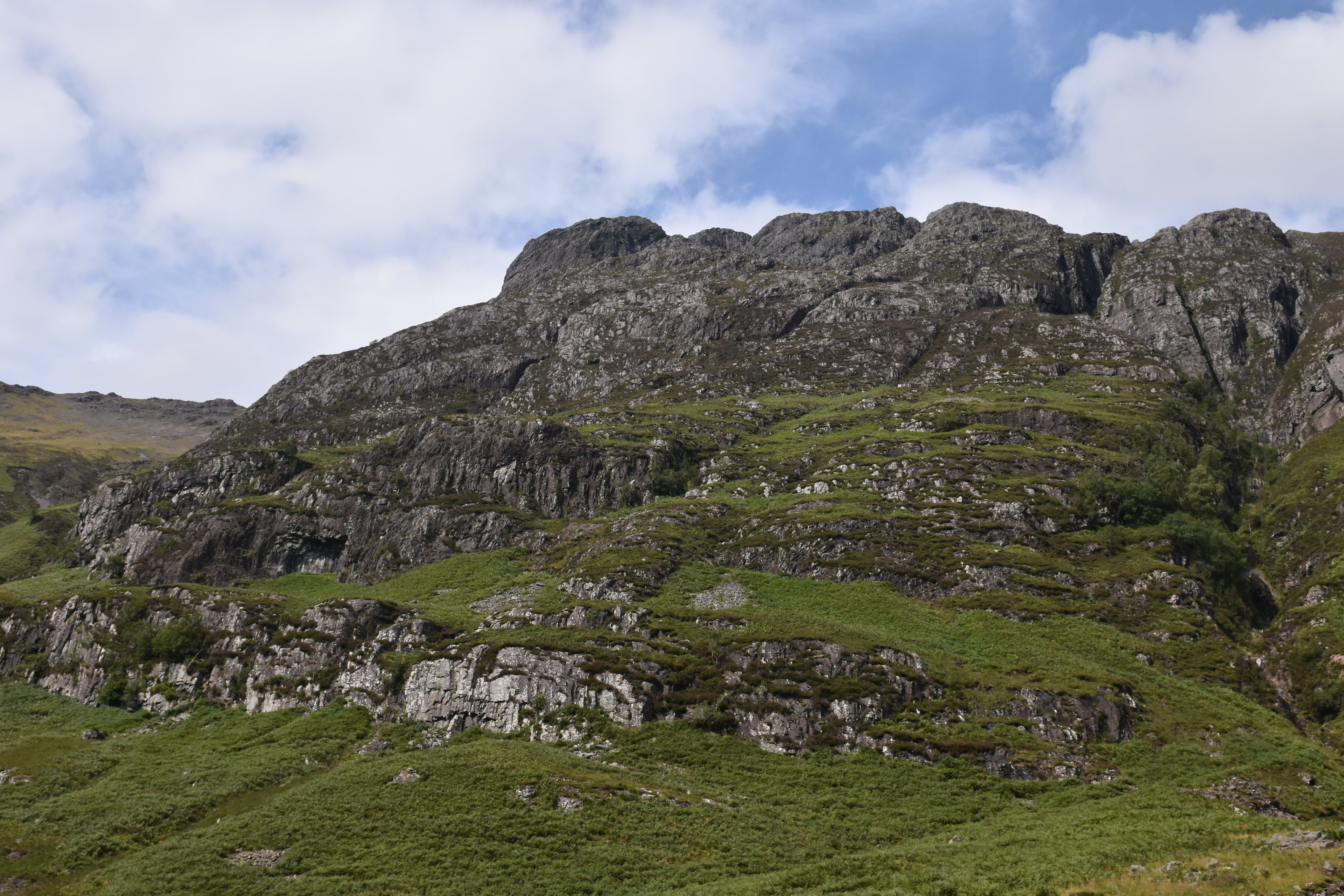
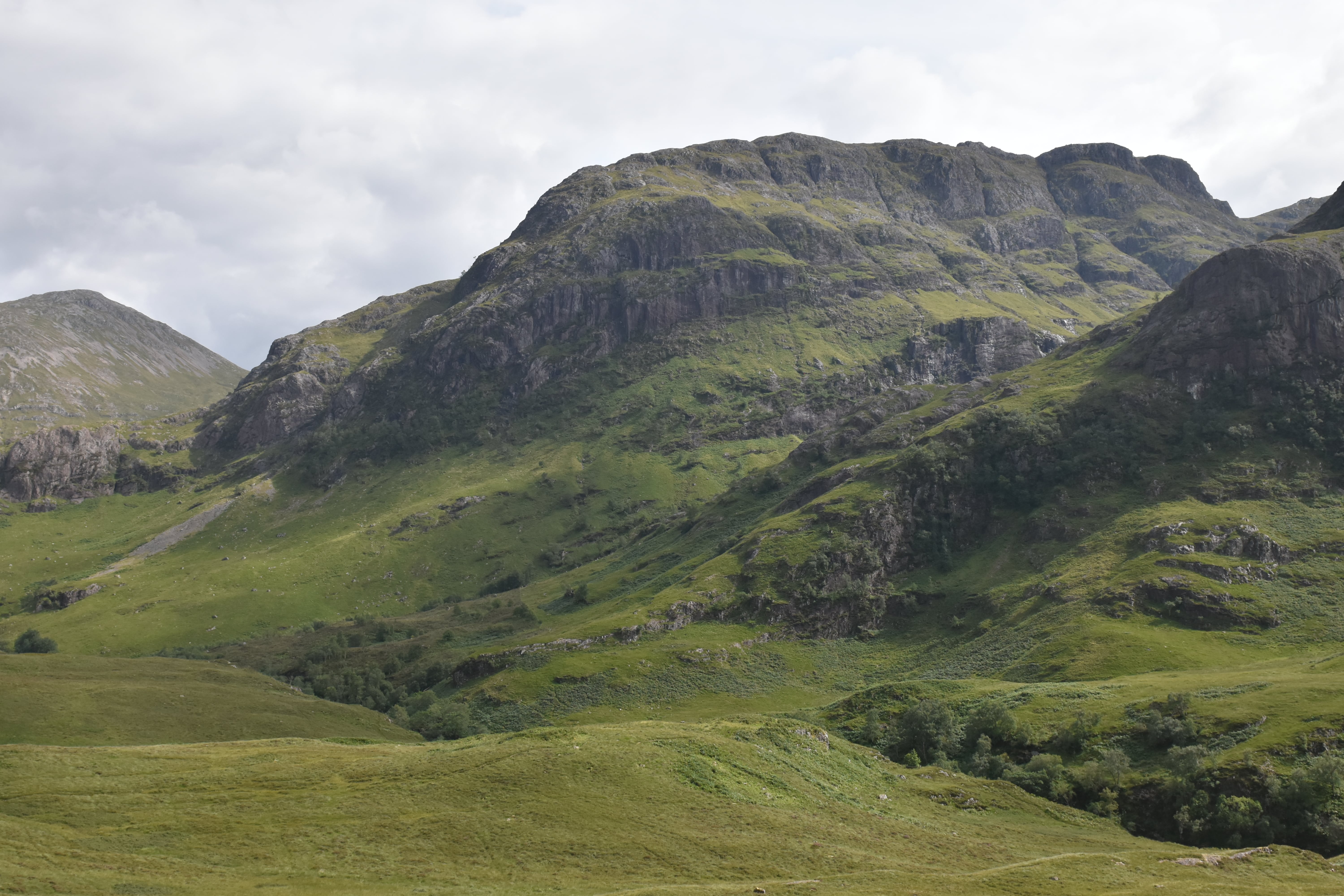
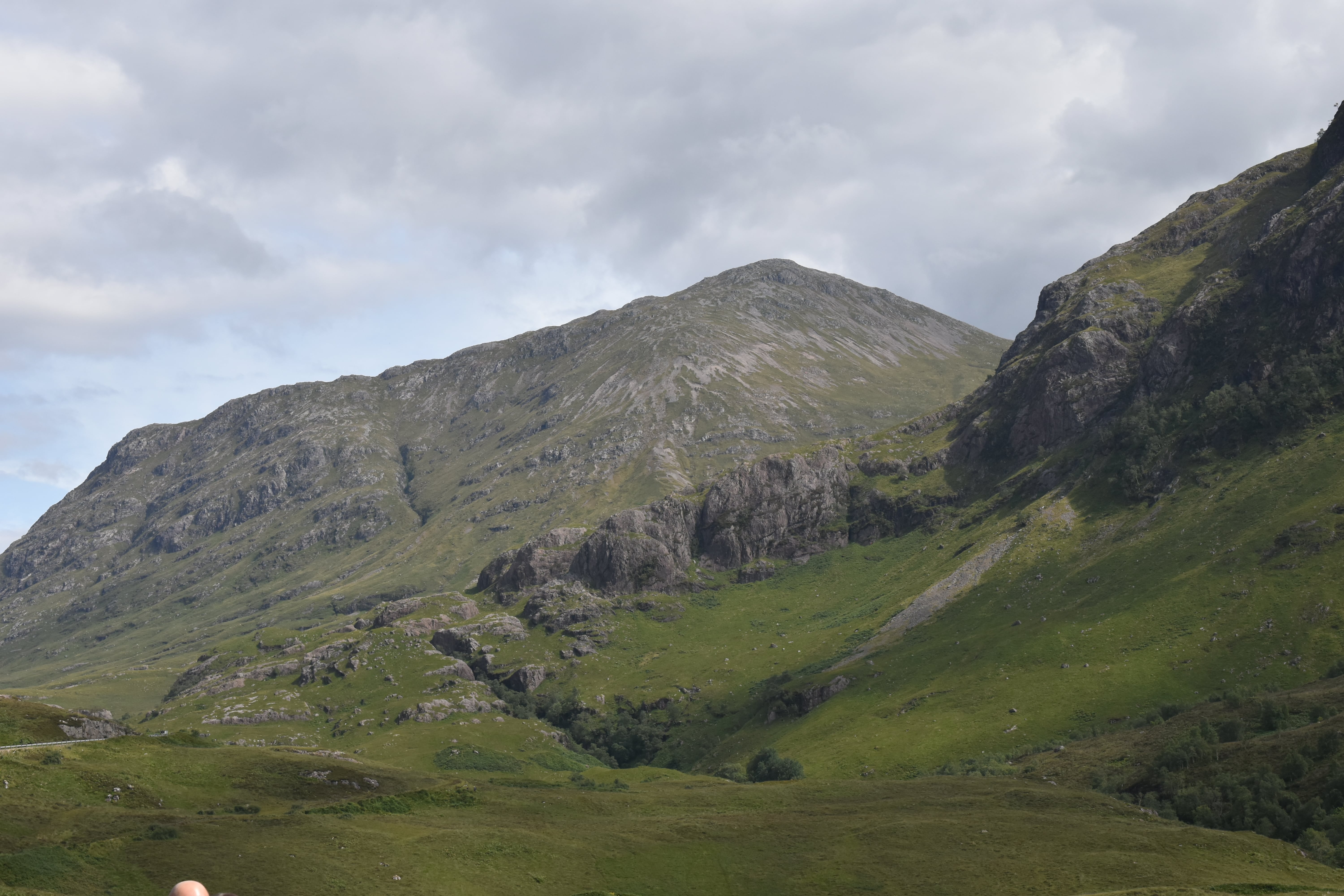
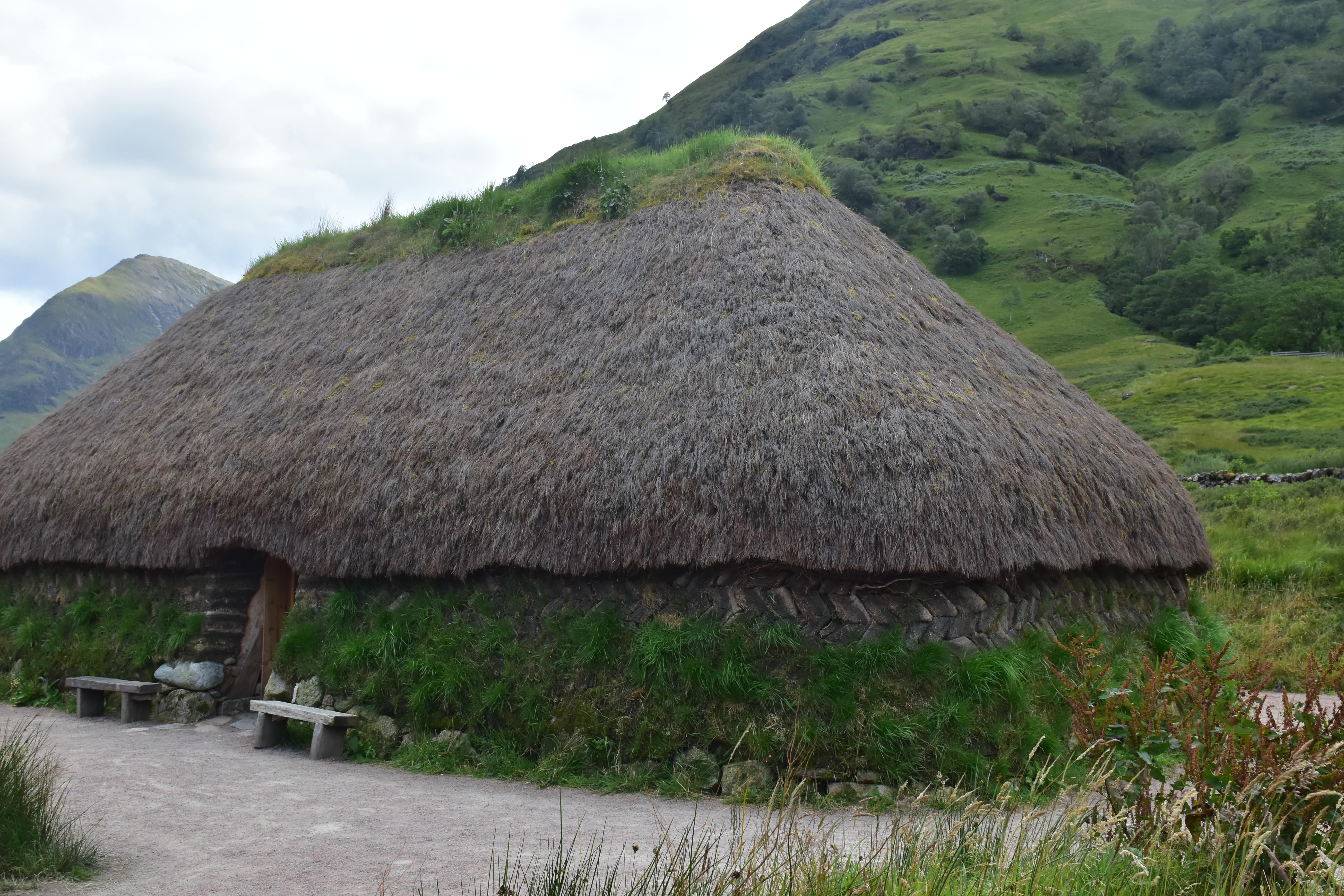

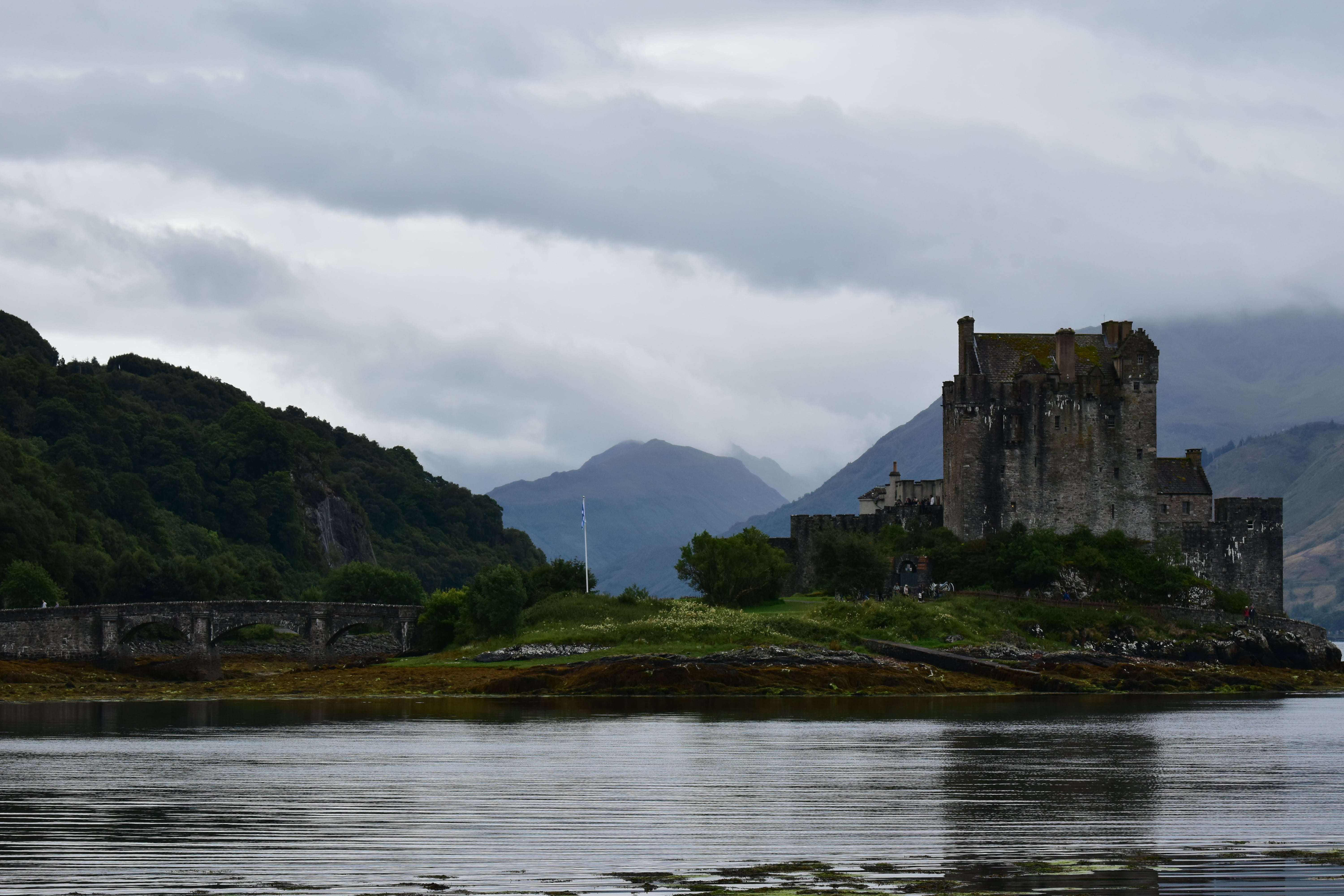
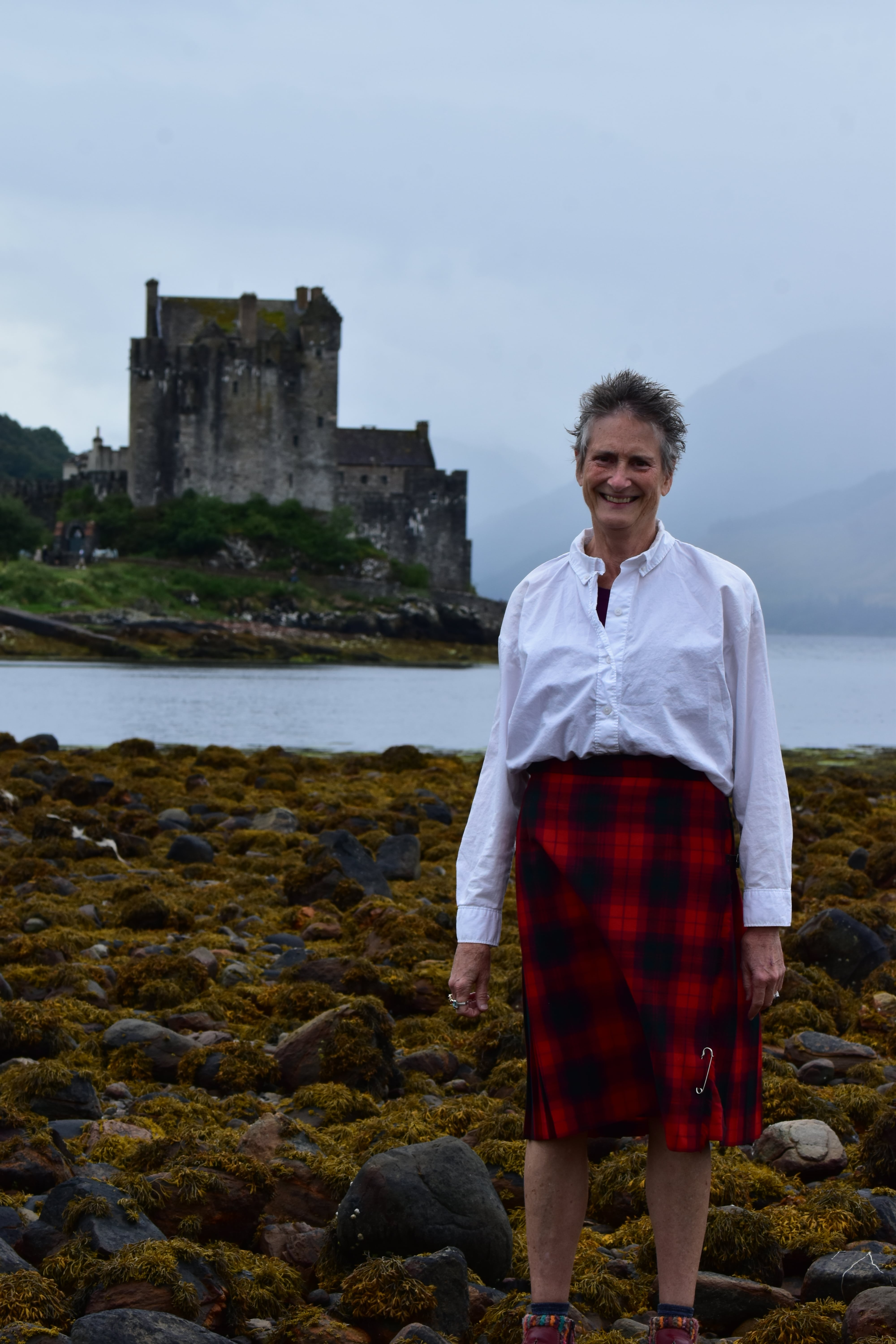
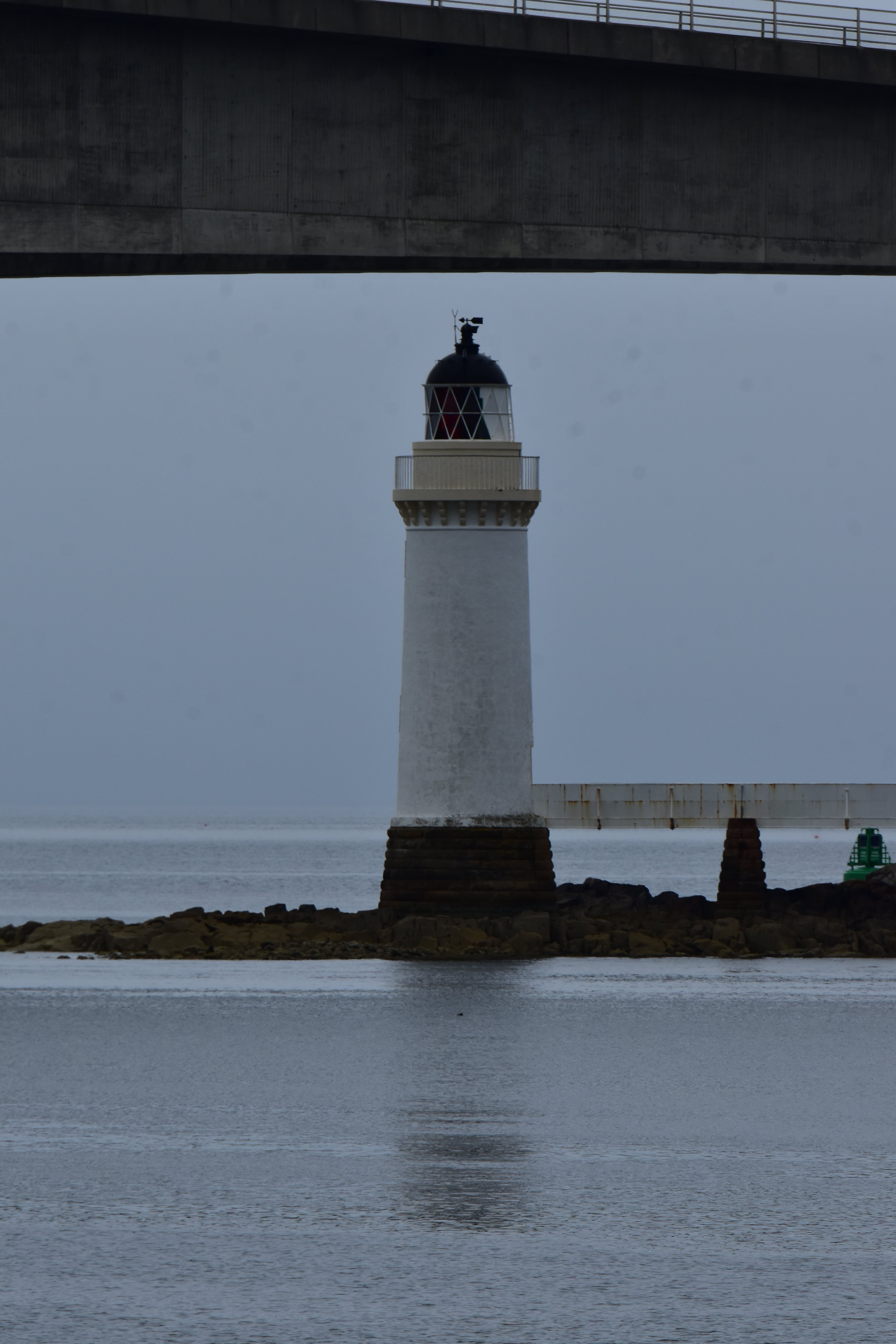
On to exploring the Isle of Sky by way of Eilean Donan Castle which is at the conjunction of Loch Alsh, Loch Long and Loch Duich on a tidal island. The name Eilean Donan, or island of Donan, is probably named after the 6th century Irish Saint, Bishop Donan who came to Scotland in 580 AD. After a brief stop at Eilean Donan Castle, we were on to the Isle of Sky across the Skye Bridge. Our journey along the coastal road to Portree, Skye’s capital, with views of the Cuillins, the most spectacular mountains in the Highlands.


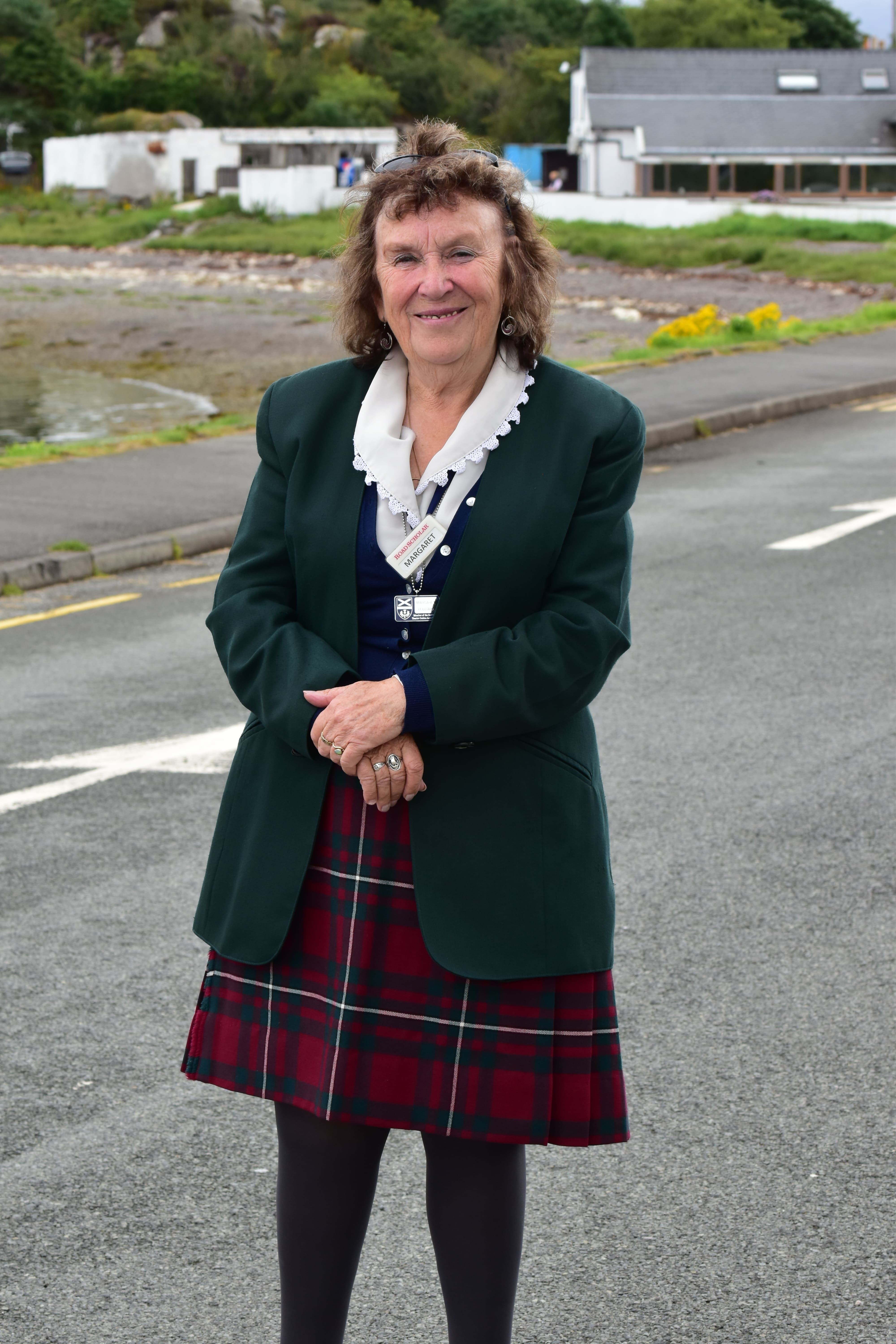
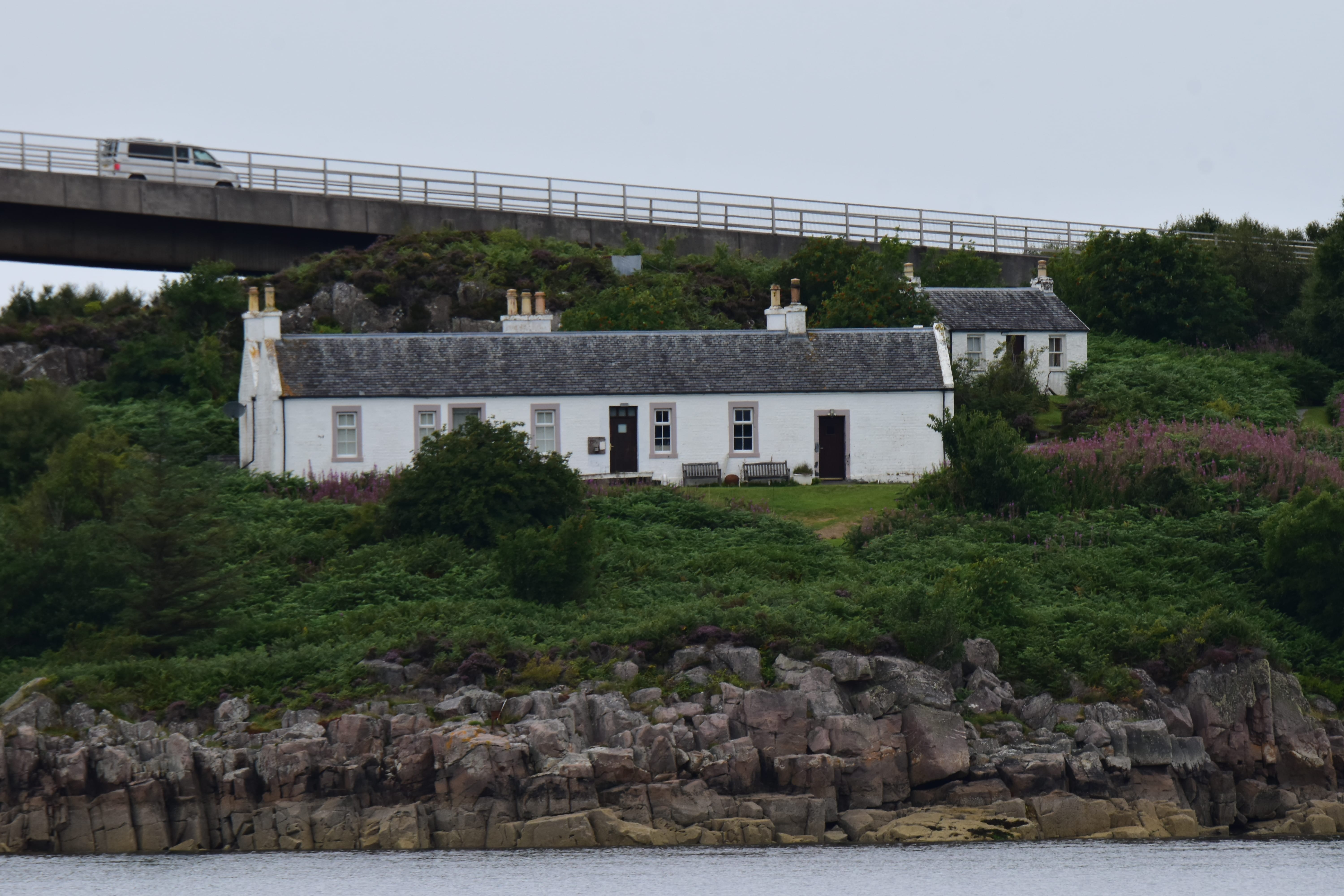

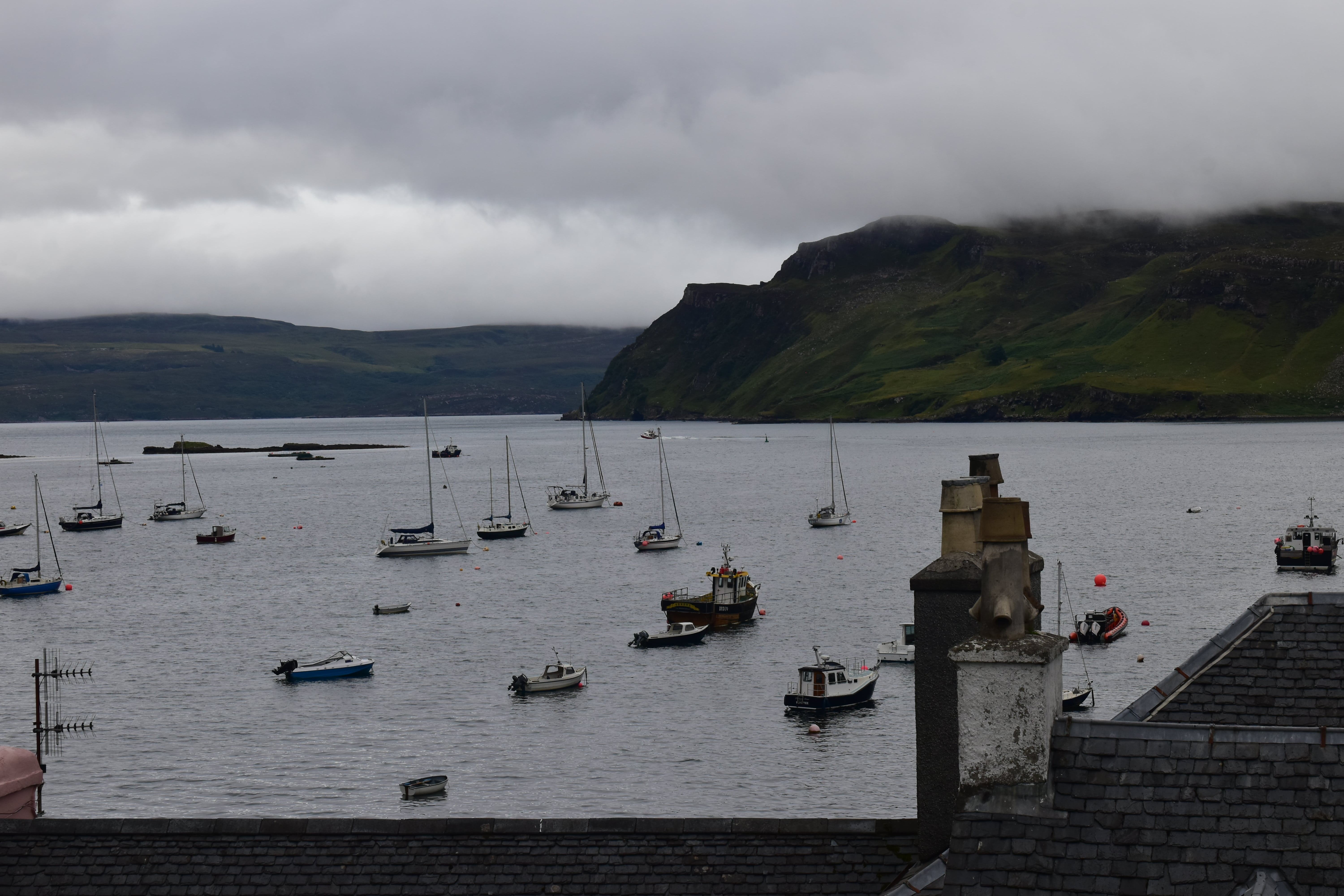

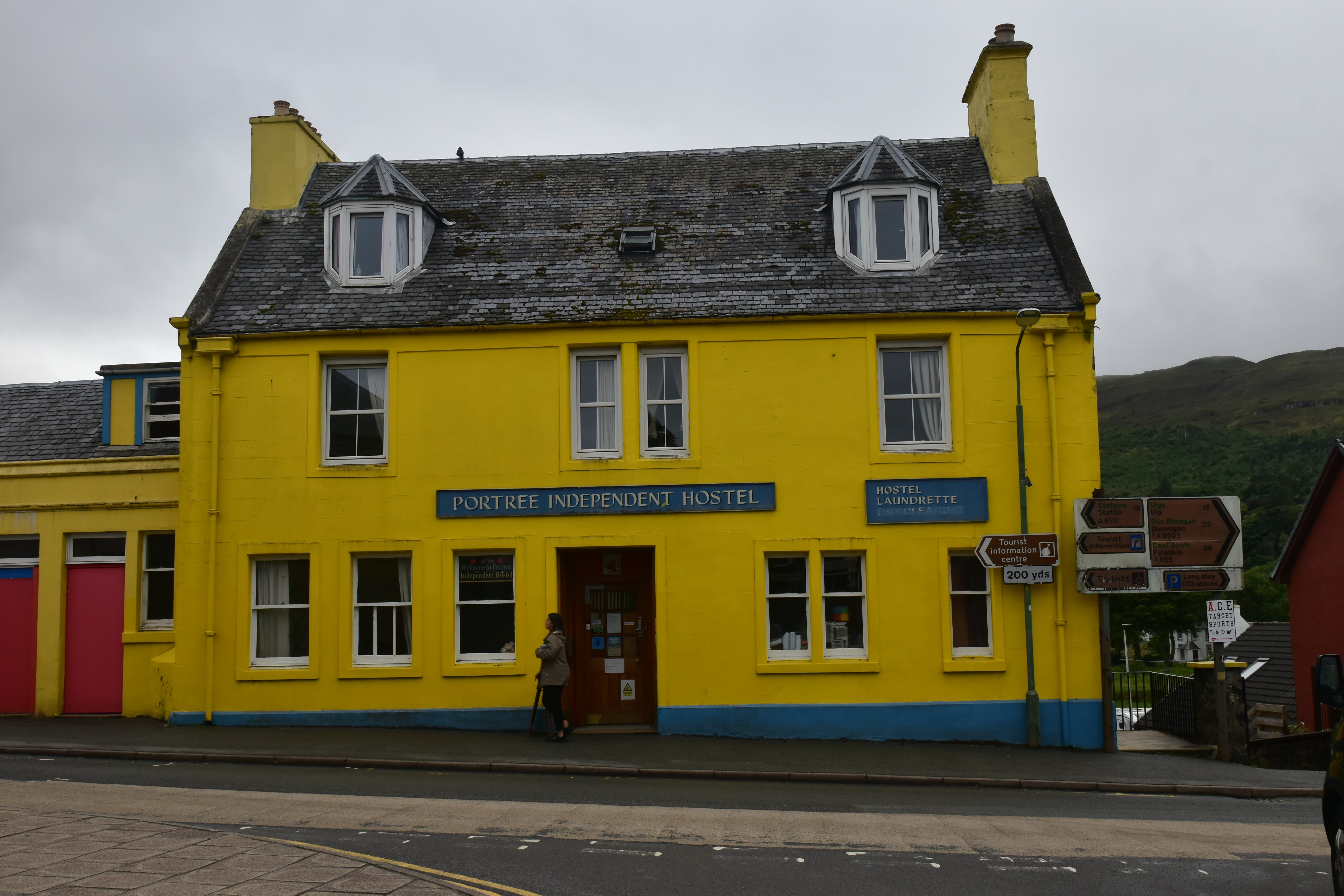
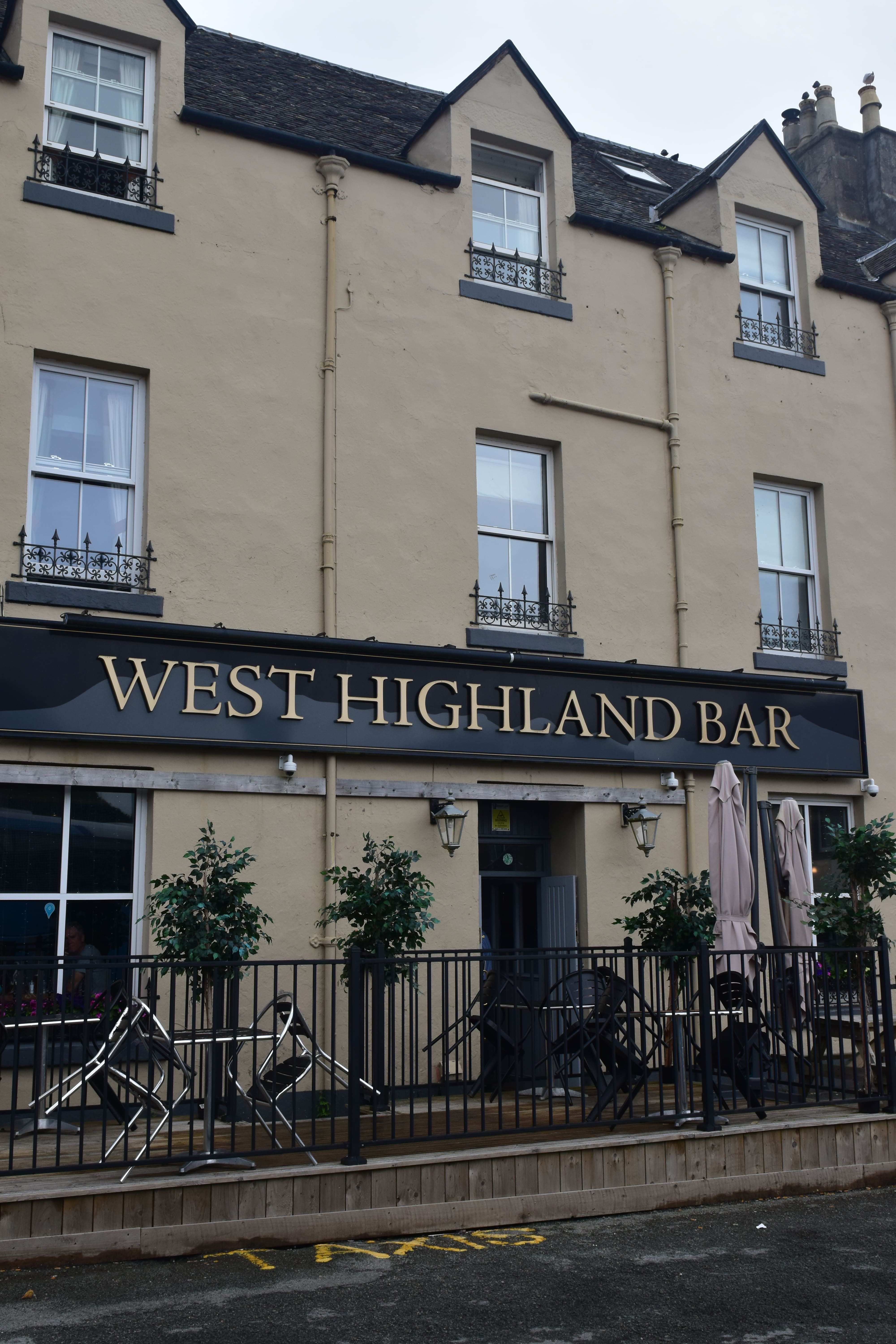


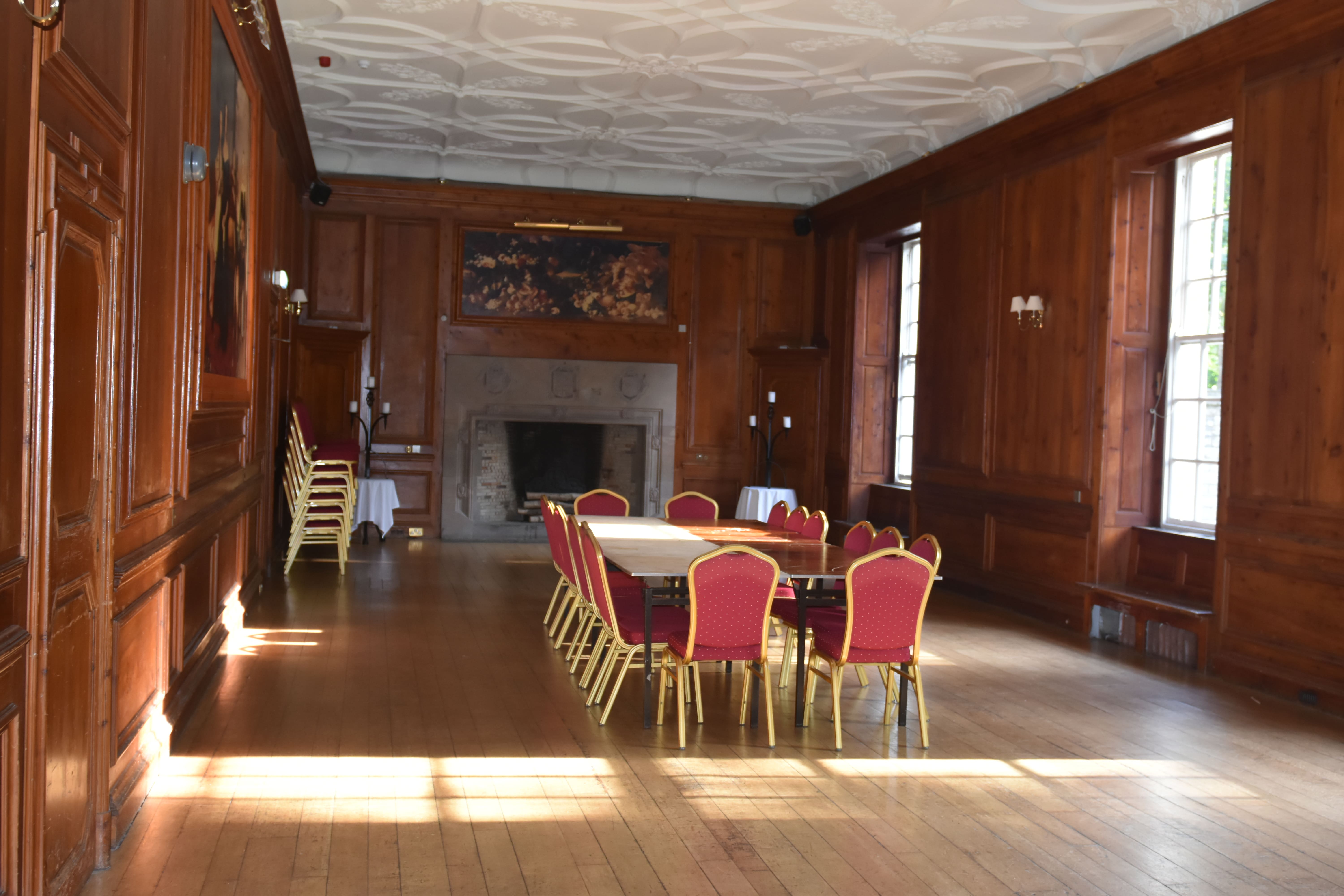
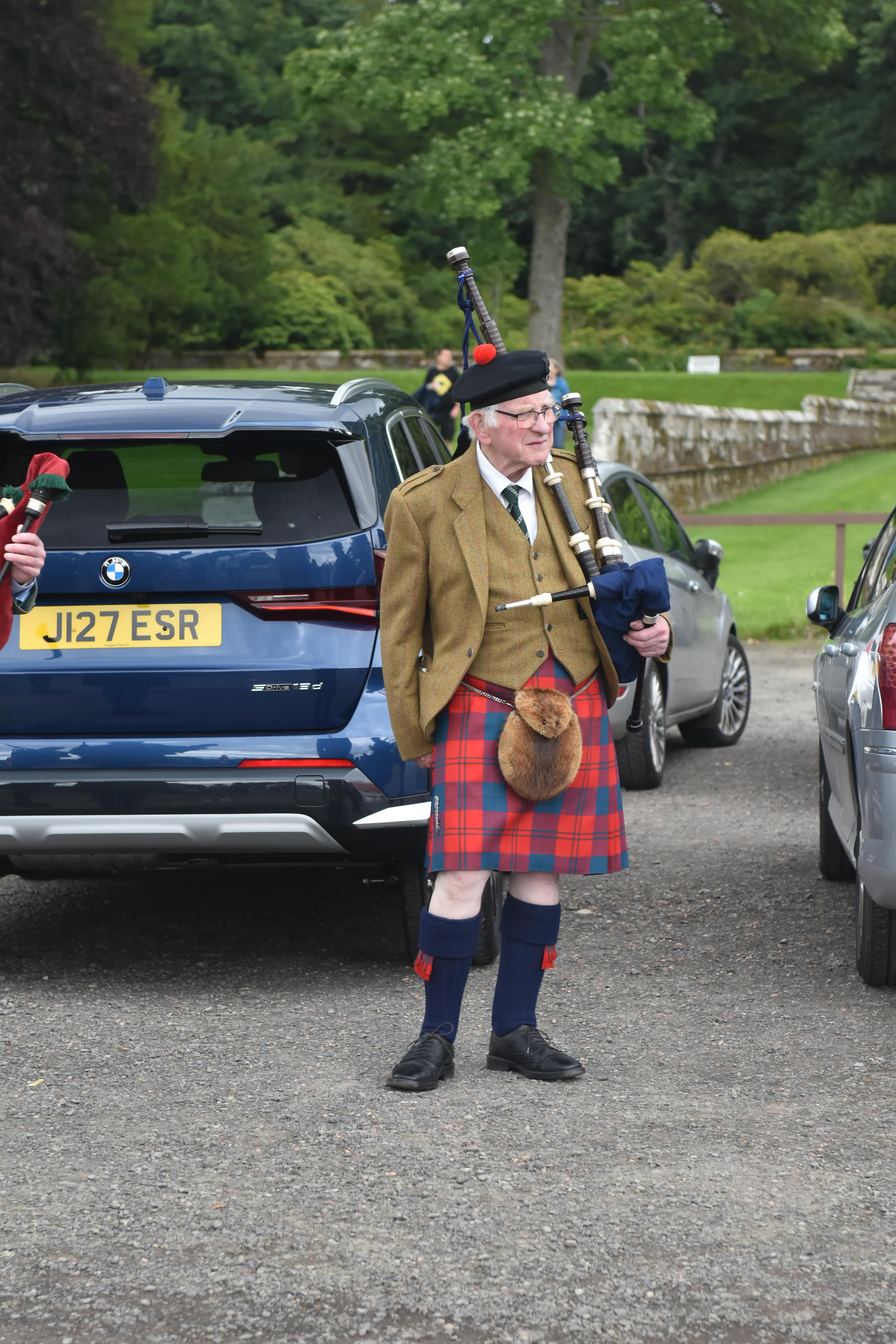
Arriving at Tulloch Castle, now a magnificent hotel, that dates from the 12th century, when the Bains and later the Clan Davidson laid claim to its lands. We were treated to some amusing stories and haunting of the castle in the dungeon and the 250-year old paneled Great Hall, and restored original fireplaces and ceilings. Road Scholar also had a local young man come and regale us on the pipes one evening.
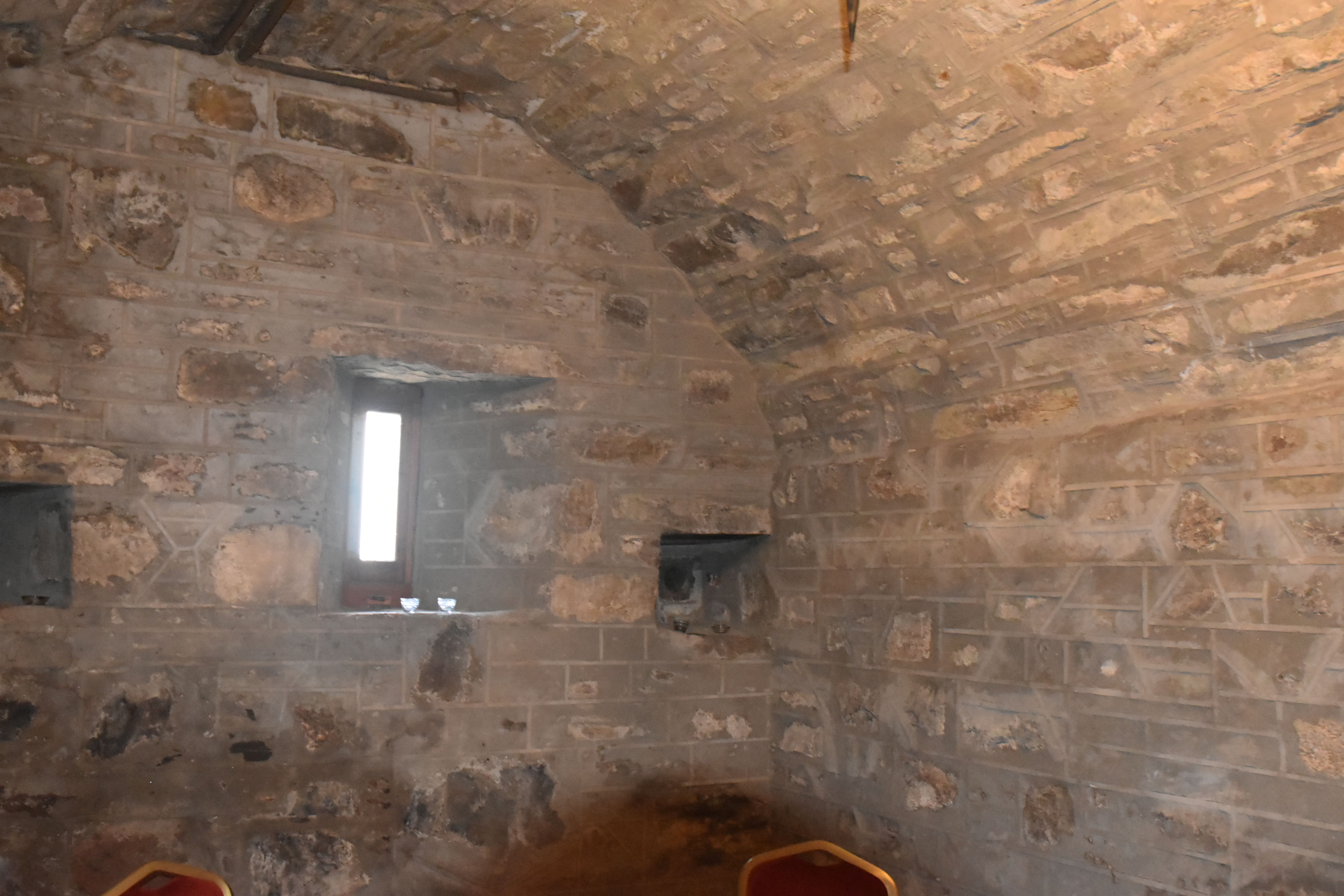
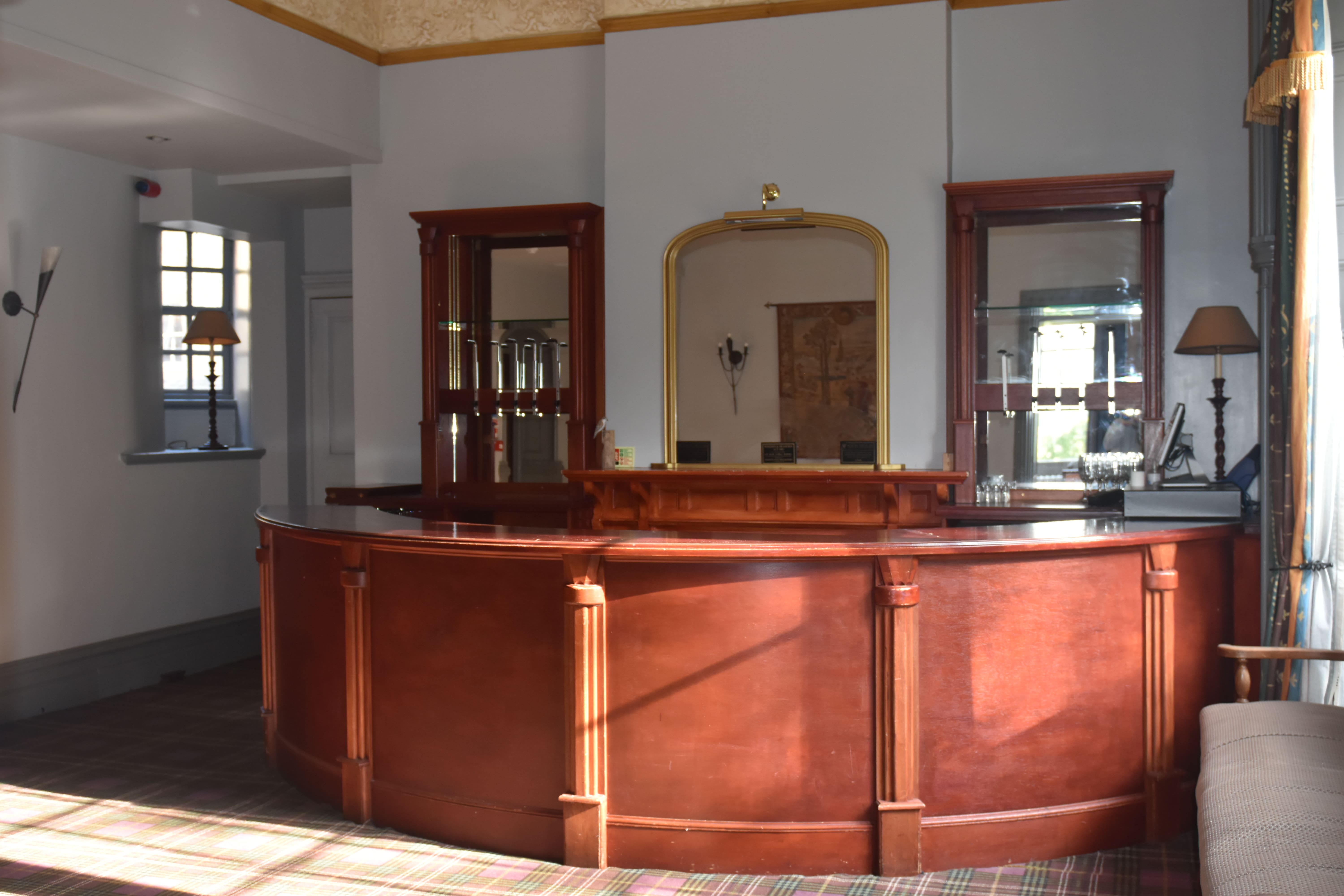


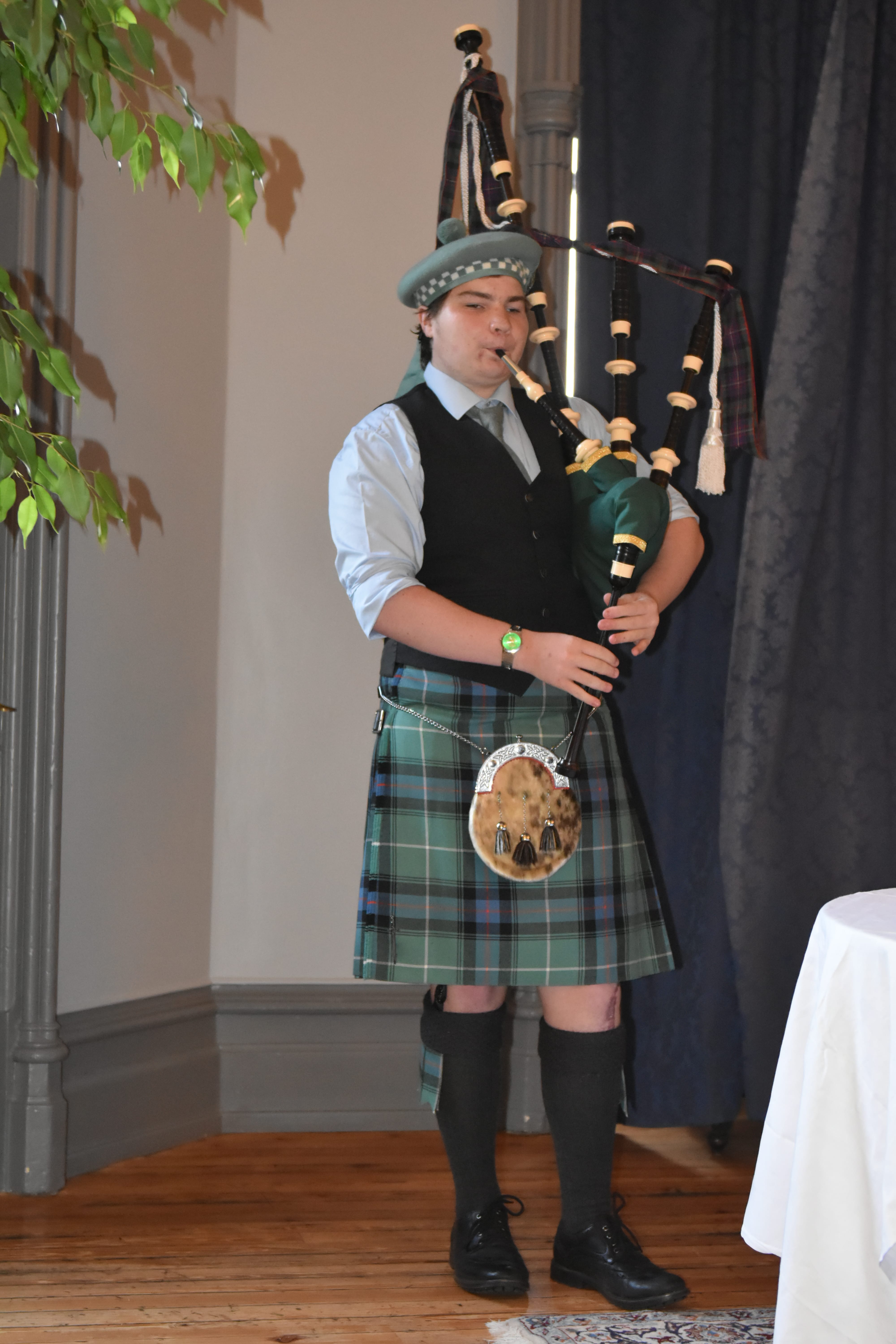
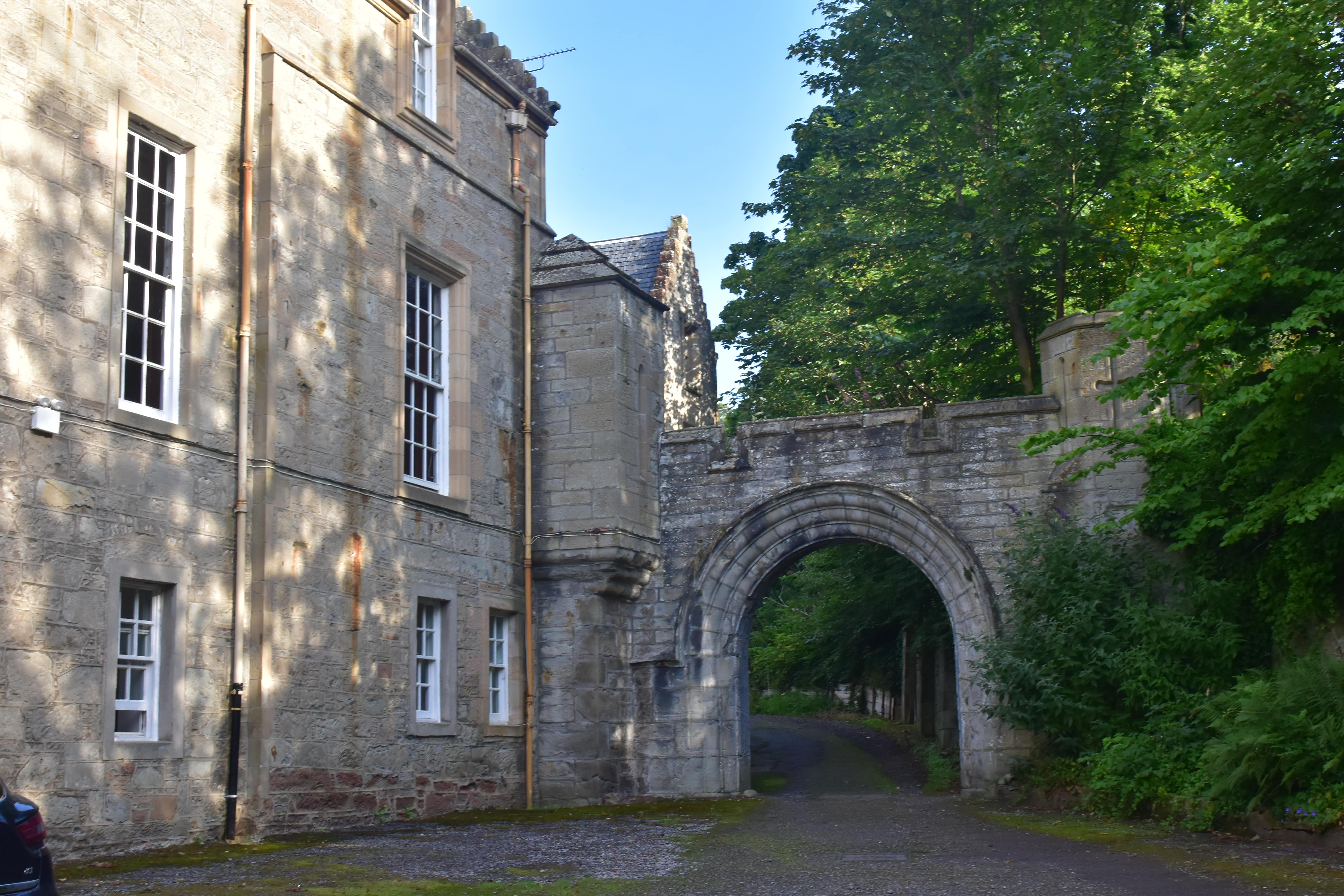


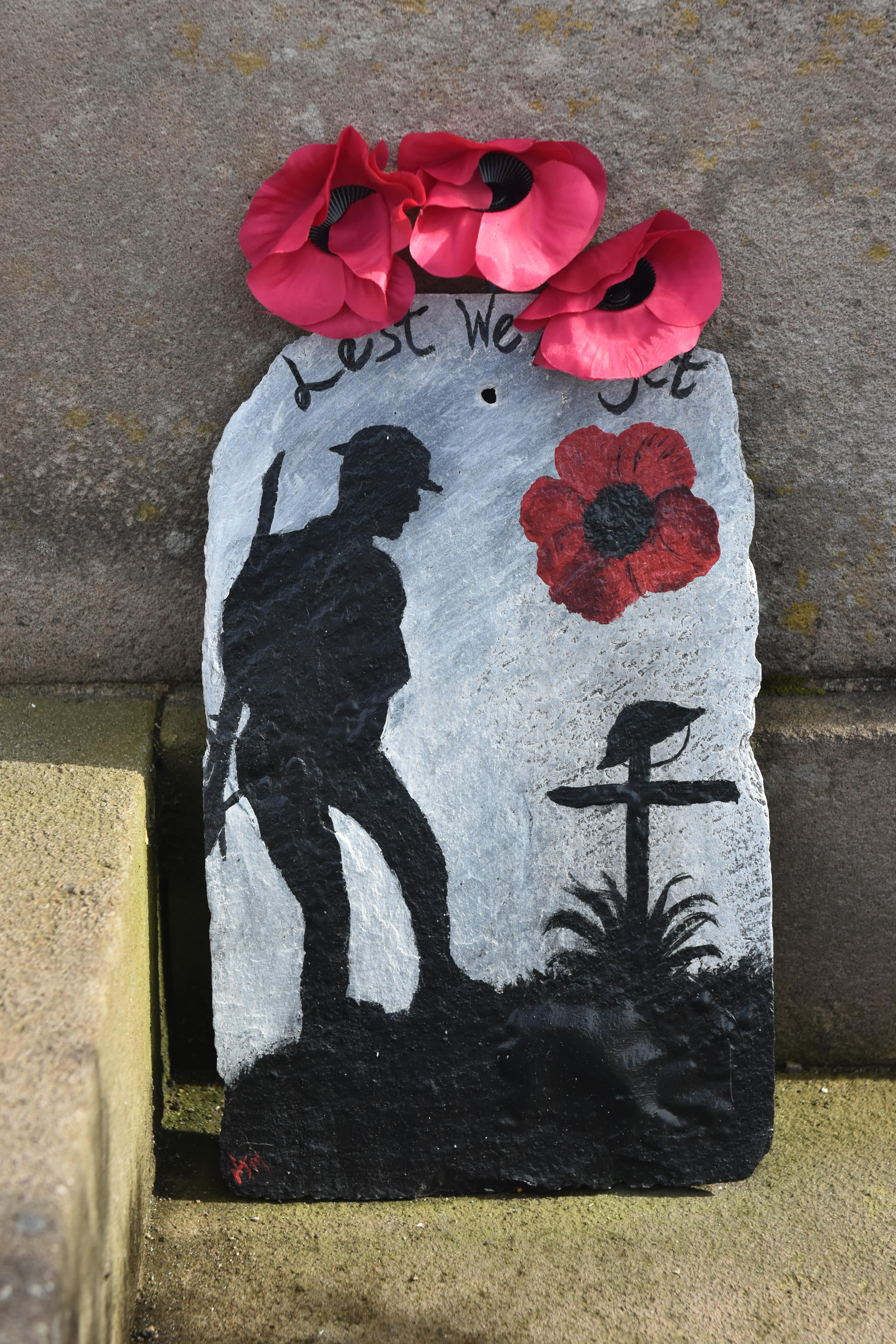
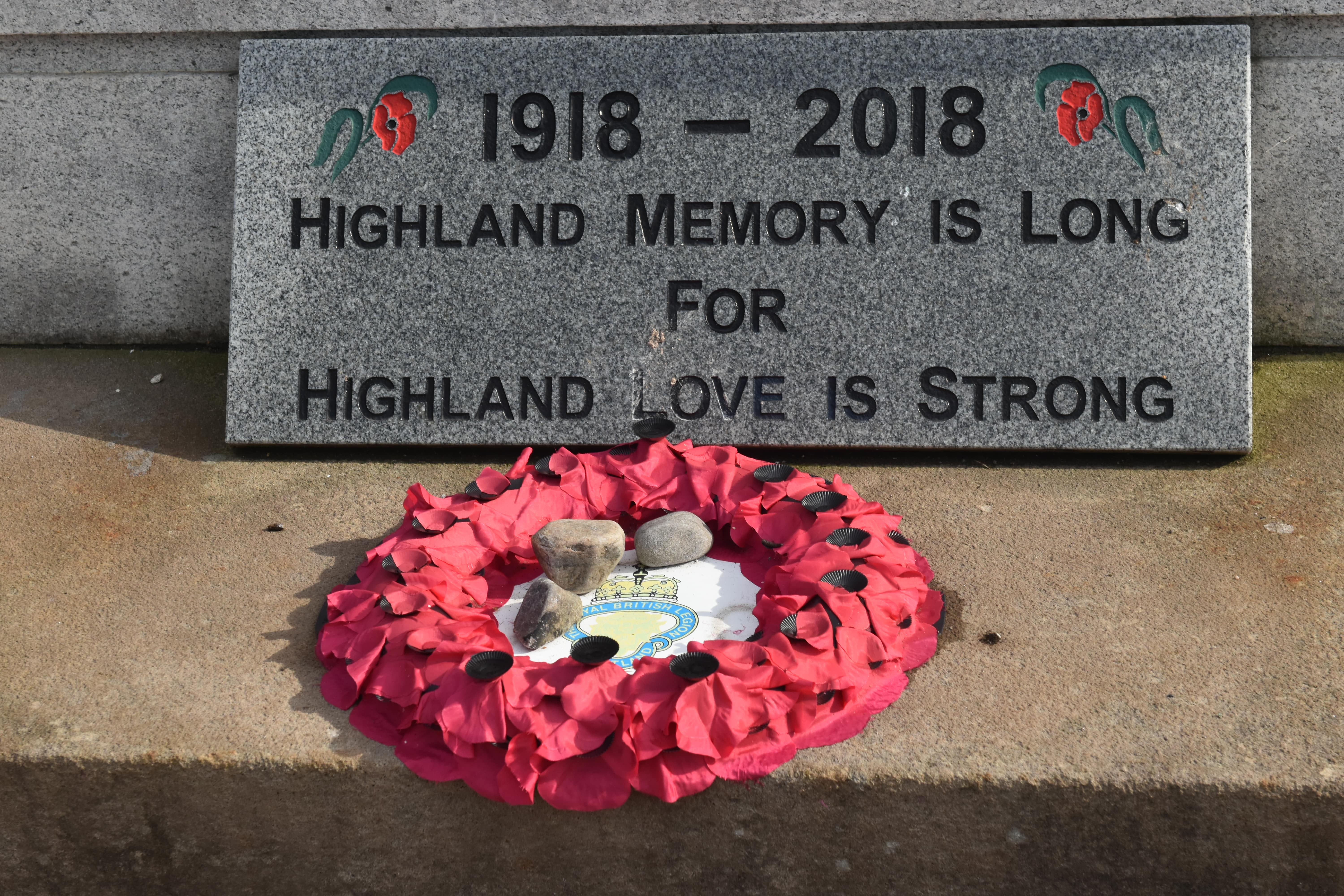
The next day we began by visiting war memorials to those lost in the area in World War I and II before going to Cawdor Castle with its legendary tale that the Thane of Cawdor, decided to build a new, stronger tower. Following the instructions received in a dream, he loaded a coffer of gold on to the back of a donkey and let it roam about the district for a day: wherever the animal lay down to rest in the evening, there his castle should be sited and it would prosper for evermore. The donkey lay down under a tree, which is now petrified at the base of the old tower at Cawdor. The castle is known for its gardens, which include the Walled Garden, the Flower Garden, and the Wild Garden.


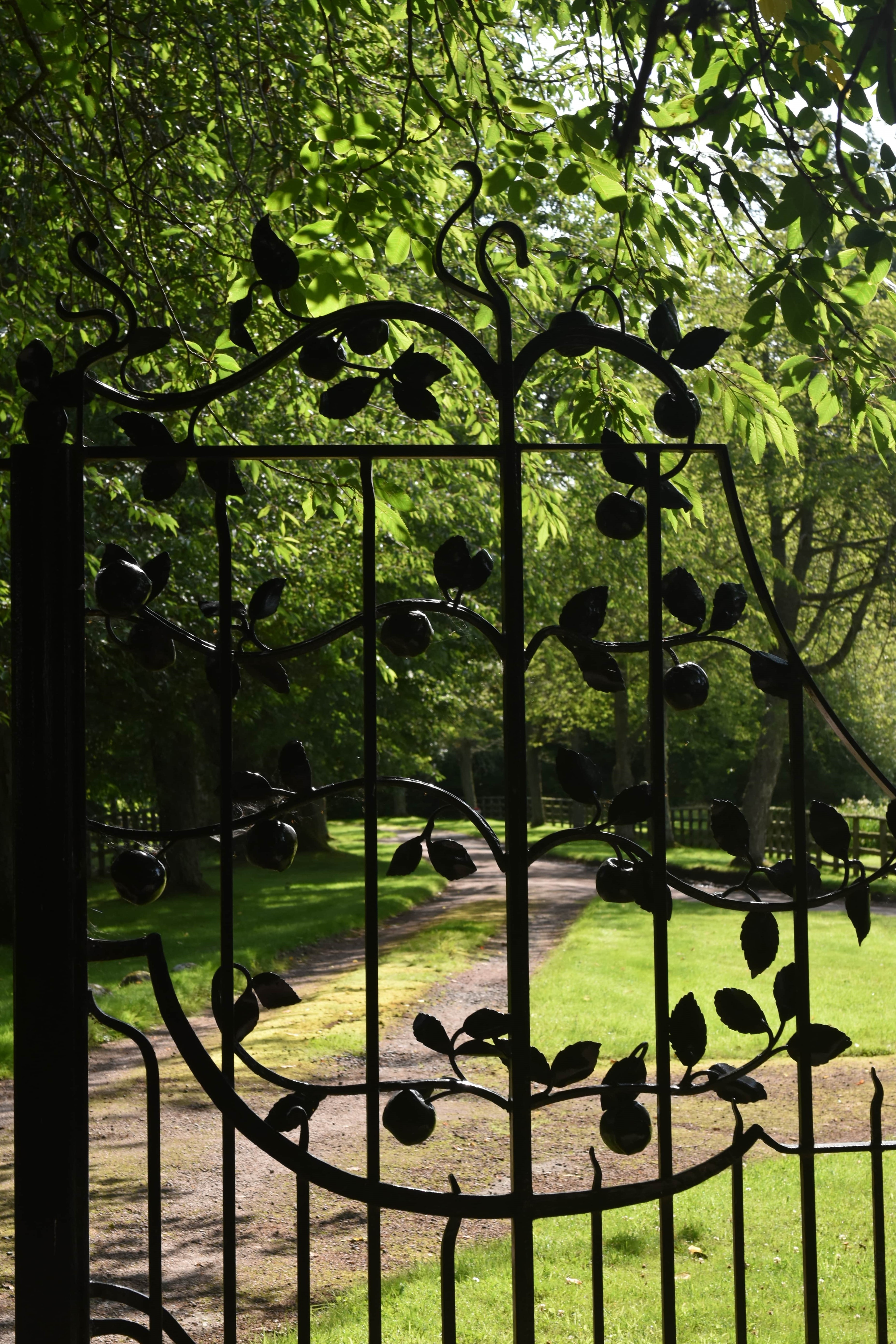
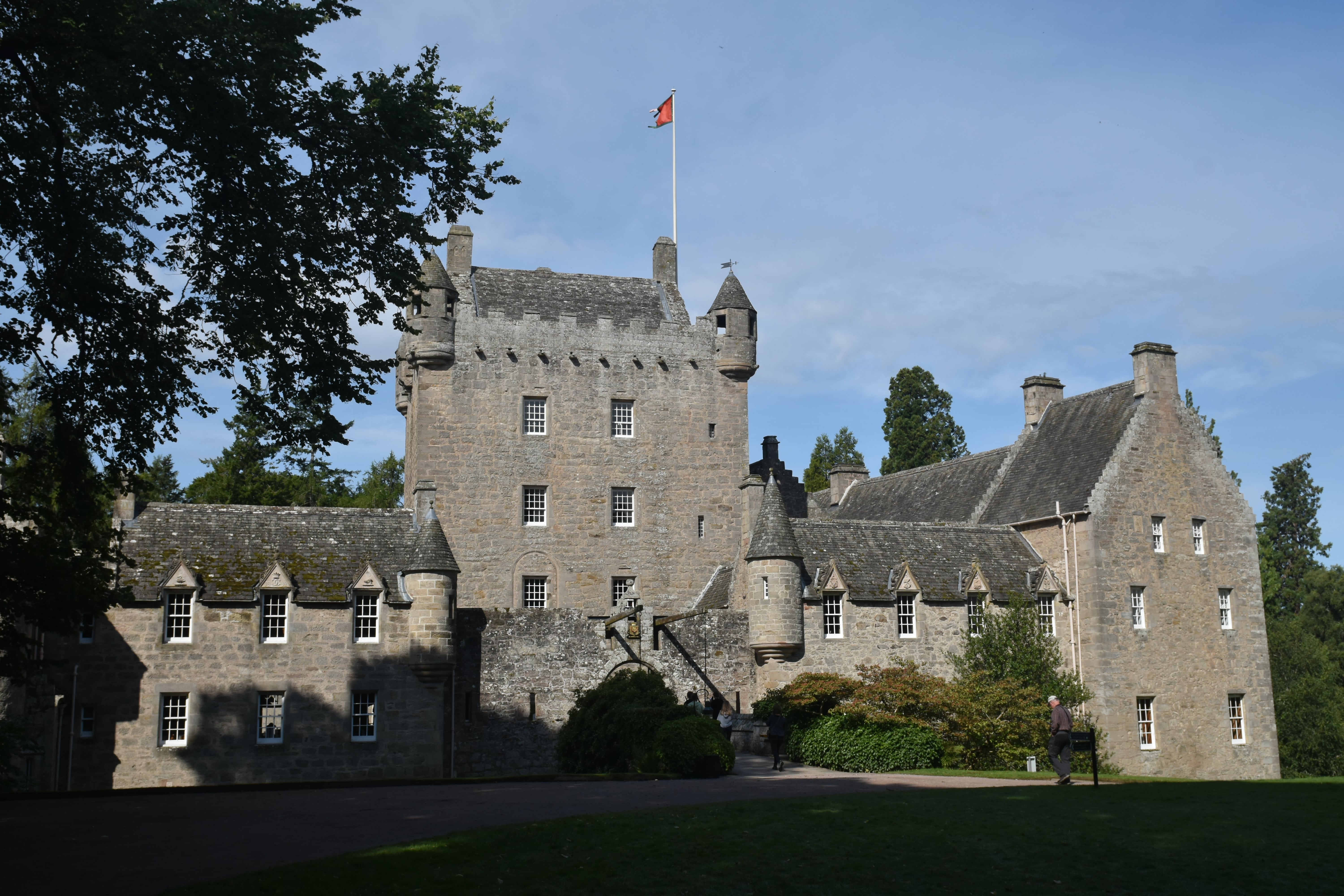

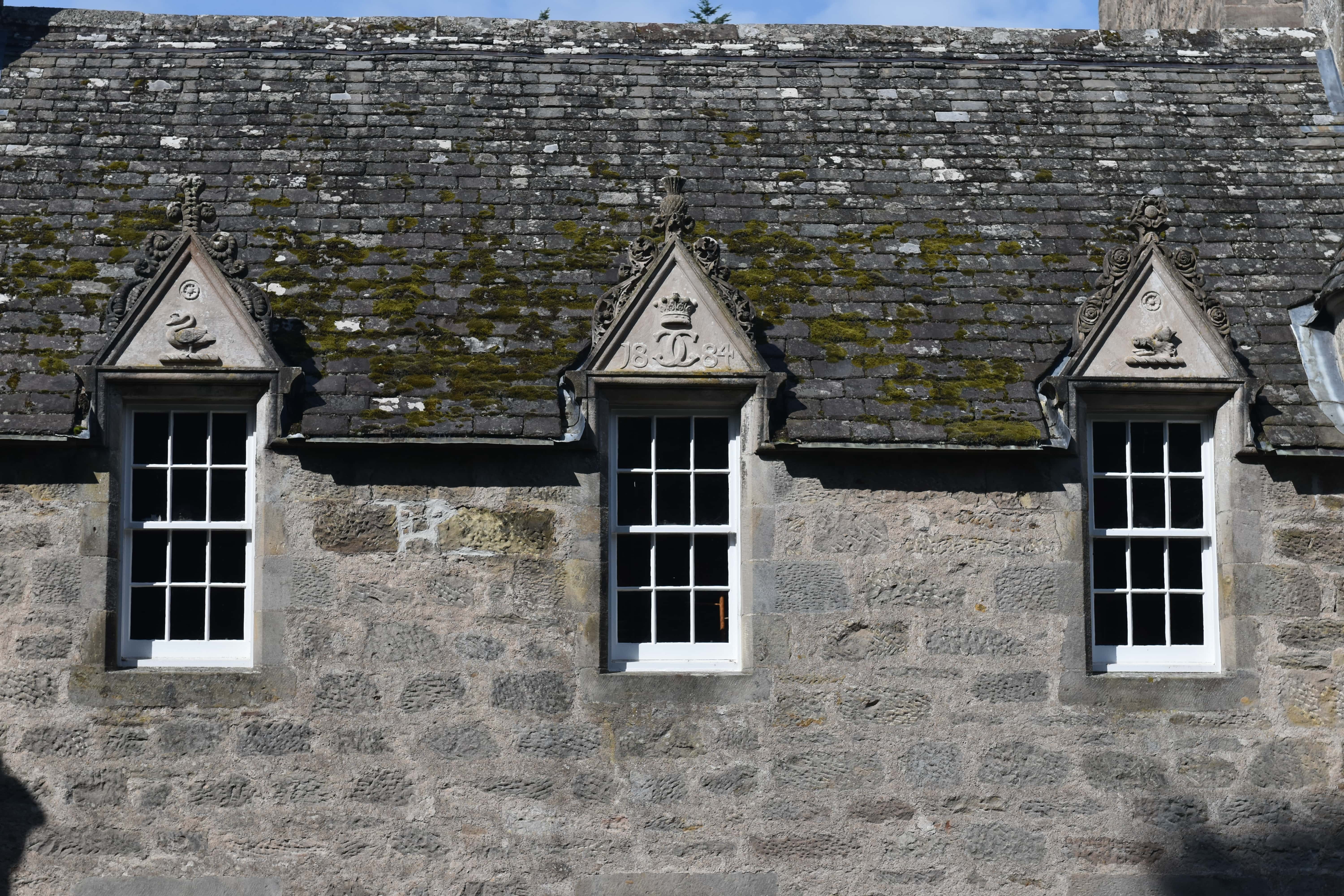
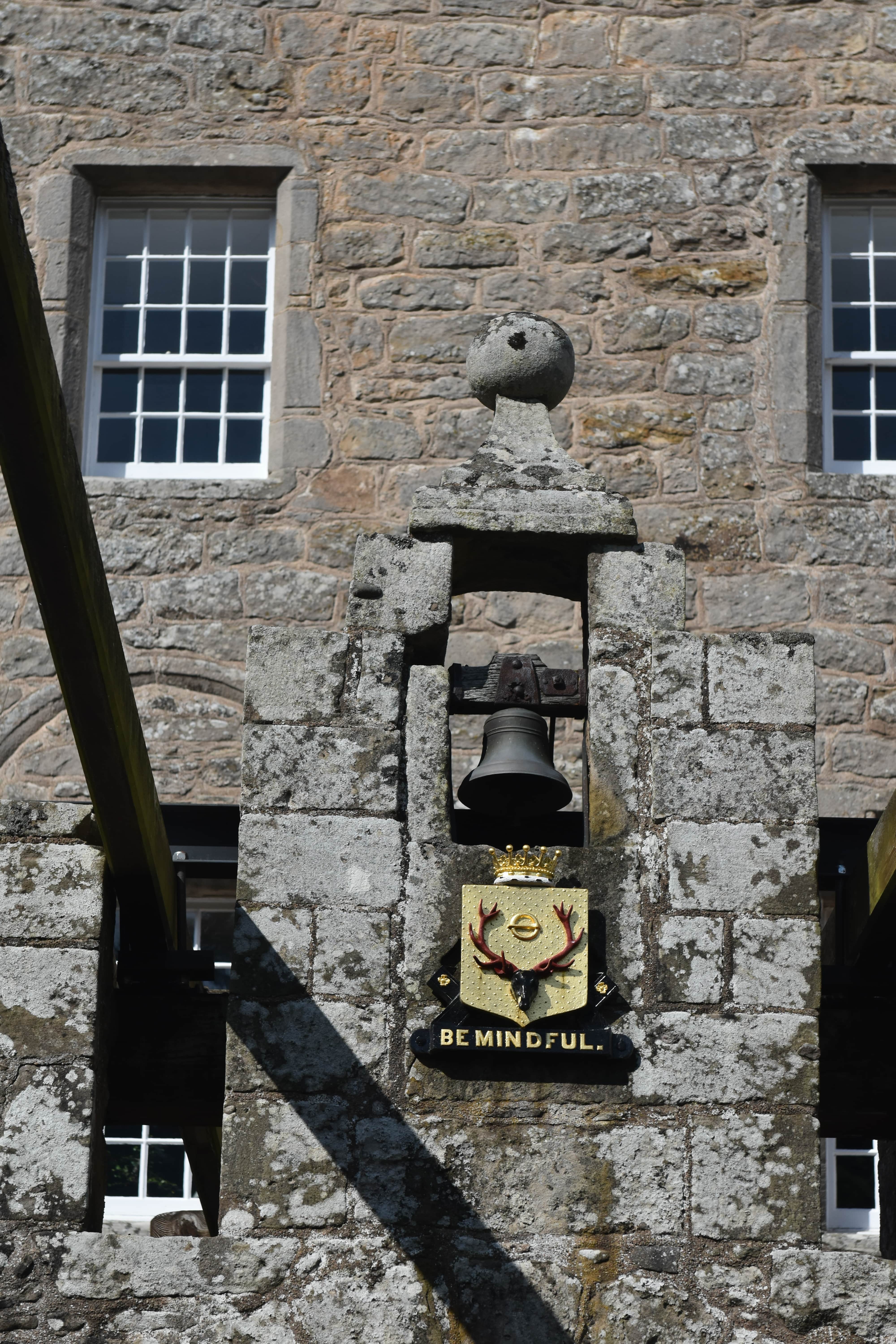

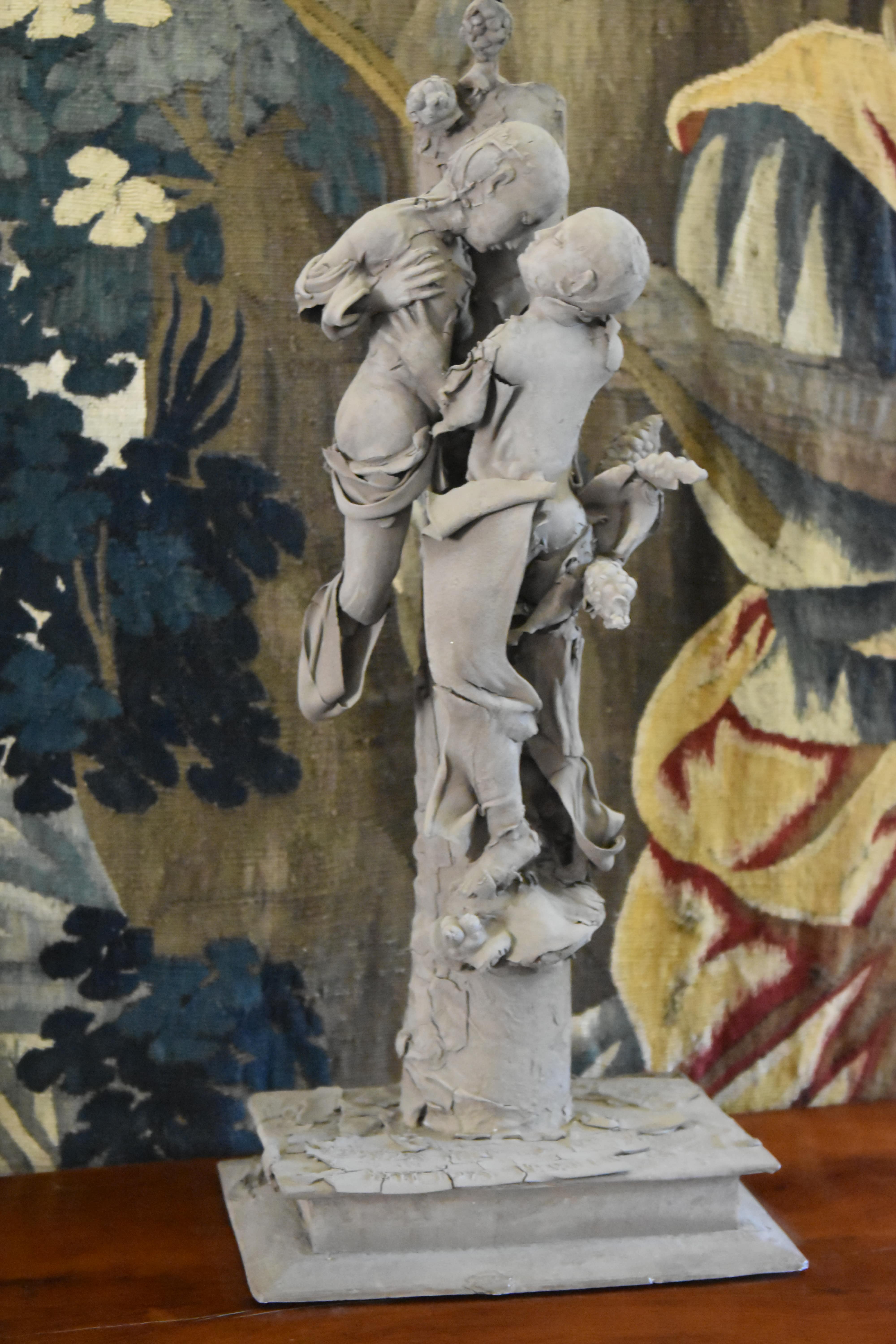

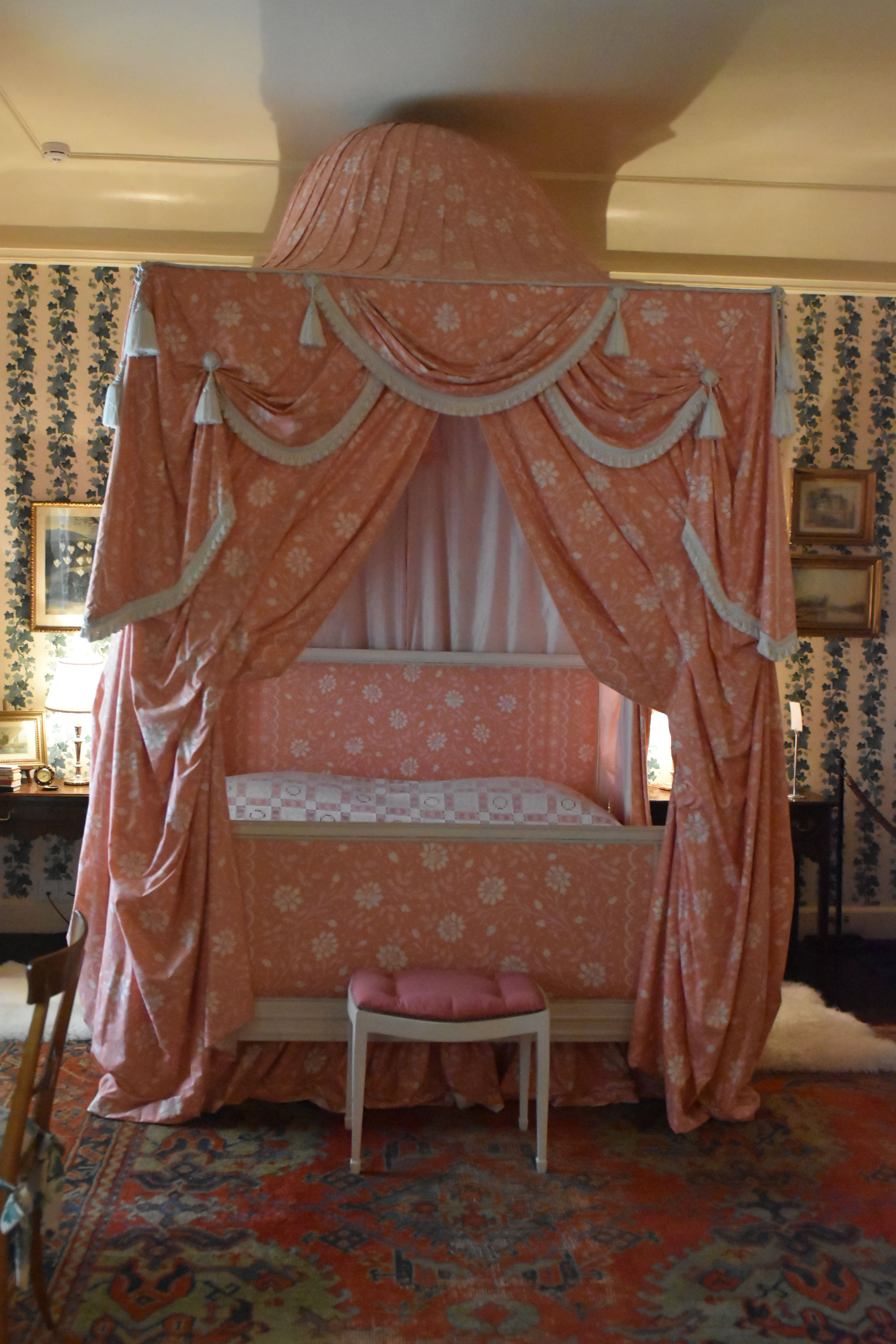


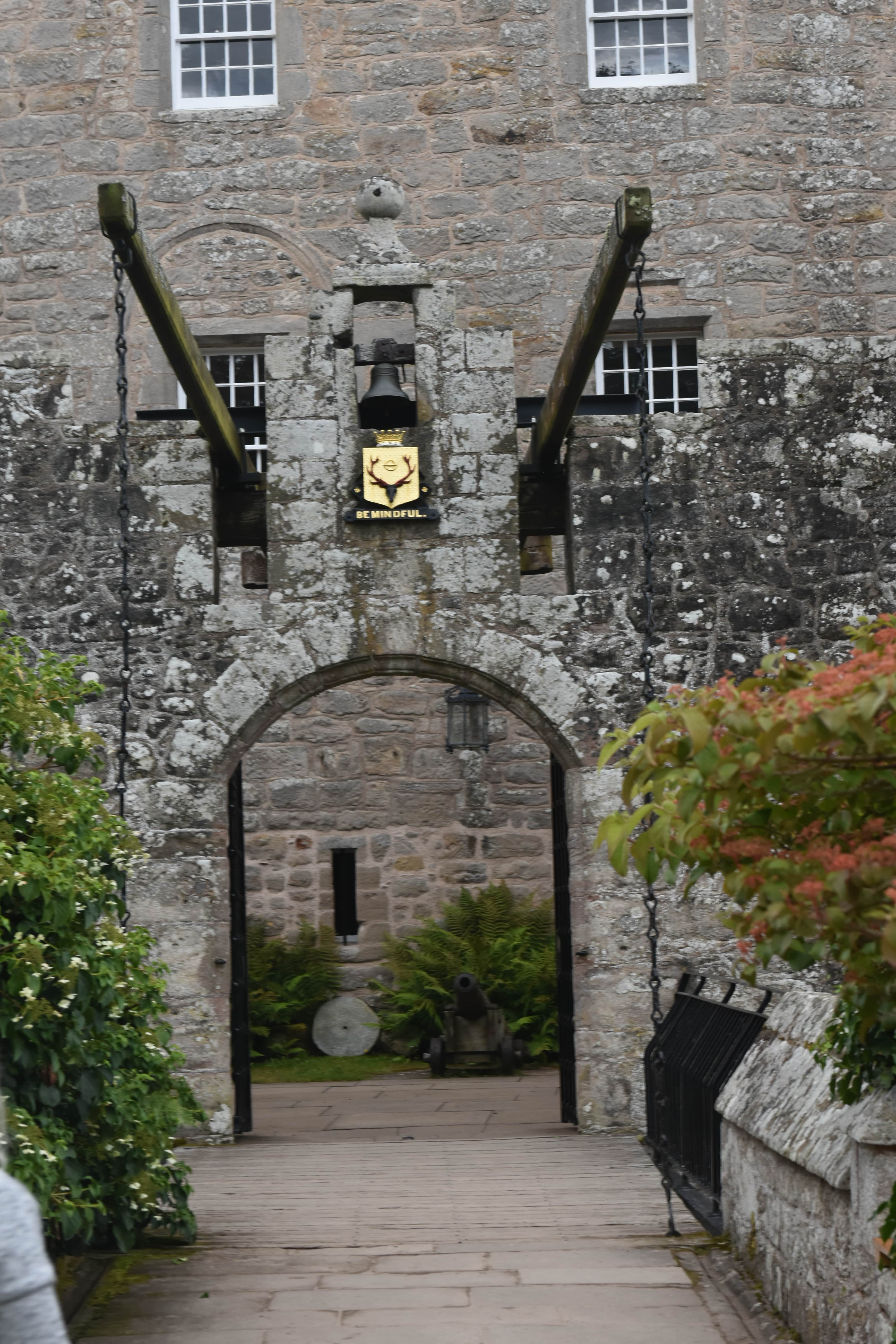

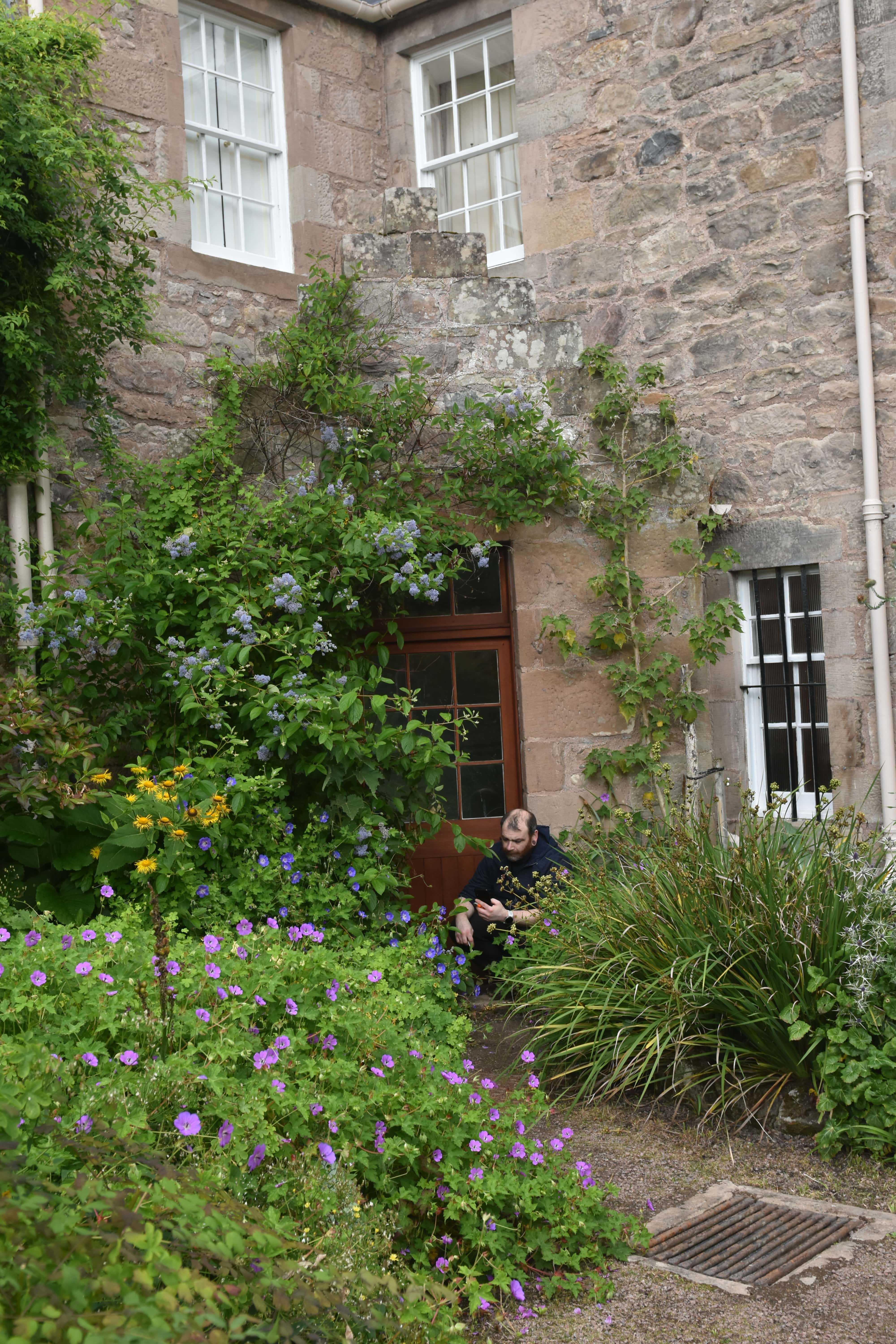
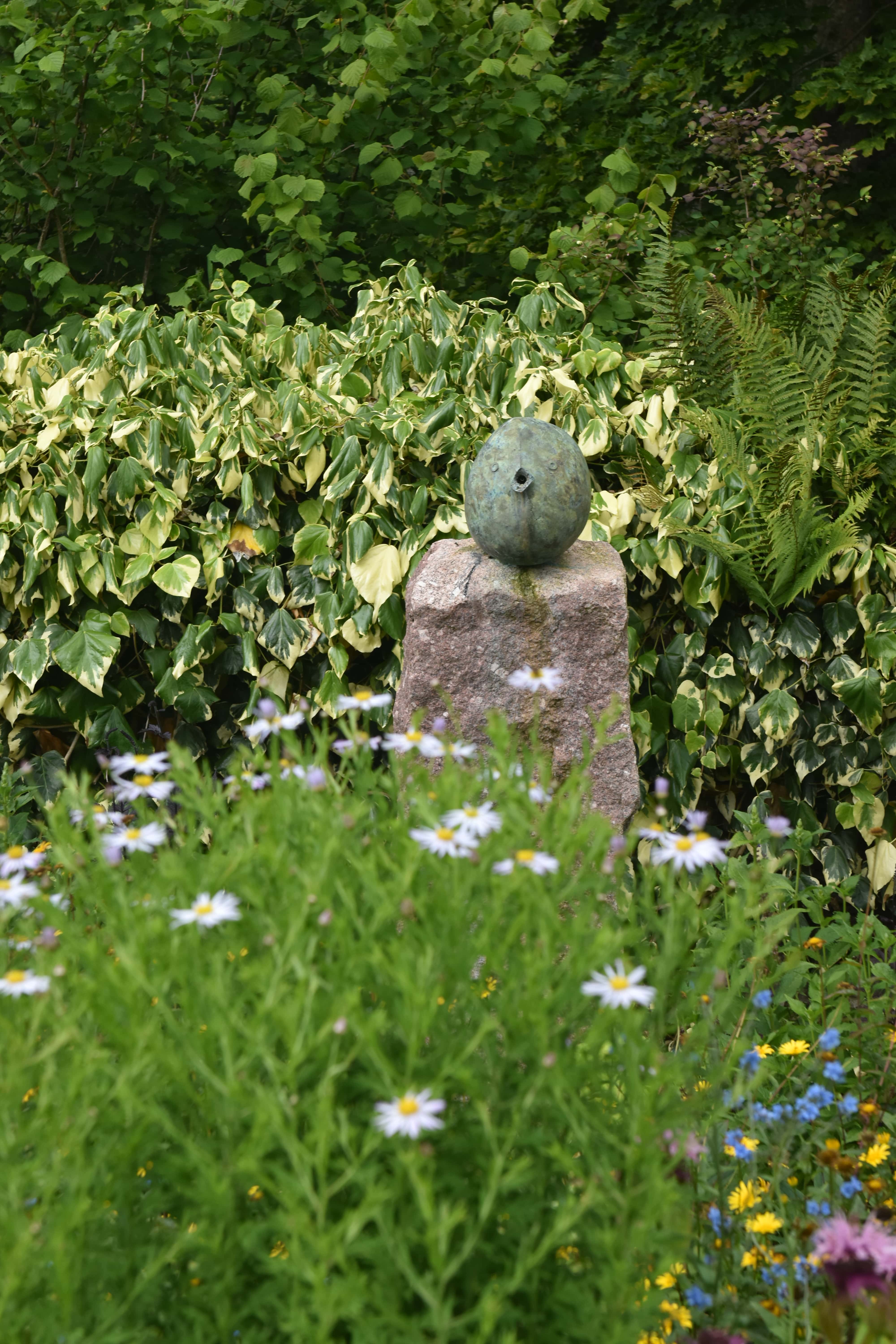
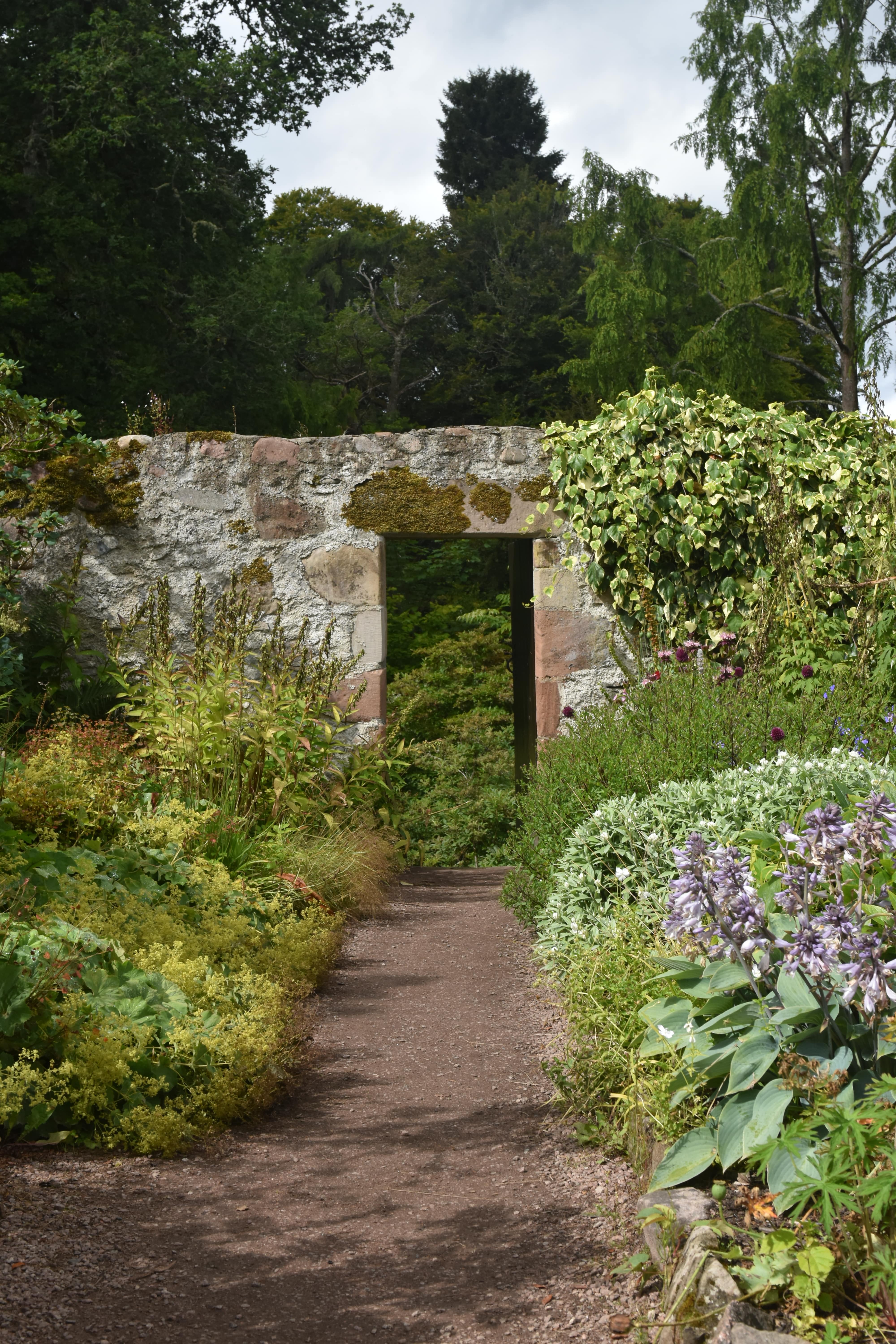

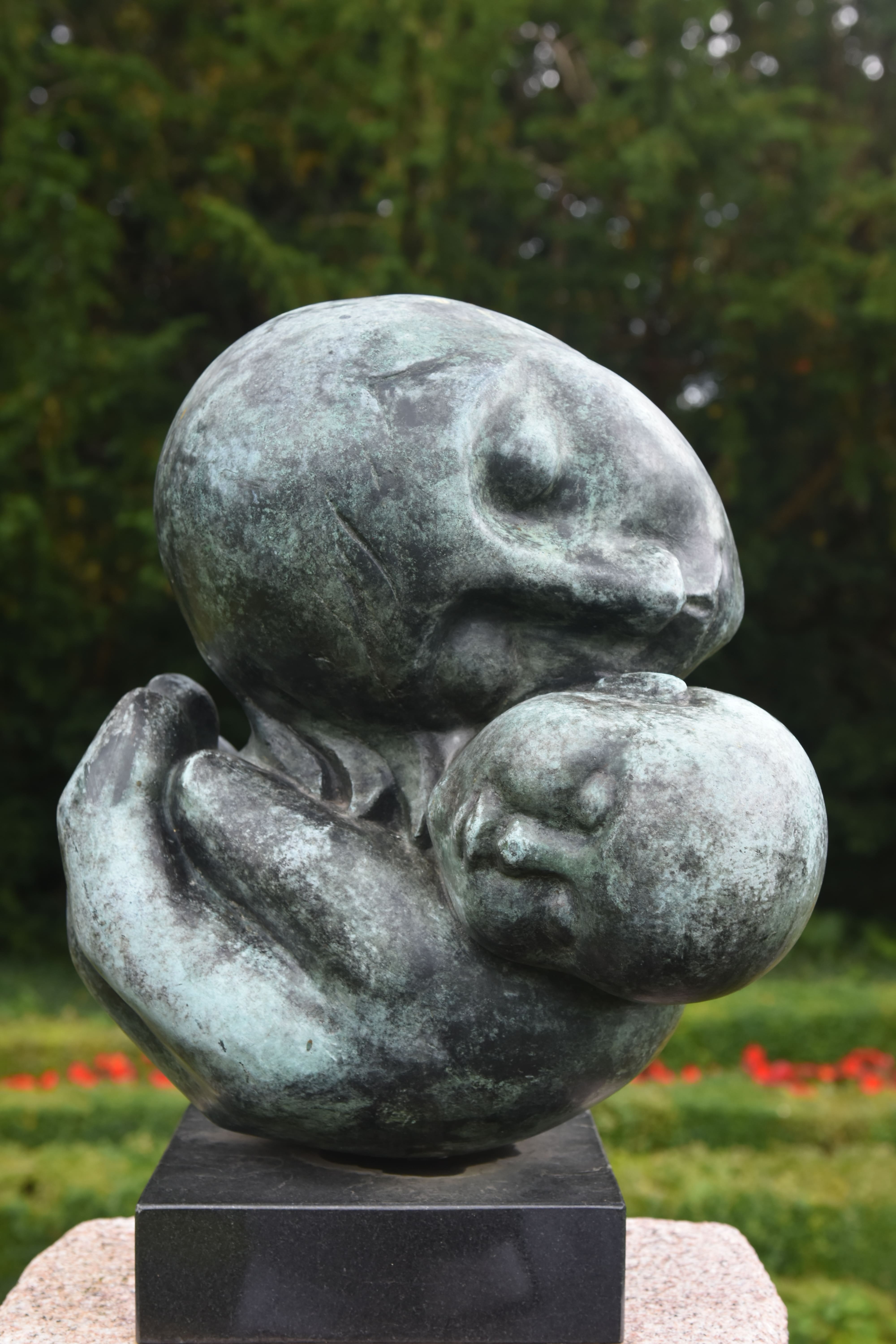
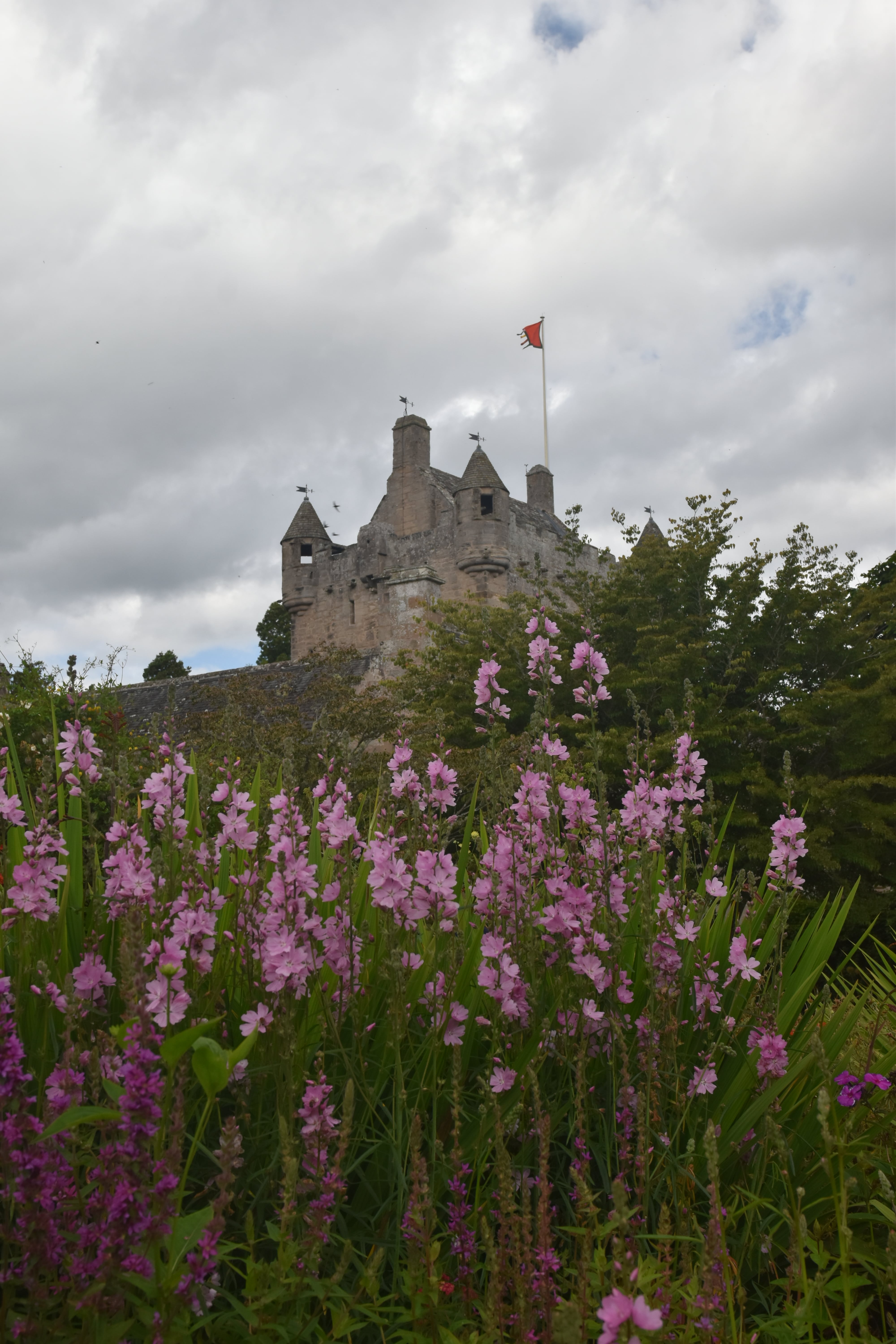


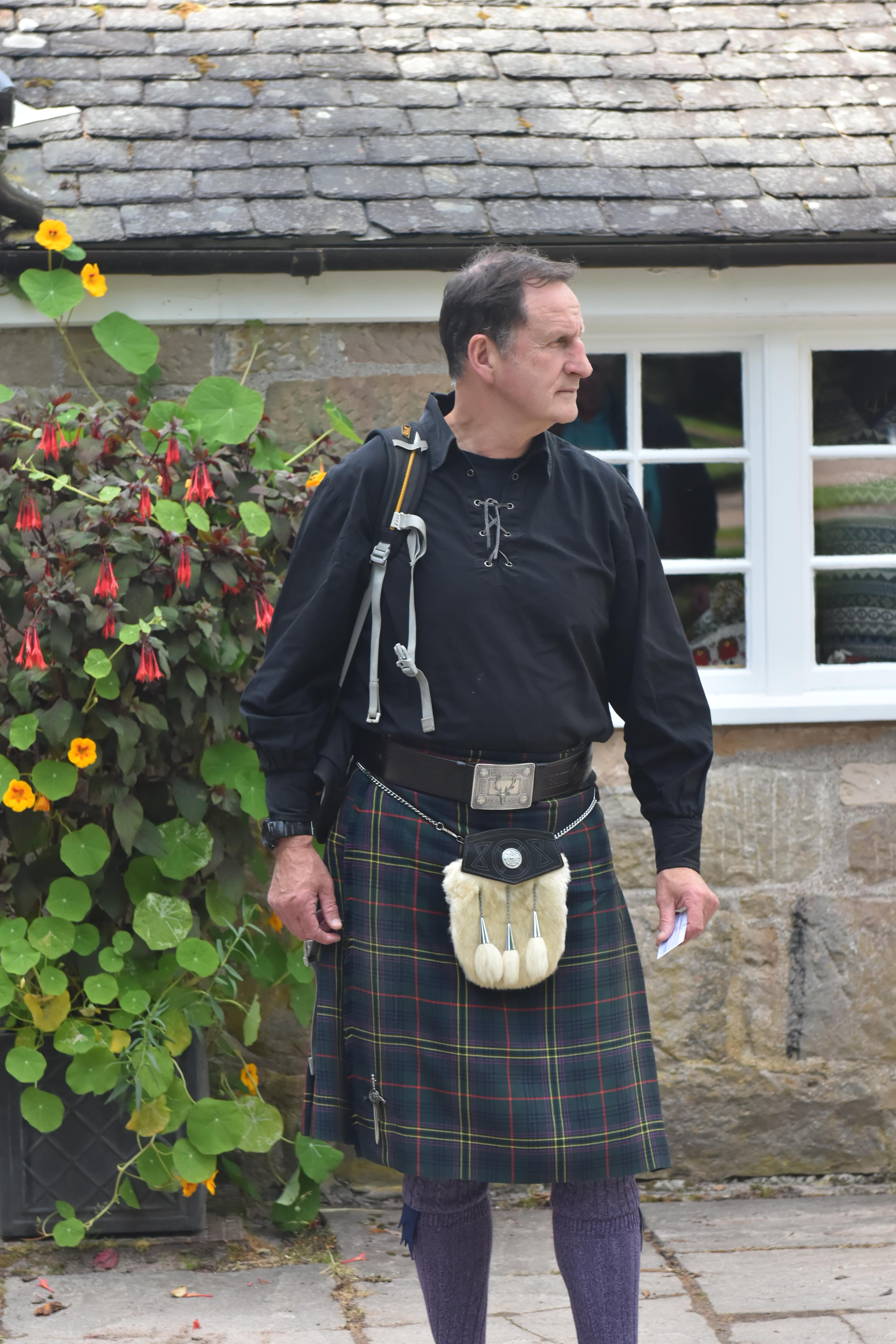
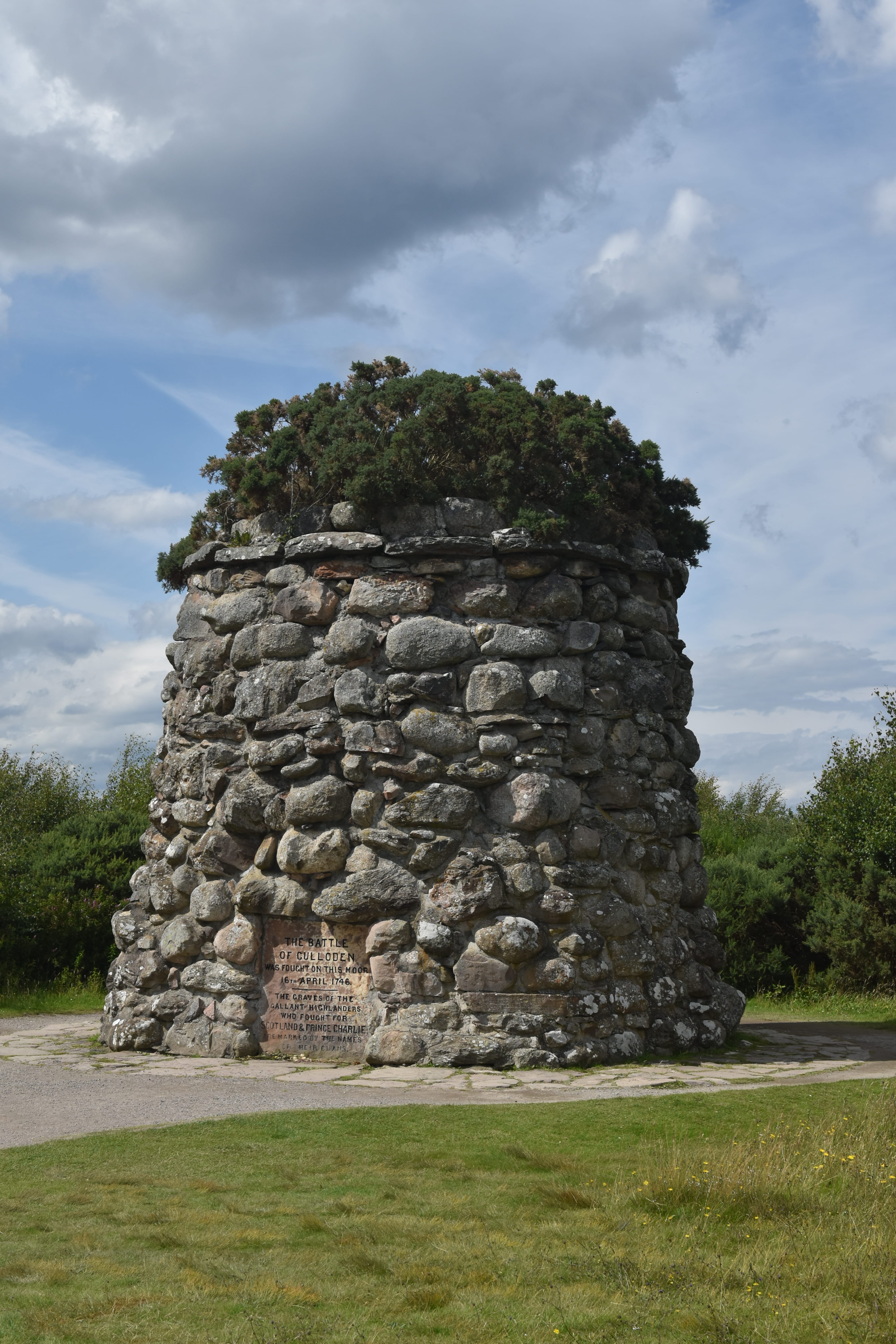
We moved on that day to the Culloden where Battle of Culloden, also called Battle Of Drummossie, (April 16, 1746), the last battle of the “Forty-five Rebellion,” took place. The Jacobites, under Charles Edward, the Young Pretender (“Bonnie Prince Charlie”), were defeated by British forces under William Augustus, duke of Cumberland. The battle lasted only 40 minutes, resulted in bitter defeat for the heavily outnumbered Jacobites. Some 1,000 of the Young Pretender’s army of 5,000 weak and starving Highlanders were killed by the 9,000 Redcoats, who lost only 50 men. The devastating slaughter of the Jacobites was the result of the opening British cannonade and subsequent tactics of the Redcoats during the attack of the Highlanders, when each British soldier, instead of attacking the Highlander directly in front of him, bayoneted the exposed side of the man to his right. The Highlanders finally broke and fled, and some 1,000 more were killed in subsequent weeks of hounding by British troops. Hunted by troops and spies, Prince Charles evaded capture in Scotland for five months before escaping to France and final exile.


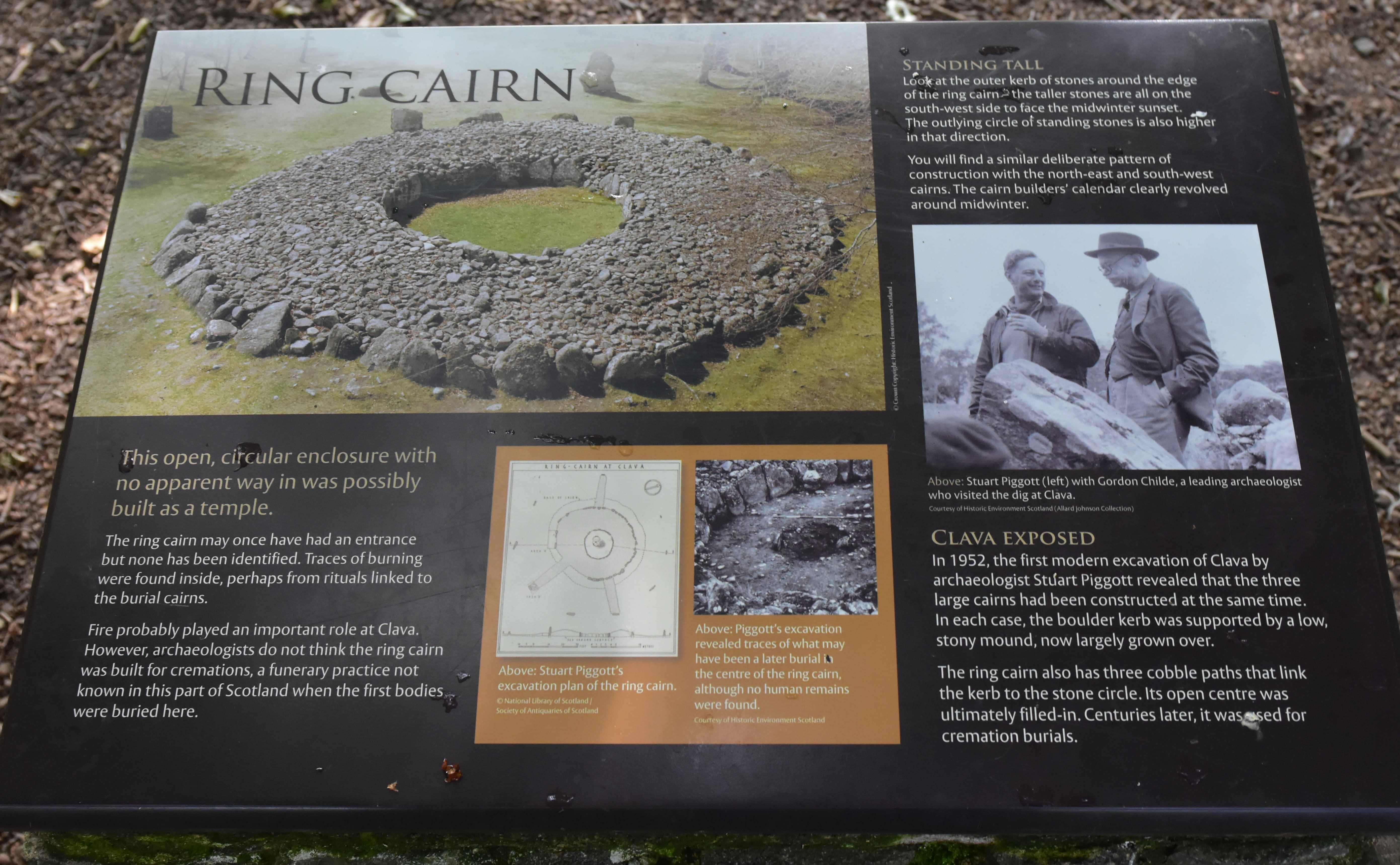
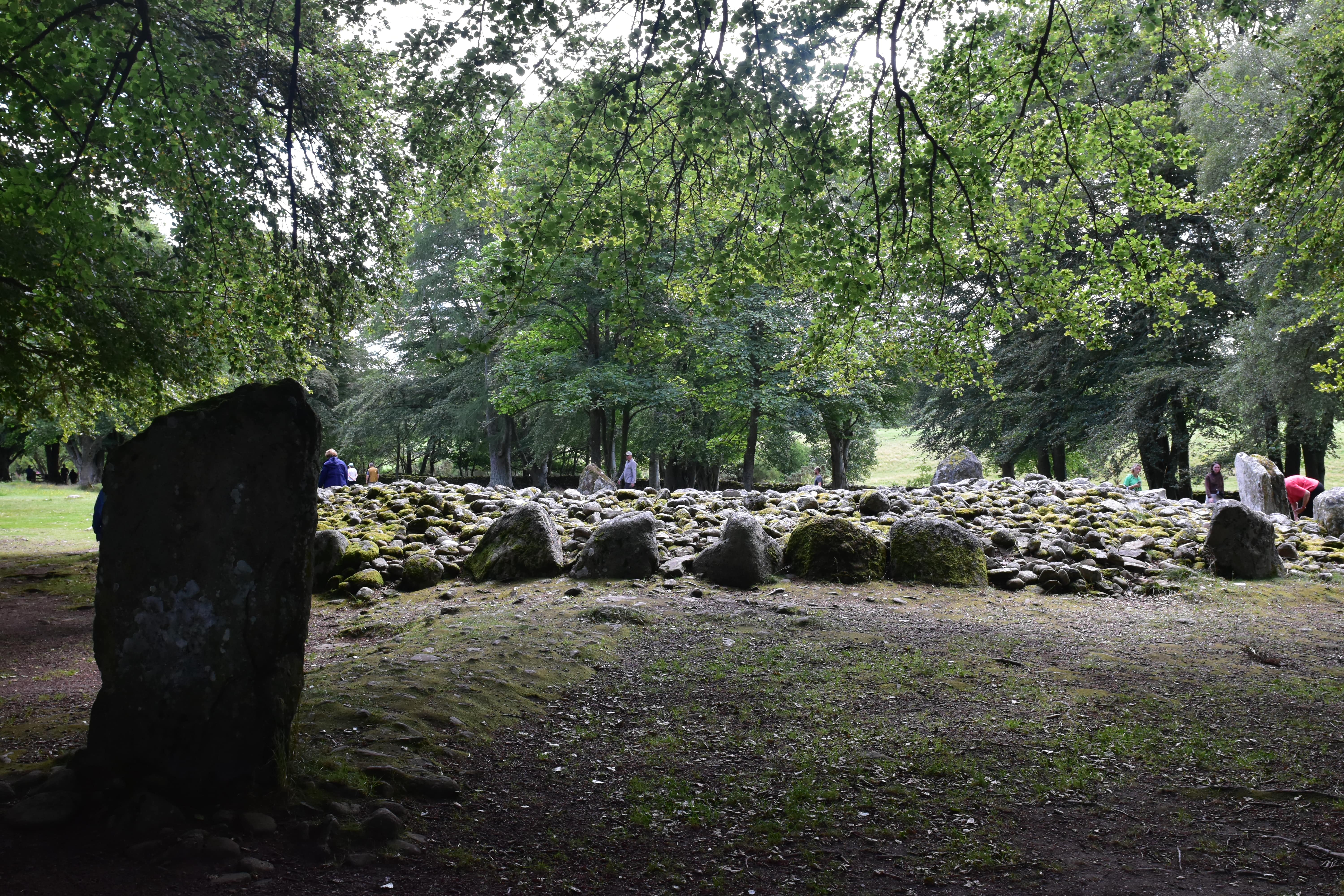
We left Tulloch Castle the following day to go to Pitlochry. Along the way, we visited the famous pre-historic monuments of Clava Cairns which was built to house the dead about 4,000 years ago.


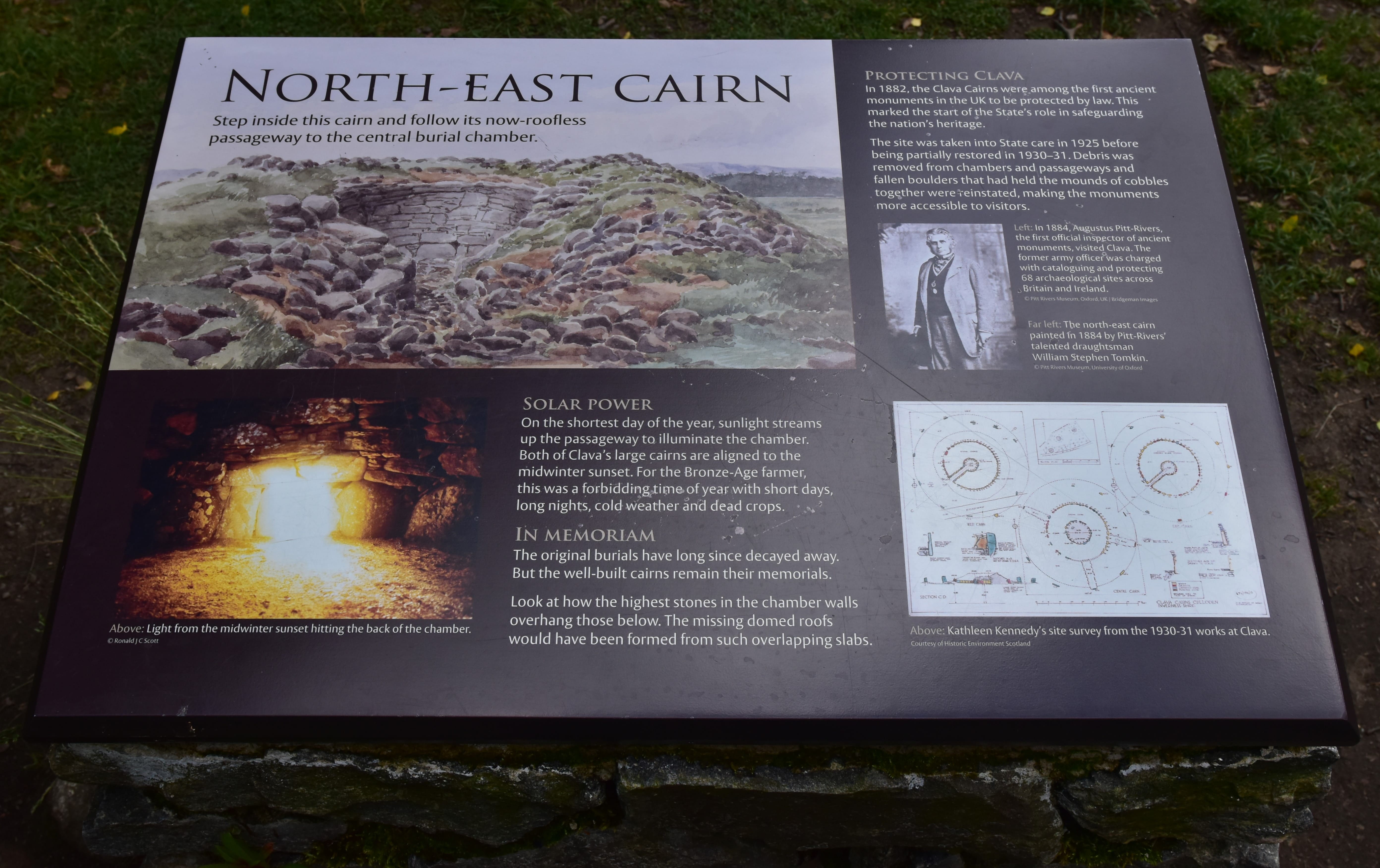
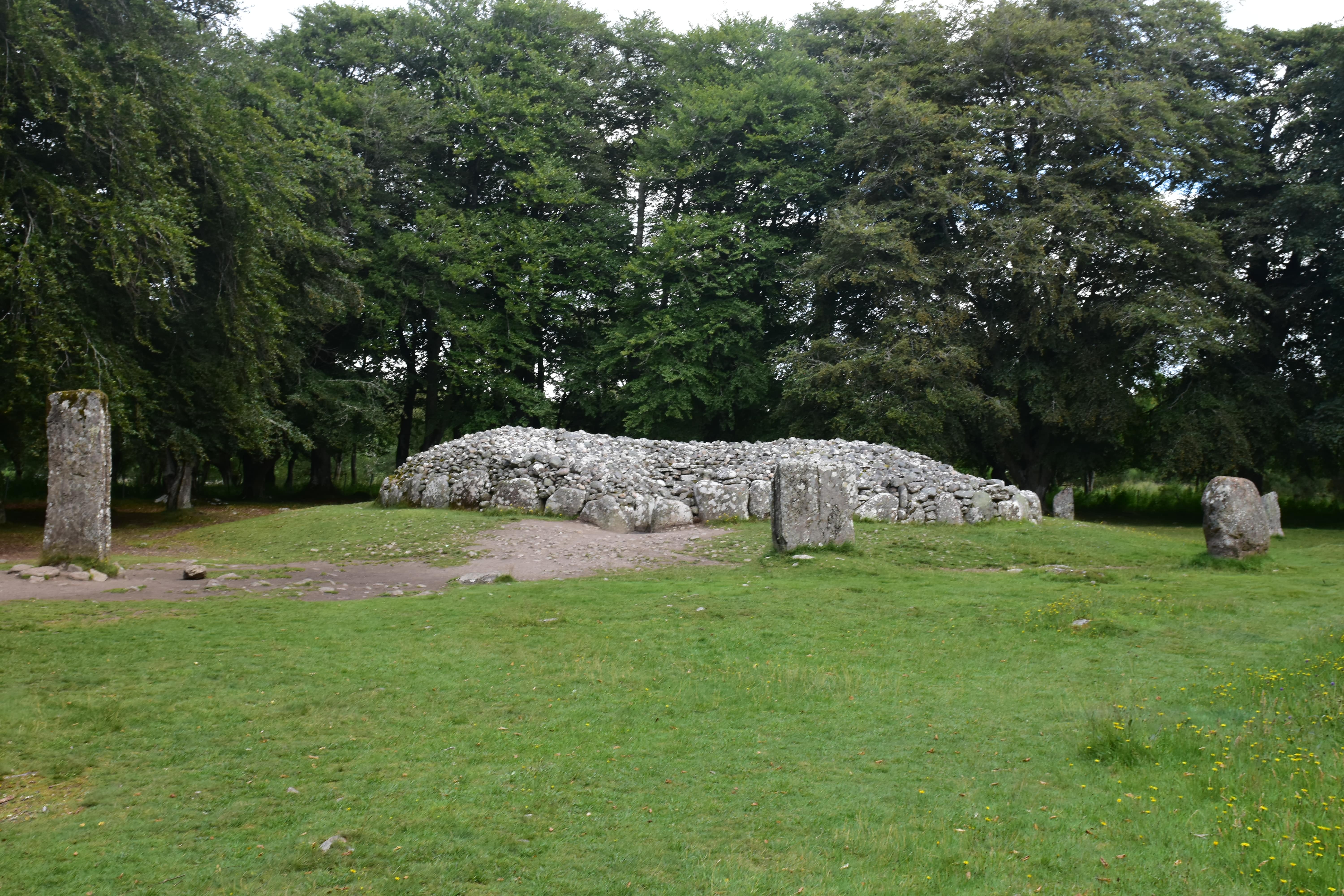
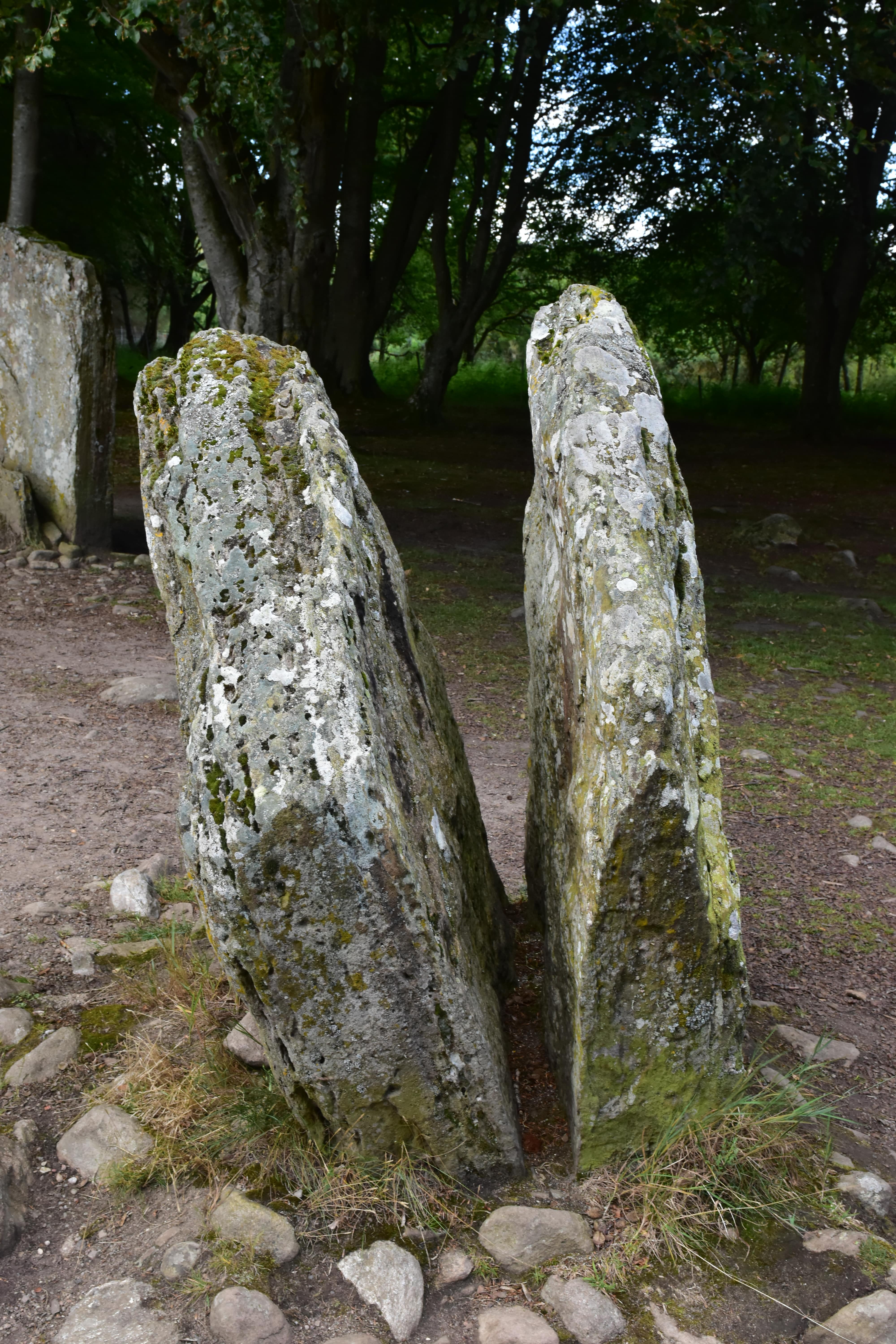
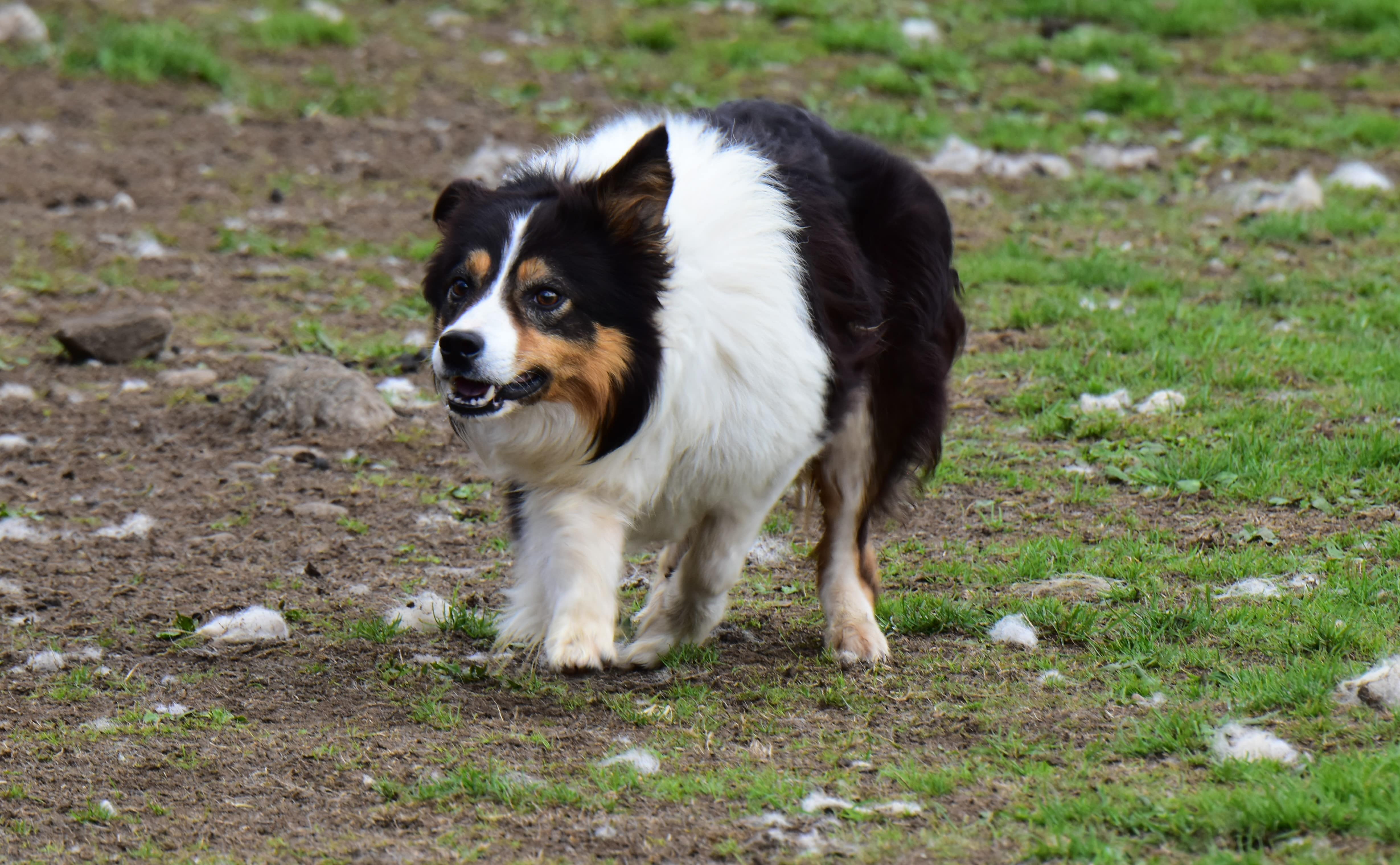
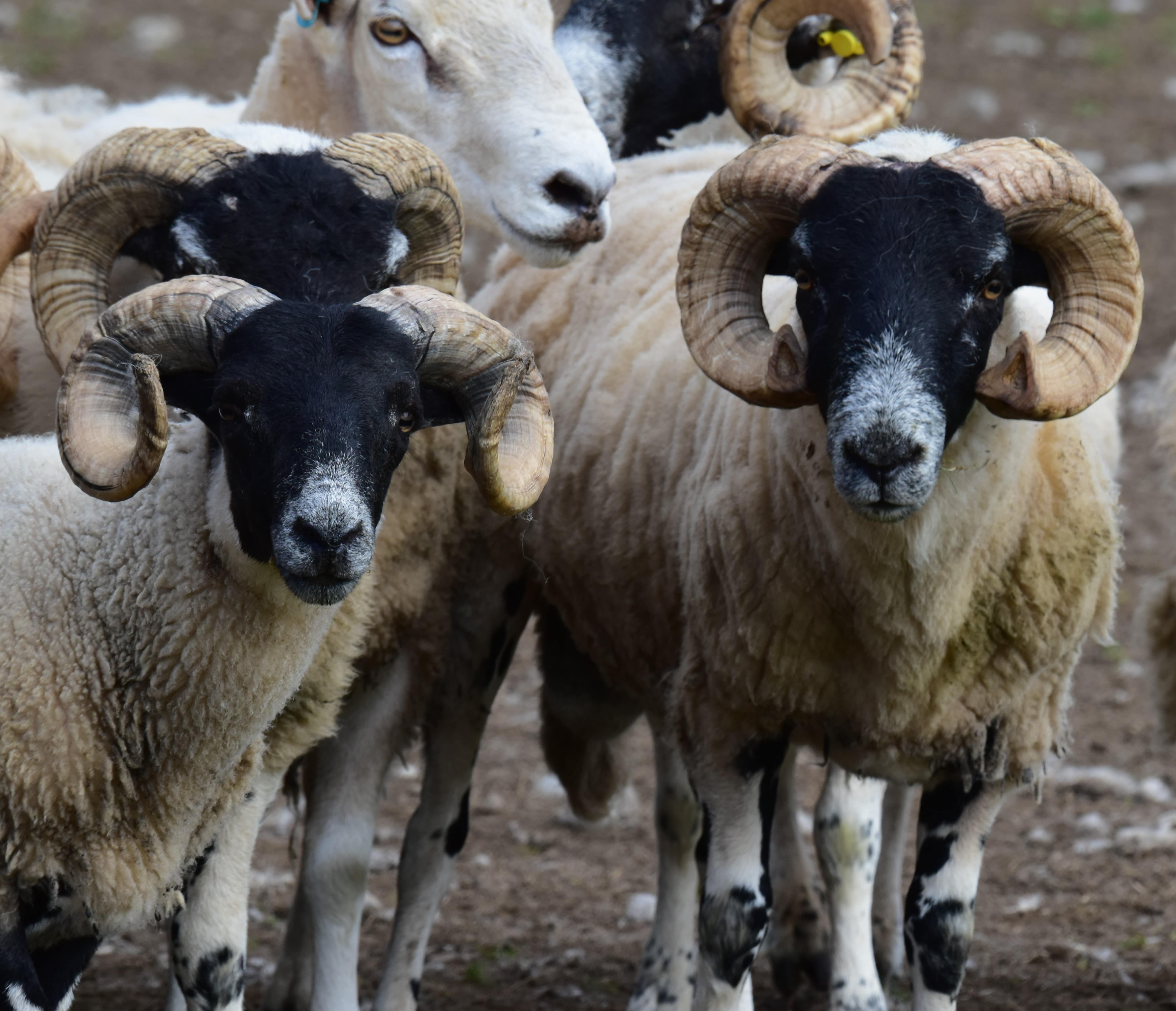
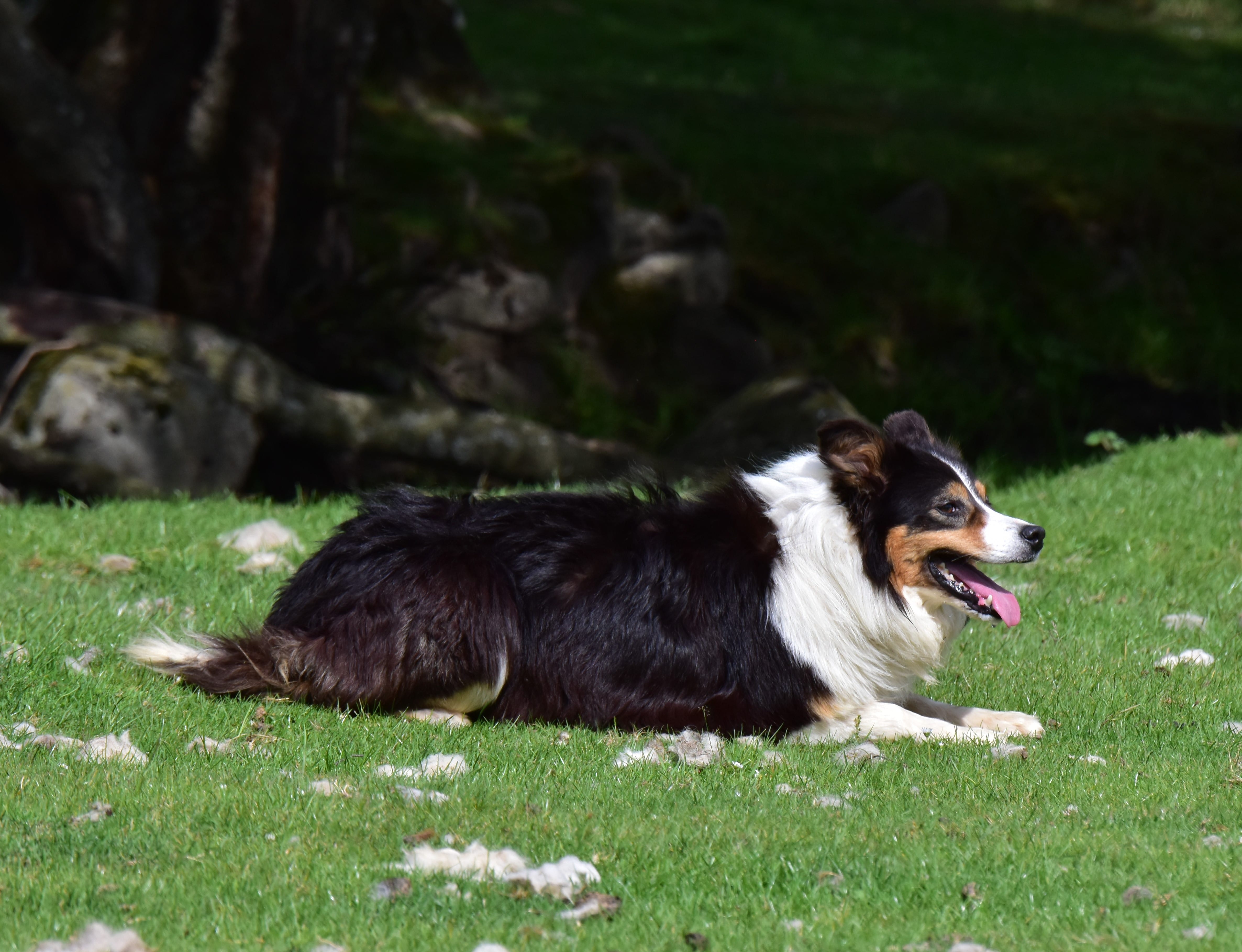
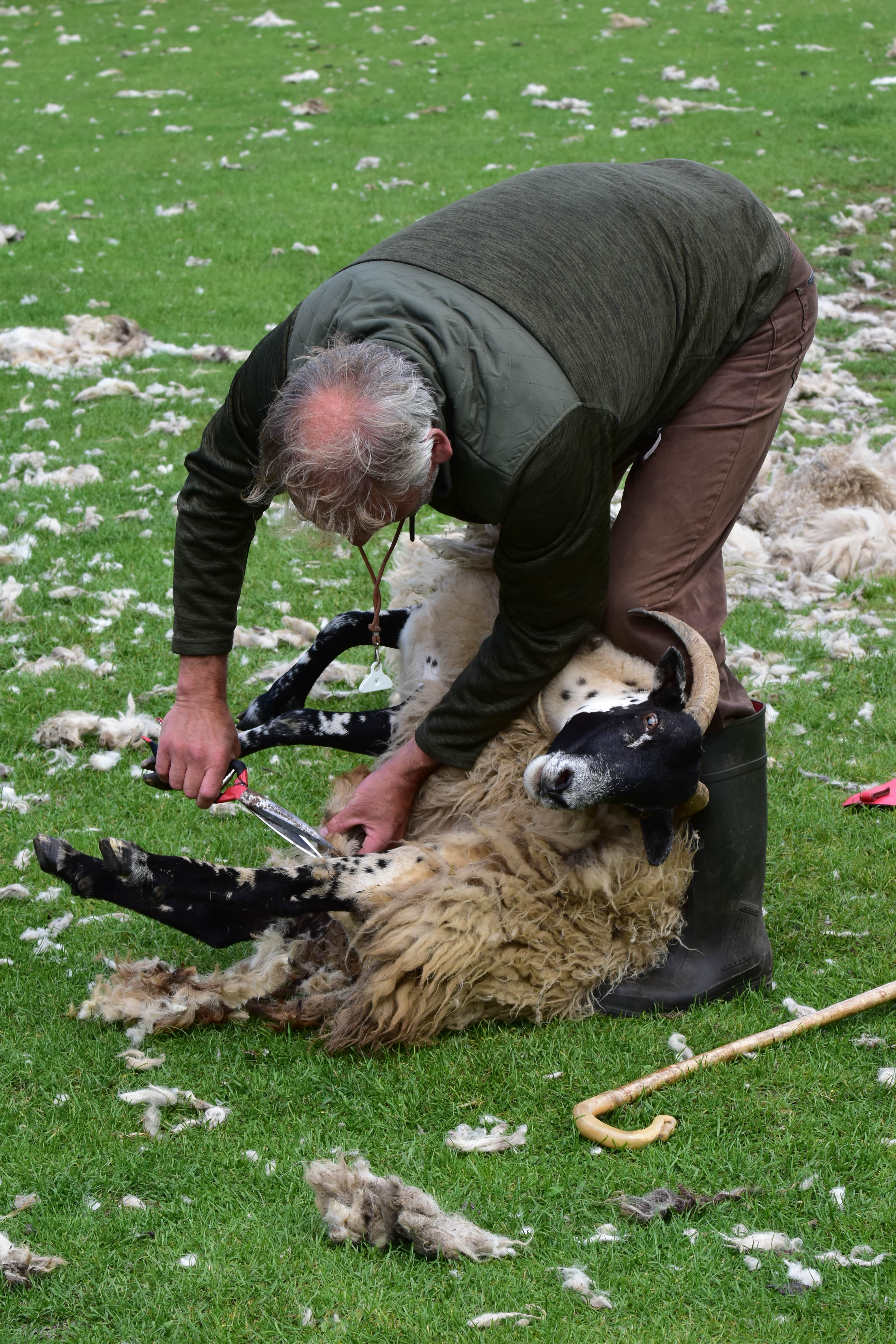
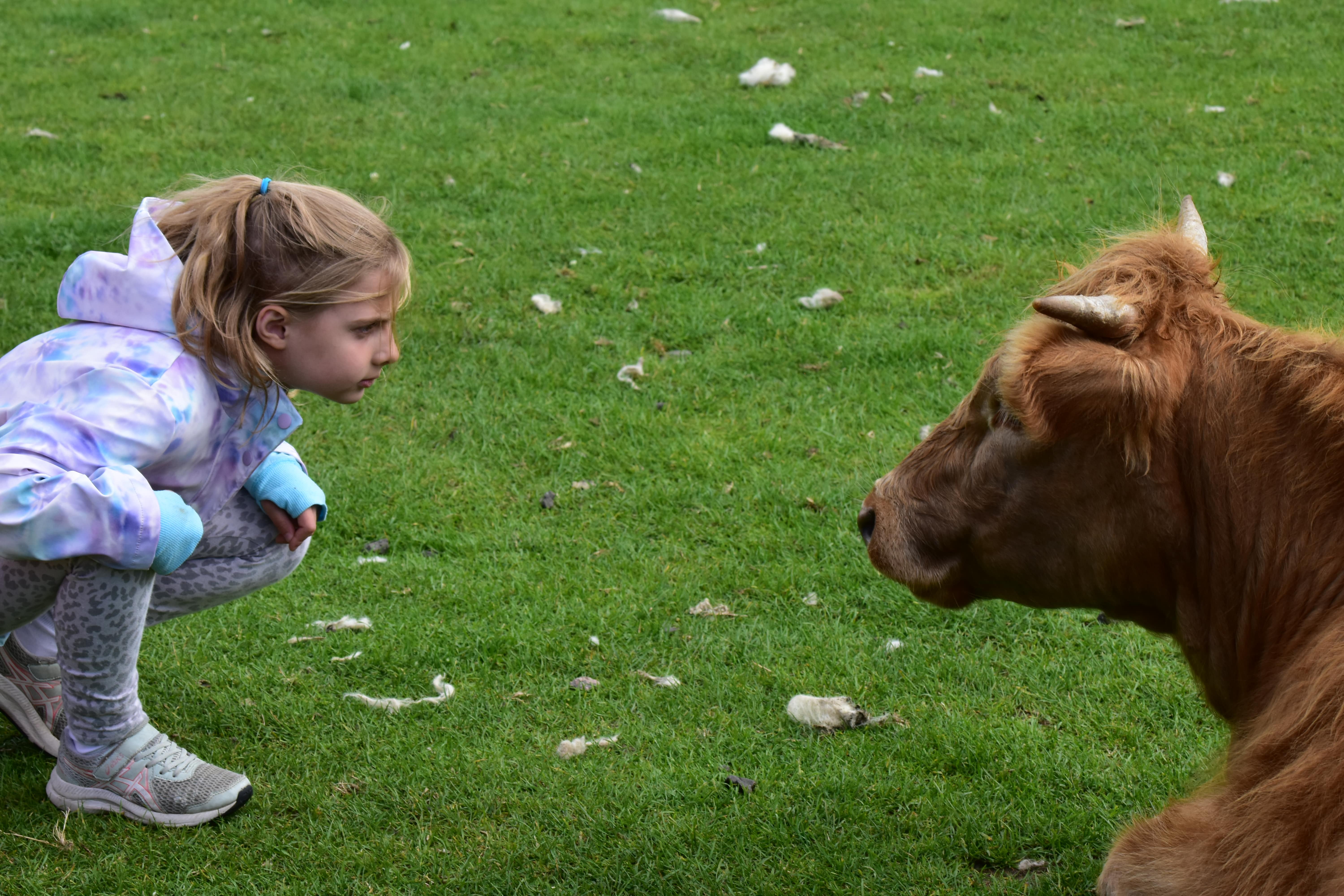
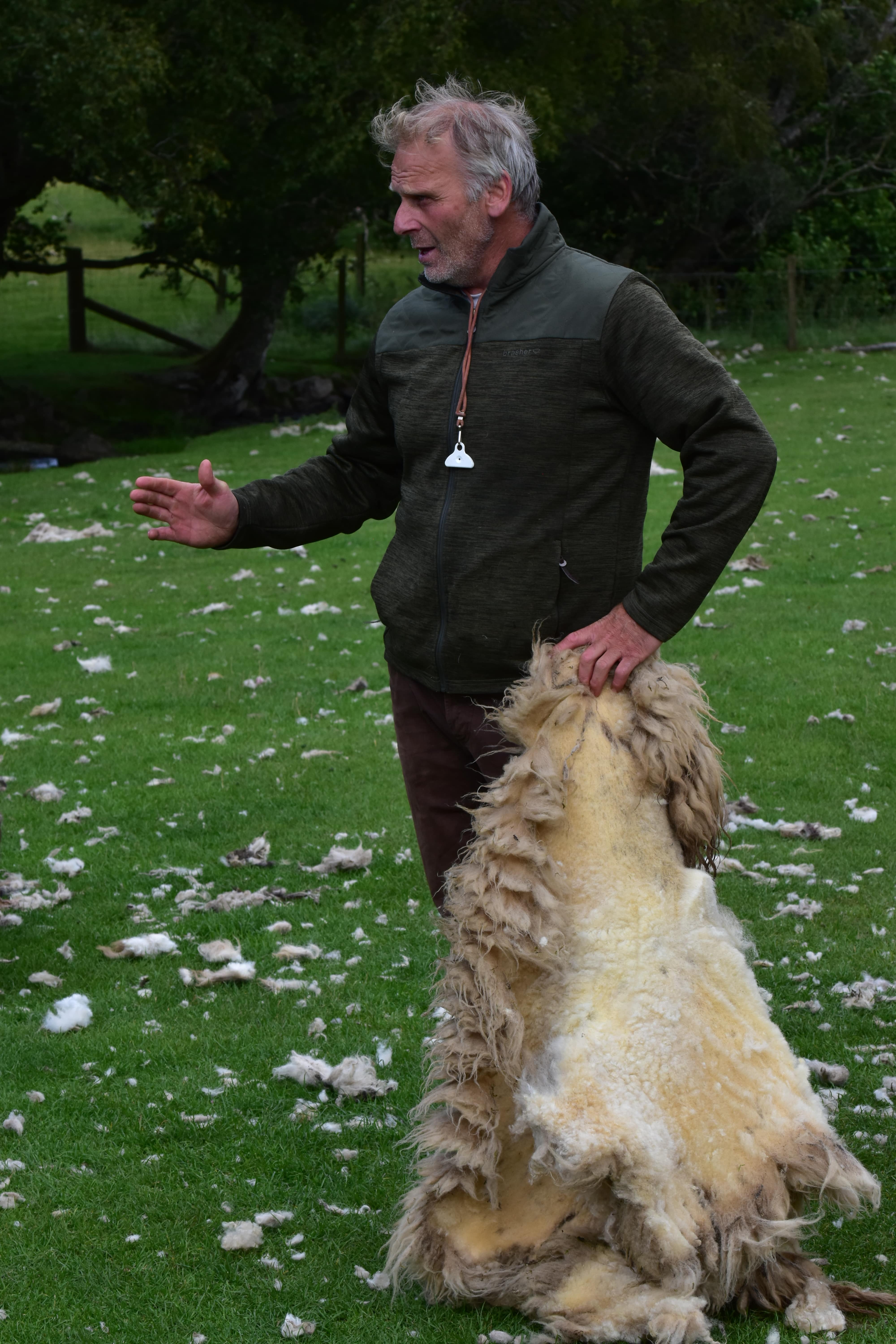
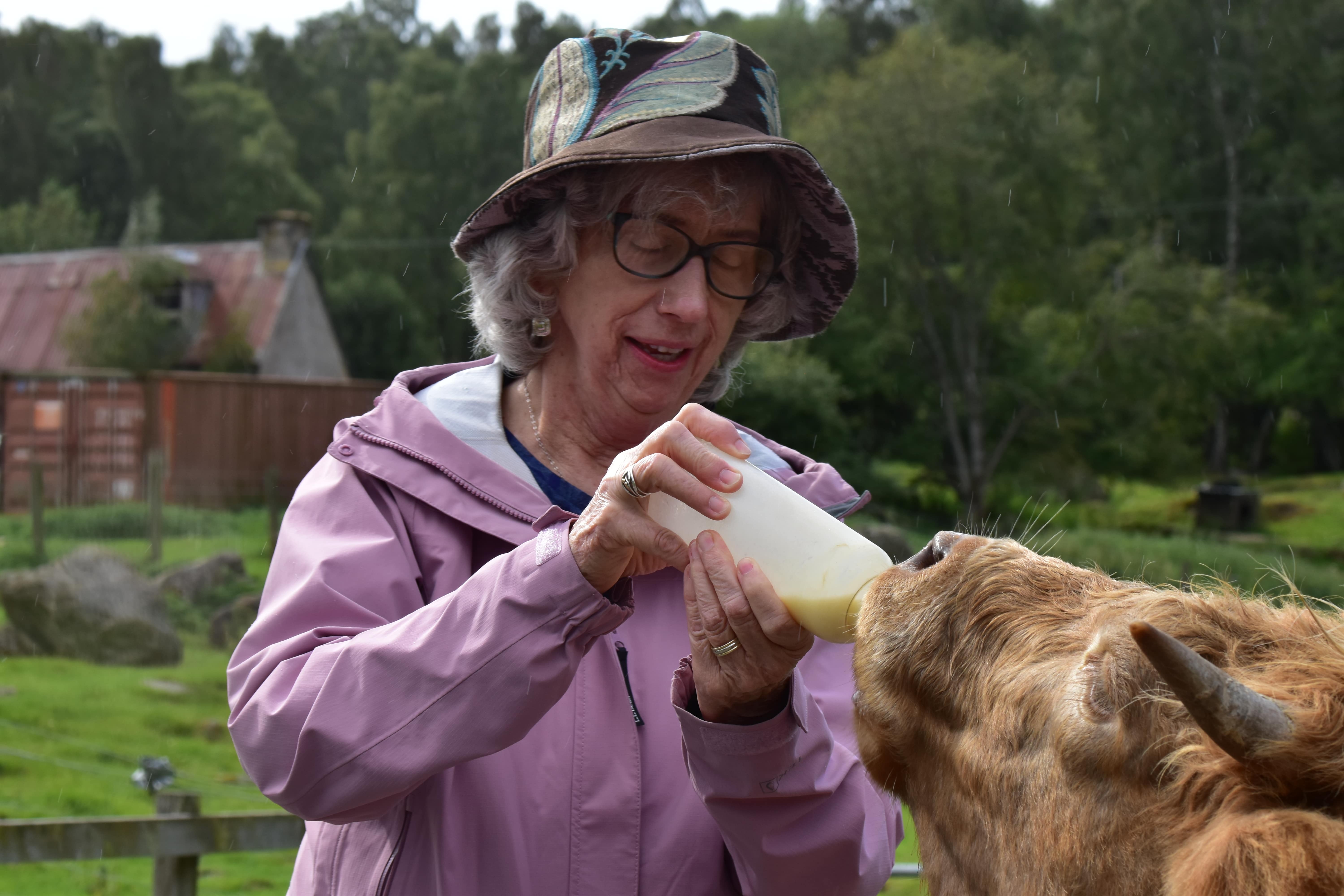
After our visit to Clava Cairns, the coach took us to Kingussie Leault Farm for a sheepdog herding demonstration, sheep shearing and young sheep feeding that was quite interesting.





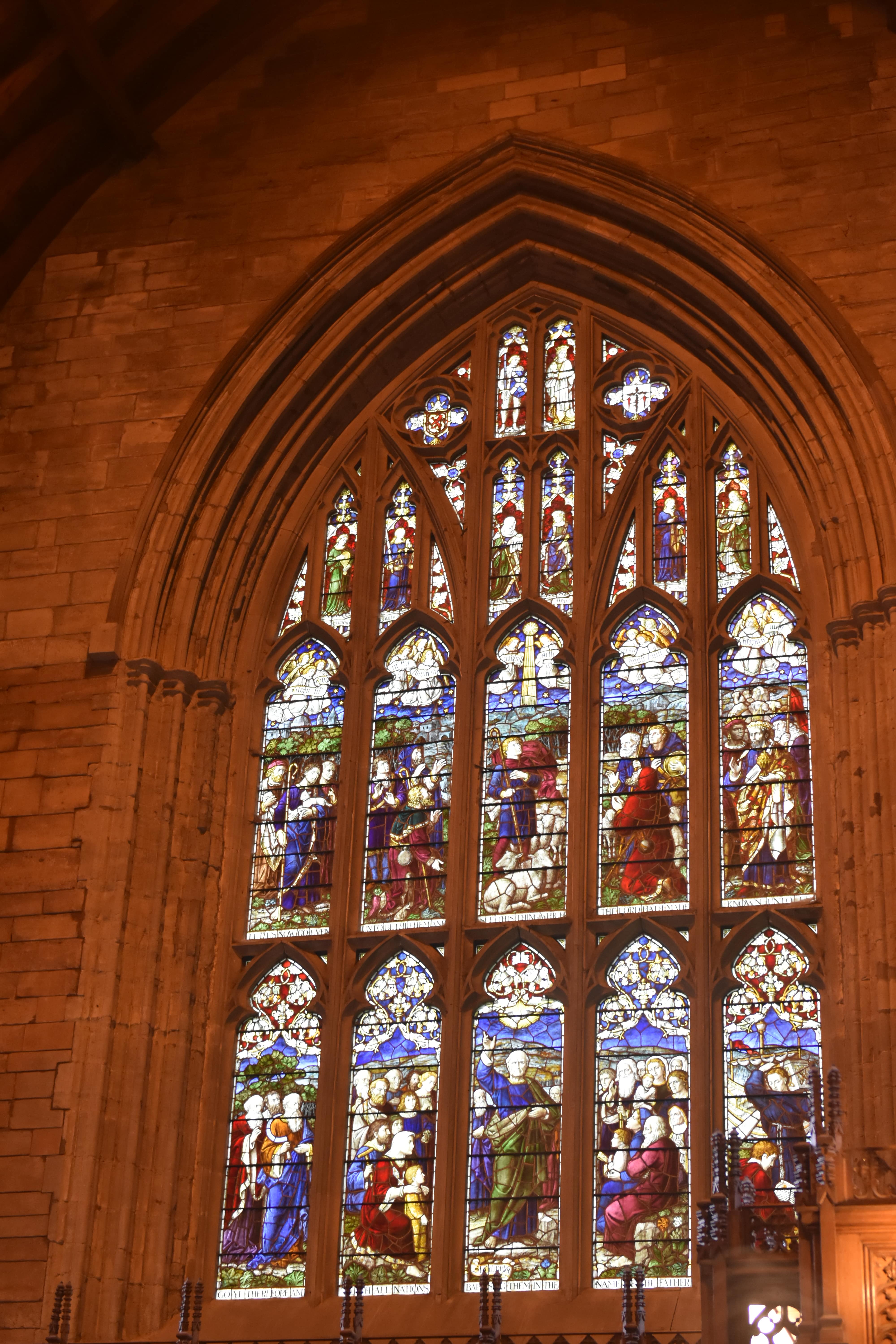
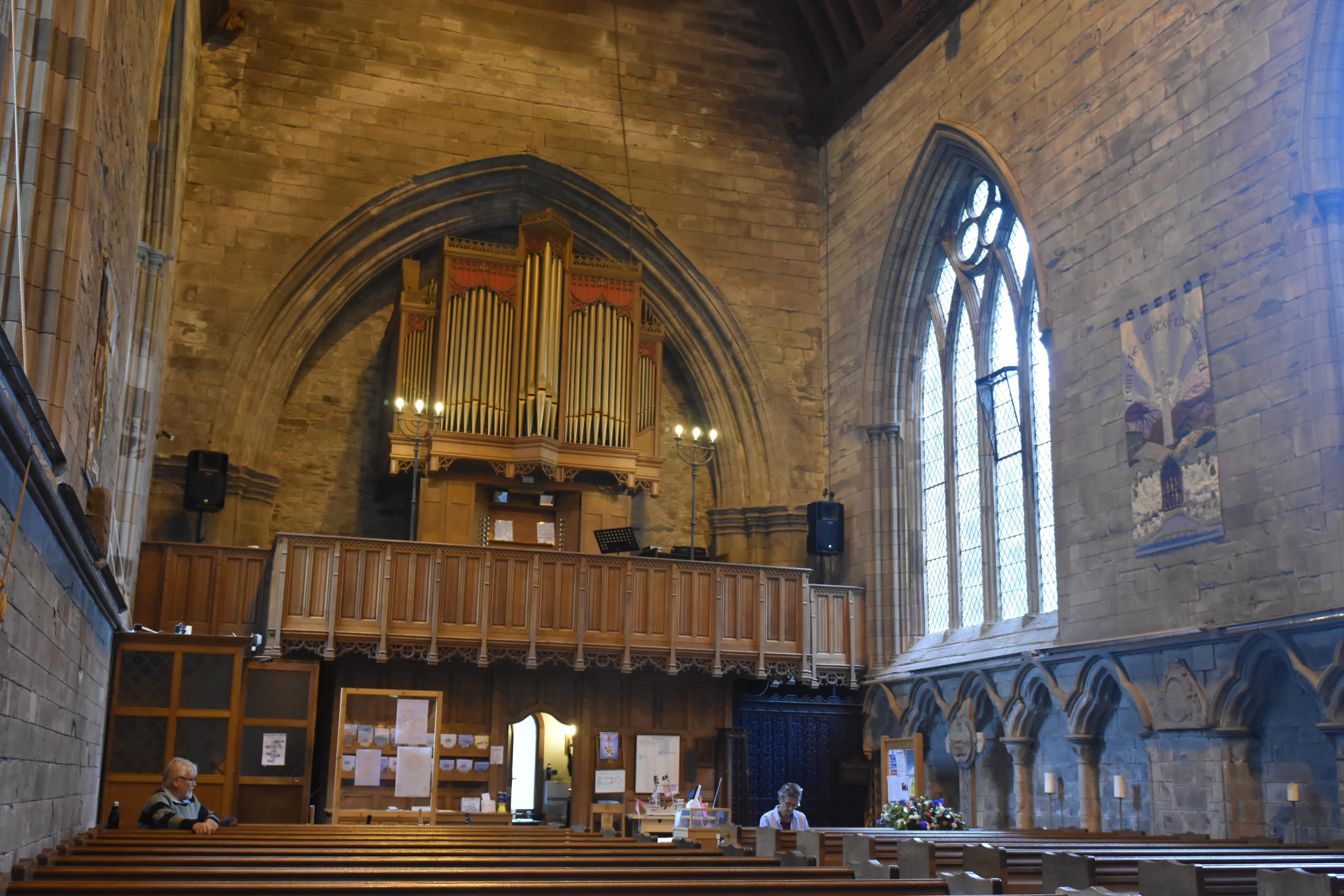
Day 12 of our adventure had us on our way to Dunkeld, one of the best-preserved historic towns in Scotland. The majestic Dunkeld Cathedral dominates this picturesque Perthshire village. Today, part ruin and part parish church, the cathedral features the tomb of the notorious ‘Wolf of Badenoch’.


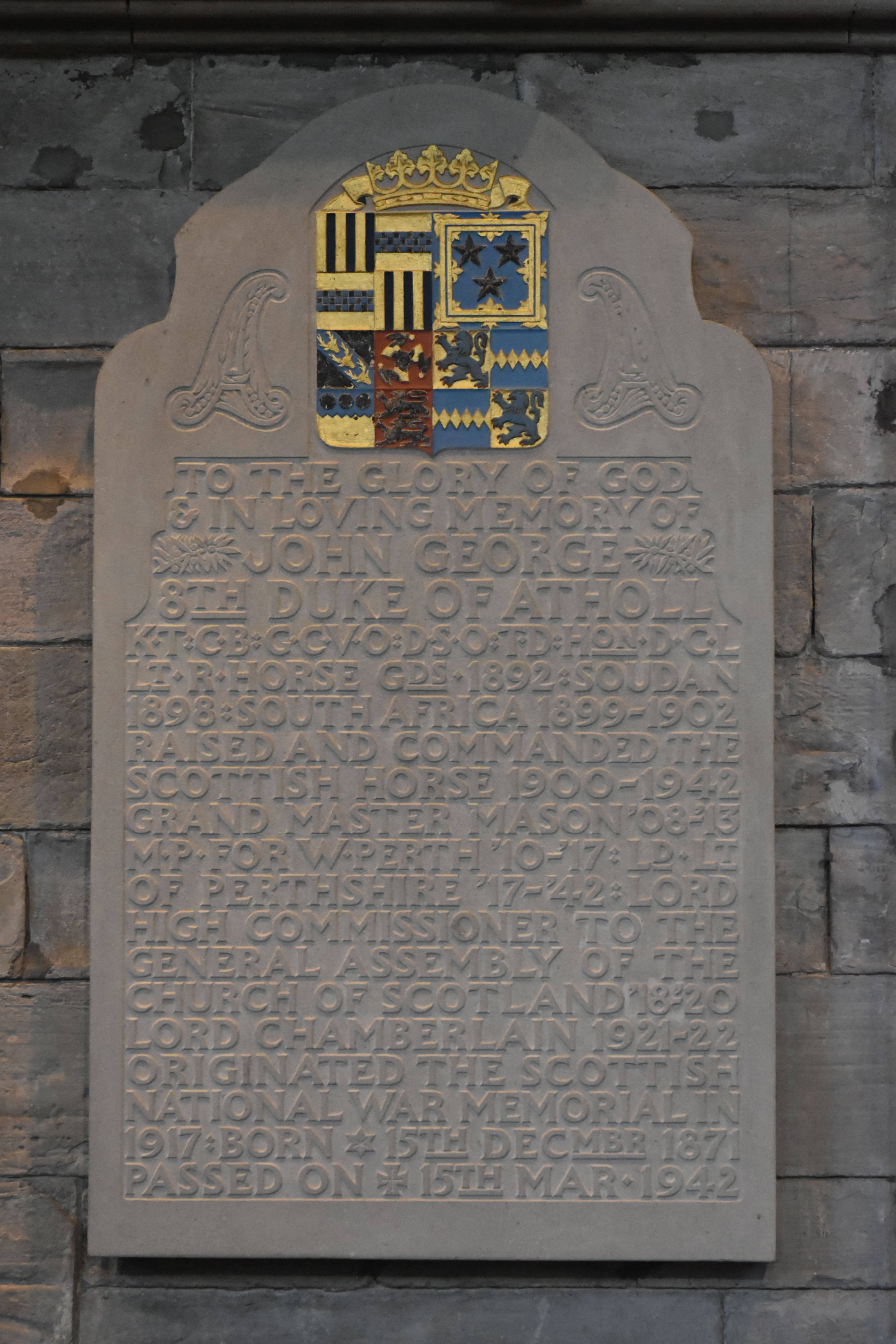


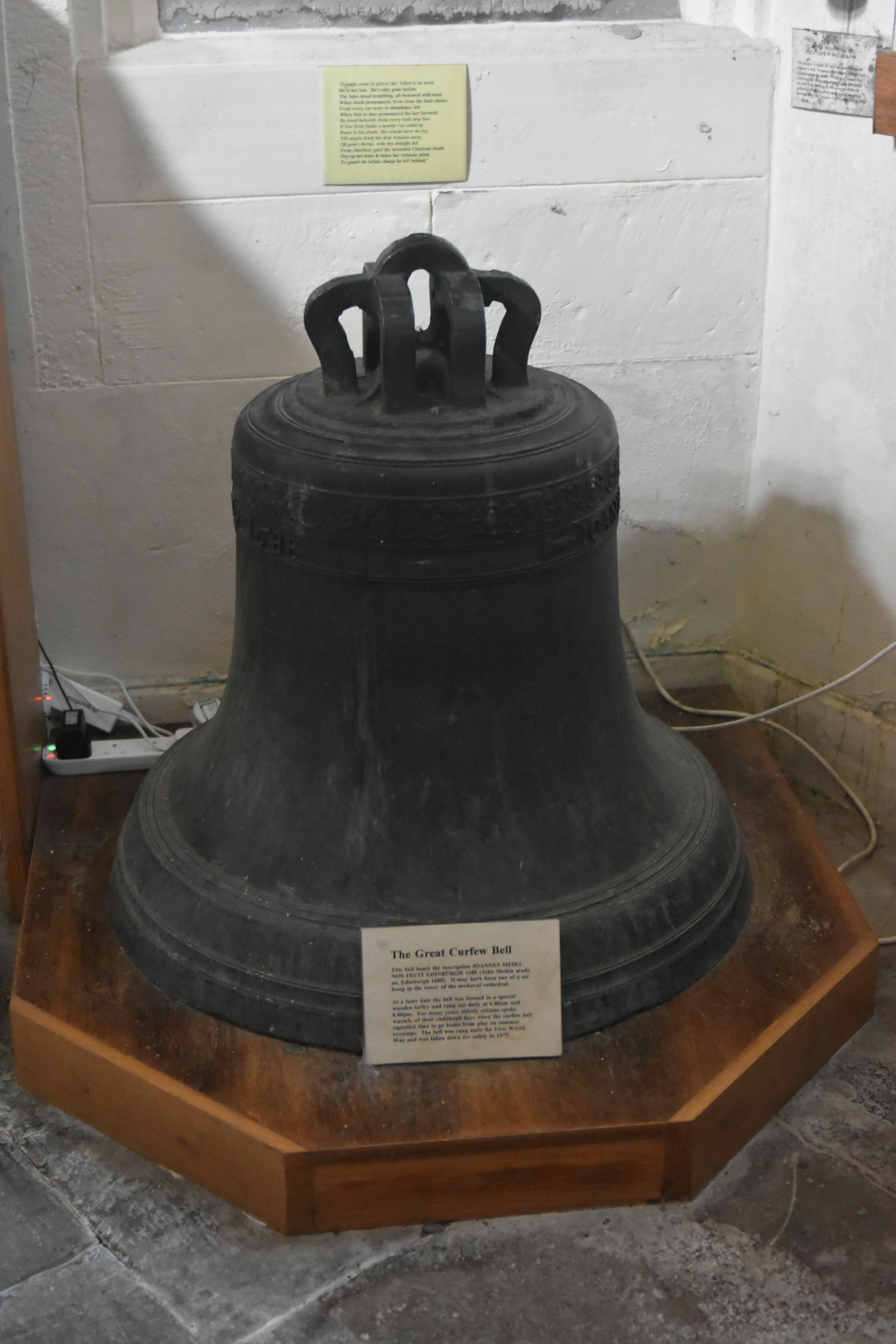
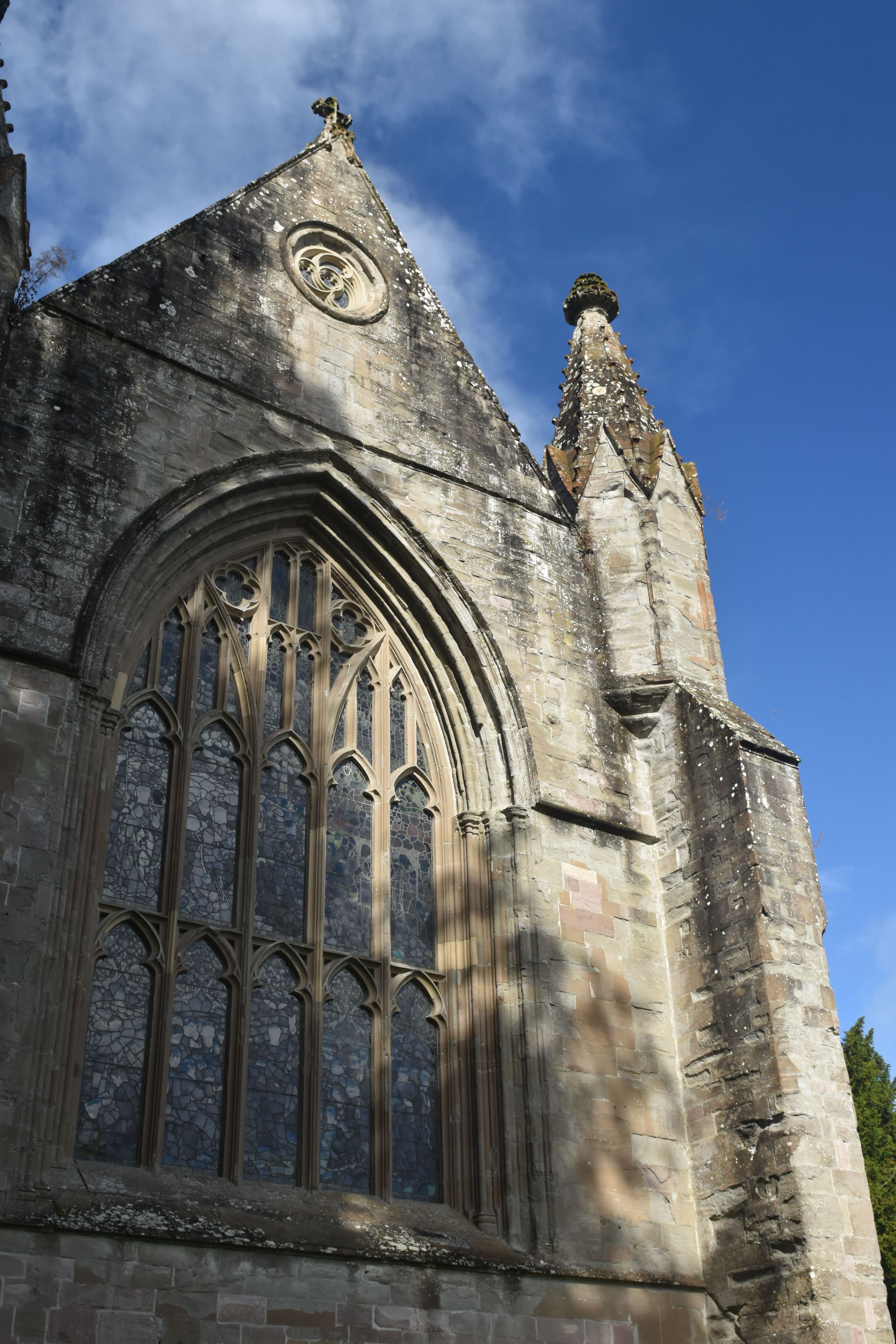
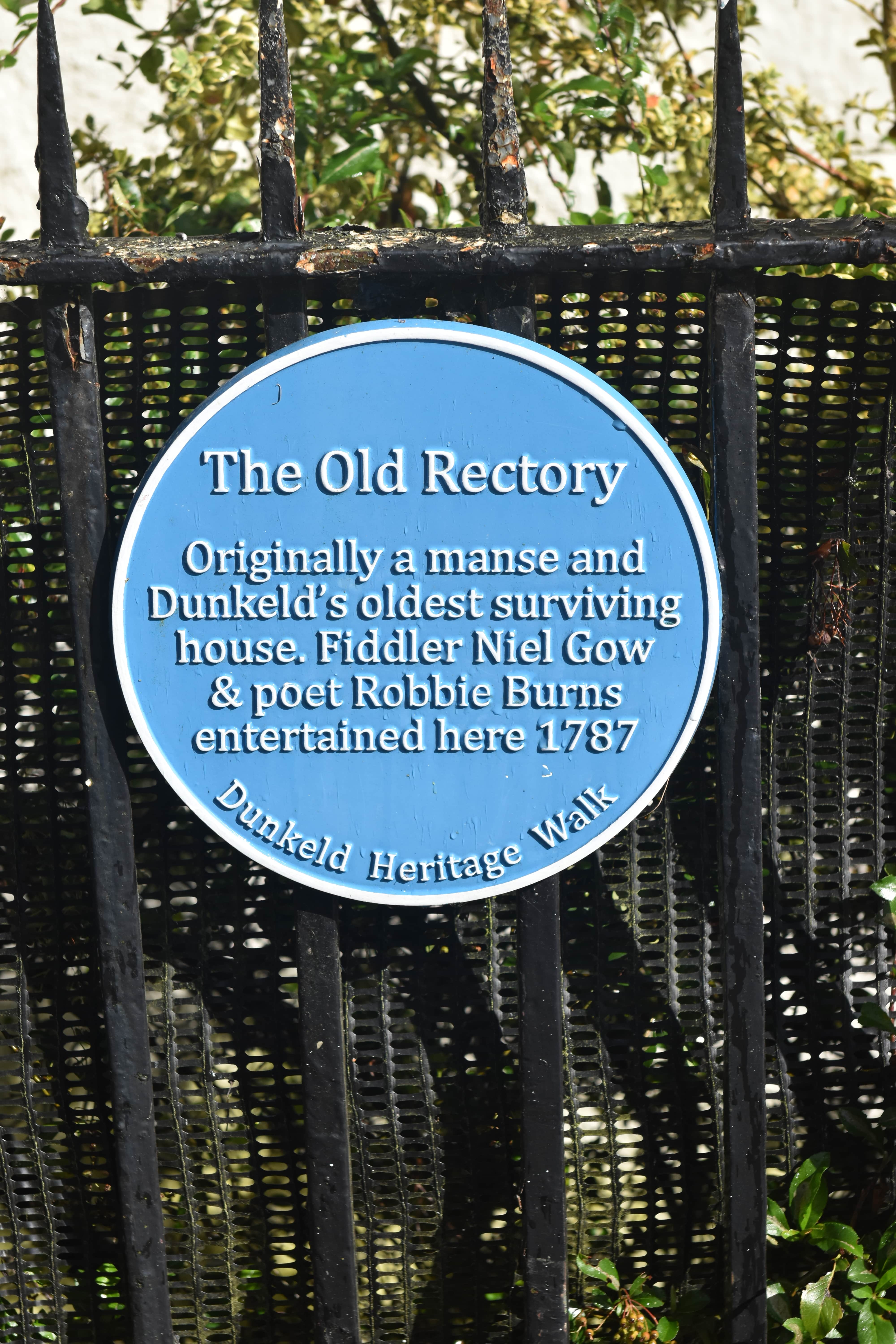


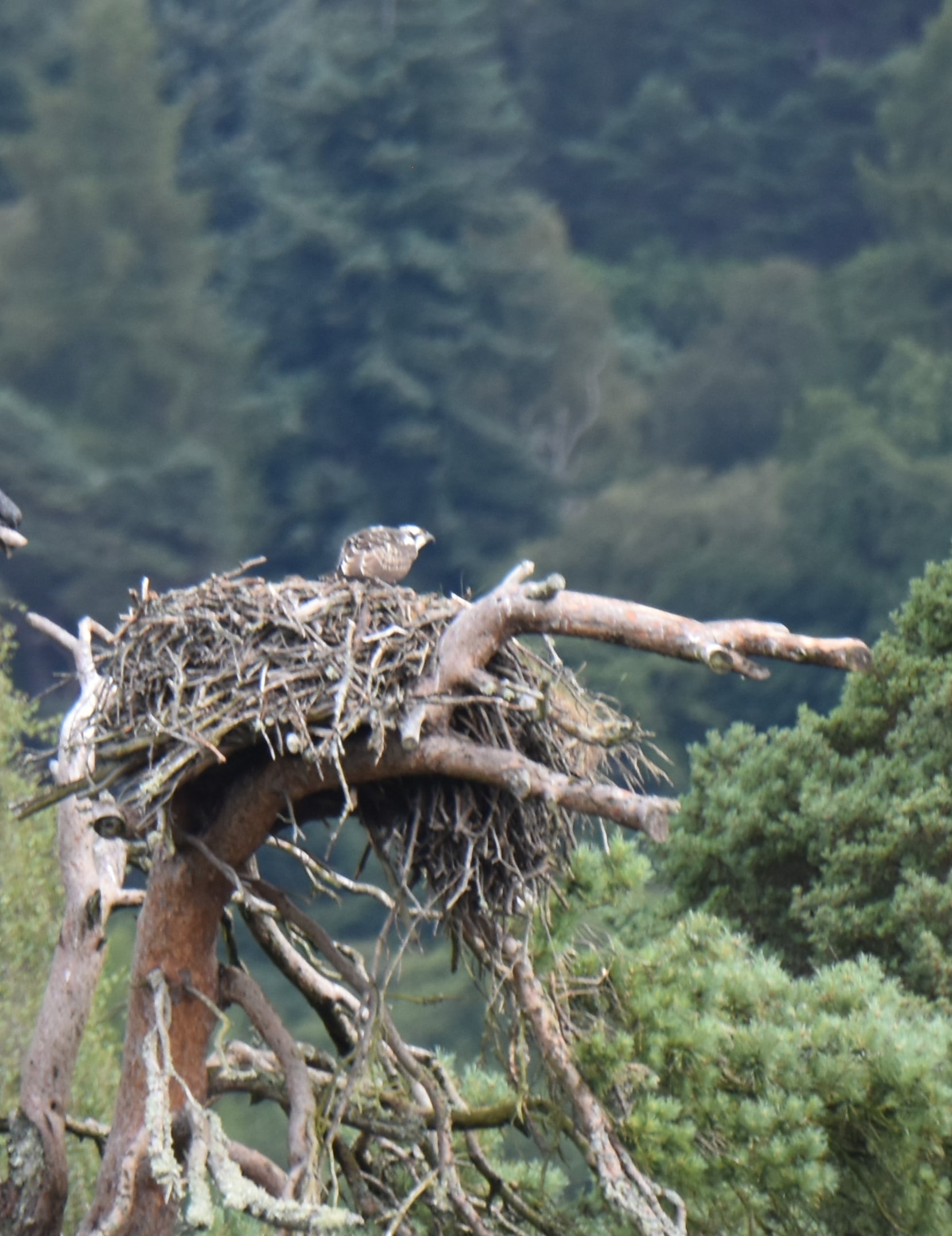
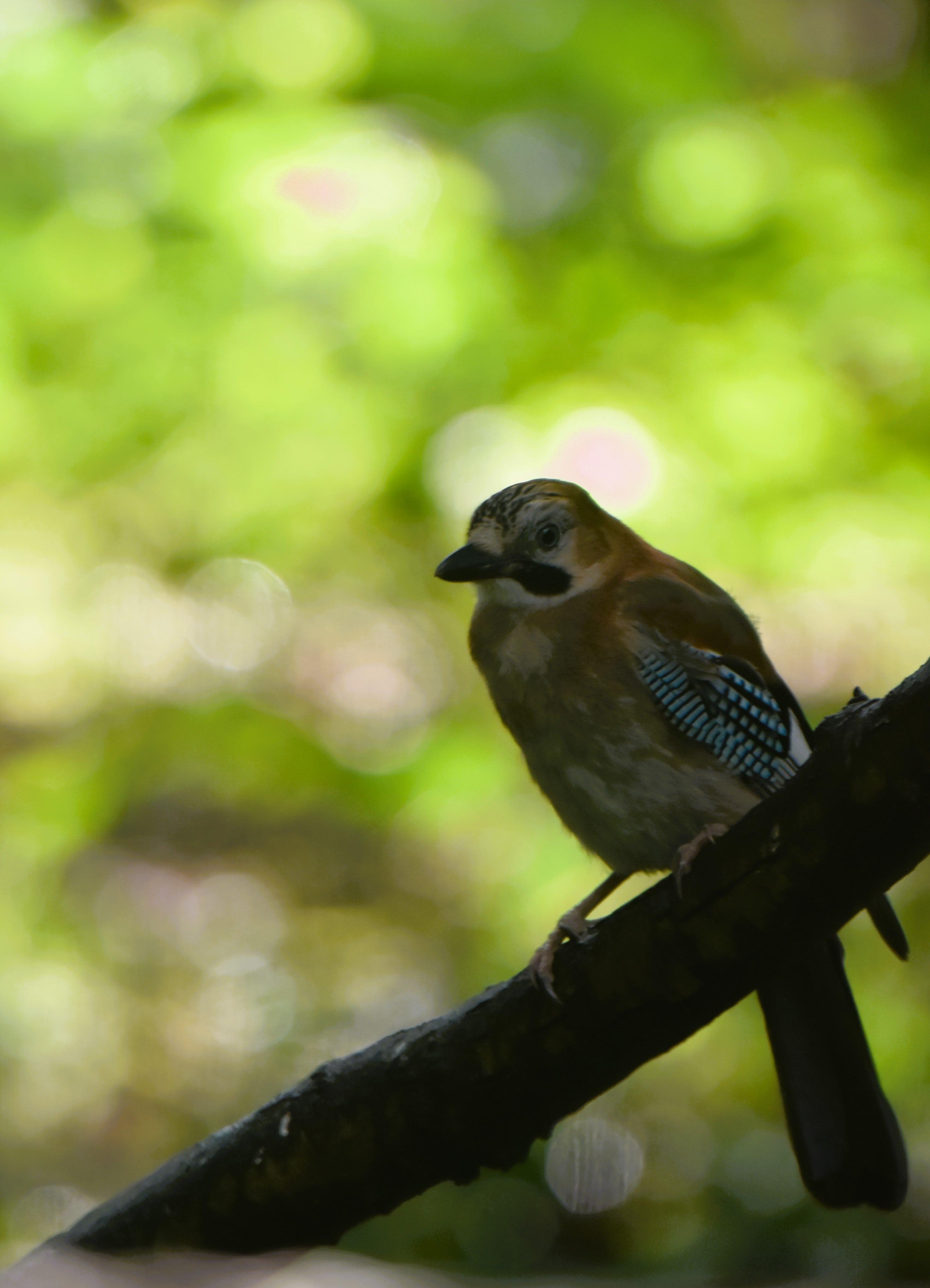
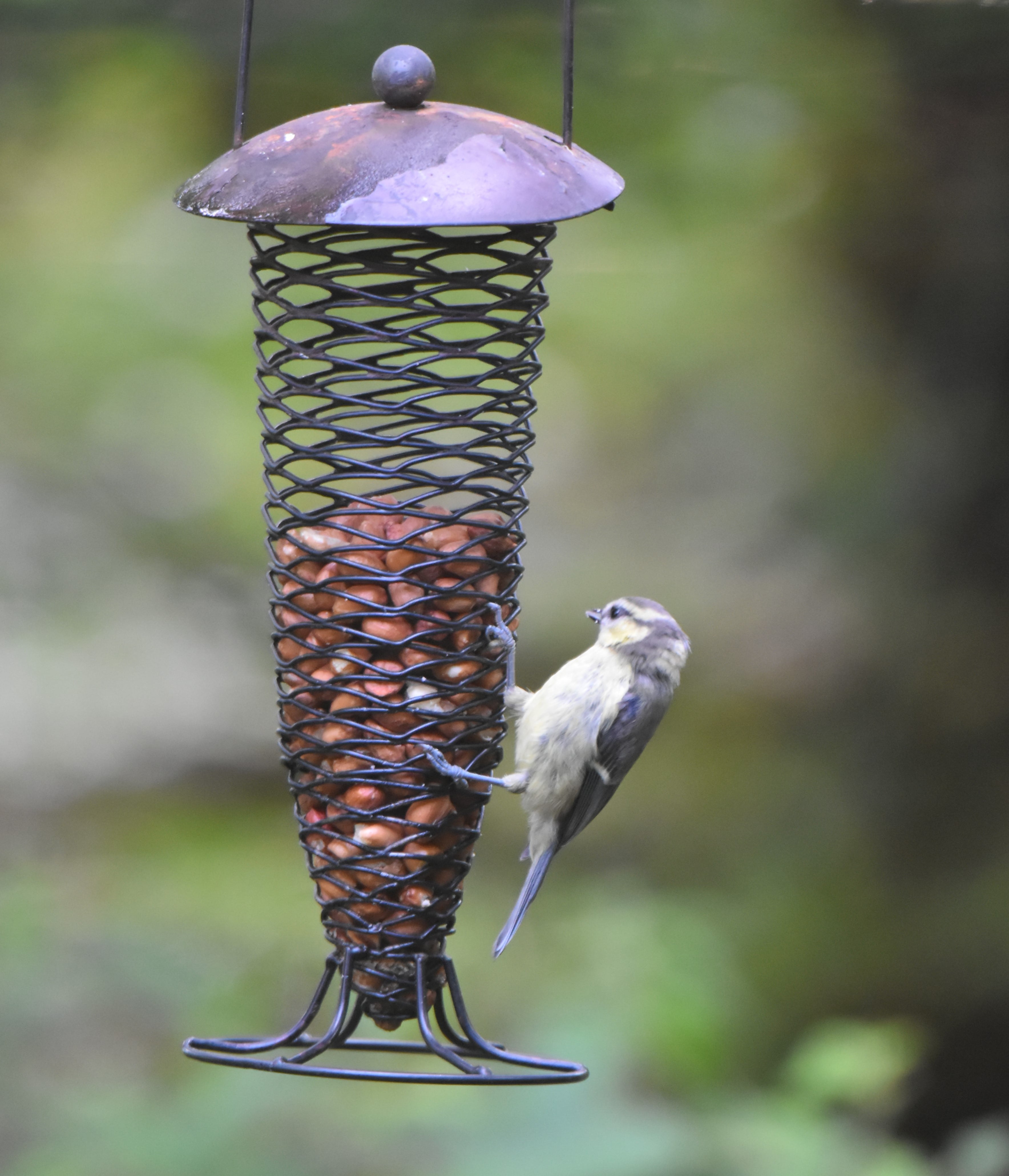
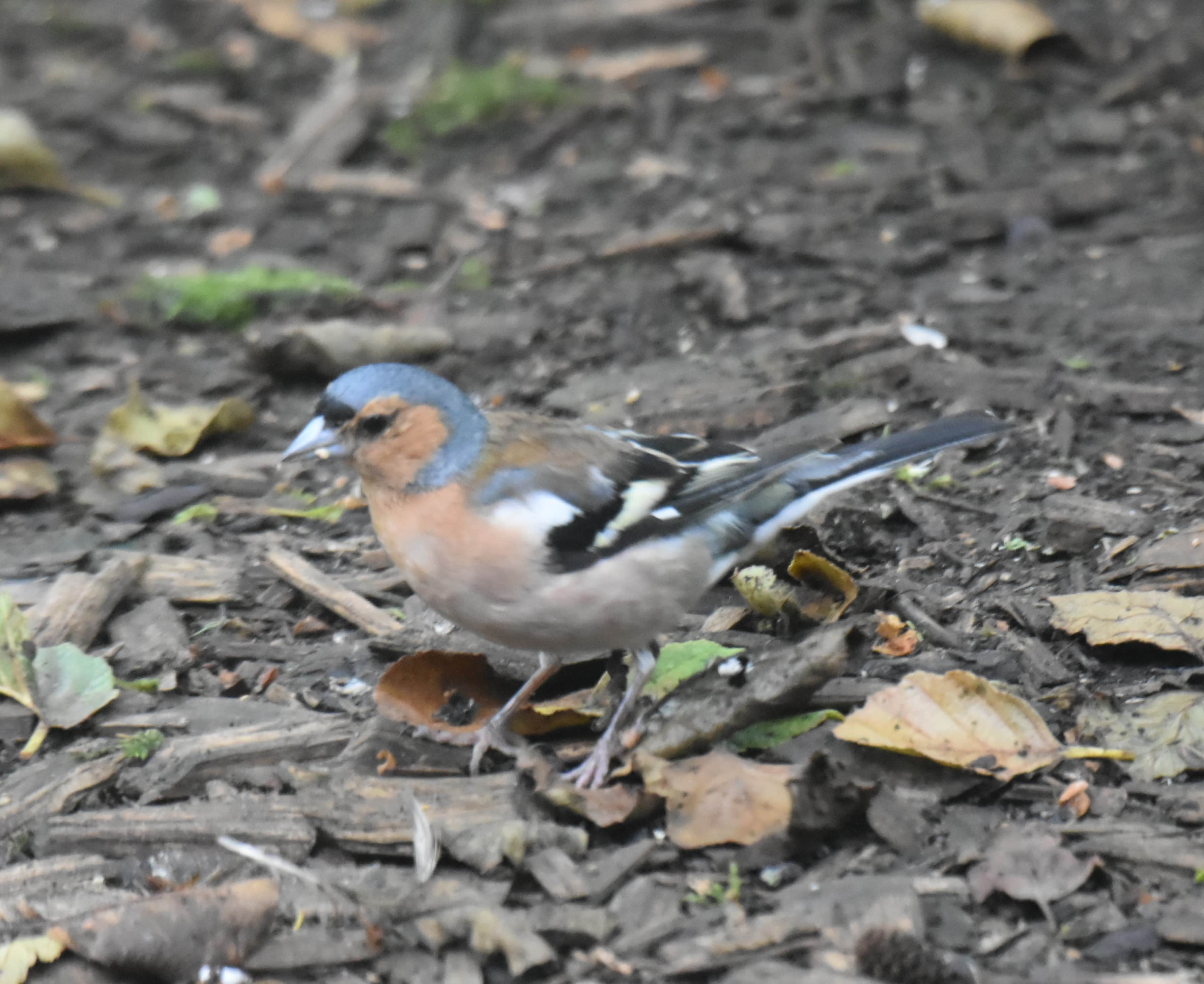
We departed for the Loch of the Lowes, a nature reserve covering 220 square acres. Although we did not spot any of the indigenous species of red squirrels or roe deer, we did see some interesting birds, including an Osprey still in the nest as well as some other interesting birds.


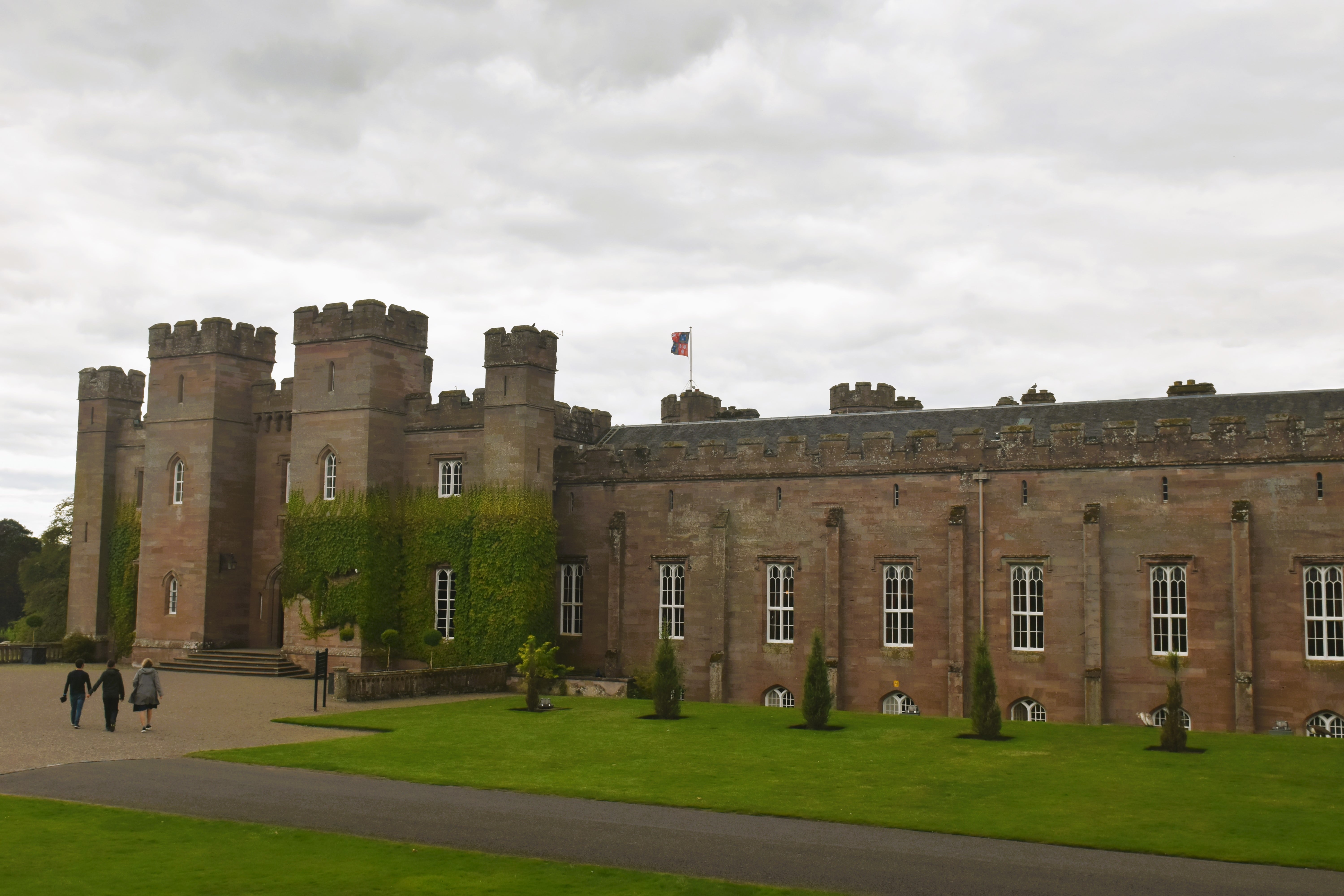
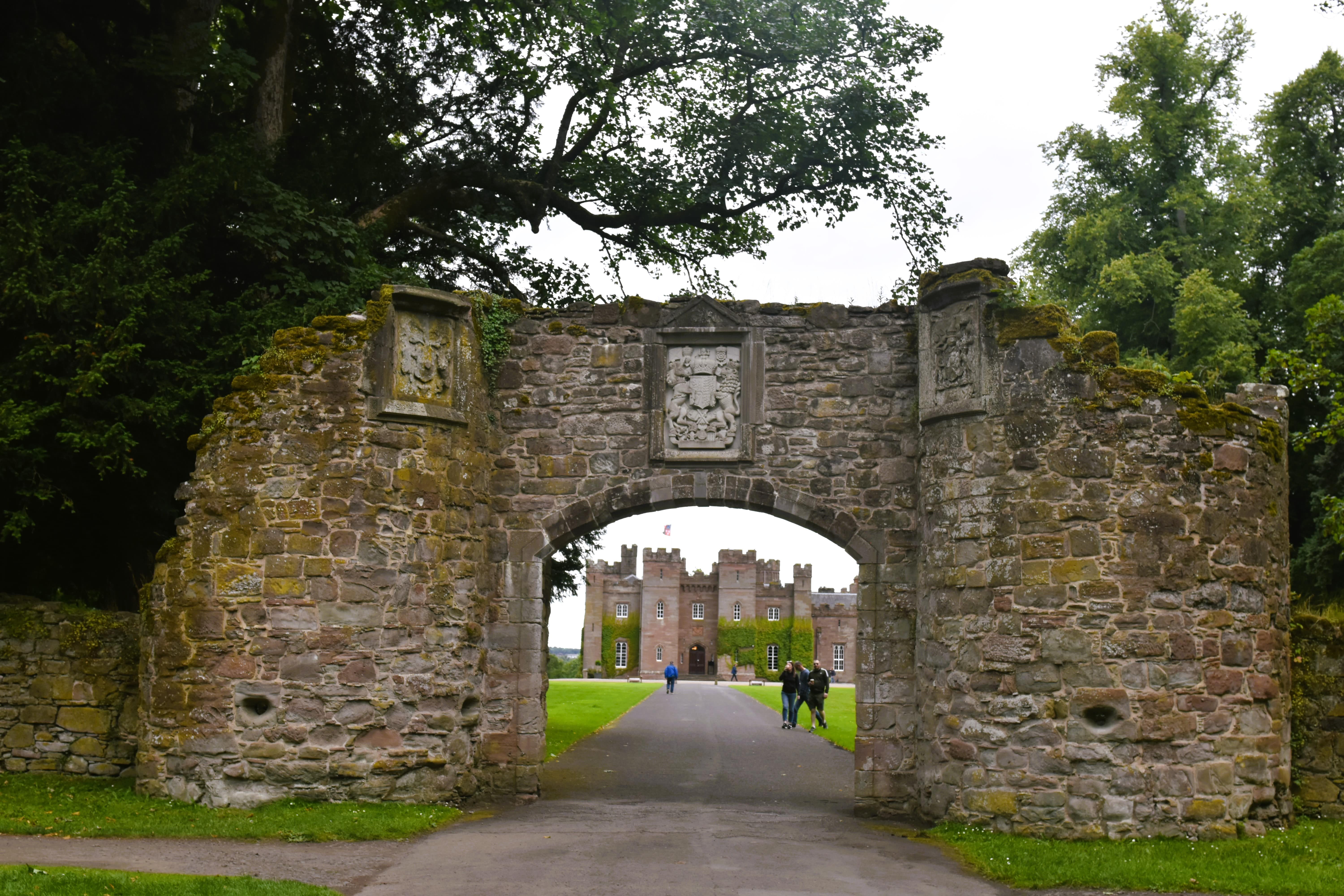
Scone Palace was the crowning place of Scottish kings from Kenneth McAlpin, traditionally known as the first King of Scots, through Macbeth, Robert the Bruce and Charles II. It is the family home of the Earls of Mansfield and the ancient crowning place of Scottish kings on the Stone of Scone, also known as the Stone of Destiny. The Stone of Destiny, now resides in Edinburgh Castle. Scone Palace is surrounded by beautiful gardens and peaceful woodland, under the watchful eye of the curious peacocks.





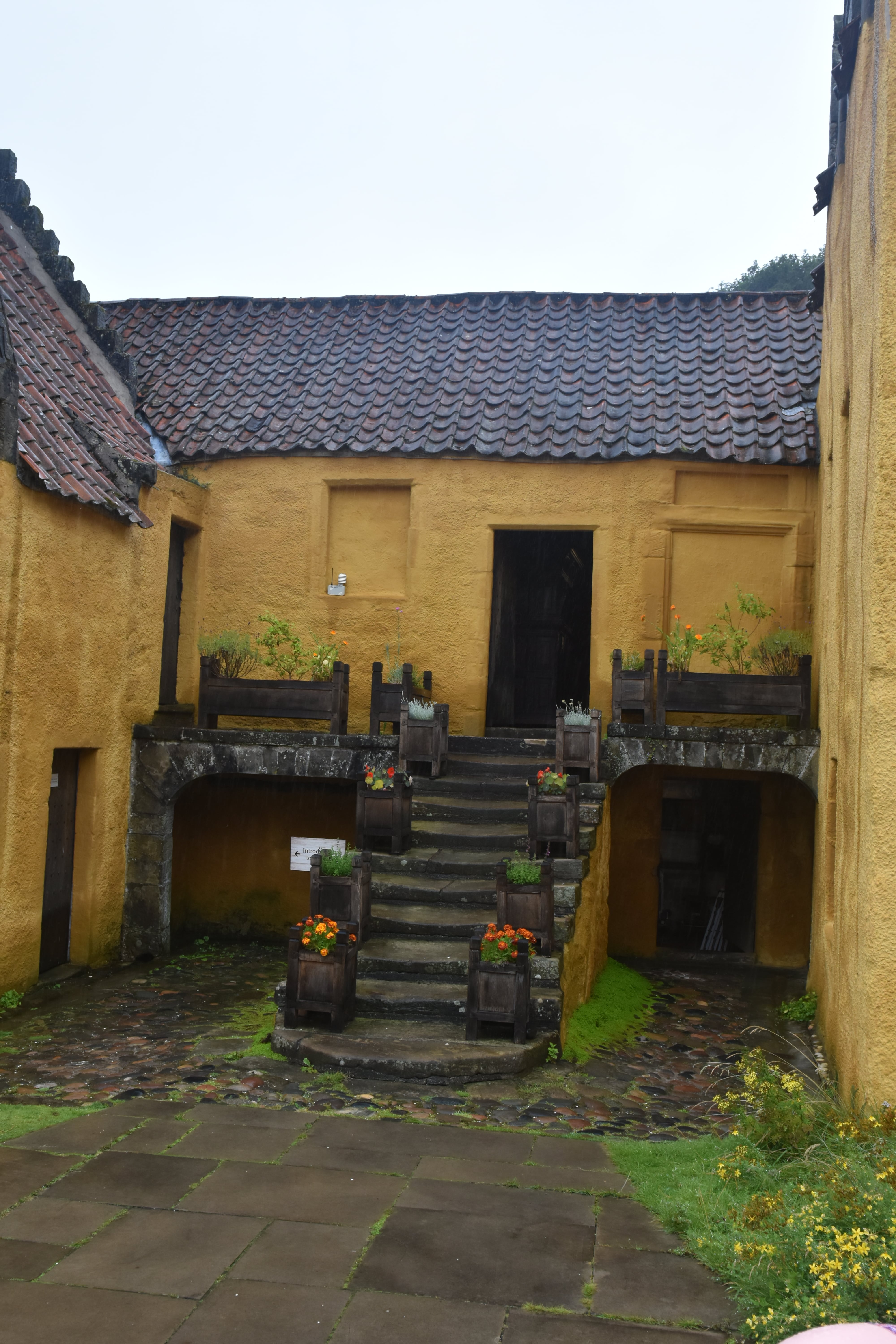
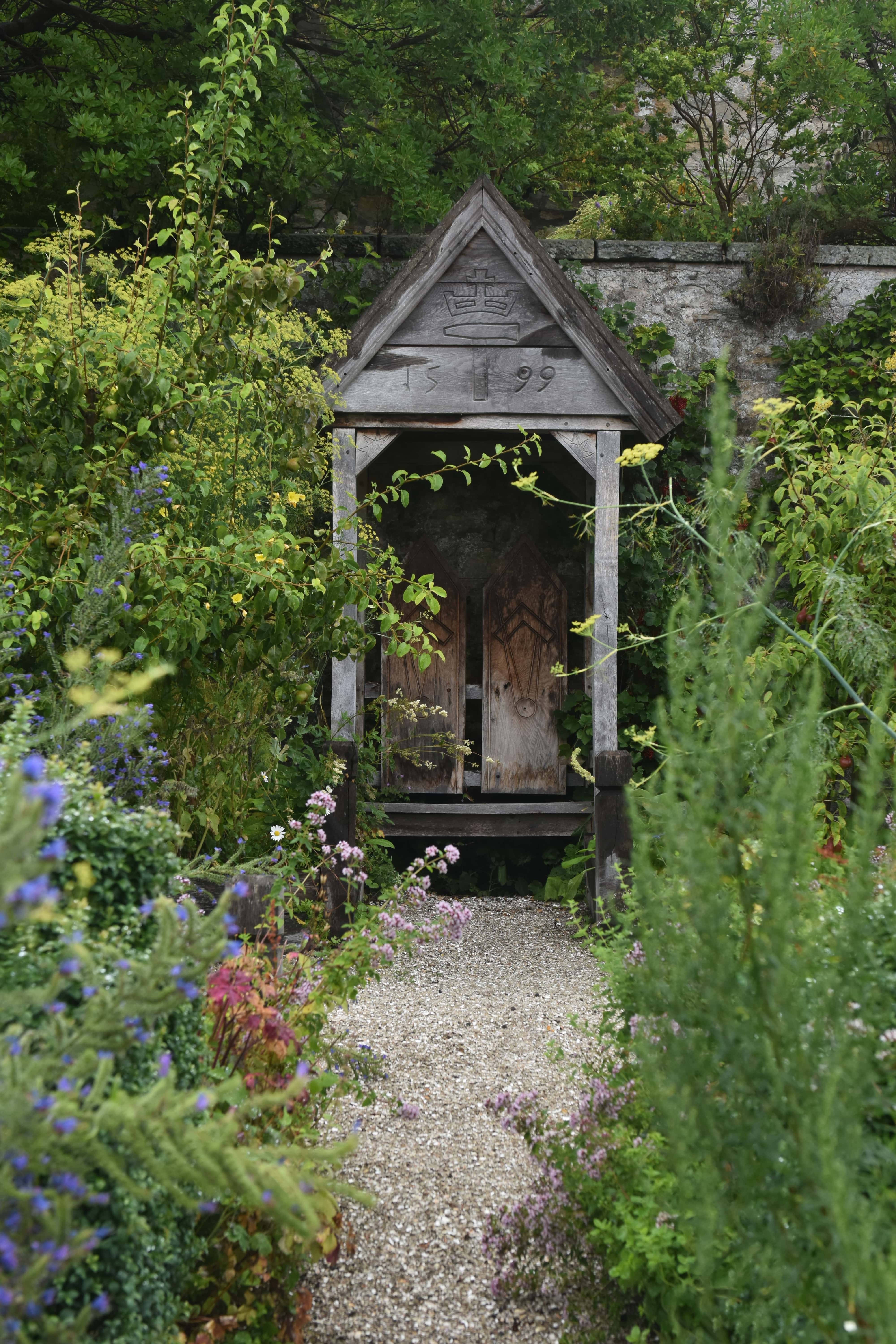
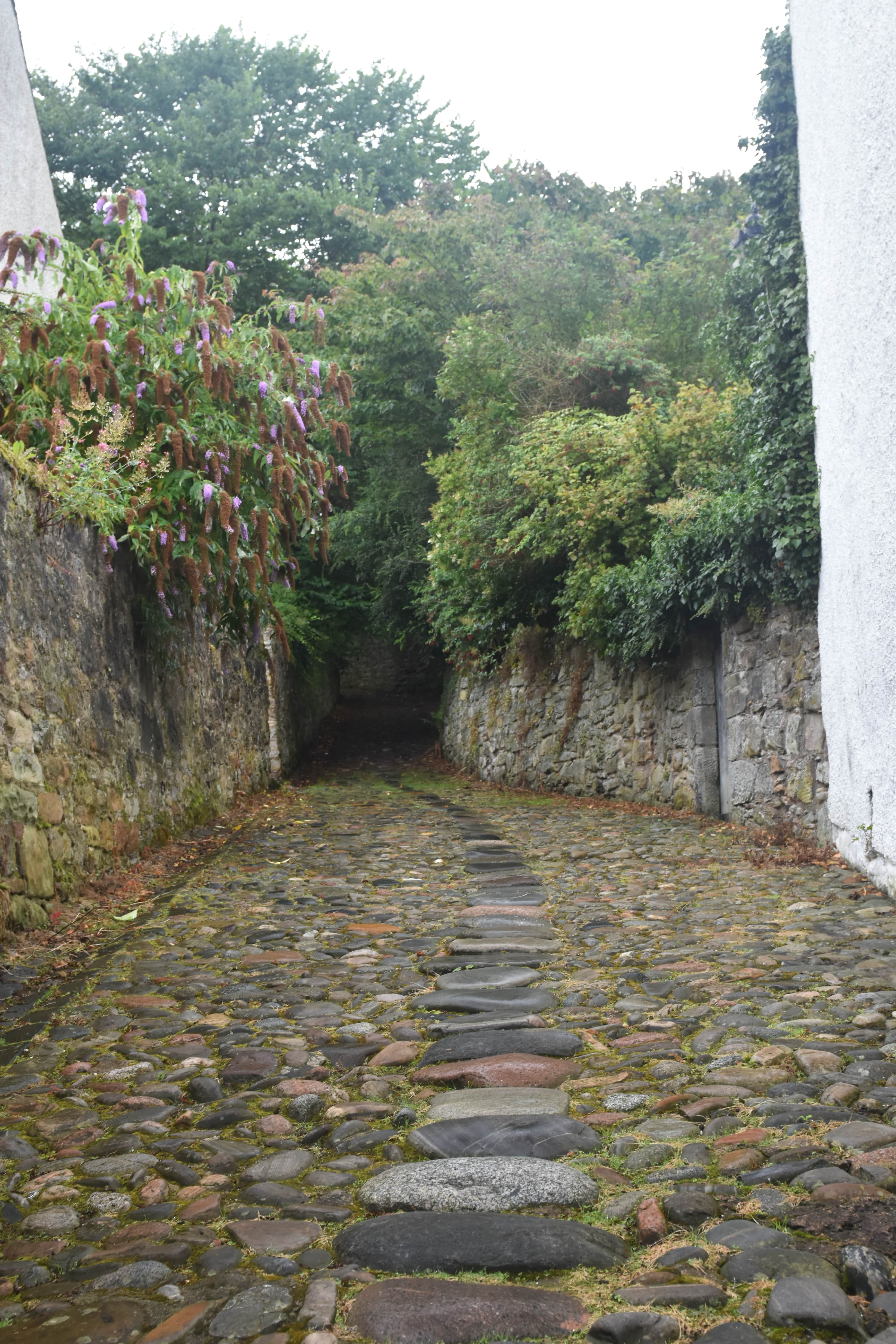
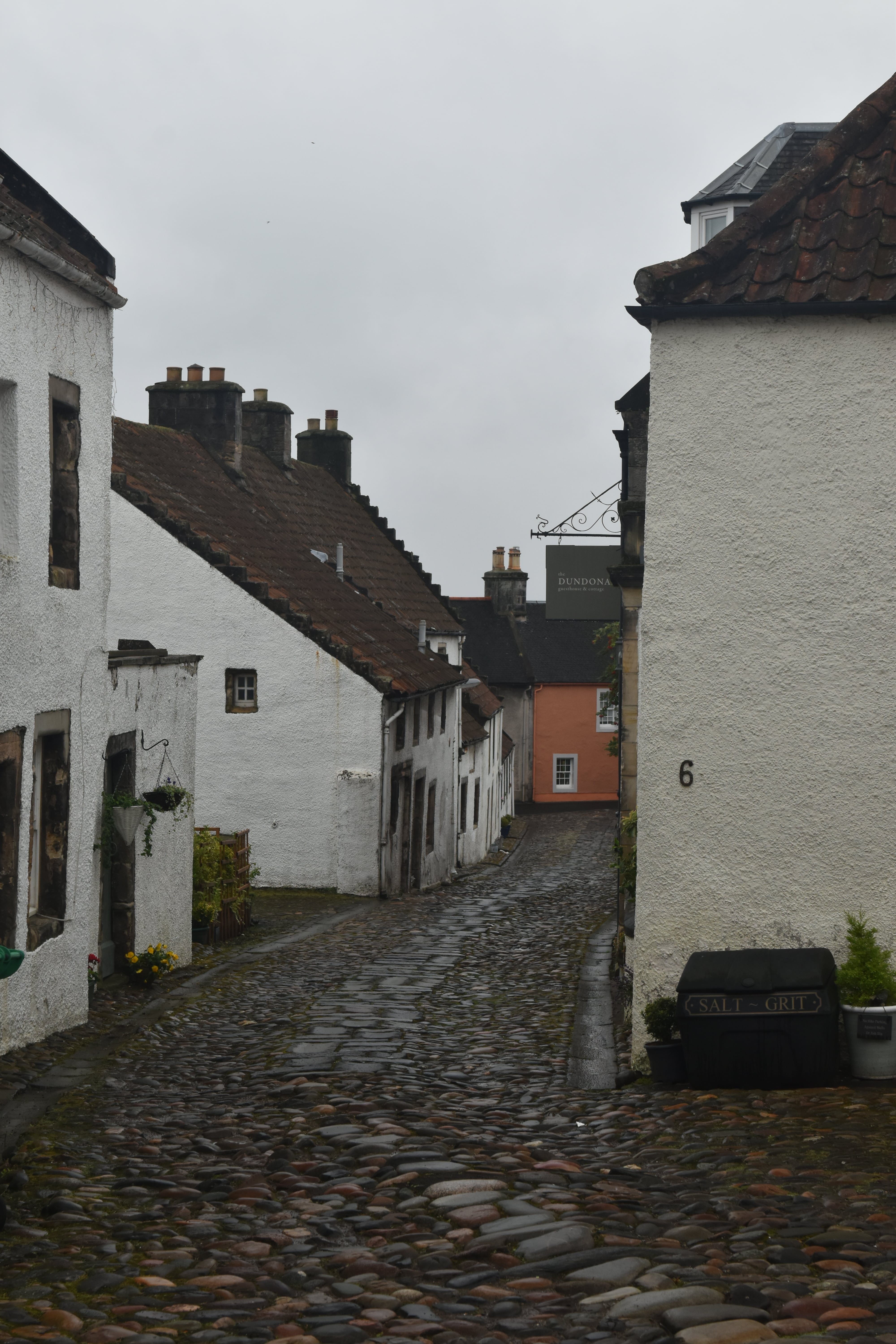
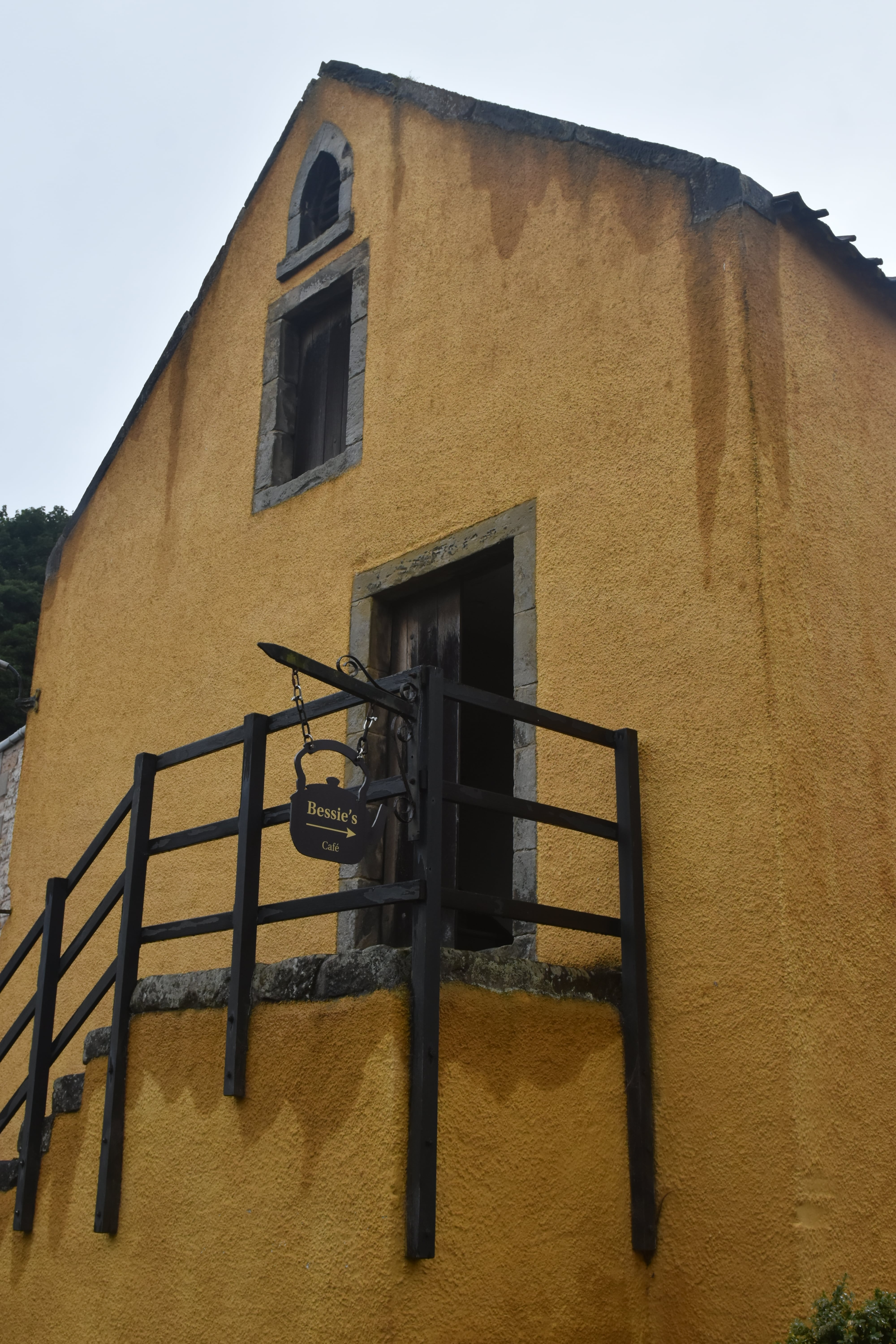
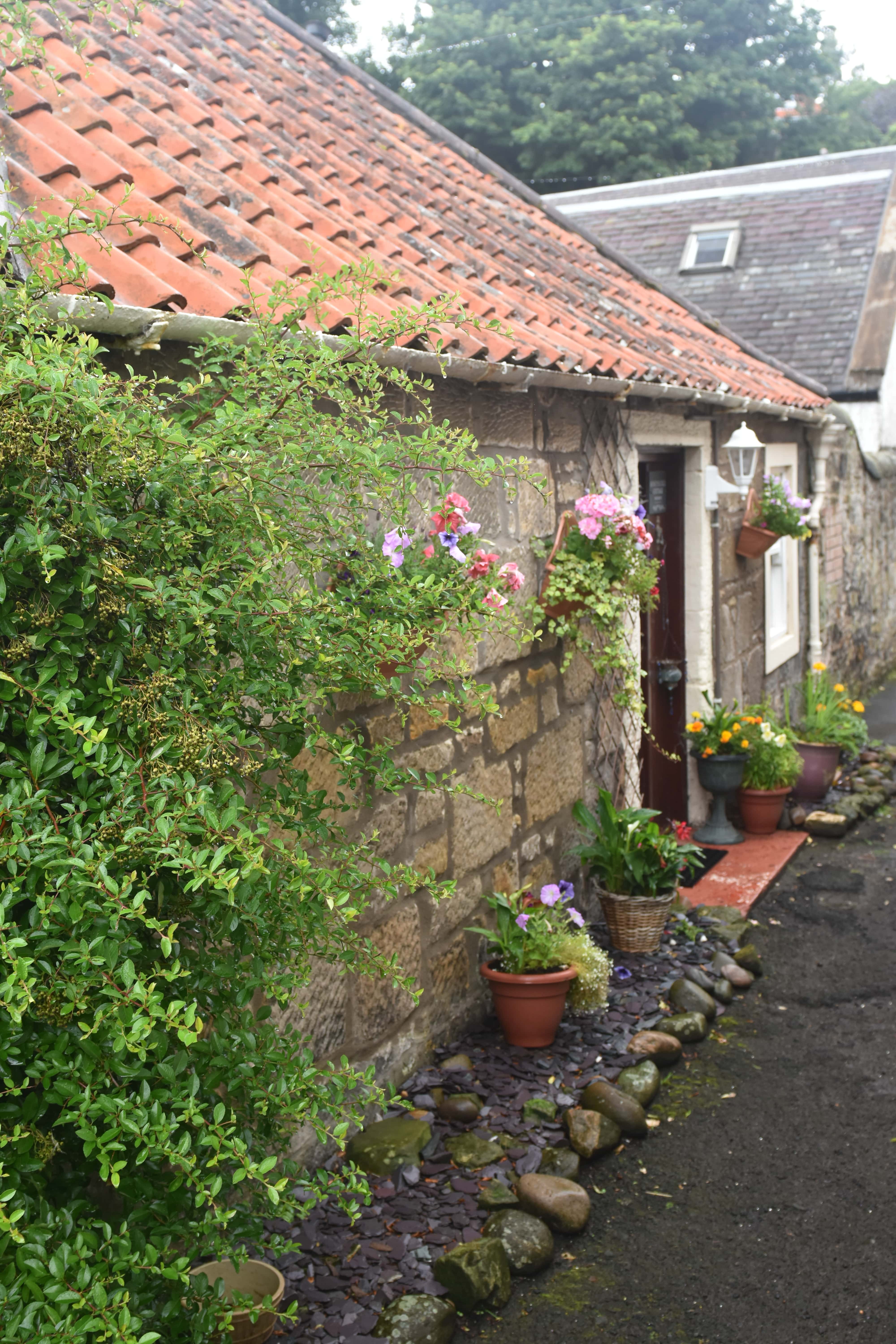
Our trips end is fast approaching but we still have a lot to see on our expedition. We visit Culross which is considered Scotland’s most complete example of a burgh of the 17th and 18th centuries. In the center of the town is the ocher-coloured palace with its beautifully reconstructed period garden, complete with herbs, fruit and vegetables. Culross Palace, with its original painted woodwork and beautifully restored 17th- and 18th-century interiors, provides an atmosphere of what it would have been like to live in that period. The town itself has steep cobbled streets and picturesque houses that make you want to stay and explore every part of the old town. Be sure and find Bessie’s Cafe, the soups are absolutely delicious.









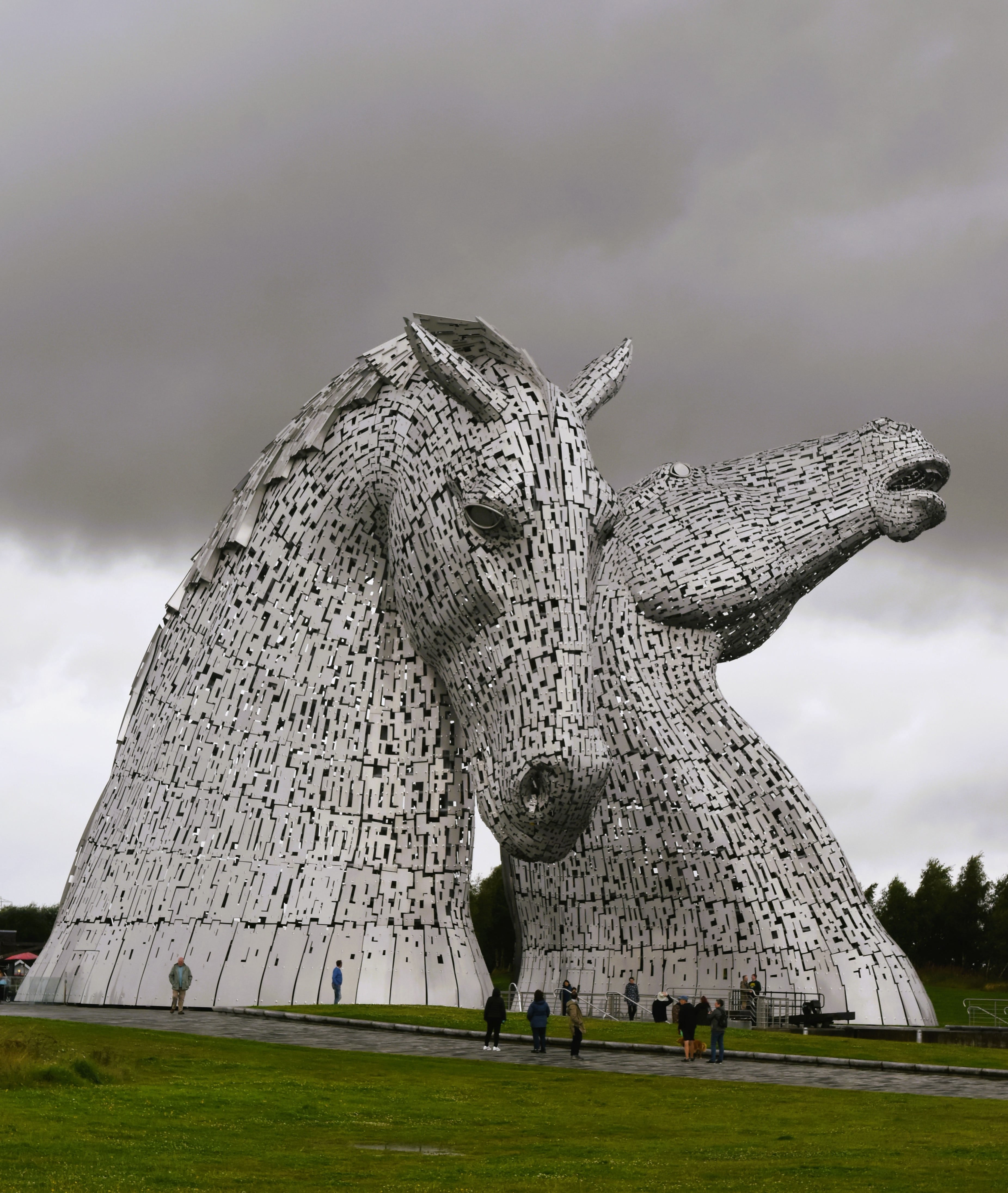
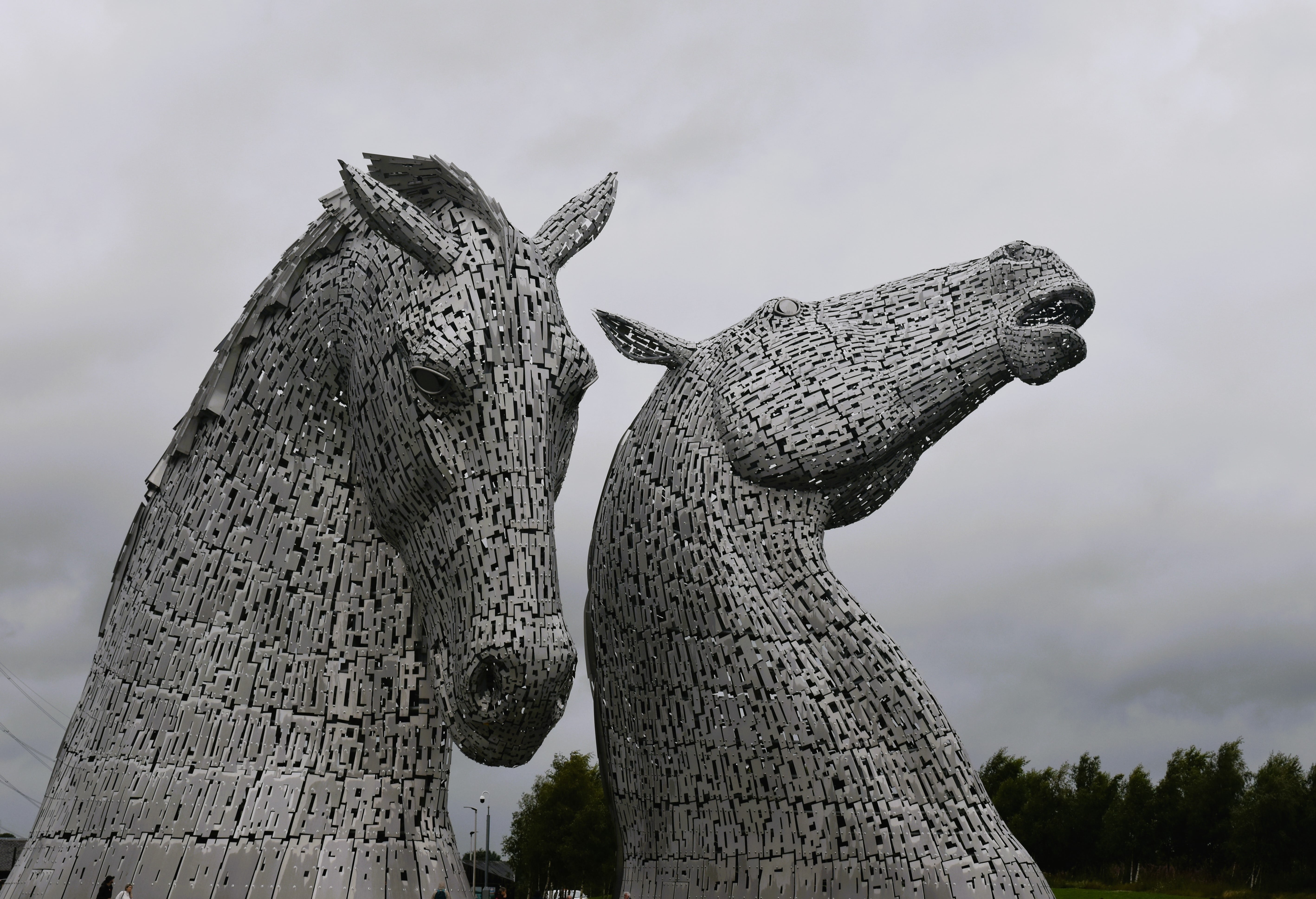
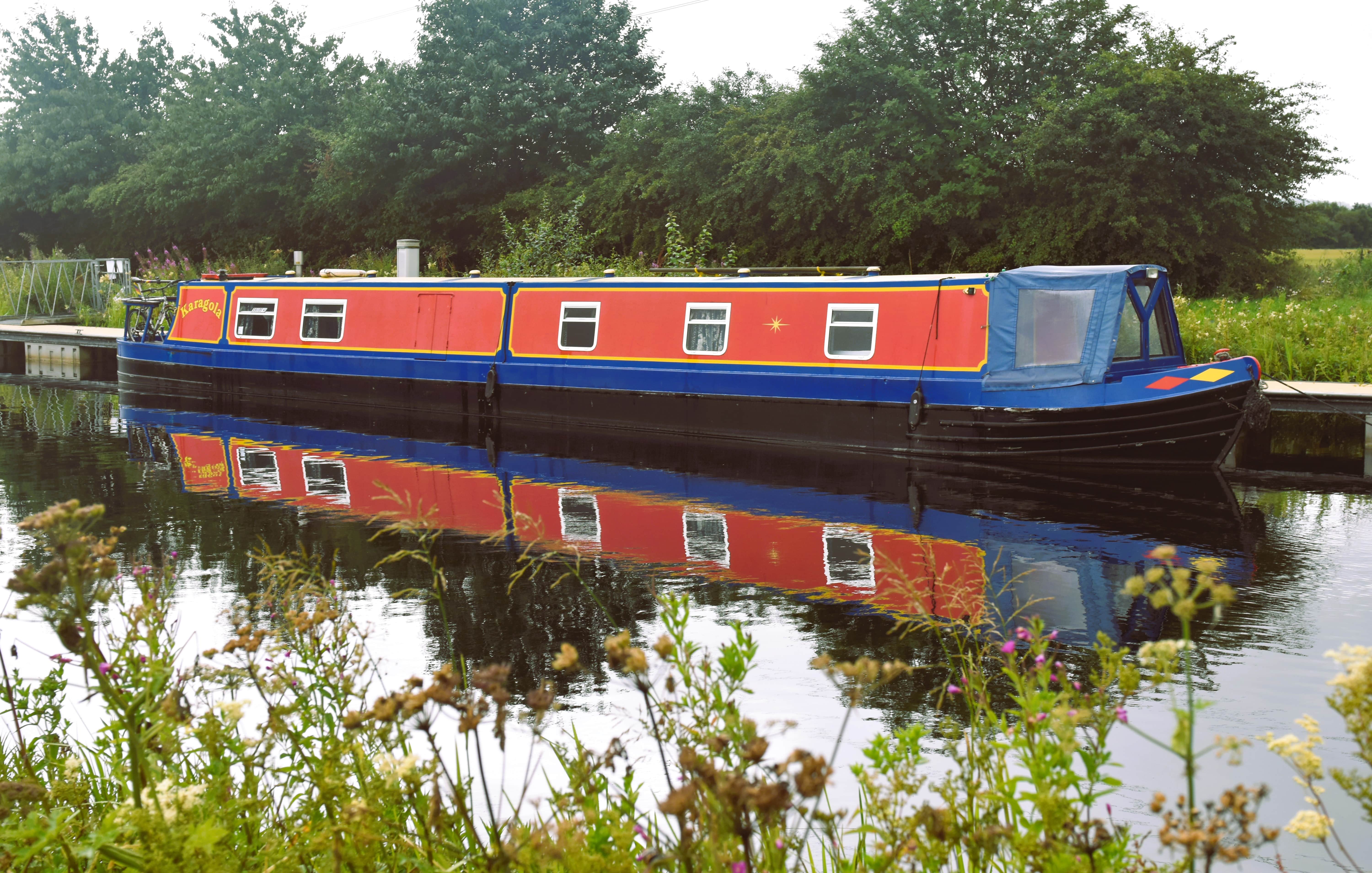
Our tour team were able to squeeze in a visit to the The Kelpies. In Scottish folklore, a kelpie is a dangerous shape-shifting water creature that can appear on land as a horse. The kelpie appears to their human victims as a grey or white horse, entices them to ride on their back, then carries them down to a watery grave. The Kelpies were next to a canal with some picturesque canal boats or barges, whichever you prefer.

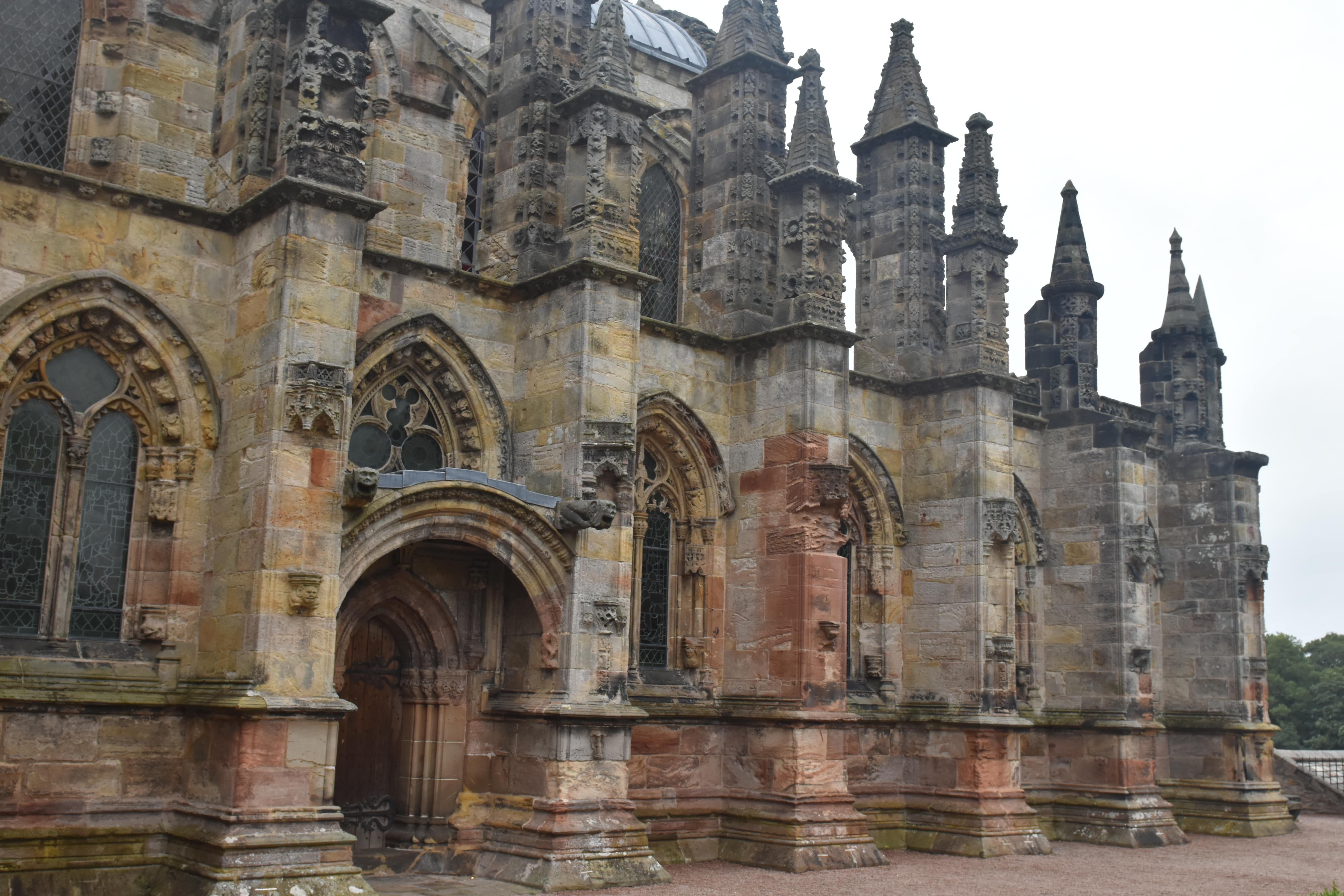
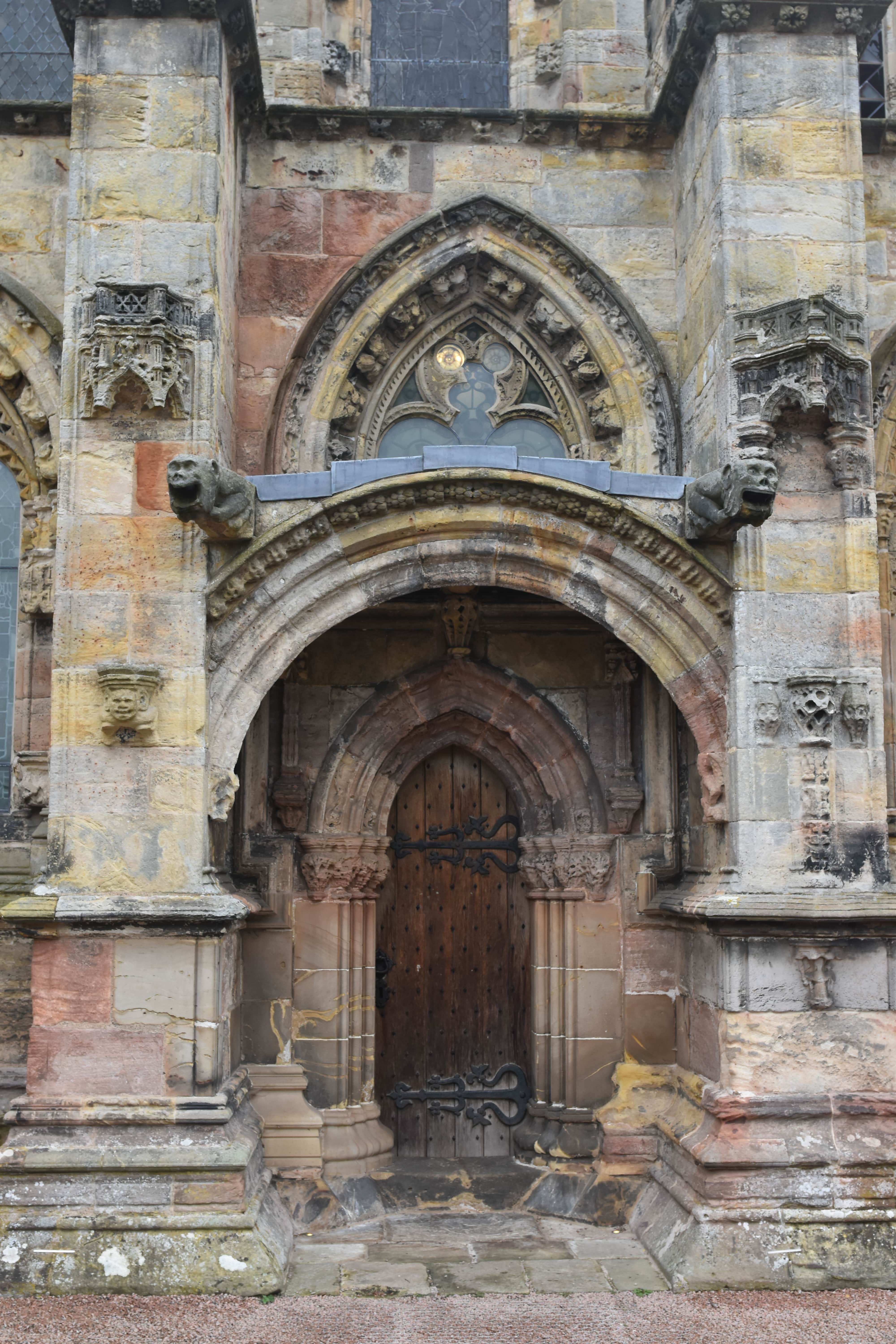
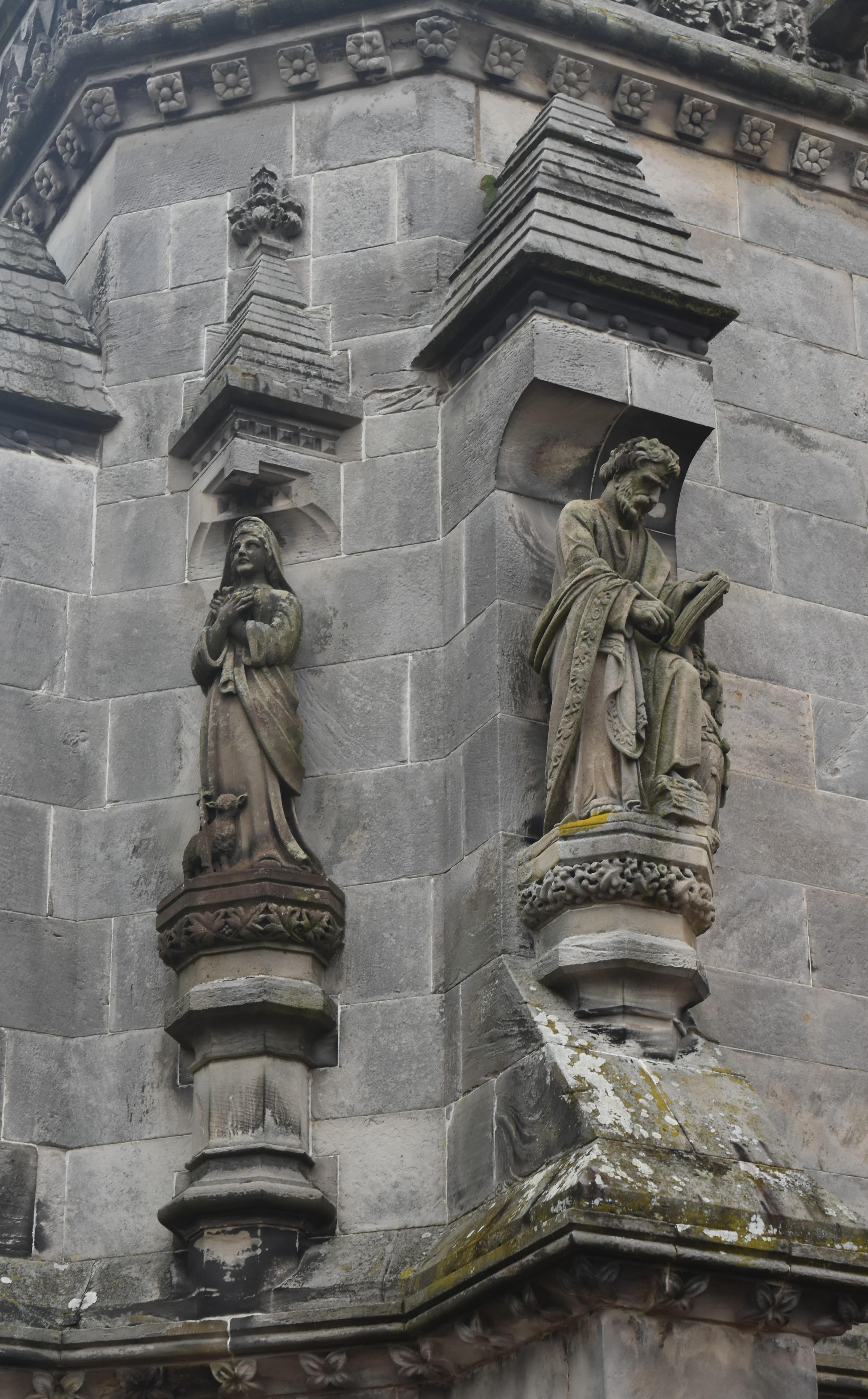
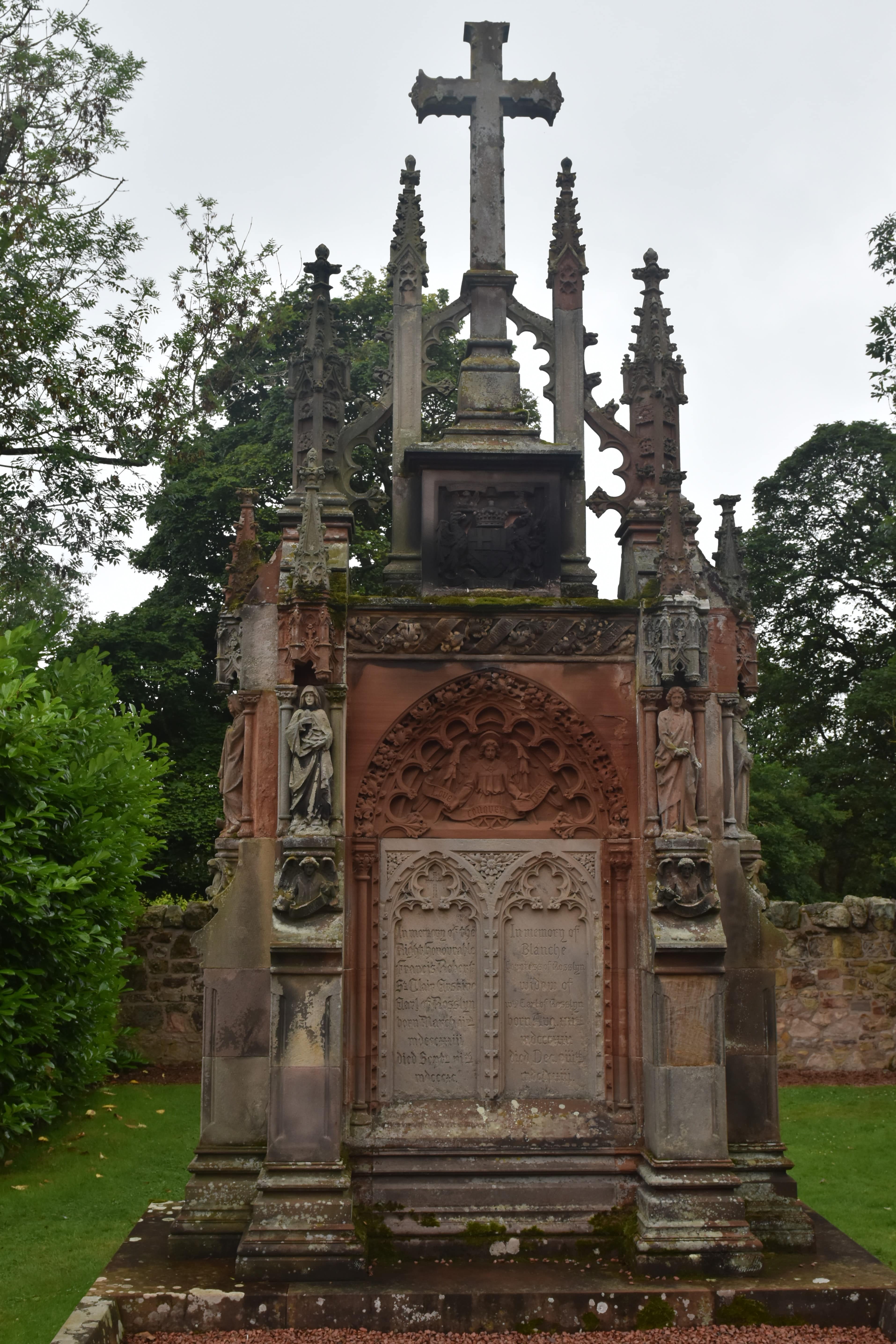
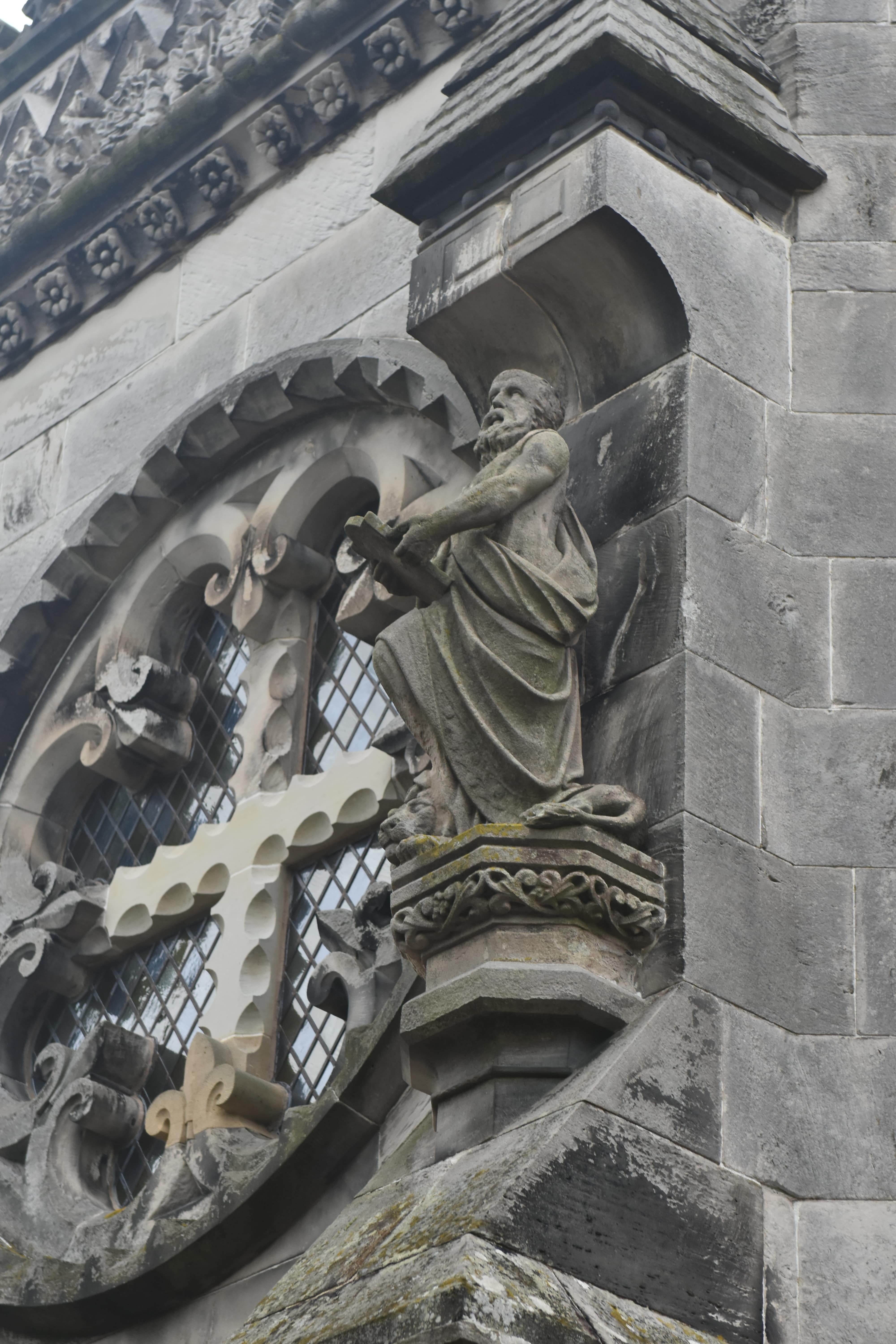
We then venture on to Rosslyn Chapel which was founded in 1446 by Sir William St Clair. The beauty of its setting, in rural Midlothian, and the mysterious symbolism of its ornate stonework. The most elaborately decorated pillar in the Chapel is the Apprentice Pillar which contains one of the most famous and fascinating riddles of the building. According to legend, an apprentice mason is said to have carved the pillar, inspired by a dream, in his master’s absence. On seeing the magnificent achievement on his return, the master mason flew into a jealous rage and struck the apprentice, killing him.




Edinburgh Castle is a world famous icon of Scotland and part of the Old and New Towns of Edinburgh’s World Heritage Site. As usual, it was raining when we visited Edinburgh Castle. The oldest part, St Margaret’s Chapel, dates from the 12th century; the Great Hall was erected by James IV around 1510; the Half Moon Battery by the Regent Morton in the late 16th century; and the Scottish National War Memorial after the First World War. The castle houses the Honors (Crown Jewels) of Scotland, the Stone of Destiny, the famous 15th century gun Mons Meg, the One o’ Clock Gun and the National War Museum of Scotland. Mons Meg was built in 1449 on the orders of Philip the Good, Duke of Burgundy and sent by him as a gift to James II, King of Scots, in 1454. The Half Moon Battery, built in the aftermath of the Lang Siege of 1573, was armed for 200 years by bronze guns known as the Seven Sisters. Six more guns defend the Argyle Battery, with its open outlook to the north.

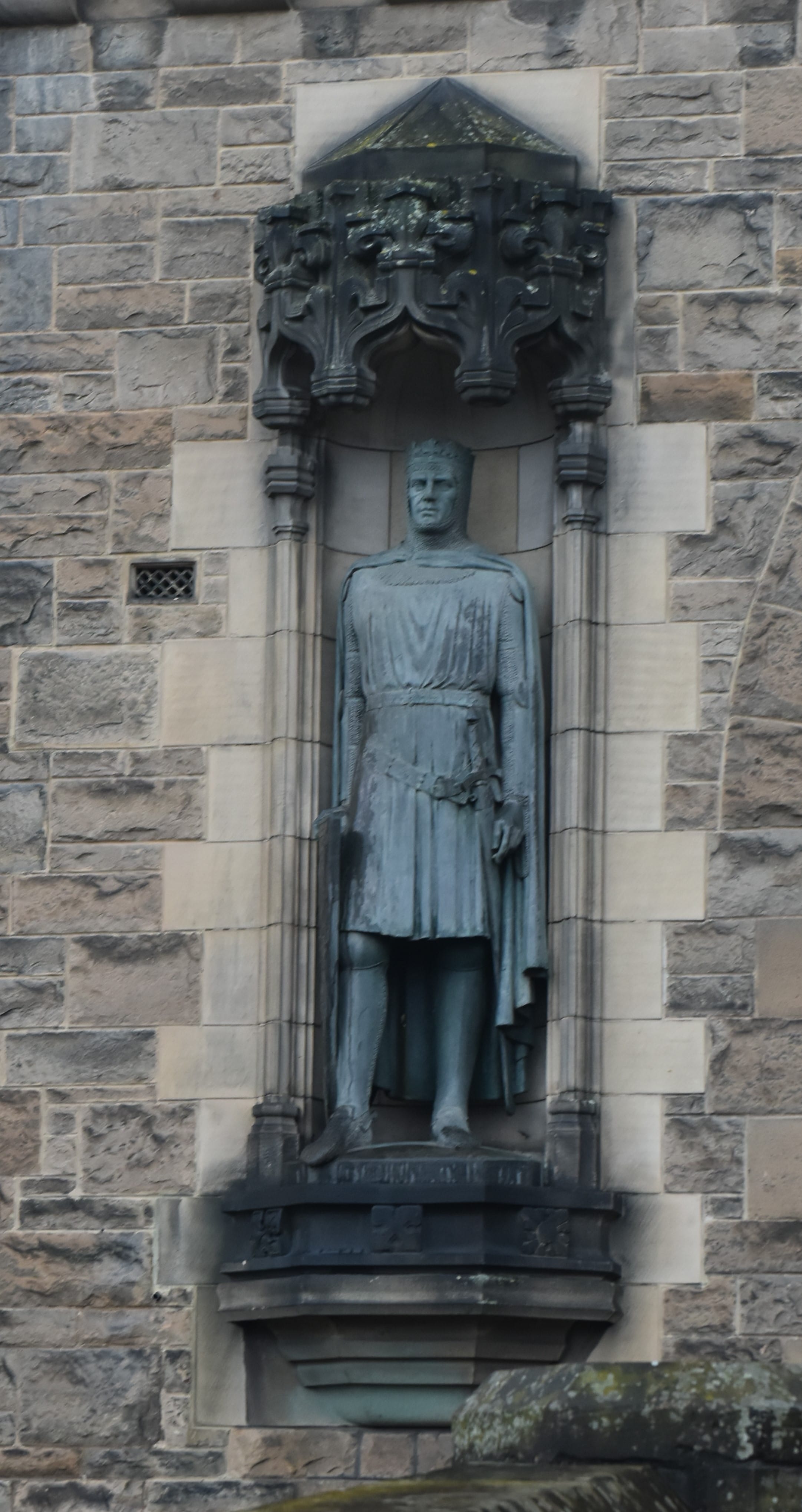
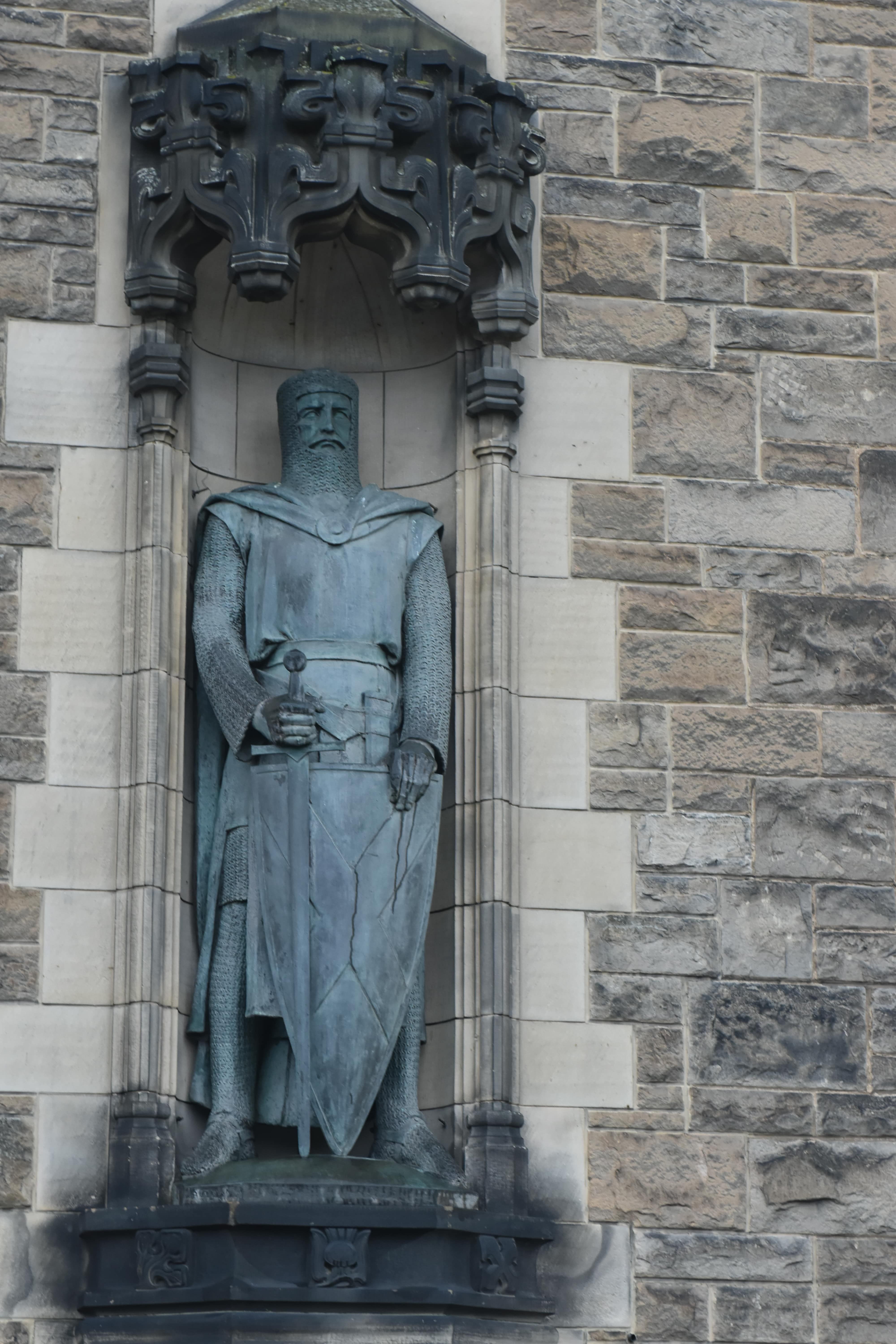


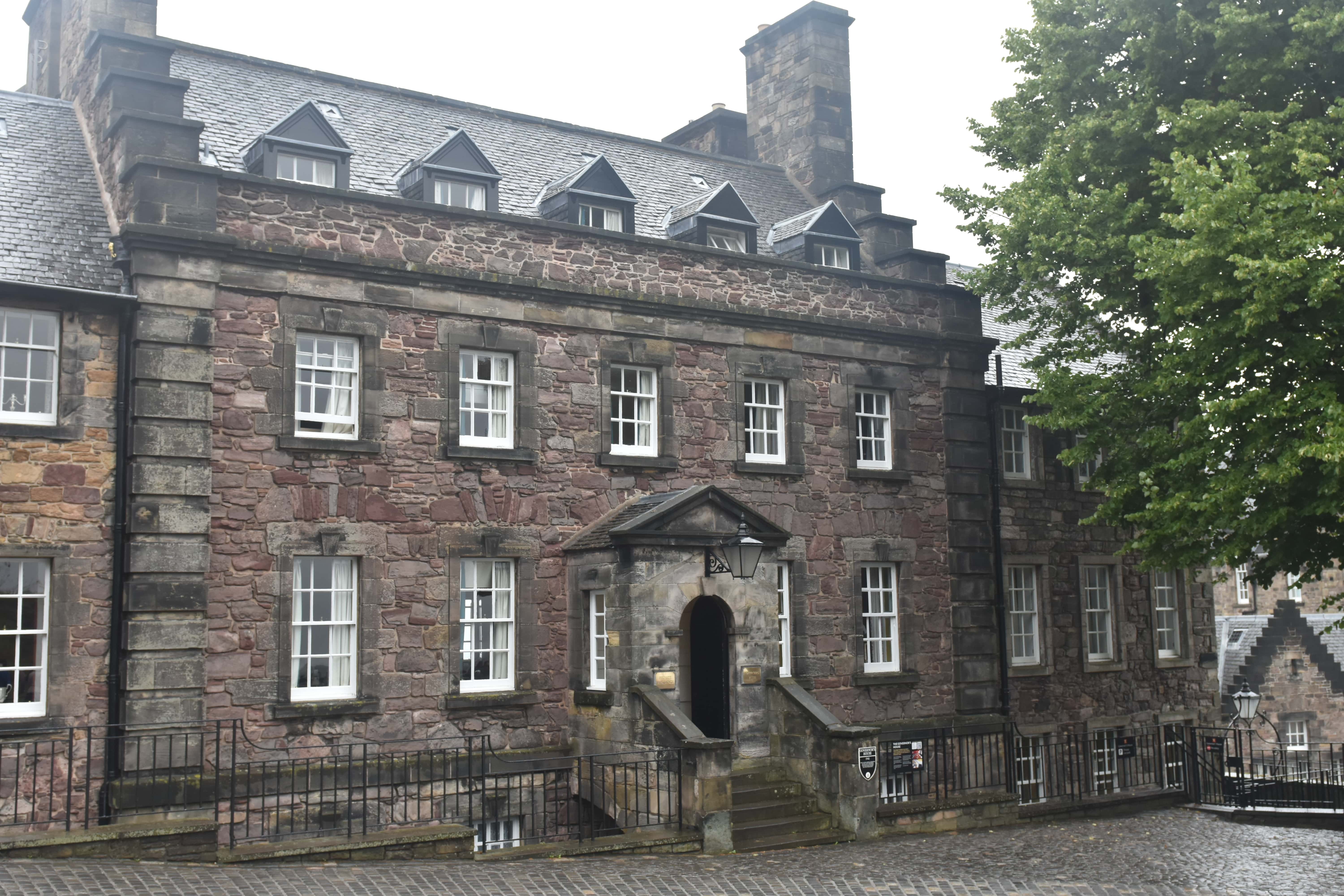
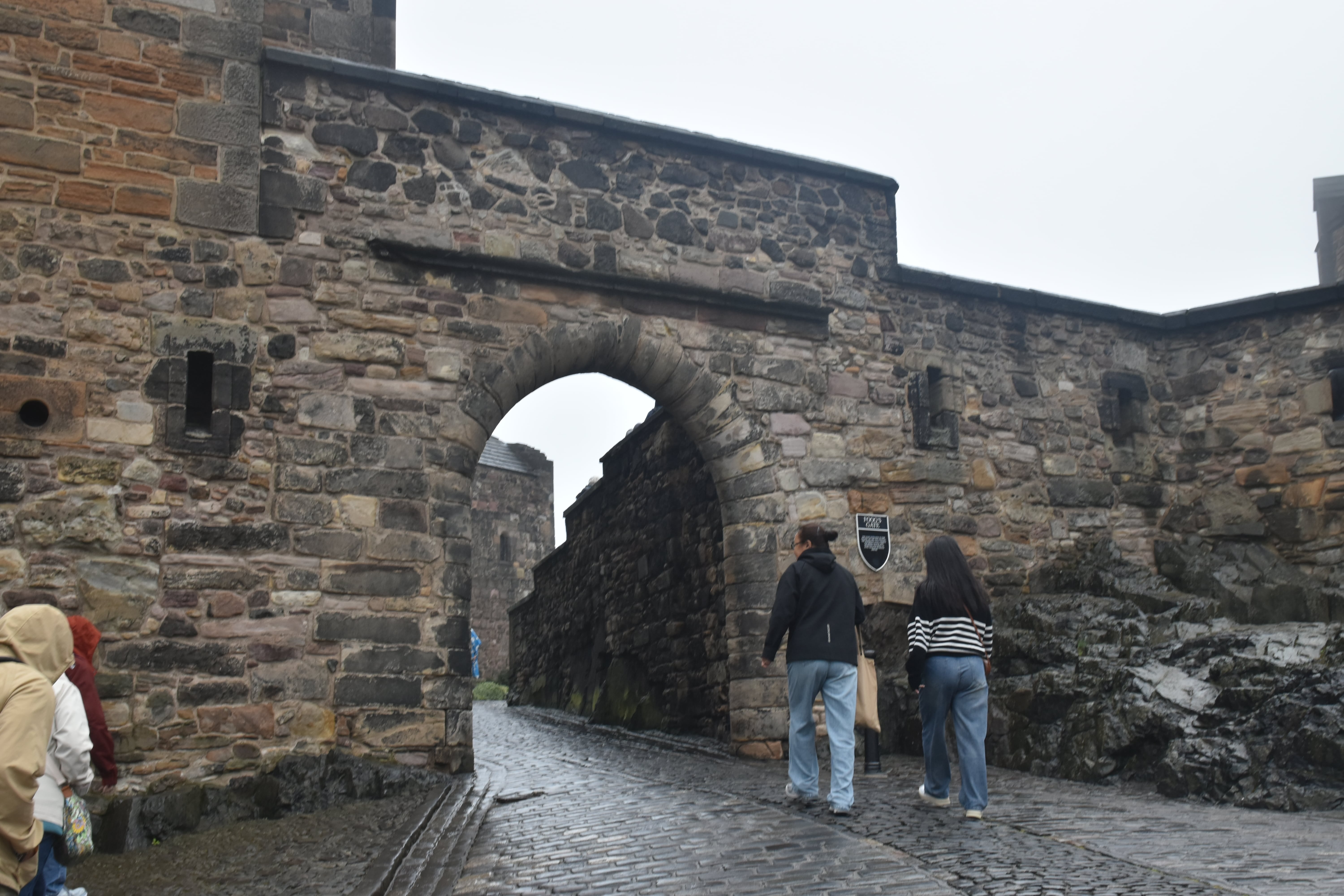


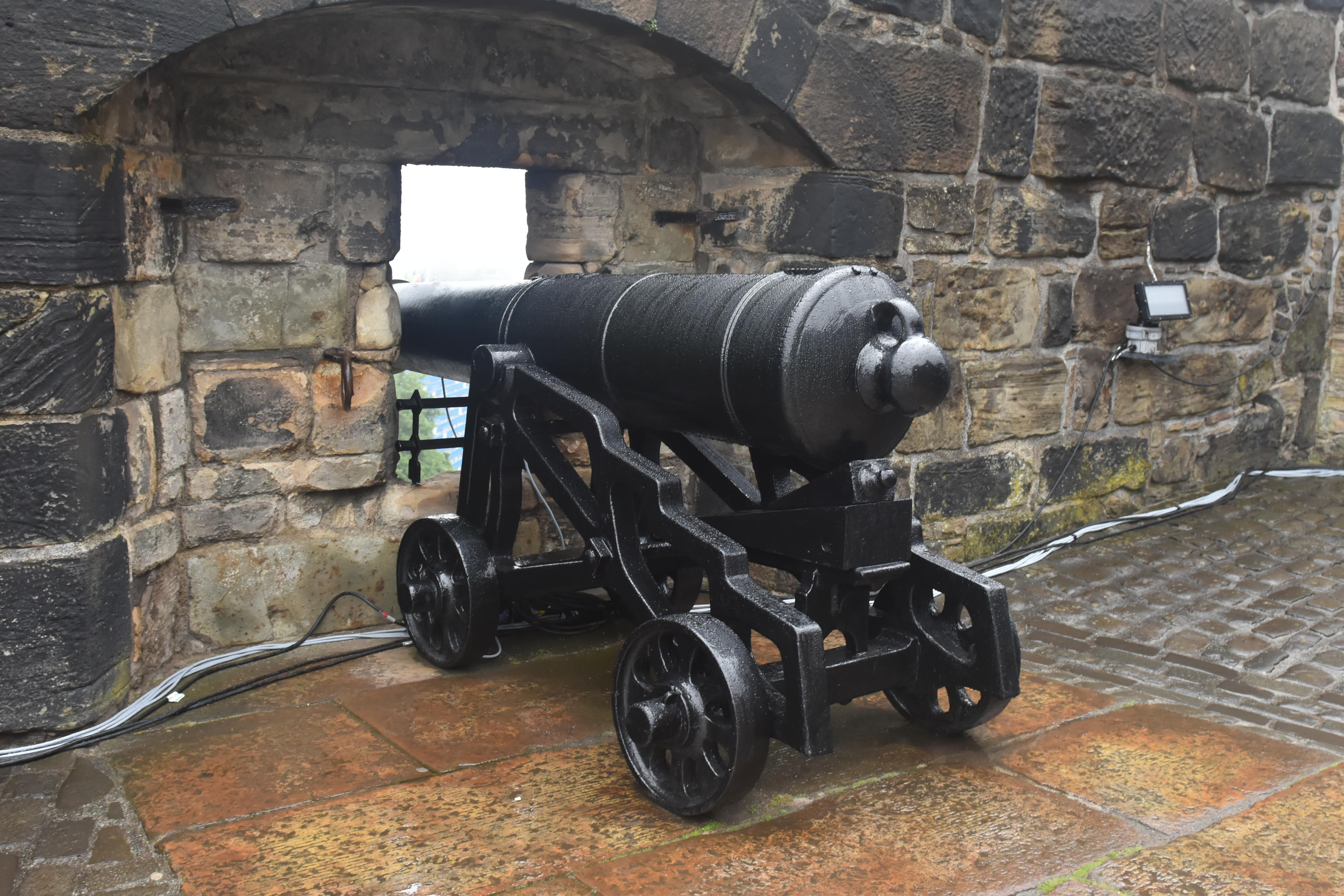
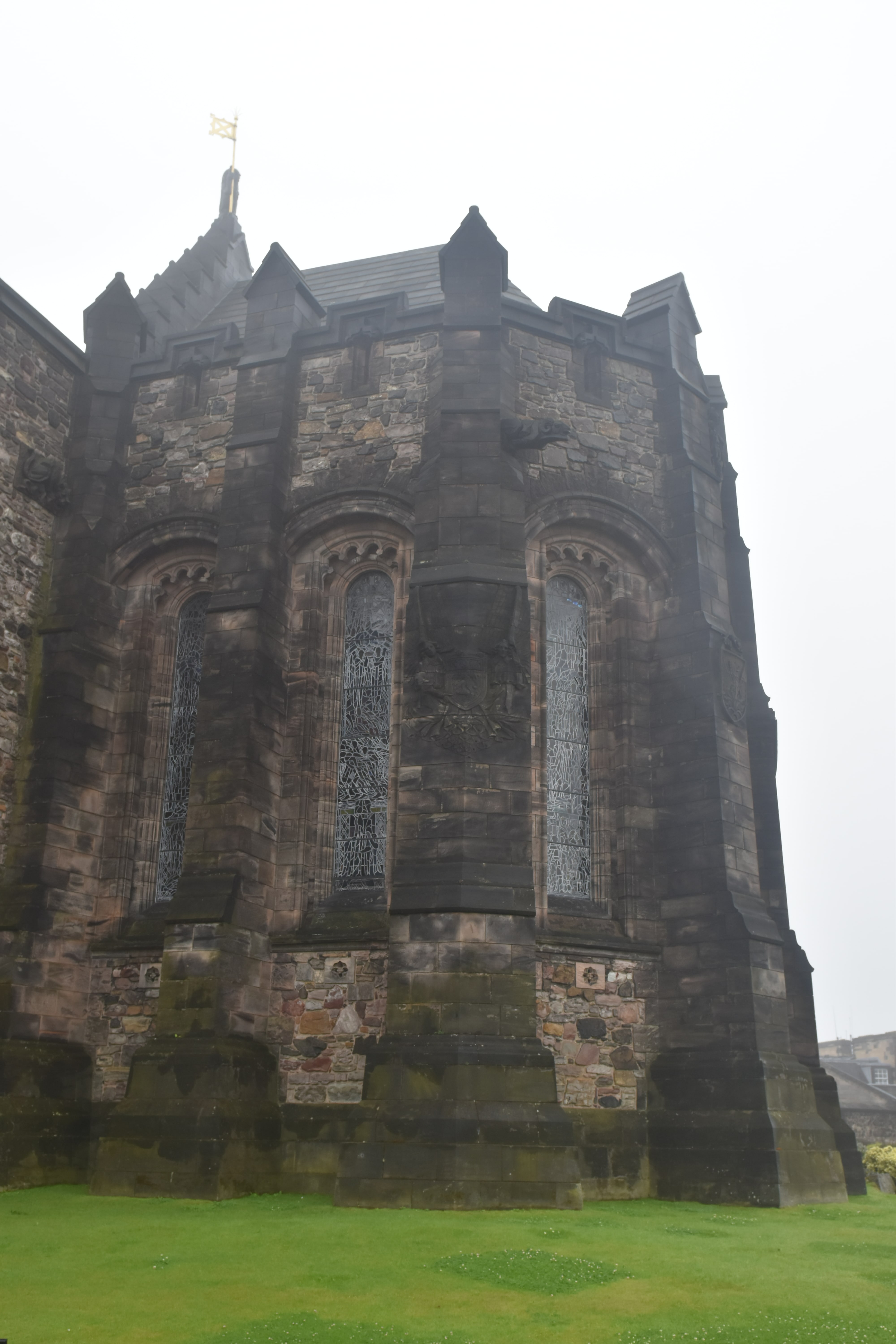
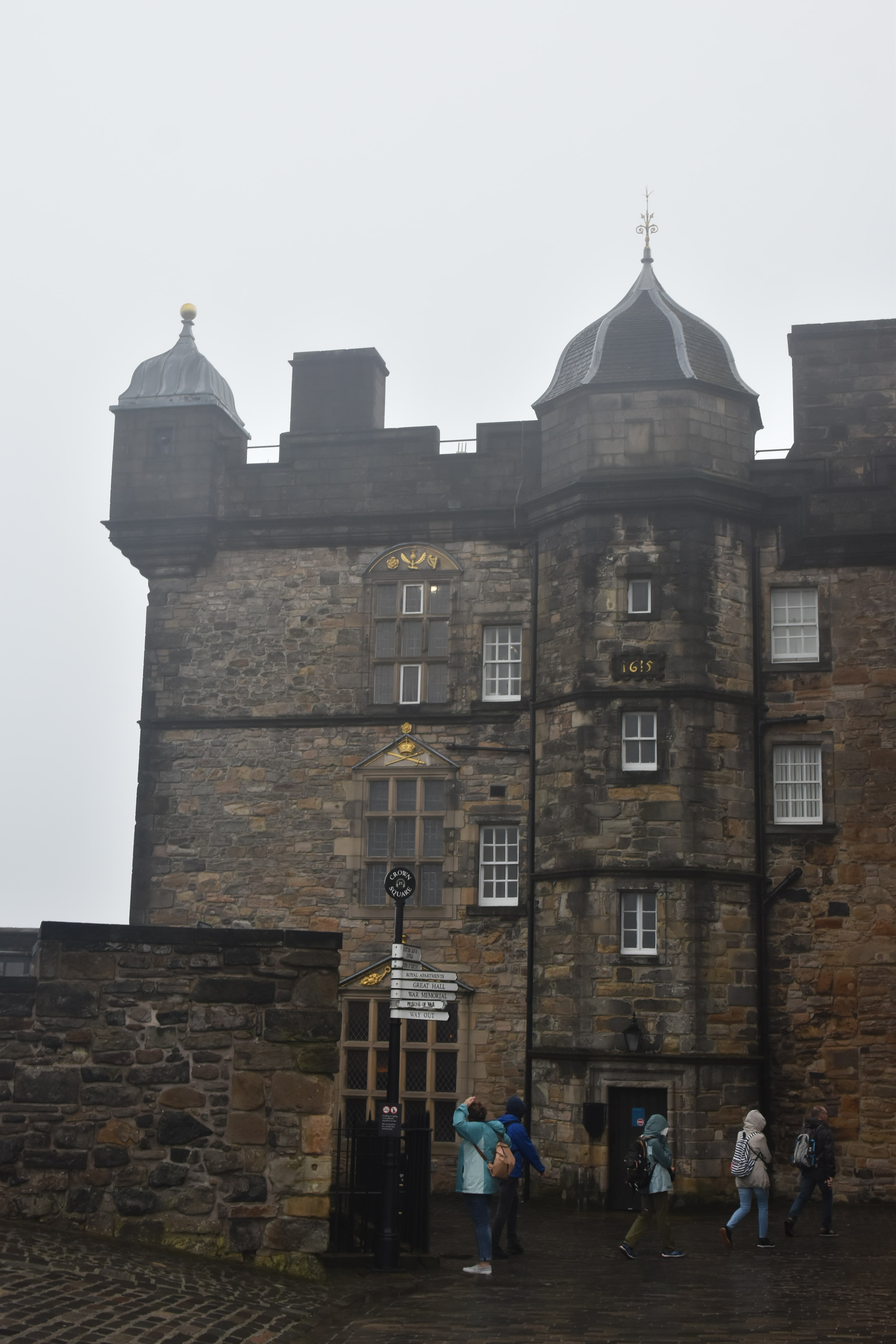


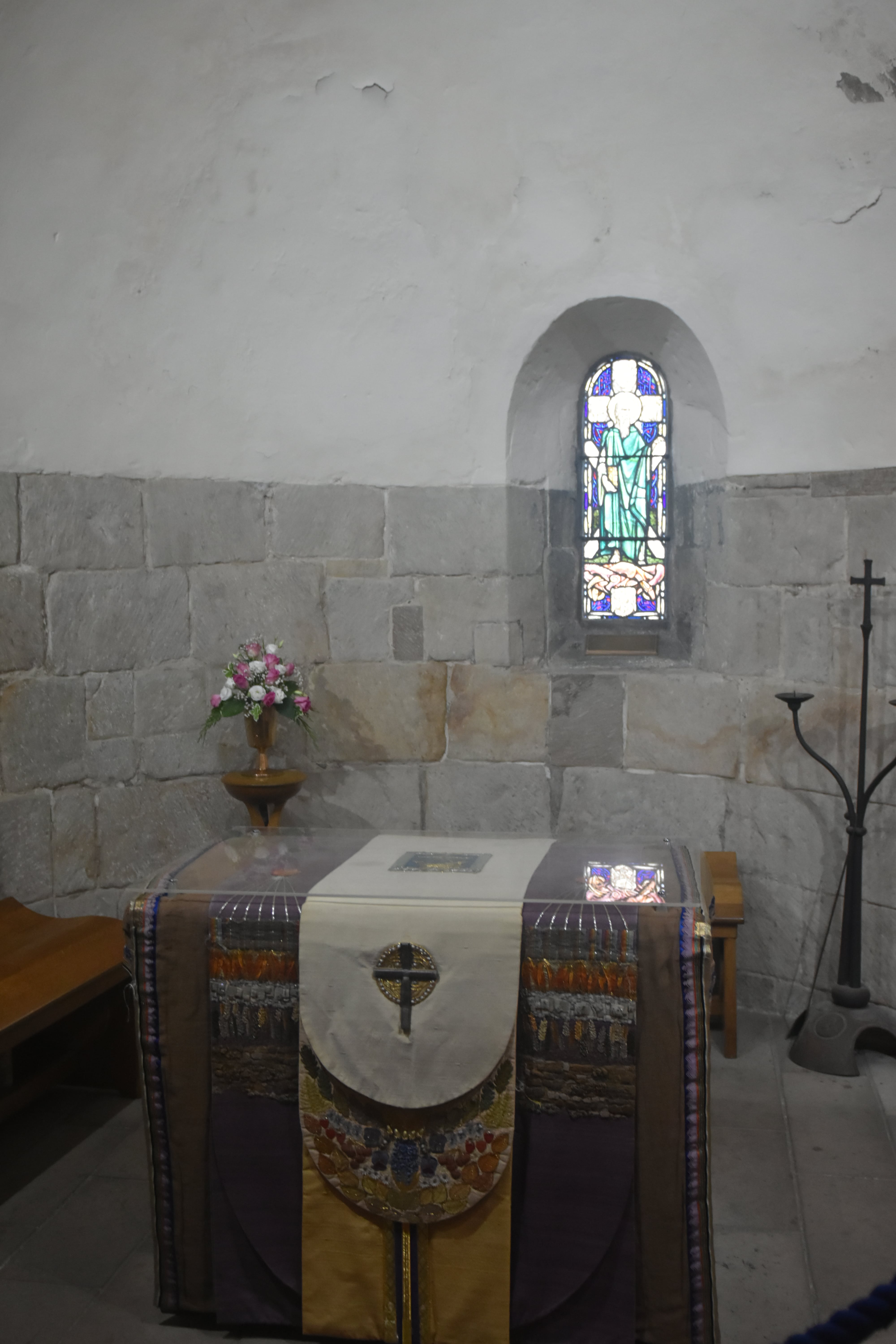

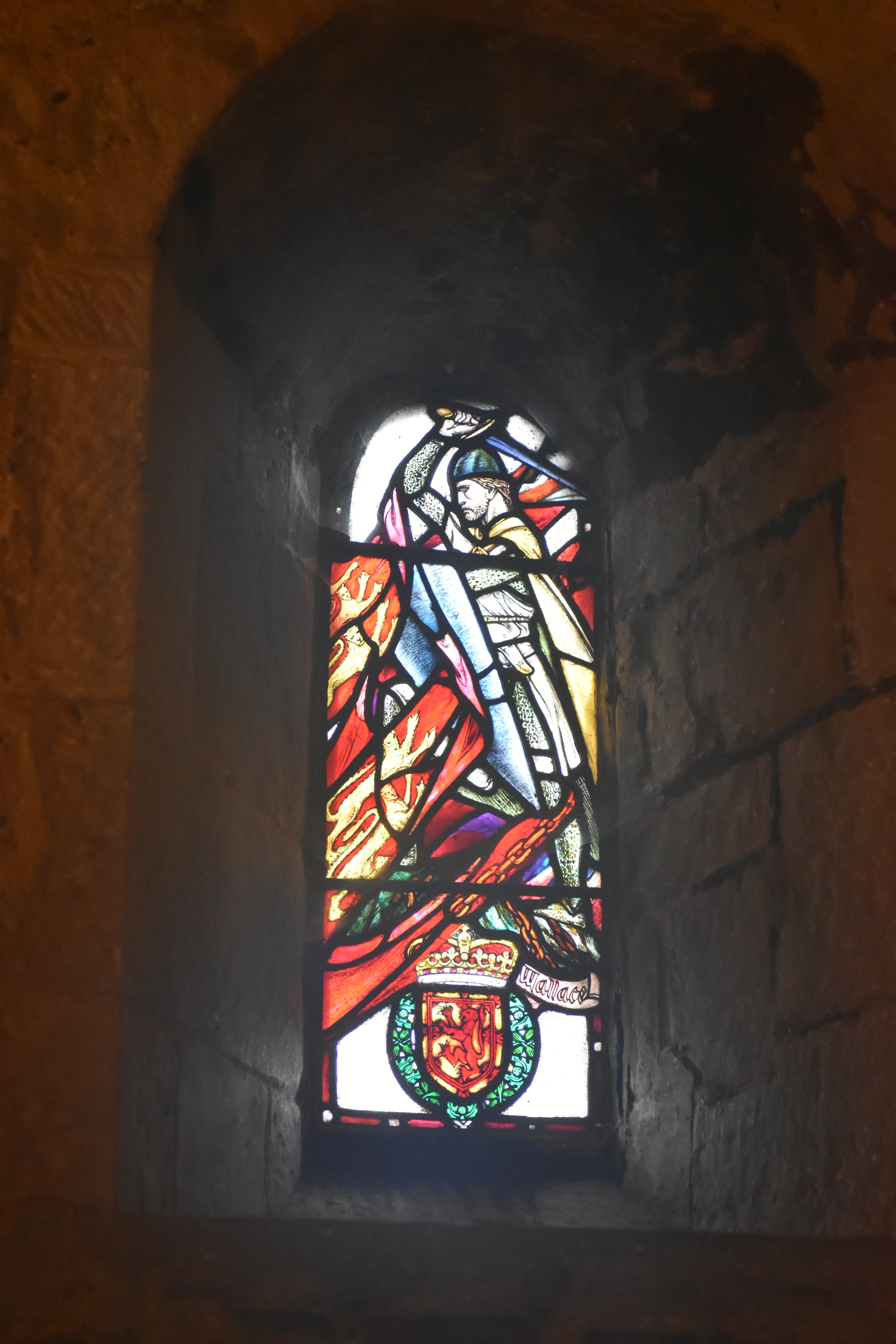
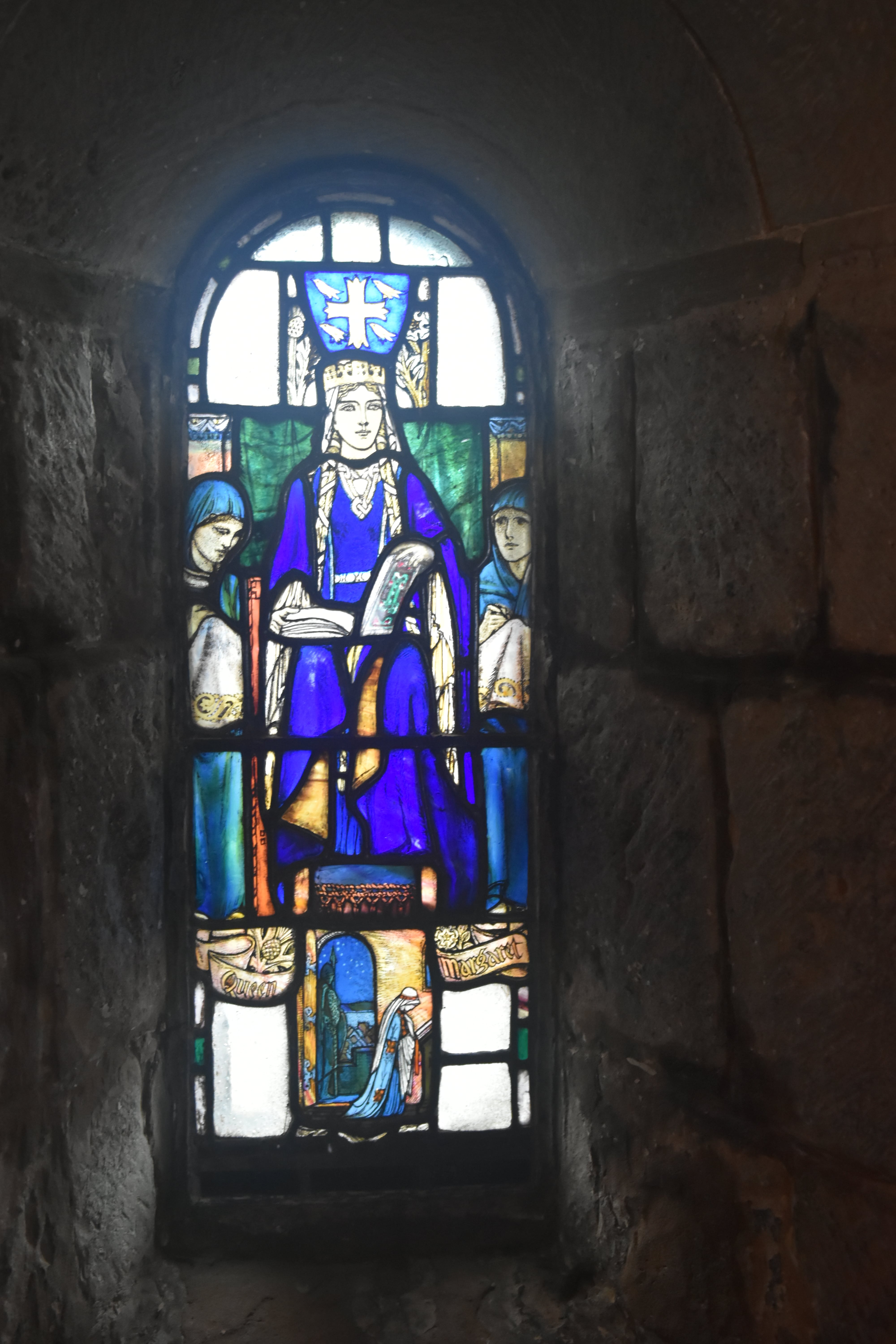


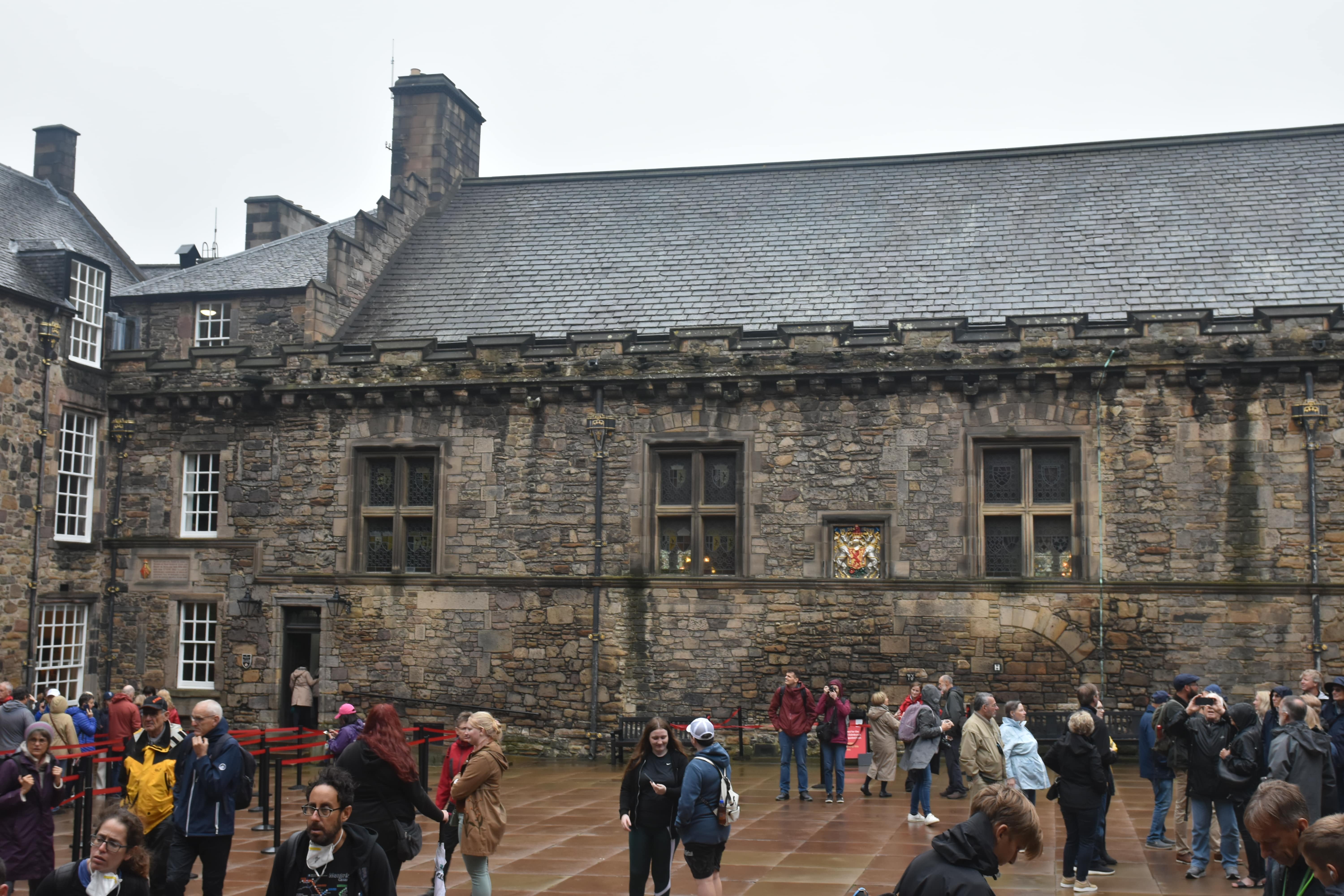


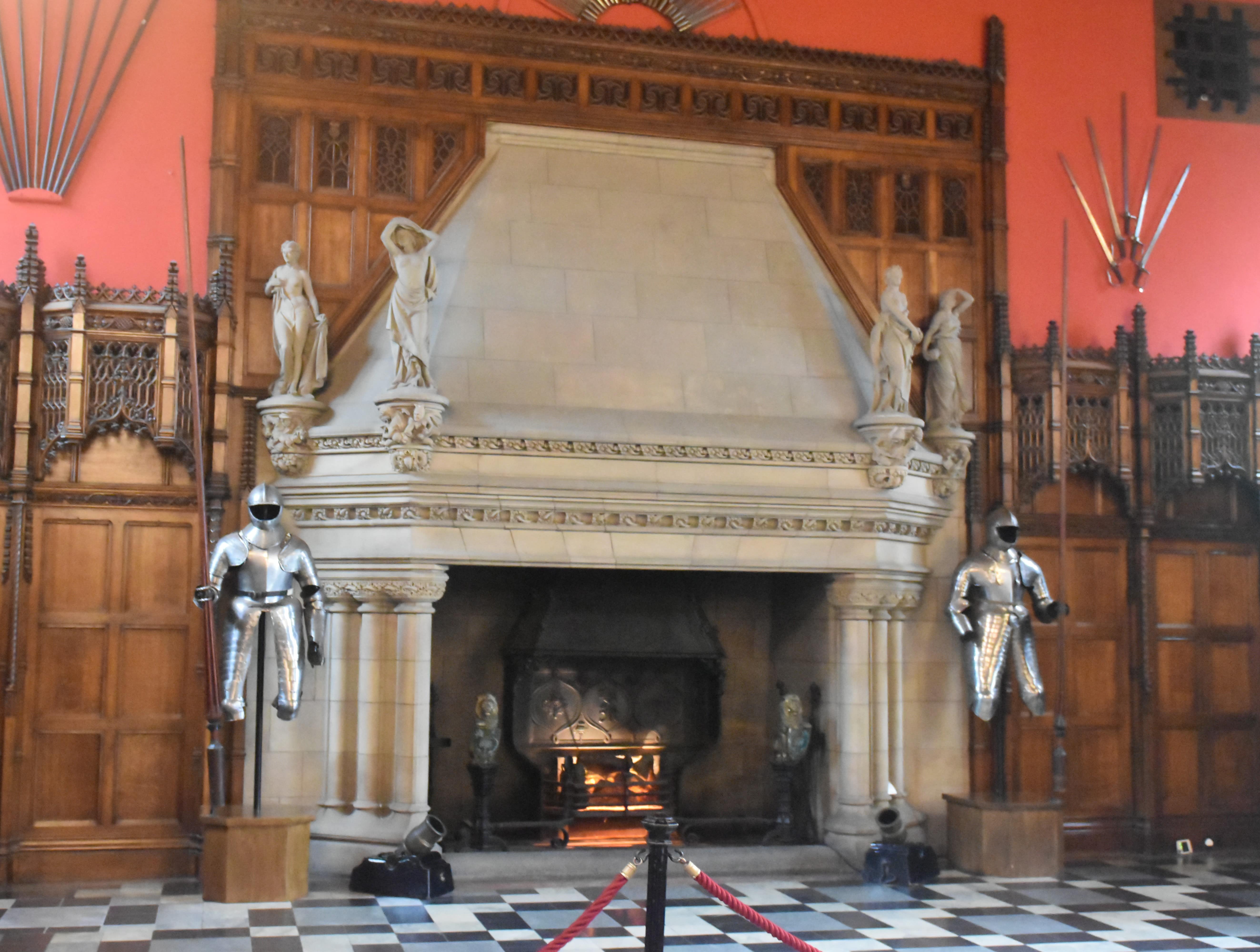

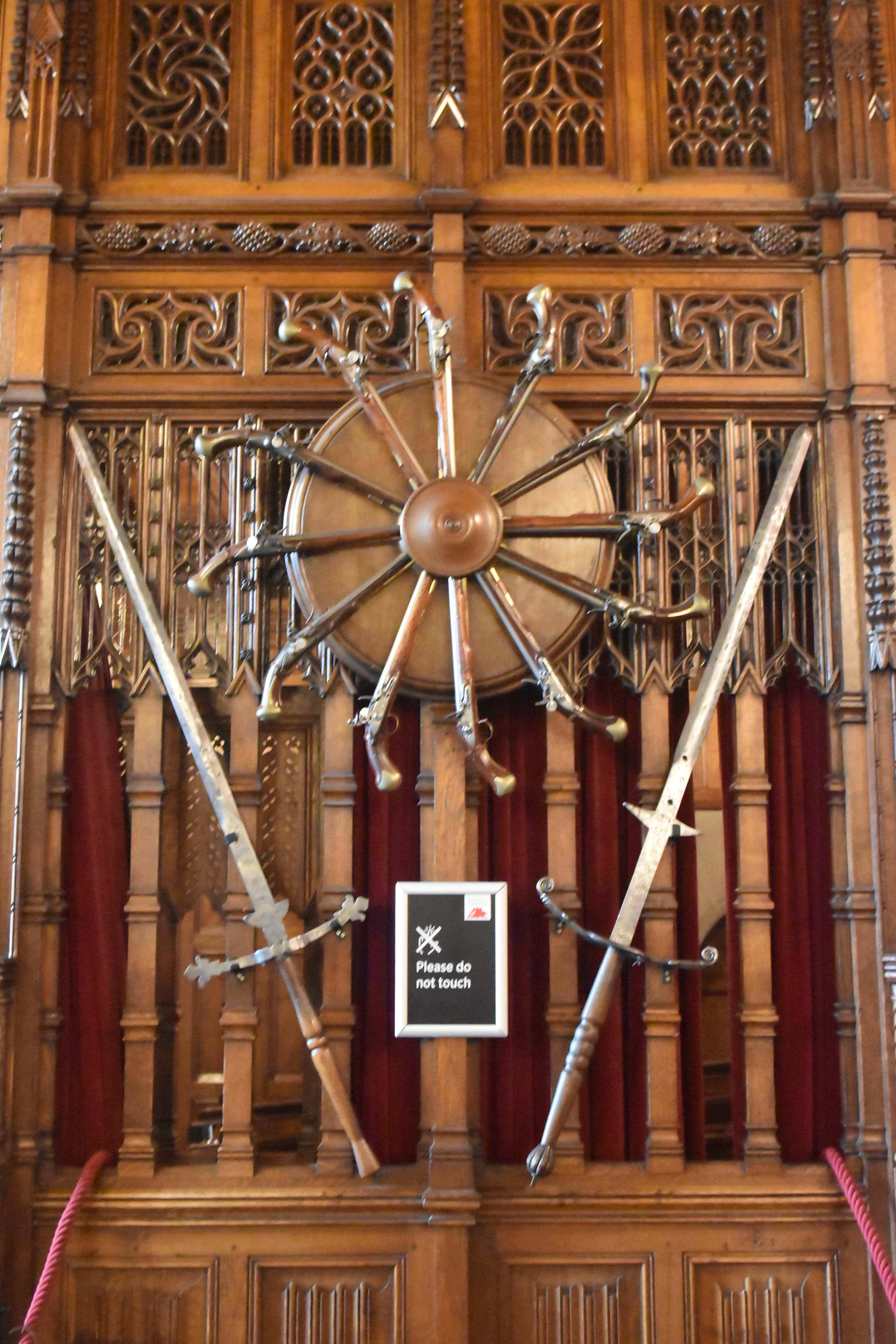

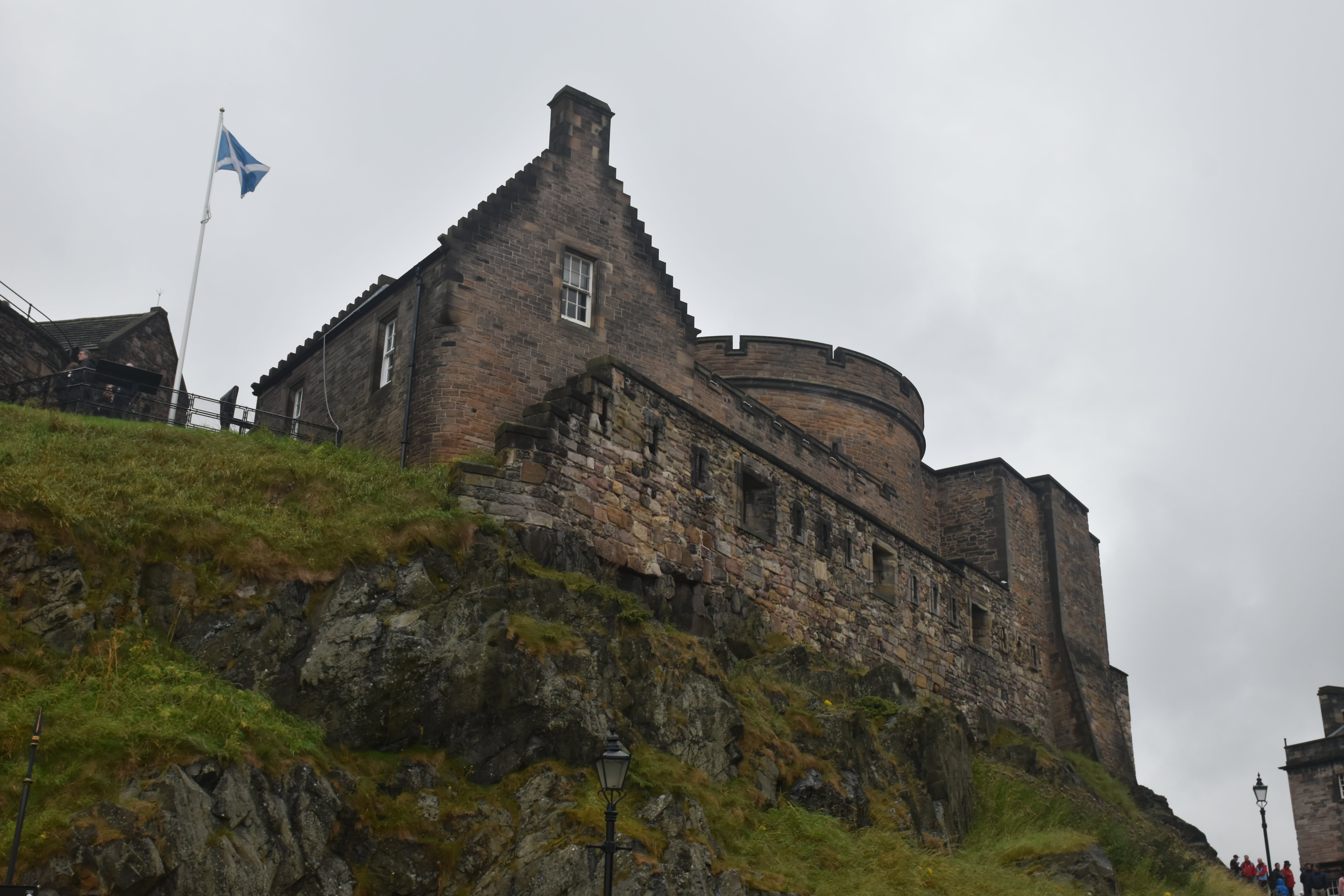

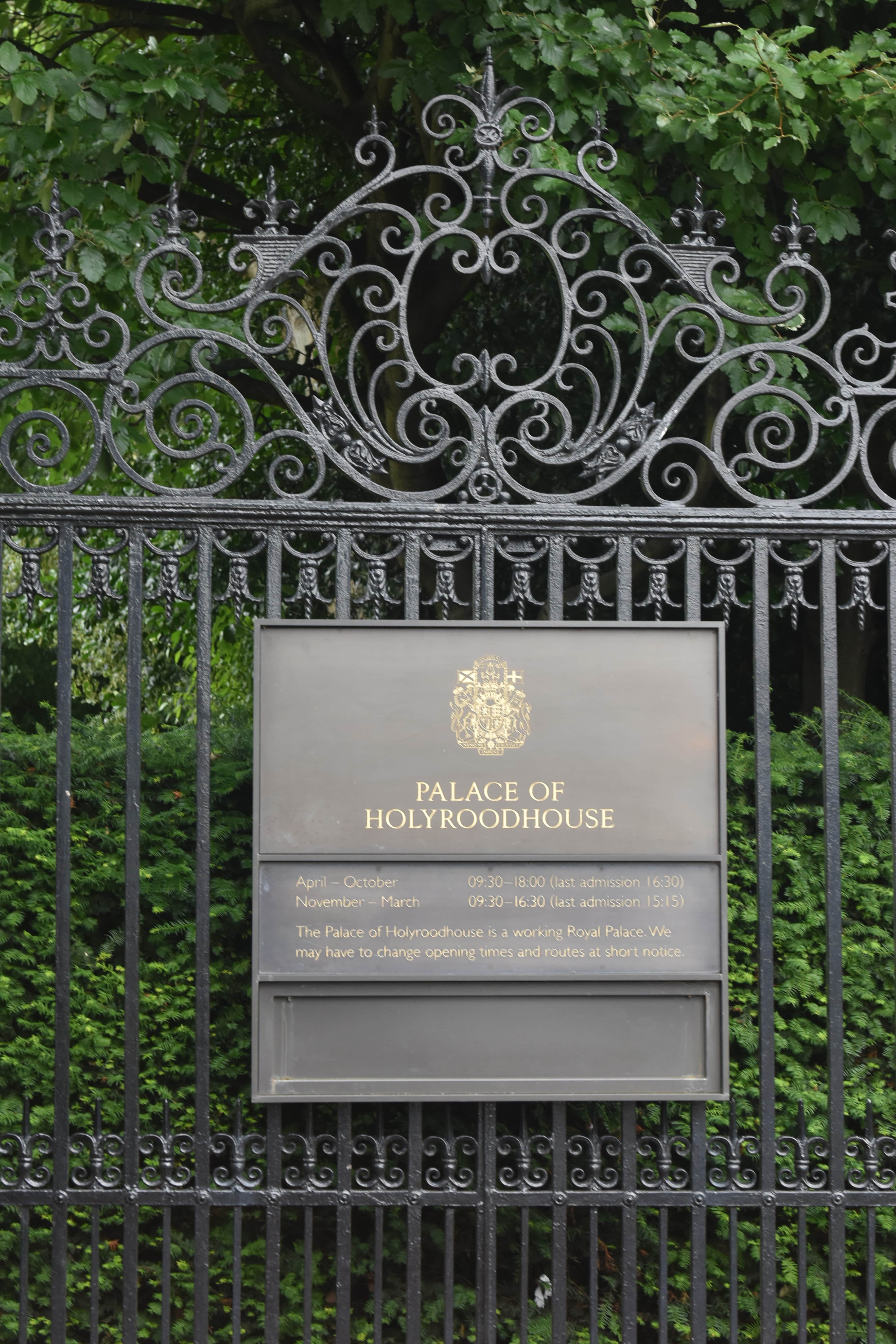
Following the visit to the castle, Clare and I walked the Royal Mile from Edinburgh Castle to the Holyrood Palace which derives its name from being the traditional processional route of monarchs from the palace to the castle.
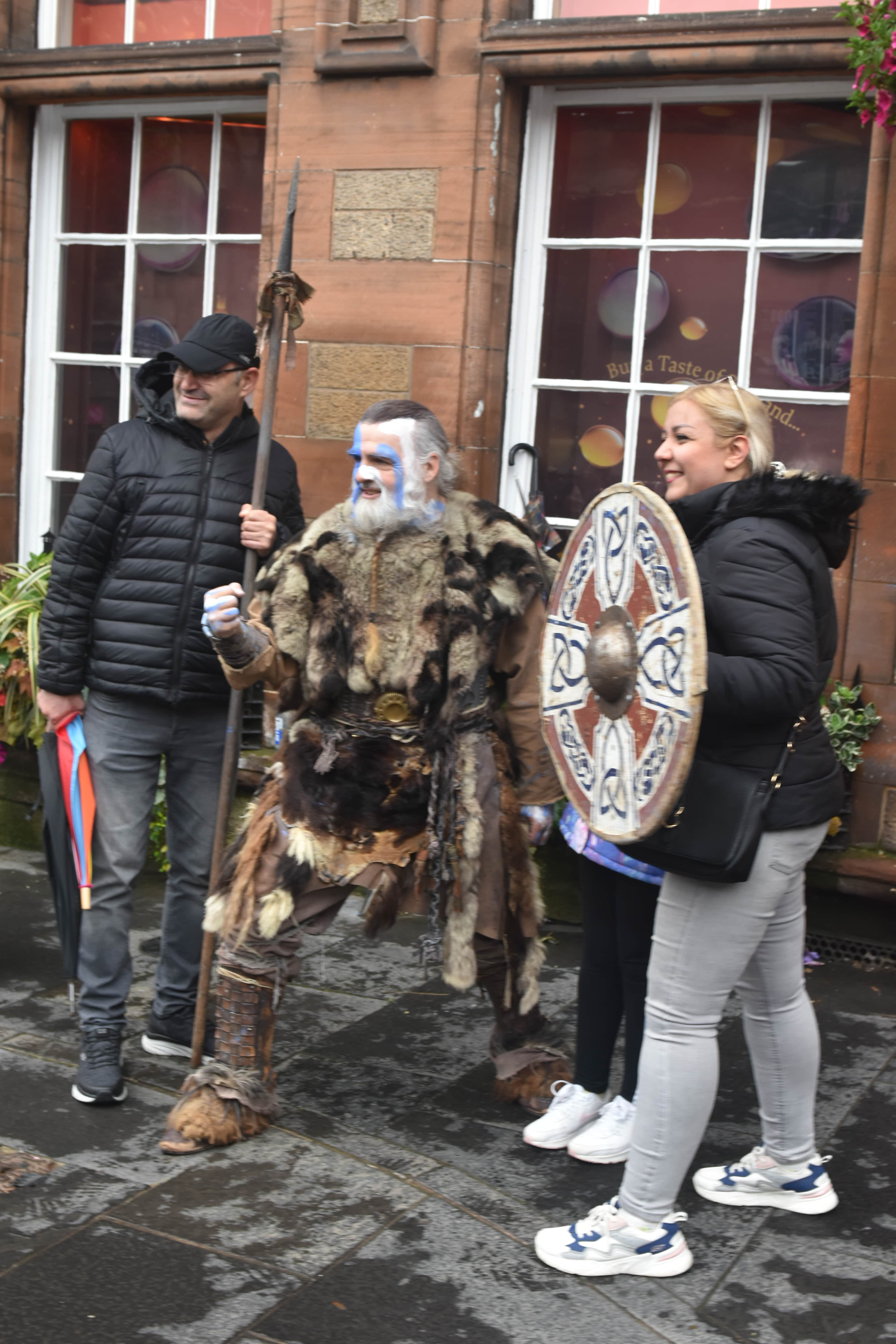
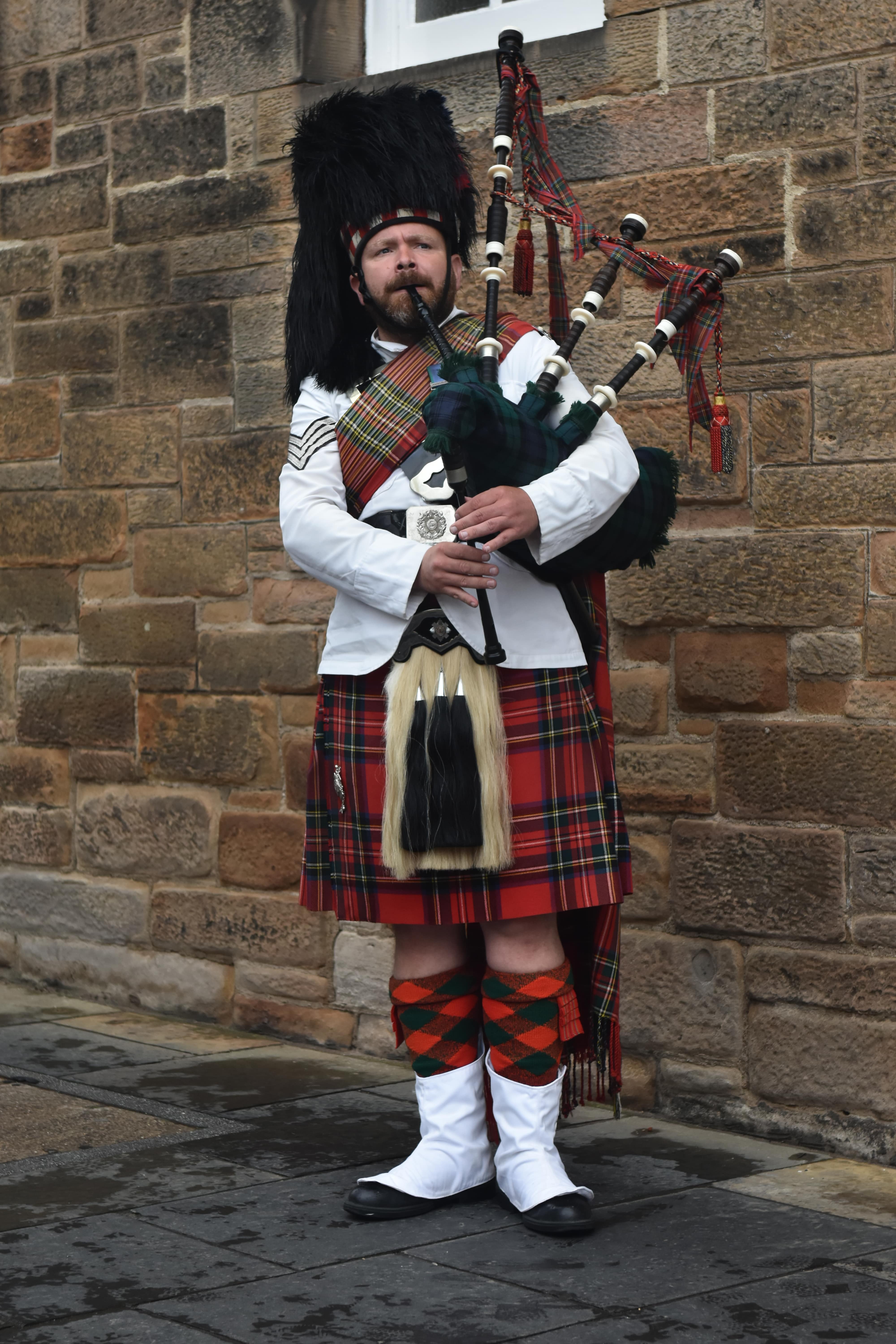

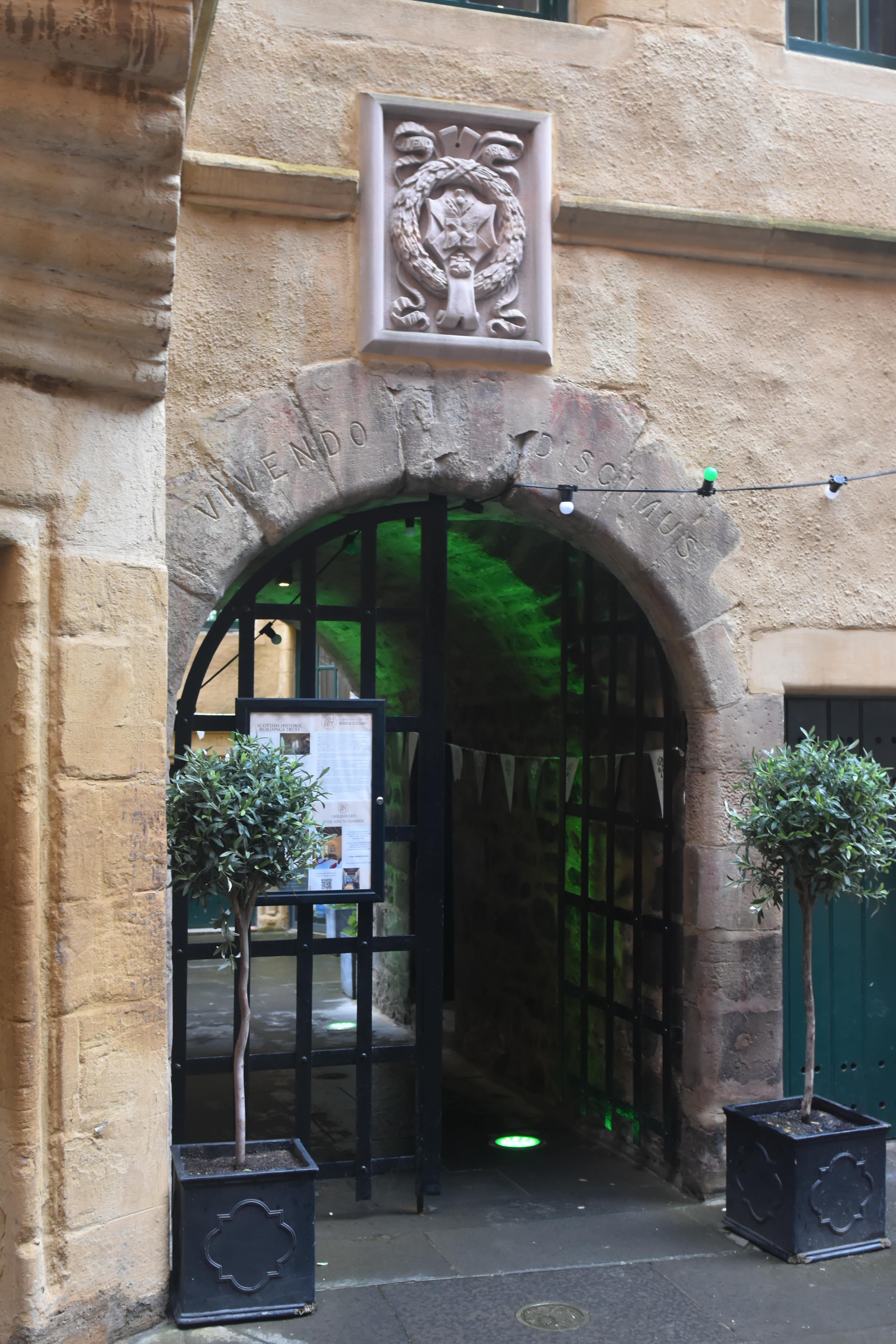


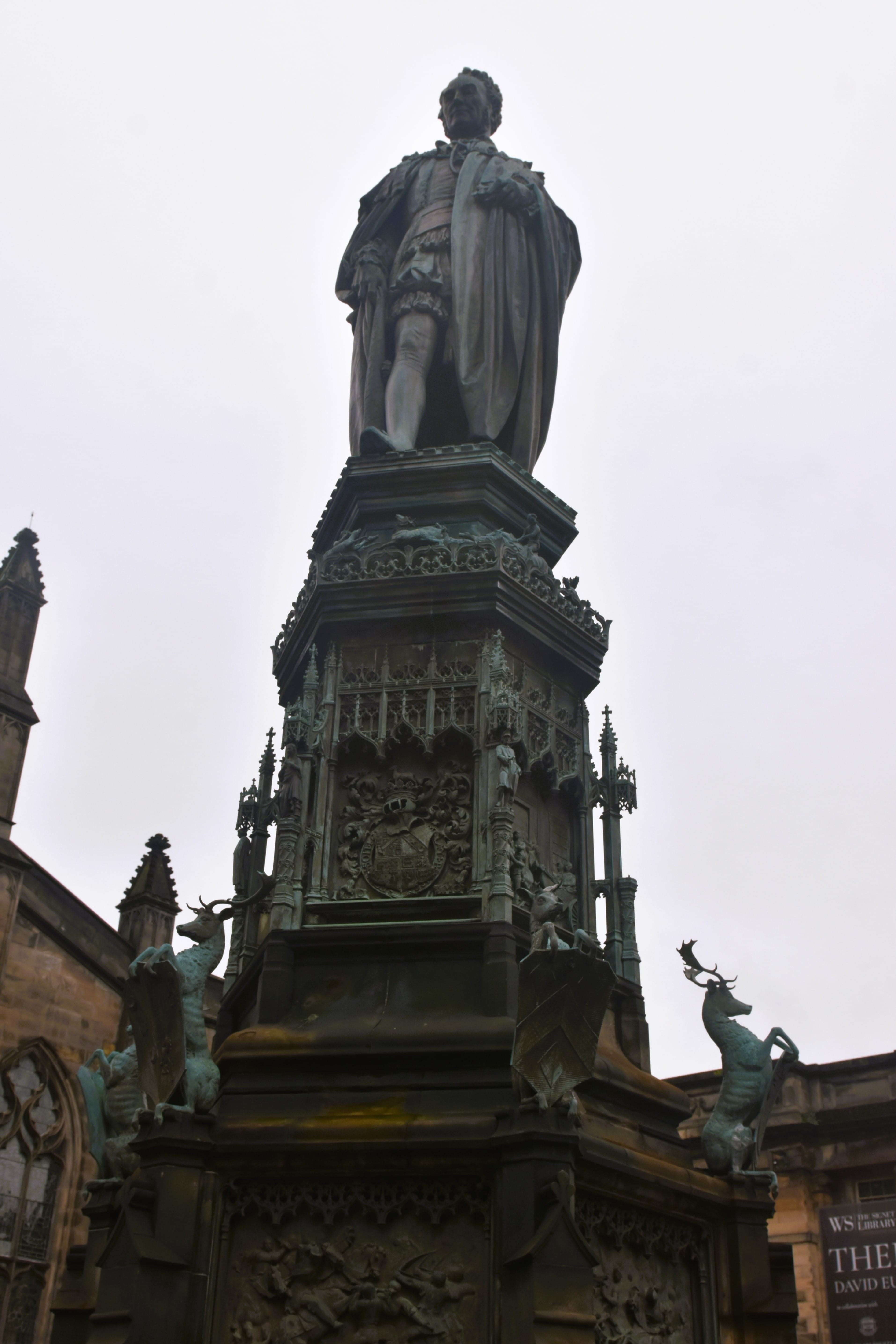
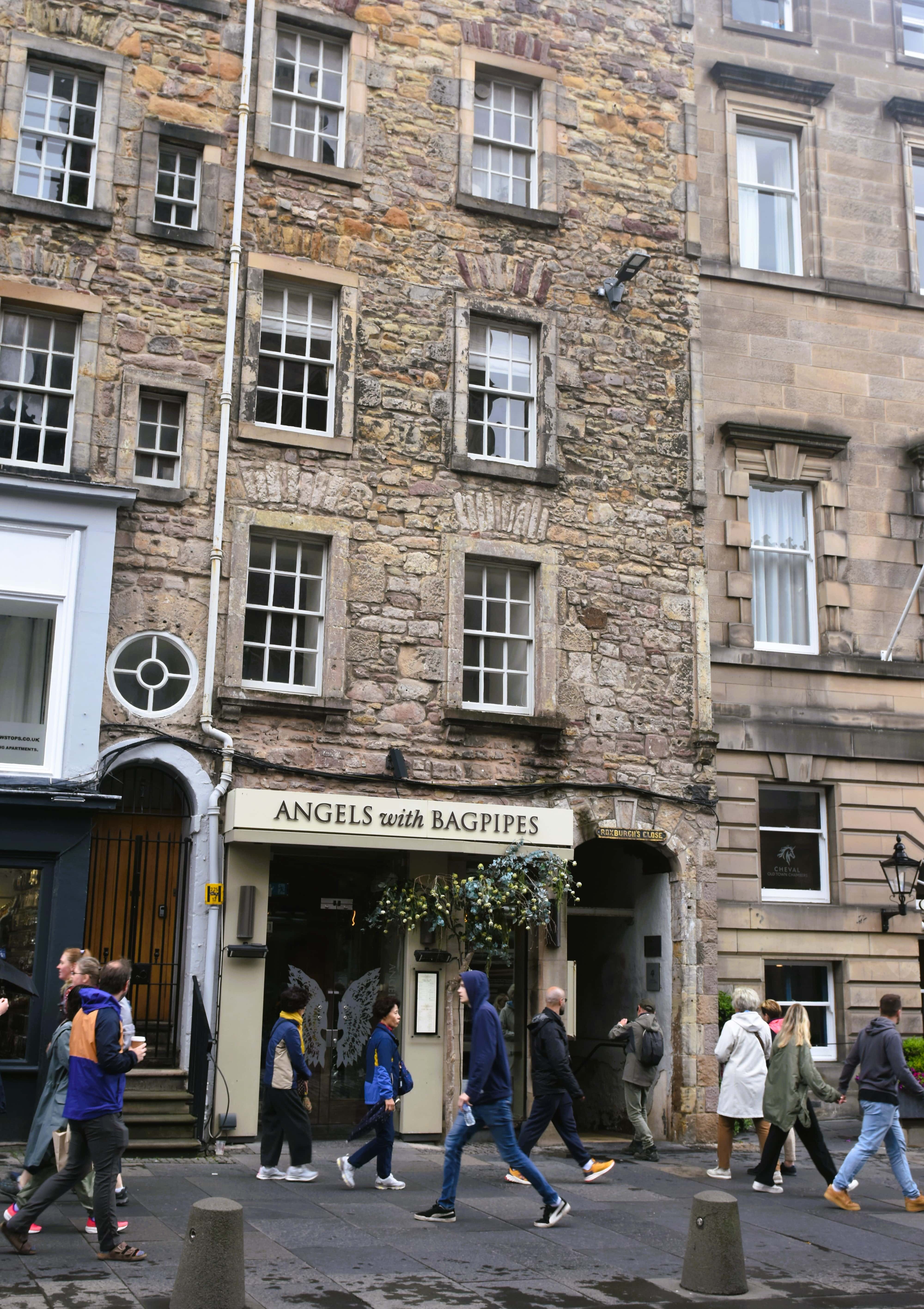
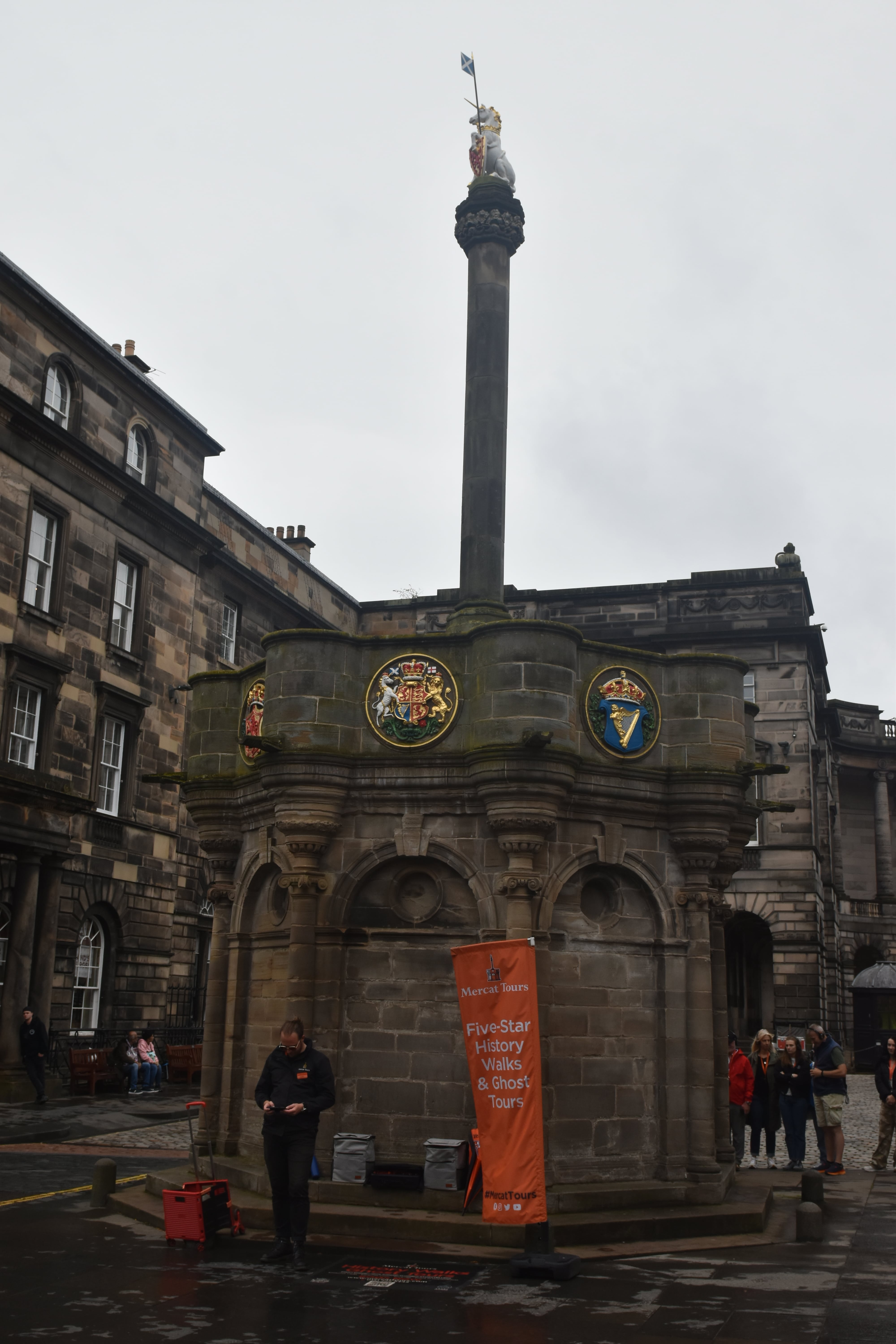

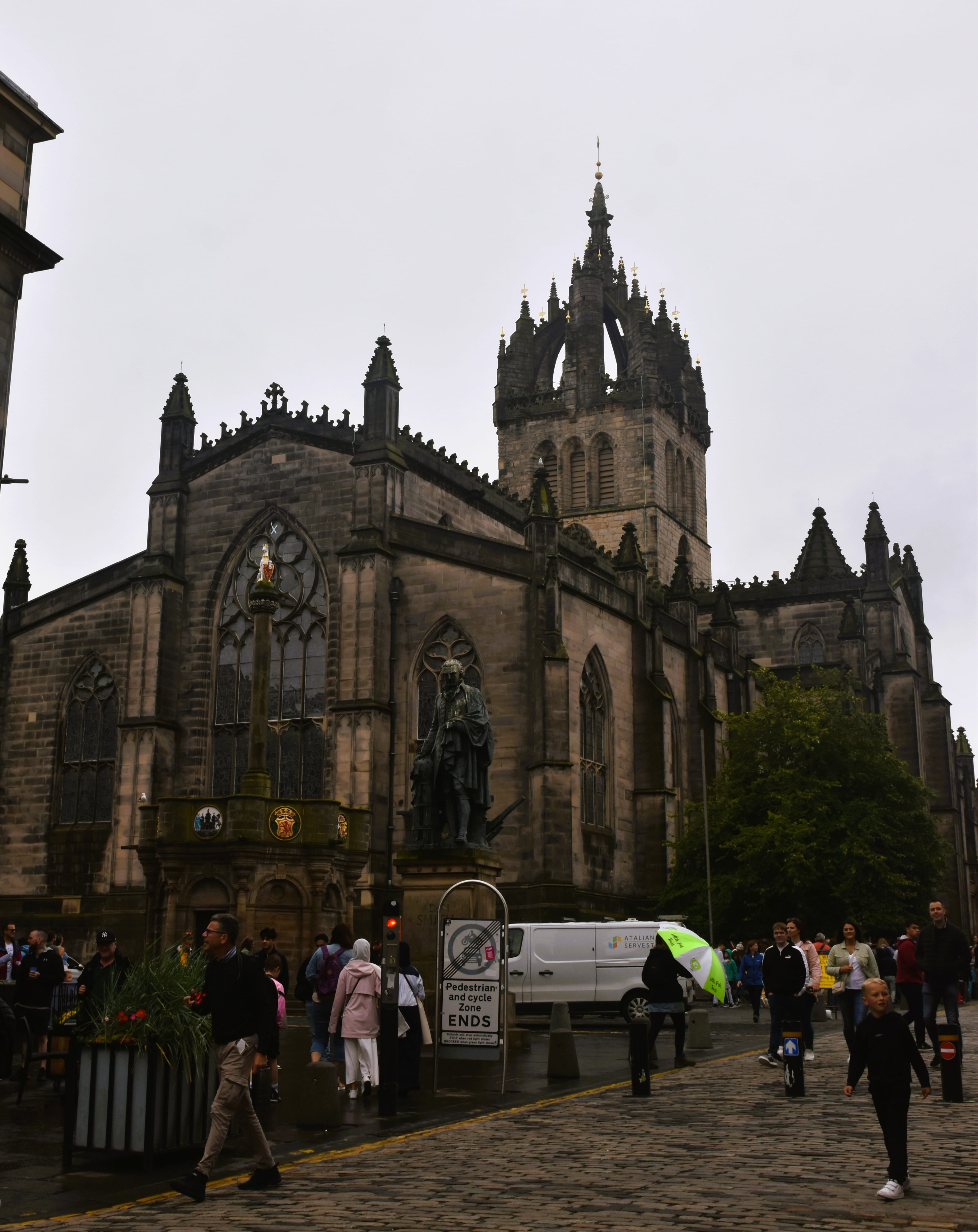


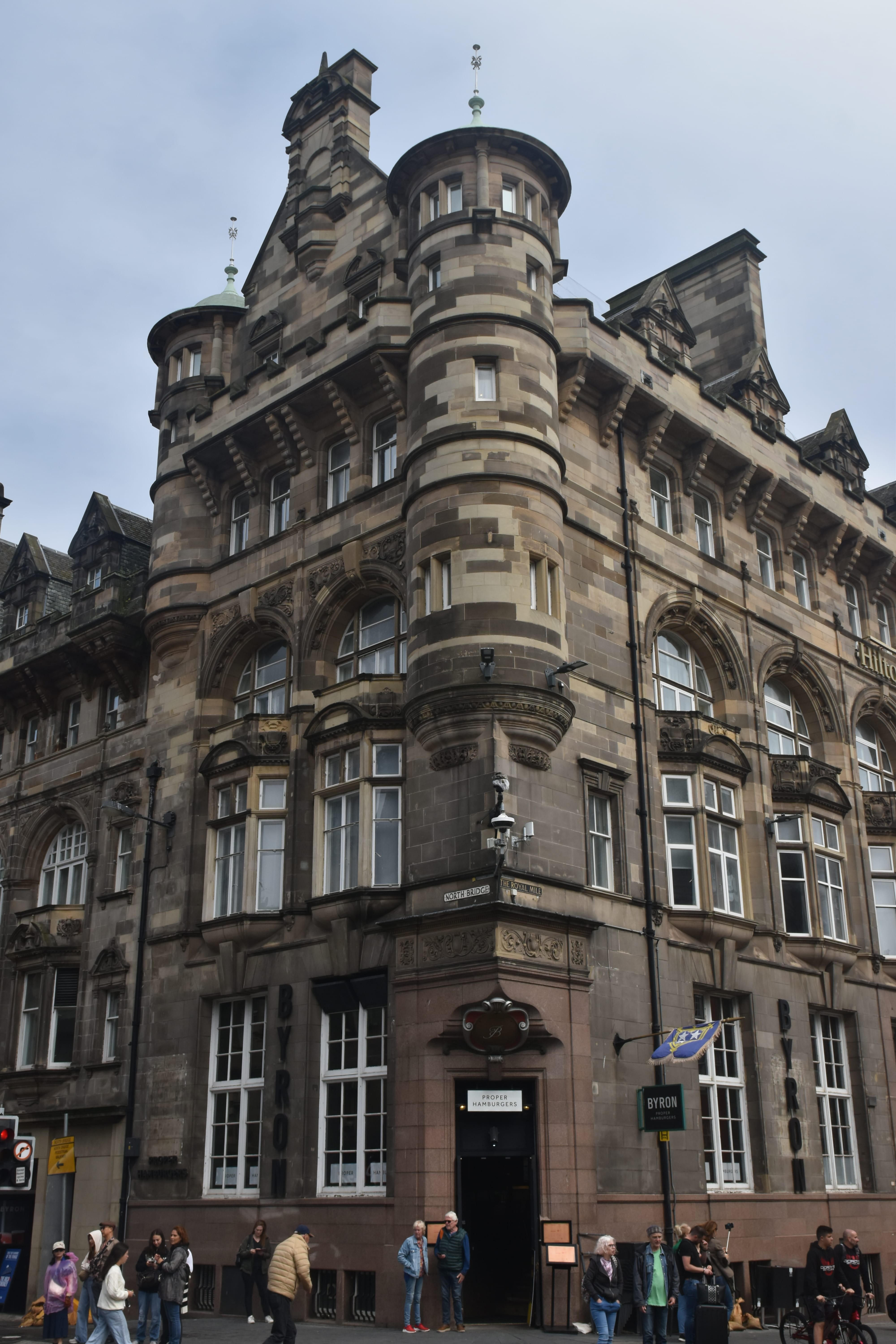

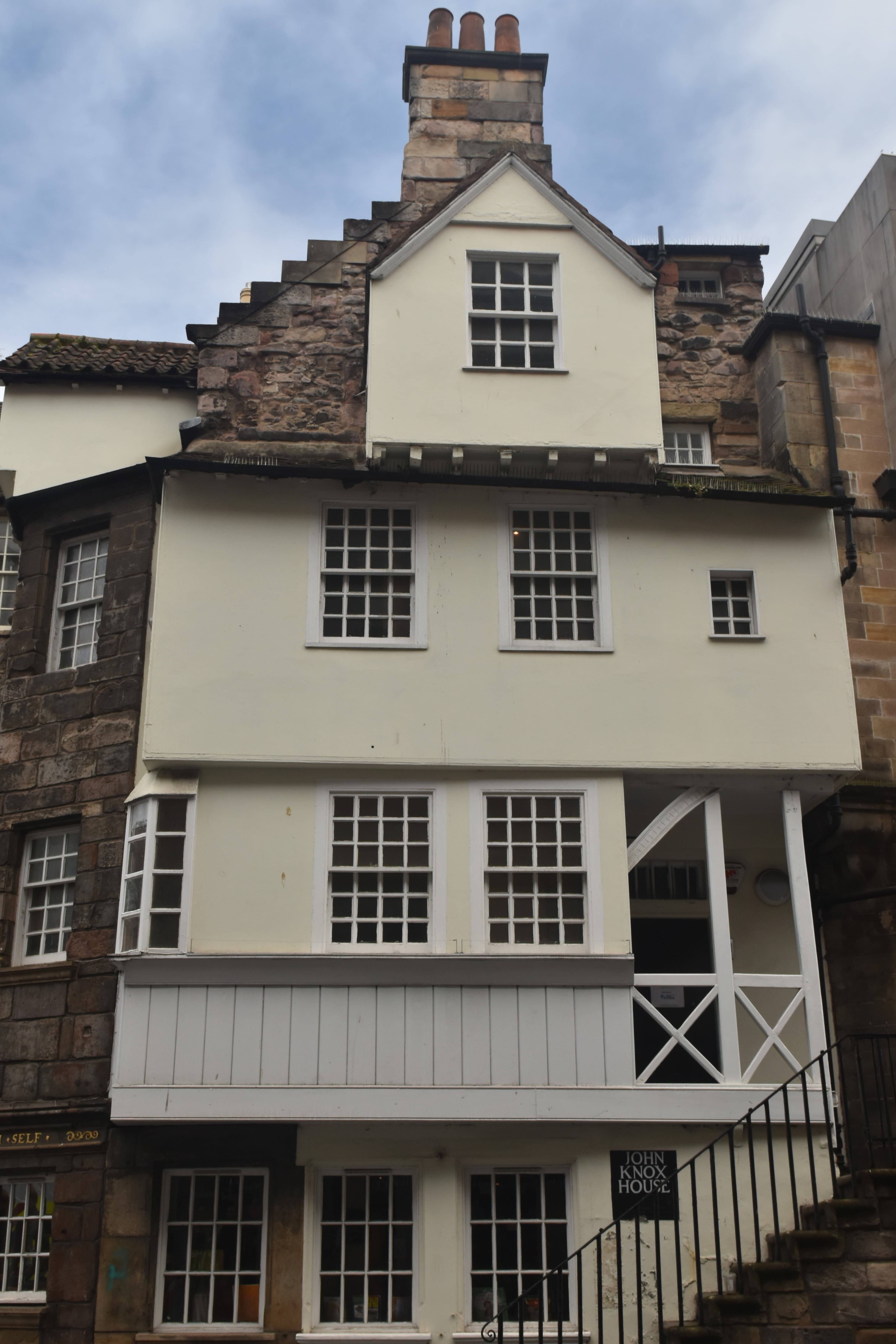


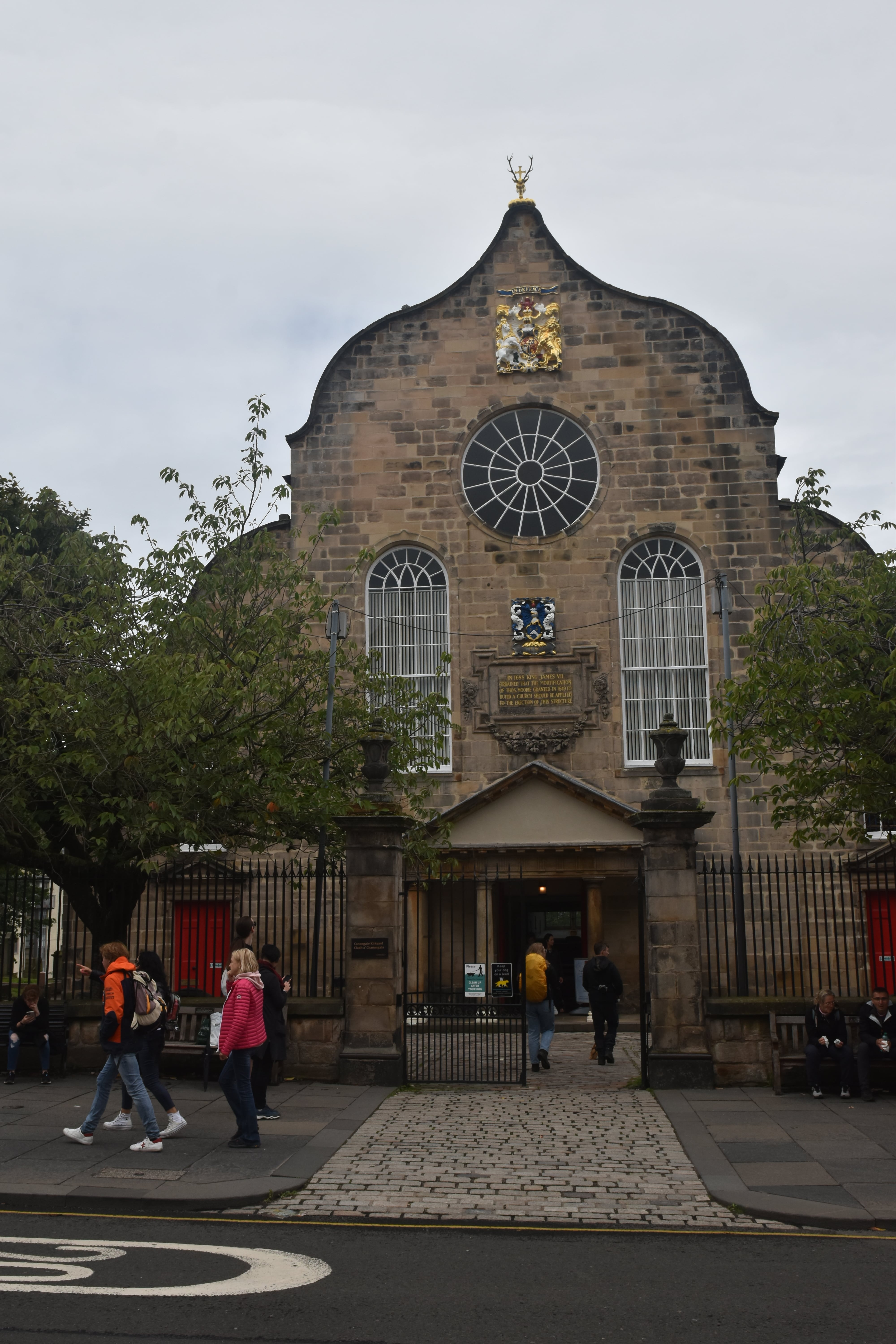

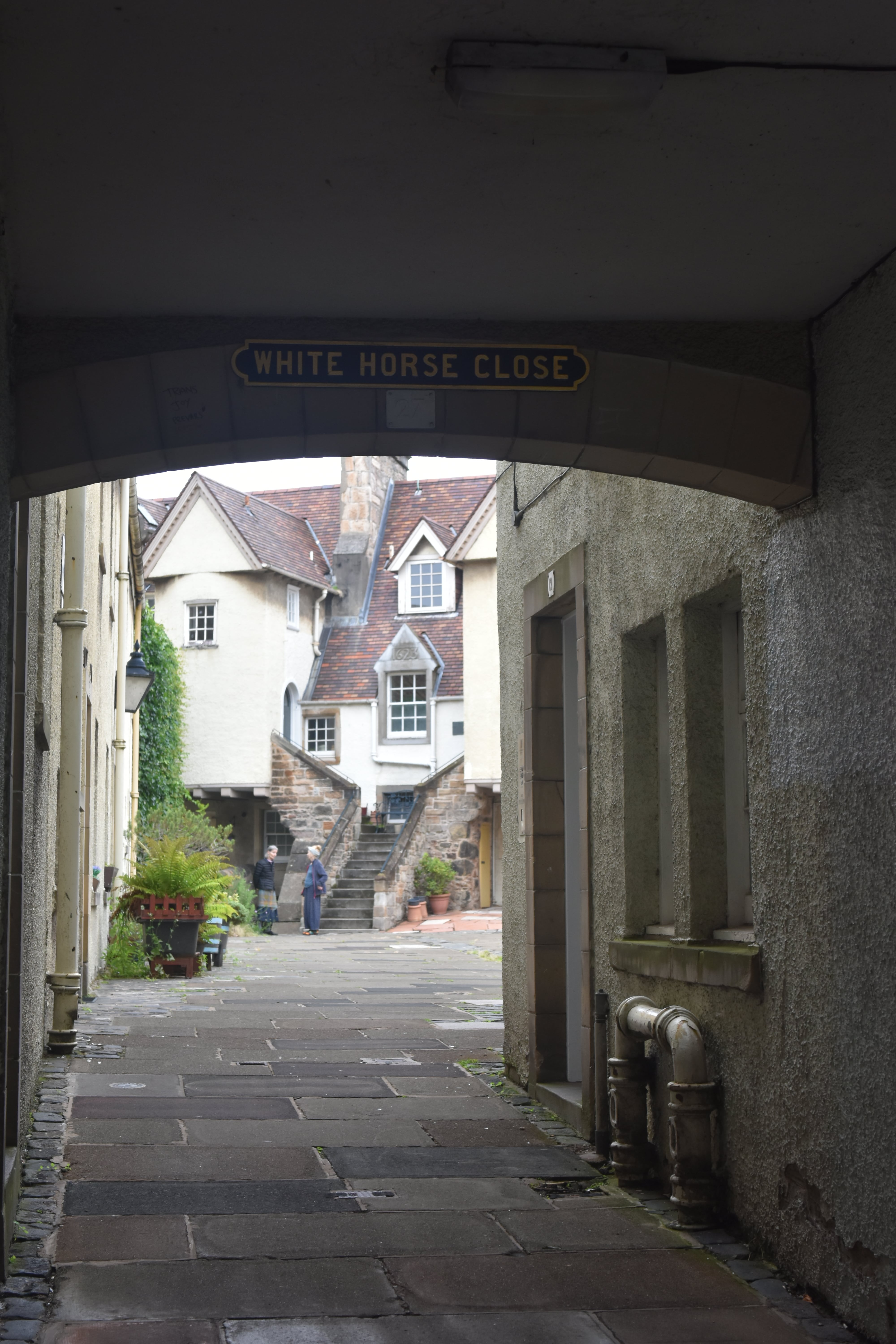

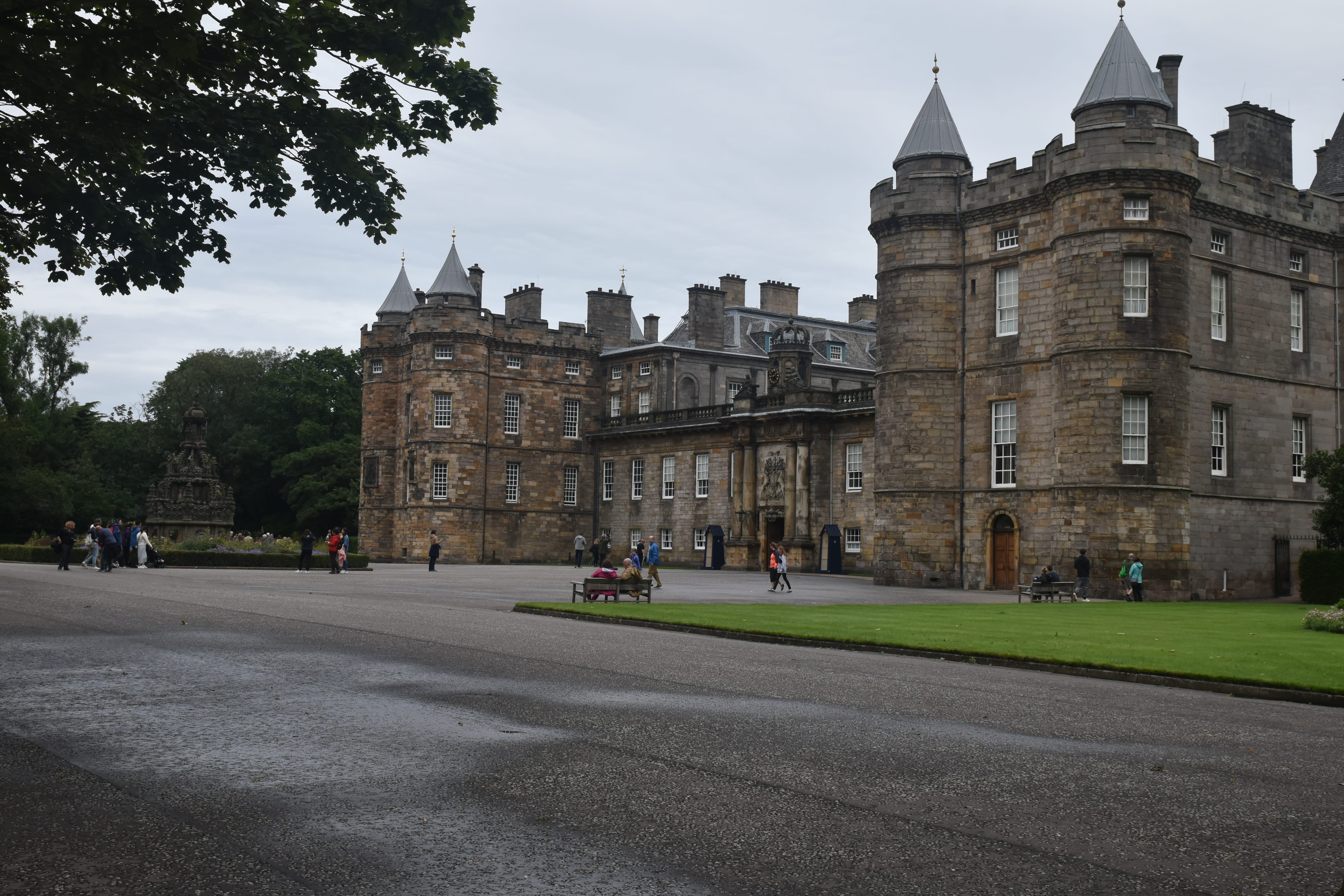


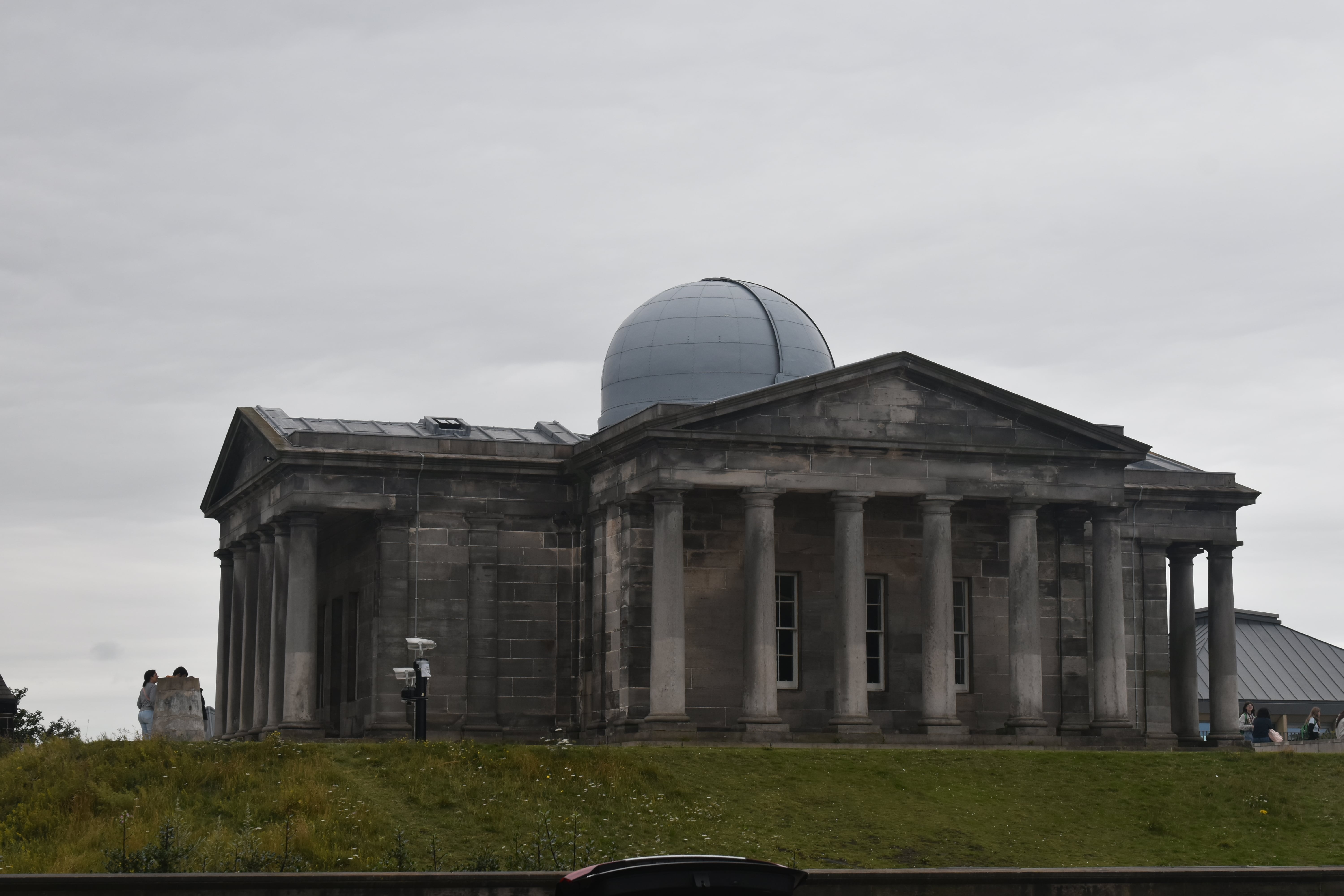
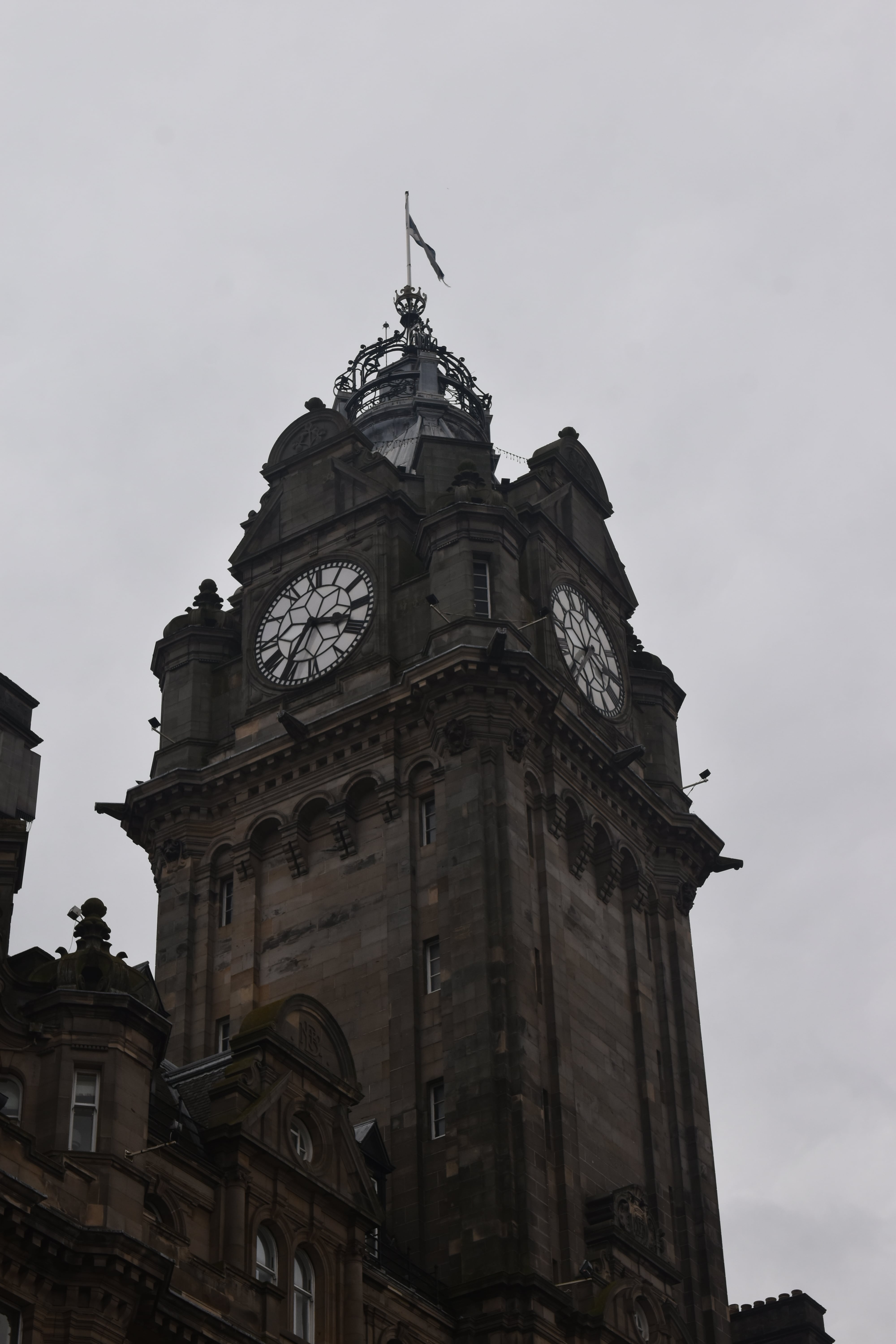
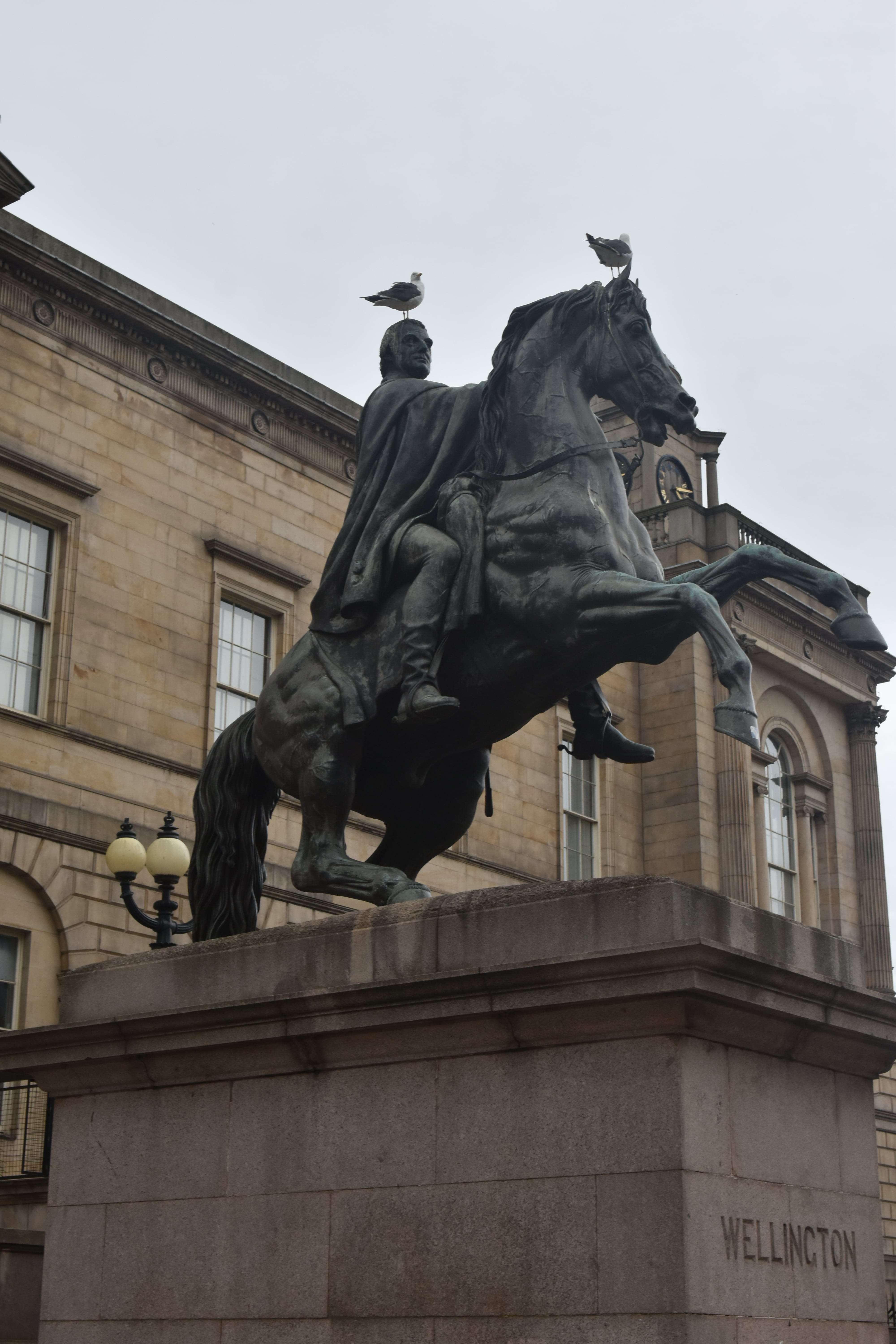
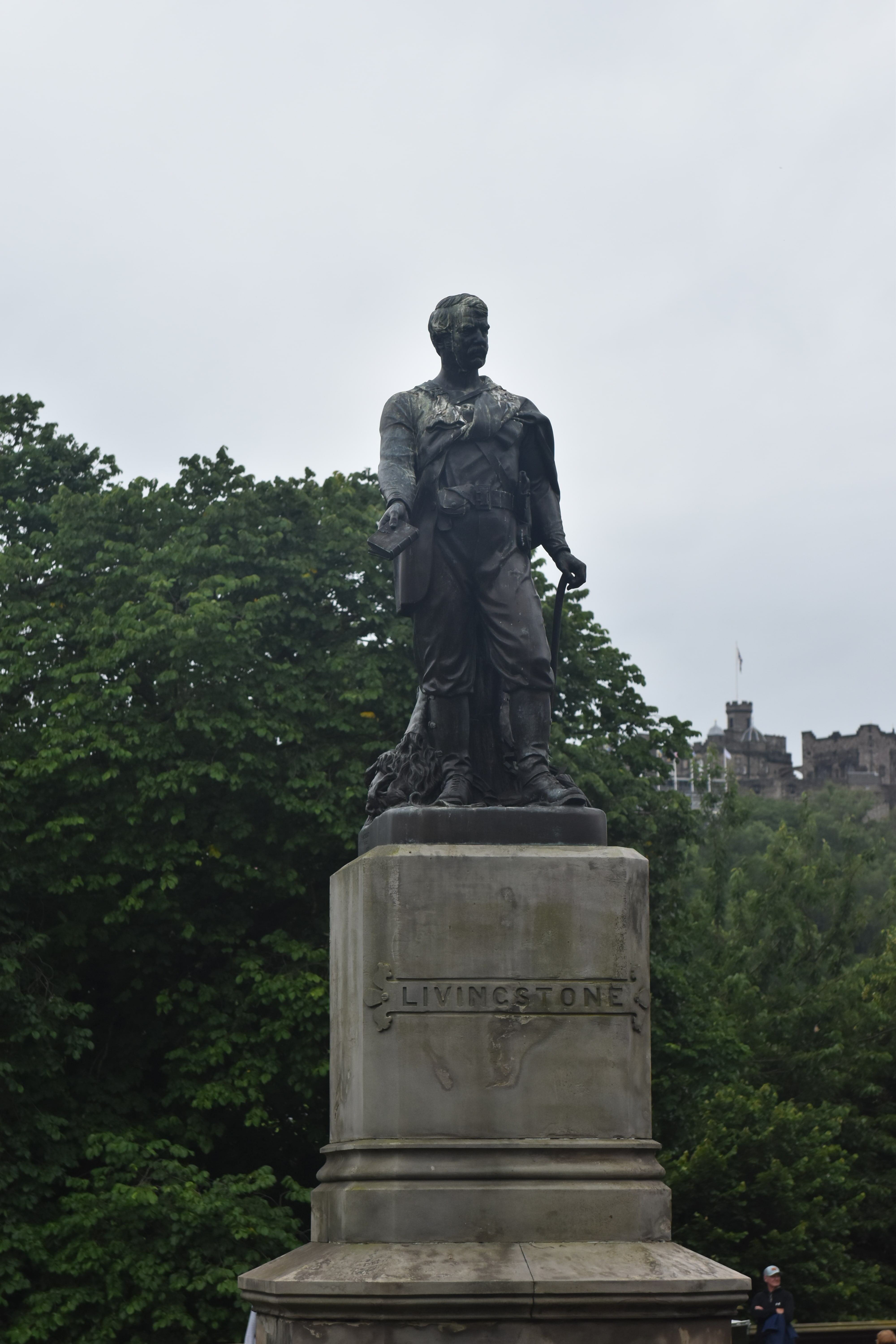
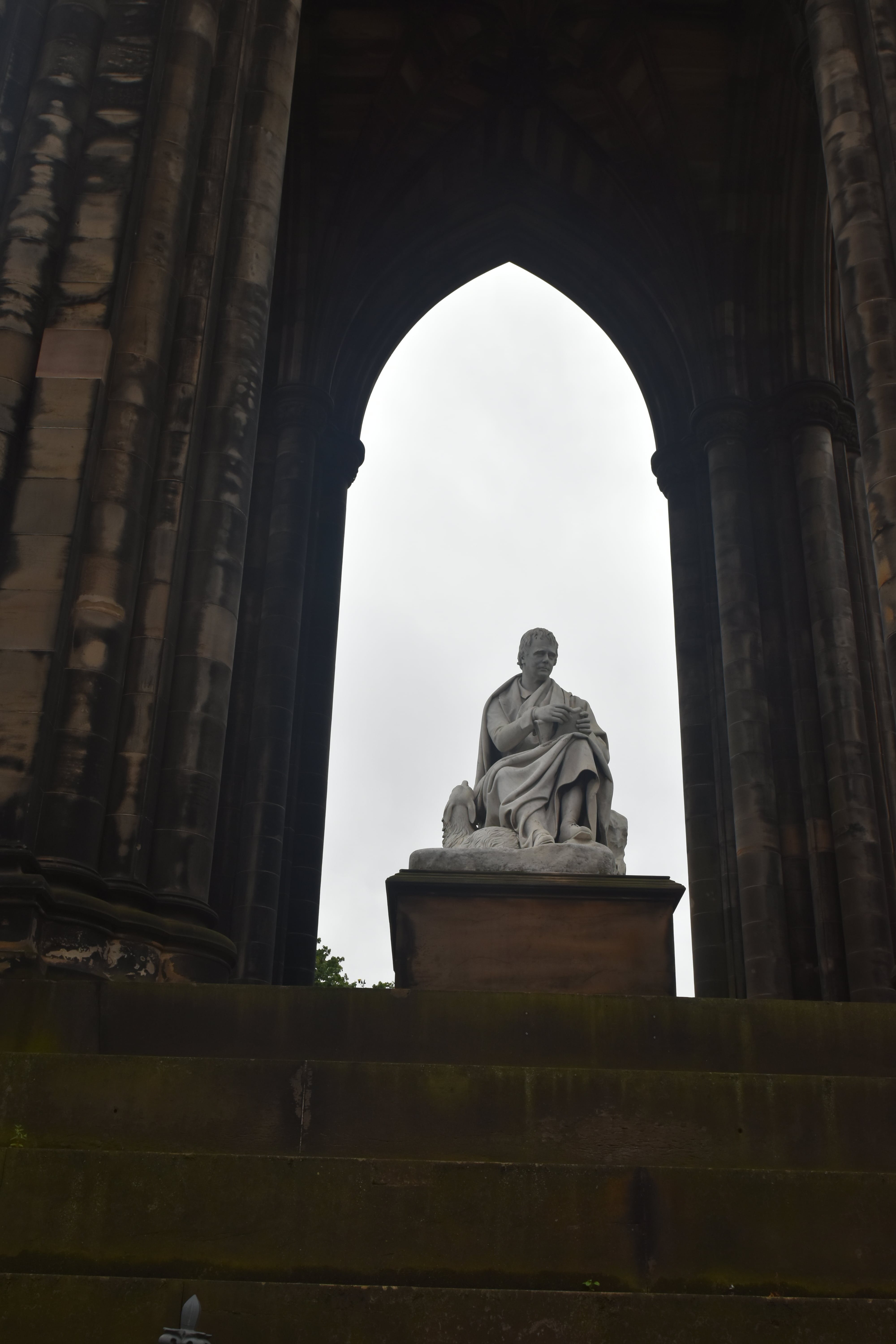
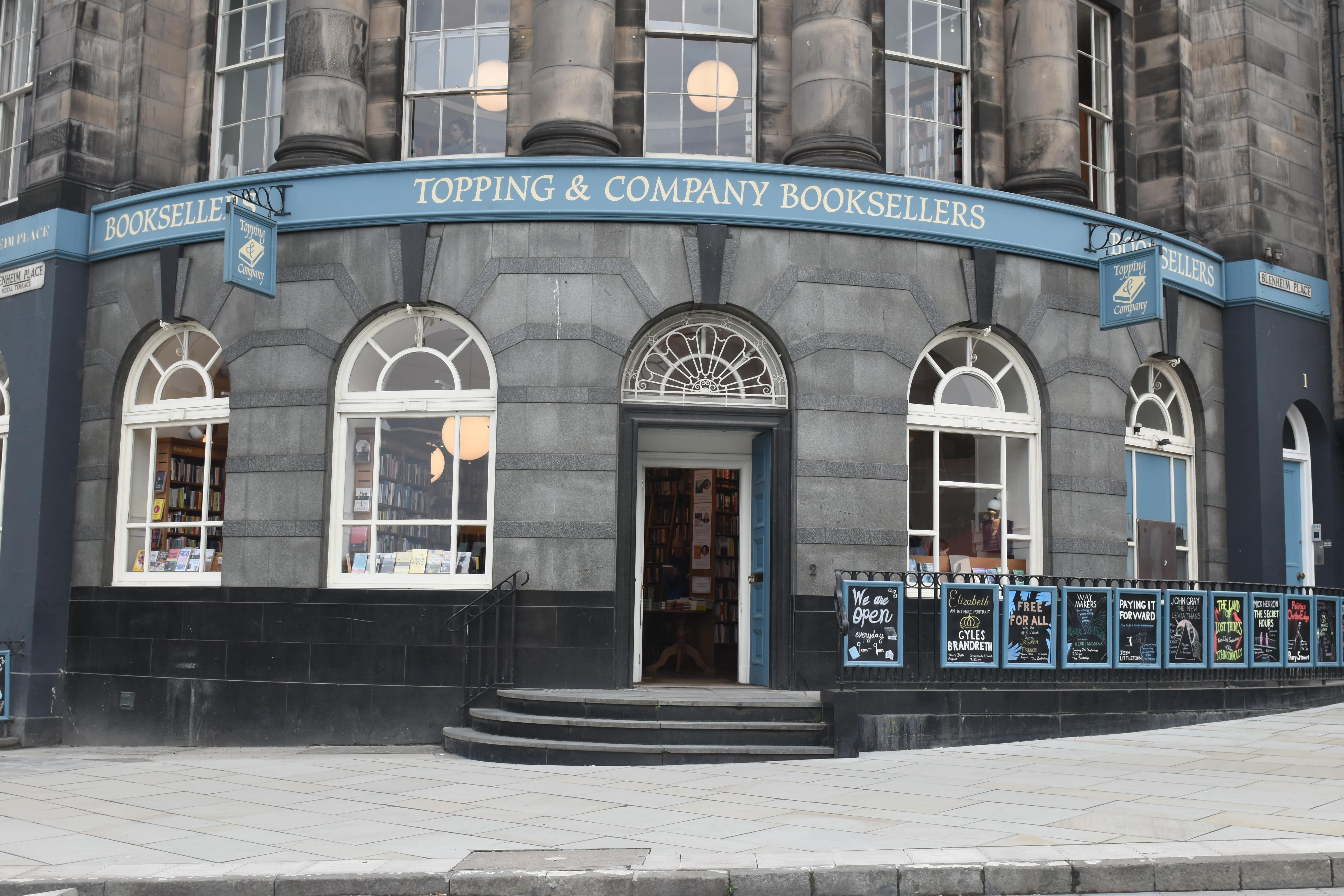
I hadn’t had enough so I climbed up to Calton Hill for the wonderful view of Edinburgh and walked down Princess and Waterloo Streets to finish off my tour of Scotland just in front of one of Margaret’s favorite bookstores. It was a tremendous trip with many memories that I shall not soon forget.







 Marc's Travels

Marc
You are a treasure This is just so well done! We cannot thank you enough for your generosity
LikeLike
What a splendid recap of the whole journey, and with such memory-evoking photos. THNAK YOU! THANK YOU!
LikeLike
Thank you. Very enjoyable and thorough. Heading off in late August 2024 for the same trip. Hoping the midges are not too bothersome.
LikeLike